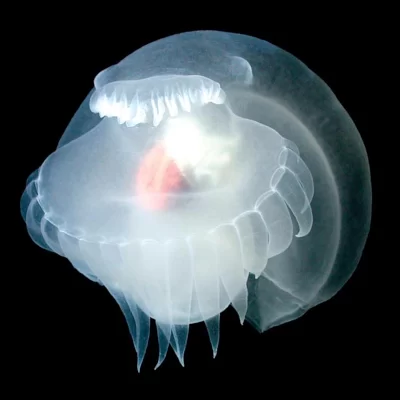
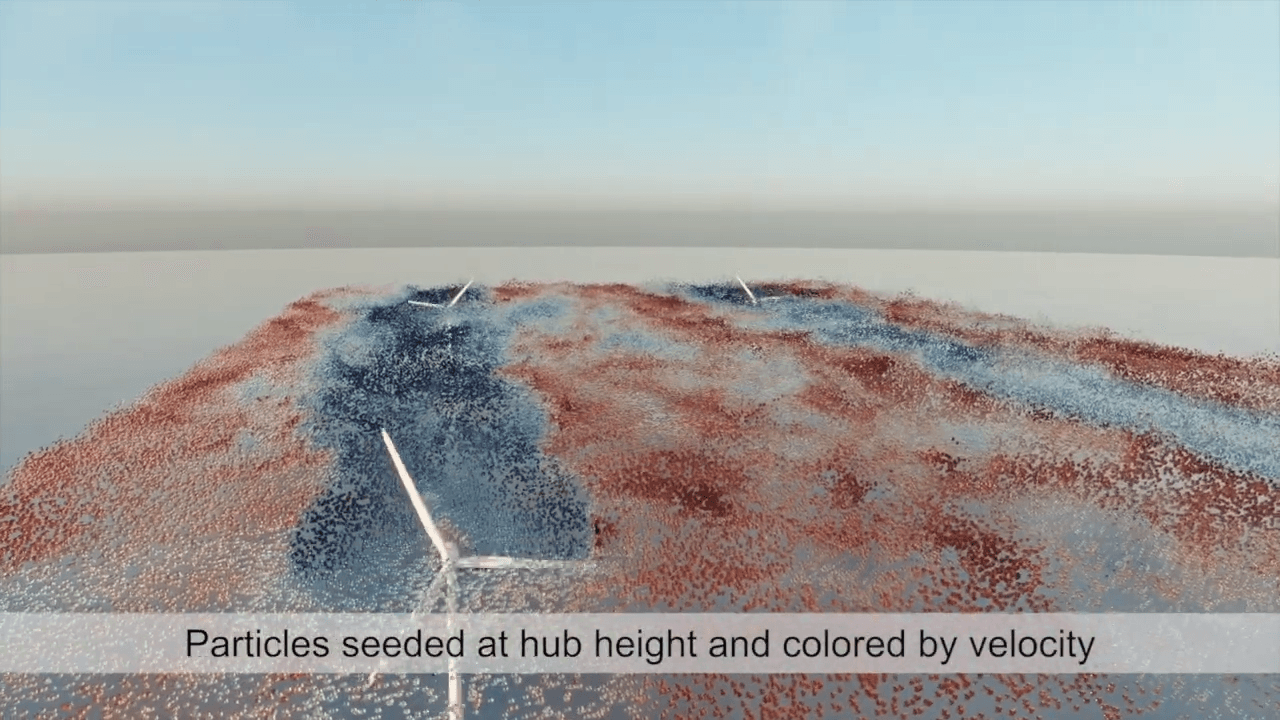
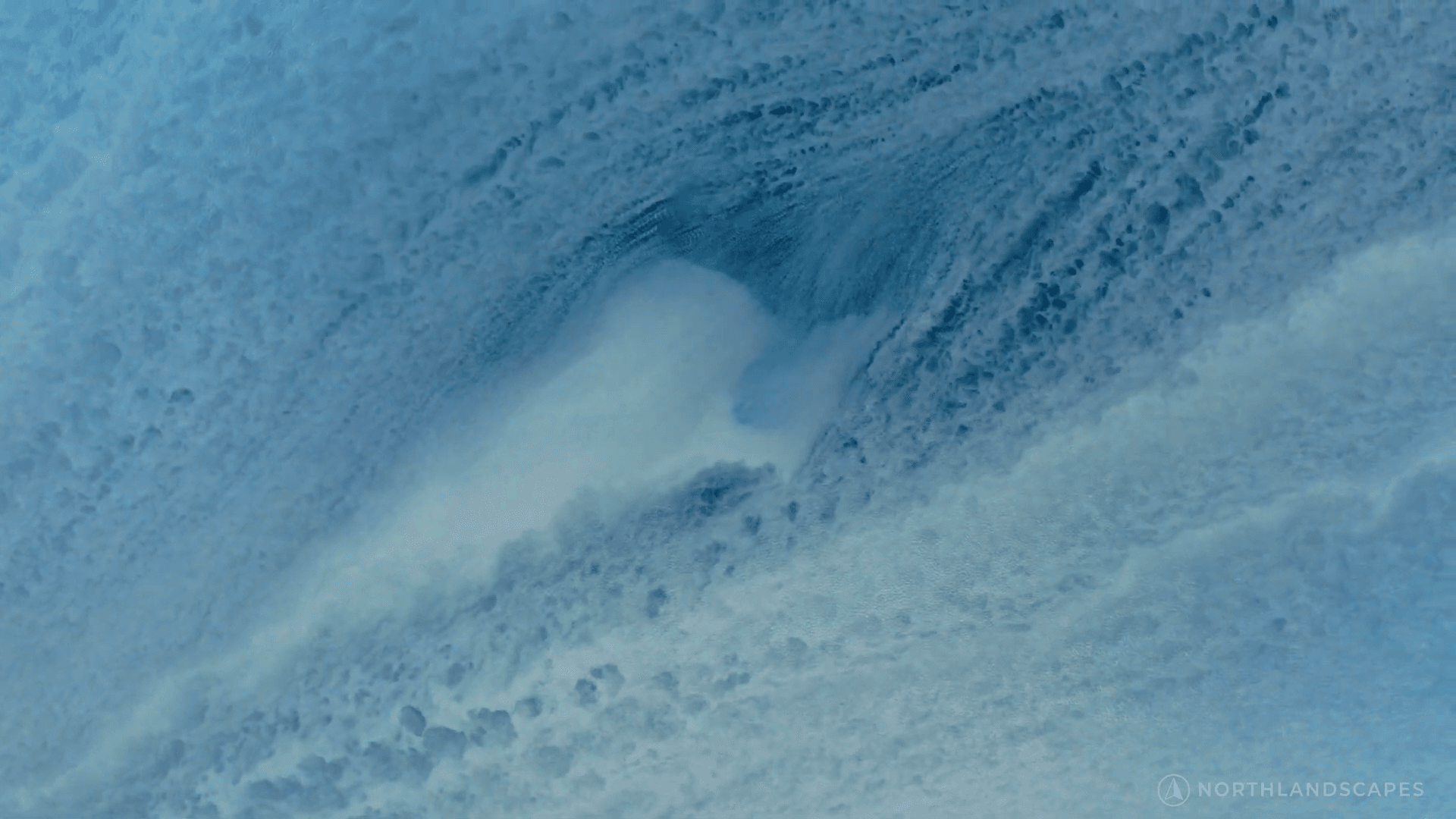
Large-scale computational fluid dynamics simulations face many challenges. Among them is the need to capture both large physical scales–like those of Earth’s atmospheric boundary layer–and small scales–like those of tiny eddies moving around a wind-turbine blade. Capturing all of these scales for a problem like four wind turbines in a wind farm requires using the full computing power of every processor in a large supercomputer. That’s the level of power behind the simulation visualized in this video. The results, however, are stunning. (Video and image credit: M. da Frahan et al.)
Tag: flow visualization

“Glacial River Blues”
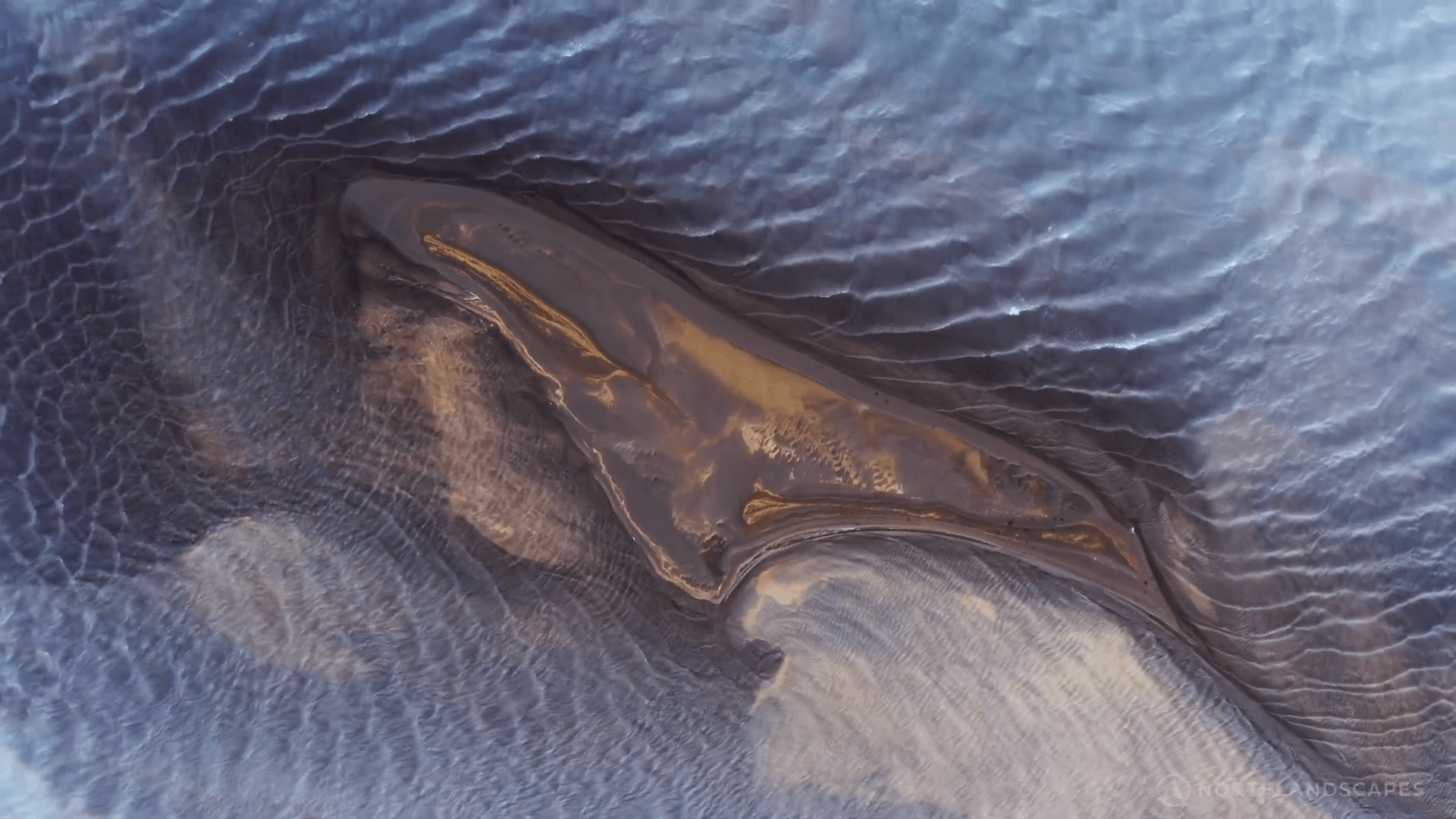
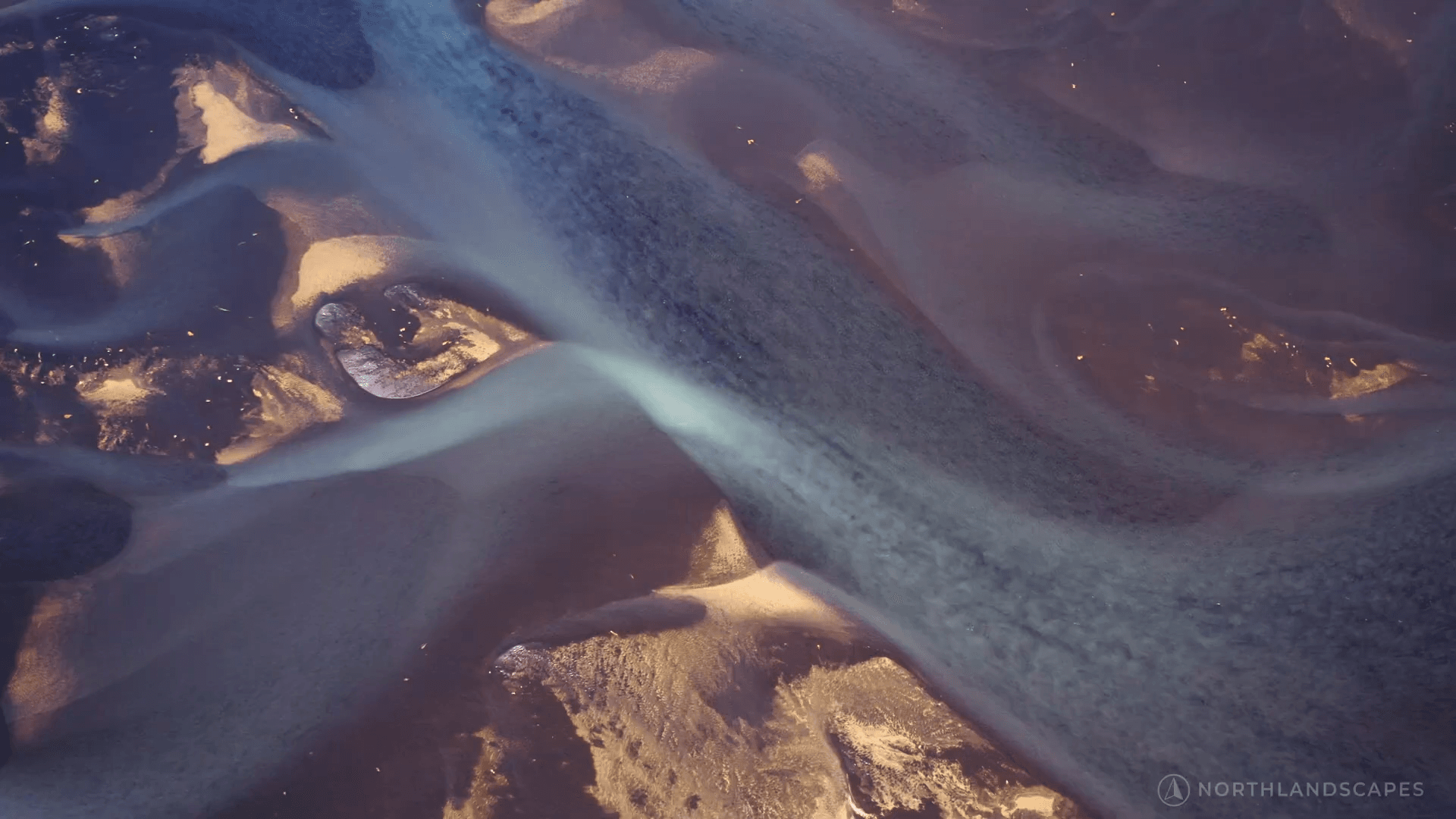
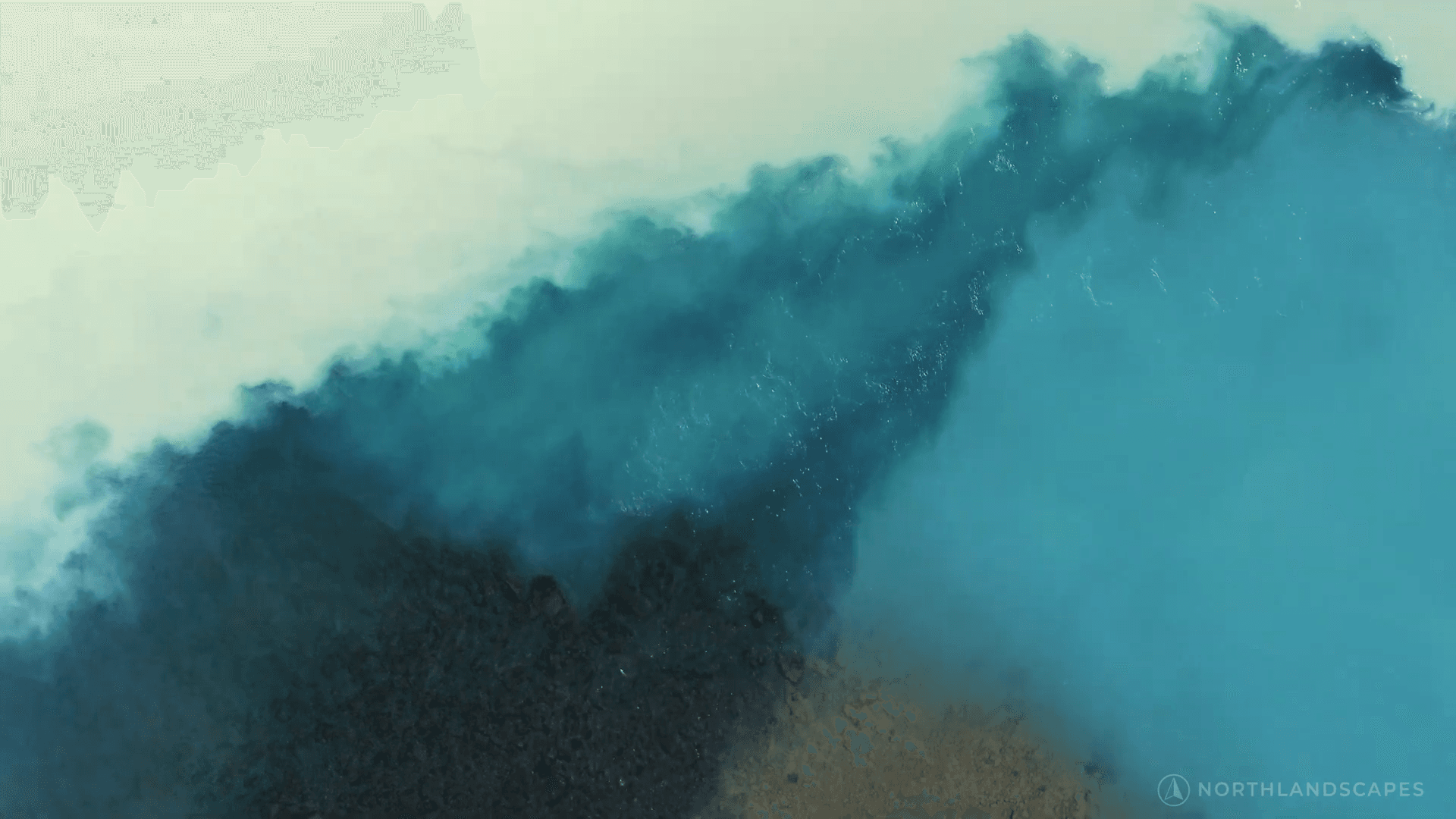
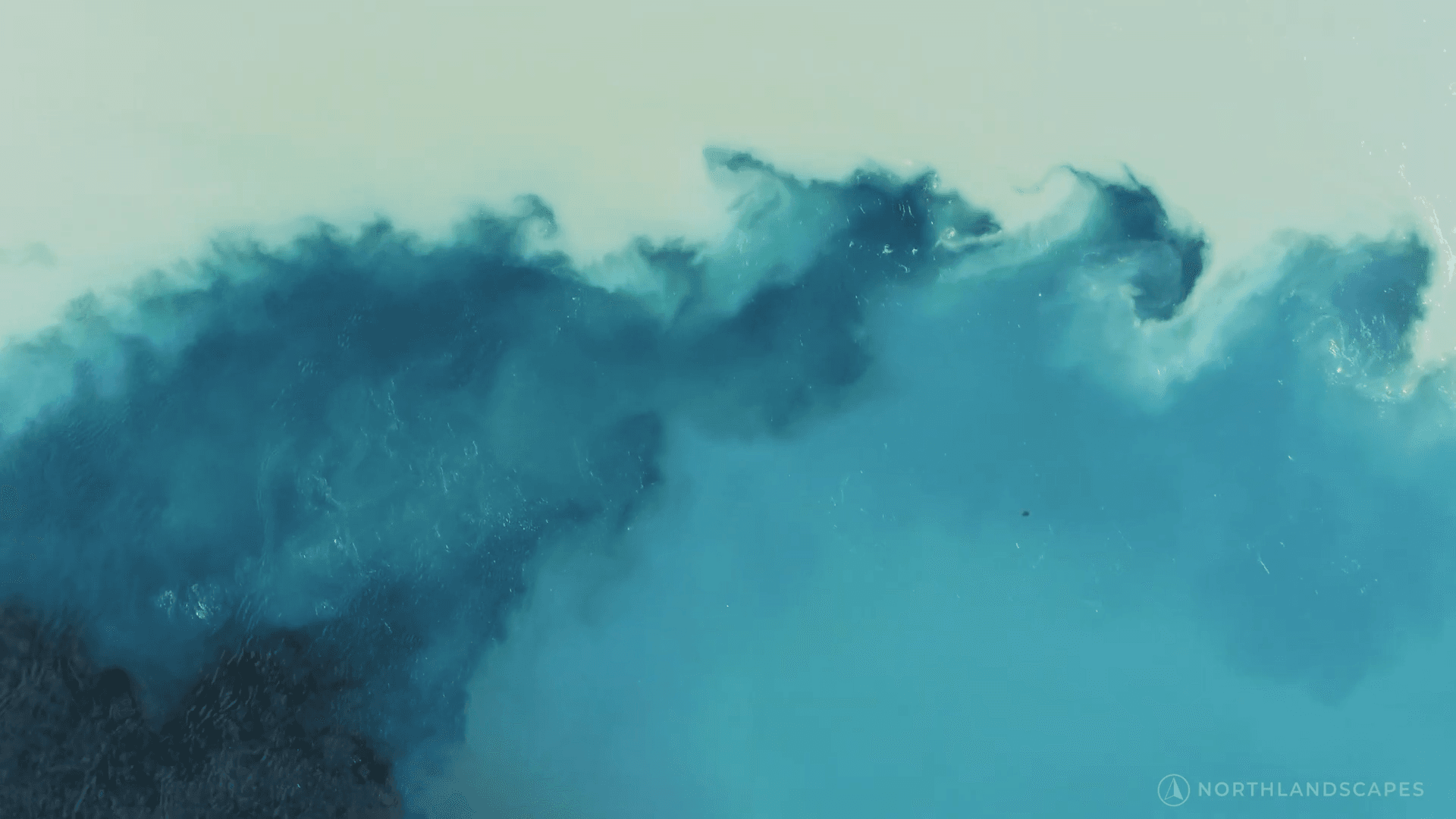
Glacier-fed rivers are often rich in colorful sediments. Here, photographer Jan Erik Waider shows us Iceland’s glacial rivers flowing primarily in shades of blue. While the wave action and diffraction in these videos is great, the real star is the turbulent mixing where turbid and clearer waters meet. Watch those boundaries, and you’ll see shear from flows moving at different speeds which feeds the ragged, Kelvin-Helmholtz-unstable edge between colors. (Video and image credit: J. Waider; via Laughing Squid)

Event-Based Recording
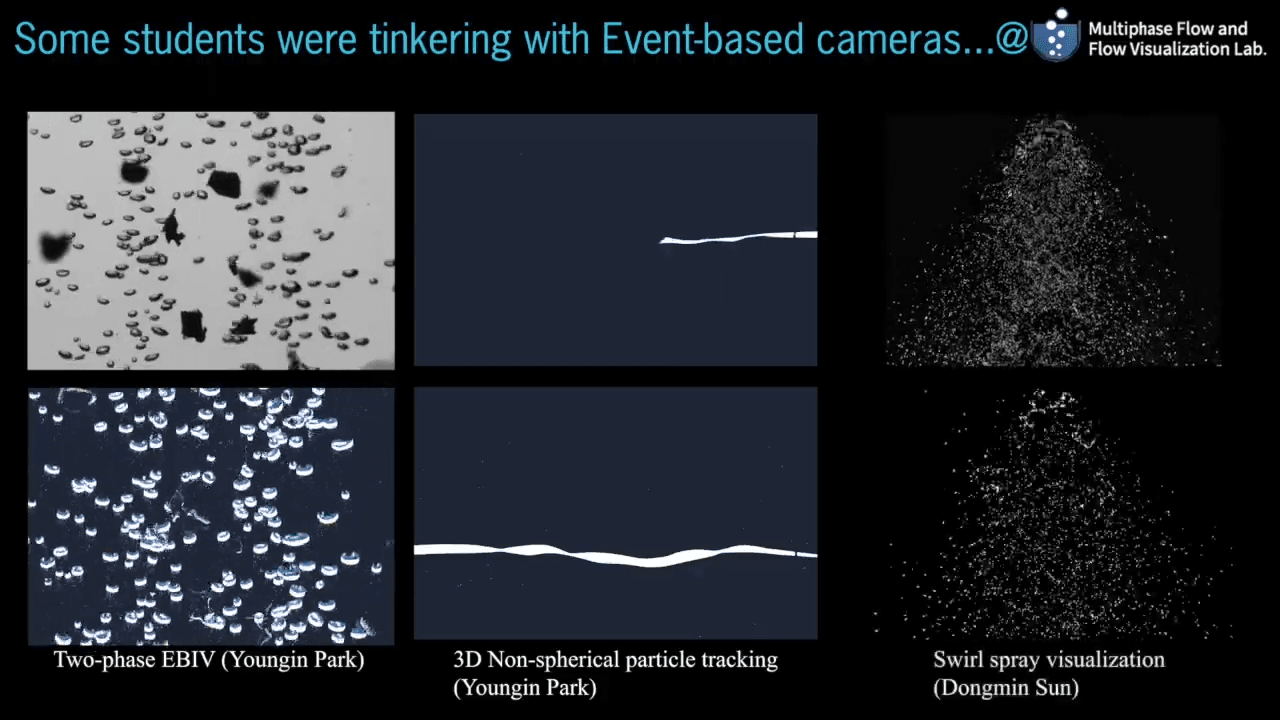
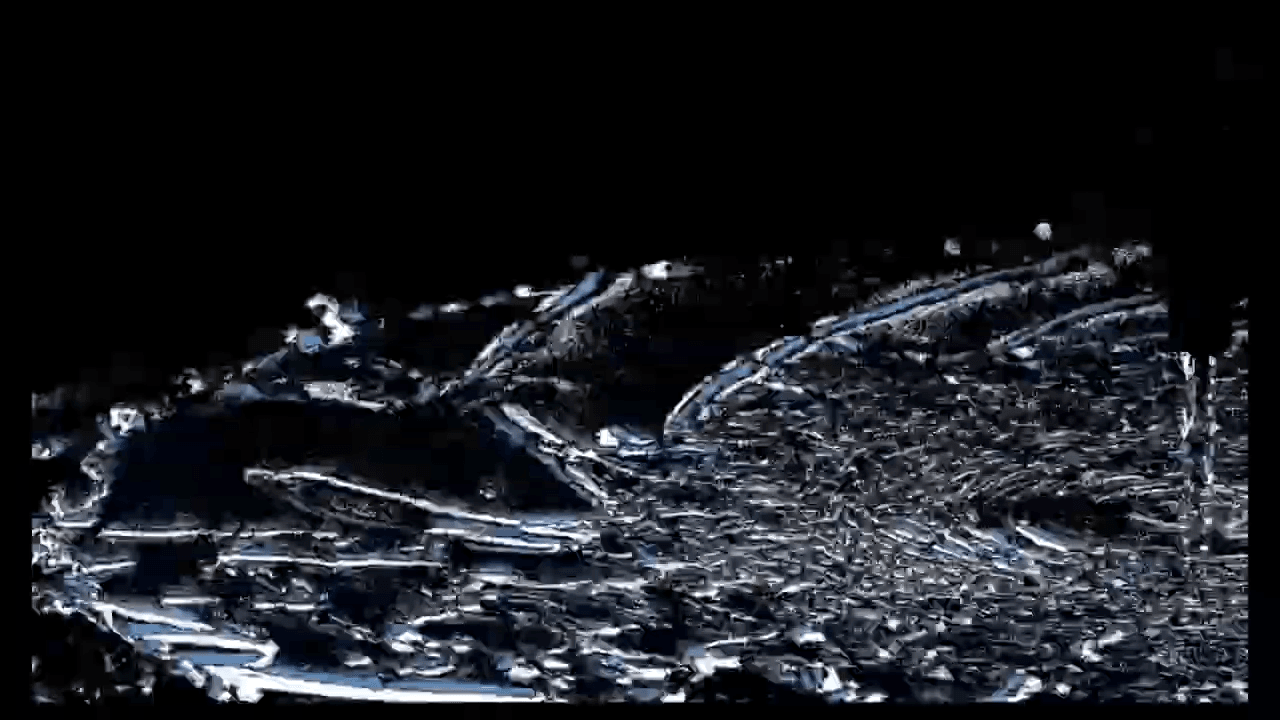
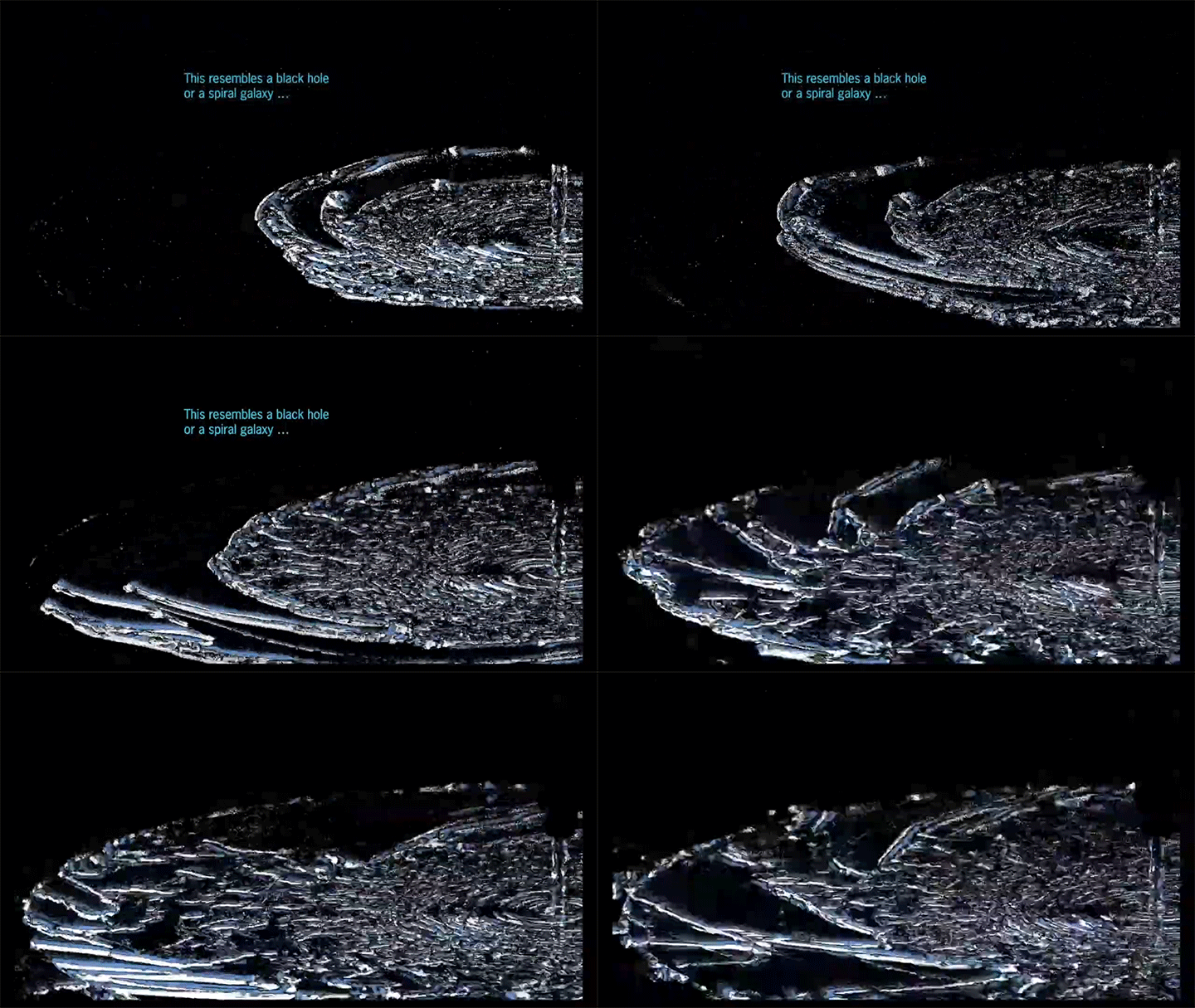
High-speed cameras are an amazing tool in fluid dynamics, but they come with a whole host of challenges. The camera and lighting have to be positioned to deal with reflections, the data sets are enormous, and post-processing all that data takes a long time.

Here, researchers experiment instead with studying a flow using an event-based camera, which records information only when and where the brightness changes. The images and videos look strange to our eyes, but, as the authors show, they work nicely for identifying flow features and extracting valuable data. (Video and image credit: D. Sun et al.)

The Best of FYFD 2025
Happy 2026! This will be a big year for me. I’ll be finishing up and turning in the manuscript for my first book — which flows between cutting edge research, scientists’ stories, and the societal impacts of fluid physics. It’s a culmination of 15 years of FYFD, rendered into narrative. I’m so excited to share it with you when it’s published in 2027.
As always, though, we’ll kick off the year with a look back at some of FYFD’s most popular posts of 2025. (You can find previous editions, too, for 2024,Β 2023,Β 2022,Β 2021,Β 2020,Β 2019,Β 2018,Β 2017,Β 2016,Β 2015, andΒ 2014.) Without further ado, here they are:
- Charged Drops Don’t Splash
- Strata of Starlings
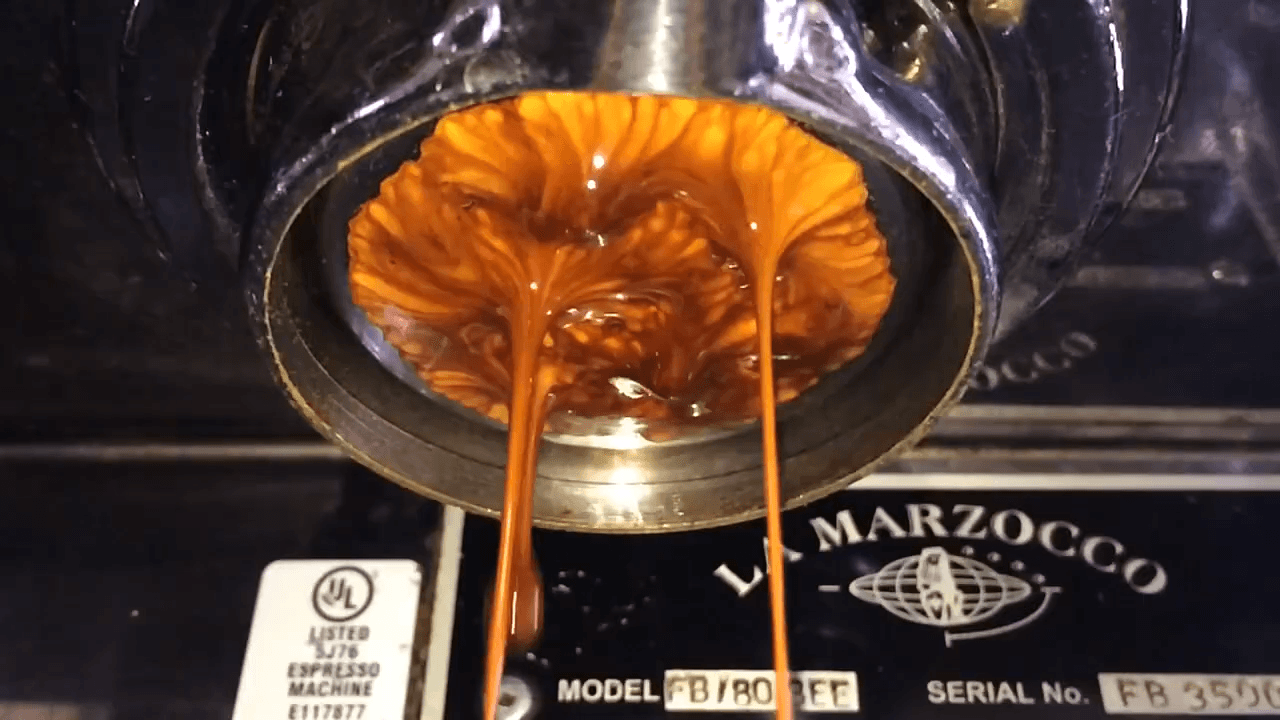
- Espresso in Slow-Mo
- The Incredible Engineering of the Alhambra
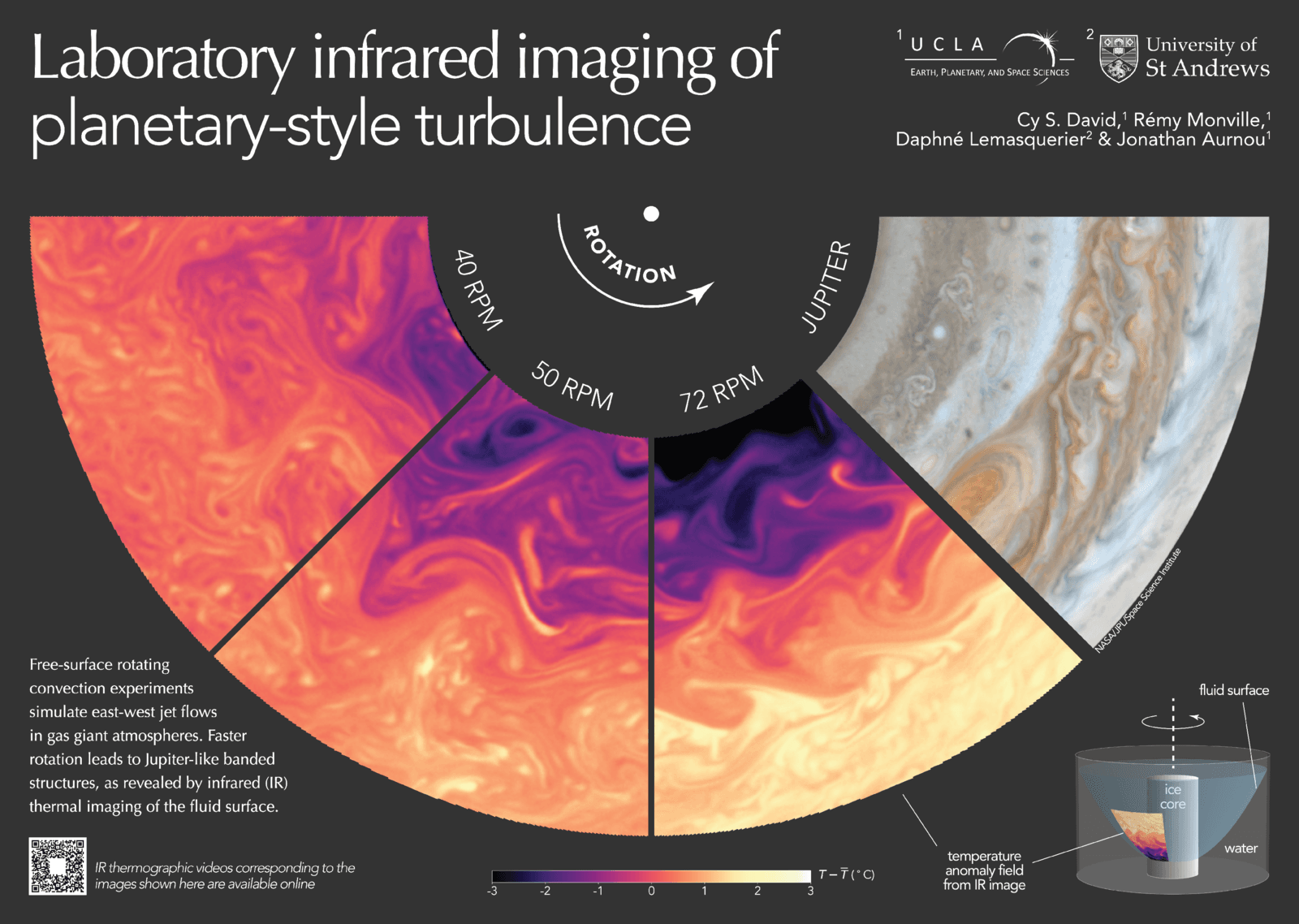
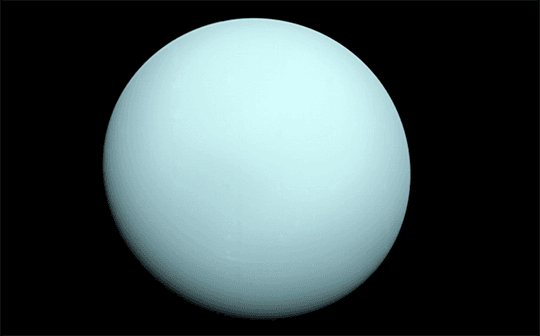
- Uranus Emits More Than Thought1
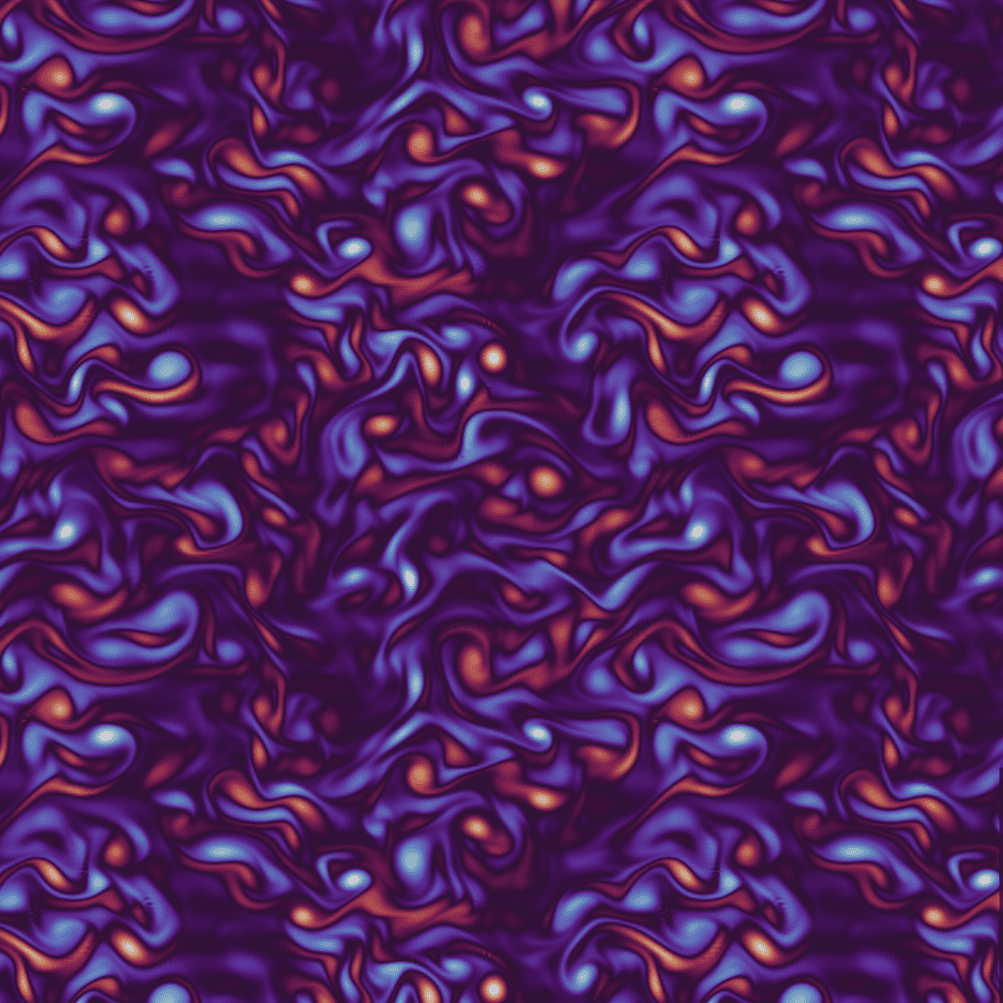
- Kolmogorov Turbulence
- Bow Shock Instability
- How Particles Affect Melting Ice
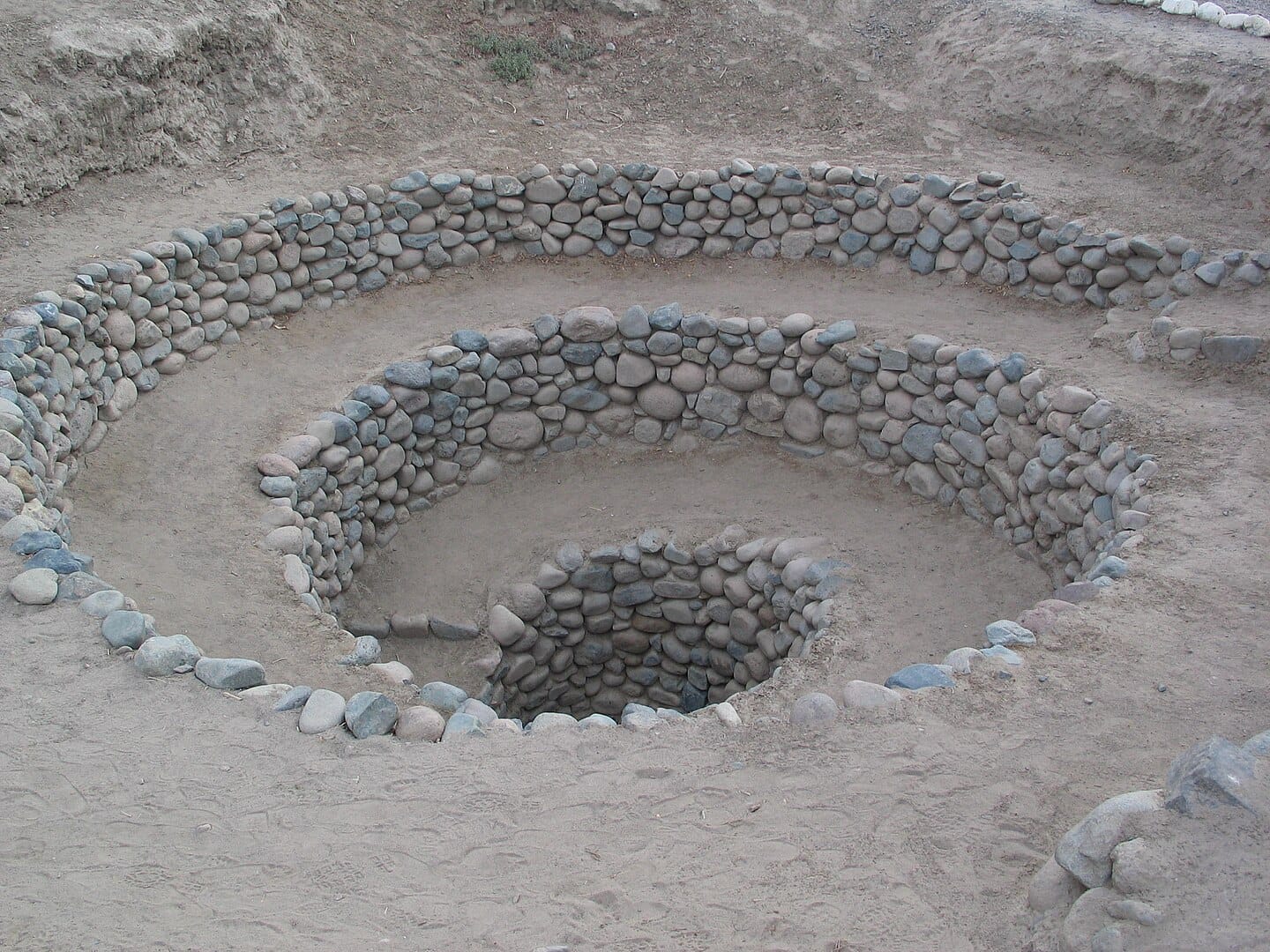
- The Puquios System of Nazca
- Cooling Tower Demolition
- A Glimpse of the Solar Wind
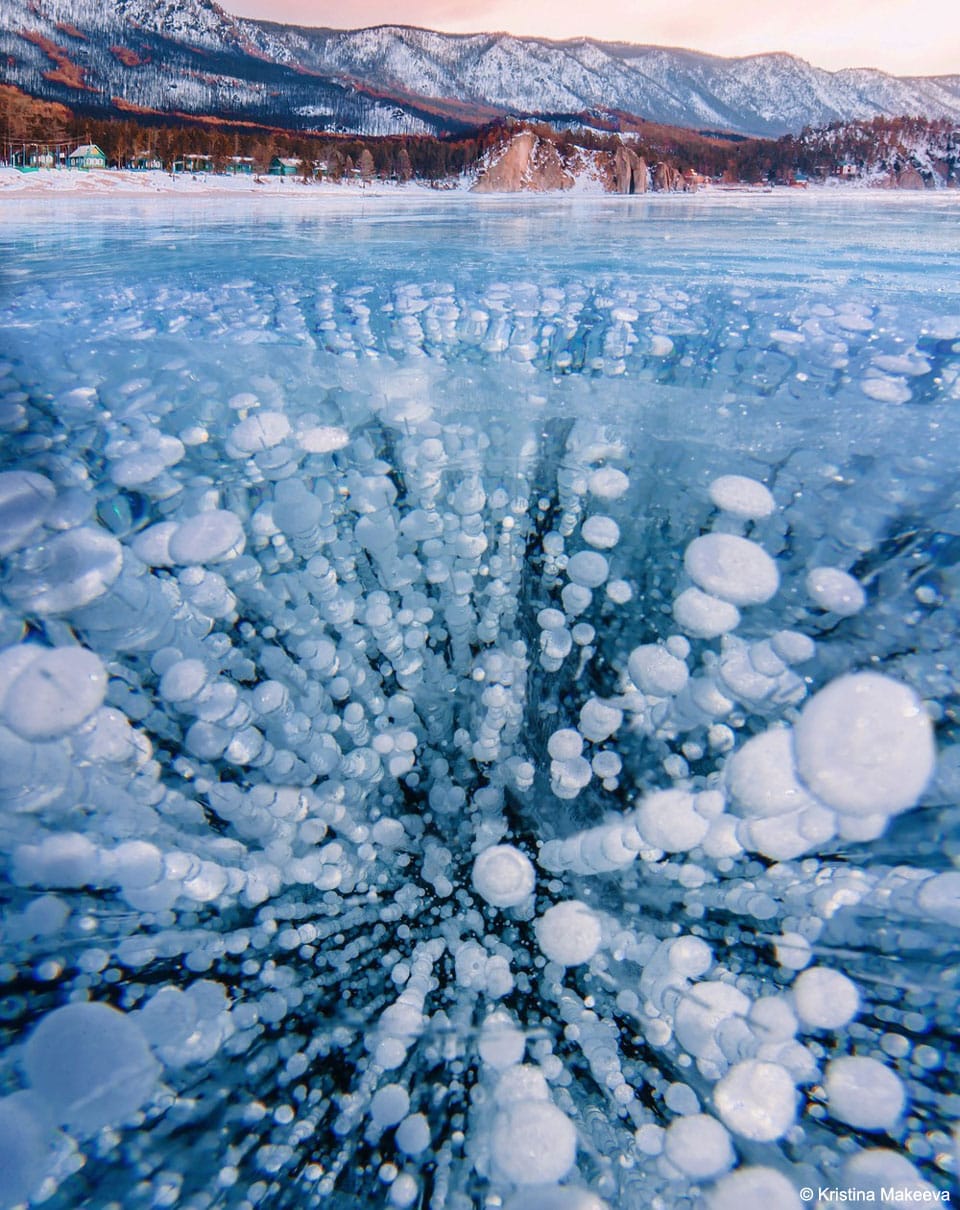
- Bubbling Up
- A Sprite From Orbit
- Cornflower Roots Growing
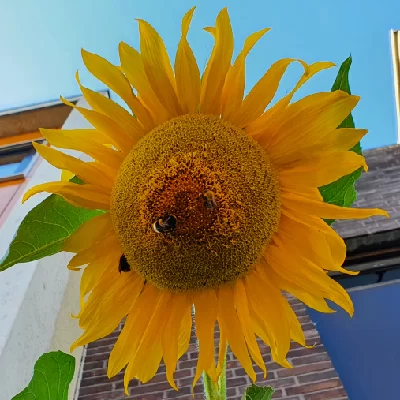
- How Sunflowers Follow the Sun
What a great bunch of topics! I’m especially happy to see so many research and research-adjacent posts were popular. And a couple of history-related posts; I don’t write those too often, but I love them for showing just how wide-ranging fluid physics can be.
Interested in keeping up with FYFD in 2026? There areΒ lots of ways to follow alongΒ so that you donβt miss a post.
And if you enjoy FYFD, please remember that itβs a reader-supported website. I donβt run ads, and itβs been years since my last sponsored post. You can help support the site byΒ becoming a patron,Β buying some merch, or simply by sharing on social media. And if you find yourself struggling to remember to check the website, remember you can get FYFD in your inbox every two weeks withΒ our newsletter. Happy New Year!
(Image credits: droplet – F. Yu et al., starlings – K. Cooper, espresso – YouTube/skunkay, fountain – Primal Space, Uranus – NASA, turbulence – C. Amores and M. Graham, capsule – A. Γlvarez and A. Lozano-Duran, melting ice – S. Bootsma et al., puquios – Wikimedia, cooling towers – BBC, solar wind – NASA/APL/NRL, Lake Baikal – K. Makeeva, sprite – NASA, roots – W. van Egmond, sunflowers – Deep Look)
- I know what I did. β©οΈ

Droplets Through a Forest
When droplets flow through a forest of microfluidic posts, they can deform around the obstacle or break up into smaller droplets. Here, researchers explore the factors that control the outcome, as well as when droplets collide, coalesce, and mix. (Video and image credit: D. Meer et al.)

Ripple Bugs
Ripple bugs are a type of water strider capable of moving at a blazing fast 120 body lengths per second across the water surface. In addition to their speed, ripple bugs are incredibly agile and are active almost constantly. Researchers believe they’ve found the insect’s secret: feather-like hydrophilic fans that spread on contact with the water. These fans help the insects push off the water and steer, but they require no effort to open and close. They’ve even adapted the technique to bio-inspired robots and seen improvements in speed, agility, and efficiency. (Video credit: Science; research credit: V. Ortega-Jimenez et al.)

Leaves Dance in the Wind
Once a breeze kicks up, leaves on a tree start dancing. Every tree’s leaves have their own shapes, some of which appear very different from other trees. But their dances have patterns, as this video shows. In it, researchers explore how leaves of different shapes deform in the wind and how they can decompose that motion to compare across leaves. (Video and image credit: K. Mulleners et al.; via GFM)

Marangoni Bursting With Surfactants
A few years ago, researchers described how an alcohol-water droplet atop an oil bath could pull itself apart through surface tension forces. Dubbed Marangoni bursting, this phenomena has shown up several times since. Here, researchers explore a twist on the behavior by adding surfactants to see how they affect the bursting phenomenon. (Video and image credit: K. Wu and H. Stone; via GFM)

Chlorophyll Eddies
Instruments aboard NASA’s PACE mission are able to distinguish far more about phytoplankton blooms than previous satellites. This image shows chlorophyll concentrations in the Norwegian Sea in July 2025. Chlorophyll acts as a proxy for phytoplankton, which produce the chemical as they process sunlight into food and oxygen.
Despite their microscopic size, phytoplankton have enormous collective effects. Scientists estimate that phytoplankton produce as much as half of the Earth’s oxygen in addition to helping transport carbon dioxide from the atmosphere into the deep ocean. They are also the foundation of the marine food web, feeding nearly all life in the ocean. (Image credit: W. Liang; via NASA Earth Observatory)

“Magnetic Vortex”
The Macro room team is back with a video featuring their signature colorful cleverness. This time they’re using a magnetic stirrer to swirl up some mesmerizing flows. It’s well worth a watch. (Video and image credit: Macro Room)


![Black and white image of a film pulled outward and breaking into droplets. Text reads, "The [0.05%] surfactant renders the ejected droplets prone to 'popping'." Black and white image of a film pulled outward and breaking into droplets. Text reads, "The [0.05%] surfactant renders the ejected droplets prone to 'popping'."](https://fyfluiddynamics.com/wp-content/uploads/surfburst2-1024x576.png)
![Black and white image of a film pulled outward and spreading in unevenly. Text reads, "When surfactant concentration is further increased [to 1%], drop spreading resumes." Black and white image of a film pulled outward and spreading in unevenly. Text reads, "When surfactant concentration is further increased [to 1%], drop spreading resumes."](https://fyfluiddynamics.com/wp-content/uploads/surfburst3-1024x576.png)