Tag: porous flow

  • The Disappearing Great Salt Lake

    The Disappearing Great Salt Lake

    Since 1989, Utah’s Great Salt Lake has lost some 70% of its surface area. The exposed lakebed left behind is a source of toxic dust that gets lifted into the air. Researchers are trying to understand what water sources exist beneath the lake and whether they might save the saline lake and its ecosystem from disappearing entirely.

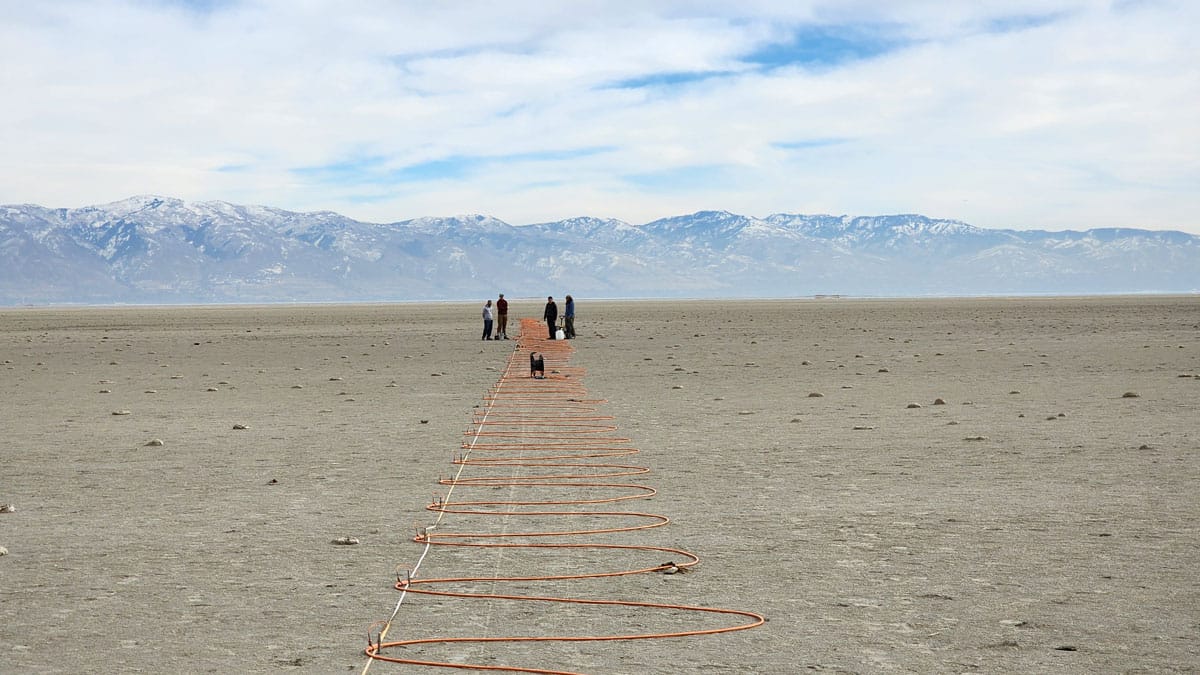
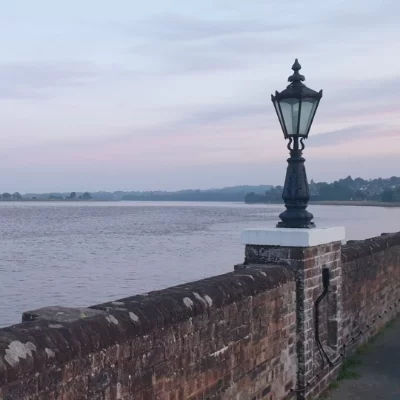
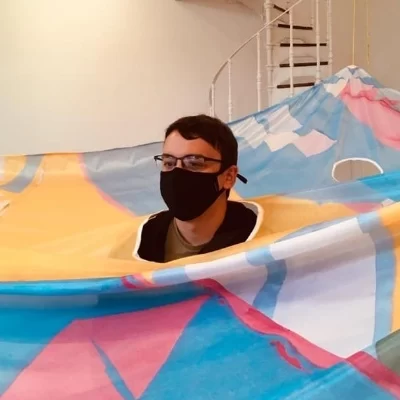
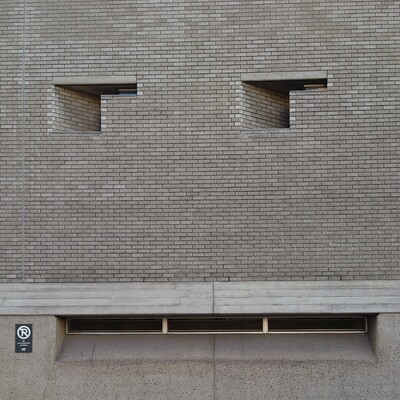
    A recent study pinpoints underground water by measuring the electrical resistance between electrodes placed meters apart in the ground (photo above). Because salty water is more electrically conductive than fresh water, the researchers can distinguish between them. So far, they’ve found quite a lot of fresh water, sometimes only a couple meters below the surface. But those patches are often quite close to saline water, too.

    The group also described to Eos that they found mounds of invasive reeds lying atop concentrations of fresh water. The invasive species seems to be sucking up water that would otherwise feed back into the lake or support native plants that provide habitat to native birds. (Image credit: M. Thorne; research credit: M. Jacketta et al.; via Eos)

    Fediverse Reactions
  • Featured Video Play Icon

    The Teton Dam Failure

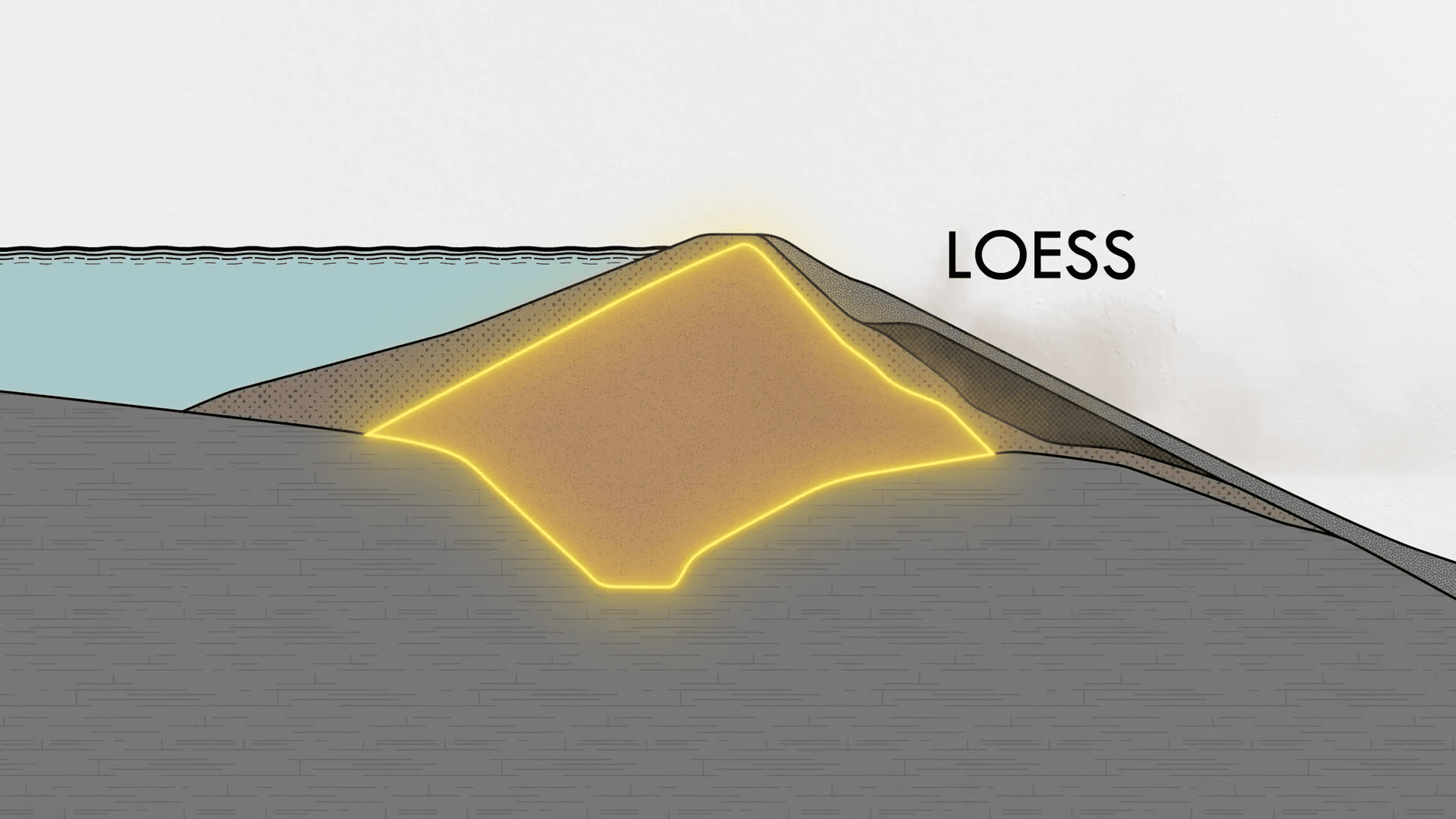
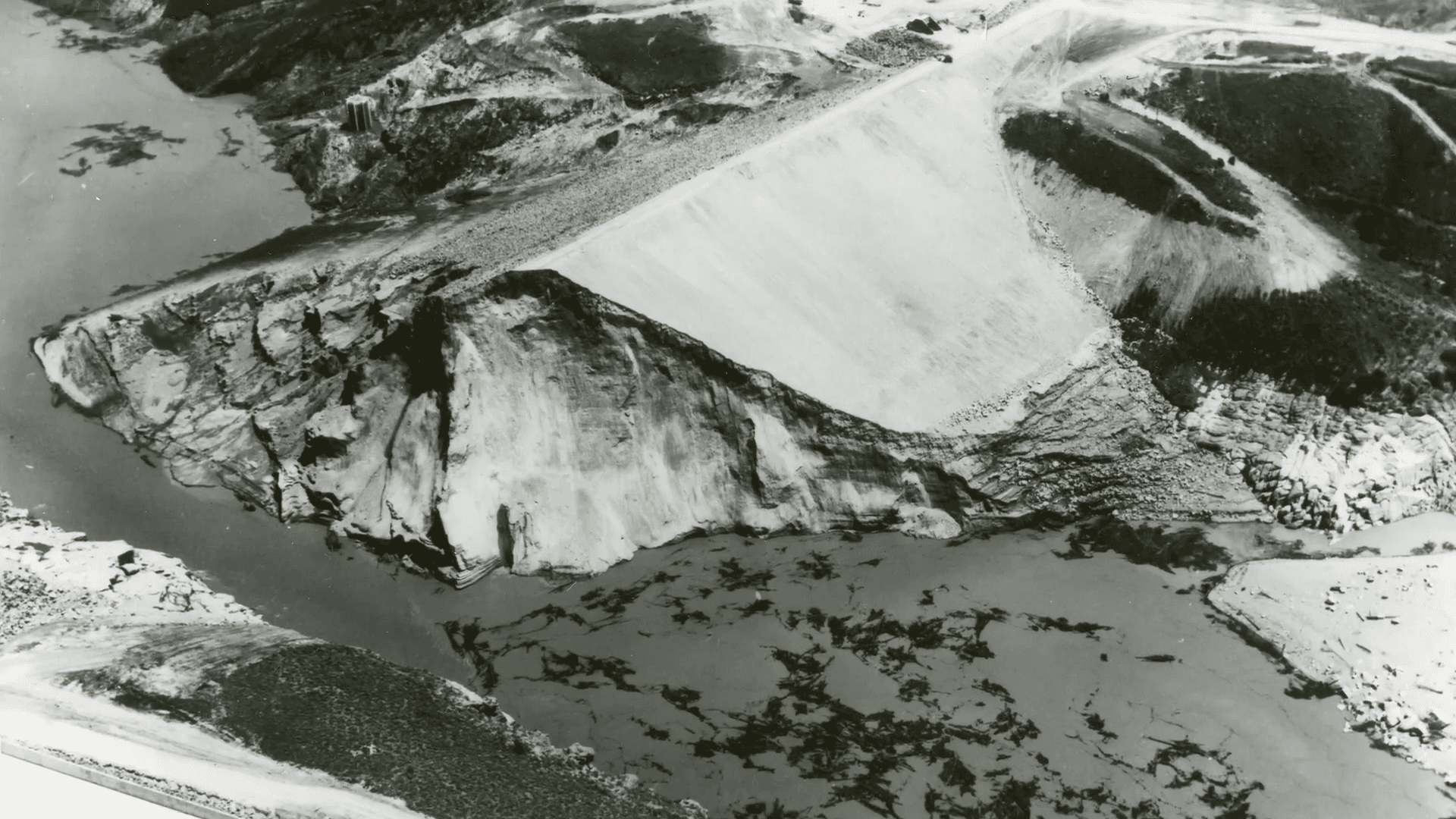
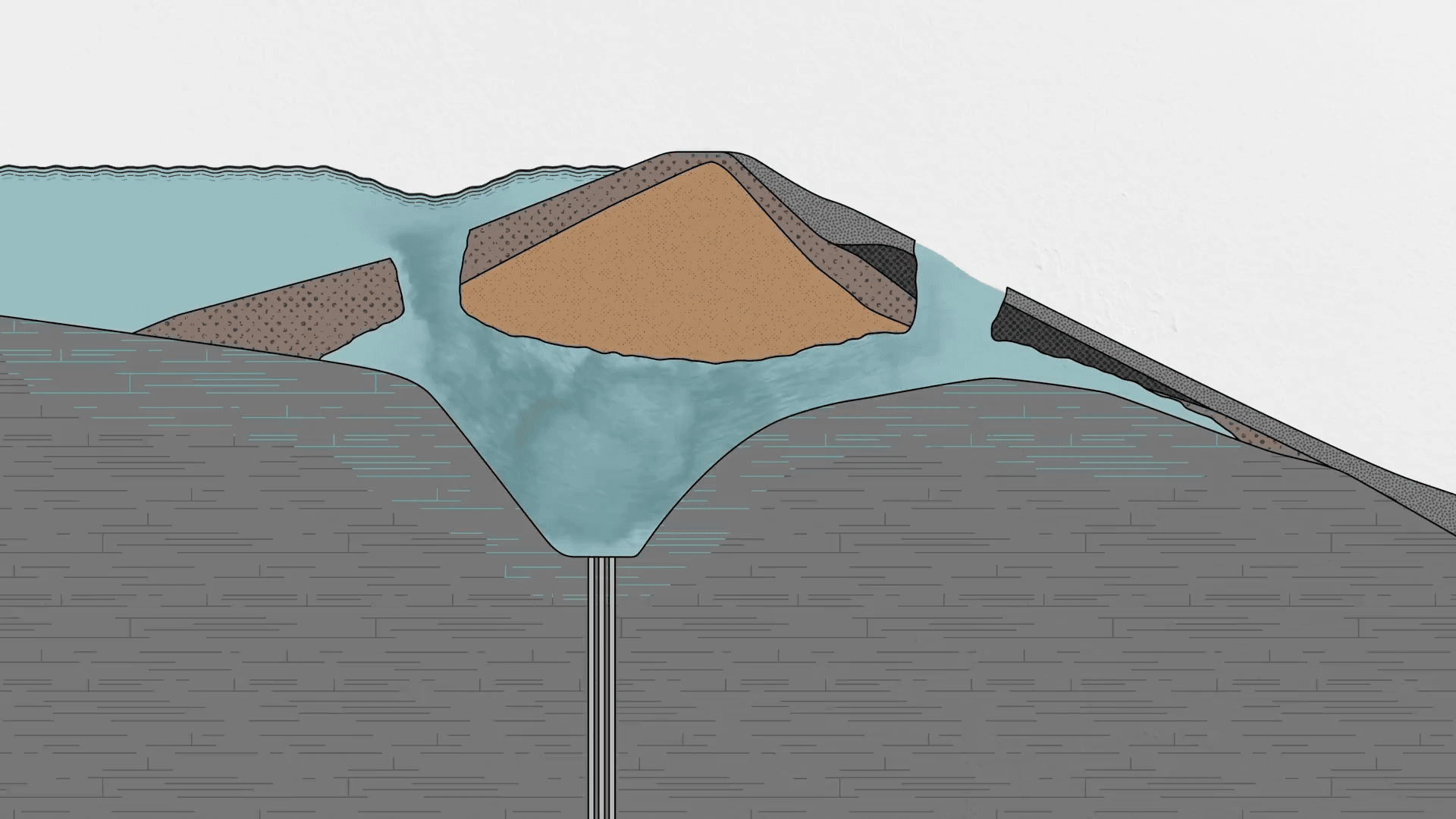
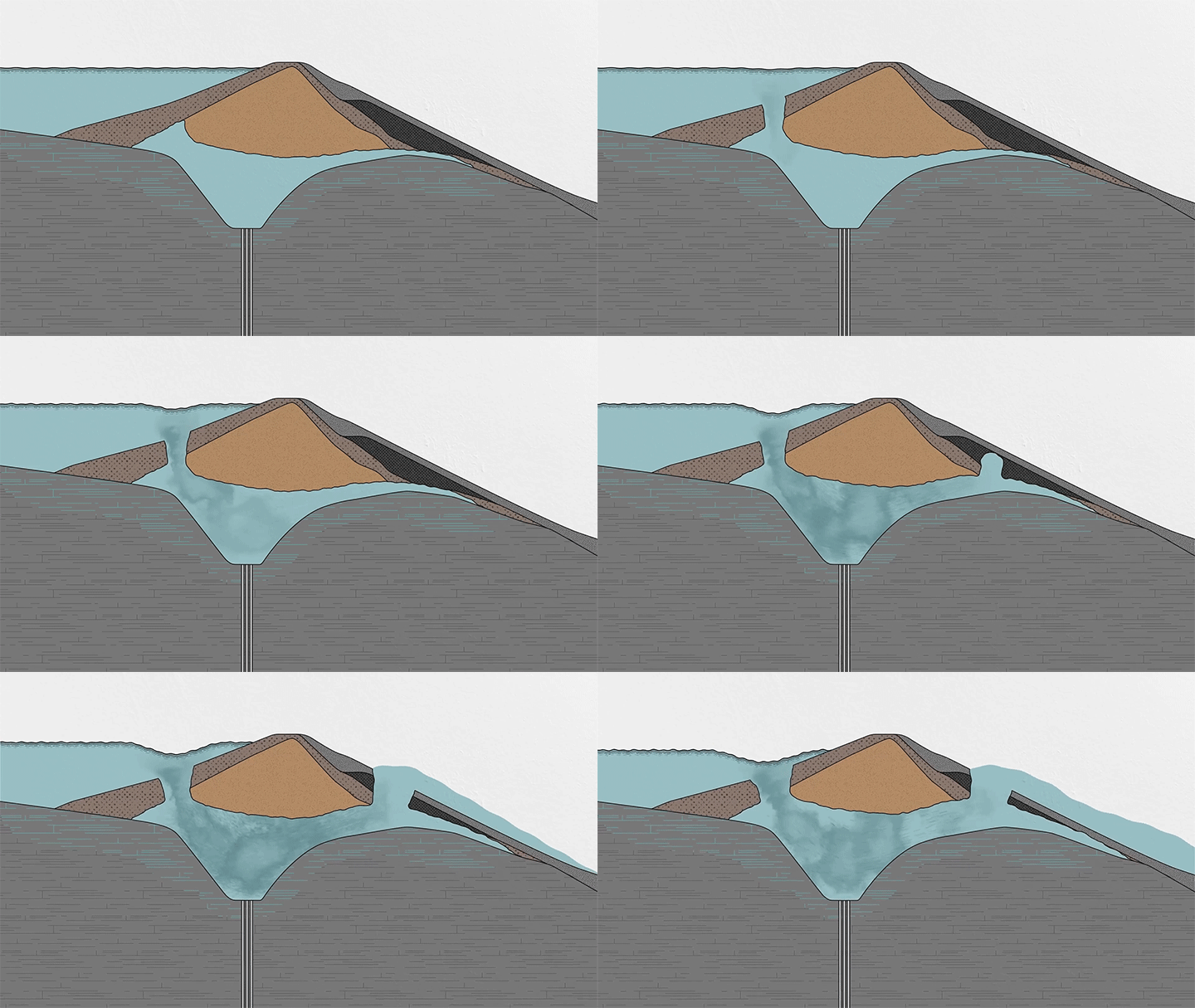
    Engineering failures always leave us with lessons learned. The failure of Teton Dam in 1976 triggered an overhaul in how we manage dam construction and regulation. As Grady describes in this Practical Engineering video, the earthen dam was built with fundamental flaws that allowed water to carve pathways beneath and through the sediment meant to hold it. Although the dam cost $100 million to build, its failure cost the federal government over three times that in claims. (Video and image credit: Practical Engineering)

    Fediverse Reactions
  • Aging Salty Ice

    Aging Salty Ice

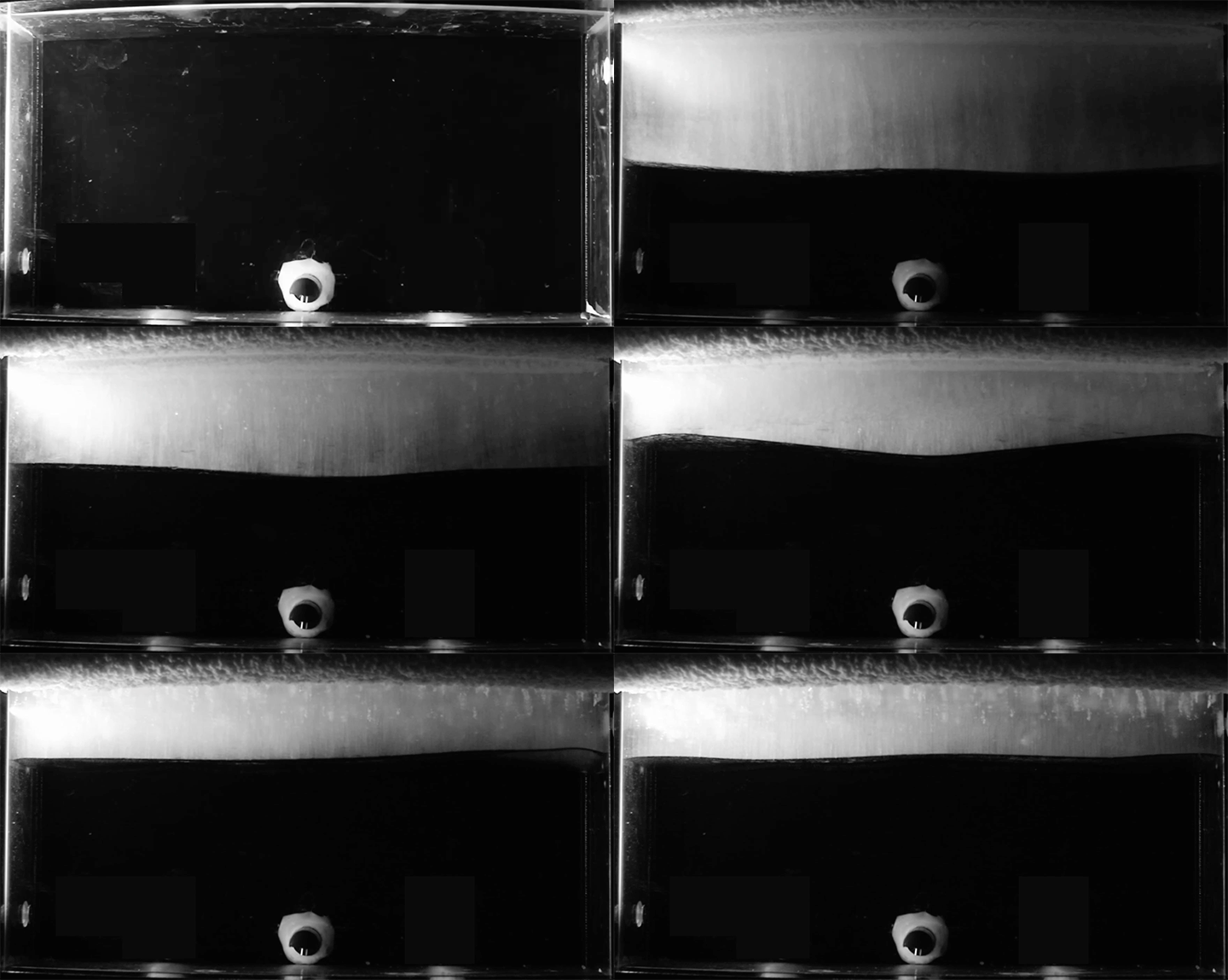
    When ice forms in salty water, it starts out mushy and porous. Salt does not freeze neatly into ice’s crystalline structure, so the forming ice has pores and gaps where salty brine gathers. As the ice ages, more brine is pushed out and gradually convects downward, due to its greater density. Over time, this makes the ice layer thinner but more solid, with fewer pores. You can see a timelapse of the process in a laboratory experiment below. (Image credit: sea ice – C. Matias, experiment – F. Wang et al.; research credit: F. Wang et al.)

    Timelapse of ice forming and aging in salt water over the course of ~16 days.
  • Featured Video Play Icon

    Flow Through Granular Beds

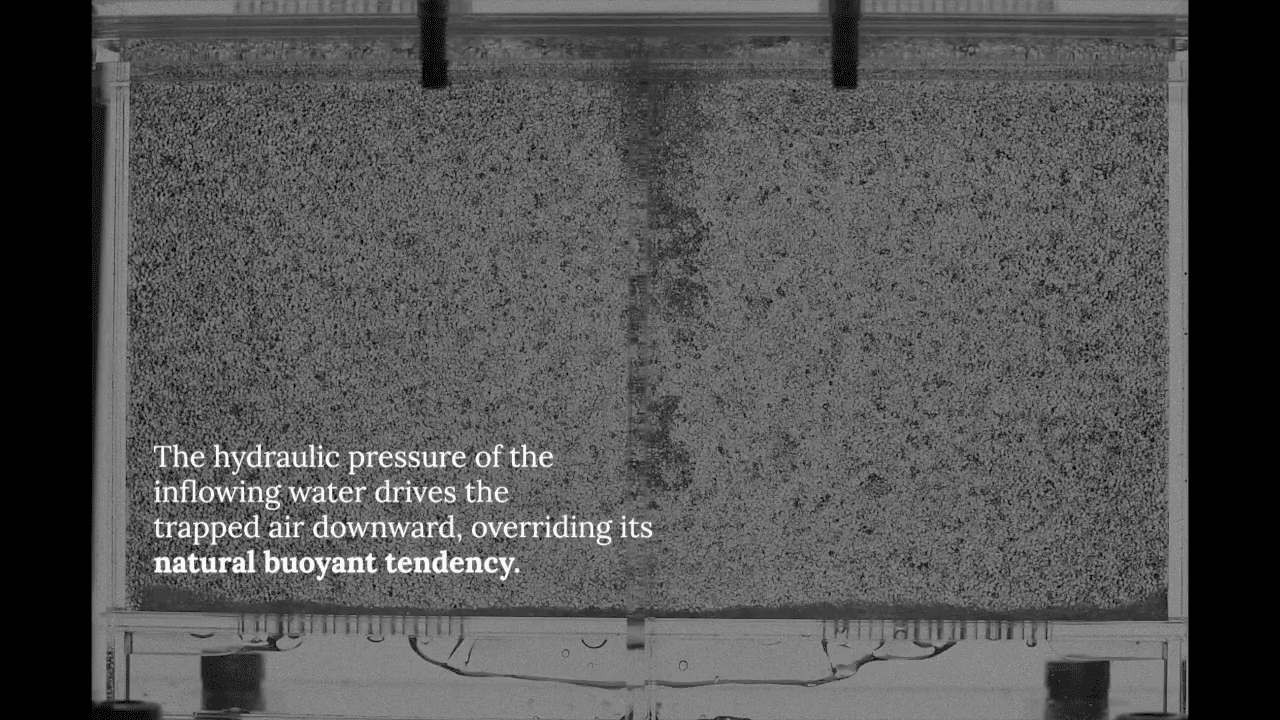
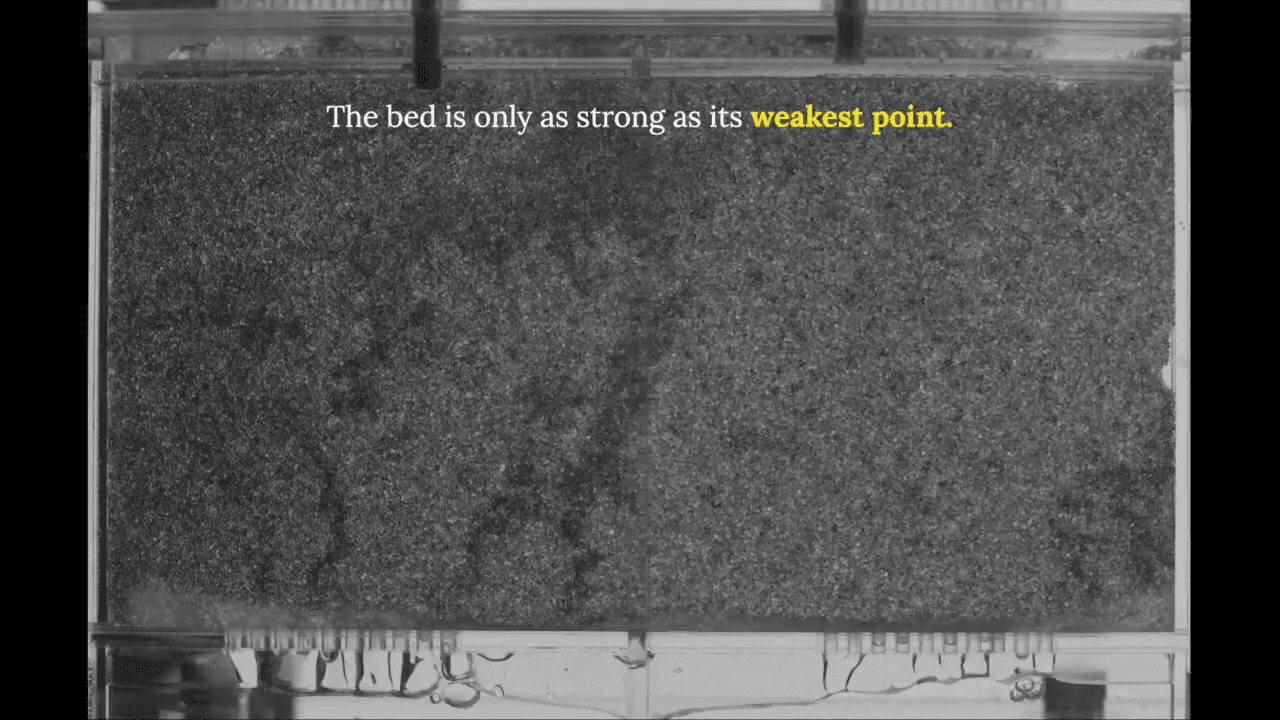
    We often rely on water draining through beds of grains, whether it’s the soil foundation beneath a building or the sand-and-gravel-filter used in water treatment. But how does water move through these tortuous porous passages? That’s what we see in this video, which places grains in a jig resembling an ant farm and lets us watch as water–and air–drain through the grains. The result is more complicated than you might imagine, with dry pockets, weak spots, and developing sinkholes. (Video and image credit: J. Choi et al.)

    Fediverse Reactions
  • Kirigami Parachutes

    Kirigami Parachutes

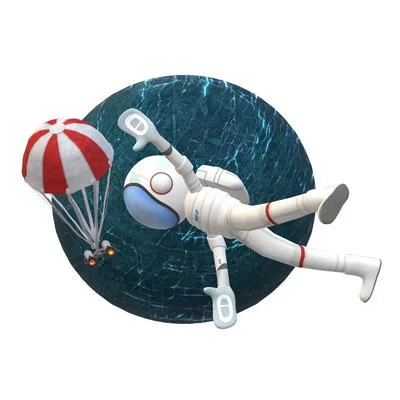
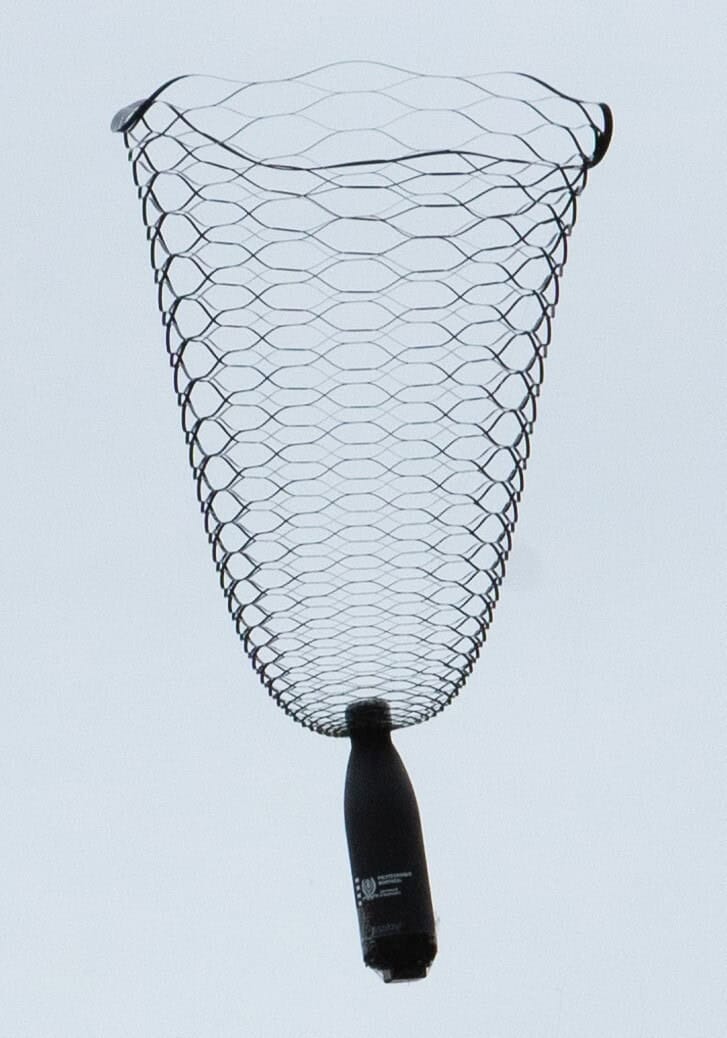
    In kirigami, careful cuts to a flat surface can morph it into a more complicated shape. Researchers have been exploring how to use this in combination with flow; now they’ve created a new form of parachute. Like a dandelion seed, this parachute is porous, with a complex but stable wake structure. This allows the parachute to drop directly over its target, unlike conventional parachutes, which require a glide angle to avoid canopy-collapsing turbulence.

    When dropping conventional parachutes, users either have to tolerate random landings far off target or invest in complicated active control systems that guide the parachute. Kirigami parachutes, in contrast, offer a potentially simple and robust option for accurately delivering, for example, humanitarian aid. (Image and research credit: D. Lamoureux et al.; via Physics World)

    Fediverse Reactions
  • Channeling Espresso

    Channeling Espresso

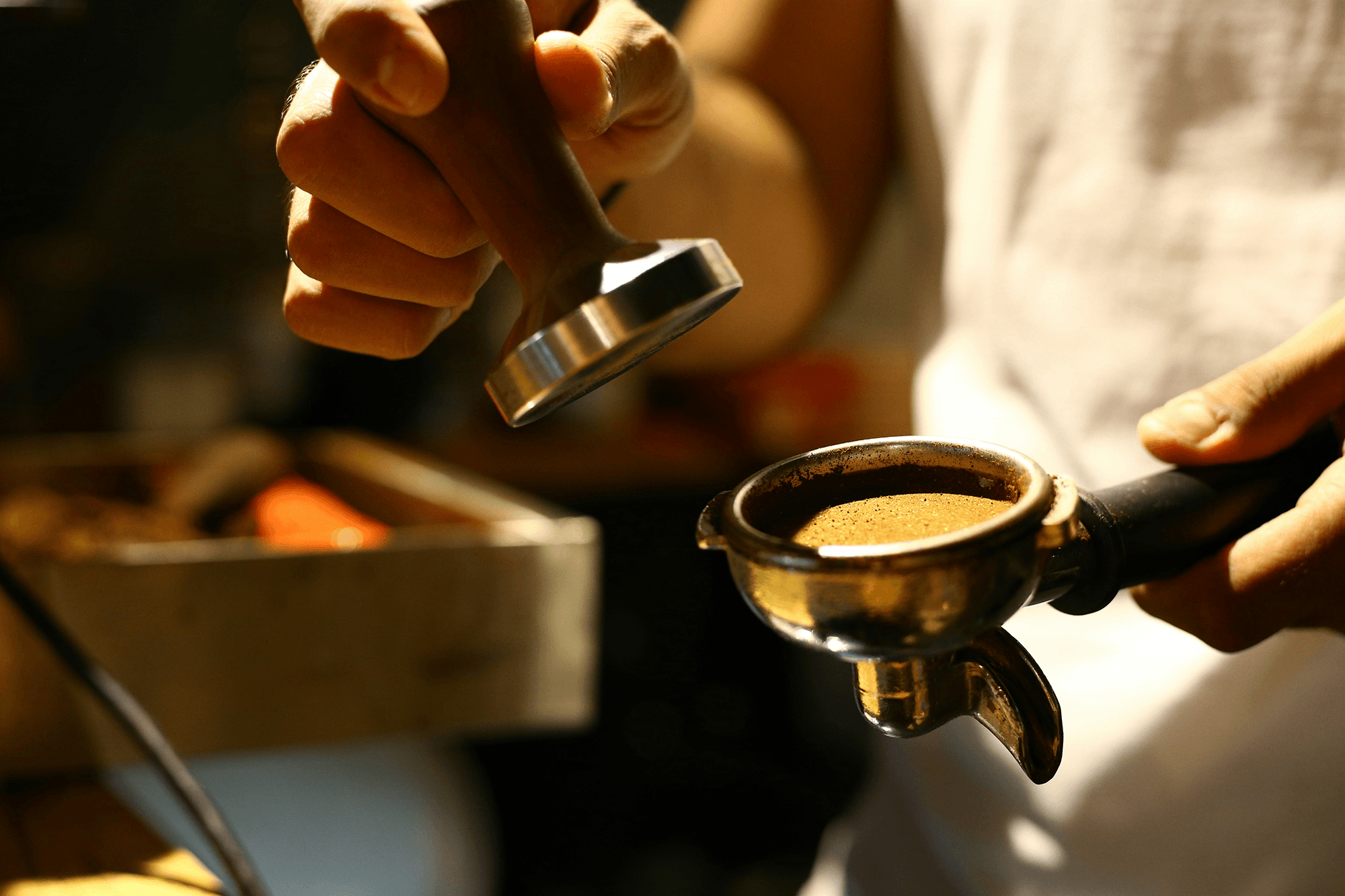
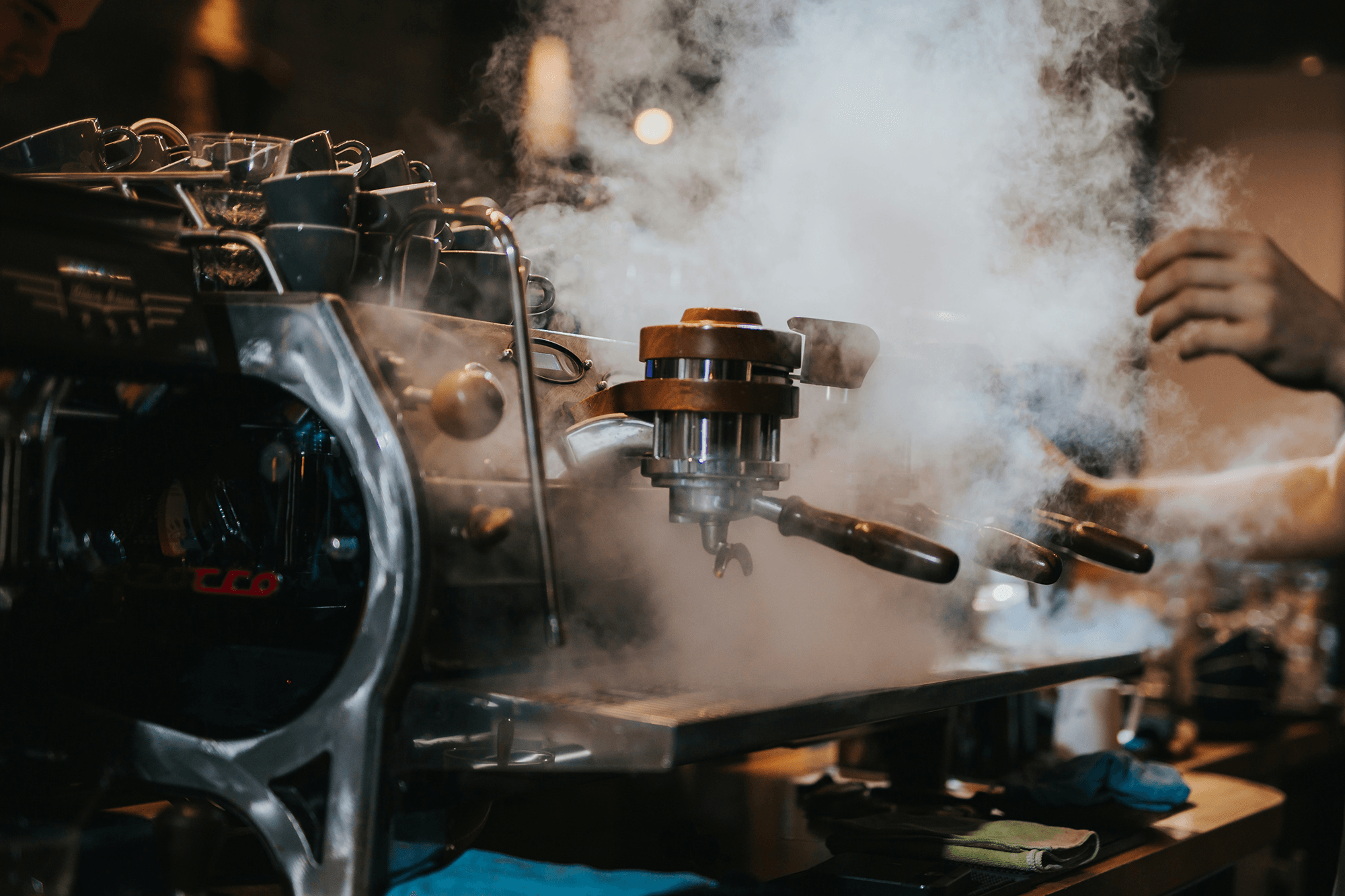
    Coffee-making continues to be a rich source for physics insight. The roasting and brewing processes are fertile ground for chemistry, physics, and engineering. Recently, one research group has focused on the phenomenon of channeling, where water follows a preferred path through the coffee grounds rather than seeping uniformly through the grounds. Channeling reduces the amount of coffee extracted in the brew, which is both wasteful and results in a less flavorful cup. By uncovering what mechanics go into channeling, the group hopes to help baristas mitigate the undesirable process, creating a repeatable, efficient, and tasty espresso every time. (Image credit: E. Yavuz; via Ars Technica)

    Fediverse Reactions
  • Venus Flower Basket Sponges

    Venus Flower Basket Sponges

    Venus flower basket sponges have an elaborate, vase-like skeleton pocked with holes that allow water to pass through the organism. A recent numerical study looked at how the sponge’s shape deflects incoming (horizontal) ocean currents into a vertical flow the sponge can use to filter out food.

    The sponges’ structure is porous and lined with helical structures. In their simulation, researchers reproduced a version of this structure (shown below) that used none of the real sponge’s active pumping mechanisms. The digital sponge was, instead, purely passive. Nevertheless, the simulation showed that, by their skeletal structure alone, sponges could redirect a significant fraction of incoming flow toward its filtering surfaces. Interestingly, the highest deflection fraction occurred at relatively low flow speeds, showing that the sponges are set up so that their structure is especially helpful for scavenging nutrients from nearly-still waters.

    In the real world, these sponges use a combination of passive filtering and active pumping to capture their food, but this study shows that the sponge’s clever structure helps it save energy, especially in tough flow conditions. (Image credit: sponges – NOAA, simulation – G. Falcucci et al.; research credit: G. Falcucci et al.; via APS Physics)

    A detail from a numerical simulation shows streamlines around and inside a model sponge.
    A detail from a numerical simulation shows streamlines around and inside a model sponge.
  • Why Inkjet Paper Curls

    Why Inkjet Paper Curls

    Printed pages from inkjet printers tends to curl up over time. Researchers found that this long-term curl correlates with the migration of glycerol — one of the solvents used in inkjet ink — through the paper’s fiber layers toward the unprinted side. The glycerol migration makes the cellulose fibers in the paper swell up, causing the curl. Changing the solvent used in inkjet inks could stop the curl but would likely lead to printing issues, since the glycerol helps the tiny droplets wind up in the right place on the page. Another solution? Print on both sides of the page! (Image credit: Lunghammer – TU Graz; research credit: A. Maass and U. Hirn; via Physics World)

  • Featured Video Play Icon

    Do Droughts Worsen Floods?

    In recent years many areas have seen record droughts followed by sudden, massive rainfalls. Such wild swings raise the question: does drought-parched soil make flooding worse? That’s the question Grady tackles in this Practical Engineering video, and, as is often the cause in real-world engineering, the answer is complicated.

    How quickly water soaks into the spaces between soil particles depends on many factors, including soil type, vegetation, and how much moisture is in the soil already. In general, dry soils initially soak water in more quickly than pre-moistened soil – except when the surface soil is hydrophobic and water-repellent. Check out the full video to learn more! (Video and image credit: Practical Engineering)

  • Featured Video Play Icon

    Groundwater-Structure Interactions

    Groundwater can sometimes wind up in unexpected places, given the way it interacts with subsurface structures. In this Practical Engineering video, Grady discusses the paths that groundwater takes around structures and how civil engineers account for groundwater-related forces on dams and other buildings. As always, he illustrates with excellent model demos, allowing viewers to see groundwater interactions for themselves. (Image and video credit: Practical Engineering)