Tag: granular material

  • Featured Video Play Icon

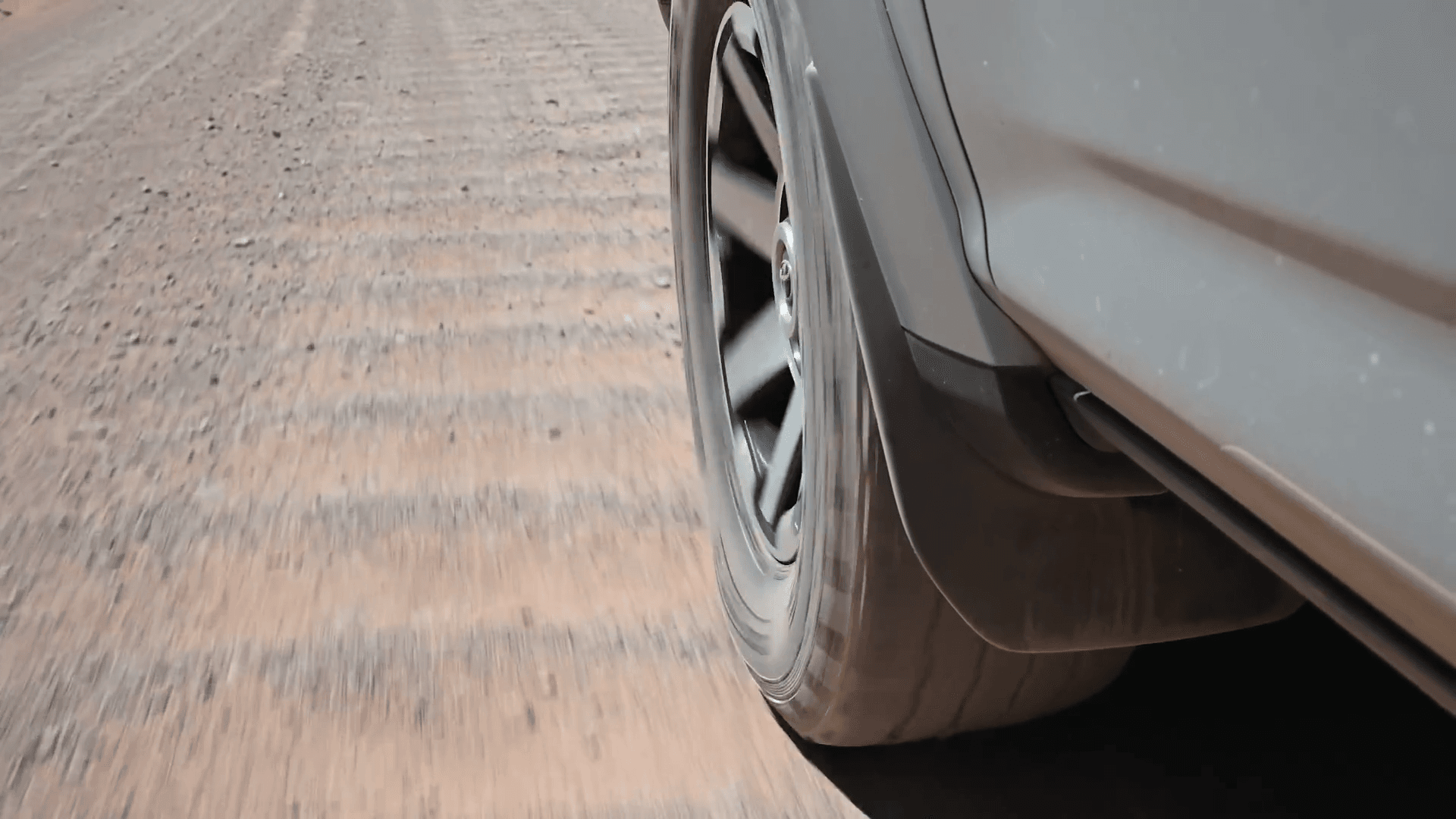
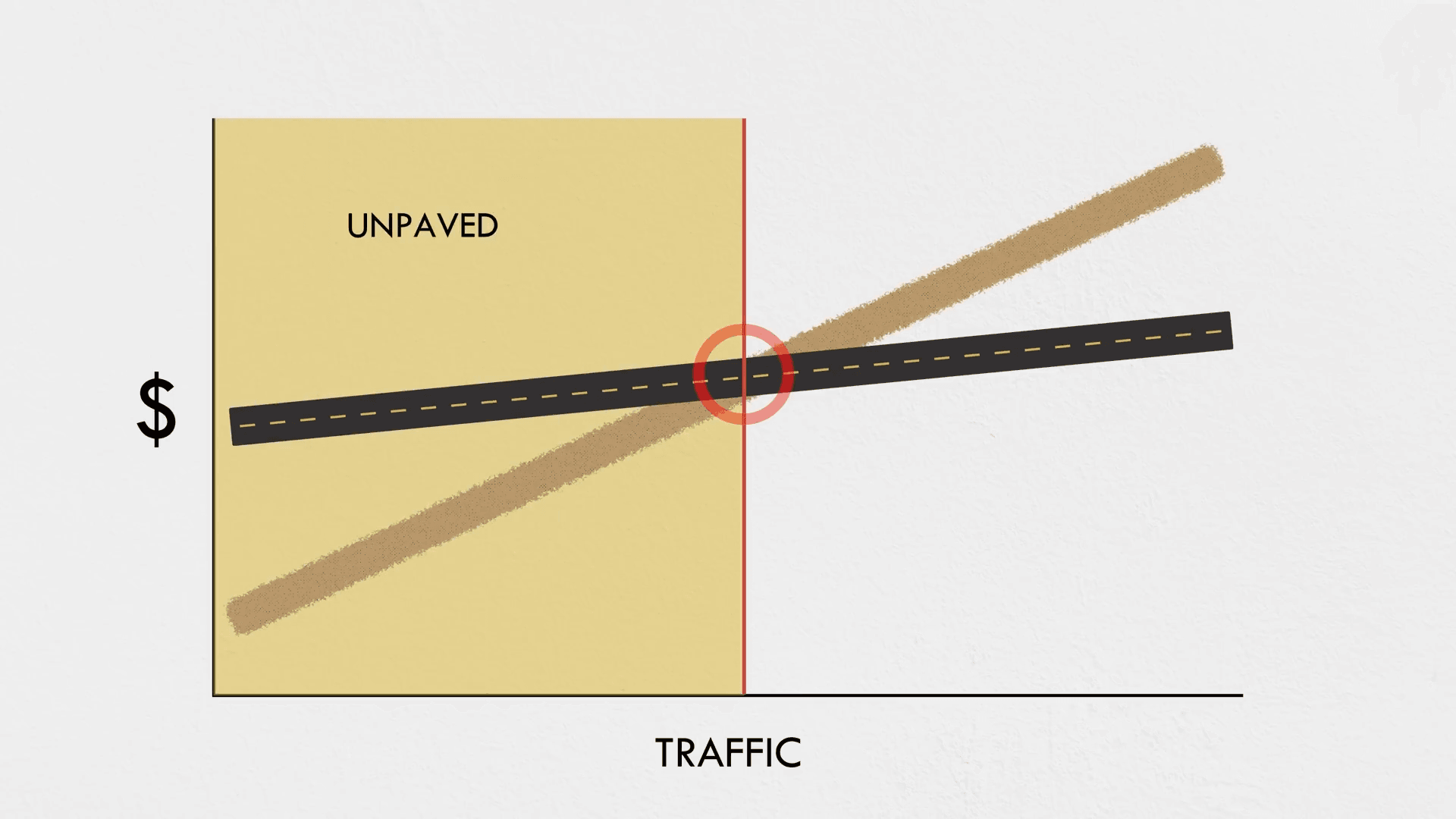
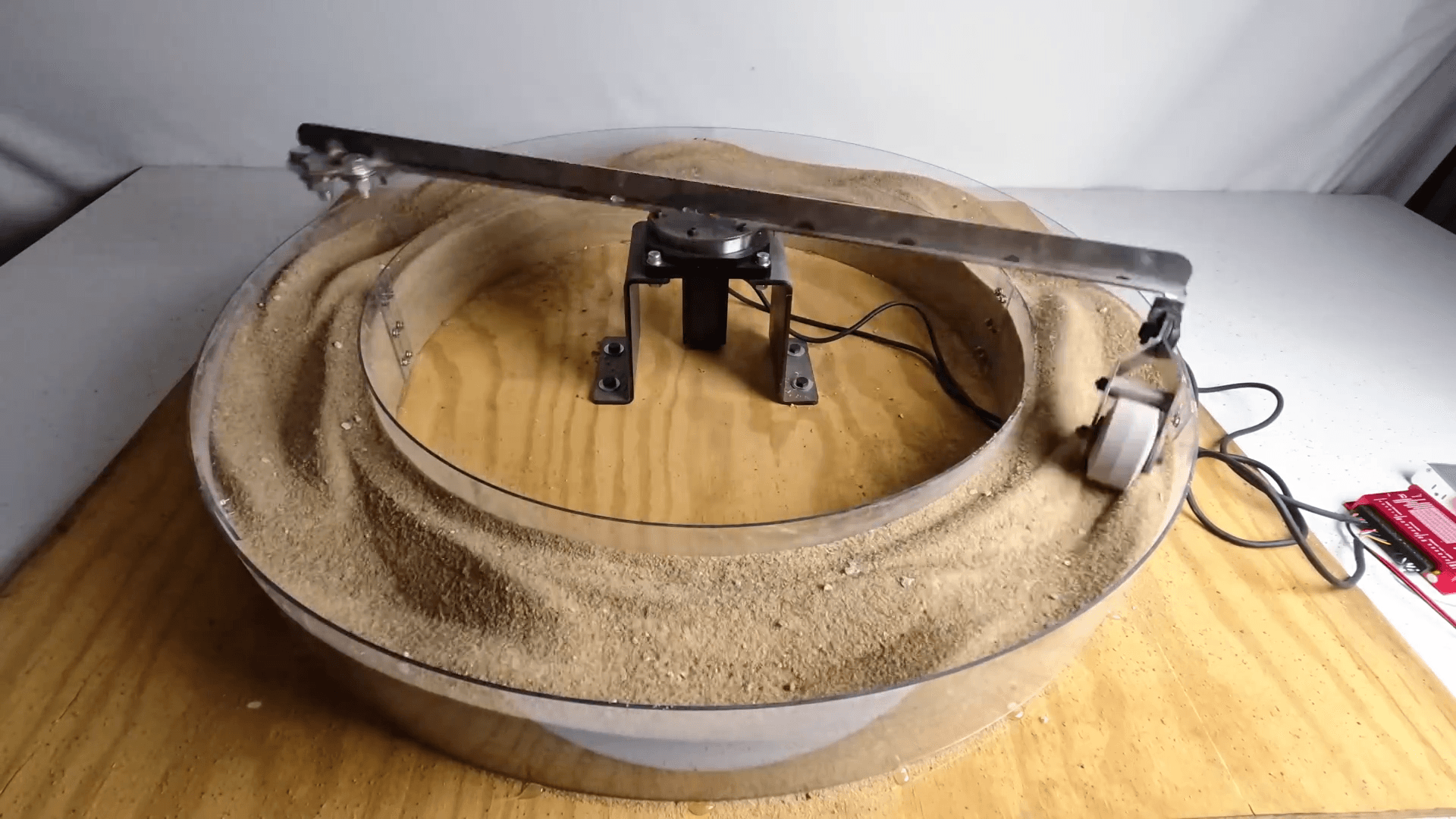
    Why Unpaved Roads Washboard

    As anyone who has regularly traveled unpaved roads knows, they have a tendency to develop regularly spaced corrugations, otherwise known as washboarding. In addition to shaking cars and passengers, these uneven surfaces make cars harder to control, sicne the wheels can lose contact with the ground entirely at times.

    Unfortunately, this phenomenon is fairly unavoidable. Once you have a wheel moving across a granular surface above a critical speed, you get these self-reinforcing patterns. It’s similar to the way that tidal ripples and sand dunes form, and it’s how you get moguls on a ski run, too!

    Although they’re somewhat inevitable, as Grady describes, engineers are hard at work figuring out how to keep them from forming too quickly. (Video and image credit: Practical Engineering; research credit: N. Taberlet et al. and I. Hewitt et al.)
    Fediverse Reactions
  • Featured Video Play Icon

    Seeing Stress in an Avalanche

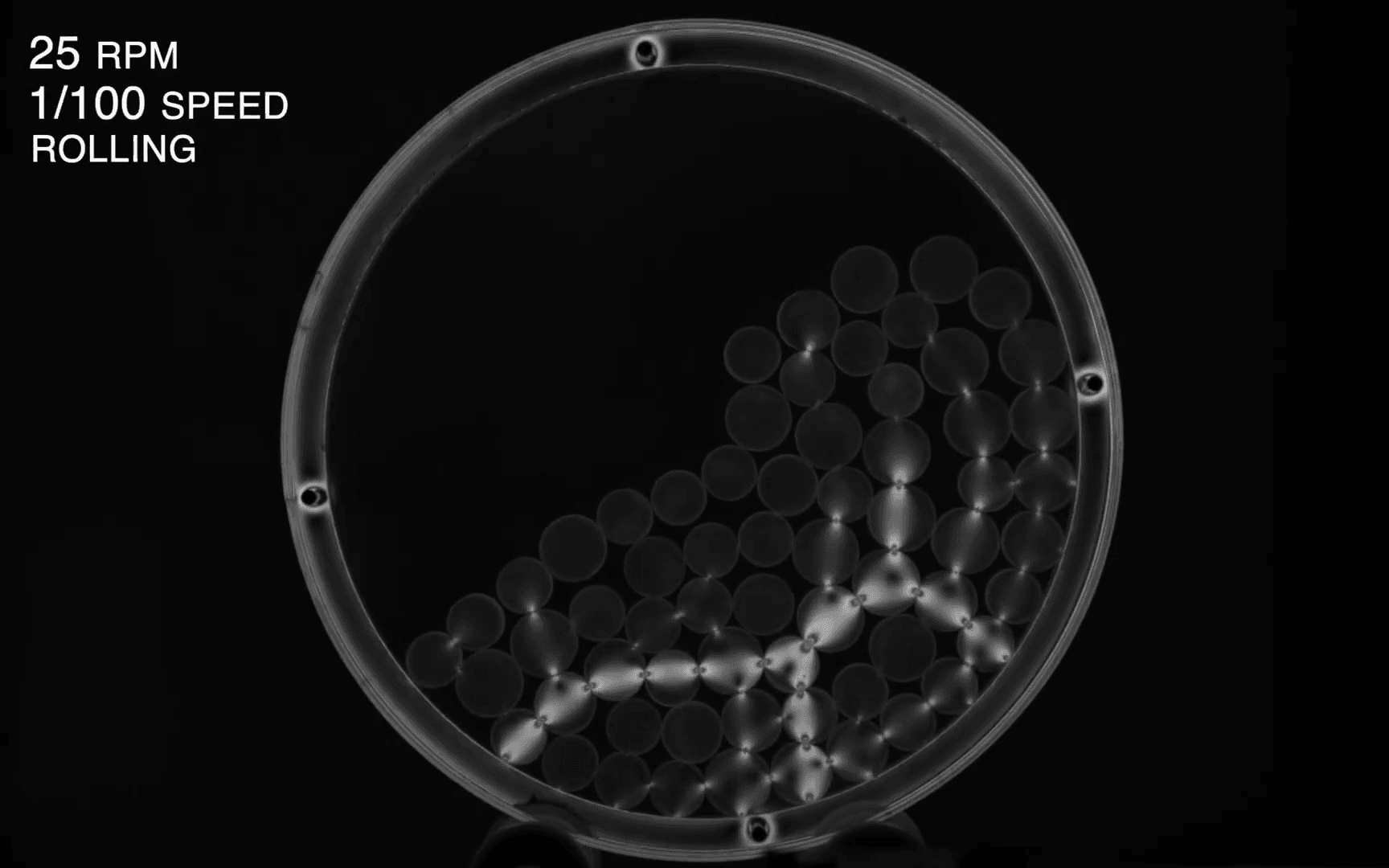
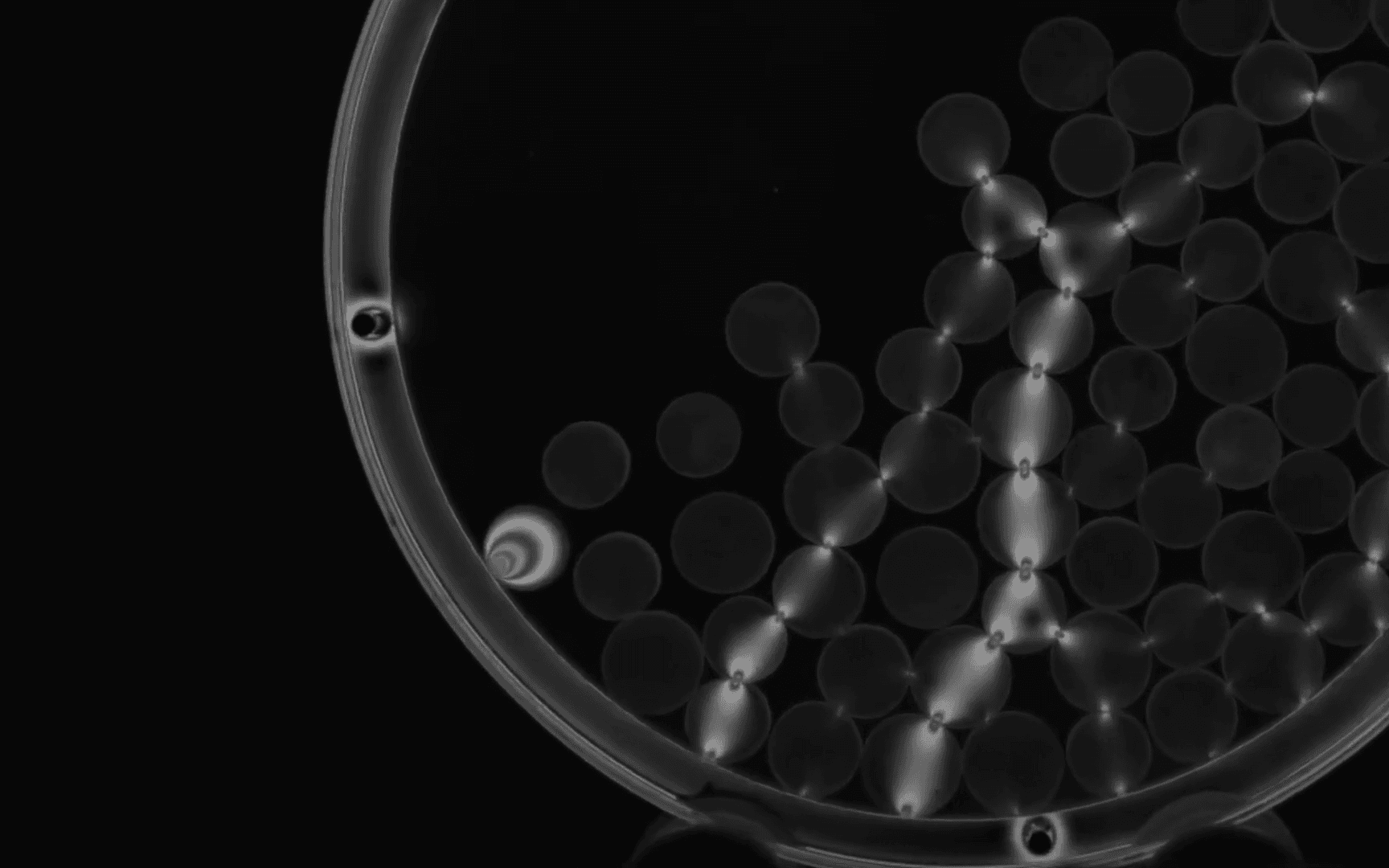
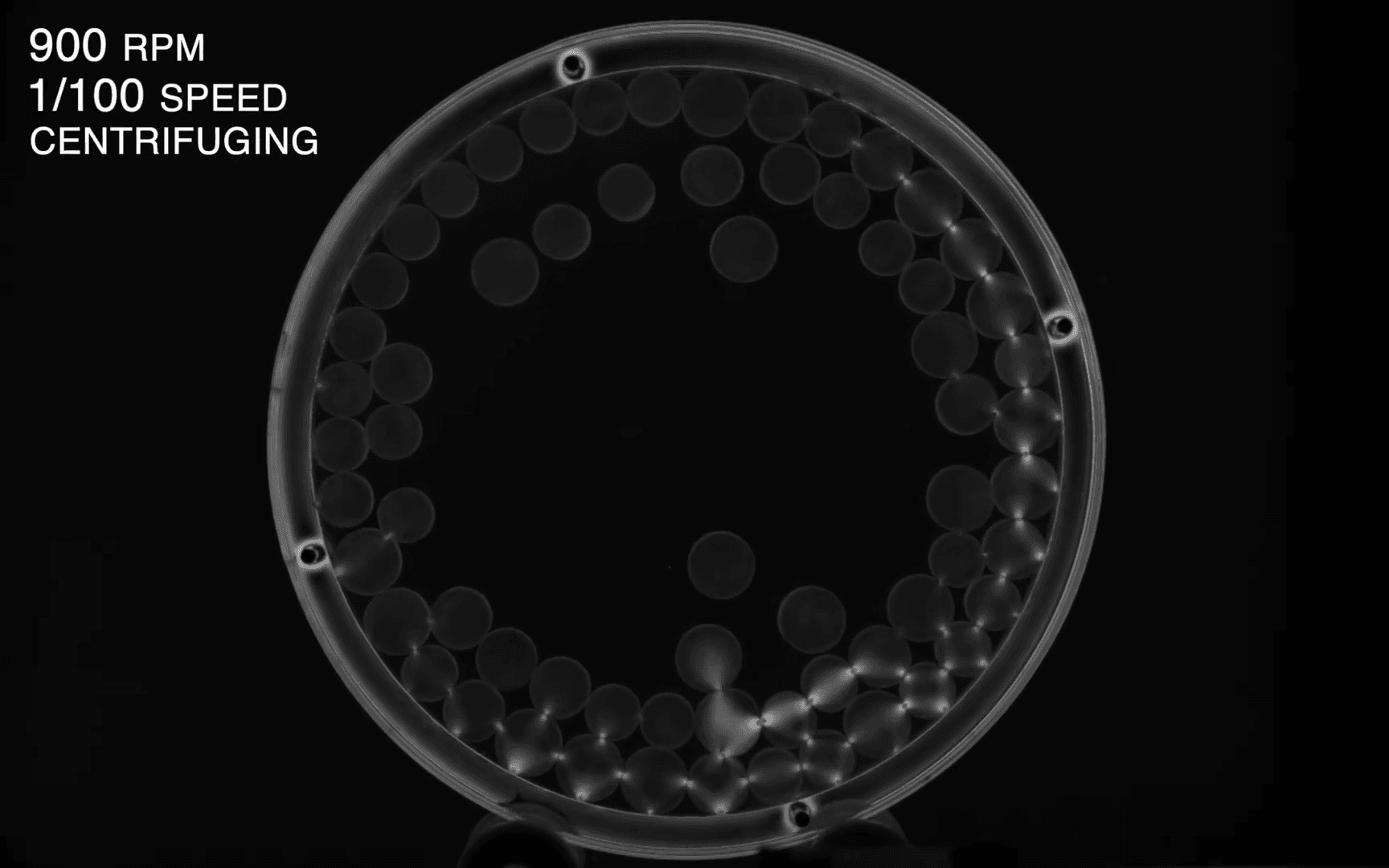
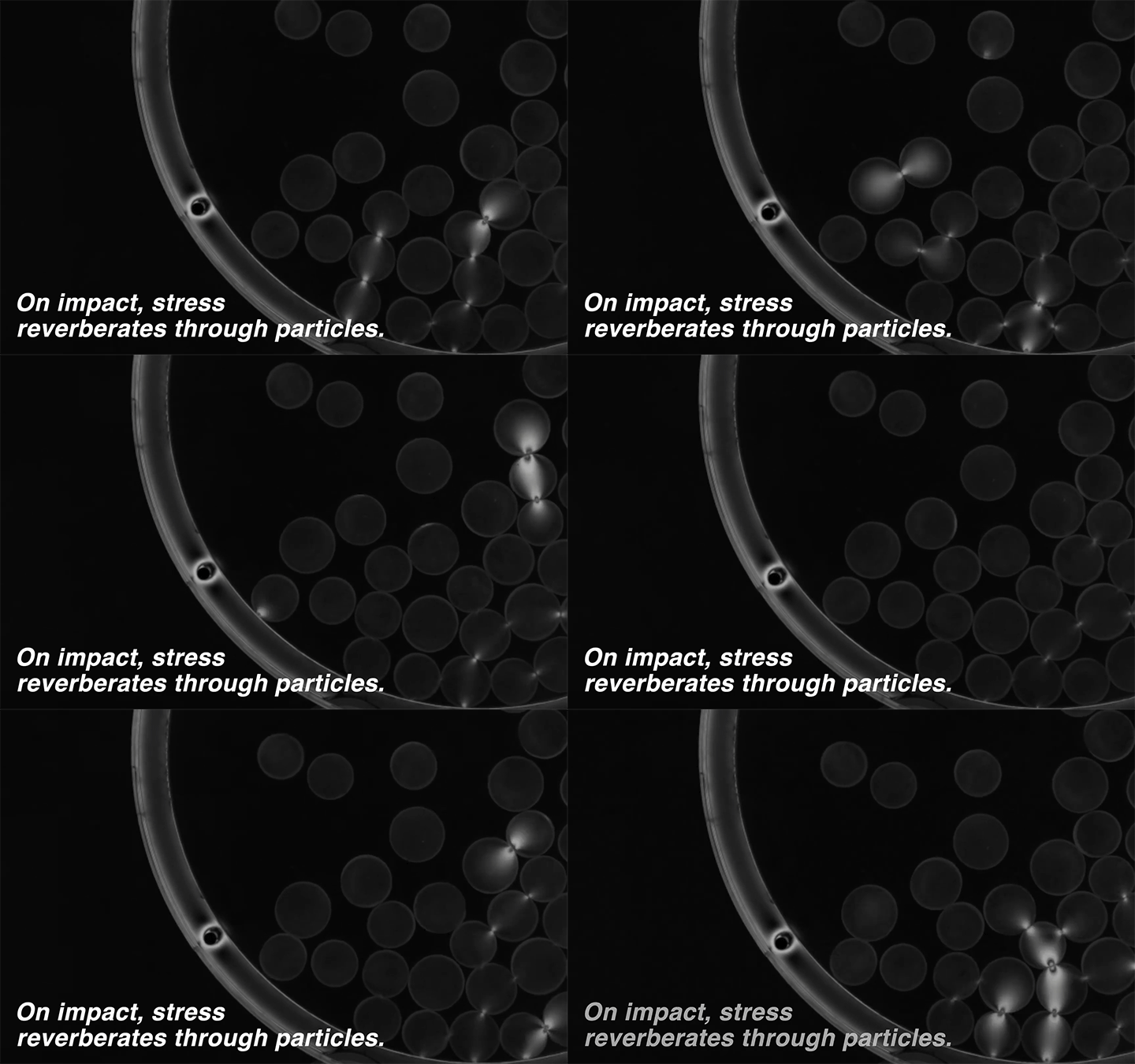
    Researchers sometimes study avalanches and other granular flows in a rolling drum, where grains can cascade down continuously. Here, the twist is that they’ve done it with photoelastic disks, which show stress patterns when viewed under crossed polarizing filters.

    In any given moment, the contacts between neighboring particles form a force chain that lights up the disks. In motion, the effect resembles lightning forking and branching across the sky. The close-ups of stress reverberating during impact are especially mesmerizing. (Video and image credit: R. Hodgson et al.)

    Animation of stress reverberating through particles as they roll in a drum.
    Animation of stress reverberating through particles as they roll in a drum.
    Fediverse Reactions
  • Featured Video Play Icon

    Particles Separate When Flowing Downhill

    When particle-laden fluids like a mudslide flow downhill, even well-mixed particles can wind up separating. To explore how this works, researchers put glass spheres–of two different sizes but equal density–into silicone oil and let it flow down an incline. Their initially well-mixed oil soon turned red as the larger red particles overtook the smaller blue particles near the front. Looking at the flow from the side, the team observed a Brazil-nut-effect-like behavior where the larger particles move toward the top of the flow. That’s where the flow speed is fastest, and the particles are congregating there despite being denser than the oil carrying them! (Video and image credit: Y. Ba et al.)

  • “Cracked Earth”

    “Cracked Earth”

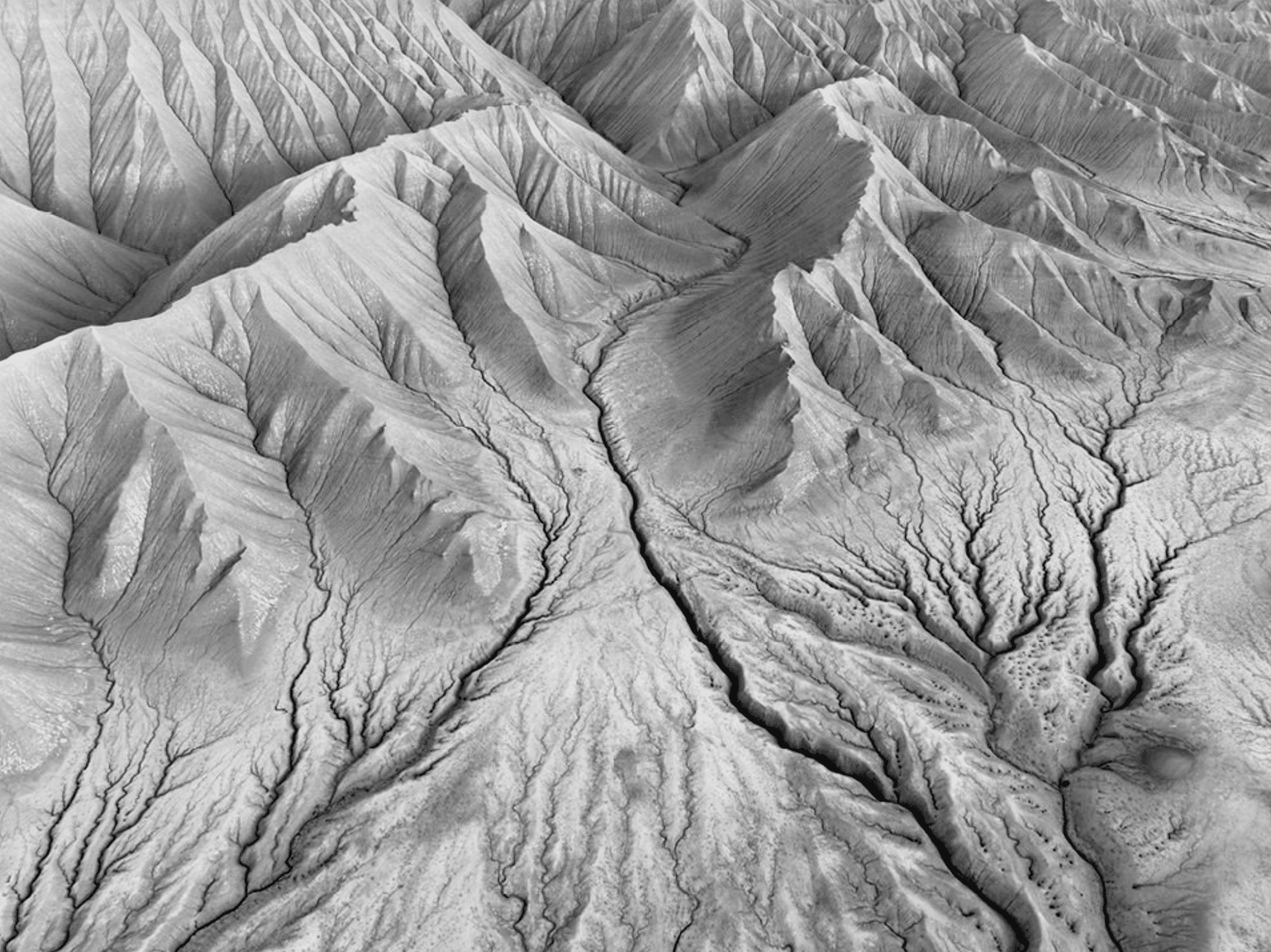
    Branching cracks wend through the slopes of Utah in this photograph by Matt Payne. It may seem strange to feature something so dry on a blog about fluid dynamics, but everything seen here depends as much on air and water as on soil, rock, and sand. How water intrudes into the porous landscape and the way it evaporates back out is critical to crack formation. (Image credit: M. Payne; via ILPOTY)

  • Featured Video Play Icon

    Instabilities in a Particle Flow

    Even though particles are not (strictly speaking) a fluid, they often behave like one. Here, researchers investigate what happens when two layers of particles–with different size and density–slide down an incline together. The video is tilted so that the flow instead appears from left to right.

    When the larger, denser particles sit atop a layer of smaller, lighter particles, shear between the two layers causes a Kelvin-Helmholtz instability that runs in the direction of the flow. This creates a wavy interface that lets some small particles work upward while large particles shift downward.

    At the same time, a slice across the flow shows that plumes of small particles are pushing up toward the surface, driven by a Rayleigh-Taylor instability. The researchers also look at what happens when the particles are fluidized by injecting a gas able to lift the particles. (Video and image credit: M. Ibrahim et al.; via GFM)

  • Featured Video Play Icon

    Flow Through Granular Beds

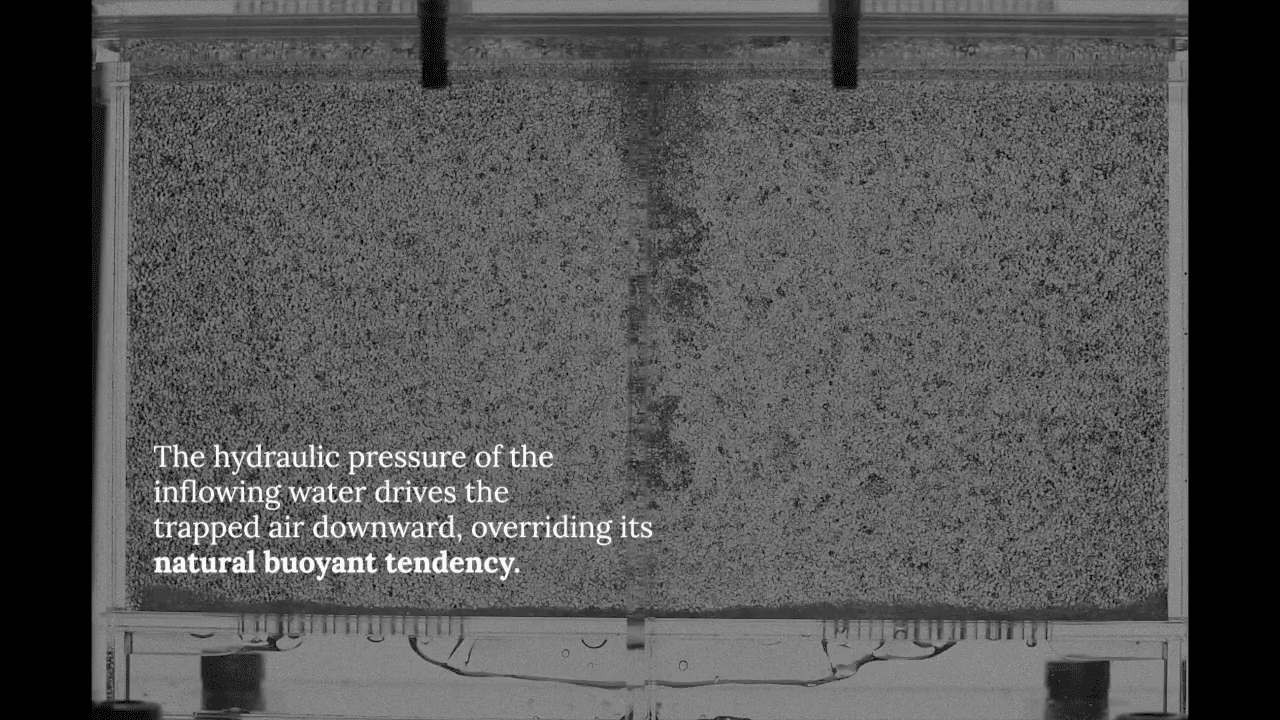
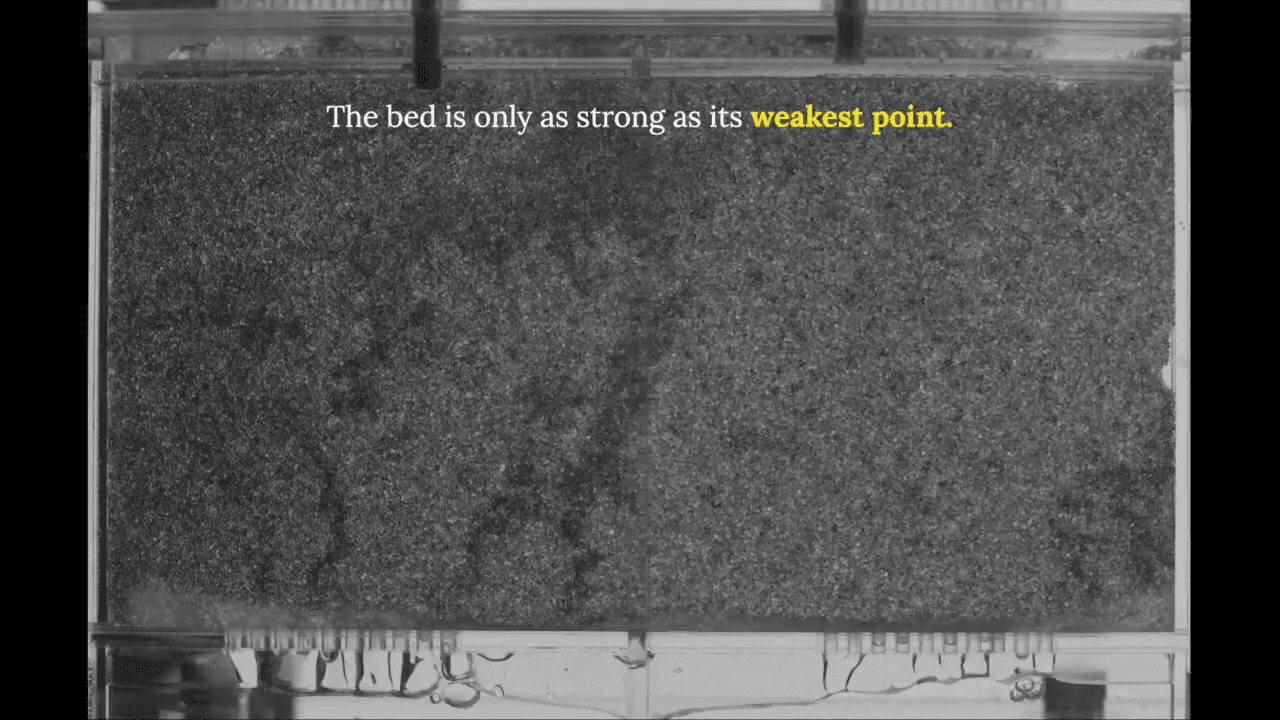
    We often rely on water draining through beds of grains, whether it’s the soil foundation beneath a building or the sand-and-gravel-filter used in water treatment. But how does water move through these tortuous porous passages? That’s what we see in this video, which places grains in a jig resembling an ant farm and lets us watch as water–and air–drain through the grains. The result is more complicated than you might imagine, with dry pockets, weak spots, and developing sinkholes. (Video and image credit: J. Choi et al.)

    Fediverse Reactions
  • Featured Video Play Icon

    How the Edenville Dam Failed

    Back in May 2020, the Edenville Dam in Michigan failed dramatically, releasing flood waters that destroyed a downstream dam and caused millions of dollars of damage. In this Practical Engineering video, Grady deconstructs the accident, based on an interim report from the forensic team charged with investigating the failure. Along the way, he explains common causes of dam failures, what made the Edenville failure unusual, and how engineers build modern earthen dams to avoid this older design’s flaws. (Image and video credit: Practical Engineering)

    Fediverse Reactions
  • Waves Over Sand Ripples

    Waves Over Sand Ripples

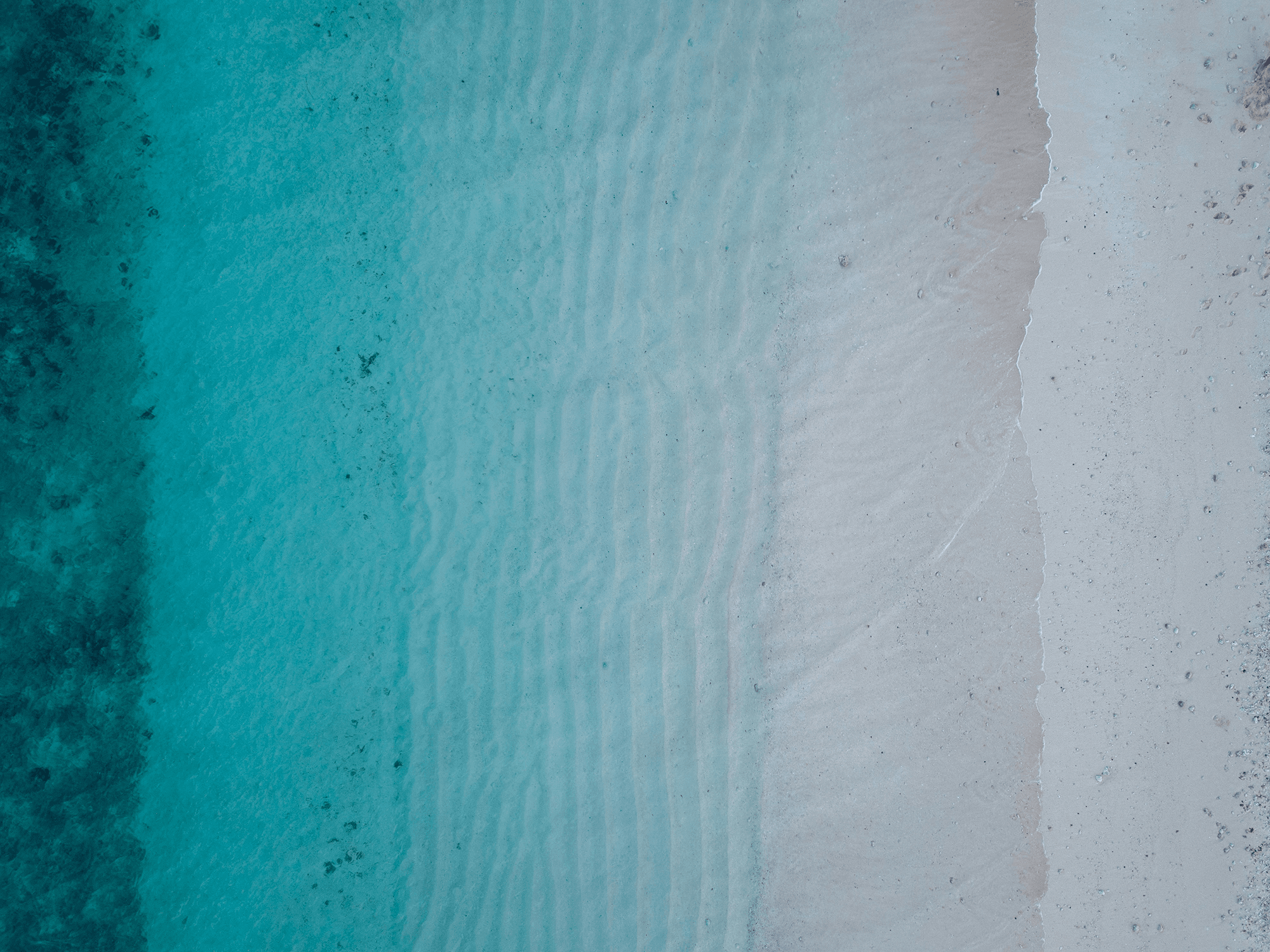
    Look beneath the waves on a beach or in a bay, and you’ll find ripples in the sand. Passing waves shape these sandforms and can even build them to heights that require dredging to keep waterways passable to large ships. To better understand how the sand interacts with the flow, researchers build computer models that couple the flow of the water with the behavior of individual sand grains. One recent study found that sand grains experienced the most shear stress as the flow first accelerates and then again when a vortex forms near the crest of the ripple. (Image credit: D. Hall; research credit: S. DeVoe et al.; via Eos)

    Fediverse Reactions
  • La Grande Dune du Pilat

    La Grande Dune du Pilat

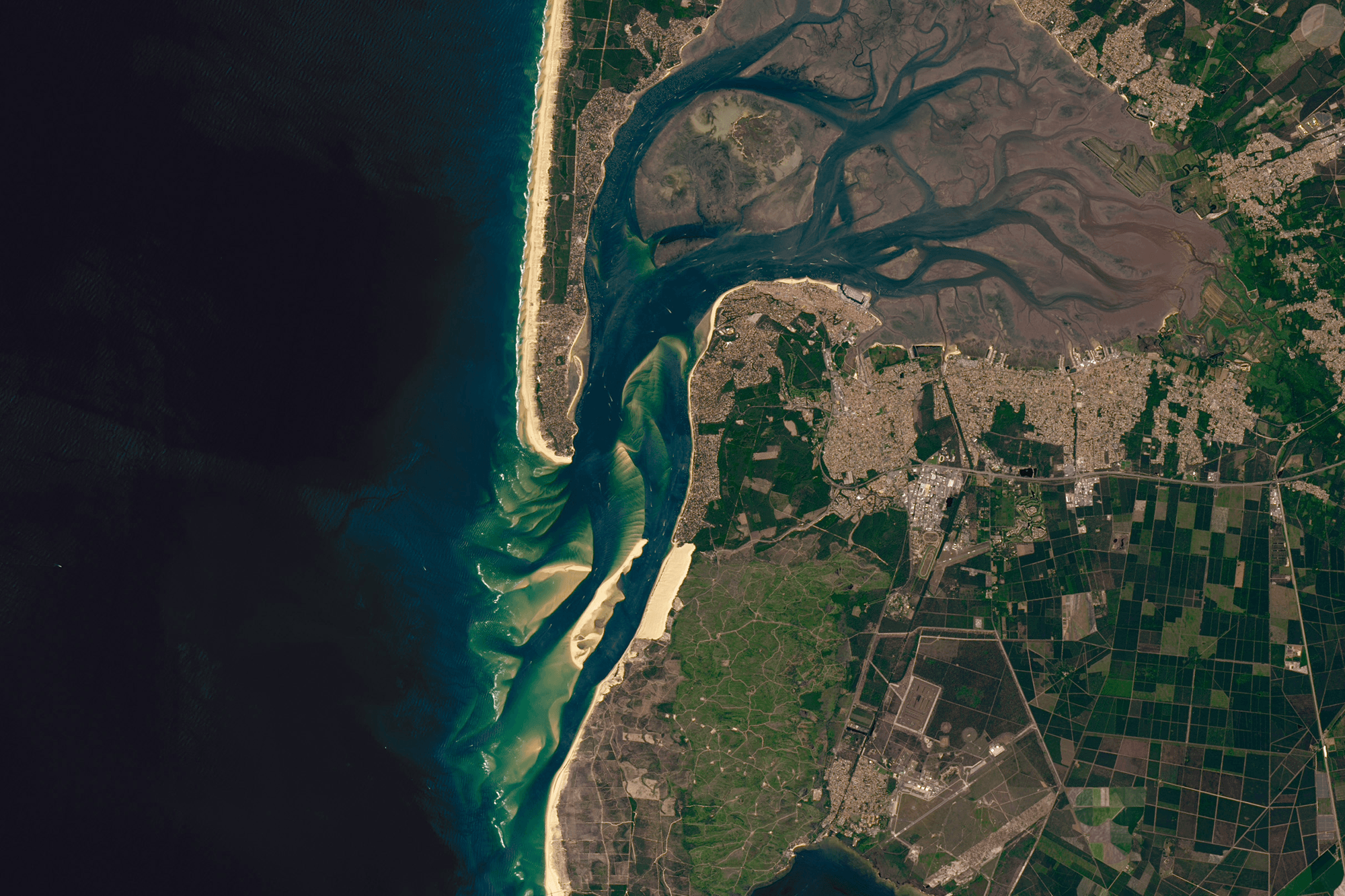
    Southwest of Bordeaux in France stands Europe’s tallest sand dune, La Grande Dune du Pilat. Some 2.7 kilometers long and over 100 meters high, this dune took shape here over thousands of years. It moves inland a few meters every year as winds blowing from the Atlantic push sand up its shallow seaward side to the dune’s crest. There, sand will avalanche down the steeper leeward side, advancing the dune little by little. The dune’s accumulation has not been steady; during cooler and drier times, sand has collected there, but it took warmer and wetter climes to grow the forests that have helped stabilize the soil and build the dune higher. Humanity has played a role as well, at times introducing new tree species to stabilize the dune. (Image credit: W. Liang; via NASA Earth Observatory)

    Fediverse Reactions
  • Pour-Over Physics

    Pour-Over Physics

    Fluids labs are filled with many a coffee drinker, and even those (like me) who don’t enjoy coffee, can find plenty of fascinating physics in their labmates’ mugs. Espresso has received the lion’s share of the research in recent years, but a new study looks at the unique characteristics of a pour-over coffee. In this technique, coffee grounds sit in a conical filter and a stream of hot water pours over the top of the grounds. Researchers found that the ideal pour creates a powerful mixing environment in a coffee-studded water layer that sits above a V-shaped bed of grains created by the falling water jet.

    The best mixing, they find, requires a pour height no greater than 50 centimeters (to prevent the jet from breaking into drops) but with enough height that the falling jet stirs up the grounds. You also want to pour slowly enough to give plenty of time for mixing, without letting the jet stick to the kettle’s spout, which (again) causes the jet to break up.

    That ideal pour extracts more coffee flavor from the grounds, allowing you to get the same strength of brew from fewer beans. As climate change makes coffee harder to grow, coffee drinkers will want every trick to stretch their supply. (Image credit: S. Satora; research credit: E. Park et al.; via Ars Technica)

    Fediverse Reactions