This astronaut photo shows the Isles of Scilly off the Cornish coast. The pale turquoise waters mark shallow reefs and shoals between the islands while blues reveal deeper waters surrounding the isles. The sun angle is perfect for highlighting the complex wave patterns caused by the winds and tides. Look closely and you’ll see swells intersecting one another and even diffracting around the smaller islets. (Image credit: NASA; via NASA Earth Observatory)
Tag: science

Everlasting Bubbles


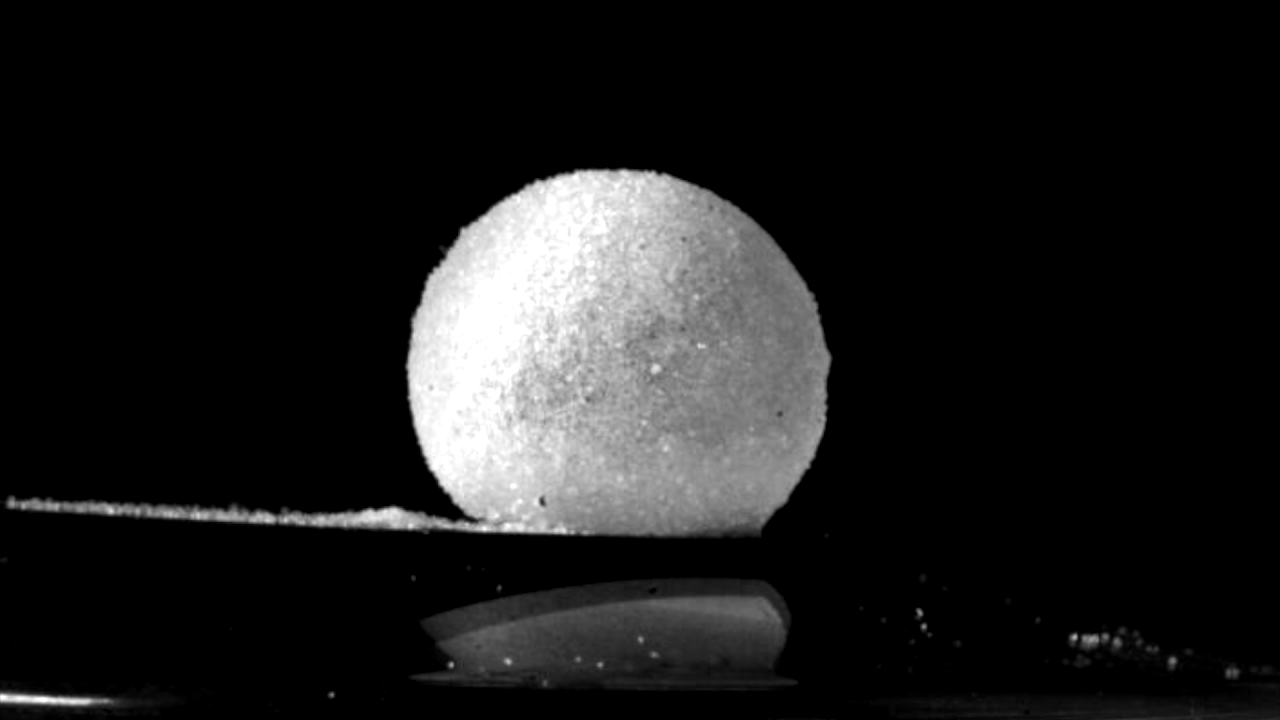
Soap bubbles are delicate and ephemeral, always a breath away from collapse due to thinning driven by gravity or evaporation. But that frailty can be countered. Adding microparticles to the bubble’s shell in place of surfactants counters drainage and makes bubbles last for tens of minutes (left). Adding glycerol to the mix takes things a step further (right). The glycerol, which absorbs water from the surrounding air, counteracts the evaporation, allowing bubbles to remain intact — with no discernible change to their radius — almost indefinitely. So far the researchers have made such a bubble last for 465 days! (Image and research credit: A. Roux et al.; via APS Physics)

Frozen Wind-Sculpted Sands


On the cold, wind-swept beaches of Lake Michigan, the sands sometimes turn into a landscape of miniature hoodoos. Strong winds erode the frozen sand into these shapes, which last only days before wearing away or falling over. This photographic series by Joshua Nowicki immortalizes the ephemeral winter sculptures. You can see more of his photography on his Instagram. (Image credit: J. Nowicki; via Colossal; see also)

Butterflies Emerging
When a butterfly emerges from its chrysalis, it flaps its wings to help pump fluids through its body, essentially inflating its new adult form. You get a glimpse of that process here in this Ant Lab video, along with some spectacular slow motion footage of butterflies taking off. I’m always amazed to see how much butterfly wings flex with each wing beat! Even more impressive is the strength of the insect’s lift; as seen here, a butterfly is strong enough to take off while supporting both itself and a mated insect. (Image and video credit: Ant Lab/A. Smith)

Stopping The Drop
When a droplet falls on a mesh surface, some of the liquid can burst through the holes (top row). But subsequent drops have a harder time penetrating the prewetted mesh. After a few drops have impacted (rows 2-3), the wetted mesh can completely suppress penetration (rows 4-5). The authors found that the taller drops sitting atop the mesh were better at stopping penetration from an incoming drop. (Image and research credit: L. Xu et al.)

Streaks of Sea Ice
As summer approaches in the Southern Ocean, sea ice melts, but the process is not purely one-way. Temperatures in some locations are cold enough for some limited new freezing. The result is a mix of ice conditions like those seen here. The oldest, thickest ice is part of the ice shelf in the image’s lower right. Normally, younger sea ice would nestle against this shelf, but strong winds have blown that ice north-eastward.
In the open waters between, delicate frazil ice — tiny needle-like crystals — forms. The wind, coupled with the wave motion, drives the frazil ice together to form streaks of nilas, which eventually accumulate into a layer along the older, broken, windswept ice. (Image credit: J. Stevens/USGS; via NASA Earth Observatory)

Sounds of Champagne
Lean in to a glass of champagne and you’ll hear a soft chorus of sound as the bubbles pop. Recently, researchers determined the specific mechanism in the process that’s responsible for that audible sound.
Bubbles pop when the thin film of liquid separating them from the atmosphere drains away. The moment the film opens corresponds to the start of the sound, as overpressurized air inside the bubble has a chance to escape. The researchers found that the bubble behaves like a open-ended Helmholtz resonator, and by the time the sound emission ends, the bubble’s collapse has barely begun. (Image credit: L. Lyshøj; research credit: M. Poujol et al.)

Beijing 2022: Sliding on Snow
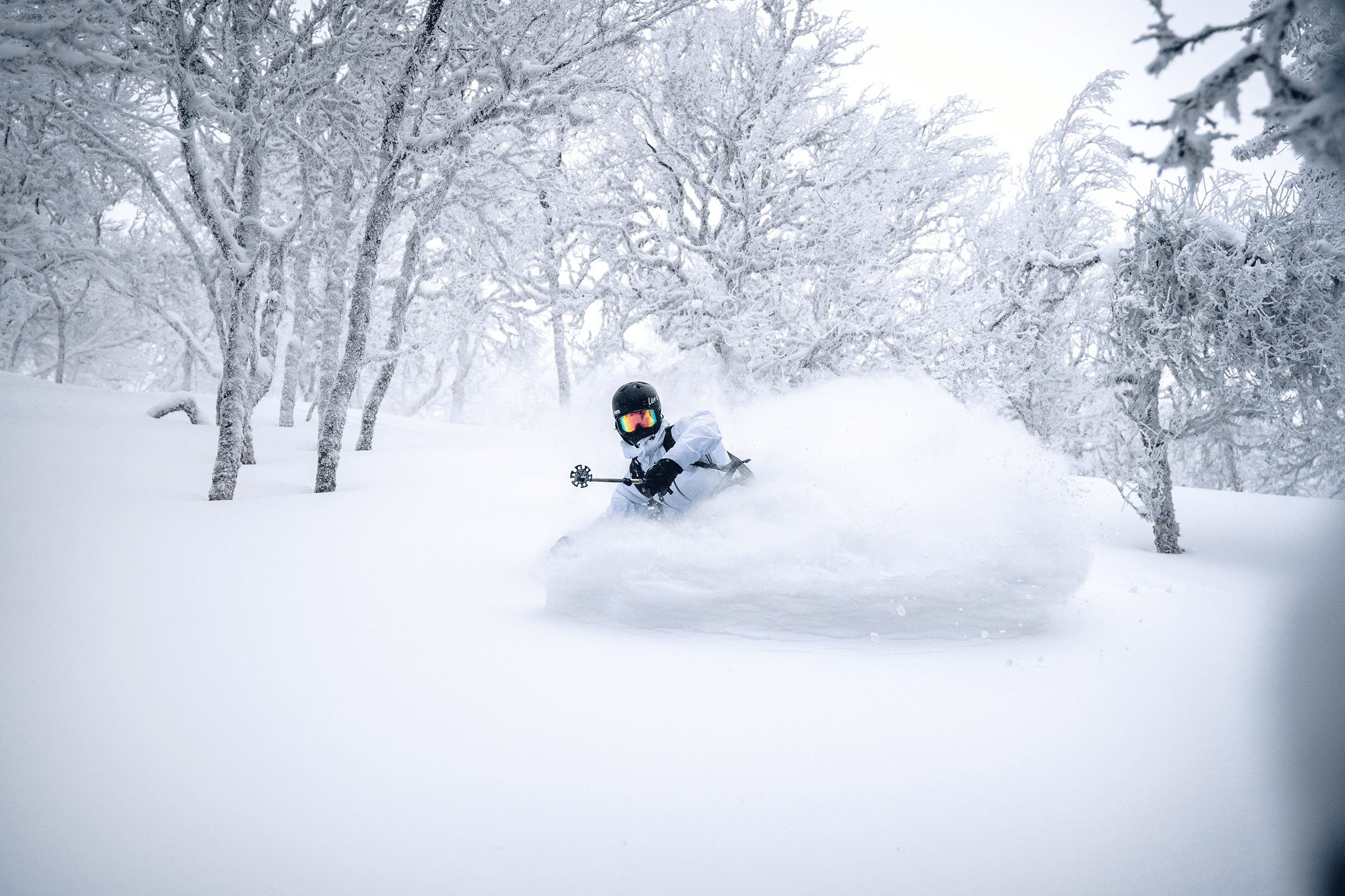
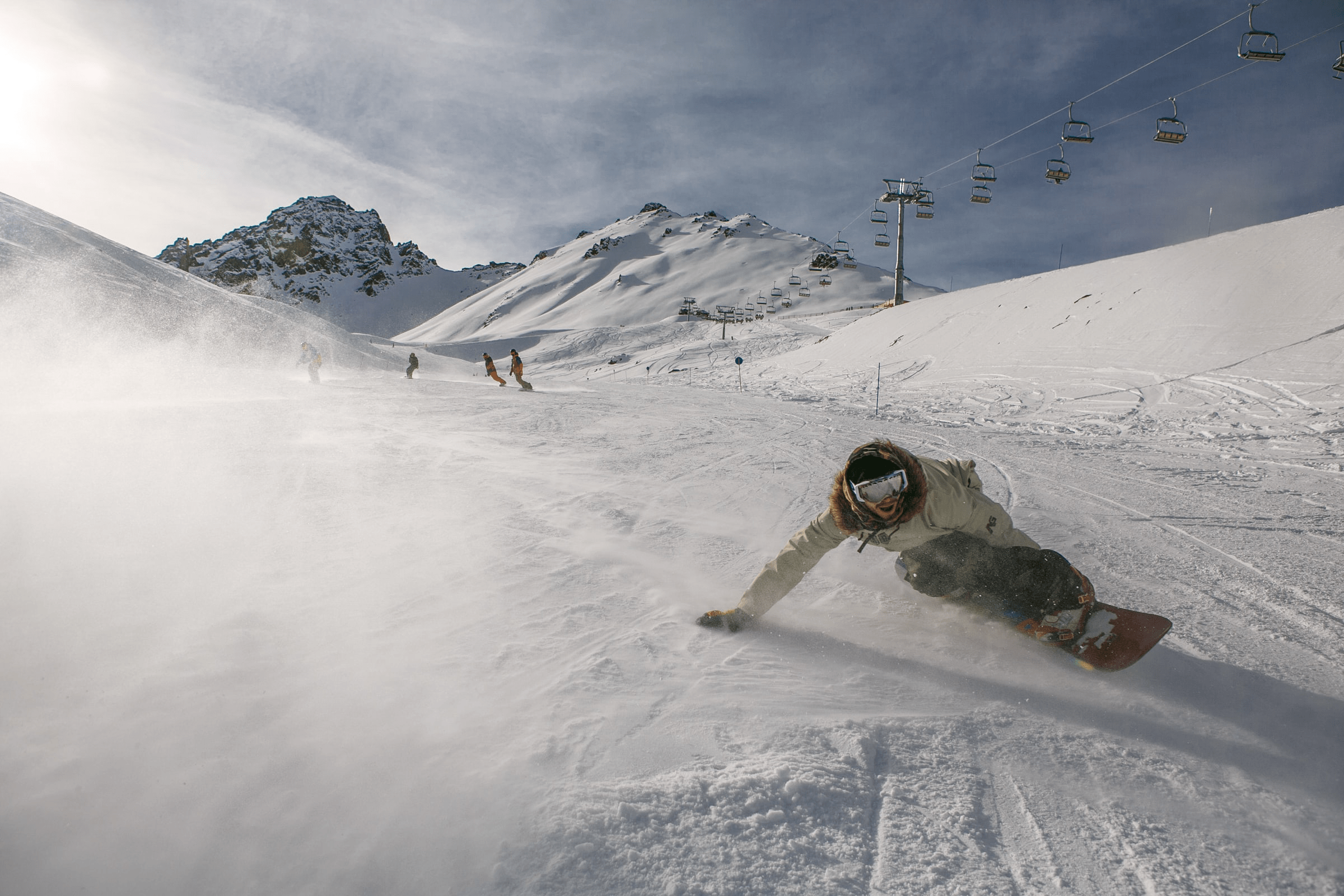

Skiing and snowboarding events rely on the peculiar physics of sliding on snow. According to classical lubrication theory, that sliding shouldn’t be nearly as low in friction as what we observe. The key here is that snow is soft and porous; it’s compressible, but it can also trap air (or water) in the pores between flakes. Because the passage of a skier or snowboarder is so fast, the air doesn’t have the time to slip out of the pores. Instead, it gets pressurized, providing lift that keeps the slider’s friction low. In the end, it isn’t the snow holding the slider up, it’s the air trapped in the snow beneath them! (Image credit: skier in powder – J. Andersson, snowboarder – Visit Almaty, halfpipe – P. T’Kindt; research credit: Z. Zhu et al.)

Beijing 2022: Ice’s Slideability
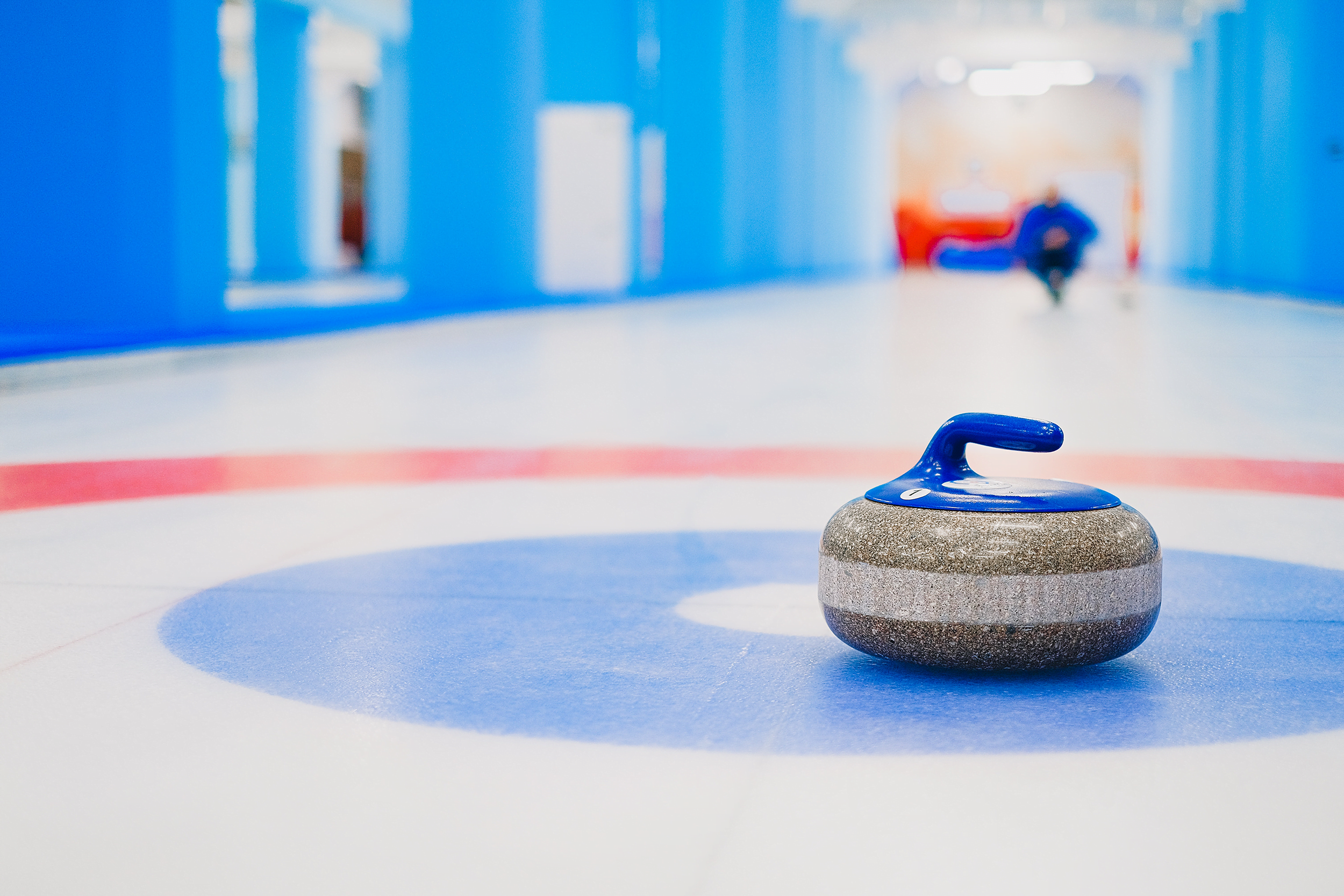
As scientists continue to unravel the peculiarities of ice, they’ve found that ice’s friction depends both on the object sliding on it and the ice’s hardness. At extremely low temperatures, water molecules at the ice’s surface are held rigidly by the hard ice, resulting in high friction. At intermediate temperatures, however, water molecules at the surface were more mobile — especially with a quick-moving slider going by — so the friction decreased.
But as the ice approached its melting point, the friction behavior shifted again. As the ice softened, sliding objects could begin to plough into the ice, dramatically increasing contact and friction. When ploughing begins depends on temperature, slider shape, contact pressure, slider speed, and ice hardness.
Beyond the lab, researchers found that weather plays a role in slideability, too, since humidity and air temperature can affect the thickness of the liquid-layer at the ice’s surface. (Image credit: SHVETS Productions; research credit: R. Liefferink et al.; via APS Physics; submitted by Kam-Yung Soh)

Beijing 2022: Monobob
Bobsleigh, as a discipline, has been dominated in recent years by teams seeking every aerodynamic advantage to shave hundredths of a second off their runs. So it’s fascinating that the newest event in the discipline — the women-only monobob — cuts away that secretive part of the sport by permitting sleds from only one manufacturer. Every athlete competes in an identical sled. Not only that, they swap sleds between runs based on their times! So the fastest athlete from the first run will switch sleds with whomever had the slowest time.
The event’s rules refocus the competition on athletic performance and skill rather than incentivizing countries who can afford to spend more money on wind tunnel testing and F1 design companies. That’s a great step toward leveling the playing field. I can’t wait to watch! (Image credit: OIS)