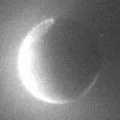
After a solar prominence erupts, strong solar winds flow outward from the sun, carrying energetic particles that can disrupt satellites and trigger auroras if they make their way toward us. In this video, an instrument onboard the ESA/NASA’s Solar Orbiter captures the solar wind in the aftermath of such an eruption. The features seen here extended 3 solar radii and lasted for hours. The measurements give astrophysicists their best view yet of this post-eruption relaxation period, and the authors report that their measurements are remarkably similar to results of recent magnetohydrodynamics simulations, suggesting that those simulations are accurately capturing solar physics. (Video and image credit: ESA; research credit: P. Romano et al.; via Gizmodo)
Tag: astrophysics

Stunning Interstellar Turbulence
The space between stars, known as the interstellar medium, may be sparse, but it is far from empty. Gas, dust, and plasma in this region forms compressible magnetized turbulence, with some pockets moving supersonically and others moving slower than sound. The flows here influence how stars form, how cosmic rays spread, and where metals and other planetary building blocks wind up. To better understand the physics of this region, researchers built a numerical simulation with over 1,000 billion grid points, creating an unprecedentedly detailed picture of this turbulence.
The images above are two-dimensional slices from the full 3D simulation. The upper image shows the current density while the lower one shows mass density. On the right side of the images, magnetic field lines are superimposed in white. The results are gorgeous. Can you imagine a fly-through video? (Image and research credit: J. Beattie et al.; via Gizmodo)
Fediverse Reactions
-

Cat’s Eye Halo
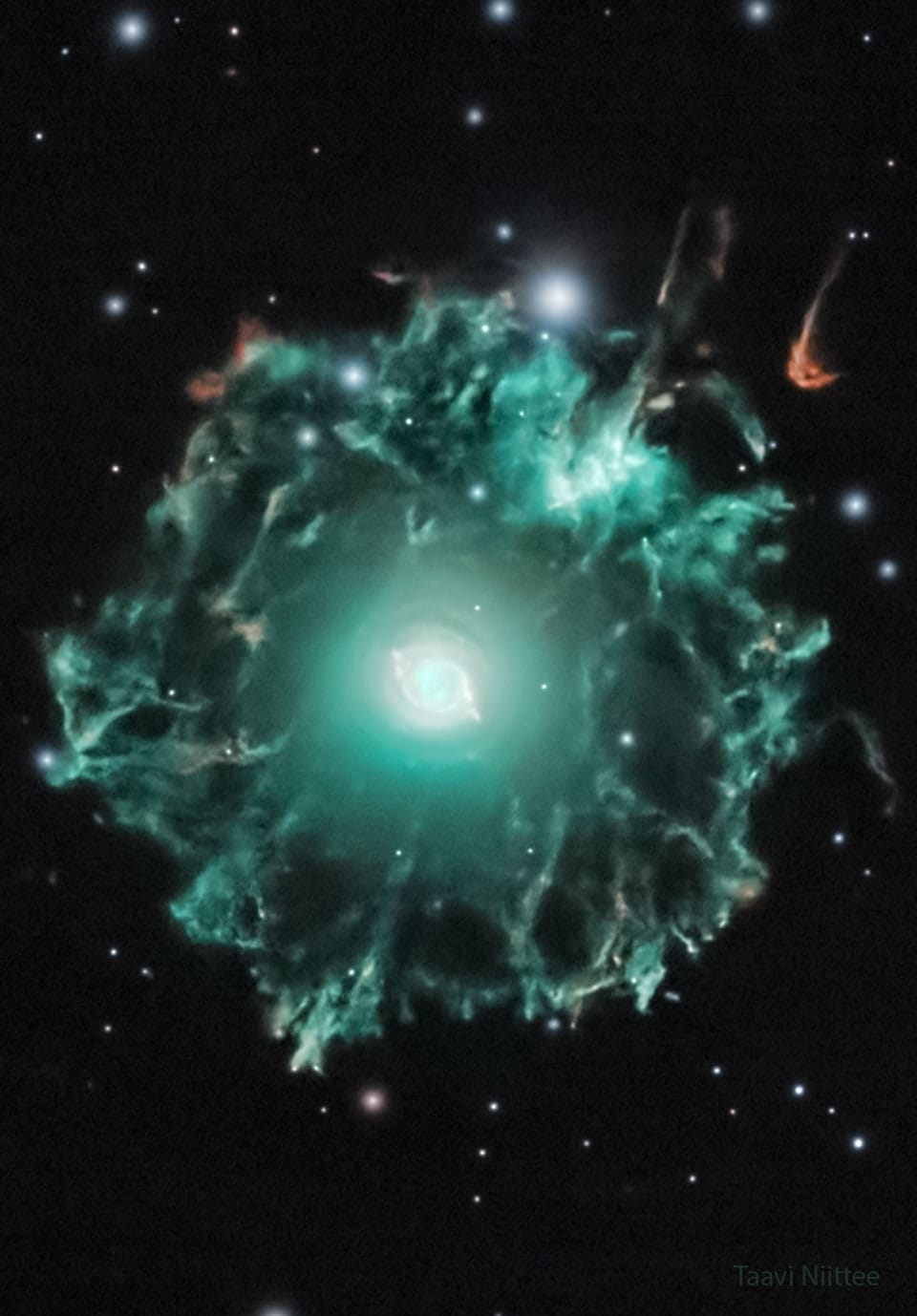
The Cat’s Eye Nebula is a planetary nebula located in the Draco constellation. At its center is a dying star. Seen here is the faint halo that stretches 3 light-years around the central nebula. The filaments of the halo are estimated to be 50,000 to 90,000 years old and were shed during earlier periods in the star’s evolution. Their shape is reminiscent of Rayleigh-Taylor instabilities, to my eye. (Image credit: T. Niittee; via APOD)
Fediverse Reactions
-

Interstellar Jets
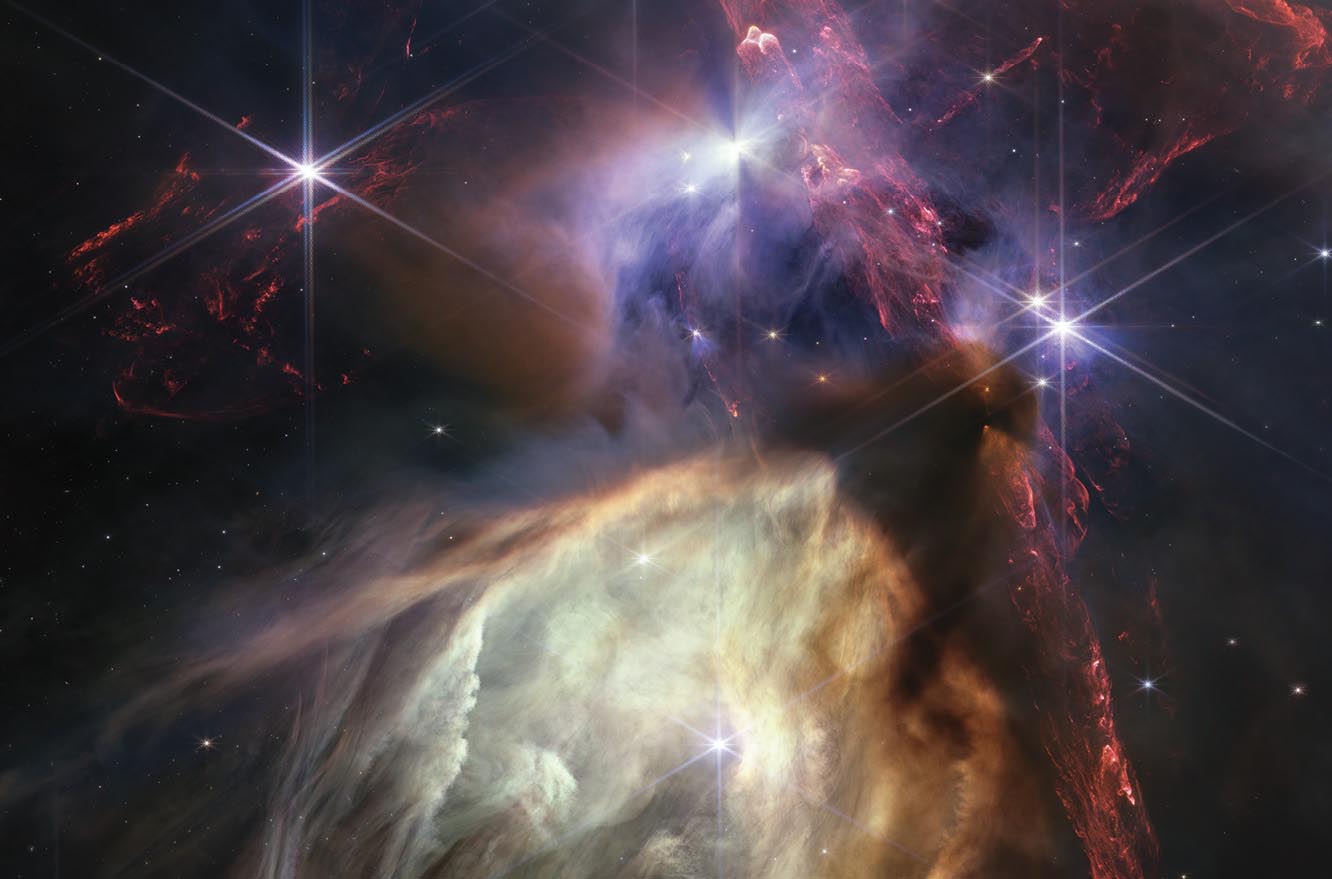
This JWST image shows a couple of Herbig-Hero objects, seen in infrared. These bright objects form when jets of fast-moving energetic particles are expelled from the poles of a newborn star. Those particles hit pockets of gas and dust, forming glowing, hot shock waves like those seen here in red. The star that birthed the object is out of view to the lower-right. The bright blue light surrounded by red spirals that sits near the tip of the shock waves is actually a distant spiral galaxy that happens to be aligned with our viewpoint. (Image credit: NASA/ESA/CSA/STScI/JWST; via APOD)
Fediverse Reactions
-

Jets, Shocks, and a Windblown Cavity
As material collapses onto a protostar, these young stars often form stellar jets that point outward along their axis of rotation. Made up of plasma, these jets shoot into the surrounding material, their interactions creating bright parabolic cavities like the one seen here. This is half of LDN 1471; the protostar’s other jet and cavity are hidden by dust but presumably mirror the bright shape seen here. (The protostar itself is the bright spot at the parabola’s peak.) Although the cavity is visibly striated, it’s not currently known what causes this feature. Perhaps some form of magnetohydrodynamic instability? (Image credit: NASA/Hubble/ESA/J. Schmidt; via APOD)
Fediverse Reactions
-

The Best of FYFD 2024


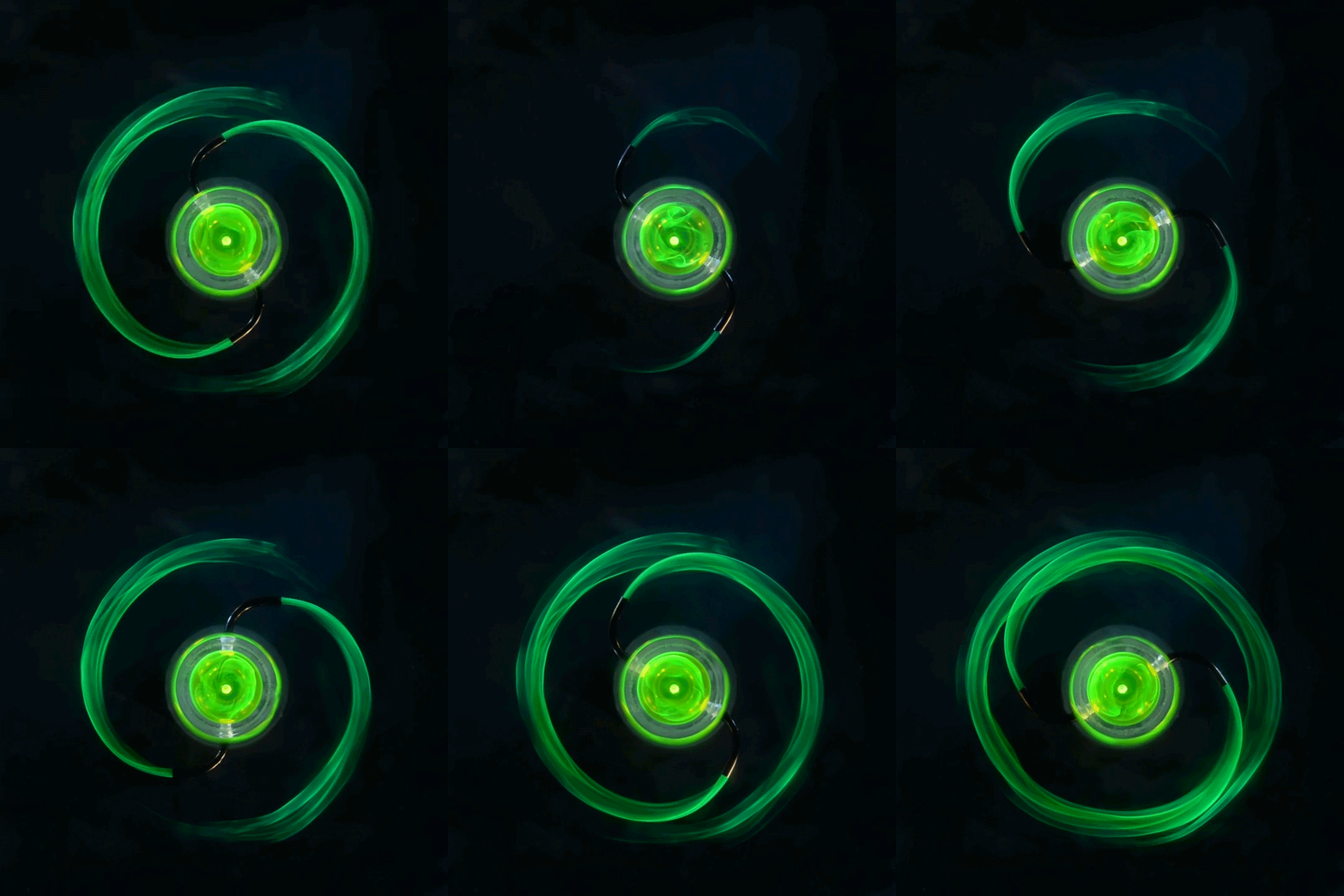
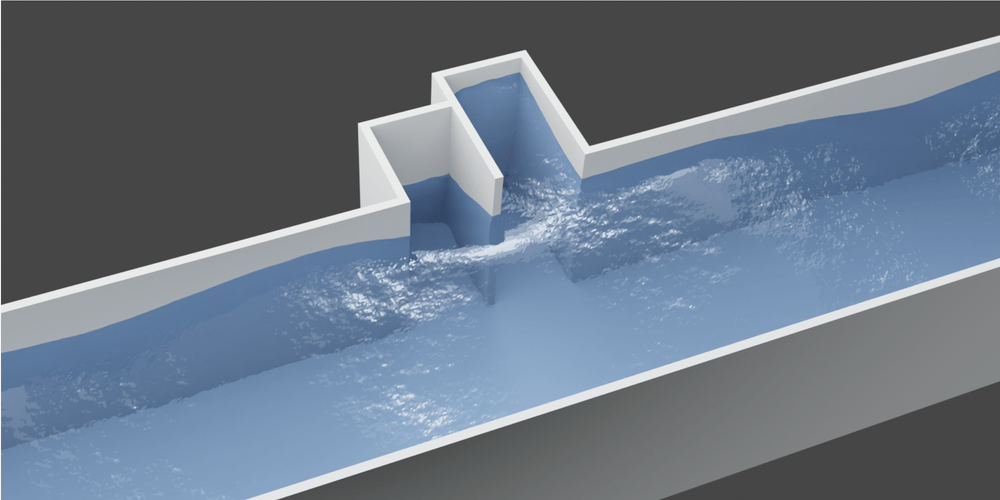

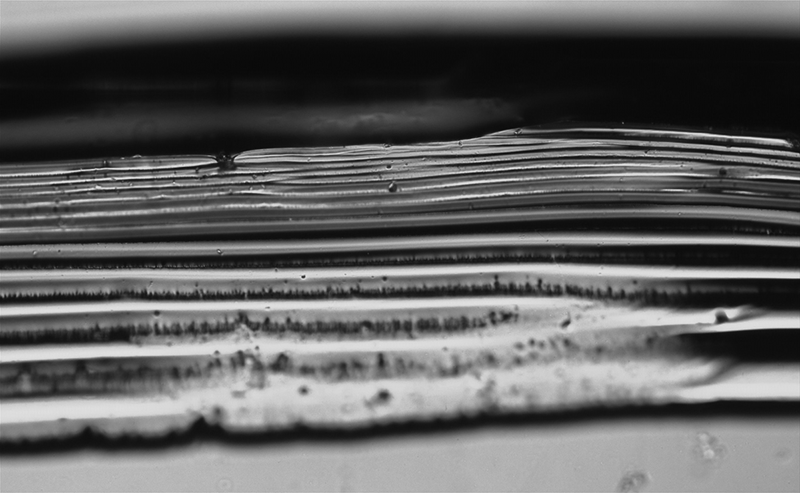
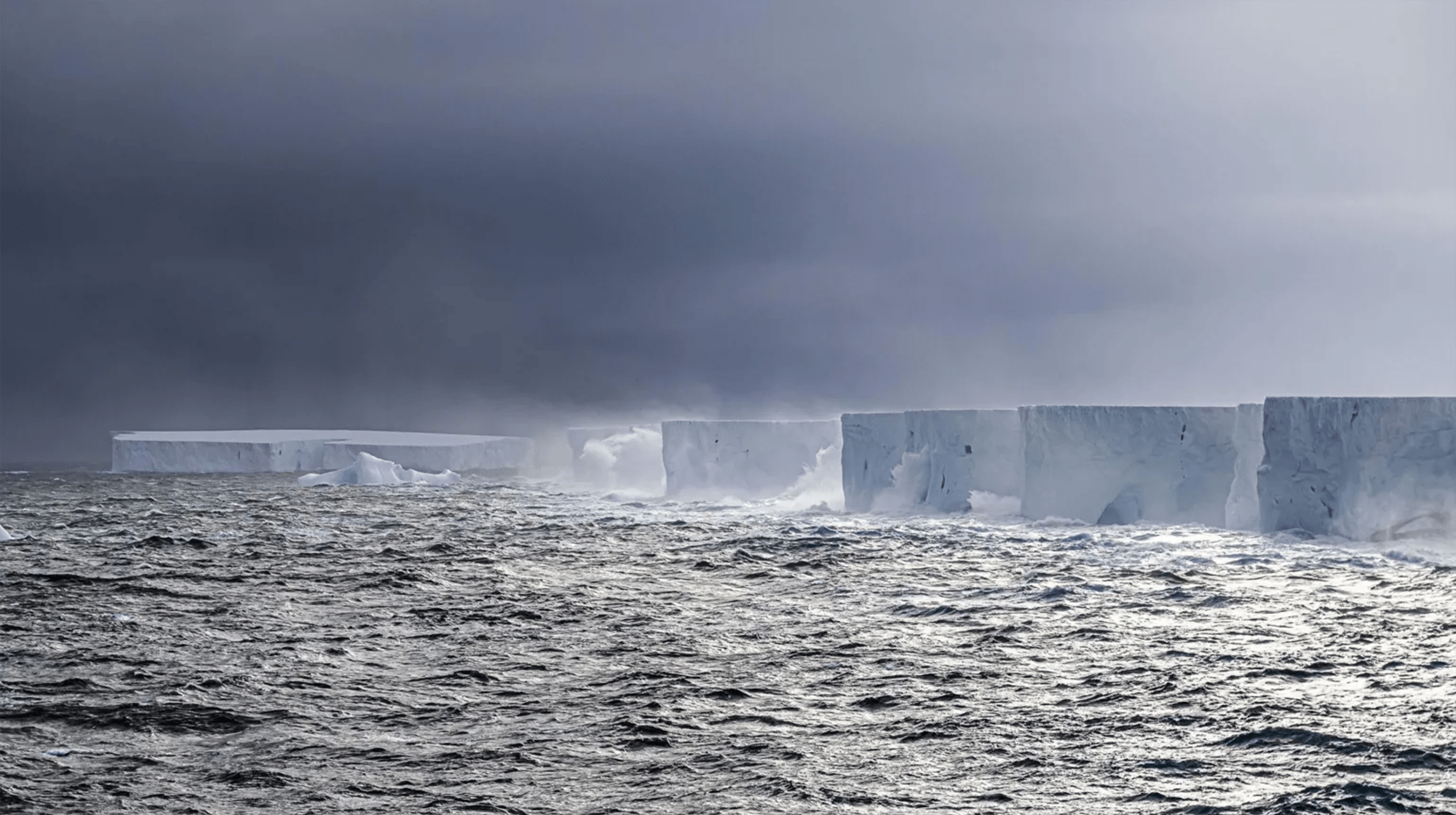

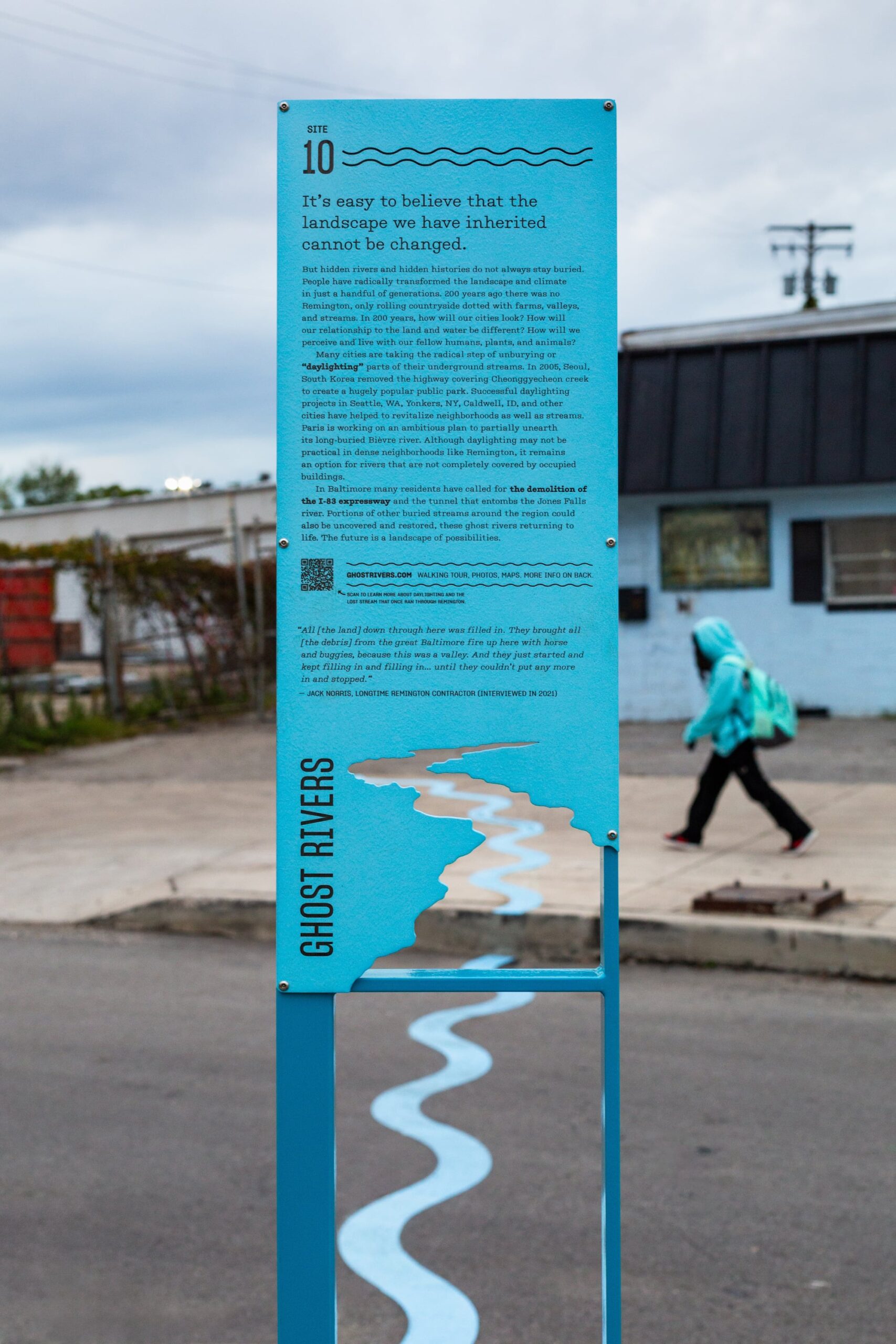


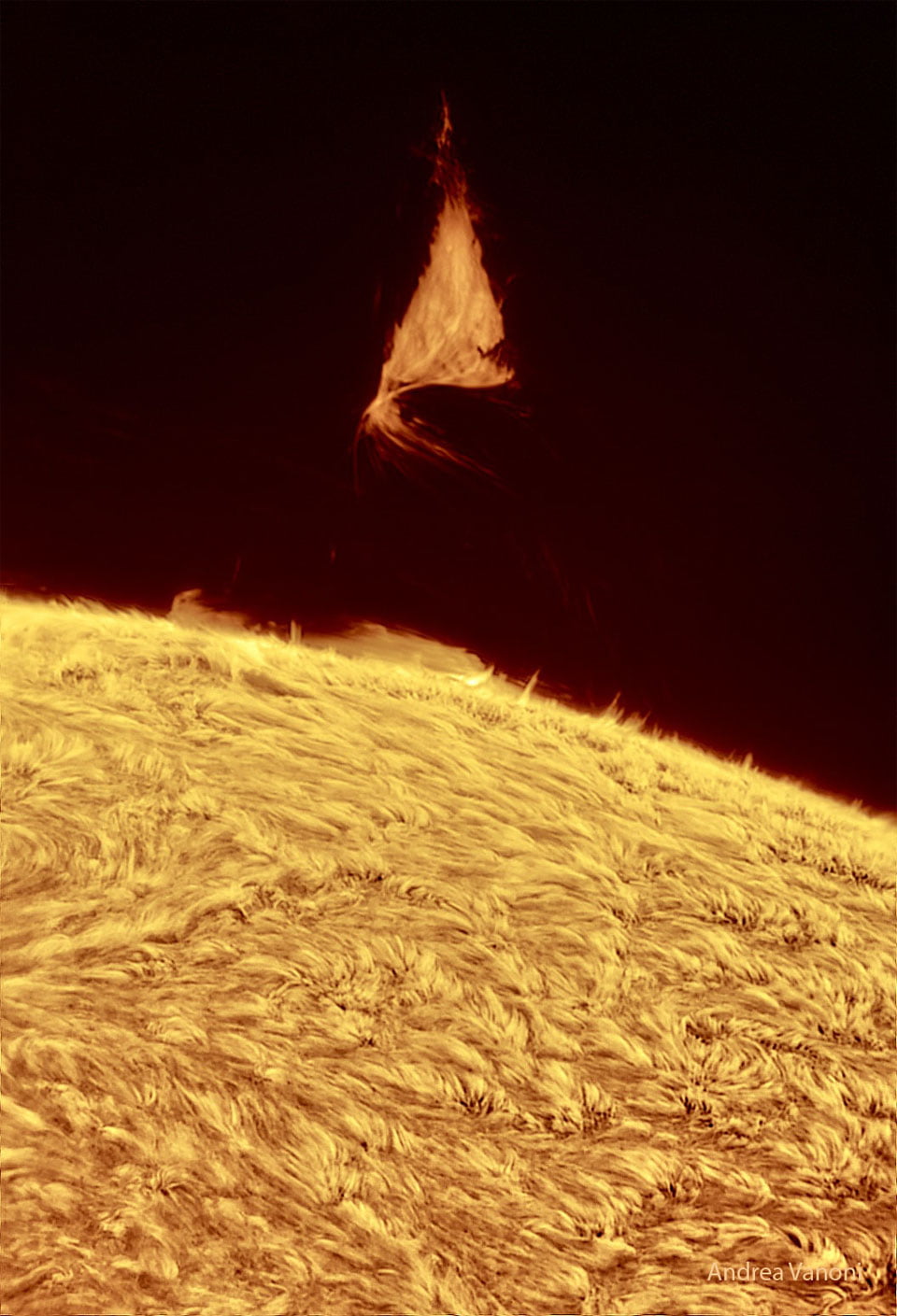
Welcome to another year and another look back at FYFD’s most popular posts. (You can find previous editions, too, for 2023, 2022, 2021, 2020, 2019, 2018, 2017, 2016, 2015, and 2014. Whew, that’s a lot!) Here are some of 2024’s most popular topics:
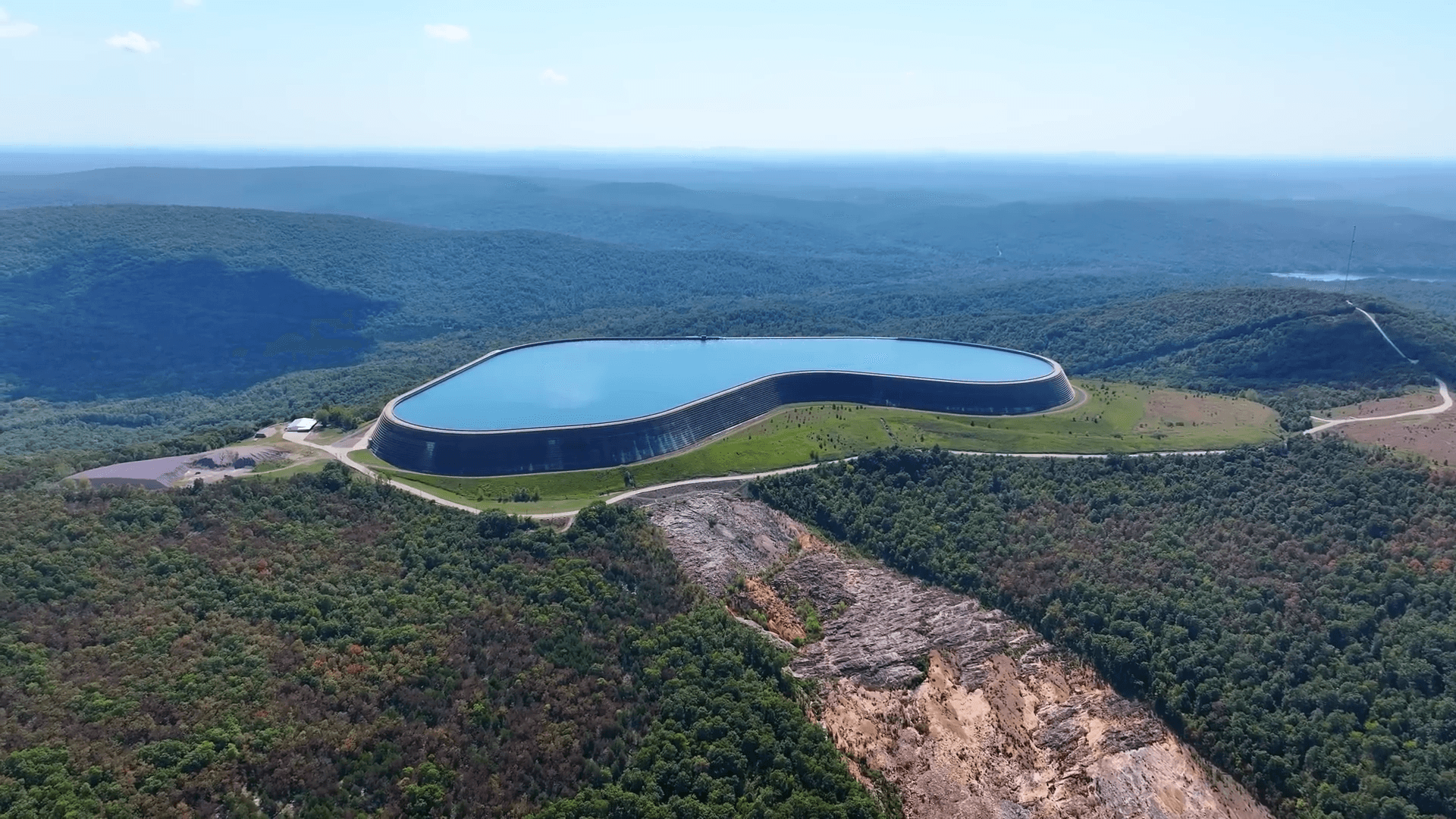
- The Taum Sauk Dam Failure and Its Legacy
- Stretching Ant Rafts
- Gigapixel Supernova
- Feynman’s Sprinkler Solved
- Calming the Waves
- “Dew Point” Deposits Droplets
- Drying Unaffected by Humidity
- Trapped in a Taylor Column
- Exciting a Flame in a Trough
- Remembering Rivers Past
- A Comet’s Tail
- Light Pillars
- Liquid Metal Printing
- The Miscible Faraday Instability
- A Triangular Prominence
This year’s topics are a good mix: fundamental research, civil engineering applications, geophysics, astrophysics, art, and one good old-fashioned brain teaser. Interested in what 2025 will hold? There are lots of ways to follow along so that you don’t miss a post.
And if you enjoy FYFD, please remember that it’s a reader-supported website. I don’t run ads, and it’s been years since my last sponsored post. You can help support the site by becoming a patron, buying some merch, or simply by sharing on social media. And if you find yourself struggling to remember to check the website, remember you can get FYFD in your inbox every two weeks with our newsletter. Happy New Year!
(Image credits: dam – Practical Engineering, ants – C. Chen et al., supernova – NOIRLab, sprinkler – K. Wang et al., wave tank – L-P. Euvé et al., “Dew Point” – L. Clark, paint – M. Huisman et al., iceberg – D. Fox, flame trough – S. Mould, sign – B. Willen, comet – S. Li, light pillars – N. Liao, chair – MIT News, Faraday instability – G. Louis et al., prominence – A. Vanoni)
Fediverse Reactions

A Shallow Origin for the Sun’s Magnetic Field
The Sun‘s complex magnetic field drives its 11-year solar activity cycle in ways we have yet to understand. During active periods, more sunspots appear, along with roiling flows within the Sun that scientists track through helioseismology. Longstanding theories posit that the Sun’s magnetic field has a deep origin, about 210,000 kilometers below the surface. But new measurements have prompted an alternate theory: that the Sun’s magnetic field originates in its outer 5-10% due to a magnetorotational instability.
Magnetorotational instabilities are usually associated with the accretion disks around black holes and other massive objects. When an electrically-conductive fluid — like the Sun’s plasma — is rotating, even a small deviation in its path can get magnified by a magnetic field. In accretion disks, these little disruptions grow until the disk becomes turbulent.
By applying this idea to the sun, researchers found they were better able to match measurements of the plasma flows beneath the Sun’s surface. With measurements from future heliophysics missions, they believe they can work out the mechanisms driving sunspot formation, which would help us better predict solar storms that can damage electronics here on Earth. (Image credit: NASA/SDO/AIA/LMSAL; research credit: G. Vasil et al.; via Physics World)

Star-Birthing Shock Waves
Although the space between stars is empty by terrestrial standards, it’s not devoid of matter. There’s a scattering of cold gas and dust, pocked by areas known as prestellar cores with densities of a few thousand particles per cubic centimeter. This is just enough matter to help gravity eventually win its tug of war with the forces that would drive molecules apart.
When shock waves pass through these regions — whether thrown off a dying star or a newly birthed one — they compress the material, kickstarting the process of stellar formation. Passing shock waves can also shake loose molecules stuck to the dust, providing key tracer elements that astronomers can use to visualize shock waves and the areas they affect. To learn more, see this article over at Physics Today. (Image credit: NASA/ESA/CSA/STSCI/K. Pontoppidan/A. Pagan; see also Physics Today)

Gigapixel Supernova
Eleven thousand years ago, a star exploded in the constellation Vela, blowing off its outer layers in a spectacular shock wave that remains visible today. Today’s image is a piece of a 1.3-gigapixel composite image of the supernova remnant, captured by the Dark Energy Camera of the Víctor M. Blanco 4-meter Telescope at Cerro Tololo Inter-American Observatory in Chile. Below is a labeled version of the image, identifying the original star — now a fast-spinning pulsar that packs our sun’s mass into an object only kilometers across — its shock wave, and other features. To explore the full-sized image, see NOIRLab. (Image credit: CTIO/NOIRLab/DOE/NSF/AURA; via Colossal)

A labeled version of the image shows the shock wave and other features. 
Black Holes in a Blender
Massive black holes drag and warp the spacetime around them in extreme ways. Observing these effects firsthand is practically impossible, so physicists look for laboratory-sized analogs that behave similarly. Fluids offer one such avenue, since fluid dynamics mimics gravity if the fluid viscosity is low enough. To chase that near-zero viscosity, experimentalists turned to superfluid helium, a version of liquid helium near absolute zero that flows with virtually no viscosity. At these temperatures, vorticity in the helium shows up as quantized vortices. Normally, these tiny individual vortices repel one another, but a spinning propeller — much like the blades of a blender — draws tens of thousands of these vortices together into a giant quantum vortex.

Here superfluid helium whirls in a quantum vortex. With that much concentrated vorticity, the team saw interactions between waves and the vortex surface that directly mirrored those seen in black holes. In particular, they detail bound states and black-hole-like ringdown phenomena. Now that the apparatus is up and running, they hope to delve deeper into the mechanics of their faux-black holes. (Image credit: L. Solidoro; research credit: P. Švančara et al.; via Physics World)












































![Droppie [infosec] 🐨:archlinux: :kde: :firefox_nightly: :thunderbird: :vegan:](https://fyfluiddynamics.com/wp-content/uploads/activitypub/actors/25672/63a1717fb18de1a021d0d202b3cdff65.webp)