Tag: science

  • The Best of FYFD 2025

    The Best of FYFD 2025

    Happy 2026! This will be a big year for me. I’ll be finishing up and turning in the manuscript for my first book — which flows between cutting edge research, scientists’ stories, and the societal impacts of fluid physics. It’s a culmination of 15 years of FYFD, rendered into narrative. I’m so excited to share it with you when it’s published in 2027.

    As always, though, we’ll kick off the year with a look back at some of FYFD’s most popular posts of 2025. (You can find previous editions, too, for 2024,Β 2023,Β 2022,Β 2021,Β 2020,Β 2019,Β 2018,Β 2017,Β 2016,Β 2015, andΒ 2014.) Without further ado, here they are:

    What a great bunch of topics! I’m especially happy to see so many research and research-adjacent posts were popular. And a couple of history-related posts; I don’t write those too often, but I love them for showing just how wide-ranging fluid physics can be.

    Interested in keeping up with FYFD in 2026? There areΒ lots of ways to follow alongΒ so that you don’t miss a post.

    And if you enjoy FYFD, please remember that it’s a reader-supported website. I don’t run ads, and it’s been years since my last sponsored post. You can help support the site byΒ becoming a patron,Β buying some merch, or simply by sharing on social media. And if you find yourself struggling to remember to check the website, remember you can get FYFD in your inbox every two weeks withΒ our newsletter. Happy New Year!

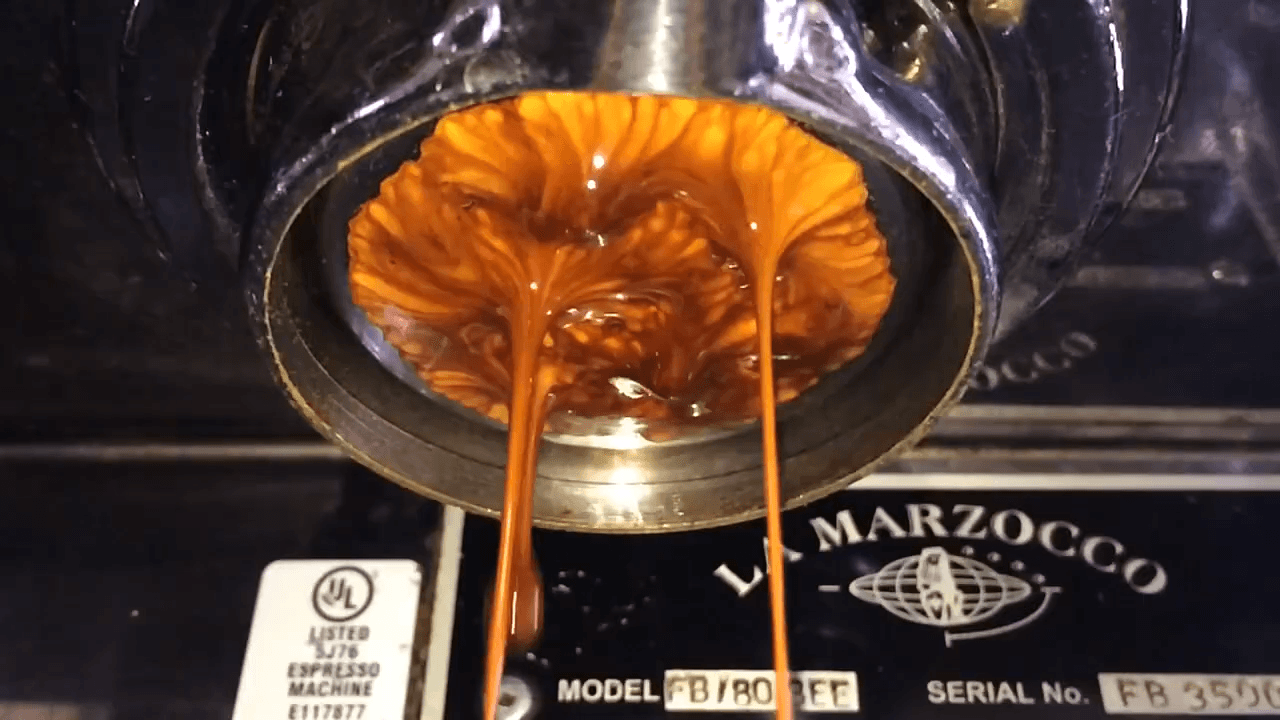
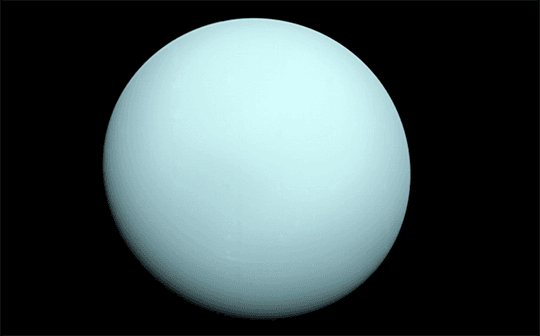
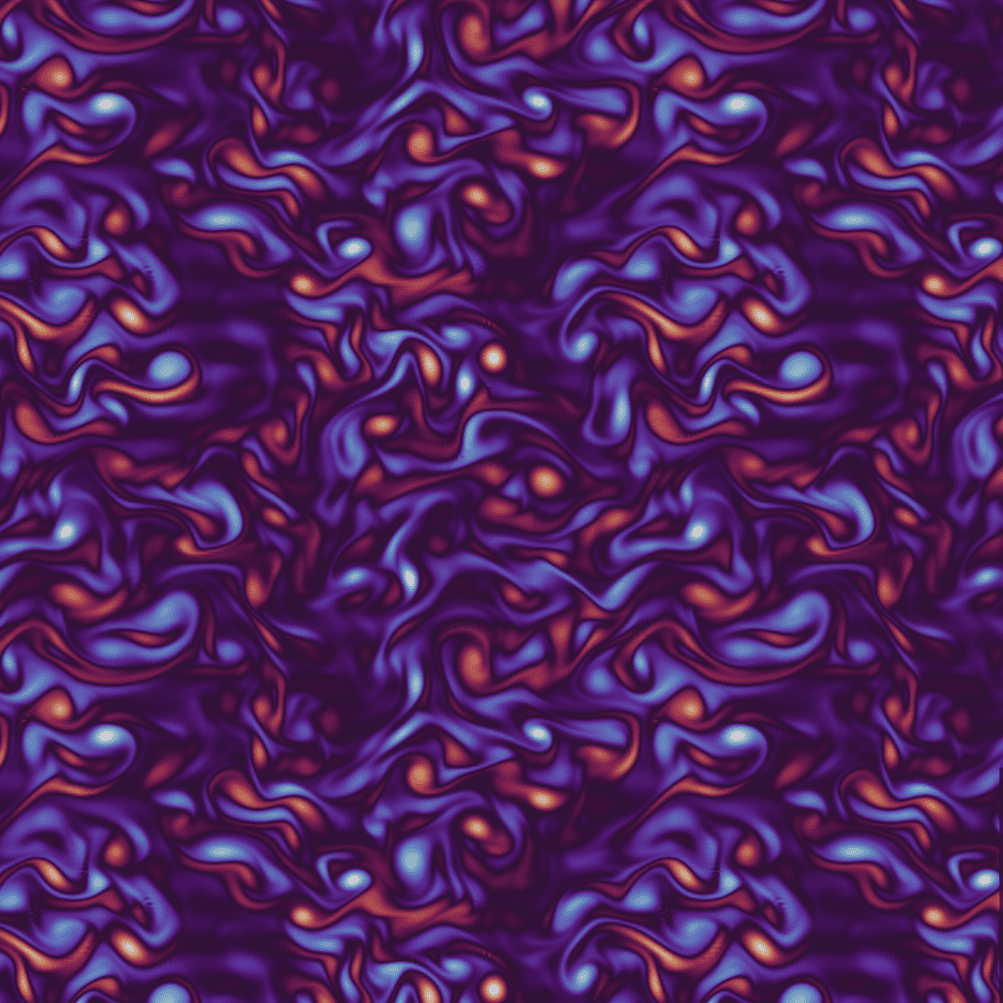
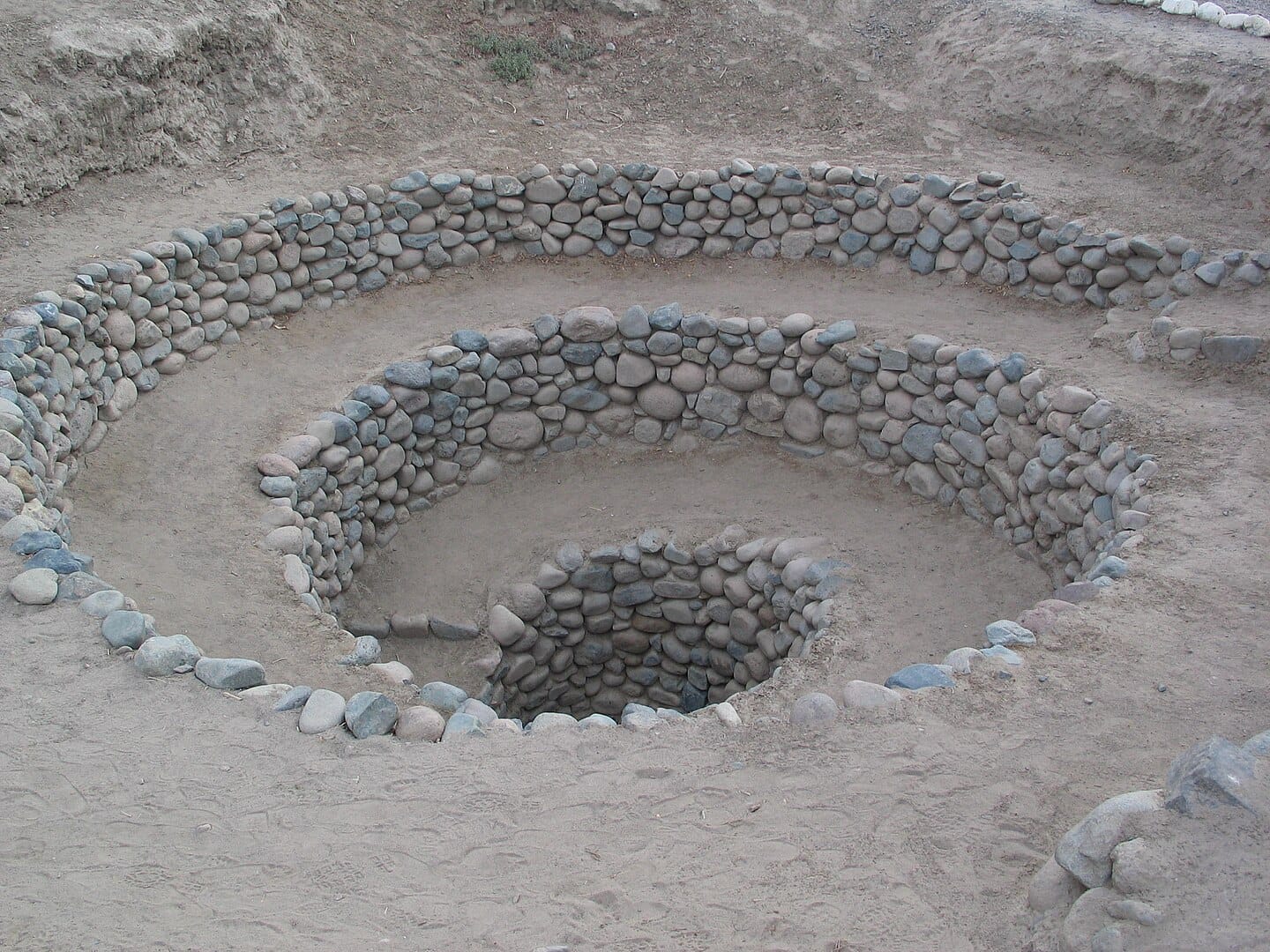
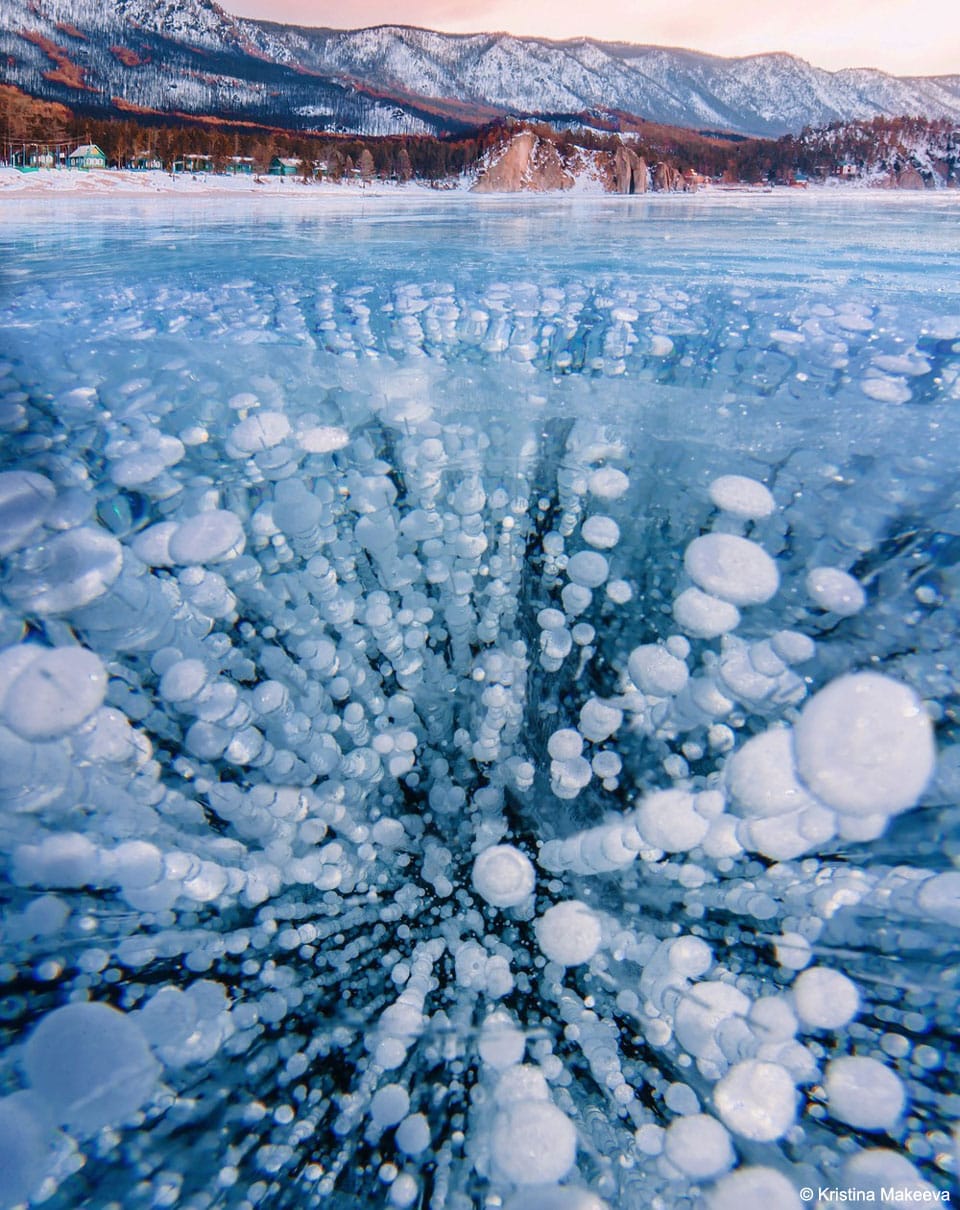
    (Image credits: droplet – F. Yu et al., starlings – K. Cooper, espresso – YouTube/skunkay, fountain – Primal Space, Uranus – NASA, turbulence – C. Amores and M. Graham, capsule – A. Álvarez and A. Lozano-Duran, melting ice – S. Bootsma et al., puquios – Wikimedia, cooling towers – BBC, solar wind – NASA/APL/NRL, Lake Baikal – K. Makeeva, sprite – NASA, roots – W. van Egmond, sunflowers – Deep Look)

    1. I know what I did. β†©οΈŽ
    Fediverse Reactions
  • Featured Video Play Icon

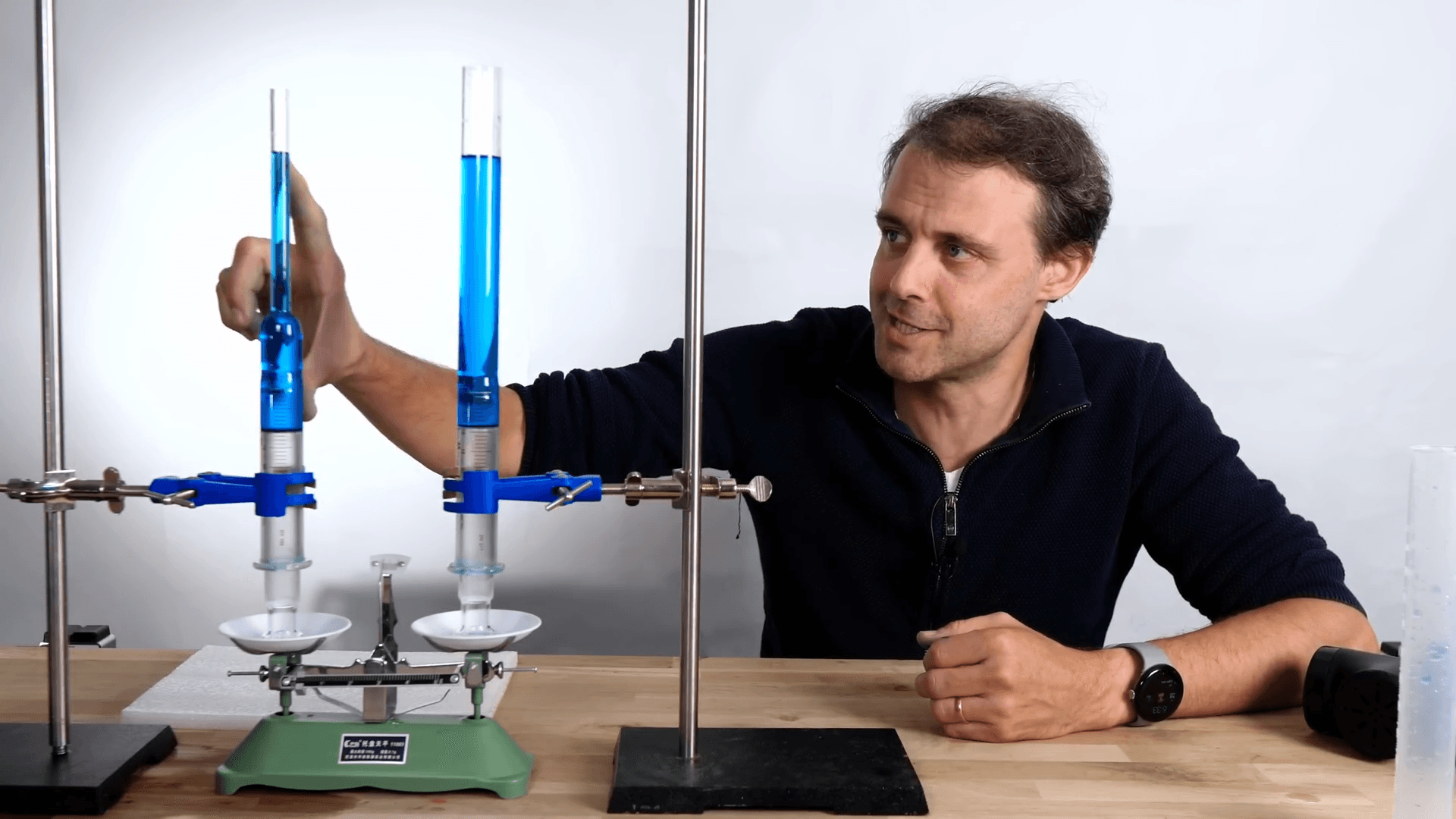
    The Hydrostatic Paradox

    Engineering classes often discuss hydrostatics–the physics of non-moving water–before they cover fluid dynamics and its flows. But hydrostatics is plenty challenging on its own, as Steve Mould demonstrates in this video looking at how hydrostatic pressure depends on depth (and, not, as our intuition might suggest, on shape). As always, he has some nice countertop-scale demos to go with it. (Video and image credit: S. Mould)

    Fediverse Reactions
  • Lung Flows

    Lung Flows

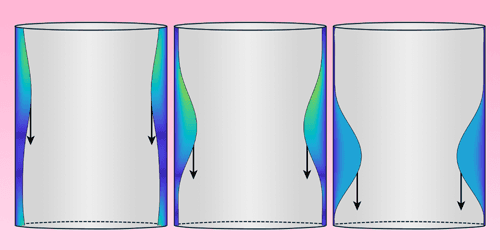
    When a fluid coats the inner walls of a cylinder, it can move downward in what’s called a collar flow. In our airways, a sinking collar flow can thicken as it falls, eventually blocking the airway completely.

    In a Newtonian fluid, this thickening during motion is essentially unavoidable; any small disturbance to the fluid will make its thickness change. But in a viscoplastic fluid–one more akin to the mucus in our airways–researchers found that, below a critical film thickness, the collar flow won’t thicken to form a blockage. (Image and research credit: J. Shemilt et al.; via APS)

    Fediverse Reactions
  • Featured Video Play Icon

    Droplets Through a Forest

    When droplets flow through a forest of microfluidic posts, they can deform around the obstacle or break up into smaller droplets. Here, researchers explore the factors that control the outcome, as well as when droplets collide, coalesce, and mix. (Video and image credit: D. Meer et al.)

    Fediverse Reactions
  • “Moment of Creation”

    “Moment of Creation”

    Bubbles caught in ice resemble the growth of a cellular organism in this photograph of Tatiewa Lake in Japan, taken by Soichiro Moriyama. When water freezes, gases dissolved in it come out of solution, but depending on the speed and direction of freezing, these bubbles do not always escape before ice forms around them, freezing pockets of gas within the ice’s structure. (Image credit: S. Moriyama; via ILPOTY)

    Fediverse Reactions
  • Featured Video Play Icon

    Ripple Bugs

    Ripple bugs are a type of water strider capable of moving at a blazing fast 120 body lengths per second across the water surface. In addition to their speed, ripple bugs are incredibly agile and are active almost constantly. Researchers believe they’ve found the insect’s secret: feather-like hydrophilic fans that spread on contact with the water. These fans help the insects push off the water and steer, but they require no effort to open and close. They’ve even adapted the technique to bio-inspired robots and seen improvements in speed, agility, and efficiency. (Video credit: Science; research credit: V. Ortega-Jimenez et al.)

    Fediverse Reactions
  • Featured Video Play Icon

    Leaves Dance in the Wind

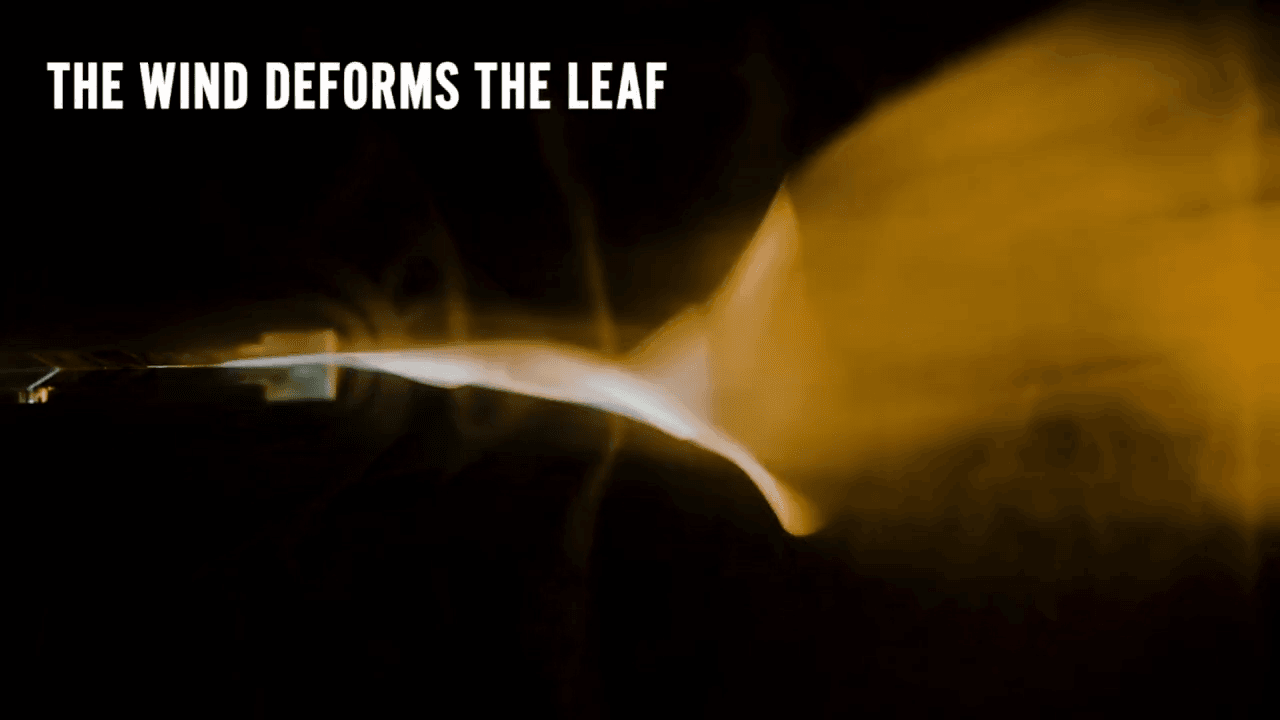
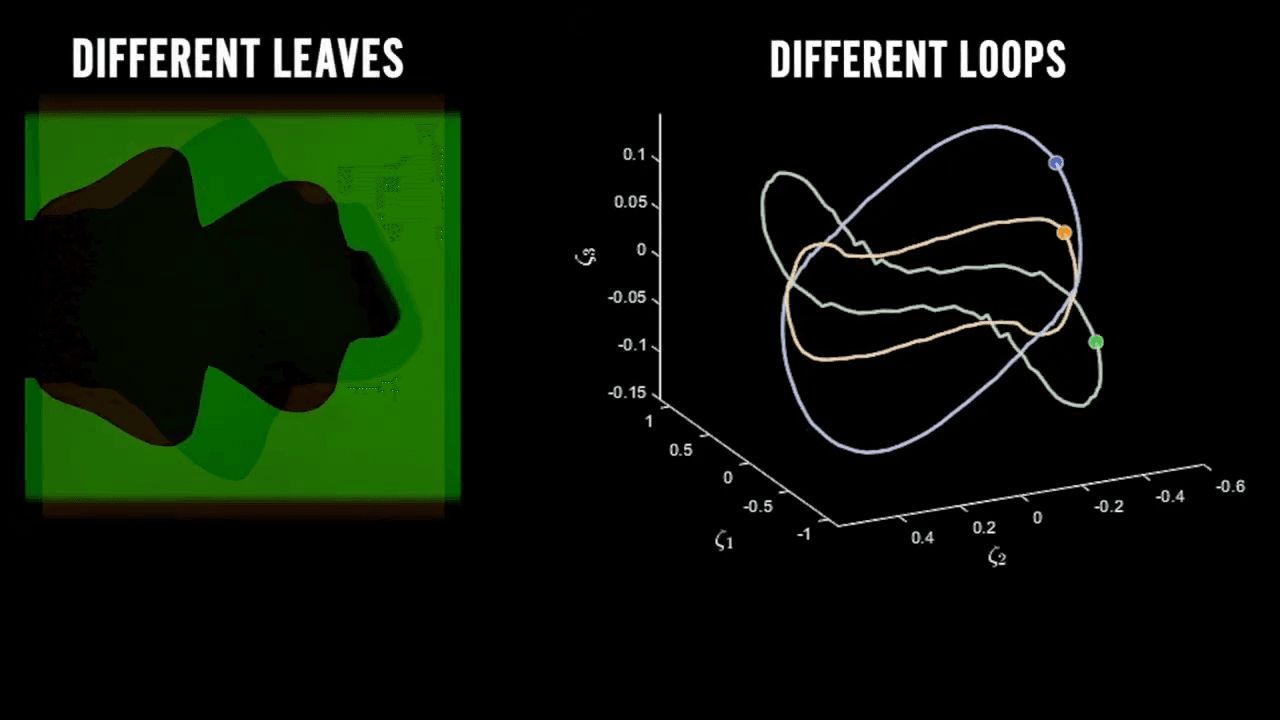
    Once a breeze kicks up, leaves on a tree start dancing. Every tree’s leaves have their own shapes, some of which appear very different from other trees. But their dances have patterns, as this video shows. In it, researchers explore how leaves of different shapes deform in the wind and how they can decompose that motion to compare across leaves. (Video and image credit: K. Mulleners et al.; via GFM)

    Fediverse Reactions
  • Panama’s Missing Pacific Upwelling

    Panama’s Missing Pacific Upwelling

    Strong seasonal winds blowing from the Atlantic typically push water away from Panama’s Pacific coast, allowing deeper, colder waters to rise up. This upwelling cools reefs and feeds phytoplankton blooms, both of which support the rich marine life found there. But in early 2025, the upwelling didn’t occur.

    Normally, coastal ocean temperatures drop to about 19 degrees Celsius during upwelling. Instead, temperatures only reached 23.3 degrees at their coolest. Wind seems to be the missing ingredient: winds from the Atlantic side were short-lived and 74% less frequent than in typical years.

    That lack of upwelling is expected to carry consequences to Panama’s economy. About 95% of the country’s fishing catch comes from the Pacific side, so any drop in fish populations will be felt. The open question remains: was the missing upwelling a singular extreme event or a harbinger of a new normal? (Image credit: R. Heuvel; research credit: A. O’Dea et al.; via Eos)

    Fediverse Reactions
  • A Soft Cell in Microgravity

    A Soft Cell in Microgravity

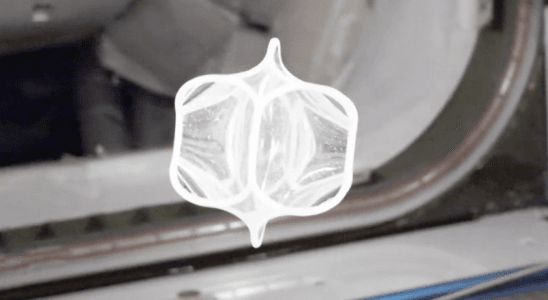
    There are many shapes that can be tiled to fill space, but nearly all of them have sharp corners. Last year, mathematicians identified a new class of shapes, known as “soft cells,” that feature curved edges and faces but very few sharp corners. Like traditional polyhedrals, soft cells can tile to fill a space completely without overlapping or gapping.

    Now the researchers, with some help from astronauts aboard the ISS, have brought one of their soft cells to life. Using an edge skeleton to guide the shape, astronaut Tibor Kapu filled the skeleton with water, which, in microgravity, formed a perfect soft cell, complete with faces curved by surface tension to their minimal area. See it in action below. (Image and video credit: HUNOR/NASA; research credit: G. Domokos et al.; via Oxford Mathematics)

    Fediverse Reactions
  • “Legends of the Falls”

    “Legends of the Falls”

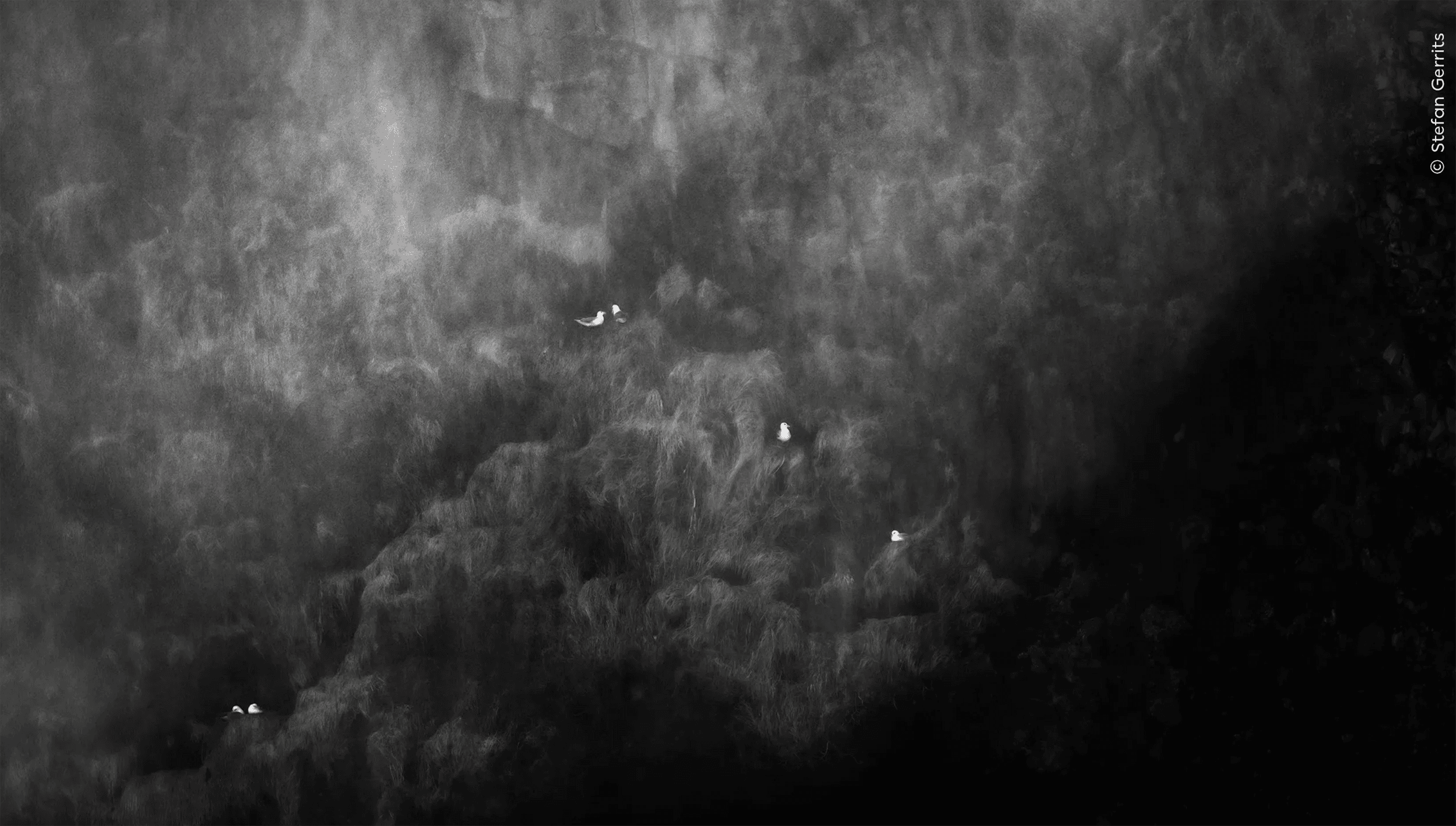
    Strong winds blew curtains of mist across SkΓ³gafoss in this image of nesting northern fulmars by photographer Stefan Gerrits. Despite water’s high density compared to air, fine droplets are able to stay aloft for long periods, given the right breeze. Mists, fogs, and sea spray can float surprising distances; droplets exhaled from our lungs can persist even farther. (Image credit: S. Gerrits; via Colossal)

    Fediverse Reactions