Tag: science

  • “Frozen”

    “Frozen”

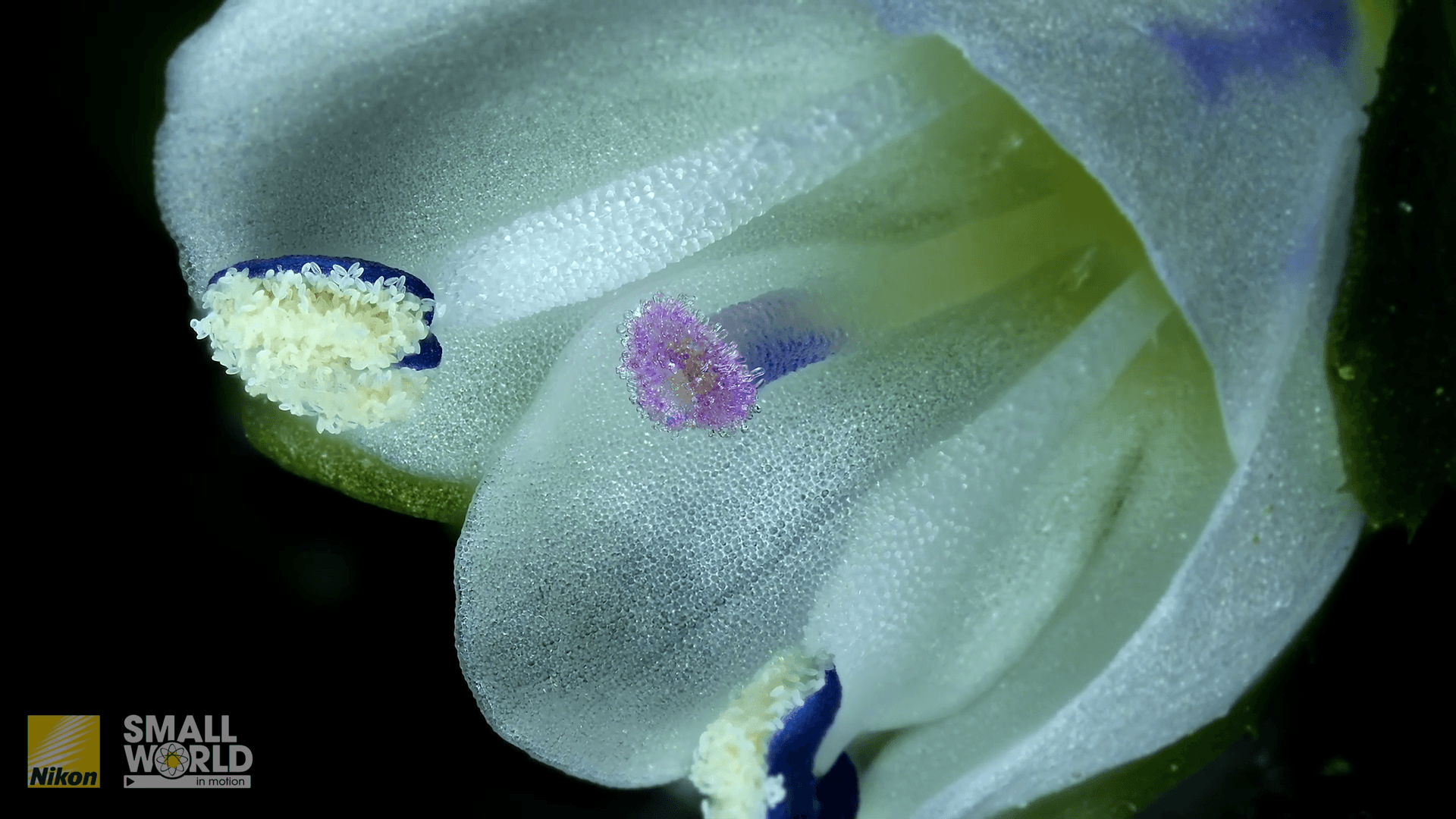
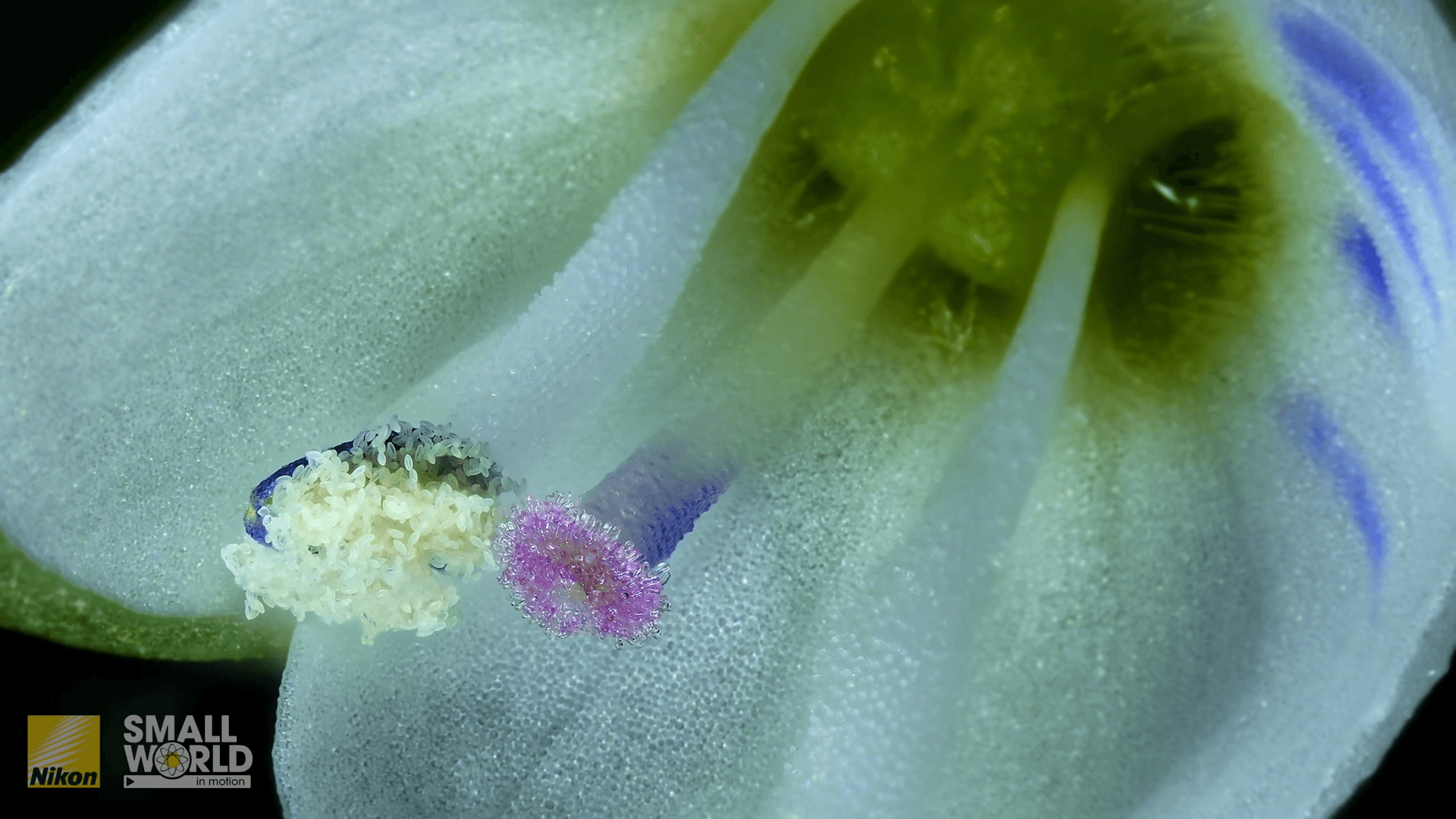
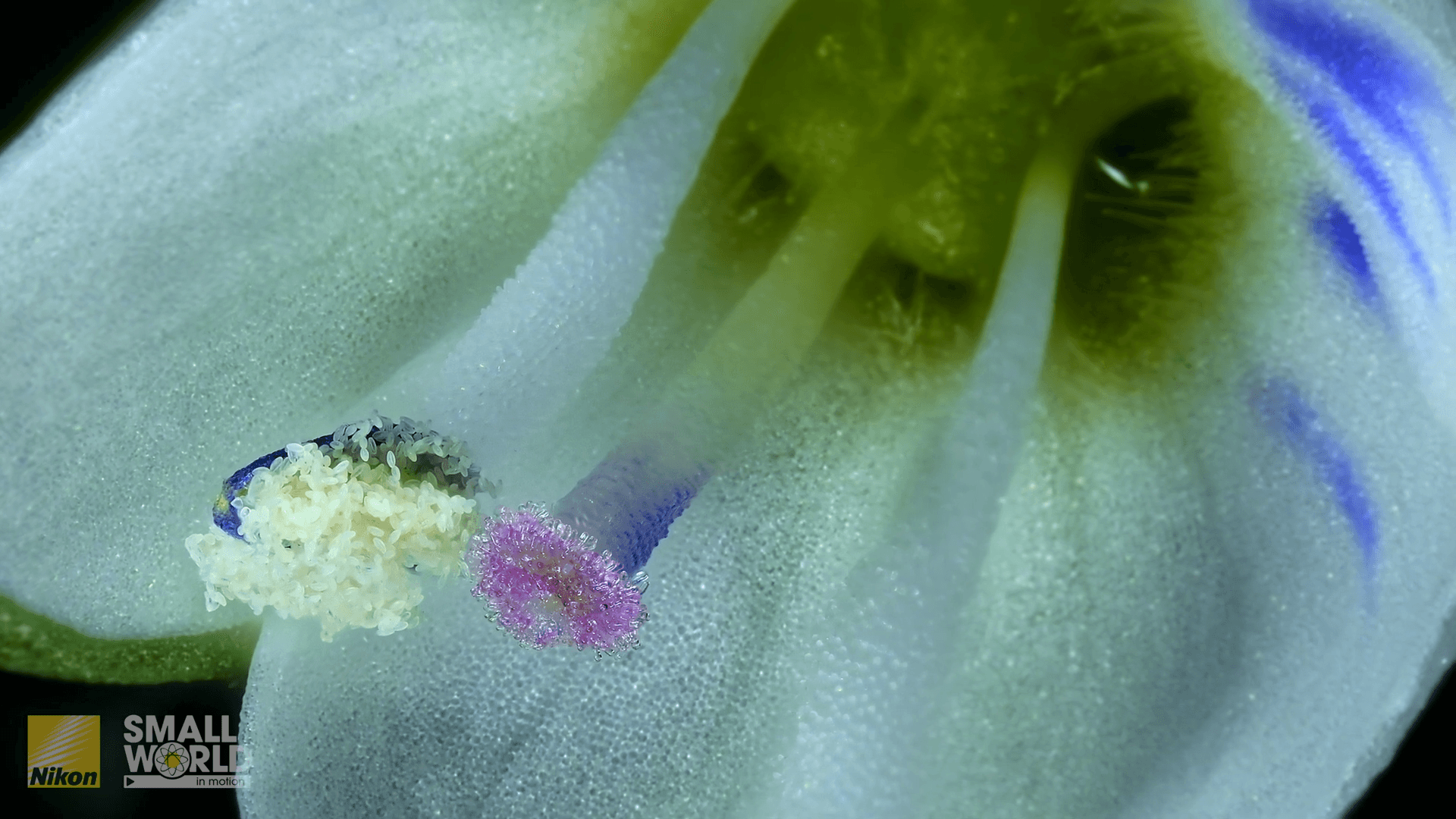
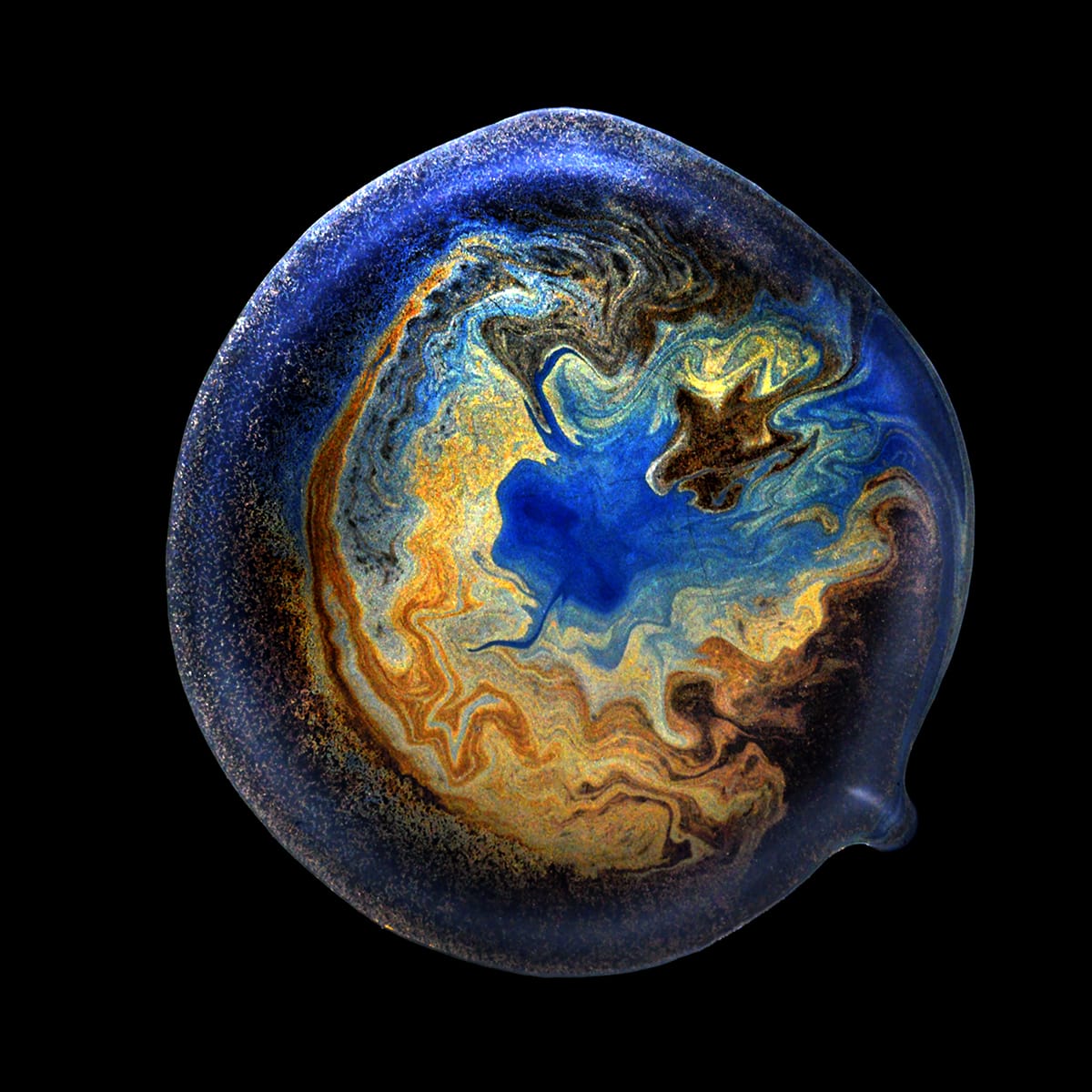
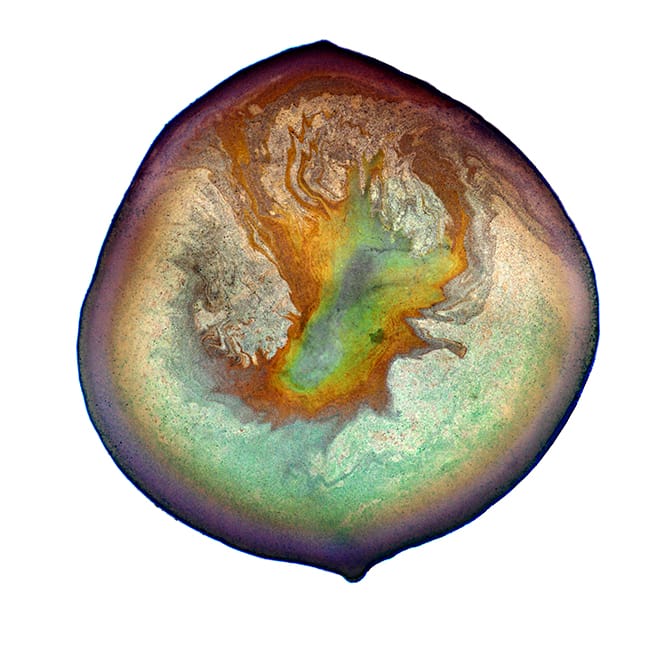
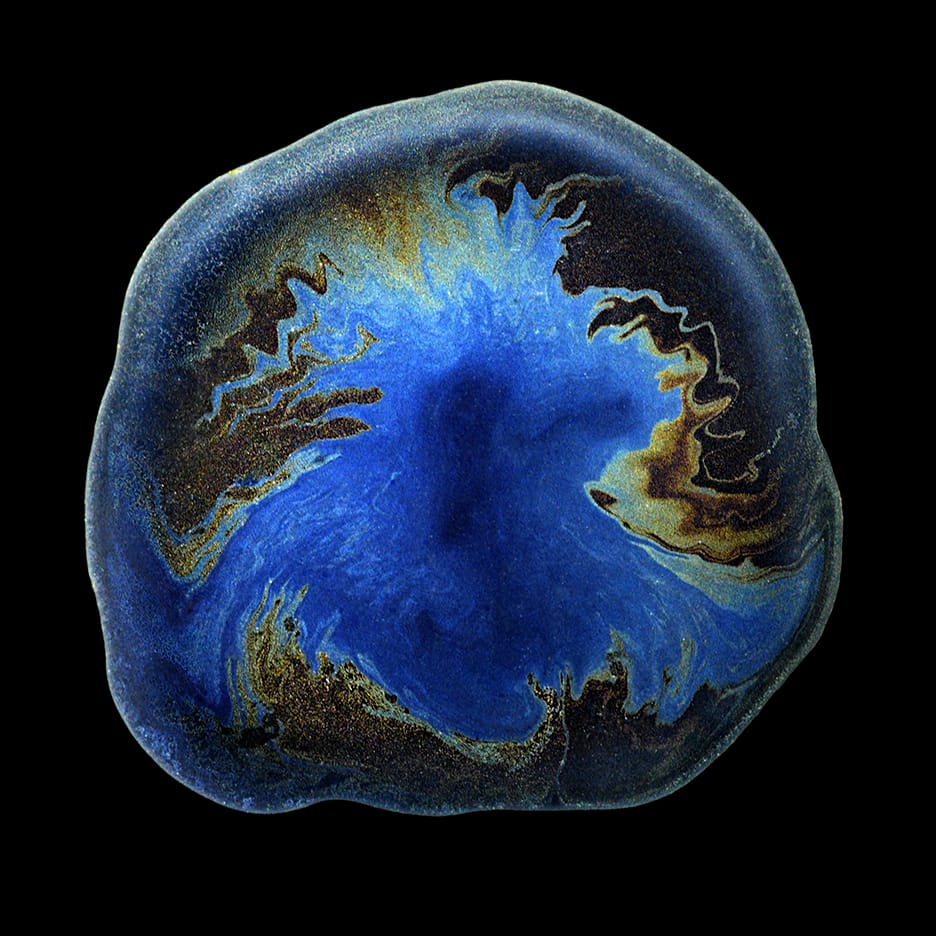
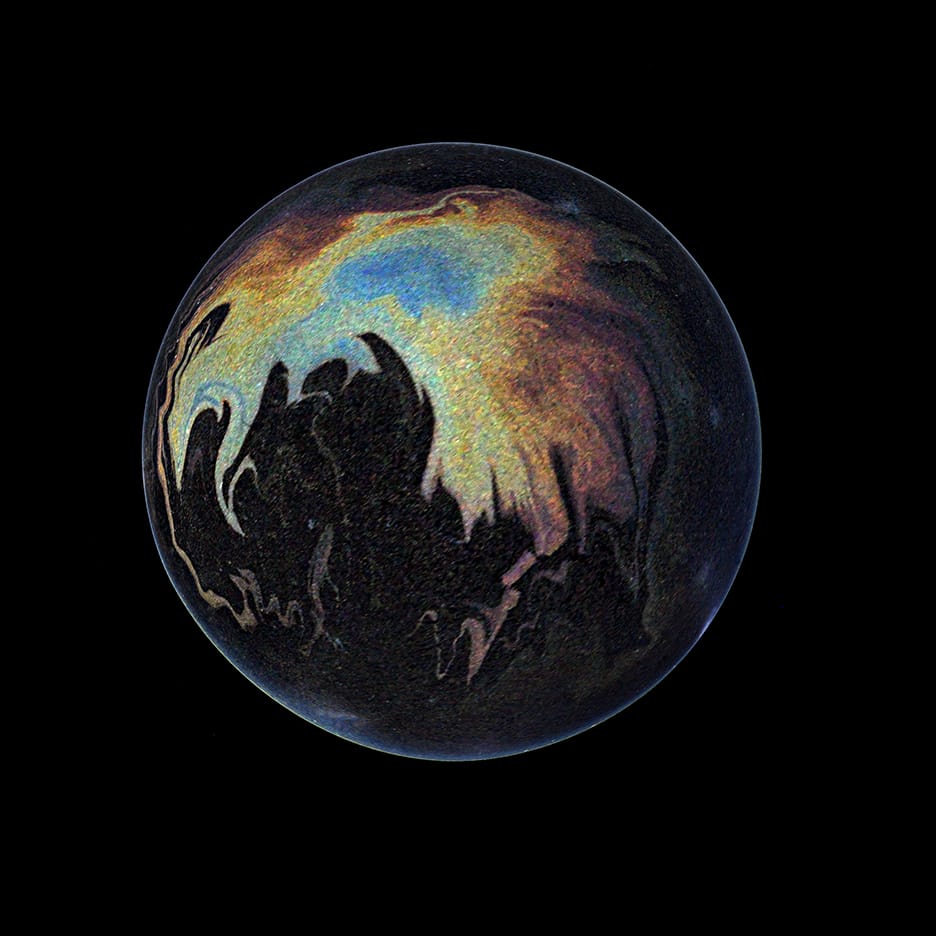
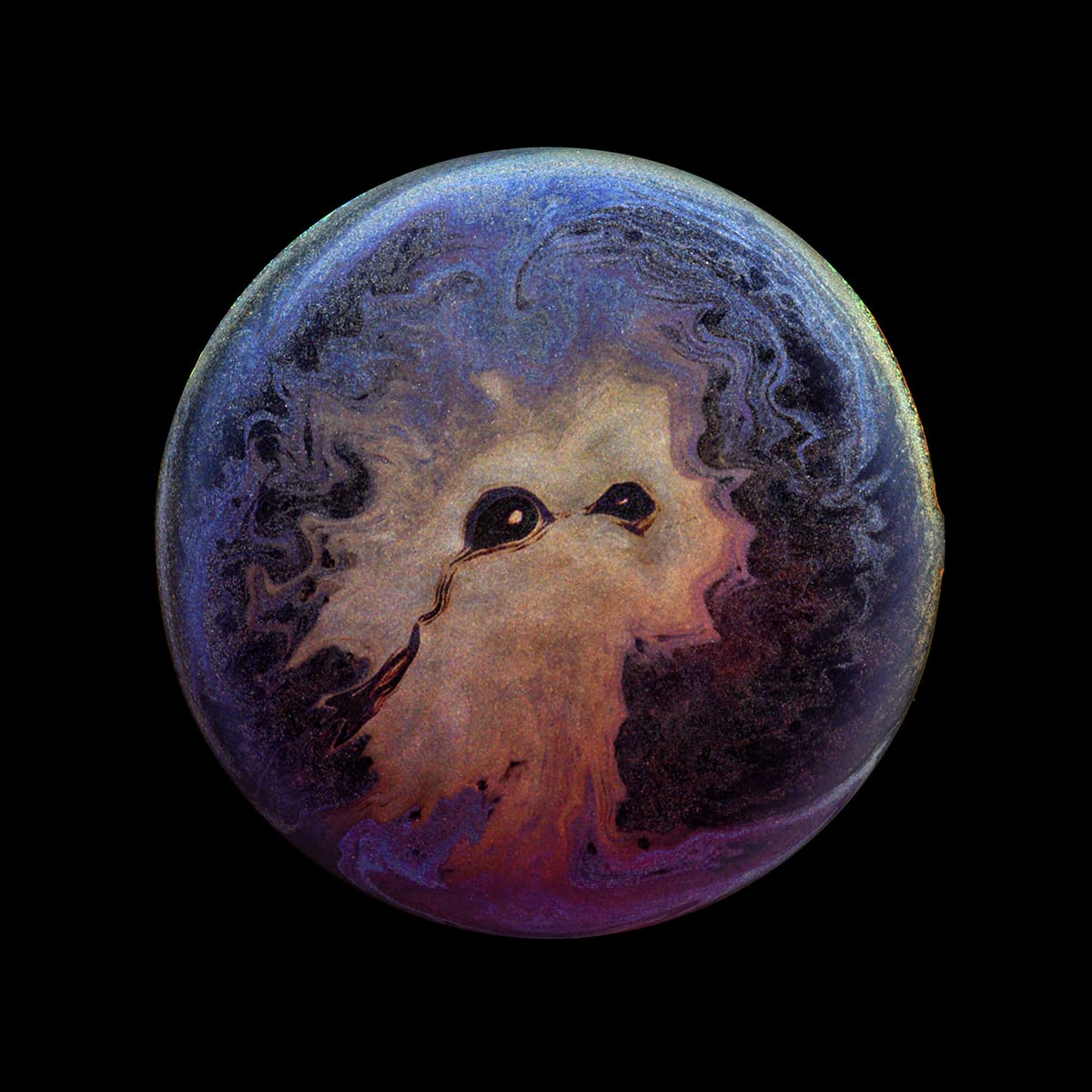
    For tiny invertebrates like this one, water is a very different substance than we’re used to. At this scale, surface tension is a force as powerful–or more so–than gravity. Droplets remain spherical, caught on long, spike-like hairs. Even the surface of a pond is different, forming a trampoline creatures can skim but that requires special techniques to escape. (Image credit: N. Baumgartner/CUPOTY; via Colossal)

  • Featured Video Play Icon

    Understanding Schlieren

    Schlieren techniques are one of my favorite forms of flow visualization. They cleverly make the invisible visible through an optical set-up that’s sensitive to changes in density. They’re great–as seen in the examples here–for seeing local buoyant flows like the plumes that rise from a candle, or for making gases like carbon dioxide visible. They’re also excellent for visualizing shock waves.

    In this video, physicist David Jackson explains how one particular flavor of schlieren–one using a spherical mirror–works. There are lots of other possible schlieren set-ups, too, though each one has its quirks. (Video and image credit: All Things Physics; submitted by David J.)

    Fediverse Reactions
  • Featured Video Play Icon

    Connecting Canals

    Before the rise of railroads, canals provided critical commercial shipping infrastructure for many locations worldwide. But connecting canals at different elevations required locks–sometimes a whole series of them–as in the case of Scotland’s Union Canal and the Forth and Clyde Canal. In the canals’ heyday, navigating the 11 locks between them took the better part of a day–one of many reasons that canals fell out of use over time.

    When Scotland decided to reconnect the canals in the 1990s, they picked a very different solution for this elevation challenge: the Falkirk Wheel. Grady walks us through the clever engineering of this impressive piece of infrastructure in this Practical Engineering video. (Video and image credit: Practical Engineering)

    Fediverse Reactions
  • Inside Cepheid Variable Stars

    Inside Cepheid Variable Stars

    Cepheid variable stars pulsate in brightness over regular periods. That’s one reason astronomers use them as a standard candle to judge distances–even for stars well outside our galaxy. In this image, researchers display a simulation of convection inside a Cepheid eight times more massive than our sun. The colors represent vorticity, with zero vorticity in white.(Image credit: M. Stuck and J. Pratt)

    A research poster showing a simulation of convection inside a Cepheid variable star with 8 solar masses.
    Fediverse Reactions
  • Featured Video Play Icon

    Recreating Atmospheric Rivers

    During the winter months, those of us living in the mid-latitudes sometimes experience atmospheric rivers. Formed from the interaction of cold winter storms with warm, moist tropical air, atmospheric rivers can deliver intense rainfall across long distances. In this video, the UCLA SpinLab team shows how you can recreate the effect with a relatively simple and affordable DIYnamics apparatus. (Video and image credit: UCLA SpinLab)

  • “Liquid Colors”

    “Liquid Colors”

    Light shining through misty spray creates a liquid rainbow in this photo by Ronja Linssen. Although mists and sprays–from waterfalls, waves, and more–seem insubstantial, they can be a major source of material transfer between the water and atmosphere. Teratons of salt, biomass, and even microplastics make their way yearly from the ocean into the sky through droplets launched from popping bubbles. (Image credit: R. Linssen/CUPOTY; via Colossal)

  • Sprites and ELVES

    Sprites and ELVES

    Although we are most familiar with the white, branching lightning caused by electrical discharge between clouds and the ground, there are many types of lightning. This fortuitous image captures two: tentacled red sprites and ring-like ELVES. Sprites extend upward from the top of a thunderstorm, in a large but weak flash that lasts only seconds. ELVES appear as a rapidly-expanding disc, thought to be caused by an energetic electromagnetic pulse moving into the ionosphere. They were first discovered in footage from a 1992 Space Shuttle mission. (Image credit: V. Binotto; via APOD)

    Fediverse Reactions
  • “Broken Water, Like Broken Glass”

    “Broken Water, Like Broken Glass”

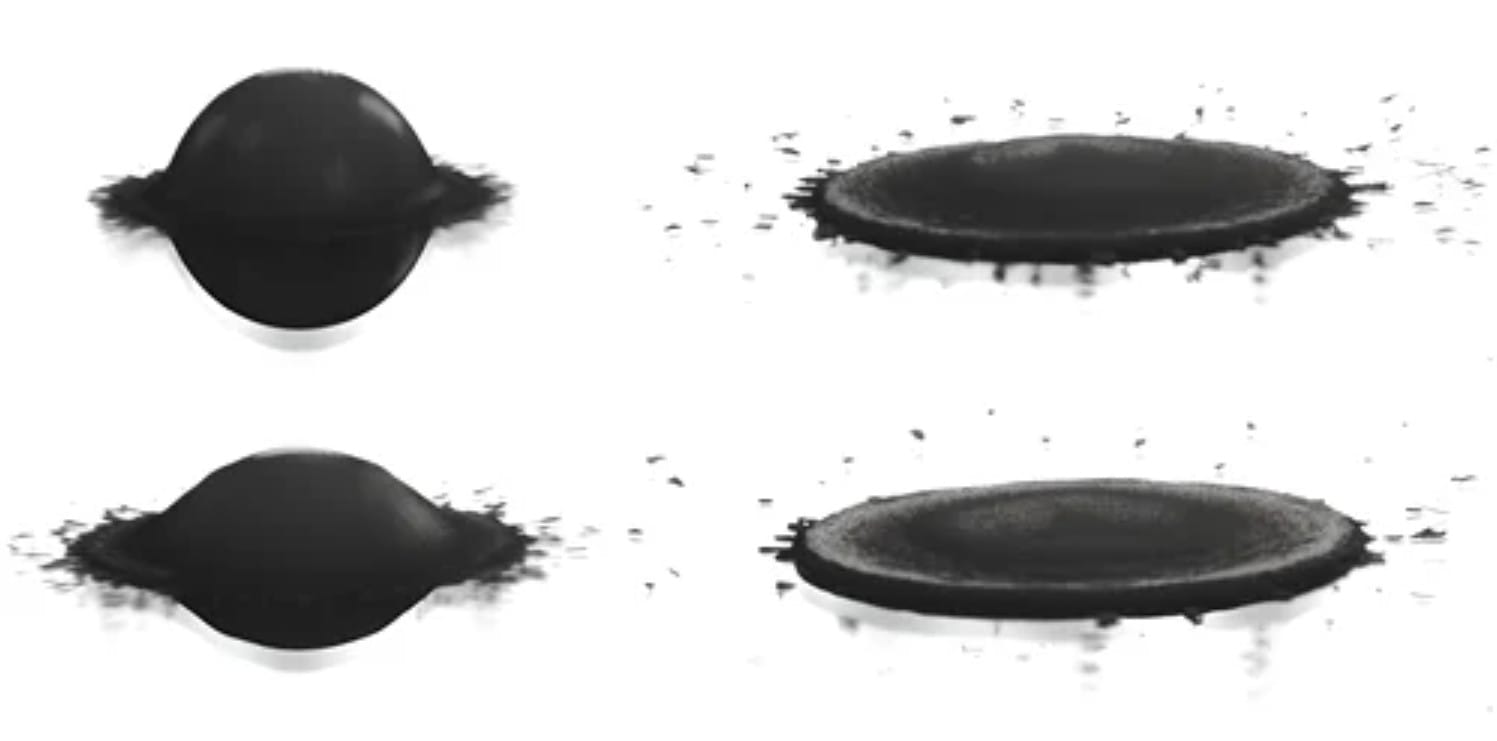
    How can you break water? By accelerating it so quickly that the pressure drop forms cavitation bubbles. Here, a steel piston rests against a transparent plate, all underwater. When a hammer strike accelerates the piston away at around 1000g, the severe pressure drop tears the water into bubbles (bottom, left). As the bubbles expand, the nearby piston squishes them into pancakes (bottom, center). As they continue growing, the bubbles press into one another, squeezing thin ridges of water between them. The result (center) resembles broken glass. (Image credit: J. da Silva et al.)

    A research poster showing cavitation in water between a plate and piston.
    Fediverse Reactions
  • Milano Cortina 2026: Speedskating Team Pursuit

    Milano Cortina 2026: Speedskating Team Pursuit

    Track cycling and speedskating often mirror one another, with similar events in each sport. In the team pursuit, for example, cyclists and skaters compete as a team to post the fastest time for a given distance. In cycling events, riders spend the race tucked into a line, with the lead rider providing a draft for their teammates. But that’s a tiring position for a cyclist, so every few laps the lead rider will pull off, move up the track, and drop behind their teammates for a rest. Speedskaters used to use the same technique. But no longer.

    After working with aerodynamic simulation specialists, U.S. Speedskating pioneered a new race technique, in which skaters never change positions. Instead, each racer specializes in one position and skates while pushing the skater ahead of them. The technique requires a lot of practice, finesse, and trust; skaters in the later positions cannot see, skating as close as they can to the skater in front of them.

    But, performance-wise, the new technique works. It’s taken U.S. women’s team pursuit from eighth in the world to number one. Other teams have adopted the technique, too, so this is likely what team pursuit will look like in the years to come. (Image credits: various, see image captions; via NPR)

    Fediverse Reactions
  • Milano Cortina 2026: Ski Jumping Suits

    Milano Cortina 2026: Ski Jumping Suits

    Ski jumping is in the news this Olympic cycle after rumors that male competitors may be cheating in order to wear larger suits. In particular, the suggestion is that male athletes are injecting fillers into their genitals before their pre-season 3D body scan in order to appear large enough to allow them to wear a larger suit. This comes after two Norwegian ski jumpers were punished for illegally restitching the crotches of their suits to make them larger.

    Ski jumping is a sport that relies heavily on aerodynamics; during the flight phase, jumpers try to maximize their lift-to-drag ratio so that they stay aloft as long as possible. A 2025 study underscores the importance of suit size in this calculus. In the work, the researchers used a baseline suit that was 4 centimeters larger in circumference than their jumper–the loosest configuration that regulations allow. They compared that suit’s flight performance (in wind tunnels and simulation) to a suit 2 cm larger and one 2 cm smaller. The extra 2 centimeters of circumference made a notable difference: the larger suit increased the drag by ~4% and lift by ~5%. That was enough, in their simulation, to let a jumper fly an extra 5.8 meters.

    It’s worth noting, though, that the study was looking at the effects of adjusting the suit’s circumference along the entire length between the arm pits and the knees; they never changed anything about the suit’s crotch. I don’t think there’s enough scientific data to say that packing a bit more there would really offer aerodynamic advantages. And the risks of such injections are non-negligible. (Image credit: T. Trapani; research credit: M. Virmavirta et al.; via Ars Technica)

    A ski jumper in flight, viewed from behind.
    Fediverse Reactions