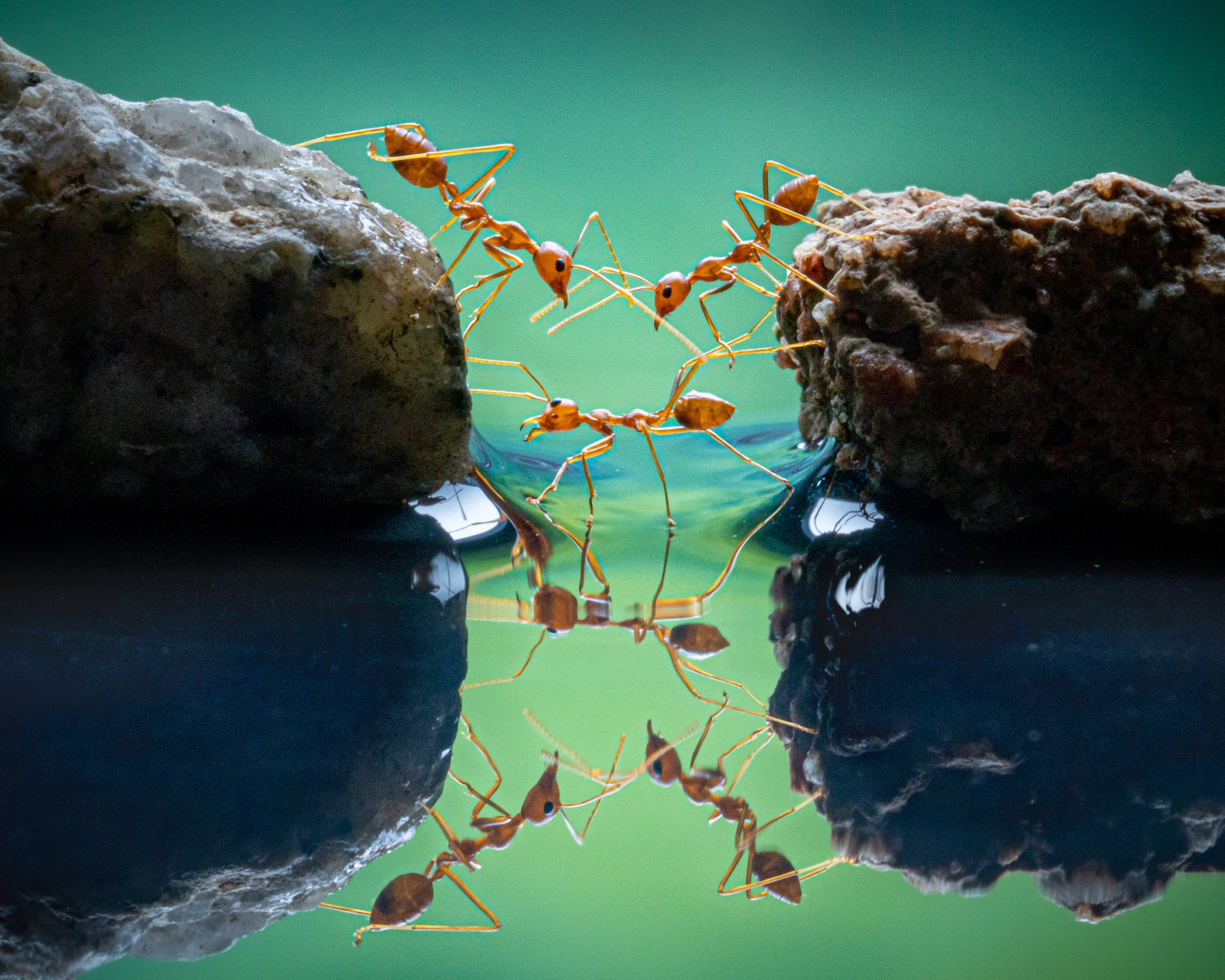
As red ants scout their way to food, the terrain can sometimes get in the way. Here a leading scout has made their body into a bridge that their fellows can use to cross the watery gap. Take a close look at the water’s surface and you’ll see that the meniscus curves up to meet the rocks. That’s a clue that this image is really very small! For water on Earth, that curvature only occurs at lengths below a couple of millimeters, where surface tension has the power to overcome gravity’s efforts to flatten the surface. The ants’ bridge is only possible because the red ant is small enough and light enough for surface tension to support it. Learn more about the amazing interactions of ants and water in some of my previous posts. (Image credit: Chin Leong Teo; via Colossal)
Tag: science

Box Closing Physics
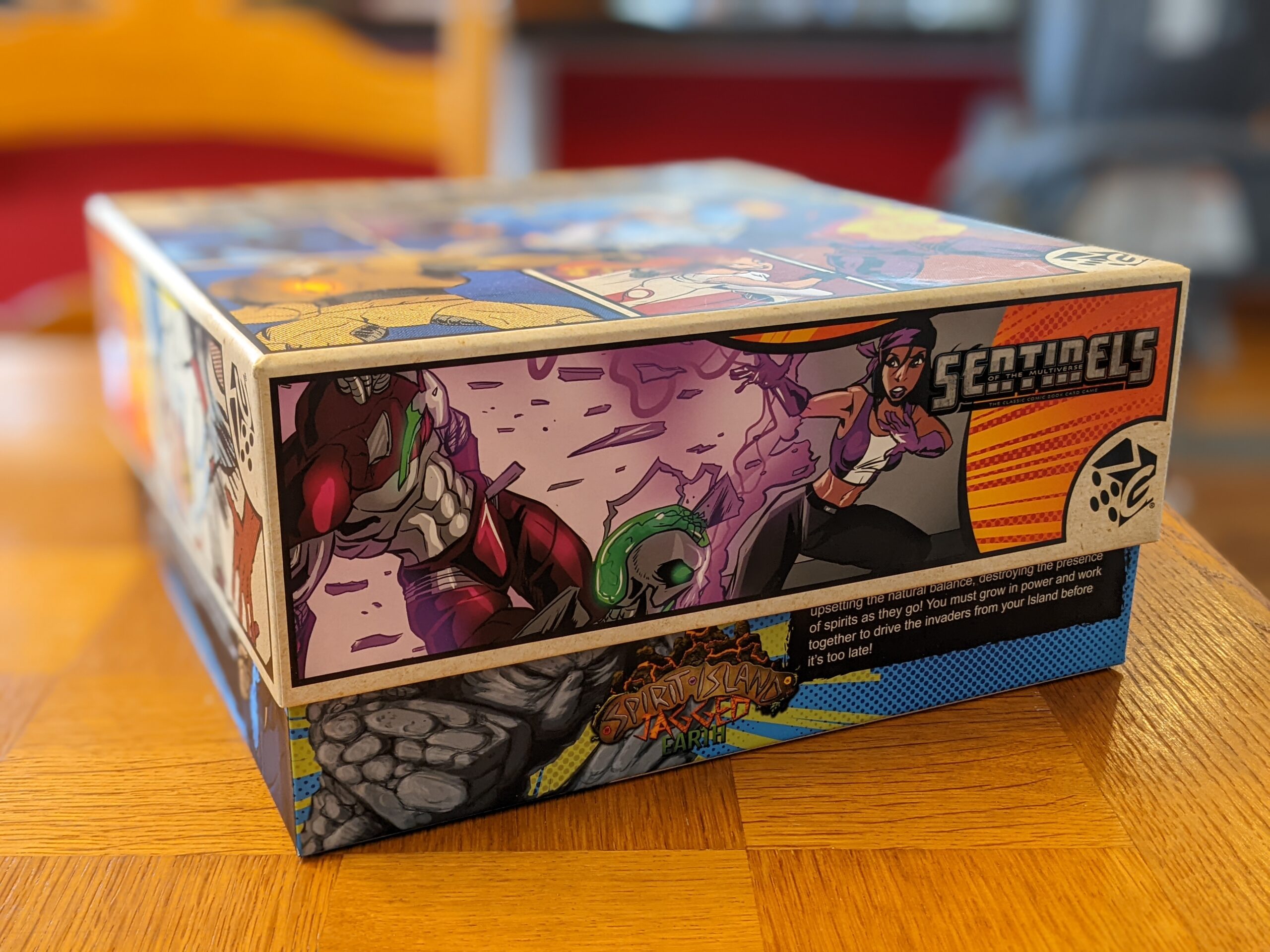
My fellow board game aficionados (and anyone else who regularly opens and closes lidded boxes) have probably noticed the way a lid drops slowly onto its box once aligned. The weight of the lid pressurizes air inside the box, driving a flow through the narrow gap between the walls of the box and the lid. Researchers found that the time it takes for a box to slide closed is closely related to the size and shape of the gap between the walls. Despite gaps of less than 1 millimeter, air moving out of the box typically flows at about 1 meter per second!
With their mathematical model of the flow from a closing box, the group was also able to determine the optimal shape for a fast-closing box, something that may be of interest to manufacturers as well as fans of board games. (Image credit: N. Sharp; research credit: J. de Ruiter et al.; via APS Physics)

“ColorLover”


“ColorLover,” a short film by artist Rus Khasanov, is a delightful liquid rainbow. The video’s ingredients seem to be ink, paint, oil, and a bit of superhydrophobic coating primed to reveal a heart. I love that latter touch; it’s a cool way to use regular materials in a way that some might assume involved digital effects! (Video credit: R. Khasanov)
Explaining the Roaming Rocks


For nearly a century, the long meandering tracks etched into Death Valley’s Racetrack Playa remained a mystery. Clearly, some force was pushing the heavy rocks there and leaving behind these grooves. But with the remoteness of the location, it took investigators years to catch the rocks in action and solve the puzzle. For those who haven’t watched the video yet, I’ll refrain from revealing the answer here (though you can find it in previous FYFD entries)! I’ll just say that it requires all the right conditions to come together. (Image and video credit: Physics Girl; for related research see here)

Making Yeast-Free Pizza
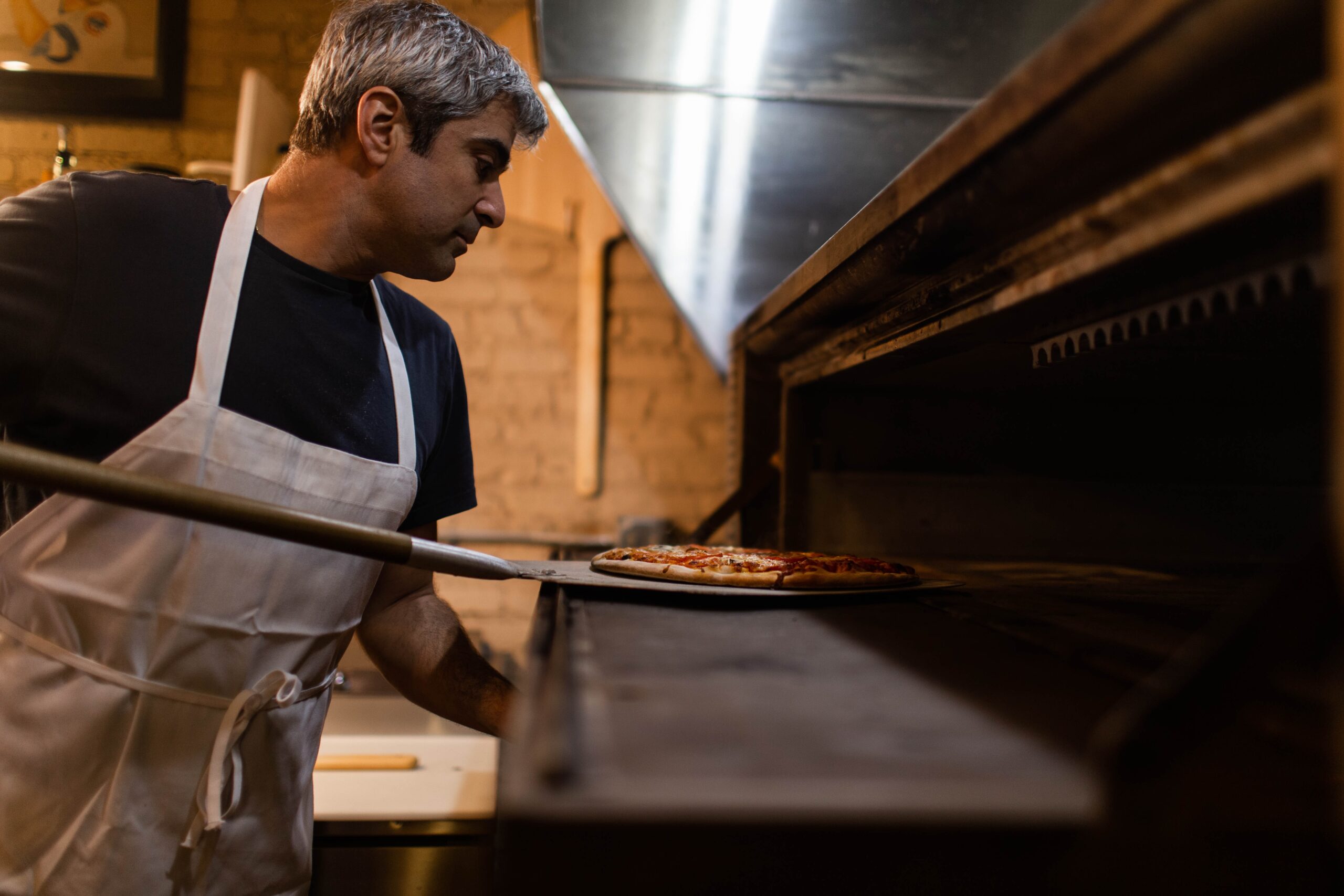
Yeast is a key ingredient in many pizza doughs; as the yeast ferment sugars in the dough, they produce carbon dioxide which bubbles into the dough, creating the light and airy texture necessary for a good crust. It’s a slow process, though, often requiring several hours for the dough to rise. Recently, researchers studied an alternative pizza-making method that generates bubbles in the dough via pressurization — with no yeast required.
The new technique is similar to the process used to carbonate sodas. The team mixed flour, water, and salt and placed the dough in an autoclave, which allowed them to control both temperature and pressure during baking. They dissolved gas into the dough at high pressure and then carefully released the pressure during baking, allowing the bubbles to grow. They used rheological measurements to compare the characteristics of yeasted and yeast-free doughs at various stages in the leavening and baking processes.
Now that they have the methodology down, they’ve purchased a food-grade autoclave and are looking forward to taste testing their yeast-free creations — none more so than their team member who has a yeast allergy! Since the pressures required for their method are quite mild, they hope it’s a technique that restaurants will take on. (Image credit: B. Huff; research credit: P. Avallone et al.)

Teaching Diffusion With Eggs
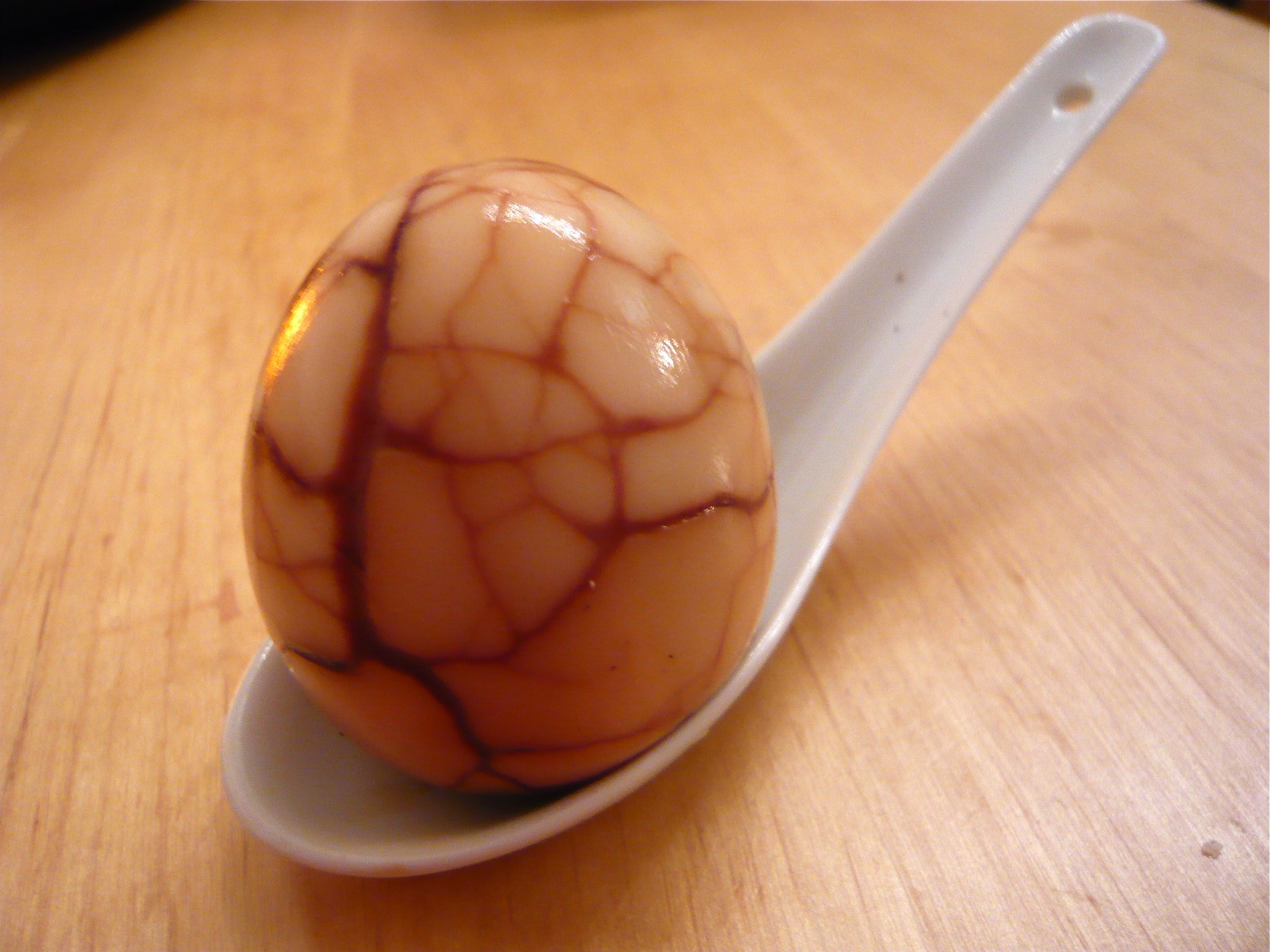
Many cultures around the world marinate hard-boiled eggs — like pickled eggs in Europe or tea- and soy-infused eggs from Asia. These delicacies offer a fun (and tasty) way to demonstrate the concept of diffusion, the tendency of a substance to move from areas of high concentration to low concentration via random molecular motion.
Simply steep peeled, hard-boiled eggs in your sauce (or food dye) of choice. Remove an egg every so often and slice it in half to see how far the sauce traveled. You can also play with the temperature to accelerate the diffusion. The longer an egg steeps and the hotter its surroundings, the further into the egg white the sauce will diffuse! (Image credit: Wordridden; research credit: C. Emeigh et al.)

Dispelling Ice
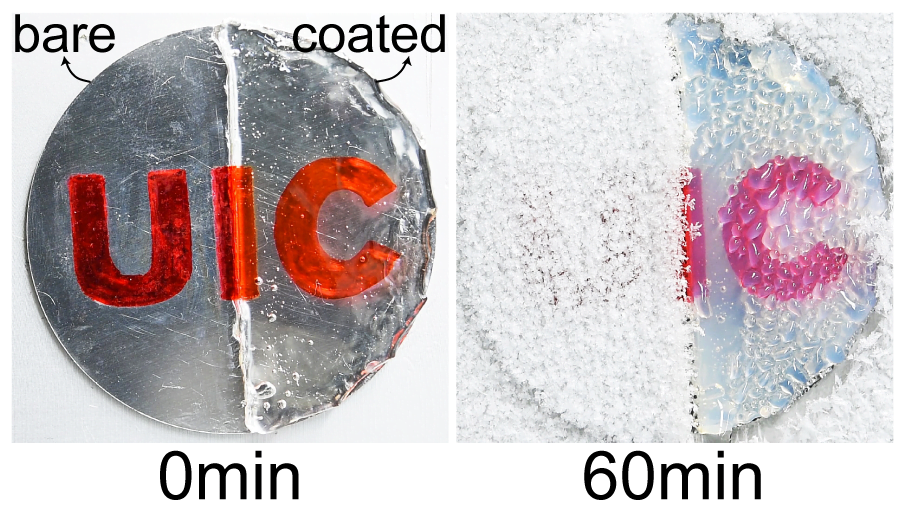
In winter weather, delays pile up at airports when planes need de-icing. Our current process involves spraying thousands of gallons of chemicals on planes, but these chemicals are easily removed by shear stress and dissolution, meaning that by the time a plane takes off, there is little to no de-icing agent remaining on the plane. Instead, those chemicals become run-off.
Researchers looking to change that have developed a family of anti-icing coatings — including creams, sprays, and gels — that are easy to use and apply, non-toxic, and much longer lasting than conventional methods. Ice slides easily off their gel coatings, which remain optically transparent even under freezing conditions — and ice can take 25 times longer to form on the gels compared to current anti-icing tech.
The team envisions using their coatings on much more than airplanes. Imagine traffic lights that can’t be obscured by ice or snow, a windshield on your car that never freezes over, or even an anti-icing spray that could protect crops from a sudden freeze! (Image, video, research, and submission credit: R. Chatterjee et al.; see also)
“Reverent”


Today, enjoy this moody black-and-white short film of storm timelapses. Photographer Mike Olbinski is a master of this subject. I never tire of watching his towering convective supercell thunderstorms or his picturesque microbursts. The lightning-lit clouds in the latter half of the film are particularly spectacular (assuming you do not have sensitivities to flashing lights). And there are a few haboobs and a tornado in there for good measure, too. (Image and video credit: M. Olbinski)
Fast Fractal Fingers
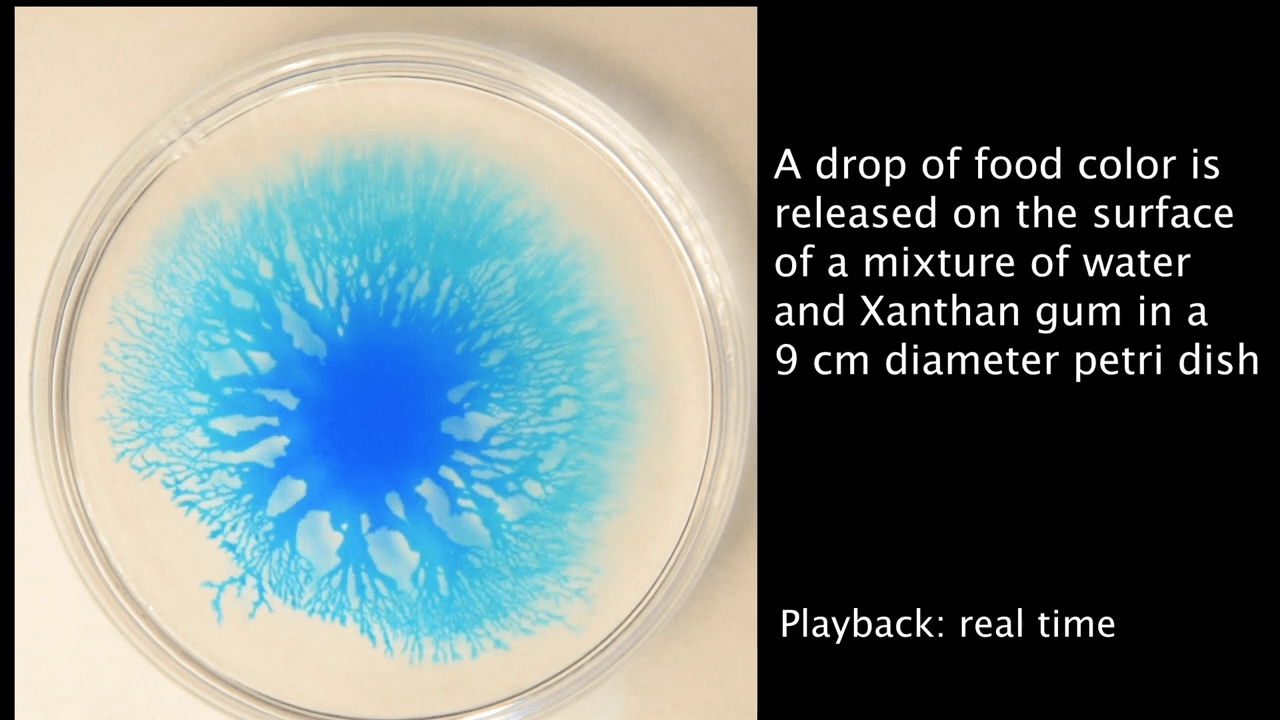
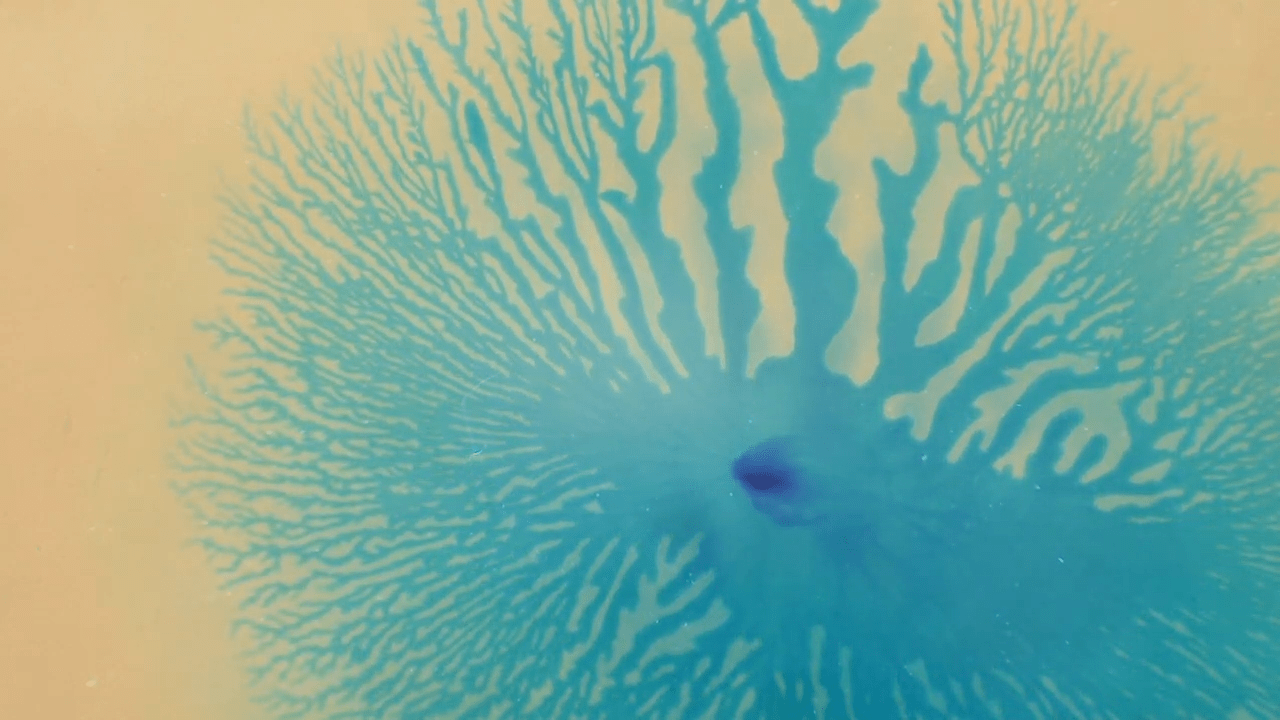
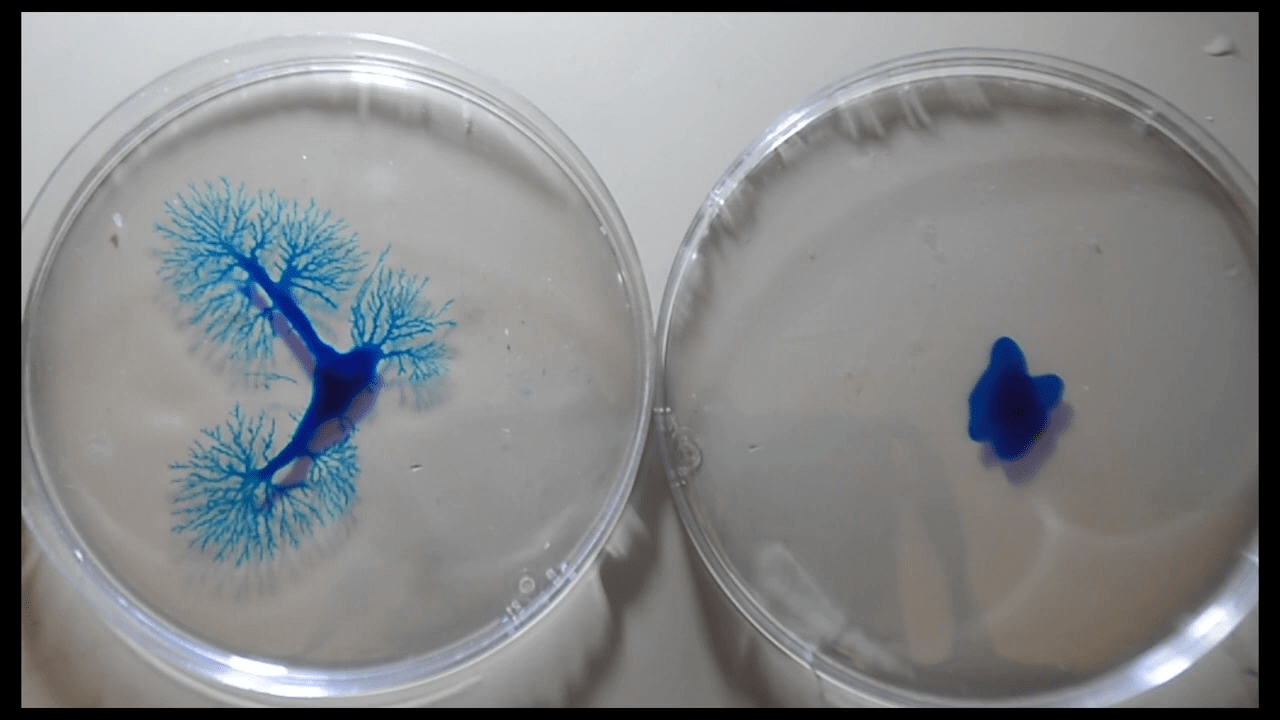
With the right balance of viscosity and surface tension, many fluid combinations can form fractal or dendritic patterns. Here, researchers use a drop of food coloring atop a mixture of water and xanthan gum. Depending on the concentration of gum (and the age of the viscous fluid) different fractal patterns spread quickly across the surface. (Image and video credit: R. Camassa et al.)

Surf’s Up!


Inspired by honeybees and their ability to surf on capillary waves of their own making, researchers have developed SurferBot, a low-cost, untethered, vibration-driven surf robot. Built on a simple 3D-printed platform, the bot has a vibration motor powered by a simple coin cell battery. As the motor vibrates, it propels the bot forward (Image 2). With the motor placed off-center, the bot’s vibrations create larger capillary waves at the rear of the bot than at the front (Image 3). It’s this asymmetry that drives the robot forward. The flow pattern created by the bot’s propulsion is impressively strong (Image 4) and consists of a pair of counter-rotating vortices trapped ahead of the bot and a strong central jet in its wake.
Best of all: SurferBot is a great platform for educational experimentation, costing <$1 apiece! (Image and submission credit: D. Harris; research credit: E. Rhee et al.)