Tag: glacier

  • Regelation Lets Glaciers Flow

    Regelation Lets Glaciers Flow

    Under the cold temperatures and immense pressures of a glacier, ice does not always behave in ways we’d expect. For example, cutting through ice using the pressure of a weighted wire does not break an ice block in two; as the wire passes through the ice, the melted water refreezes in its wake, leaving an intact block. Known as regelation, this process is one way that glaciers flow past obstacles in their path.

    Although many experiments demonstrate regelation for ice with temperatures near freezing, the process occurs in colder ice, too. A new study combines data across a wide range of temperatures with a new physical model of regelation to show how the process changes with temperature. It seems that relatively small temperature changes drastically affect how much meltwater forms around the wire and how slowly the ice refreezes. (Image credit: S. Ferrara; video credit: SciTube; research credit: C. Meyer et al.)

    Fediverse Reactions
  • Blue Jewels and Gray Haze

    Blue Jewels and Gray Haze

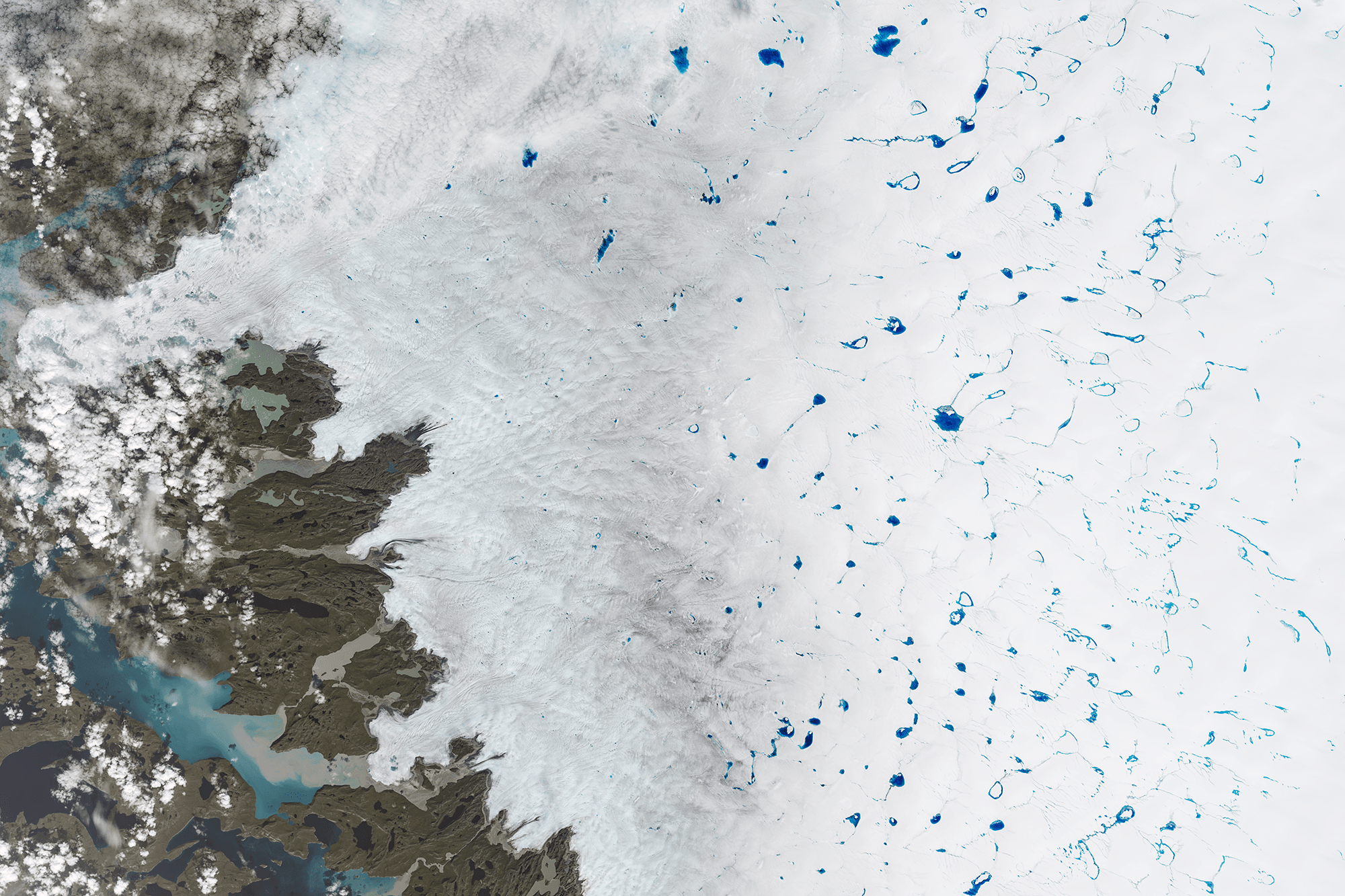
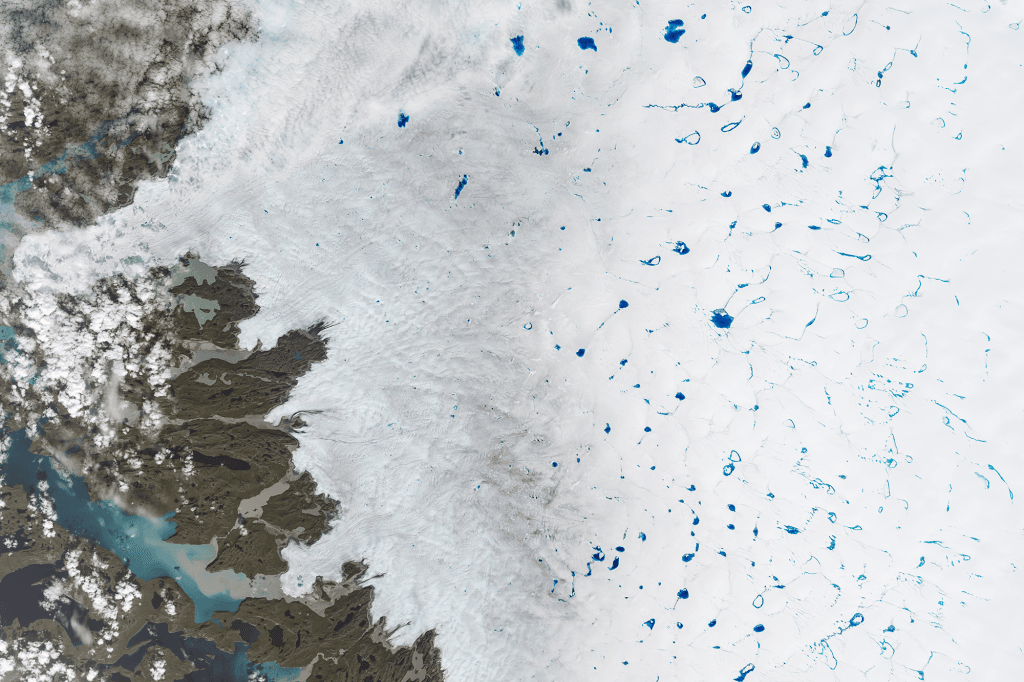
    Beginning in early spring, brilliant blue ponds form on Greenland’s ice sheets as meltwater gathers in indentations. This satellite image shows the ice east of NordenskiΓΆld Glacier, which is the tongue of ice projecting on the left side of the image. The center region of ice is darker, marked by soot, ash, and dirt left behind after previous ice layers have melted. These darker remains make the ice less reflective to sunlight; with less reflectivity, the ice absorbs more sunlight, melting faster. (Image credit: M. Garrison/NASA Earth Observatory)

    A satellite image of Greenland's ice sheet, showing jewel-toned blue meltwater ponds to the right, a haze of dirty ice in the center, and bare rock and open water to the left.
    A satellite image of Greenland’s ice sheet, showing jewel-toned blue meltwater ponds to the right, a haze of dirty ice in the center, and bare rock and open water to the left.
    Fediverse Reactions
  • Glacial Blues

    Glacial Blues

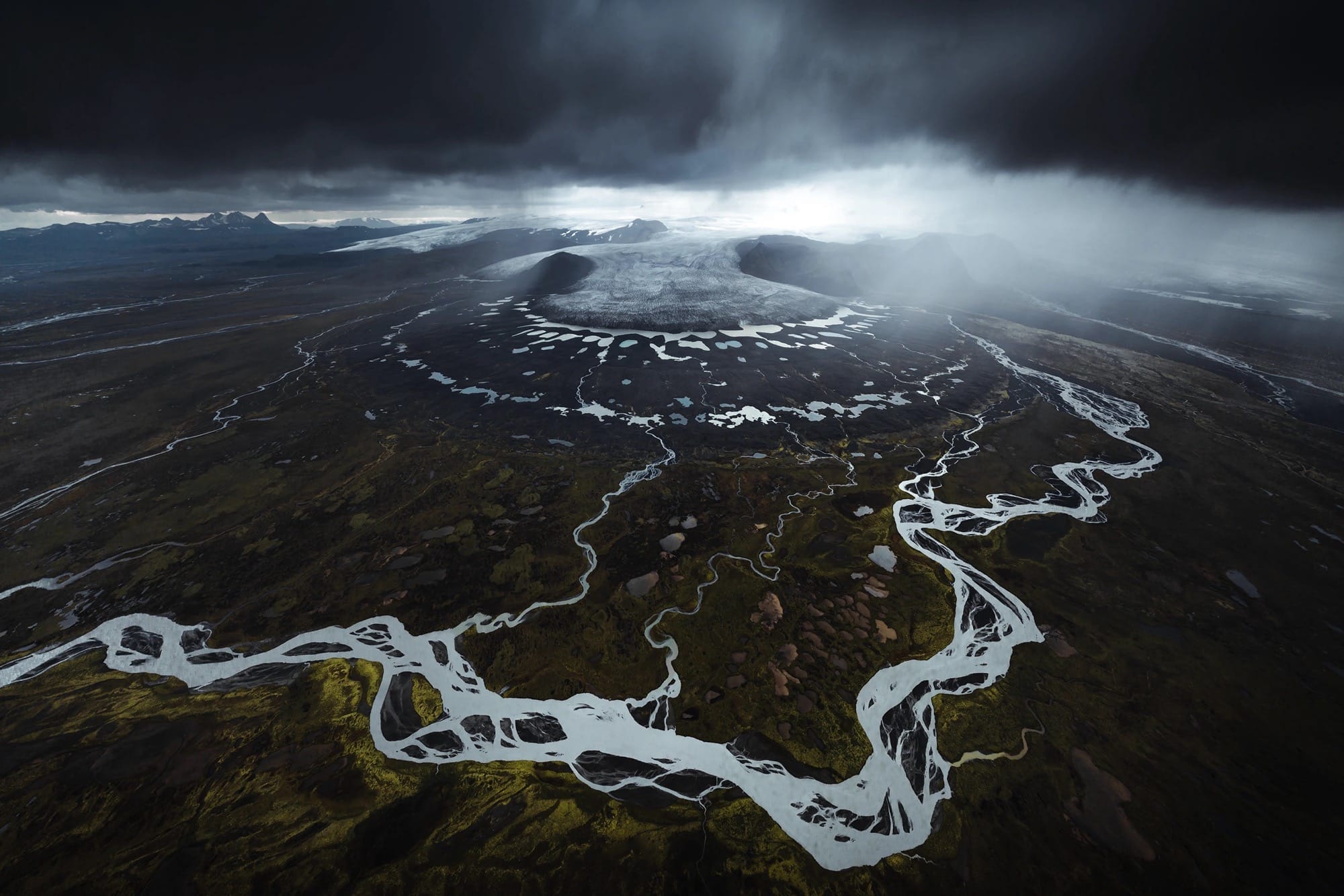
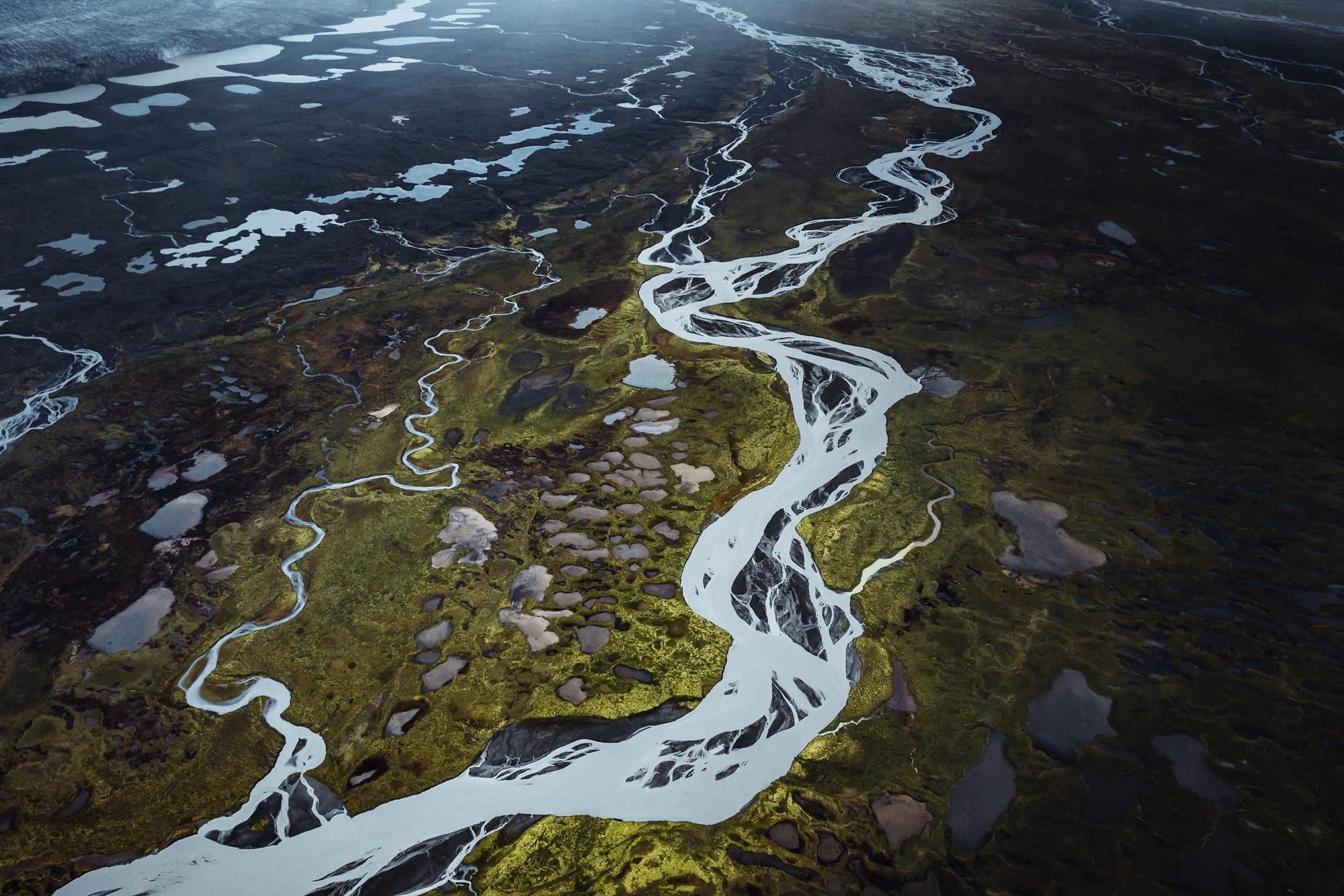
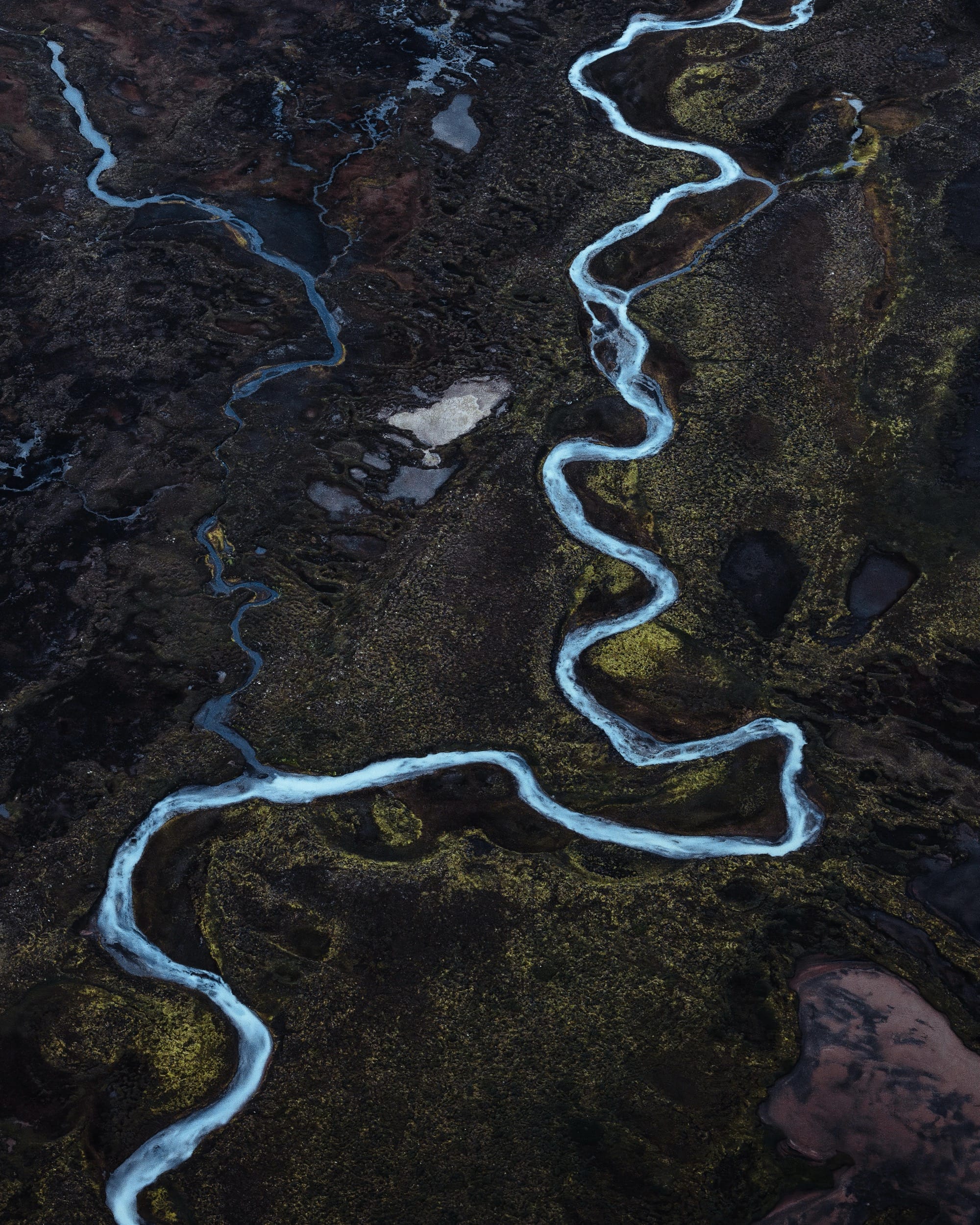
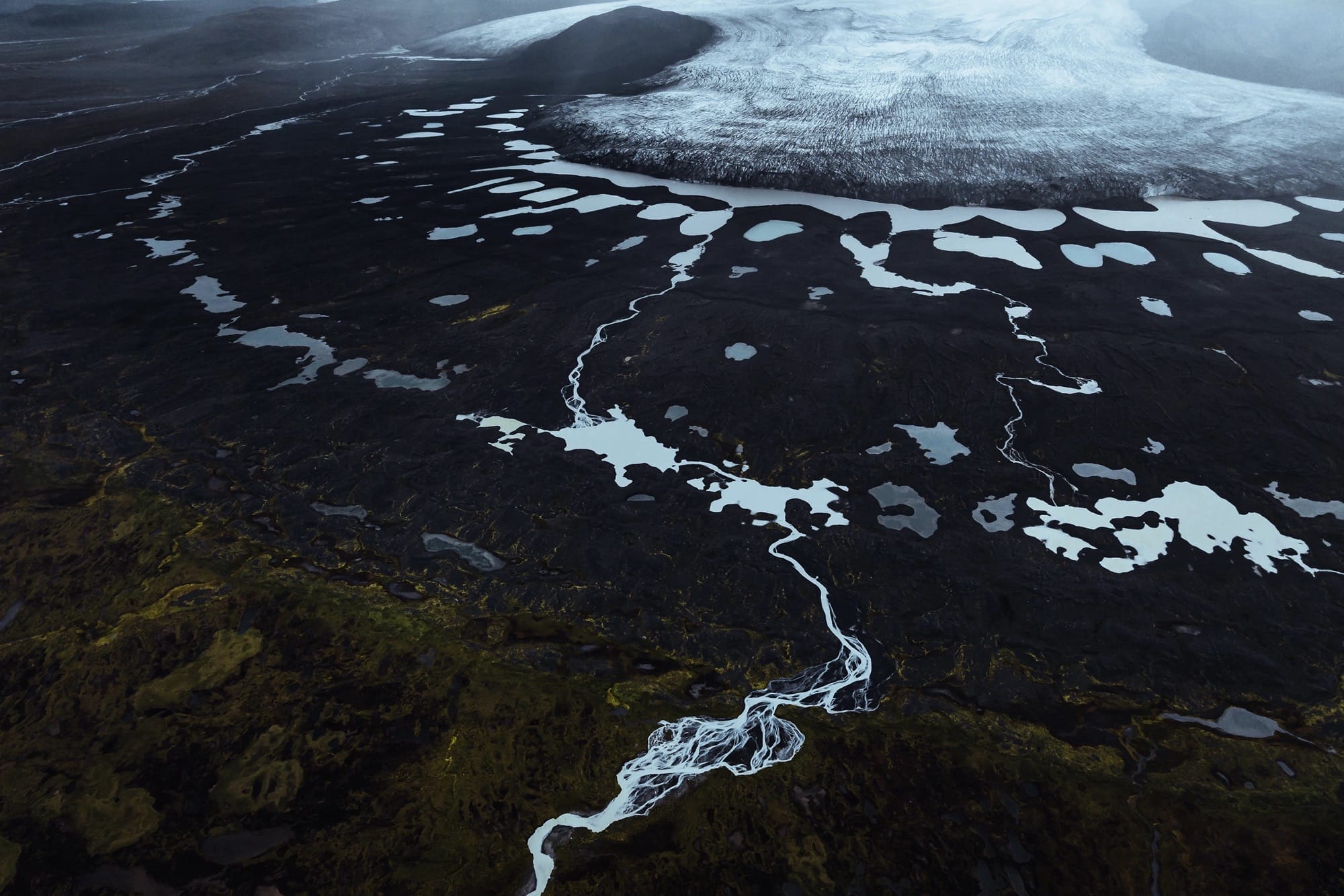
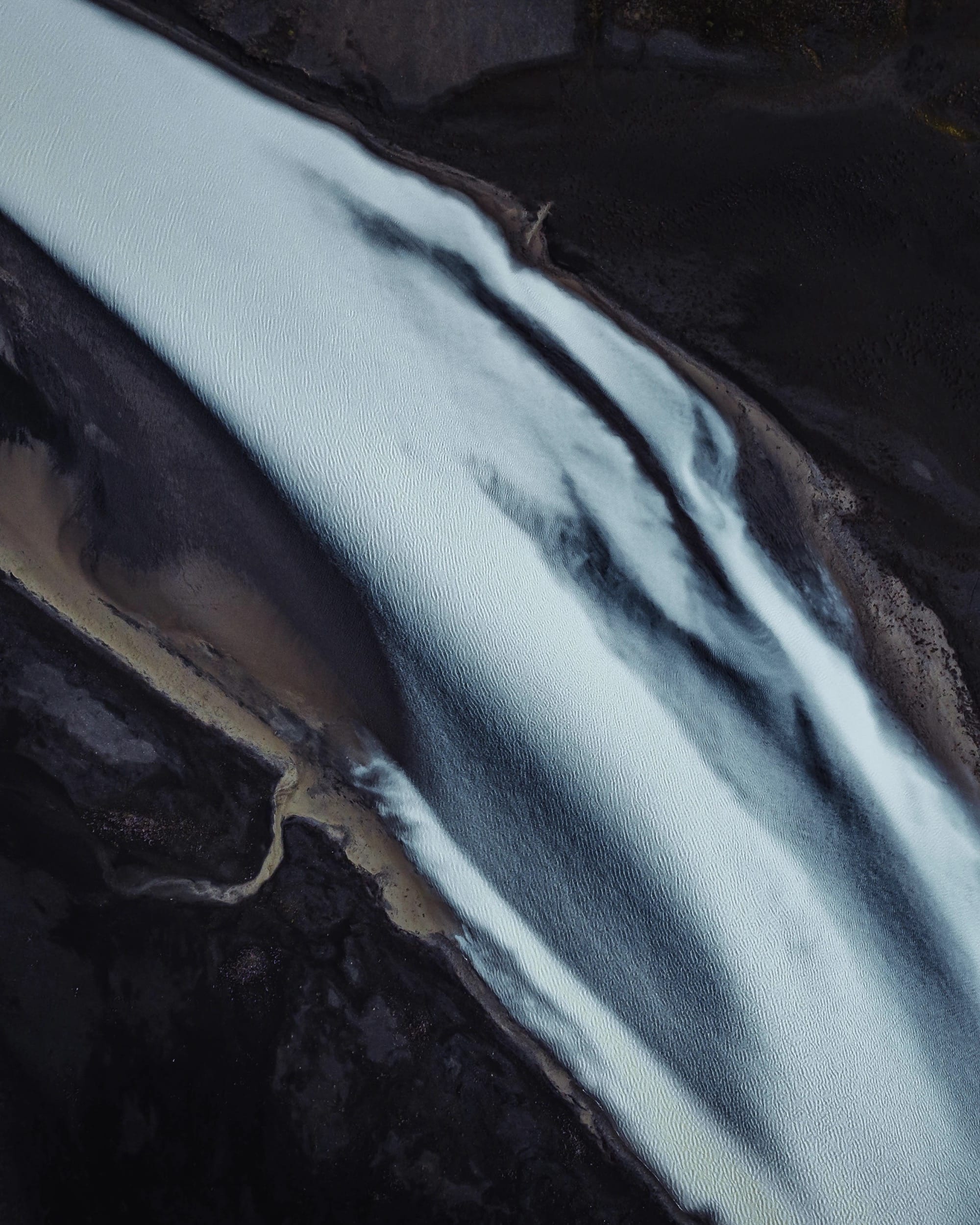
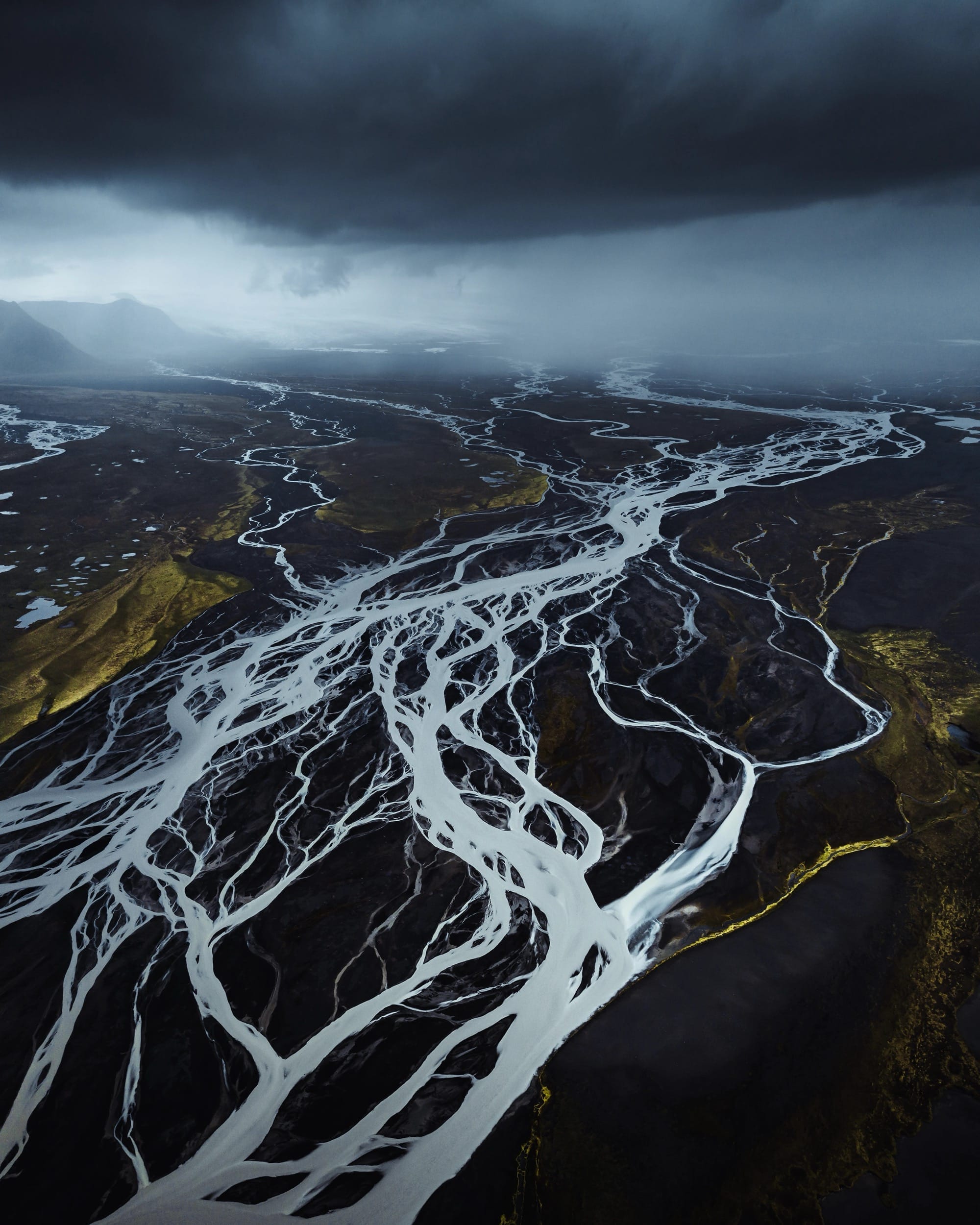
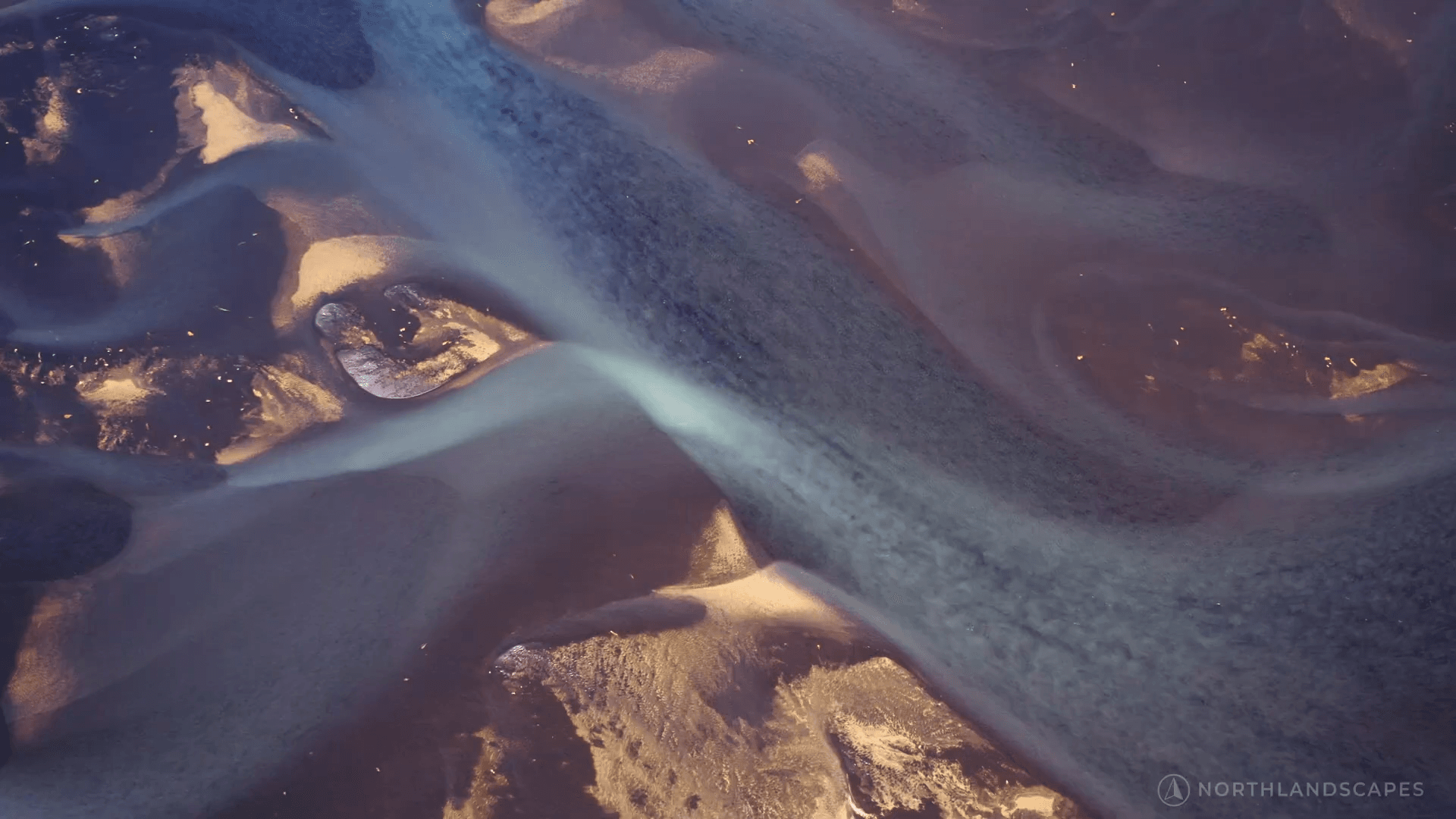
    Meltwater braids like a river delta in this gorgeous image from photographer Stuart Chape. It earned the Silver distinction from the World Nature Photography Awards in their “Planet Earth’s landscapes and environments” category. Water takes tortuous paths like these as it tries to balance the local incline, erosion, deposition, and flow rate. (Image credit: S. Chape/WNPA; via Colossal)

    "Glacial blue" by Stuart Chape, Silver winner in the Landscapes category of the World Nature Photography Awards.
  • Featured Video Play Icon

    “Glacial River Blues”

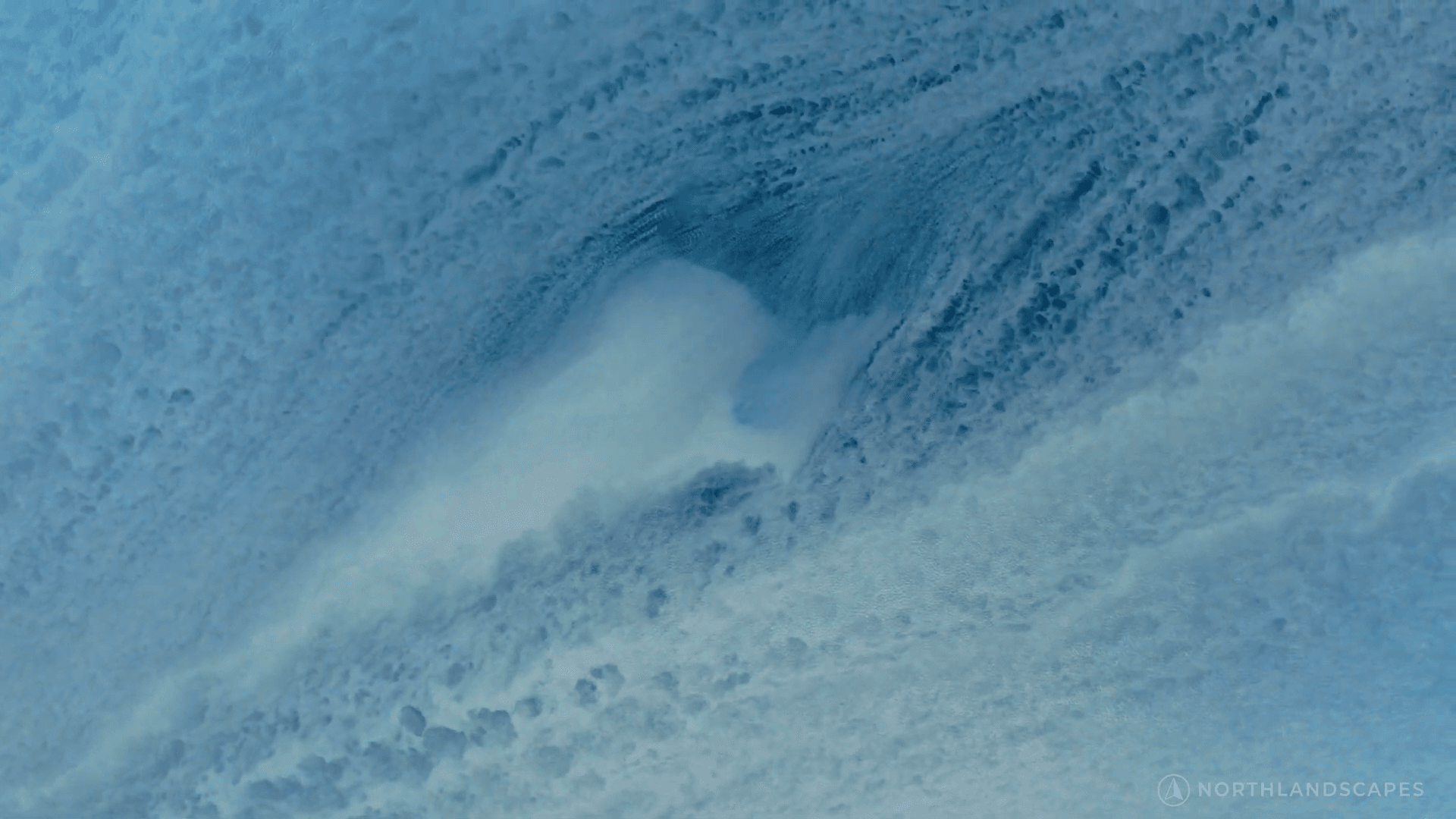
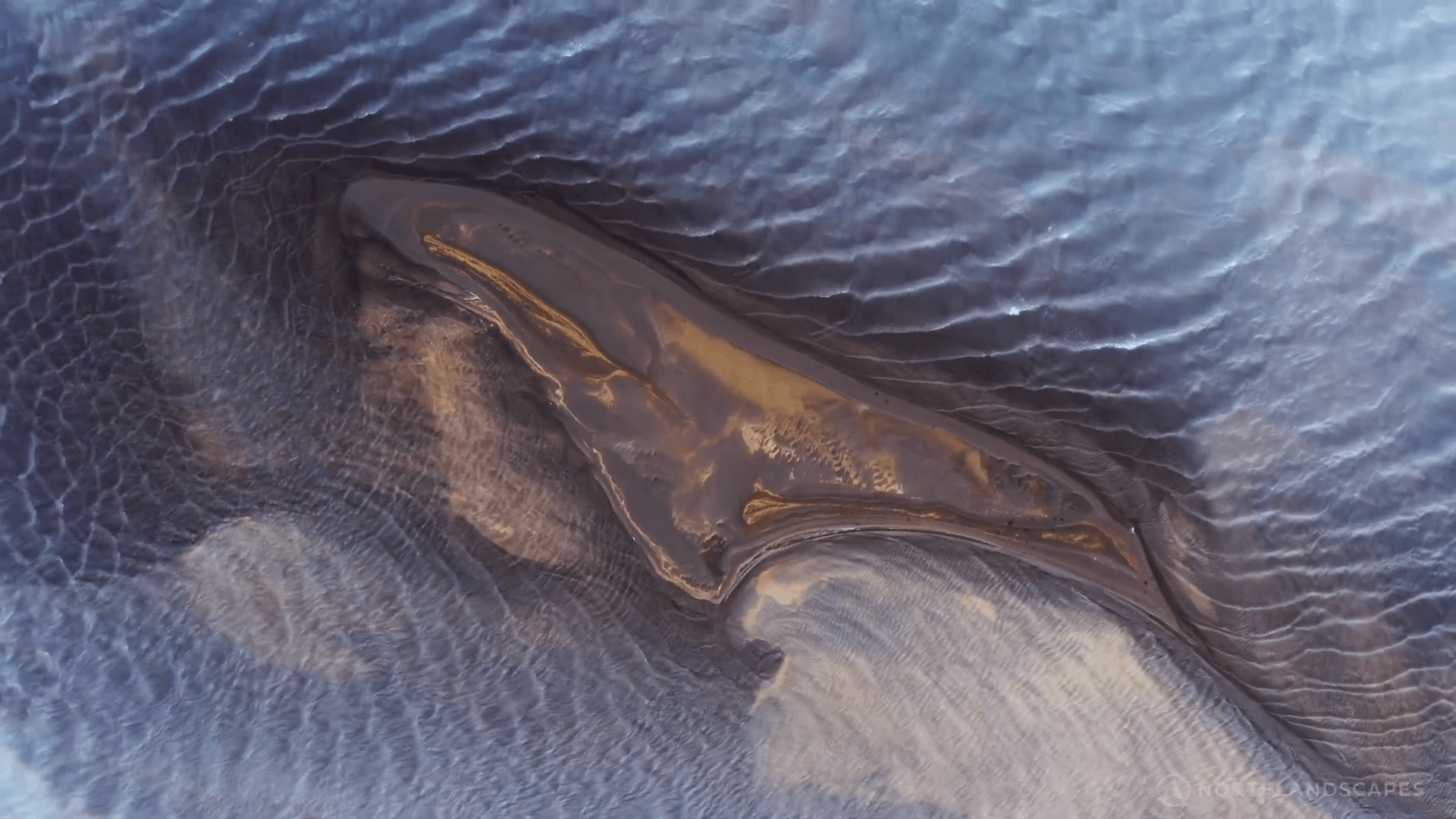
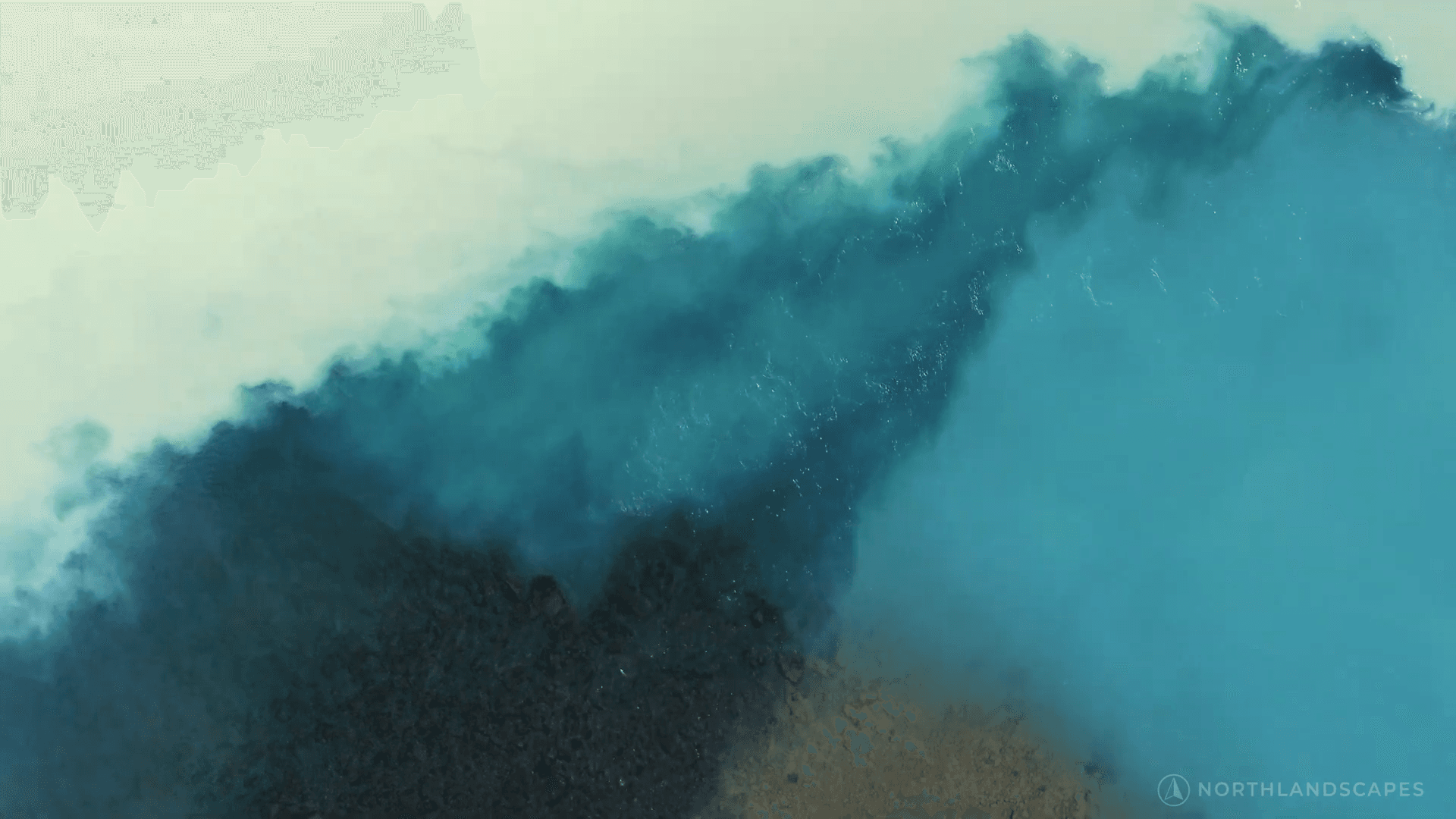
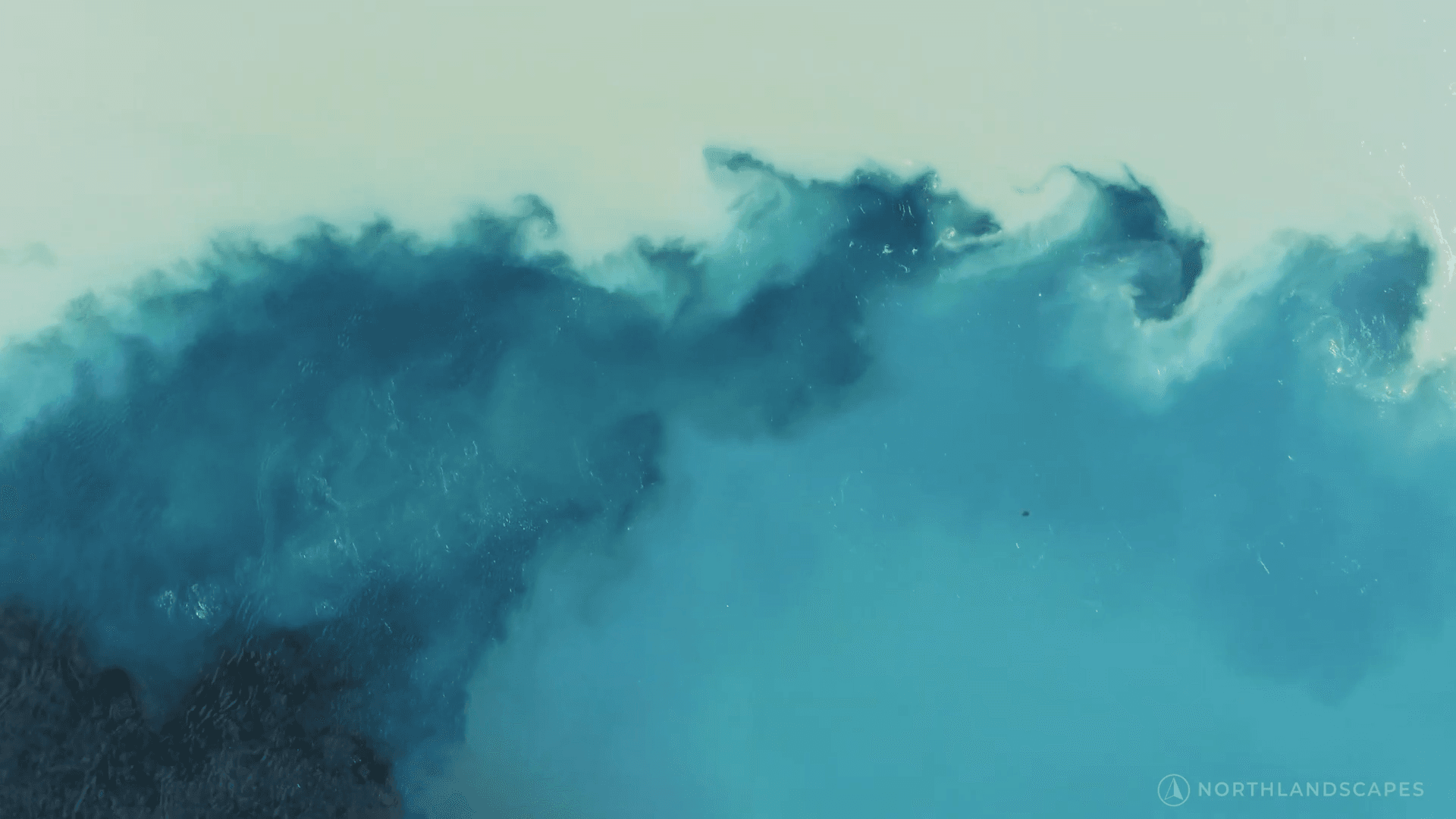
    Glacier-fed rivers are often rich in colorful sediments. Here, photographer Jan Erik Waider shows us Iceland’s glacial rivers flowing primarily in shades of blue. While the wave action and diffraction in these videos is great, the real star is the turbulent mixing where turbid and clearer waters meet. Watch those boundaries, and you’ll see shear from flows moving at different speeds which feeds the ragged, Kelvin-Helmholtz-unstable edge between colors. (Video and image credit: J. Waider; via Laughing Squid)

    Fediverse Reactions
  • Geoengineering Trials Must Consider Unintended Costs

    Geoengineering Trials Must Consider Unintended Costs

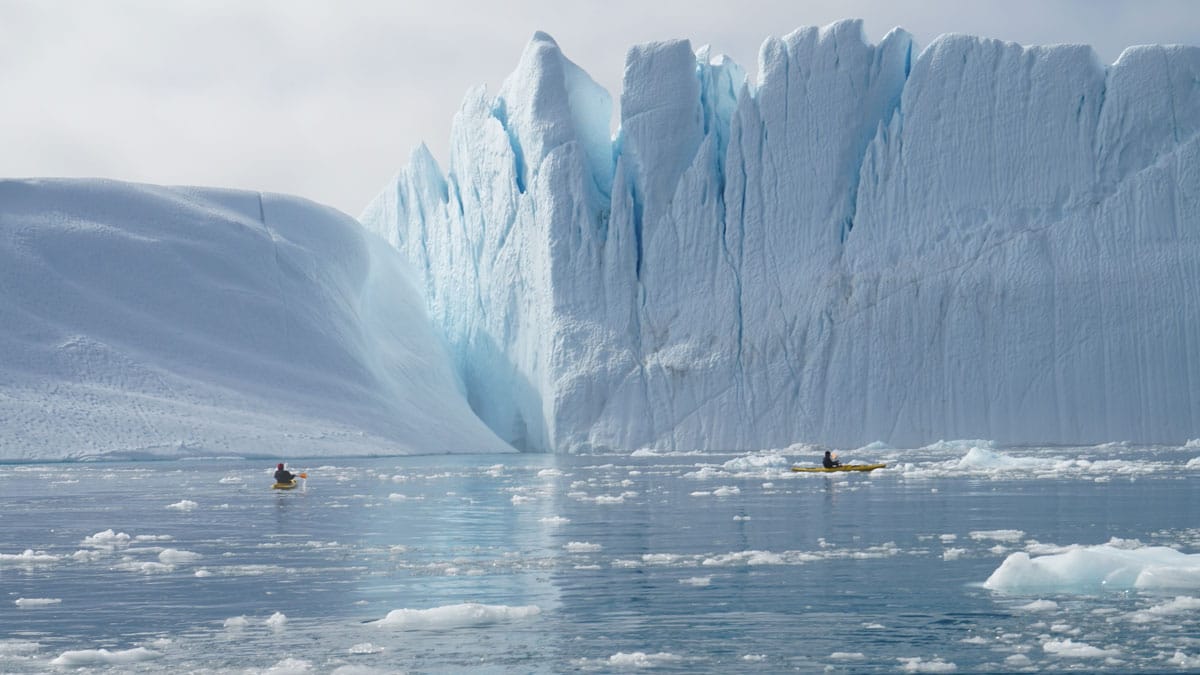
    As the implications of climate change grow more dire, interest in geoengineering–trying to technologically counter or mitigate climate change–grows. For example, some have suggested that barriers near tidewater glaciers could restrict the inflow of warmer water, potentially slowing the rate at which a glacier melts. But there are several problems with such plans, as researchers point out.

    Firstly, there’s the technical feasibility: could we even build such barriers? In many cases, geoengineering concepts are beyond our current technology levels. Burying rocks to increase a natural sill across a fjord might be feasible, but it’s unclear whether this would actually slow melting, in part because our knowledge of melt physics is woefully lacking.

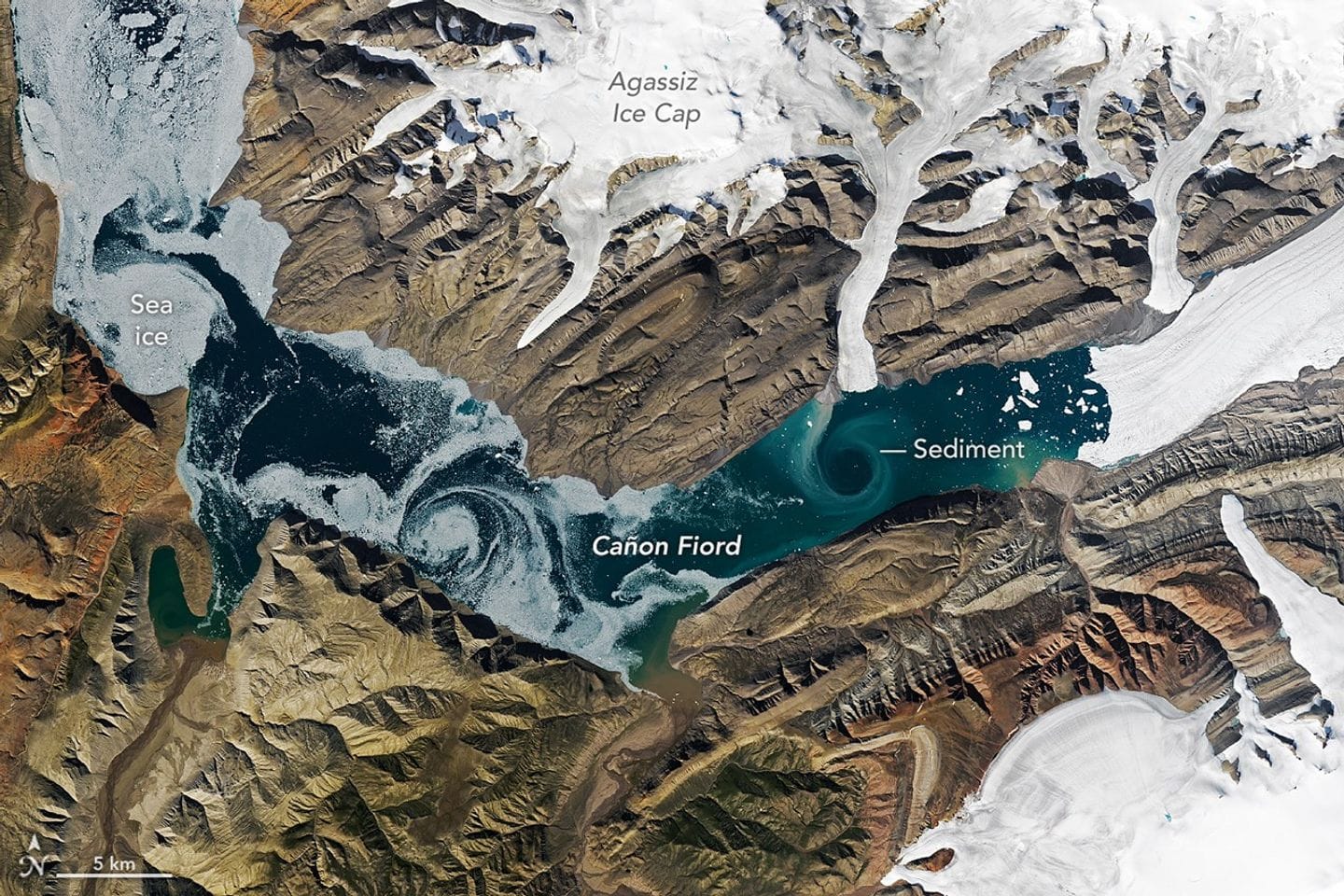
    But unintended consequences may be the biggest problem with these schemes. Researchers used existing observations and models of Greenland’s Ilulissat Icefjord, where a natural sill already restricts inflow and outflow from the fjord, to study downstream implications. Right now, the fjord’s discharge pulls nutrients from the deep Atlantic up to the surface, where a thriving fish population supports one of the country’s largest inshore fisheries. As the researchers point out, restricting the fjord’s discharge would almost certainly hurt the fishing industry, at little to no benefit in stopping sea level rise.

    Because our environment and society are so complex and interconnected, it’s critical that scientists and policymakers carefully consider the potential impacts of any geoengineering project–even a relatively localized one. (Research and image credit: M. Hopwood et al.; via Eos)
    Fediverse Reactions
  • Glacier Timelines

    Glacier Timelines

    "The Rhone Glacier" by Fabian Oefner.

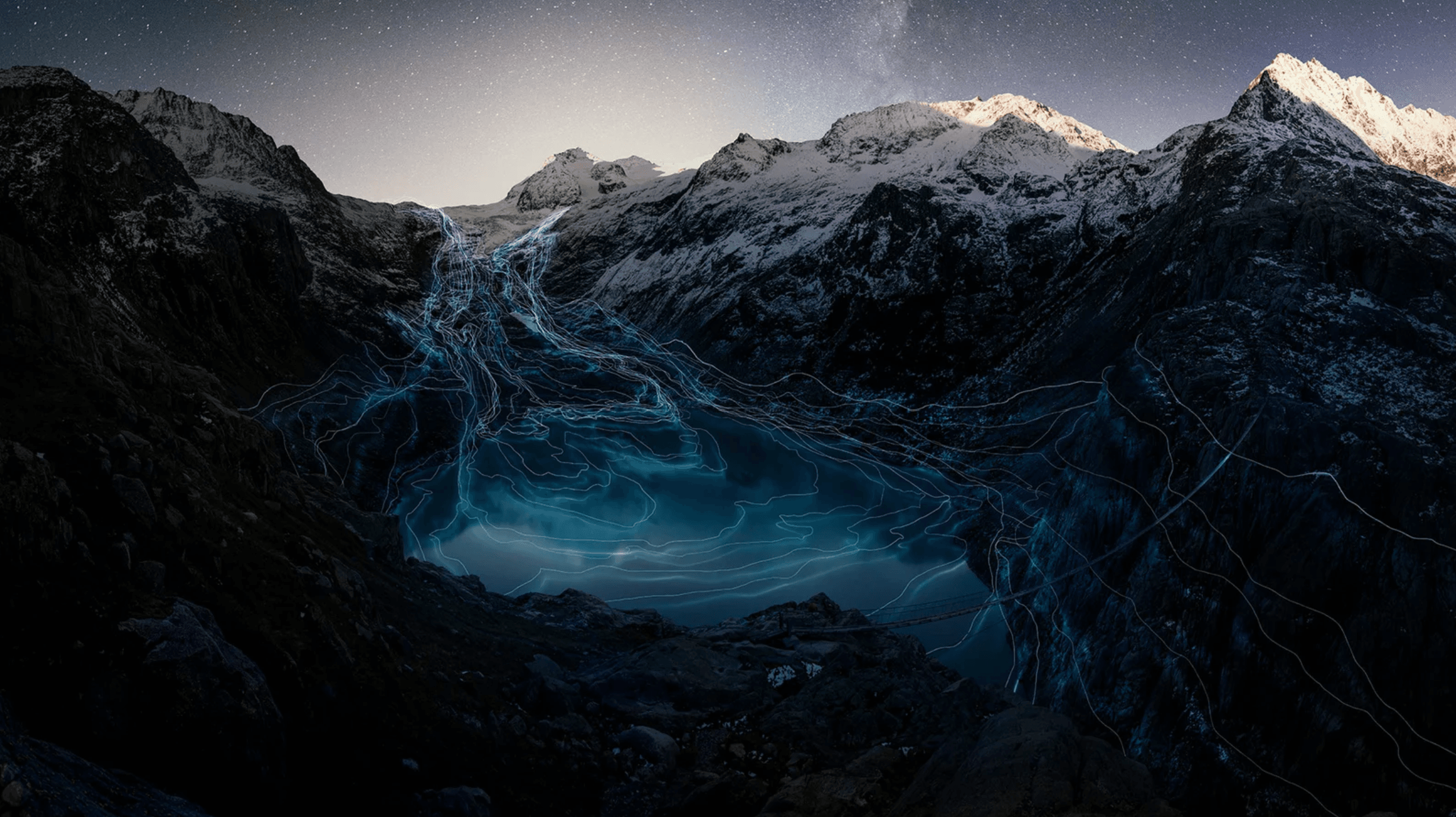
    Over the past 150 years, Switzerland’s glaciers have retreated up the alpine slopes, eaten away by warming temperatures induced by industrialization. But such changes can be difficult for people to visualize, so artist Fabian Oefner set out to make these changes more comprehensible. These photographs — showing the Rhone and Trift glaciers — are the result. Oefner took the glacial extent records dating back into the 1800s and programmed them into a drone. Lit by LED, the drone flew each year’s profile over the mountainside, with Oefner capturing the path through long-exposure photography. When all the paths are combined, viewers can see the glacier’s history written on its very slopes. The effect is, fittingly, ghost-like. We see a glimpse of the glacier as it was, laid over its current remains. (Image credit: F. Oefner; video credit: Google Arts and Culture)

    Fediverse Reactions
  • Ponding on the Ice Shelf

    Ponding on the Ice Shelf

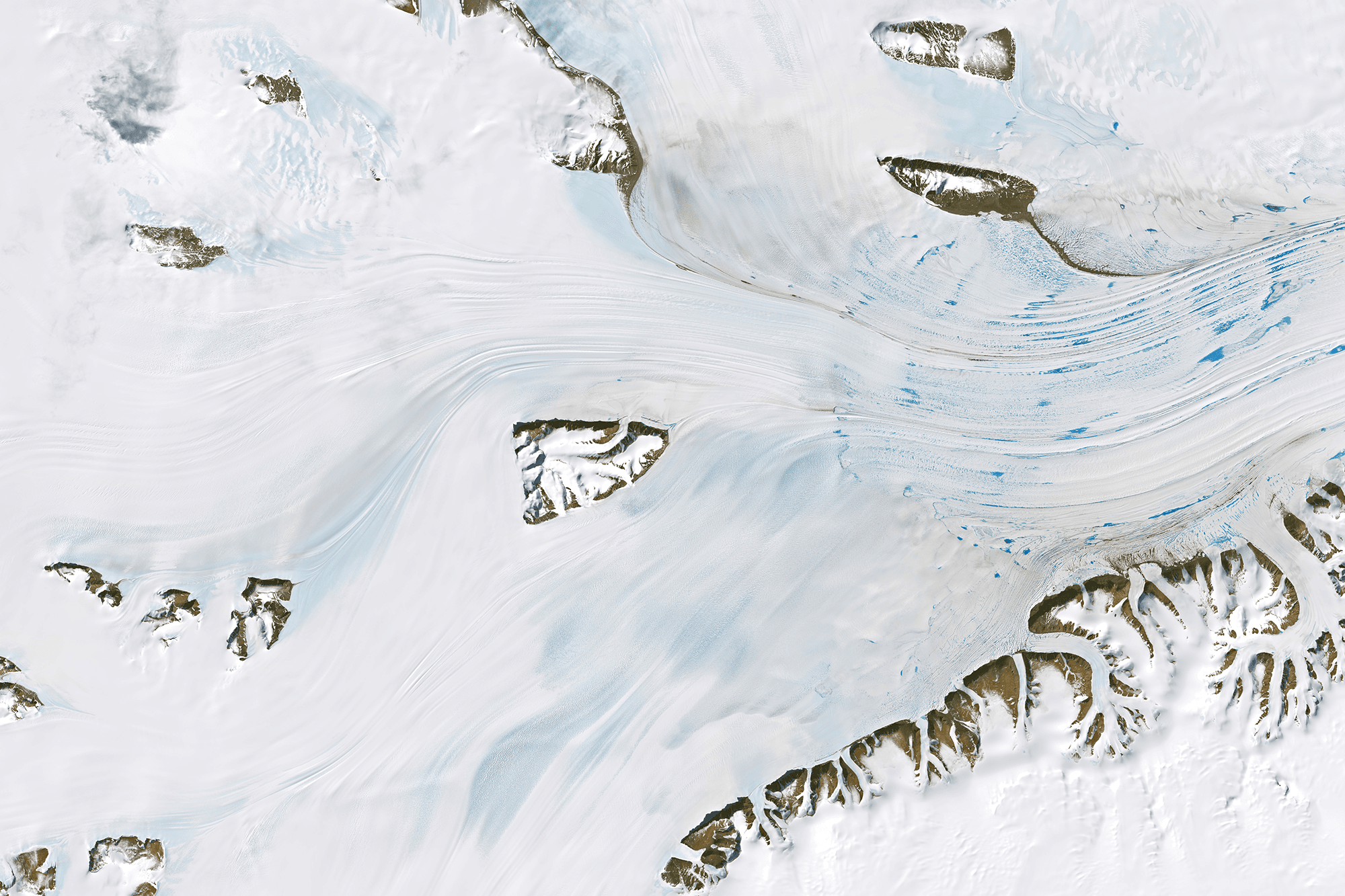
    Glaciers flow together and march out to sea along the Amery Ice Shelf in this satellite image of Antarctica. Three glaciers — flowing from the top, left, and bottom of the image — meet just to the right of center and pass from the continental bedrock onto the ice-covered ocean. The ice shelf is recognizable by its plethora of meltwater ponds, which appear as bright blue areas. Each austral summer, meltwater gathers in low-lying regions on the ice, potentially destabilizing the ice shelf through fracture and drainage. This region near the ice shelf’s grounding line is particularly prone to ponding. Regions further afield (right, beyond the image) are colder and drier, often allowing meltwater to refreeze. (Image credit: W. Liang; via NASA Earth Observatory)

    Fediverse Reactions
  • “Visions in Ice”

    “Visions in Ice”

    The glittering blue interior of an ice cave sparkles in this award-winning image by photographer Yasmin Namini. The cave is underneath Iceland’s Vatnajokull Glacier. Notice the deep scallops carved into the lower wall. This shape is common in melting and dissolution processes. It is unavoidable for flat surfaces exposed to a melting/dissolving flow. (Image credit: Y. Namini/WNPA; via Colossal)

    Fediverse Reactions
  • Slipping Ice Streams

    Slipping Ice Streams

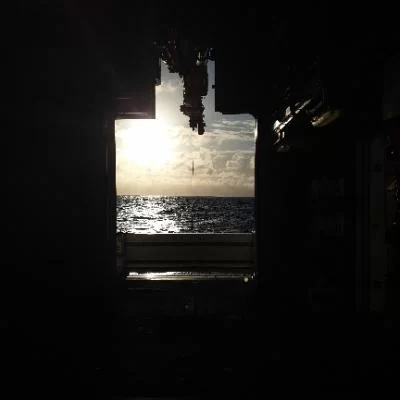
    The Northeast Greenland Ice Stream provides about 12% of the island’s annual ice discharge, and so far, models cannot accurately capture just how quickly the ice moves. Researchers deployed a fiber-optic cable into a borehole and set explosive charges on the ice to capture images of its interior through seismology. But in the process, they measured seismic events that didn’t correspond to the team’s charges.

    Instead, the researchers identified the signals as small, cascading icequakes that were undetectable from the surface. The quakes were signs of ice locally sticking and slipping — a failure mode that current models don’t capture. Moreover, the team was able to isolate each event to distinct layers of the ice, all of which corresponded to ice strata affected by volcanic ash (note the dark streak in the ice core image above). Whenever a volcanic eruption spread ash on the ice, it created a weaker layer. Even after hundreds more meters of ice have formed atop these weaker layers, the ice still breaks first in those layers, which may account for the ice stream’s higher-than-predicted flow. (Image credit: L. Warzecha/LWimages; research credit: A. Fichtner et al.; via Eos)
    Fediverse Reactions
  • Tracking Meltwater Through Flex

    Tracking Meltwater Through Flex

    Greenland’s ice sheet holds enough water to raise global sea levels by several meters. Each year meltwater from the sheet percolates through the ice, filling hidden pools and crevasses on its way to draining into the sea. Monitoring this journey directly is virtually impossible; too much goes on deep below the surface and the ice sheet is a precarious place for scientists to operate. So, instead, they’re monitoring the bedrock nearby.

    Researchers used a network of Global Navigation Satellite System (GNSS) stations like the one above to track how the ground shifted and flexed as meltwater collected and moved. They found that the bedrock moved as much as 5 millimeters during the height of the summer melt. How quickly the ground relaxed back to its normal state depended on where the water went and how quickly it moved. Their results indicate that the water’s journey is not a short one: meltwater spends months collecting in subterranean pools on its way to the ocean — something that current climate models don’t account for. Overall, the team’s results indicate that there’s much more hidden meltwater than models predict and it spends a few months under the ice on its way to the sea. (Image credit: T. Nylen; research credit: J. Ran et al.; via Eos)

    Fediverse Reactions