Tag: flow visualization

  • Featured Video Play Icon

    Kelvin-Helmholtz Flows Downhill

    Gravity currents carry denser fluids into lighter ones, like cold air drifting under your door in winter or dense fogs flowing downhill in San Francisco. Here, researchers visualize the situation using denser salt water flowing into fresh water. Once the gate separating the two fluids rises, the salt water slides down an artificial slope into the fresh water.

    Very quickly the flow forms a Kelvin-Helmholtz instability due to the different flow speeds between the two fluids. Kelvin-Helmholtz waves form distinctive swirls and billows that are reminiscent of a cat’s eye. As the swirls rotate, they can flow over one another, and break up into turbulence. (Image and video credit: C. Troy and J. Koseff)

  • Icicles and Impurities

    Icicles and Impurities

    In nature, icicles often form horizontal ripples along their outer surface. Researchers found that these shapes only form when impurities are present in the water forming icicles; icicles made from pure water are smooth. Now researchers are uncovering more details of the ripple formation process, though the underlying mechanism remains unknown.

    Cross-sections of an icicle reveal chevron-like inclusions of impurities.
    Icicle using sodium fluorescein as an impurity. a) A vertical cross-section through the icicle shows chevron-like inclusions where impurities are concentrated. b) A similar icicle using salt as the impurity shows a similar pattern. c) A horizontal cross-section through the icicle reveals tree-like rings of concentrated impurities.

    Researchers first grew wavy icicles, then melted through them to reveal cross-sections of the icicle. They found chevron-like patterns within the ice, corresponding to areas with higher concentrations of impurities. The team think these chevrons record the process by which flowing water accumulates on the surface of the icicle prior to freezing. (Image credit: top – M. Shturma, cross-sections – J. Ladan and S. Morris; research credit: J. Ladan and S. Morris; via APS Physics)

  • Featured Video Play Icon

    Exascale Simulations

    Capturing what goes on inside a combustion engine is incredibly difficult. It’s a problem that depends on turbulent flow, chemistry, heat transfer, and more. To represent all of those aspects in a numerical simulation requires enormous computational resources. It’s not simply the realm of a supercomputer; it requires some of the fastest supercomputers in existence.

    Exascale computing, like that used for the simulations in this video, is defined as at least 10^18 (floating-point) operations per second. For comparison, my PC has a recent, high-end graphics card, and it’s about a million times slower than that. These are absolutely gigantic simulations. (Image and video credit: N. Wimer et al.)

  • Featured Video Play Icon

    Dancing Over Ridges

    When flowing over a ridged surface, particles follow a drifting, helical trajectory. In this video, researchers delve into the physics behind this phenomenon. Differences in the pressure gradient along different parts of the corrugation push particles along the groove. With their analysis, the team is able to predict particle trajectories above surface roughness of any shape. With these tools, they can design roughened microchannels that disperse particles at a desired speed, something that could be especially helpful in medical diagnostics. (Image and video credit: D. Chase et al.; research credit: D. Chase et al.)

  • Featured Video Play Icon

    Turbulence From Vortex Rings

    When vortex rings collide, they reconnect into smaller, rings that eventually break down into chaos. Here, researchers experiment with colliding multiple vortex rings — focusing on an eight-ring collision. When they collide rings over and over, it creates a zone of isolated turbulence at the heart of the collisions.

    Many of the theories and predictions that exist around turbulence assume that the flow is homogeneous and isotropic; what this means is that the (statistical) characteristics of the flow are the same in every direction. In reality, this kind of flow isn’t always easily achieved, which makes testing theoretical predictions challenging.

    What’s neat about this set-up is that you get this desired turbulence in a very controlled way. It’s easy to tune the size and energy of your vortex rings, and those tweaks allow you to observe what — if any — changes occur in the resulting turbulence. (Image and video credit: T. Matsuzawa et al.)

  • The Best of FYFD 2022

    The Best of FYFD 2022

    In keeping with our annual tradition, here’s a look back at the most popular posts of 2022:

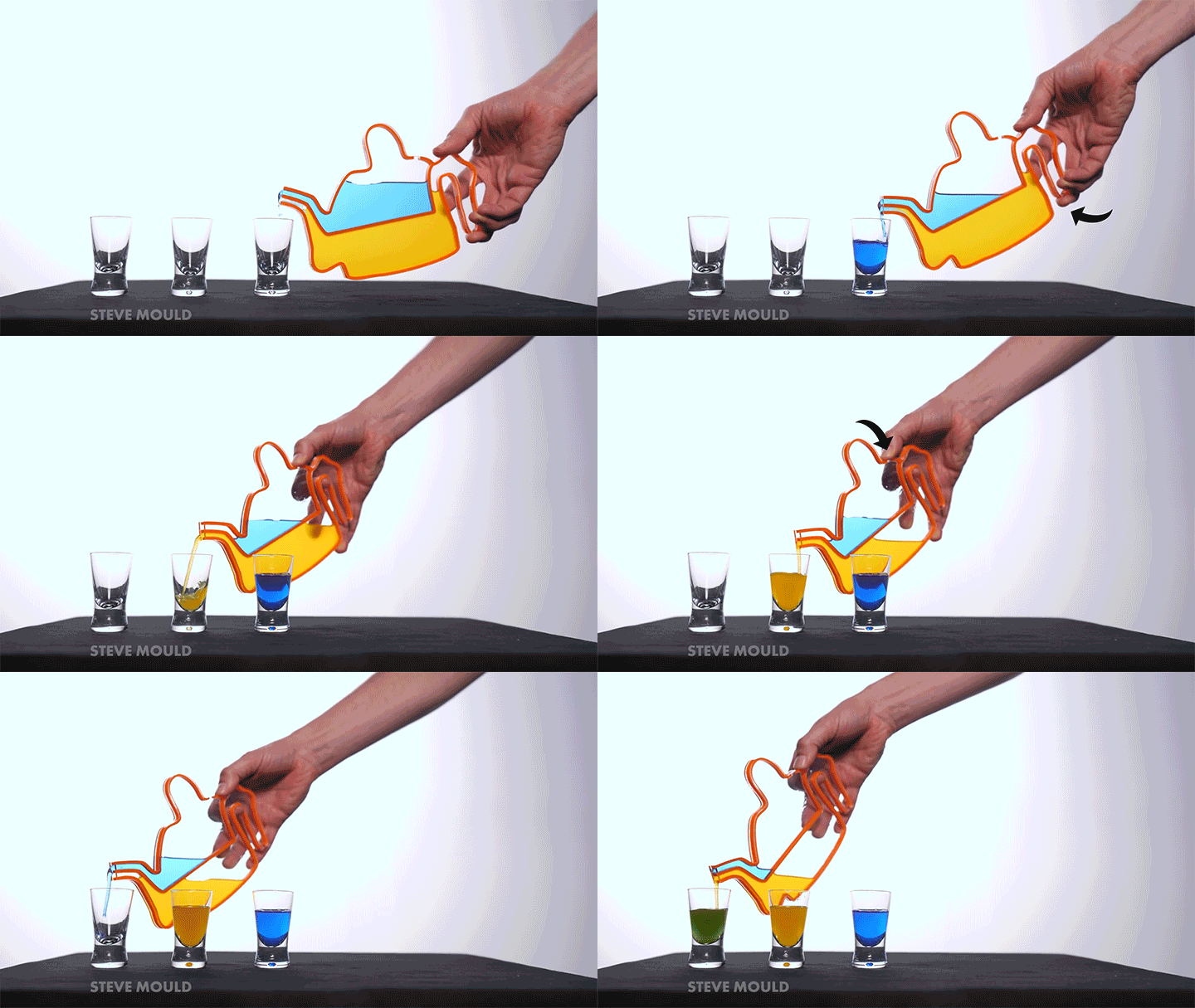
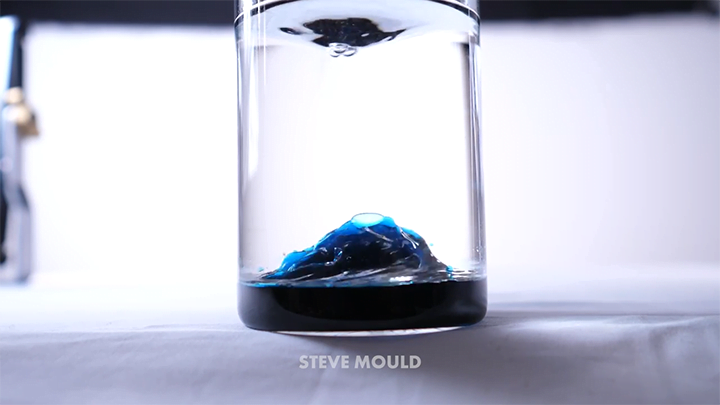
    1. The Assassin’s Teapot can pour two different liquids from the same spout
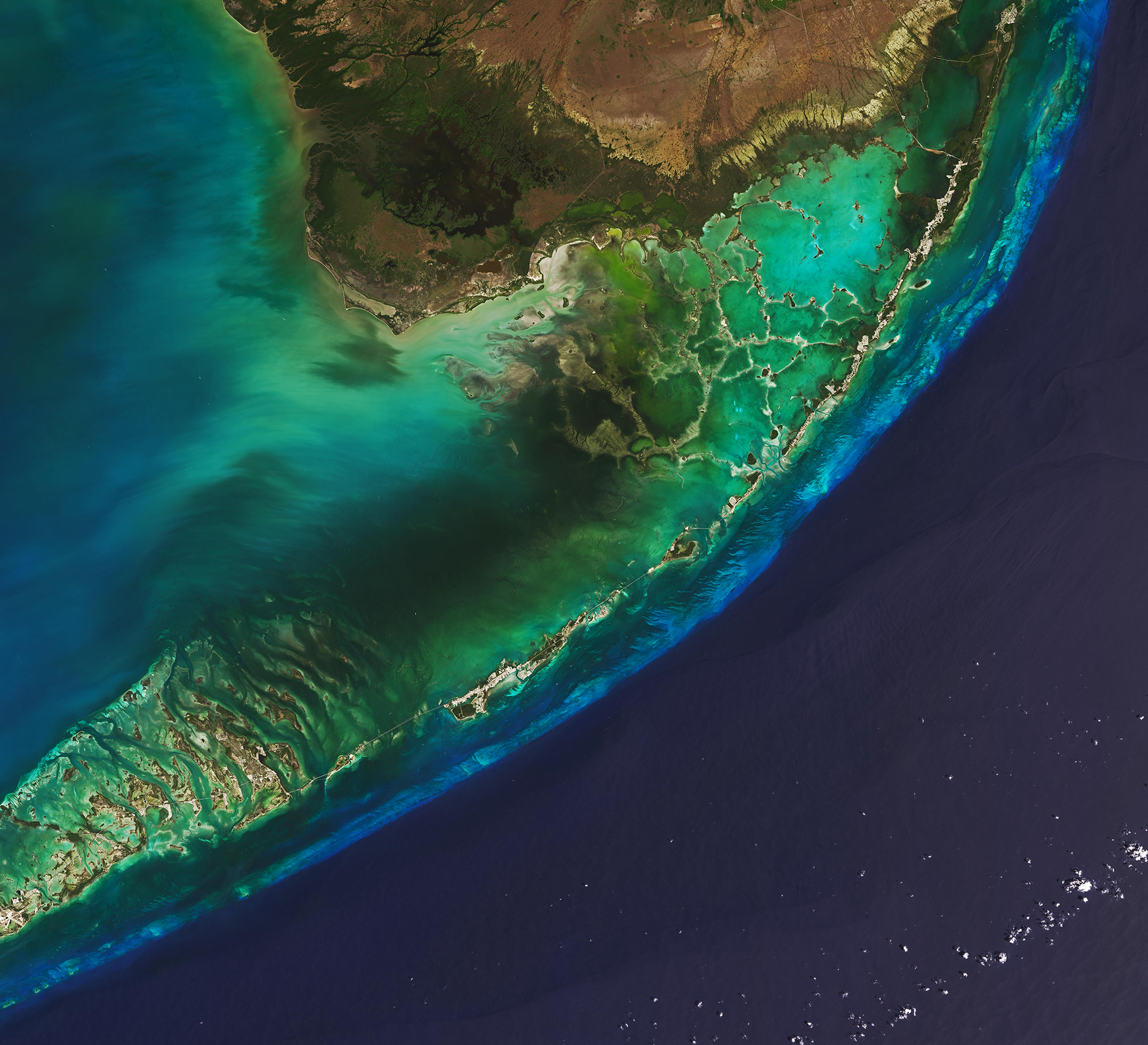
    2. The Florida Keys formed from fossilized coral reefs and sandbars
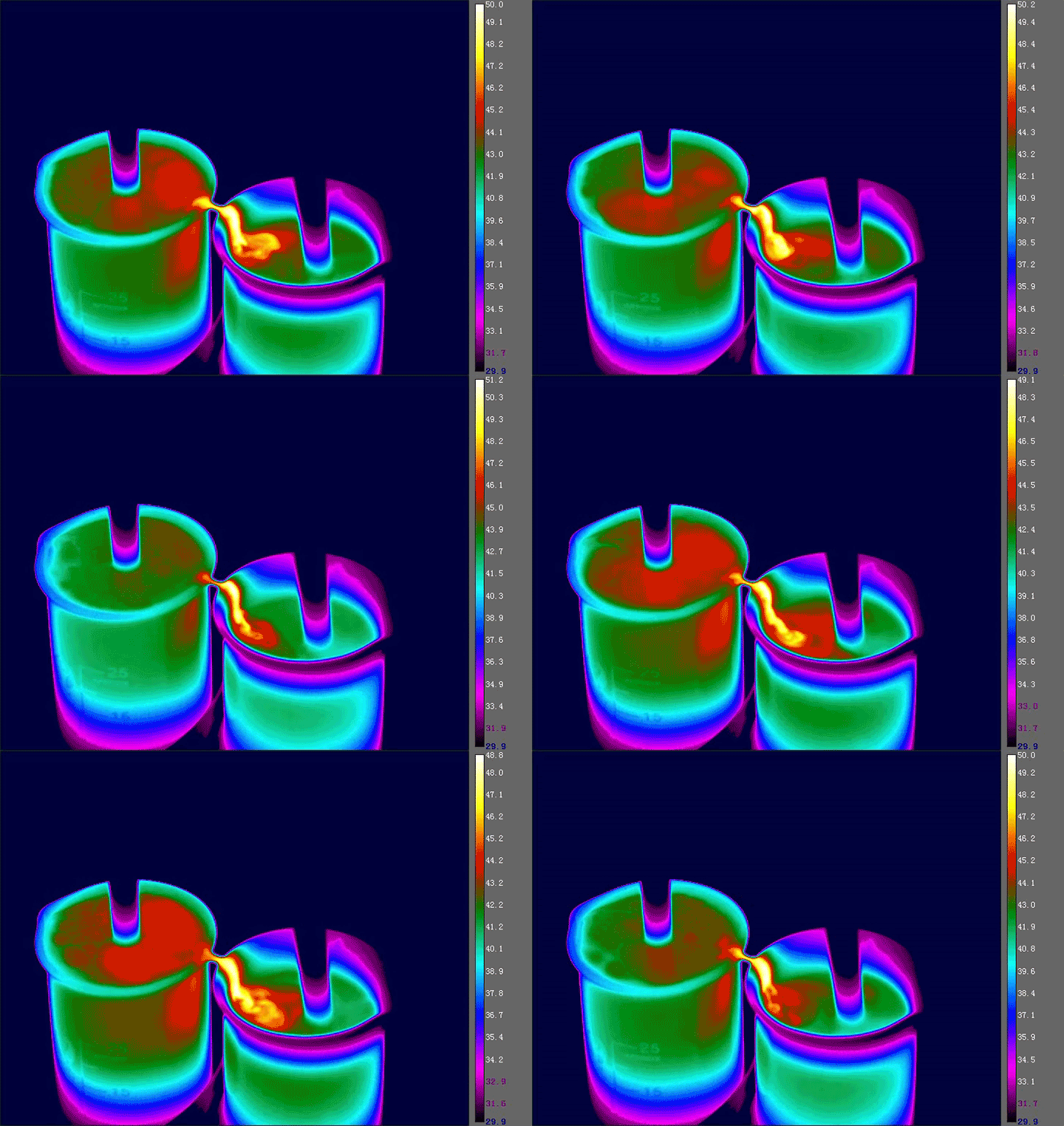
    3. Take a look inside a gas pump’s nozzle
    4. Hot chocolate hides a strange acoustic effect
    5. Under strong electric fields, liquid bridges form
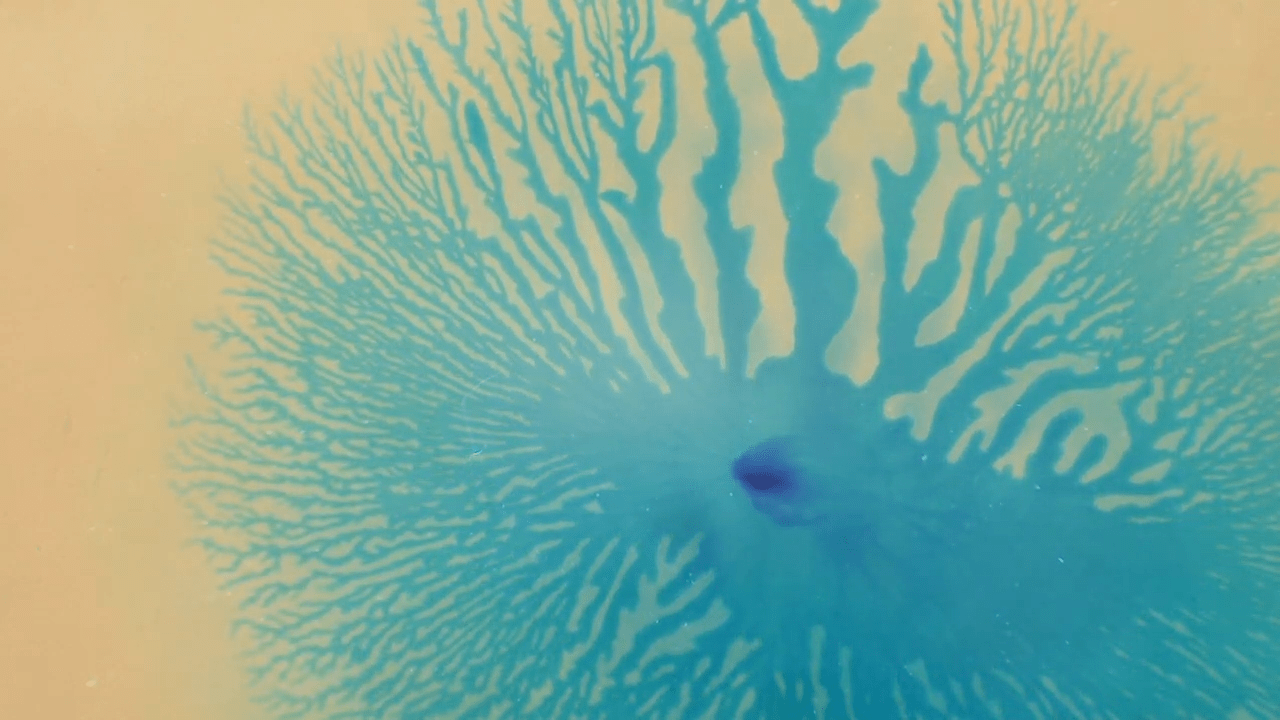
    6. Growing fractal fluids
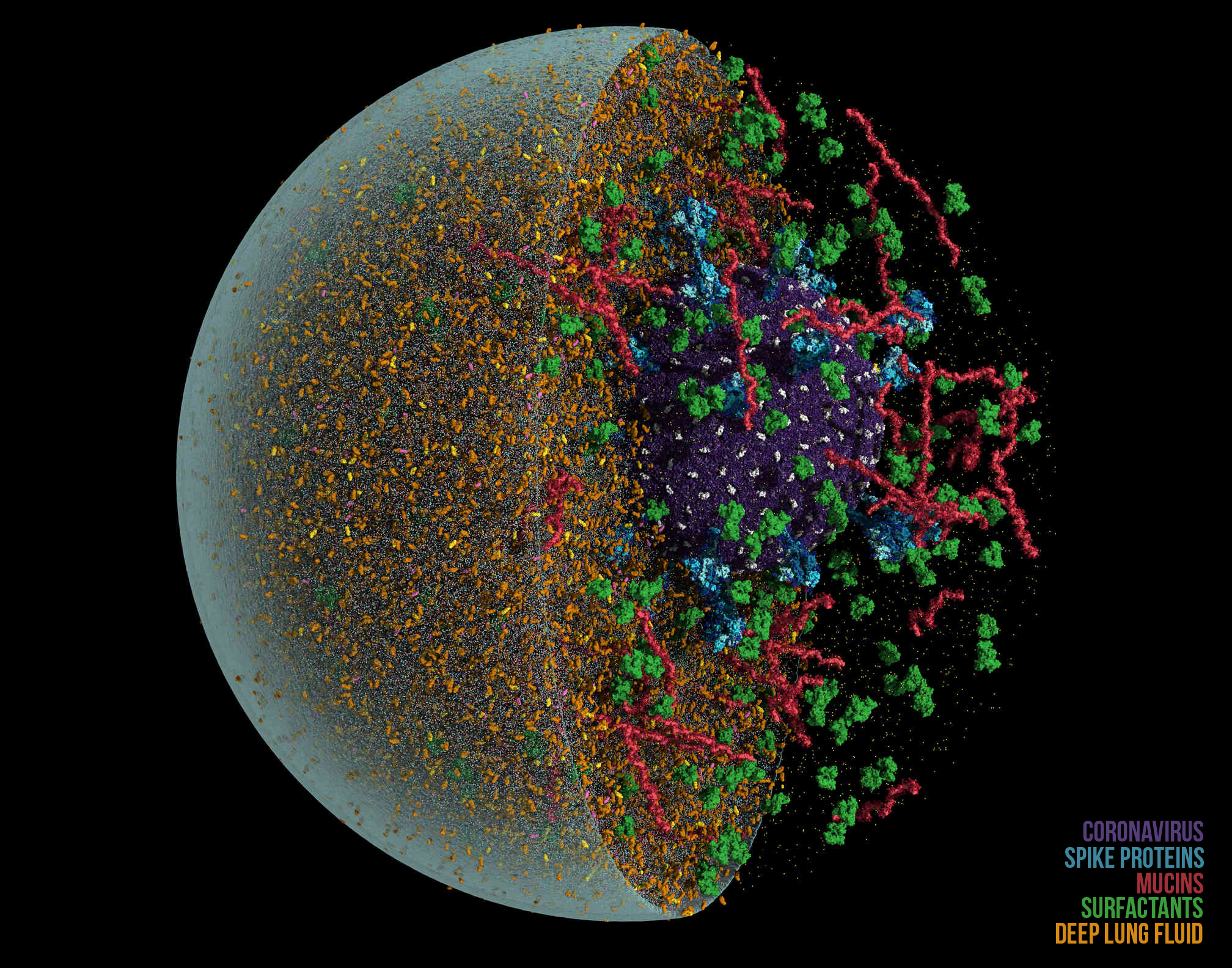
    7. A peek inside a coronavirus aerosol
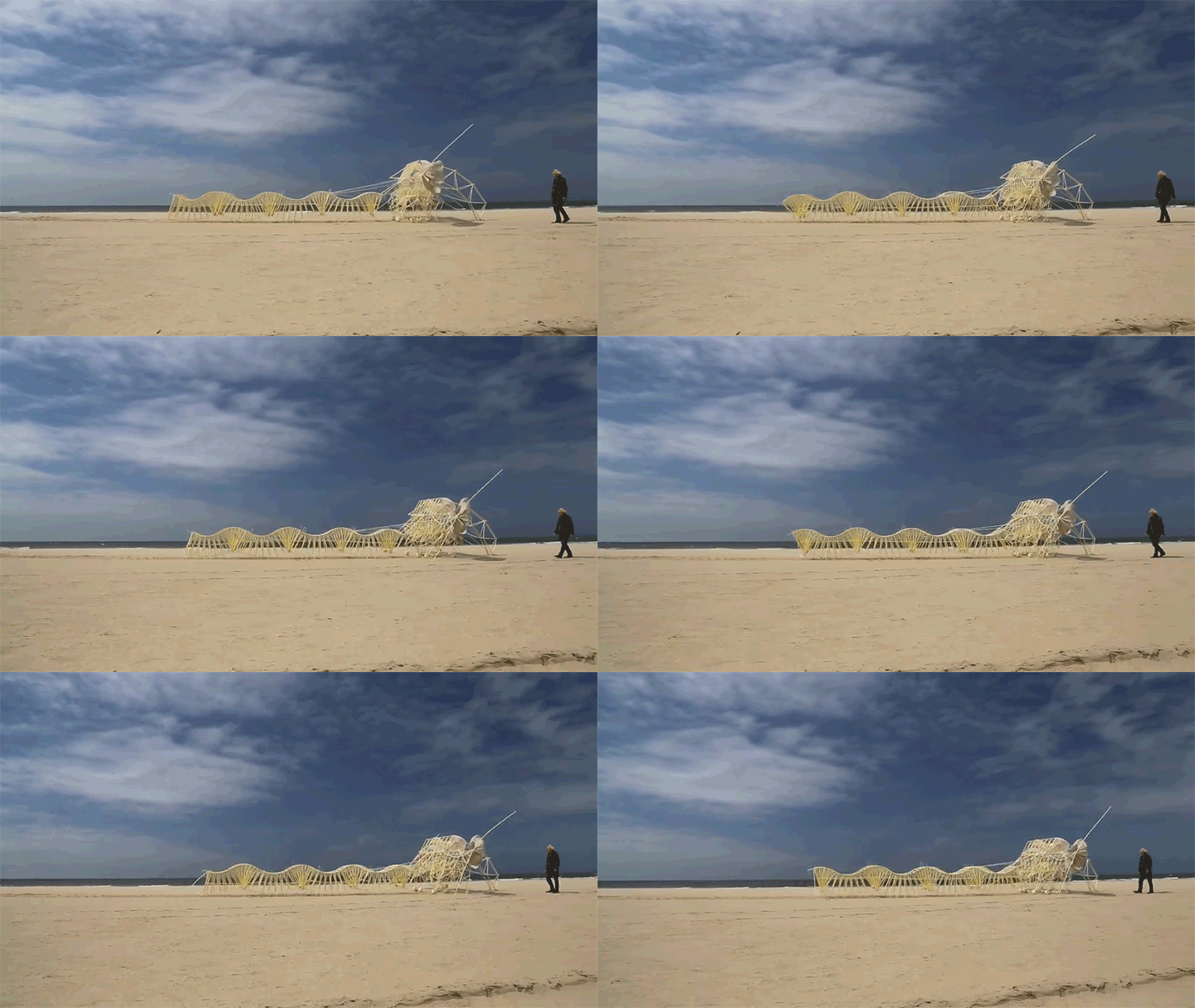
    8. Wind-powered Strandbeests wander the beaches
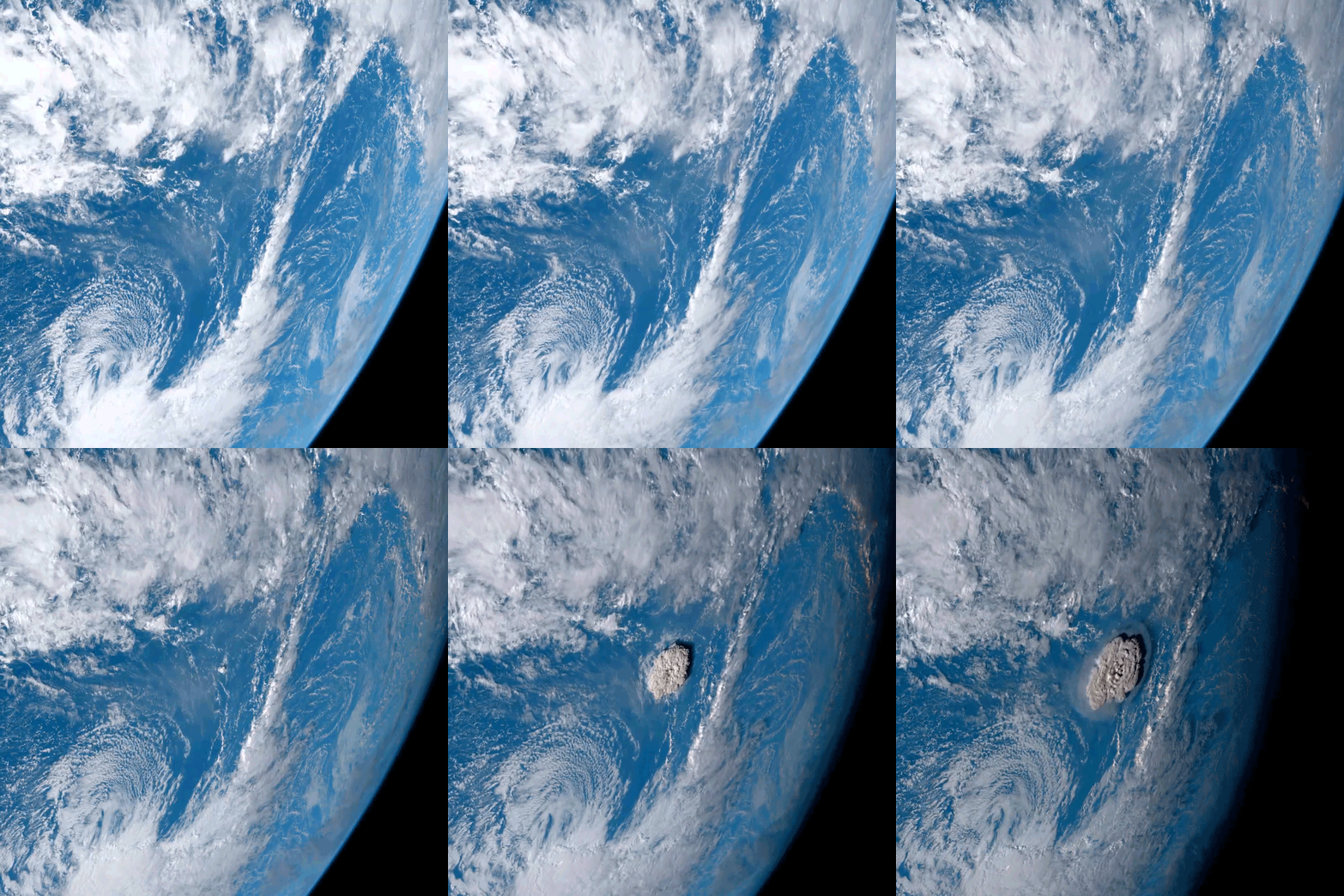
    9. Tongan volcano sends shocks around the world
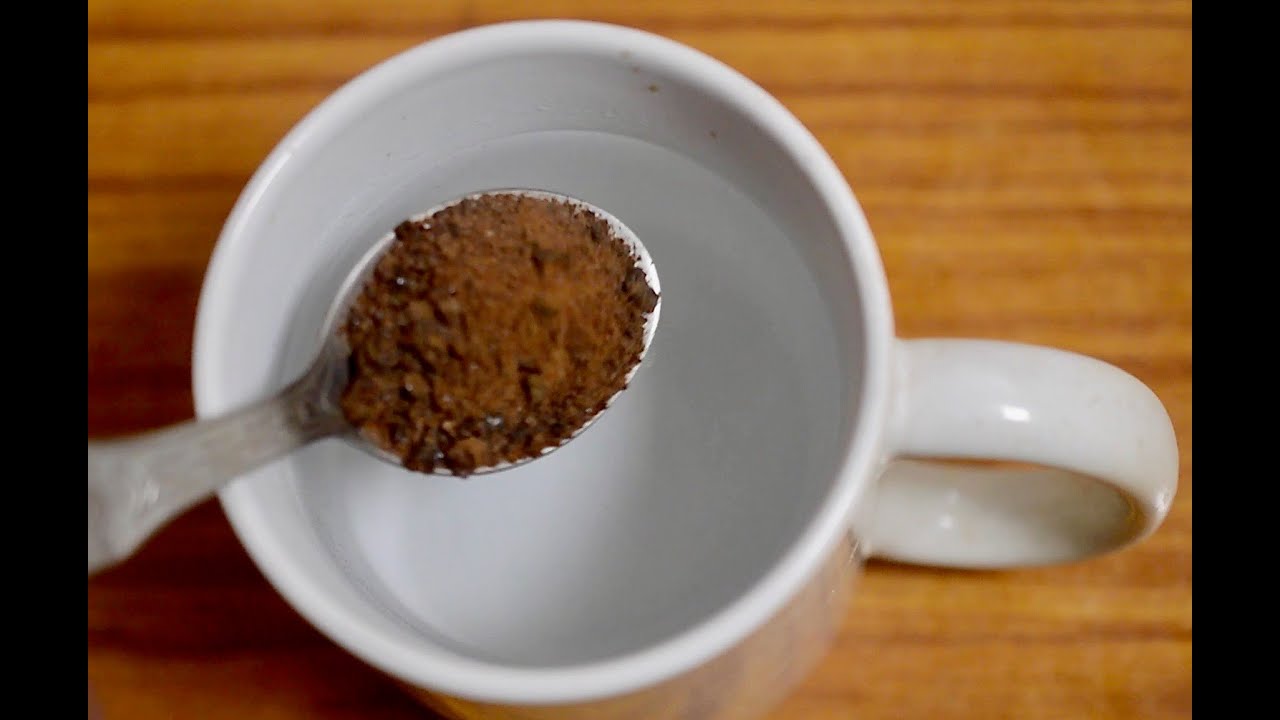
    10. Why do tea leaves swirl up in the middle of a stirred mug?

    Lots of beverage-inspired posts this time around! It’s a good reminder that there’s always interesting science around us all the time. Also, a special shout out to Steve Mould, whose videos appear in three of the top ten posts of the year – wow! Congrats, Steve!

    If you enjoy FYFD, please remember that it’s a reader-supported website. I don’t run ads and it’s been years since my last sponsored post. You can help support the site by becoming a patronmaking a one-time donationbuying some merch, or simply by sharing on social media. And if you find yourself struggling to remember to check the website, remember you can get FYFD in your inbox every two weeks with our newsletter. Happy New Year!

    (Image credits: teapot – S. Mould, Florida Keys – L. Dauphin/USGS, gas pump – S. Mould, hot chocolate – C. Kalelkar, liquid bridge – X. Pan et al., fractal fluids – R. Camassa et al., coronavirus – R. Amaro et al., strandbeests – T. Jansen, shocks – S. Doran/Himawari 8, tea leaves – S. Mould)

  • To Fizz or Not to Fizz

    To Fizz or Not to Fizz

    Place a drop of carbonated water on a superhydrophobic surface and it will slide almost frictionlessly, much the way Leidenfrost drops do. The drop behaves this way thanks to the self-produced layer of carbon dioxide vapor that it levitates on. As the gas escapes, the drop eventually settles back into contact with its surface. But until then, its levitation makes for some fun.

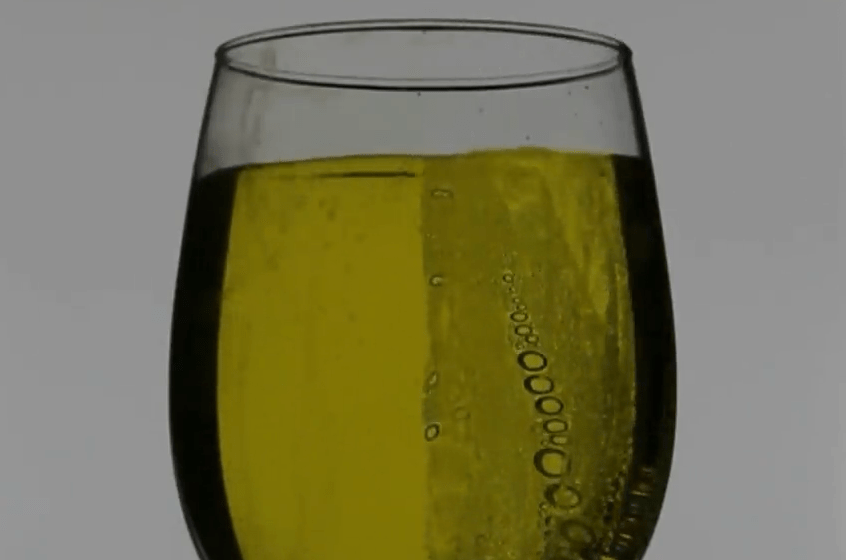
    On the treated half of the glass (left), bubbles form a continuous film against the glass. On the untreated side (right), bubbles nucleate, grow, and rise as expected for a fizzy drink.
    On the treated half of the glass (left), bubbles form a continuous film against the glass. On the untreated side (right), bubbles nucleate, grow, and rise as expected for a fizzy drink.

    Single droplets aren’t the only source of fun, however. In the images above, researchers coated the left half of a wine glass with a superhydrophobic treatment, while leaving the right half of the glass untouched. Once (dyed) carbonated water is poured into the glass, we see a bizarre dichotomy. In the right, untreated half of the glass, carbon dioxide bubbles nucleate, grow, and rise through the glass. But on the left side, the liquid appears still and bubble-less. In fact, the carbon dioxide gas on the left side is forming a continuous bubble film by the surface of the glass! (Image, video, and research credit: P. Bourrianne et al., see also)

  • Featured Video Play Icon

    Snowing in the Core

    Some rocky planetary bodies, like Jupiter‘s moon Ganymede, generate magnetic fields through snow-like, solid precipitation that falls in their liquid metal cores. To study this peculiar and complex arrangement, researchers look at sugar grains falling through — and dissolving into — water. The solid sugar grains mimic the iron snowflakes that fall in Ganymede’s core. As they sink, they drag fluid with them. But the grains can also dissolve, making the fluid around them denser and prone to sinking even faster. The dense, sinking flows trigger buoyant convection inside the surrounding fluid.

    As seen in the experiments, there are many factors competing here. Large grains dissolve more slowly and are able to drag more fluid with them as they fall. Small grains, on the other hand, dissolve quickly, causing more buoyancy-driven flows. Laboratory analogs like these help scientists unravel the complexities of situations we cannot observe otherwise. (Image and video credit: Q. Kriaa et al.)

  • Featured Video Play Icon

    Self-Propelled Droplets

    Drops of ethanol on a heated surface contract and self-propel as they evaporate. My first thought upon seeing this was of Leidenfrost drops, but the surface is not nearly hot enough for that effect. Instead, it’s significantly below ethanol’s boiling point. Looking at the drops in infrared reveals beautiful, shifting patterns of convection cells on the drop. The patterns are driven by the temperature difference along the drop; at the bottom, the drop is warmest, and at its apex, it is coldest. Those differences in temperature create differences in surface tension, which drives a surface flow that breaks the drop’s symmetry. The asymmetry, the authors suggest, is responsible for the drop’s propulsion. (Image and video credit: N. Kim et al.)

  • Featured Video Play Icon

    “A Sense of Scale – Reminiscence”

    In so much of fluid dynamics, size does not matter. We see the same patterns mirrored across nature from a fuel injection nozzle to galactic clusters. And no one plays with that sense of scale better than artist Roman De Giuli, whose microscale practical effects give the impression of flying above glittering alien coastlines. Ink and paint squeeze around craggy islands, leaving perfect streamlines to mark their passage. Fractal fingers expand like river deltas seeking the path to the sea. Enjoy more of De Giuli’s work on his website and Instagram. (Image and video credit: R. De Giuli; via Colossal)