Tag: flow visualization

  • Featured Video Play Icon

    Flow Between Fibers

    Two vertical fibers, with a gap left between them, form a playground for flow in this Gallery of Fluid Motion video. If the fiber spacing is small enough, the flow will form a stable liquid sheet that runs the full length of the fibers. With a little more distance, though, the fluid forms intermittent bridges, whose spacing depends on flow rate. And when the fibers are not perfectly vertical, even more complex flows are possible. I love how a seemingly simple situation begets such complexity! (Image and video credit: C. Gabbard and J. Bostwick)

  • Testing Full-Size Engines

    Testing Full-Size Engines

    Engineers can often use small-scale models to test the physics of their creations, but sometimes there’s no substitute for going large. In this photo, we see a full-size commercial engine used on an airplane, mounted at the Instituto Nacional de Tecnica Aeroespacial (INTA) in Madrid.

    Behind the engine, in red, is an optical rig used for a brand-new measurement technique that allows engineers to directly measure the carbon dioxide emissions of the engine as it runs. The optical frame is 7 meters in diameter and uses 126 beams of near-infrared laser light to probe the engine’s exhaust without interrupting the flow. It’s the first chemically specific imaging of a full-scale gas turbine like those found on commercial aircraft. Given the high carbon emissions associated with air travel, the technique will be important for engineers building greener aircraft engines. (Image and research credit: A. Upadhyay et al.; via The Engineer; submitted by Simon H.)

  • Featured Video Play Icon

    Chemical Flowers

    These “flowers” blossom as two injected chemicals react in the narrow space between two transparent plates. The chemical reaction produces a darker ring that develops a streaky outer edge due to competition between convection and chemical diffusion.

    To show how gravity affects the instability, the researchers repeated the experiment on a parabolic flight. In microgravity conditions, no instability formed. That’s exactly what we’d expect if convection (i.e. flow due to density differences) is a major cause. No gravity = no convection. In contrast, under hypergravity conditions, the instability was initially spotty before developing streaks. (Image and video credit: Y. Stergiou et al.)

  • Aerosols and Instruments

    Aerosols and Instruments

    Although COVID has disrupted all of our lives, orchestras saw particular disruption, as little was known about how instruments spread aerosol droplets. In this recent study, a team looked at many wind instruments, as played by professional musicians, for the aerosol load and air flow each instrument creates. They found that, on the whole, wind instruments — like flutes, clarinets, trumpets, and others — create aerosol loads comparable to normal speech. The air flow from each instrument comes primarily from the bell (for brass instruments) or tone holes (for woodwinds) and has a much lower velocity than coughing or sneezing. As a result, the flow decays away to the background air-flow after about 2 meters. (Image credit: trumpet – E. Awuy, trombone – Q. Brosseau et al.; research credit: Q. Brosseau et al.)

    Flow from the bell of a trombone disrupts artificial fog.
    As a musician plays a scale on their trombone, flow from the bell is revealed through artificial fog and laser illumination.
  • “Keeping Our Sheet Together”

    “Keeping Our Sheet Together”

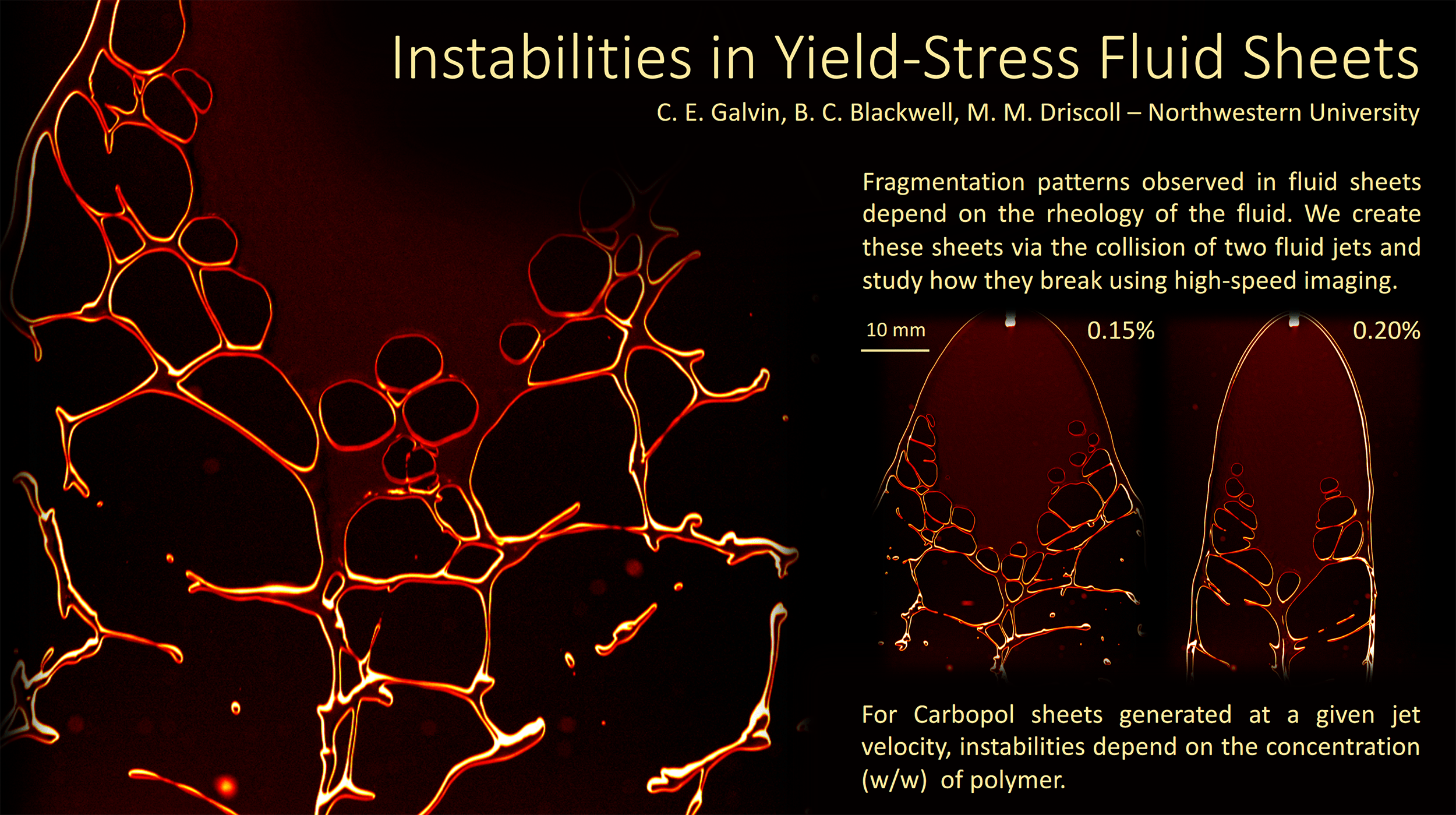
    When two liquid jets collide, they form a falling liquid sheet. Here researchers explore how that sheet breaks up when the liquids involved contain polymers. The intact areas of the sheet show as dark red or almost black. The edges of the sheet appear in brighter red and yellow, outlining the holes that form and grow during breakup. The type of breakup observed depends on the concentration of polymer in the liquid. (Image credit: C. Galvin et al.)

  • Flowers Through a Hazy Veil

    Flowers Through a Hazy Veil

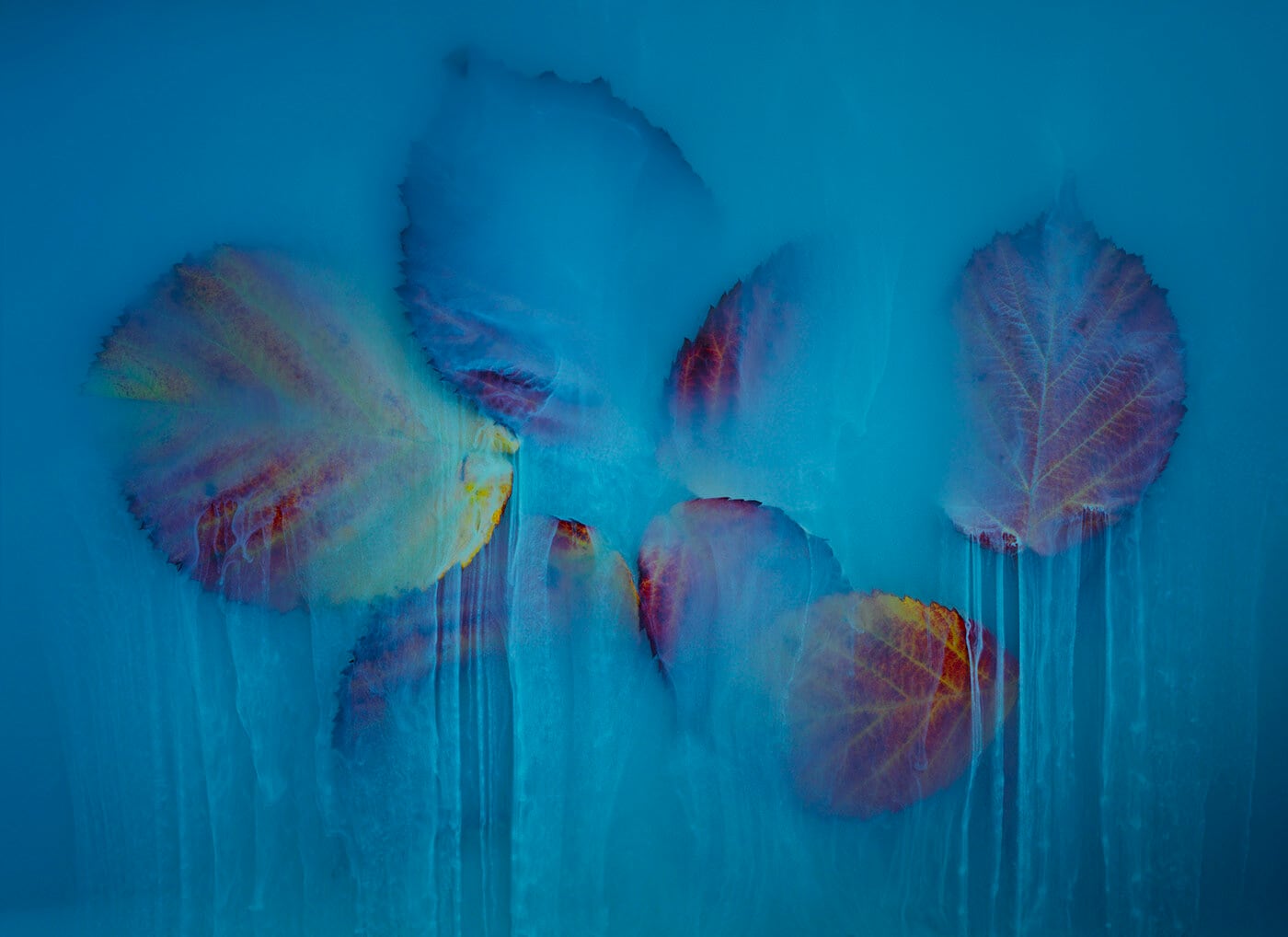
    A smoke-like haze obscures colorful bouquets in these photographs from artist Robert Peek. To achieve the effect, Peek submerges his subjects underwater with white dye that sinks due to its greater density. The wakes traced by the dye are impressively laminar, so the dye must drift rather slowly past each petal. The overall effect is beautifully dream-like. You can find more of Peek’s work on Behance and Instagram. (Image credit: R. Peek; via Colossal)

  • Featured Video Play Icon

    Leaky Resonance

    Some resonators aren’t perfect — nor are they meant to be! Here, researchers experiment with resonance using a disk shaking up and down over a pool of water. The disk never touches the water, but its movement makes the air above the water move in and out, like a miniature, changeable wind. The air flow distorts the water surface, creating waves just tens of microns high. Beneath the disk, the water forms standing waves, indicating resonance.

    But the waves don’t stay under the disk. Beyond its edge, we see traveling waves moving outward, carrying some of the disk’s energy with them. This leakage is actually how many musical instruments, like a guitar, work. When the guitar strings are plucked, their vibrations are transmitted into the body of the guitar through its bridge, where the strings are anchored. The body acts as a resonator, amplifying the sound, some of which leaks out the sound hole. (Image and video credit: U. Jain et al.)

  • Featured Video Play Icon

    Dolphins Playing With Bubble Rings

    Blow a jet of air underwater and you can make a bubble ring. It takes some practice for humans, or you can use a device. In this video, a team introduced wild dolphins to a bubble-ring-making machine and observed how the dolphins reacted. After some initial wariness, the animals played with them for hours, creating games and having fun. Note that there are some dolphins who create their own bubble rings to play with, so it’s hard to say that these particular dolphins have never seen a bubble ring before. But even if they have seen the bubbles, they wouldn’t have seen a machine making them. (Image and video credit: BBC Earth)

  • Featured Video Play Icon

    “Haut”

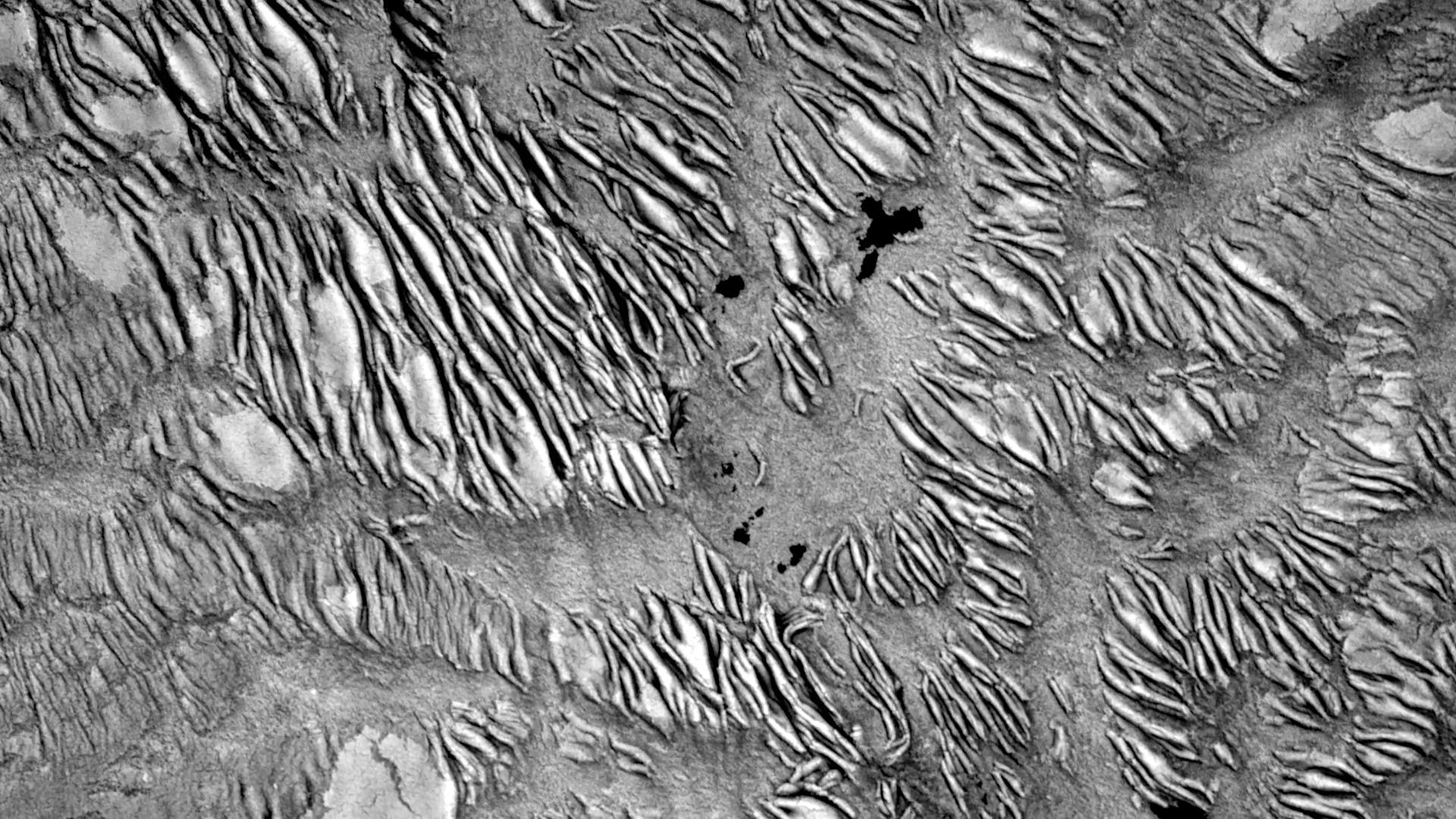
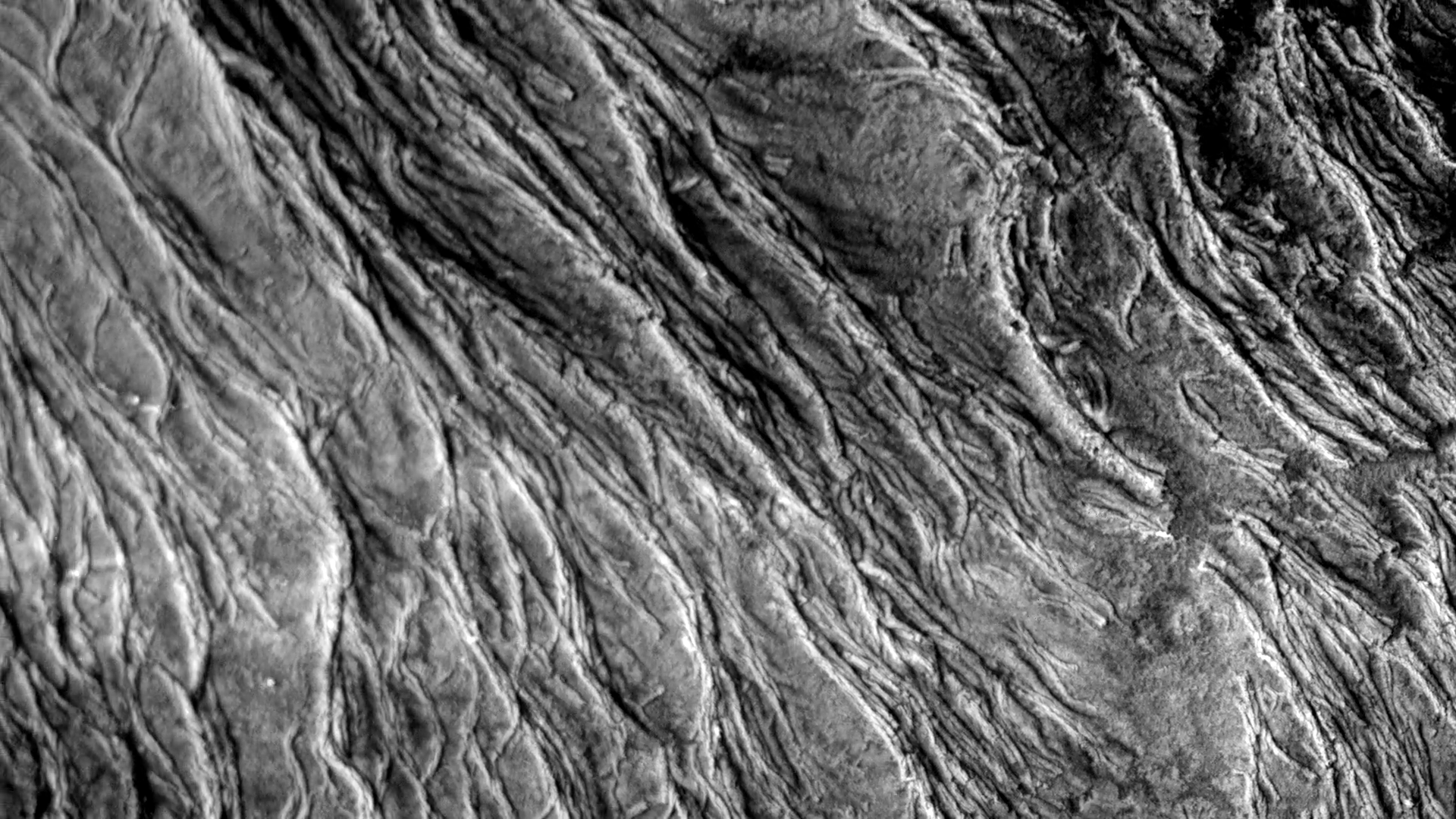
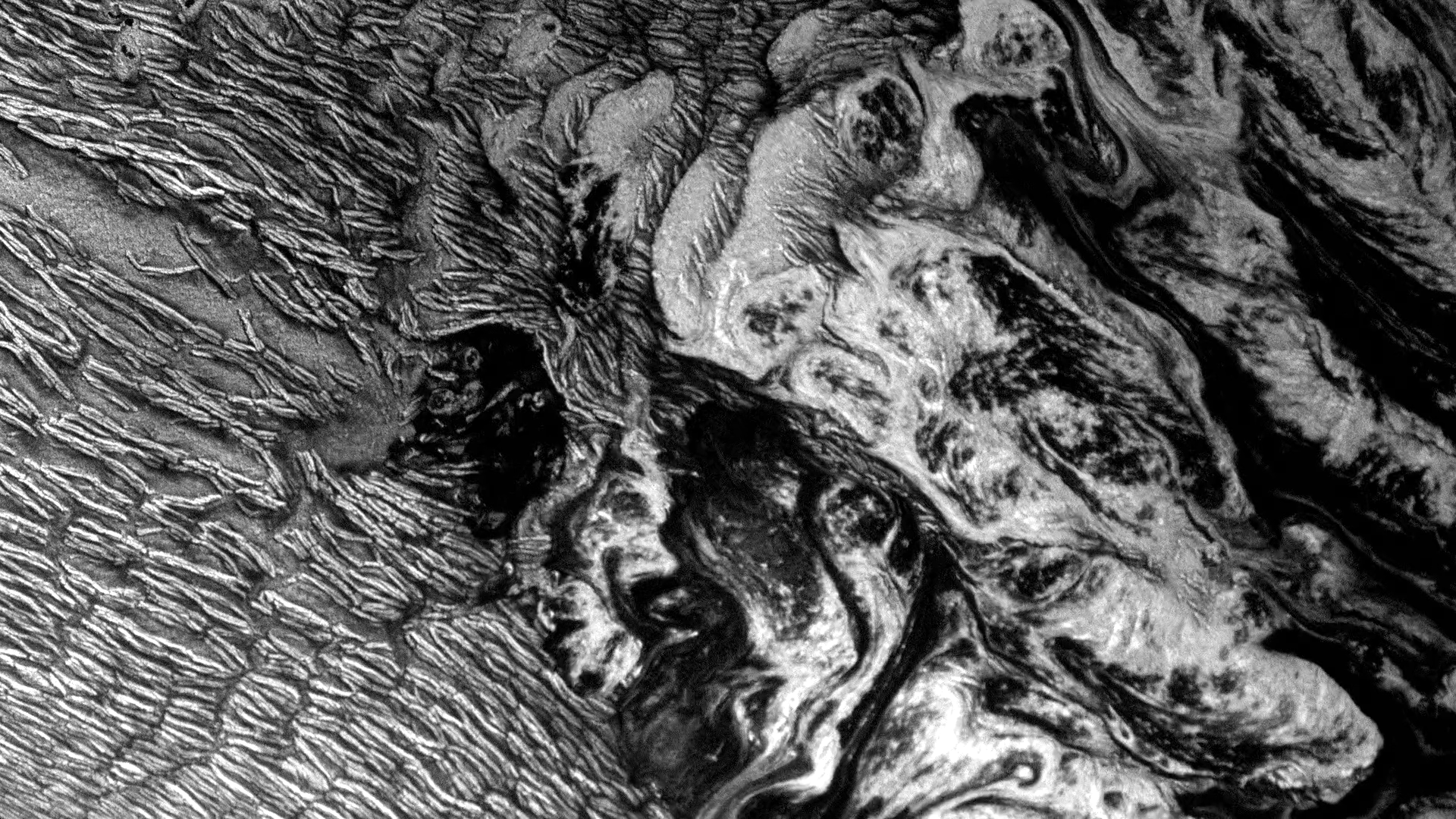
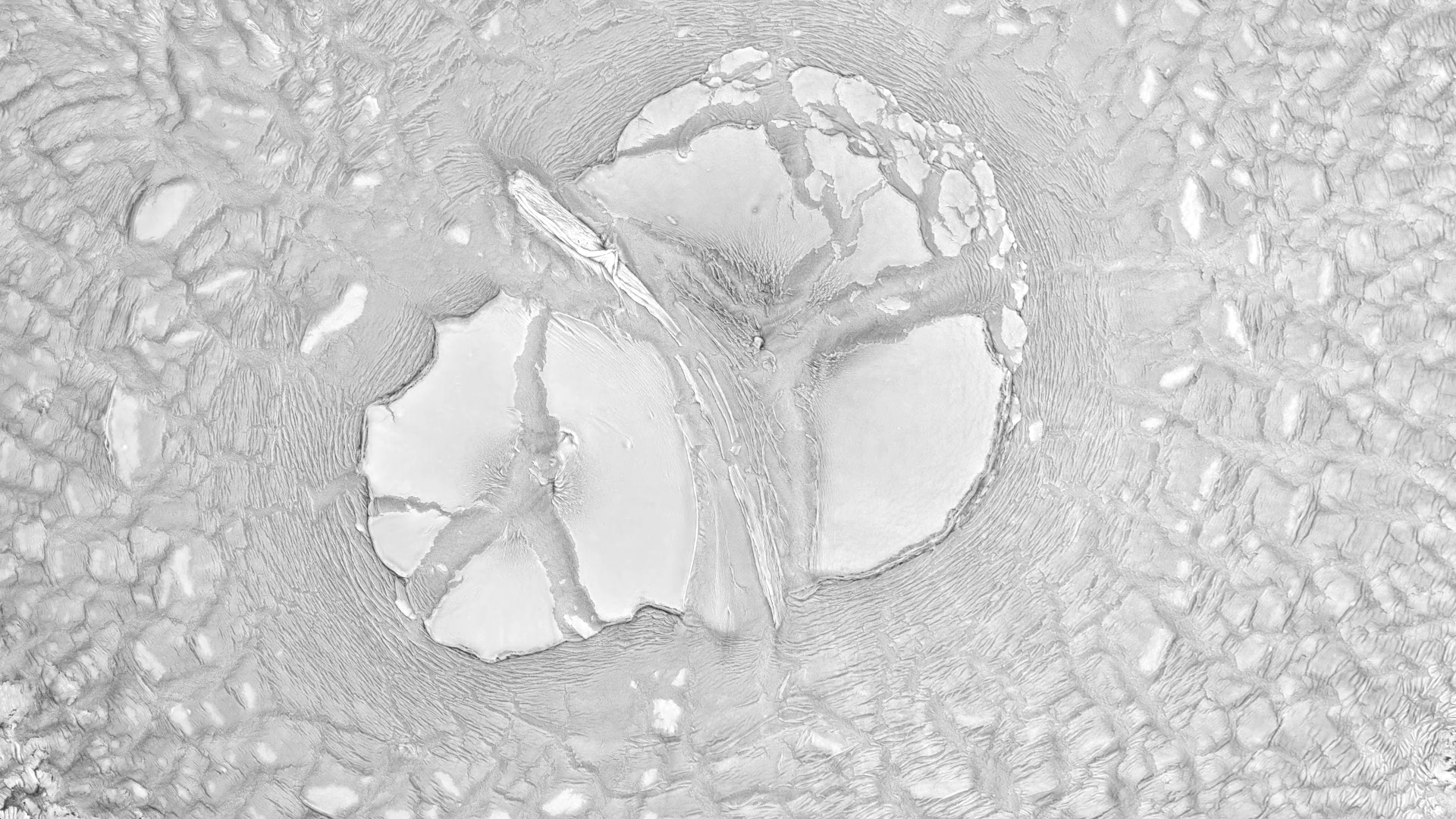
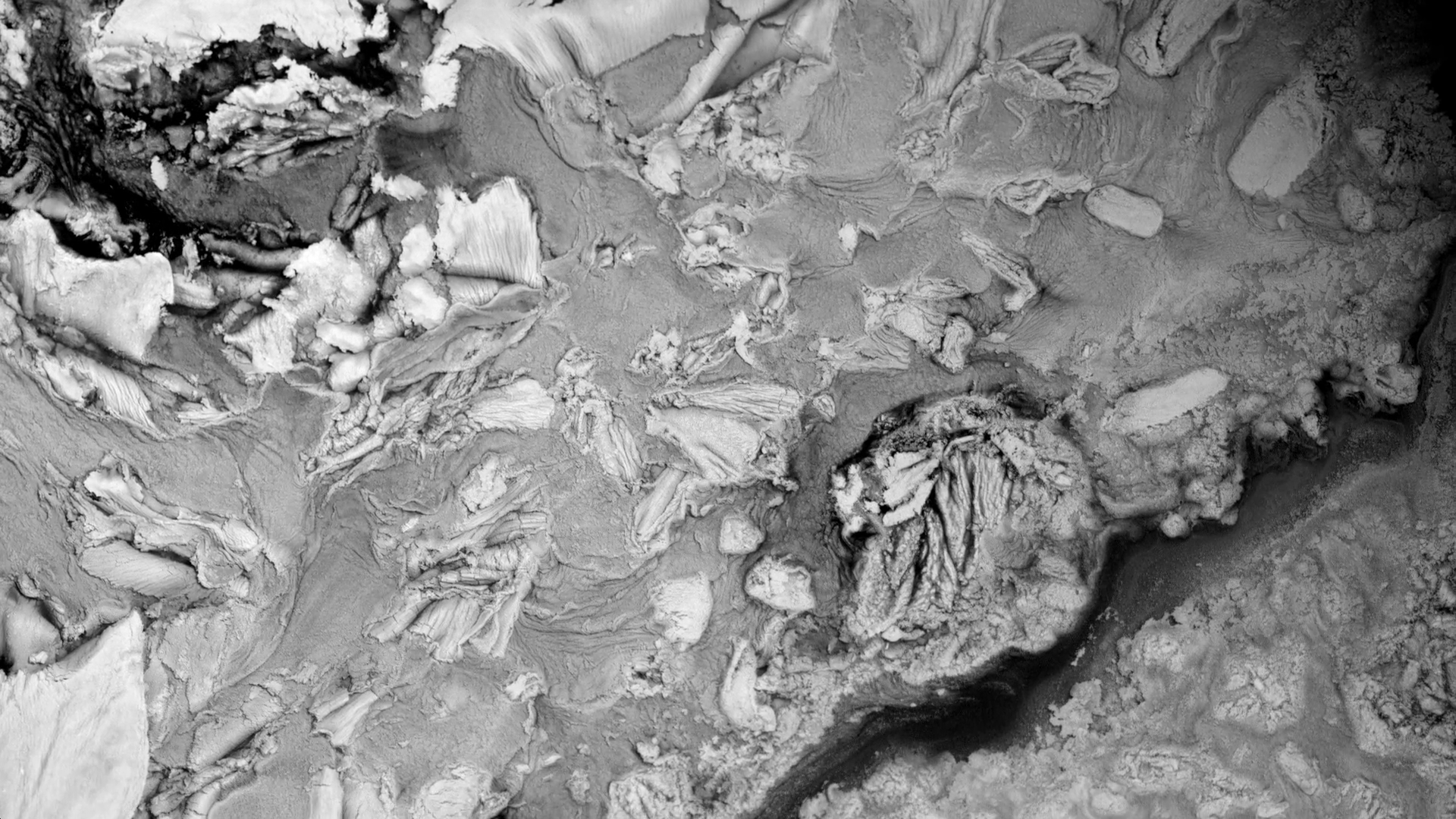
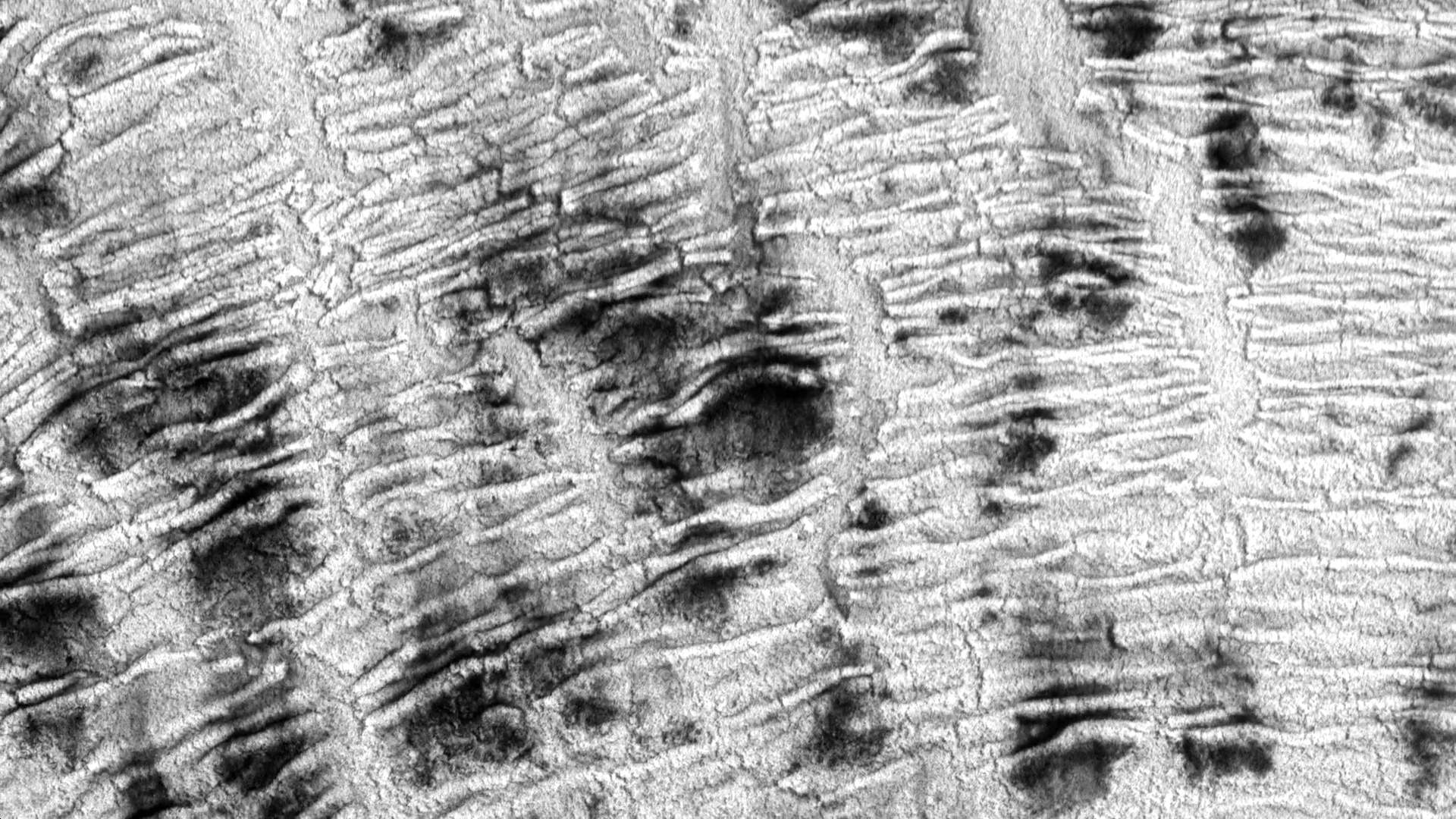
    In Susi Sie’s “Haut” the camera seems to fly over ever-shifting landscapes. In reality, these are macro images, created (I think) by dyes and patterns atop a water bath. But they look like vistas we could find on Earth or Mars — giant dune fields, calving glaciers, and river-divided canyons. For something similar in color, check out Roman De Giuli’s “Geodaehan.” (Video credit: S. Sie)

  • Jupiter in Infrared

    Jupiter in Infrared

    These recent composite images from the James Webb Space Telescope show Jupiter in stunning infrared detail. They’re the result of several images taken in different infrared bands, then combined and rendered in visible light. In general, the redder colors show longer wavelengths and the bluer ones show shorter wavelengths.

    Jupiter’s cloud bands appear in beautiful detail. The Great Red Spot looks white in infrared. And the planet’s polar auroras shine bright in both images. The wide-angle shot additionally shows two of Jupiter’s moons and the planet’s rings, which are a million times fainter than the planet itself. If you look carefully, you may also see faint points of light in the lower half of the image. These are likely distant galaxies “photobombing” Jupiter’s close-up. (Image credit: NASA/ESA/Jupiter ERS Team 1, 2; via Colossal)

    This composite image of Jupiter was taken in infrared bands and rendered into visible light. In general, the redder colors represent longer wavelengths and bluer ones shorter wavelengths.
    This composite image of Jupiter was taken in infrared bands and rendered into visible light. In general, the redder colors represent longer wavelengths and bluer ones shorter wavelengths.