Category: Research

  • Measuring Microfibers in Turbulence

    Measuring Microfibers in Turbulence

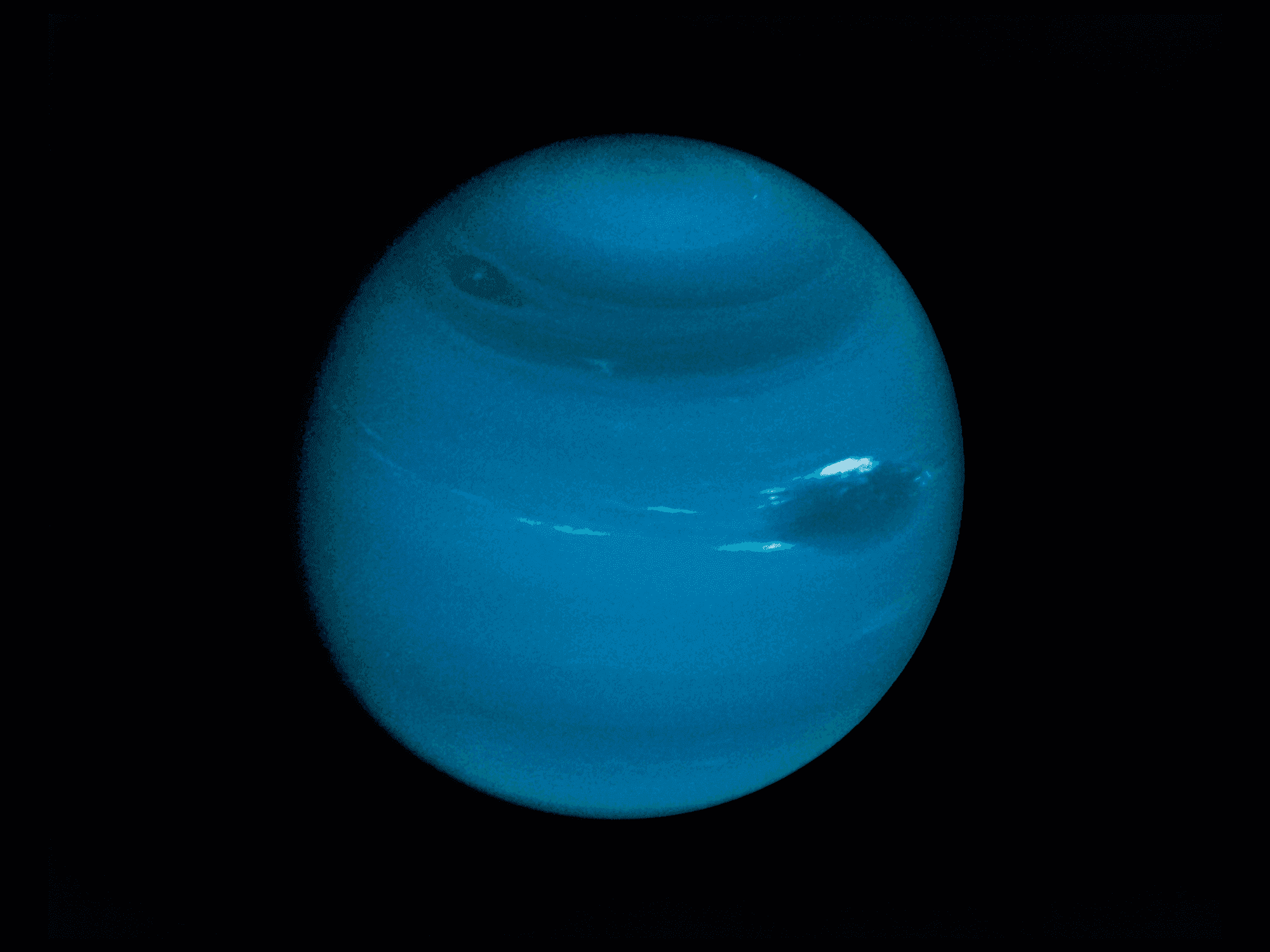
    Microplastic pollution is on the rise, especially in waterways. Microfibers — millimeters in length but only microns in diameter — are especially prevalent, as they get washed out of synthetic clothing. Collecting these pollutants first requires understanding how they move and cluster in turbulent flows. Researchers investigated that using a small water channel and high-resolution cameras.

    The team followed microfiber strands as they moved through turbulence, paying special attention to how the fibers tumbled (rotating about their short axis) and spin (rotating around their long axis). How much fibers tumbled depended on the turbulence level; with more intense turbulence, the fibers tumbled more. Rates of spinning, they found, were consistently even higher than those for tumbling. By better understanding how microfibers behave in turbulence, we’ll be able to, for example, predict how far plastics will travel before settling to the ocean floor. (Image credit: Adobe Stock Photos; research credit: V. Giurgiu et al.; via APS Physics)

  • Measuring Ocean Upwelling

    Measuring Ocean Upwelling

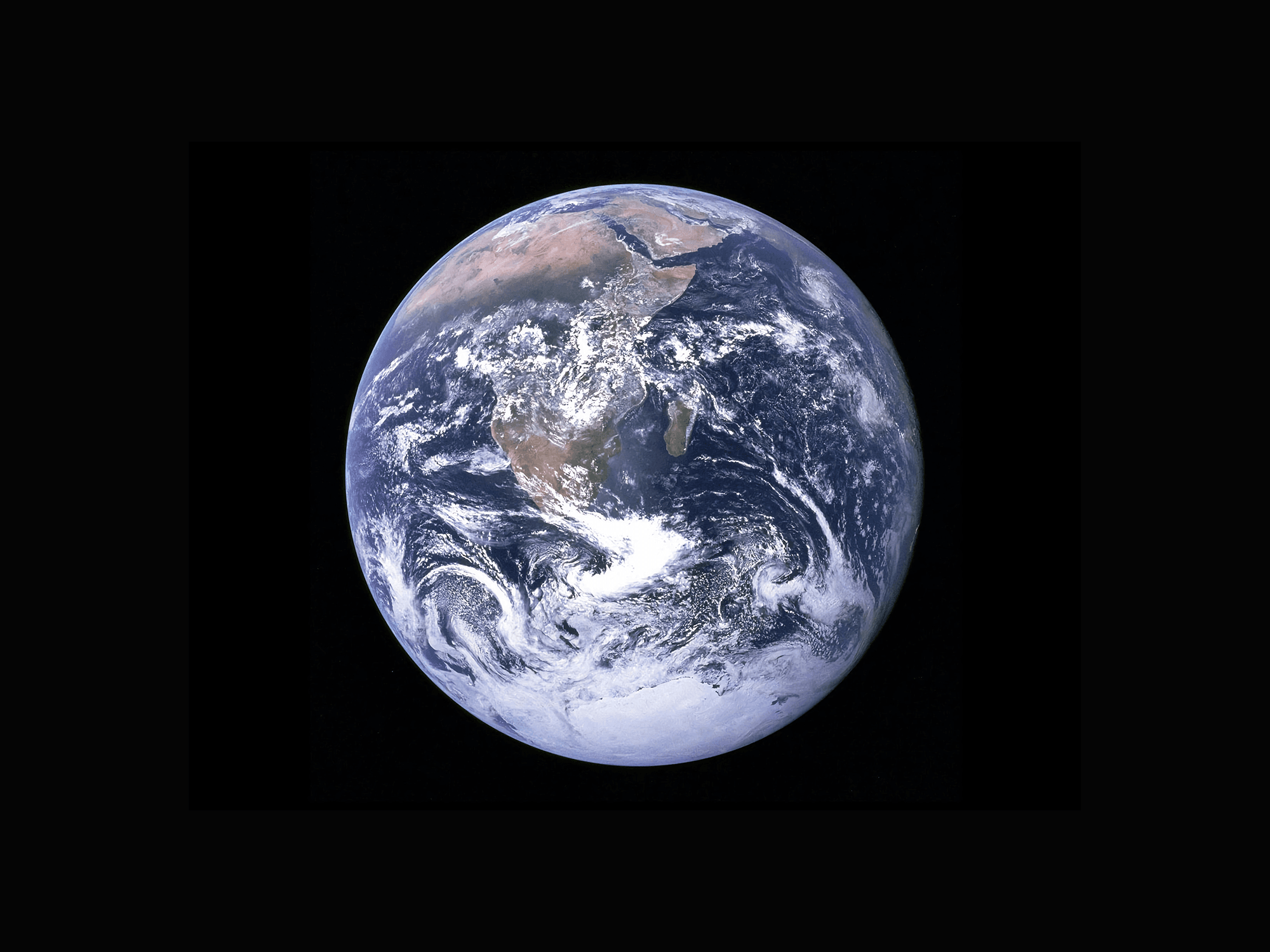
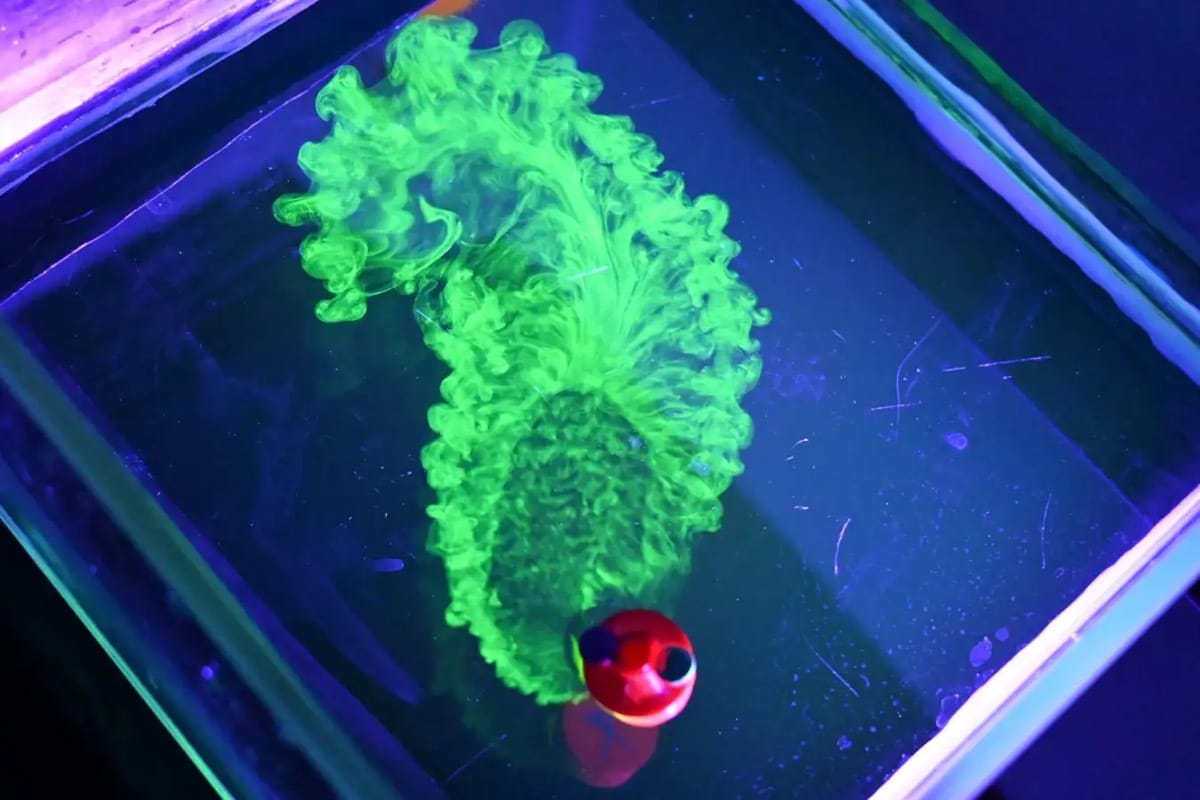
    Large-scale ocean circulation is critical to our planet’s health and climate. In this process, seawater near the poles cools and sinks into the deep ocean, carrying dissolved carbon and nutrients with it. Later, that cold water gets pushed back up to the surface elsewhere, where it warms, and the cycle repeats. Although the theory behind this circulation has been around for decades, it’s been difficult to observe the rise, or upwelling, of water from the depths. But a recent study used a fluorescent, non-toxic dye to measure upwelling directly.

    Researchers deployed 200 liters of dye just above the floor of a marine canyon near Ireland, then monitored the dye’s movement for several days at a depth of 2200. They found that turbulence along the slope of the canyon drove upwelling at speeds of about 100 meters per day, much faster than global rates. The authors suggest that this kind of topographically-enhanced upwelling could be a major factor in setting overall ocean circulation. (Image credit: visualization – NASA, ship – S. Nguyen; research credit: B. Wynne-Cattanach et al.; via Physics World)
  • Curved Rocks Hit Harder

    Curved Rocks Hit Harder

    Intuition suggests that a flat rock will hit the water with greater force than a spherical one, and experiments uphold that. But a flat rock, interestingly, doesn’t produce the greatest impact force. Instead, it’s a slightly curved rock that experiences peak impact forces. Researchers found this happens because of the thin layer of air that coats the front of the impacting object. For flat faces, this layer is relatively thick and provides a cushioning effect that reduces the peak force and spreads out the impact. In contrast, a slightly curved convex surface traps a thinner air layer, and that lack of cushioning maximizes the impact force. (Image credit: J. Wixom; research credit: J. Belden et al.; via APS Physics)

  • Resolution Effects on Ocean Circulation

    Resolution Effects on Ocean Circulation

    The Gulf Stream current carries warm, salty water from the Gulf of Mexico northeastward. In the North Atlantic, this water cools and sinks and drifts southwestward, emerging centuries later in the Southern Ocean. Known as the Atlantic Meridional Overturning Circulation (AMOC), this circulation is critical, among other things, to Europe’s temperate climate. Since 1995, scientists have been warning that human-driven climate change is weakening the AMOC and may cause it to shut down entirely — which would have catastrophic consequences for our society.

    Comparison of ocean current speeds in the low-resolution (left) and high-resolution (right) simulations.
    Comparison of ocean current speeds in the low-resolution (left) and high-resolution (right) simulations.

    A recent study re-examined the AMOC using both low- and high-resolution numerical simulations, combined with direct observations. Both simulations covered 1950 – 2100 and found the AMOC’s strength has declined since 1950. But the high-resolution simulation found significant regional variations in the AMOC’s behavior. Some regions saw localized strengthening, while other areas showed abrupt collapse. These sensitive shifts underscore the importance of driving toward higher resolutions in our next-generation climate models, if we want to better understand — and perhaps predict — what lies ahead as our climate changes. (Image credit: illustration – Atlantic Oceanographic and Meteorological Laboratory, simulations – R. Gou et al.; research credit: R. Gou et al.; via APS Physics)

  • How a Storm Can Ruin Your Tea

    How a Storm Can Ruin Your Tea

    Last November, a windstorm, known as Storm Ciarán in the U.K., blew through Europe with wind speeds as high as 130 kilometers per hour. All that wind came with a significant drop in atmospheric pressure. Researchers found that the pressure drop was large enough to lower the boiling point of water more than full 2 degrees Celsius. That difference probably wouldn’t register for anyone waiting for their kettle to boil, but it could decidedly affect the final cup of tea. Tea flavor is quite sensitive to the temperature of the boiling water used to brew it, as it affects how well the tannins get extracted. According to the researchers, Ciarán’s conditions potentially ruined millions of cups of breakfast tea in the greater London area. (Image credit: E. Akyurt; research credit: G. Harrison et al.; via Gizmodo)

  • Waves Lap on Titan’s Shores

    Waves Lap on Titan’s Shores

    Titan, one of Saturn’s moons, is the only other planetary body known to have liquid lakes, rivers, and seas at its surface. Whether those bodies — made up of hydrocarbons rather than water, like here on Earth — have waves is a matter of ongoing debate. What data we have from visiting spacecraft is inconclusive. So a group of researchers decided to look for the effects of wave action instead.

    Beginning with a model of flooded areas similar to Titan’s, the team simulated a coastline’s erosion assuming three different situations: 1) no coastal erosion, 2) erosion from waves, and 3) uniform erosion through dissolution. Each set of conditions resulted in a very different final coastline. But, of the three, the wave-eroded coast was most similar to those seen on Titan. That’s a good indicator that, even if our spacecraft couldn’t see waves on Titan, they’re likely there. (Image credit: ESA; research credit: R. Palermo et al.; via Gizmodo)

  • Why Tornado Alley is North American

    Why Tornado Alley is North American

    Growing up in northwest Arkansas, I spent my share of summer nights sheltering from tornadoes. Central North America — colloquially known as Tornado Alley — is especially prone to violent thunderstorms and accompanying tornadoes. That’s due, in part, to two geographical features: the Rocky Mountains and the Gulf of Mexico. Trade winds hitting the eastern slope of the Rockies get turned northward, imparting a counterclockwise vorticity. At the same time, warm moist air carried from the Gulf feeds into the atmosphere, creating perfect conditions for powerful thunderstorms. By this logic, though, South America should see lots of tornadoes, too, courtesy of the Andes Mountains and the moist environs of the Amazon Basin. To understand why South America doesn’t have a Tornado Alley, researchers used global weather models to investigate alternate North and South Americas.

    They found that smoothness is a key ingredient for the upstream, moisture-generating region. Compared to the Amazon, the Gulf of Mexico is incredibly flat. With a flat Gulf, tornadoes abounded in North America, but their numbers dropped once that area was roughened to mimic the Amazon. The opposite held true, too: a smoothed-out Amazon Basin resulted in more simulated South American tornadoes.

    For those in Tornado Alley, the results don’t offer much hope for mitigating our summer storms — we can’t exactly roughen the ocean. But the study does sound a word for warning for South America; the smoother the Amazon region becomes — due to mass deforestation — the more likely tornadoes become in parts of South America. (Image credit: G. Johnson; research credit: F. Li et al.; via Physics World)

  • Paris 2024: Diving

    Paris 2024: Diving

    In competition diving, athletes chase a rip entry, the nearly splash-less dive that sounds like paper tearing. Part of a successful rip dive comes in the impact, where divers try to open a small air cavity with their hands that their entire body then enters. But the other key component happens below the surface, where divers bend at the hips once underwater. This maneuver enlarges the air cavity underwater and disrupts the formation of a jet that would typically shoot back upwards. Done properly, the result is an entry with little to no splash at the surface and a panel full of pleased judges. (Image credits: top – A. Pretty/Getty Images, other – E. Gregorio; research credit: E. Gregorio et al.; via Science News; submitted by Kam-Yung Soh)

    Sequence of images showing a synthetic diver bending underwater to disrupt splash formation.
    Sequence of images showing a synthetic diver bending underwater to disrupt splash formation.

    Related topics: Rip entry physics, how pelicans dive safely, and how boobies plunge dive

    This post marks the end of our Olympic coverage for this year’s Games, but if you missed any previous entries, you can find them all here.

  • Paris 2024: Gunwale Bobbing

    Paris 2024: Gunwale Bobbing

    In the Olympics, you won’t see anyone win a rowing event without a paddle, but it turns out that you don’t really need one for a canoe or paddleboard. How can you get around when you’ve lost your paddle? You stand up on one end and start bobbing. This is known as gunwale (pronounced gunnel) bobbing, and it’s pretty impressively effective! With optimal parameters, scientists found that a canoe could move about 1 m/s with the technique.

    As the bobber pushes, it generates an asymmetric wave field on the water surface. The canoe or paddleboard then essentially surfs those waves, turning the vertical displacement into a horizontal thrust. The researchers expect that the effect matters for competitive rowing, too, where the athletes’ rowing motions cause some vertical displacement. Clearly, the biggest effect comes from the oars themselves, but optimal bobbing could provide enough of an edge to ensure the gold. (Image credit: top – R. Chisu; others – G. Benham et al.; research credit: G. Benham et al.; via APS Physics; submitted by Kam-Yung Soh)

    Related topics: Optimizing oar length, vorticity around an oar, and a vibration-propelled biorobot

    See more of our past and ongoing Olympic coverage here.

  • Paris 2024: Cycling in Crosswinds

    Paris 2024: Cycling in Crosswinds

    Wind plays a major role in cycling, since aerodynamic drag is the greatest force hampering a cyclist. In road racing, both individual cyclists and teams use tactics that vary based on the wind speed and direction. Crosswinds — when the apparent wind comes from the side in the cyclist’s point of view — are some of the toughest conditions to deal with. In races, groups will often form echelons to minimize the group’s overall effort in a crosswind. Alternatively, racers looking to tire their competitors out will position themselves on the road so that the rider behind them gets little to no shelter from the wind; this is known as guttering an opponent.

    In this study, researchers put a lone cyclist in a wind tunnel and measured the effects of crosswind from a pure headwind to a pure tailwind and every possible angle in between. From that variation, they were able to mathematically model the aerodynamic effects of crosswind on a cyclist from every angle. With rolling resistance (a cyclist’s second largest opposing force) included, they found relatively few conditions where a crosswind actually helped a cyclist. Most of the time — as any cyclist can tell you — hiding from the wind is beneficial. (Image credit: J. Dylag; research credit: C. Clanet et al.)

    Related topics: The physics of the Tour de France, how the peloton protects riders aerodynamically, track cycling physics, and a look inside wind tunnel testing bikes and cyclists

    Catch all of our ongoing Olympics coverage here.