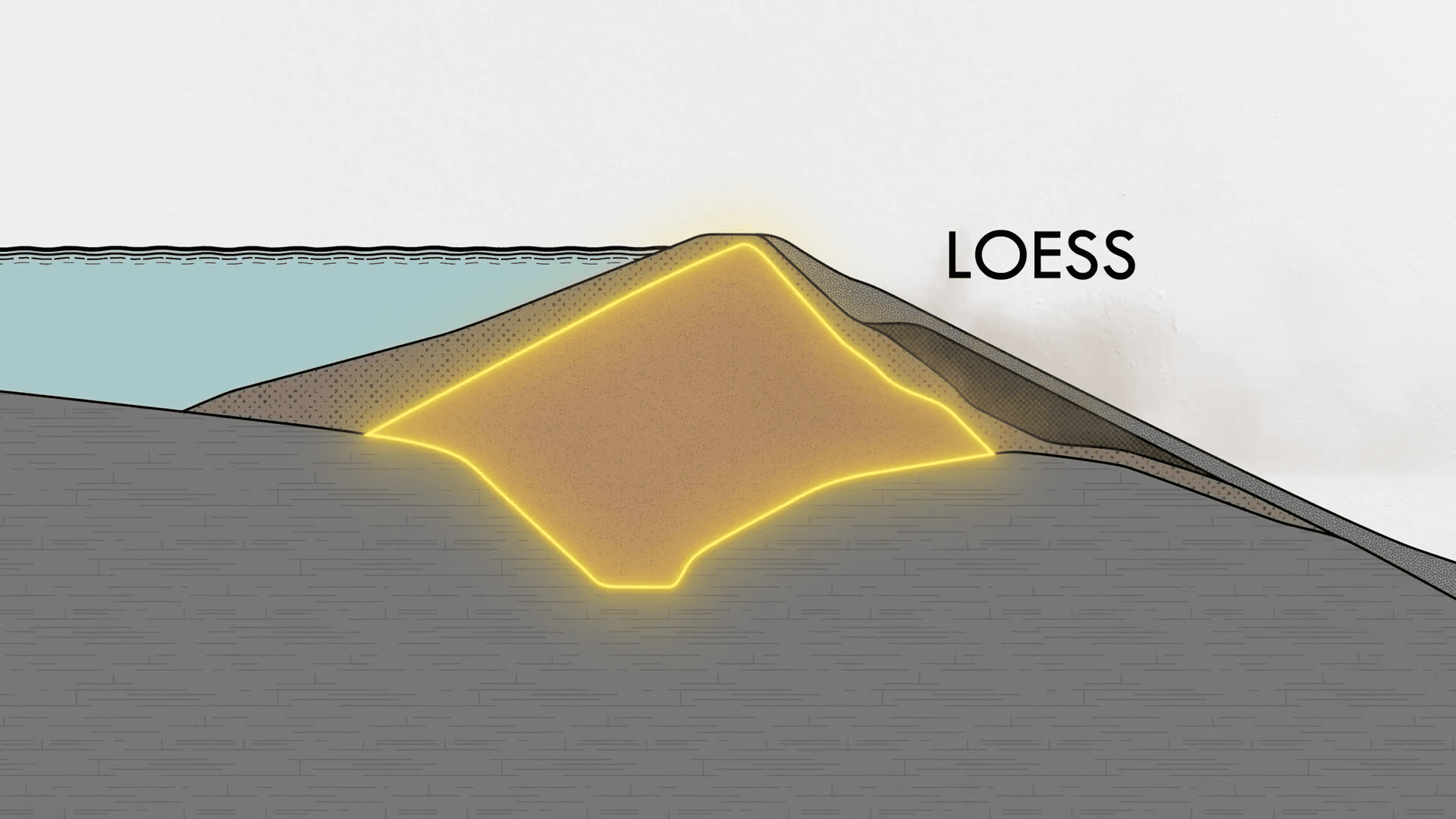
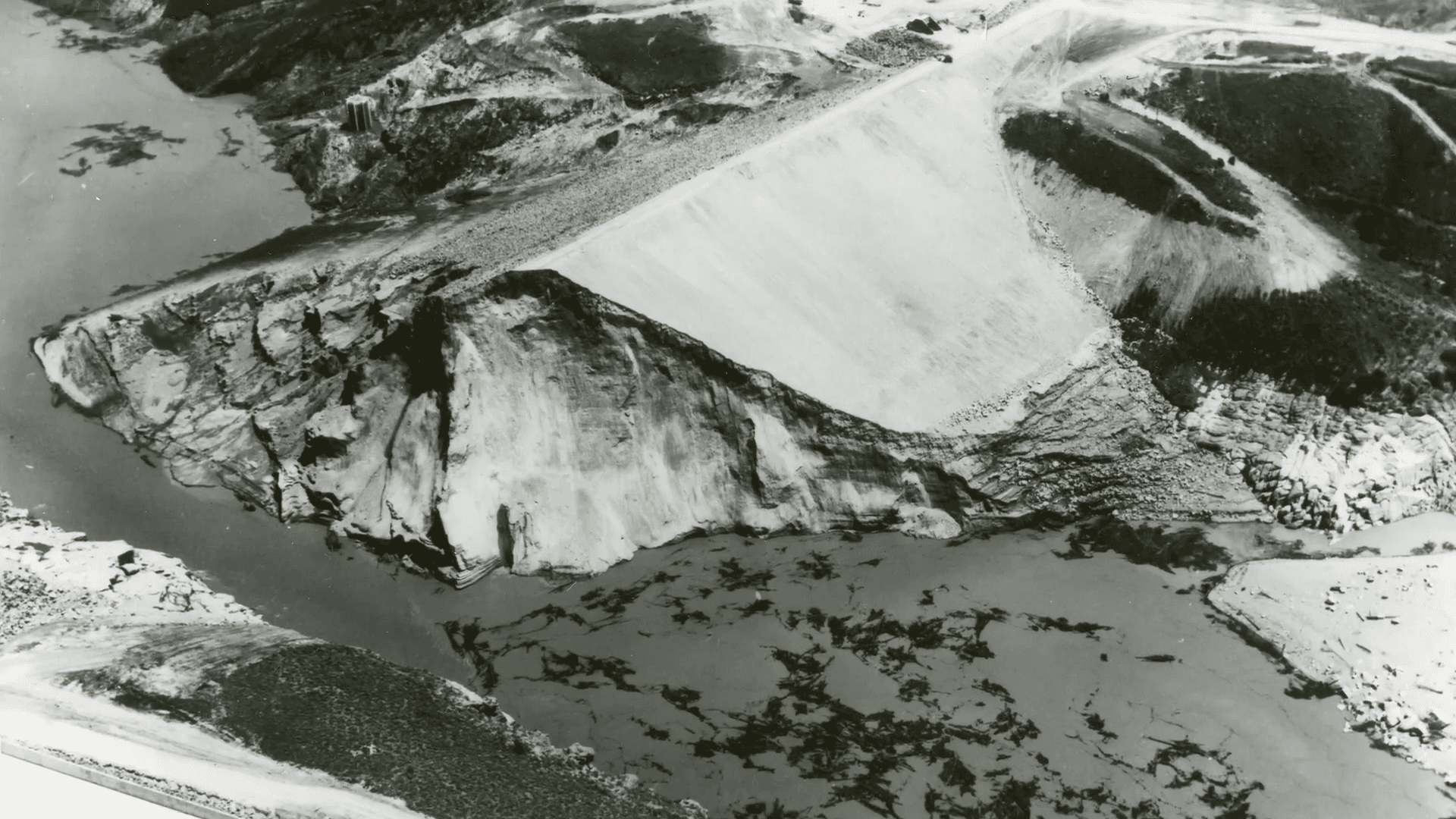
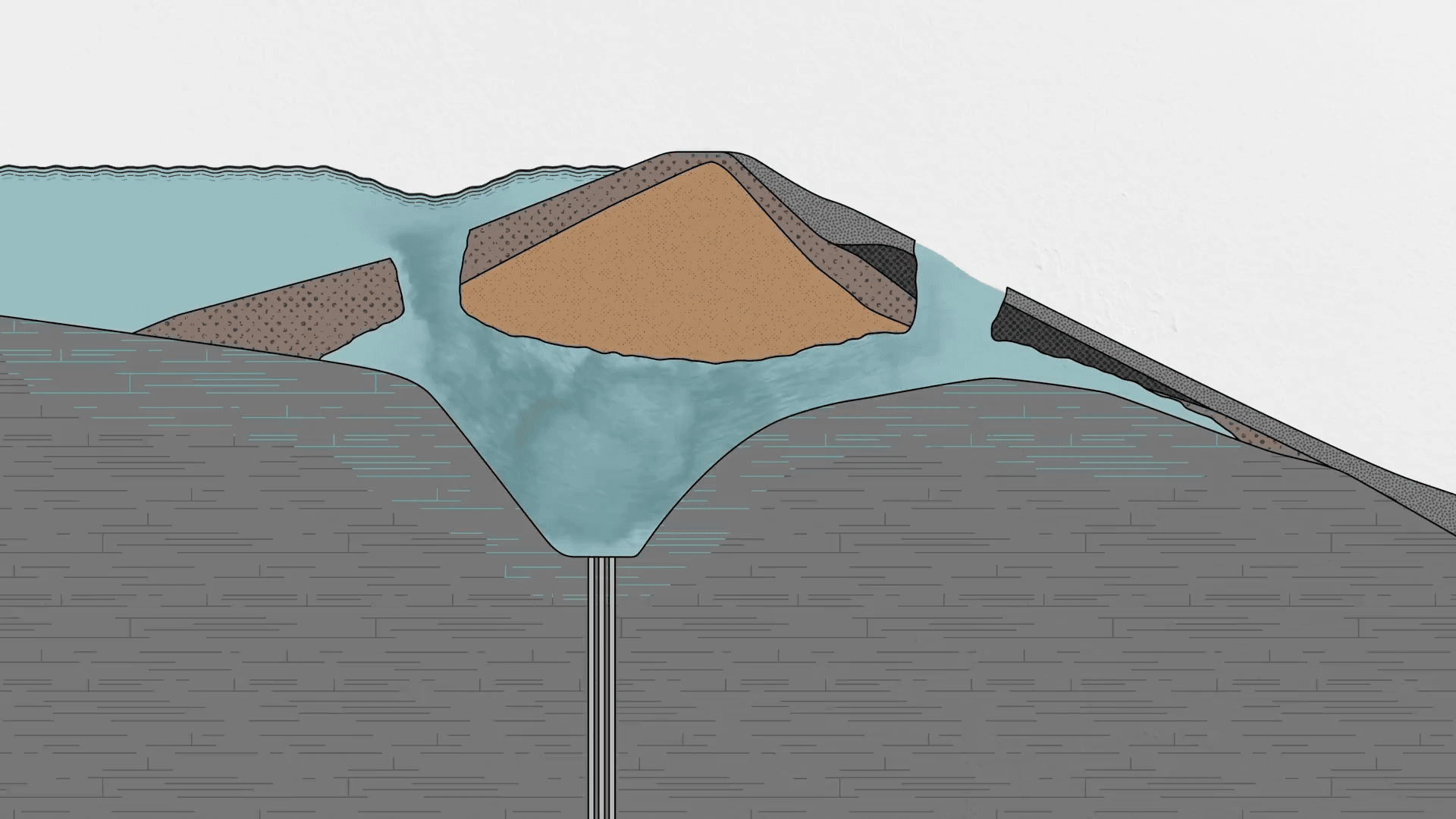
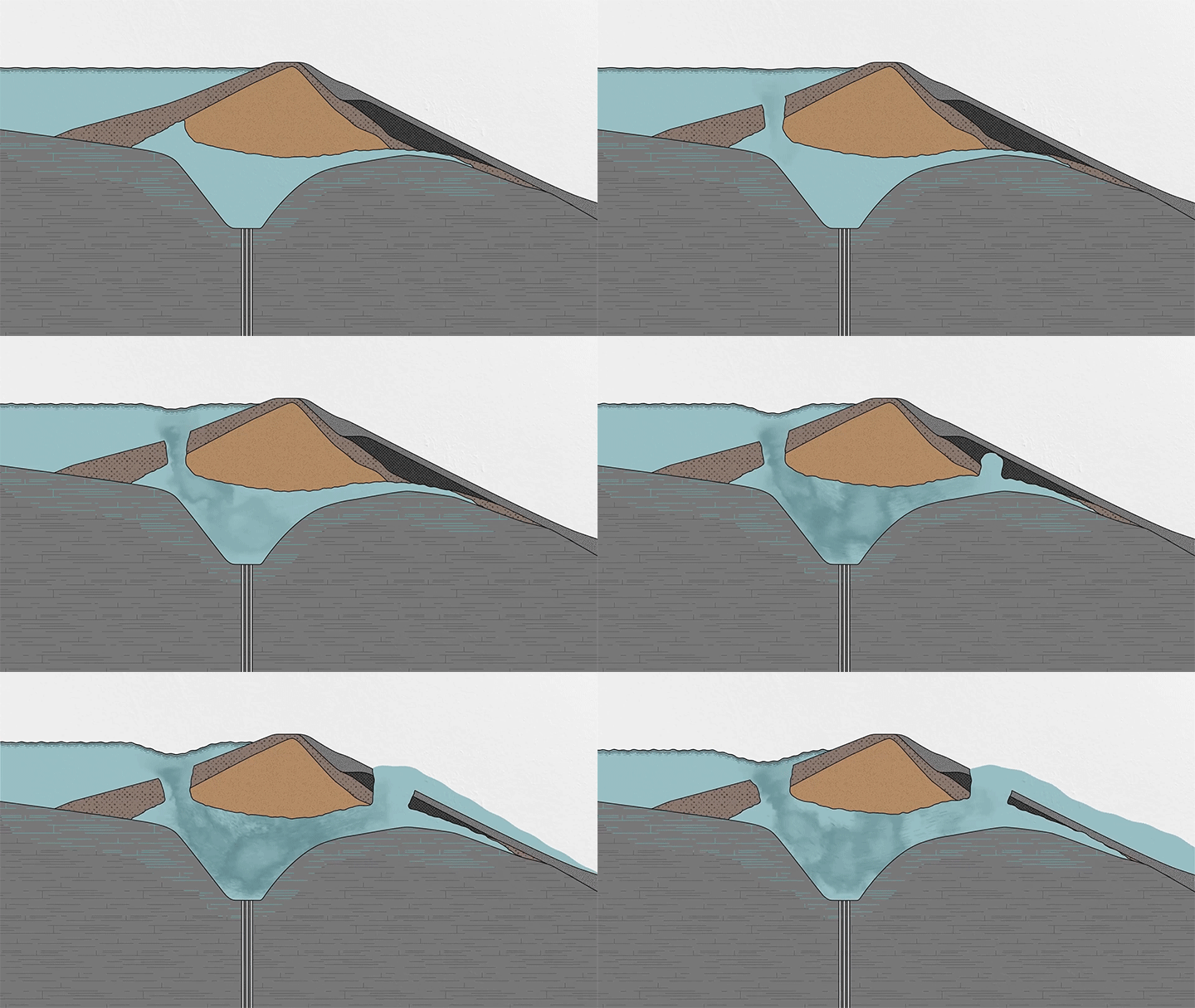
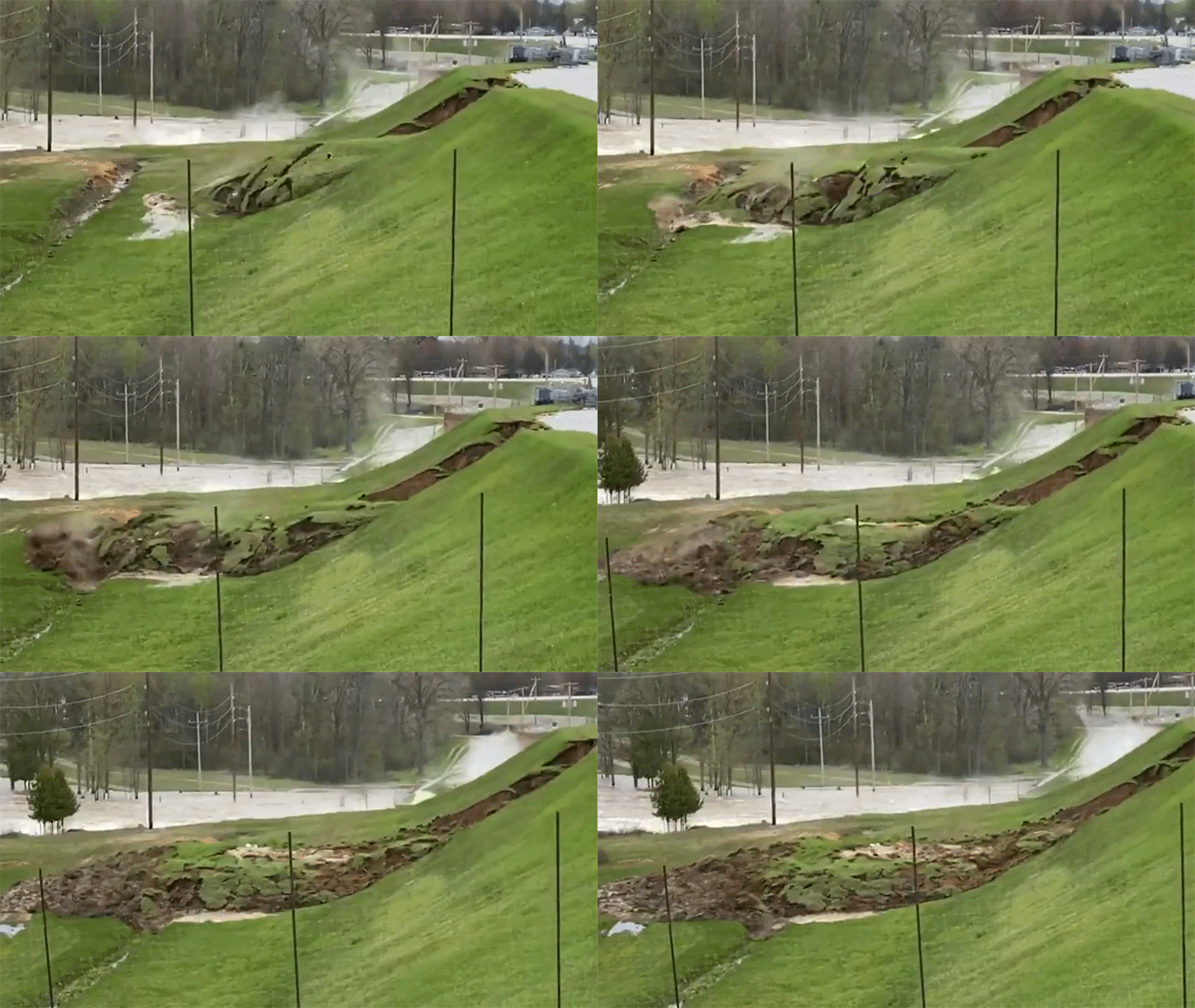
Back in May 2020, the Edenville Dam in Michigan failed dramatically, releasing flood waters that destroyed a downstream dam and caused millions of dollars of damage. In this Practical Engineering video, Grady deconstructs the accident, based on an interim report from the forensic team charged with investigating the failure. Along the way, he explains common causes of dam failures, what made the Edenville failure unusual, and how engineers build modern earthen dams to avoid this older design’s flaws. (Image and video credit: Practical Engineering)
Tag: dam failure

The Taum Sauk Dam Failure and Its Legacy
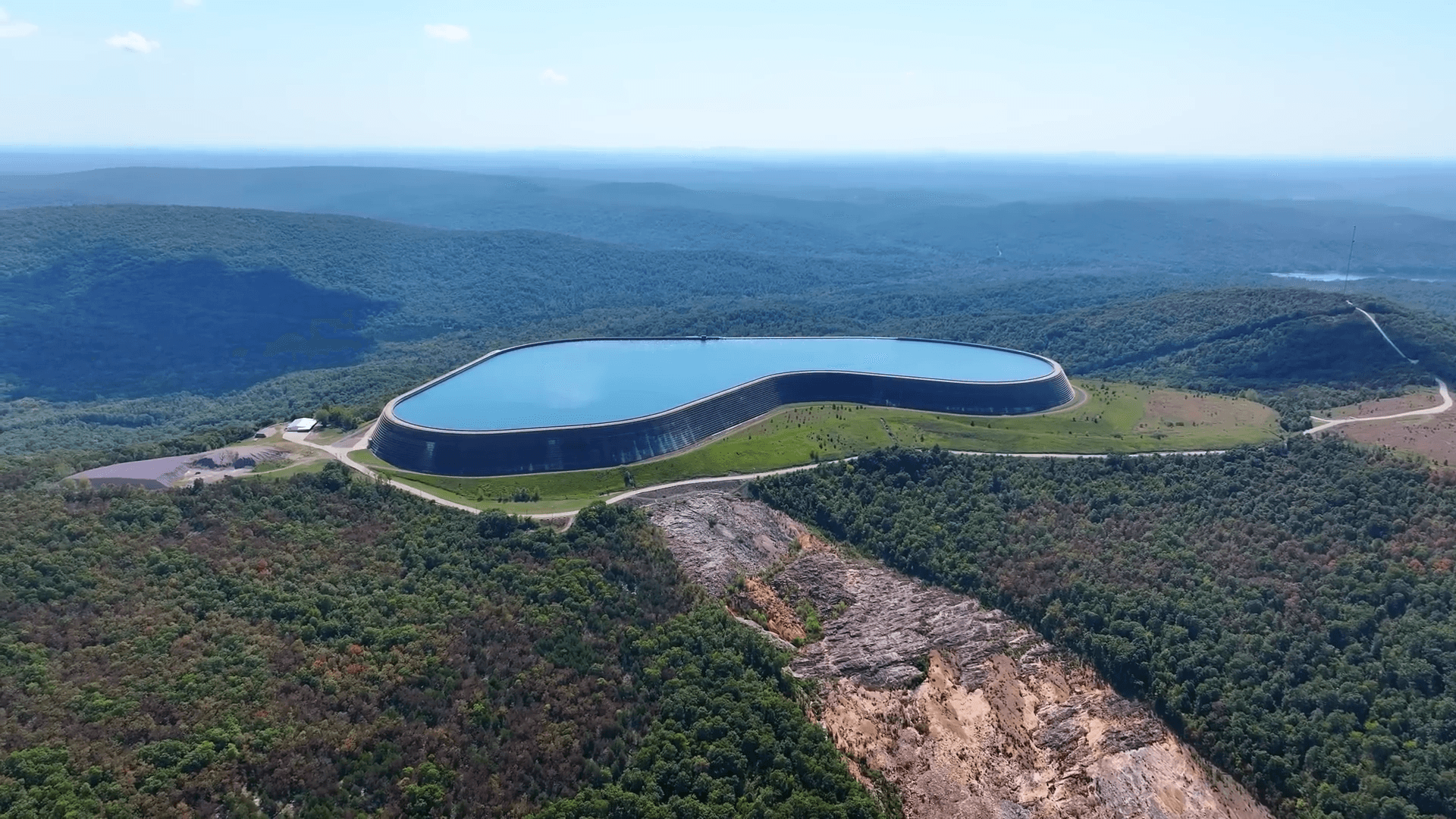
Managing an electrical grid is all about balancing the electricity that plants can supply with the instantaneous demands of consumers. If there’s more power available than people need, it needs to get stored somehow. And for decades, the best way to store that excess supply has been in hydroelectric reservoirs like at the Taum Sauk Dam. These facilities pump water to a reservoir at a higher elevation when there’s extra electrical power available, and, when more power is needed, release that water to run through hydroturbines.
But storing water atop a mountain comes with unusual challenges for dam, and the 2005 failure of the Taum Sauk Dam facility highlights some important lessons for engineers. As Grady lays out in this Practical Engineering video, there was no single mistake that led directly to the dam’s failure. Instead, post-collapse investigations found a series of seemingly minor issues that, together, led to catastrophe. It’s well worth watching, especially for engineers; we could all use an occasional reminder that a “quick stopgap measure” isn’t enough. (Video and image credit: Practical Engineering)

Groundwater-Structure Interactions
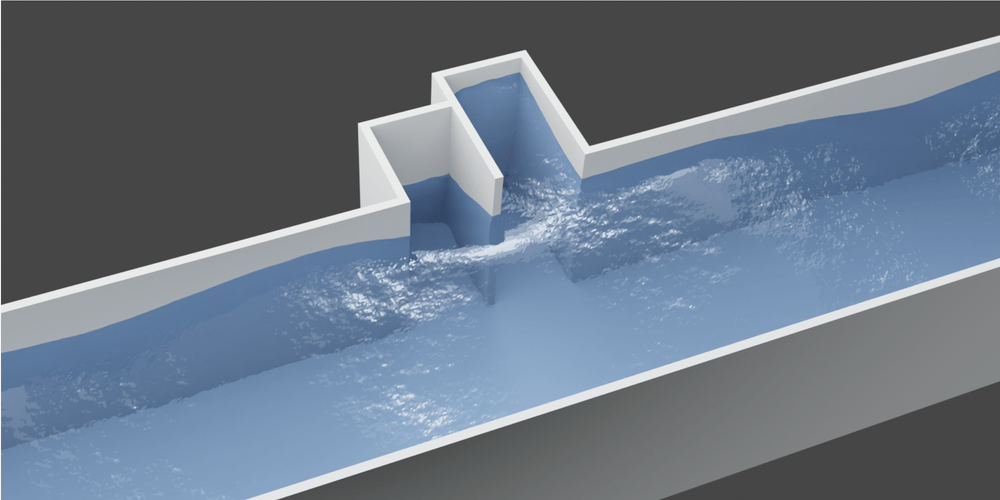
Groundwater can sometimes wind up in unexpected places, given the way it interacts with subsurface structures. In this Practical Engineering video, Grady discusses the paths that groundwater takes around structures and how civil engineers account for groundwater-related forces on dams and other buildings. As always, he illustrates with excellent model demos, allowing viewers to see groundwater interactions for themselves. (Image and video credit: Practical Engineering)

Dam Failure
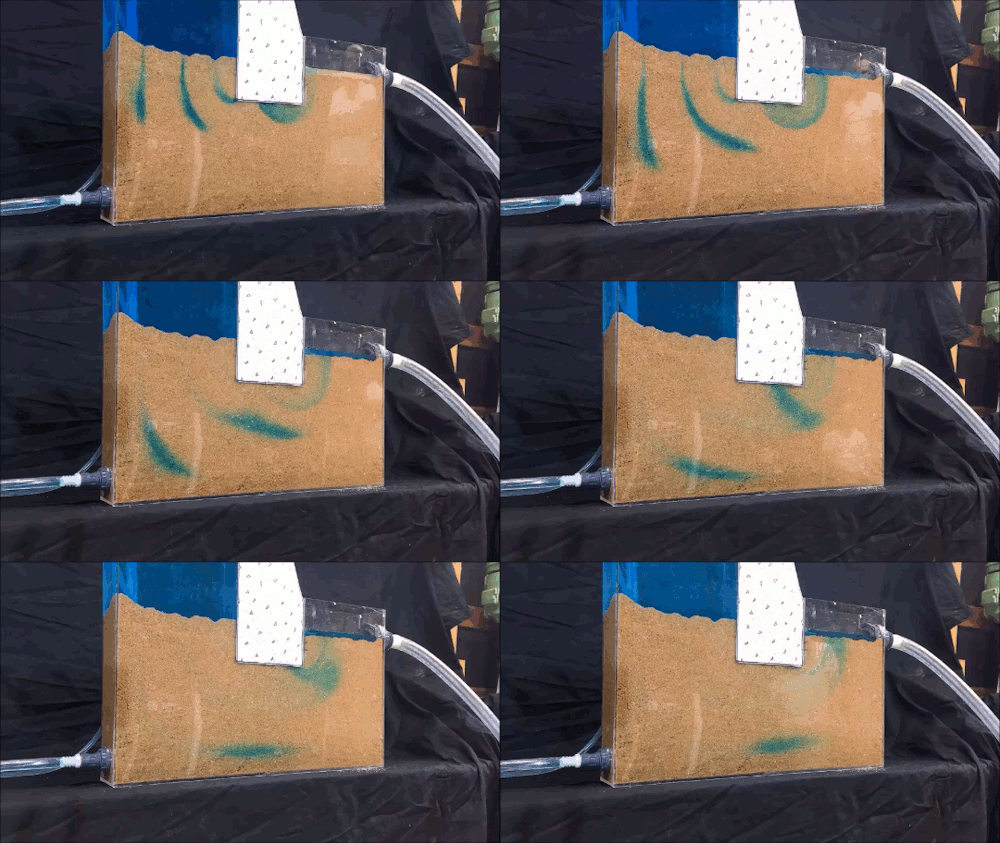
In a recent video, Practical Engineering tackles an important and often-overlooked challenge in civil engineering: dam failure. At its simplest, a levee or dam is a wall built to hold back water, and the higher that water is, the greater the pressure at its base. That pressure can drive water to seep between the grains of soil beneath the dam. As you can see in the demo below, seeping water can take a curving path through the soil beneath a dam in order to get to the other side. When too much water makes it into the soil, it pushes grains apart and makes them slip easily; this is known as liquefaction. As the name suggests, the sediment begins behaving like a fluid, quickly leading to a complete failure of the dam as its foundation flows away. With older infrastructure and increased flooding from extreme weather events, this is a serious problem facing many communities. (Video and image credit: Practical Engineering)