Month: July 2026

  • “Supercell”

    “Supercell”

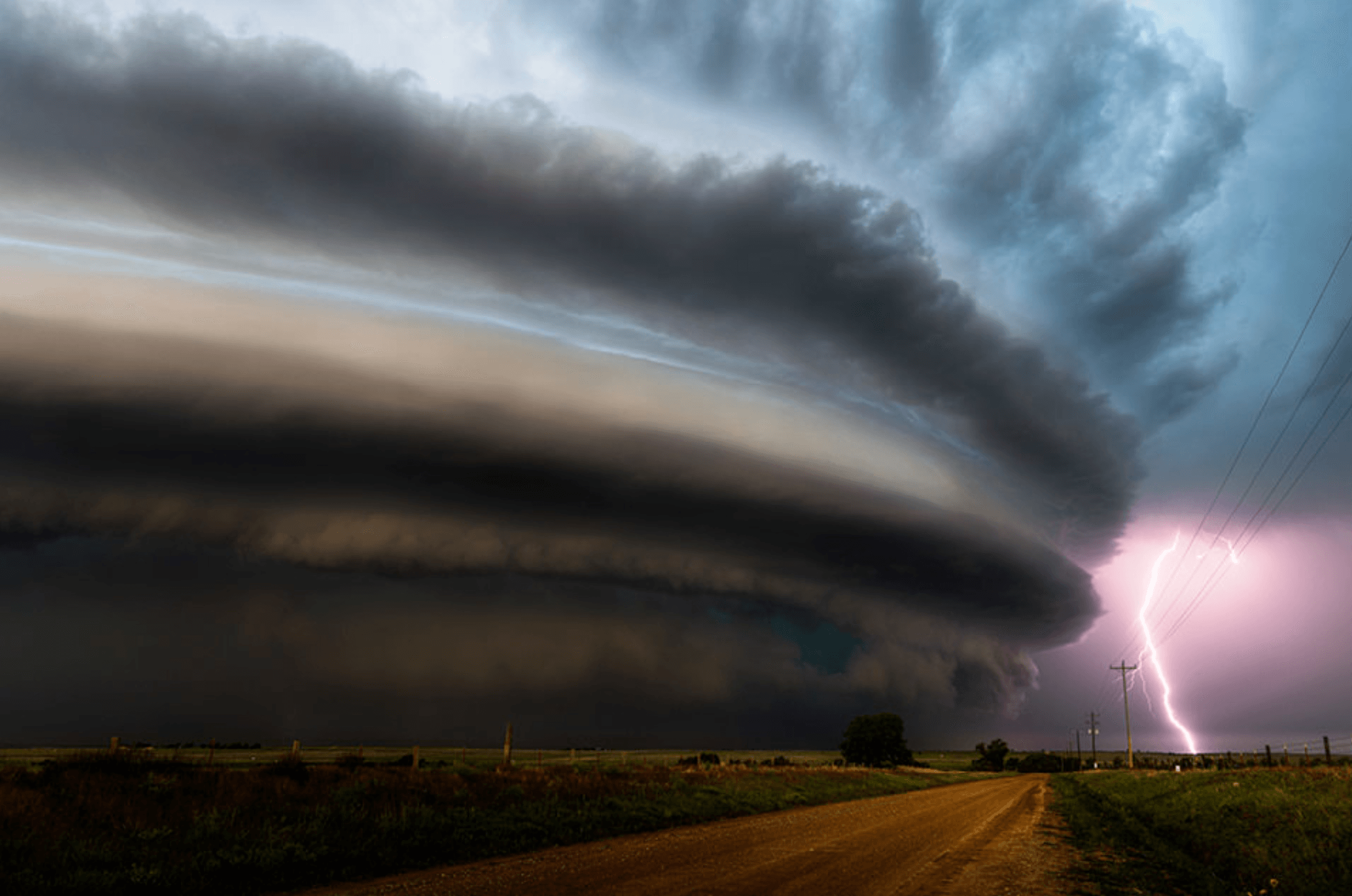
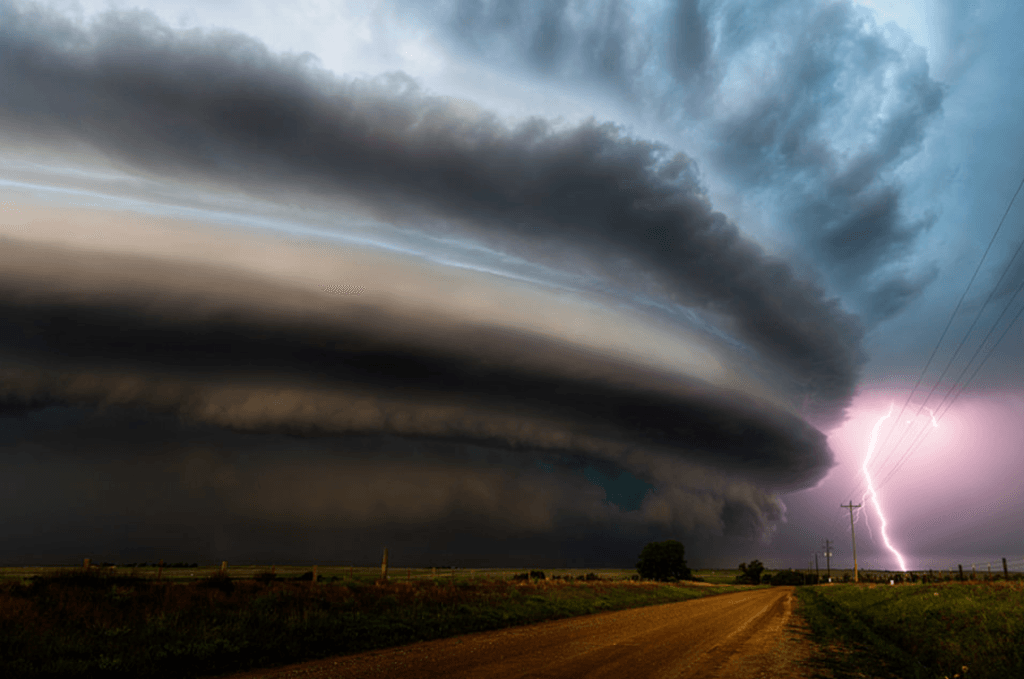
    A supercell thunderstorm in New Mexico appears almost otherworldly in this photo from Dennis Hualong Zhang. Glowing from within and stacked like a layer cake, the storm menaces the nearby road and fields. Lightning in the distances completes the composition. Images like this are a reminder that our atmosphere–despite frequently seeming calm and ordinary–harbors incredible turbulent energy. (Image credit: D. Zhang; via ILPOTY)

    "Supercell" by Dennis Hualong Zhang.
  • Ice Giant or Magma Ocean World?

    Ice Giant or Magma Ocean World?

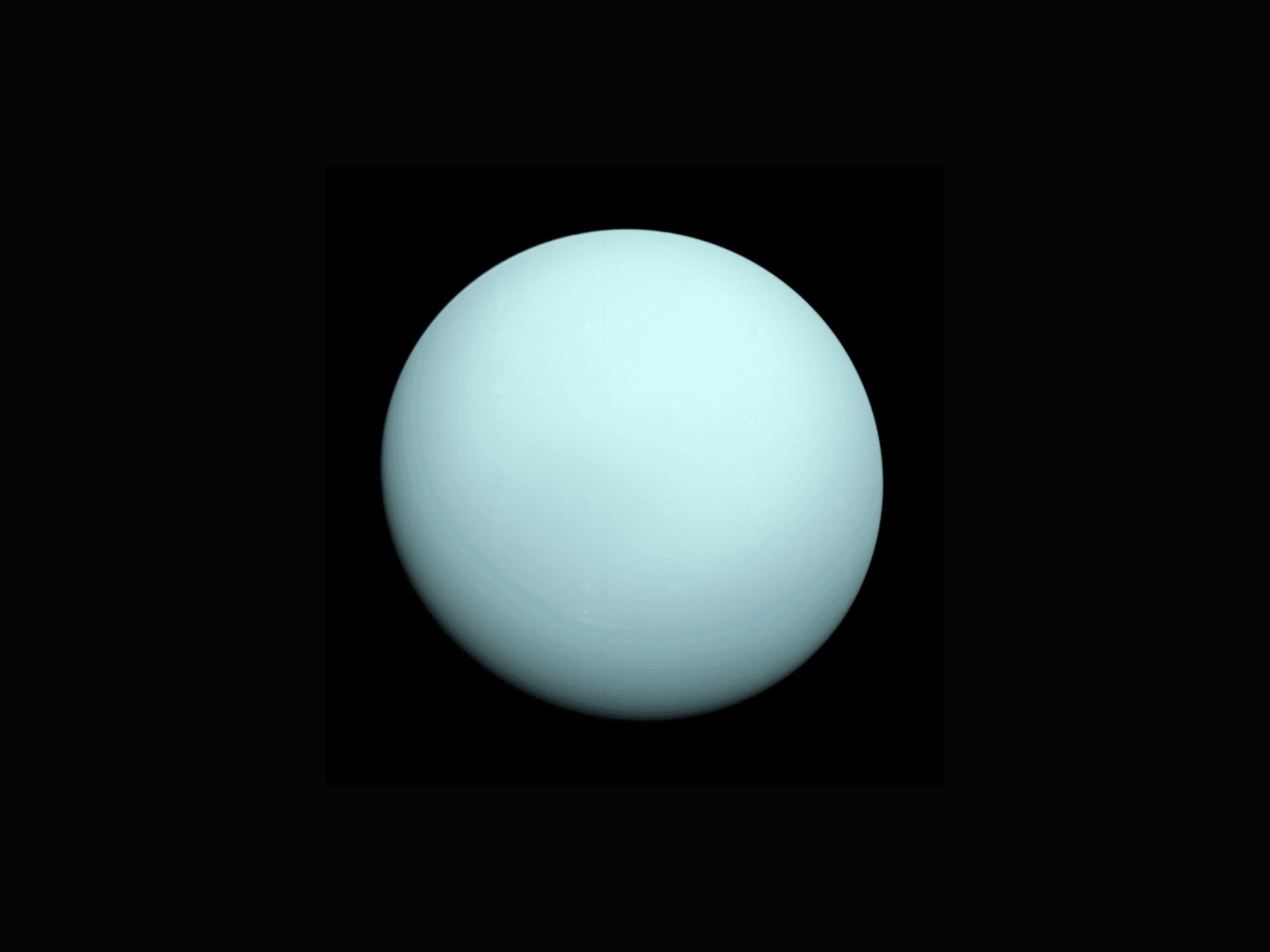
    Uranus and Neptune–known as our system’s ice giants–are our least explored planets. Both have received exactly one flyby, from the Voyager 2 spacecraft. The data from those flybys remain our primary source of knowledge about each planet. The traditional model for each planet’s interior (dating back to before the flybys) consists of three layers: a rocky core; an icy mantle made up of water, ammonia, and methane; and a hydrogen/helium-rich atmosphere. That structure is one way to match the limited measurements we have from these planets, but, as today’s preprint study points out, it’s not the only way.

    The authors suggest an alternative structure, in which a hydrogen-rich atmosphere overlays a supercritical magma ocean capable of dissolving hydrogen into heavier, metallic elements. Their suggestion is motivated by several factors. First, objects in the outer solar system–including Kuiper Belt objects–have less icy material than originally assumed, which suggests that Uranus and Neptune’s progenitors wouldn’t have been so ice-rich, either. Second, our understanding of how “rocky” materials respond at the temperatures and pressures found in these planet interiors has evolved. In particular, silicate, hydrogen, and iron are actually miscible at these conditions. That means that discrete sub-layers separated by material type are not as likely.

    Using the magma ocean model, the team found compositions for both Uranus and Neptune that conformed well to our limited data about their gravitational and magnetic field properties. Time–and more data–will tell as to which interior model best describes these enigmatic giants. (Image credit: NASA; research credit: E. Young et al. (preprint); via Gizmodo)
    Fediverse Reactions
  • Featured Video Play Icon

    Giant Water Balloon to the Face

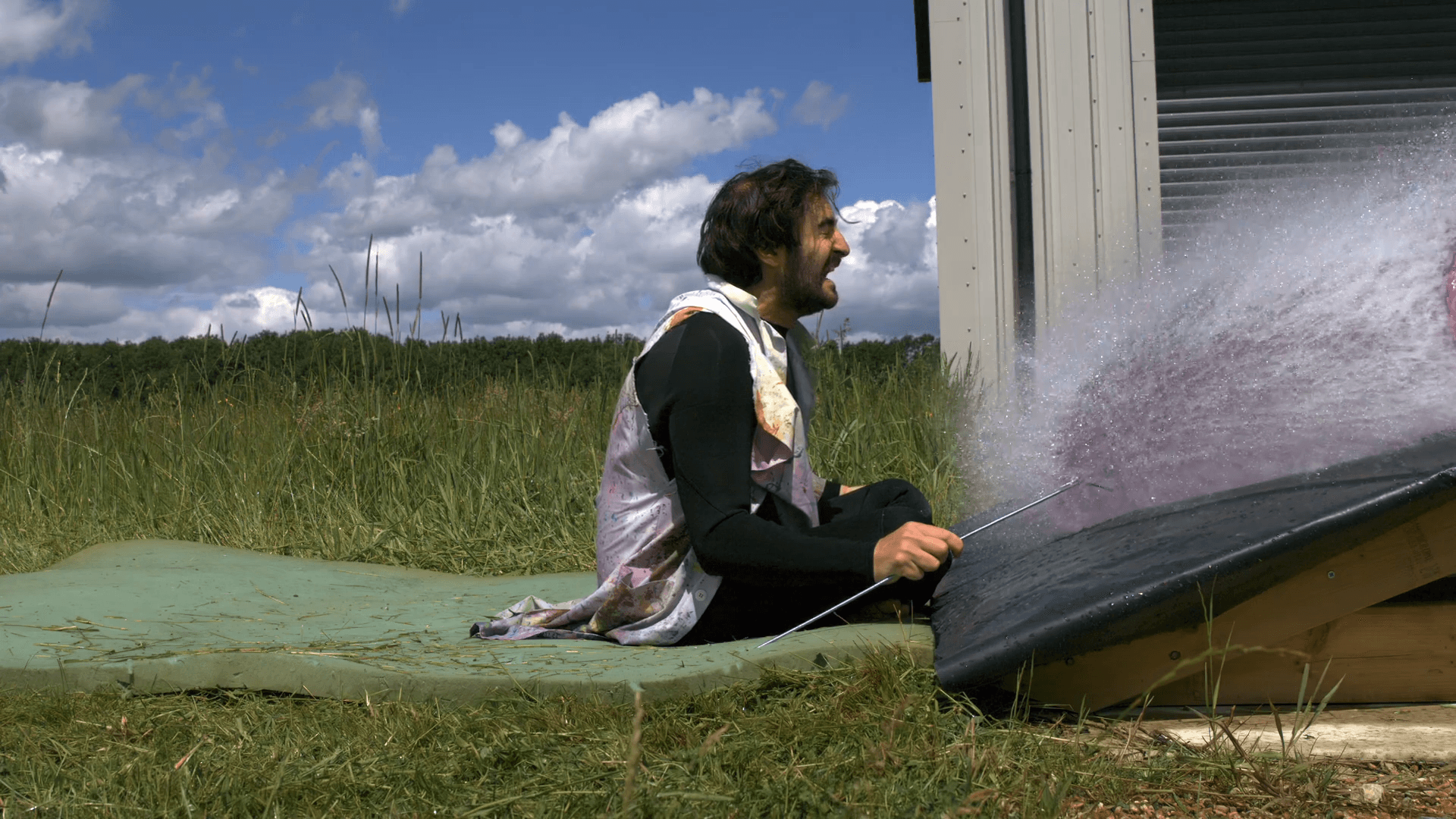
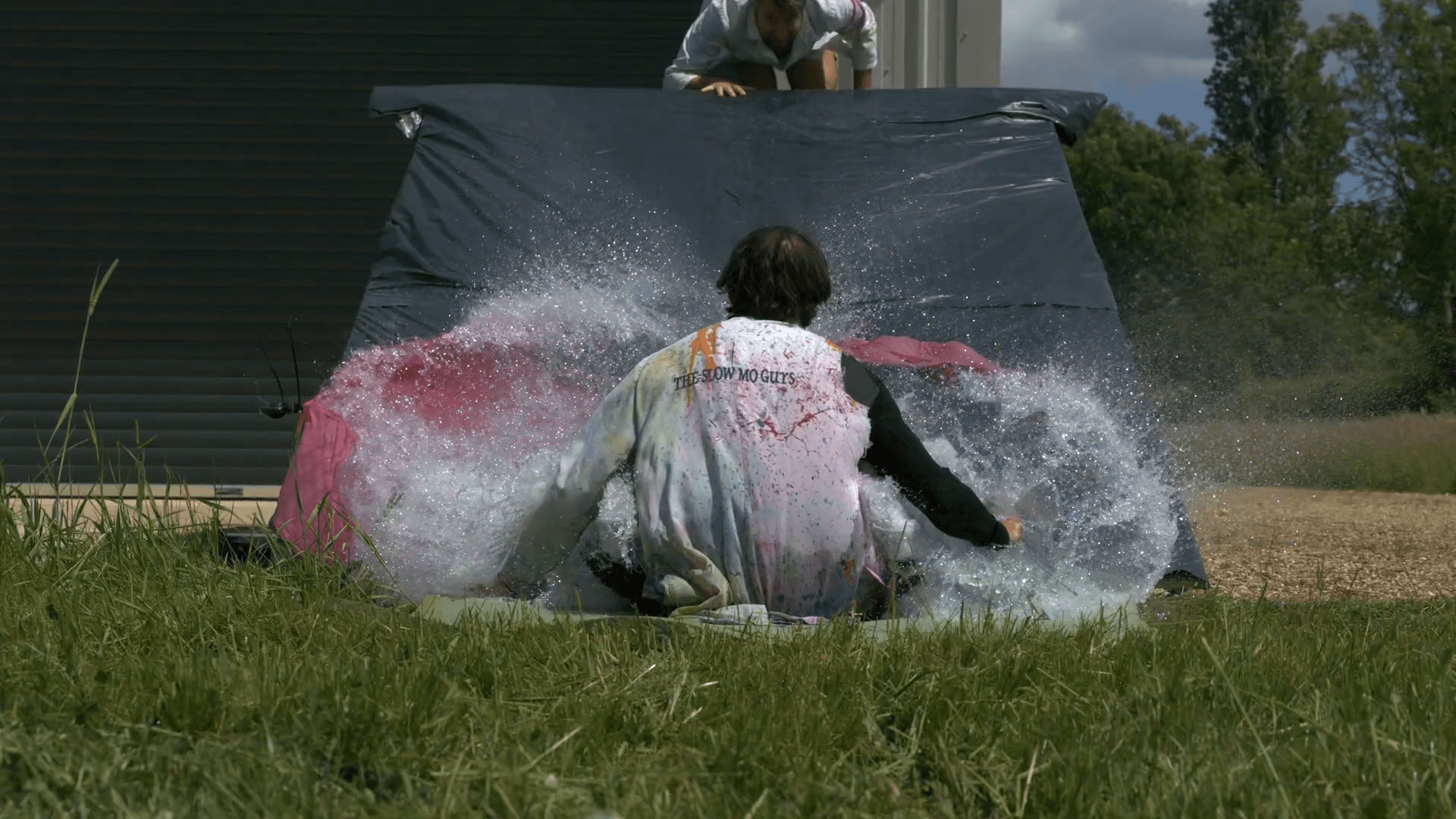
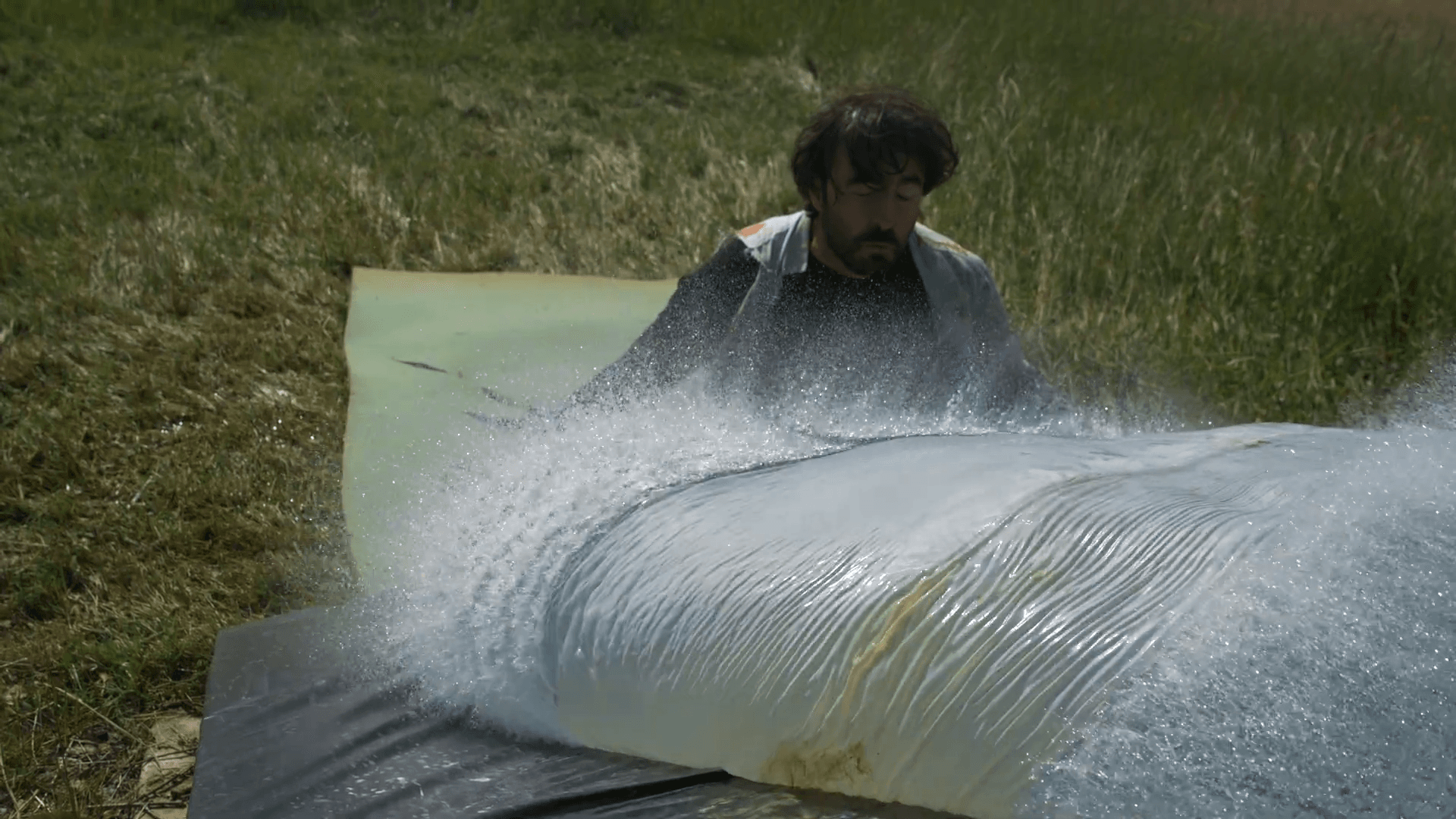
    It’s the summertime, so Gav and Dan of the Slow Mo Guys are back to experimenting with giant water balloons. In this video, they send several careening down a slope into Dan’s face. Watching the balloons descend and pop is (unsurprisingly) my favorite part. It’s neat to see how the elasticity of the balloon acts like a beefed-up surface tension to make this enormous blob of water act like an oversized droplet. (Video and image credit: The Slow Mo Guys)

    Fediverse Reactions
  • Inside an Espresso Bed

    Inside an Espresso Bed

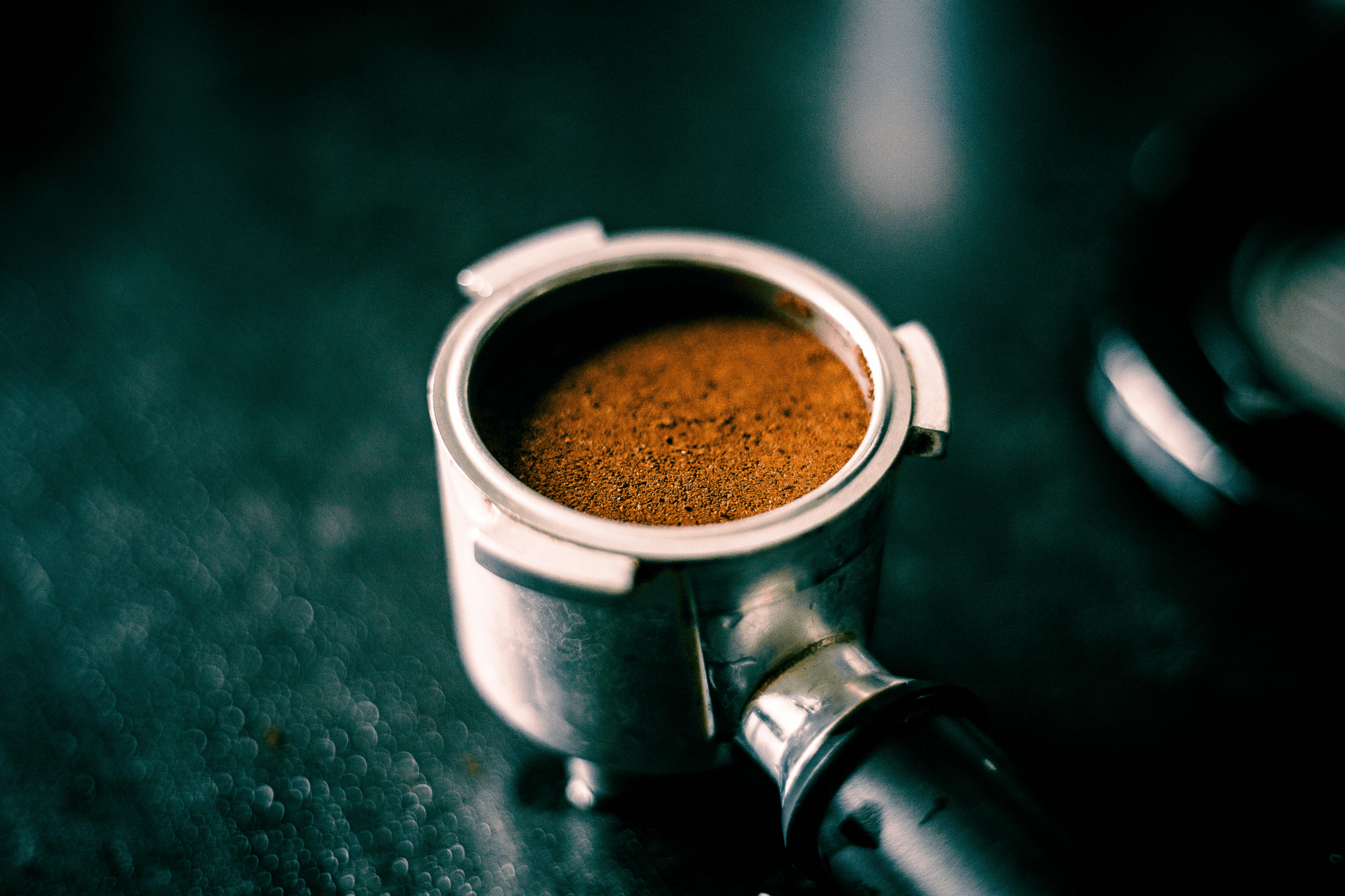
    When pulling a shot of espresso, there are complicated physics at play. The ground coffee is tamped into a puck-like bed of grains, through which high-temperature, high-pressure water is forced. Here, researchers used X-ray tomography to visualize how and when water moves through the bed, which affects how flavors extract.

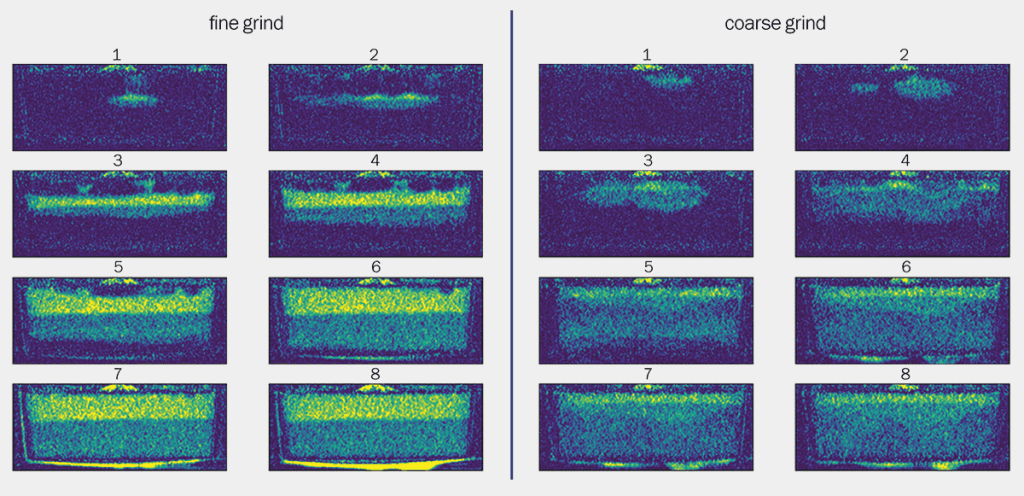
    Composite images of water penetrating a bed of finely ground coffee (left) and a bed of coarsely ground coffee (right).
    Composite images of water penetrating a bed of finely ground coffee (left) and a bed of coarsely ground coffee (right).

    In a finely ground bed, water is relatively slow to penetrate the bed, but moves in fairly uniformly. Water can get into the coarse grind a little faster but does so less uniformly. With the new experimental technique in place, the team is interested in seeing how water temperature affects infiltration and what solids get extracted. (Image credit: top – R. Wicks, experiment – J. Foster et al.; research credit: J. Foster et al.; via Physics World)

  • Canyon Swirls

    Canyon Swirls

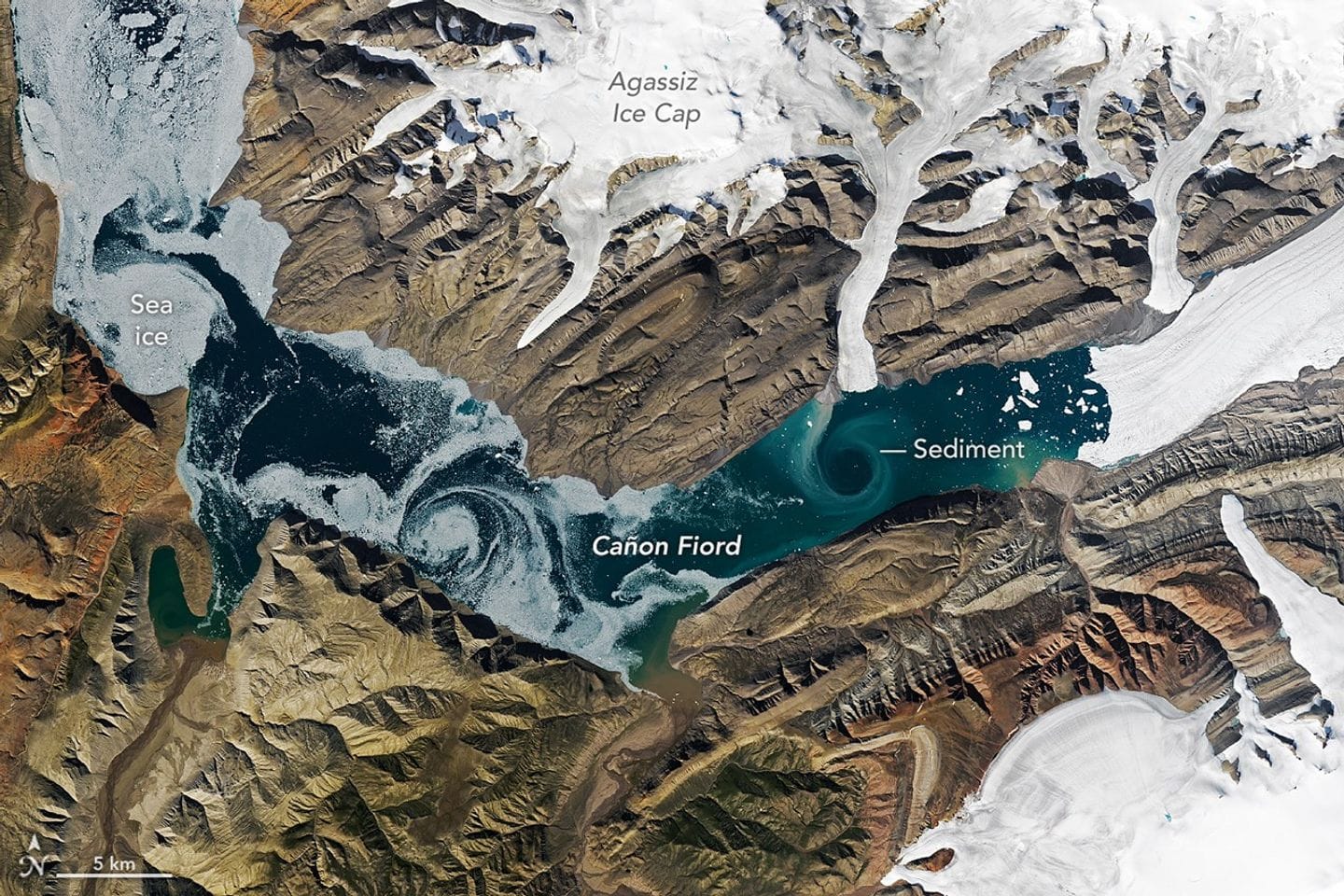
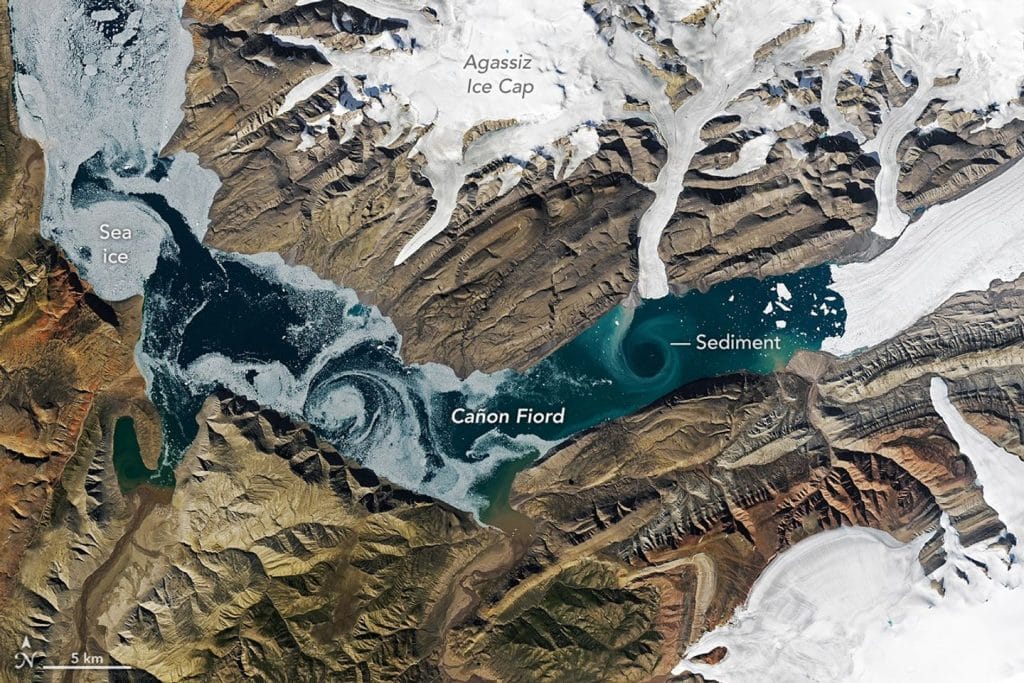
    For much of the year, Cañon Fiord in the Canadian Arctic lies under ice and snow, but in the summer melt season, colors peek out. Here sea ice and sediment swirl in the fjord in eddies that are kilometers wide. The sediment is largely glacial flour–rock that’s been ground into dust by glaciers. It provides critical nutrients for the marine ecosystem. (Image credit: L. Dauphin; via NASA Earth Observatory)

    Satellite image of sea ice and sediment swirling in Cañon Fiord.
  • Múlajökull

    Múlajökull

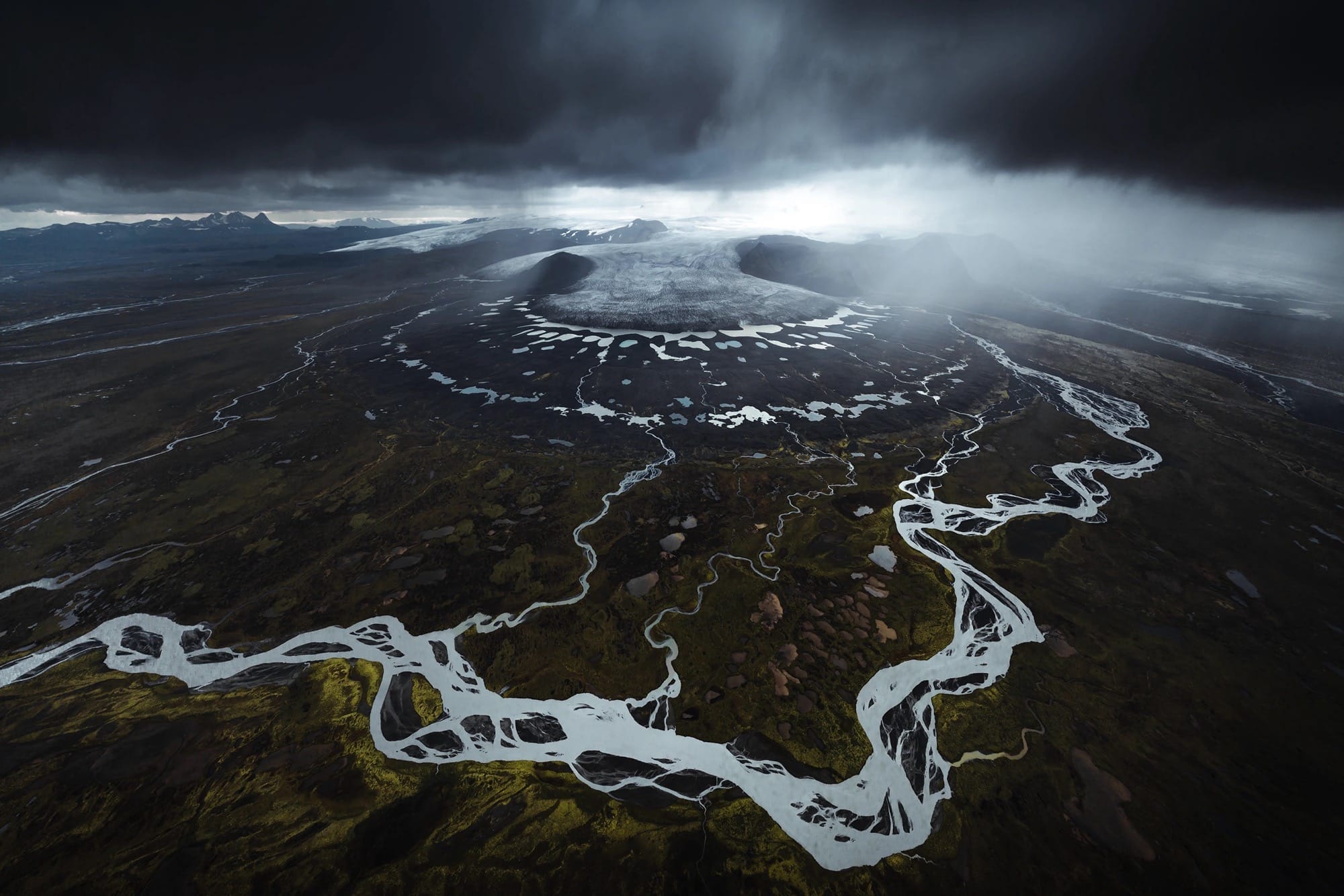
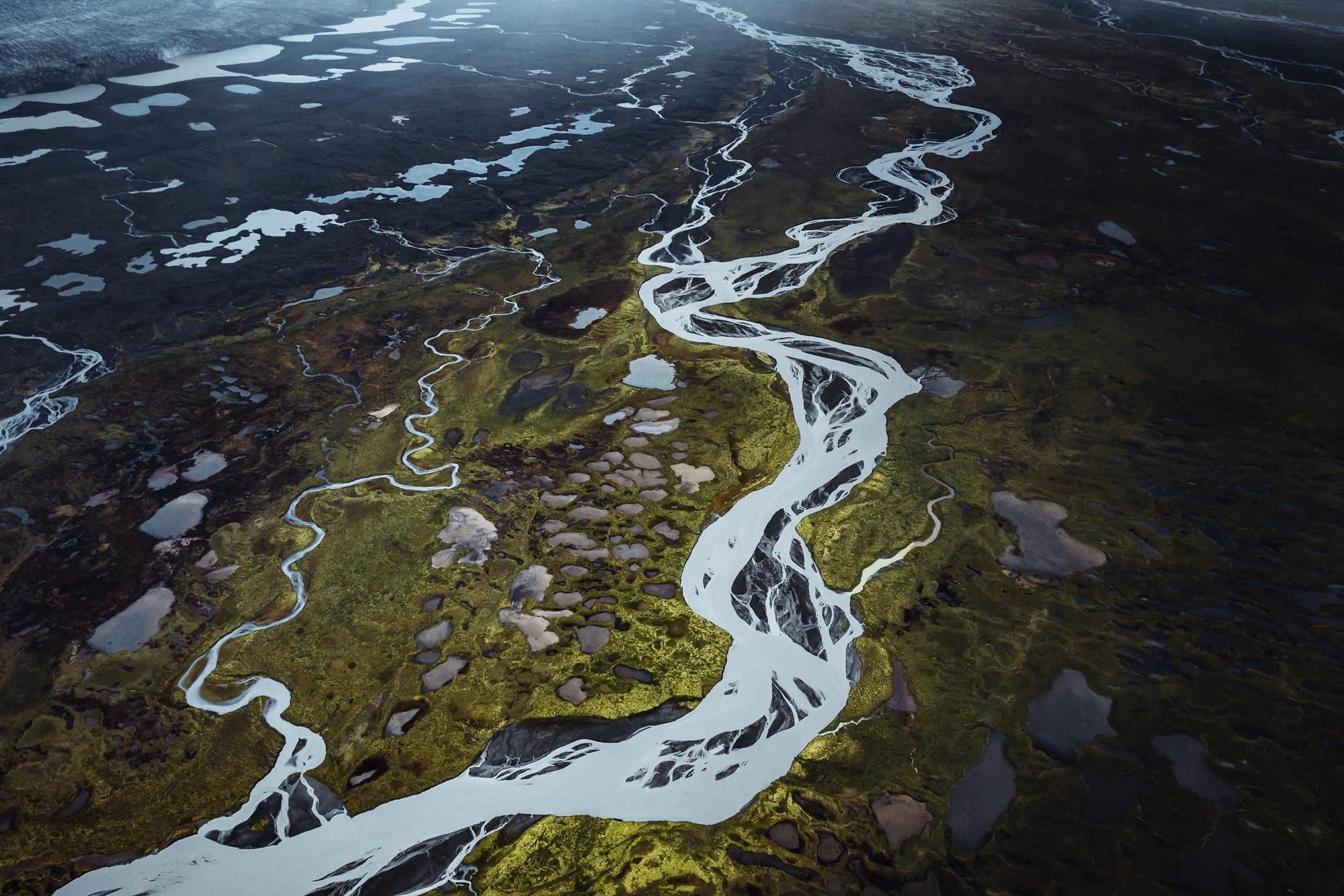
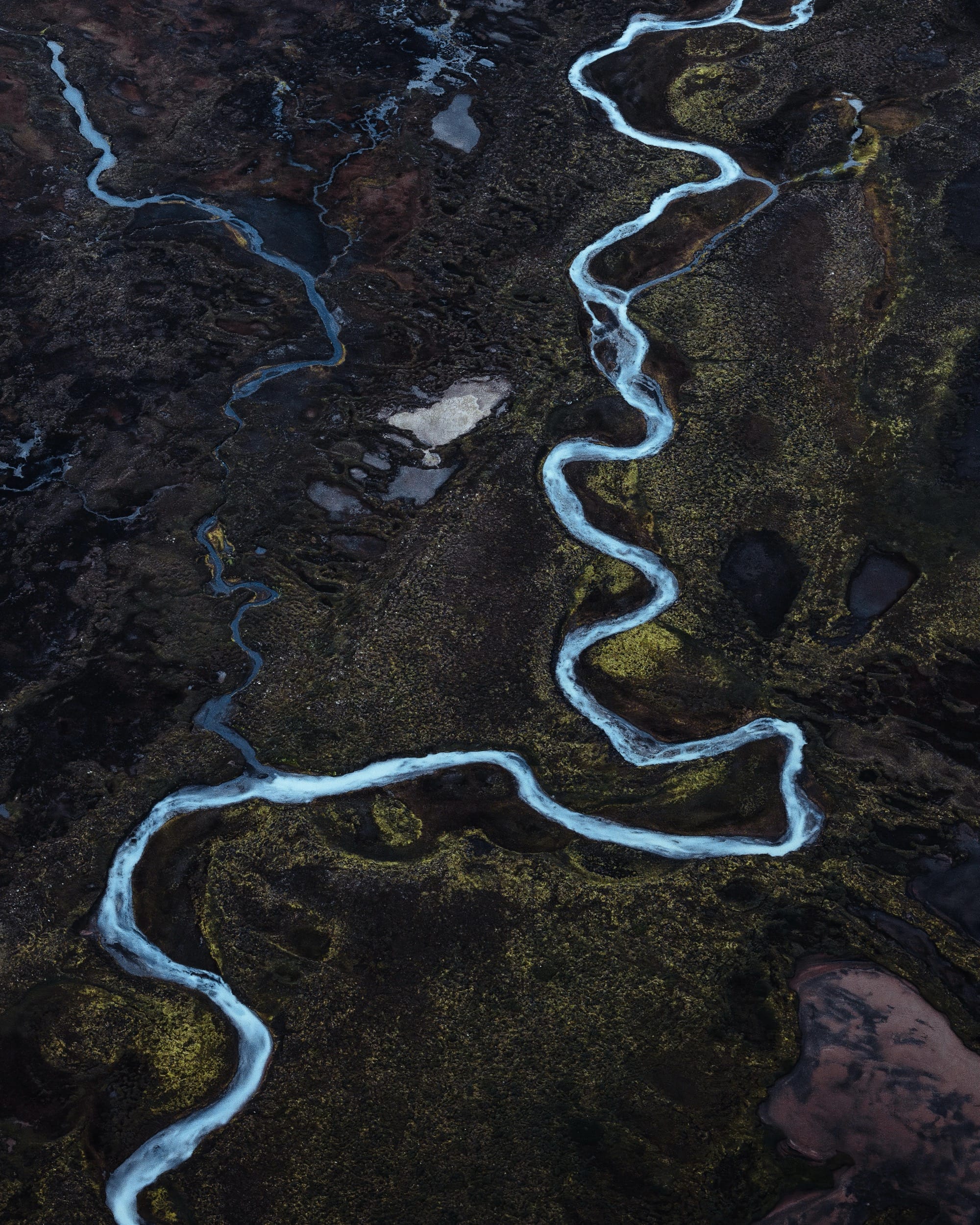
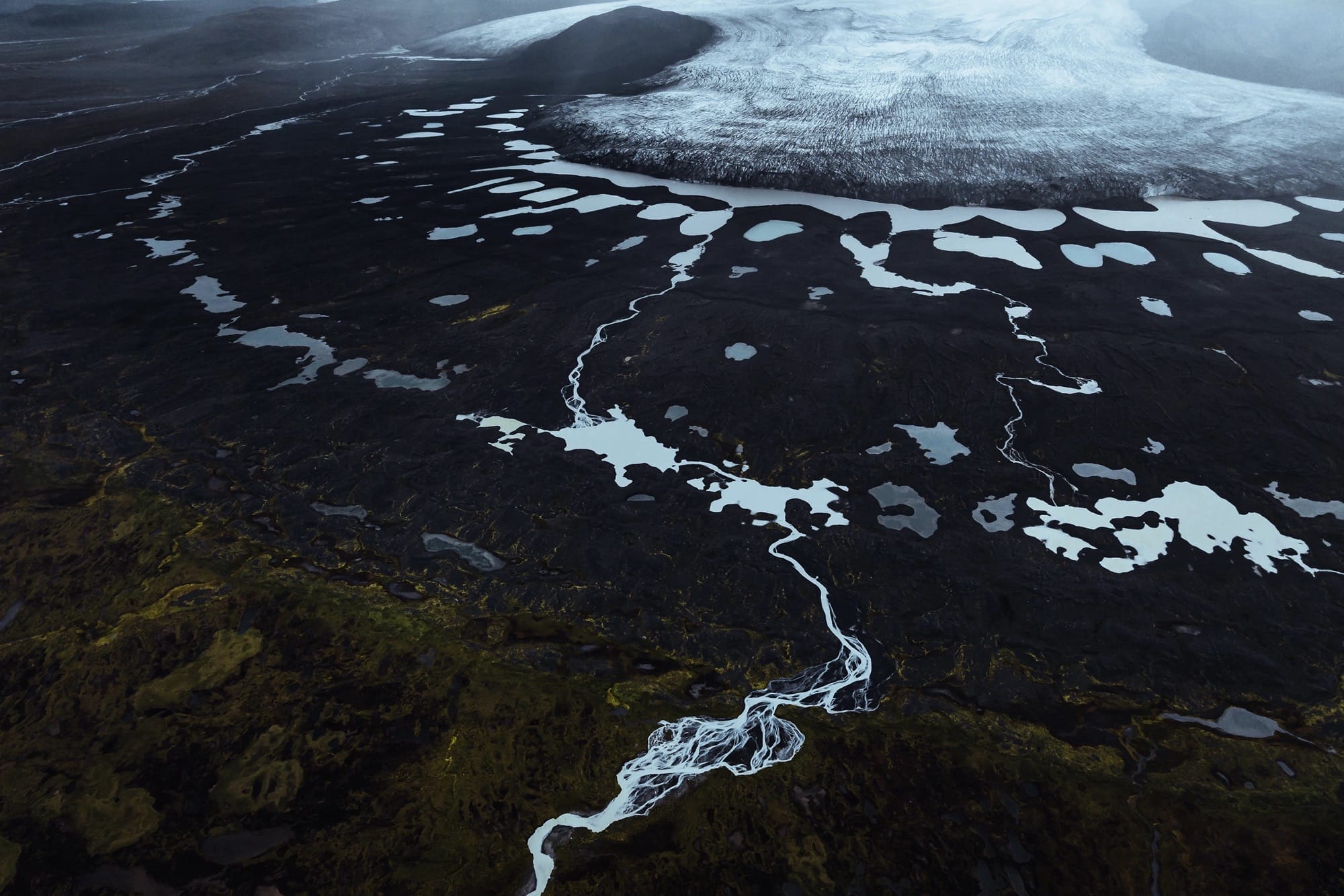
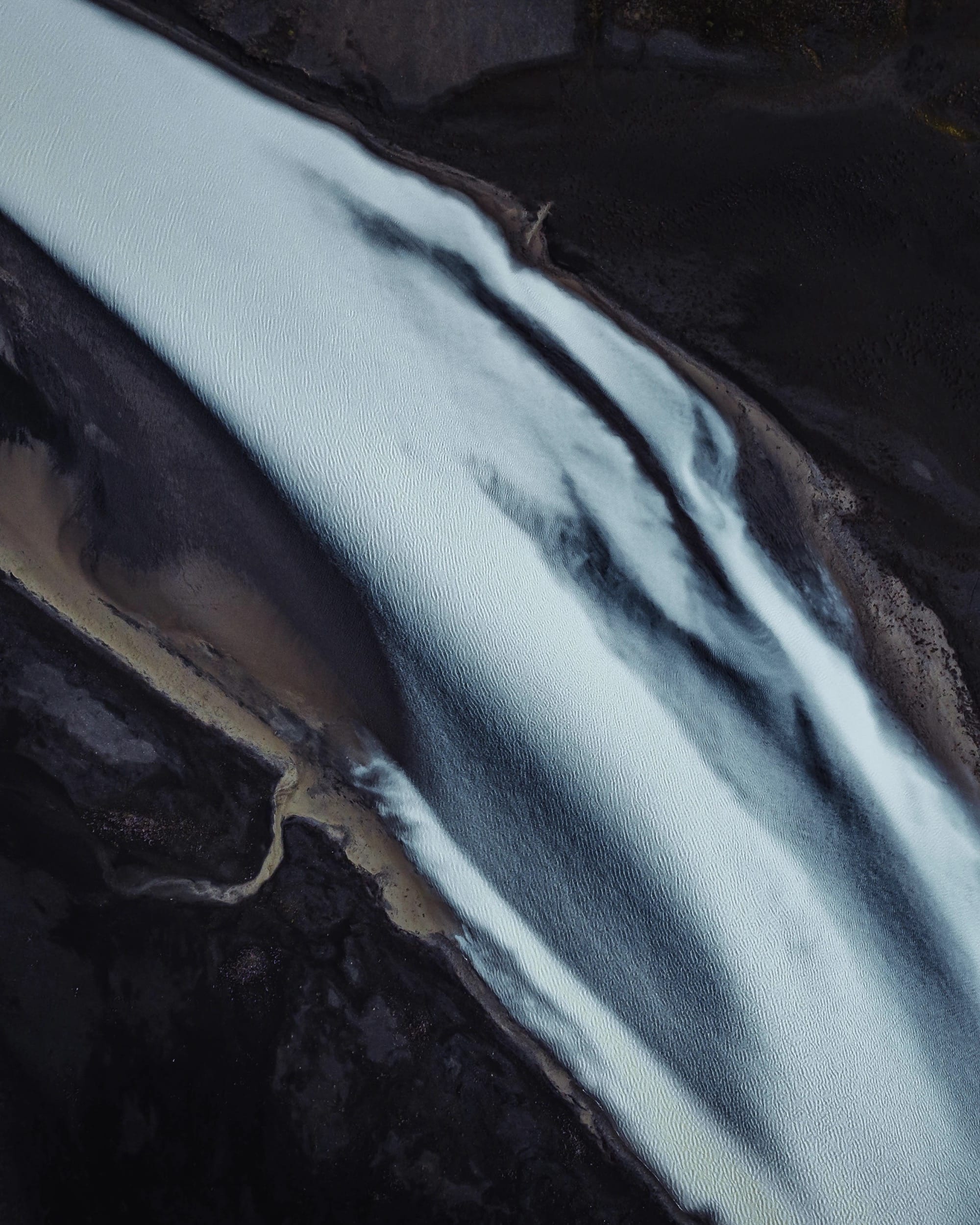
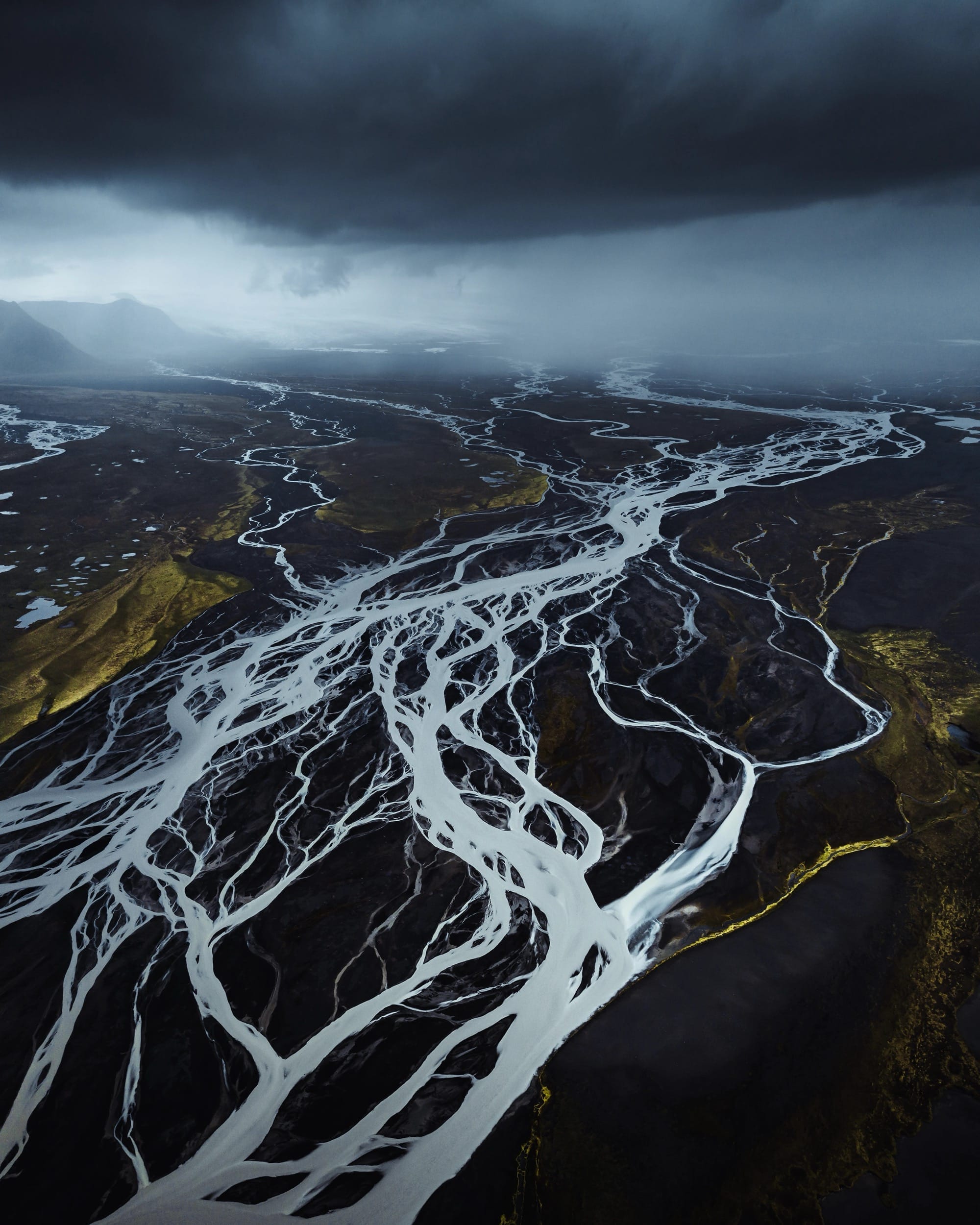
    Iceland’s Múlajökull glacier is prone to sudden surges, where rapid ice flow is interspersed between periods of quiescence or retreat. The isolated nature of the glacier and its marshy surroundings make approaching on foot almost impossible, but photographer Dani Guindo captured gorgeous aerial images of the glacier’s many rivulets ribboning about the landscape it’s carved. (Image credit: D. Guindo; via Colossal)

    Fediverse Reactions
  • Convection Inside the Mantle

    Convection Inside the Mantle

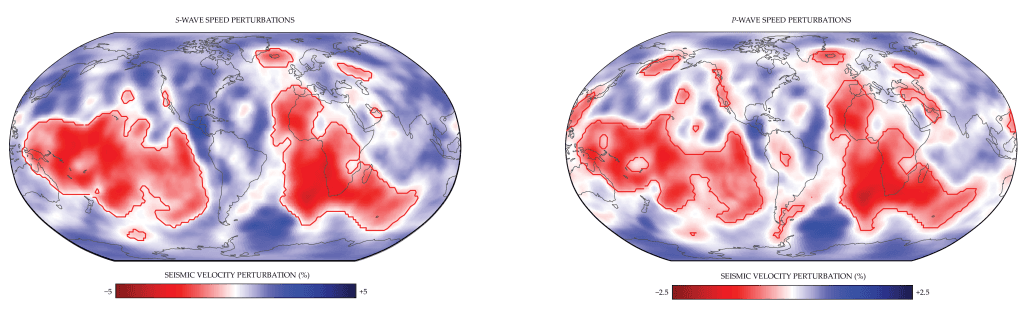
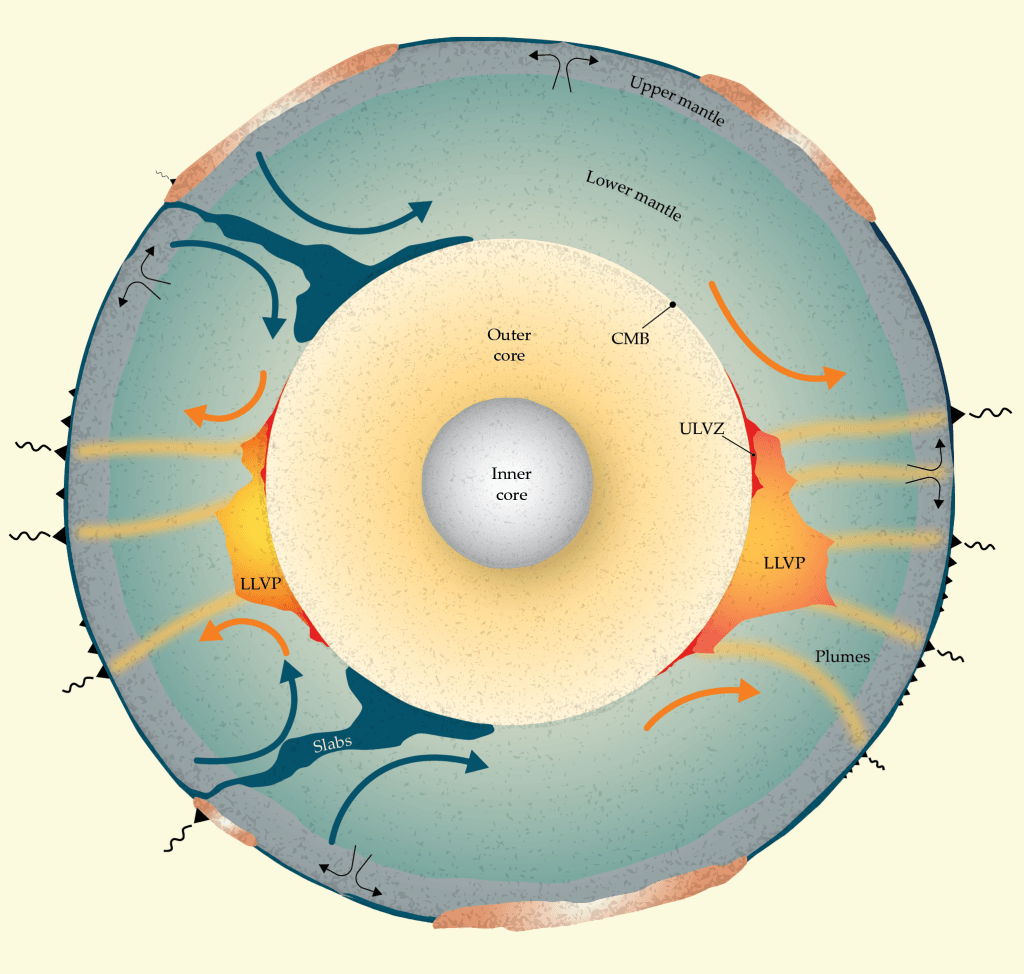
    Most of what we know about Earth’s interior comes from observing how seismic waves–mostly from earthquakes–bounce around. As our observations have gotten better–more seisometers, better imaging techniques–scientists have identified two large anomalies sitting near the bottom of the mantle. Known as large low-velocity provinces, or LLVPs, these zones take up continent-sized areas beneath parts of Africa and the Pacific.

    Seismic waves show lower speeds in large, continent-sized zones that sit beneath Africa and the Pacific. These large low-velocity provinces (LLVPs) are outlined in red.
    Seismic waves show lower speeds in large, continent-sized zones that sit beneath Africa and the Pacific. These large low-velocity provinces (LLVPs) are outlined in red.

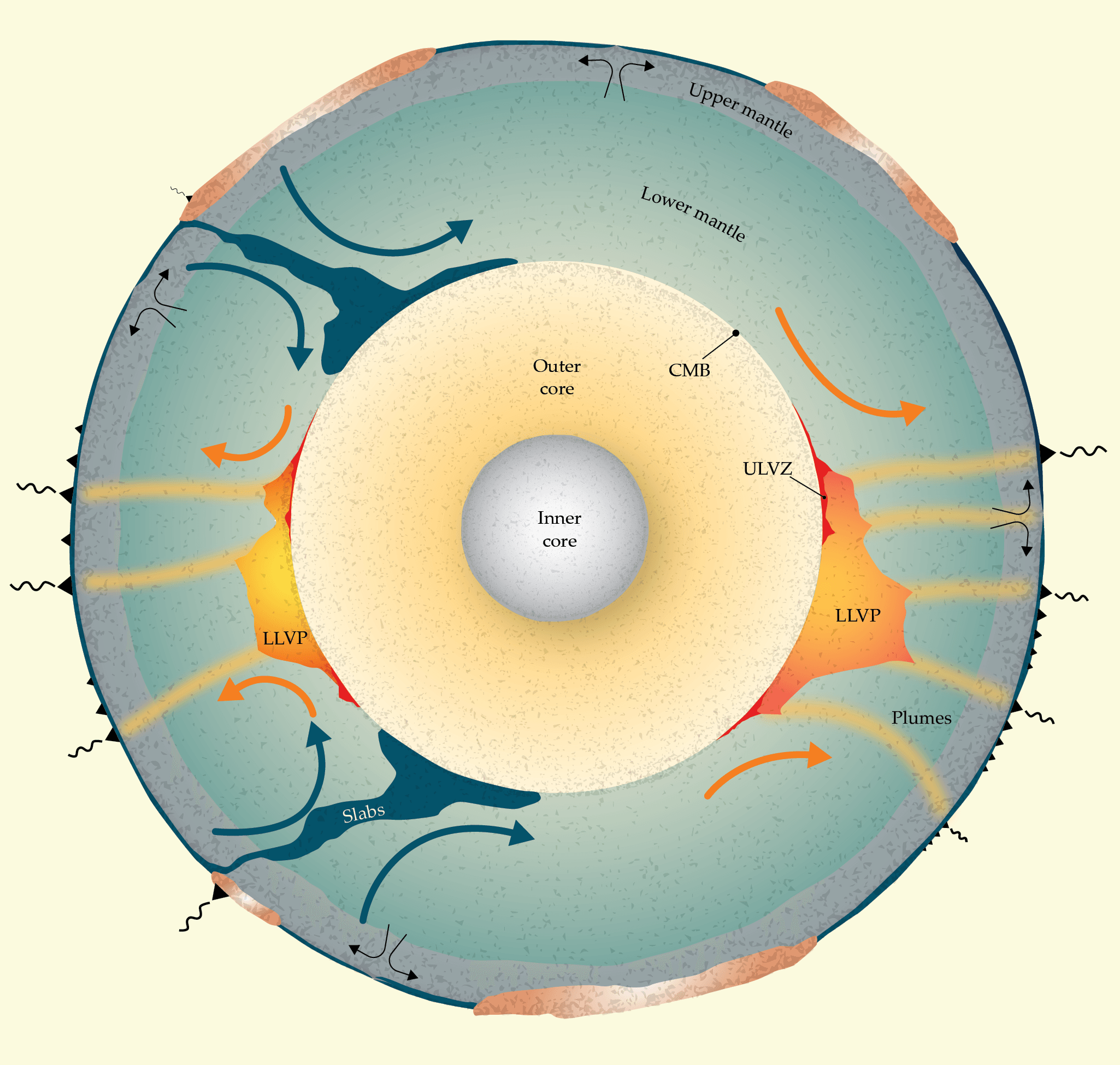
    The LLVPs are hot, which would normally make them buoyant, but their stationary nature suggests they are made up of extremely dense material. Narrow plumes of hot material make their way up from the LLVPs to form volcanic hotspots like those that made the Hawaiian and Galapagos Islands. Balancing that upward convection is the downward convection of former tectonic material carried into the mantle at subduction zones.

    What the LLVPs are made of remains an active research question. One suggestion is that they contain remnants of Theia, the planet thought to have impacted the proto-Earth to form our Moon. (Image credits: E. Garnero and C. Richardson; see also Physics Today)

    Illustration showing convection in the Earth's inner mantle. Former tectonic material subducts downward in dark blue zones. The large low-velocity provinces (LLVPs) are shown in orange. Hot-spot volcanic activity is seen at the surface (black triangles) above narrow plumes that lift material from the LLVPs toward the surface.
    Illustration showing convection in the Earth’s inner mantle. Former tectonic material subducts downward in dark blue zones. The large low-velocity provinces (LLVPs) are shown in orange. Hot-spot volcanic activity is seen at the surface (black triangles) above narrow plumes that lift material from the LLVPs toward the surface.
    Fediverse Reactions
  • Even Penguins Love Bubbles

    Even Penguins Love Bubbles

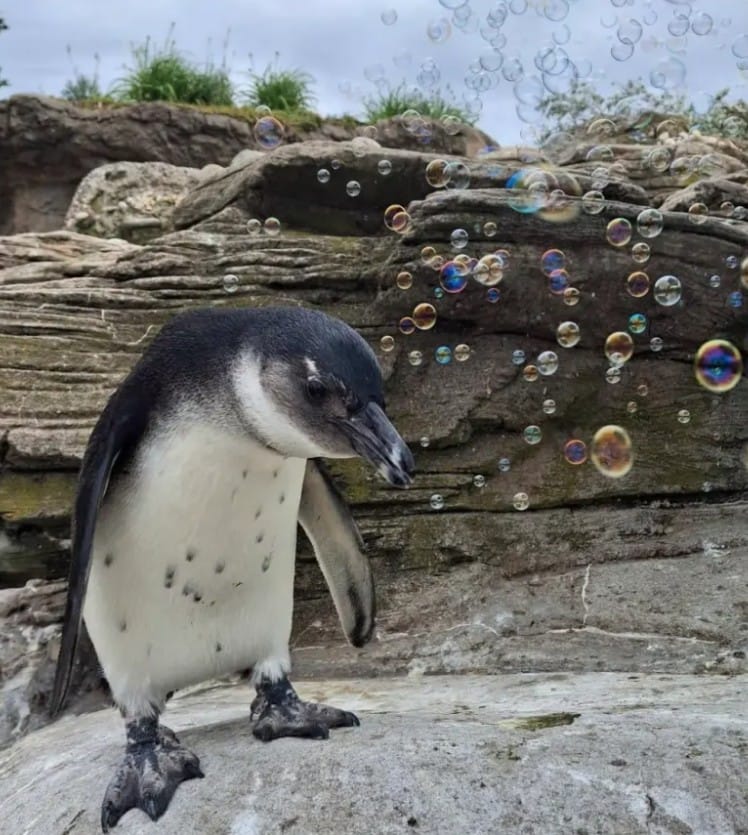
    Walter, a young African penguin at the New York Aquarium, loves soap bubbles. In fairness to Walter, so do most people I’ve met. There’s just something that feels a bit magical about these ephemeral rainbow spheres that pop at a (dry) touch.

    Bubbles owe their colors to thin film interference–the colors actually indicate how thick the bubble film is–and their stability (and fast disintegration) to surface tension. With schlieren photography or flow visualization, watching bubbles gets even cooler. Do you suppose a penguin would appreciate bubbles popping at 50,000 fps? (Image credit: New York Aquarium; via PopSci)

    Walter the African Penguin enjoys popping bubbles.
    Fediverse Reactions
  • Where Waves Carry Plastics

    Where Waves Carry Plastics

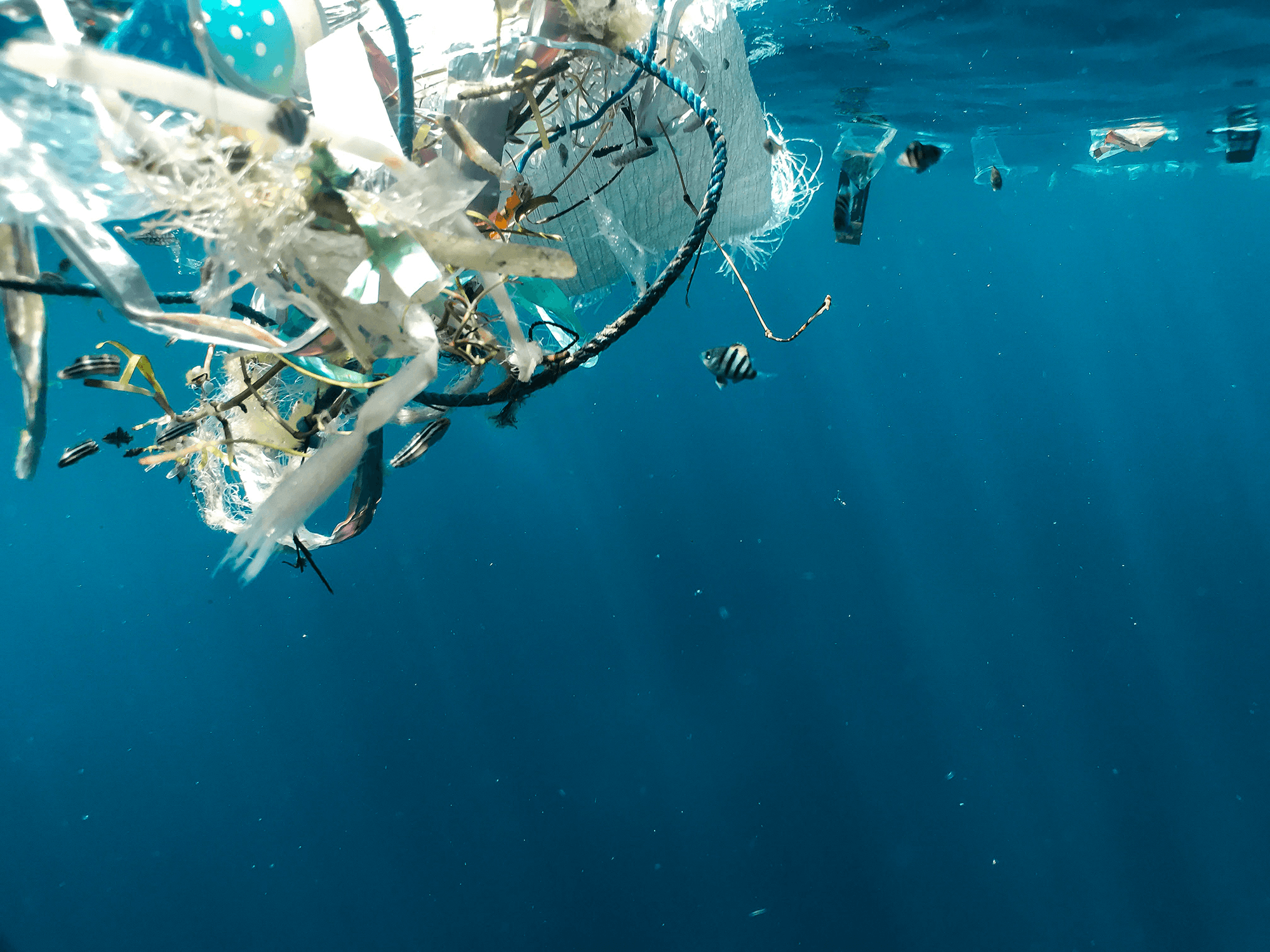
    The classic theory of steady wave motion predicts a phenomenon called Stokes drift, in which particles spread horizontally in the direction of wave travel. That means that something like microplastics will drift in the direction that waves are traveling. But in the real world, ocean waves aren’t quite so neat and unchanging. A new study looks at what happens when waves are decaying in strength–in other words, what happens in our world when the wind dies down.

    In those circumstances, the researchers found that particles did not just drift horizontally–they drifted vertically, too. Further, how much a particle drifts vertically depends on its initial depth. Since plastics vary in their buoyancy–and can be found in varying numbers and sizes throughout the upper layer of the ocean–this mechanism could significantly affect how waves mix and transport pollution. (Image credit: N. Jensen; research credit: T. Izawa et al.; via Physics World)

    Fediverse Reactions
  • Making Quieter Shock Waves

    Making Quieter Shock Waves

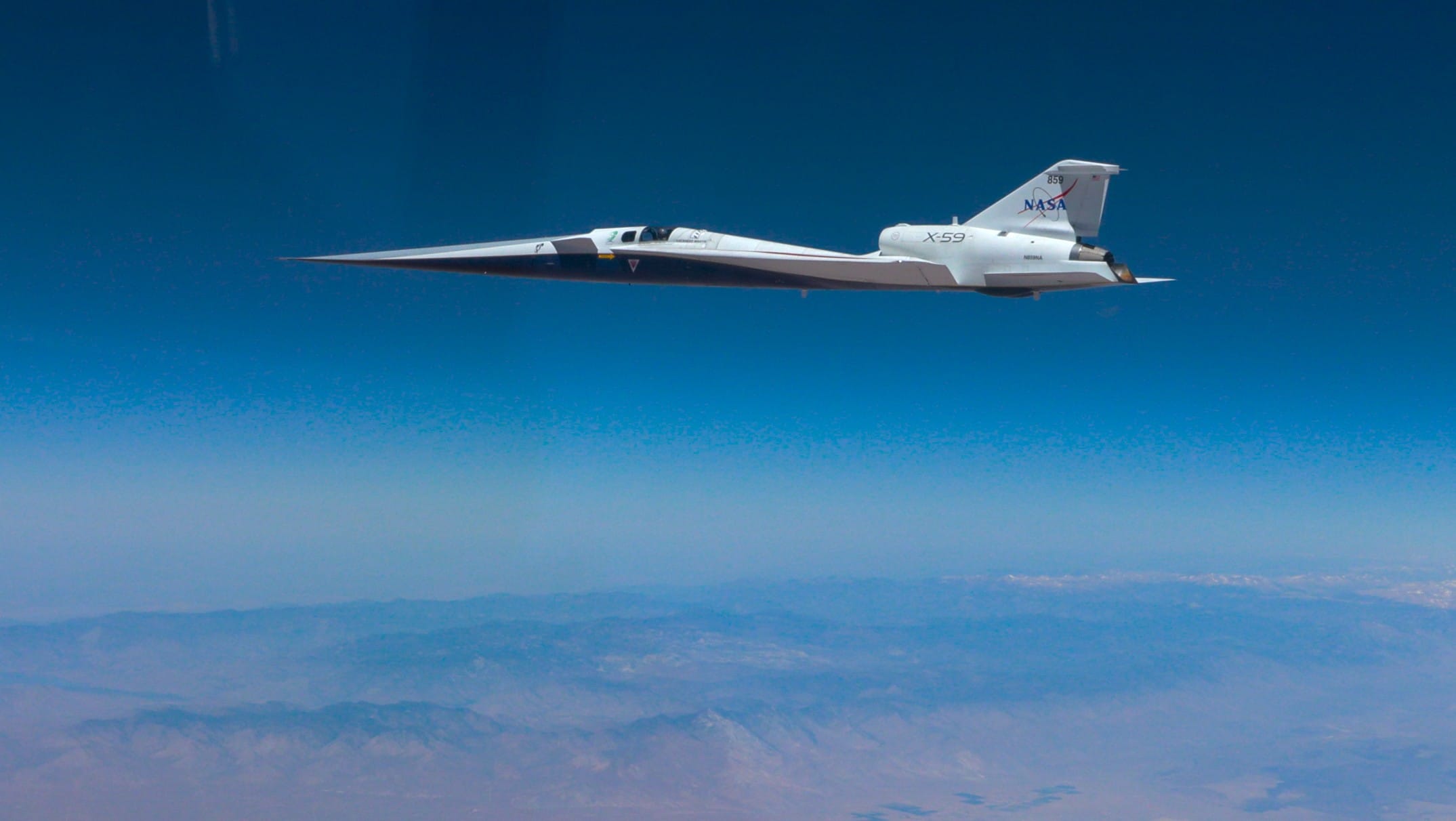
    NASA’s X-59 aircraft is intended to demonstrate supersonic flight without the boom. Although it’s broken into supersonic speeds, we haven’t yet heard its “sonic thump” because, so far, it’s been accompanied by conventional supersonic aircraft, which are louder.

    The idea behind the long, skinny X-59 is to create weaker, widely-spaced shocks along the aircraft body. Weaker shocks are easier for atmospheric effects to damp out before they reach the ground, and spacing them out makes it harder for them to “pile up” at the nose and tail to create the strong double shocks that merge into a sonic boom.

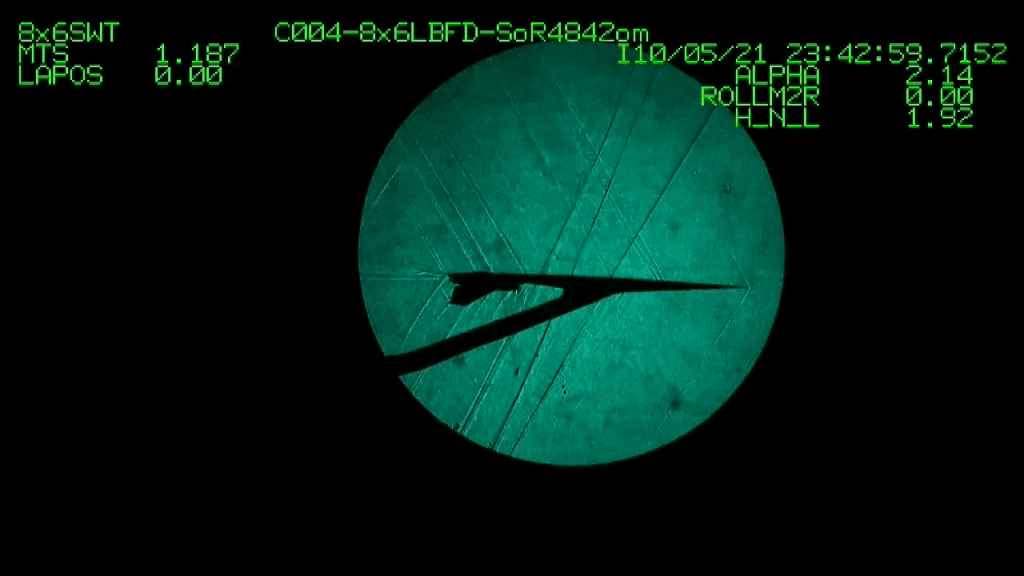
    Schlieren image of a model X-59 tested at supersonic conditions in a wind tunnel.
    Schlieren image of a model X-59 tested at supersonic conditions in a wind tunnel. The model is mounted upside-down. The three dark diagonal lines are shock waves originating from the wind tunnel and can be ignored. The fainter lines coming off parts of the aircraft model are the plane’s shock waves.

    NASA is preparing to test the X-59’s in-flight shocks soon, including with in-air schlieren photography like they’ve done in the past for other aircraft. But we’ve already have a glimpse of what to expect, thanks to wind tunnel testing, shown above. Ignore the three dark diagonal lines in the middle of the image (those are from the wind tunnel, not the model aircraft), and focus instead on the thin bright lines coming off the plane. Those are some impressively subtle shock waves!

    Hear more from the aircraft’s designer and test pilots in this Ars Technica article. (Image credit: NASA; see also: Ars Technica, M. Ahaus et al.)

    Fediverse Reactions