Month: July 2026

  • Featured Video Play Icon

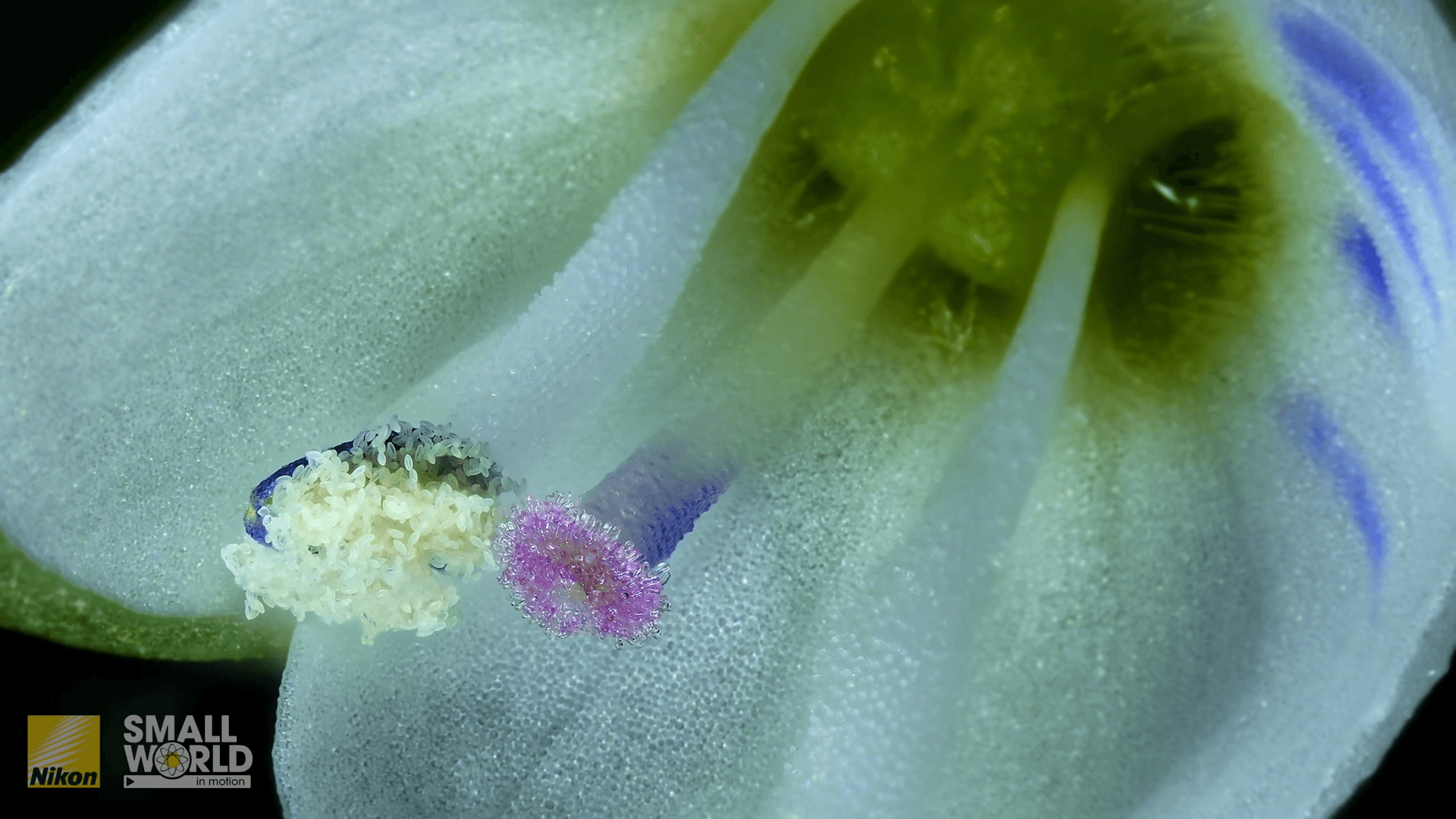
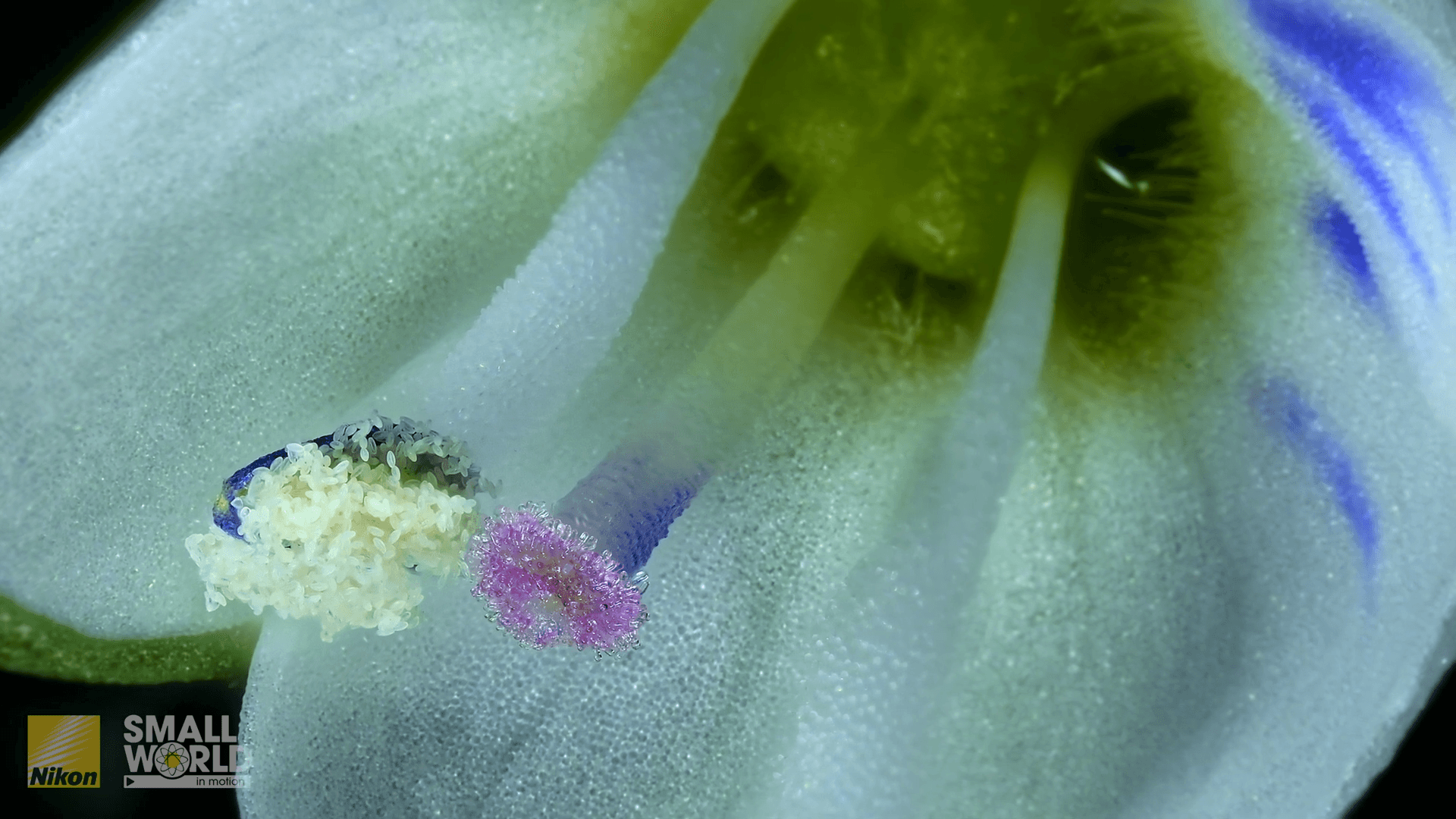
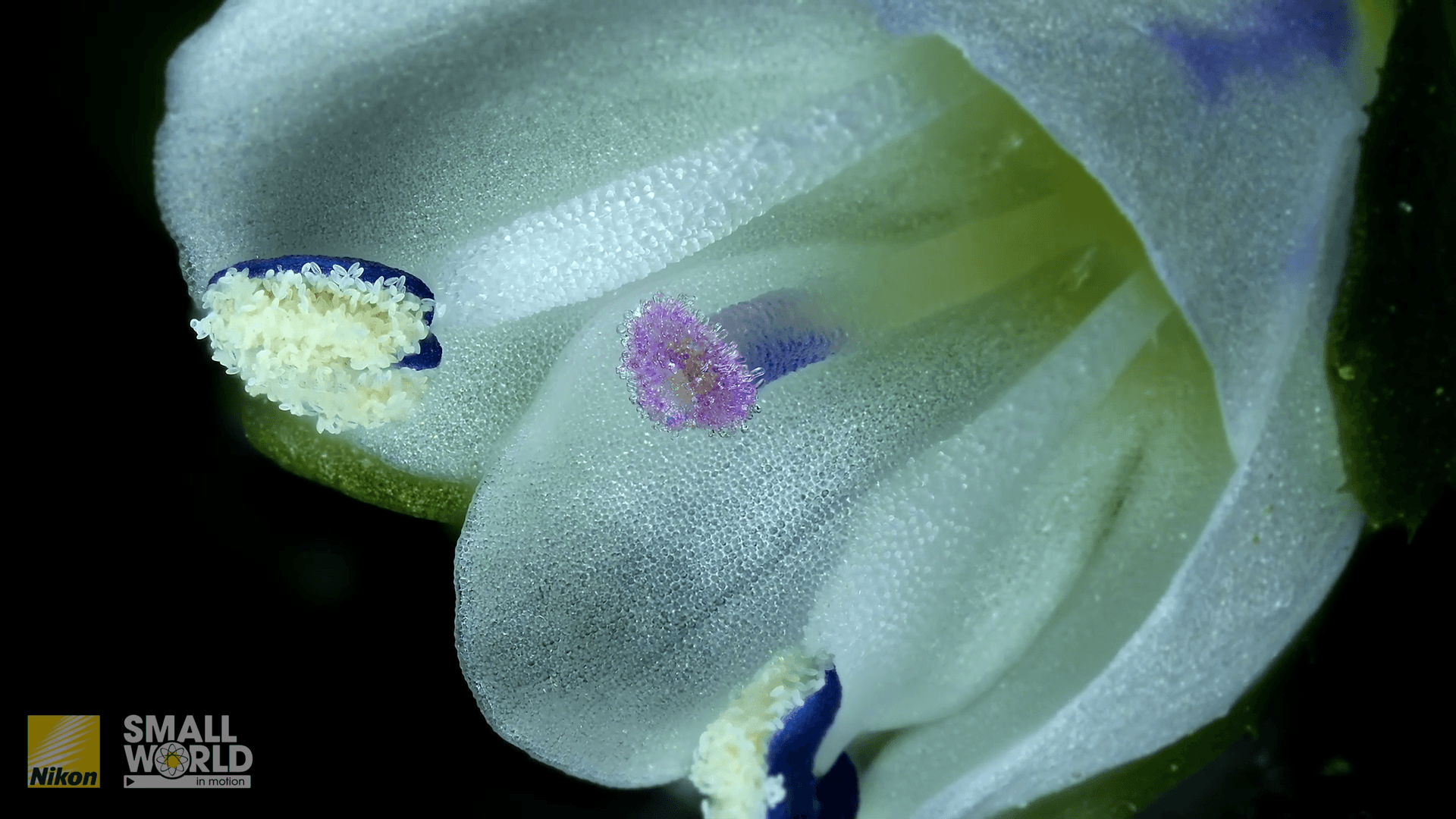
    “Self-pollination in a flower of thymeleaf speedwell (Veronica serpyllifolia)”

    Though we rarely notice their movement in the moment, plants, and especially their flowers, are frequently on the move. Here, retired engineer Jay McClellan captures a thymeleaf speedwell flower as it opens, then pushes a stamen toward its pistil, thereby pollinating itself. Like much of the motion executed by plants, these movements come from pumping water between different cells, swelling and shrinking them as needed to execute the overall motion. (Video and image credit: J. McClellan; via Colossal)

  • Closing a Venus Fly Trap

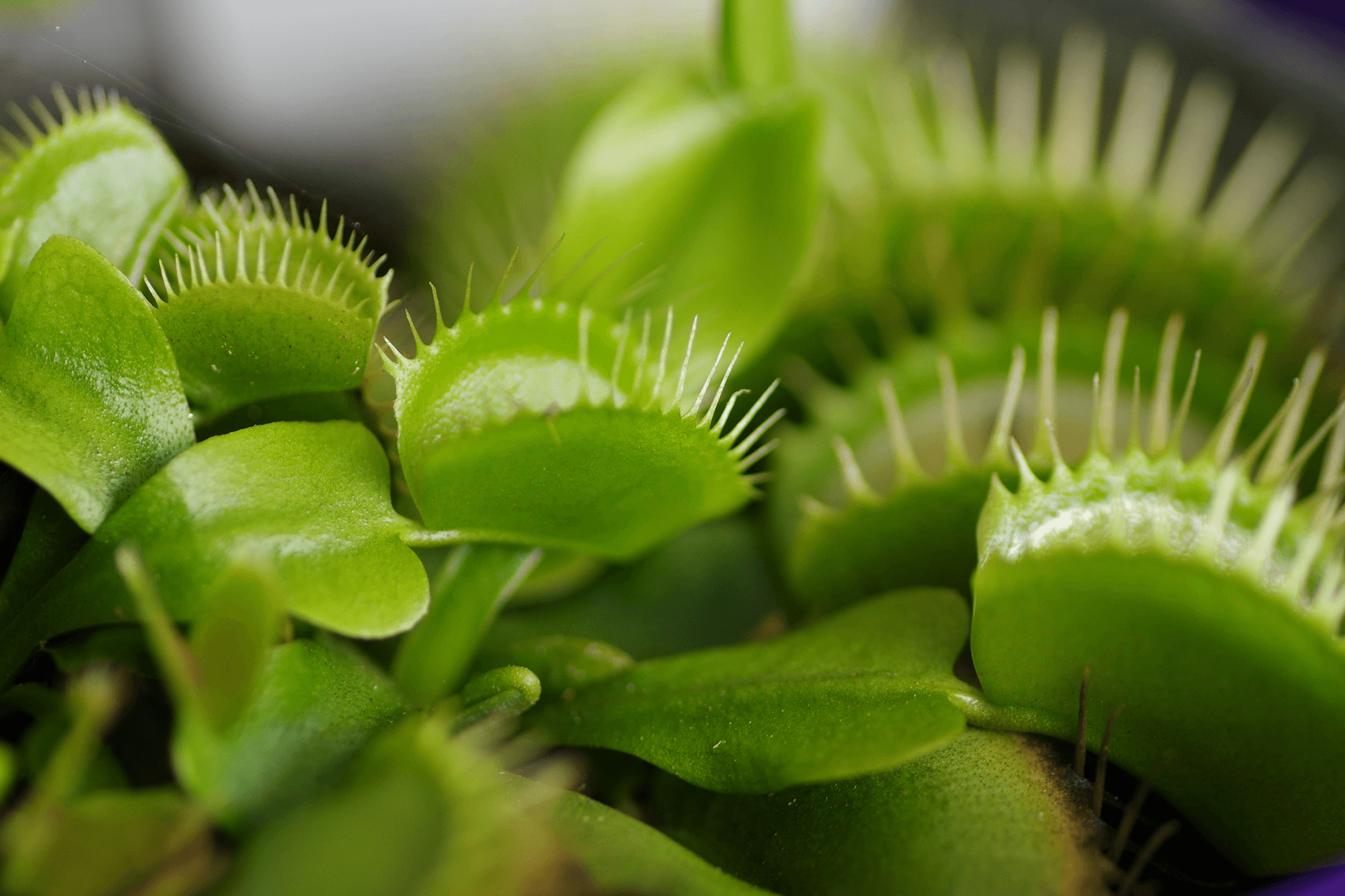
    Closing a Venus Fly Trap

    The Venus fly trap has long fascinated scientists with its ability to catch fast-moving prey. Just how the plant closes its “trap” leaf so quickly is a matter of debate. A new study gives us more detail–but not complete clarity–about what’s going on.

    One way that plants move rapidly is by moving water into or out of cells, changing their internal pressure. The new experiments showed that this is not what the fly trap does. Specifically, by watching the speed at which individual Venus fly trap cells take up water, the team concluded that closing the leaf would take 30-150 seconds–far more than the 1 second observed.

    Instead, the team showed that the trap’s rapid closure happens because the plant’s cell walls rapidly soften, making the leaf unable to stay open against previously-stored elastic energy. Instead, the trap snaps closed. The physical mechanism behind the softening is still unclear, though, so the charismatic plant still has mysteries for us to discover. (Image credit: N. Suzuki; research credit: J. Ryu et al.; via Nature and Gizmodo)

    Fediverse Reactions
  • A Special Trio of Clouds

    A Special Trio of Clouds

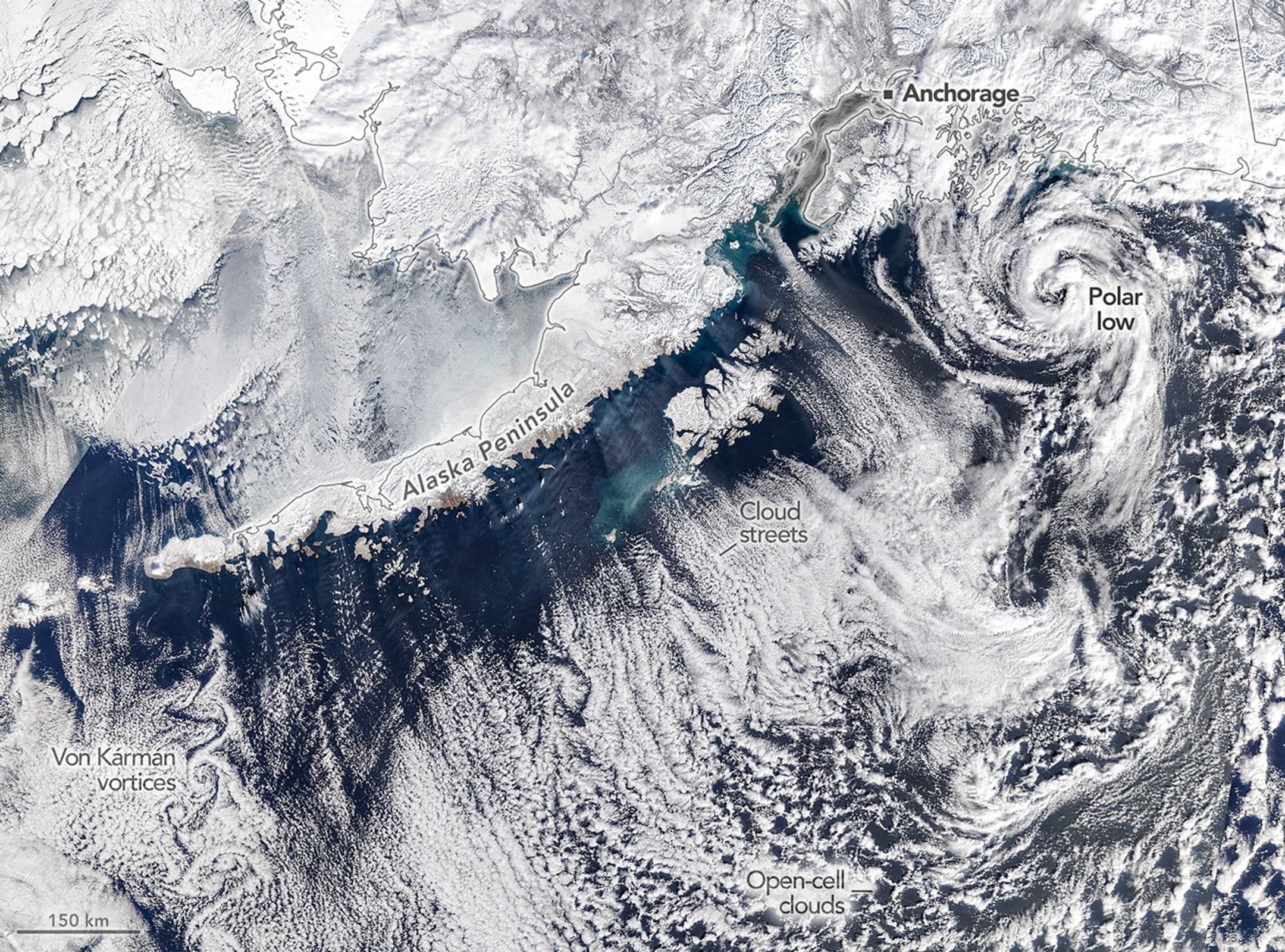
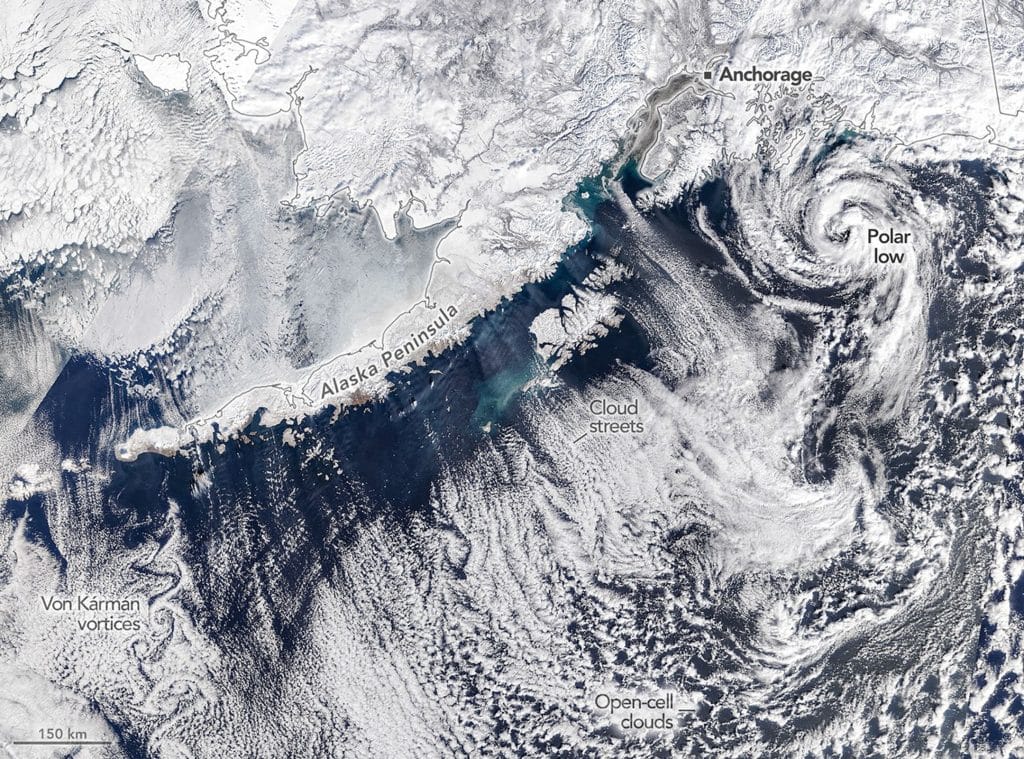
    Off the coast of Alaska, March 19th, 2026 featured a trio of fascinating clouds. Southwest of Anchorage, a cyclonic polar low twisted up from cold polar air centered over warmer waters. This particular storm boasted tropical-storm-force winds and thunderstorms in its center.

    Further west, long cloud streets formed parallel to the wind as cold dry air picked up moisture from warmer polar waters. And, finally, in the bottom left of the image, alternating vortices swirl in the wake of a rocky island, forming a beautiful von Karman vortex street. (Image credit: M. Garrison/NASA Earth Observatory)

    A trio of atmospheric phenomena appear in this satellite image off Alaska: a polar low, cloud streets, and a von Karman vortex street.