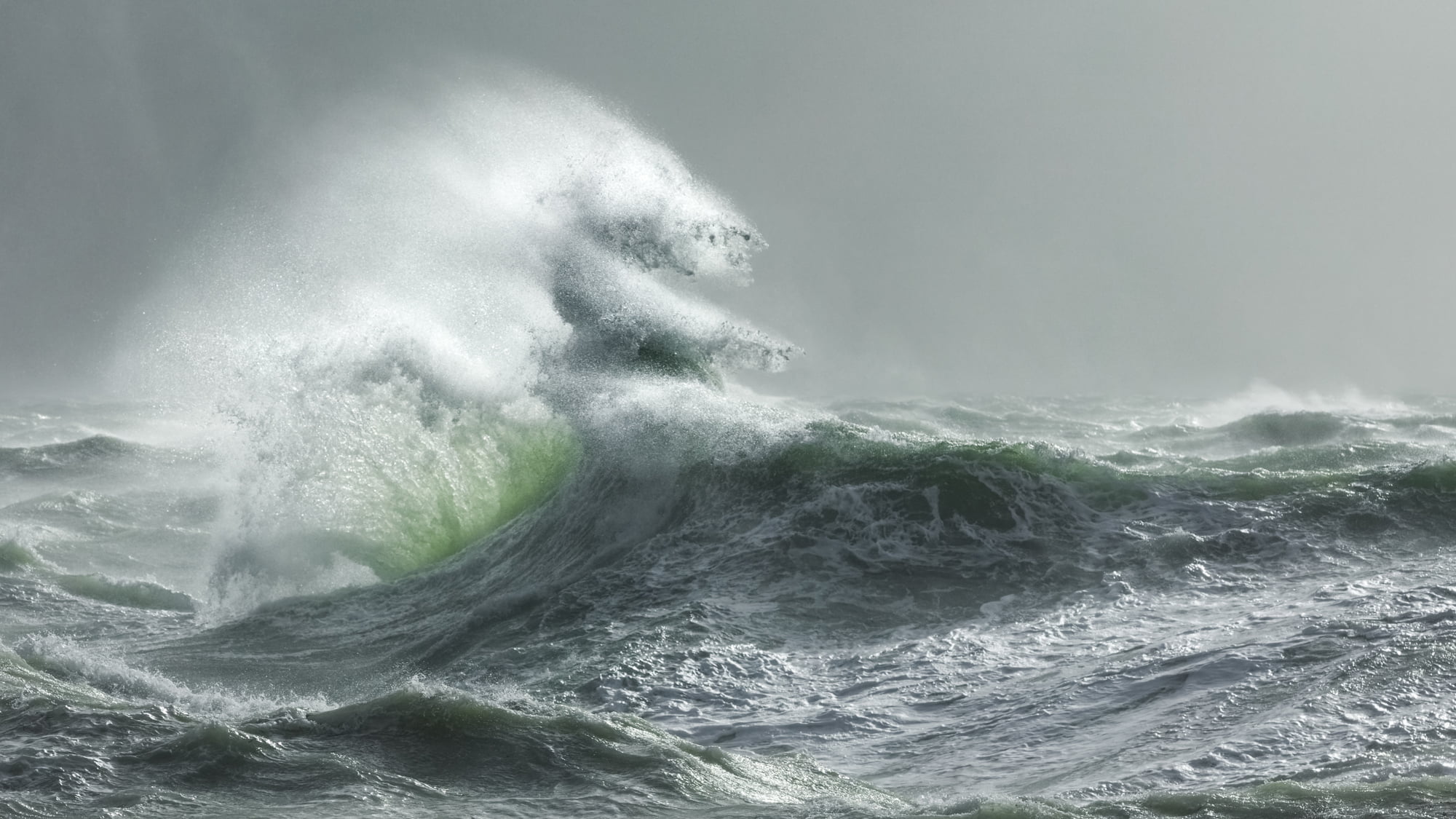
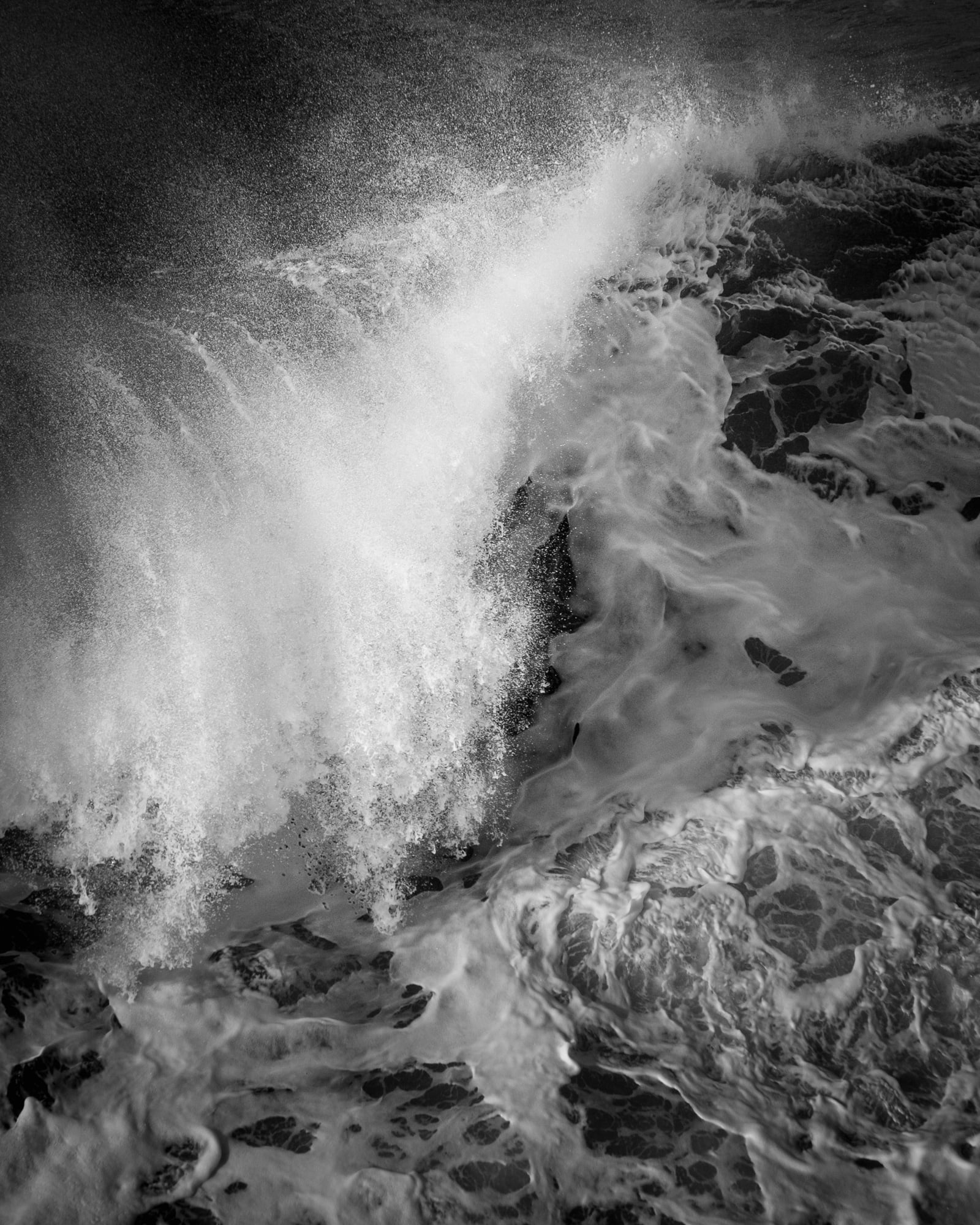
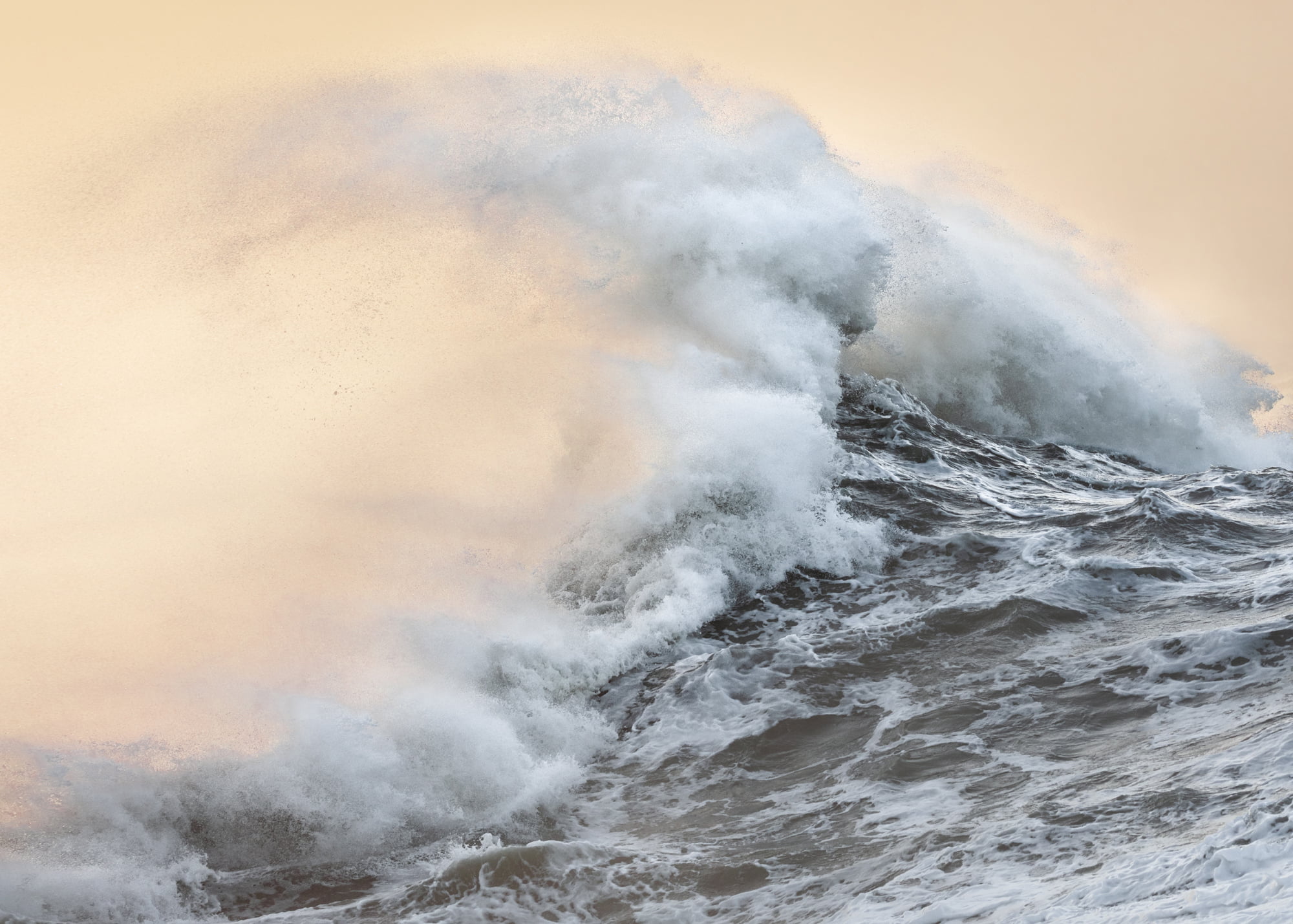
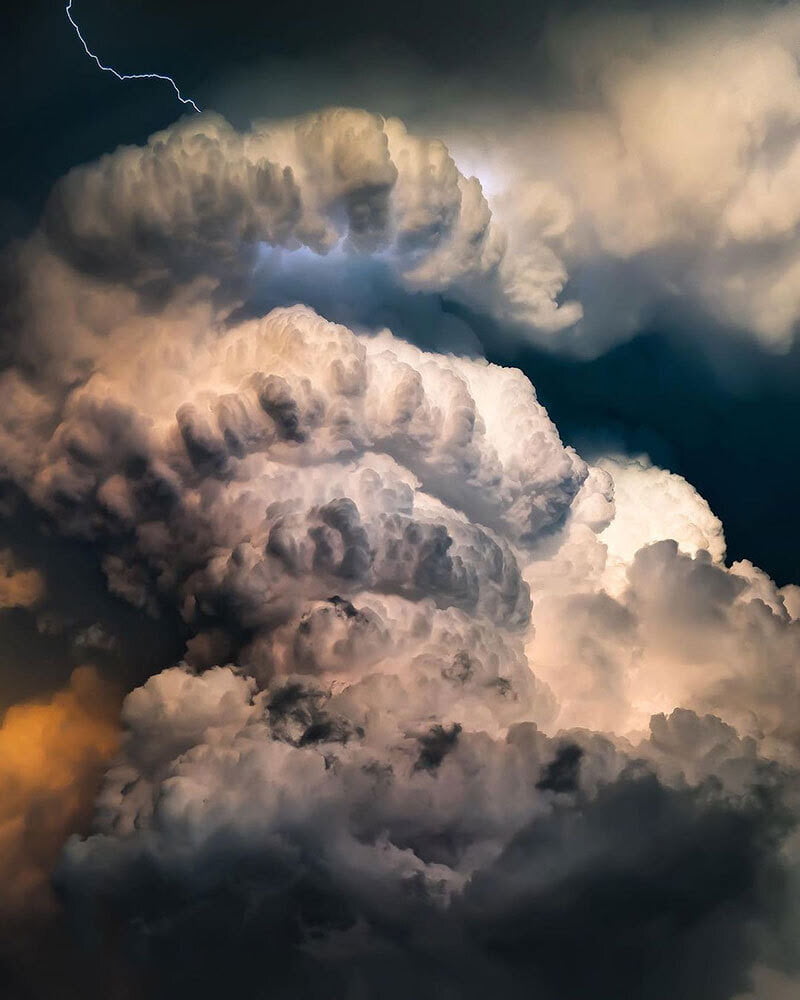
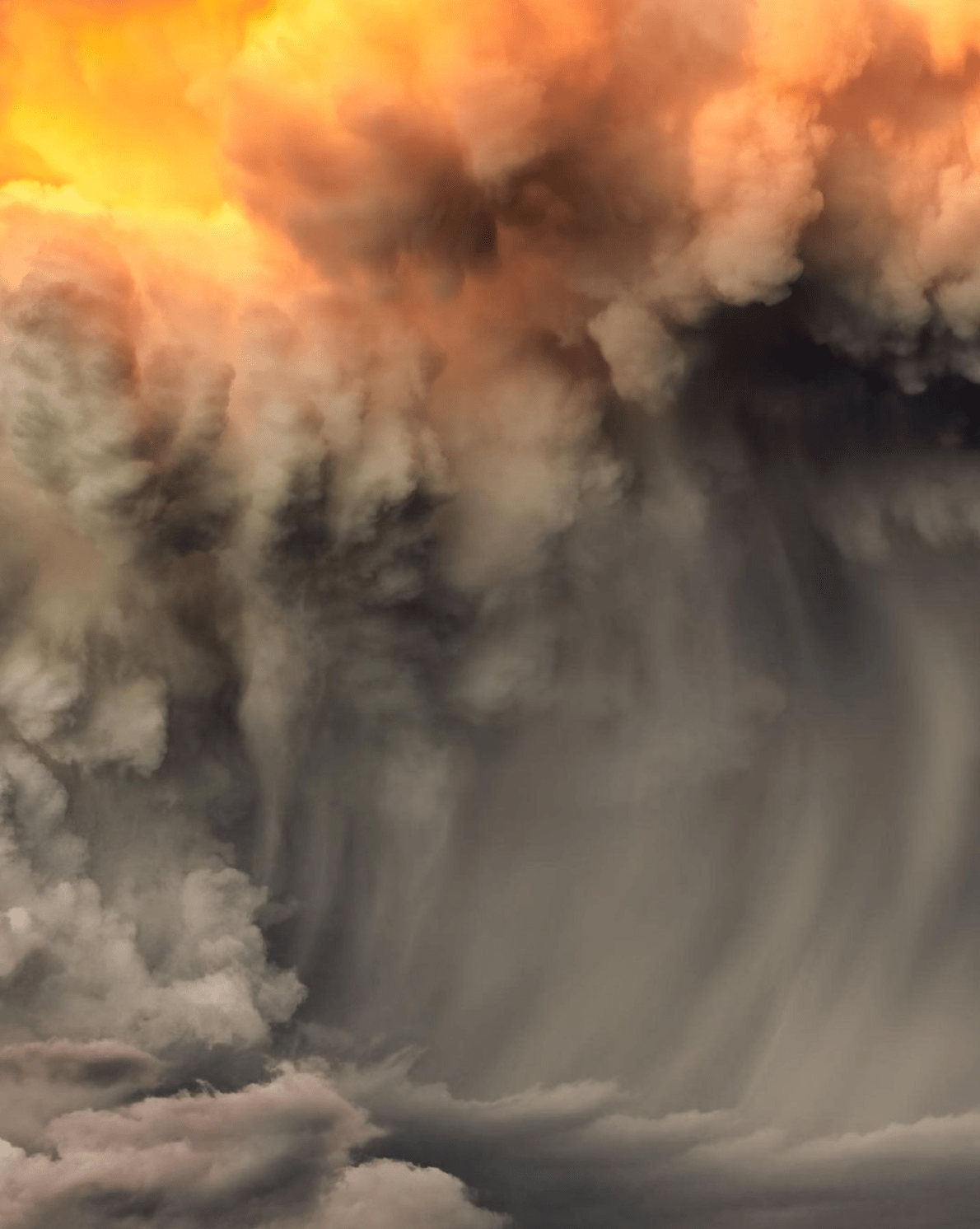
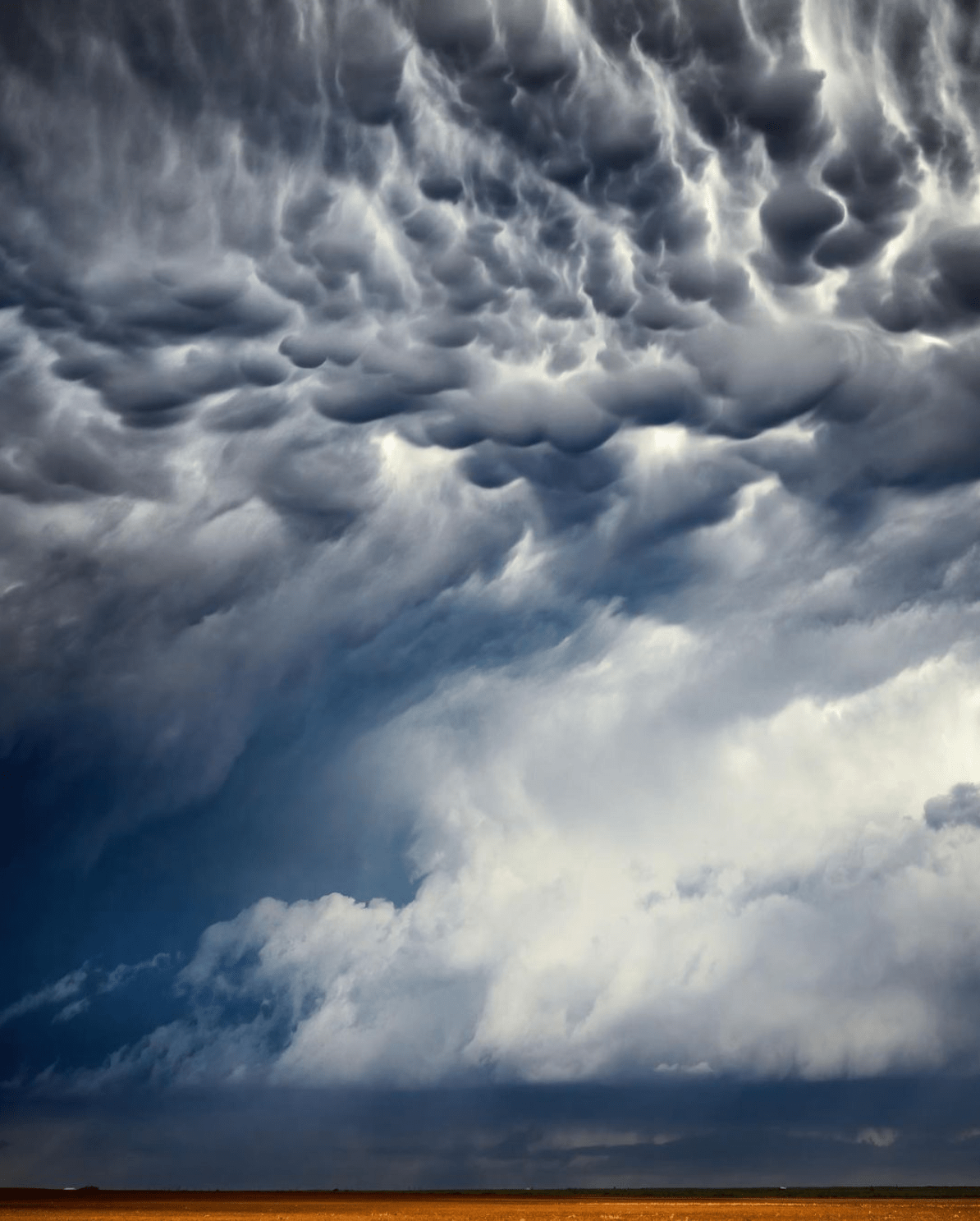
Towering mountains of convection and ominous colors are staples of Adam Kyle Jackson’s storm photography. His dramatic portraits of supercell thunderstorms highlight the majesty and power of these turbulent phenomena. Make sure to follow him on Instagram for lots more! (Image credit: A. Jackson; via Nat Geo)
Tag: turbulence

“Phoenix Rising”
This aerial photo of Lake Owens by Paul Hoelen won a 2020 Drone Photo Award in the Abstract category. As Hoelen notes, “The phoenix rising is a symbol of re-emergence from the ashes of fire.” Lake Owens was used for years in mining and other industries, which left the lake desiccated and depleted. But nature is beginning to recover; migratory birds have returned to the lake, and life is beginning anew. (Image credit: P. Hoelen; via Colossal)

Eye of the Stellar Storm
AG Carinae is a bright, unstable luminous blue variable star. This rare type of star lives fast and dies young (by stellar standards) over only a few million years. During that time, it will occasionally blow off its outer layers in a violent eruption as a result of the ongoing tug of war between its radiation pressure and gravity. That’s the source for the nebula we see surrounding the star in this image. The red areas of the image are a mixture of hydrogen and nitrogen gas; the blue clumps are cooler pockets of dust shaped by the hotter, faster-moving stellar wind. Zoom in on the image and you can see amazing structural detail in the nebula, evidence of turbulence on a scale of light-years. (Image credit: NASA/ESA/STScI; via Gizmodo)

“Chocolate Lullaby”
In this music video for the song “Chocolate Lullaby,” the Macro Room team feature all kinds of fluid dynamical phenomena. It begins with pouring viscous fluids, which, like honey or cake batter, fold and stack before they spread. From there things get significantly less viscous and more turbulent. There’s some neat coalescence, billowing streams colliding, and some gorgeous turbulence. Enjoy! (Image and video credit: Macro Room)

Shear and Convection in Turbulence
In nature, we often find turbulence mixed with convection, meaning that part of the flow is driven by temperature variation. Think thunderstorms, wildfires, or even the hot, desiccating winds of a desert. To better understand the physics of these phenomena, researchers simulated turbulence between two moving boundaries: one hot and one cold. This provides a combination of shear (from the opposing motion of the two boundaries) and convection (from the temperature-driven density differences).
Please note that, despite the visual similarity, these simulations are not showing fire. There’s no actual combustion or chemistry here. Instead, the meandering orange streaks you see are simply warmer areas of turbulent flow, just as the blue ones are cooler areas. The shape and number of streaks are important, though, because they help researchers understand similar structures that occur in our planet’s atmosphere — and which might, under the wrong circumstances, help drive wildfires and other convective flows. (Image, research, and video credit: A. Blass et al.)

Landings Beyond Earth
With planning for manned and unmanned missions to the Moon, Mars, and many asteroids underway, engineers are using numerical simulations to understand how spacecraft thrusters interact with planetary surfaces. Most practical data for this problem comes from the Apollo program and is of limited use for current missions. Recreating a Martian landing on Earth isn’t straightforward, either, given our higher gravity. Thus, supercomputers and numerical simulation are the best available tool for understanding and predicting how the plumes from a spacecraft’s thrusters will interact with a surface and what kind of blowback the spacecraft will need to withstand. (Video credit: U. Michigan Engineering; research credit: Y. Yao et al.; submission by Jesse C.)

Chaos in the Lagoon Nebula
Even on the scale of light-years, fluid dynamics plays a role in our universe. This photograph shows the Lagoon Nebula, where stars, gas, and dust are battling for supremacy. Jets from young stars push the dust left from supernova remnants into a chaotic patterns, and the high-energy particles streaming from the youthful stars illuminate interstellar gases, creating the nebula’s distinctive glow. This section of the nebula is about 50 light-years across, so every picture we capture is only the tiniest snapshot of the true scale of its turbulence. (Image credit: Z. Wu; via APOD)

Bacterial Turbulence
Conventional fluid dynamical wisdom posits that any flows at the microscale should be laminar. Tiny swimmers like microorganisms live in a world dominated by viscosity, therefore, there can be no turbulence. But experiments with bacterial colonies have shown that’s not entirely true. With enough micro-swimmers moving around, even these viscous, small-scale flows become turbulent.
That’s what is shown in Image 2, where tracer particles show the complex motion of fluid around a bacterial swarm. By tracking both the bacteria motion and the fluid motion, researchers were able to describe the flow using statistical methods similar to those used for conventional turbulence. The characteristics of this bacterial turbulence are not identical to larger-scale turbulence, but they are certainly more turbulent than laminar. (Image credits: bacterium – A. Weiner, bacterial turbulence – J. Dunkel et al.; research credit: J. Dunkel et al.; submitted by Jeff M.)

New Details on the Sun’s Surface
As part of its shakedown, the new Inouye Solar Telescope has captured the surface of the sun in stunning new detail. Seen here are some of the sun’s turbulent convection cells, each about the size of the state of Texas. Hot plasma rises in the center of each cell, cools, and then sinks near the dark edges. Also visible within these dark borders are bright spots thought to mark magnetic fields capable of channeling energy out into the corona. Researchers hope the new telescope will help them uncover the physics behind these processes. (Image and video credit: Inouye Solar Telescope)

Editor’s note: Like several other telescopes located in Hawai’i, the Inouye Solar Telescope was built against the wishes of many native Hawaiians. Although FYFD supports scientific progress, it is my personal belief that scientific advances should not come at the expense of indigenous populations. I strongly urge my scientific colleagues to listen to and work alongside those with concerns about future facilities.

Celebrating Turbulence
Laminar flow is easy to love, but turbulence is a far richer phenomenon. That’s the premise behind Veritasium’s new video (and, yes, I agree with him). In the video Derek provides a nice introduction to turbulence, including a checklist of qualities a turbulent flow must have.
Personally, I don’t classify flows as simply being either laminar or turbulent; I view those two states as ends of a spectrum, which means there are many flows that fall somewhere in-between. (For more on what happens between laminar and turbulent, check out my video on transition.)
As neat and eye-catching as laminar flow can be, turbulence is critical to life as we know it. It’s a necessary ingredient in cloud and raindrop formation. It drives the mixing of blood in our hearts. It keeps the leaves on trees from overheating. Without it, your coffee would be cold long before your cream mixes in. Turbulence is even critical to star formation; without turbulence, our entire solar system might have lacked the matter and time necessary to form! (Video and image credit: Veritasium)