Tag: turbulence

  • Featured Video Play Icon

    Opera Singer Air Flow

    What does the air flow from a trained opera singer look like? That’s the question behind this study, which combines music and fluid dynamics. Using an infrared camera tracking carbon dioxide (CO2) exhalations from a singer during a performance allowed researchers to identify several important flow features. When breathing, air flows out the singer’s nose in a tight, downward jet with an initial velocity around 1 m/s.

    While singing, air leaves the mouth at a much lower velocity, especially during vowels where the mouth is open. With less momentum behind these exhalations, they can drift upward on the buoyant warmth of the singer’s breath. During consonants — especially plosives like t, k, p, b, d, and g — a rapid burst of air leaves the mouth, traveling at nearly 10 m/s. From the perspective of COVID-19 safety, it’s these plosive jets that are likely to spread contaminated droplets. (Image and video credit: MET Orchestra; research credit: P. Bourrianne et al.; via Improbable Research; submitted by Kam-Yung Soh)

  • How To: Ink Flow Photography

    How To: Ink Flow Photography

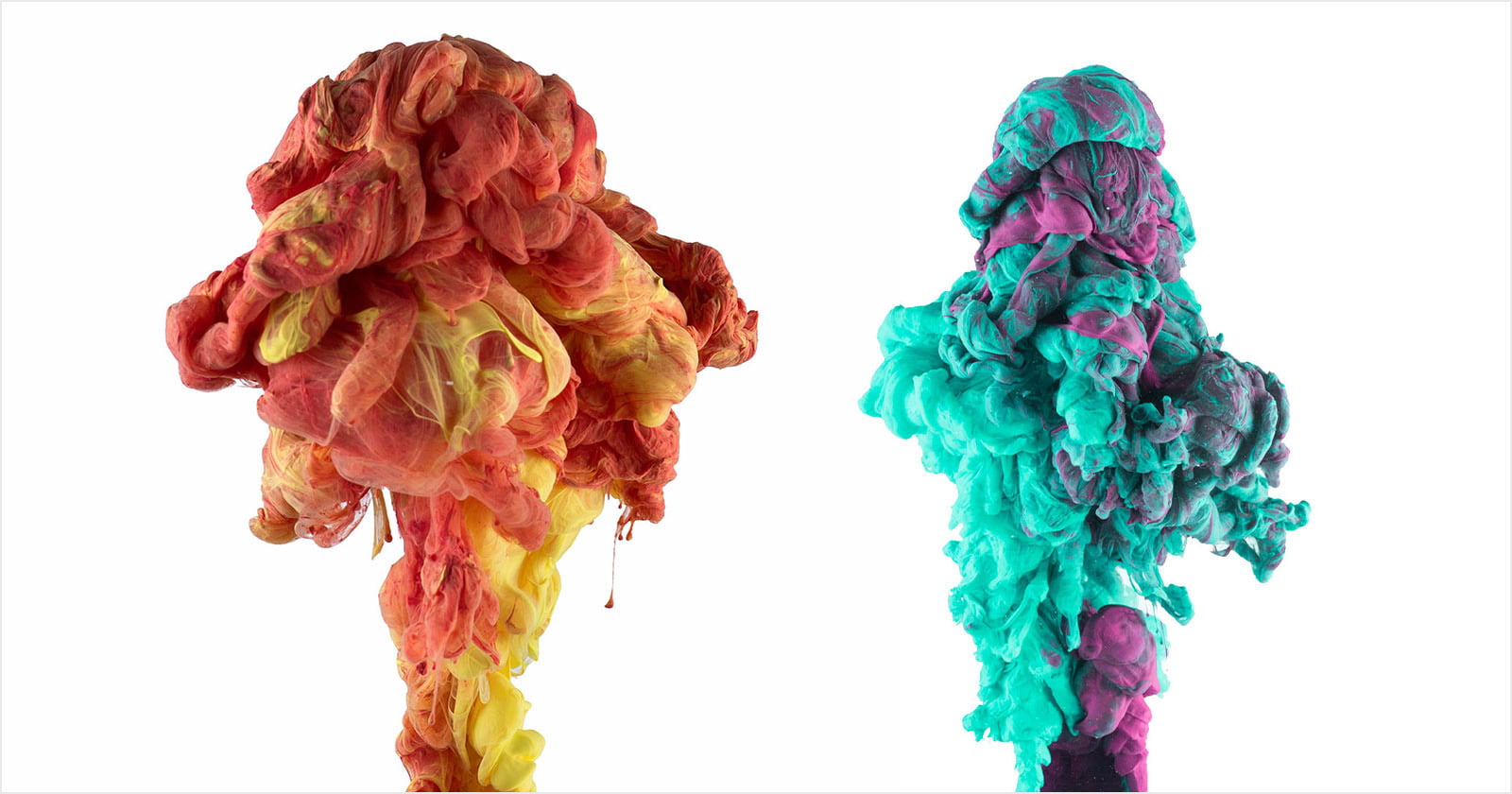
    Ever wanted to try your hand at making these cool billowing ink photos? Photographer Jason Parnell-Brookes has a detailed tutorial over at PetaPixel laying out the necessary tools and set-up. I haven’t tried this out myself, but I hope to! How about you? (Image credit: J. Parnell-Brookes; submitted by clogwog)

  • Yosemite in Winter

    Yosemite in Winter

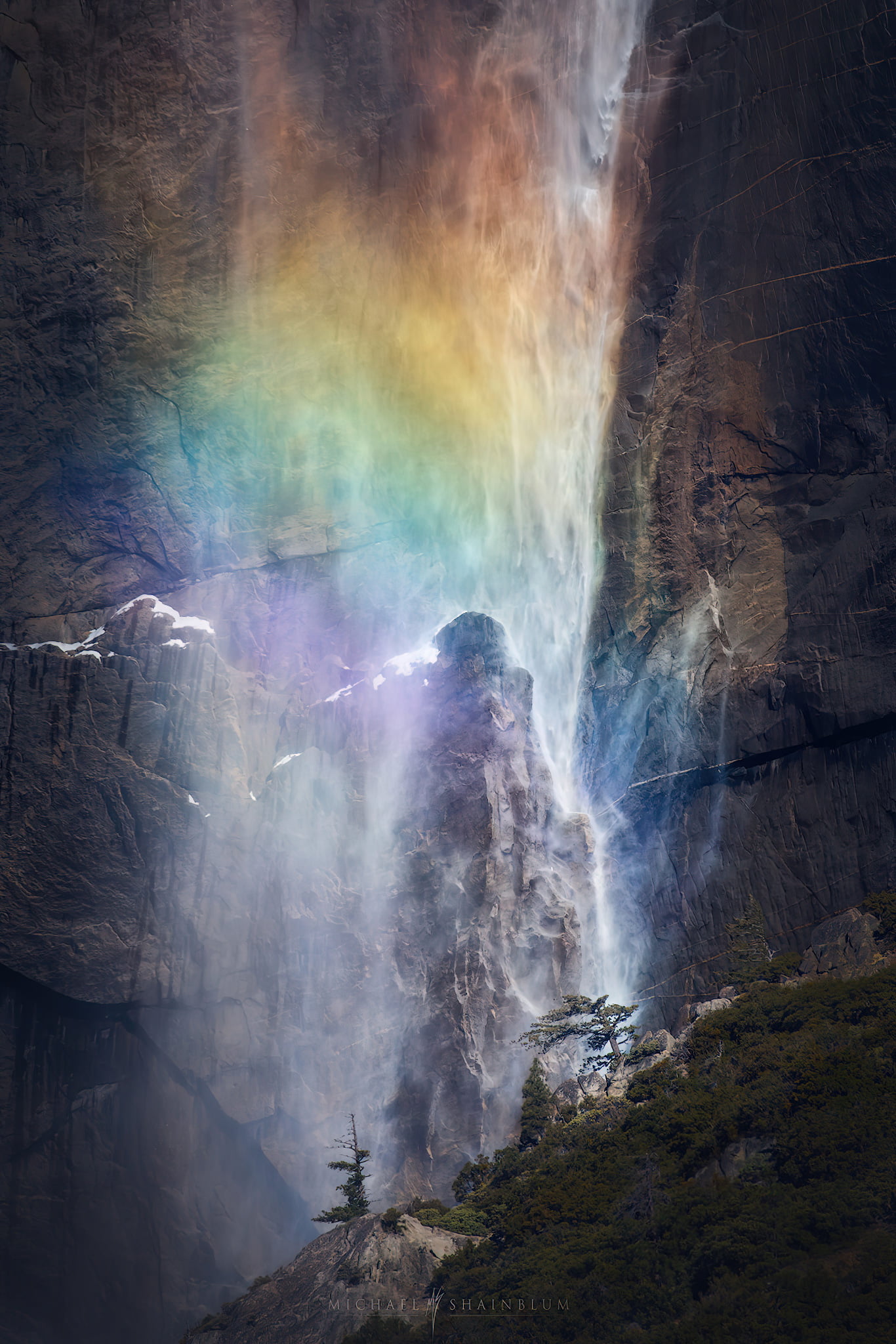
    Waterfalls, fog, and snow wreathe Yosemite in these beautiful winter landscapes by photographer Michael Shainblum. I love how the tendrils of water and mist give you a real sense of the flow, even in still photos. Check out more of Shainblum’s photography on his Instagram and go behind-the-scenes on his Yosemite trip with this video. (Image credit: M. Shainblum; via Colossal)

  • Dune Invasion

    Dune Invasion

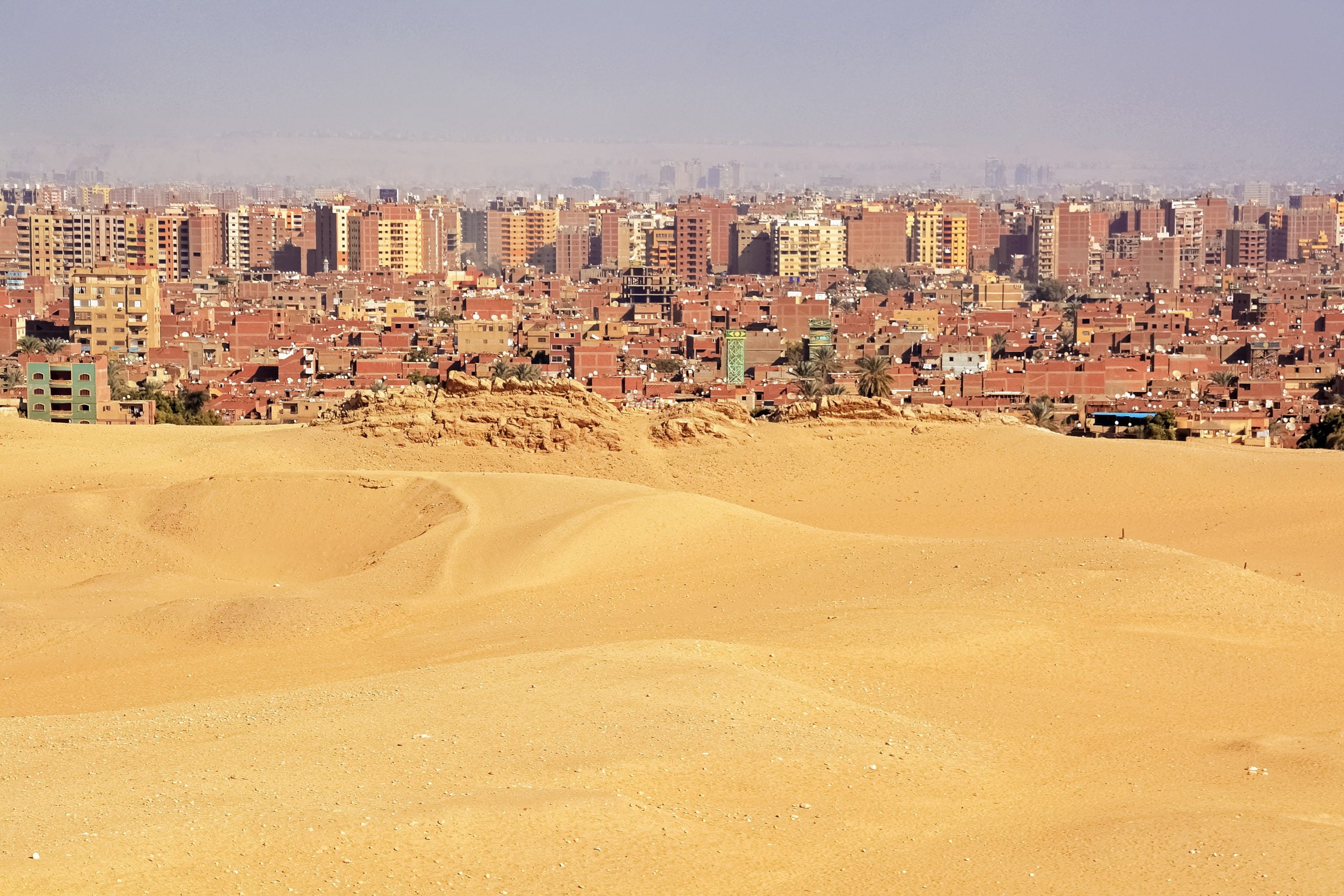
    Migrating sand dunes can encounter obstacles both natural and manmade as they move. Dunes — both above ground and under water — have been known to bury roads, pipelines, and even buildings. A recent experimental study looks at which obstacles a dune will cross and which will trap it in place. Their set-up consists of a narrow channel built in a ring, essentially a racetrack for dunes. Flow is driven by a series of paddles that rotate opposite the tank’s rotation.

    The team studied obstacles of different shapes and sizes relative to their dunes, and they found that dunes were generally able to cross obstacles that were smaller than the dune. Obstacles larger than the dune would trap it in place, and, for obstacles close to the same size as the dune, round obstacles were easier to cross whereas sharp-angled ones tended to trap the dune.

    The idealized nature of their experiment means that their results aren’t immediately applicable to the complex dunes of the outside world, but the study will be an important touchstone for those predicting dune behavior through numerical simulation. Studies like those require experimental cases to validate their baseline simulations. (Image credit: top – J. Bezanger, figure – K. Bacik et al.; research credit: K. Bacik et al.; via APS Physics)

    A quasi-2D underwater dune interacts with an obstacle.
  • Turbulent Puffs

    Turbulent Puffs

    When a burst of air gets expelled into still surroundings — like when a person coughs — it forms a turbulent puff like the one seen here. Puffs can be surprisingly long-lasting, though these miniature clouds slow down and expand over time. How they behave is critical to understanding the spread of pollution as well as how respiratory illnesses like COVID-19 travel. In this study, researchers found that buoyancy is also a critical factor. When the puff is warmer than its surroundings, it rises higher, lasts longer, and travels further. That might help explain why respiratory illnesses like the flu spread more readily in the winter than in warmer months. (Image and research credit: A. Mazzino and M. Rosti; via Physics World; submitted by Kam-Yung Soh)

  • Featured Video Play Icon

    RC Ground Effect Plane

    The ekranoplan was a massive, Soviet-era aircraft that relied on ground effect to stay aloft. In this video, RC pilots test out their own homemade version of the craft, including some neat flow visualization of the wingtip vortices. When an aircraft (or, for that matter, a bird) flies near the ground, it experiences less drag than at higher altitudes. This happens primarily because of the ground’s effect on wingtip vortices.

    In normal flight, the vortices from an aircraft’s wingtips create a downwash that reduces the wing’s overall lift. But in ground effect, the vortices cannot drift downward as they normally do. Instead, they spread apart from one another, thereby reducing the drag caused by downwash from the aircraft. The end result is better performance, though it comes with added risk since there’s very little time to correct an error when flying at an altitude less than half the aircraft’s wingspan. (Video and image credit: rctestflight; submitted by Simplicator)

  • As Above, So Below

    As Above, So Below

    I love a good crossover between fluid dynamics and something unexpected. Fiber artist Megan Zaniewski uses thread-painting techniques to embroider ducks, frogs, otters, and other animals as they appear both above and below water. I am blown away by how she captures the movement and turbulence of water in these pieces! Just look at that spectacular frog splash. You can find lots more of her art on her Instagram. (Image credit: M. Zaniewski; via Colossal)

  • Tides and Tempests of the Coast

    Tides and Tempests of the Coast

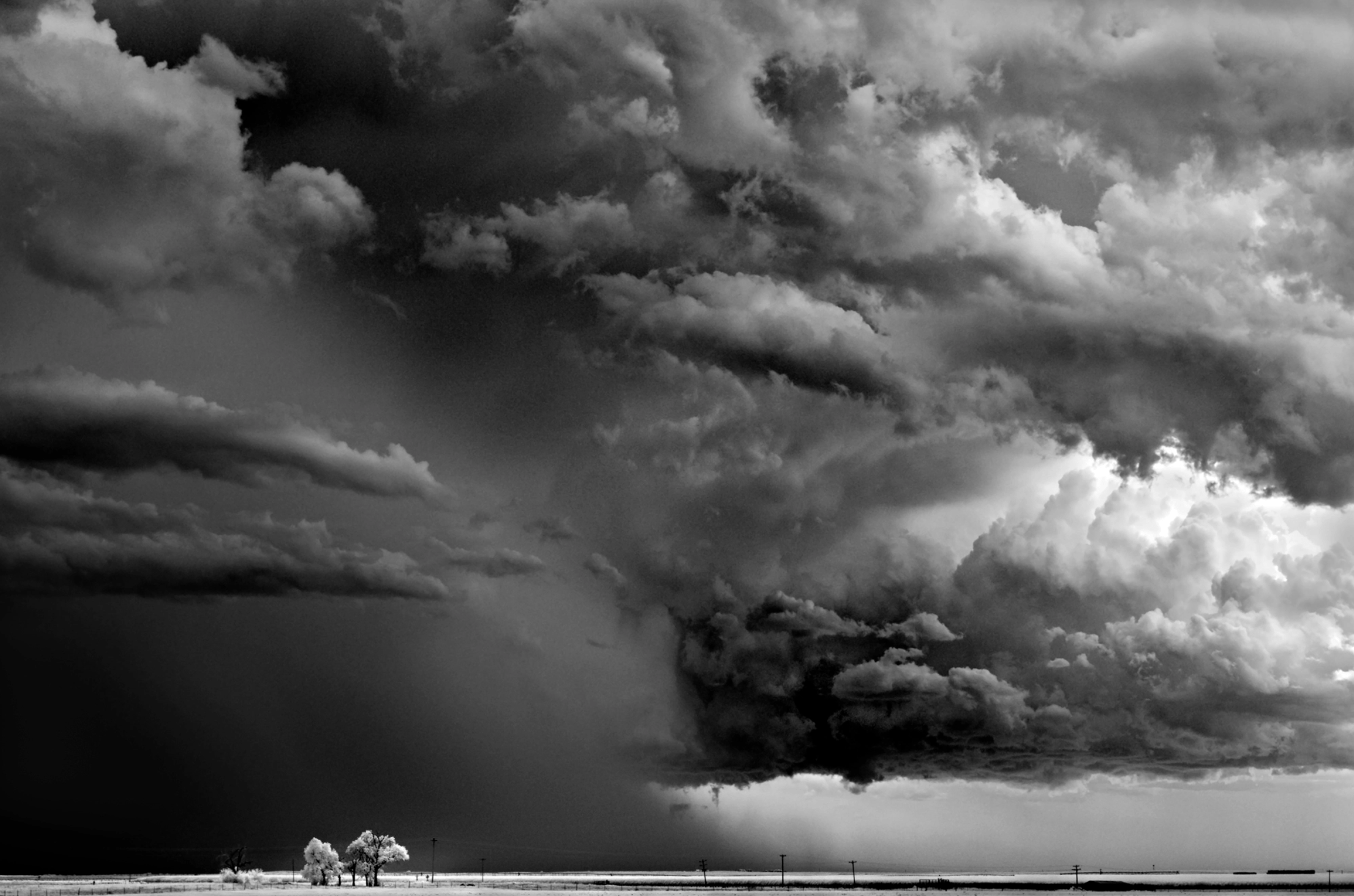
    Photographer Rachael Talibart specializes in capturing the majestic and tumultuous power of the sea along England’s coast. Her most recent book “Tides and Tempests” looks incredible — full of turbulent crashing waves, skies of spray, and shorelines of surge and froth. I love how her photographs freeze the water in positions that seems surreal while underlining the sheer power of these storms. You can find more of her work on her website and Instagram. (Image credit: R. Talibart; via Colossal)

  • Featured Video Play Icon

    Outtakes

    When filming, things don’t always go according to plan. Glasses break, splashes obscure your subject, and sometimes effects just don’t turn out the way you expect. But if you’re the Macro Room team, even those mistakes and outtakes are pretty darn fascinating to watch! I especially like some of the granular “splash” sequences here. (Image and video credit: Macro Room)

  • Featured Video Play Icon

    Fun From the Beach

    Here’s a neat bit of fluid dynamics derived from a day at the beach! Our experiment begins with well-mixed (and likely compacted) sand grains and sea water in a bottle. When flipped, the sand layer sits at the top of the bottle with the water layer beneath.

    Very quickly new layers establish themselves in the bottle. The lower half of the bottle turns into a turbulent churn of water and sand, topped by a thin air bubble, then the thick sand layer, and finally, a layer of filtered water. That air bubble beneath the sand means that the sand layer is compacted enough that surface tension keeps the air from being able to squeeze through the grains. On the other hand, water is able to filter through, eventually making it into that upper region. The compact layer of sand is supported in the bottle by force chains running through the largest grains, which is why only fine sediment settles down through the turbulent layer at this point.

    Eventually, the top sand layer erodes enough that it can no longer support its weight, and the sand collapses. As the grains settle out, we end up with fine sediment on the bottom (as previously discussed), followed by a layer of coarse sand from the erosion and collapse of the sand layer, topped with a layer of very fine grains that — due to their light weight — are the very last to settle out of the water. I love that such a simple seaside experiment contains such scientific depth! (Video and submission credit: M. Schich; special thanks to Nathalie V. for helpful input)