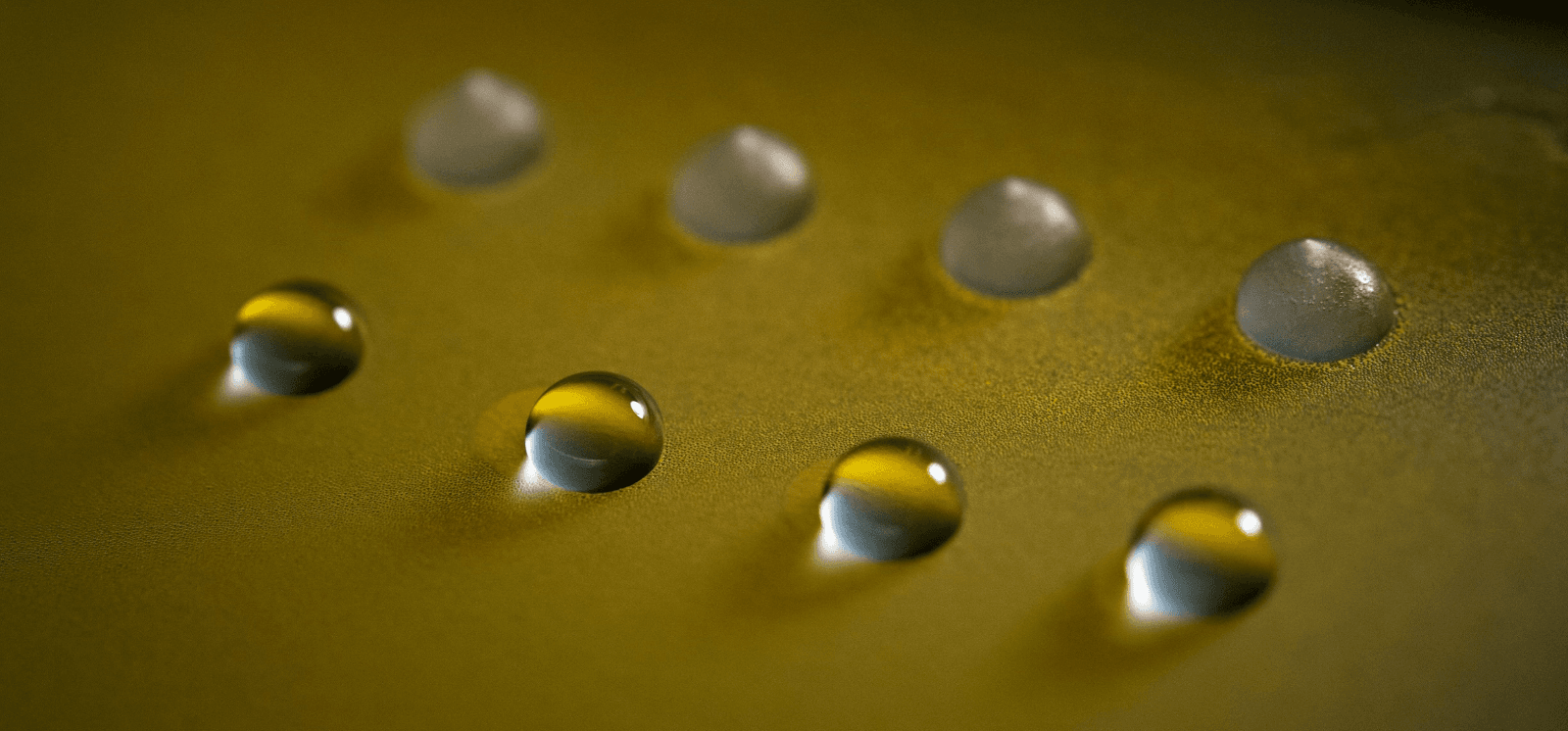
Although water can freeze below 0 degrees Celsius, it requires a little help–in the form of a nucleation site–to do so. Often temperatures must dip well below 0 degrees Celsius for droplets to become ice. But a new study shows that at least one fungus forms proteins that help the process along.
The proteins come from the Mortierellaceae fungal family, by way of a bacterial species some hundreds of thousands of years ago or more. In experiments, adding the fungal protein helped water freeze 10 or more degrees Celsius sooner than it otherwise would.
The authors note that there are many possible applications for this freezing additive; it could help preserve food or cells without requiring lower freezing temperatures that could damage delicate tissues. It could also serve as a cloud seeding chemical in place of toxic silver iodide particles. (Image and research credit: R. Eufemio et al.; via Gizmodo; see also V. Tech)