Tag: ice

  • Beijing 2022: Monobob

    Beijing 2022: Monobob

    Bobsleigh, as a discipline, has been dominated in recent years by teams seeking every aerodynamic advantage to shave hundredths of a second off their runs. So it’s fascinating that the newest event in the discipline — the women-only monobob — cuts away that secretive part of the sport by permitting sleds from only one manufacturer. Every athlete competes in an identical sled. Not only that, they swap sleds between runs based on their times! So the fastest athlete from the first run will switch sleds with whomever had the slowest time.

    The event’s rules refocus the competition on athletic performance and skill rather than incentivizing countries who can afford to spend more money on wind tunnel testing and F1 design companies. That’s a great step toward leveling the playing field. I can’t wait to watch! (Image credit: OIS)

  • Beijing 2022: Why Are Ice and Snow Slippery?

    Beijing 2022: Why Are Ice and Snow Slippery?

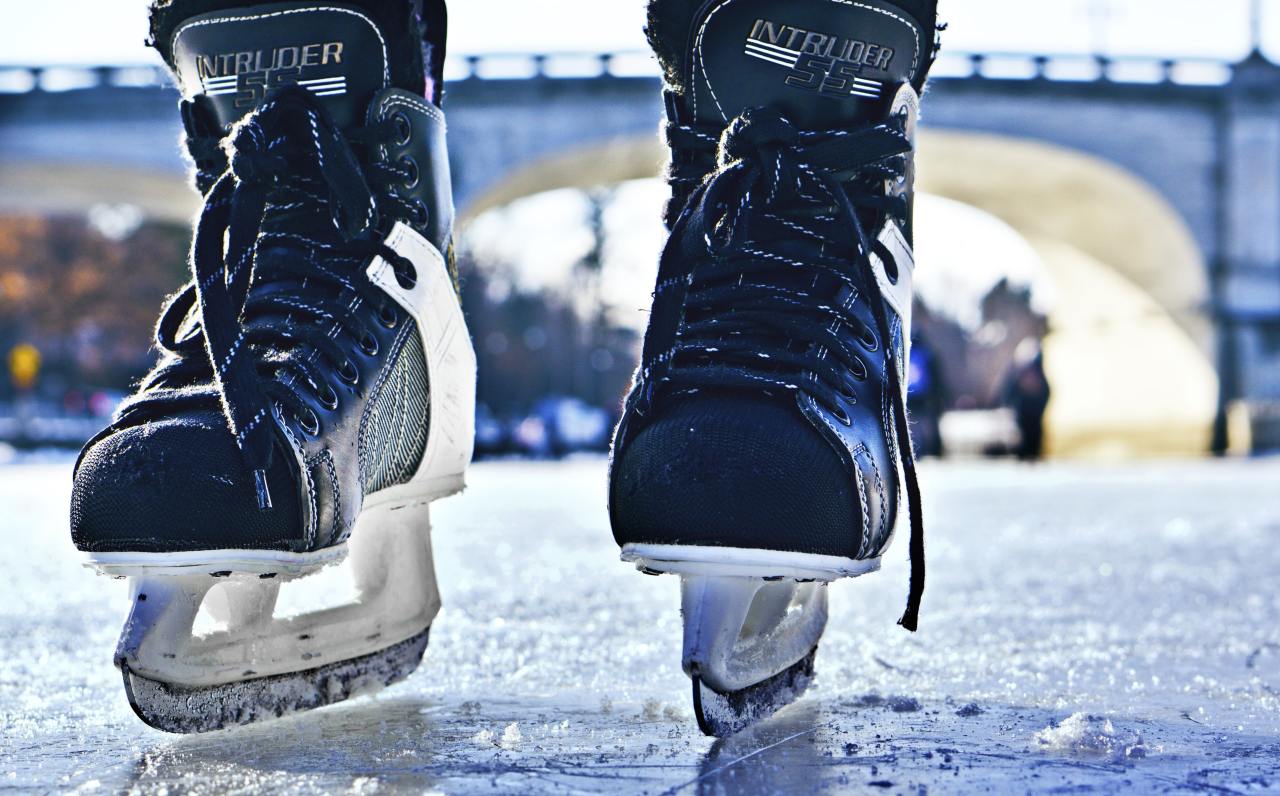
    Although every Olympic winter sport relies on the slippery nature of snow and ice, exactly why those substances are so slippery has been an enduring mystery. Michael Faraday hypothesized in the nineteenth century that ice may have a thin, liquid-like layer at its surface, something that modern studies have repeatedly found.

    One recent study used an entirely new instrument to probe the characteristics of this lubrication layer and found that it is only a few hundred nanometers thick. But the fluid in this layer is nothing like the water we’re used to. Instead it has a viscosity more akin to oil and its response to deformation is shear-thinning and viscoelastic, more like the complex fluids in our kitchens and bodies than pure, simple water. They found that using a hydrophobic probe modified the interfacial viscosity even further, which finally provides a hint at the mechanism behind waxing skis and skates. 

    Fortunately for us, we’ve found plenty of ways to employ and enjoy water’s slipperiness, even as the mystery of it slowly gives way to understanding. (Image credit: M. Fournier; research credit: L. Canale et al.; via Physics World; submitted by Kam-Yung Soh)

  • Antarctic Meltwaters

    Antarctic Meltwaters

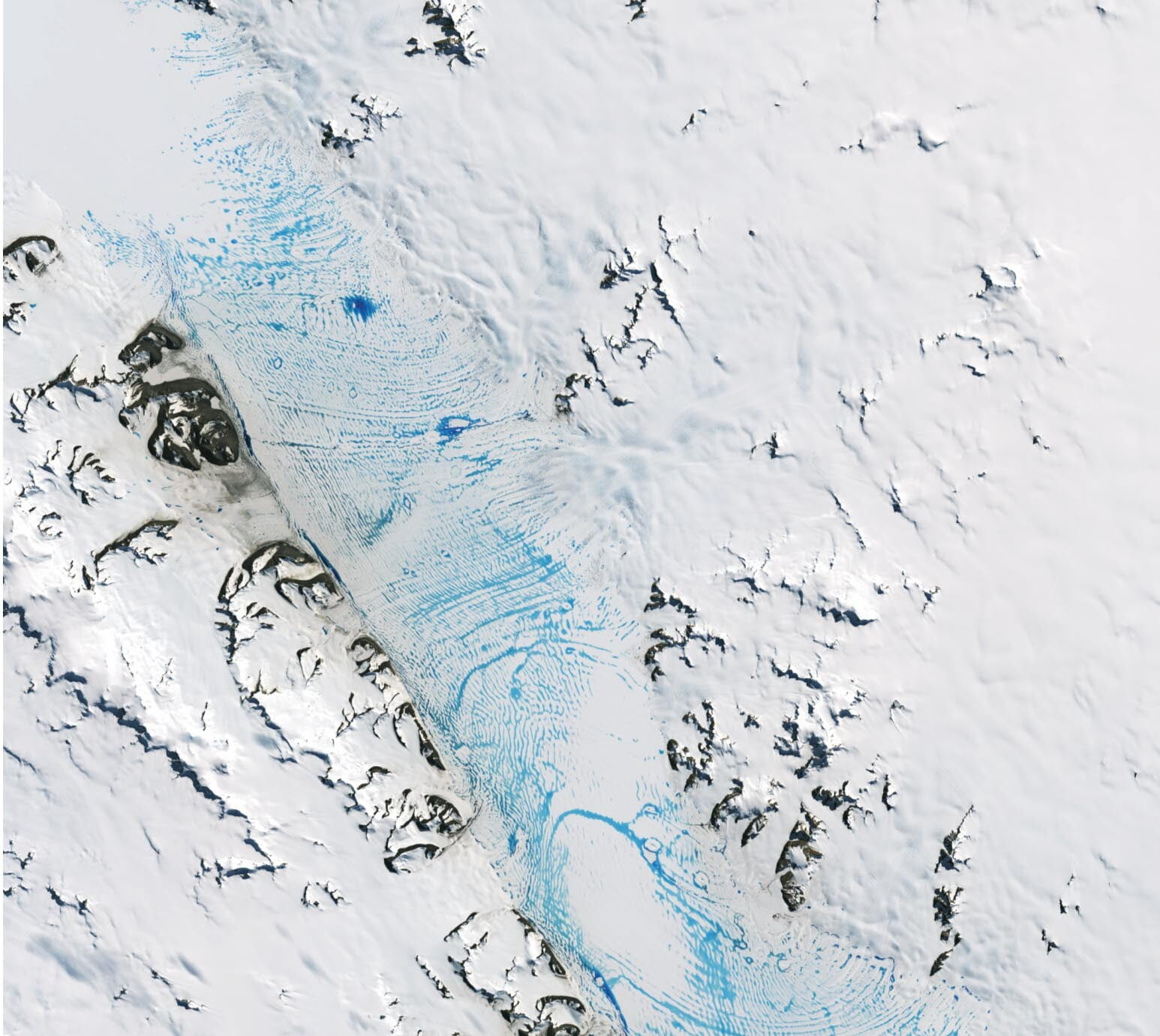
    Cerulean blue meltwater glints in this satellite image of the George VI Ice Shelf. Wedged between the Antarctic Peninsula on the right and Alexander Island on the left, the ice shelf itself floats on the ocean. When ice shelves collapse, they do not directly raise sea levels since their weight has already displaced water; but a collapsed ice shelf lets glaciers flow and break up faster, thereby raising water levels.

    In past ice shelf collapses, scientists have noted major buildup and sudden drainage of surface lakes like the ones seen here. Meltwater penetrating through snow and ice can destabilize the shelf and hasten collapse, but the exact mechanisms are hard to track. This Physics Today article summarizes our understanding of the process and some of the methods scientists use to study it. (Image credit: L. Dauphin/NASA Earth Observatory; see also Physics Today)

  • The Return of the Ice Disk

    The Return of the Ice Disk

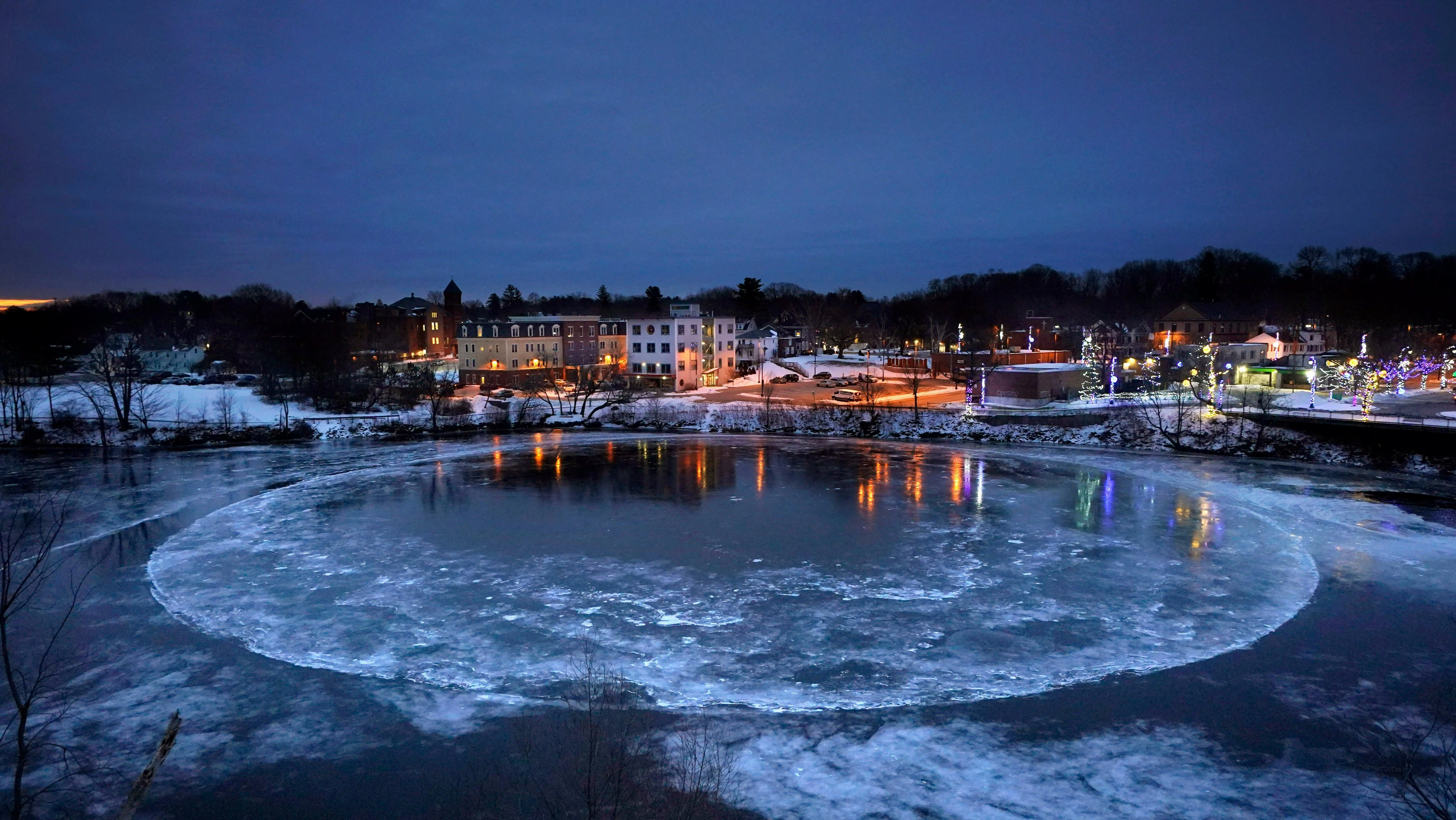
    Maine’s giant, spinning ice disk is taking shape again. In 2019, it reached about 91 meters across, rotating slowly in the Presumpscot River. How exactly these features form is still a matter of debate, but scientists have worked out a few relevant mechanisms. The spinning of the disk seems to depend on a vortex that forms beneath the ice as melting water sinks. (One of water’s peculiarities is that it’s densest around 4 degrees Celsius, so newly melted water is actually denser than ice. Otherwise ice wouldn’t float!) The plume of sinking water sets up a vortex that drags the ice disk with it as it spins in the river beneath. (Image credit: R. Bukaty/AP; via Gizmodo)

  • Featured Video Play Icon

    Filming a Calving Glacier

    The San Rafael Glacier, one of the fastest calving glaciers in the world, sits above a fjord in Patagonia. About 10 – 25 meters of the glacier is lost to calving every day. Here, filmmakers take you behind-the-scenes to show what it takes to film in such a remote, unpredictable, and dangerous environment. (Image and video credit: BBC Earth)

  • Featured Video Play Icon

    Signs of Spring

    Nothing says, “Goodbye, winter!” quite like watching the ice disappear after a deep freeze. This timelapse video shows ice on Lake Michigan breaking up after a deep freeze. The first chunk to go is a massive plate of ice that moves off in a single large chunk. After that, the break-up takes place on a smaller scale, with individual pieces of ice tracing the flow of local currents. (Video and image credit: WGN News; submitted by ajhir)

  • Albedo Effect

    Albedo Effect

    Temperature isn’t the only factor that determines how ice will melt. In this photo, a dark oak leaf absorbed more solar radiation than the reflective ice around it, causing the ice beneath it to melt. Scientifically, this effect is described by albedo; darker, more absorptive surfaces like the leaf have a lower albedo, whereas light, reflective ice and snow have a high albedo and can better resist melting on sunny days. (Image credit: K. James; submitted by Kam-Yung Soh)

  • The Best of FYFD 2020

    The Best of FYFD 2020

    2020 was certainly a strange year, and I confess that I mostly want to congratulate all of us for making it through and then look forward to a better, happier, healthier 2021. But for tradition and posterity’s sake, here were your top FYFD posts of 2020:

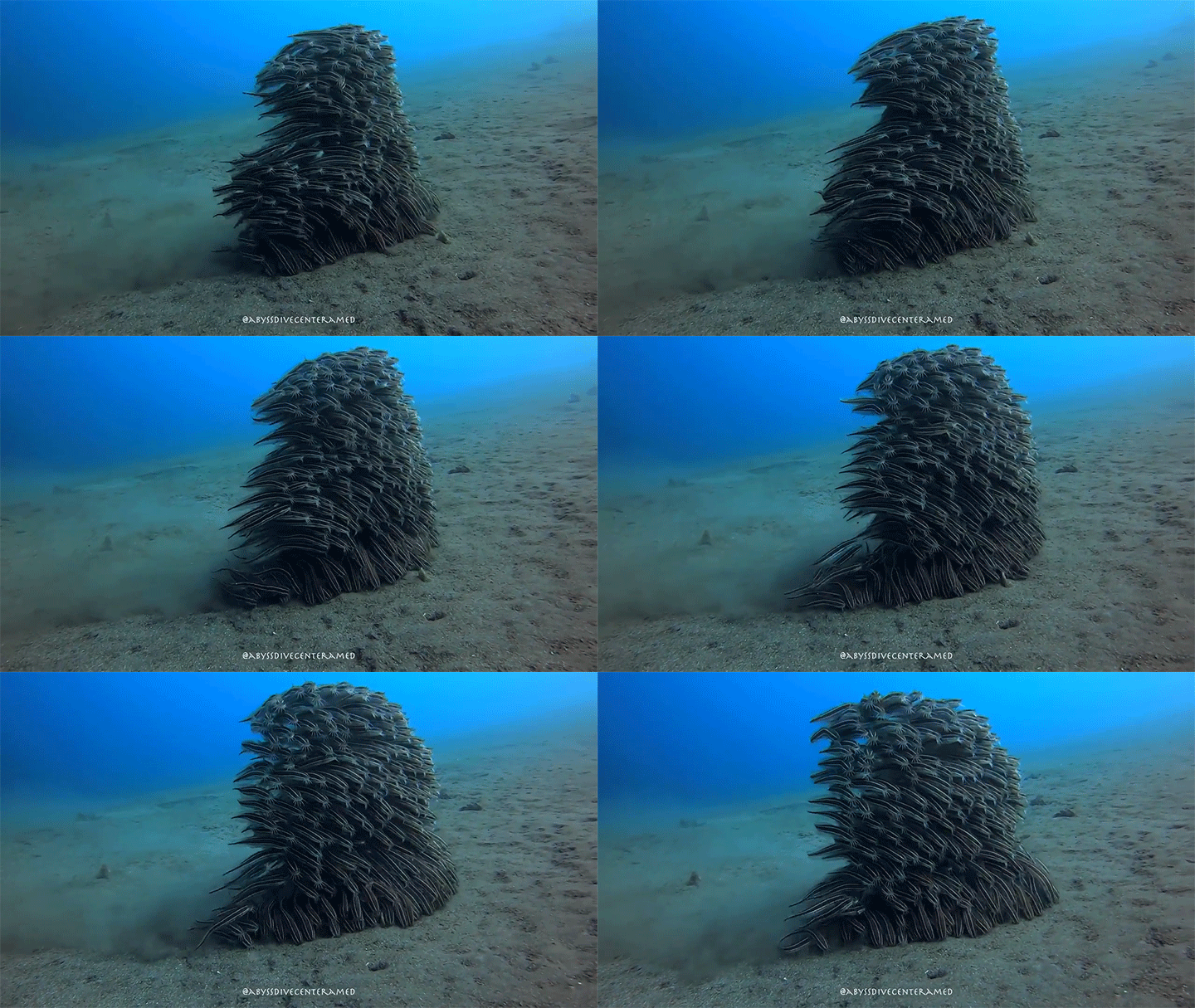
    1. Juvenile catfish collectively convect for protection
    2. Gliding birds get extra lift from their tails
    3. How well do masks work?
    4. Droplets dig into hot powder
    5. Updating undergraduate heat transfer
    6. Branching light in soap bubbles
    7. Boiling water using ice water
    8. Concentric patterns on freezing and thawing ice
    9. Bouncing off superhydrophobic defects
    10. To beat surface tension, tadpoles blow bubbles

    There’s a good mix of topics here! A little bit of biophysics, some research, some phenomena, and some good, old-fashioned fluid dynamics.

    If you enjoy FYFD, please remember that it’s primarily reader-supported. You can help support the site by becoming a patronmaking a one-time donationbuying some merch, or simply by sharing on social media. Happy New Year!

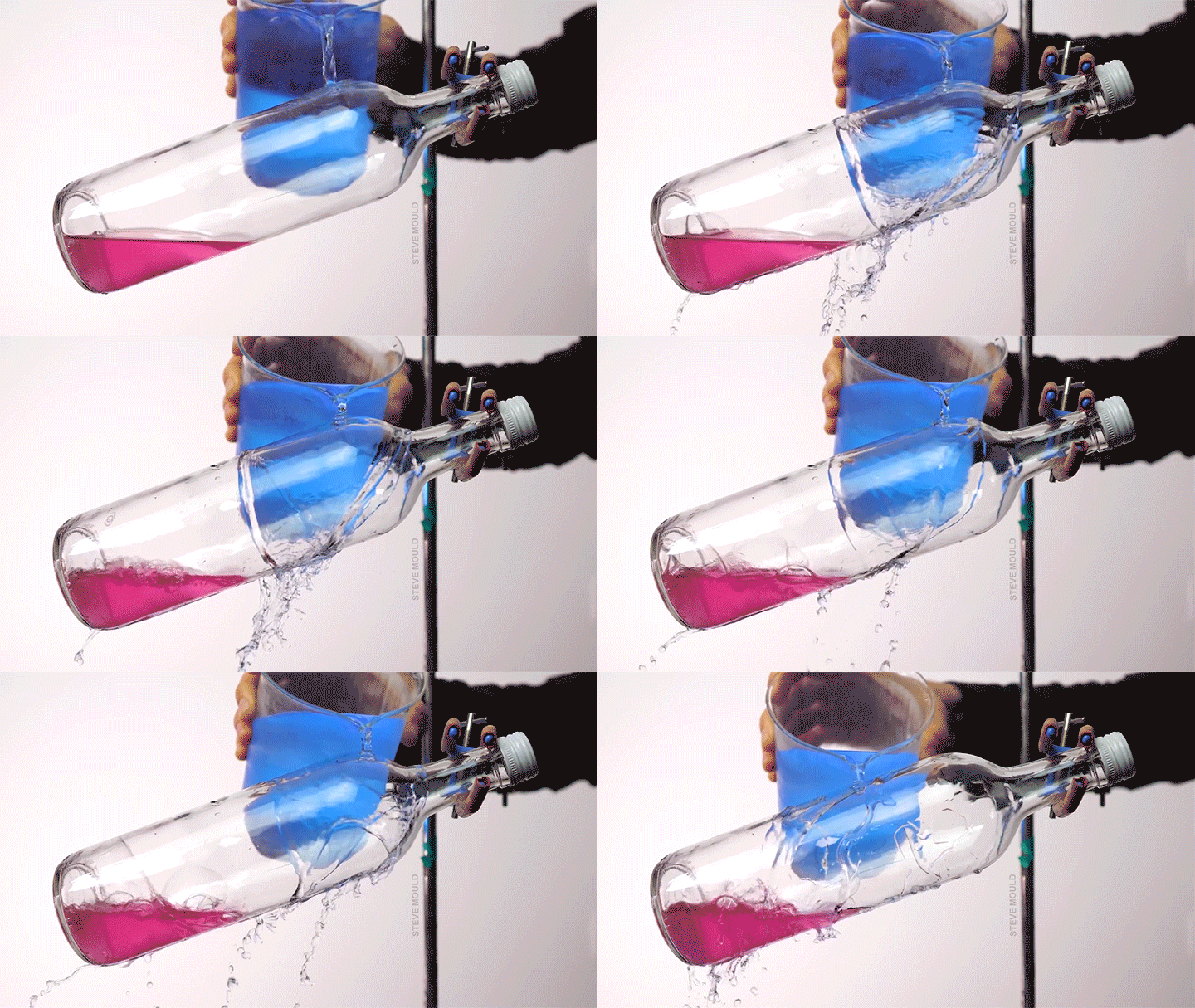
    (Image credits: catfish – Abyss Dive Center, owl – J. Usherwood et al., masks – It’s Okay to Be Smart, droplet – C. Kalelkar and H. Sai, boundary layer – J. Lienhard, bubble – A. Patsyk et al., boiling – S. Mould, ice – D. Spitzer, defects – The Lutetium Project, tadpoles – K. Schwenk and J. Phillips)

  • A Colorful Portrait of Flow

    A Colorful Portrait of Flow

    This gorgeous, natural-color image shows Lake Balkhash in southeastern Kazakhstan. In early March, the ice on the lake was beginning to break up, revealing glimpses of swirling sediment below the water’s surface. In contrast, the smaller lakes and ponds of the surrounding area remained frozen amidst the wintery browns of the nearby desert and wetlands. (Image credit: J. Stevens/USGS; via NASA Earth Observatory)

  • Eroding Ice

    Eroding Ice

    When glaciers form, they do so in layers, with clear blue ice sandwiched between sediment and air-bubble-filled white ice. Because each of these layers absorbs sunlight differently, they don’t melt evenly. The spikes and ridges seen in this ice formed because of this differential melting between layers. The blue ice is particularly good at absorbing visible wavelengths of light, and so erodes more easily than the other layers.

    Although the results look somewhat similar to the penitente ice seen at high altitudes, the formation mechanisms are a little different. Penitentes rely heavily on sublimation — where their ice and snow change directly into a gas — rather than the melting seen here. That said, both eroded forms depend strongly on how different layers within them absorb and scatter sunlight. (Image credit: J. Van Gundy; via EPOD; submitted by Kam-Yung Soh)