Tag: espresso

  • Espresso Under Pressure

    Espresso Under Pressure

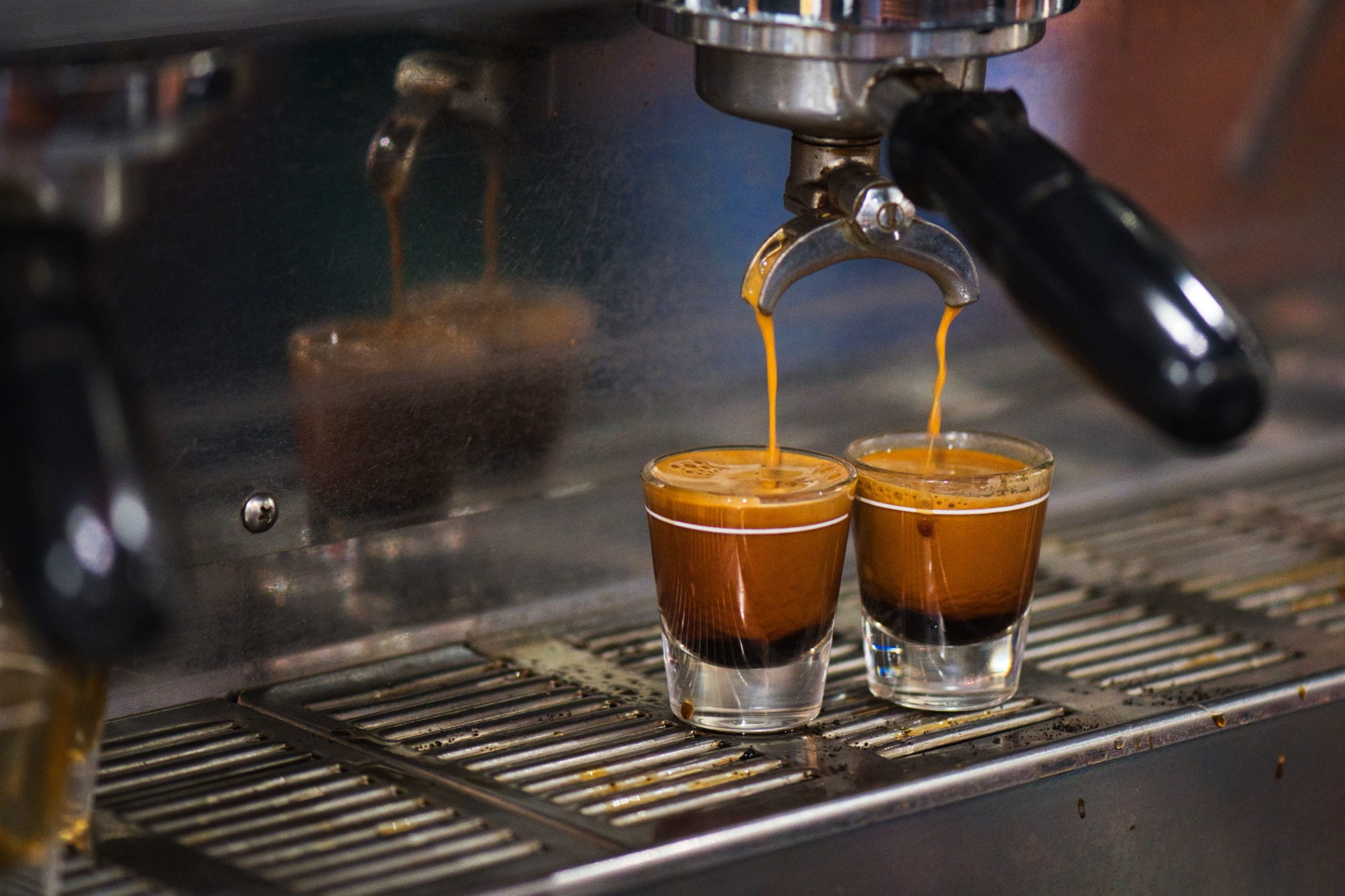
    When a fluid flows through a porous bed of grains–like sand, soil, or coffee grounds–the flow rate typically increases linearly with pressure. But that’s not the case for espresso, which is typically brewed with 6-9 bars of pressure. Instead, espresso’s flow rate plateaus at around 5 bars, stays constant as pressure increases, and then drops off as pressure climbs higher still.

    The reason, one group found, is that the mechanical load starts collapsing the grain bed. As the pores collapse, it becomes harder for water to penetrate the bed, despite the aid of increasing pressure. That’s why there’s no point to pushing espresso-making to pressures above 9 bars: the grain bed is too compressed for the flow rate to increase, even with the added pressure. (Image credit: K. Luhaers; research credit: R. Waszkiewicz et al. (pre-print); via Physics World)

  • Inside an Espresso Bed

    Inside an Espresso Bed

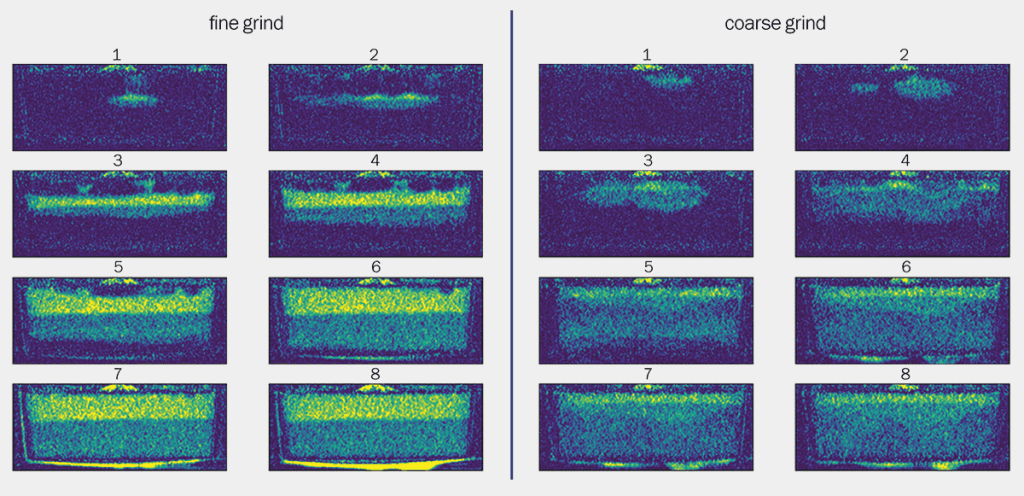
    When pulling a shot of espresso, there are complicated physics at play. The ground coffee is tamped into a puck-like bed of grains, through which high-temperature, high-pressure water is forced. Here, researchers used X-ray tomography to visualize how and when water moves through the bed, which affects how flavors extract.

    Composite images of water penetrating a bed of finely ground coffee (left) and a bed of coarsely ground coffee (right).
    Composite images of water penetrating a bed of finely ground coffee (left) and a bed of coarsely ground coffee (right).

    In a finely ground bed, water is relatively slow to penetrate the bed, but moves in fairly uniformly. Water can get into the coarse grind a little faster but does so less uniformly. With the new experimental technique in place, the team is interested in seeing how water temperature affects infiltration and what solids get extracted. (Image credit: top – R. Wicks, experiment – J. Foster et al.; research credit: J. Foster et al.; via Physics World)

  • The Best of FYFD 2025

    The Best of FYFD 2025

    Happy 2026! This will be a big year for me. I’ll be finishing up and turning in the manuscript for my first book — which flows between cutting edge research, scientists’ stories, and the societal impacts of fluid physics. It’s a culmination of 15 years of FYFD, rendered into narrative. I’m so excited to share it with you when it’s published in 2027.

    As always, though, we’ll kick off the year with a look back at some of FYFD’s most popular posts of 2025. (You can find previous editions, too, for 2024202320222021202020192018201720162015, and 2014.) Without further ado, here they are:

    What a great bunch of topics! I’m especially happy to see so many research and research-adjacent posts were popular. And a couple of history-related posts; I don’t write those too often, but I love them for showing just how wide-ranging fluid physics can be.

    Interested in keeping up with FYFD in 2026? There are lots of ways to follow along so that you don’t miss a post.

    And if you enjoy FYFD, please remember that it’s a reader-supported website. I don’t run ads, and it’s been years since my last sponsored post. You can help support the site by becoming a patronbuying some merch, or simply by sharing on social media. And if you find yourself struggling to remember to check the website, remember you can get FYFD in your inbox every two weeks with our newsletter. Happy New Year!

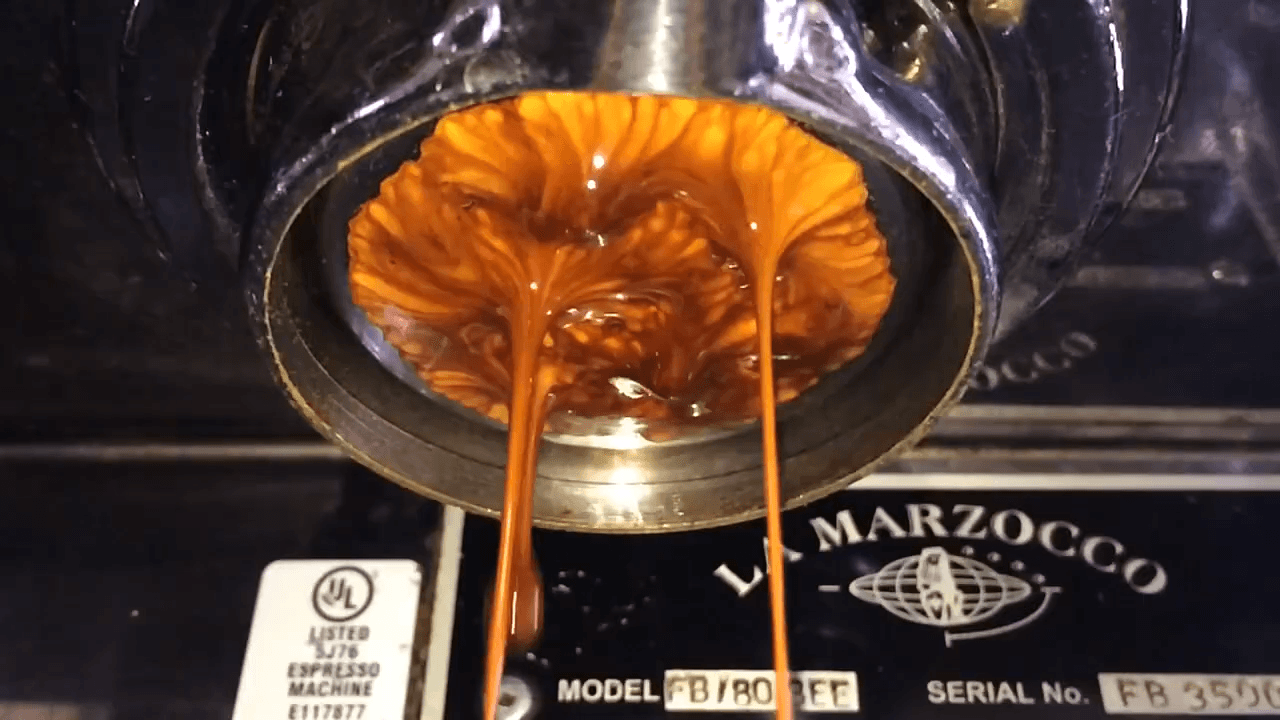
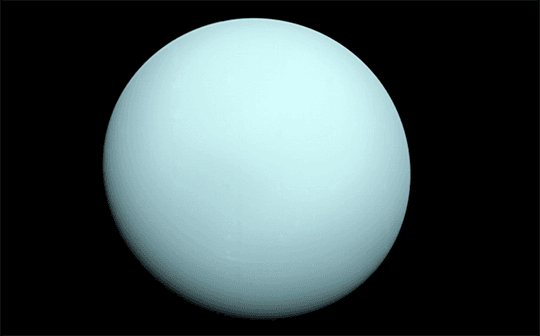
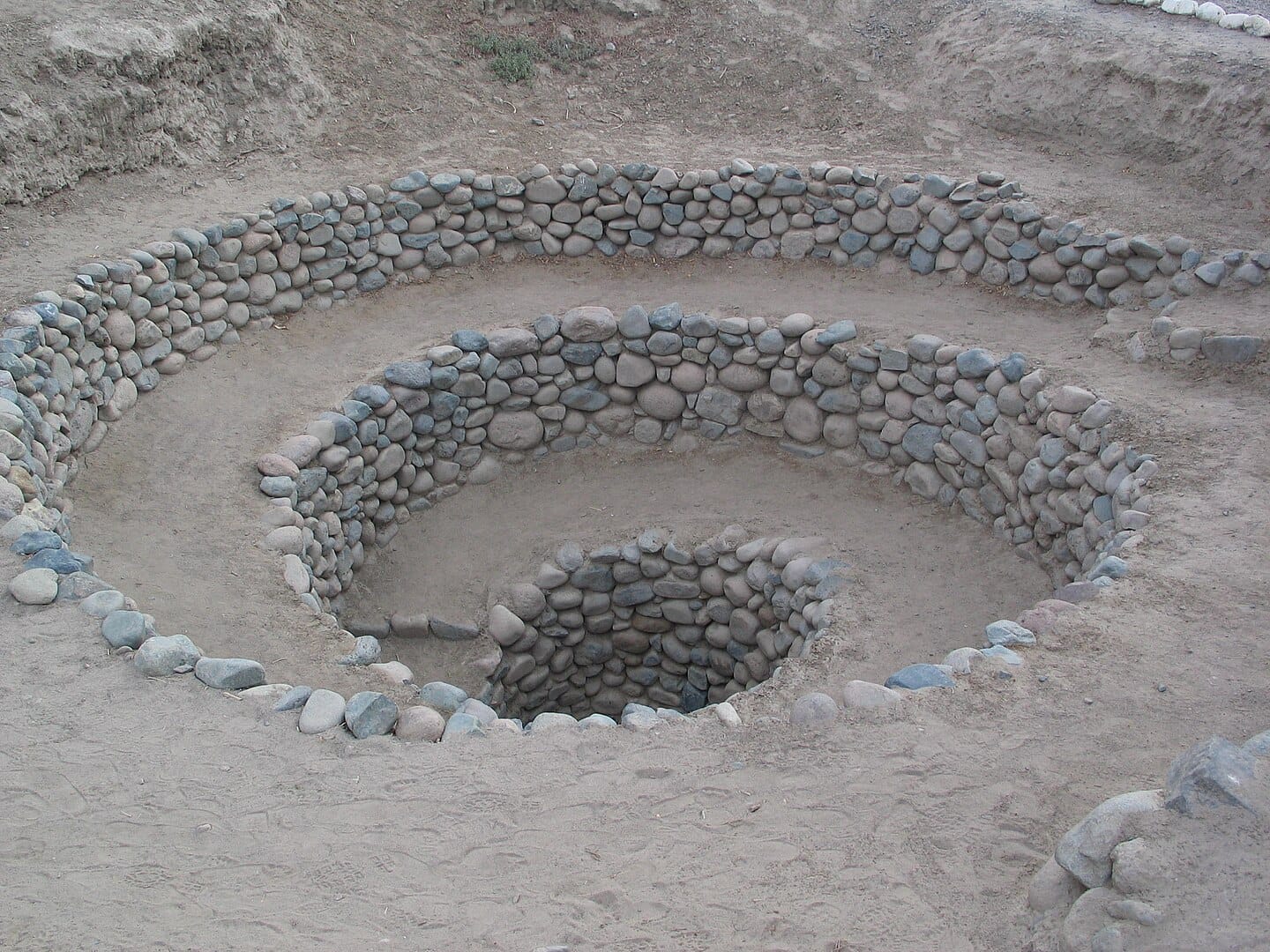
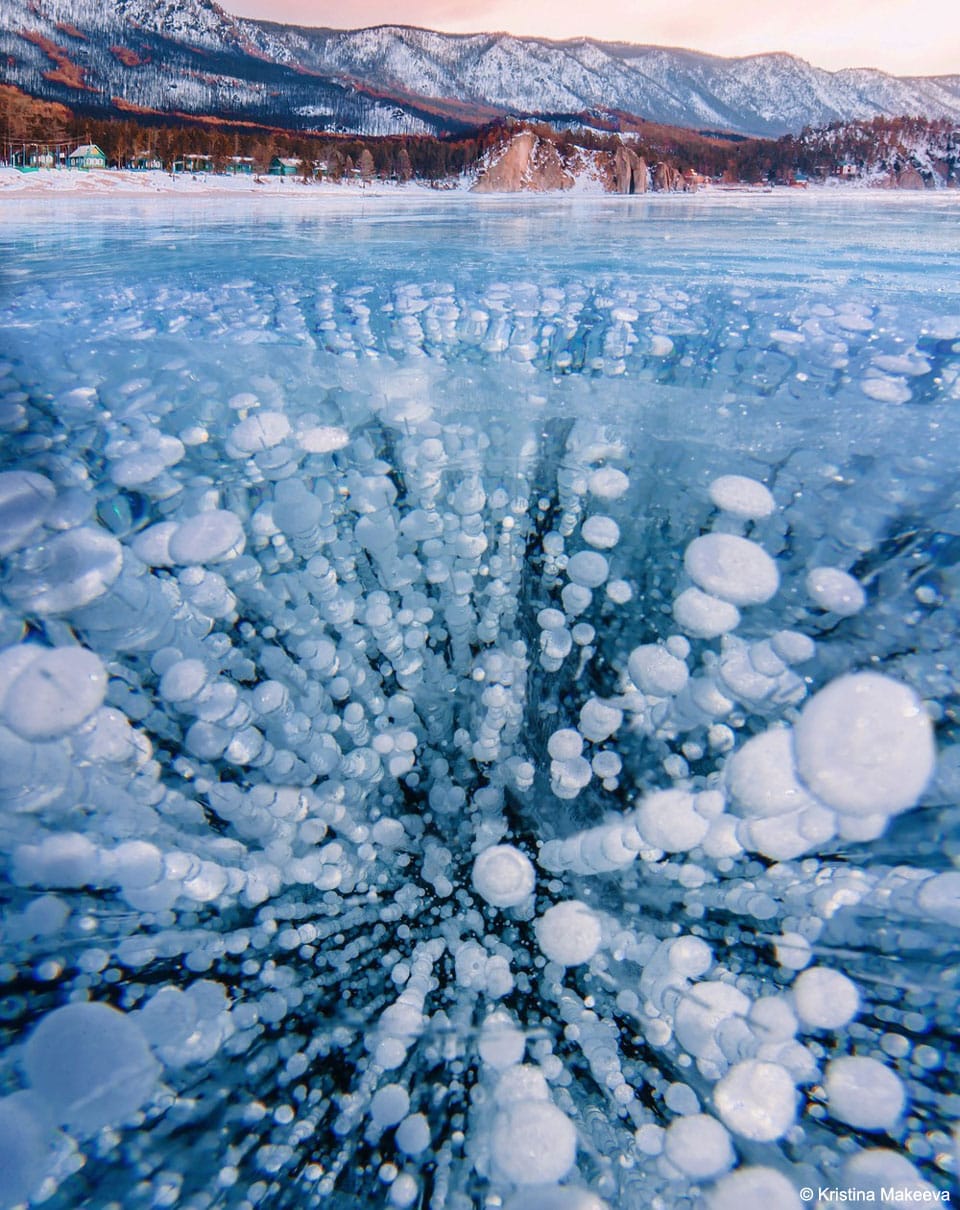
    (Image credits: droplet – F. Yu et al., starlings – K. Cooper, espresso – YouTube/skunkay, fountain – Primal Space, Uranus – NASA, turbulence – C. Amores and M. Graham, capsule – A. Álvarez and A. Lozano-Duran, melting ice – S. Bootsma et al., puquios – Wikimedia, cooling towers – BBC, solar wind – NASA/APL/NRL, Lake Baikal – K. Makeeva, sprite – NASA, roots – W. van Egmond, sunflowers – Deep Look)
    1. I know what I did. ↩︎
    Fediverse Reactions
  • Featured Video Play Icon

    Espresso in Slow-Mo

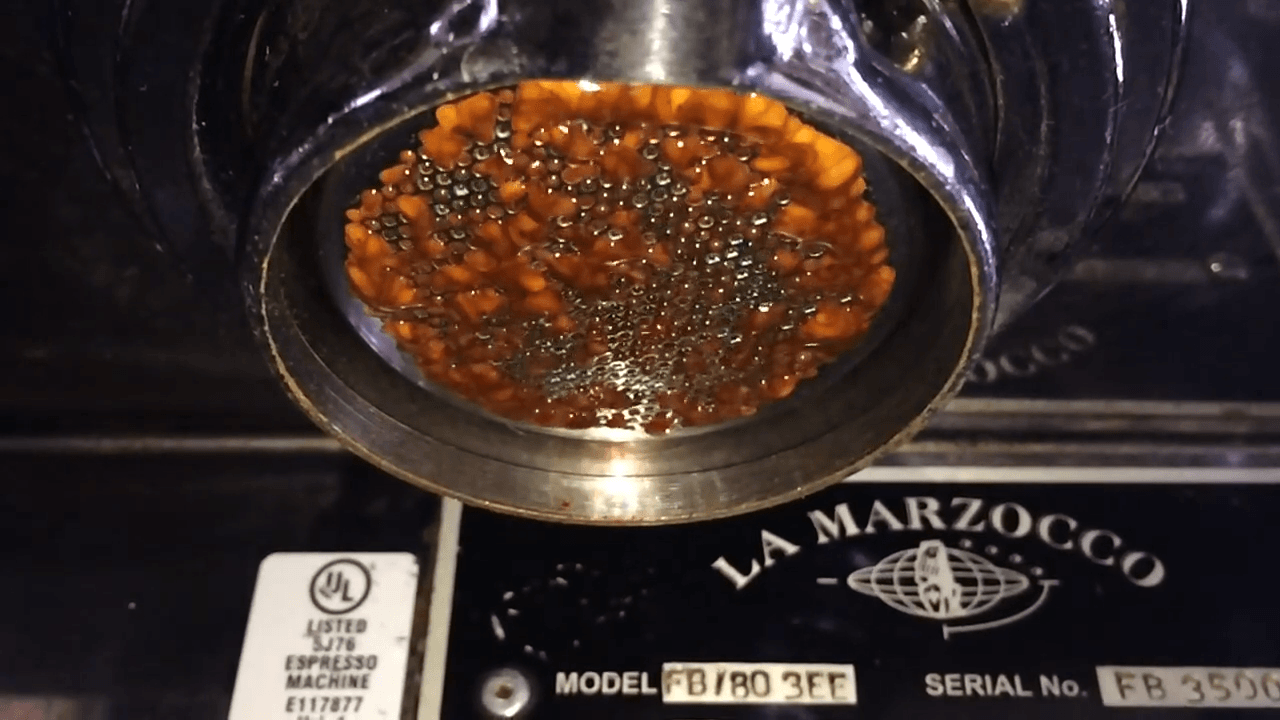
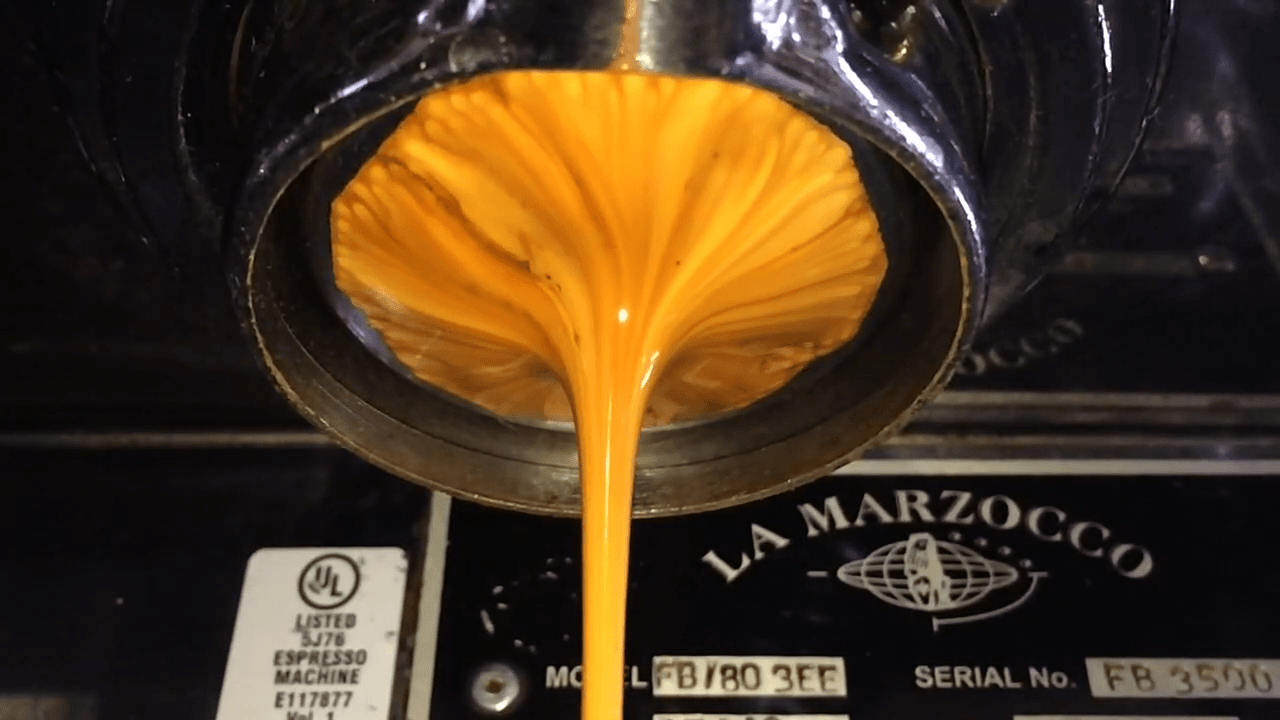
    Espresso has some pretty cool physics. But it’s also just lovely to watch in slow motion. This video offers a look at the making of an espresso shot at 120 frames per second (though you can also enjoy a 1000 fps version here). Watching the film form, expand, and break up at the beginning and end of the video is my favorite, but watching how the occasional solid coffee grains make their way into and down the central jet is really interesting also. (Video and image credit: YouTube/skunkay; via Open Culture)

    Fediverse Reactions
  • Featured Video Play Icon

    Slow Mo Espresso

    High-speed photography gives us an alternate glimpse of reality. Here it provides an all-new perspective on making espresso. Surface tension plays a starring role, first in pulling together the film that forms over the exit, then in creating the drips and drops that follow. The break-up of espresso into individual droplets is an example of the Plateau-Rayleigh instability, where surface tension drives any wobble in the falling jet to pinch off. For more slow-motion espresso, you can also check out this behind-the-scenes video. (Video and image credit: J. Hoffmann; submitted by Jerrod H.)

  • In Search of a Better Espresso

    In Search of a Better Espresso

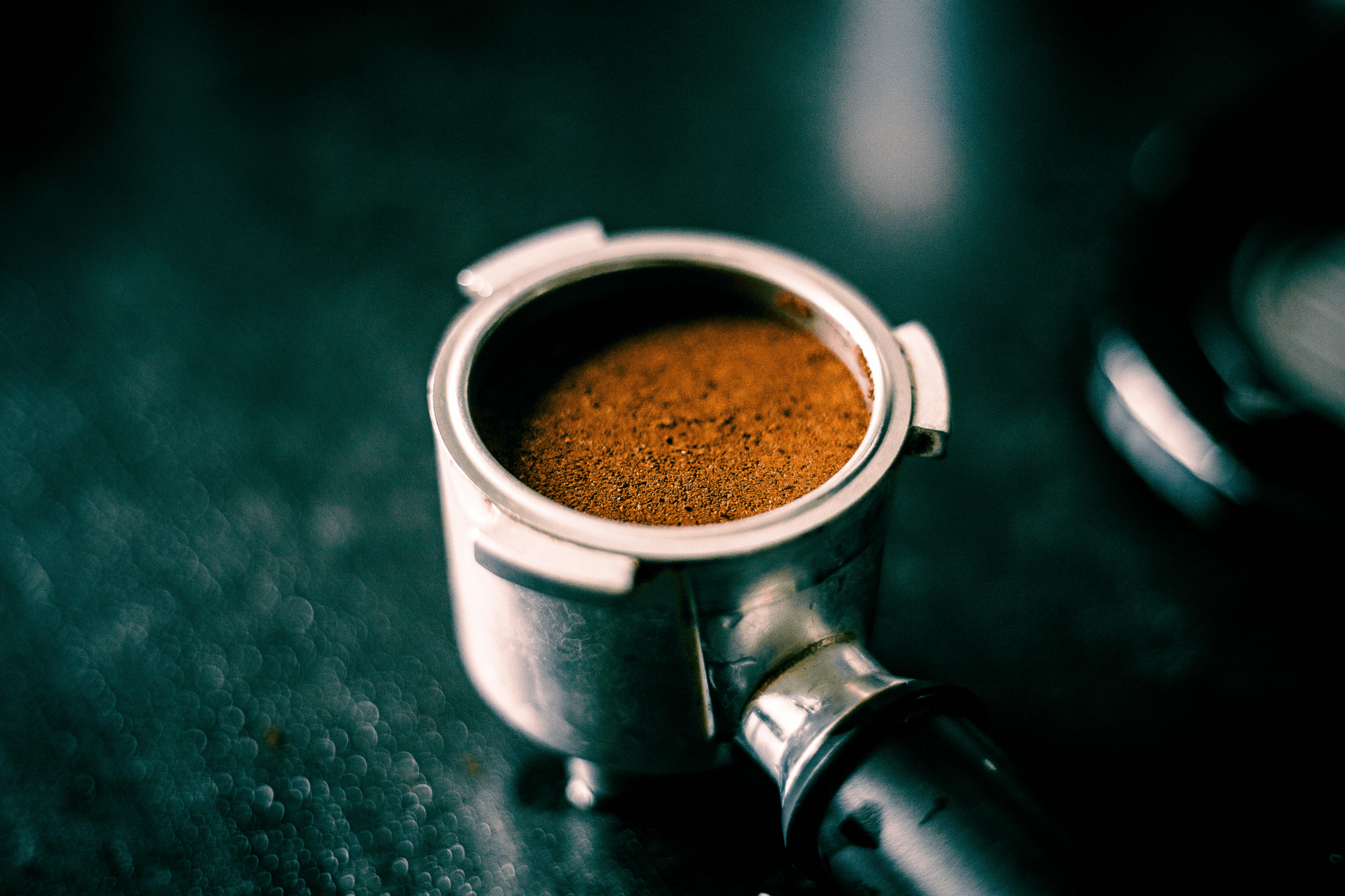
    Of specialty coffee drinks, espresso has the most cup-to-cup variation in quality. For those who are not coffee aficionados — such as yours truly — espresso is made by forcing hot water through a packed bed of coffee grains. Many factors can affect the final output, including the amount of dry coffee used, the fineness of the grind, water temperature and pressure, and how tightly packed the granular bed is.

    Conventional wisdom suggests that a fine grind is best since it increases the exposed surface area of coffee, but researchers found this is not, in fact, ideal. At very fine grinds, the bed of coffee becomes so tightly packed that water cannot pass through some sections, meaning that the coffee there is completely wasted since nothing is extracted.

    Instead, a slightly coarser grind provided better and more consistent extraction because water passed through the entire bed of grains. The researchers point out that this not only produces a good, consistent cup of espresso, but it does so with less waste, something that is becoming more and more important as the climate crisis affects coffee growers. (Image credit: K. Butz; research credit: M. Cameron et al.; via Cosmos; submitted by Kam-Yung Soh)