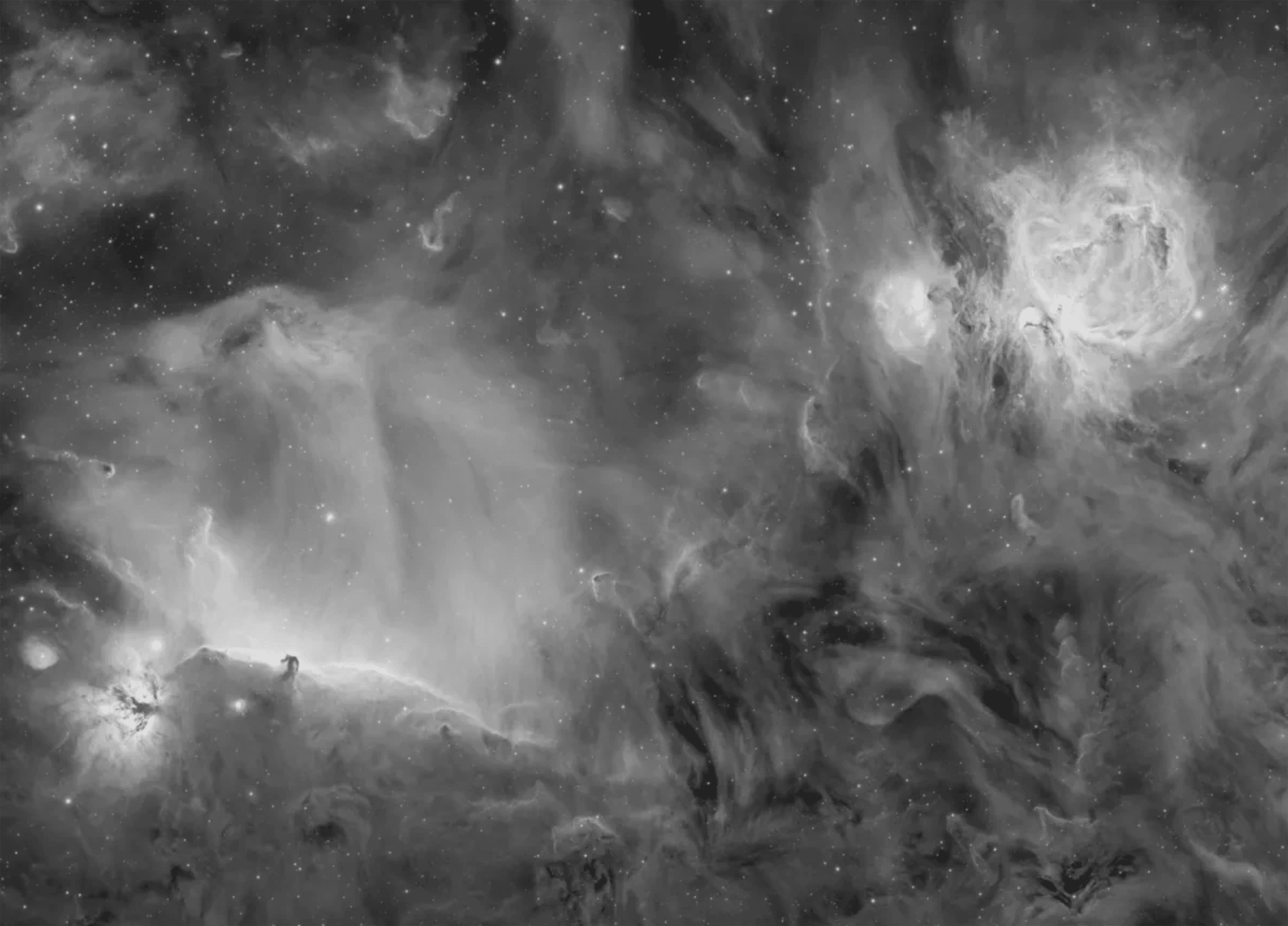
Photographer Daniele Borsari captured this gorgeous composite image of nebulas in black and white, emphasizing the motion underlying the gas and dust. In the upper right, the Orion Nebula shines, bright with new stars. In the lower left, you can pick out the distinctive shape of the Horsehead Nebula and, further to the left, the Flame Nebula. We often see nebulas in bright colors, but I love the way black and white highlights the turbulence surrounding them. (Image credit: D. Borsari/ZWOAPOTY; via Colossal)
Tag: fluids as art

Cornflower Roots Growing


As children, most of us plant a seed or two and watch it sprout, but we never get a view quite like this one. This microscopic timelapse shows the roots of a cornflower plant extending into moist, porous soil, establishing xylem, and extending root hairs outward to collect water and nutrients to fuel further growth. At the end, there’s even a close-up view of flow inside the root hairs. What an incredible glimpse inside a world we so often take for granted! (Video and image credit: W. van Egmond; via Colossal)
Fediverse Reactions
-
Dissolution and Crystallization
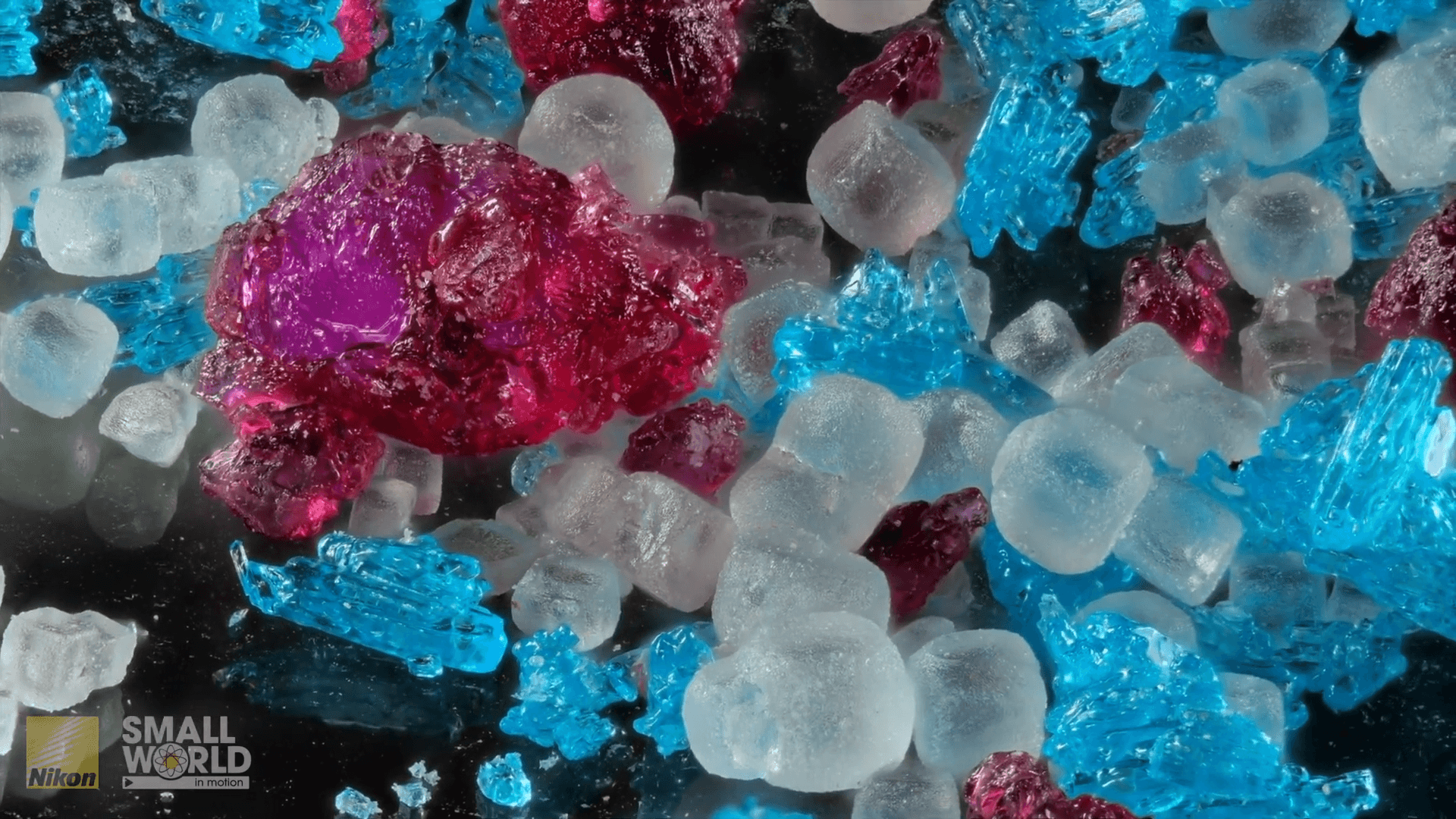
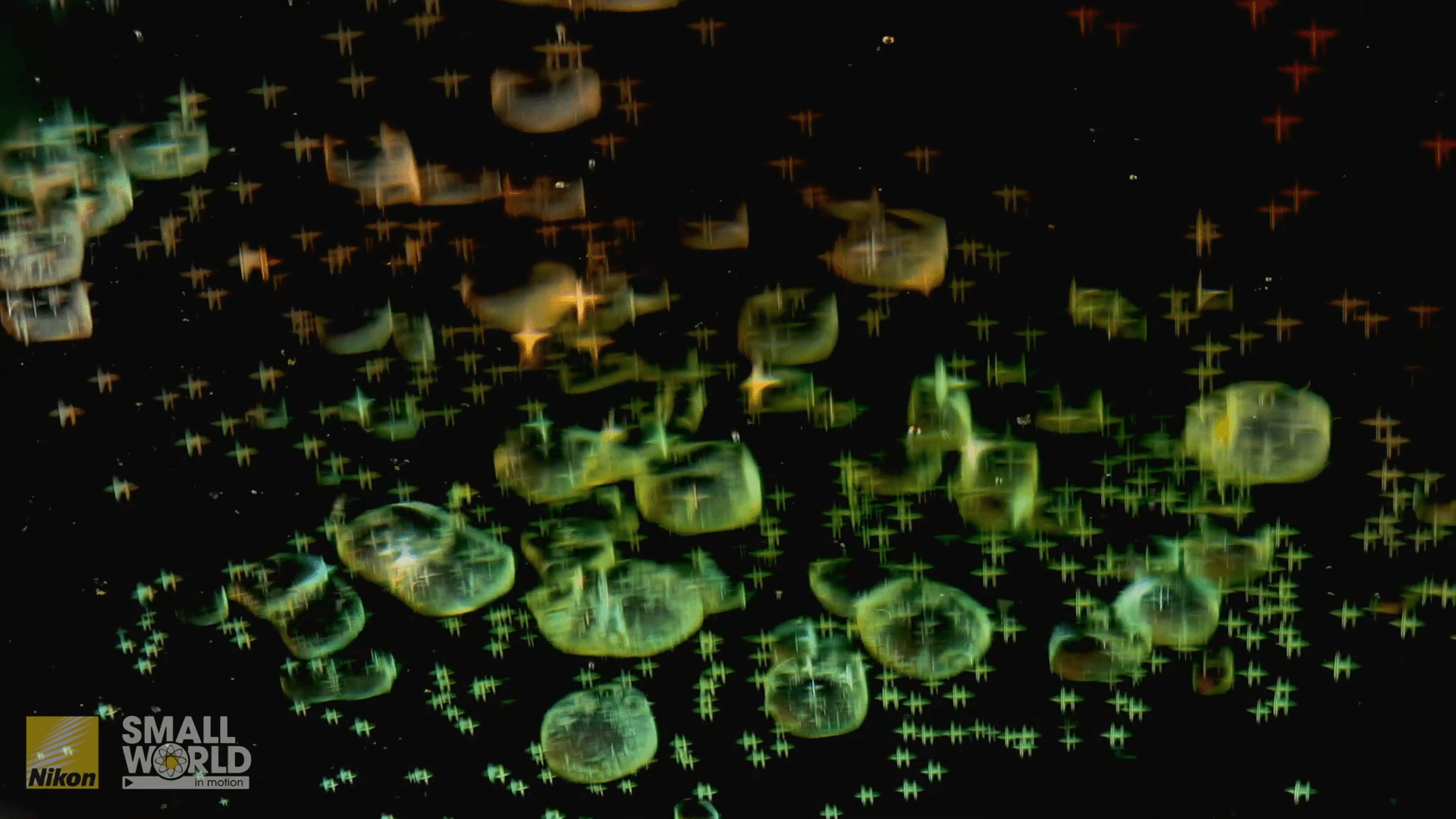
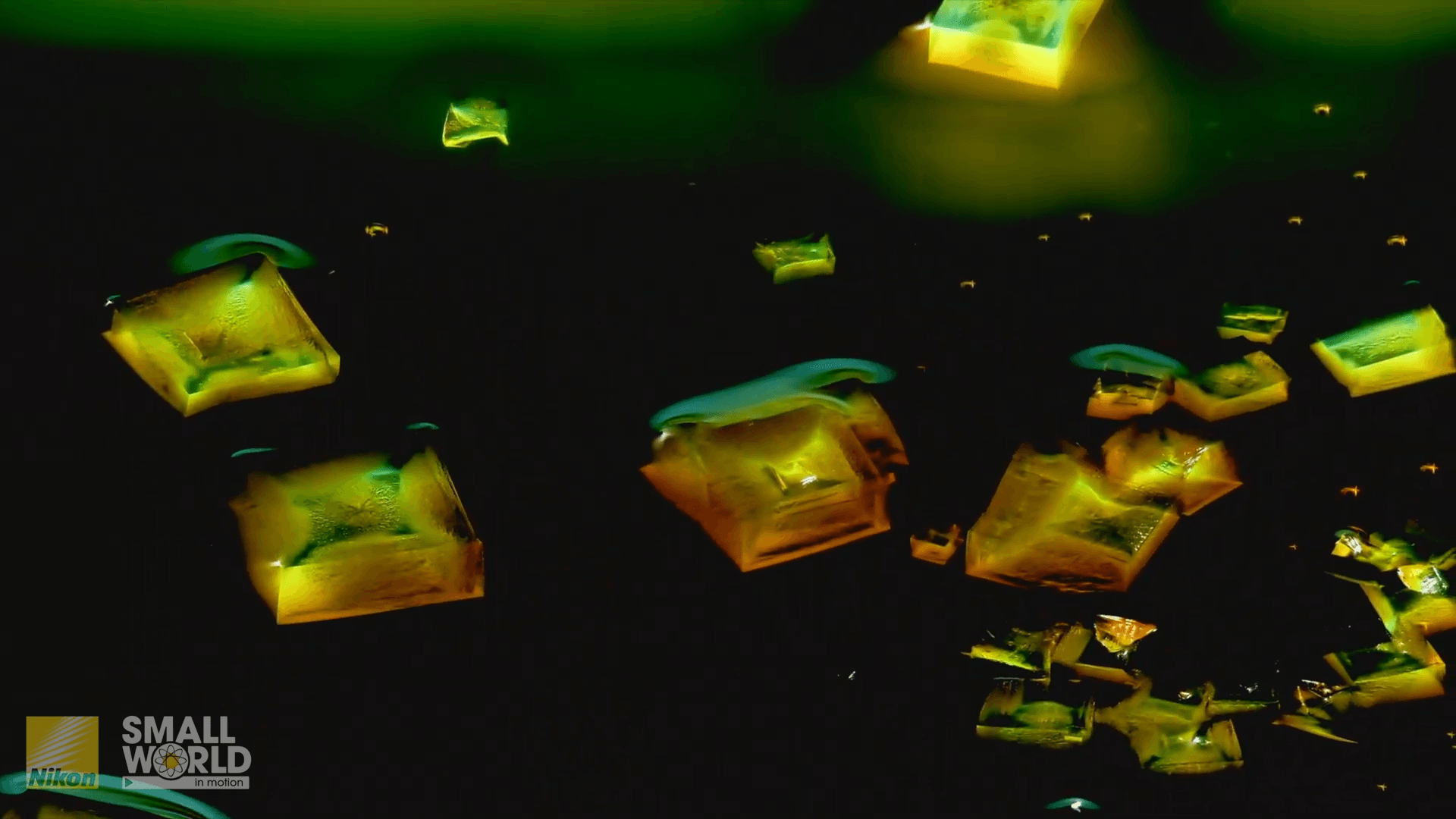
A colorful assortment of salts dissolve and recrystallize in this microscopic timelapse video by retired engineer Jay McClellan. Every step is a gorgeous rainbow of color as the cobalt, copper, and sodium chlorides dissolve, mix, and change. Though we don’t see what’s going on in the water, fluid dynamics are a critical component of both dissolution and crystallization. In the former, concentration gradients change the water’s density, driving buoyant flows. For the latter, crystallization comes out of evaporation, where surface tension often determines where solid particles get left behind. (Video and image credit: J. McClellan; via Colossal)

Icelandia
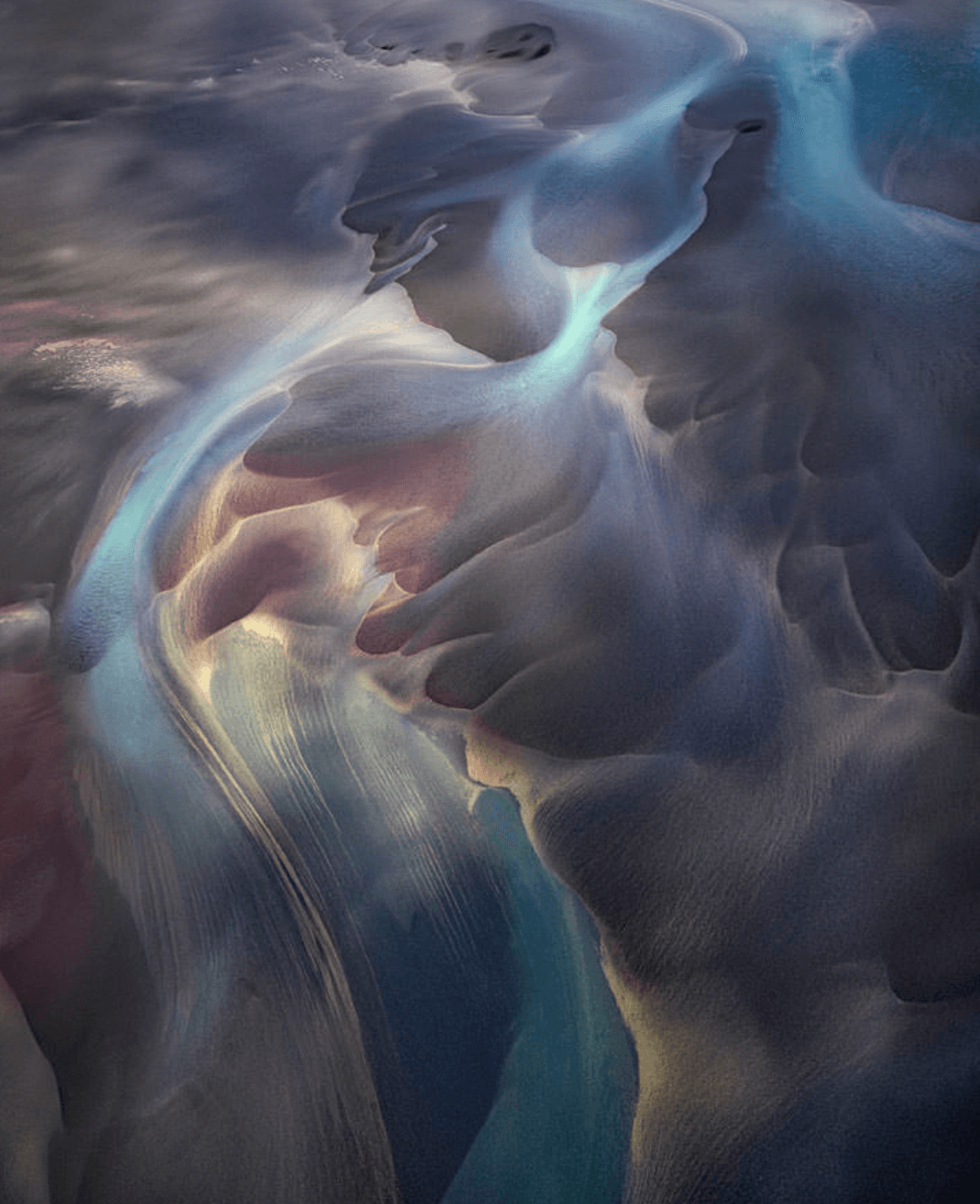
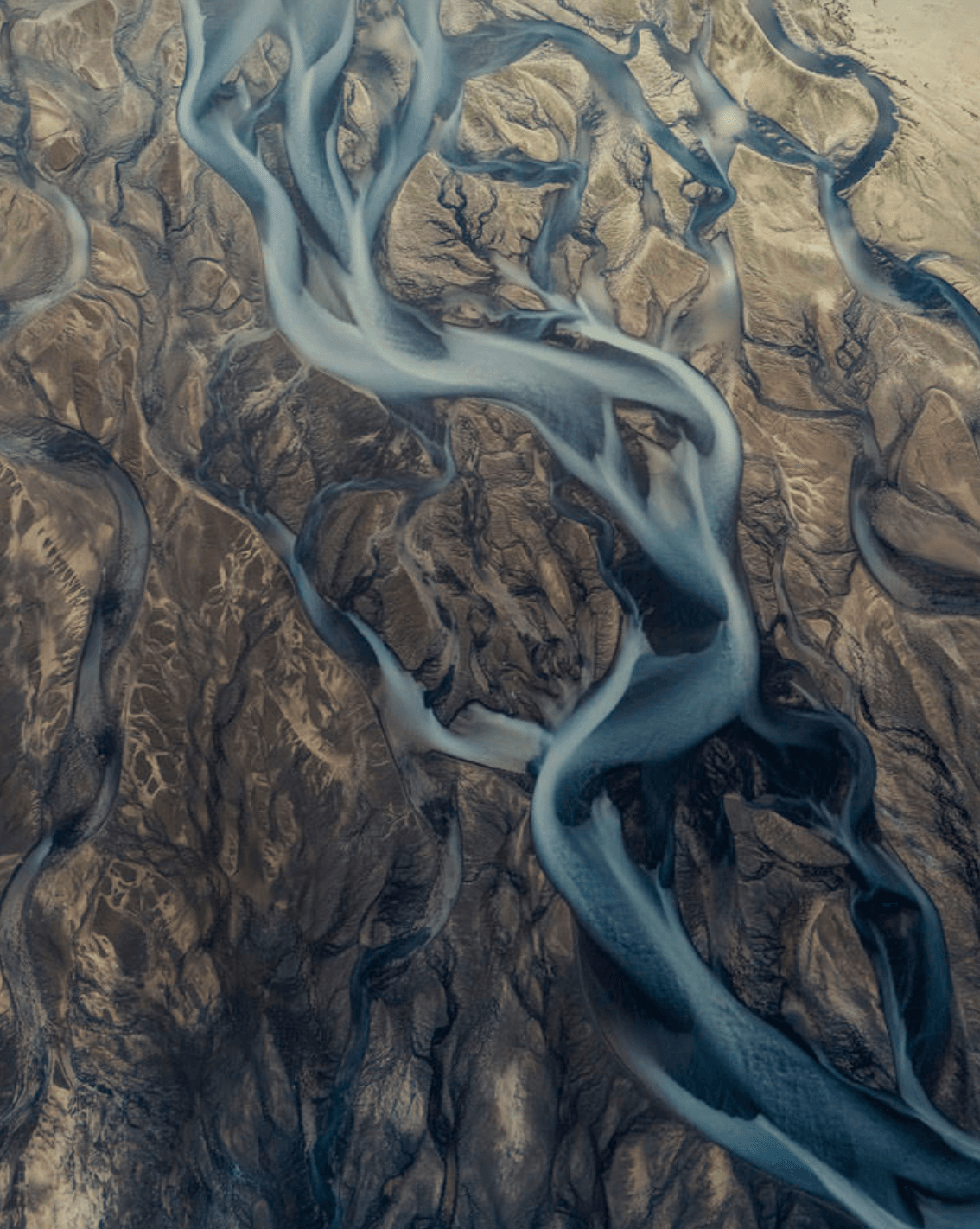
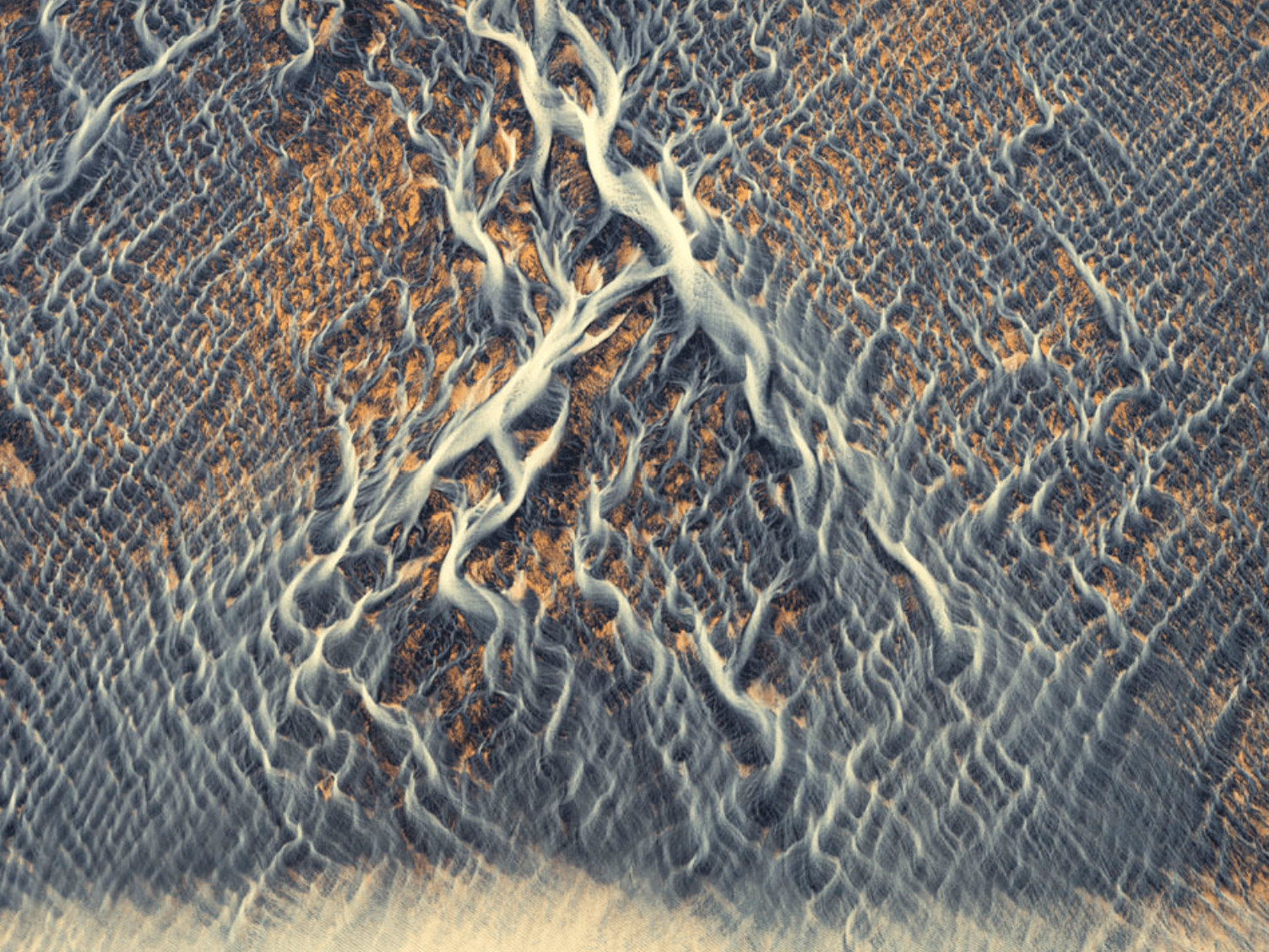
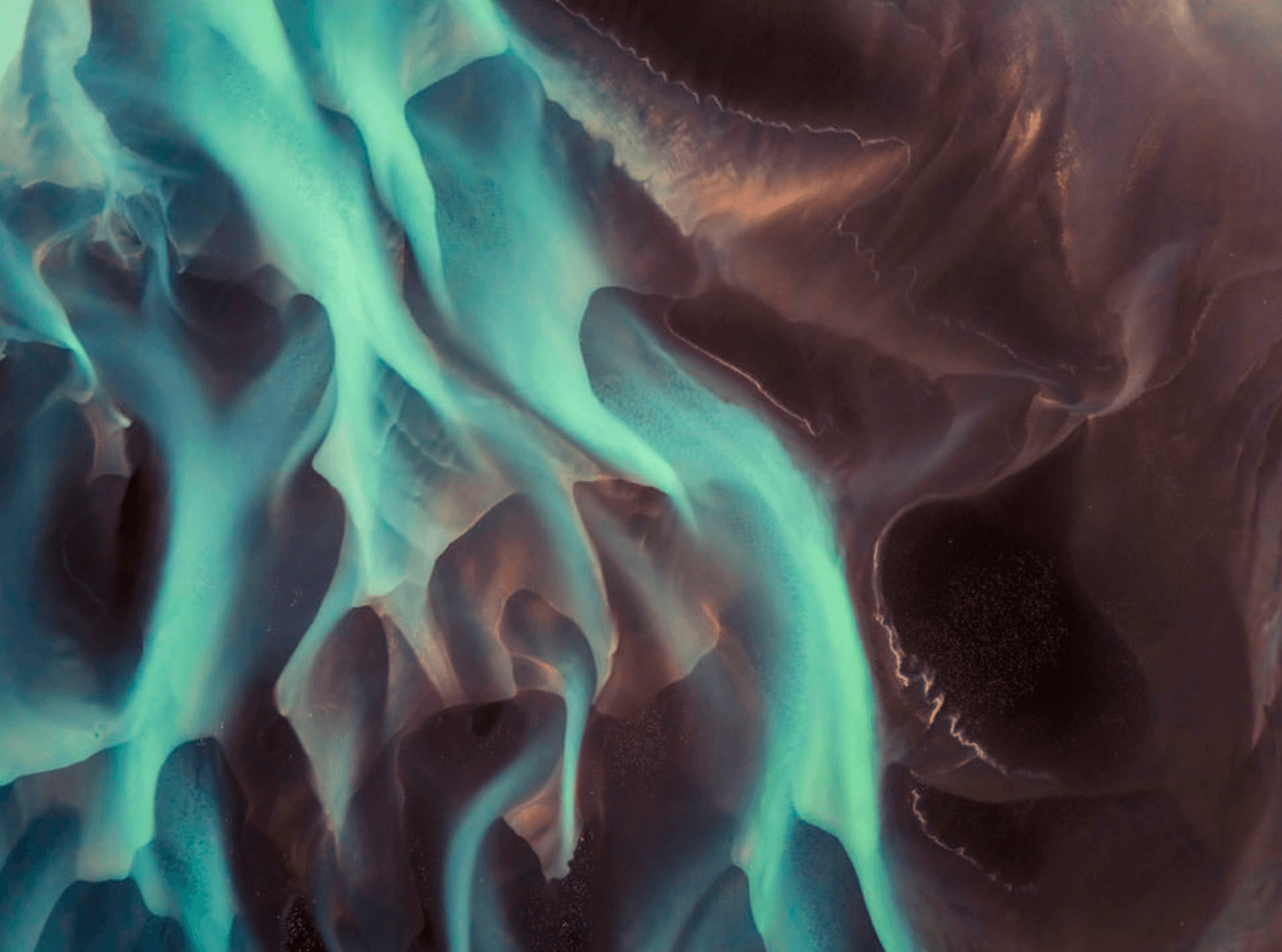
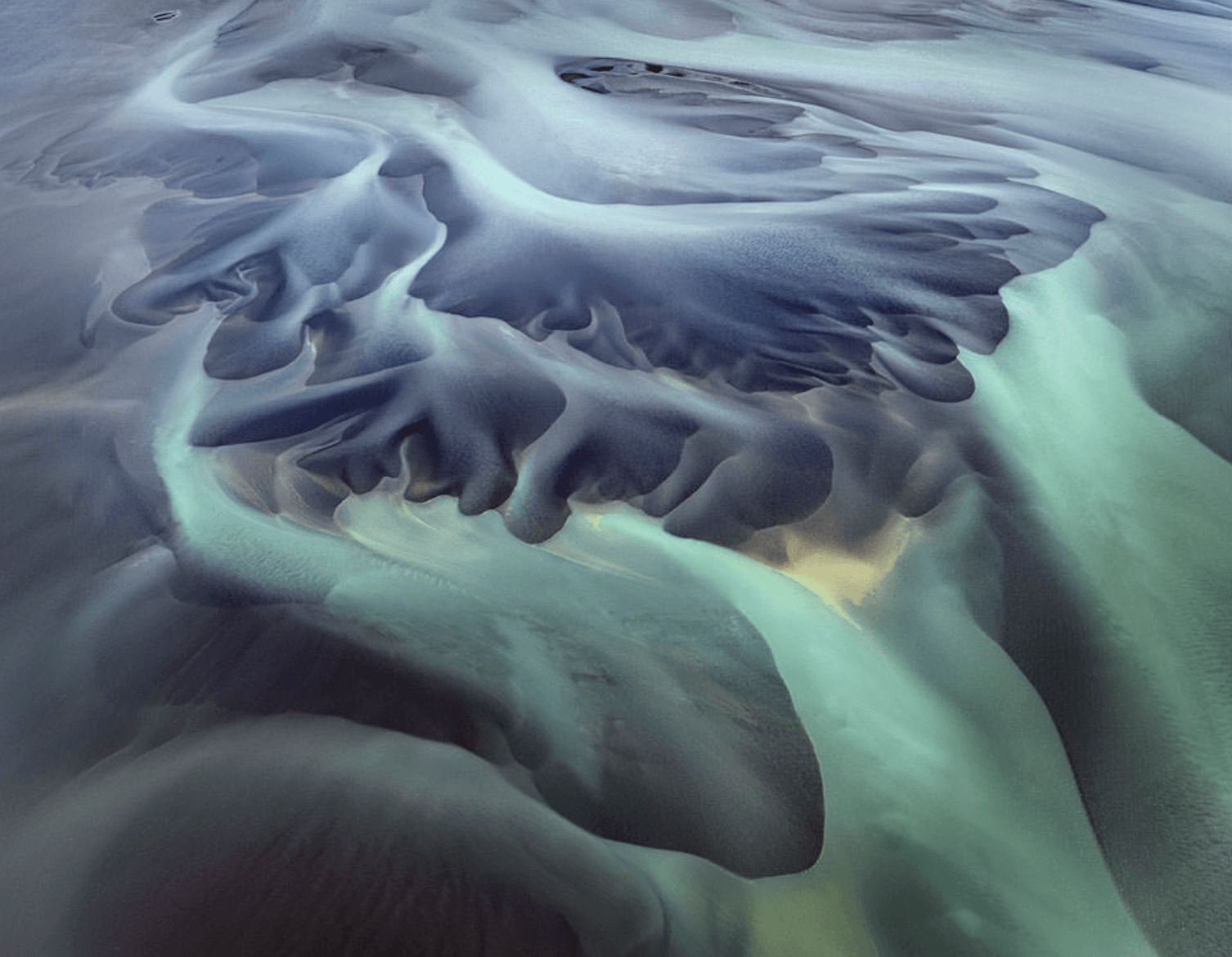
Photographer Rosita Dimitrova describes Iceland as “an absolute heaven” for aerial photography like this featured image. This plethora of images from Dimitrova and fellow IAPOTY finalists backs up that sentiment. The landscape wears its influences openly; it is shaped by water, ice, wind, and lava into stunning abstract shapes like these. (Image credit: Various/IAPOTY; via Colossal)
Fediverse Reactions
-
“Re:Birth”


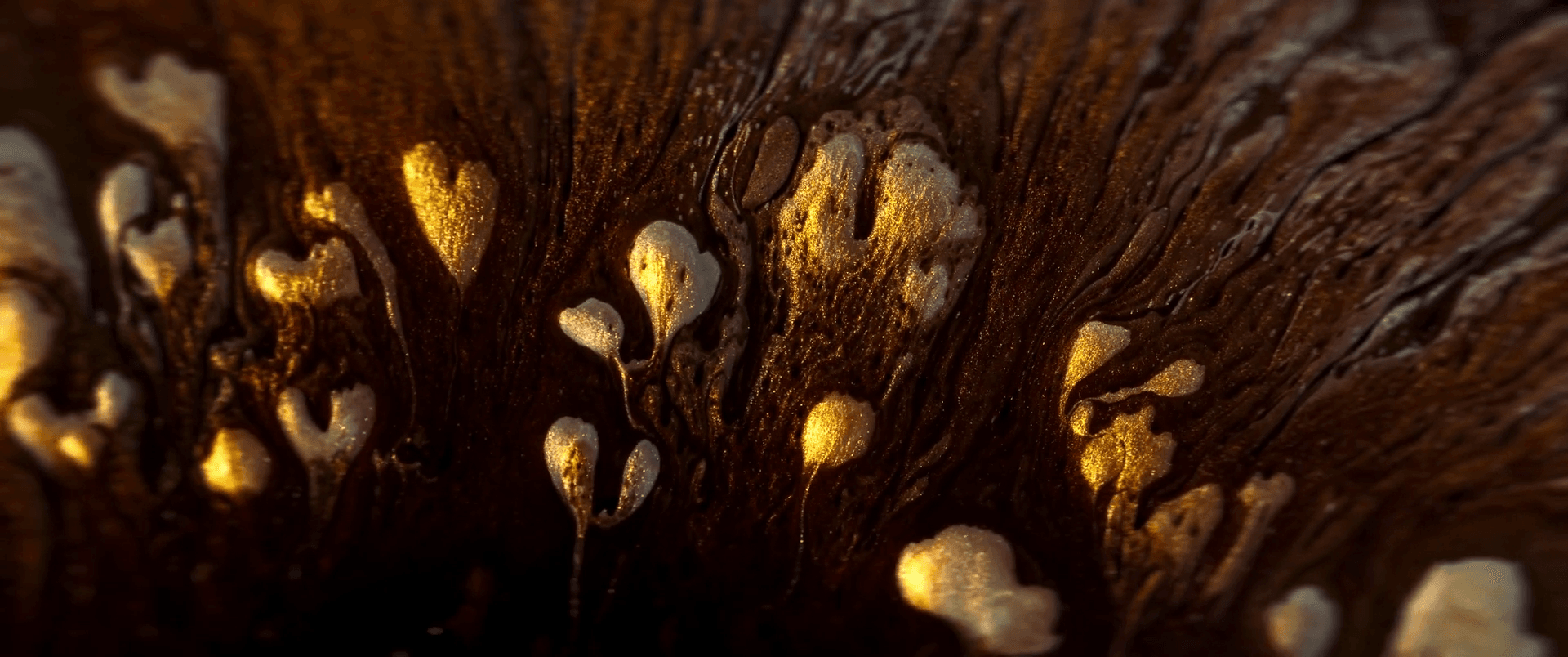

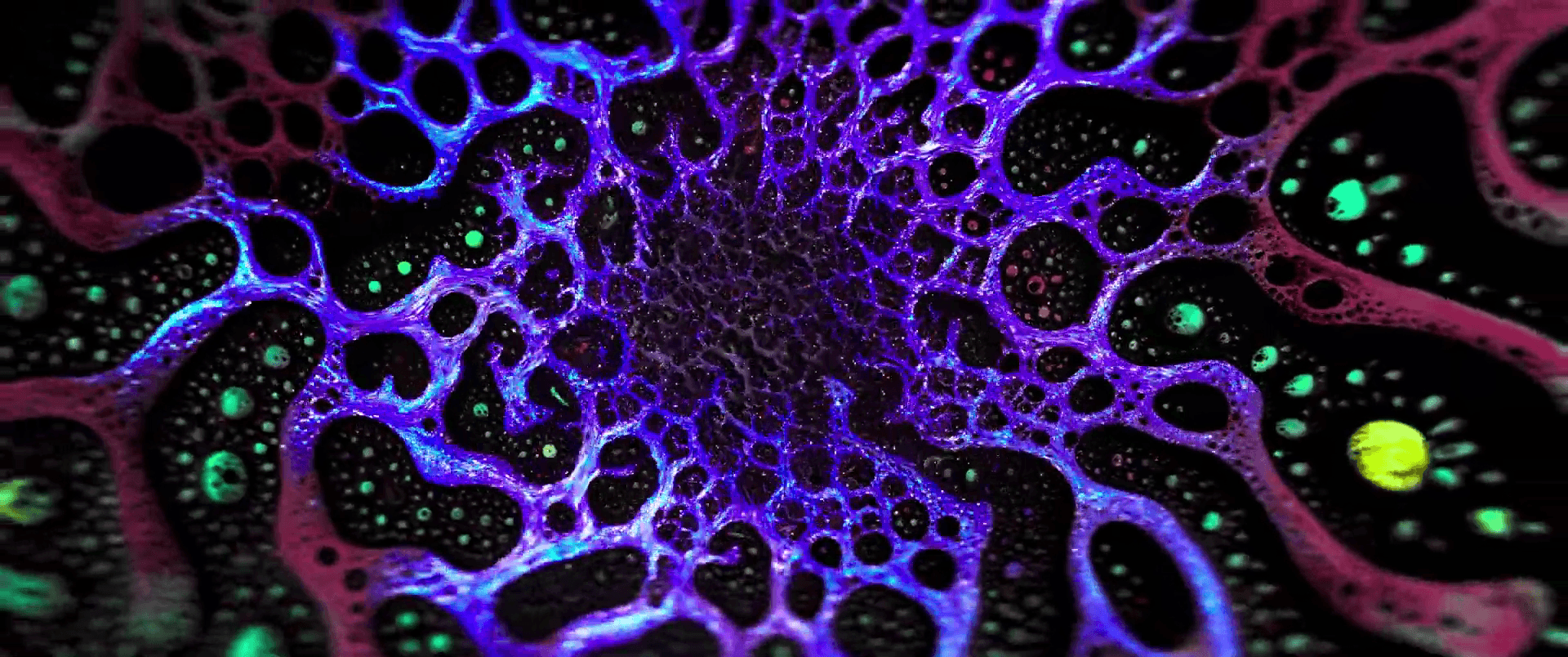
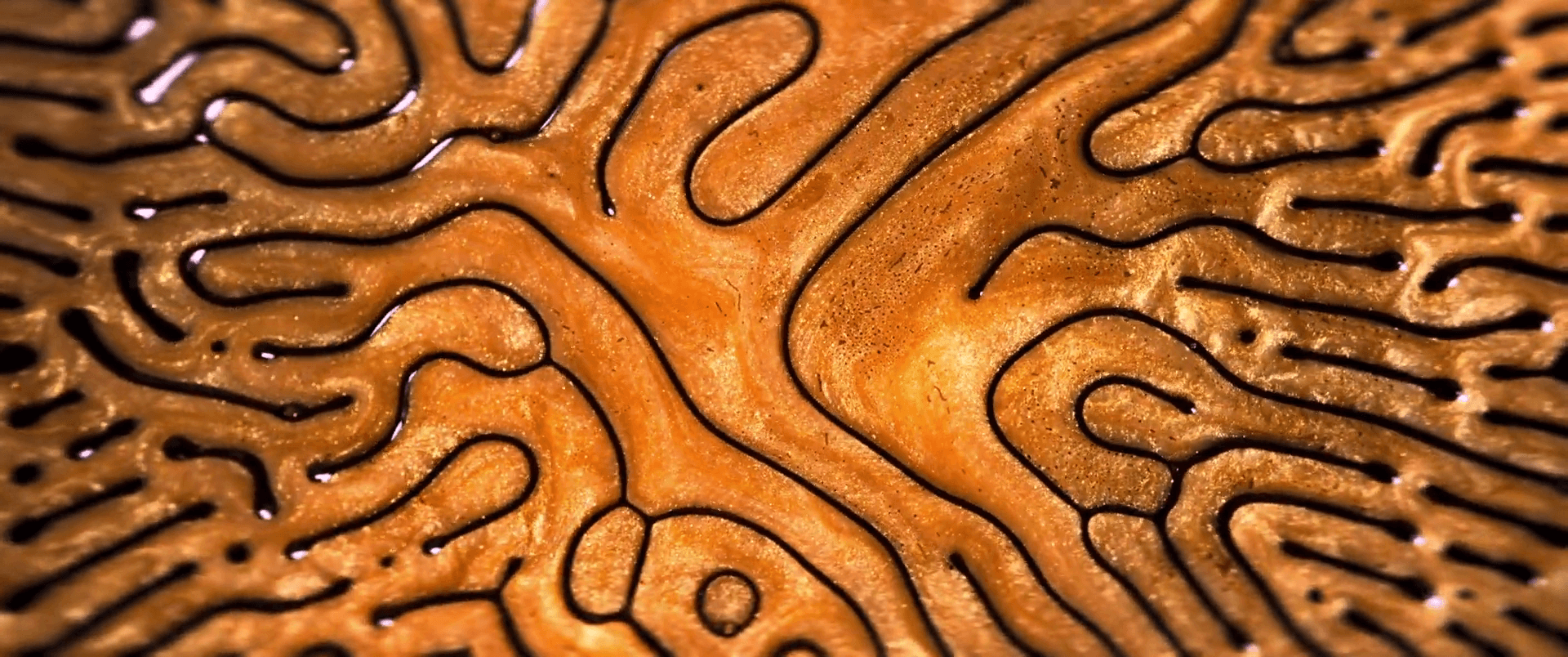
In “Re:Birth,” videographer Vadim Sherbakov explores the fascinating patterns of ferrofluids, which suspend tiny ferrous particles in another liquid, often oil. When this magnetic liquid is mixed with ink or paint, its black lines take on a labyrinthine appearance. The result is rather psychedelic, especially with Sherbakov’s bold colors. (Video and image credit: V. Sherbakov)

“Veins of Light and Rivers of Fog”
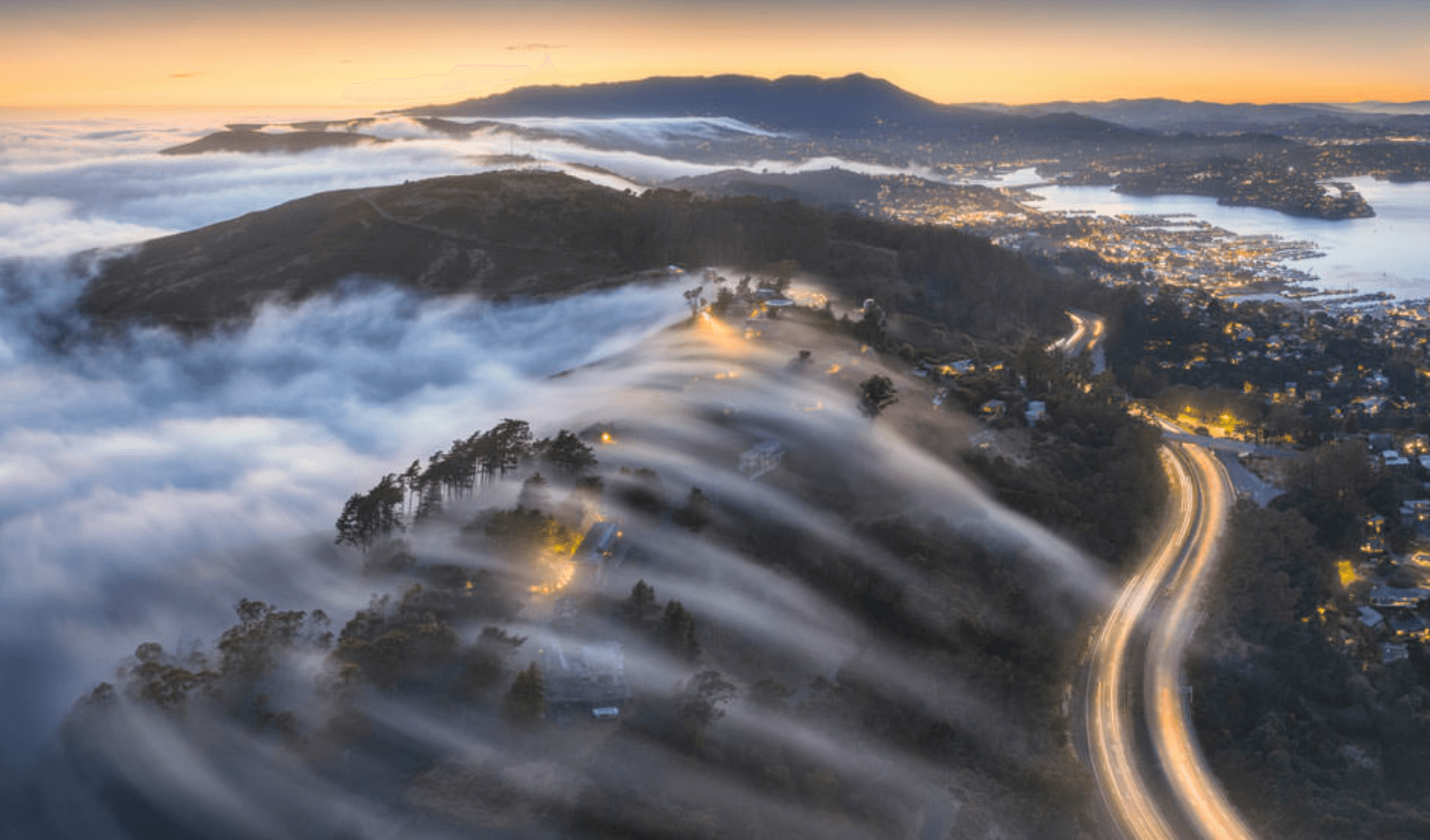
Tendrils of fog flow over the crest of a hill in this award-winning photograph from Ray Cao. Seen in timelapse, scenes like this show the sloshing, wave-like motion of fog. They’re a beautiful reminder that air and water move much the same. (Image credit: R. Cao/IAPOTY; via Colossal)
Fediverse Reactions
-

Smoke Bomb
With a flurry of motion along its pectoral fin, a sting ray lifts the sand nearby and disappears into the turbid cloud. This tactic helps the animal both hide and escape. In a similar move, sting rays and other bottom-dwelling fish can bury themselves in sand.(Image credit: Y. Coll/OPOTY; via Colossal)
Fediverse Reactions
-

Falling From the Sky
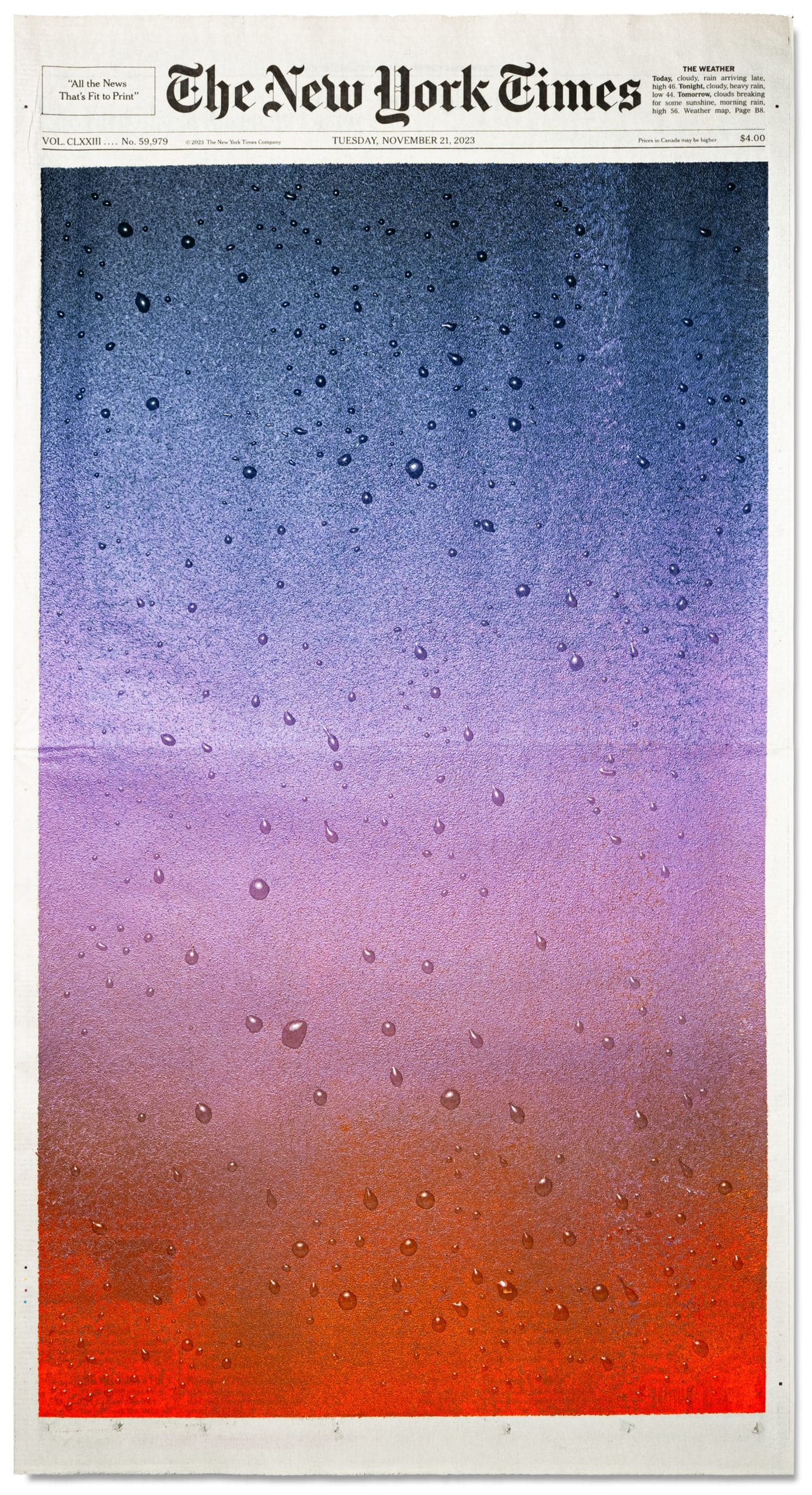
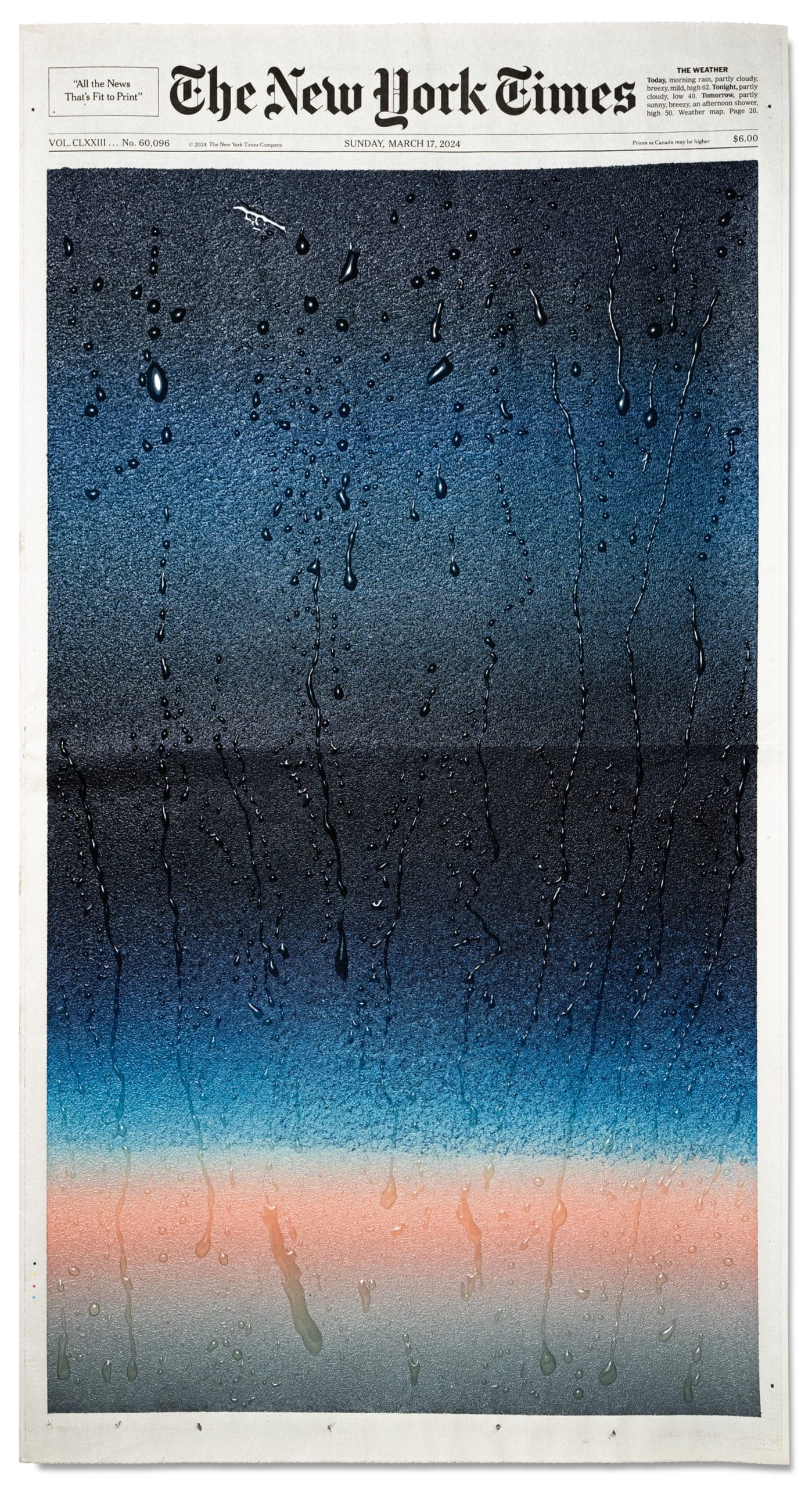

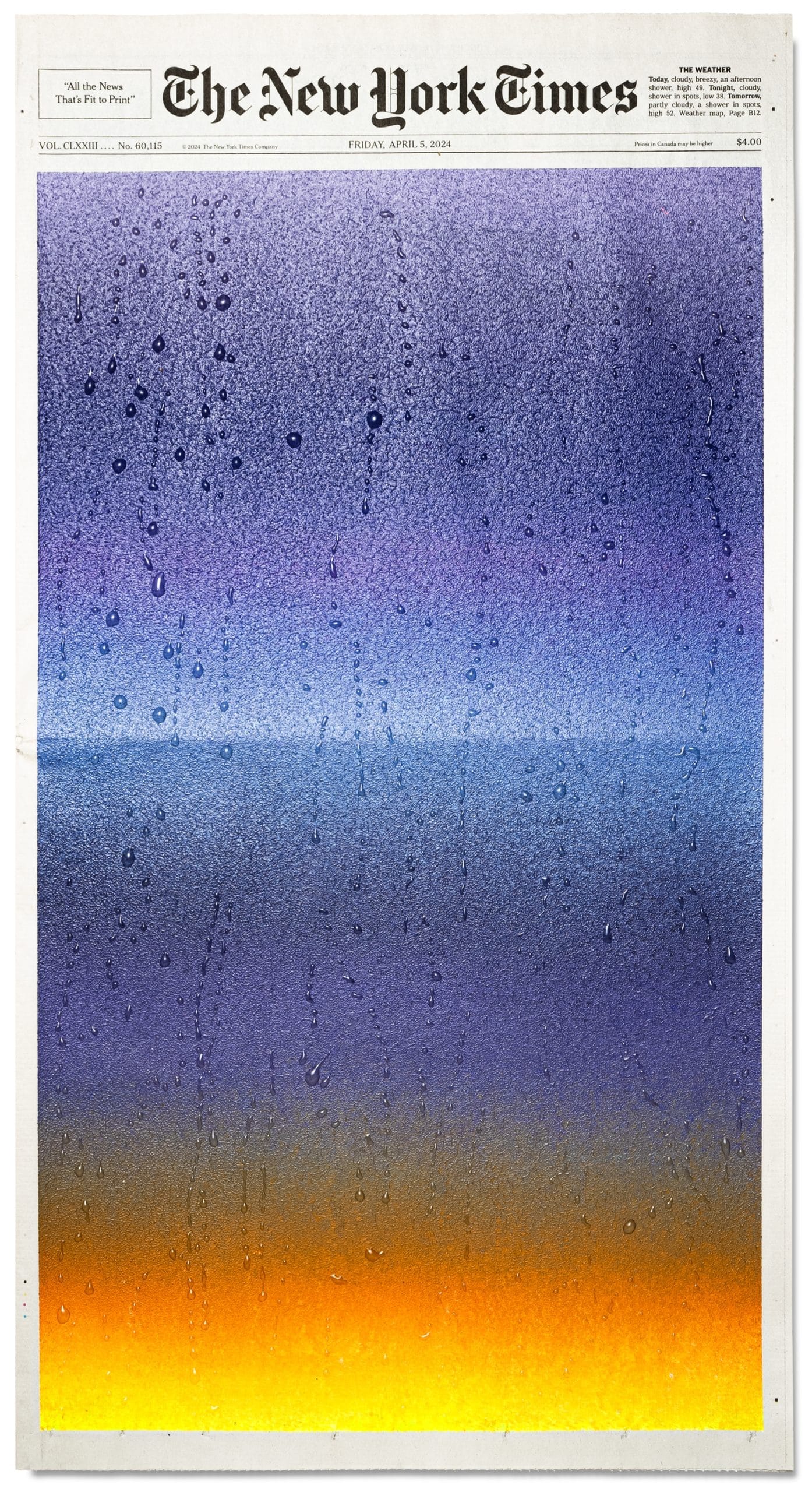
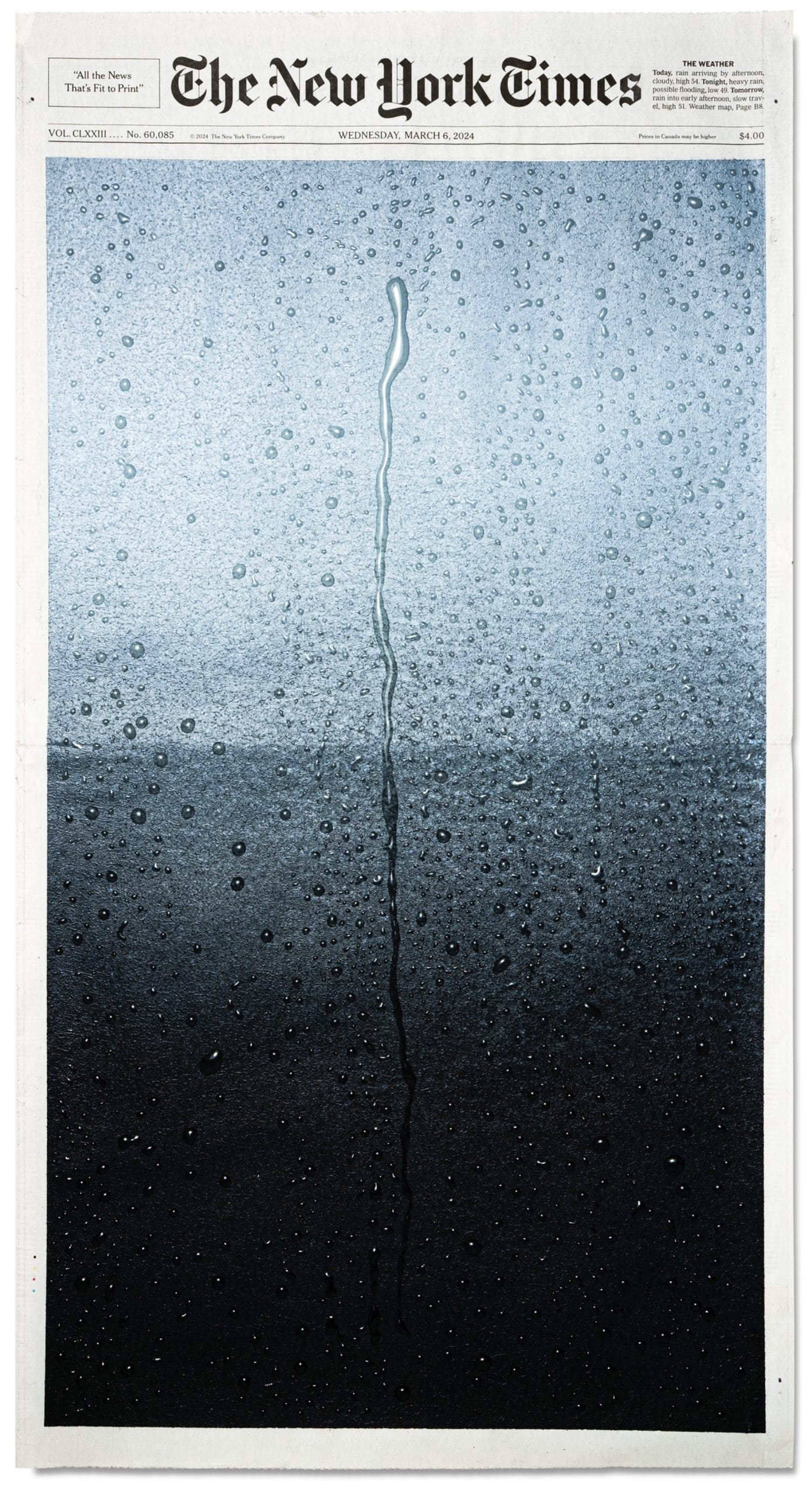
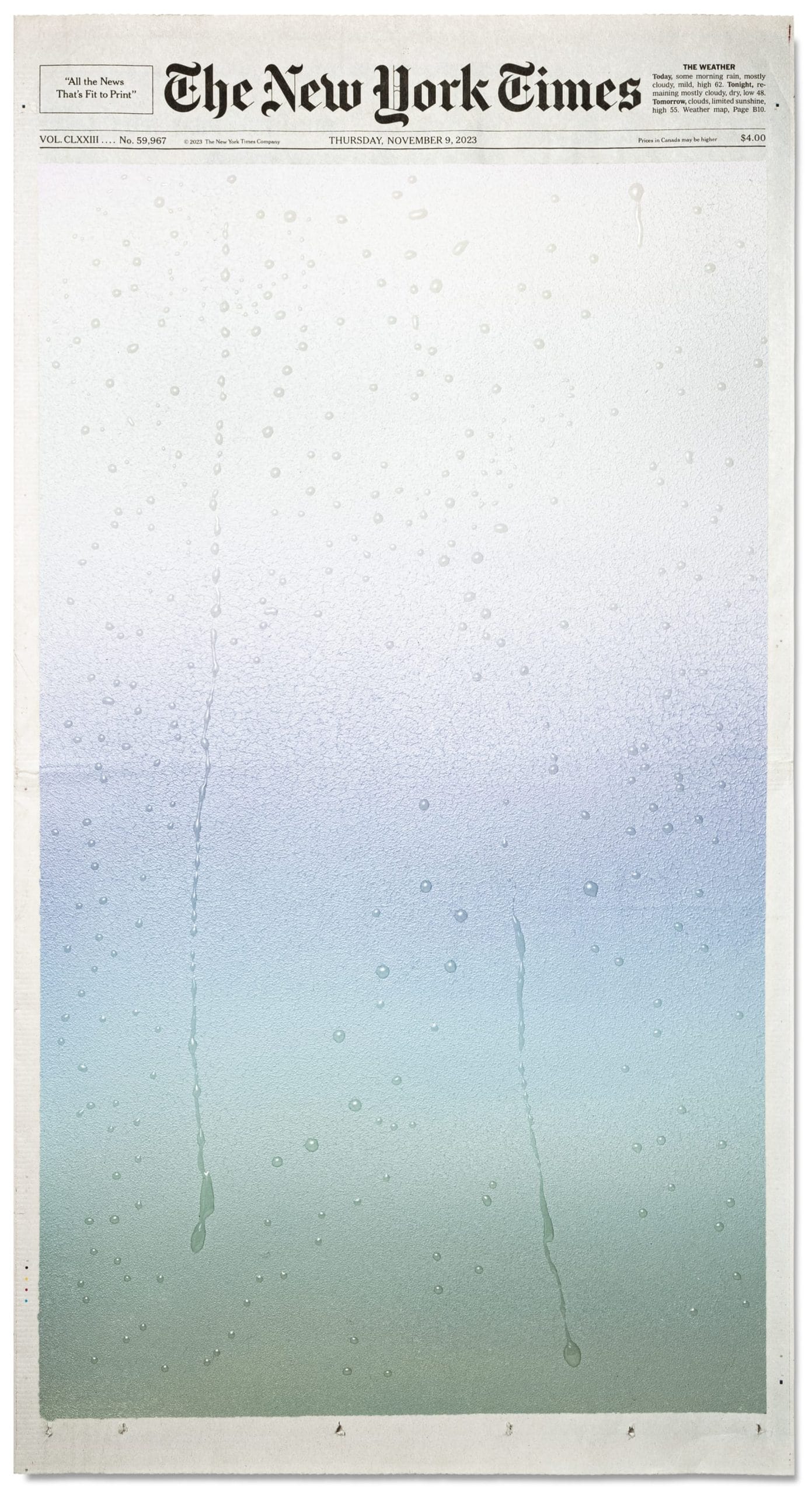
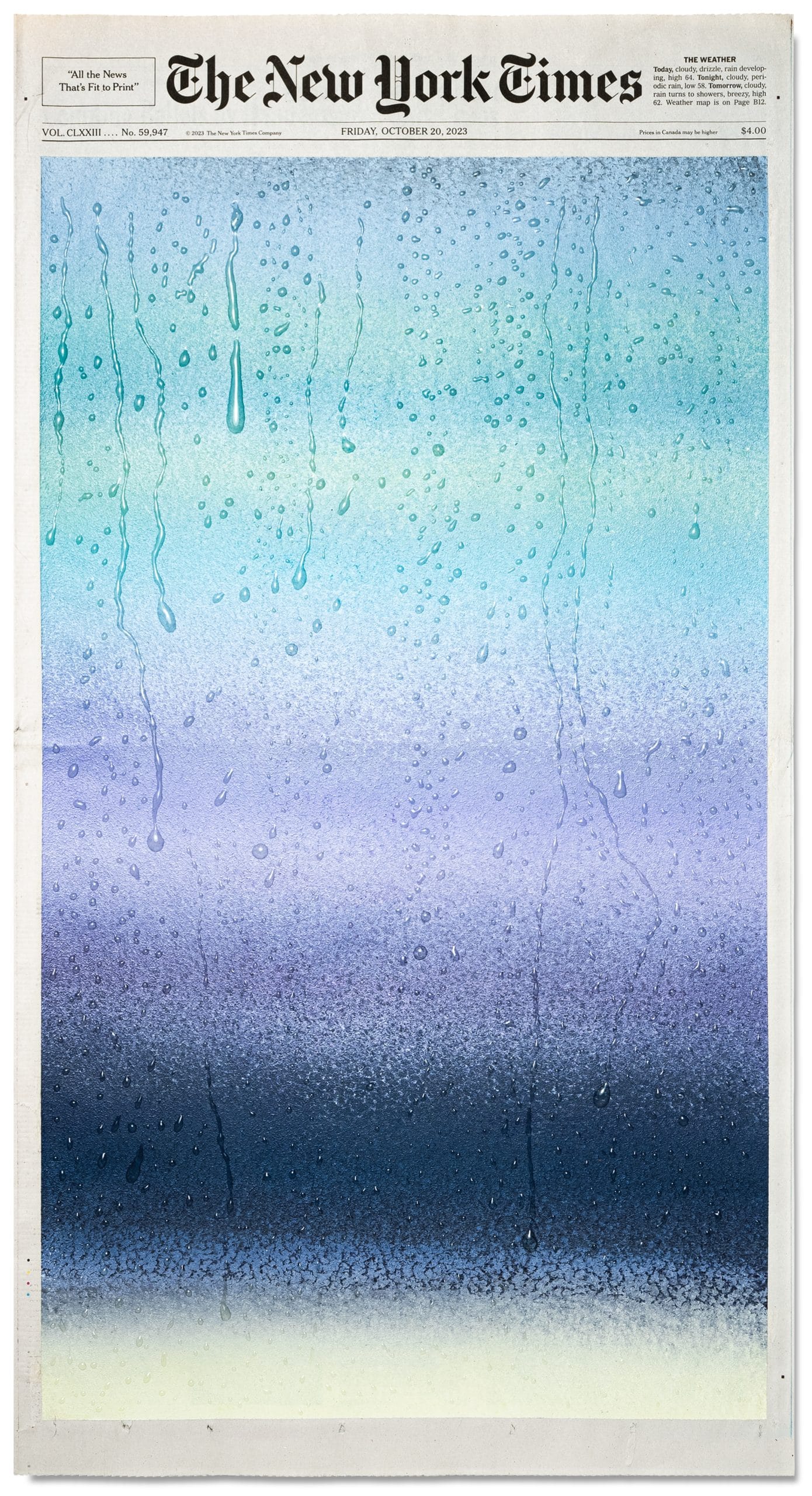


Artist Sho Shibuya paints daily meditations on a copy of The New York Times. These particular examples are part of a recent collection, Falling From the Sky, that features realistic trompe l’oeil droplets that celebrate rain and rainy days. Having spent many an hour contemplating water droplets on my window, I love these. (Image credits: S. Shibuya; via Colossal)
Fediverse Reactions
-
Espresso in Slow-Mo
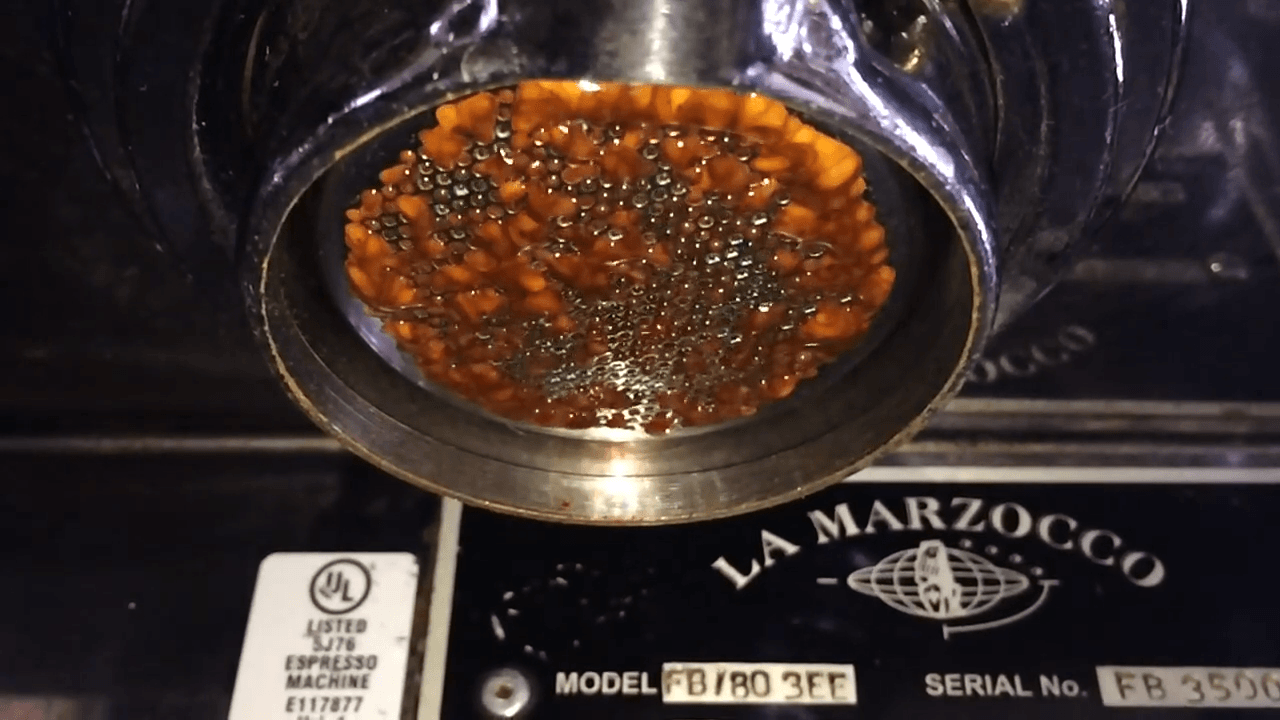
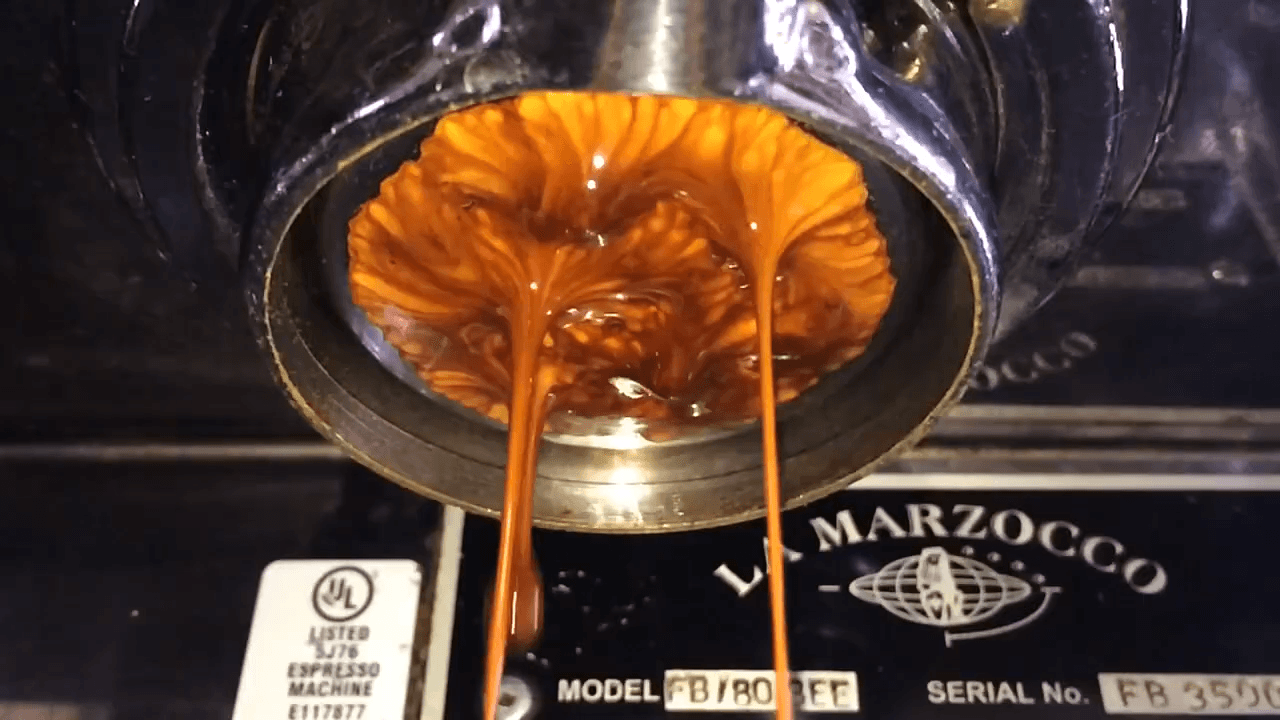
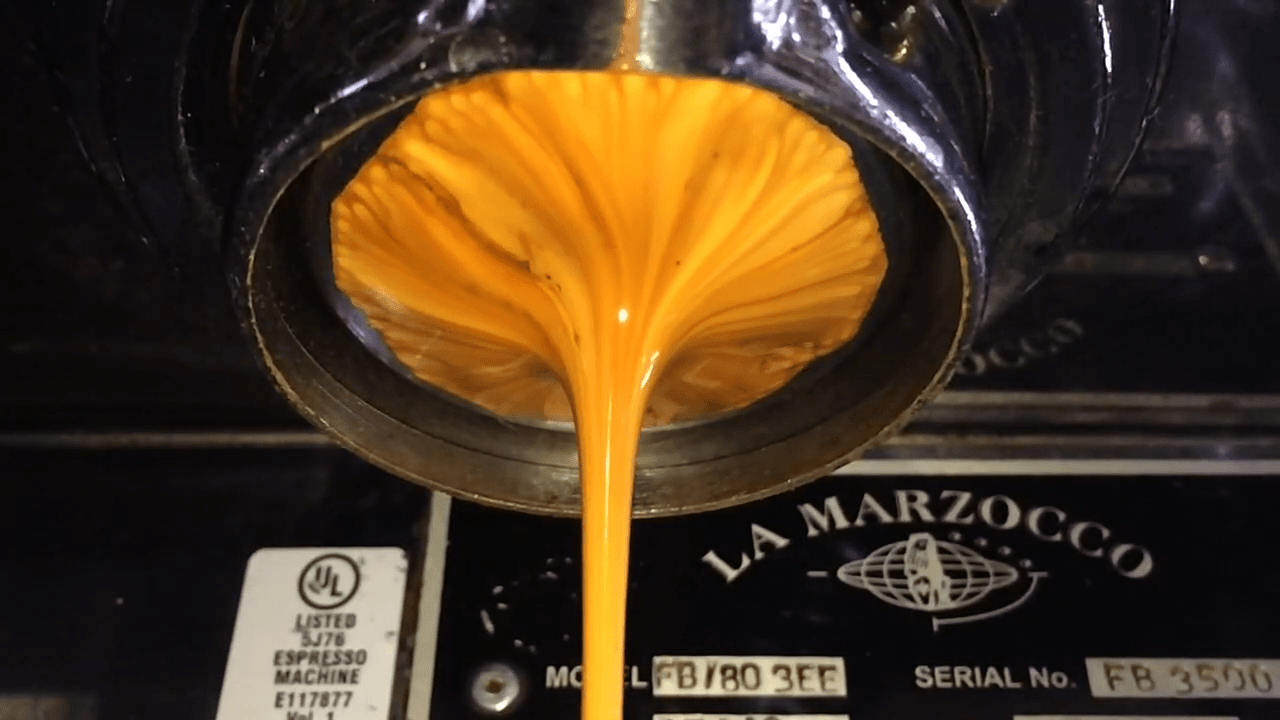
Espresso has some pretty cool physics. But it’s also just lovely to watch in slow motion. This video offers a look at the making of an espresso shot at 120 frames per second (though you can also enjoy a 1000 fps version here). Watching the film form, expand, and break up at the beginning and end of the video is my favorite, but watching how the occasional solid coffee grains make their way into and down the central jet is really interesting also. (Video and image credit: YouTube/skunkay; via Open Culture)
Fediverse Reactions
-
“Vorticity 6”
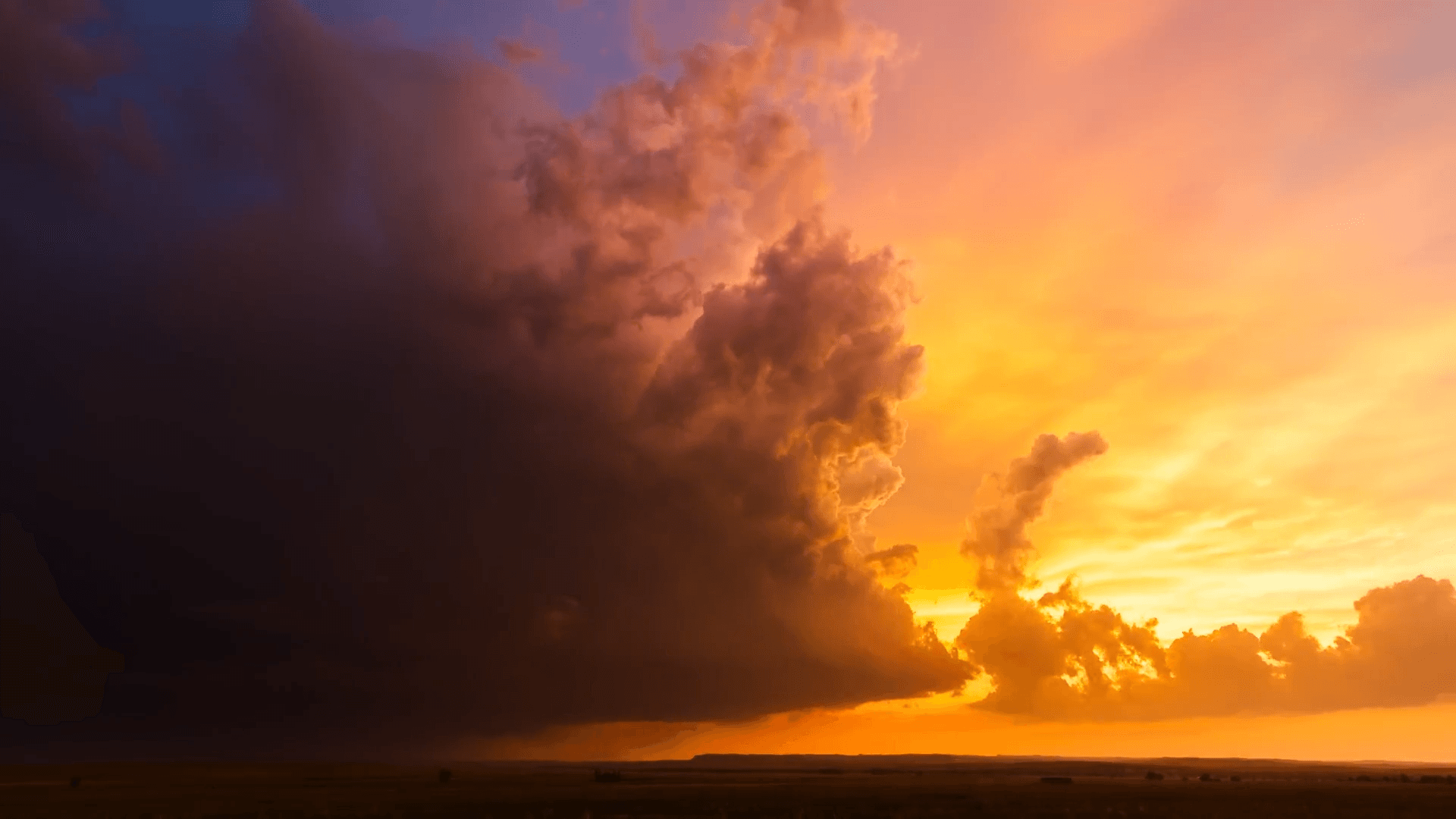
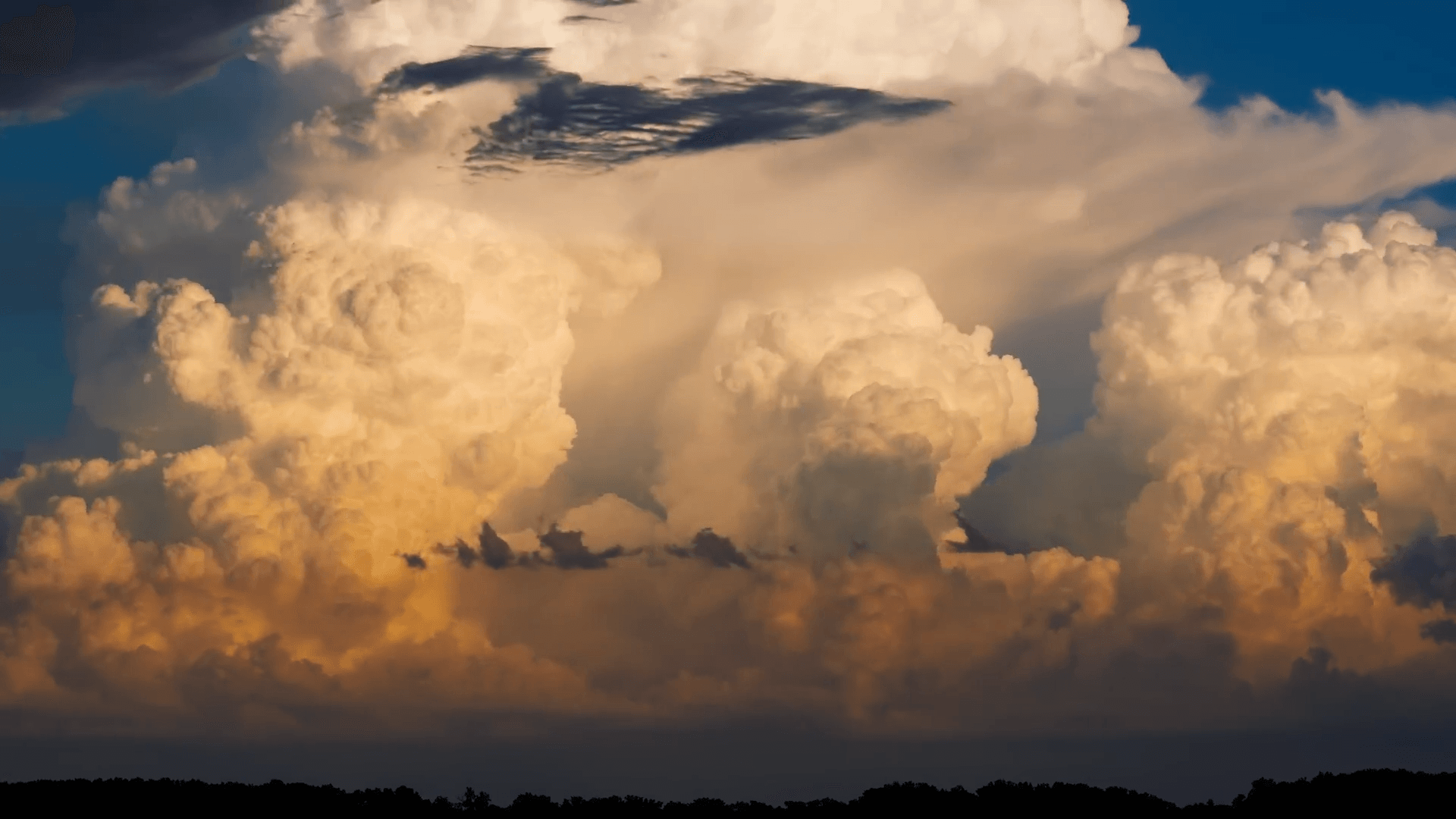
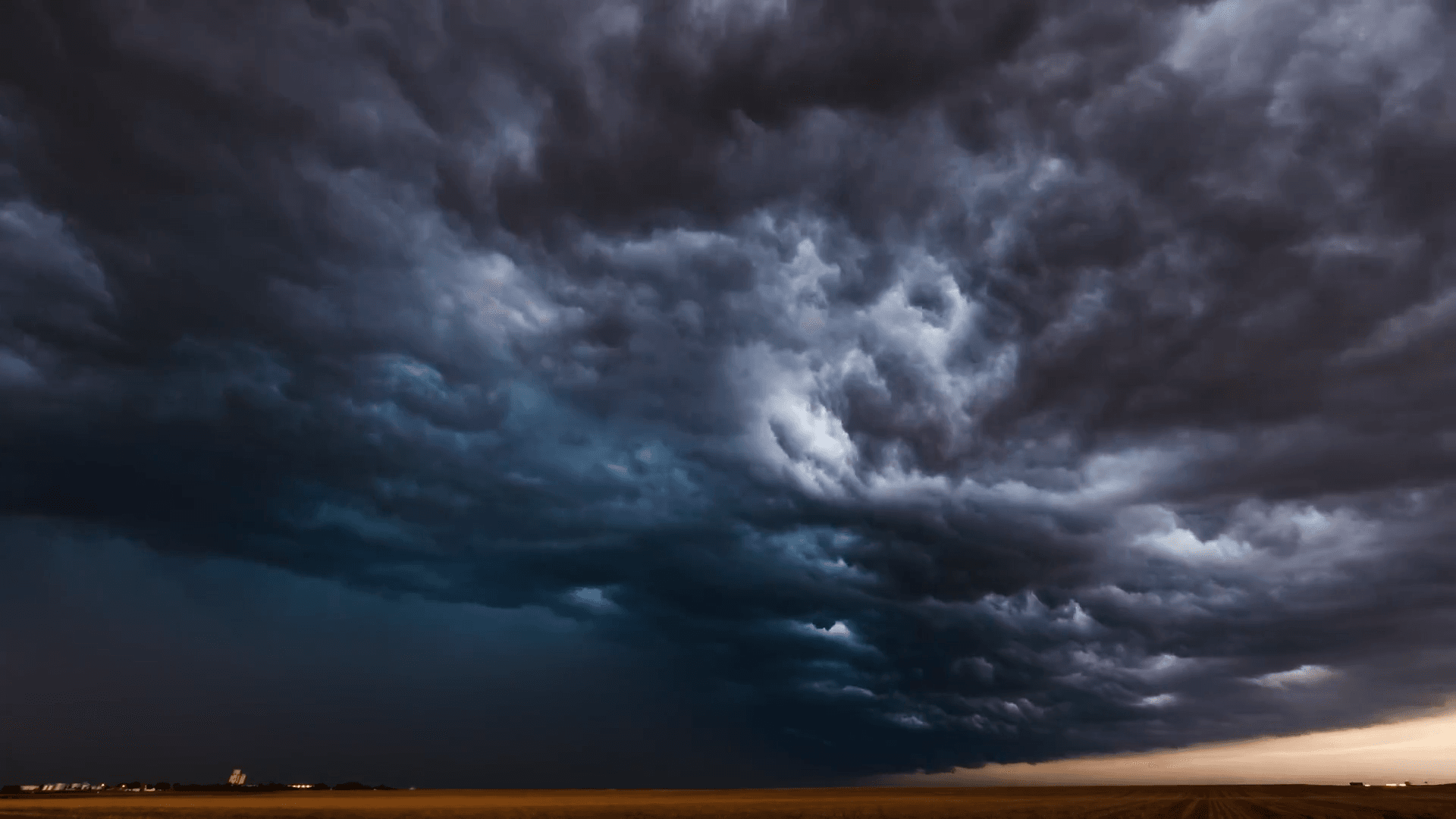
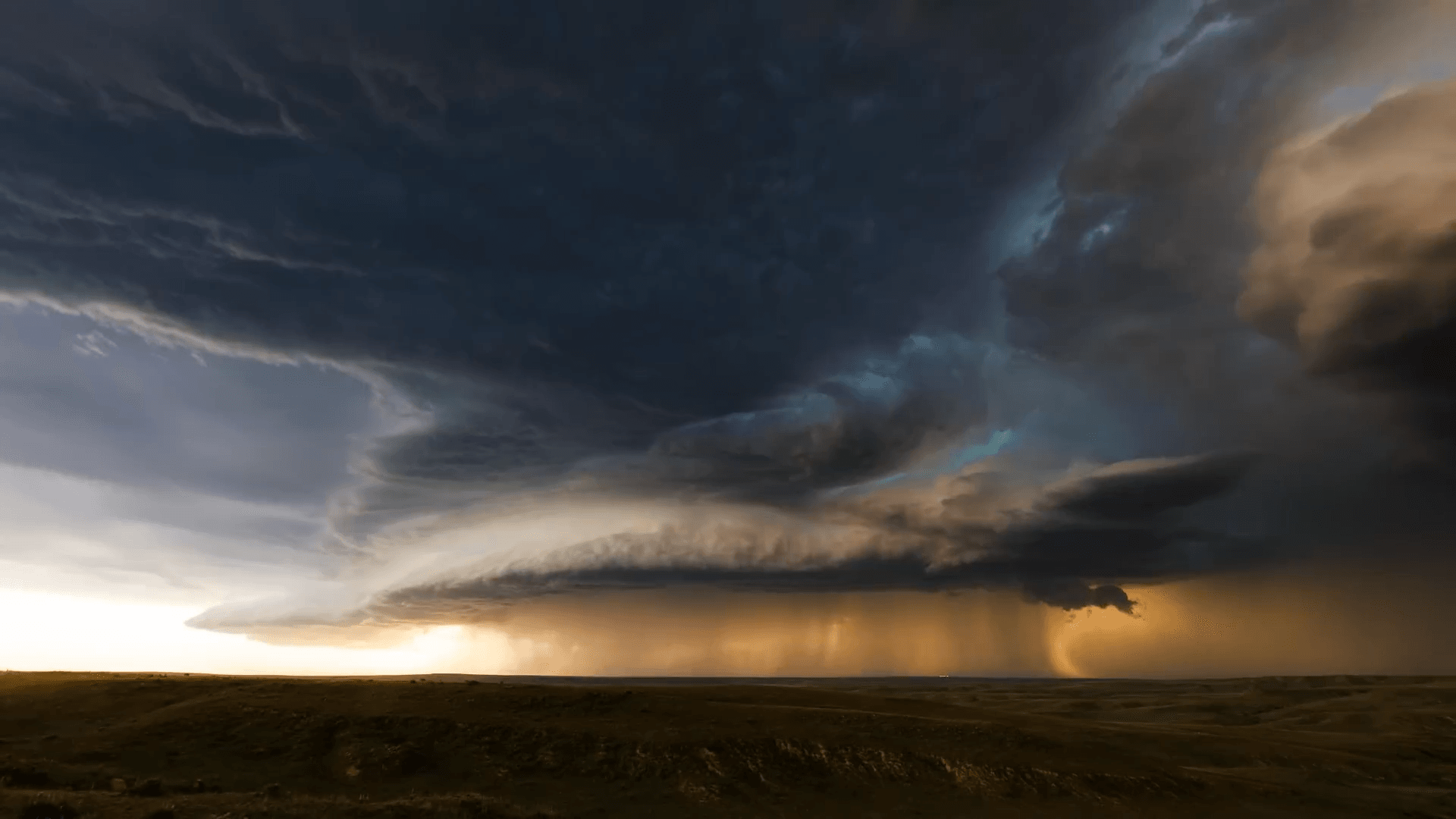
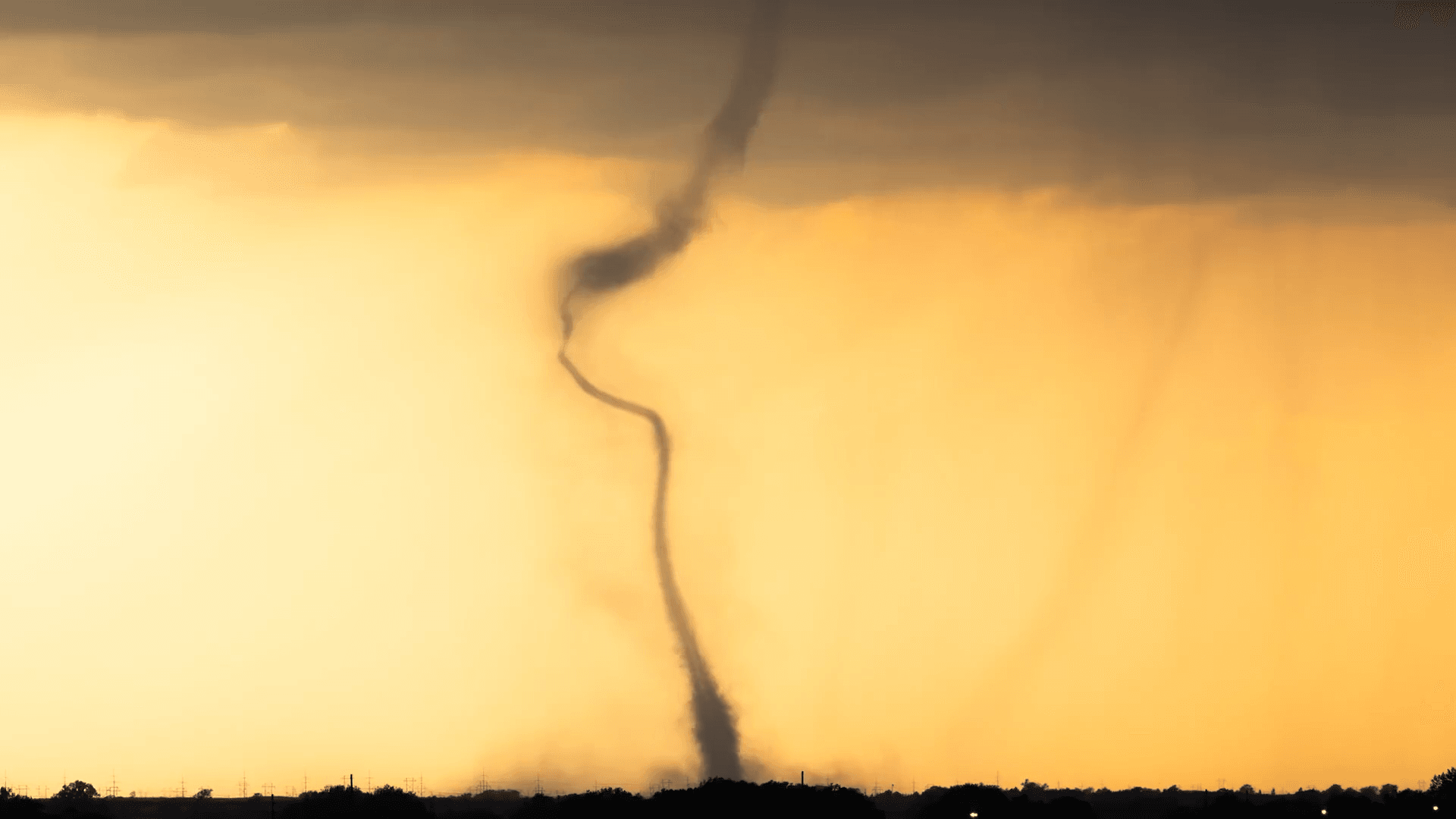
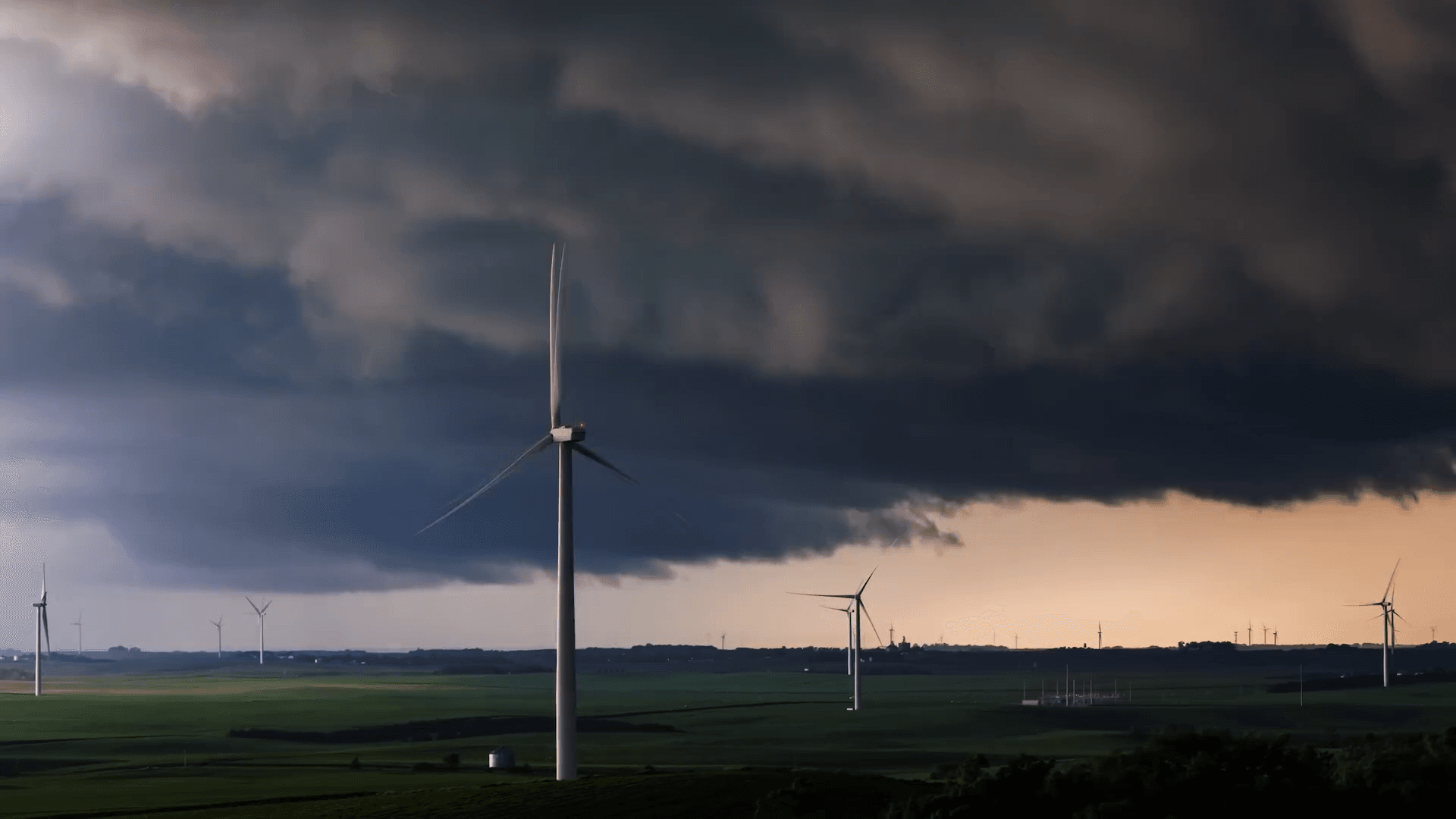
It’s time for another storm-chasing timelapse from photographer Mike Olbinski! “Vorticity 6” focuses on supercell thunderstorms and their tornadoes. There’s billowing turbulent convection, undulating asperitas, bulging mammatus, microbursts, and more. There’s nothing like timelapse to highlight the growth, rotation, and shear involved in these storms. (Video and image credit: M. Olbinski)
Fediverse Reactions
-