Tag: timelapse

  • Glacier Timelines

    Glacier Timelines

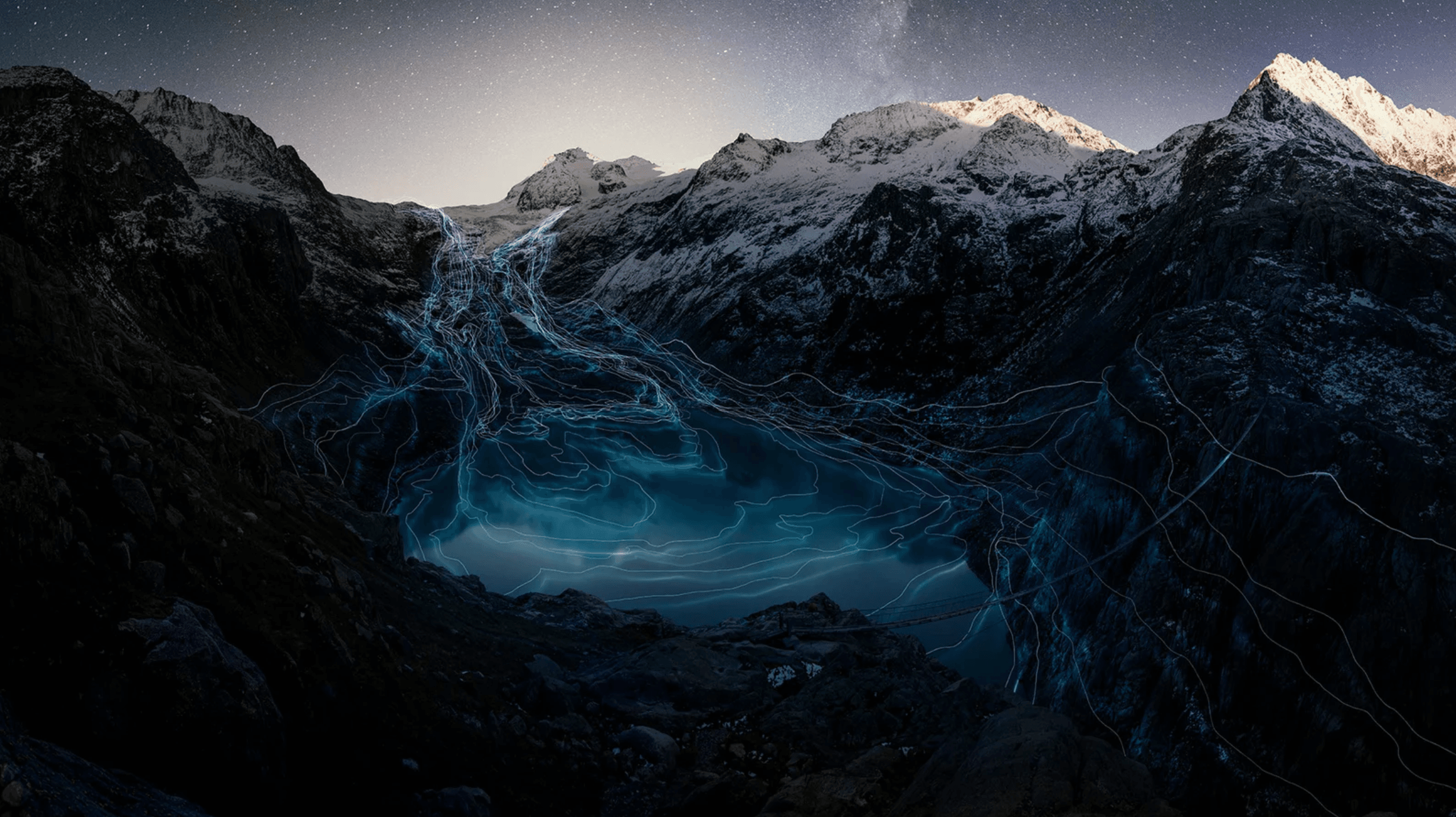
    "The Rhone Glacier" by Fabian Oefner.

    Over the past 150 years, Switzerland’s glaciers have retreated up the alpine slopes, eaten away by warming temperatures induced by industrialization. But such changes can be difficult for people to visualize, so artist Fabian Oefner set out to make these changes more comprehensible. These photographs — showing the Rhone and Trift glaciers — are the result. Oefner took the glacial extent records dating back into the 1800s and programmed them into a drone. Lit by LED, the drone flew each year’s profile over the mountainside, with Oefner capturing the path through long-exposure photography. When all the paths are combined, viewers can see the glacier’s history written on its very slopes. The effect is, fittingly, ghost-like. We see a glimpse of the glacier as it was, laid over its current remains. (Image credit: F. Oefner; video credit: Google Arts and Culture)

    Fediverse Reactions
  • Featured Video Play Icon

    “C R Y S T A L S”

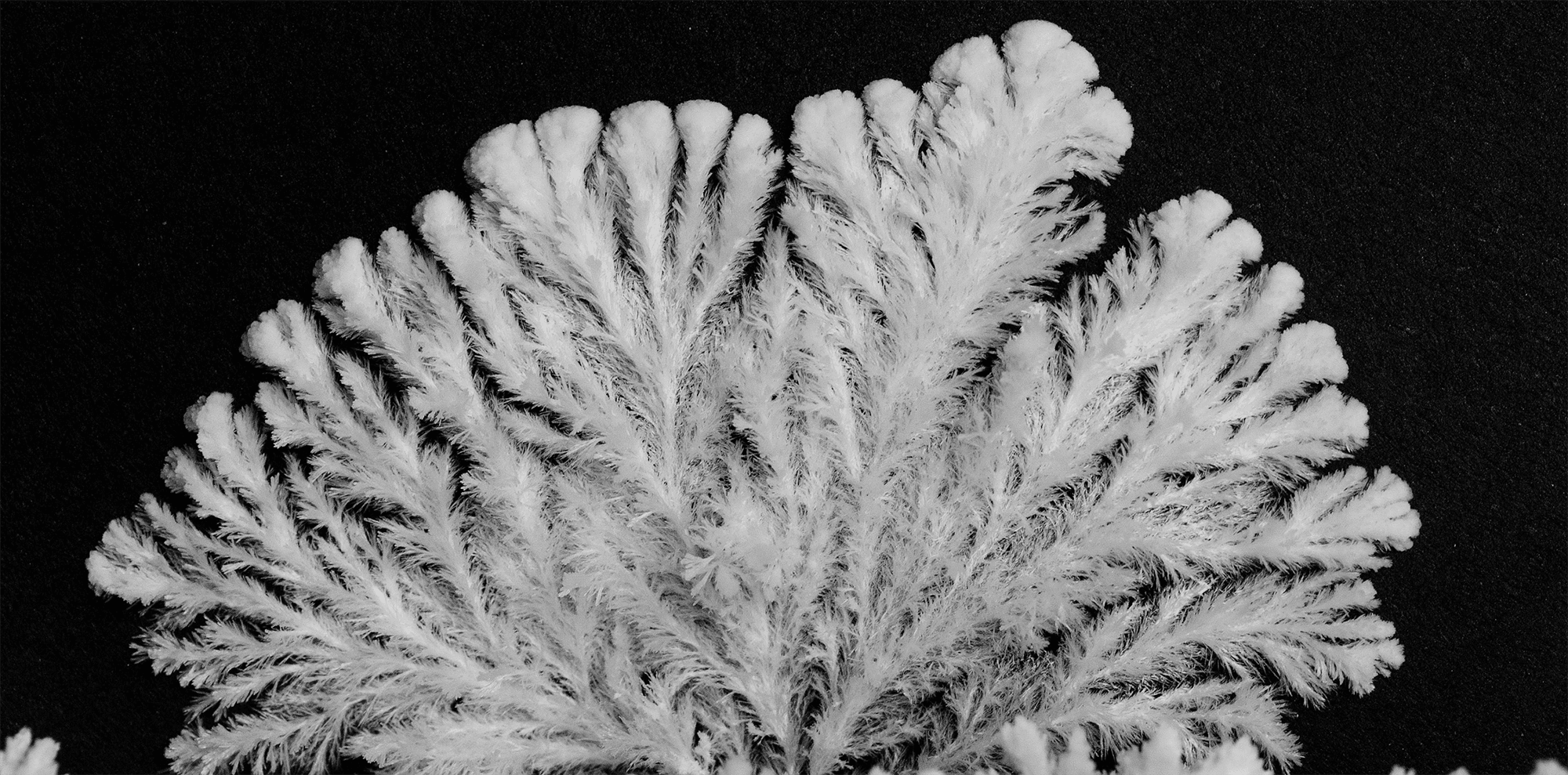
    In “C R Y S T A L S,” filmmaker Thomas Blanchard captures the slow, inexorable growth of potassium phosphate crystals. He took over 150,000 images — one per minute — to document the way crystals formed as the originally transparent liquid evaporated. Some crystals branch into fractals. Others bulge outward like a condensing cloud or a sprouting mushroom. (Video and image credit: T. Blanchard)

    Fediverse Reactions
  • Featured Video Play Icon

    “Winter”

    Little by little, snow and ice transform the landscape in Jamie Scott’s film “Winter.” From individual snowflakes to entire forest vistas, the timelapses showcase how winter remakes every surface in its image. The growing icicles show freezing in action, but I especially love seeing the “flow” brought about by progressively greater snowfall. Tree limbs bow, shrubs swell, and riverbanks contract as the snow gets thicker. And that final shot that pulls out from single snowflakes to the entire forest? Stunning! (Video and image credit: J. Scott et al.; via Colossal)

  • Featured Video Play Icon

    “Black Ice”

    Ice, black ink, and flowers combine in filmmaker Christopher Dormoy’s “Black Ice.” Filmed during the COVID-19 lockdowns, the video is an exploration of the creativity one can achieve when constrained. I especially enjoy seeing the tiny bubbles trapped in the ice escape as ink billows past, and the views of ice tunnels invaded by ink are incredibly cool. For a behind-the-scenes look at how Dormoy achieved many of the shots, see this video. (Video and image credit: C. Dormoy)

  • Featured Video Play Icon

    “Vorticity 5”

    Photographer and stormchaser extraordinaire Mike Olbinski is back with the fifth volume in his “Vorticity” series. Shot over the 2022 and 2023 tornado seasons in the U.S. Central Plains, this edition has virtually everything: supercells, microbursts, lightning, tornadoes, and haboobs. There’s towering convection and churning, swirling turbulence. It’s a spectacular look at the power and grandeur of our atmosphere. (Video and image credit: M. Olbinski)

  • Featured Video Play Icon

    “Eternal Spring”

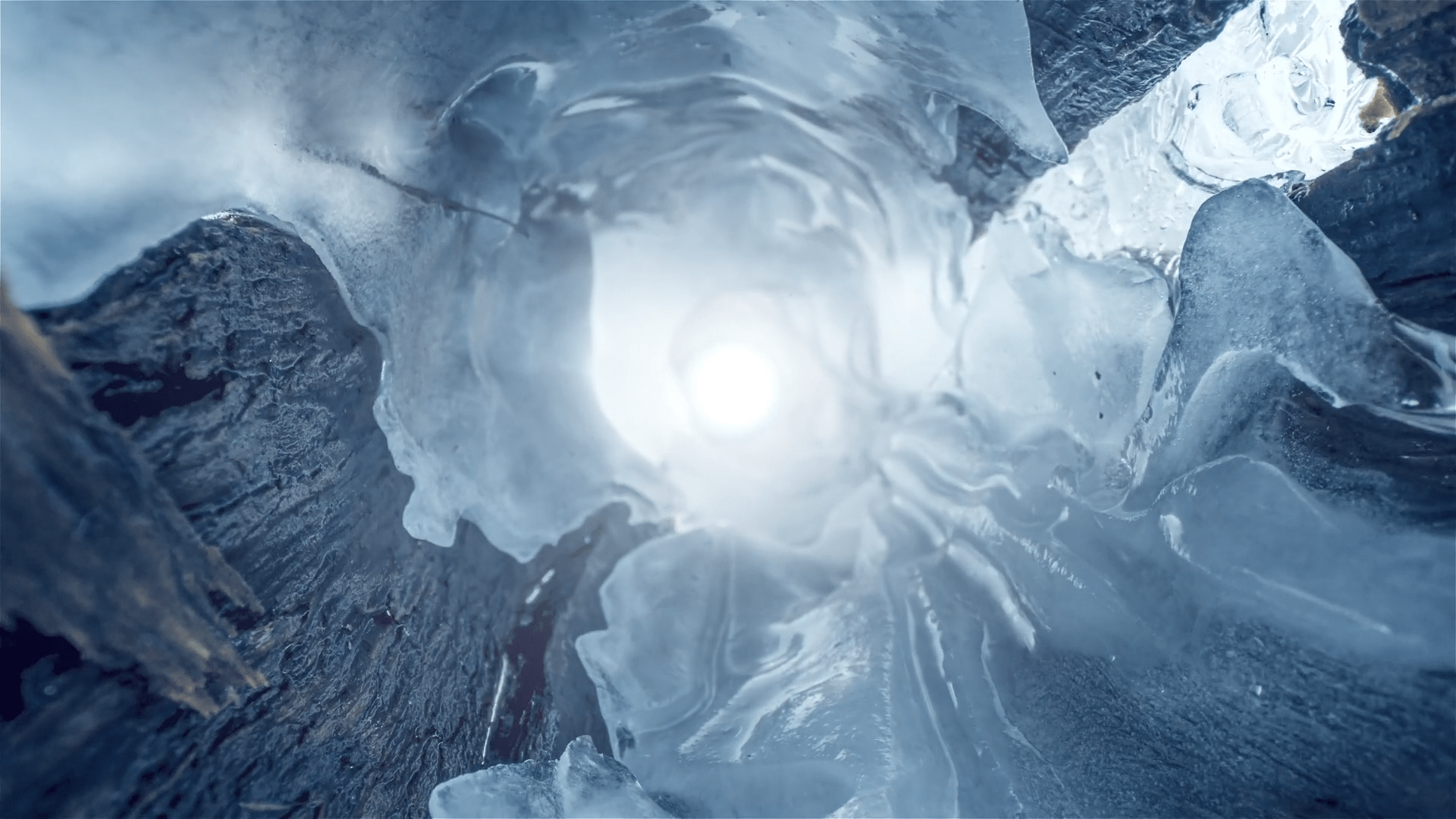
    With every spring comes the thaw. Warming temperatures melt winter’s ice, carving it away to reveal the surfaces beneath. Christopher Dormoy’s macroscale timelapse “Eternal Spring” captures this dynamic, showing the process drop-by-drop and rivulet-by-rivulet. It’s also a commentary on melting in general as human-driven climate change chips away at ice that formed over millennia. (Video and image credit: C. Dormoy)

  • Featured Video Play Icon

    “Timedrift II”

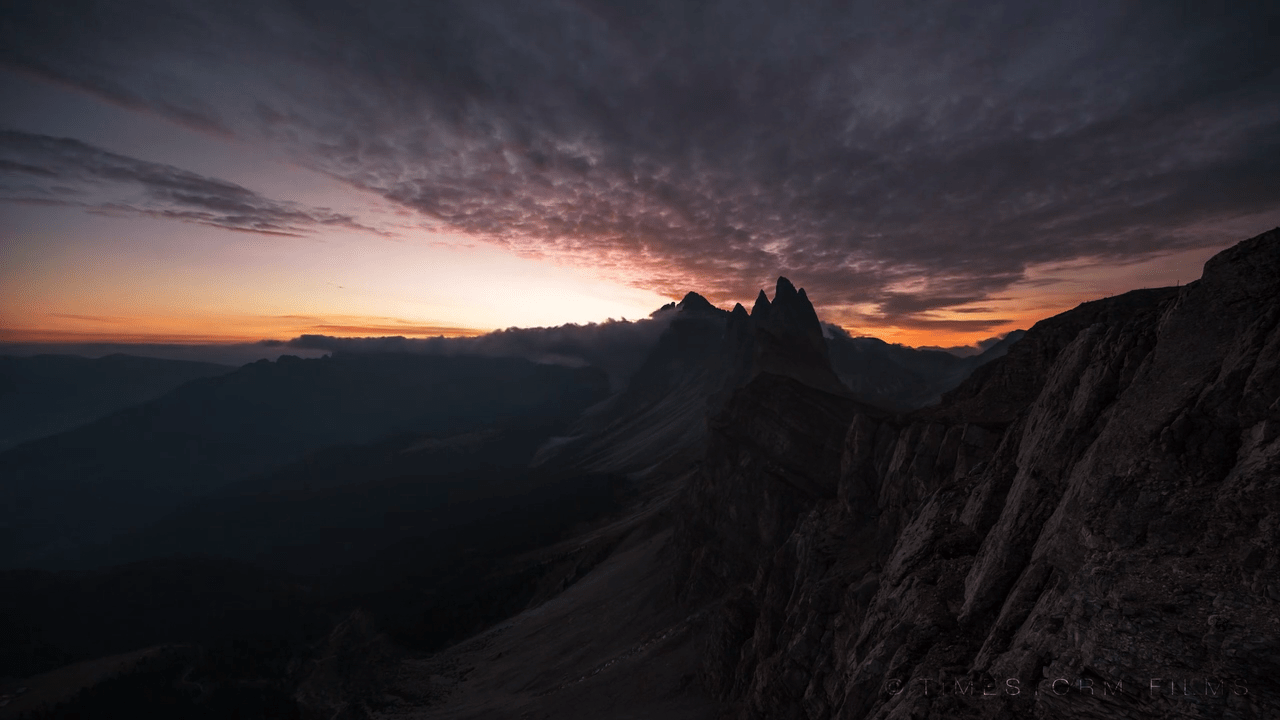
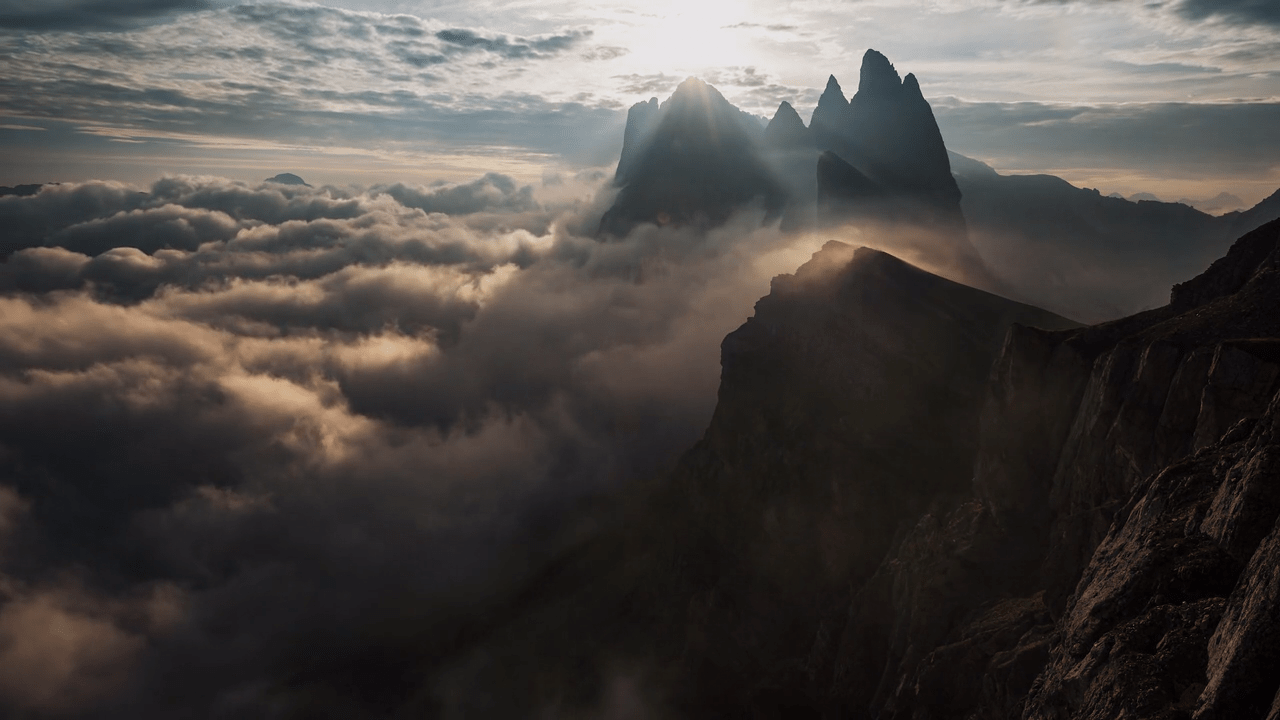
    As a teenager, I climbed Mount Kilimanjaro. The final ascent began around midnight, and we climbed through the dark, through sunrise, and into the early morning. I remember pausing at one point, just as the sun was rising, and looking out at the clouds thousands of meters below. From that height, they looked like an ocean, rippled with lavender waves. Timelapse films like this one, by filmmaker Martin Heck, remind me of that morning and the sense that I had of the sky as an ocean, flowing, crashing, and surging in ways we cannot appreciate until we slow down and look closer. (Image and video credit: M. Heck/Timestorm Films)

  • Featured Video Play Icon

    “Reverent”

    Today, enjoy this moody black-and-white short film of storm timelapses. Photographer Mike Olbinski is a master of this subject. I never tire of watching his towering convective supercell thunderstorms or his picturesque microbursts. The lightning-lit clouds in the latter half of the film are particularly spectacular (assuming you do not have sensitivities to flashing lights). And there are a few haboobs and a tornado in there for good measure, too. (Image and video credit: M. Olbinski)
  • Featured Video Play Icon

    Filming the Brinicle

    It may have been 10 years since the BBC filmed the first timelapse of a growing brinicle, but the footage is just as amazing now as it was then! This video gives you the behind-the-scenes story of what it took to capture this natural wonder under the Antarctic ice. It’s incredible to see the shots of sinking brine streaming off the brinicles, too. The difference in density (and thus refractive index) of the brine and the ocean water is substantial enough that your eye can actually pick them out as separate fluids. I once went snorkeling in an area with similarly varied salinity and it was completely bizarre watching everything suddenly go wavy and blurry as I swam. (Image and video credit: BBC)
  • Featured Video Play Icon

    Signs of Spring

    Nothing says, “Goodbye, winter!” quite like watching the ice disappear after a deep freeze. This timelapse video shows ice on Lake Michigan breaking up after a deep freeze. The first chunk to go is a massive plate of ice that moves off in a single large chunk. After that, the break-up takes place on a smaller scale, with individual pieces of ice tracing the flow of local currents. (Video and image credit: WGN News; submitted by ajhir)