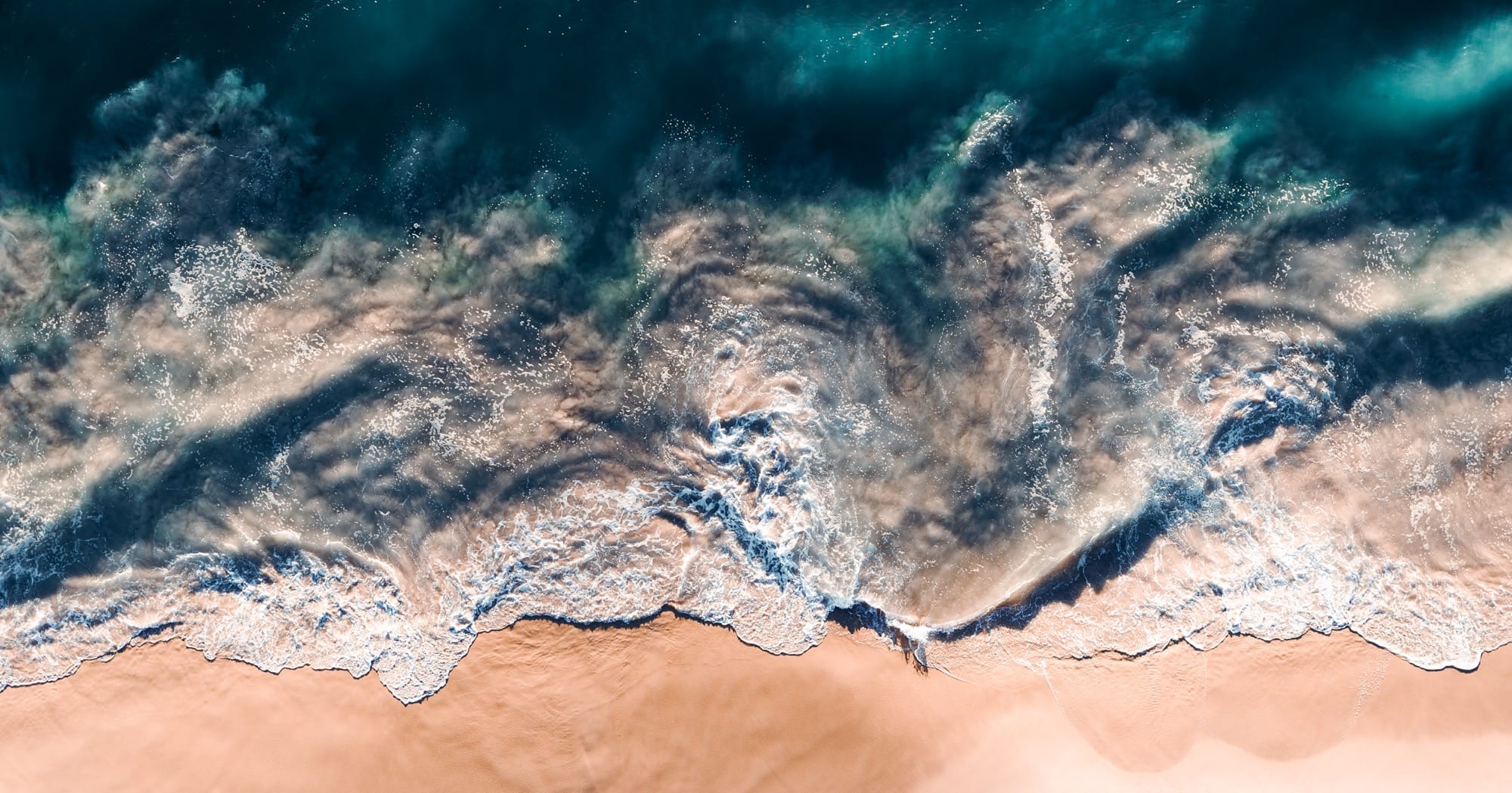
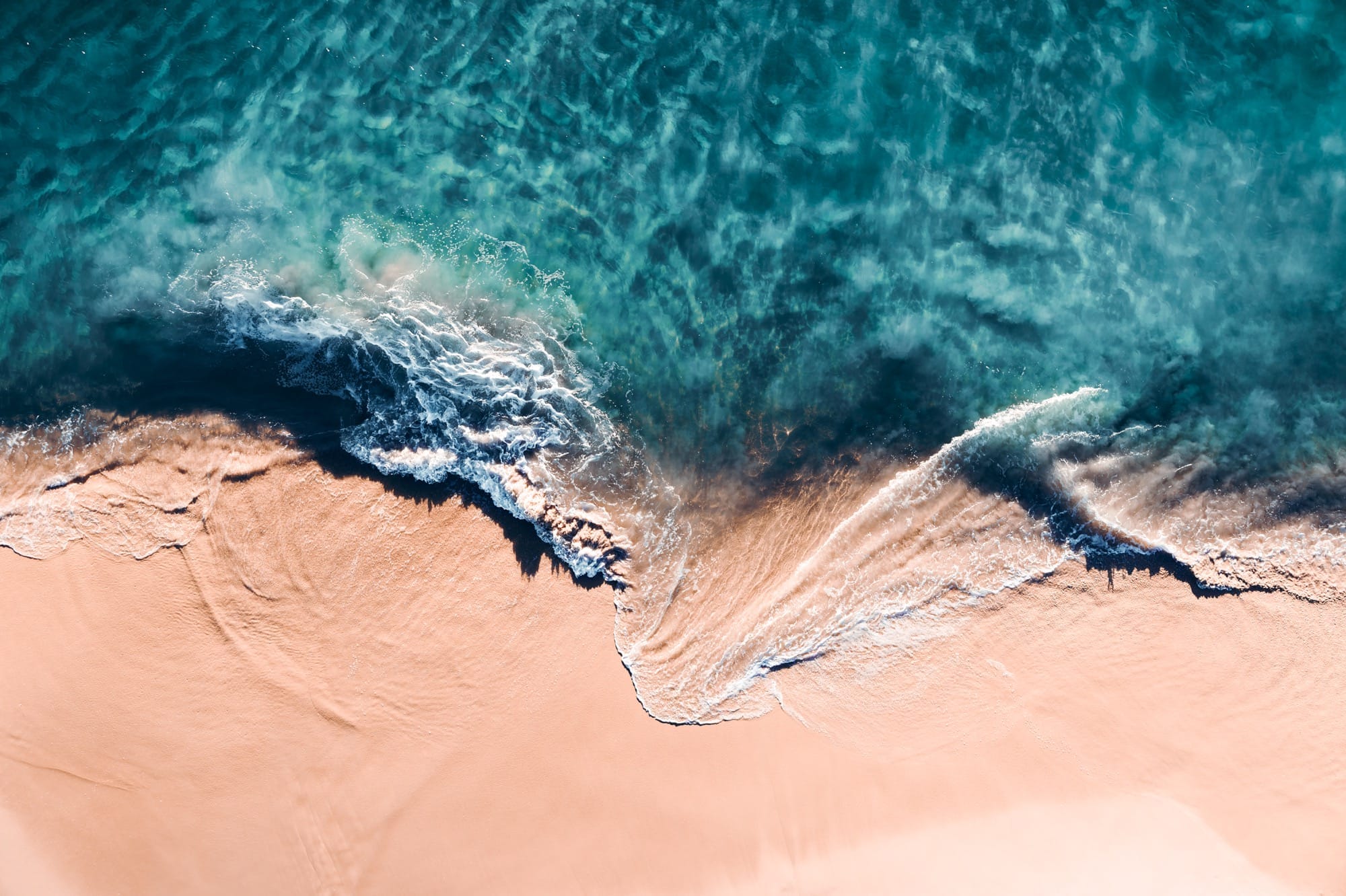
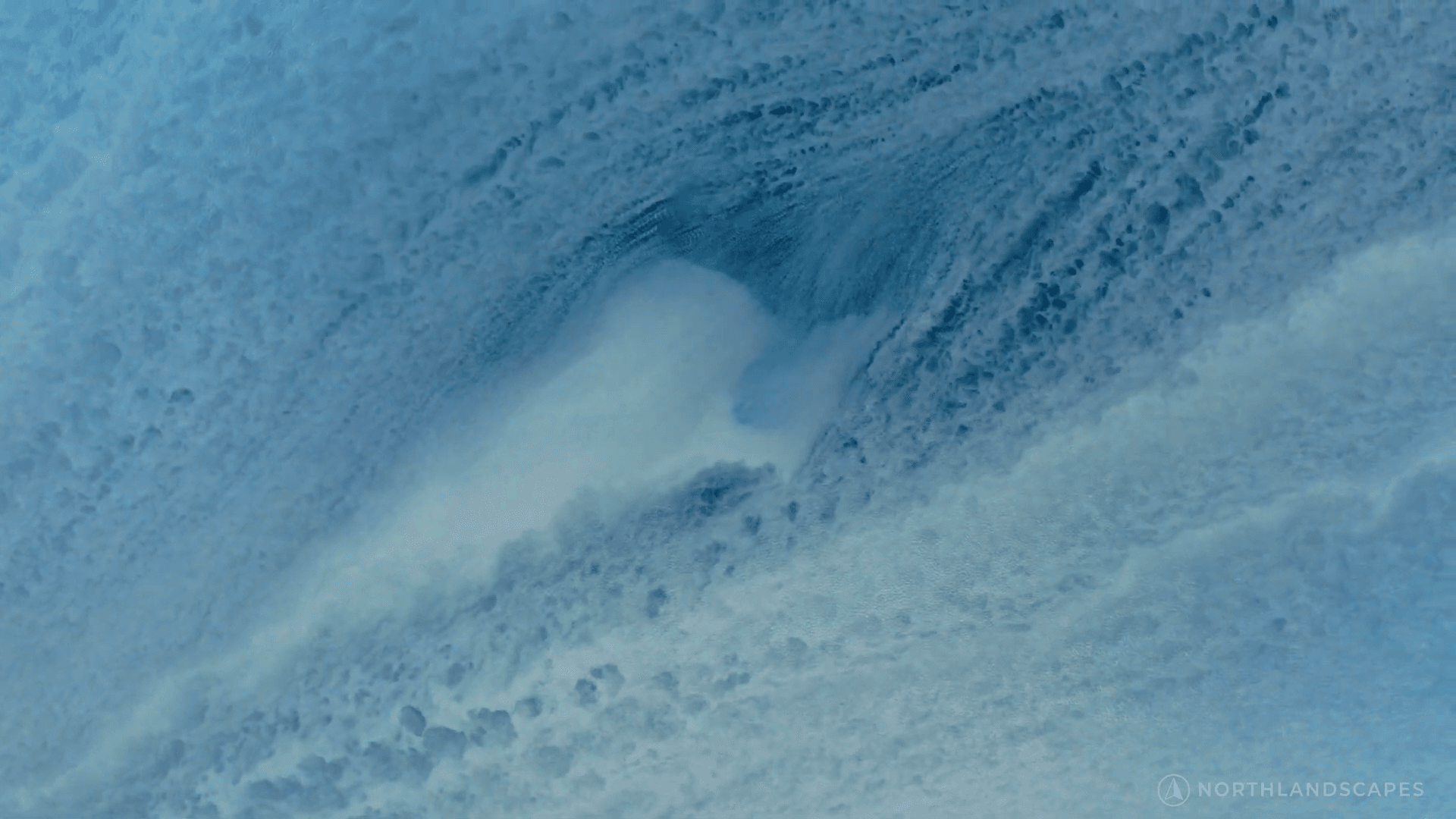
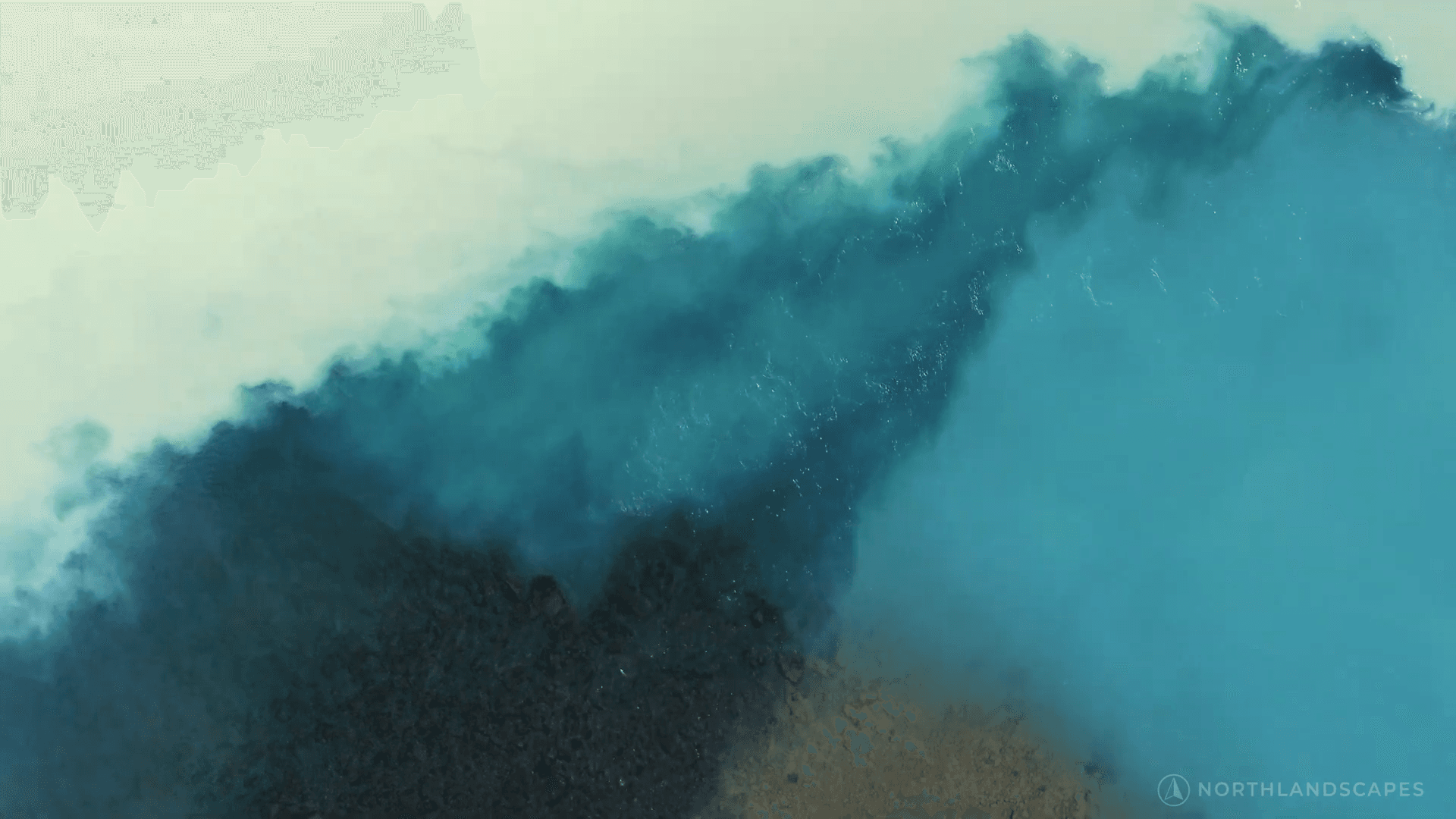
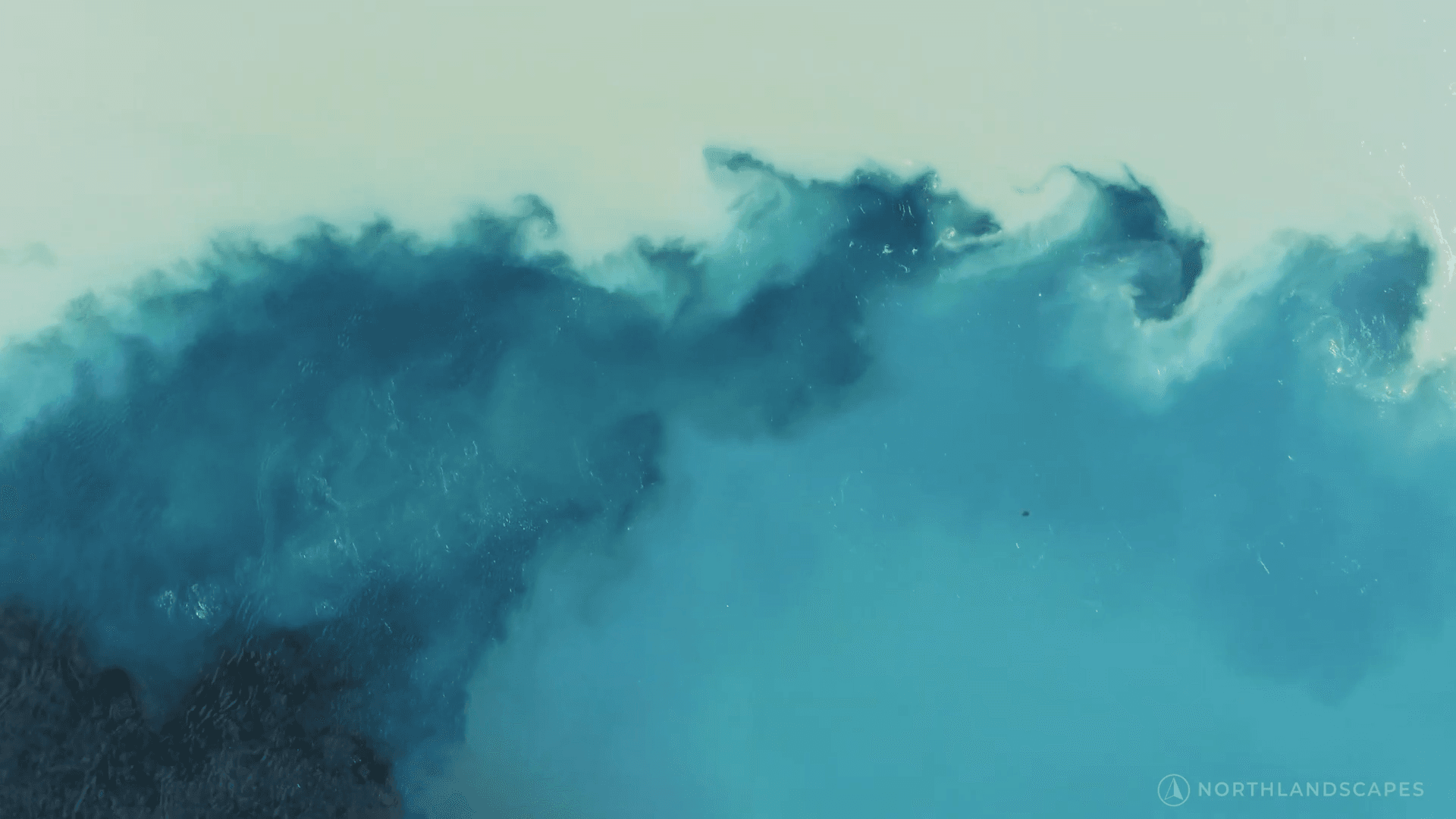
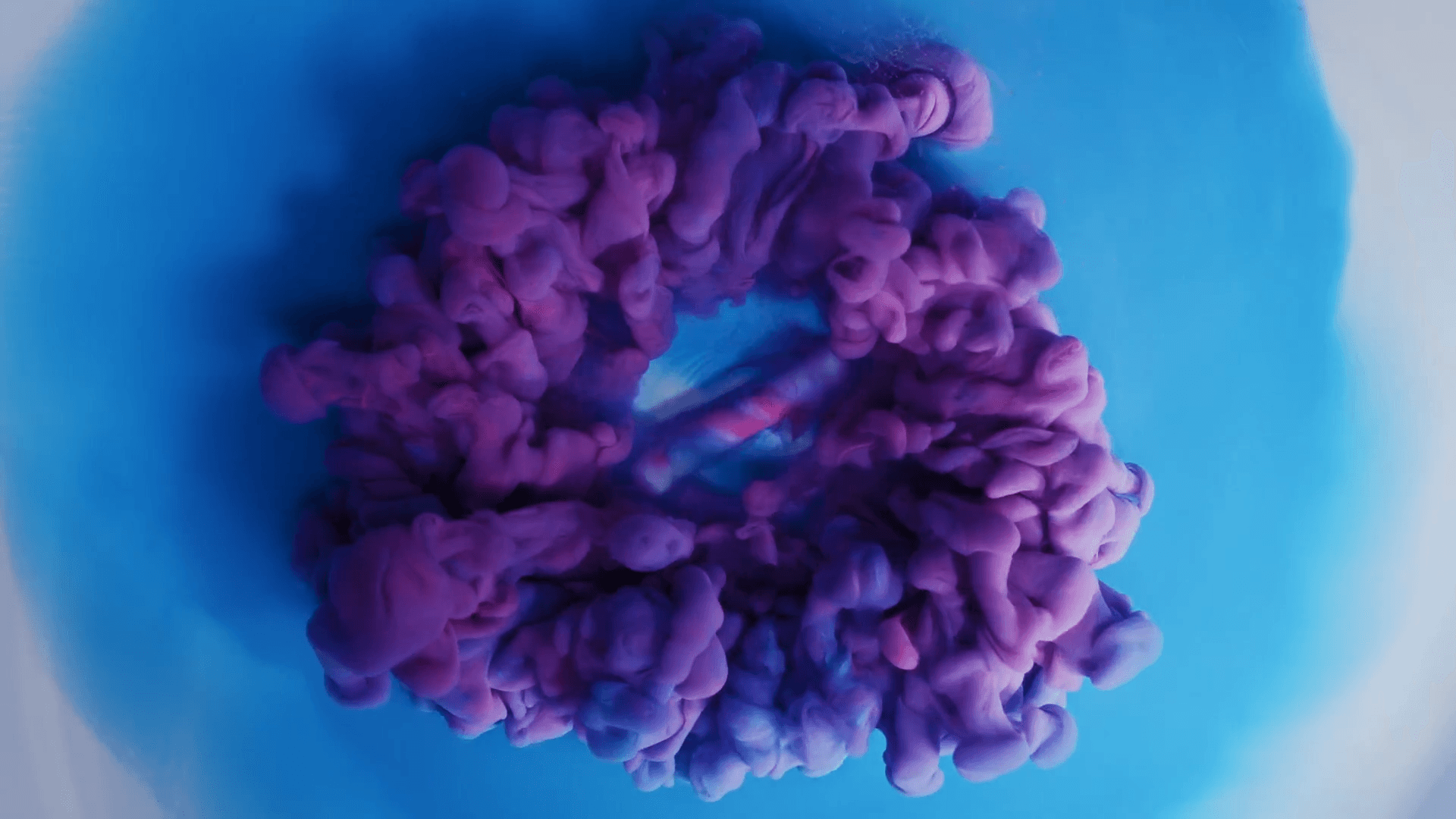
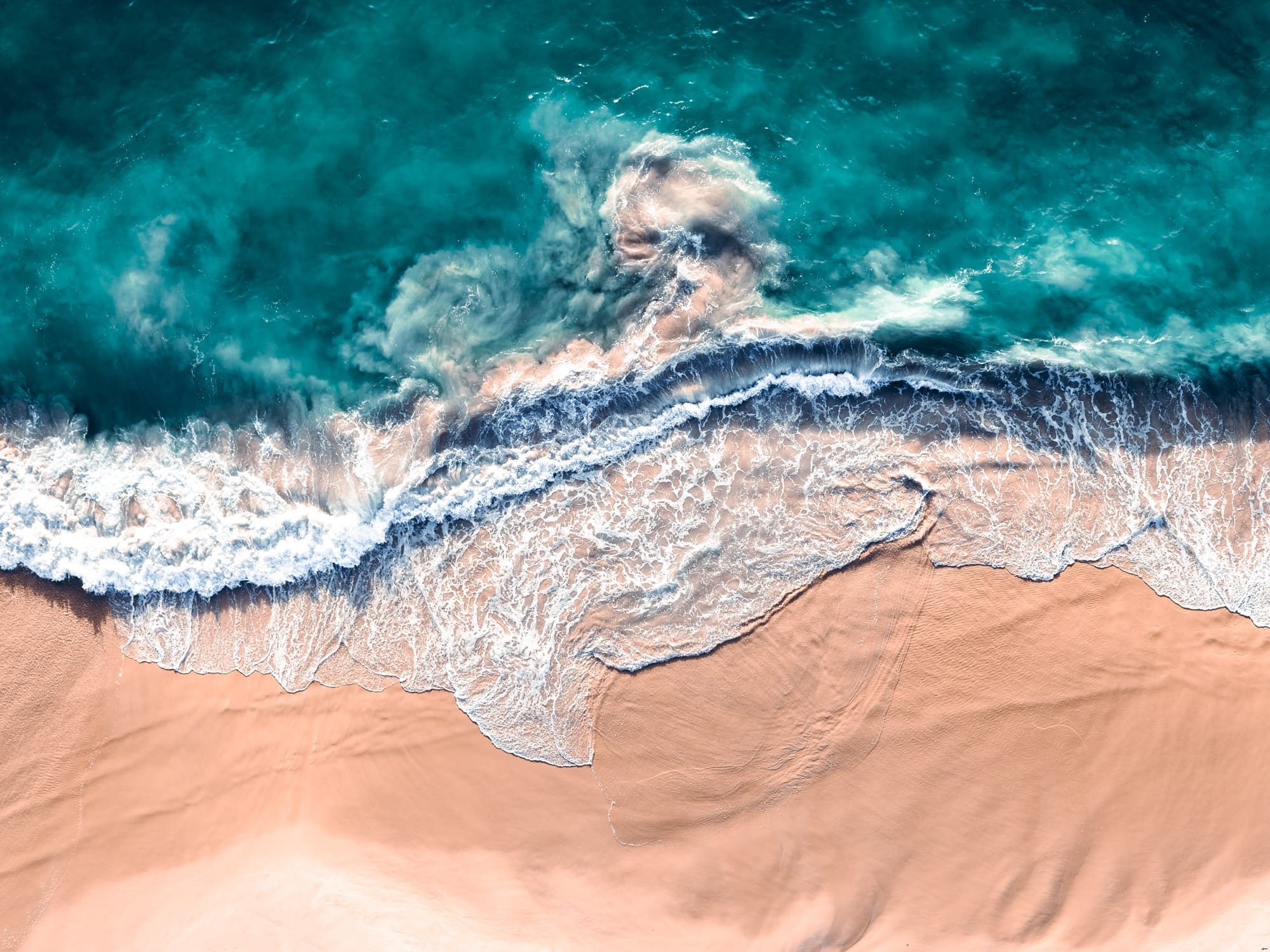
Photographer Kevin Krautgartner captures the powerful waves of Western Australia from above. His latest series, Waves | Ocean Forces, features luminous turquoise waves, crystalline foam, and brilliant beaches. I could delight in staring at them for hours. Fortunately, he sells prints on his website! (Image credit: K. Krautgartner; via Colossal)
Tag: fluids as art

A Drop of Algae
Spheres of a Volvox colonial algae glow green inside a droplet in this award-winning microphotograph by Jan Rosenboom. Pinned on an inclined surface, the droplet is frozen in a balance between gravity and surface tension that keeps its shape–and its contact angles–asymmetric. Droplets will also take on a shape similar to this when air is blowing past them. (Image credit: J. Rosenboom; via Ars Technica)

“Glacial River Blues”
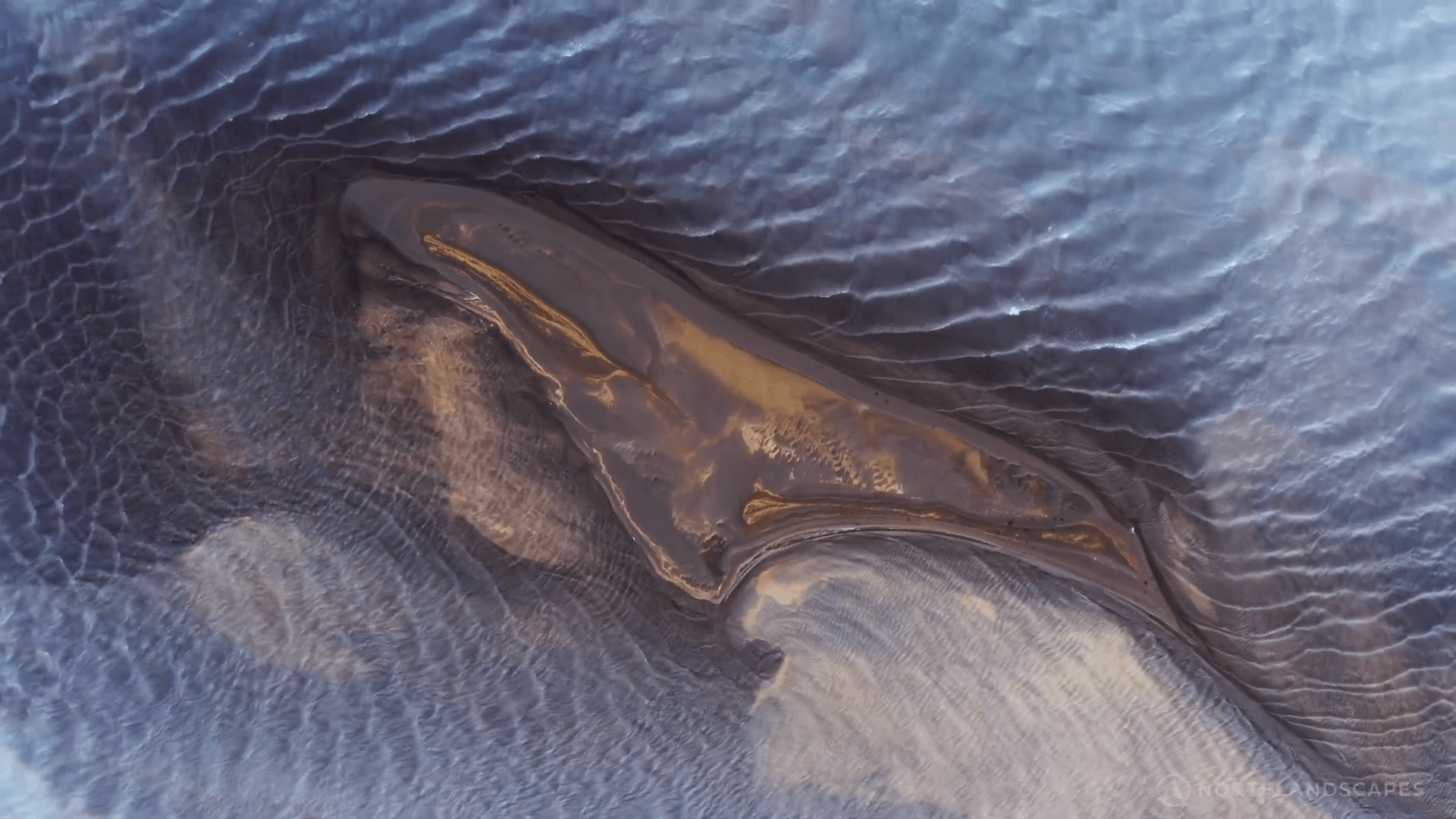
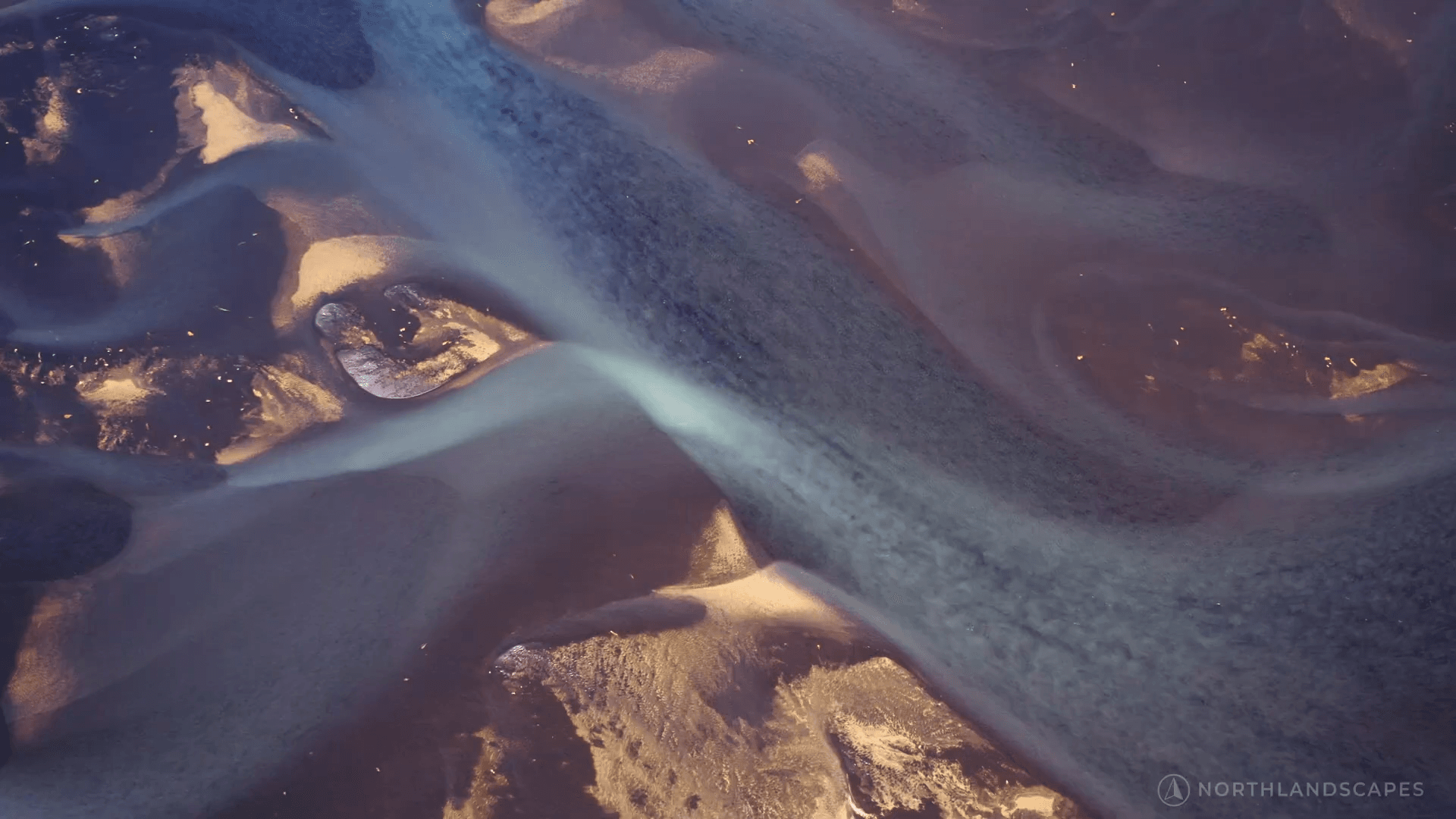
Glacier-fed rivers are often rich in colorful sediments. Here, photographer Jan Erik Waider shows us Iceland’s glacial rivers flowing primarily in shades of blue. While the wave action and diffraction in these videos is great, the real star is the turbulent mixing where turbid and clearer waters meet. Watch those boundaries, and you’ll see shear from flows moving at different speeds which feeds the ragged, Kelvin-Helmholtz-unstable edge between colors. (Video and image credit: J. Waider; via Laughing Squid)

“Rivers and Dunes”
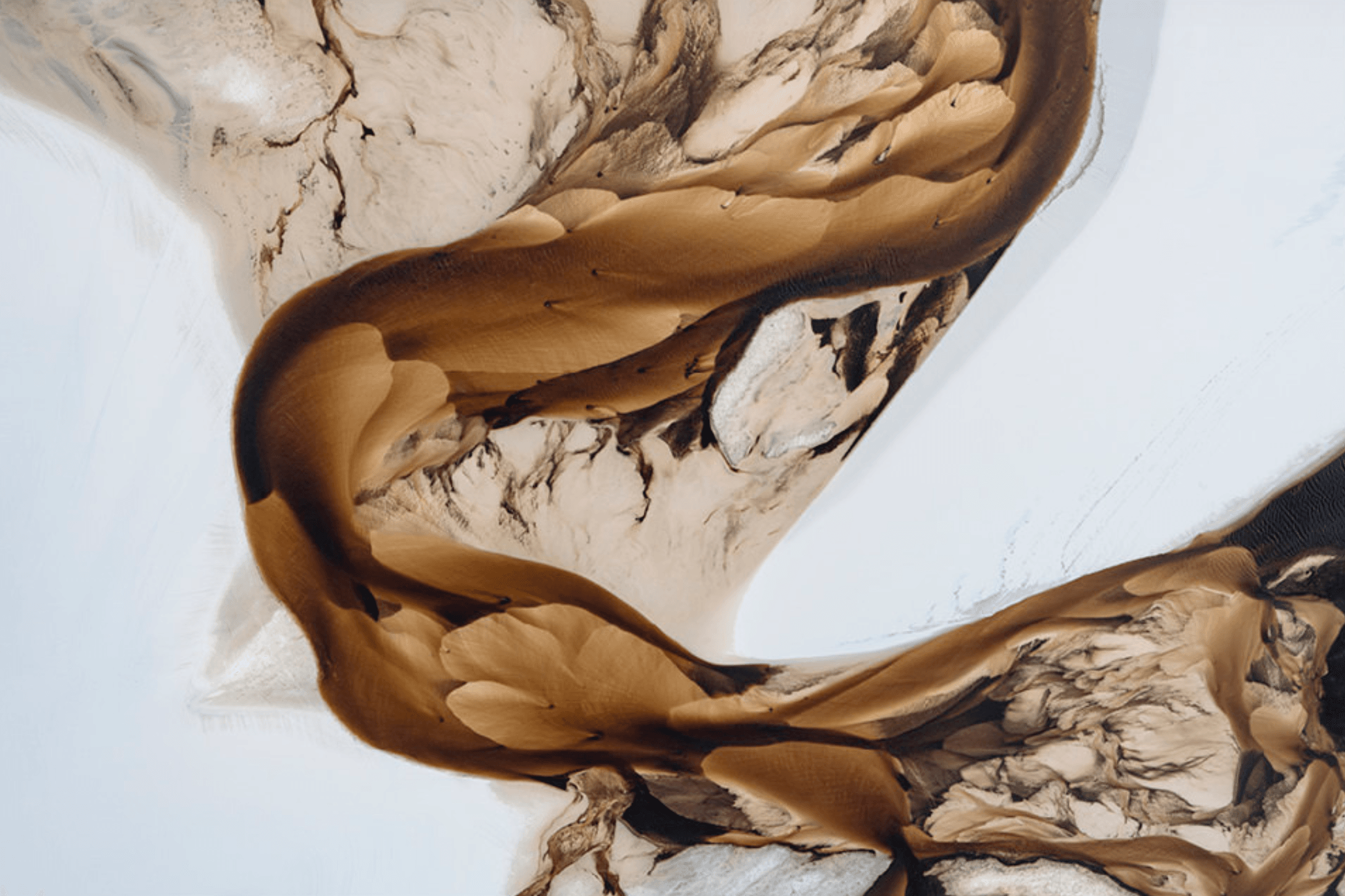
Taken from a Cessna aircraft, photographer J. Fritz Rumpf’s image of a Brazilian landscape appears abstract. But it captures a serpentine river and surrounding dunes, dyed brown by decaying plant matter and sculpted by the forces of wind and current. This shot is part of a portfolio that won him the title of 2025 International Landscape Photographer of the Year. (Image credit: J. Rumpf; via ILPOTY)

The Best of FYFD 2025
Happy 2026! This will be a big year for me. I’ll be finishing up and turning in the manuscript for my first book — which flows between cutting edge research, scientists’ stories, and the societal impacts of fluid physics. It’s a culmination of 15 years of FYFD, rendered into narrative. I’m so excited to share it with you when it’s published in 2027.
As always, though, we’ll kick off the year with a look back at some of FYFD’s most popular posts of 2025. (You can find previous editions, too, for 2024,ย 2023,ย 2022,ย 2021,ย 2020,ย 2019,ย 2018,ย 2017,ย 2016,ย 2015, andย 2014.) Without further ado, here they are:
- Charged Drops Don’t Splash
- Strata of Starlings
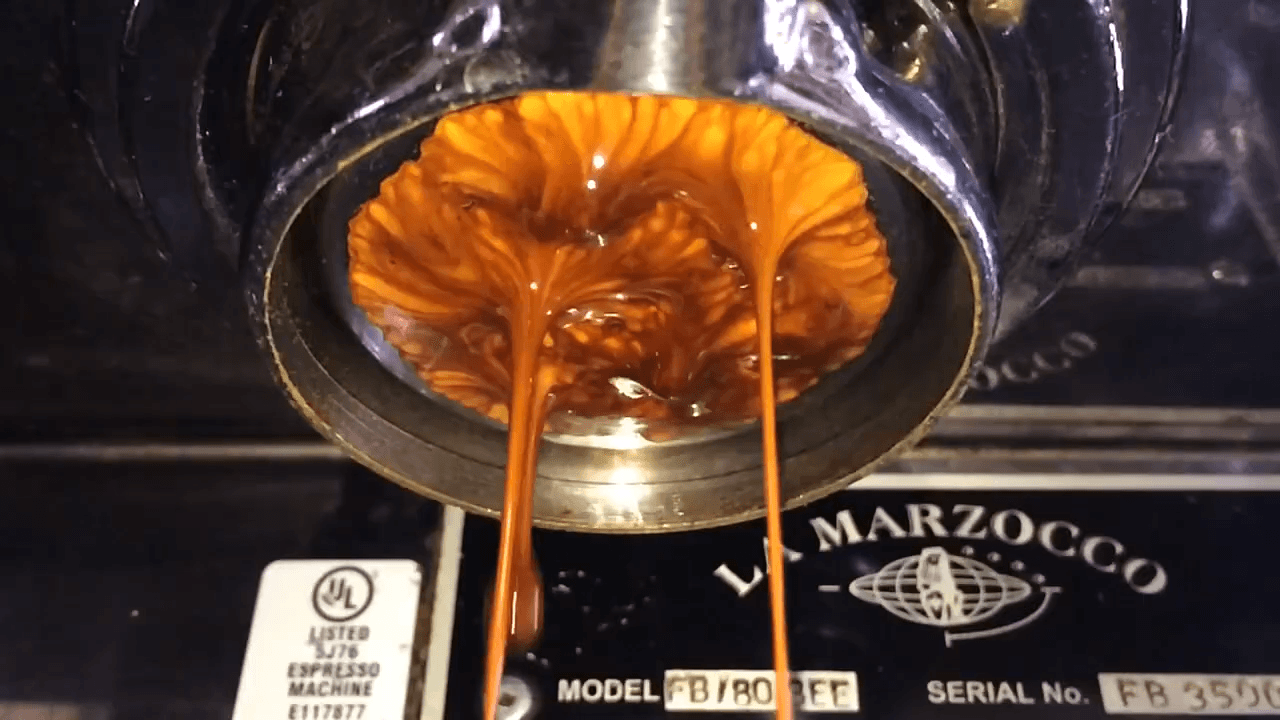
- Espresso in Slow-Mo
- The Incredible Engineering of the Alhambra
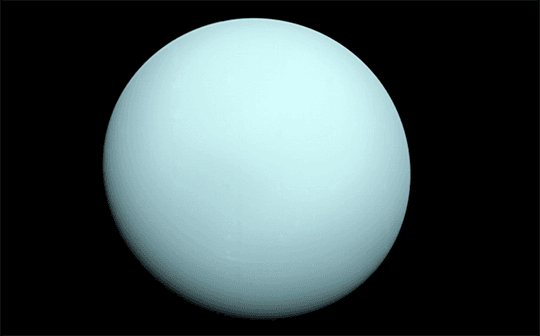
- Uranus Emits More Than Thought1
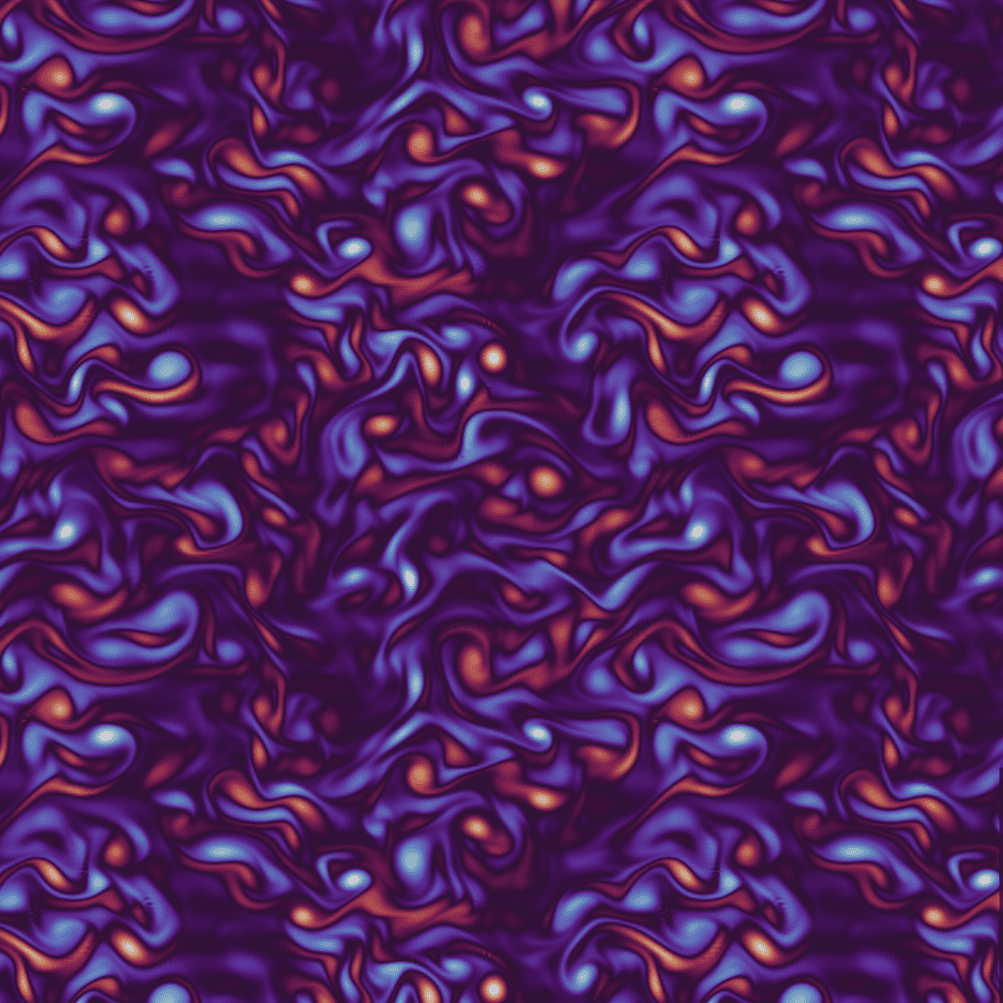
- Kolmogorov Turbulence
- Bow Shock Instability
- How Particles Affect Melting Ice
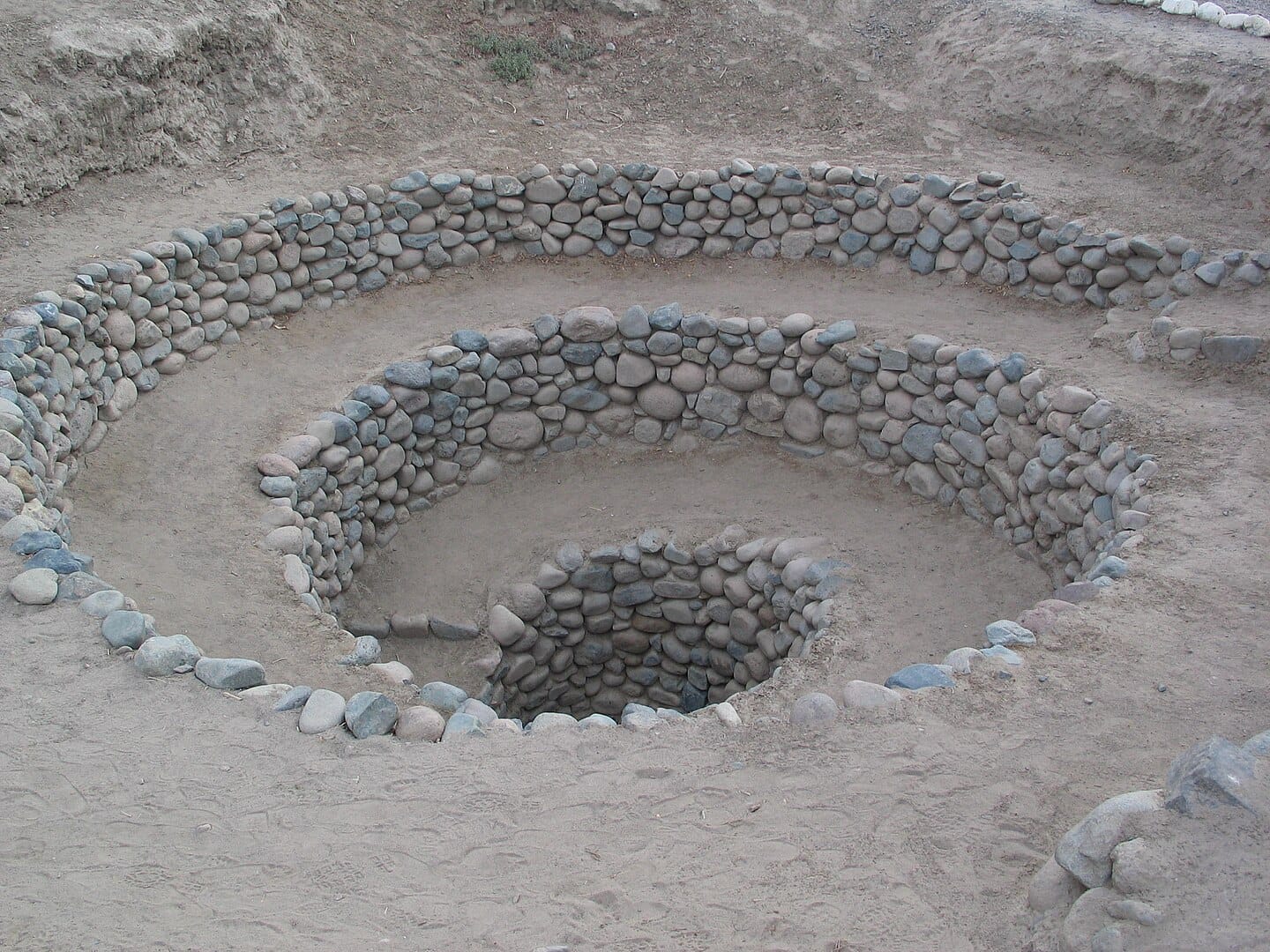
- The Puquios System of Nazca
- Cooling Tower Demolition
- A Glimpse of the Solar Wind
- Bubbling Up
- A Sprite From Orbit
- Cornflower Roots Growing
- How Sunflowers Follow the Sun
What a great bunch of topics! I’m especially happy to see so many research and research-adjacent posts were popular. And a couple of history-related posts; I don’t write those too often, but I love them for showing just how wide-ranging fluid physics can be.
Interested in keeping up with FYFD in 2026? There areย lots of ways to follow alongย so that you donโt miss a post.
And if you enjoy FYFD, please remember that itโs a reader-supported website. I donโt run ads, and itโs been years since my last sponsored post. You can help support the site byย becoming a patron,ย buying some merch, or simply by sharing on social media. And if you find yourself struggling to remember to check the website, remember you can get FYFD in your inbox every two weeks withย our newsletter. Happy New Year!
(Image credits: droplet – F. Yu et al., starlings – K. Cooper, espresso – YouTube/skunkay, fountain – Primal Space, Uranus – NASA, turbulence – C. Amores and M. Graham, capsule – A. รlvarez and A. Lozano-Duran, melting ice – S. Bootsma et al., puquios – Wikimedia, cooling towers – BBC, solar wind – NASA/APL/NRL, Lake Baikal – K. Makeeva, sprite – NASA, roots – W. van Egmond, sunflowers – Deep Look)
- I know what I did. โฉ๏ธ

“Moment of Creation”
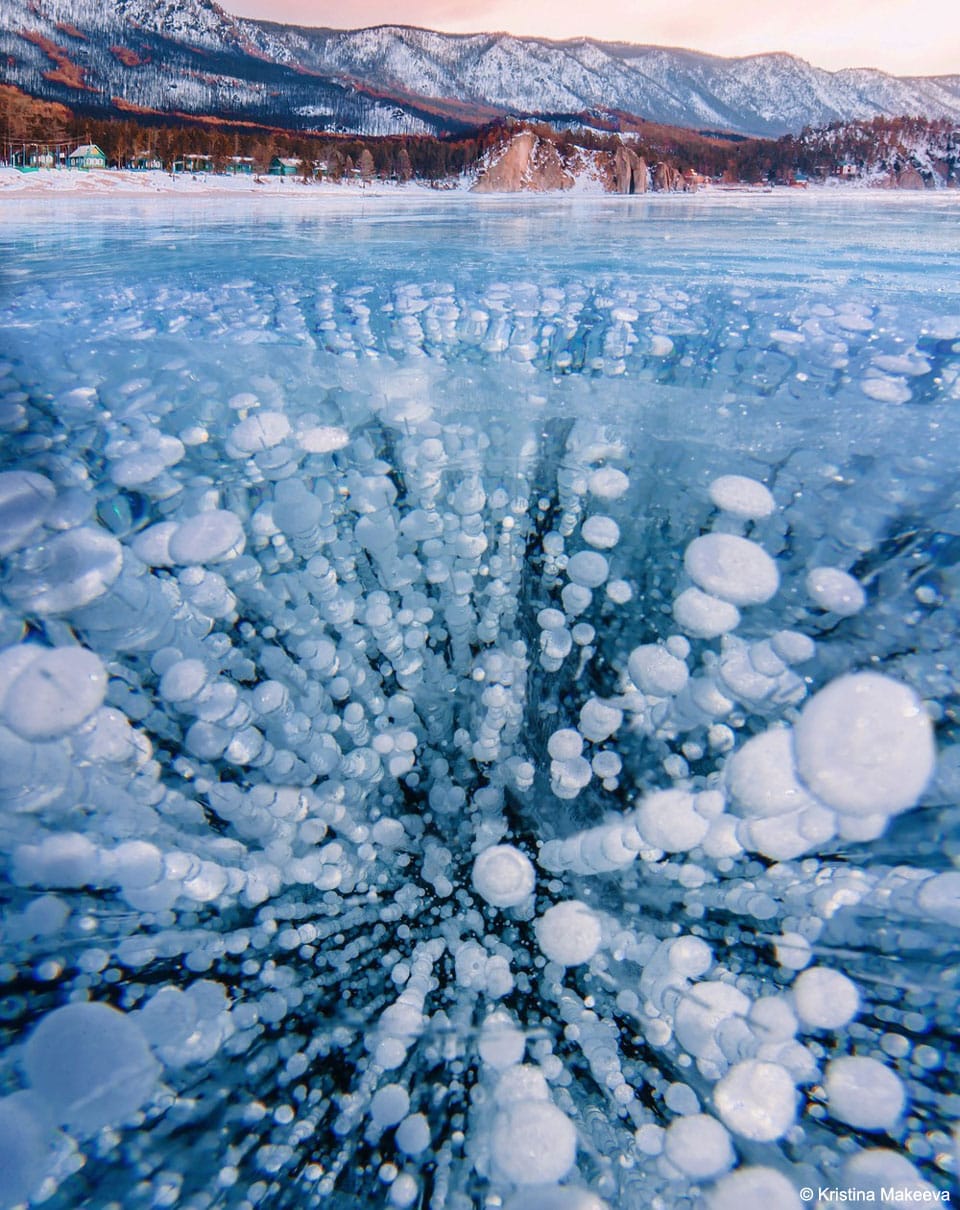
Bubbles caught in ice resemble the growth of a cellular organism in this photograph of Tatiewa Lake in Japan, taken by Soichiro Moriyama. When water freezes, gases dissolved in it come out of solution, but depending on the speed and direction of freezing, these bubbles do not always escape before ice forms around them, freezing pockets of gas within the ice’s structure. (Image credit: S. Moriyama; via ILPOTY)

“Legends of the Falls”
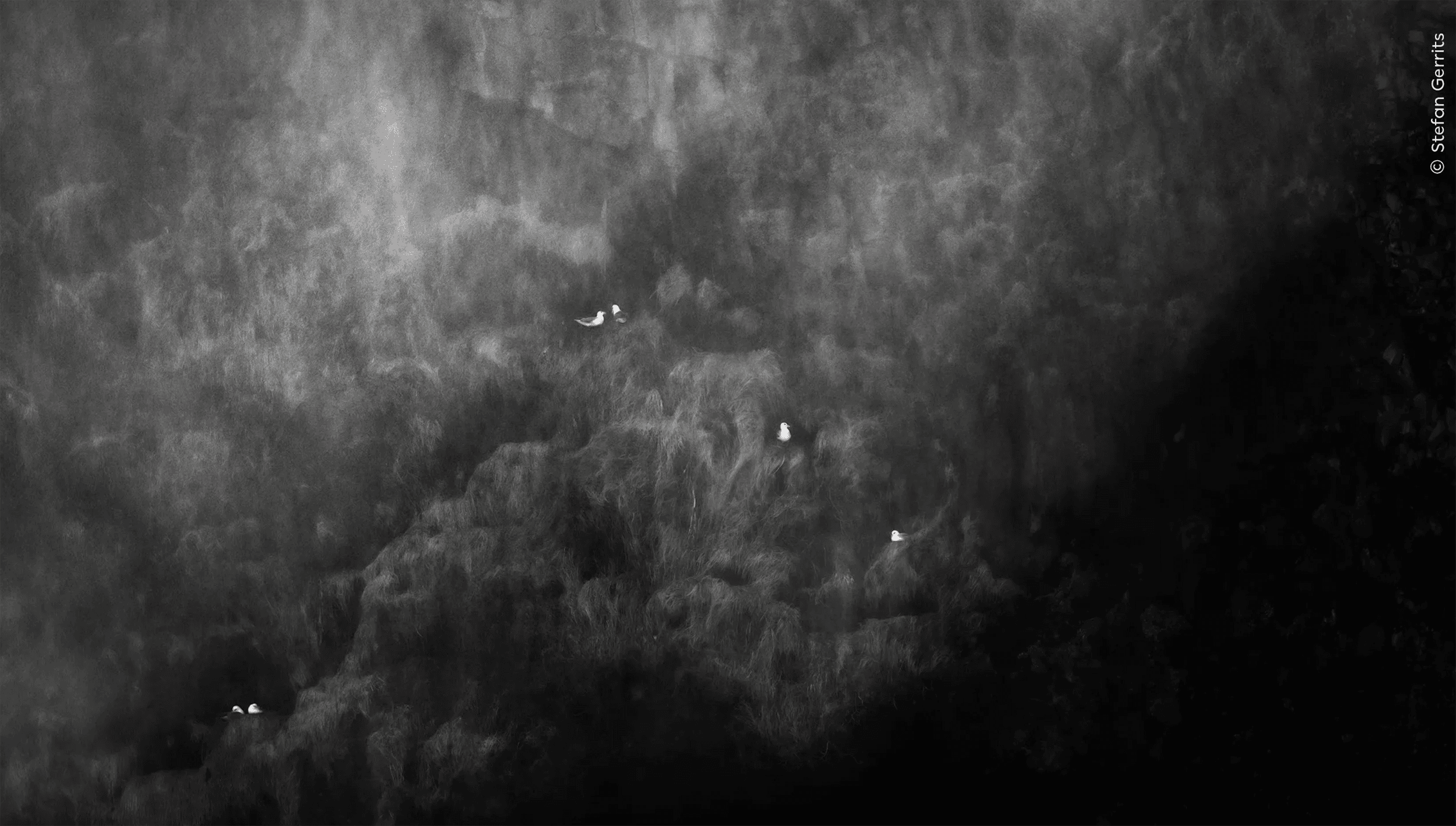
Strong winds blew curtains of mist across Skรณgafoss in this image of nesting northern fulmars by photographer Stefan Gerrits. Despite water’s high density compared to air, fine droplets are able to stay aloft for long periods, given the right breeze. Mists, fogs, and sea spray can float surprising distances; droplets exhaled from our lungs can persist even farther. (Image credit: S. Gerrits; via Colossal)

“Melting Snowflake”
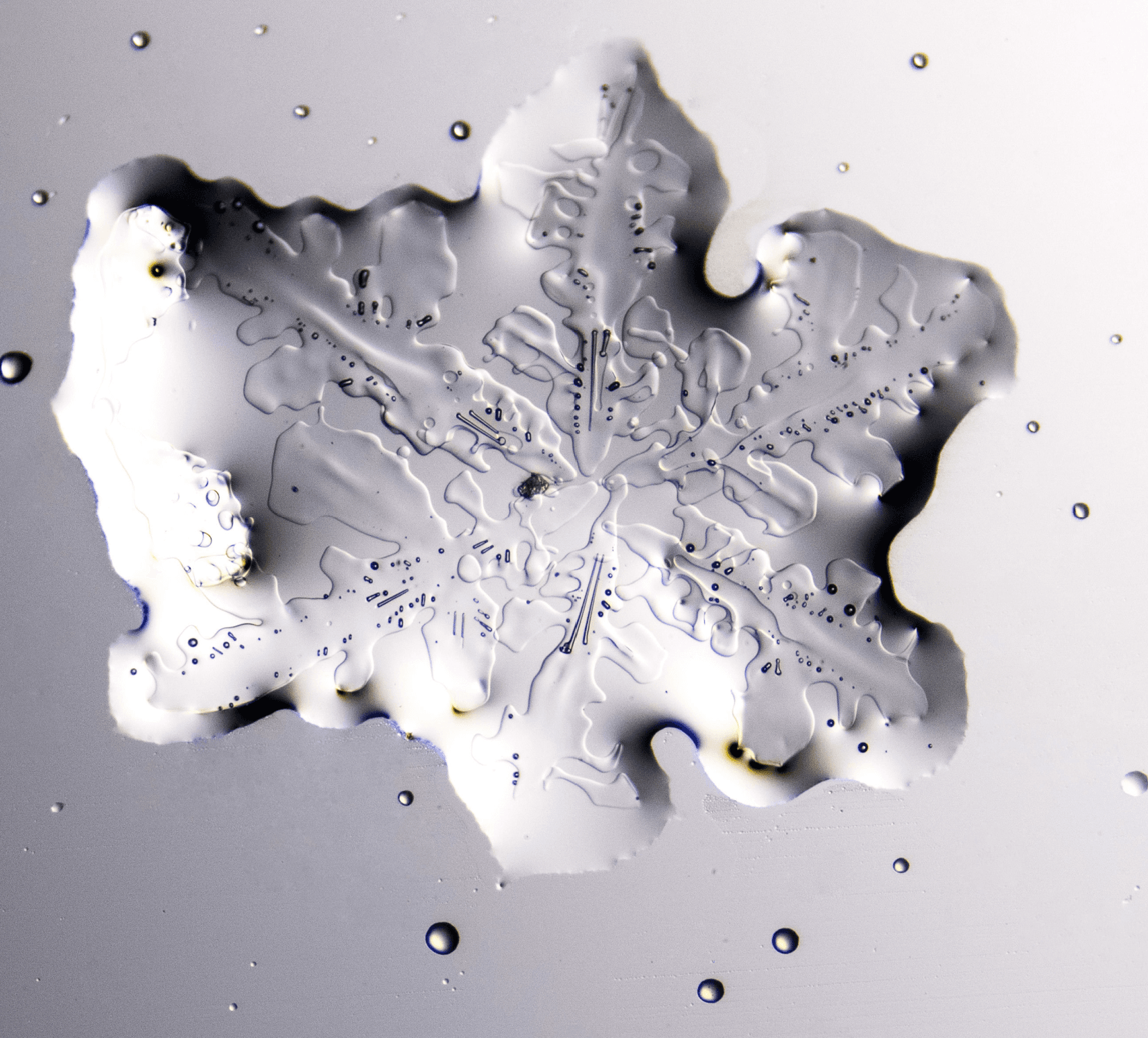
It’s hard to preserve something as ephemeral as a snowflake, as seen in this microphotograph by Michael Robert Peres. Despite the old adage, it is possible to make identical snowflakes, but it requires mirroring the freezing conditions exactly, including both temperature and humidity. Here, the snowflake’s crystalline structure survives as a ghost in a melting droplet. (Image credit: M. Peres; via Ars Technica)

“Magnetic Vortex”
The Macro room team is back with a video featuring their signature colorful cleverness. This time they’re using a magnetic stirrer to swirl up some mesmerizing flows. It’s well worth a watch. (Video and image credit: Macro Room)

“500,000-km ย Solar Prominence Eruption”
It’s difficult at times to fathom the scale and power of fluid dynamics beyond our day-to-day lives. Here, twists of the Sun‘s magnetic field propel a jet of plasma more than 500,000 kilometers out from its surface in an enormous solar prominence eruption. To give you a sense of scale for this random solar burp, that’s bigger than ten times the distance to satellites in geostationary orbit. (Image credit: P. Chou; via Colossal)