Tag: fluids as art

  • Featured Video Play Icon

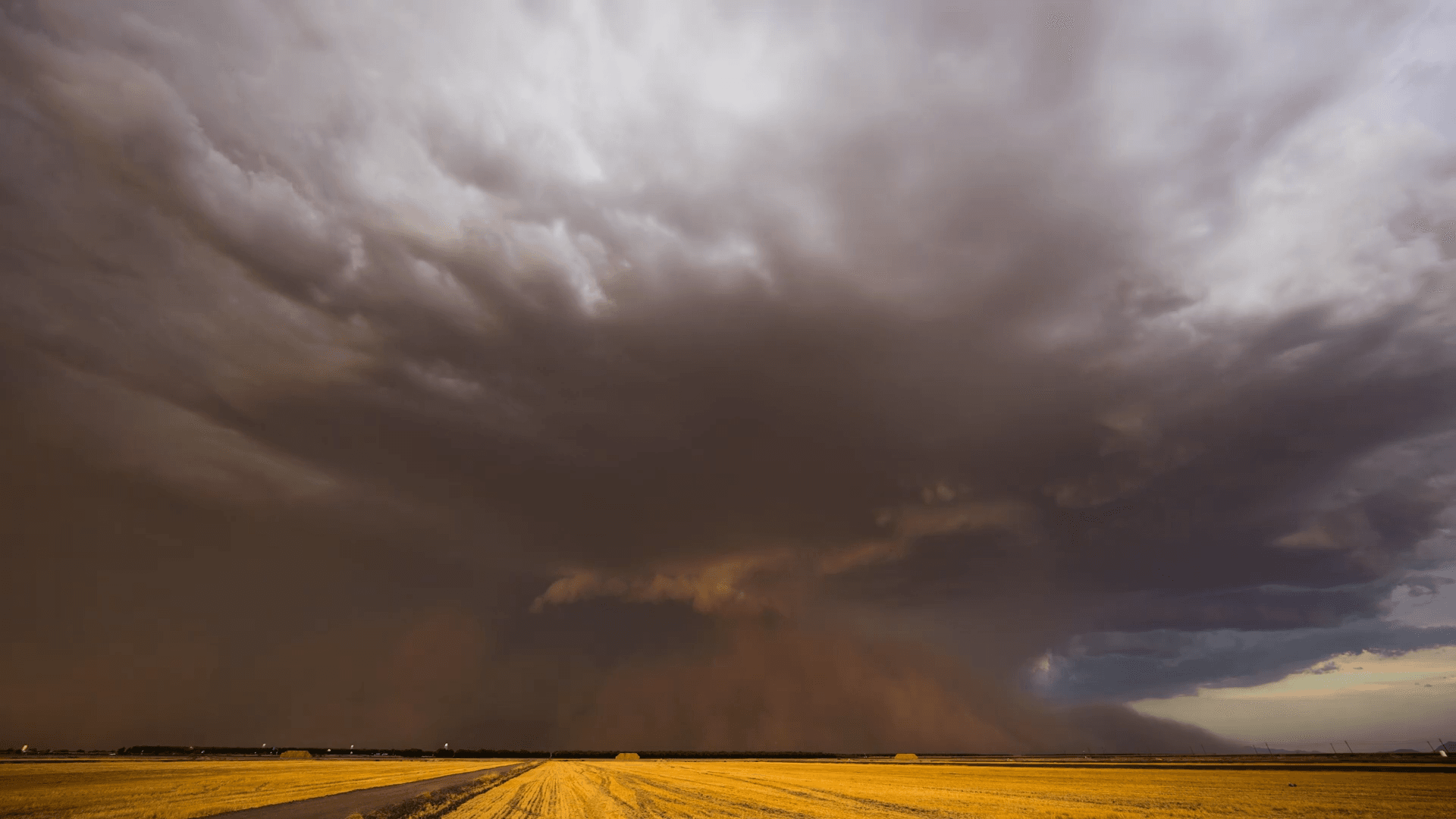
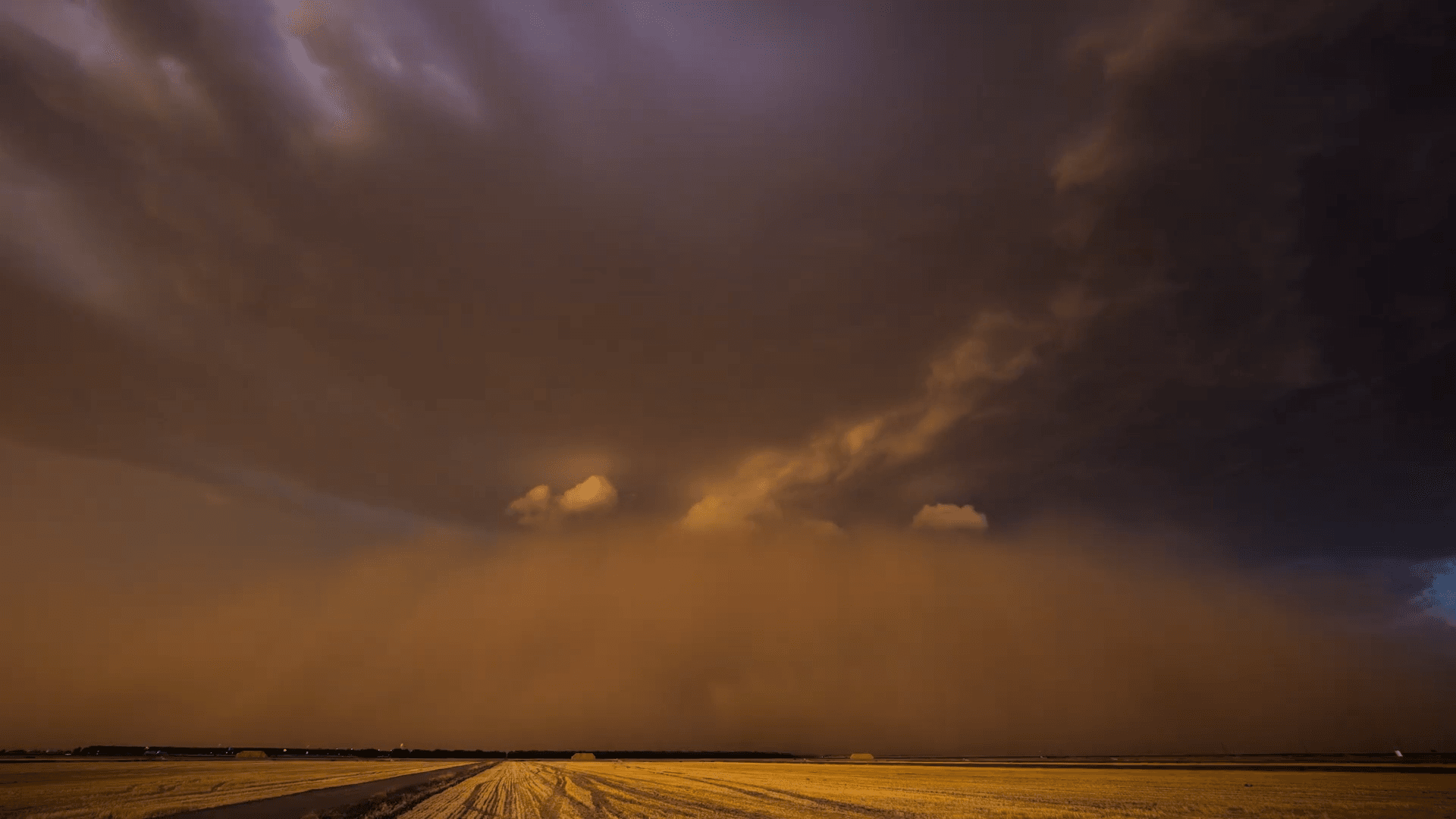
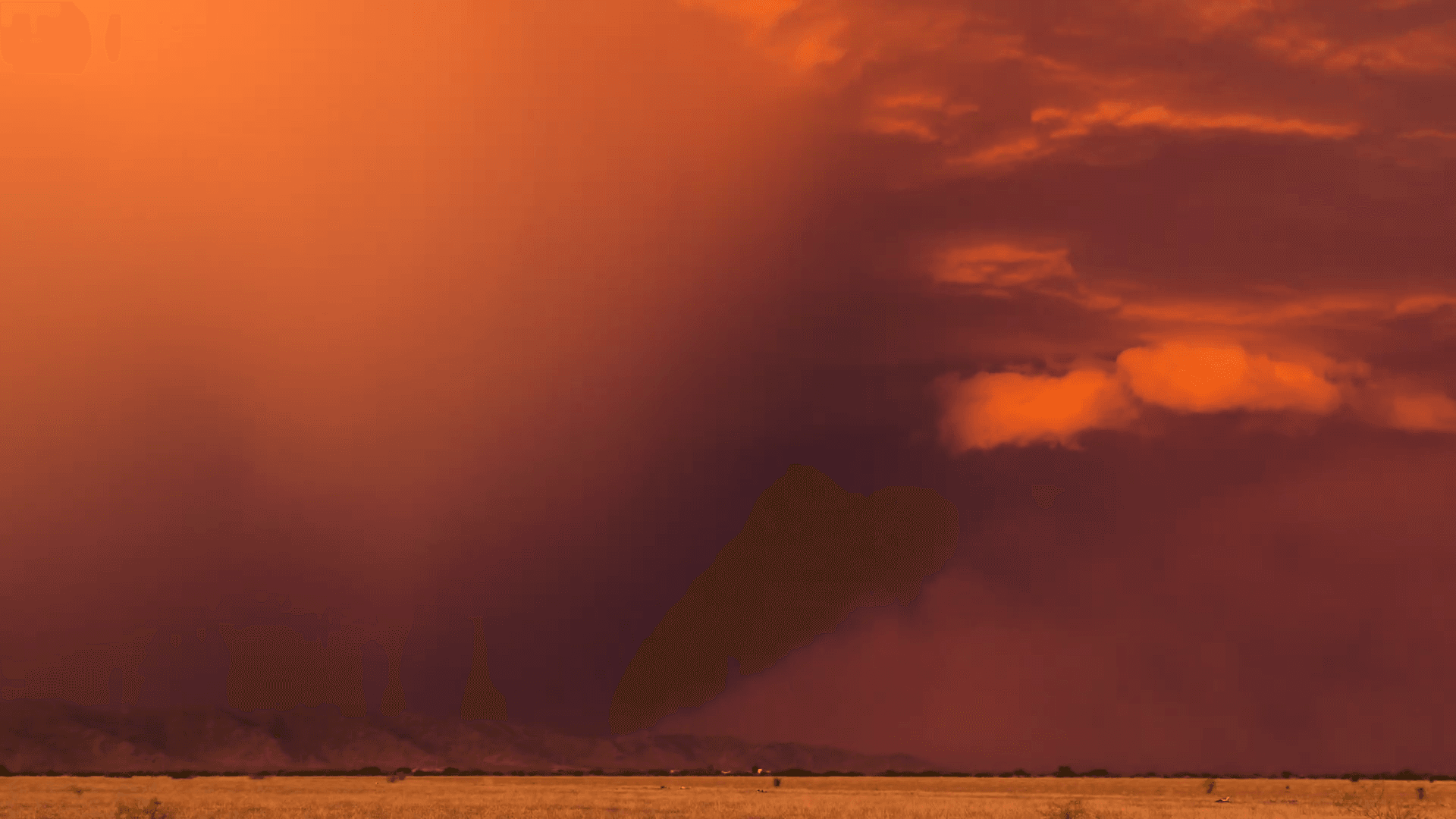
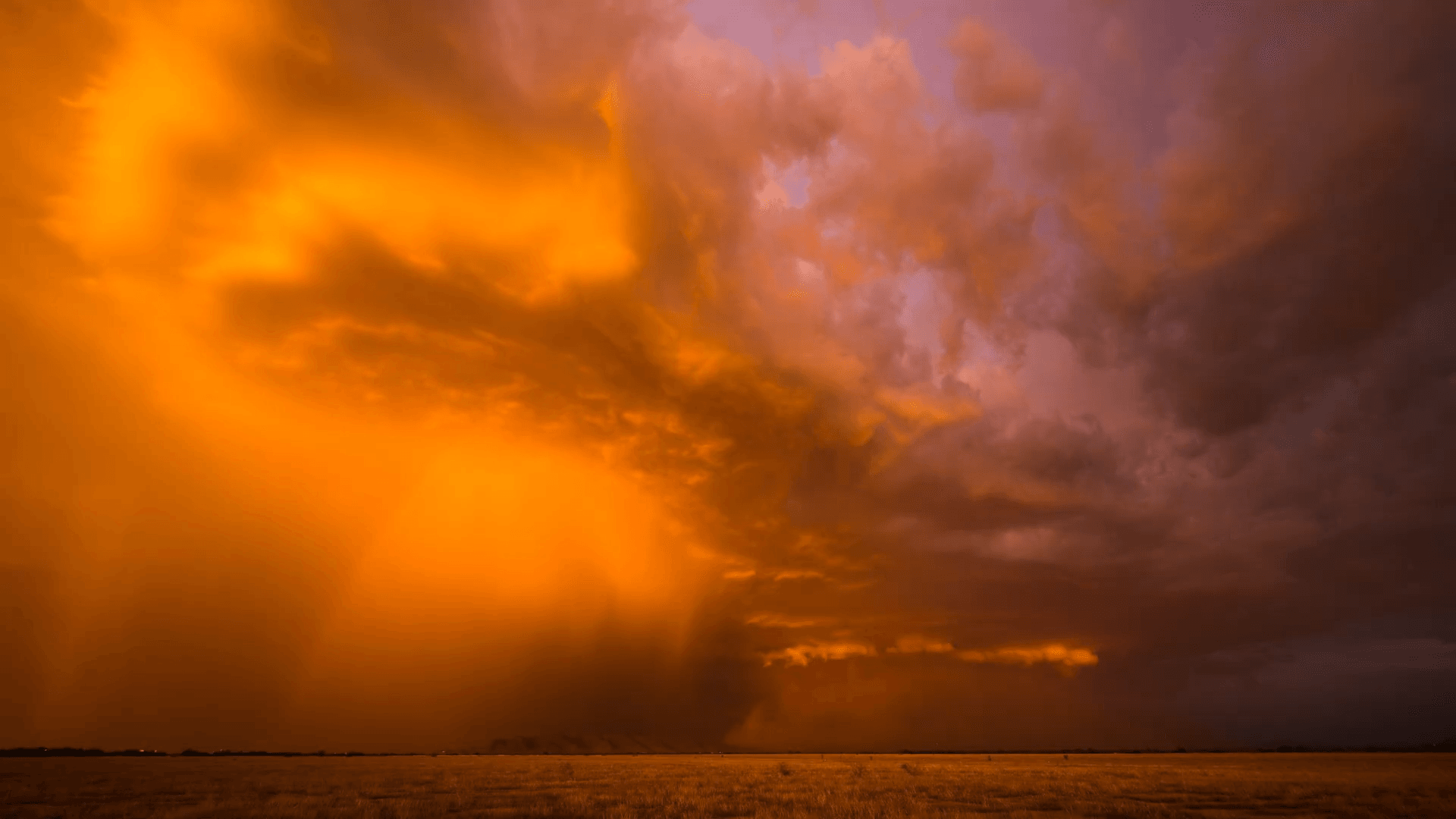
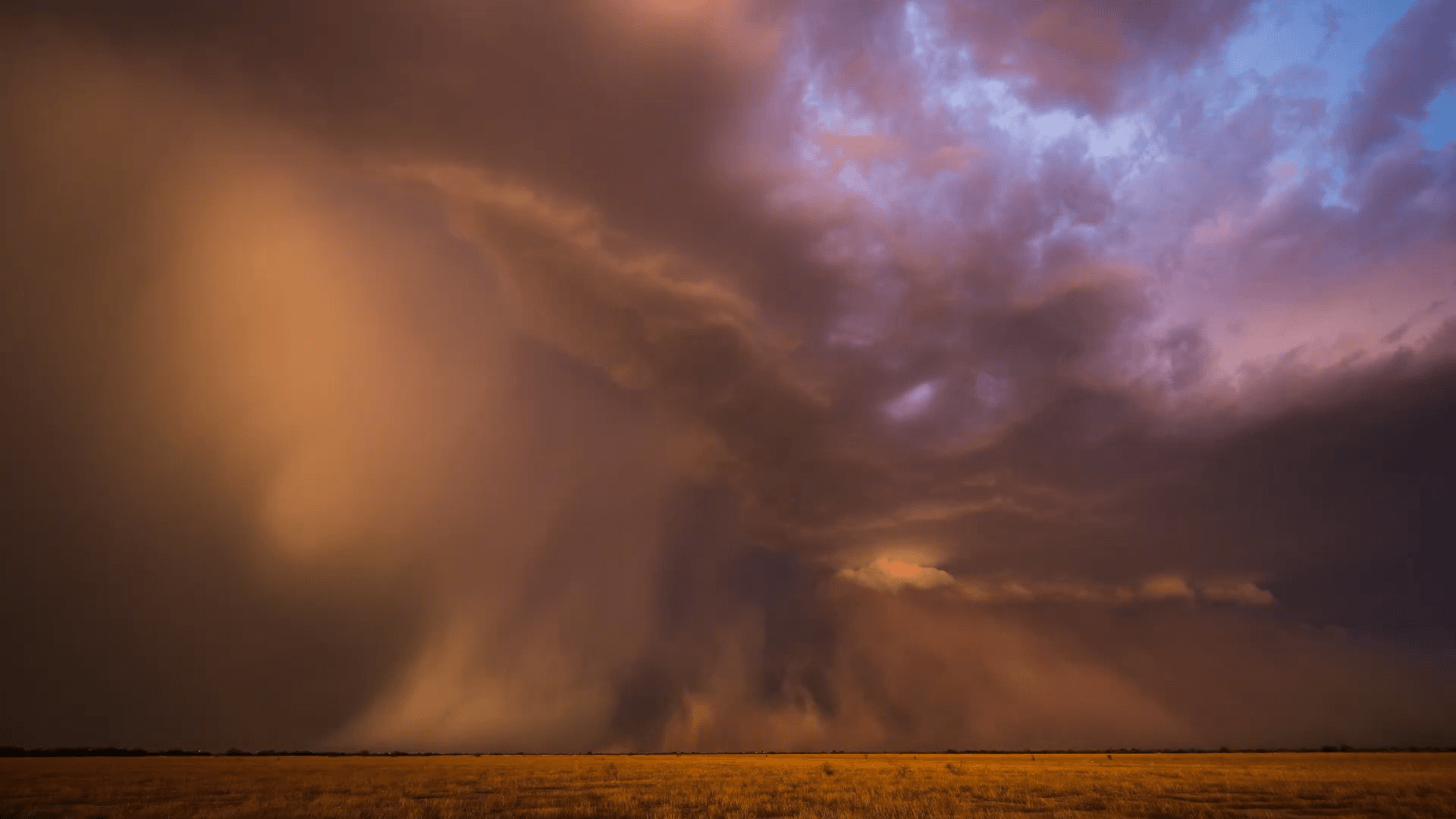
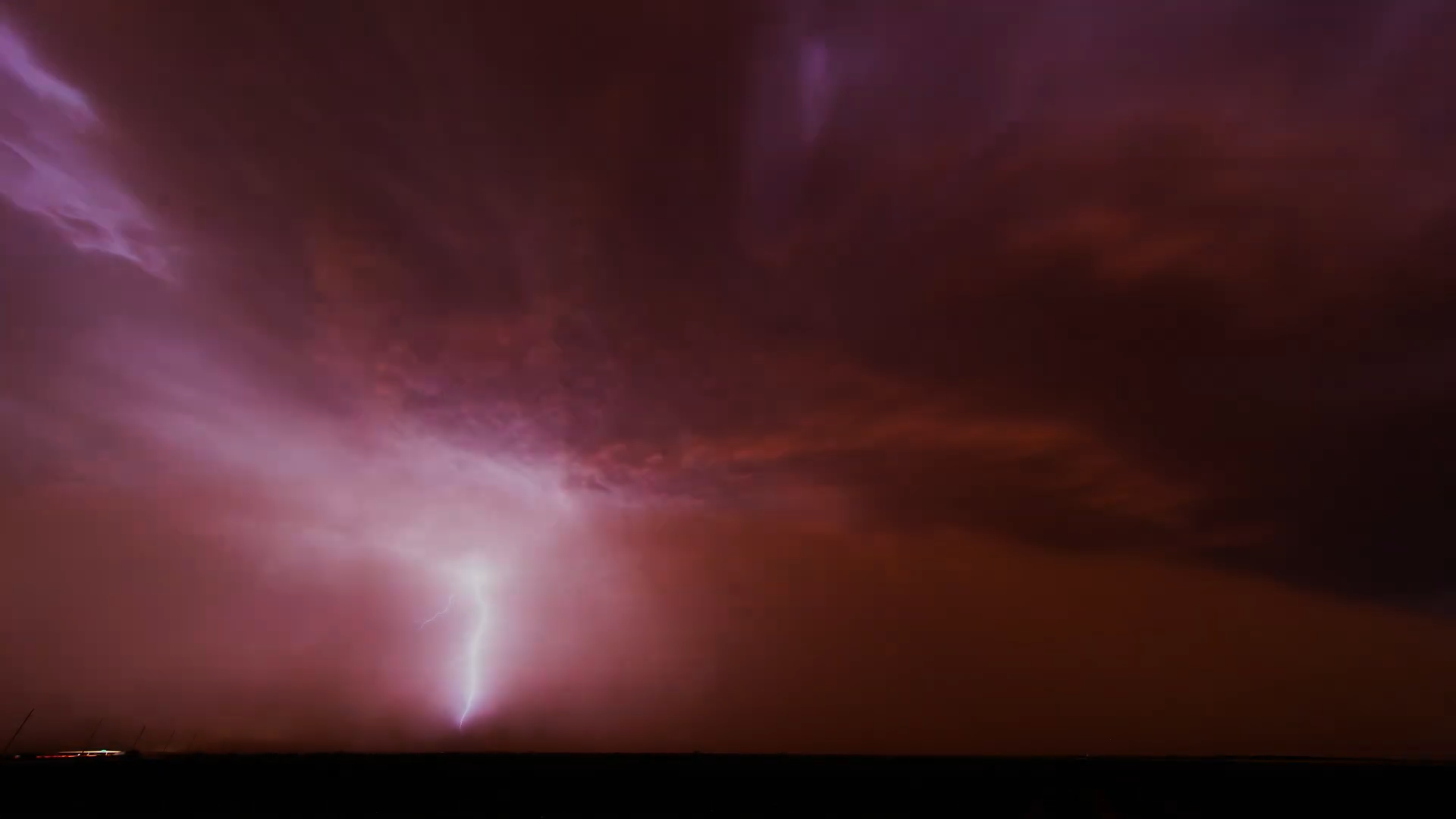
    “The Haboob”

    Haboobs are a dust storm driven by the strong winds at the forefront of weather fronts and thunderstorms. Those powerful winds pick up dust in arid and semi-arid landscapes, creating billowing, turbulent clouds that appear downright apocalyptic.

    This particular haboob formed in Arizona in August 2025 and was caught in timelapse by photographer and storm chaser Mike Olbinski. The visuals–as always–are incredible. Definitely watch to the very end, as the haboob advances on the runway at Sky Harbor Airport. The tension is palpable as you watch flights line up and try to make it off the ground before the haboob swallows them. (Video and image credit: M. Olbinski)
    Fediverse Reactions
  • “Arctic Fox in Blizzard”

    “Arctic Fox in Blizzard”

    A blue arctic fox bears the wind and snow of a Norwegian blizzard in this image by photographer Klaus Hellmich. The wind is strong enough to move snowflakes several centimeters in the time the camera’s shutter is open. This leaves the image full of streaklines that reveal the paths taken by the wind and snow. This visualization technique is useful in the lab, too. (Image credit: K. Hellmich; via Colossal)

    "Arctic Fox in Blizzard" by Klaus Hellmich.
    Fediverse Reactions
  • “Crystal Garden – Seasons”

    “Crystal Garden – Seasons”

    In this latest project, the Beauty of Science team explores colorful crystallization as chemicals precipitate out of evaporating solutions. The variety of shapes and colors is incredible. To see many more of these crystalline “gardens,” check out the video below and the project’s webpage. (Video and image credit: W. Zhu/Beauty of Science; via Colossal)

    Fediverse Reactions
  • “Liquid Colors”

    “Liquid Colors”

    Light shining through misty spray creates a liquid rainbow in this photo by Ronja Linssen. Although mists and sprays–from waterfalls, waves, and more–seem insubstantial, they can be a major source of material transfer between the water and atmosphere. Teratons of salt, biomass, and even microplastics make their way yearly from the ocean into the sky through droplets launched from popping bubbles. (Image credit: R. Linssen/CUPOTY; via Colossal)

  • A Bubbly Heart

    A Bubbly Heart

    Next time you fill your water bottle, watch closely and see if you can spot a bubble heart like these. When a jet falls into a pool, it pulls air in with it. The low pressure of the jet pulls bubbles inward, even as shear pulls the bubbles downward with the sinking liquid. If the bubbles are large and there’s enough momentum in the jet, the lower portion of the bubble will get pulled into a conical shape, while the upper portion remains a hemisphere. That forms one lobe of the heart. The other half requires a second bubble. But with a little patience and luck, you can form a complete heart. Happy Valentine’s Day! (Image credit: S. Tuley et al.)

    Fediverse Reactions
  • “Cracked Earth”

    “Cracked Earth”

    Branching cracks wend through the slopes of Utah in this photograph by Matt Payne. It may seem strange to feature something so dry on a blog about fluid dynamics, but everything seen here depends as much on air and water as on soil, rock, and sand. How water intrudes into the porous landscape and the way it evaporates back out is critical to crack formation. (Image credit: M. Payne; via ILPOTY)

  • Caught in a Spider’s Web

    Caught in a Spider’s Web

    Grains of pollen are caught amid droplets on a spider’s web in this award-winning image by John-Oliver Dum. How droplets behave on fibers has been a popular topic in recent years with research on how droplets nestle into corners, how they slide on straight or twisted wires, the patterns formed by streams of falling drops, and what happens to a droplet on a plucked string. (Image credit: J. Dum; via Ars Technica)

    Fediverse Reactions
  • Radiant Waves

    Radiant Waves

    Photographer Kevin Krautgartner captures the powerful waves of Western Australia from above. His latest series, Waves | Ocean Forces, features luminous turquoise waves, crystalline foam, and brilliant beaches. I could delight in staring at them for hours. Fortunately, he sells prints on his website! (Image credit: K. Krautgartner; via Colossal)

    Fediverse Reactions
  • A Drop of Algae

    A Drop of Algae

    Spheres of a Volvox colonial algae glow green inside a droplet in this award-winning microphotograph by Jan Rosenboom. Pinned on an inclined surface, the droplet is frozen in a balance between gravity and surface tension that keeps its shape–and its contact angles–asymmetric. Droplets will also take on a shape similar to this when air is blowing past them. (Image credit: J. Rosenboom; via Ars Technica)

    Fediverse Reactions
  • Featured Video Play Icon

    “Glacial River Blues”

    Glacier-fed rivers are often rich in colorful sediments. Here, photographer Jan Erik Waider shows us Iceland’s glacial rivers flowing primarily in shades of blue. While the wave action and diffraction in these videos is great, the real star is the turbulent mixing where turbid and clearer waters meet. Watch those boundaries, and you’ll see shear from flows moving at different speeds which feeds the ragged, Kelvin-Helmholtz-unstable edge between colors. (Video and image credit: J. Waider; via Laughing Squid)

    Fediverse Reactions