Lots of fluids are transparent, which makes it hard for us to appreciate their motion. One technique for making these invisible motions visible is schlieren photography, which makes differences in density visible. Here it’s combined with high-speed video to show what happens when you use a lighter (minus the spark!). When the fuel starts flowing, it’s unstable and turbulent, but after that initial start-up, you can see the jet settle into a smooth and laminar flow. Wisps of fuel diffuse away from the jet as the fluid disperses. As the valve shuts off, the flow becomes unstable again, and the remains of the lighter fluid diffuse away. (Video credit: The Missing Detail)
Tag: flow visualization

Sublimation
Sublimation is a transition directly from a solid phase to a gaseous one. Given typical Earth atmospheric conditions, one of the most commonly observed examples of sublimation is that of solid carbon dioxide, a.k.a. dry ice. Submerging dry ice in water both speeds up the sublimation–since water is a better conductor of heat than air–and creates ethereal fog that’s a combination of the expanding carbon dioxide and condensate from the water. This gorgeous video from Wryfield Lab lets you admire the process close-up. As the dry ice sublimates, watch for the ice crystals that grow on its surface. This is deposition–the opposite of sublimation–and comes from water vapor freezing onto the dry ice. (Video credit: Wryfield Lab; via Gizmodo)
A warning for those who want to try this at home: only do this in well-ventilated spaces. The shift from solid to gas requires a huge increase in volume. Carbon dioxide is denser than air, so it does stay low to the ground, but you can still suffocate yourself (or children or pets) if you do this in an enclosed space.

Visualizing Smell
Every day we’re surrounded by an invisible world of smells. Like the fluorescein dye in the animation above, these odors drift and swirl in the background flow. What you may not have stopped to consider when you smell the roses, though, is how the very act of sniffing changes the scent. When you inhale, filaments of the odor are drawn into your nose, and, likewise, when you exhale, your breathe mixes with the scent and sends it swirling outward in turbulent eddies. To see more about the science of scent, check out PBS News Hour’s full video below. (Video credit: PBS News Hour; GIF via skunkbear)
Wingtip Vortices Visualized

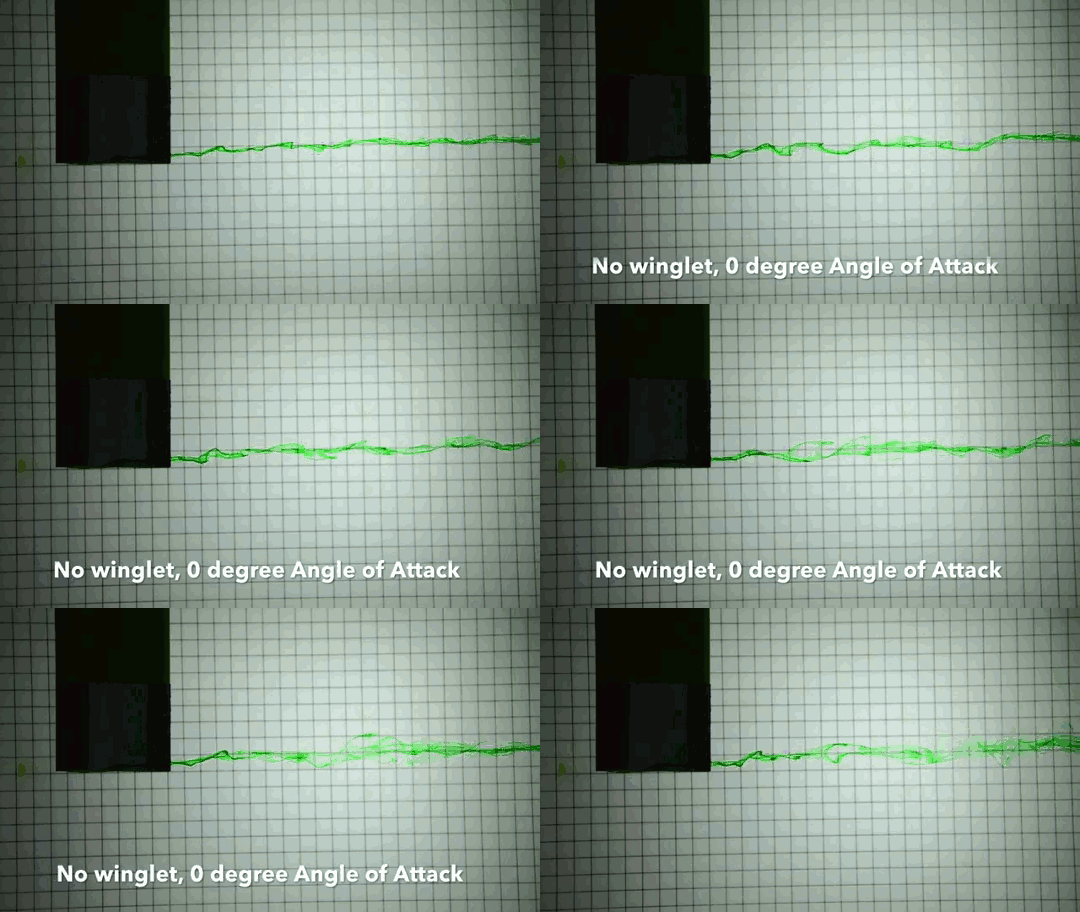
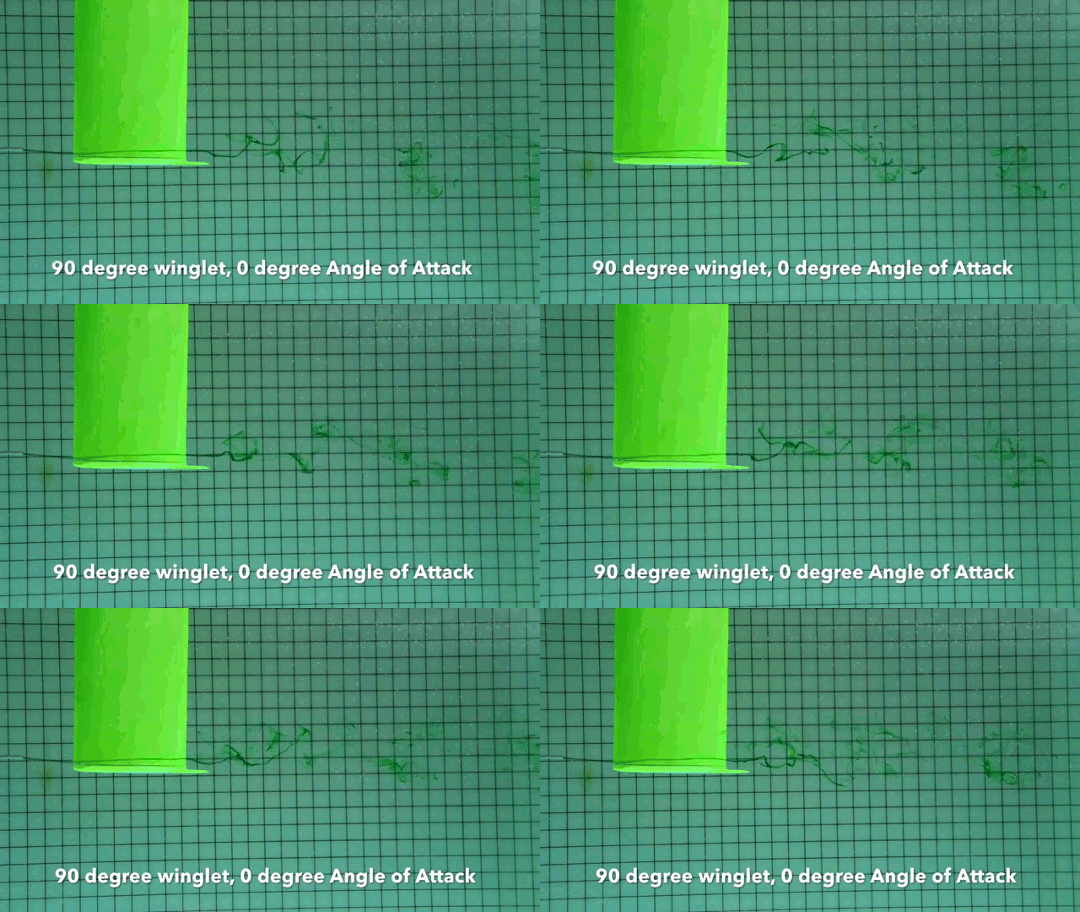
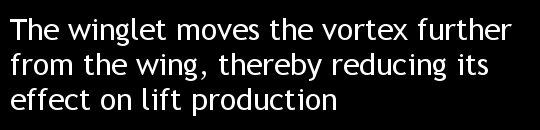
In flight, airplane wings produce dramatic wingtip vortices. These vortices reduce the amount of lift a 3D wing produces relative to a 2D one. How much they influence the lift depends on both the strength and proximity of the vortex. The stronger and closer it is, the more detrimental its effect. One way airplane designers reduce the effects of wingtip vortices is by adding an extra section, called a winglet, to the end of the wing. Among other effects, the winglet moves the wingtip vortex further away from the main wing, which reduces its influence and allows the airplane to regain some of the lift that would otherwise be lost. (Image credits: A. Wielandt et al., source)

Bioluminescent Plankton

The blue-outlined dolphins you see above get their glow from microorganisms called dinoflagellates. They are a type of bioluminescent plankton, shown in the lower image, that can be found in oceans around the world. Their glow comes from combining two chemicals: luciferase and luciferin. The dinoflagellates suspended in the ocean do this when they are disturbed–specifically, when the water around them transmits a shear stress above a certain threshold. Typically, this is caused by something larger–a potential predator–moving past, although it can also be stimulated by breaking waves. The higher the shear stress, the more intense the glow, but the dinoflagellates only use their bioluminescence sparingly. If you apply shear stress and keep applying it, their glow fades away without reactivating. After all, they can only produce so much chemical fuel. (Image credit: BBC from Attenborough’s Life That Glows; h/t to Gizmodo; research credit: E. Maldonado and M. Latz)

Coastal Upwelling
Cool temperatures and abundant nutrients make the waters off the western coast of North America especially biologically productive. This image is a composite of satellite data highlighting large phytoplankton blooms in the California Current. This current runs southward along the coastline, and, like other eastern boundary currents, it experiences strong upwelling, or rising of colder, nutrient-rich waters from lower depths. The upwelling is driven in part by Earth’s rotation. As the earth spins, Coriolis effects push the California Current out from the coast, allowing deeper waters to rise and fill the void. The cooler water provided by the upwelling is a major factor in the moderated climate along the West Coast. (Image credit: NASA/N.Kuring; via NASA Earth Observatory)

Plasma Flow Control

Engineers frequently face the challenge of maintaining control of air flow around an object across a wide range of conditions. After all, wind turbines and airplanes don’t always get to choose the perfect weather. To widen their operating ranges, designers can use active flow control to keep air flowing around an airfoil instead of separating and causing stall. One method of flow control uses plasma actuators on the upper surface of an airfoil. When activated, the plasma actuator ionizes air near the wing surface, producing the purplish glow seen above. That ionized air, or plasma, gets accelerated by the electric field of the device. The acceleration adds momentum to air near the wing surface, which helps it stay attached and flowing smoothly despite the unfavorable pressure conditions near the trailing edge of the wing. Compared to other methods of active flow control, plasma actuation is relatively simple to implement and so is actively being researched for applications in aviation and wind energy. (Image and research credit: I. Brownstein et al., source)
Dyeing the River
Every year Chicago dyes part of its river green to celebrate St. Patrick’s Day. This timelapse video gives a great view of the 2016 dyeing. If you watch closely, you’ll see that what’s being put in the river isn’t originally green. It’s actually an orange powder being distributed through flour sifters by the men on the boat. The exact formula is secret, but the dye is considered environmentally safe. To mix up the dye, a chase boat follows the dye boat, using its motor and wake structure to help add some turbulence to the river. It takes several passes to get the water uniformly green, but it requires a remarkably small amount of dye to do so, only about a paint can’s worth. So enjoy a little fluid dynamics today with your festivities! (Or, if you prefer to celebrate a different sort of fluid dynamics today, allow me to offer you the physics of Guinness.) (Video credit: Chris B Photo)
Fire Tornadoes in Action
Commonly called fire tornadoes, these terrifying vortices often occur in large wildfires and have more in common with dust devils or waterspouts than true tornadoes. They form when warm, buoyant air rises due to the fire’s heat. This creates low pressure over the fire source and draws in fresh, cooler air from the surroundings. If there is any small vorticity or rotational motion to that surrounding air, its spin will be amplified as it gets drawn in. This is akin to an ice skater spinning faster when she pulls her arms in – it’s a result of conservation of angular momentum. That intensification of the air’s rotation is what forms the vortex, which we see here due to the flames it draws upward. This footage was captured yesterday by crews fighting fires in Missouri. (Image credit: Southern Platte Fire Protection District/WCPO 9, source)
Special thanks to FYFD’s Patreon supporters who help support the website!

Psychedelic Cymatics
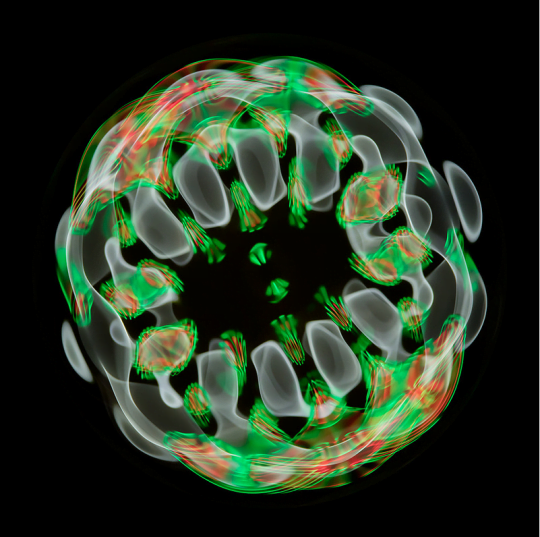
Cymatics are the visualization of vibration and sound. Here photographer Linden Gledhill has taken a simple speaker vibrating a dish of water and turned it into some incredible art. When you vibrate liquids like water up and down, it disturbs the usually flat air-water interface and creates waves on the surface. These Faraday waves are a standing wave pattern that differs depending on which sound is being played. By combining the wave patterns with LED lighting and strobe effects, Gledhill creates some remarkable images that combine sound, light, and fluid dynamics all in one. If you watch the video (make sure to hit the HD button!), you’ll see the patterns in motion and hear the sounds used to generate them. In the last clip (around 0:19), he’s added glitter to the set-up, which highlights the circulation within the vibrating fluid. As you can see, there are strong recirculating regions in each lobe of the pattern, but other areas, like the center region are almost entirely stationary. You can see more photos from the project in his Flickr feed. Special thanks to Linden for letting me post the video of his work, too! (Video and image cred
its and submission: L. Gledhill)
If you enjoy FYFD, please consider becoming a patron to help make sure the Internet keeps getting its daily dose of fluid dynamics!