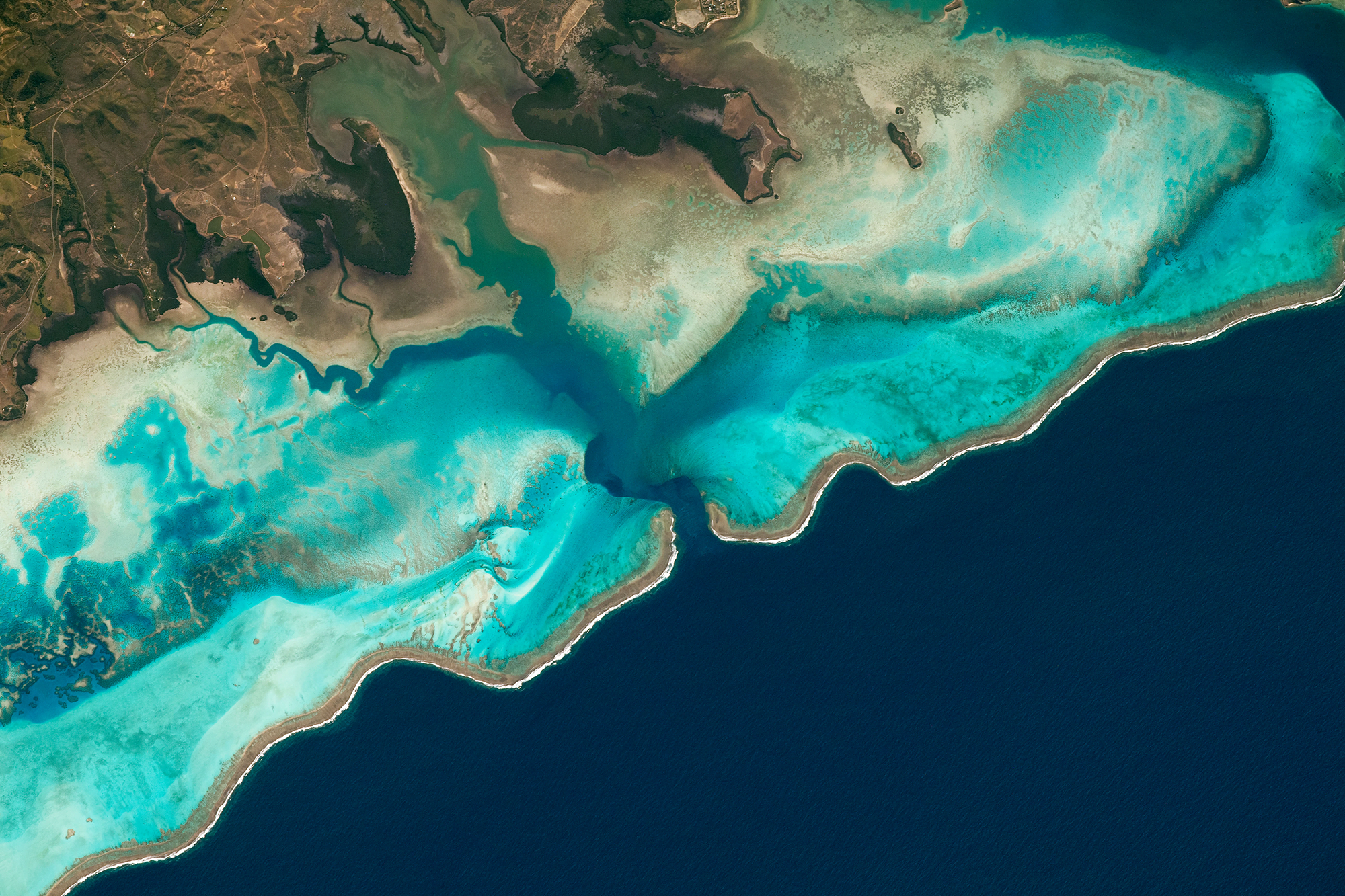
Brown reefs edge a turquoise lagoon in this astronaut snapshot of the New Caledonian coastline. Reefs like these form a natural barrier that protects coastlines from storms by breaking up waves (seen here as those white edges) before they reach the shore. The lagoon is streaked with lines of tan where sediment flows from the uplands into the water. Similarly, the color variations from green to blue in water hint at changes in depth, organic content, and more. (Image credit: NASA; via NASA Earth Observatory)
Search results for: “waves”

“Timedrift II”
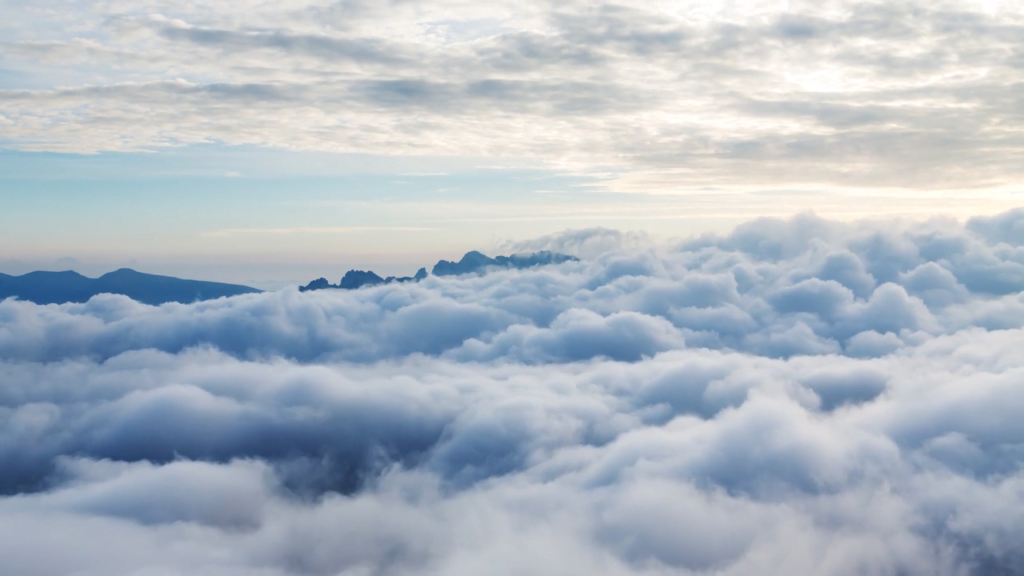
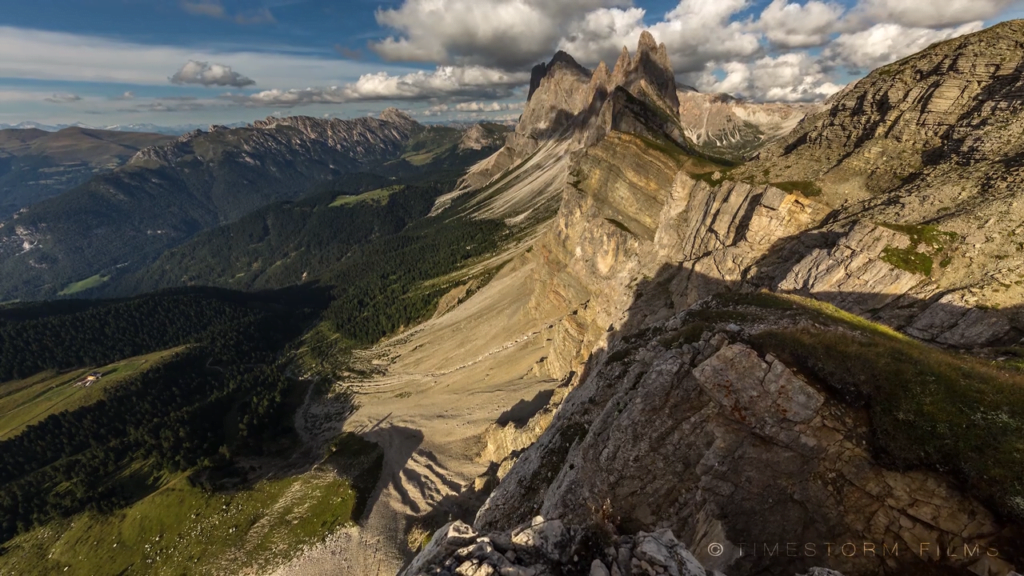
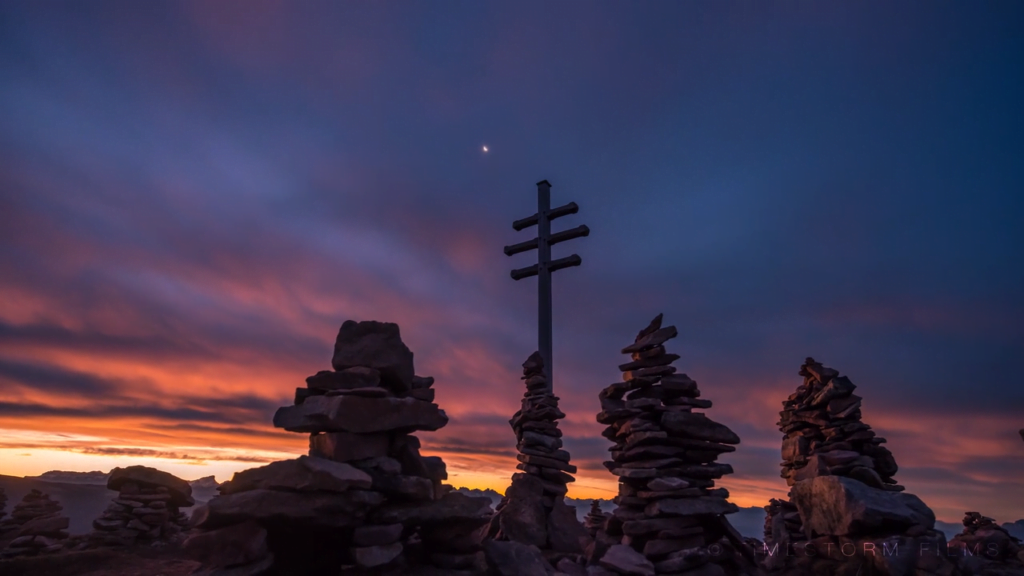
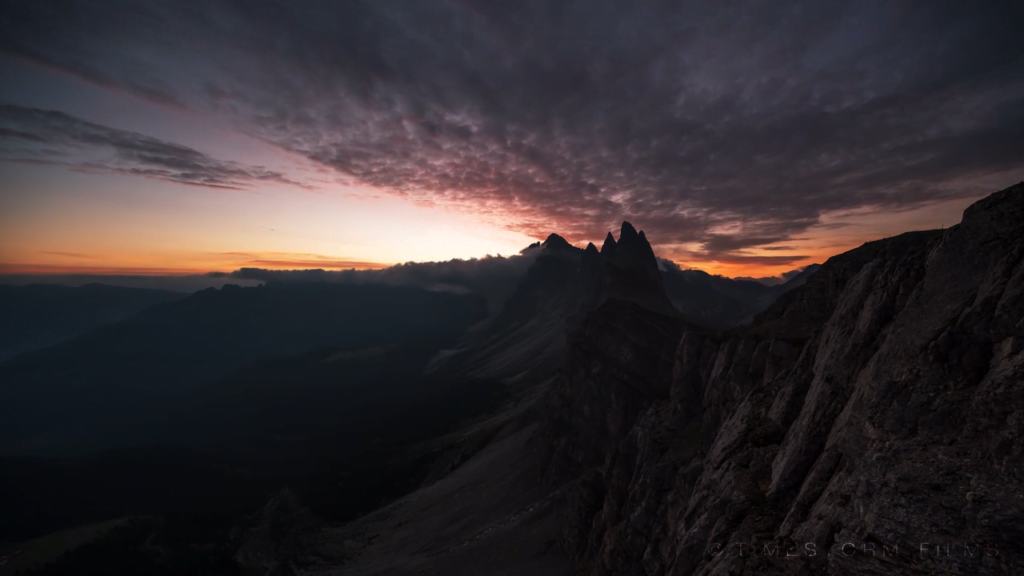

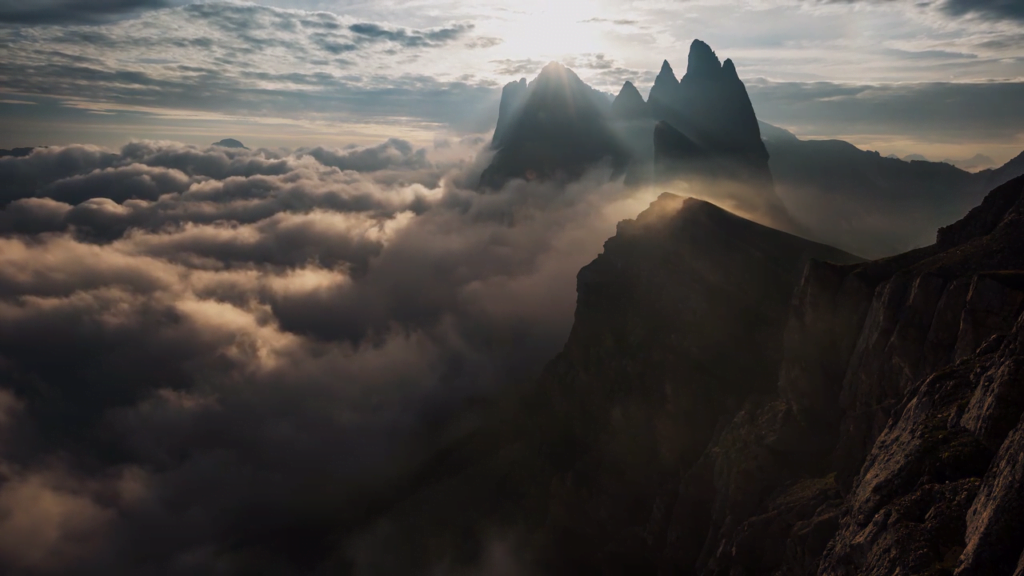


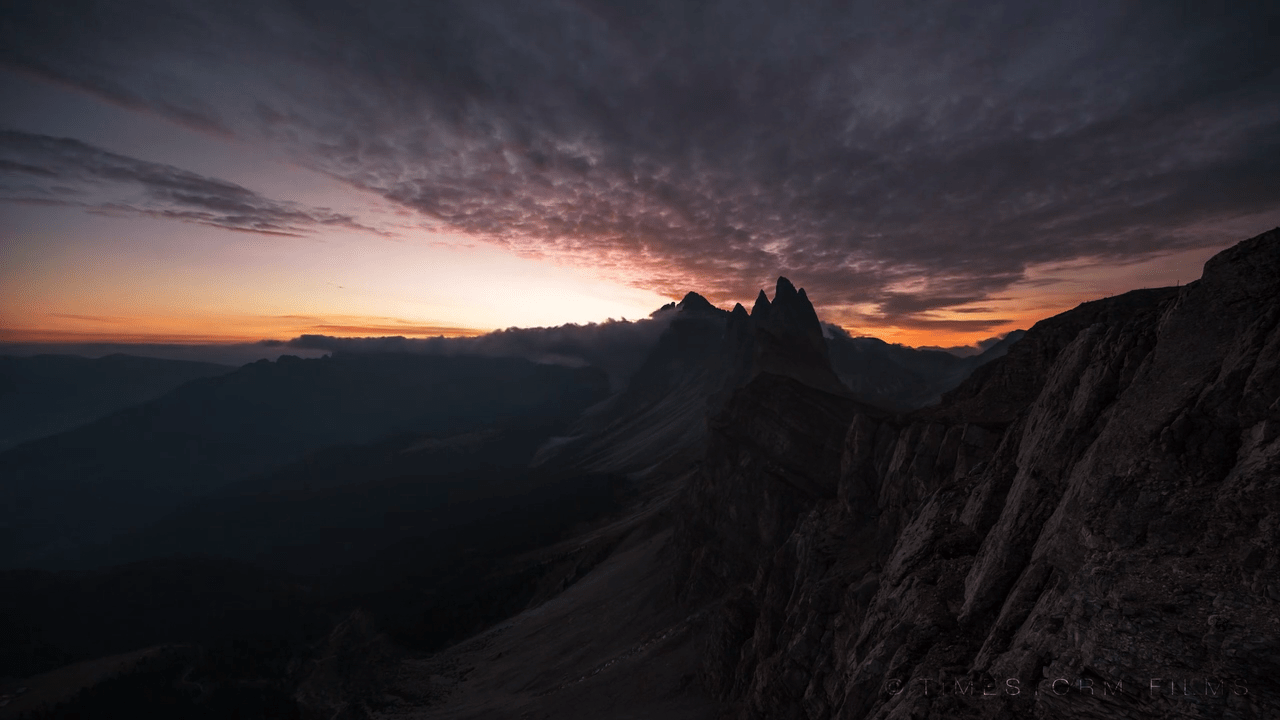

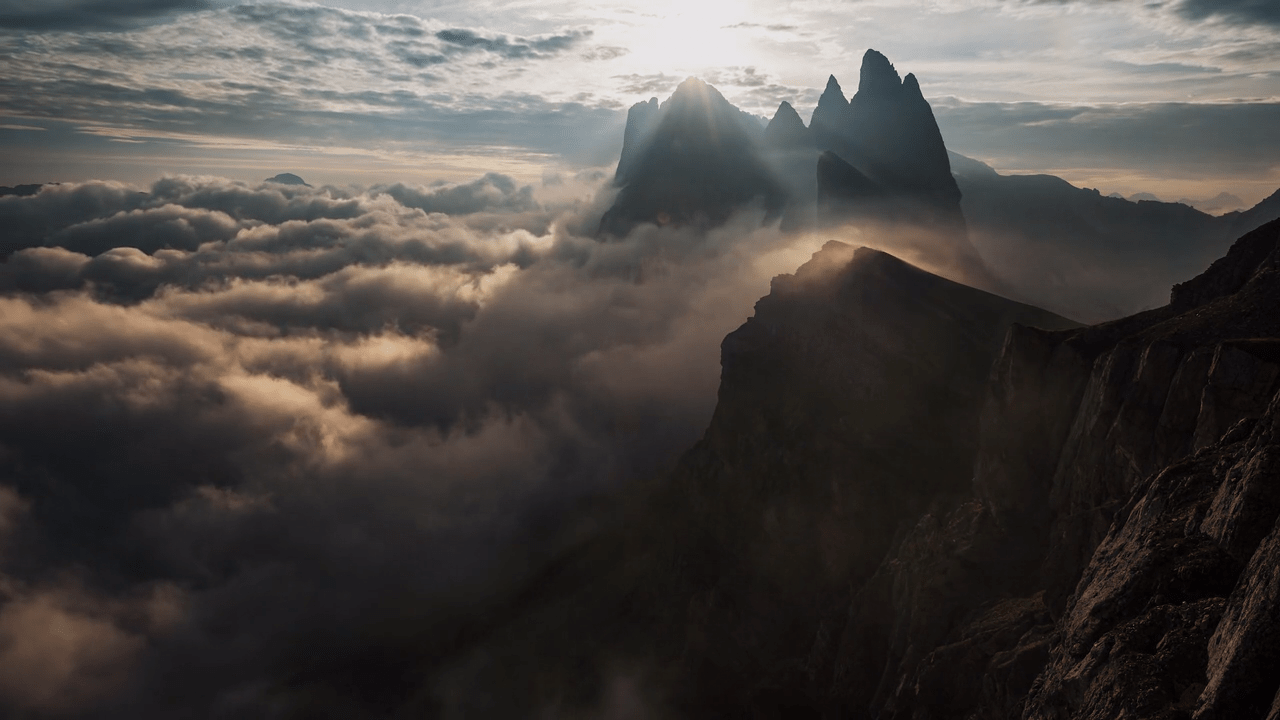
As a teenager, I climbed Mount Kilimanjaro. The final ascent began around midnight, and we climbed through the dark, through sunrise, and into the early morning. I remember pausing at one point, just as the sun was rising, and looking out at the clouds thousands of meters below. From that height, they looked like an ocean, rippled with lavender waves. Timelapse films like this one, by filmmaker Martin Heck, remind me of that morning and the sense that I had of the sky as an ocean, flowing, crashing, and surging in ways we cannot appreciate until we slow down and look closer. (Image and video credit: M. Heck/Timestorm Films)
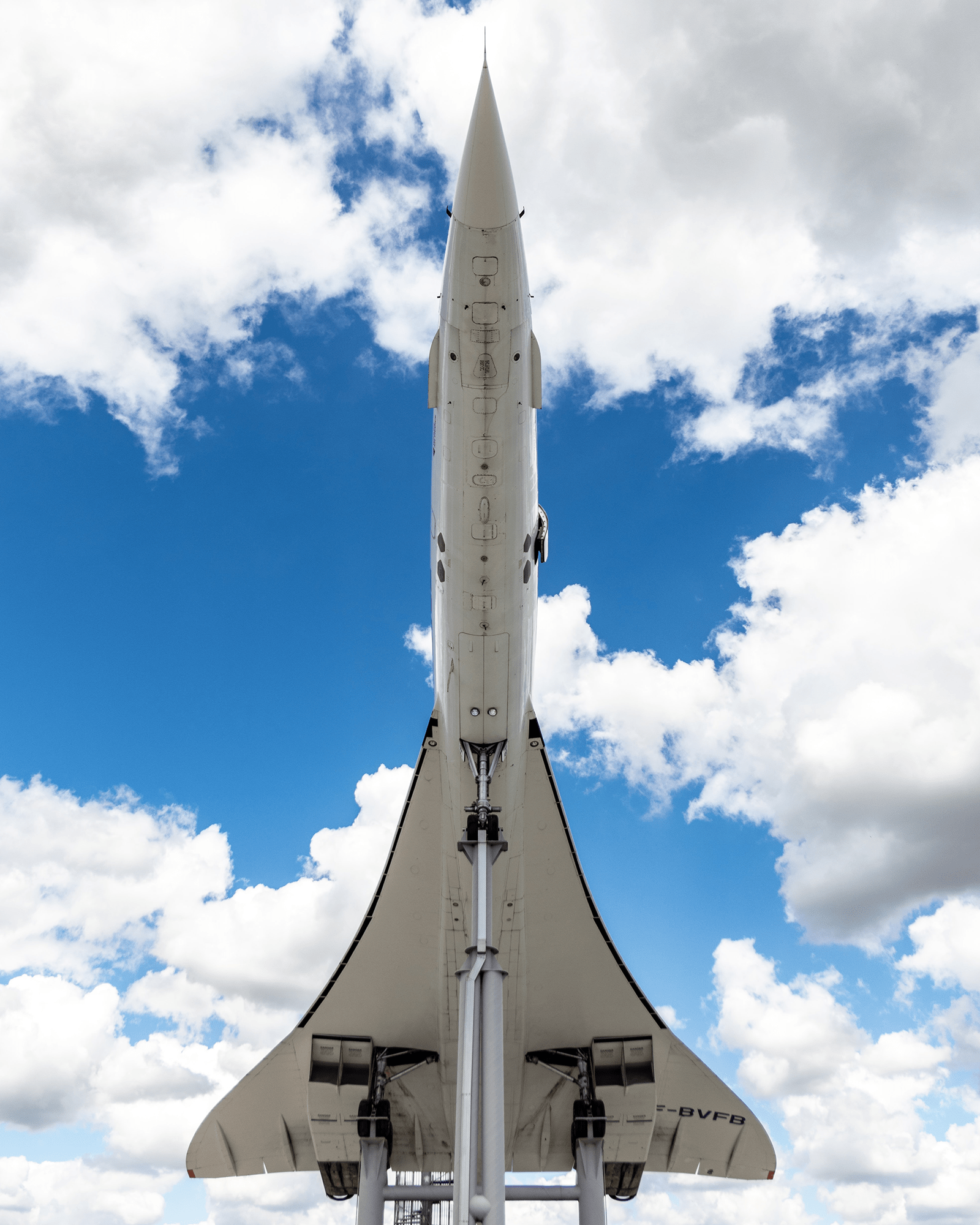
Sonic Booms and Urban Canyons
In the days of the Concorde — thus far the world’s only supersonic passenger jet — noise complaints from residents kept the aircraft from faster-than-sound travel except over the open ocean. With many pursuing a new generation of civil supersonic aircraft, researchers are looking at how those sonic booms could interact with those of us on the ground.
In this study, researchers simulated the shock waves from aircraft interacting with single and multiple buildings on the ground. They found that the presence of a building increases the perceived sound level of the boom by about 7 dB at the most. But the most interesting results are what happens between multiple buildings.
If the street between buildings is wide enough, they each act independently, as if they were single buildings. But for narrower streets, the acoustics waves reflect and diffract between the buildings, creating a resonance that makes the acoustic echoes last longer. The effect is especially pronounced for a sonic boom traveling across a series of buildings, which mimics the layout of a dense city full of urban canyons. (Image credit: Concorde – M. Rochette, simulation – D. Dragna et al.; research credit: D. Dragna et al.)

Acoustic waves reflect and propagate through 2D urban canyons with widths of 10 meters (top), 20 meters (middle), and 30 meters (bottom). “Water III”
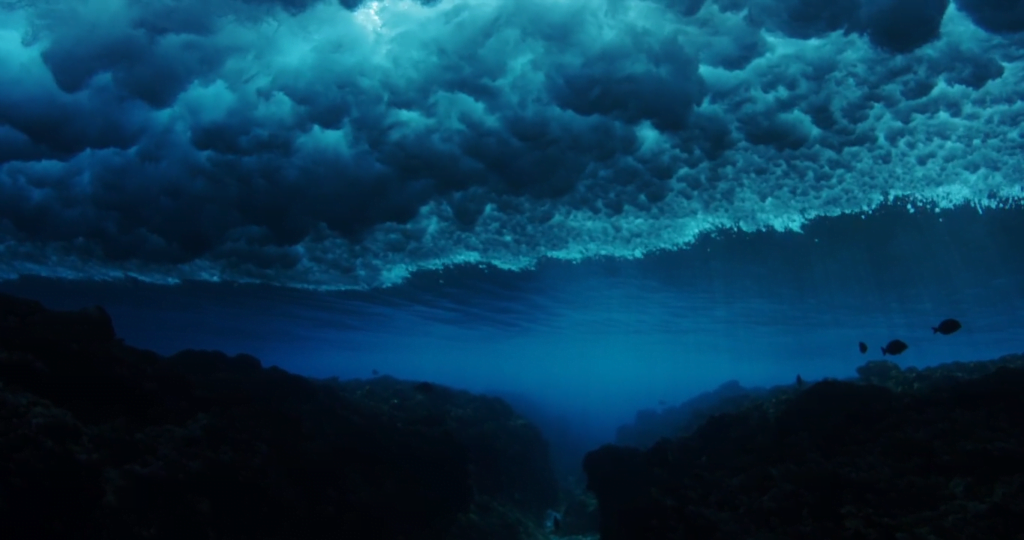
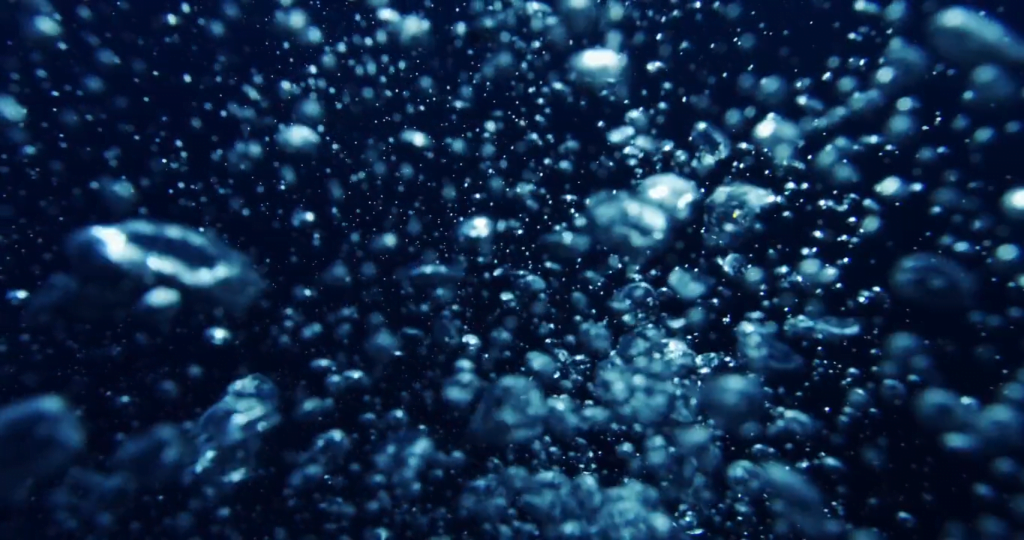
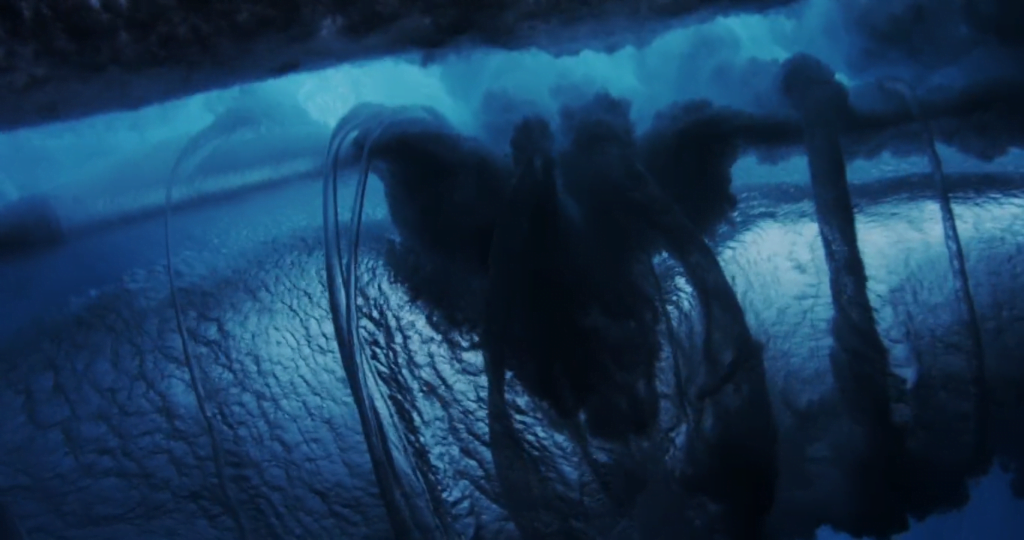
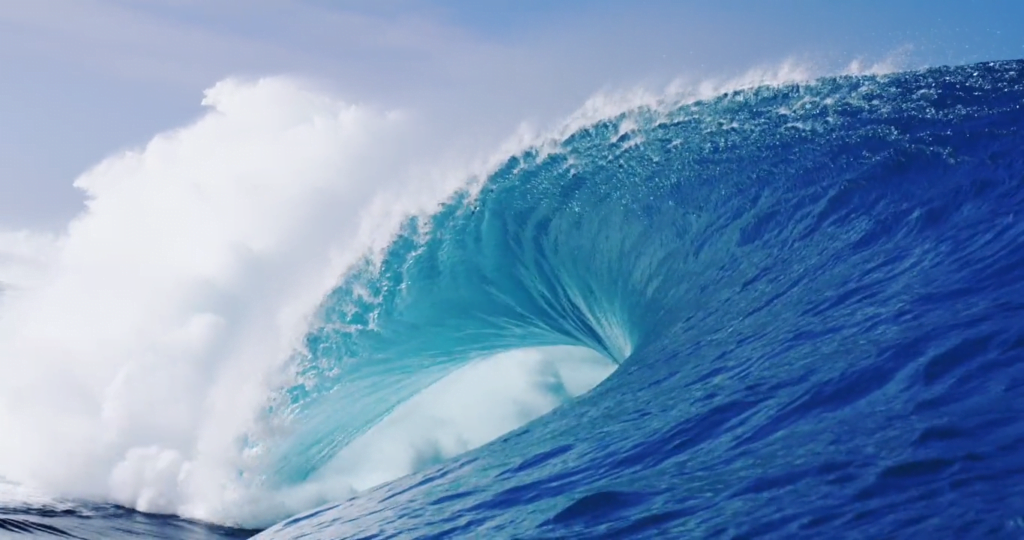
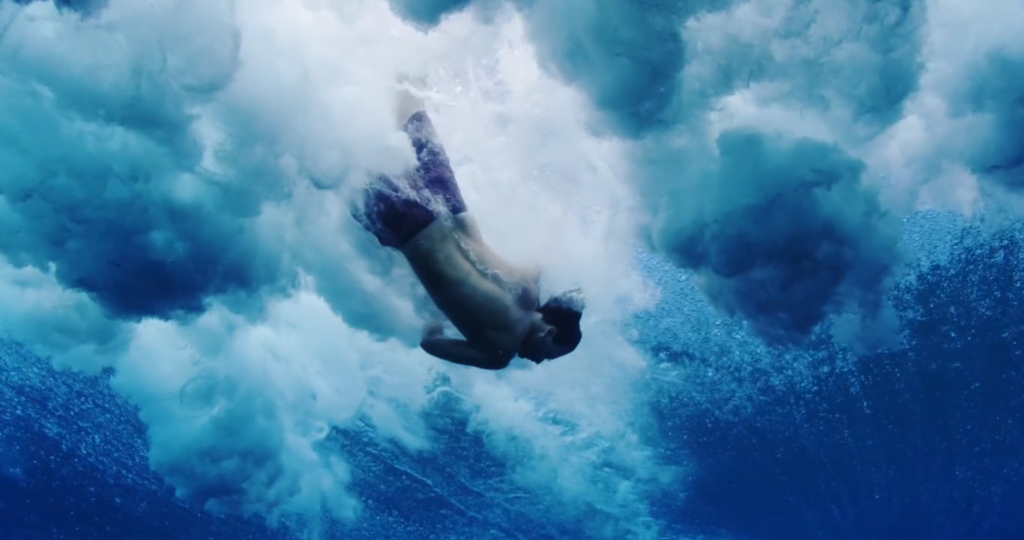
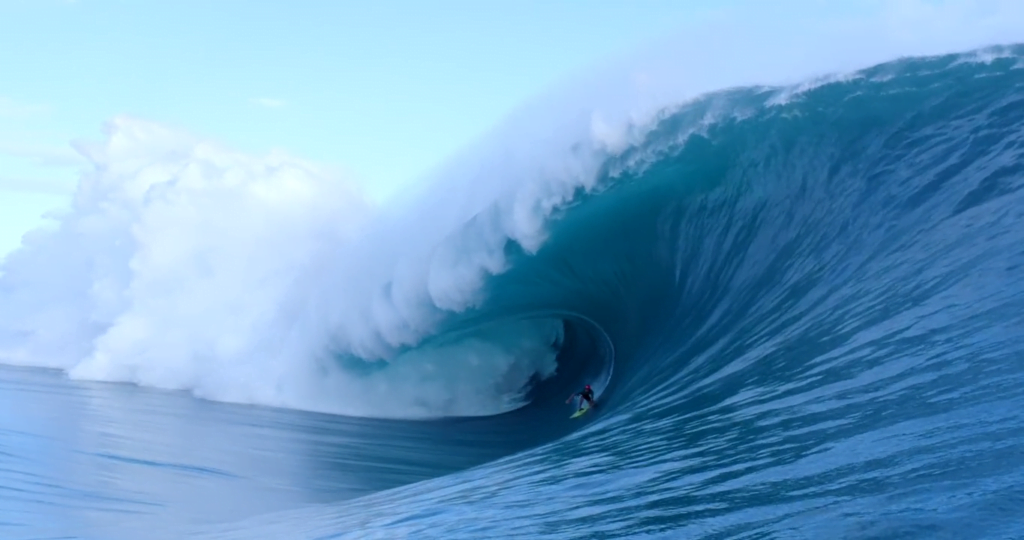


In “Water III,” filmmaker Morgan Maassen explores the ocean from above and below. I love the sheer variety of fluid phenomena; yes, there are classic breaking barrel waves for surfing, but there are also rib vortices and bubble plumes and churning turbulence that wouldn’t be out of place in a stormy Midwestern sky. Enjoy! (Image and video credit: M. Maassen)
Rip Currents
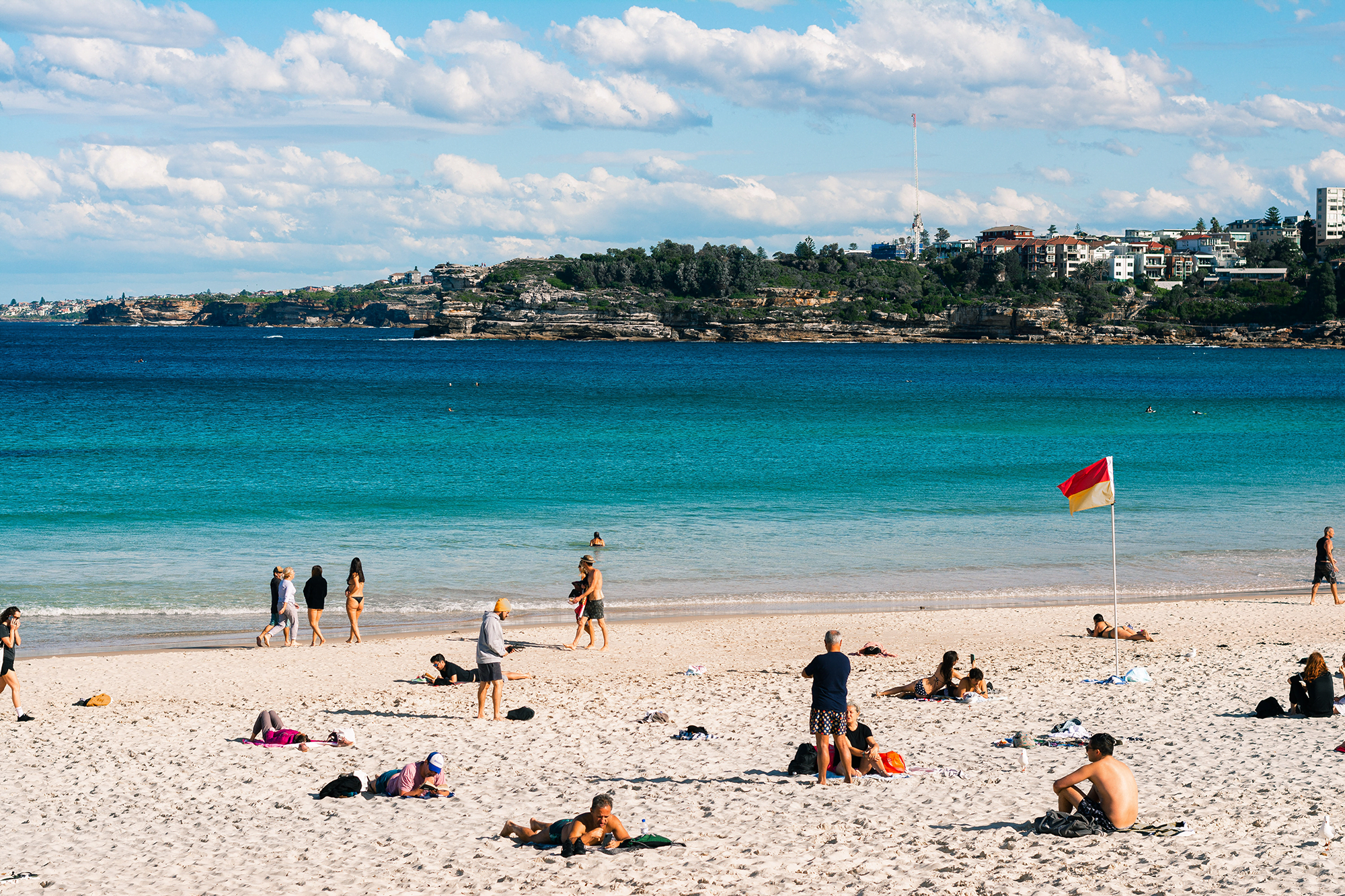
Rip currents — also known as rips — are a threat to beachgoers around the world, and, unfortunately, they’re often underestimated or misunderstood. As waves crash on the shore, water must find a path back out to sea, often through deeper channels that provide a break between the waves. These flow paths are rip currents, and they can form, shift, and intensify with little warning.
Over the years, researchers have found that efforts to educate beachgoers through signs, flags, and other methods once at the beach have done little to help visitors understand, avoid, or escape rips. Instead, it’s better to educate people long before the water is in sight. Since no one method is guaranteed success for escaping a rip, it’s better to learn to recognize and avoid these dangerous areas. Check out the video below for advice on spotting rips, and here’s a video showing rips from a surfer’s perspective, as well as one using dye flow visualization to mark a rip. Be safe and smart out there! (Image credit: P. Auitpol; video credit: Surf Life Saving Australia; via Hakai Magazine; submitted by Kam-Yung Soh)
Asperitas Formation
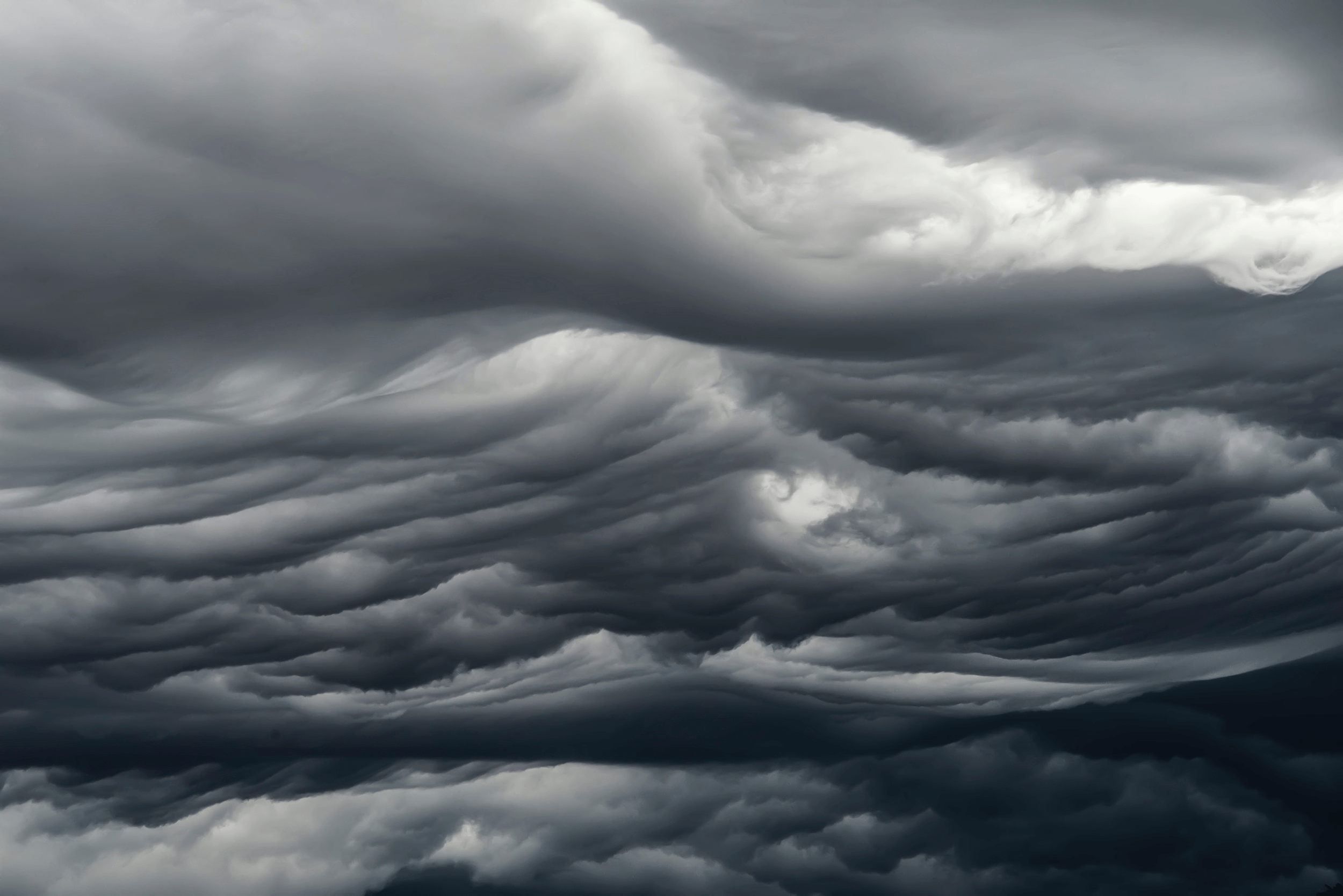
In 2017, the World Meteorological Organization named a new cloud type: the wave-like asperitas cloud. How these rare and distinctive clouds form is still a matter of debate, but this new study suggests that they need conditions similar to those that produce mammatus clouds, plus some added shear.
Using direct numerical simulations, the authors studied a moisture-filled cloud layer sitting above drier ambient air. Without shear, large droplets in this cloud layer slowly settle downward. As the droplets evaporate, they cool the area just below the cloud, changing the density and creating a Rayleigh-Taylor-like instability. This is one proposed mechanism for mammatus clouds, which have bulbous shapes that sink down from the cloud.
When they added shear to the simulation, the authors found that instead of mammatus clouds, they observed asperitas ones. But the amount of shear had to be just right. Too little shear produced mammatus clouds; too much and the shear smeared out the sinking lobes before they could form asperitas waves. (Image credit: A. Beatson; research credit: S. Ravichandran and R. Govindarajan)

Surf’s Up
Surfers flock to northern Peru to enjoy what’s been called the world’s longest wave. These waves are generated by storms thousands of miles away in the Pacific and Southern Oceans. In the open water between, the waves sort themselves into groups of similar wavelength and speed. With the deep water off Peru, the large swells continue to travel together until close to the shore. Surfers also benefit from the tendency for incoming waves to arrive nearly parallel to the coastline, creating long shoreline stretches for breaking. Where many famous wave breaks can be ridden for seconds, surfers can ride these for minutes! (Image credit: L. Dauphin; via NASA Earth Observatory)
Mimicking Asteroids
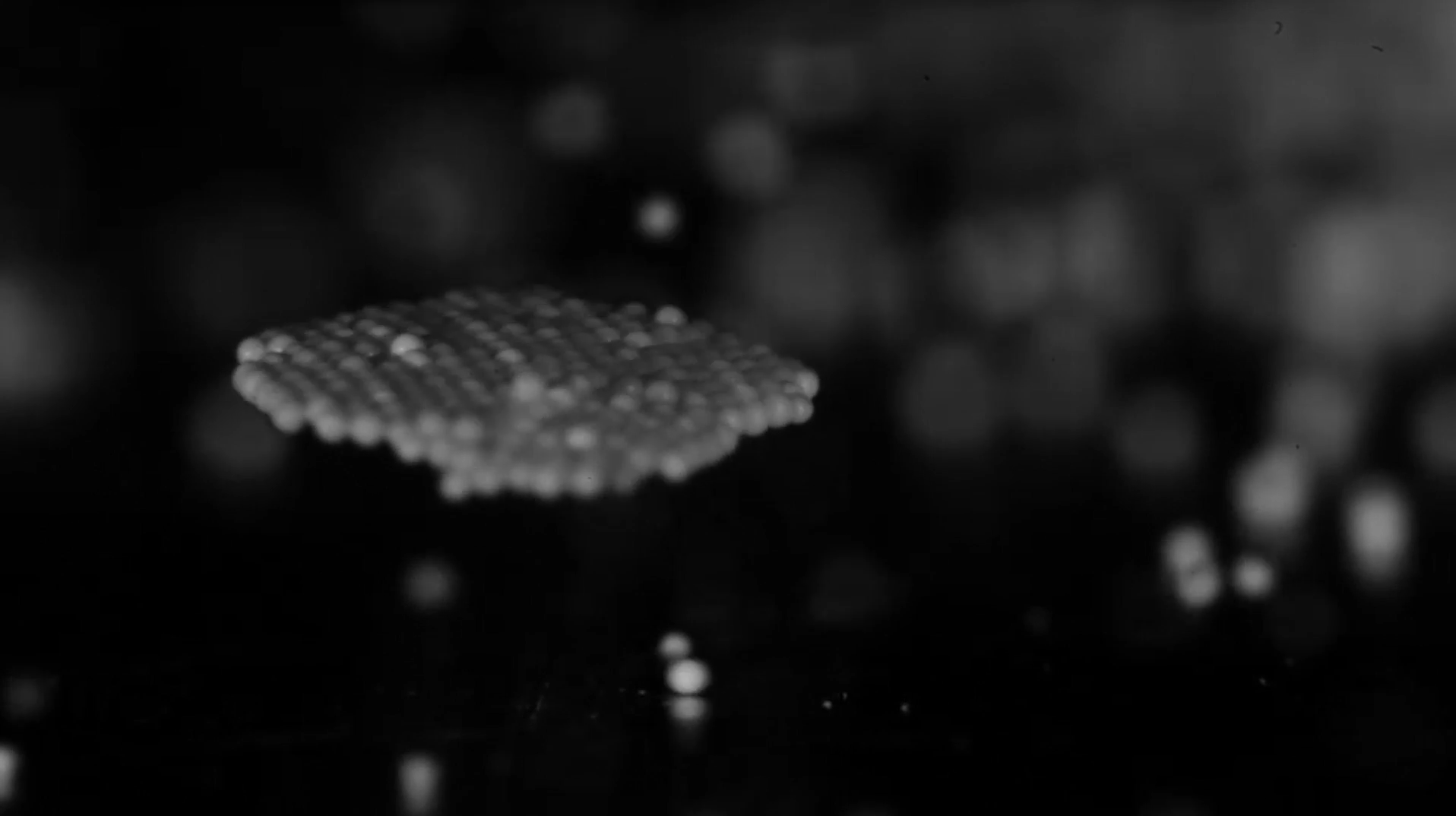
In nature, objects like asteroids, black holes, and atomic nuclei can get distorted when spinning rapidly. Researchers are exploring these objects using a new model platform: particle rafts levitated by sound. The individual particles are less than a millimeter wide and tend to clump together due to the scattering of sound waves off neighboring particles. This effect provides a cohesive force — similar to surface tension or the effects of gravity — that draws the particles together. With the right frequency, the sound waves can also make the granular rafts spin, setting up a tug-of-war between cohesion and centrifugal force.
Using sound waves for levitation, particles slowly rise and clump together. Particles are approximately 190 micrometers each, and the video is drastically slowed down from real-time. As the rafts spin, they distort, pull apart, and come back together. Interestingly, the cohesive force a raft experiences increases with the raft’s size. That makes the attractive force unlike surface tension (which is the same whether you have a bucket of water or a lake) and more like gravity (which is stronger with more material.) Because of this size dependence, the team hopes their granular rafts could be a new way to study the formation of rubble-pile asteroids and similarly granular systems.
As the raft’s rotation increases, it’s pulled apart by centrifugal forces, but the pieces later reconnect. Video is slowed down by a factor of 60. (Video, image, and research credit: M. Lim et al.; via APS Physics)

Moving By (Intestinal) Wave


A word of warning: today’s post includes visuals of digestion taking place in (non-human) embryonic intestines.
Our bodies rely on waves driven by muscle contractions to move both fluids and solids, whether through the esophagus, the ureter, the fallopian tubes, or the intestines. In areas where mixing is unnecessary, those waves move in a single direction, transporting the contents one-way. But in the intestines, mixing is critical to enhancing nutrient absorption, so mammal intestines have wave trains that move both forwards and backwards.
The majority of waves move downstream, carrying waste toward its exit (Images 1 and 2). But occasionally, upstream waves collide with their downstream counterparts to force material together, both mixing and delaying progress in order to allow better nutrient uptake along the intestinal walls (Image 3). (Image credits: top – S. Bughdaryan, others – R. Amedzrovi Agbesi and N. Chavalier; research credit: R. Amedzrovi Agbesi and N. Chavalier; via APS Physics)
Acidic Aerosols
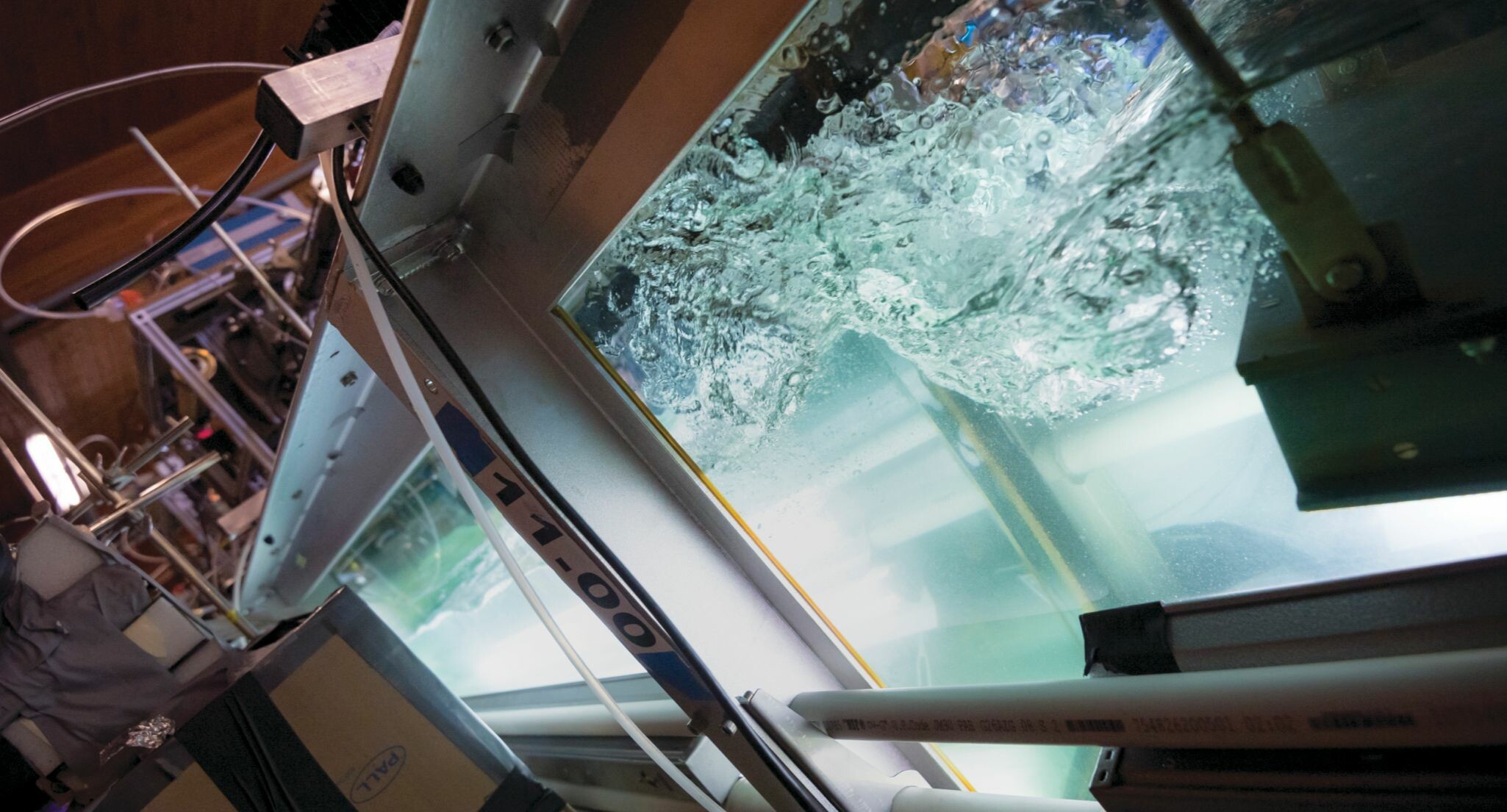
As ocean waves crash, they generate aerosols — tiny liquid and solid particulates — that interact with the atmosphere. Curious about the chemistry of these tiny drops, researchers set out to measure their acidity. That’s easier said than done. Over time, aerosol droplets acidify as they interact with acidic gases in the atmosphere and capturing fresh aerosols in the field is next to impossible.
To tackle these challenges, researchers instead moved the aerosols to the laboratory, filling a wave channel with seawater and agitating it to generate aerosols they could then measure. They found that the smallest aerosols become a million times more acidic than the bulk ocean in only two minutes! Find out more about their experiment and its implications over at Physics Today. (Image credit: E. Jepsen; research credit: K. Angle et al.)