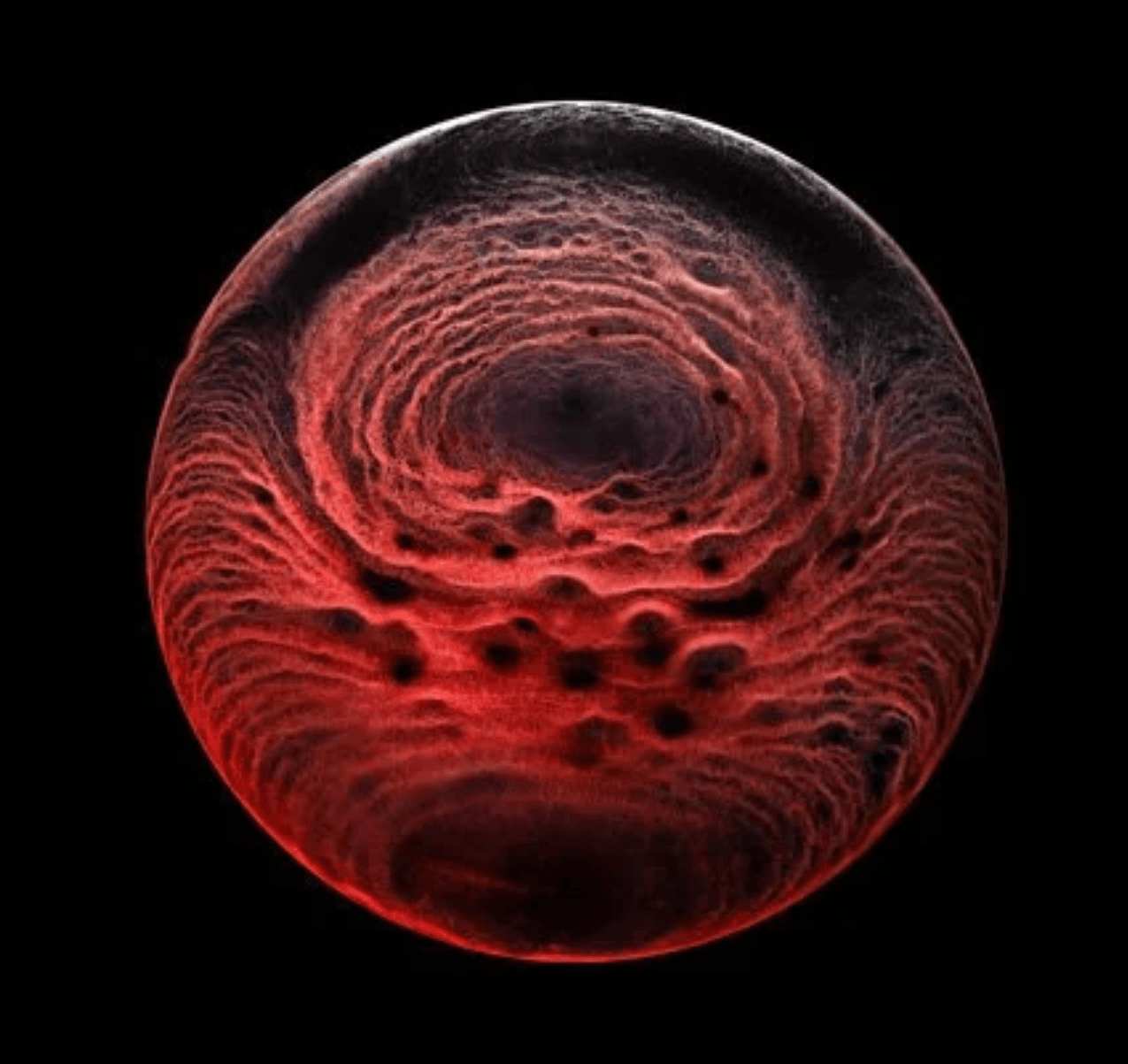
Photographer Ernie Button explores the stains left behind when various liquors evaporate. This one comes from a single malt scotch whisky by The Balvenie. The stain itself is made up of particles left behind when the alcohol and water in the whisky evaporate. The pattern itself depends on a careful interplay between surface tension, evaporation, pinning forces, and internal convection as the whisky puddle dries out. (Image credit: E. Button/CUPOTY; via Colossal)
Search results for: “convection”

“Vorticity 6”




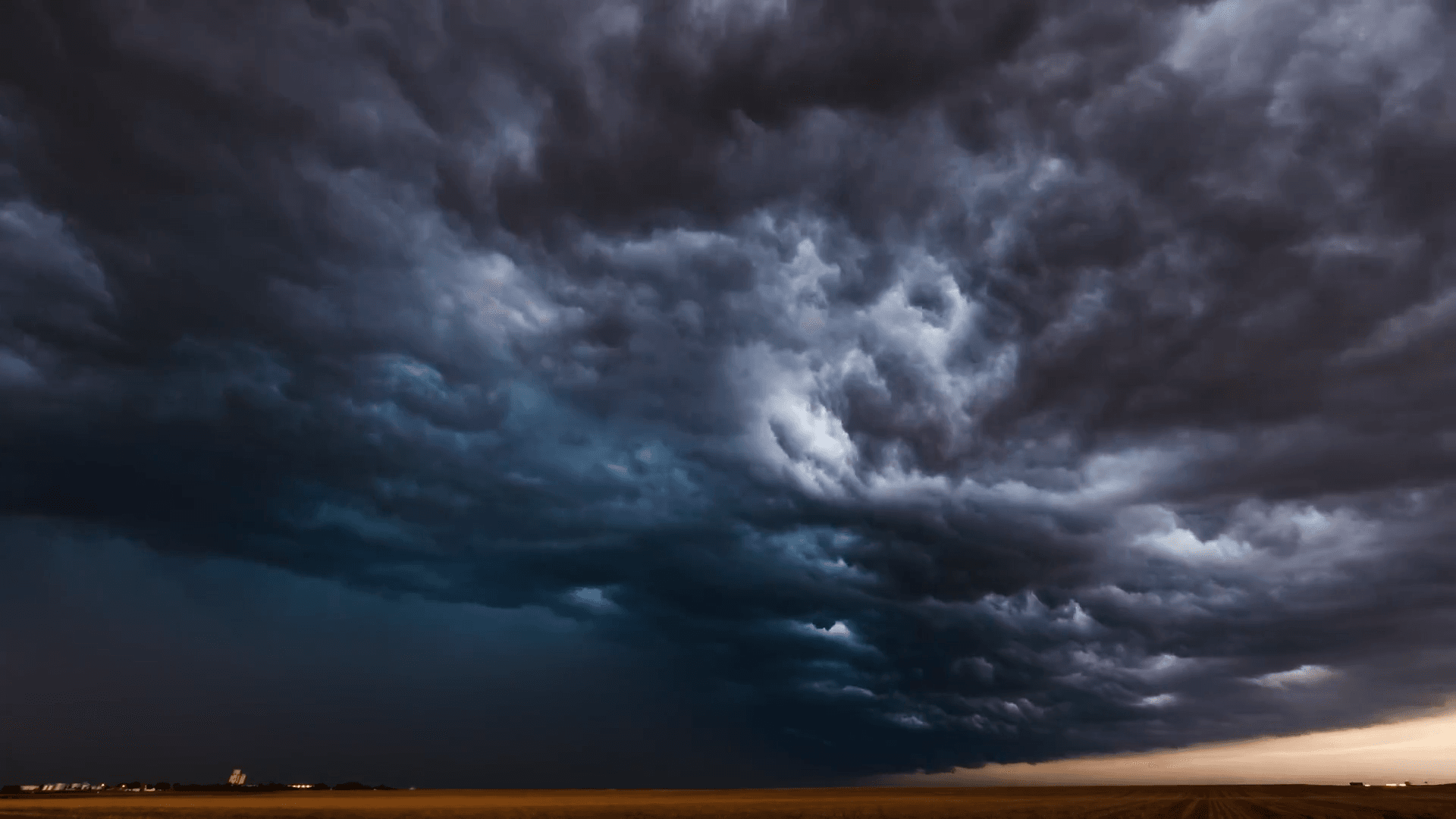
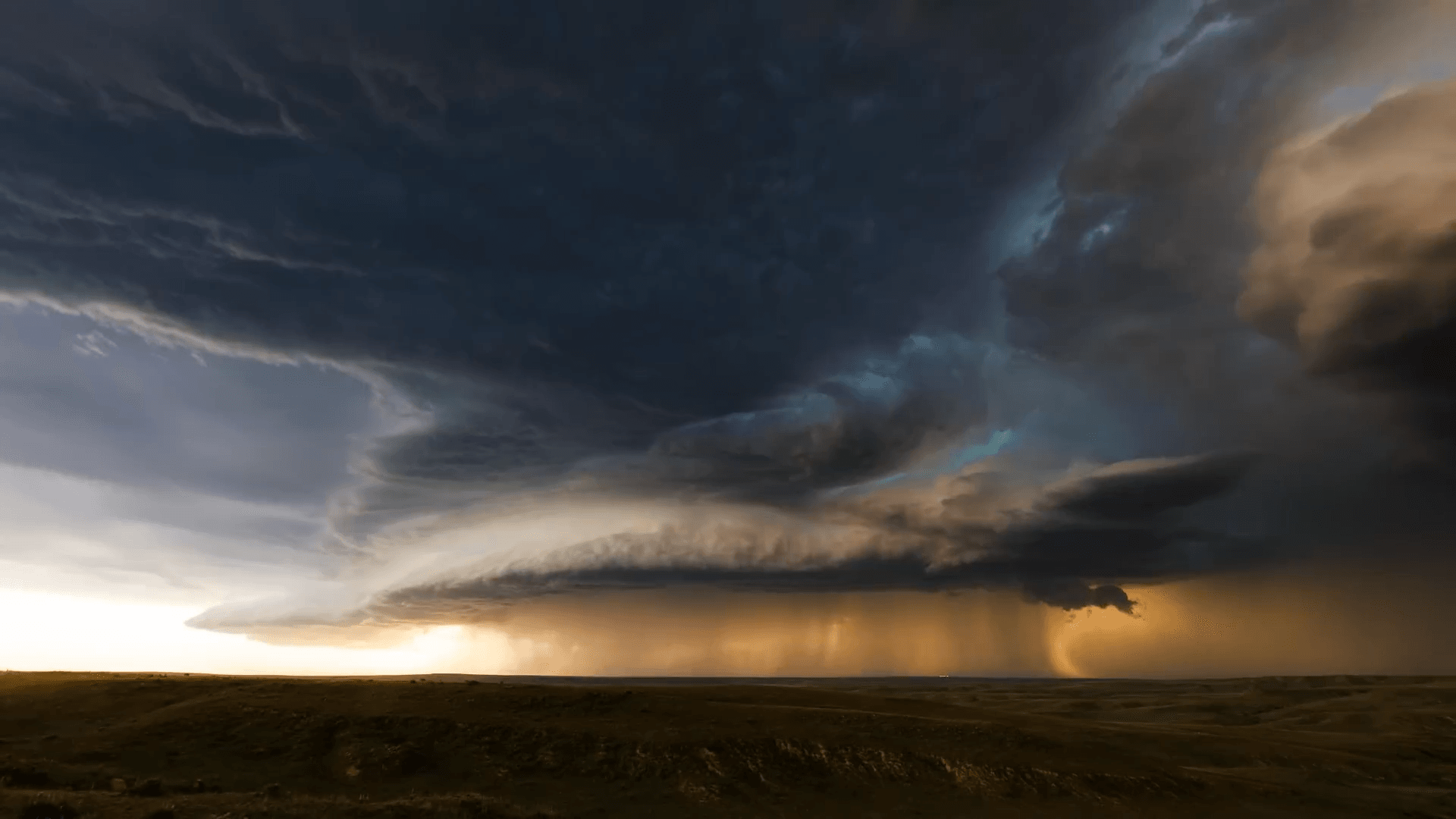
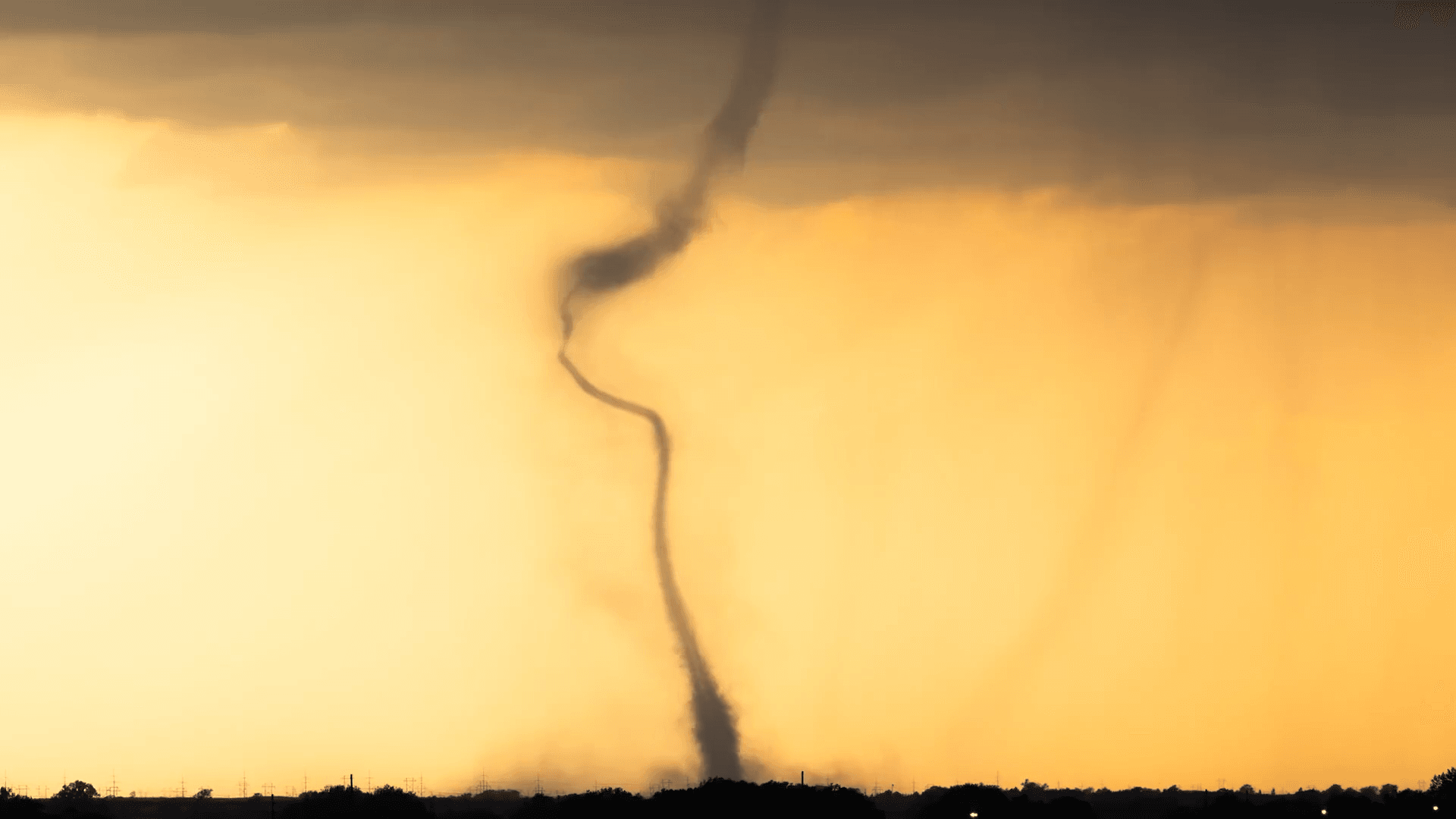
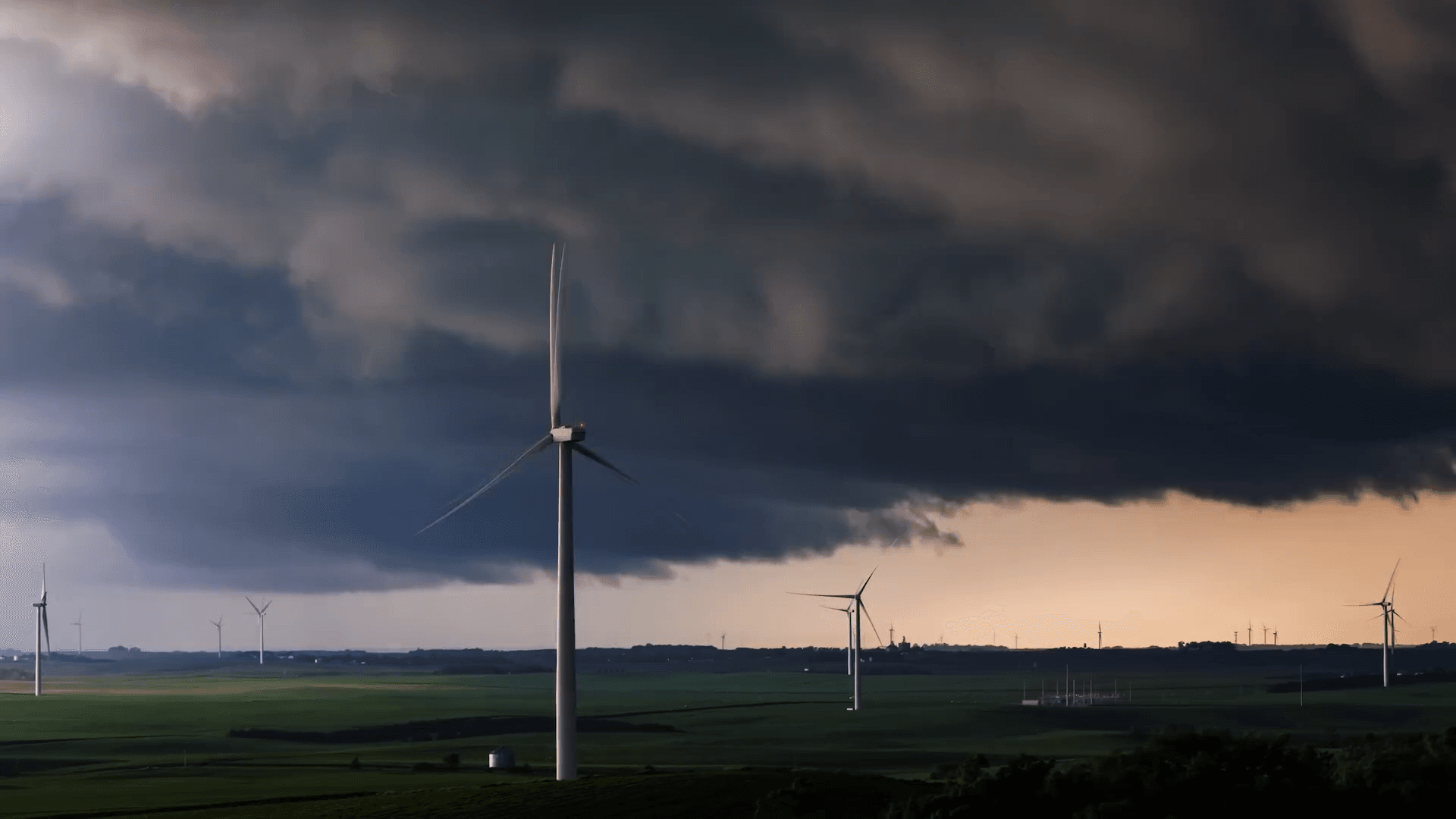
It’s time for another storm-chasing timelapse from photographer Mike Olbinski! “Vorticity 6” focuses on supercell thunderstorms and their tornadoes. There’s billowing turbulent convection, undulating asperitas, bulging mammatus, microbursts, and more. There’s nothing like timelapse to highlight the growth, rotation, and shear involved in these storms. (Video and image credit: M. Olbinski)
Fediverse Reactions
-
“Monsoon 7”
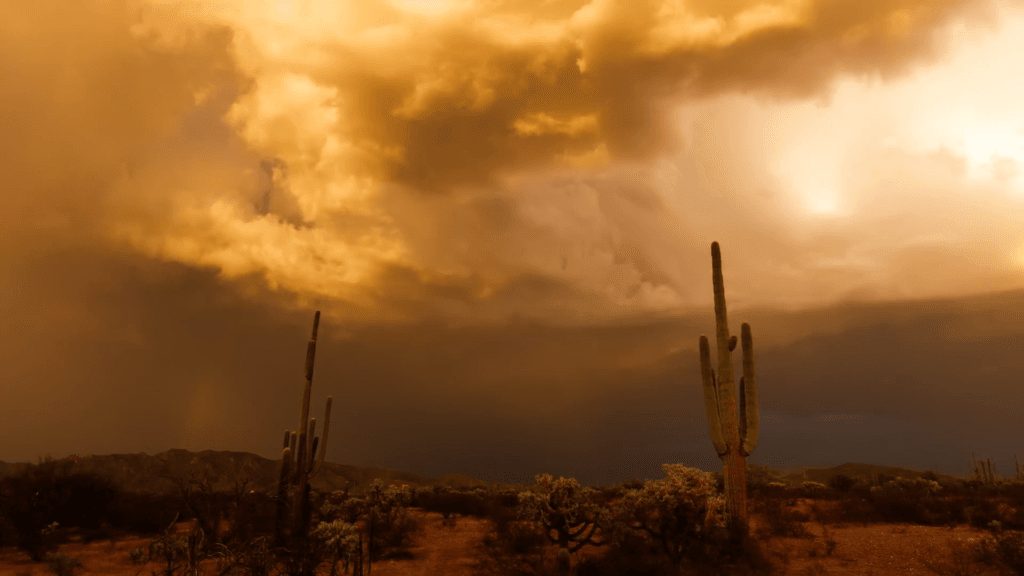

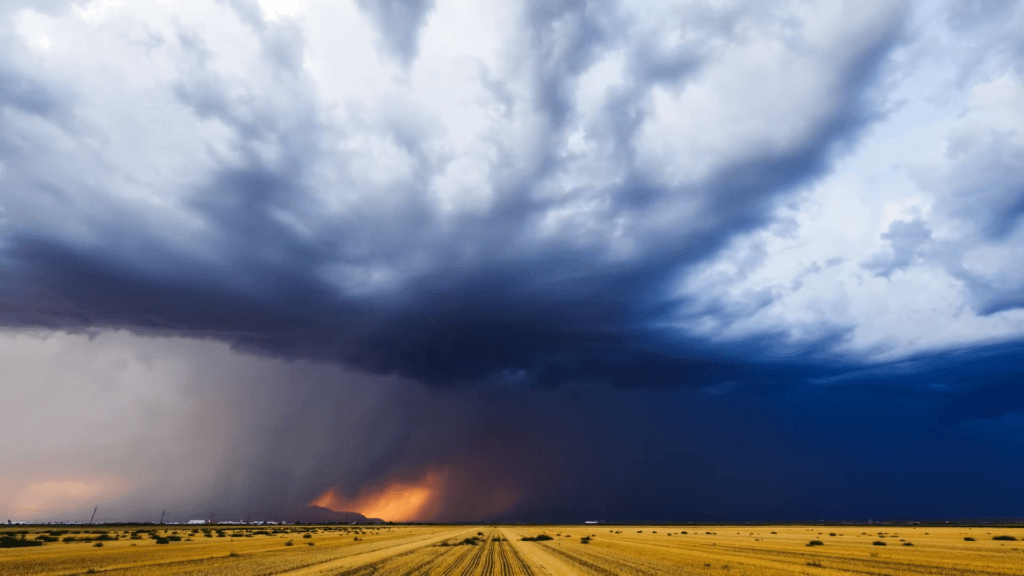



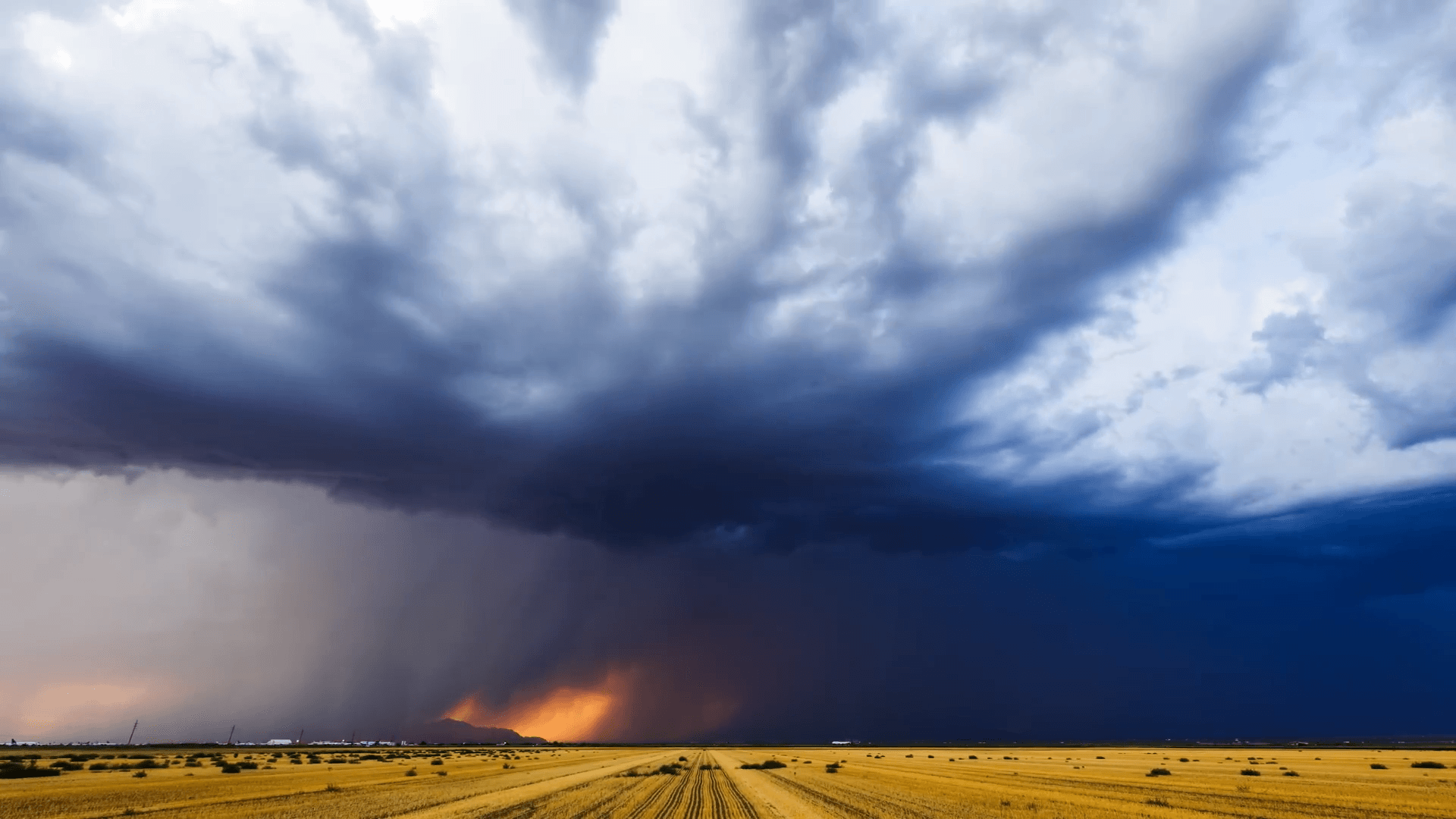


Storm-chasing photographer Mike Olbinski (previously) returns with another stunning timelapse of summer thunderstorms in the western U.S. I never tire of watching the turbulent convection, microbursts, billowing haboobs, and undulating clouds Olbinski captures. His work is always a reminder of the incredible power and energy contained in our atmosphere and unleashed in cycles of warming and cooling, evaporation and condensation. (Video and image credit: M. Olbinski)
Salt Fingers


Any time a fluid under gravity has areas of differing density, it convects. We’re used to thinking of this in terms of temperature — “hot air rises” — but temperature isn’t the only source of convection. Differences in concentration — like salinity in water — cause convection, too. This video shows a special, more complex case: what happens when there are two sources of density gradient, each of which diffuses at a different rate.
The classic example of this occurs in the ocean, where colder fresher water meets warmer, saltier water (and vice versa). Cold water tends to sink. So does saltier water. But since temperature and salinity move at different speeds, their competing convection takes on a shape that resembles dancing, finger-like plumes as seen here. (Video and image credit: M. Mohaghar et al.)
Fediverse Reactions
-

Arctic Melt
Temperatures in the Arctic are rising faster than elsewhere, triggering more and more melting. Photographer Scott Portelli captured a melting ice shelf protruding into the ocean in this aerial image. Across the top of the frozen landscape, streams and rivers cut through the ice, leading to waterfalls that flood the nearby ocean with freshwater. This meltwater will do more than raise ocean levels; it changes temperature and salinity in these regions, disrupting the convection that keeps our planet healthy. (Image credit: S. Portelli/OPOTY; via Colossal)
Fediverse Reactions
-
Why Icy Giants Have Strange Magnetic Fields
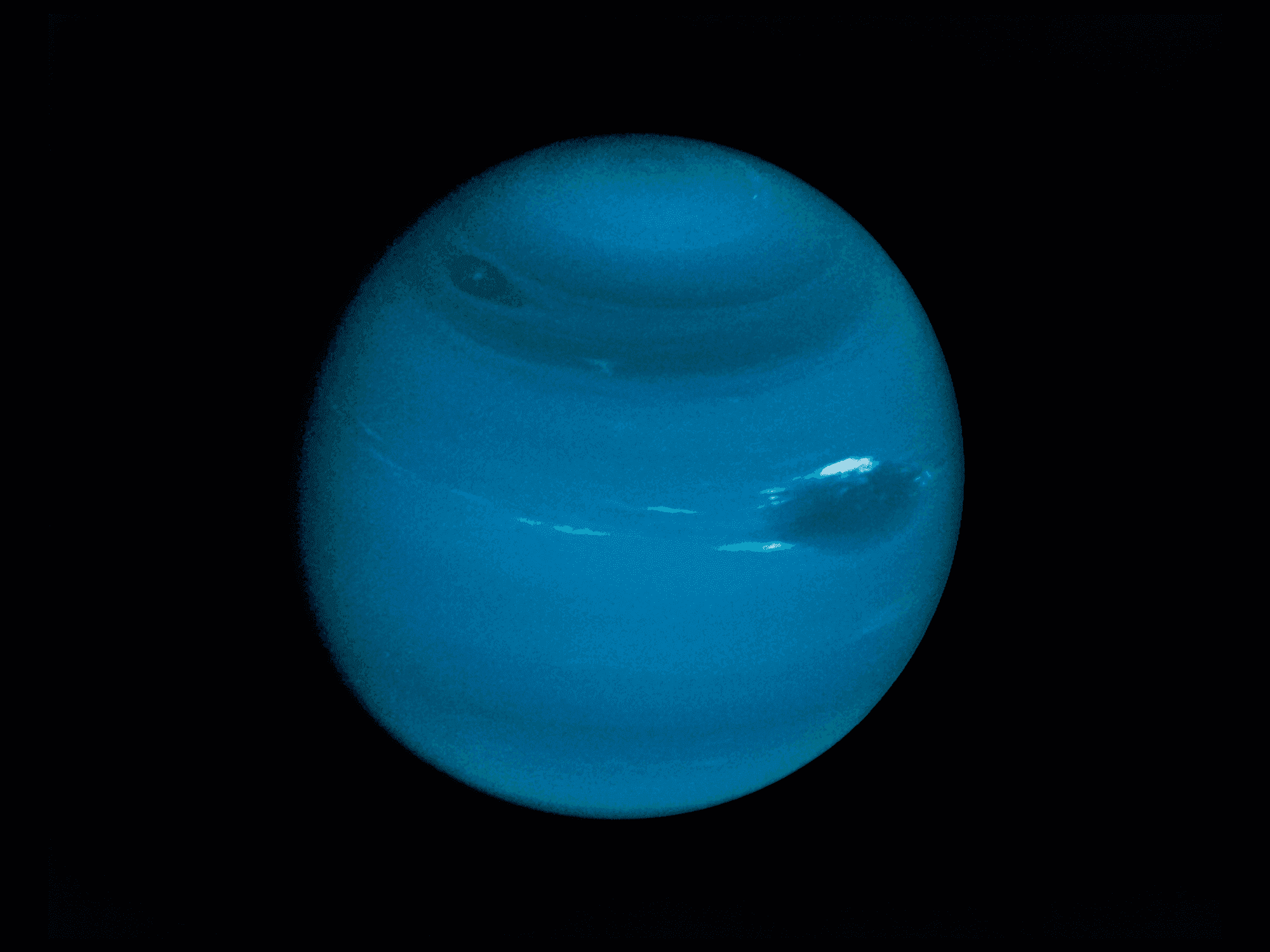
When Voyager 2 visited Uranus and Neptune, scientists were puzzled by the icy giants’ disorderly magnetic fields. Contrary to expectations, neither planet had a well-defined north and south magnetic pole, indicating that the planets’ thick, icy interiors must not convect the way Earth’s mantle does. Years later, other researchers suggested that the icy giants’ magnetic fields could come from a single thin, convecting layer in the planet, but how that would look remained unclear. Now a scientist thinks he has an answer.
When simulating a mixture of water, methane, and ammonia under icy giant temperature and pressure conditions, he saw the chemicals split themselves into two layers — a water-hydrogen mix capable of convection and a hydrocarbon-rich, stagnant lower layer. Such phase separation, he argues, matches both the icy giants’ gravitational fields and their odd magnetic fields. To test whether the model holds up, we’ll need another spacecraft — one equipped with a Doppler imager — to visit Uranus and/or Neptune to measure the predicted layers firsthand. (Image credit: NASA; research credit: B. Militzer; via Physics World)
Fediverse Reactions
-
How Cooling Towers Work


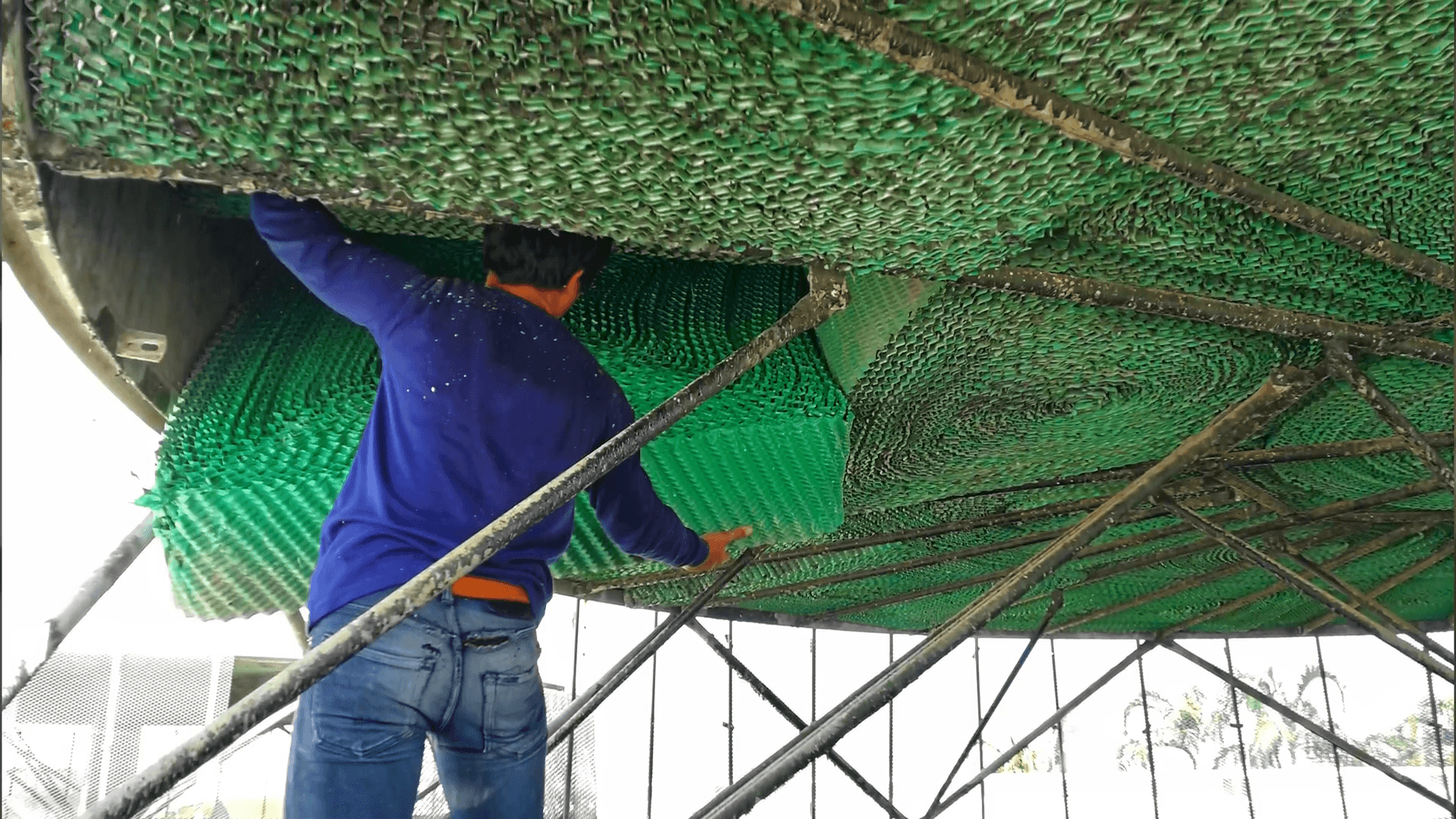

Power plants (and other industrial settings) often need to cool water to control plant temperatures. This usually requires cooling towers like the iconic curved towers seen at nuclear power plants. Towers like these use little to no moving parts — instead relying cleverly on heat transfer, buoyancy, and thermodynamics — to move and cool massive amounts of water. Grady breaks them down in terms of operation, structural engineering, and fluid/thermal dynamics in this Practical Engineering video. Grady’s videos are always great, but I especially love how this one tackles a highly visible piece of infrastructure from multiple engineering perspectives. (Video and image credit: Practical Engineering)
Fediverse Reactions
-
How Magnetic Fields Shape Core Flows
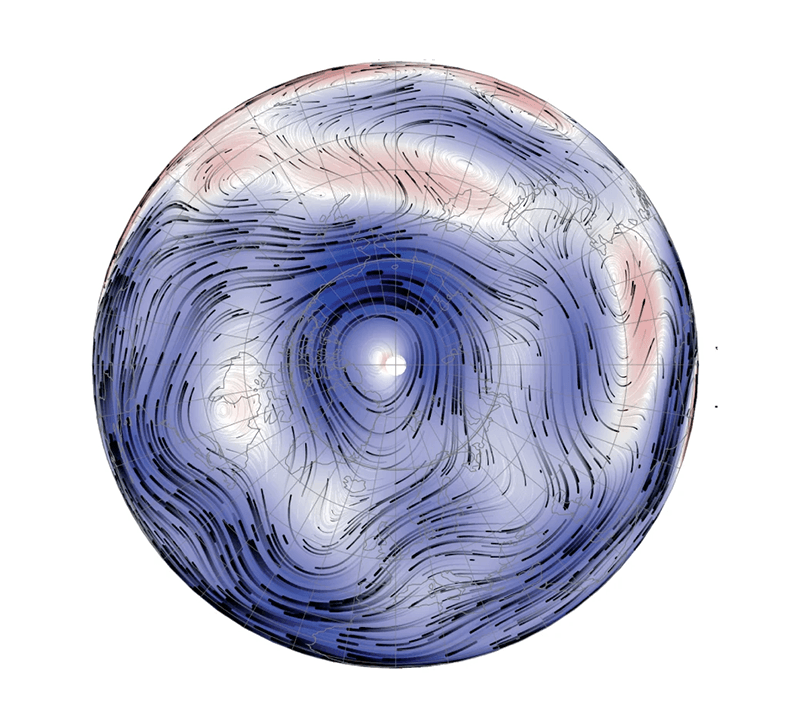
The Earth’s inner core is a hot, solid iron-rich alloy surrounded by a cooler, liquid outer core. The convection and rotation in this outer core creates our magnetic fields, but those magnetic fields can, in turn, affect the liquid metal flowing inside the Earth. Most of our models for these planetary flows are simplified — dropping this feedback where the flow-induced magnetic field affects the flow.
The simplification used, the Taylor-Proudman theorem, assumes that in a rotating flow, the flow won’t cross certain boundaries. (To see this in action, check out this Taylor column video.) The trouble is, our measurements of the Earth’s actual interior flows don’t obey the theorem. Instead, they show flows crossing that imaginary boundary.
To explore this problem, researchers built a “Little Earth Experiment” that placed a rotating tank (representing the Earth’s inner and outer core) filled with a transparent, magnetically-active fluid inside a giant magnetic. This setup allowed researchers to demonstrate that, in planetary-like flows, the magnetic field can create flow across the Taylor-Proudman boundary. (Image credit: C. Finley et al.; research credit: A. Pothérat et al.; via APS Physics)
Origins of Salt Polygons
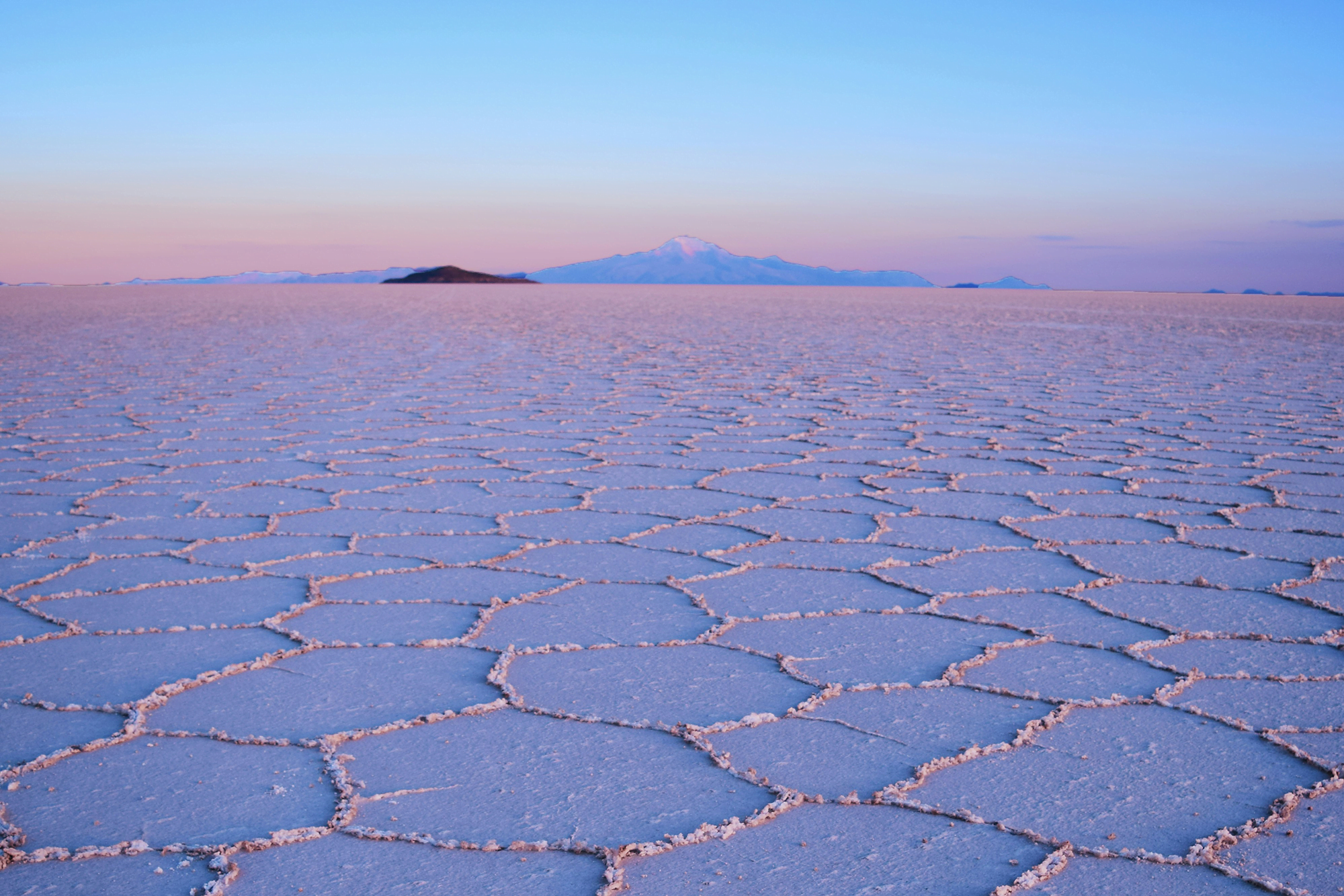
Around the world, dry salt lakes are crisscrossed by thousands of meter-wide salt polygons. Although they resemble crack patterns, these structures are actually the result of convection occurring in the salty groundwater beneath the soil. I have covered the physics previously, but this new article by several of the researchers gives a behind-the-scenes glimpse of the investigation itself and how they uncovered the true explanation. (Image credit: S. Liu, see also: Physics Today)

Warming Temperatures Increase Turbulence
After multiple high-profile injuries caused by atmospheric turbulence, you might be wondering whether airplane rides are getting rougher. Unfortunately, the answer is yes, at least for clear-air (i.e., non-storm-related) turbulence in the North Atlantic region. It seems that climate change, as predicted, is increasing the bumpiness of our atmosphere. There are a couple of mechanisms at play here.
The first is that warming temperatures fuel thunderstorms. When ground-level temperatures and water temperatures are warmer, that provides more warm, moist air rising up and feeding atmospheric convection. Especially in the summertime, that translates into stronger, more frequent thunderstorms; even with flights avoiding the storms themselves, there’s greater turbulence surrounding them.
The second mechanism relates to wind, specifically in the mid-latitudes. In general, a temperature difference between two regions causes stronger winds. (Think about the windy conditions that accompany an incoming cold front.) At the mid-latitudes, the difference between cold polar regions and warmer equatorial ones creates a strong wind, known as the jet stream. Now, as temperature gradients increase at cruising altitudes, the jet stream gets stronger, which means bigger changes in wind speed with altitude. And its those wind speed differences at different heights that drive turbulence.
So, yes, we’re likely to see more turbulent flights now and in the future. But, fortunately, there’s a simple way to avoid injuries from that bumpiness: buckle up! If you keep your seat belt fastened while you’re seated, you can avoid getting tossed around by unexpected G-forces. (Image credit: G. Ruballo; see also Gizmodo)