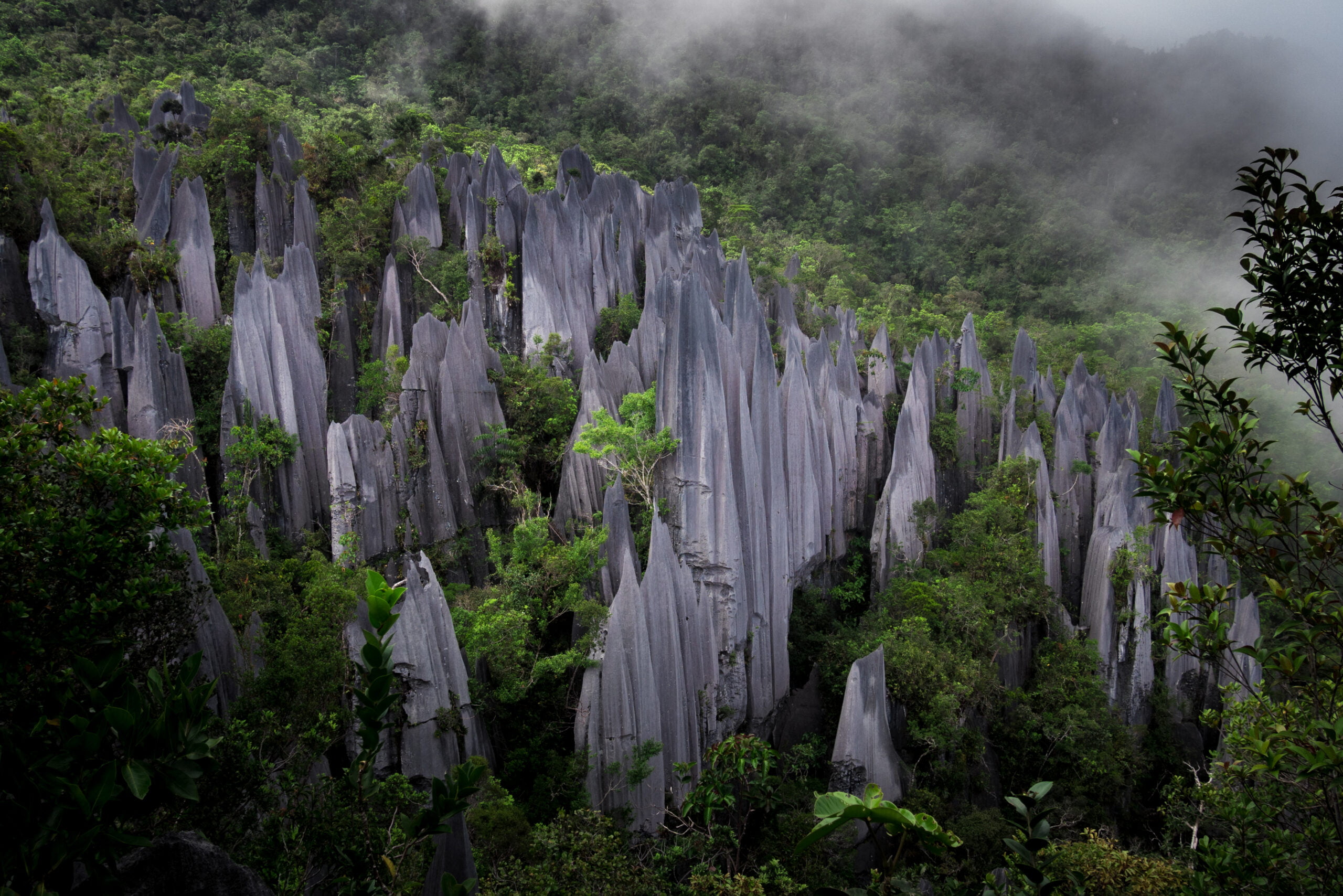
Limestone and other water-soluble rocks sometimes form sharp stone pinnacles like the ones seen here in Borneo. Scientists have recreated these structures in the laboratory simply by immersing water-soluble substances (essentially blocks of candy) into water. Without any background flow, the blocks will slowly form these pinnacle forests as material dissolves into the nearby water, creating a heavy solute-rich fluid that sinks down the exterior of the block. The convection generated by this dissolution drives the material into these sharp shapes, as shown mathematically in this recent study. (Image credit: N. Naim; research credit: J. Huang and N. Moore; via APS Physics)
Search results for: “convection”

“Heaven”
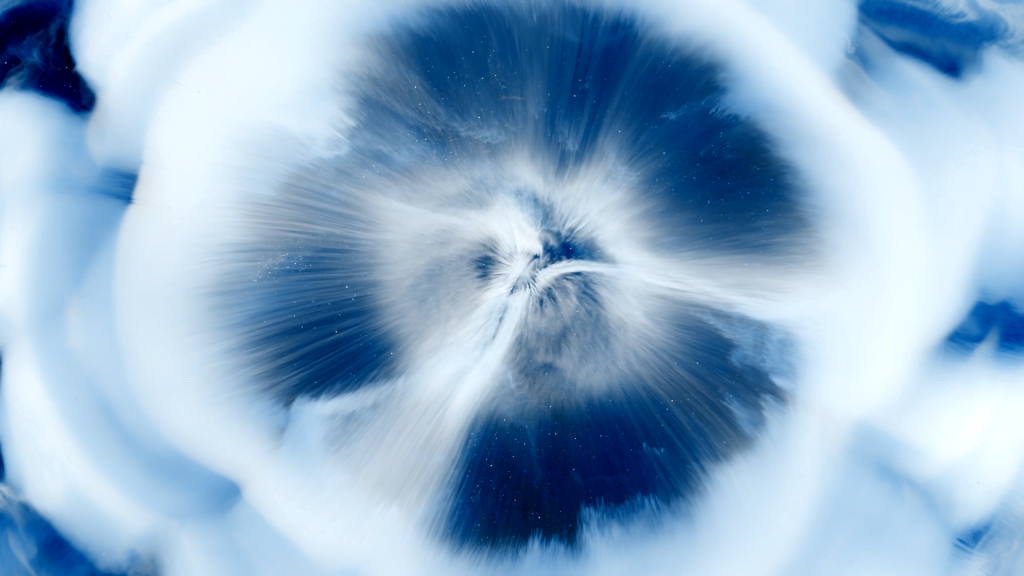

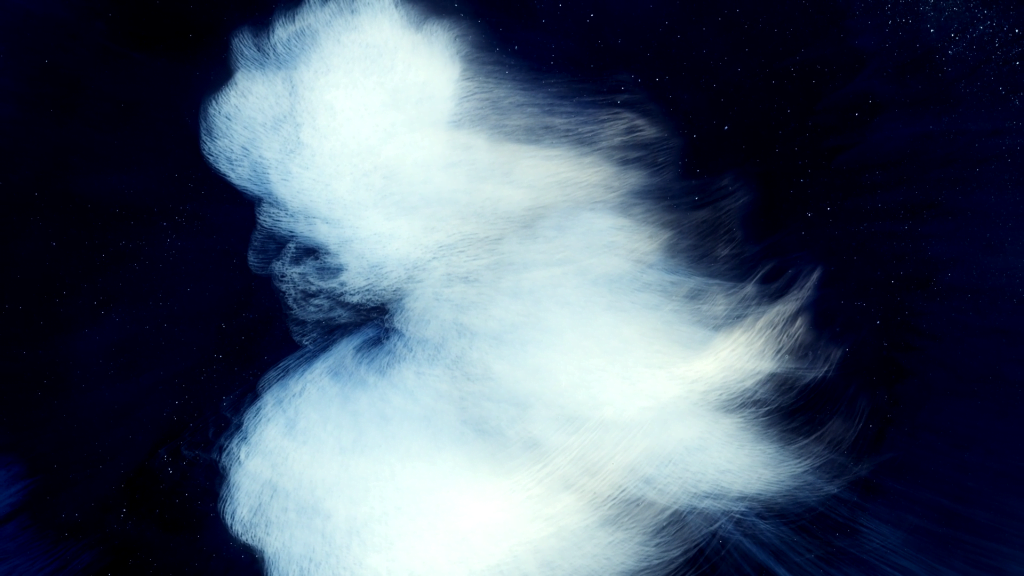

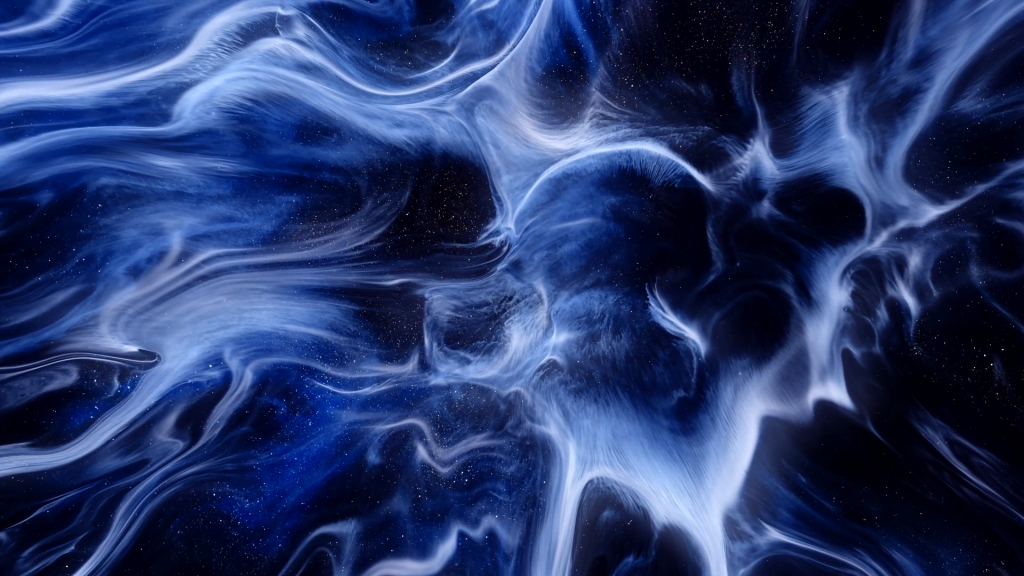
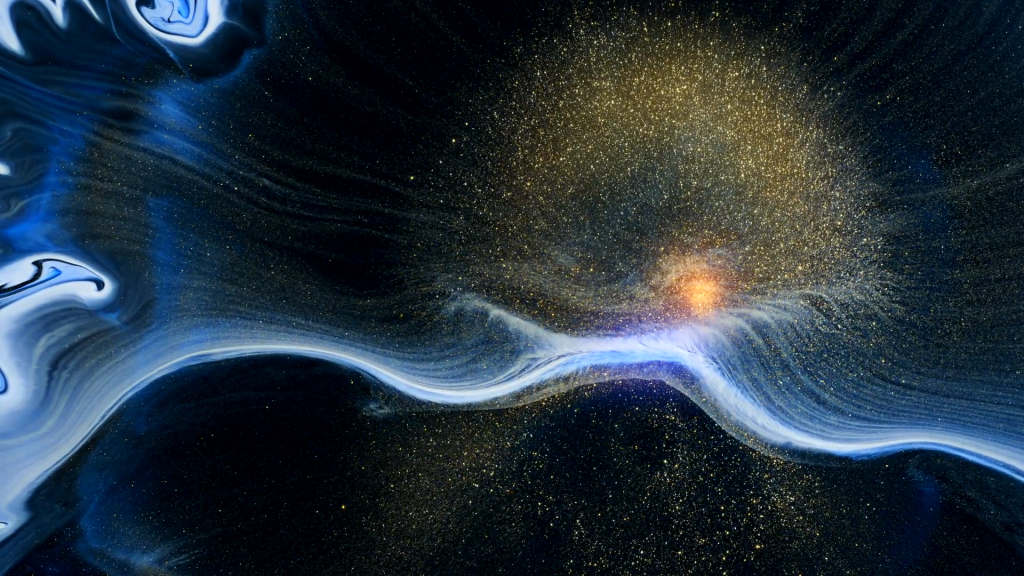
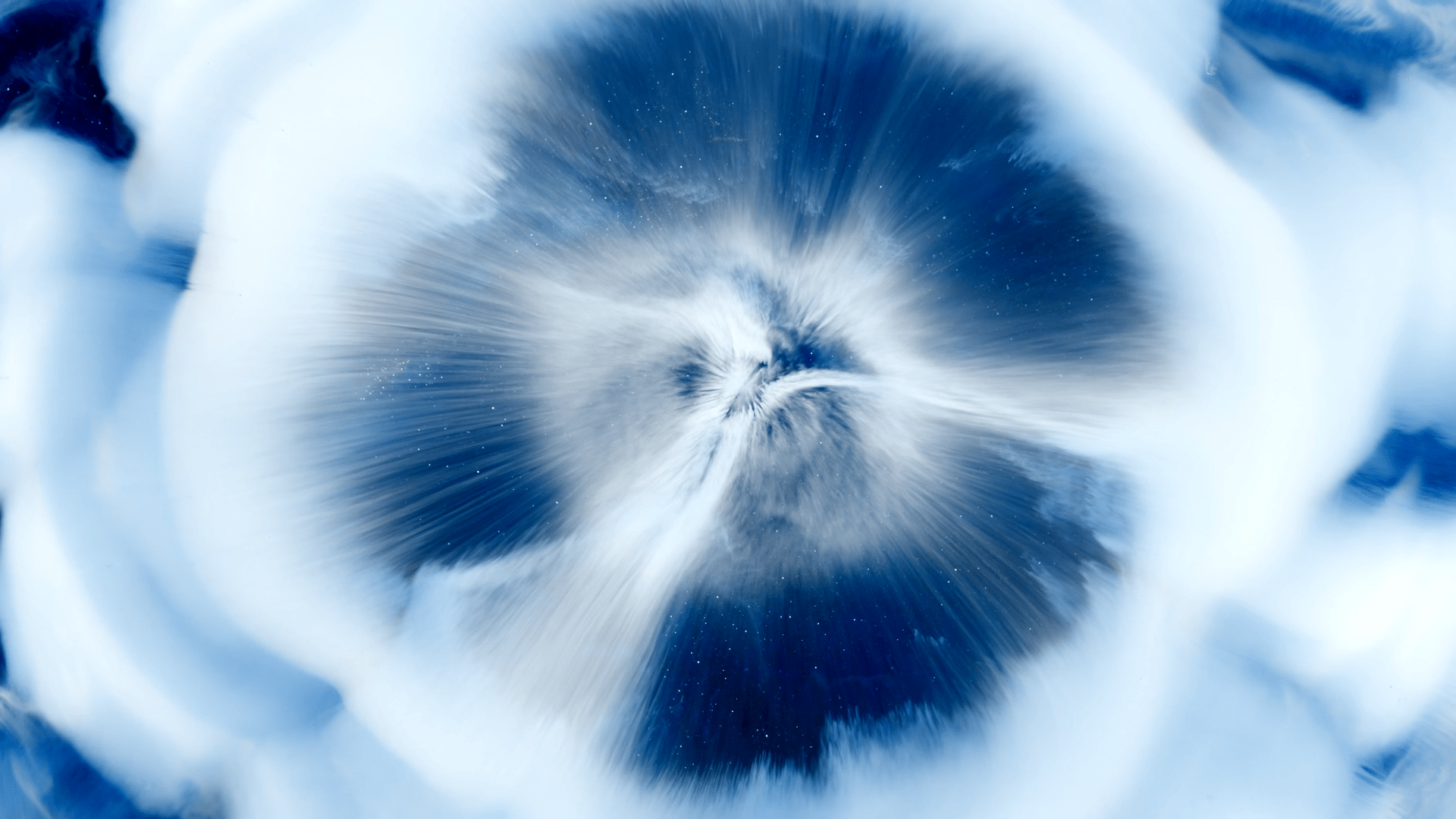
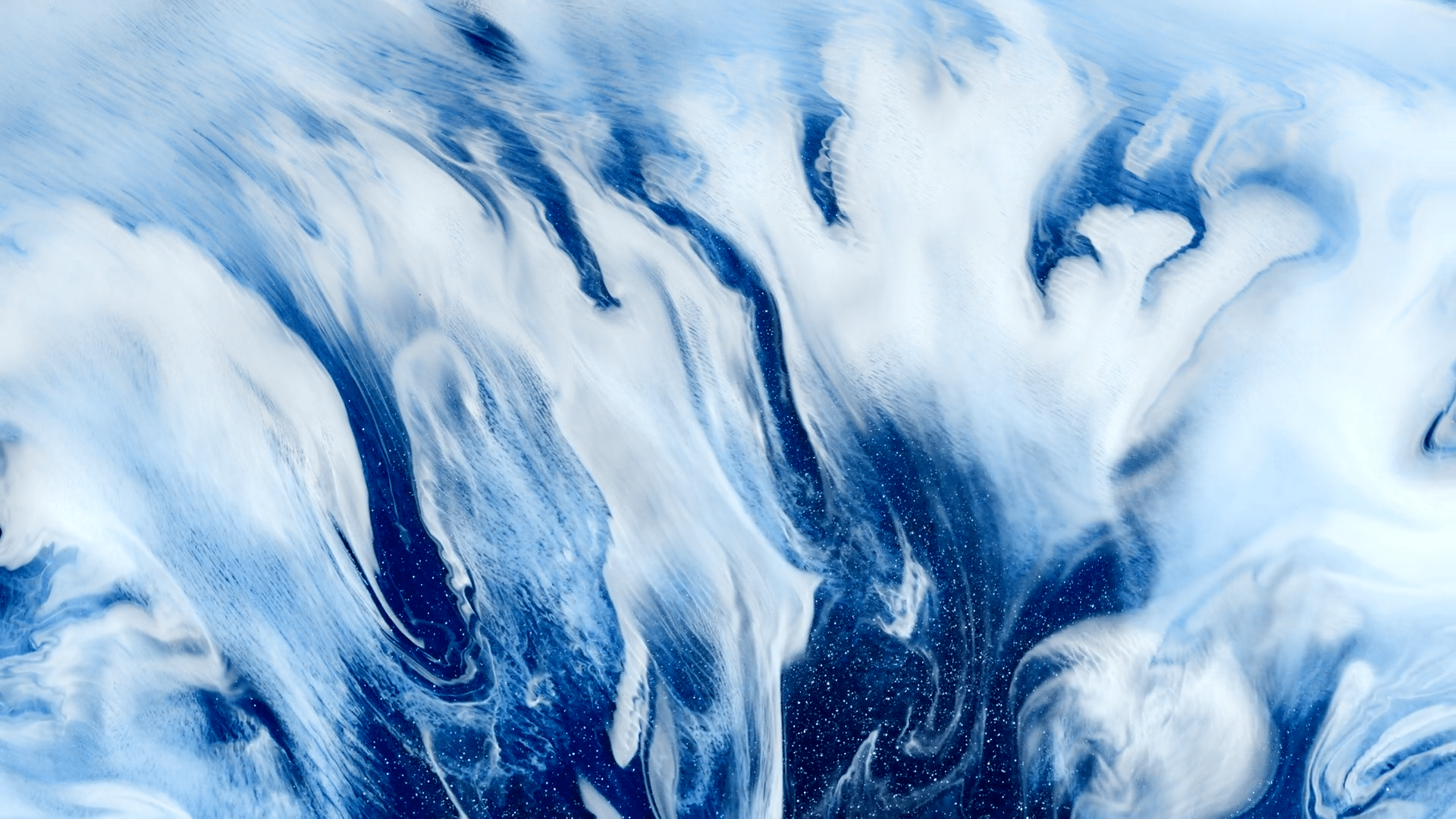
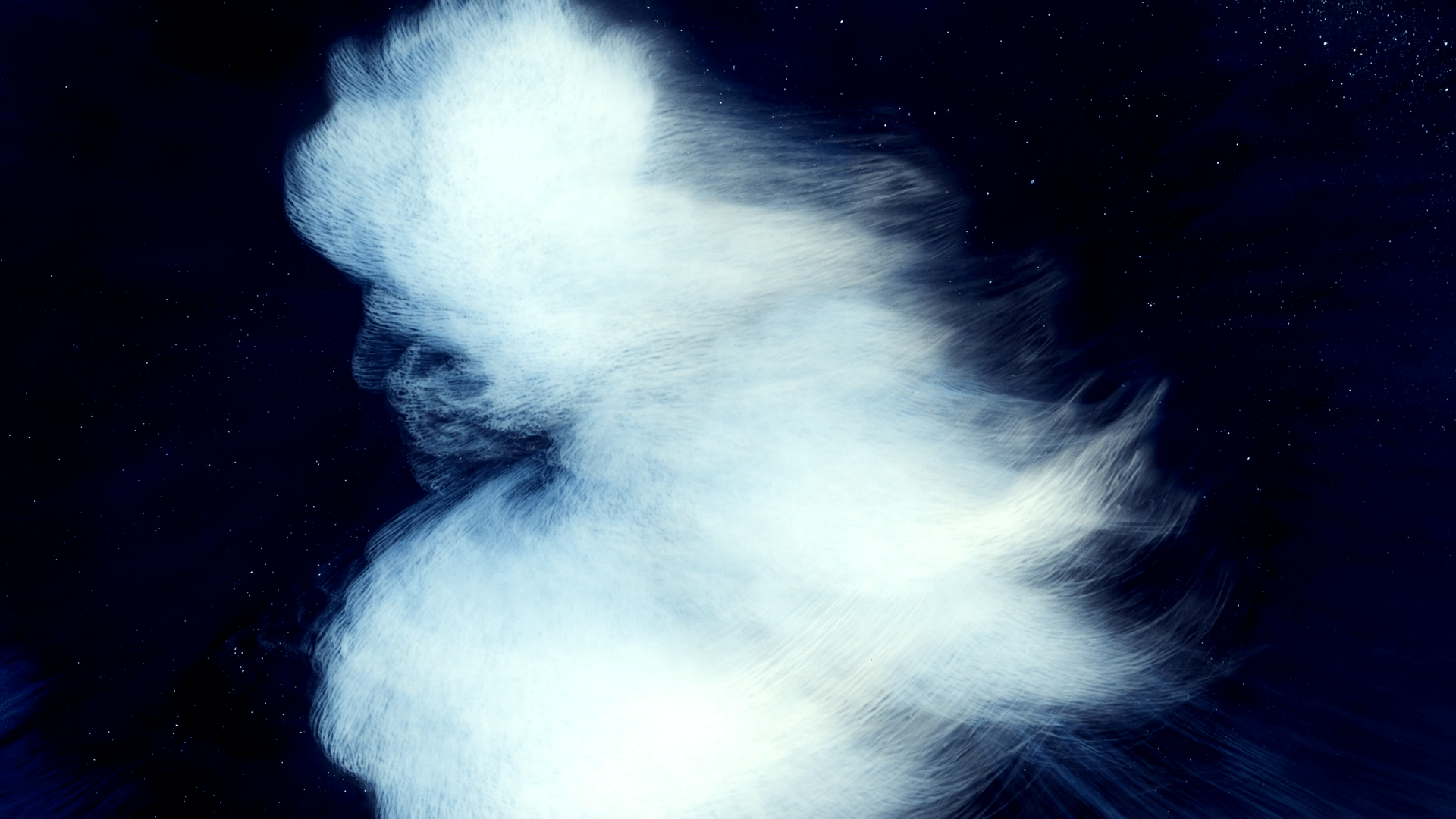
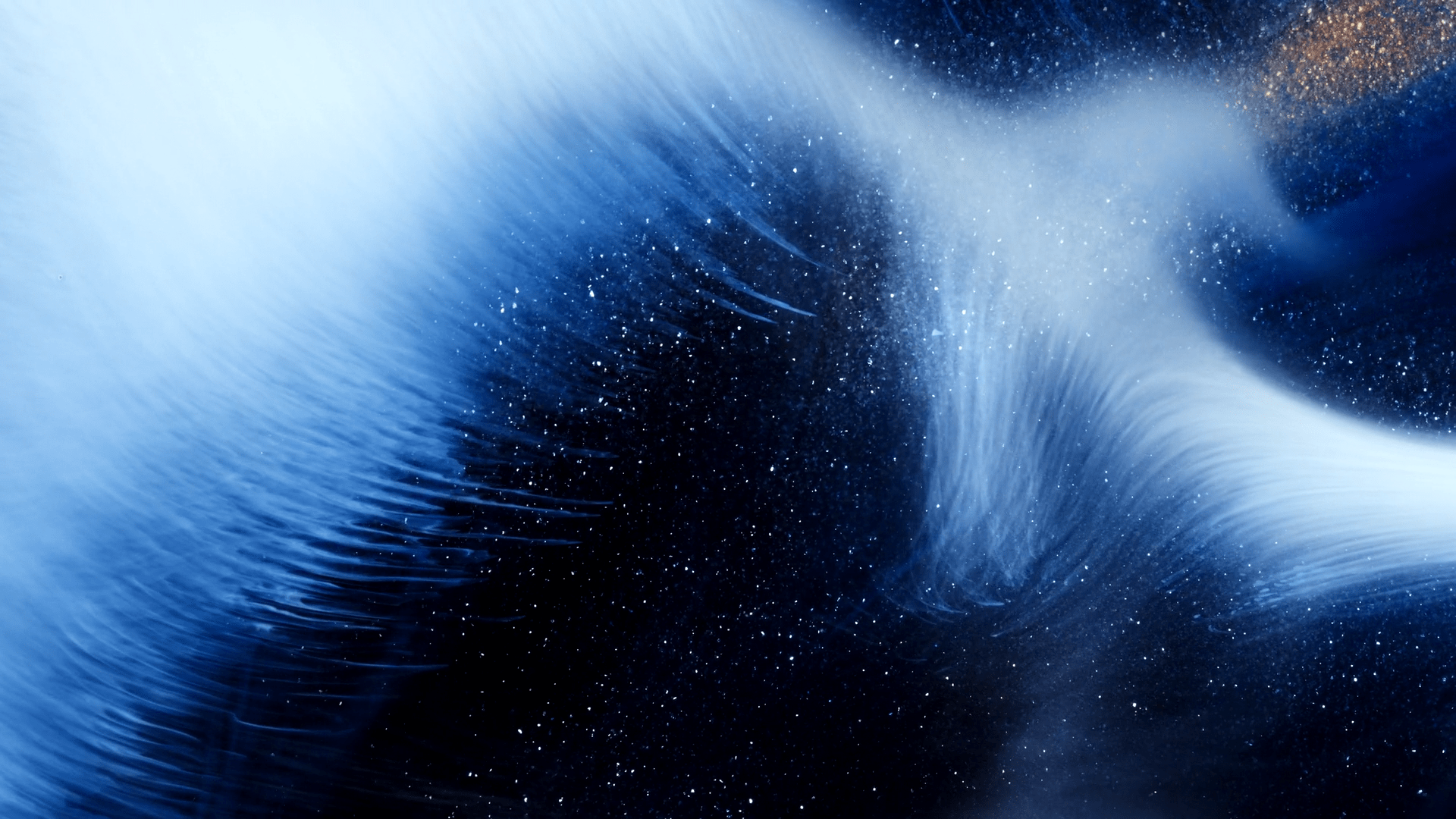
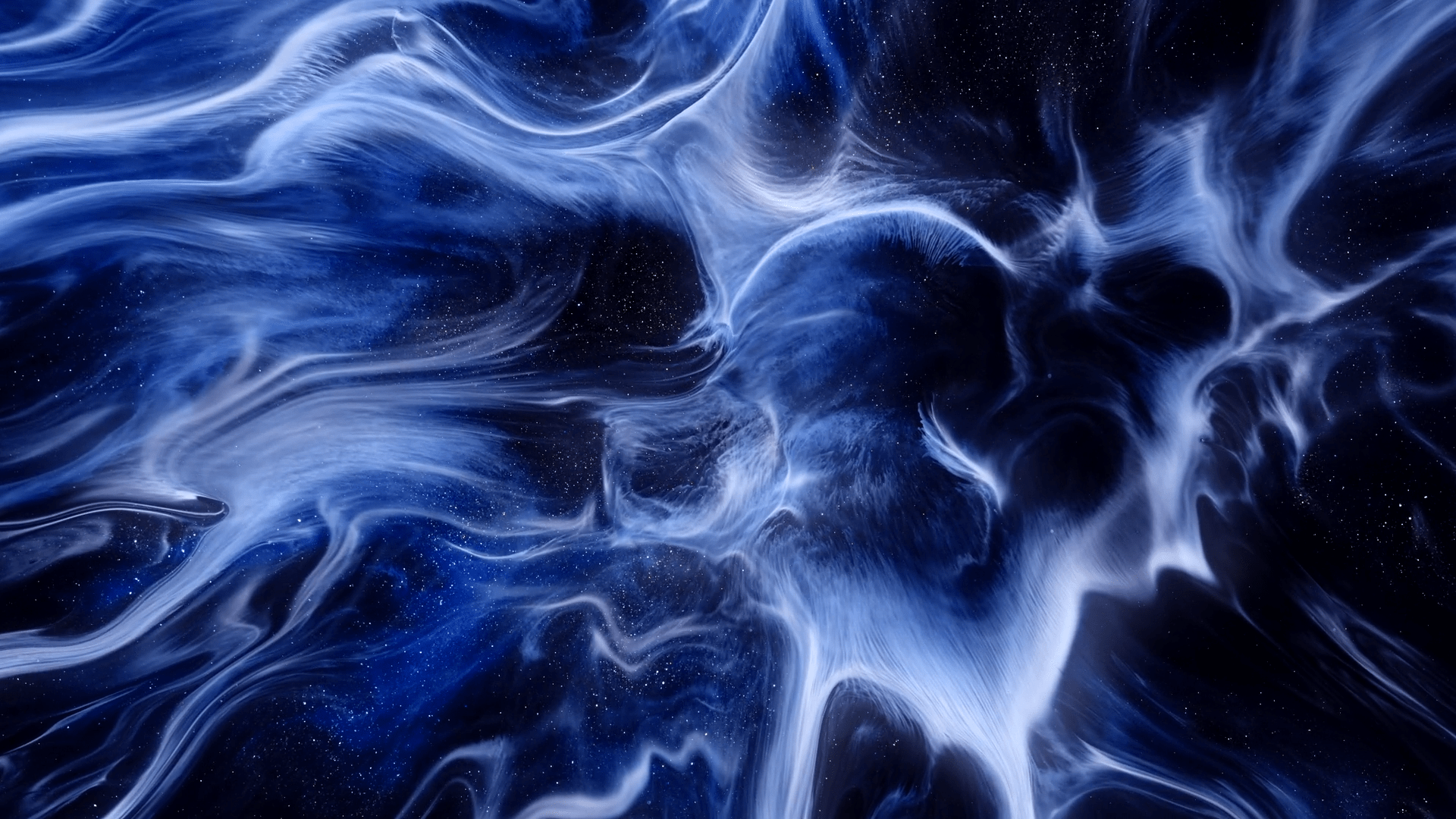
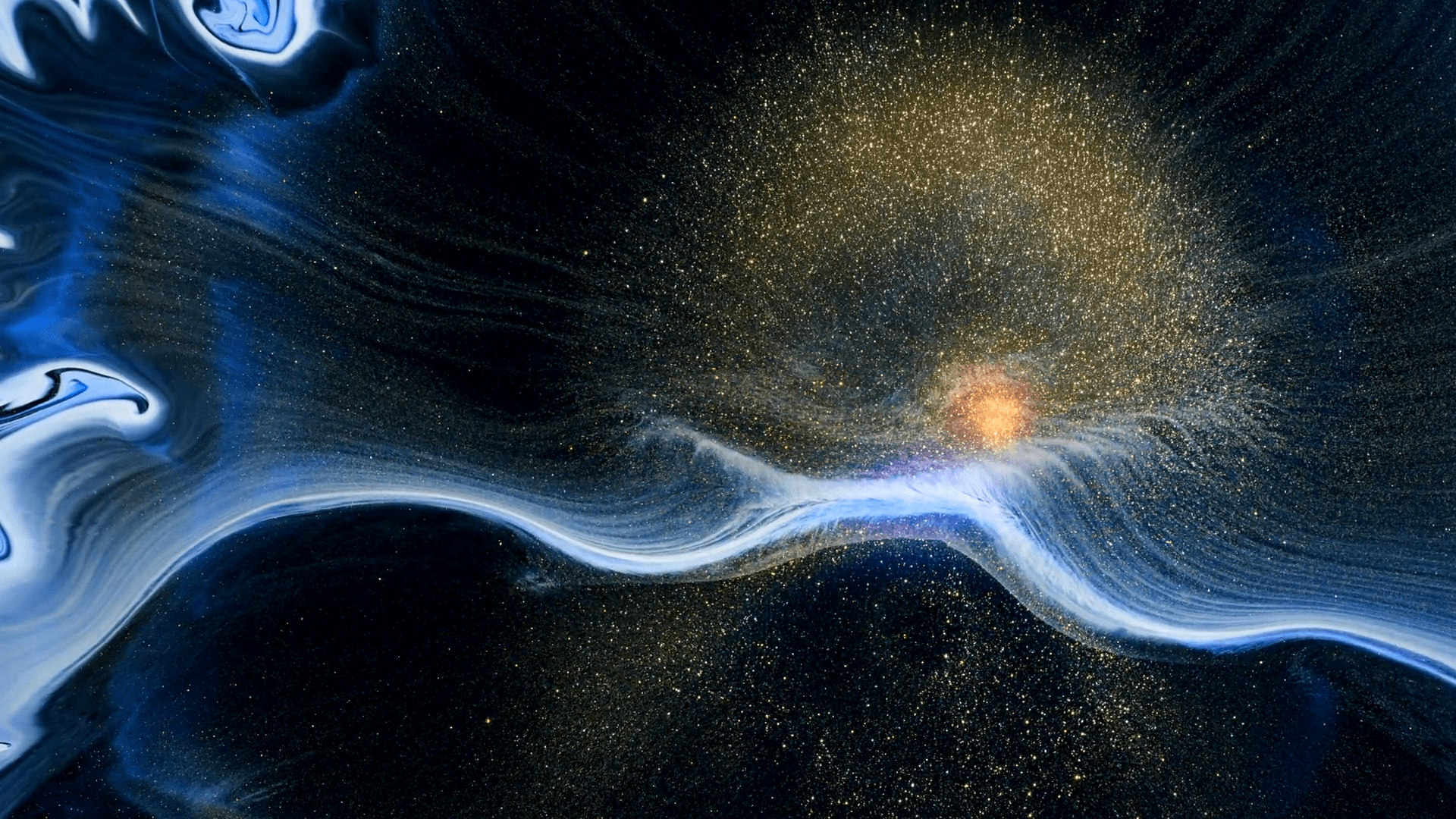
Wispy white cirrus clouds cover dark skies glittering with stars in Roman De Giuli’s “Heaven”. Or so it appears. In reality, these skyscapes are made with watercolors, ink, and acrylic paint. The vistas are gorgeous regardless of whether they’re driven by turbulent convection (as in the atmosphere) or the Marangoni effect (as in this video)! (Video and image credit: R. De Giuli)
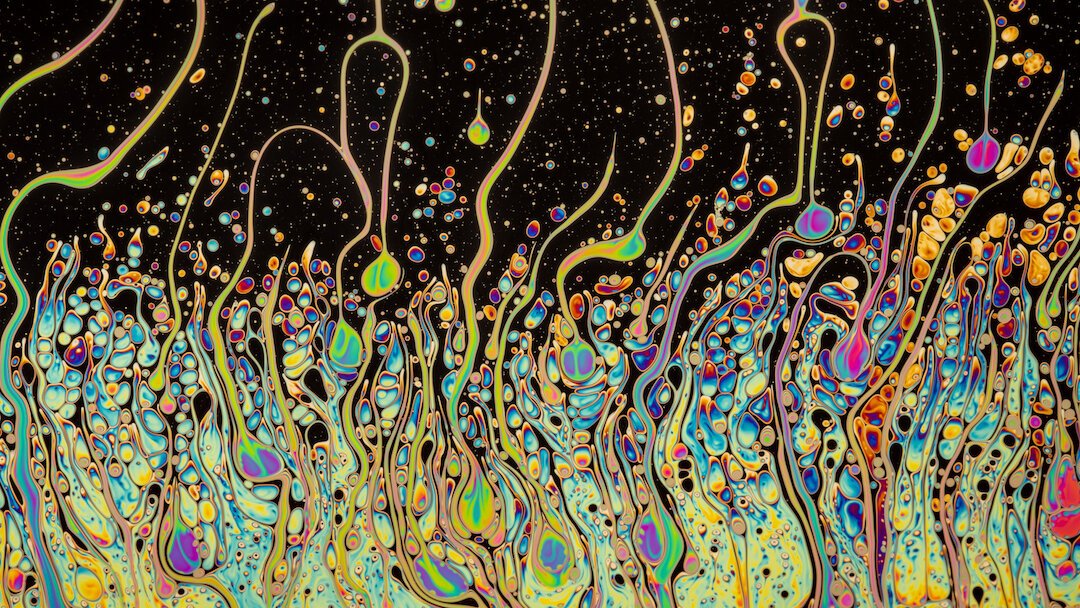
“Delusion”
Soap films are ephemeral and ever-changing. The shifting concentration of surfactants along the surface of the film, combined with thermally-driven convection, keeps the fluid in motion. The shifting colors reflect subtle changes in the soap film’s thickness. Over time, gravity drains fluid from the top of the film, thinning it to the point that it appears black. This photo from Bruno Militelli captures all of that detail in a striking and fascinating image that earned him 2nd place in the Manmade category of the Close-Up Photographer of the Year awards. You can find more winners of the competition here, and more of Militelli’s work on his website and Instagram. (Image credit: B. Militelli)
Making Lava Lamps


Since their invention in the 1960s, lava lamps have been a fascinating example of convection in action. In this video, we see how they’re manufactured, including blowing the glass bottles, shaping the metal holder, and filling the lamps. The key to the lamp’s performance is the delicate thermal balance of its two liquids. As the waxy liquid warms, it floats up the lamp until it reaches the top, cools, and sinks back down to begin again. The exact formulation of the liquids is a closely guarded secret! Want more lava lamps? Check out how a wall of them help secure Internet traffic. (Image and video credit: Business Insider)

Probing Saturn’s Interior
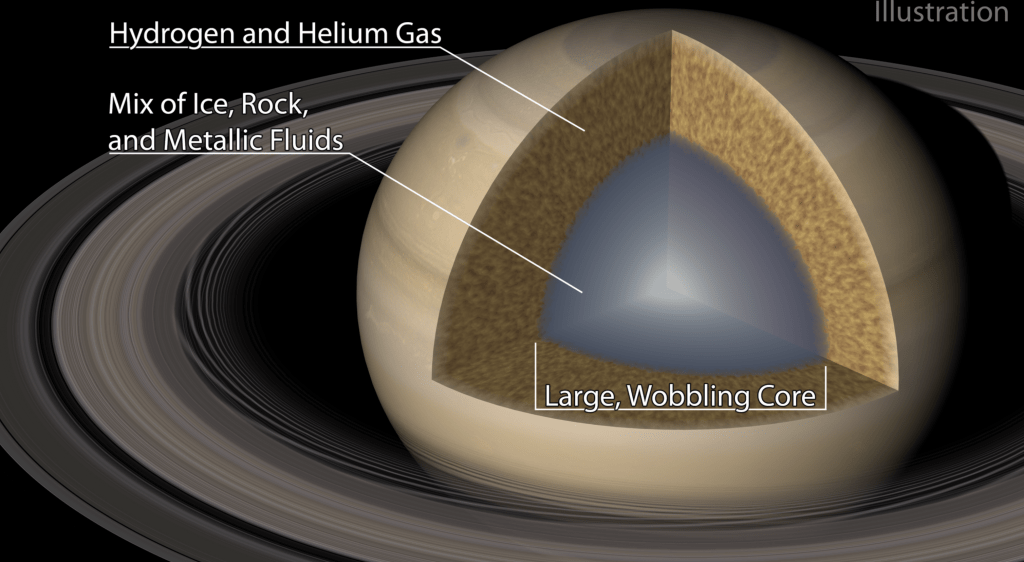
Saturn’s rings are one of the most iconic sights in our solar system, and scientists are using them to learn more about the planet they surround. Until recently, scientists believed that gas giants like Saturn and Jupiter have dense, rocky cores buried beneath their gassy atmospheres. But a new study of Saturn’s rings suggests that Saturn’s core is far larger and more fluid than assumed.
When the interior of Saturn wobbles, it causes gravitational shifts that affect the material making up its rings. By studying disturbances in the ring system — a technique known as ring seismology — researchers can deduce what motions took place inside the planet to cause the changes in the rings.
Using data from the Cassini spacecraft, the authors determined that Saturn’s core likely spreads to nearly 60% of its radius, and, rather than being dense and rocky, the core is a relatively fluid mixture of ice, rock, and metallic fluids. The core diffuses gradually into the gaseous atmosphere, and it’s stably stratified against convection, so its wobbles are quite small for the planet’s size. (Image credit: rings – NASA; illustration – Caltech/R. Hurt; research credit: C. Mankovich and J. Fuller; via Gizmodo)
Candy Clouds Mid-Storm
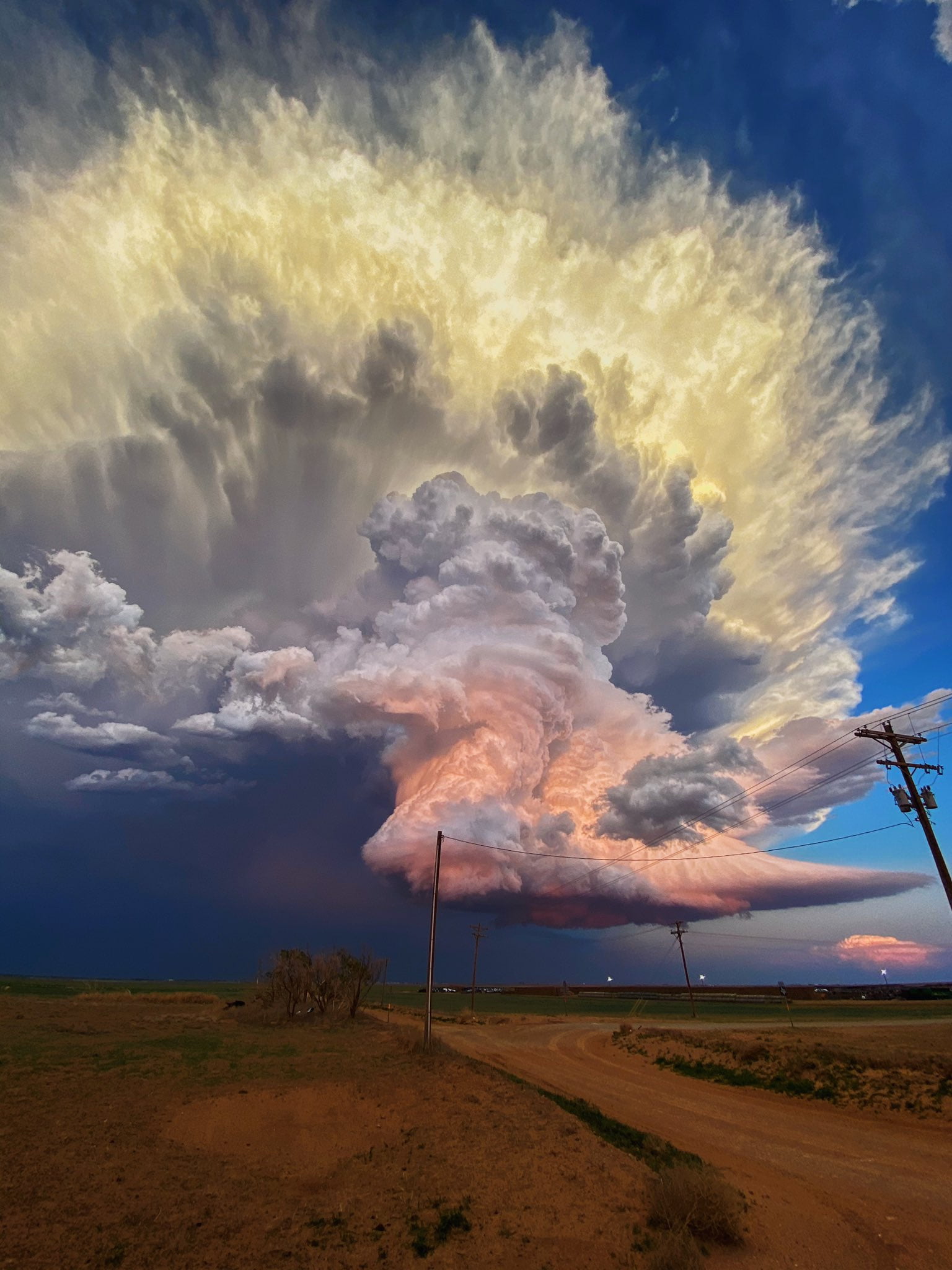
There’s nothing quite like a towering storm cloud to showcase nature’s power. This gorgeous photo by Laura Rowe shows pastel clouds over West Texas in the middle of a thunderstorm. Despite the dusk at ground level, the height of the cloud keeps it lit by direct sunlight, giving its turbulent convection that colorful glow. Rowe, as it happens, is not a professional photographer, which is a good reminder to us all: it’s always worth looking up! You never know what beauty you’ll miss if you don’t. (Image credit: L. Rowe; via Colossal)
Chasing the Storm


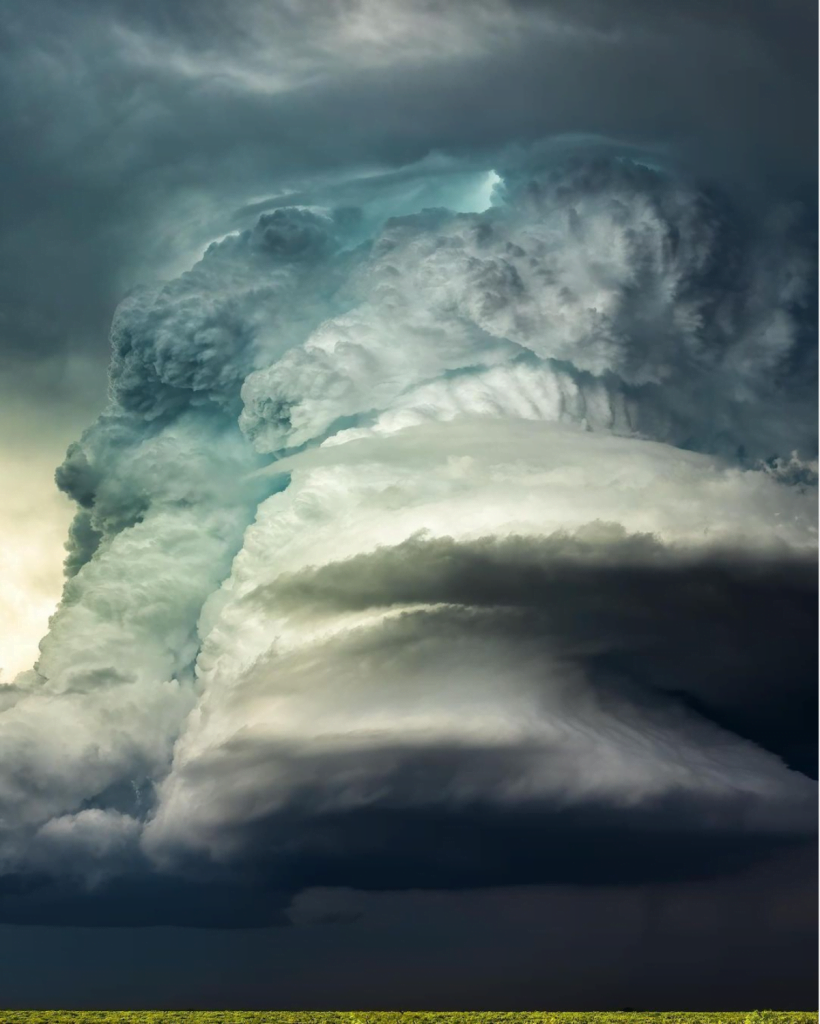

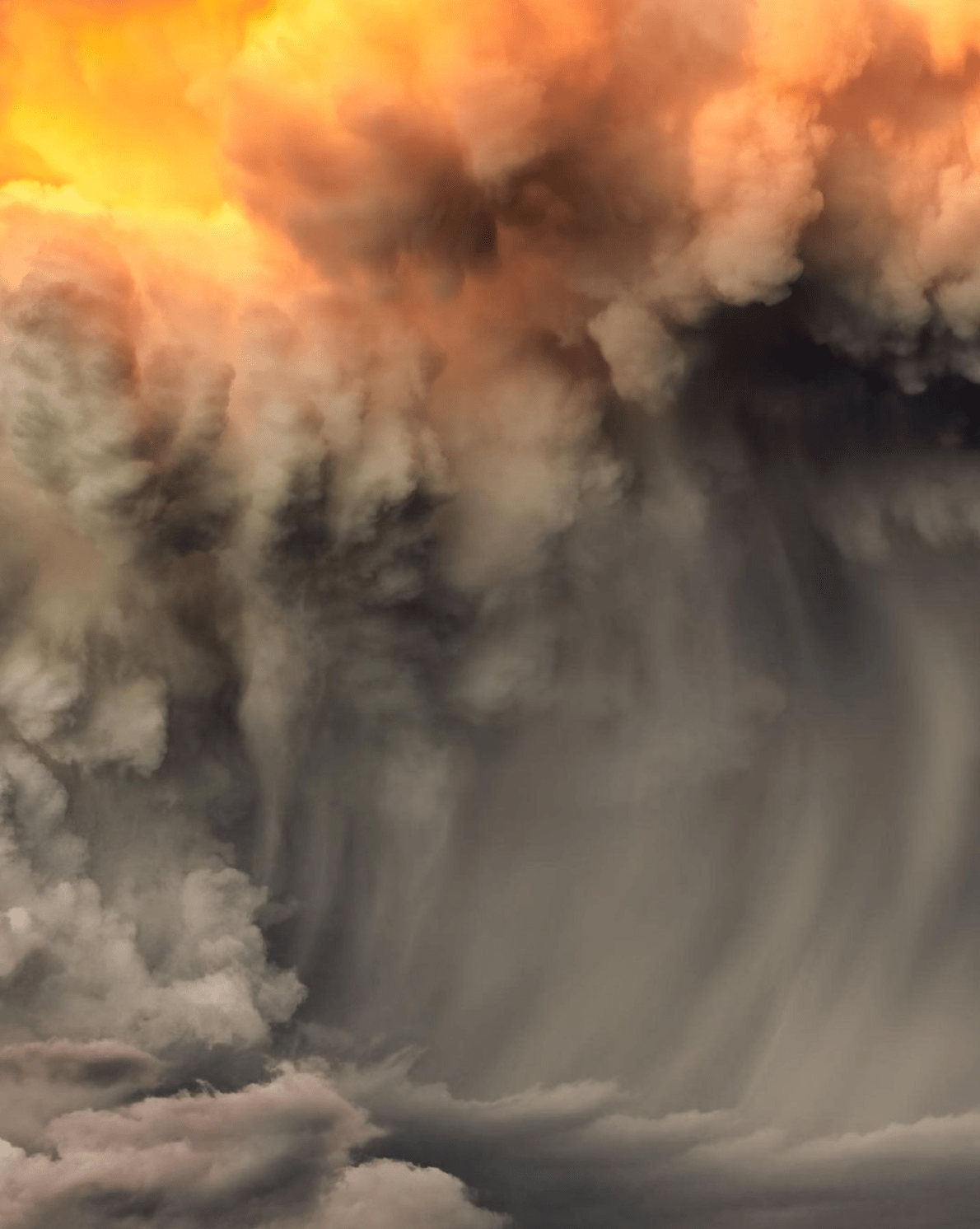


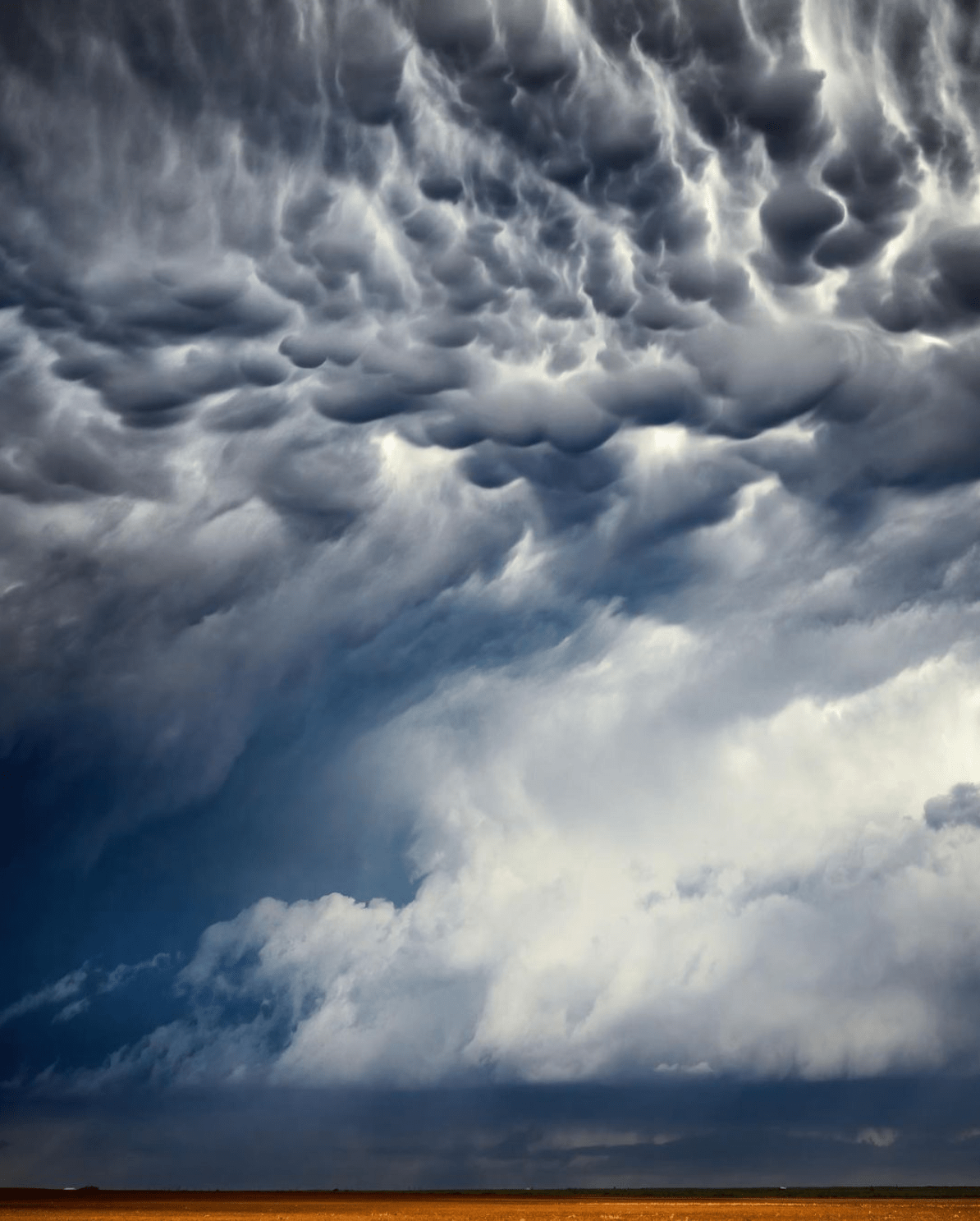
Towering mountains of convection and ominous colors are staples of Adam Kyle Jackson’s storm photography. His dramatic portraits of supercell thunderstorms highlight the majesty and power of these turbulent phenomena. Make sure to follow him on Instagram for lots more! (Image credit: A. Jackson; via Nat Geo)

Betelgeuse’s Flickering
Between November 2019 and March 2020 Betelgeuse, the red supergiant star in the constellation Orion’s left shoulder, experienced what’s being called the Great Dimming. Usually, the star is one of the ten brightest stars in the sky, often visible even in the suburban sprawl. But as of February 2020, it had dimmed by a factor of 2.5.
Observers speculated all sorts of causes, including the idea that this was a precursor to a supernova explosion. Instead, it’s a relatively normal occurrence for a star like Betelgeuse. The image above is from a numerical simulation of the star, and it shows approximately what it would look like to the human eye over a 7.5 year time span. As you can see, its brightness varies noticeably, and its surface seems almost to boil. This has to do with convection in the star. Compared to a star like our sun, Betelgeuse has fewer — and much larger — convection cells.
With a little more time and data, astronomers pinned down the exact source of Betelgeuse’s flickering during the Great Dimming. The year before the star belched an enormous bubble of gas into space. Then, when part of the star cooled in the aftermath, that gas condensed and formed a dust cloud which partially obscured the star. You can see an artist’s conception of the situation in the video below. (Image and research credit: B. Freytag; research credit: M. Montargès et al.; video credit: ESO/L. Calçada)
Metallic Magma
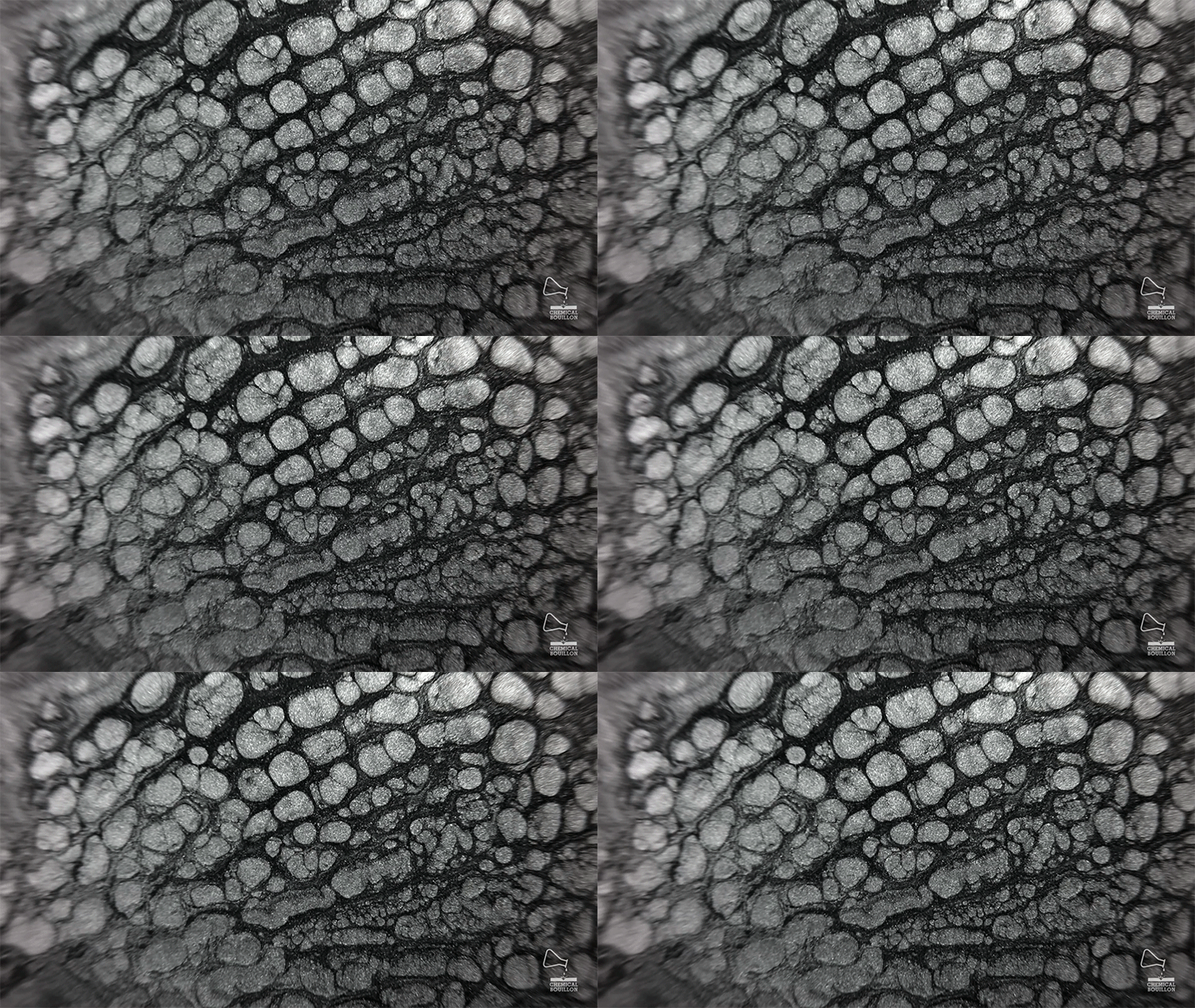
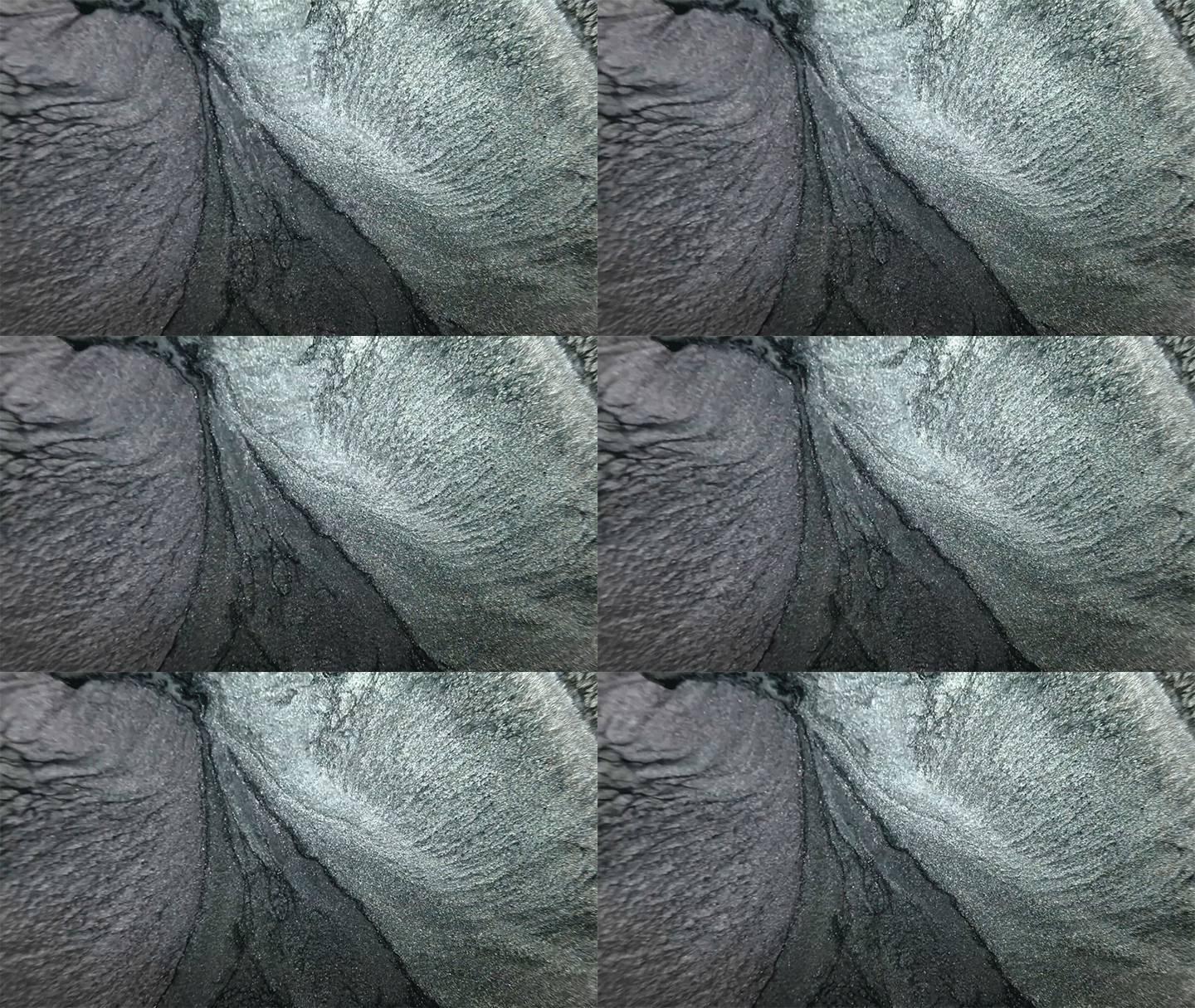


Metallic paint flows like silver lava in this macro video from Chemical Bouillon. The paint has been mixed with an unknown fluid (my guess is alcohol) to produce the flows we see here. My suspicion is that we’re seeing solutal convection where variations in surface tension create convective flow within the liquid. What do you think? (Video and image credit: Chemical Bouillon)
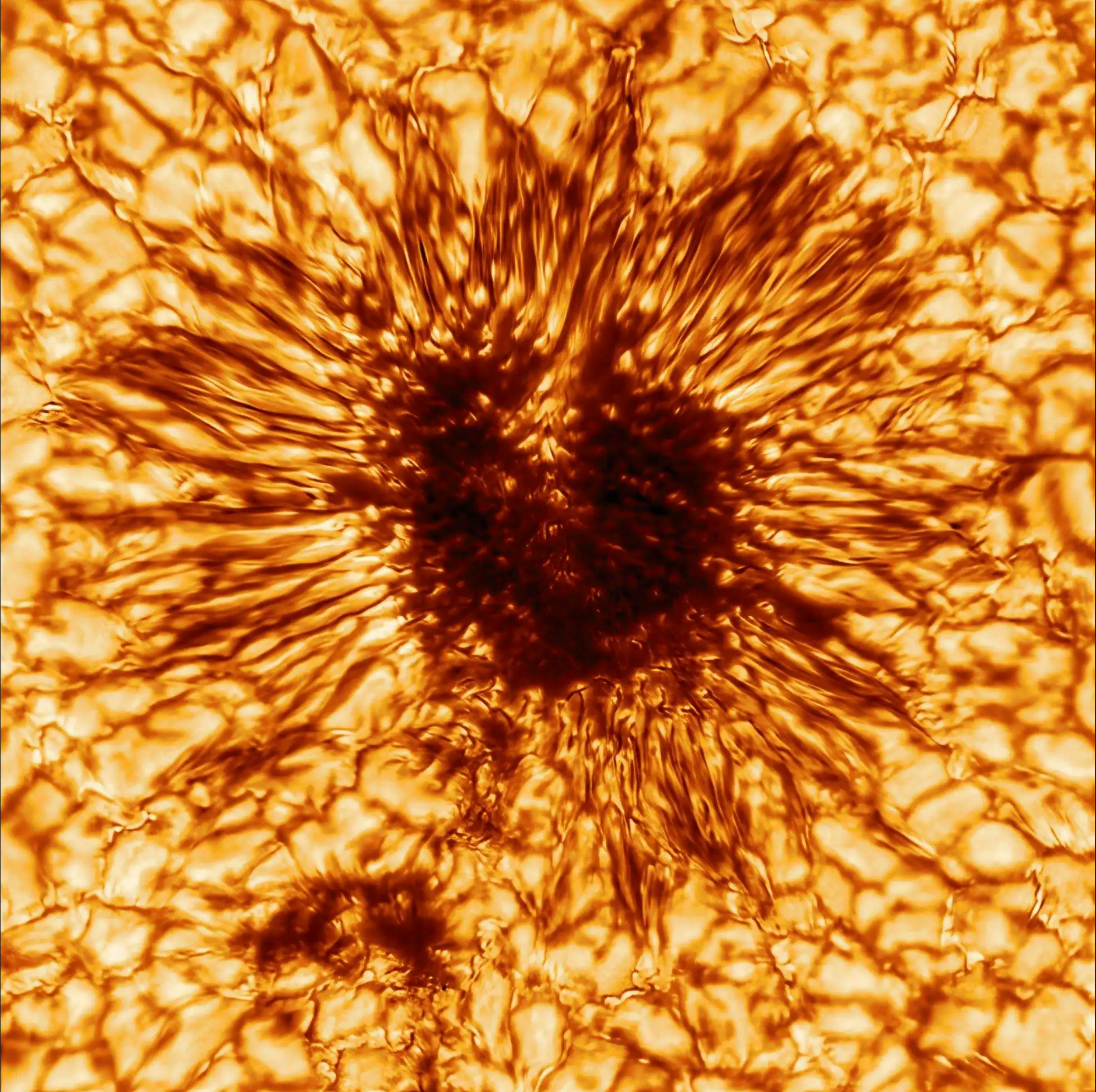
Eyes on the Sun
Though it may look like the Eye of Sauron, this image is actually one of our best-ever glimpses of a sunspot. Captured by the Daniel K. Inouye Solar Telescope, this sunspot is larger than our entire planet, yet we can see details as small as 20km across. The dark central region of the image is the sunspot’s umbra, surrounded by the lighter, streakier penumbra. Along the edges of the image, you see a more typical pattern of bright convection cells. Compared to the rest of the sun’s surface, sunspots are cool — about 1,000 K cooler — due to their intense magnetic field flux inhibiting convection. (Image credit: NSO/AURA/NSF; via Bad Astronomer; submitted by Kam-Yung Soh)


