Tag: mantle convection

  • A New Mantle Viscosity Shift

    A New Mantle Viscosity Shift

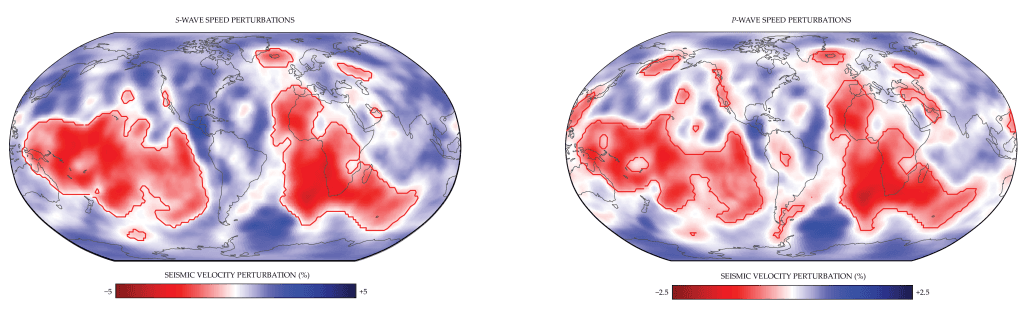
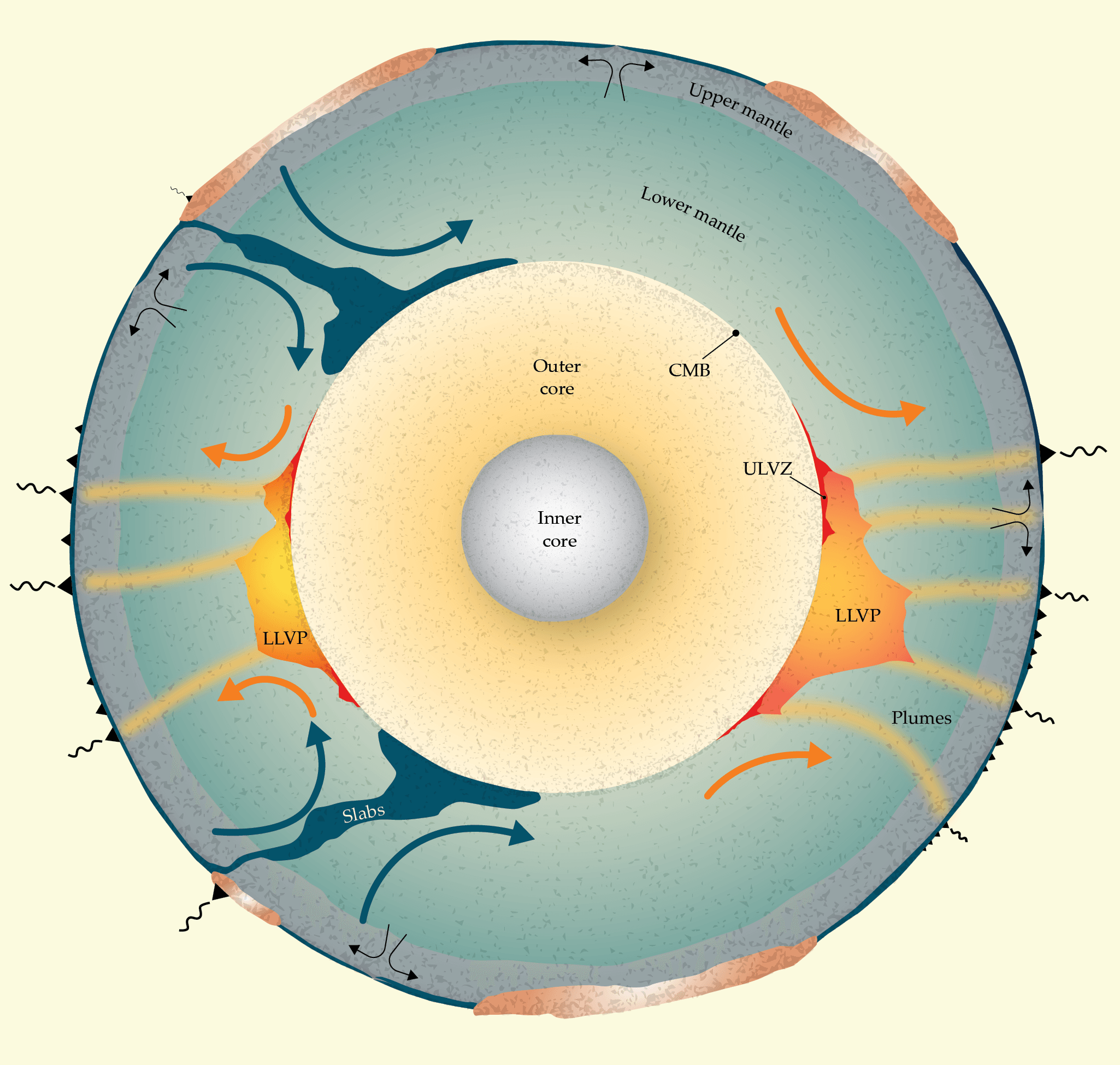
    The rough picture of Earth’s interior — a crust, mantle, and core — is well-known, but the details of its inner structure are more difficult to pin down. A recent study analyzed seismic wave data with a machine learning algorithm to identify regions of the mantle where waves slowed down. These shifts in seismic wave speed occur in areas where the mantle’s viscosity changes; a higher viscosity makes waves travel slower.

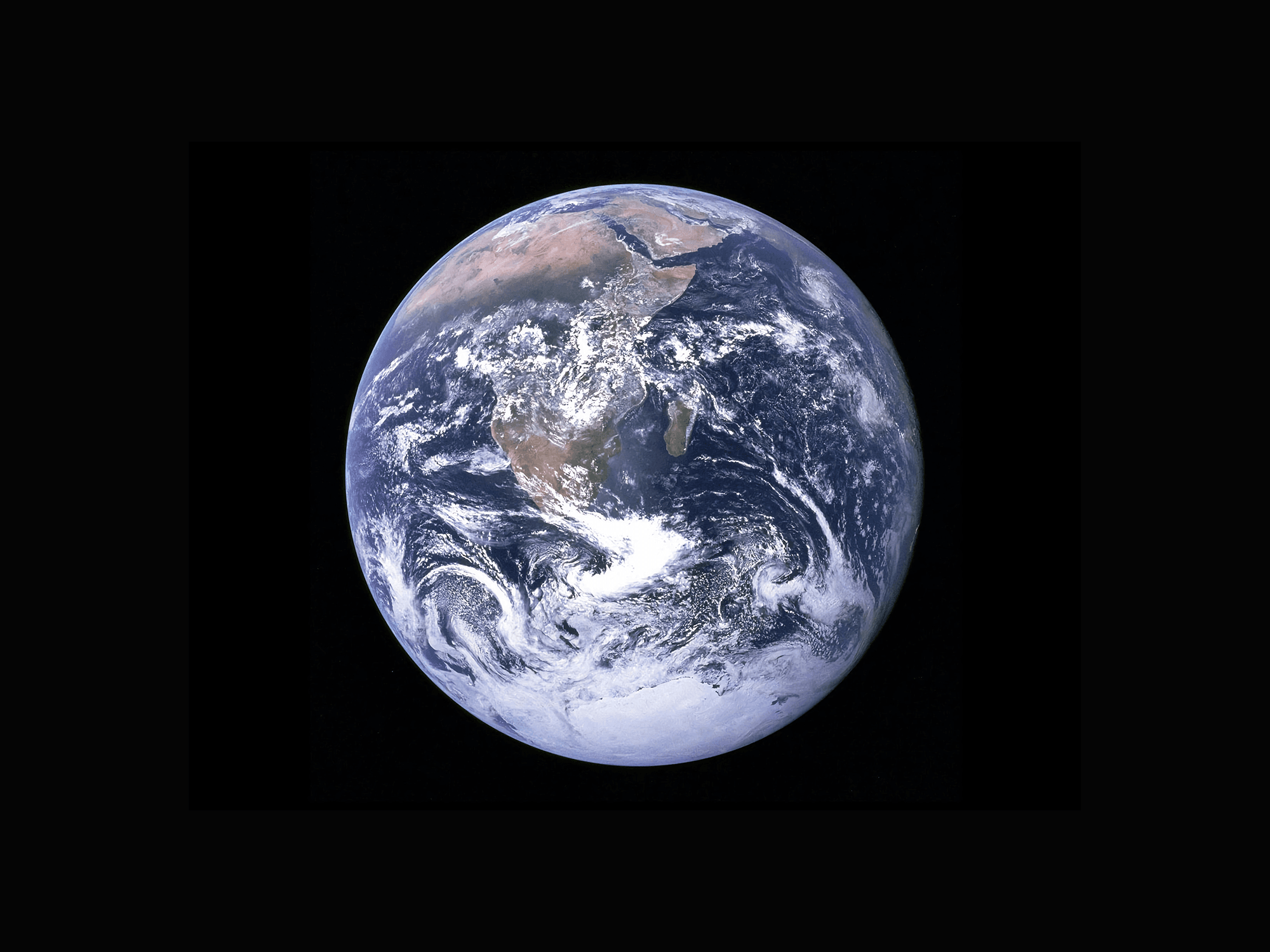
    The team found seismic wave speed shifts at depths of 400 and 650 kilometers, corresponding to known viscosity changes. But they found shifts at 1050 and 1500 kilometers, as well — the first time anyone has shown a global viscosity shift at those depths. Their analysis suggests a higher viscosity in this mid-mantle transition zone, which could affect how tectonic plates, which rely on these slow mantle flows, move. (Image credit: NASA; research credit: K. O’Farrell and Y. Wang; via Eos)

  • Inside the Earth’s Mantle

    Inside the Earth’s Mantle

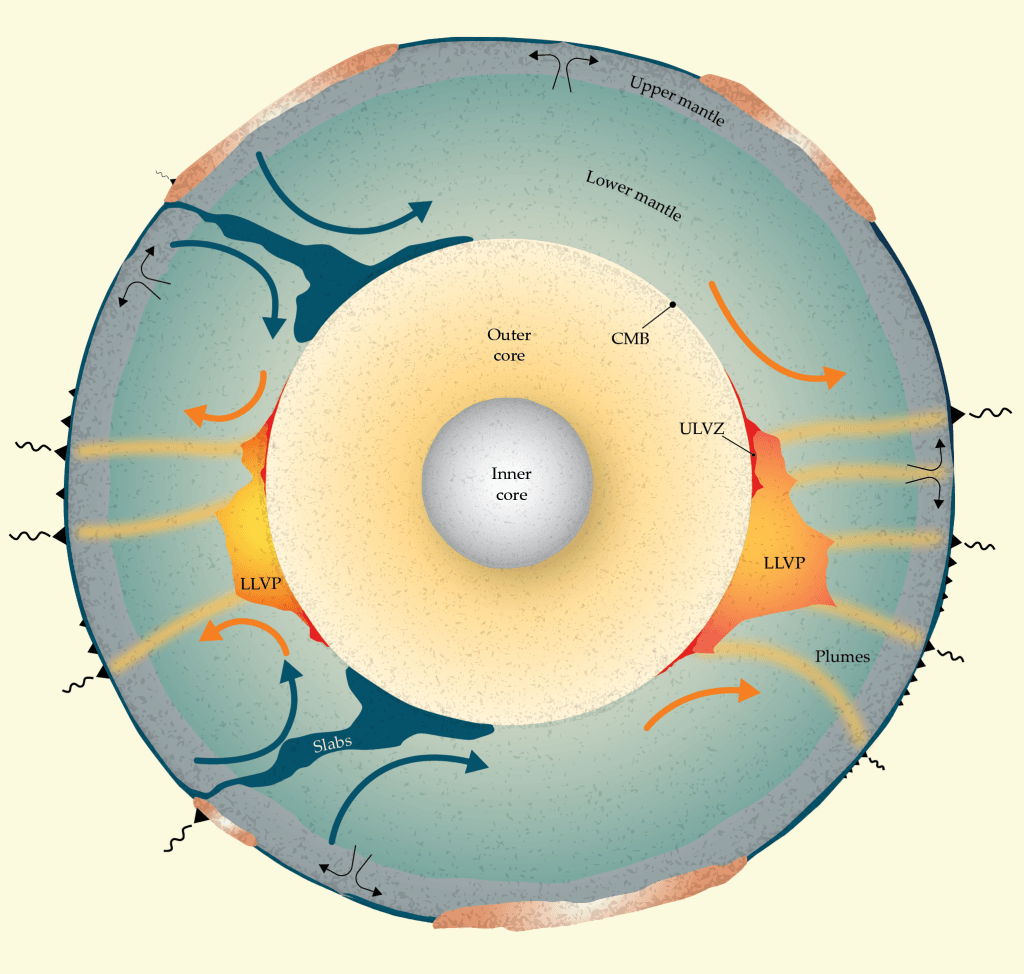
    Plate tectonics is a relatively young scientific theory, only gaining traction among geologists in the late 60s and early 70s. One key tenet of the theory is subduction where plates meet and one is forced down into the mantle, like in this illustration of the subduction zone near Japan. In early incarnations of the theory what happens to that subducting slab of rock once it’s in the mantle were ignored. But over the decades, geologists have built maps of the interior of our planet through the seismic waves they record. What they’ve found is that the continental chunks that break off and sink can have long-lasting effects.

    Beneath the Earth’s crust, the mantle behaves like an extremely slow-moving fluid under incredibly high temperatures and pressures. It can take tens of millions of years, but those broken slabs sink through the mantle, dragging fluid with them. This creates a large-scale flow known as a mantle wind, which can have far-reaching effects at the Earth’s surface. Through modeling and simulation, geologists have found these deep mantle flows may explain why mountain ranges like the Himalayas and Andes didn’t grow until millions of years after their plates collided and why earthquakes sometimes occur far from plate boundaries. For more, check out this great article from Ars Technica. (Image credit: British Geological Survey; via Ars Technica; submitted by Kam-Yung Soh)

  • Martian Mantle Convection

    Martian Mantle Convection

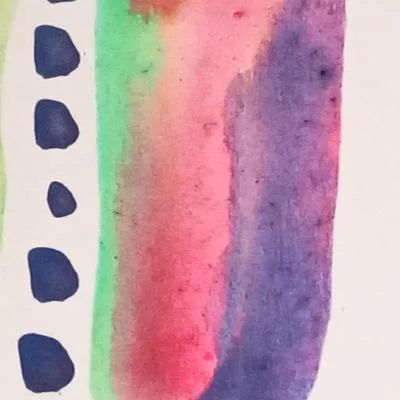
    Over geological timescales – on the order of millions of years – even hard substances like rock can flow like a fluid. Heat from the Earth’s core drives convection inside our mantle, and that fluid motion ultimately drives the plate tectonics we experience here at the surface. But most other planetary bodies, including those with mantle convection similar to ours, don’t have a surface that shifts like our tectonic plates. Mars and Venus, for example, have solid, unmoving surfaces. The images above provide a peek at what goes on beneath. The upper image shows a simulation of mantle convection inside Mars over millions of years. The lower image is a timelapse of dye convecting through a layer of glucose syrup being heated from below. Notice how both examples show evidence of convective cells and plumes that help circulate warm fluid up and colder fluid downward. (Image credit: Mars simulation – C. Hüttig et al, source; N. Tosi et al., source; submitted by Nicola T.)

  • Fissures in Africa

    Fissures in Africa

    Pictures of an enormous fissure in Kenya’s East African Rift Valley have gone viral in recent weeks along with breathless reports about how part of the African continent is splitting away. And while Africa is splitting – very, very slowly – this crack, impressive as it is, may not have anything to do with it. Geologists familiar with the area are confident that the fissure is the result of recent torrential rains and flooding – not fresh seismic activity. For one, there have been no earthquakes in this area stretching back for several years. One theory is that the crack had actually been present for quite some time but was filled with softer volcanic ash that’s been swept away by the rains. Geologists will need to study it more closely to be certain.

    One thing geologists agree on, though, is that the tectonic plates that make up Africa are slowly pulling apart, or rifting. (That’s why the area is known as a rift valley in the first place.) This happens as mantle convection causes two land masses to move away from one another. That’s happening right now along a fault running through Ethiopia, Kenya, and Tanzania, and it’s happened before. A similar rift caused the South American and African continents to separate. This doesn’t mean that the countries in East Africa are in danger of being parted by ocean any time soon, though. Geologists predict it will take on the order of 50 million years for the break to happen. (Image credit: Getty Images; Reuters/T. Mukoya; DailyNation)

  • Featured Video Play Icon

    Plate Tectonics

    We don’t typically think of the ground beneath our feet as anything but solid, but over geologically long time scales, even mountains can flow. Buoyant convection inside the Earth’s mantle is thought to drive the plate tectonics that have shaped the Earth as we know it. The video above explains some of the major processes and events that shaped the modern North American continent, including collisions, subduction, volcanism, and erosion. (Video credit: Ted-Ed)

  • Featured Video Play Icon

    Pluto: Subsurface Convection

    Pluto’s rich and unexpected surface features indicate the dwarf planet is still geologically active. This is one of the largest surprises of the New Horizons mission because it was assumed that Pluto was too small, too isolated, and too old for such activity. Instead, its cryovolcanoes and surface convection cells point to significant and vigorous convection in Pluto’s mantle, likely heated by the decay of radioactive elements in its core. The simulation above shows a representation of mantle convection on Earth, simulated over billions of years.

    Mantle convection is described by the dimensionless Rayleigh number, which compares the effects of thermal conduction to those of convection. Above a fluid’s critical Rayleigh number, convection is the driving process in heat transfer. In Pluto’s case, if one assumes a mantle of pure water ice, the Rayleigh number is about 1600, barely enough to surpass the critical point where convection dominates. If, instead, one assumes a mantle containing 5% ammonia, the resulting composition has a Rayleigh number of more than 10,000–well past the critical point and large enough to support the vigorous convection necessary to explain Pluto’s surface features.  (Video credit: W. Bangerth and T. Heister; Pluto research credit: A. Trowbridge et al.; via Purdue University)

    This concludes FYFD’s week of exploring Pluto’s fluid dynamics. You can see previous posts in the series here.