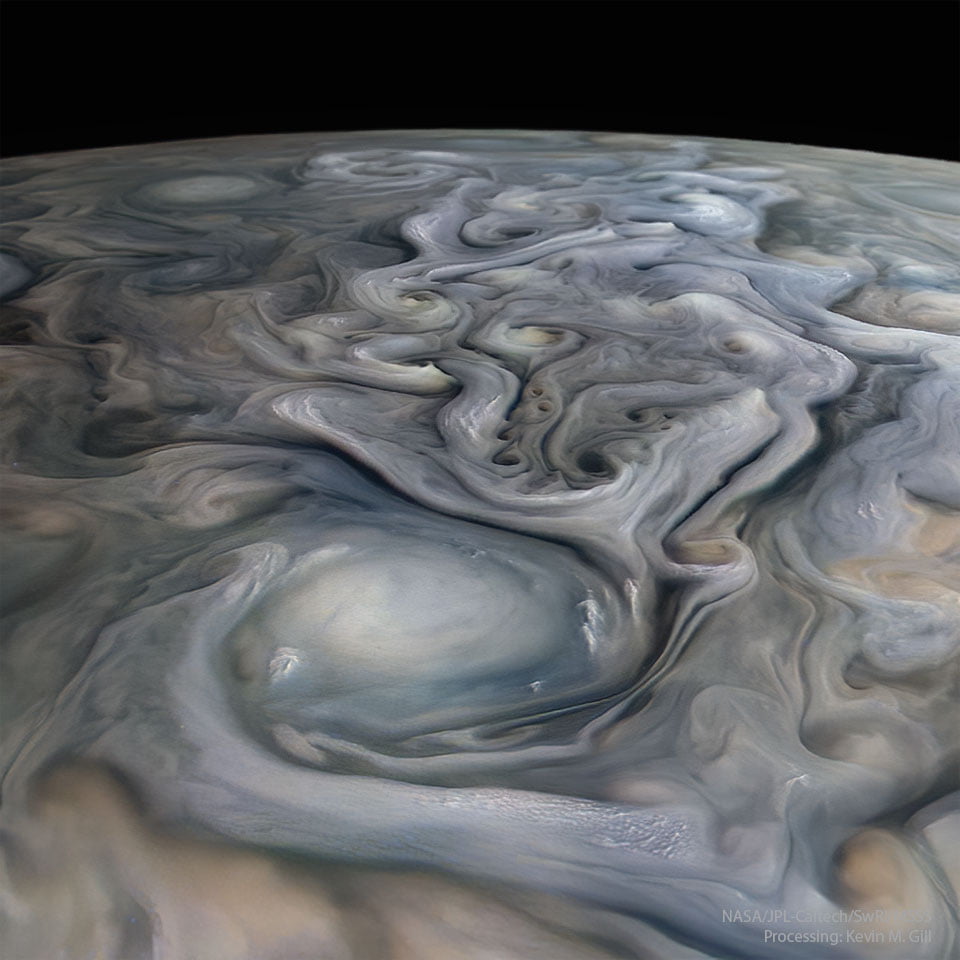
Jupiter, our solar system’s stormiest planet, shares many similarities with Earth. But where Earth’s strongest storms are cyclones centered on low-pressure regions, Jupiter’s longest and strongest storms are anti-cyclones, driven by areas of high pressure. They’re often massive — larger than the entire Earth — and persist for weeks, months, or years. This processed image comes from the JunoCam instrument and shows some of the incredible cloud structure in Jupiter’s atmosphere. Jupiter’s highest altitude clouds tend to be the lightest, while darker clouds remain lower. (Image credit: NASA/JPL-Caltech/SwRI/MSSS/K. Gill; via APOD)
Search results for: “art”

The Physics of Vowels
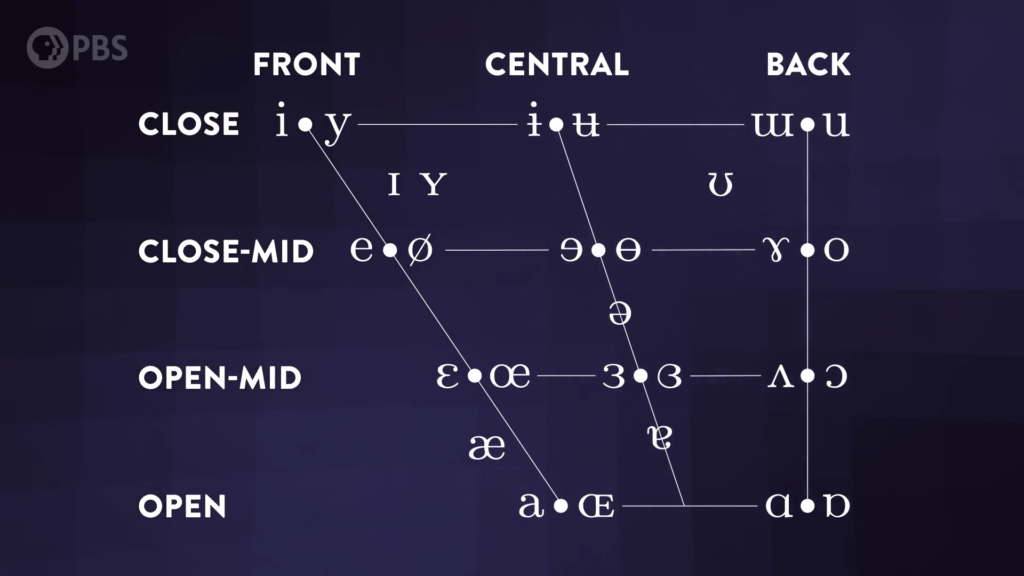
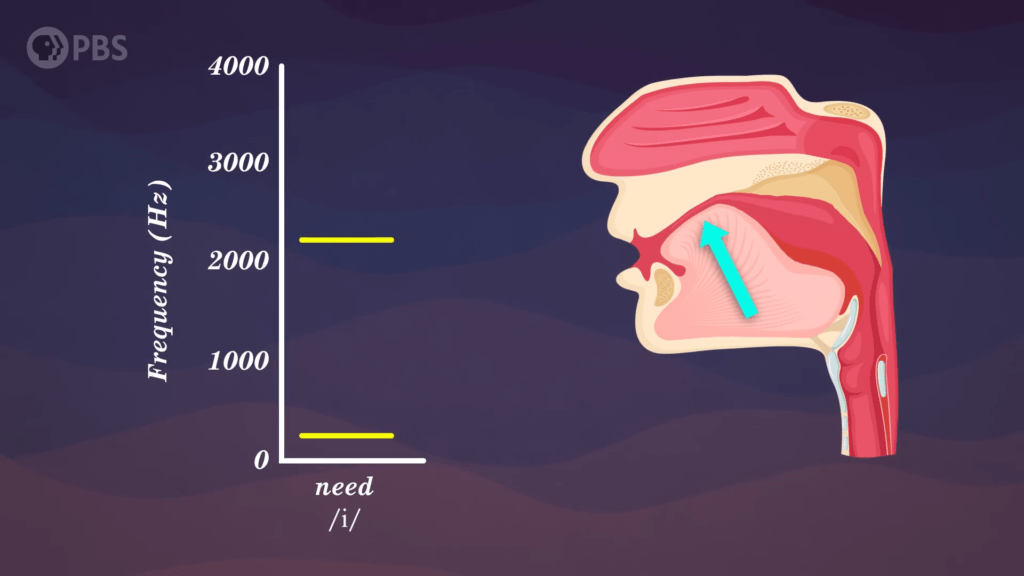
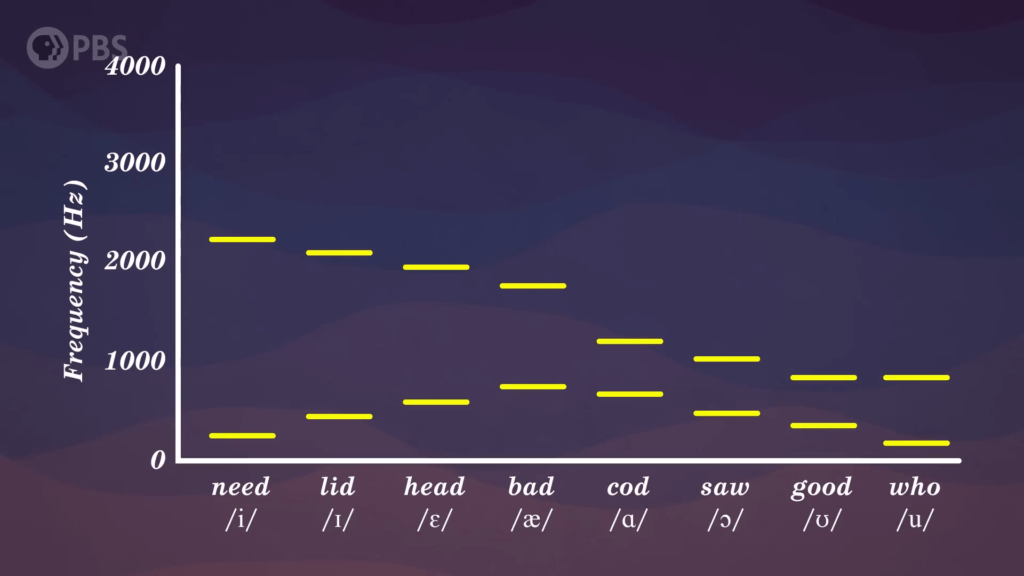


Blow across the top of a glass bottle, and you’ll get a whistle-like sound. Put some liquid in there and the pitch of the sound changes. Our vocal tracts are basically the same thing: a tube with a hole at the end. But as Joe Hanson shows in this Be Smart video, our ability to change the shape and resonance of our vocal tract by moving our tongues and lips enables us to make a wide range of vowel sounds. Enjoy this dive into the world of linguistic physics! (Video and image credit: Be Smart)

Puddle Depth Matters for Stalagmites
In a cave, mineral-rich water drips from the ceiling, spreading ions used to build stalagmites. A recent study considers how the depth of a pool affects the droplet’s splash and how material from the droplet spreads. The authors found several scenarios that vary widely depending on pool depth.

A droplet falling into a shallow pool creates a splash that quickly breaks up into droplets. This flings the red droplet material in many directions. A drop falling into a shallow pool had a splash that quickly broke up into droplets (above). By dyeing the pool green and the droplet red, they could track where the droplet’s material wound up. The spray of small droplets carried fluid far, but the main point of impact had a strong concentration of the drop’s fluid.

With a deeper pool, the drop’s impact creates a thick crown splash that collapses in on itself. The drop’s fluid is quickly mixed into the pool. In contrast, a deeper pool sent up a thick-walled splash crown that collapsed in on itself. This droplet’s material saw lots of mixing with the pool, but only near the point of impact. From their work, the authors concluded that models of stalagmite growth should incorporate pool depth in order to capture how minerals actually concentrate and move. (Image credit: cave – H. Roberson, others – J. Parmentier et al.; research credit: J. Parmentier et al.; via APS Physics; submitted by Kam-Yung Soh)

Anabranching Riverways
The Diamantina River in Australia is dry for much of the year. But seasonal rains flood its riverbeds and provoke a bloom of vegetation along its banks. This false-color satellite image shows the river in April 2023; land appears pale and reddish, the river and its sediment blue, and vegetation a bright green. The Diamantina is an anabranching river; rather than the typical meandering paths of a delta, anabranching rivers have semi-permanent paths hemmed in by vegetation-stabilized islands. Look closely, though, and you’ll still see smaller delta-like features known as floodouts dotting some of the islands. (Image credit: A. Nussbaum; via NASA Earth Observatory)

This close-up shows details like miniature deltas (floodouts) and wind-formed dunes. Sniffing in Stereo


Snakes’ forked tongues have long inspired fear, but, in reality, they are part of a highly-effective sensory system. When snakes flick out their tongues, they waggle them up and down about 15 times a second. That motion draws air inward toward the tongue (Image 2), allowing scent molecules to stick to the saliva on either side of the tongue. Once those molecules are gathered, the snake pulls its tongue back into its mouth, where it settles into two grooves (Image 3). Each one has its own path to the snake’s olfactory organs, giving the snake independent spots to evaluate the left and right forks. That means the snake knows which side has a stronger scent and is better able to track its prey. (Video and image credit: Deep Look)
Overheating Slows Large Animals
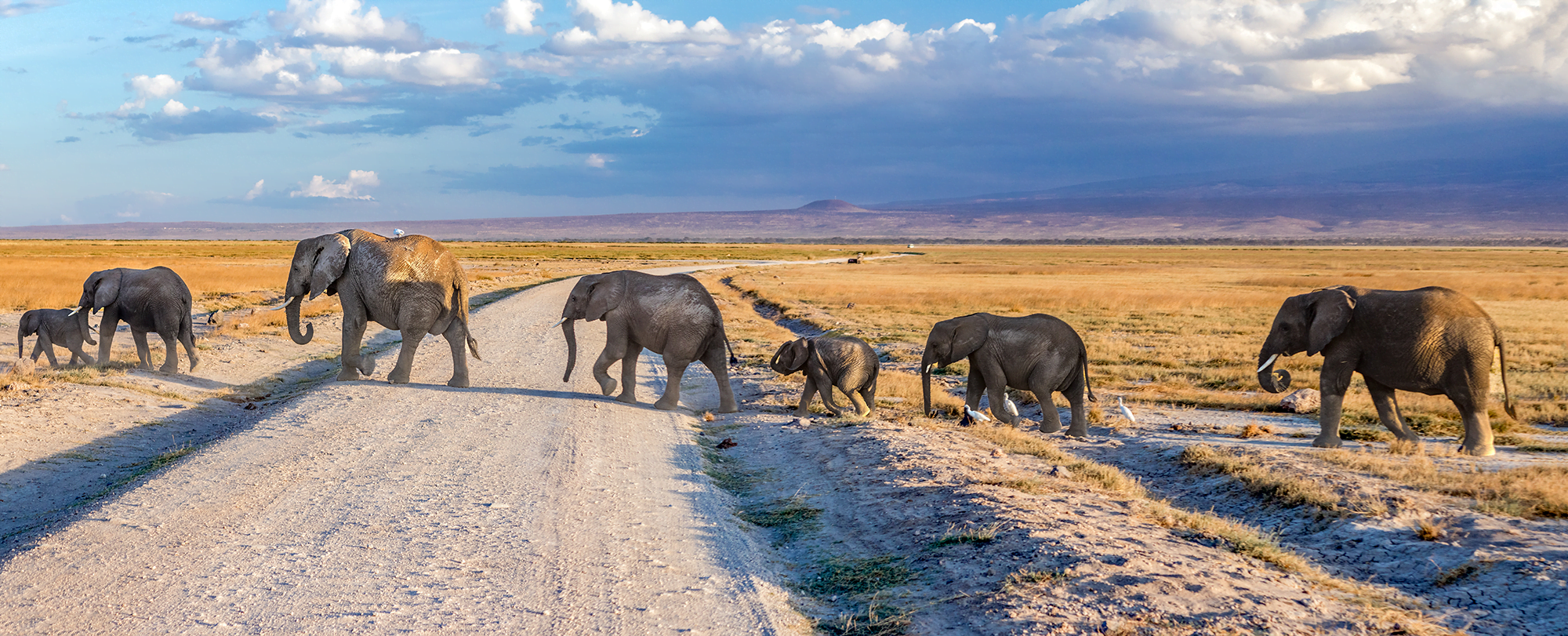
As climate change and human development continue to encroach on animals’ territories, mass migrations will become more and more common. But animals aren’t all equally able to travel long distances at speed. In general, larger animals are faster than smaller ones. But a new study shows that there’s another important factor in an animal’s top speed: heat dissipation.
By studying the characteristics of over 500 animals that walk, fly, and swim, the team found that animals were limited in their speed by how well they could dissipate heat. This makes sense, even from a human perspective; we may be able to run long distances, but once we’re too hot, we have to slow down. The same principle holds for animals, and the bigger the animal, the longer it takes to dissipate heat. As a result, the team found that the fastest animals over long distances all have intermediate body mass. At their size, they can balance the mechanical ability to produce speed with the thermodynamic requirement to dissipate heat. (Image credit: N. and Z. Scott; research credit: A. Dyer et al.; via APS Physics)

Getting Water Out of Your Ear
Swimming often results in water getting stuck in our ear canals. The narrow space, combined with the waxy surface, is excellent at trapping small amounts of water. If left in place, that excess fluid distorts hearing, can cause pain, and may eventually lead to an ear infection. So most people’s common response is to tilt their head sideways and shake it or jump to knock the water out. This recent study looks at just how much acceleration is needed to dislodge that water.

An acceleration of 7.8g isn’t enough to remove the water from this artificial ear canal. The team built an artificial ear based on the shape of a human’s ear canal and observed how much acceleration was needed to knock the water out. The answer? Quite a bit. As seen above, nearly 8g of acceleration was enough to distort the interface of the water in the ear canal, but it didn’t move the water out.
At higher accelerations — above 20 times the acceleration due to gravity – the air-water interface distorts enough to get the water to flow. But accelerations that large are enough to potentially damage brain tissues.

At over 24g, the acceleration is enough to dislodge the water from this artificial ear canal. But accelerations this high can cause brain damage. The problem is worse for children and babies, whose tiny ear canals necessitate even larger accelerations. For them, shaking hard enough to remove water could cause real damage. Instead, a couple drops of vinegar or alcohol in the ear will lower the surface tension and make the fluid easier to remove. (Image credit: top – J. Flavia, others – S. Kim et al.; research credit: S. Kim et al.; submitted by Sunny J.)
Swirls Over the Canaries
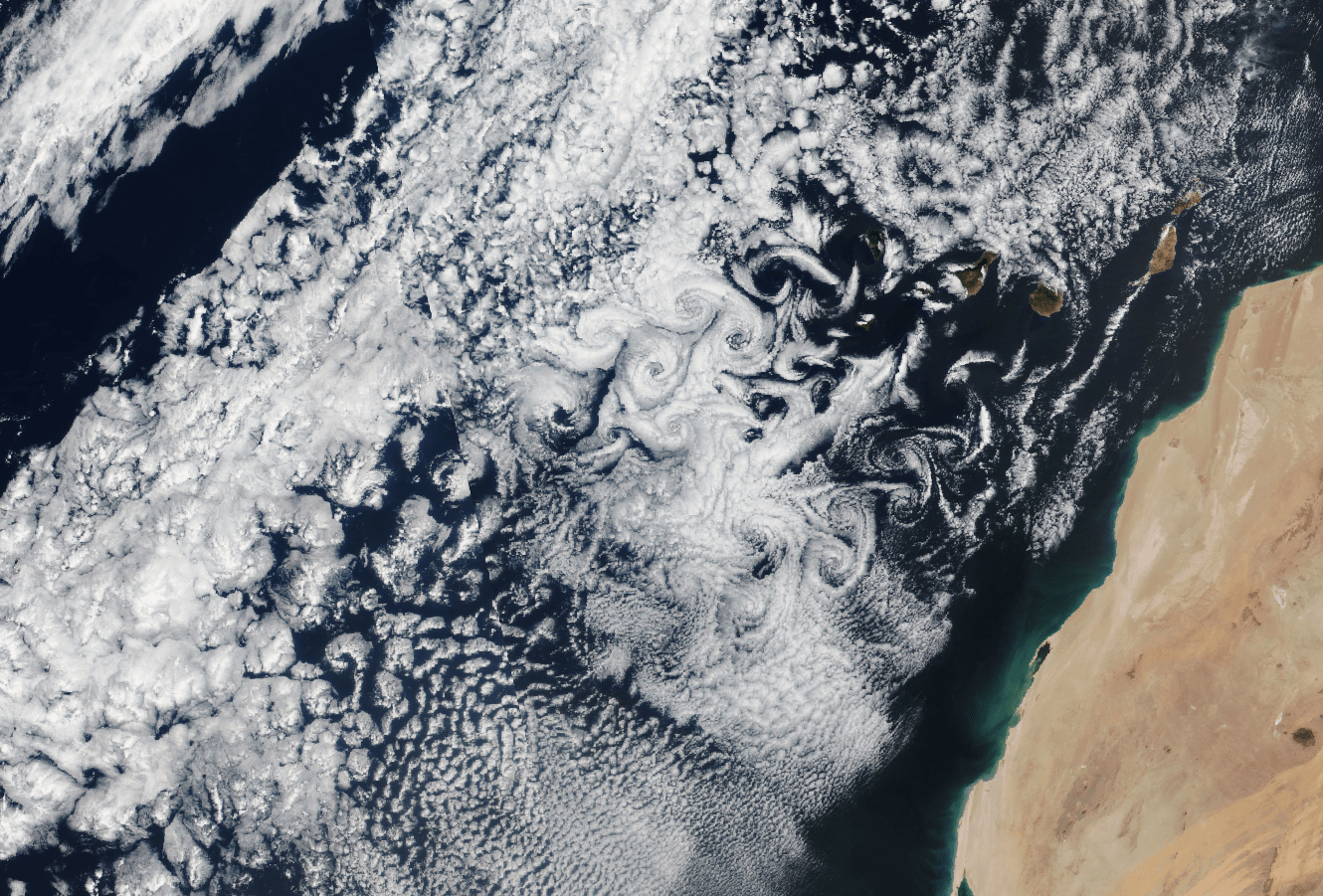
Rocky, isolated islands disturb the atmosphere, sending air swirling off one side of the island and then the other. The effects are not always visible to the naked eye, but, as they do here, they can show up in satellite imagery as whirling von Karman vortex streets. The eddies of this image are due to the Canary Islands, and if you follow the line of swirls backward, you’ll find their originating islands. Note that the cloudy swirls don’t appear immediately behind the islands. That’s because there wasn’t enough moisture in the air for clouds to condense yet; the same swirls that you see in the downstream clouds exist in the clear air closer to the islands. (Image credit: A. Nussbaum; via NASA Earth Observatory)
Shouting Into the Wind is Easier Than You Think
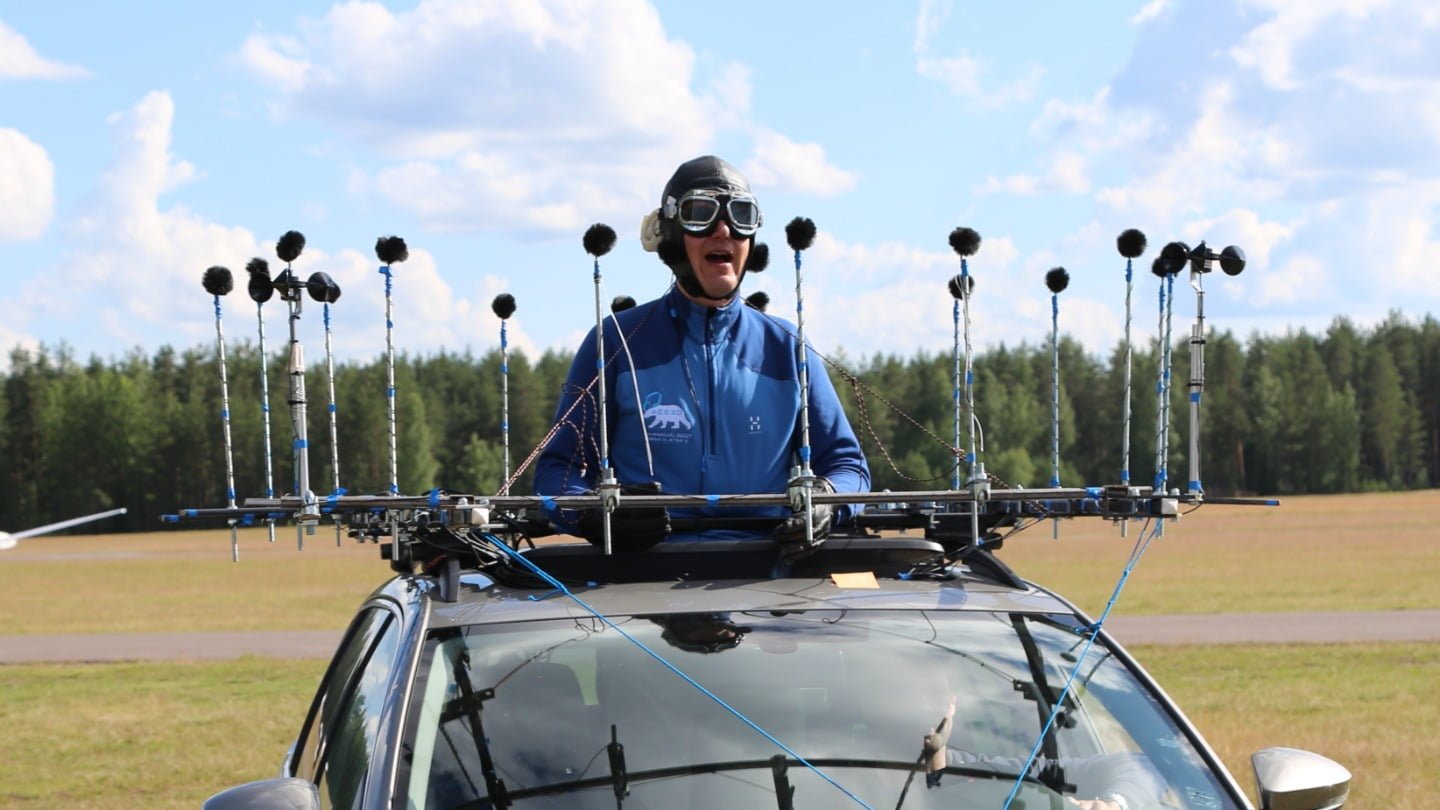
“Shouting into the wind” usually means a failure to communicate, but it turns out that shouting into the wind doesn’t work the way people usually think. In fact, it’s easy for people upstream to hear your shouting, thanks to an acoustical effect called convective amplification. You’ve likely experienced it firsthand as an ambulance approaches. With its sirens blaring, the ambulance sounds louder as it comes toward you and quieter after it’s past. (This is separate from the Doppler effect, which changes the pitch of the approaching and receding vehicle.)
So why does shouting into the wind seem so hard? It’s because your ears are downstream of your mouth. Like the ambulance that’s already gone by, your voice comes from ahead of your ears and therefore sounds quieter to you than it does to your audience upstream. (Image credit: I. Huhtakallio; research credit: V. Pulkki et al.; via Science News; submitted by Kam-Yung Soh)
The Epic Migration of Plankton


Zooplankton are tiny creatures found throughout Earth’s oceans. During the daytime, they linger in the twilight depths, where they are harder for predators to spot. But once the sun sets, zooplankton migrate hundreds of meters upward to reach the abundant food near the surface. When sunrise comes, they migrate back downward. Given their size, this feat is astounding; equivalent to a human running two 10-kilometer races a day at Olympic marathon speeds. And, despite their tiny size, these motions leave a mark; researchers have shown that the collective action of all these tiny swimmers is large-scale turbulence with serious mixing potential. (Video and image credit: Be Smart)