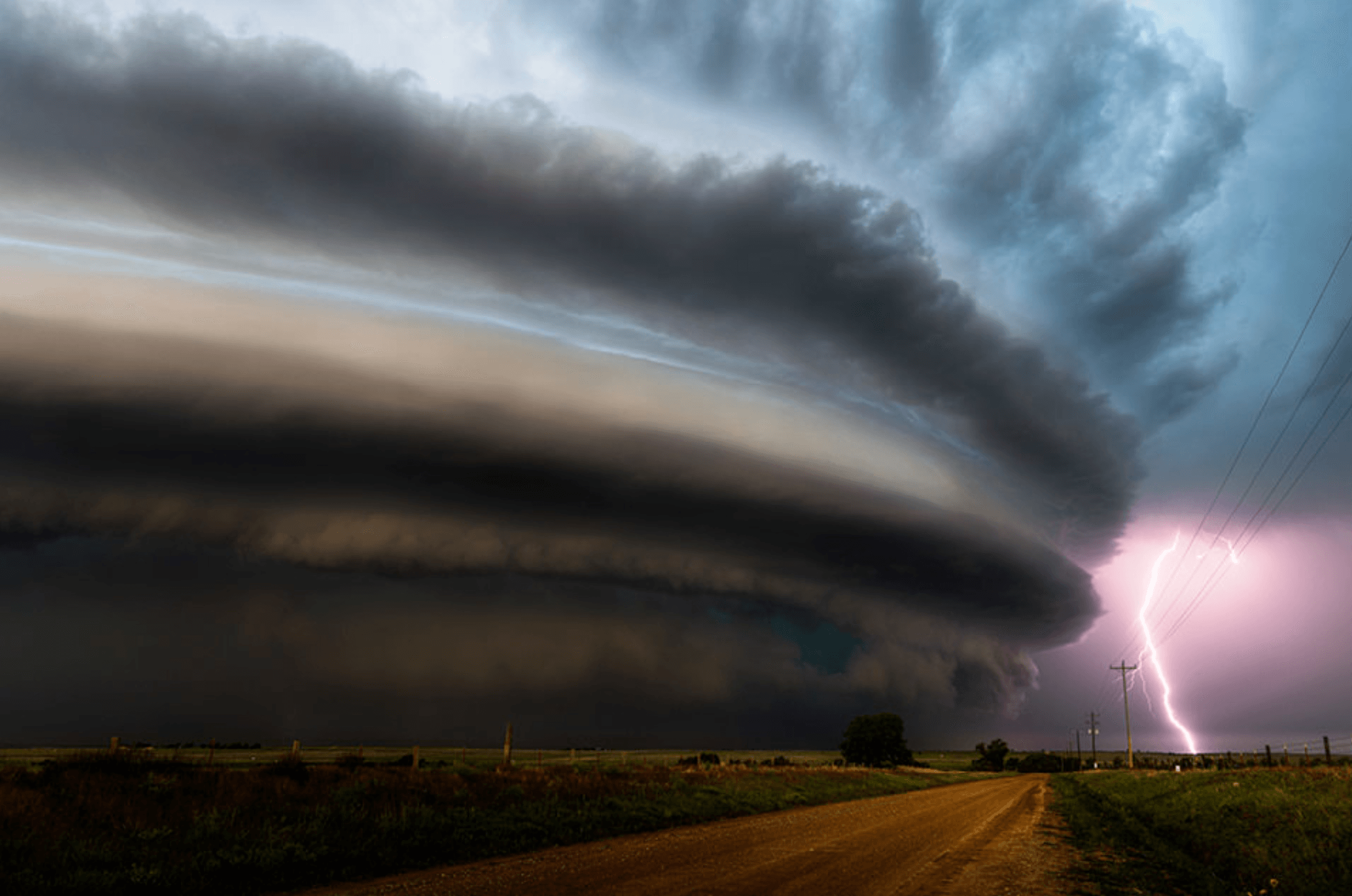
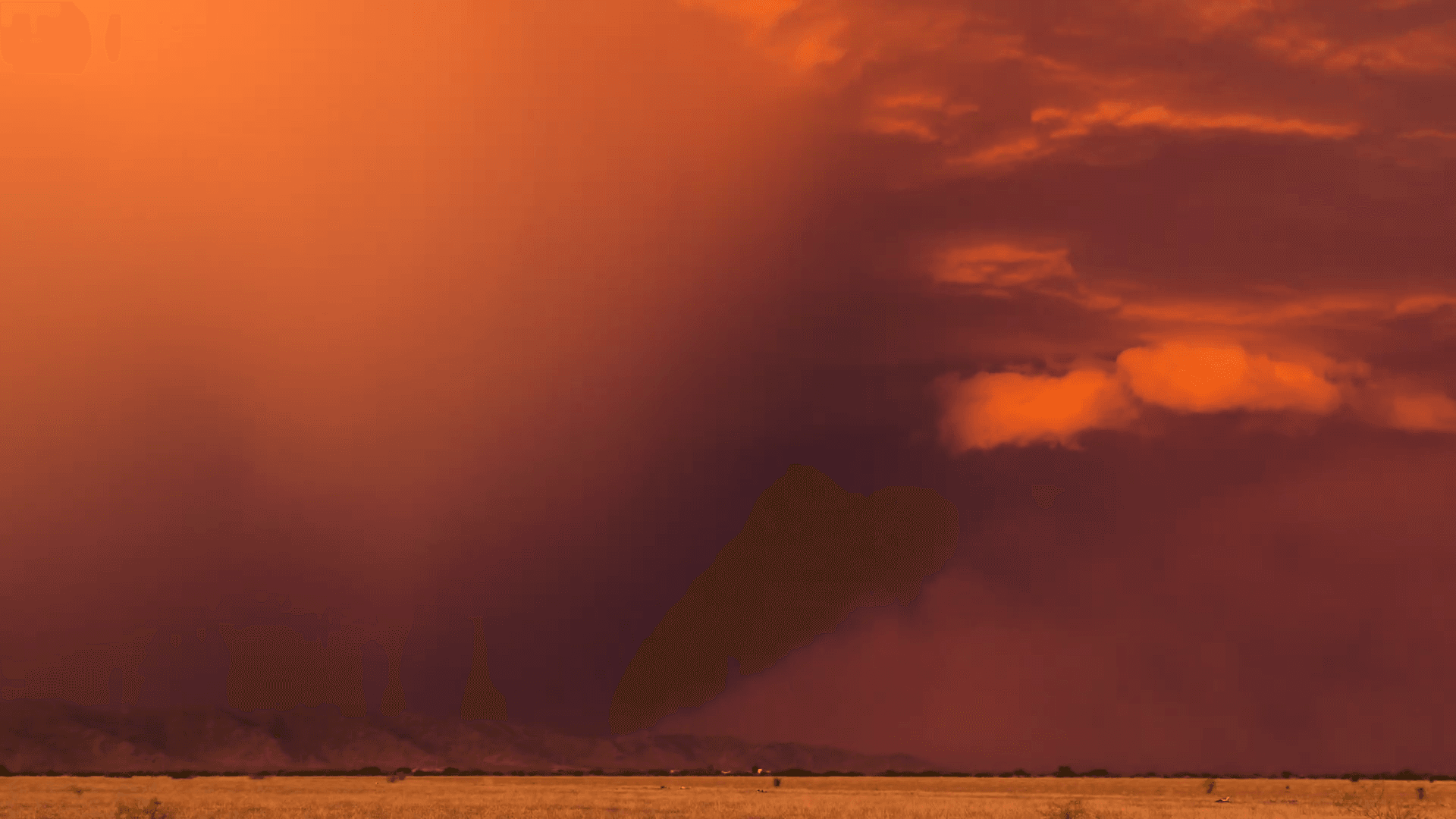
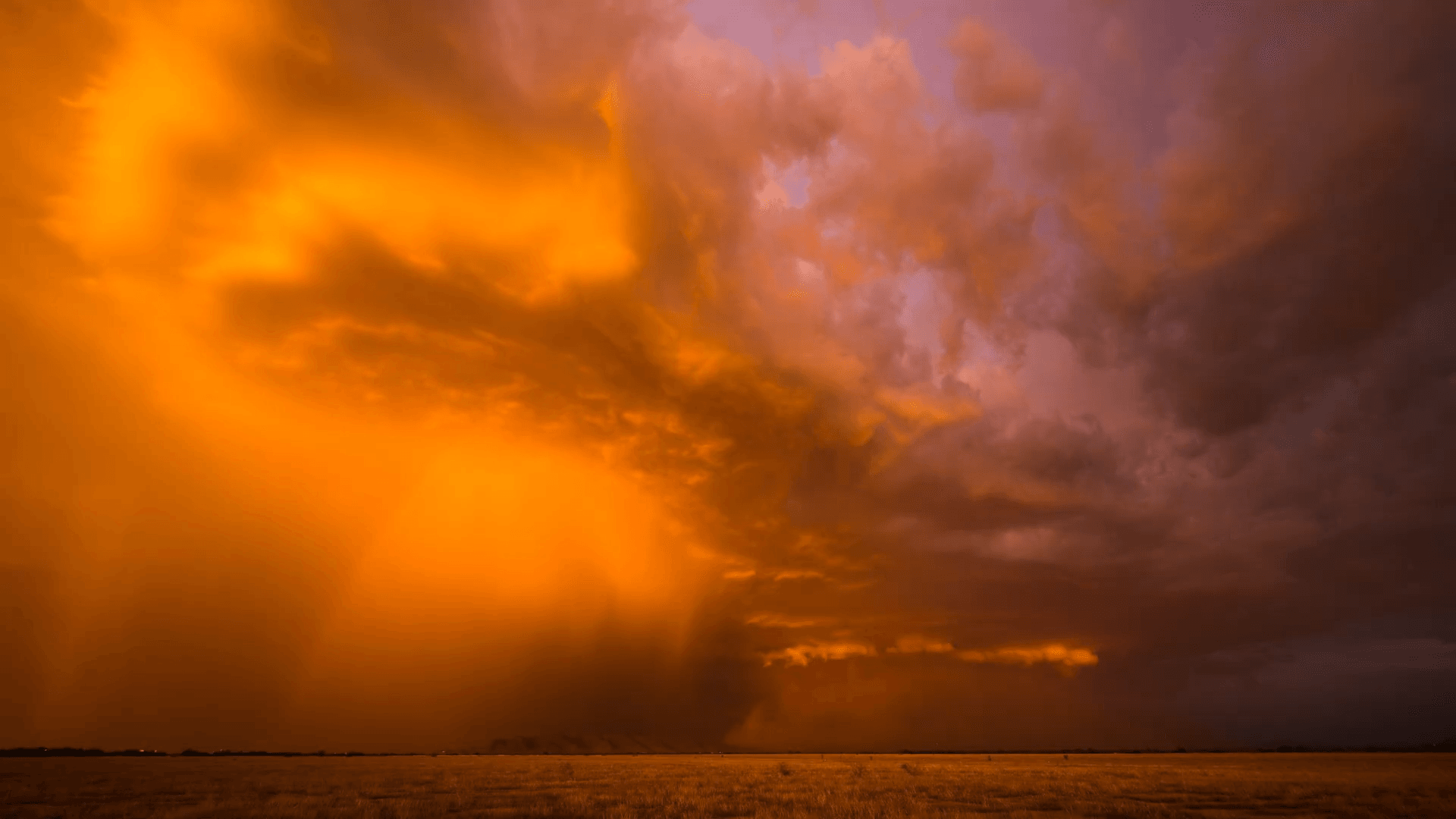
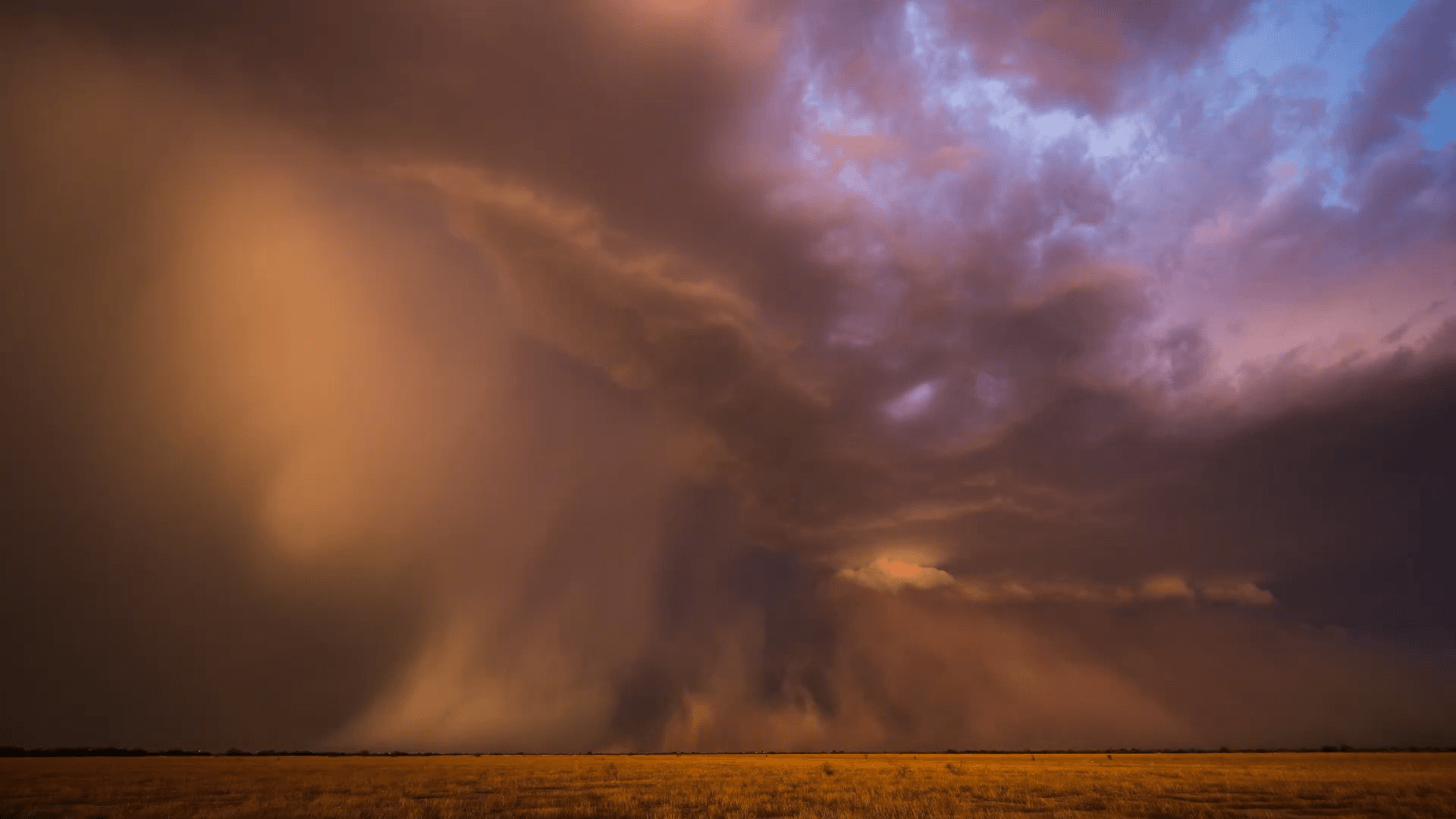
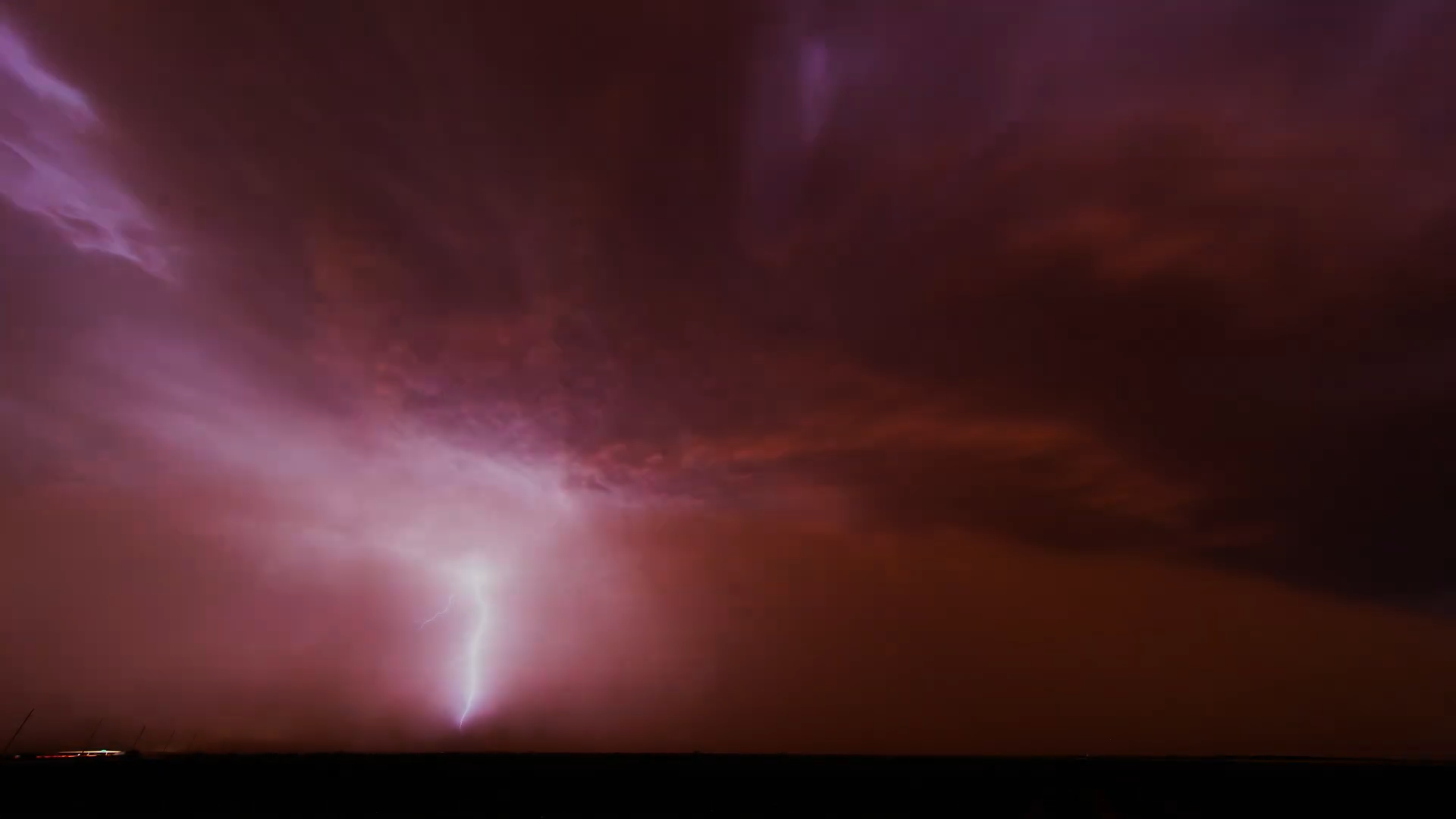
A supercell thunderstorm in New Mexico appears almost otherworldly in this photo from Dennis Hualong Zhang. Glowing from within and stacked like a layer cake, the storm menaces the nearby road and fields. Lightning in the distances completes the composition. Images like this are a reminder that our atmosphere–despite frequently seeming calm and ordinary–harbors incredible turbulent energy. (Image credit: D. Zhang; via ILPOTY)
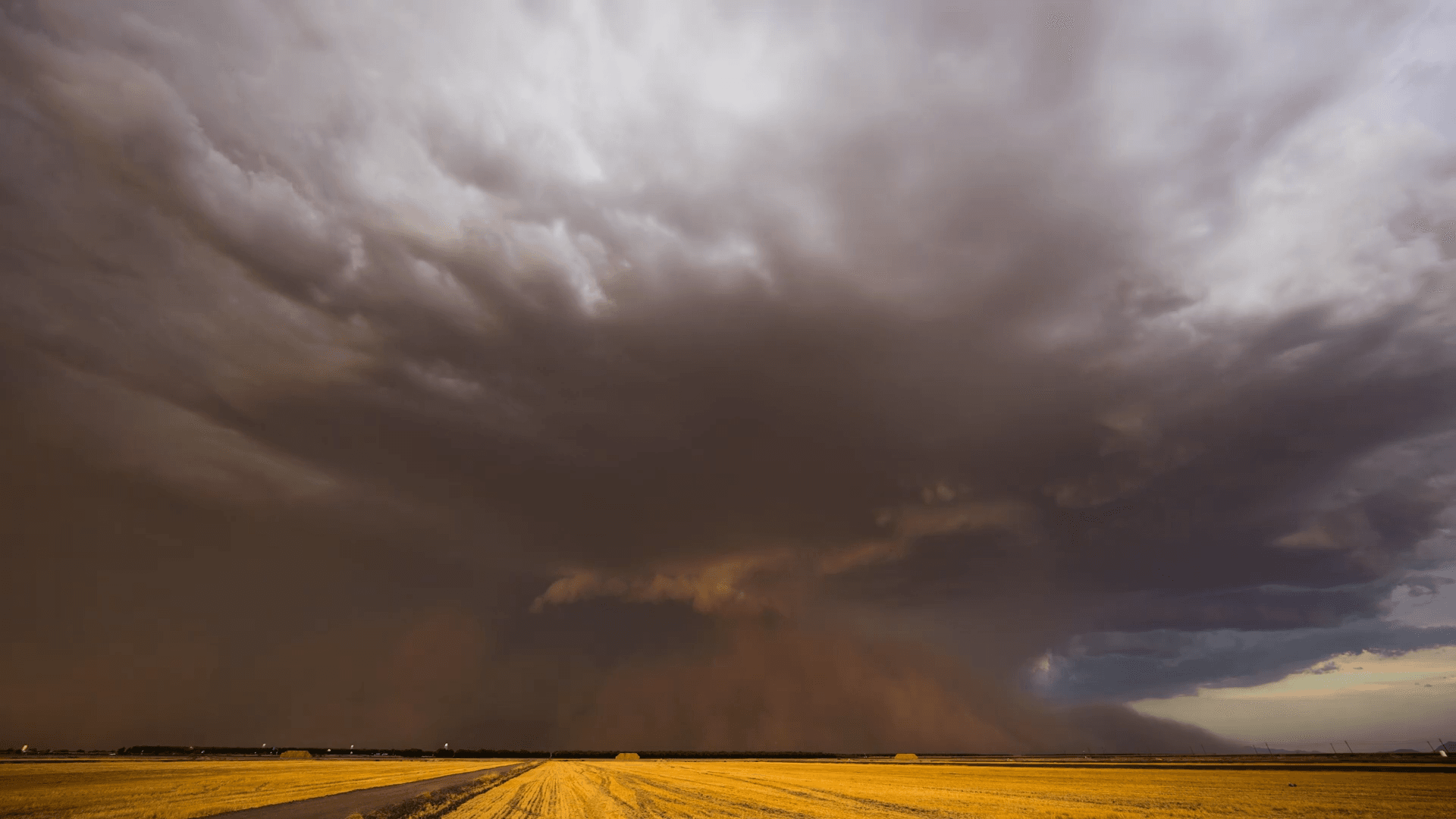
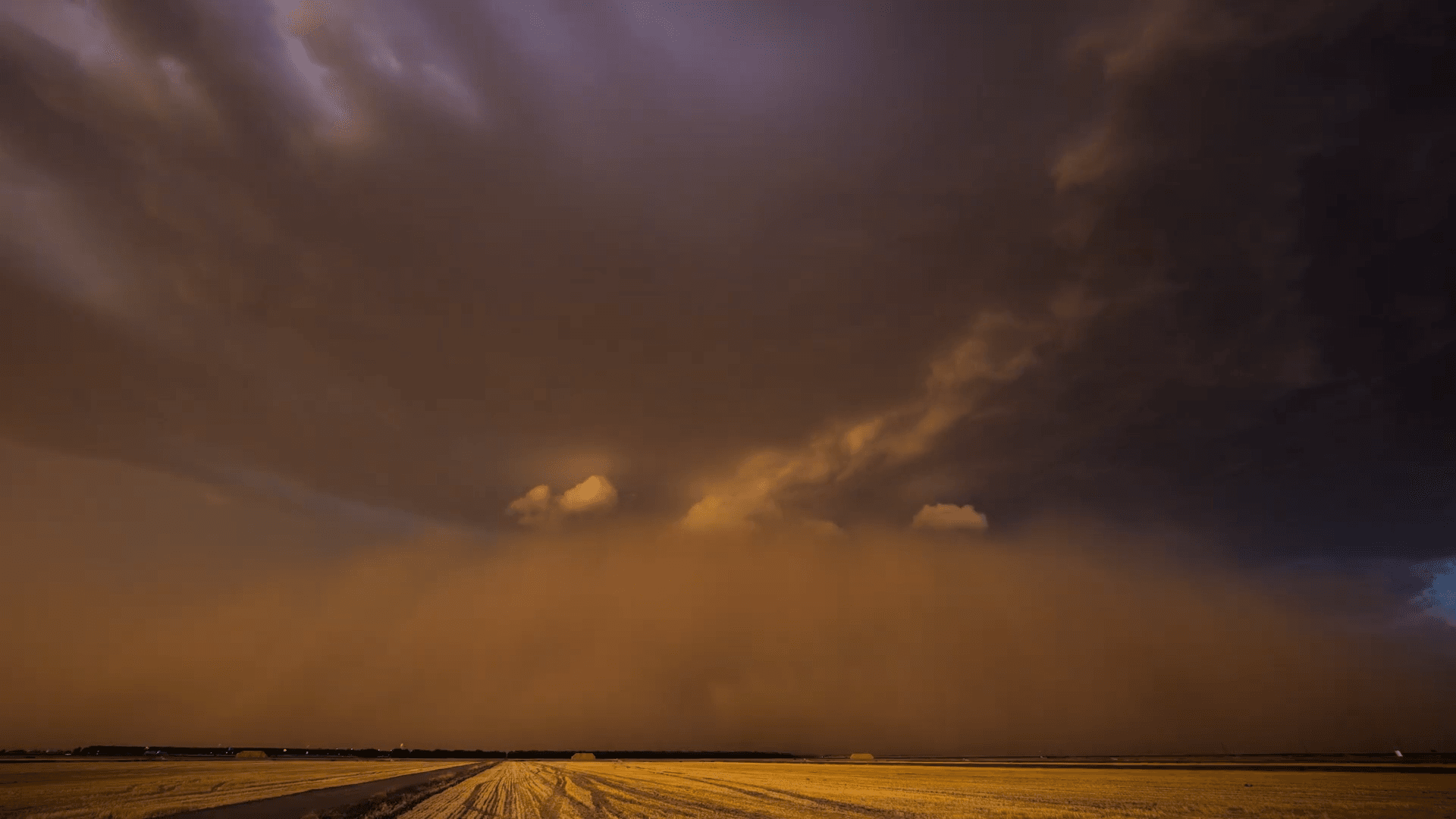
Nothing showcases the incredible power of our atmosphere like storms, and no one does stormchase photography like Mike Olbinski. In this vignette, he shows a stunning line of supercells caught near sunset on July 17, 2022. The high shear–combined with the setting sun–put on an incredible show. Dust blown up in a haboob, microbursts and downpours in the distance, and lots of churning, roiling turbulence. (Video and image credit: M. Olbinski)
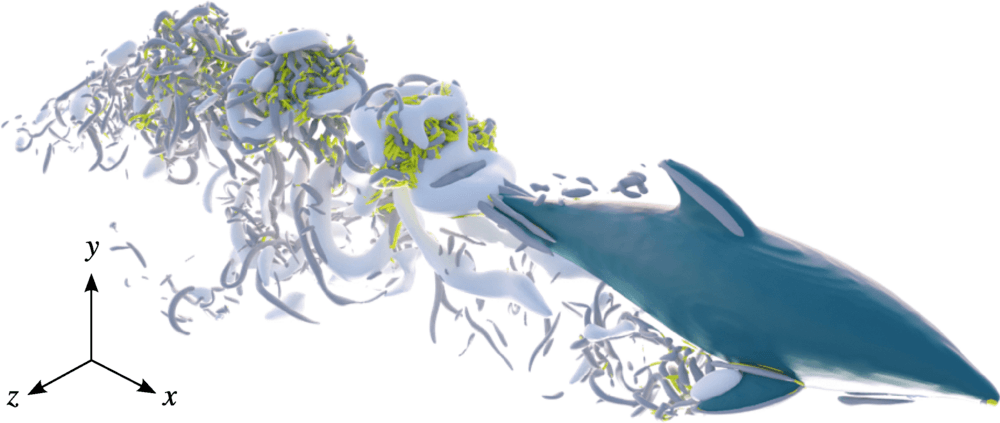
Dolphins are such fast and agile swimmers that, naturally, scientists have long wanted to understand how they swim so well. A recent study draws on numerical simulation to analyze the flow a dolphin creates when flapping its tail.
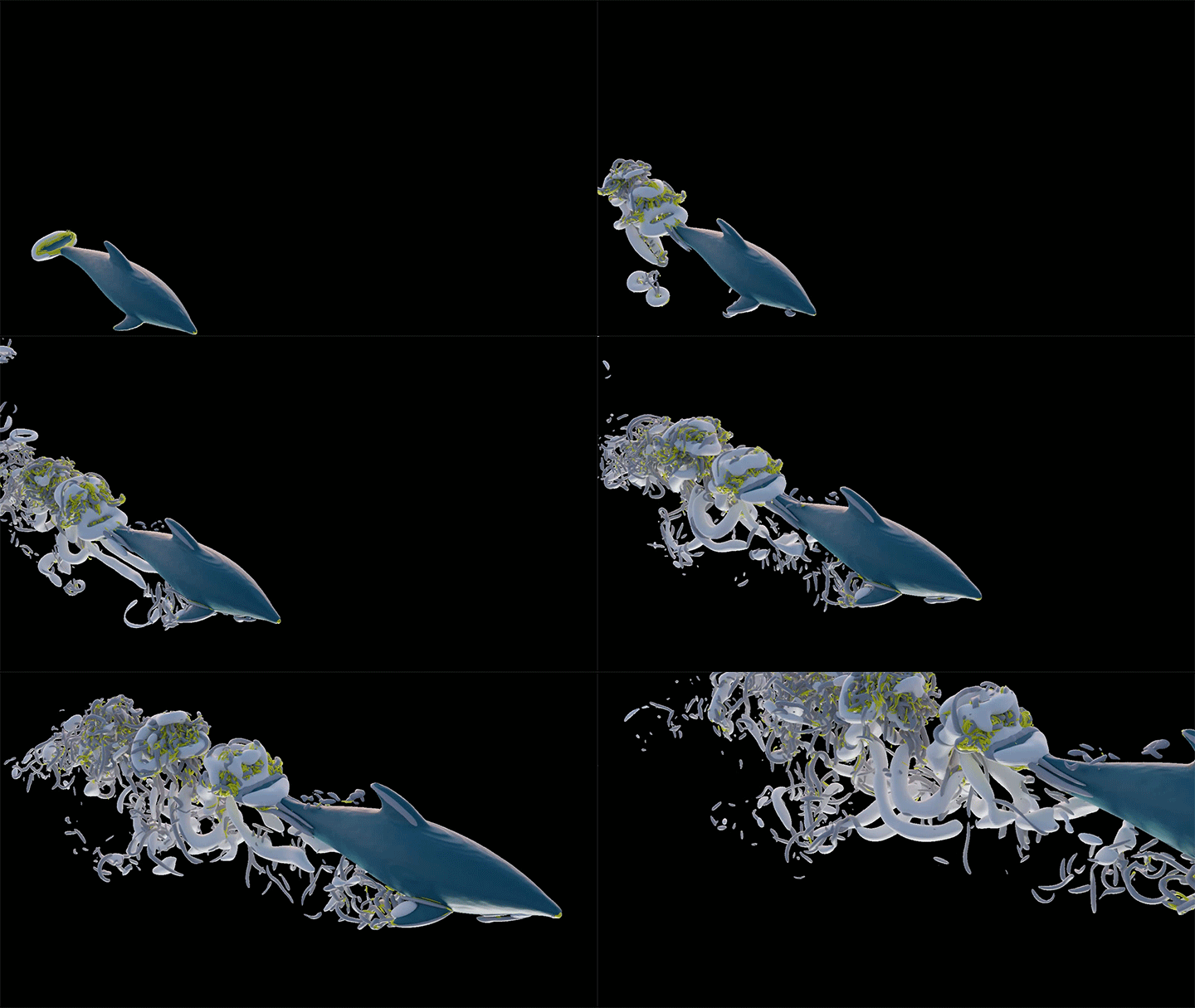
The resulting flow is highly turbulent–researchers were only able to simulate up to a fraction of a dolphin’s actual Reynolds number–with both large-scale vortices and a cascade of smaller ones. The largest vortices, shown here in white, form on the upper and lower surface of the dolphin’s tail, then slide off the tail in a vortex ring. It’s these vortex rings, the researchers found, that provide the bulk of a dolphin’s thrust.
The smaller-scale vortices, in contrast, get formed by the large vortices, and they make little to no contribution to the dolphin’s propulsion. Interestingly, these results suggest that we might be able to describe the propulsion of dolphins and other highly turbulent swimmers by focusing only on the largest scales in the flow. (Video, image, and research credit: Y. Motoori et al.; via Ars Technica)
Animation of the simulated flow from a swimming dolphin.
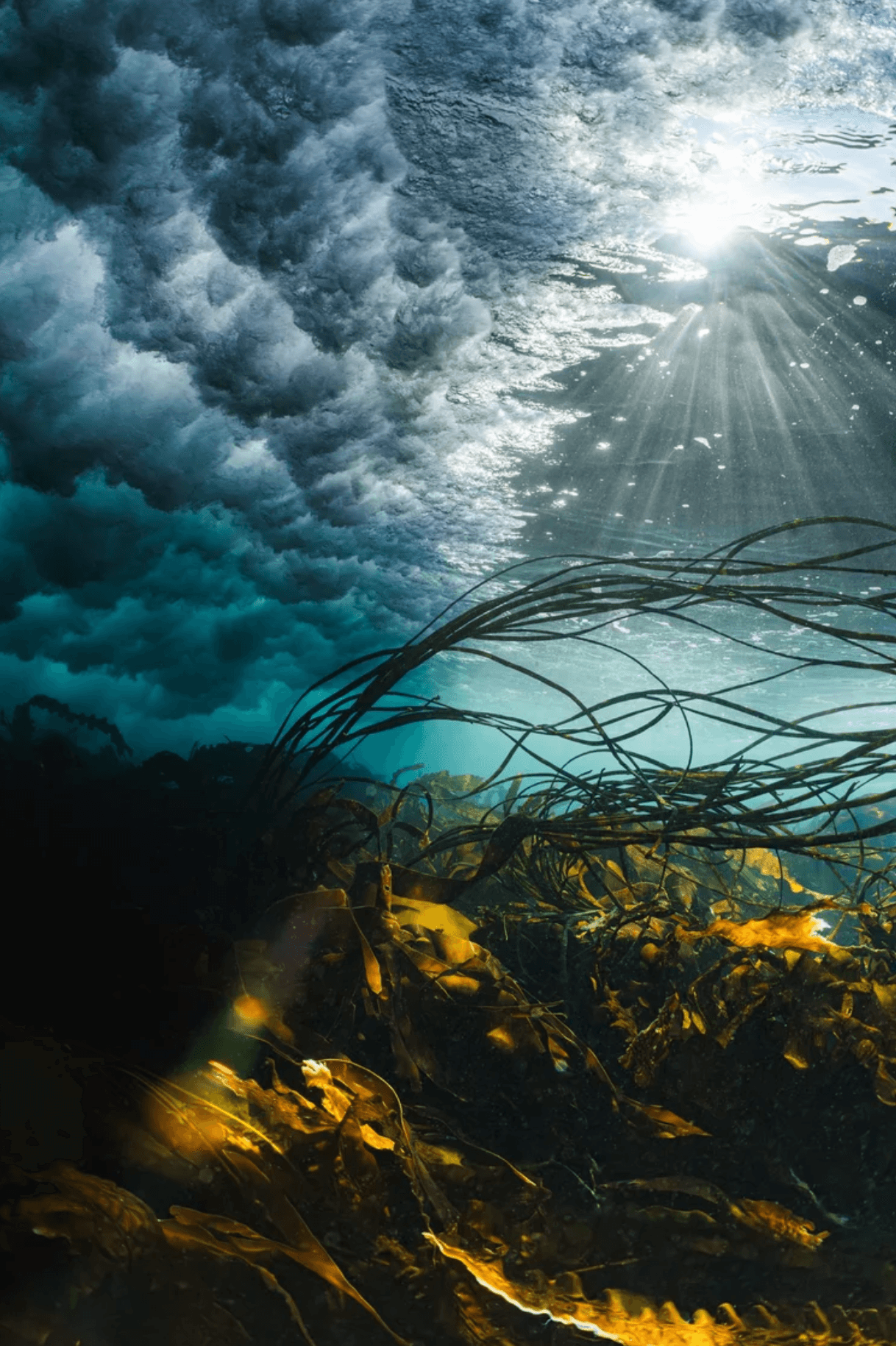
Seaweed sways in the surf in this photograph by Billy Arthur. I always love how waves look like a stormy sky when viewed from below. This image is extra neat because of the contrast with the sunbeams shining through the still surface on the right side of the image. Sun and storm on the verge of colliding. (Image credit: B. Arthur/BWPA; via Colossal)
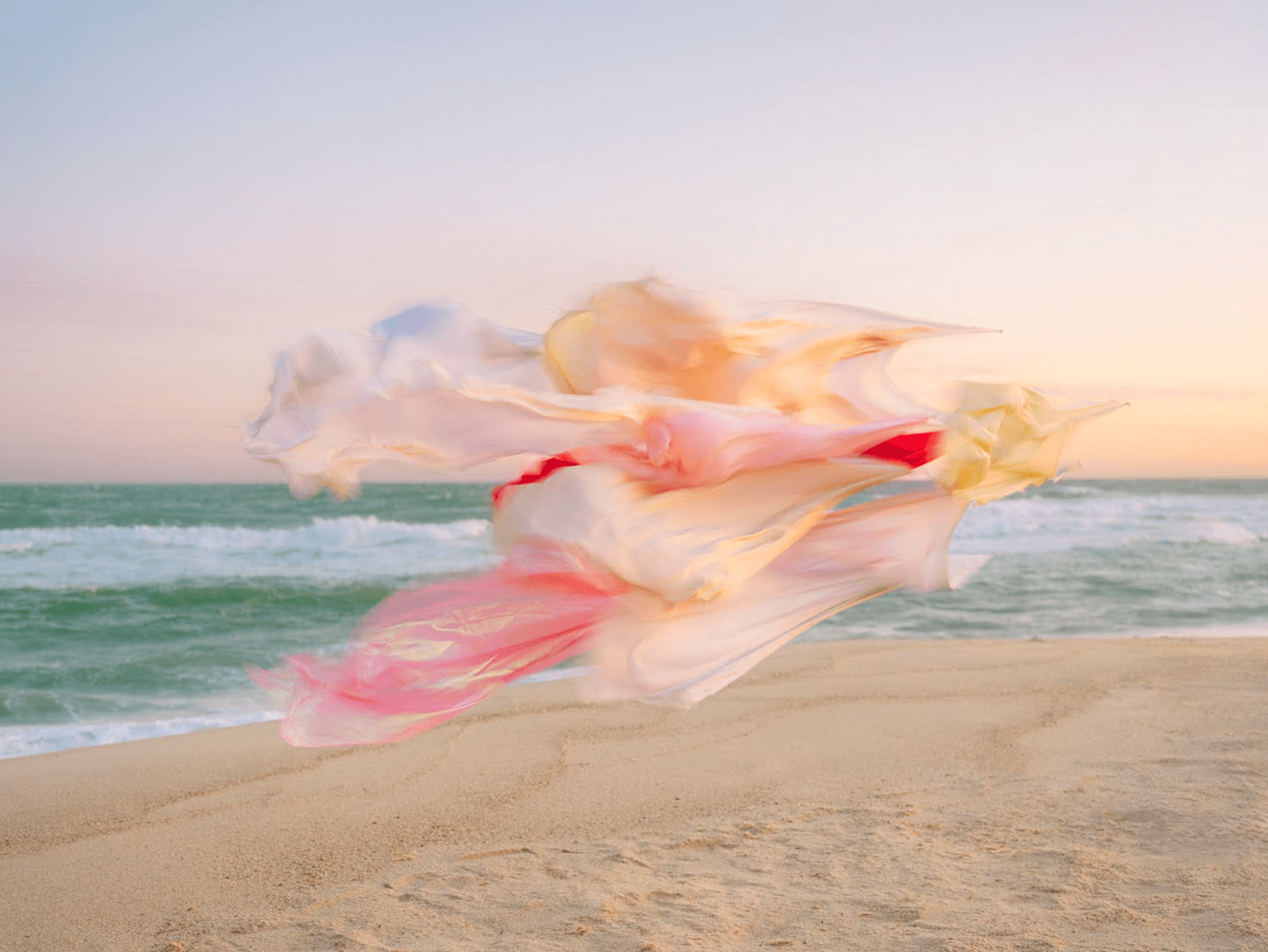
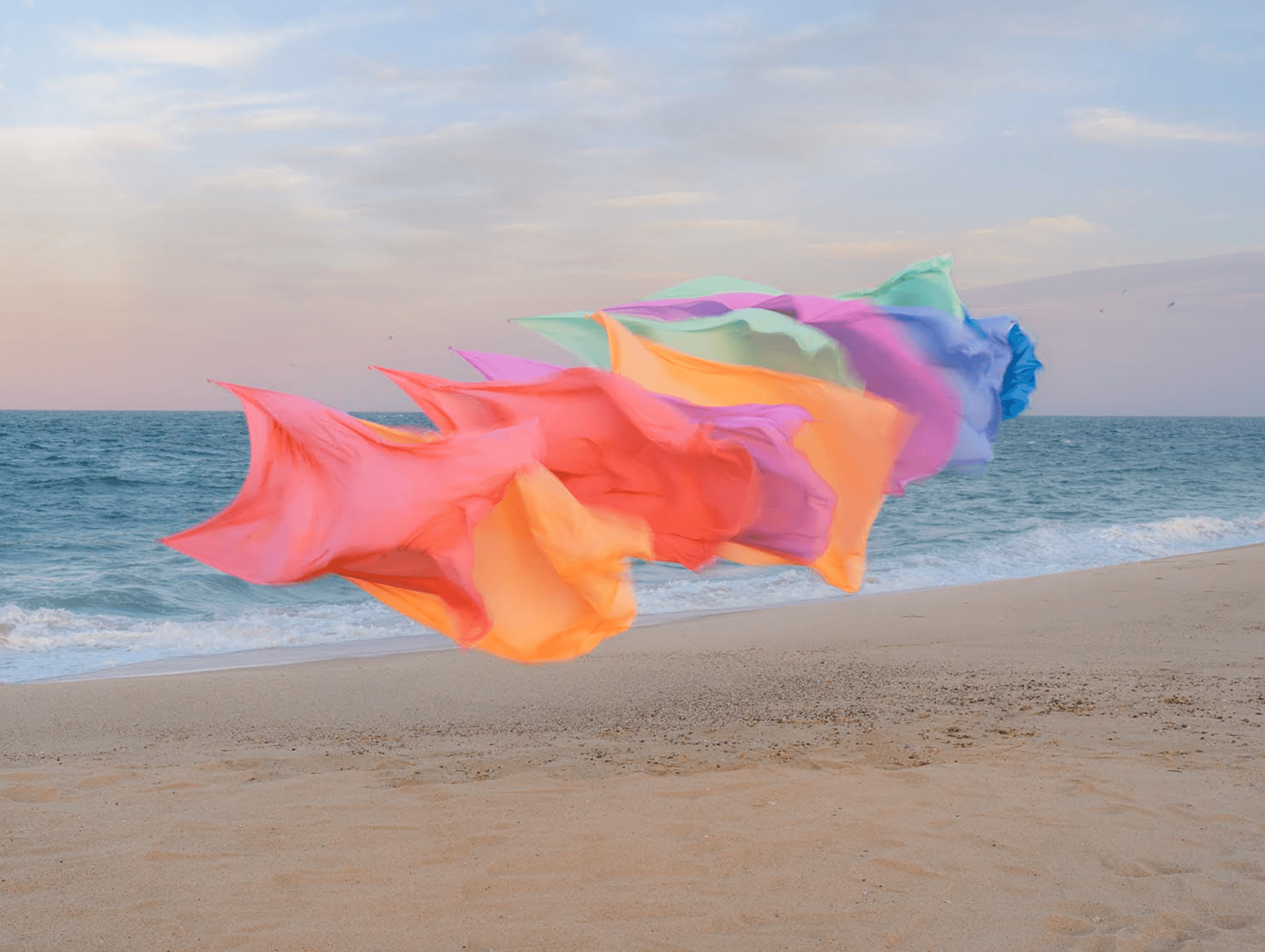
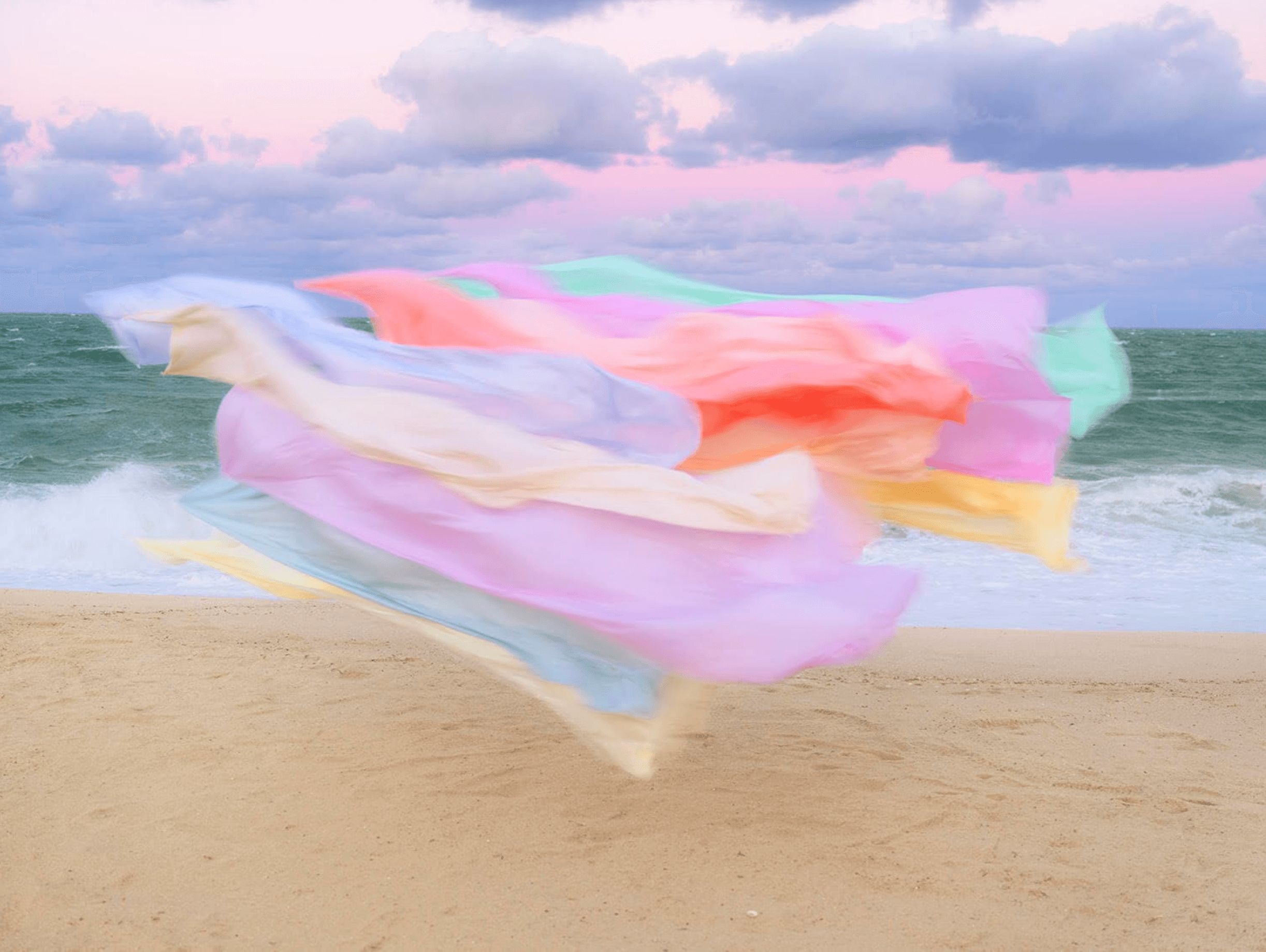
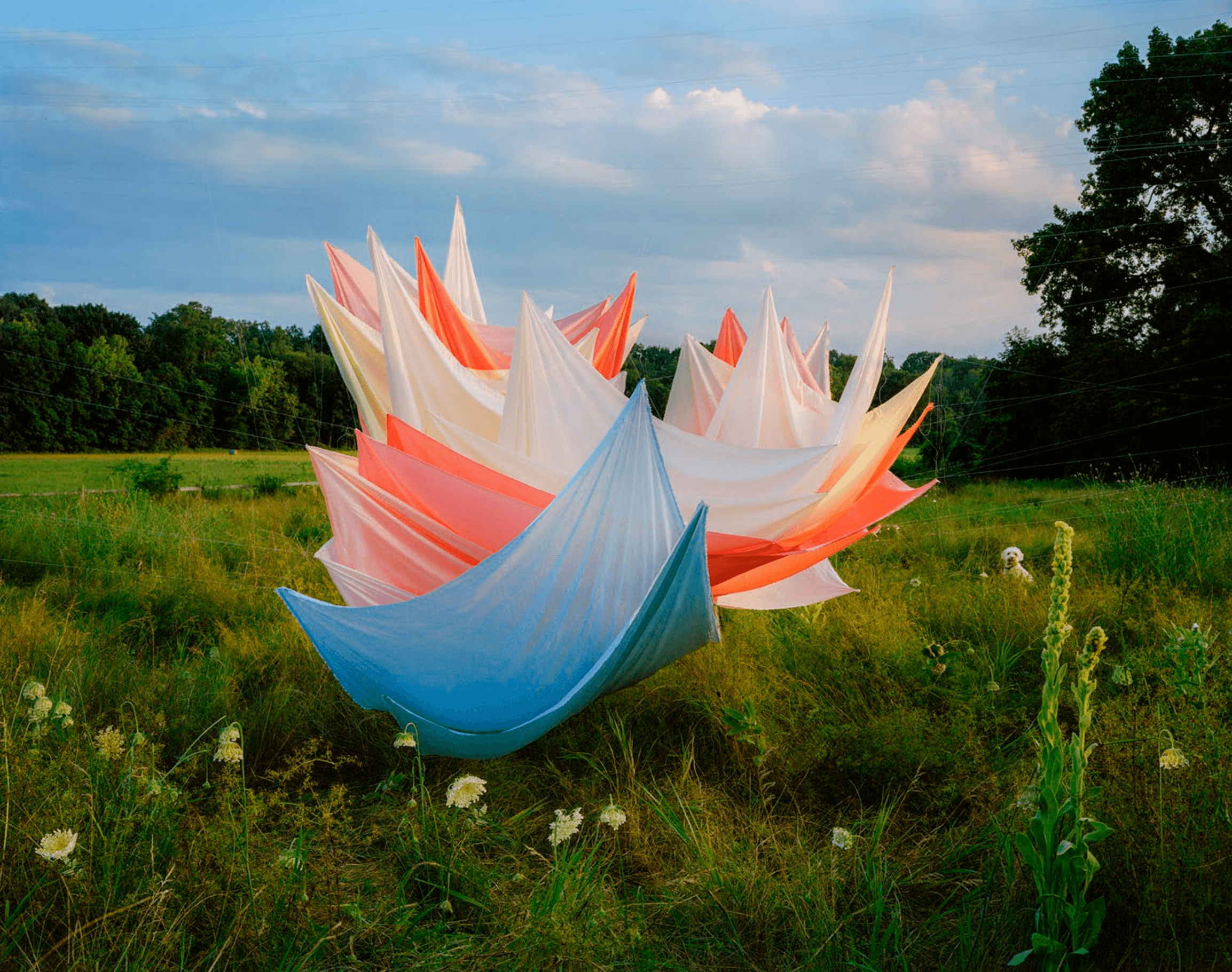
Fabrics flutter in seemingly impossible ways in artist Thomas Jackson‘s images. But despite first appearances, each photograph is true to life; the fabrics are suspended on taut lines. Their dance is driven by wind energy, drag, tension, and flow–not manipulated pixels. I love the (turbulent) energy of them! (Image credit: T. Jackson; via Colossal)
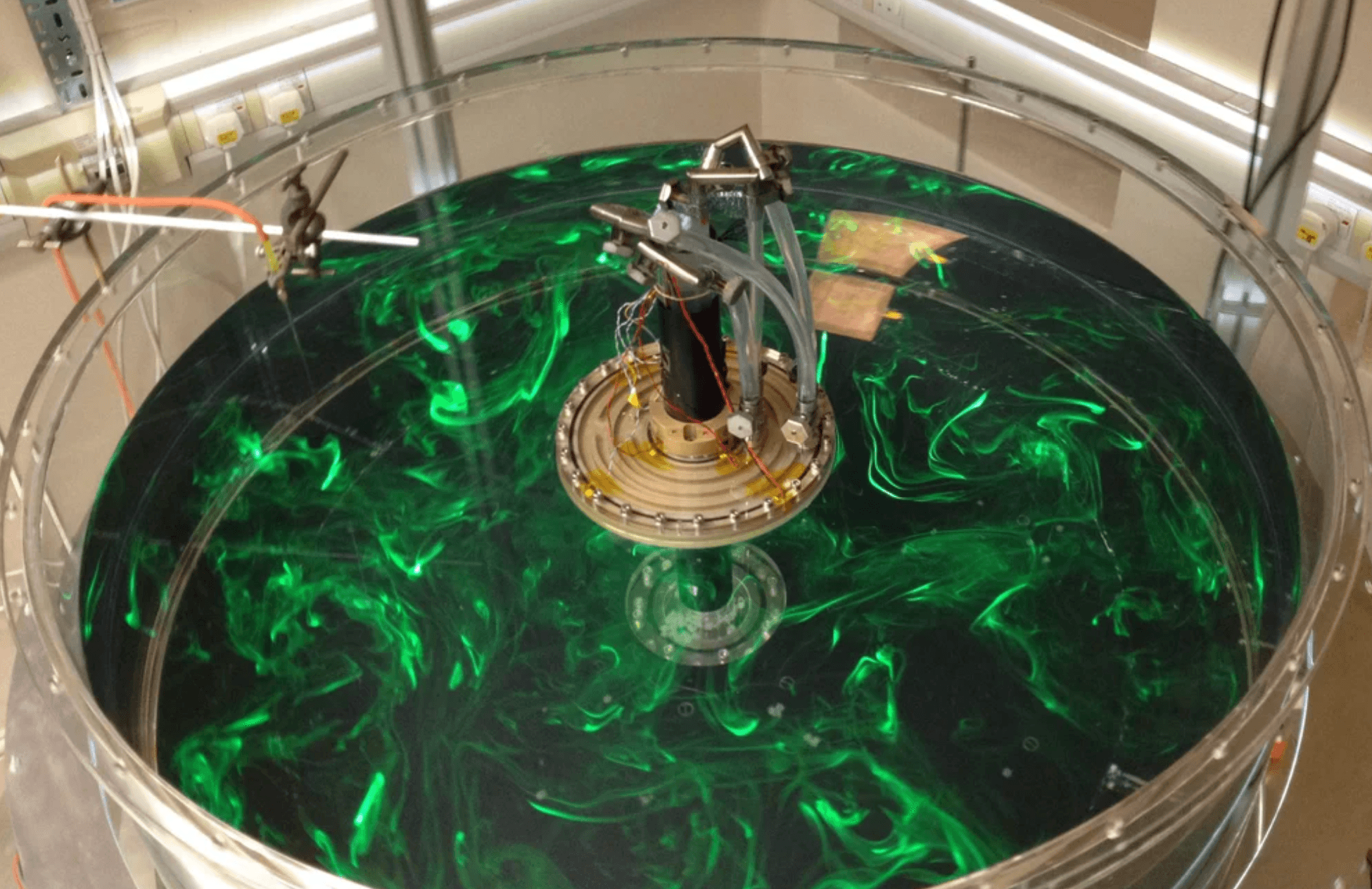
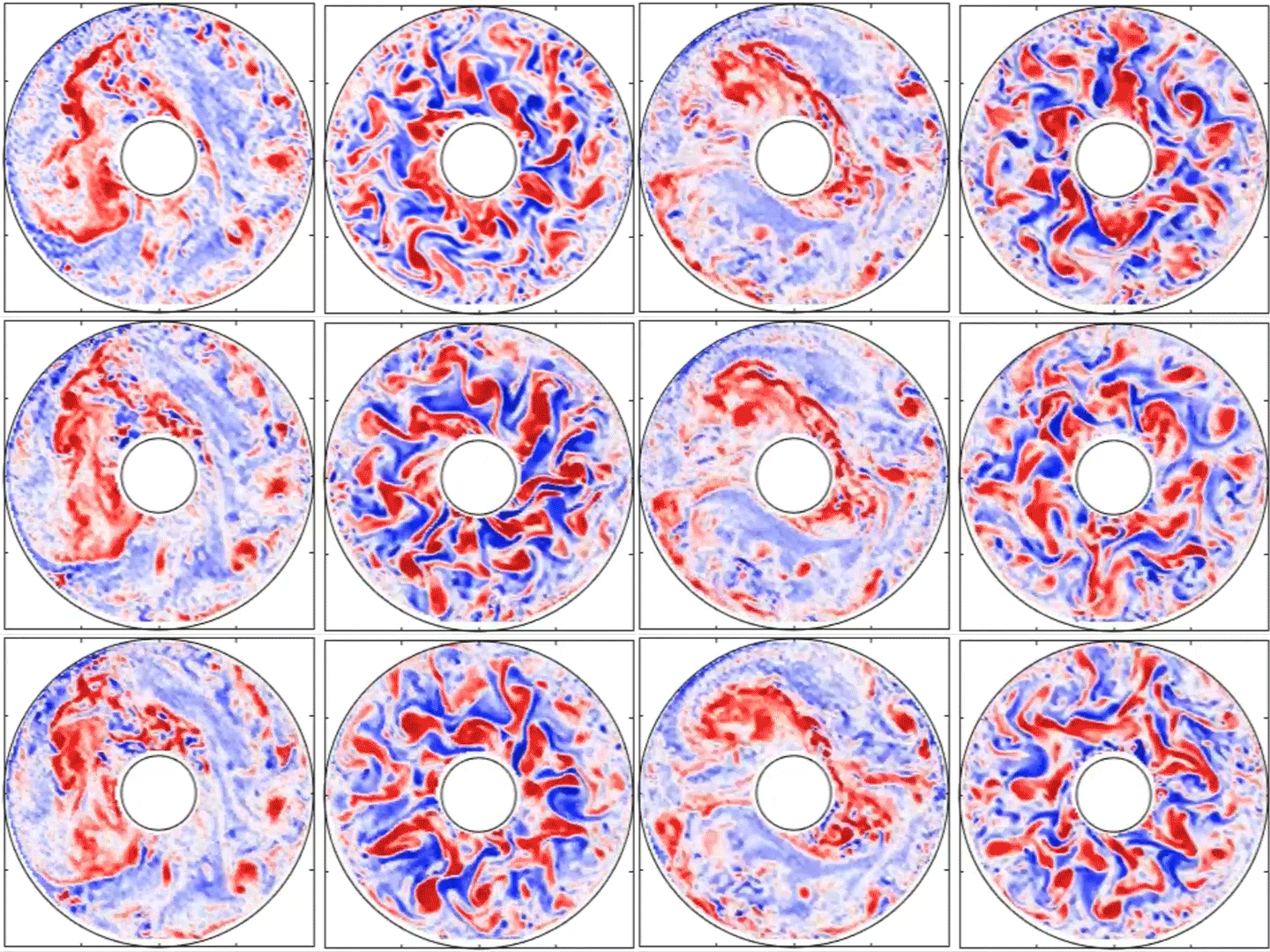
In planetary atmospheres, energy and vorticity can cascade from large scales to smaller ones, but the mechanics of this transfer remain somewhat elusive. In a recent experiment, researchers built a lab-scale representation of an atmosphere using a meter-scale rotating annular tank. The outer bottom edge of the tank gets heated–representing the sun’s warming at the equator–while a pipe in the center of the tank gets cooled near the tank surface, which mimics the chilling effect of the poles. Researchers filled the tank with a water-glycerol mixture and recorded how their artificial atmosphere responded at different rotation rates.
Two different rotating atmospheres, colored by vorticity (red clockwise, blue counterclockwise). The left version has a slower rate of rotation, and thus larger length scales.
The results show an energy spectrum that’s consistent with atmospheric observations–with a steep drop at large length scales and a flatter one at smaller scales. But interestingly, they also found that the cascade was temperature-dependent in ways that current models don’t predict. Untangling that effect could help us understand not only our atmosphere but those of other planets. (Image credit: tank – H. Scolan, animation – S. Ding et al.; research credit: S. Ding et al.; via APS)
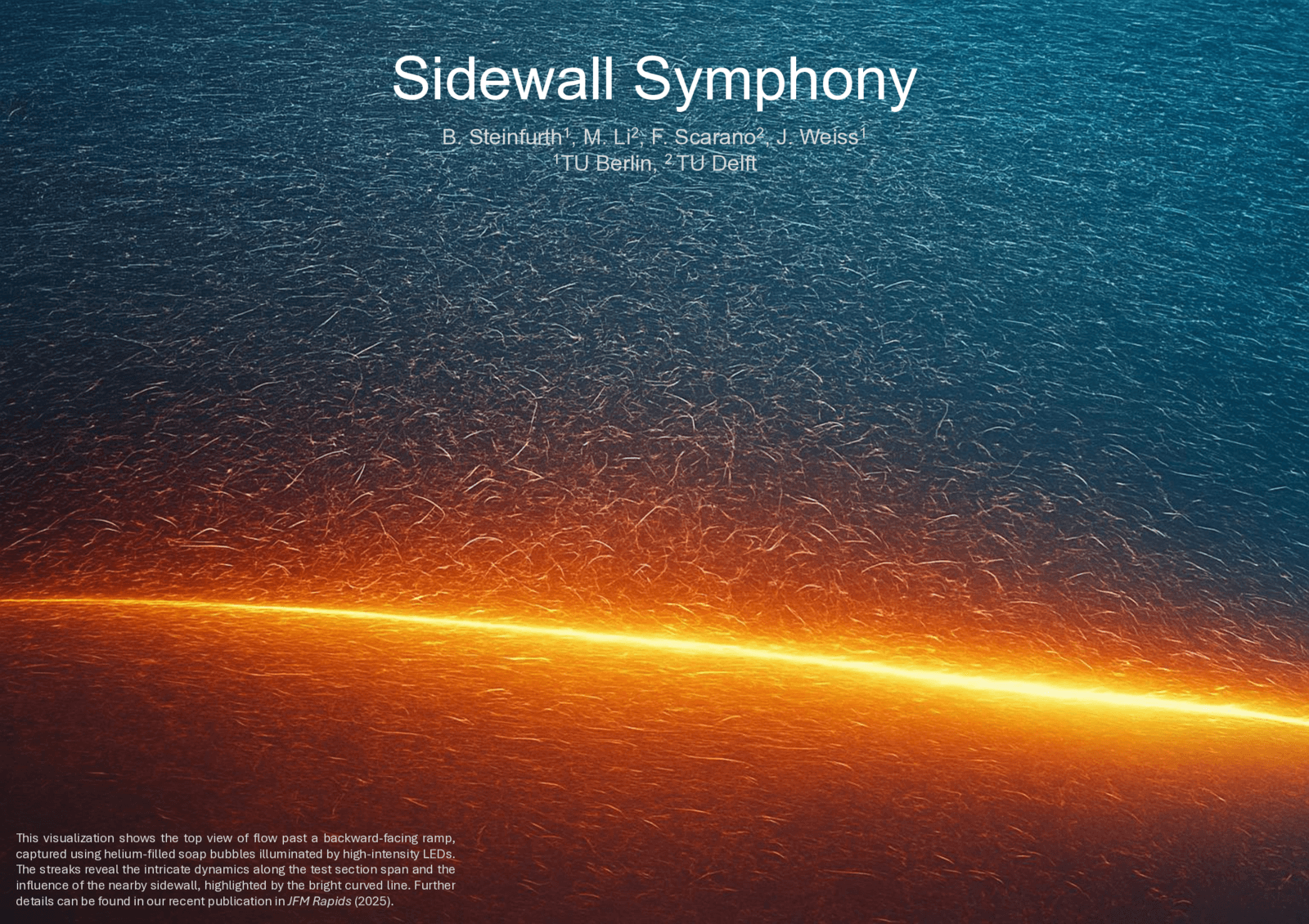
Flow visualization is both an art and science in fluid dynamics. Here, researchers were interested in studying the separation bubble that forms over a backward-facing ramp–a shape that shows up, for example, on an aircraft. In these areas, the flow over the surface separates, leaving an unsteady, recirculating bubble.
That’s the flow that researchers are visualizing here. They’ve done so by adding tiny helium-filled soap bubbles to the flow. With bright lights illuminating the bubbles, each one leaves a streak in a photograph, showing where the bubble moved during the time the camera’s shutter was open. Although images like these are beautiful, they can also be analyzed by computers to extract the underlying flow that created the image. (Image and research credit: B. Steinfurth et al.; see also here)
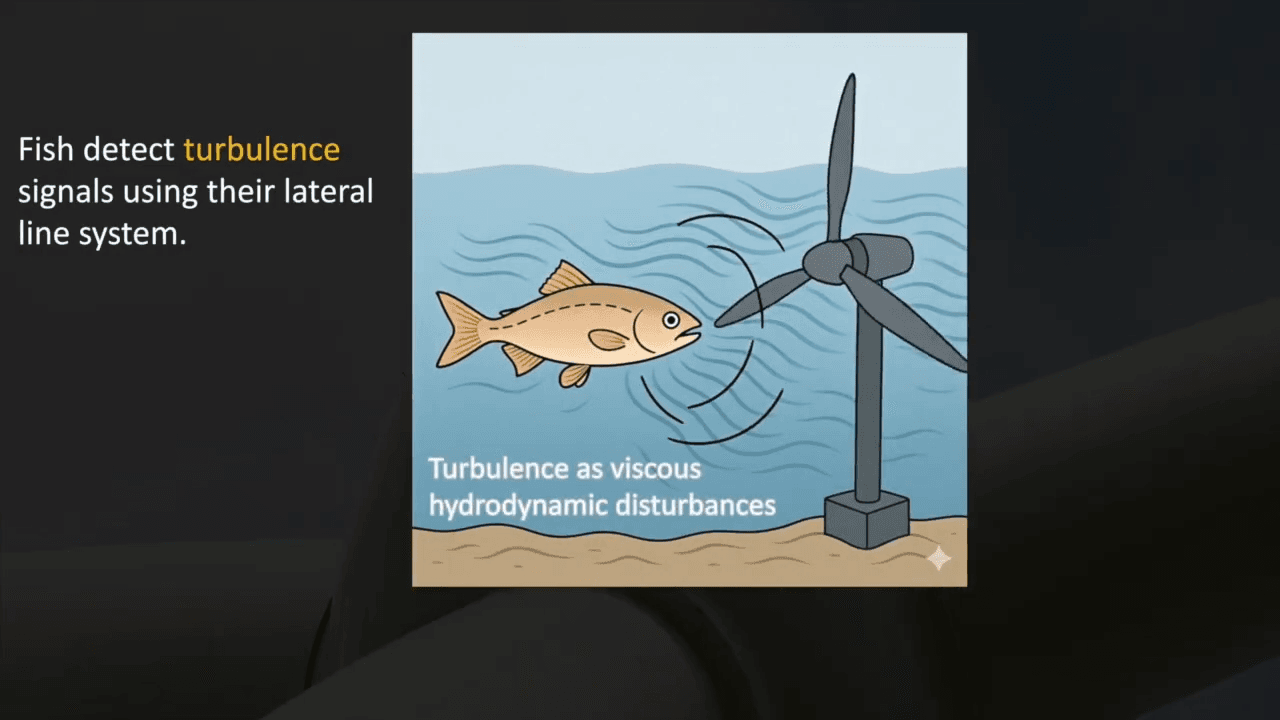
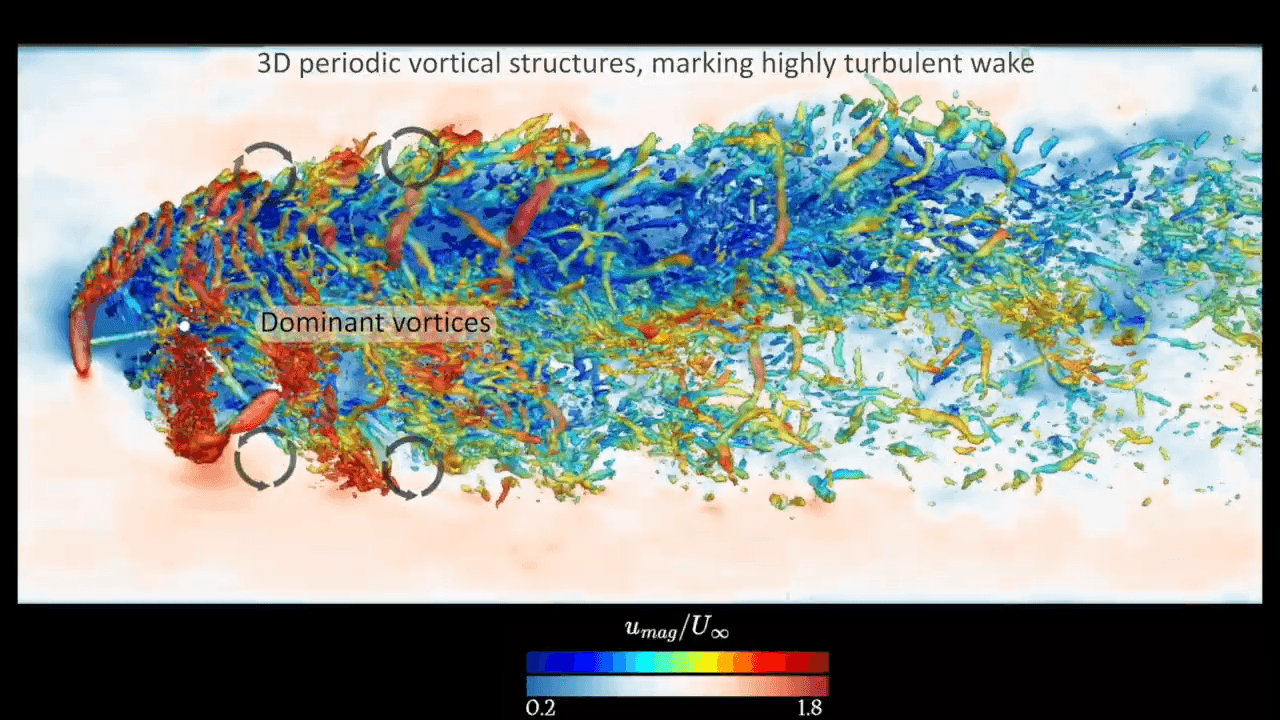
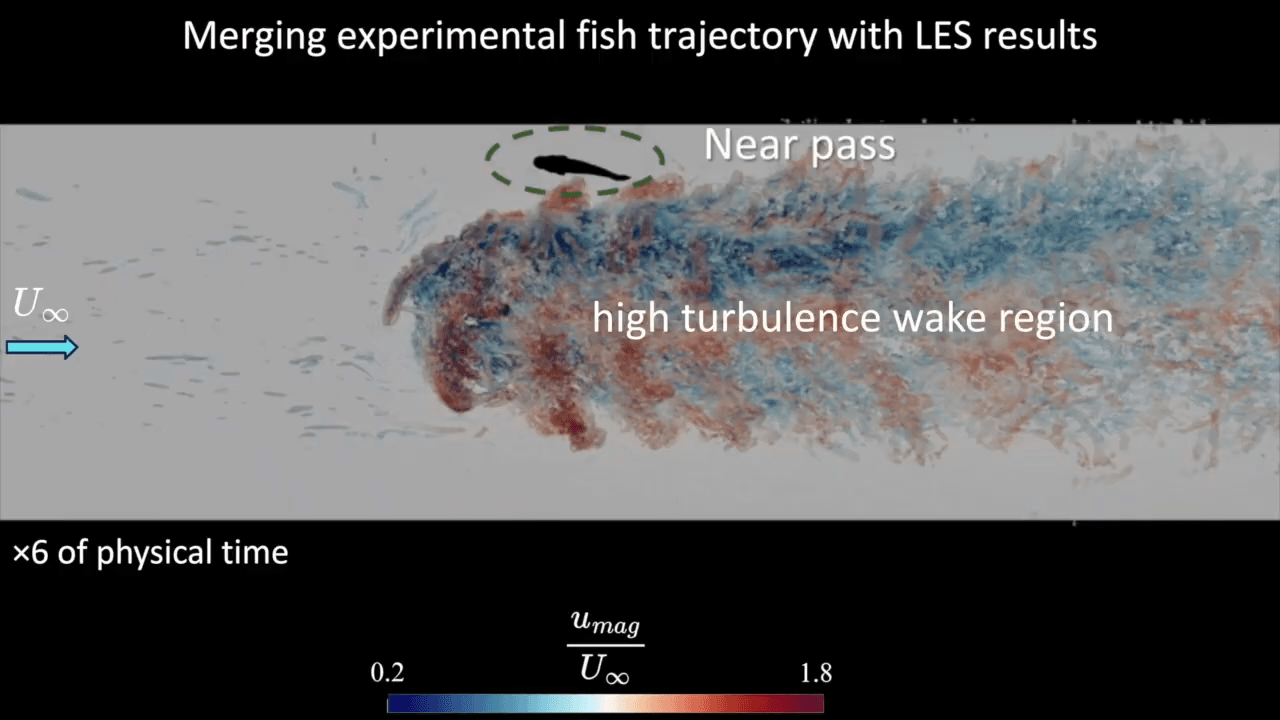
Fish detect turbulence in the water around them; among other things, this helps them avoid colliding with objects. Here, researchers are looking to understand how fish interact with underwater turbines. Experiments give them a set of trajectories that actual fish follow when dealing with the experimental turbine. But to understand what the fish is detecting, the researchers build a digital facsimile of the turbine and use Large Eddy Simulation (LES) to calculate the turbine’s wake.
By overlaying the fish trajectories onto the simulated flow structures, they can better understand what flows the fish is and is not comfortable with. That knowledge helps engineers design turbines with smaller ecological impact. (Video and image credit: H. Seyedzadeh et al.)
If you’ve ever seen crashing waves glowing blue, you’ve been treated to bioluminescence. Although many creatures can bioluminesce, tiny dinoflagellates–a type of marine phytoplankton–are one of the easiest to spot. These microscopic organisms create a flash of light in response to viscous stresses. Their response to flow-induced stresses is so robust that they can be used to visualize stress fields.
In a new study, researchers explored how turbulence affects the dinoflagellate’s luminescence. They mathematically modeled the dinoflagellate as an elastic dumbbell that emitted light based on its extent and rate of deformation. Then they explored how this model dinoflagellate behaved in different types of turbulent flows. They found that the fluctuations and intermittency of turbulent flows both encouraged the radiant displays. (Image credit: T. McKinnon; research credit: P. Kumar and J. Picardo)
Haboobs are a dust storm driven by the strong winds at the forefront of weather fronts and thunderstorms. Those powerful winds pick up dust in arid and semi-arid landscapes, creating billowing, turbulent clouds that appear downright apocalyptic.
This particular haboob formed in Arizona in August 2025 and was caught in timelapse by photographer and storm chaser Mike Olbinski. The visuals–as always–are incredible. Definitely watch to the very end, as the haboob advances on the runway at Sky Harbor Airport. The tension is palpable as you watch flights line up and try to make it off the ground before the haboob swallows them. (Video and image credit: M. Olbinski)