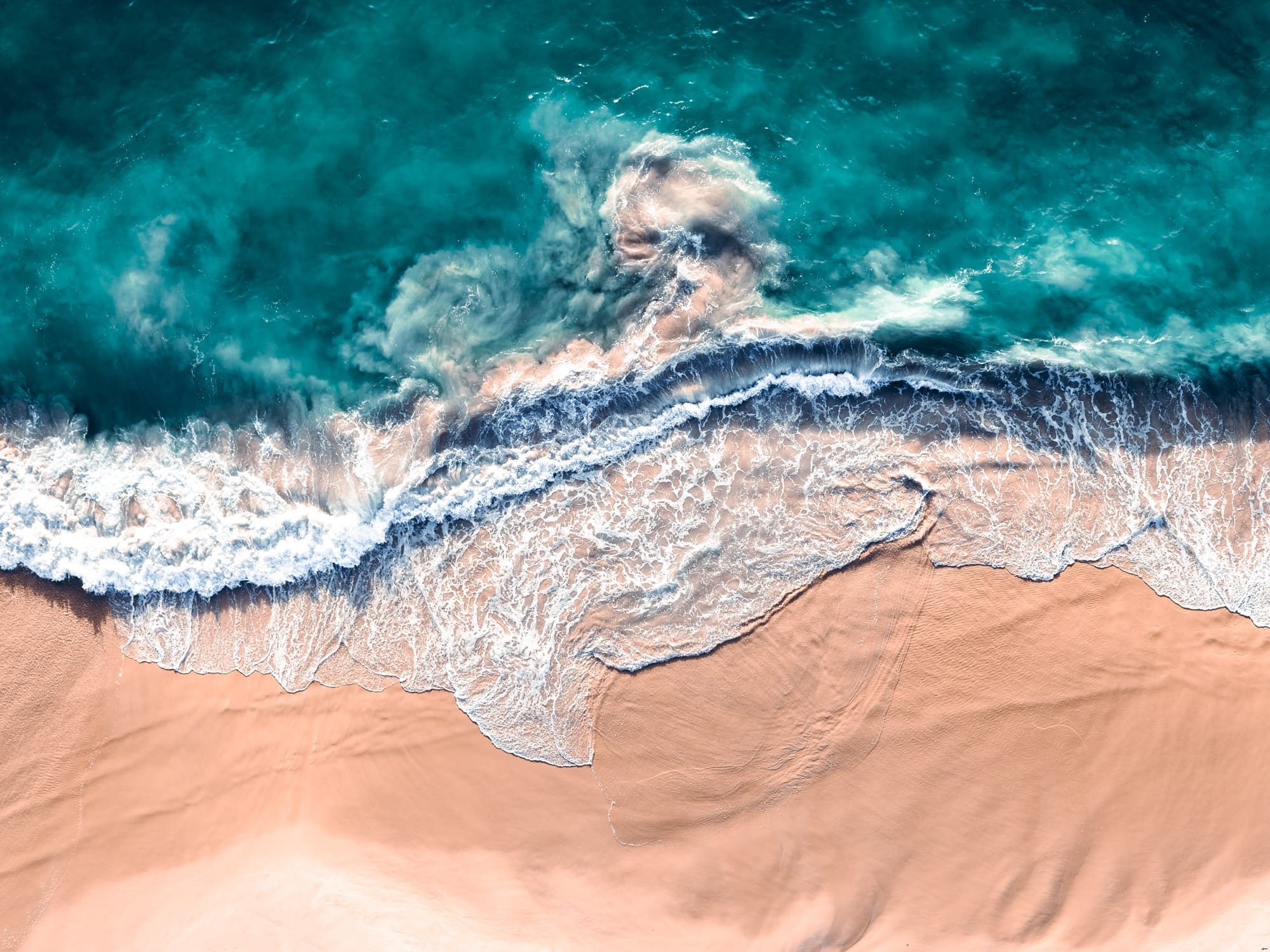
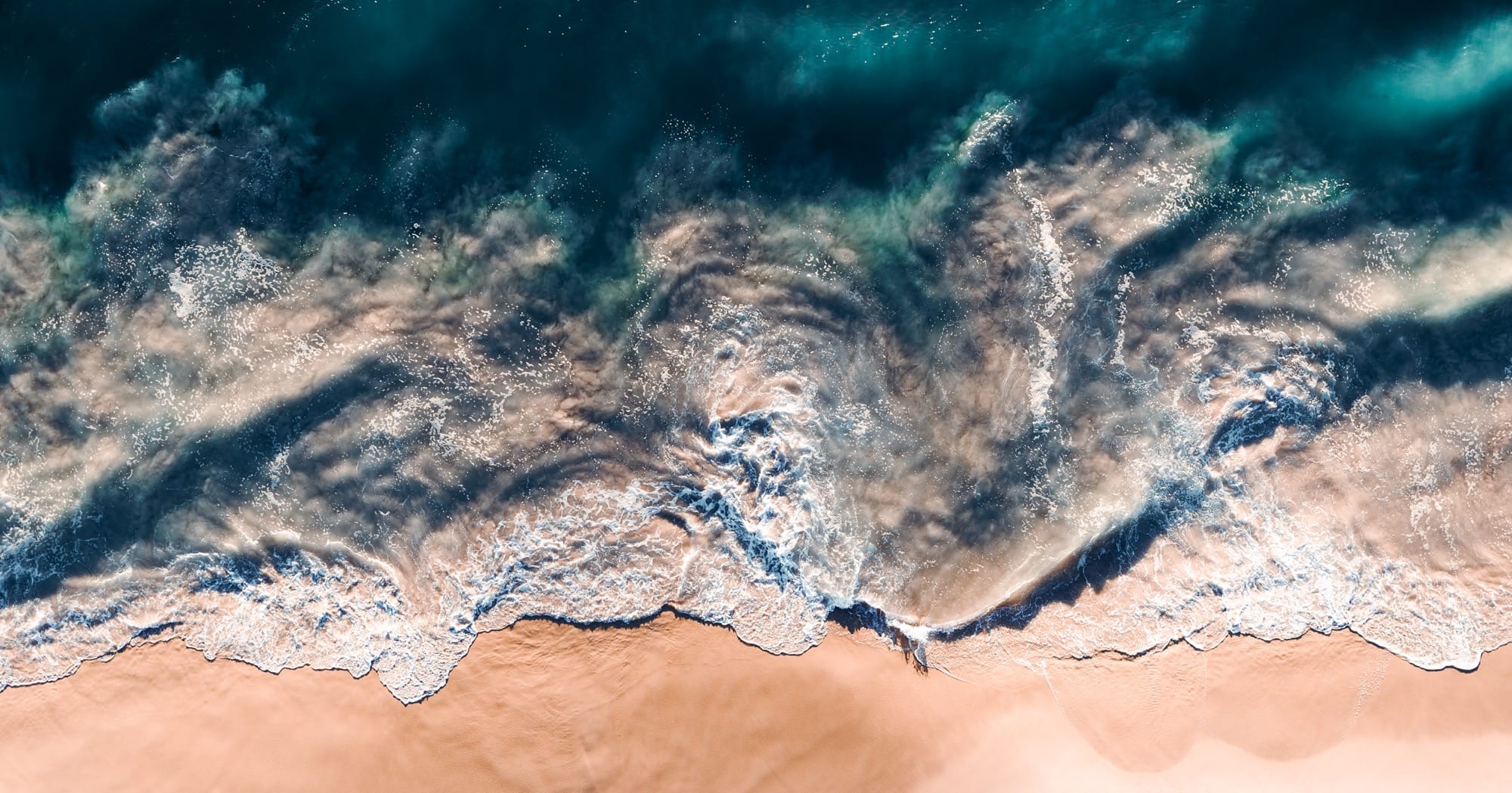
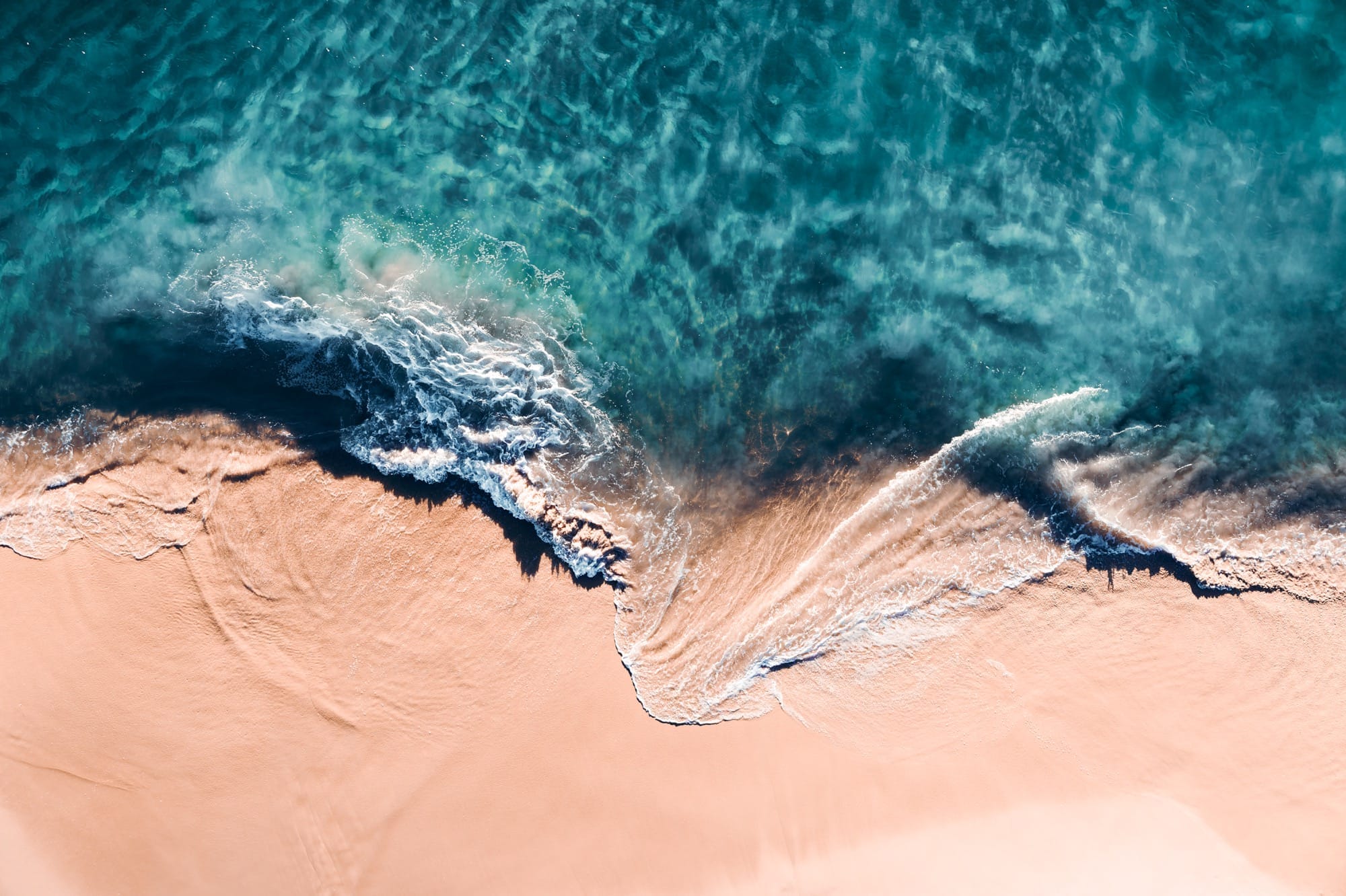
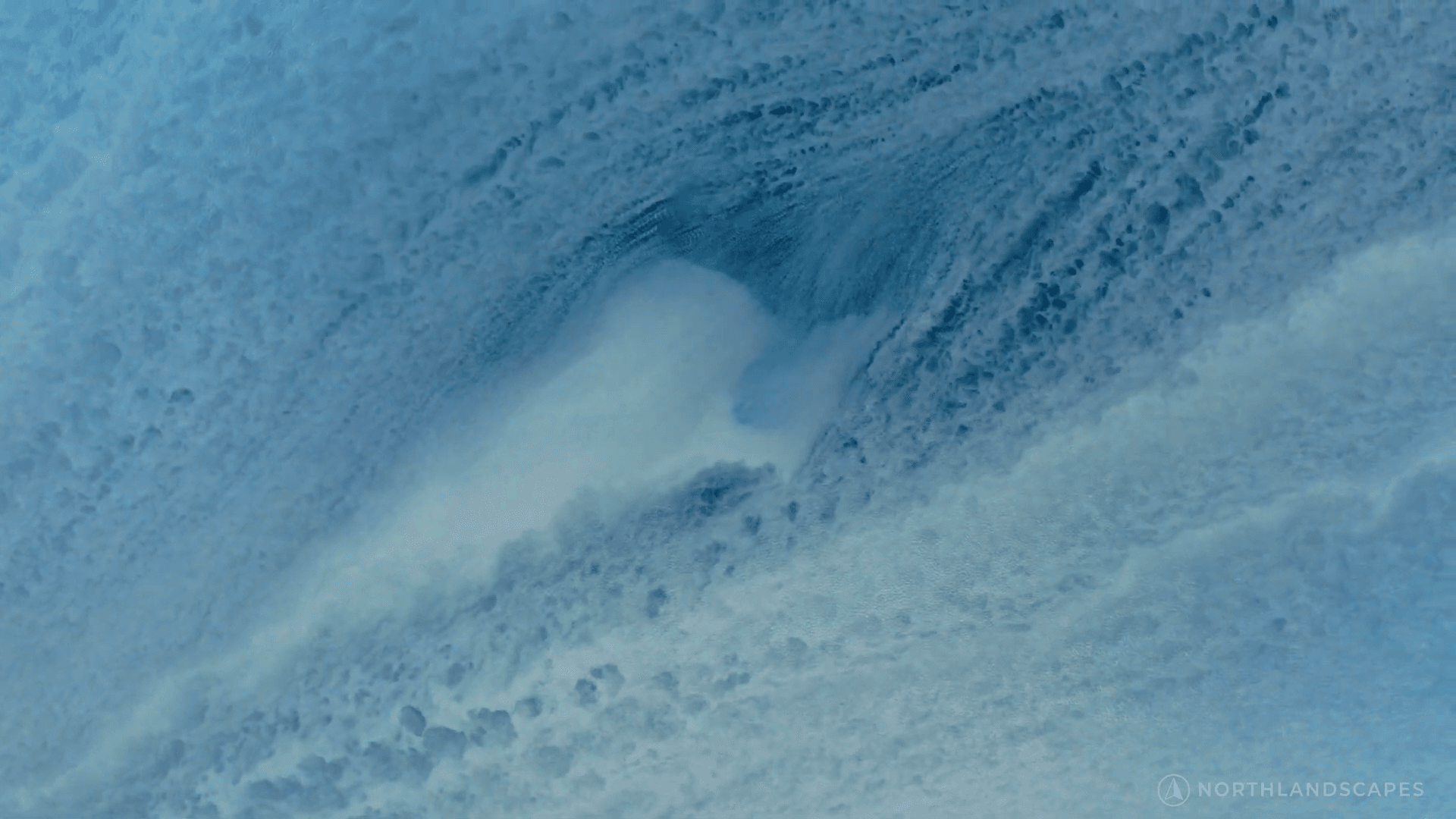
Photographer Kevin Krautgartner captures the powerful waves of Western Australia from above. His latest series, Waves | Ocean Forces, features luminous turquoise waves, crystalline foam, and brilliant beaches. I could delight in staring at them for hours. Fortunately, he sells prints on his website! (Image credit: K. Krautgartner; via Colossal)
Tag: turbulence

ExaWind Simulation
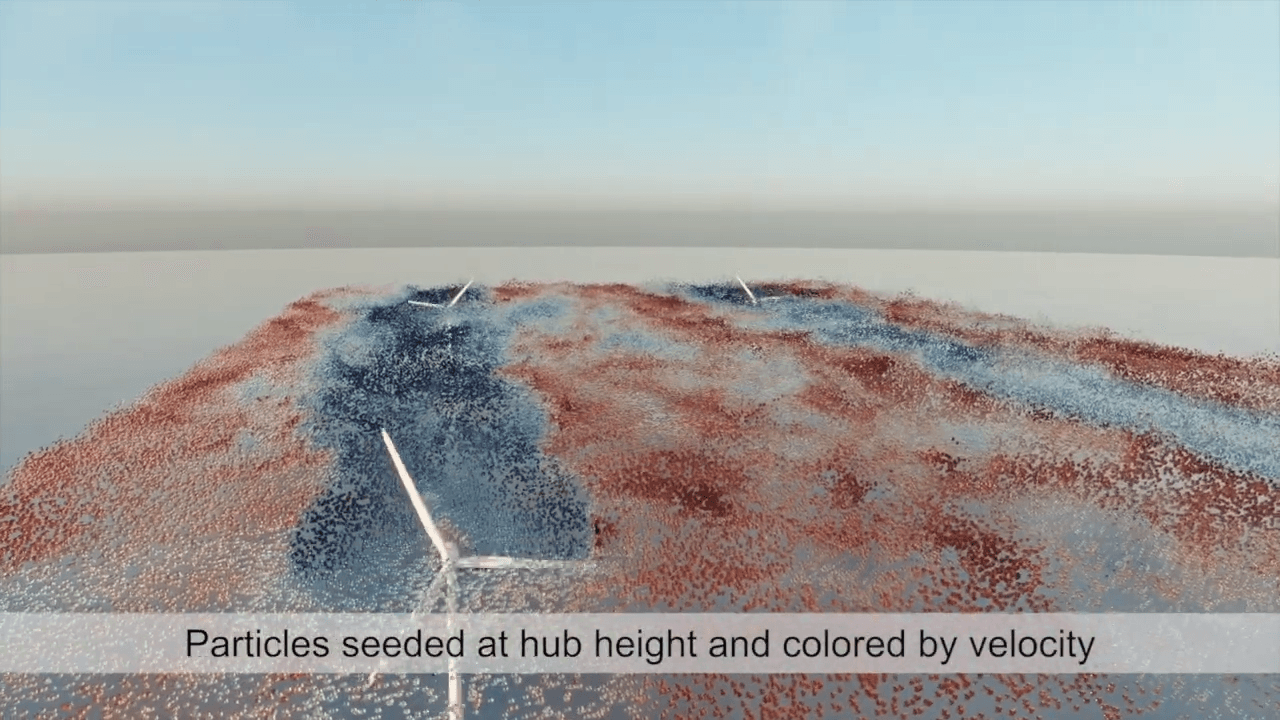
Large-scale computational fluid dynamics simulations face many challenges. Among them is the need to capture both large physical scales–like those of Earth’s atmospheric boundary layer–and small scales–like those of tiny eddies moving around a wind-turbine blade. Capturing all of these scales for a problem like four wind turbines in a wind farm requires using the full computing power of every processor in a large supercomputer. That’s the level of power behind the simulation visualized in this video. The results, however, are stunning. (Video and image credit: M. da Frahan et al.)

The Twin Roles of Turbulence in Fusion
Inside a fusion reactor, magnetically-contained plasma gets heated to more than one hundred million degrees. That heat, researchers observed, spreads much faster than originally predicted. Now a team from Japan has measurements showing how turbulence manages this feat.
The researchers show that the multiscale nature of turbulence allows it to transport heat in two ways. The first is familiar: acting locally, turbulence spreads heat little by little as small eddies mix and pass the heat along. But turbulence can also be nonlocal, they show, able to connect physically distant parts of a flow more rapidly than expected. This happens through turbulence’s larger scales, which can rapidly carry heated plasma from one side of the vessel to another.
The researchers illustrate the two roles of turbulence through a metaphor of American football (can you believe it?). In their metaphor, the quarterback acts as turbulence and the ball represents heat. The quarterback can pass the ball to reach distant parts of the field quickly — just as nonlocal turbulence does–or they can hand off the ball to a running back, who carries the ball down the field more slowly, through local interactions with other nearby players. (Image credit: National Institute for Fusion Science; research credit: N. Kenmochi et al., via Gizmodo and EurekAlert)

“Glacial River Blues”
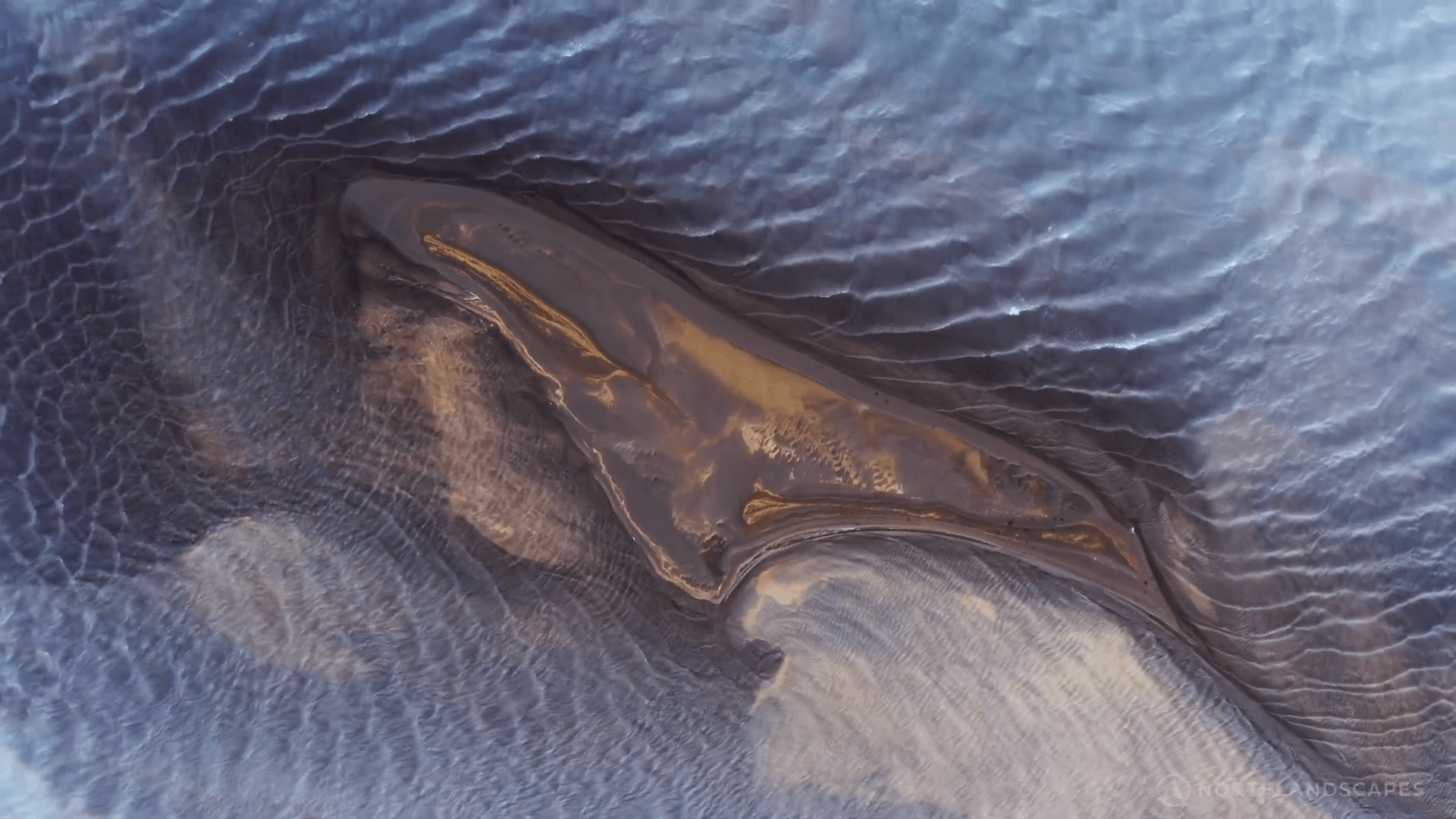
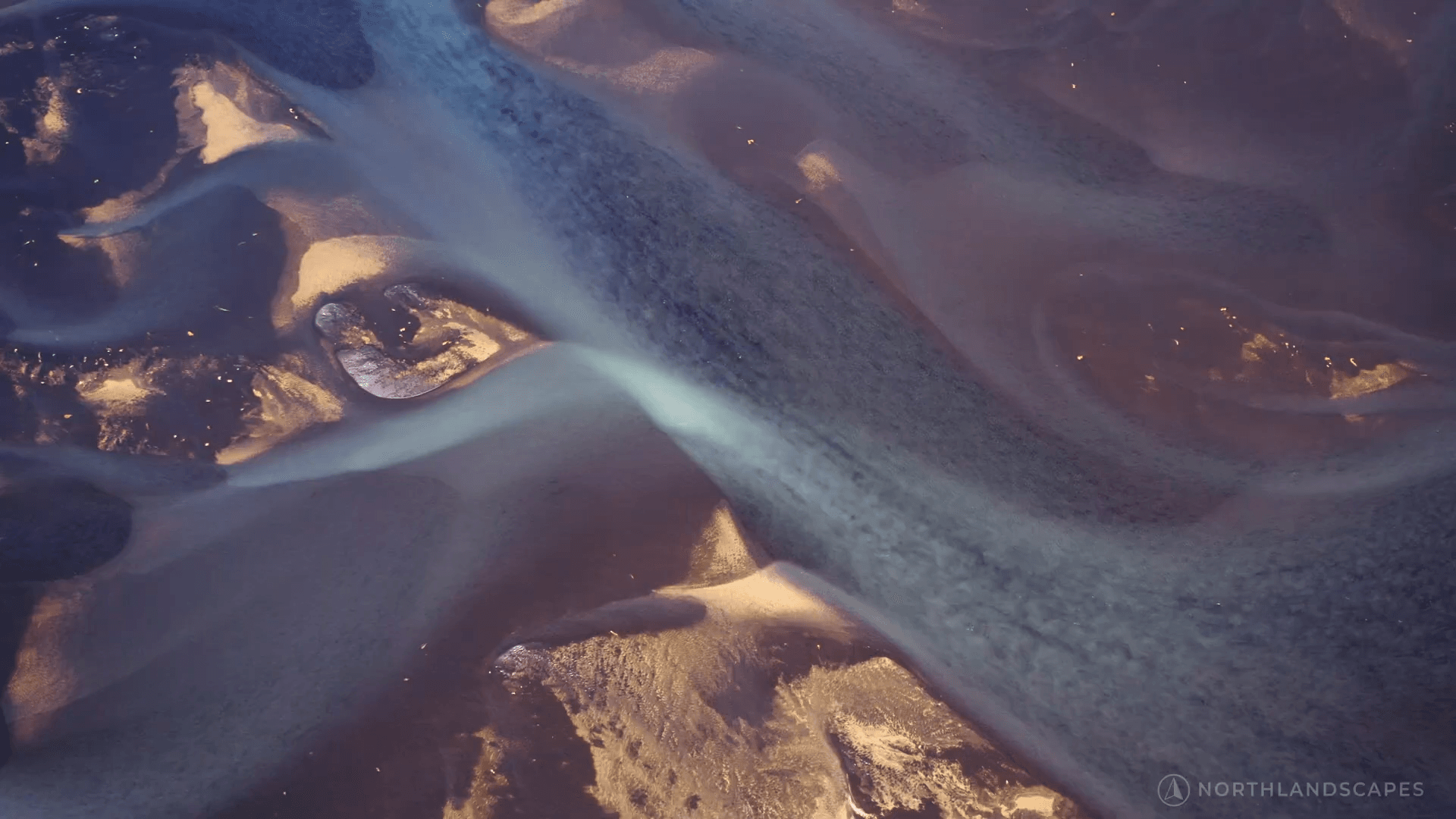
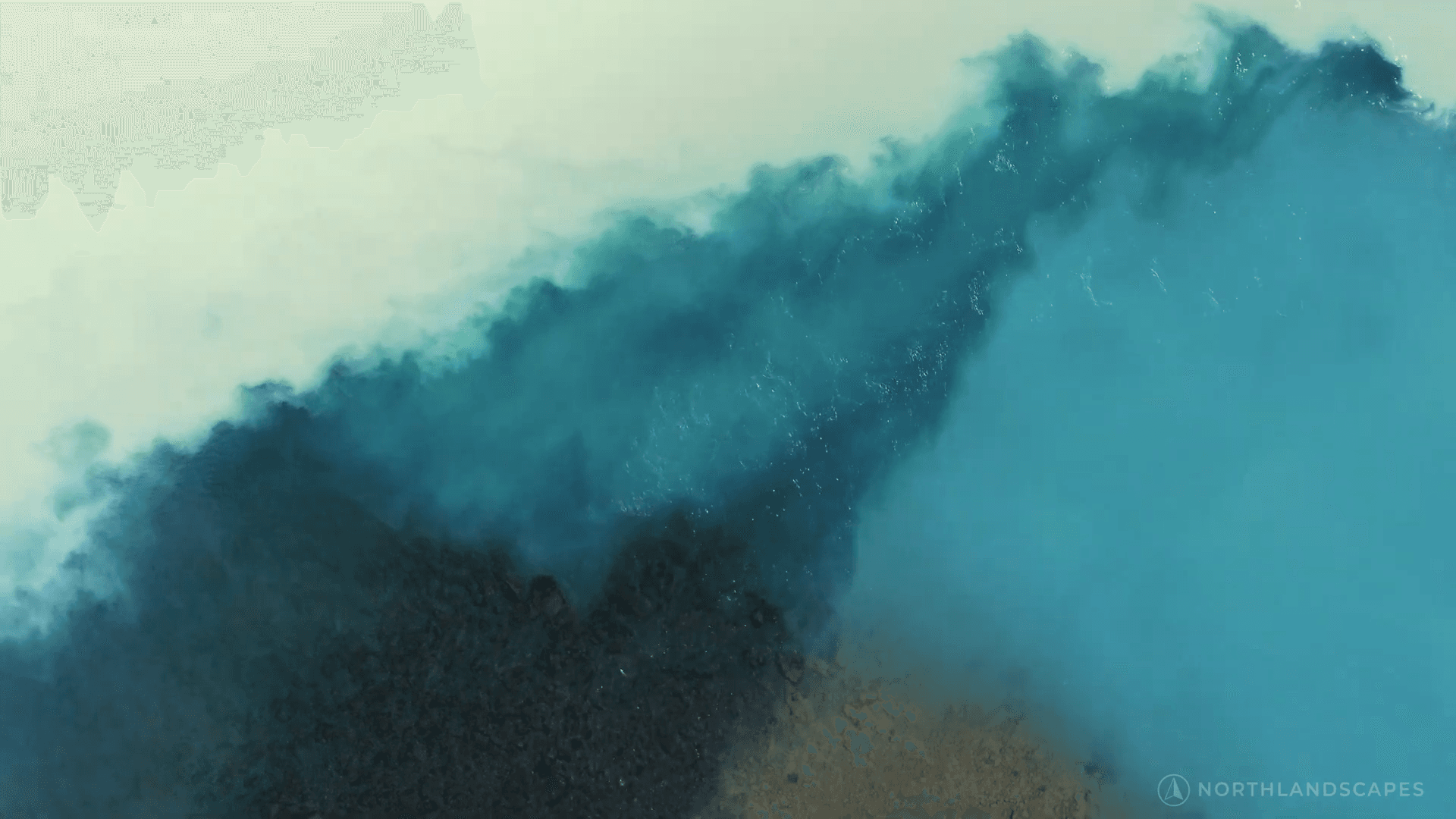
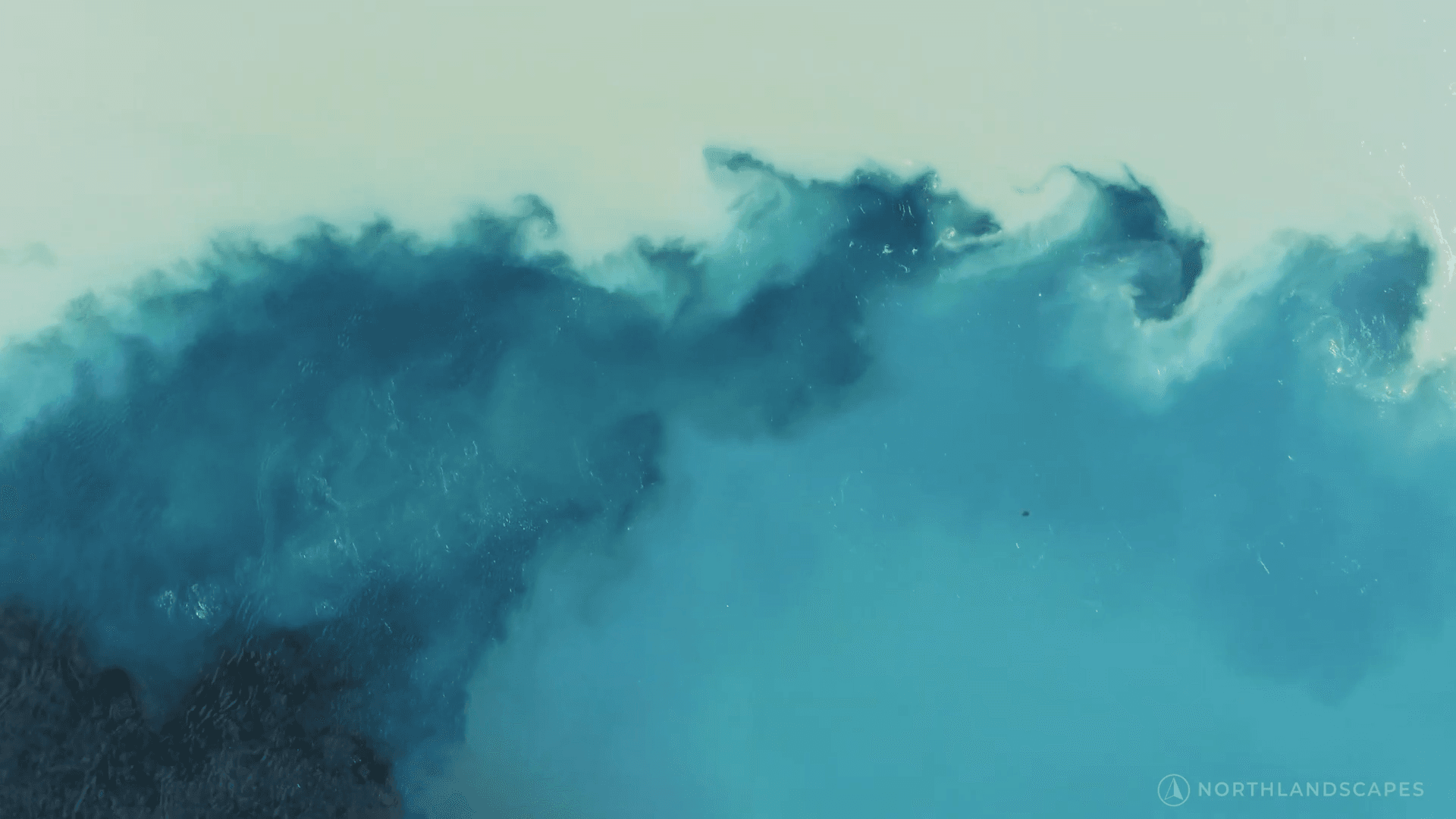
Glacier-fed rivers are often rich in colorful sediments. Here, photographer Jan Erik Waider shows us Iceland’s glacial rivers flowing primarily in shades of blue. While the wave action and diffraction in these videos is great, the real star is the turbulent mixing where turbid and clearer waters meet. Watch those boundaries, and you’ll see shear from flows moving at different speeds which feeds the ragged, Kelvin-Helmholtz-unstable edge between colors. (Video and image credit: J. Waider; via Laughing Squid)

The Best of FYFD 2025
Happy 2026! This will be a big year for me. I’ll be finishing up and turning in the manuscript for my first book — which flows between cutting edge research, scientists’ stories, and the societal impacts of fluid physics. It’s a culmination of 15 years of FYFD, rendered into narrative. I’m so excited to share it with you when it’s published in 2027.
As always, though, we’ll kick off the year with a look back at some of FYFD’s most popular posts of 2025. (You can find previous editions, too, for 2024, 2023, 2022, 2021, 2020, 2019, 2018, 2017, 2016, 2015, and 2014.) Without further ado, here they are:
- Charged Drops Don’t Splash
- Strata of Starlings
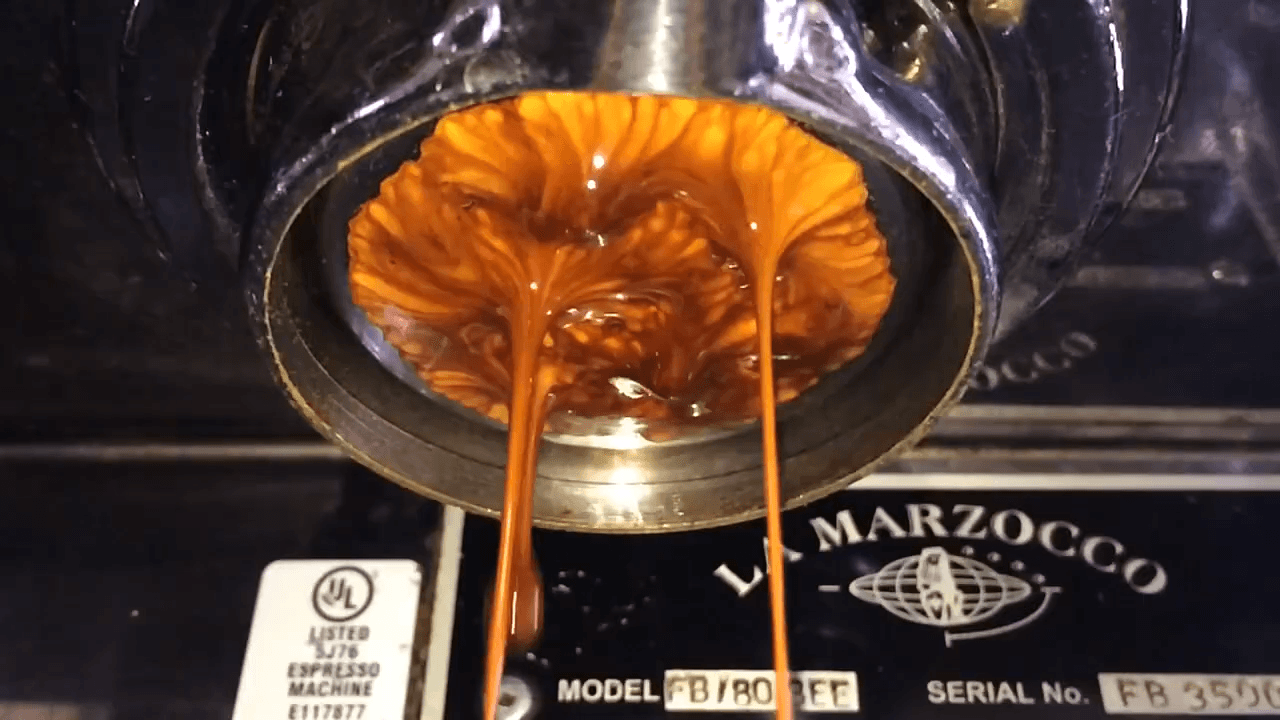
- Espresso in Slow-Mo
- The Incredible Engineering of the Alhambra
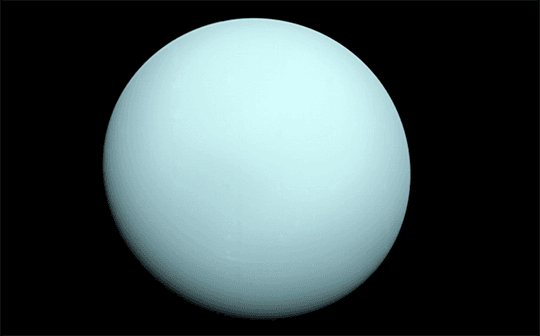
- Uranus Emits More Than Thought1
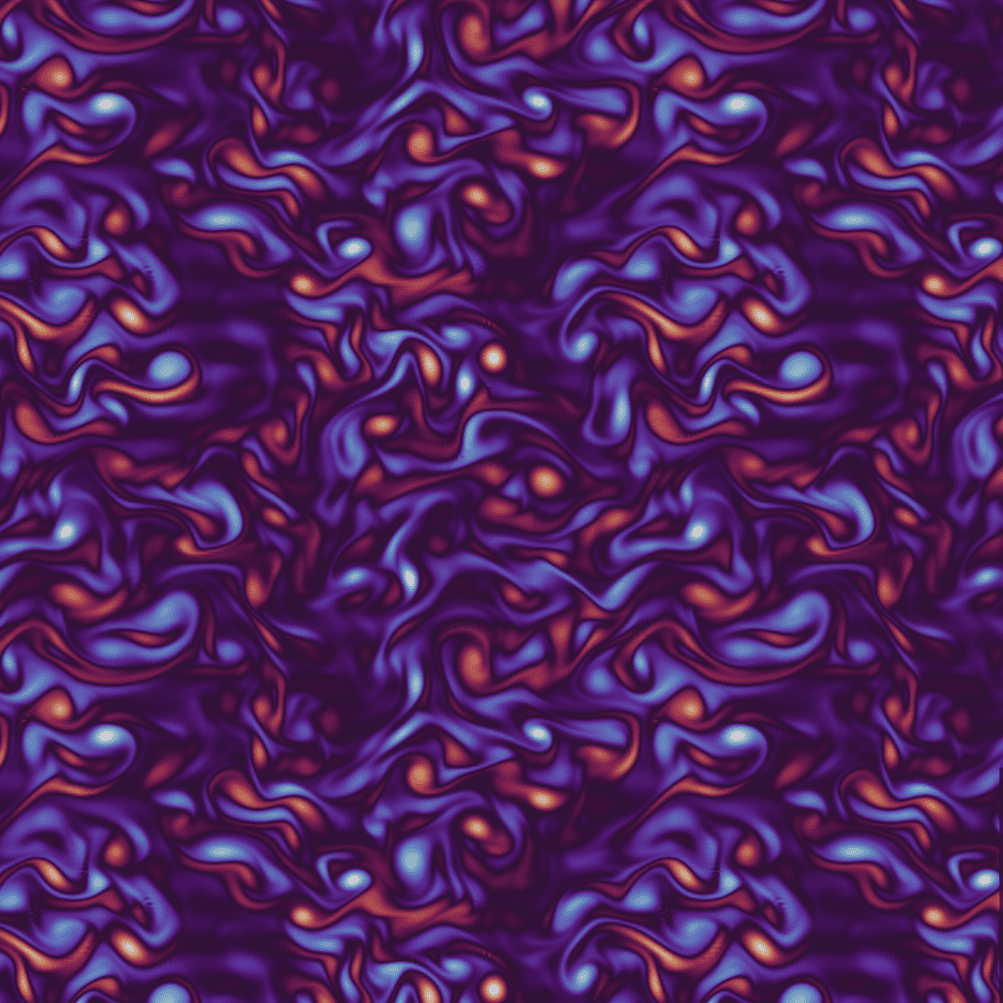
- Kolmogorov Turbulence
- Bow Shock Instability
- How Particles Affect Melting Ice
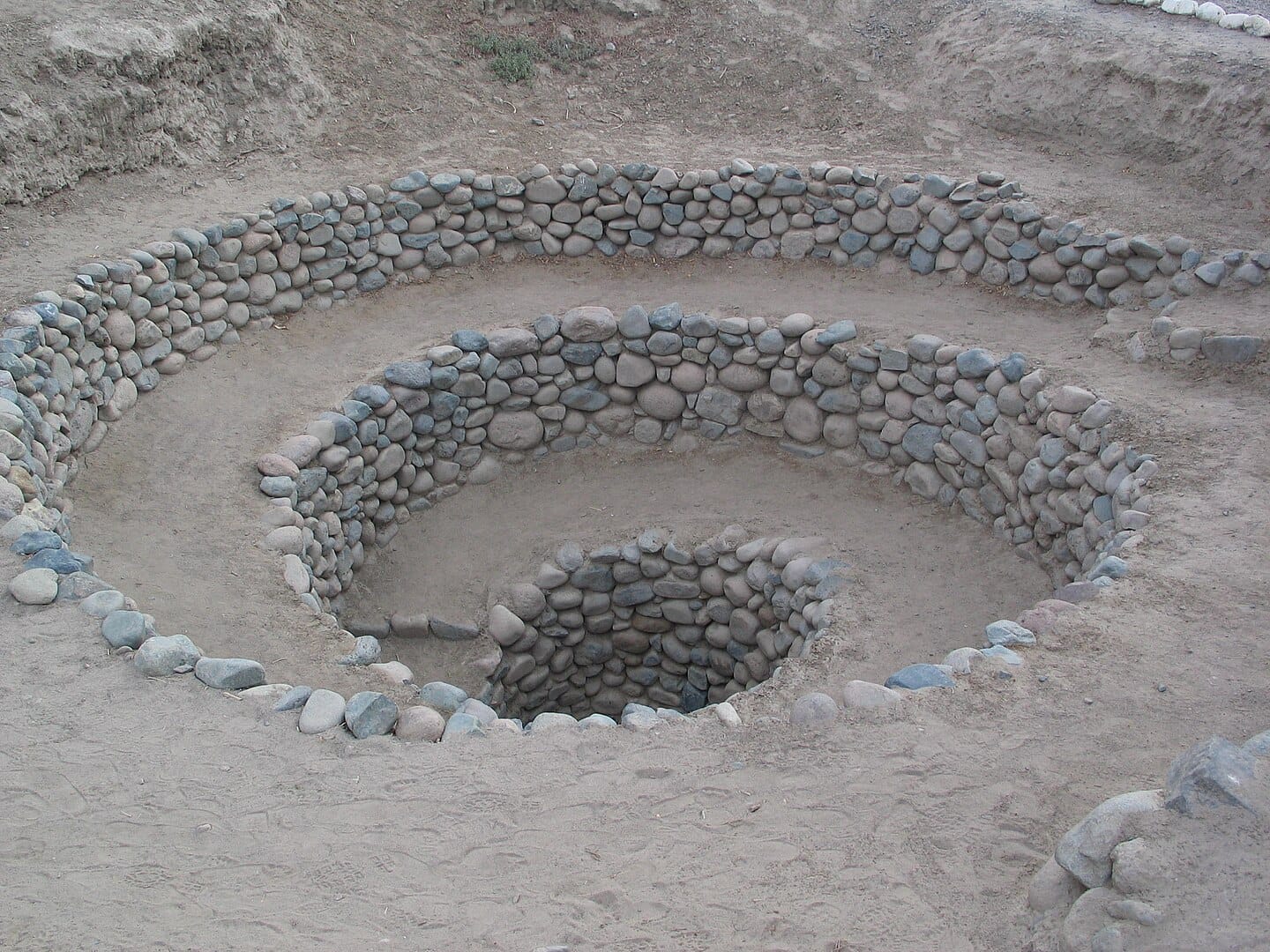
- The Puquios System of Nazca
- Cooling Tower Demolition
- A Glimpse of the Solar Wind
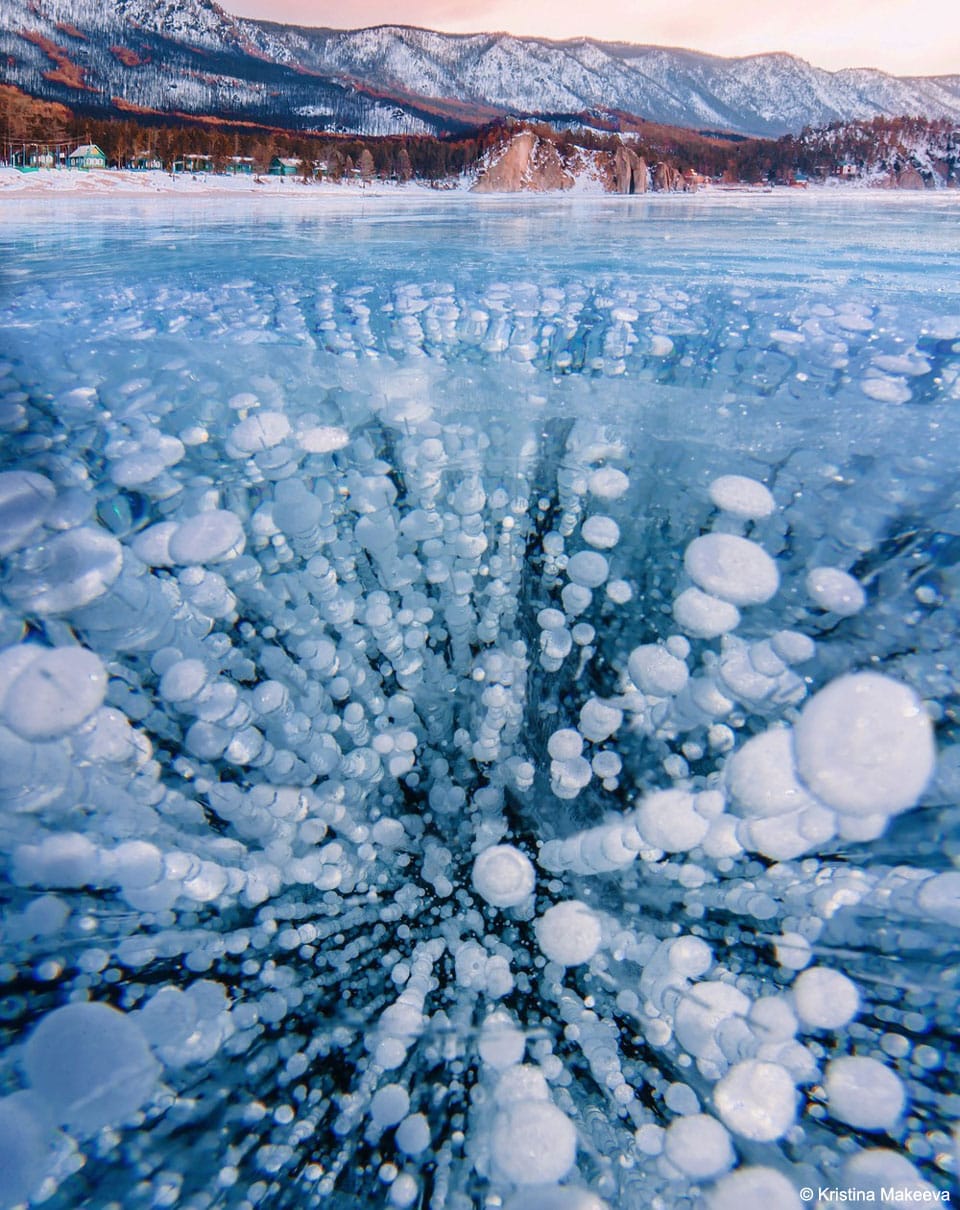
- Bubbling Up
- A Sprite From Orbit
- Cornflower Roots Growing
- How Sunflowers Follow the Sun
What a great bunch of topics! I’m especially happy to see so many research and research-adjacent posts were popular. And a couple of history-related posts; I don’t write those too often, but I love them for showing just how wide-ranging fluid physics can be.
Interested in keeping up with FYFD in 2026? There are lots of ways to follow along so that you don’t miss a post.
And if you enjoy FYFD, please remember that it’s a reader-supported website. I don’t run ads, and it’s been years since my last sponsored post. You can help support the site by becoming a patron, buying some merch, or simply by sharing on social media. And if you find yourself struggling to remember to check the website, remember you can get FYFD in your inbox every two weeks with our newsletter. Happy New Year!
(Image credits: droplet – F. Yu et al., starlings – K. Cooper, espresso – YouTube/skunkay, fountain – Primal Space, Uranus – NASA, turbulence – C. Amores and M. Graham, capsule – A. Álvarez and A. Lozano-Duran, melting ice – S. Bootsma et al., puquios – Wikimedia, cooling towers – BBC, solar wind – NASA/APL/NRL, Lake Baikal – K. Makeeva, sprite – NASA, roots – W. van Egmond, sunflowers – Deep Look)
- I know what I did. ↩︎

Turbulence-Suppressing Polymers
Adding just a little polymer to a pipe flow speeds it up by reducing drag near the wall. But the effects on turbulence away from the wall have been harder to suss out. A new experiment shows that added polymers suppress eddy formation in the flow and reduce how much energy is lost to friction and, ultimately, heat. In particular, the researchers found that polymer stress helped stabilize shear layers in the flow and prevent them from destabilizing into more turbulent flow. (Image credit: S. Wilkinson; research credit: Y. Zhang et al.; via APS)

Quantum Rayleigh-Taylor Instability
The Rayleigh-Taylor instability–typically marked by mushroom-shaped plumes–occurs when a dense fluid accelerates into a less dense one. But researchers have now demonstrated the effect at quantum scales, too.
For their experiment, the group used a Bose-Einstein condensate of sodium atoms and made the interface between them by exciting half of the atoms into a spin-up state and half into a spin-down one. With the interface is place, they reversed the magnetic field gradient, inducing a force on the atoms equivalent to the buoyant force seen in conventional Rayleigh-Taylor instabilities. As shown above, the interface first warped, then developed Rayleigh-Taylor mushrooms and eventually became turbulent. (Image and research credit: Y. Geng et al.; via Physics World)

A Rough Day
Winds from the north made for wild conditions at Nazaré in Portugal. Photographer Ben Thouard caught these crashing waves in the late afternoon, when the low sun angle illuminated the spray of the surf. Every year teratons of salt and biomass move from the ocean to the atmosphere, much of it through turbulent wave action driven by the wind. Here, the wind rips droplets off of wave crests, but smaller droplets reach the atmosphere when bubbles–trapped underwater by crashing waves–reach the surface and burst. (Image credit: B. Thouard/OPOTY; via Colossal)

“Orion, the Horsehead and the Flame in H-alpha”
Photographer Daniele Borsari captured this gorgeous composite image of nebulas in black and white, emphasizing the motion underlying the gas and dust. In the upper right, the Orion Nebula shines, bright with new stars. In the lower left, you can pick out the distinctive shape of the Horsehead Nebula and, further to the left, the Flame Nebula. We often see nebulas in bright colors, but I love the way black and white highlights the turbulence surrounding them. (Image credit: D. Borsari/ZWOAPOTY; via Colossal)

Striations on the Sun
One of the perpetual challenges for fluid dynamicists is the large range of scales we often have to consider. For something like a cloud, that means tracking not only the kilometer-size scale of the cloud, but the large eddies that are about 100 meters across and smaller ones all the way down to the scale of millimeters. In turbulent flows, all of these scales matter. That problem is even harder for something like the Sun, where the sizes range from hundreds of thousands of kilometers down to only a few kilometers.
It’s those fine-scale features that we see captured here. This colorized image shows light and dark striations on solar granules. Scientists estimate that each one is between 20 and 50 kilometers wide. They’re reflections of the small-scale structure of the Sun’s magnetic field as it shapes the star’s hot, conductive plasma. (Image credit: NSF/NSO/AURA; research credit: D. Kuridze et al.; via Gizmodo)