Although we are most familiar with the white, branching lightning caused by electrical discharge between clouds and the ground, there are many types of lightning. This fortuitous image captures two: tentacled red sprites and ring-like ELVES. Sprites extend upward from the top of a thunderstorm, in a large but weak flash that lasts only seconds. ELVES appear as a rapidly-expanding disc, thought to be caused by an energetic electromagnetic pulse moving into the ionosphere. They were first discovered in footage from a 1992 Space Shuttle mission. (Image credit: V. Binotto; via APOD)
Tag: sprite

The Best of FYFD 2025










Happy 2026! This will be a big year for me. I’ll be finishing up and turning in the manuscript for my first book — which flows between cutting edge research, scientists’ stories, and the societal impacts of fluid physics. It’s a culmination of 15 years of FYFD, rendered into narrative. I’m so excited to share it with you when it’s published in 2027.
As always, though, we’ll kick off the year with a look back at some of FYFD’s most popular posts of 2025. (You can find previous editions, too, for 2024, 2023, 2022, 2021, 2020, 2019, 2018, 2017, 2016, 2015, and 2014.) Without further ado, here they are:
- Charged Drops Don’t Splash
- Strata of Starlings
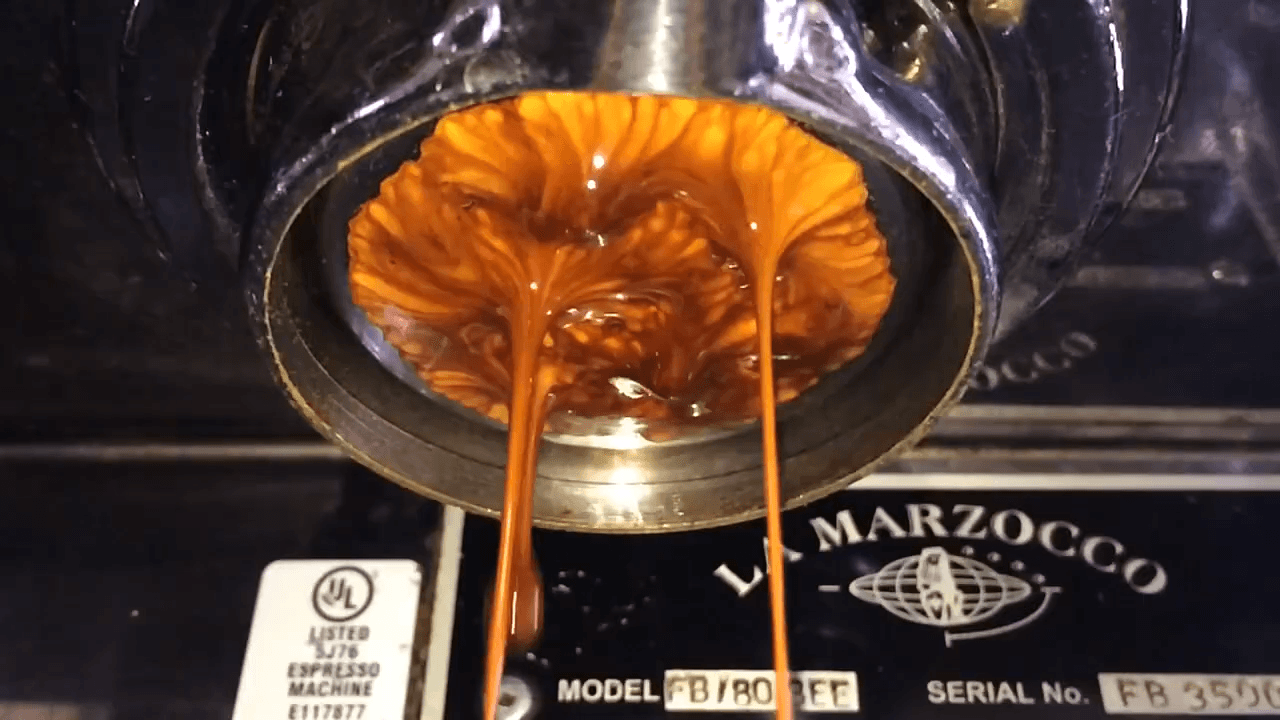
- Espresso in Slow-Mo
- The Incredible Engineering of the Alhambra
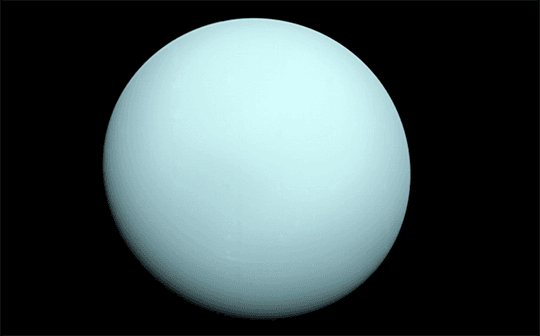
- Uranus Emits More Than Thought1
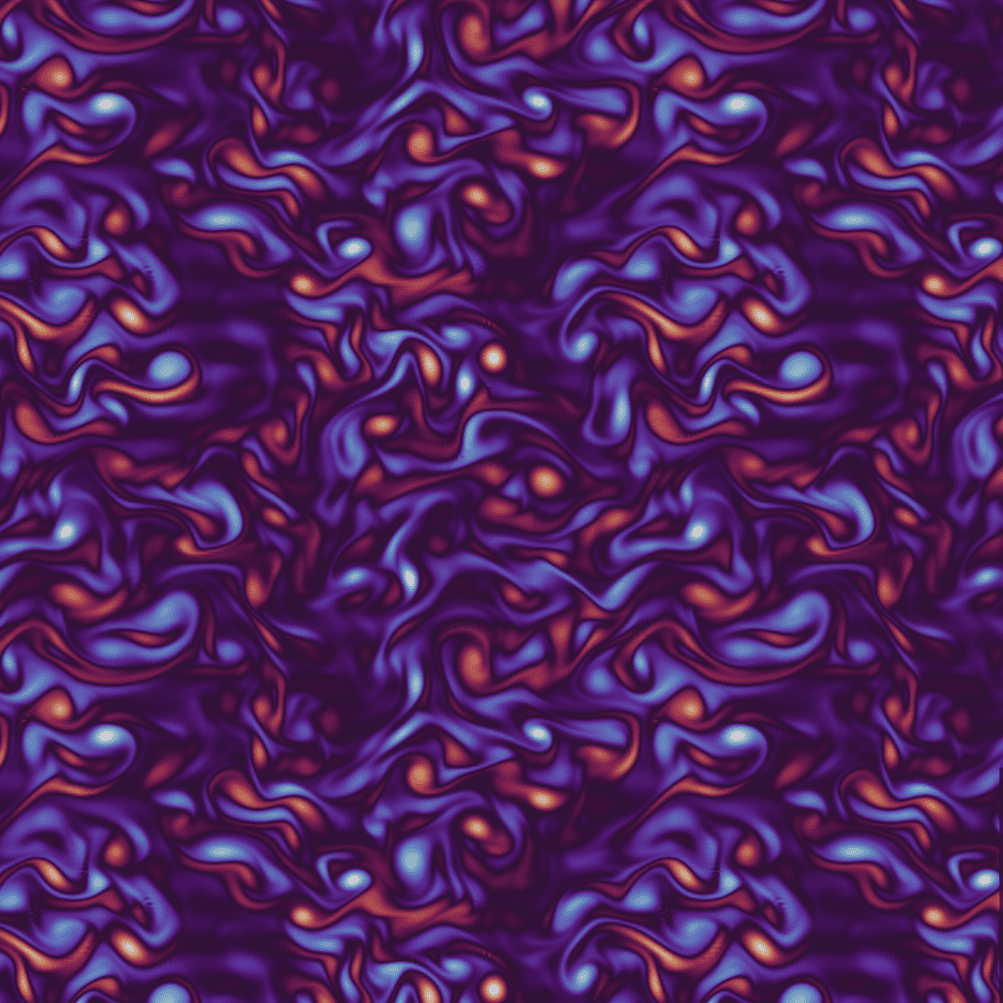
- Kolmogorov Turbulence
- Bow Shock Instability
- How Particles Affect Melting Ice
- The Puquios System of Nazca
- Cooling Tower Demolition
- A Glimpse of the Solar Wind
- Bubbling Up
- A Sprite From Orbit
- Cornflower Roots Growing
- How Sunflowers Follow the Sun
What a great bunch of topics! I’m especially happy to see so many research and research-adjacent posts were popular. And a couple of history-related posts; I don’t write those too often, but I love them for showing just how wide-ranging fluid physics can be.
Interested in keeping up with FYFD in 2026? There are lots of ways to follow along so that you don’t miss a post.
And if you enjoy FYFD, please remember that it’s a reader-supported website. I don’t run ads, and it’s been years since my last sponsored post. You can help support the site by becoming a patron, buying some merch, or simply by sharing on social media. And if you find yourself struggling to remember to check the website, remember you can get FYFD in your inbox every two weeks with our newsletter. Happy New Year!
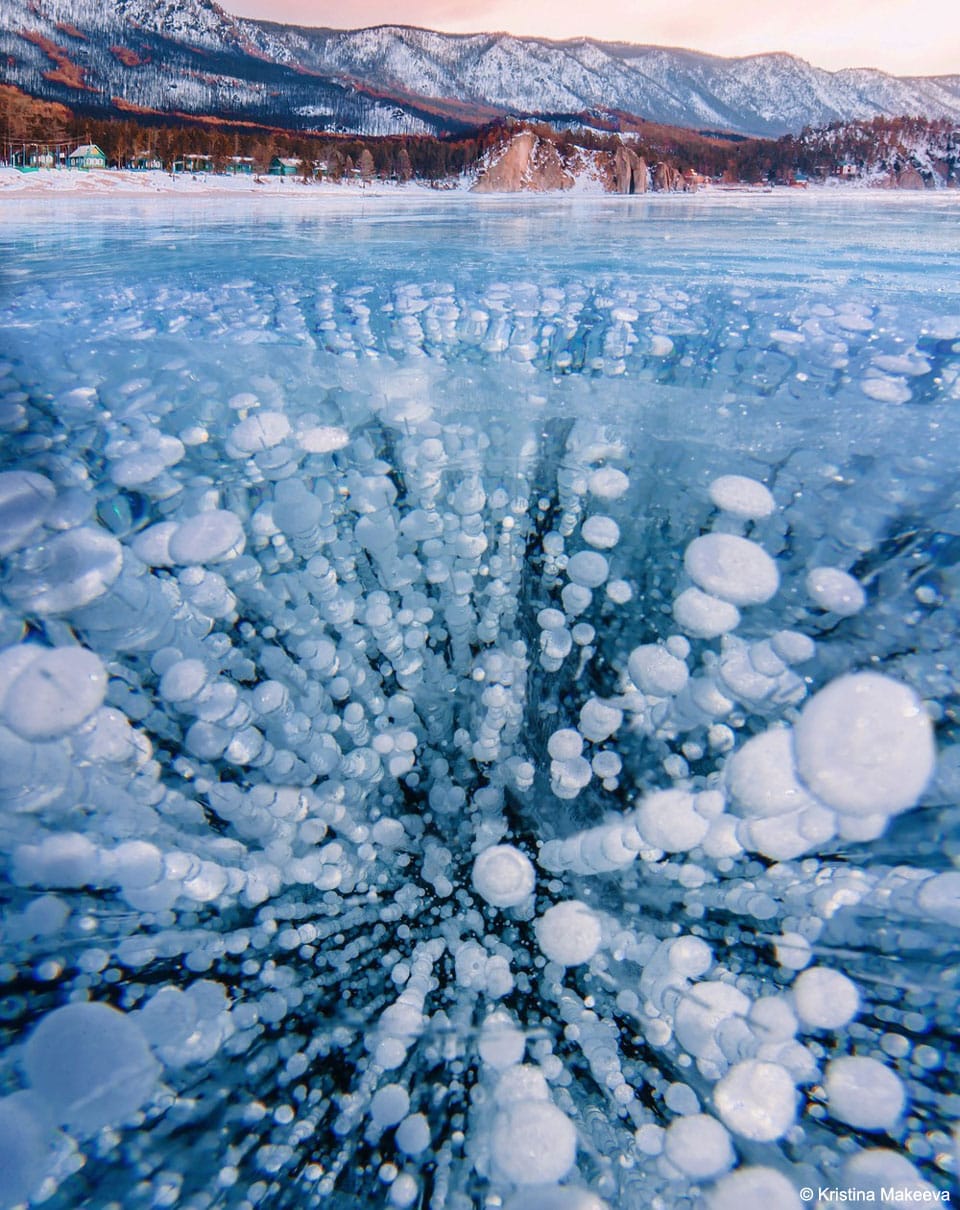
(Image credits: droplet – F. Yu et al., starlings – K. Cooper, espresso – YouTube/skunkay, fountain – Primal Space, Uranus – NASA, turbulence – C. Amores and M. Graham, capsule – A. Álvarez and A. Lozano-Duran, melting ice – S. Bootsma et al., puquios – Wikimedia, cooling towers – BBC, solar wind – NASA/APL/NRL, Lake Baikal – K. Makeeva, sprite – NASA, roots – W. van Egmond, sunflowers – Deep Look)
- I know what I did. ↩︎
Fediverse Reactions

A Sprite From Orbit
A sprite, also known as a red sprite, is an upper-atmospheric electrical discharge sometimes seen from thunderstorms. Unlike lightning, sprites discharge upward from the storm toward the ionosphere. This particular one was captured by an astronaut aboard the International Space Station. That’s a pretty incredible feat because sprites typically only last a millisecond or so. The first one wasn’t photographed until 1989. (Image credit: NASA; via P. Byrne)
Fediverse Reactions
-

Red Sprites
Sprites, or red sprites, are high-altitude electrical discharges in the atmosphere. Although sometimes called upper-atmospheric lightning, sprites are a cold plasma phenomenon. They often occur in clusters, as in this photo by Angel An, which won in the Skyscapes category of the 2023 Astronomy Photographer of the Year competition. Sprites, which last only a millisecond or so, take place during intense thunderstorms, but, unlike our more familiar lightning, sprites move upward from the storm toward the ionosphere. They can occur on Venus, Saturn, and Jupiter as well, although sprites have only been observed directly on Earth and Jupiter. (Image credit: A. An; via Colossal)