Tag: lightning

  • Gigantic Jet Over the Desert

    Gigantic Jet Over the Desert

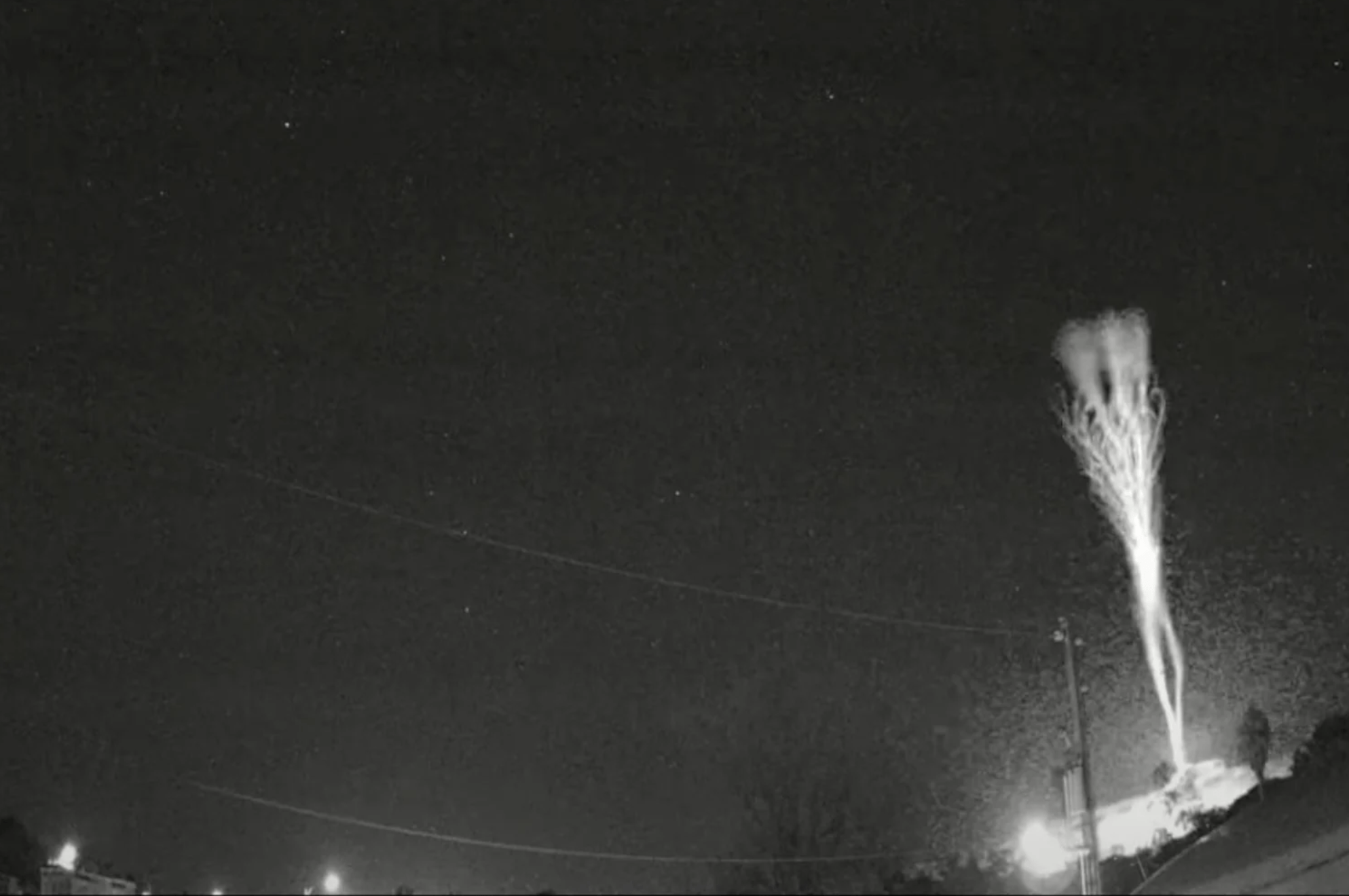
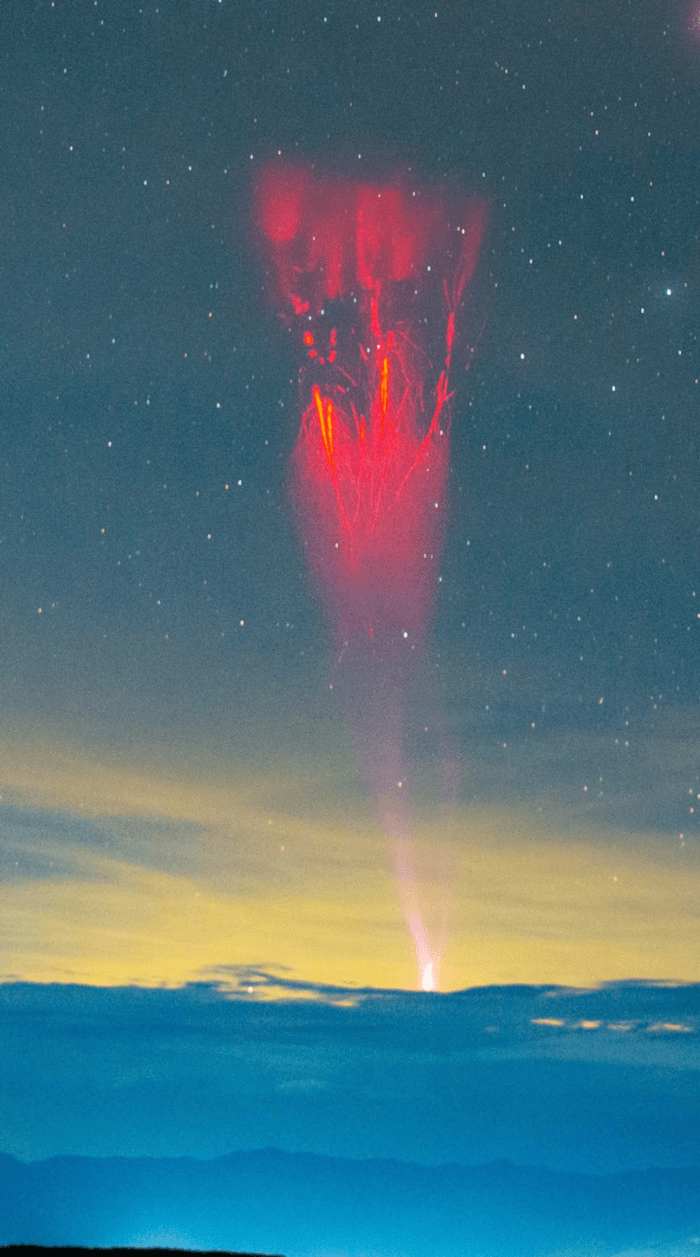
    We’re most familiar with the bright, forking lightning bolts that stretch from thunderstorms toward the ground, but there are even more types of lightning. Pictured here is a gigantic jet, a relatively recently-identified atmospheric phenomenon. Gigantic jets occur when a thunderstorm’s electrical charge escapes upward into the ionosphere in less than a second. The red streamers at the top get their color from heating molecular nitrogen. For other unusual types of lightning, check out red sprites and blue jets. (Image credit: M. Vargas; via APOD)
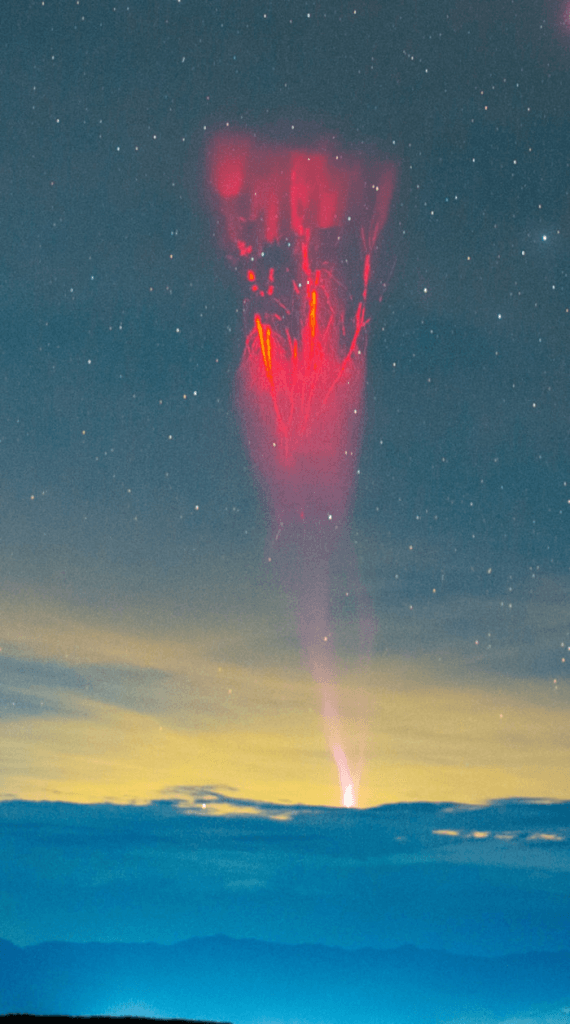
    A gigantic jet rises from a distant thunderstorm into the ionosphere, where is splits into red streamers.
  • Featured Video Play Icon

    “Imperial”

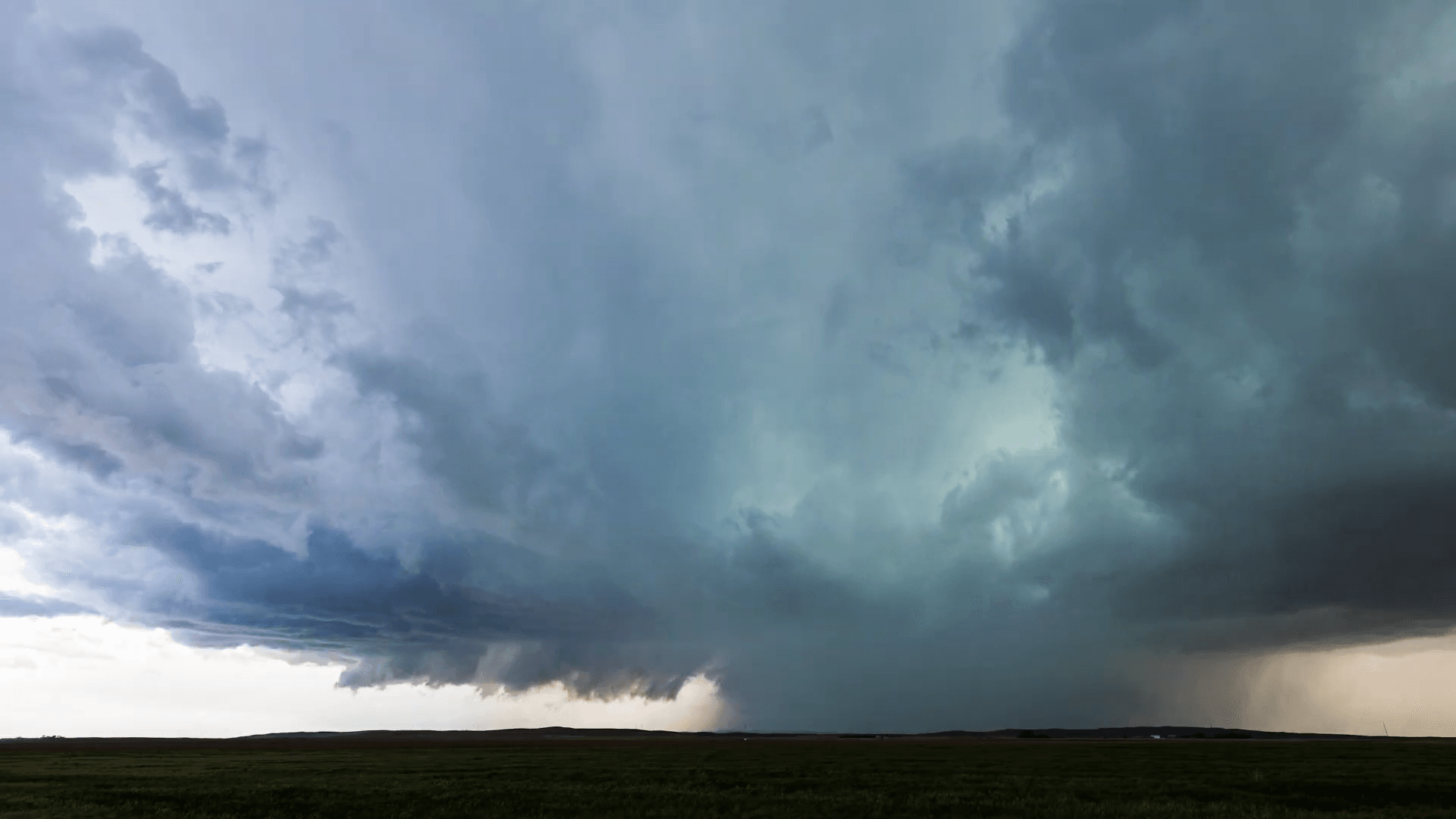
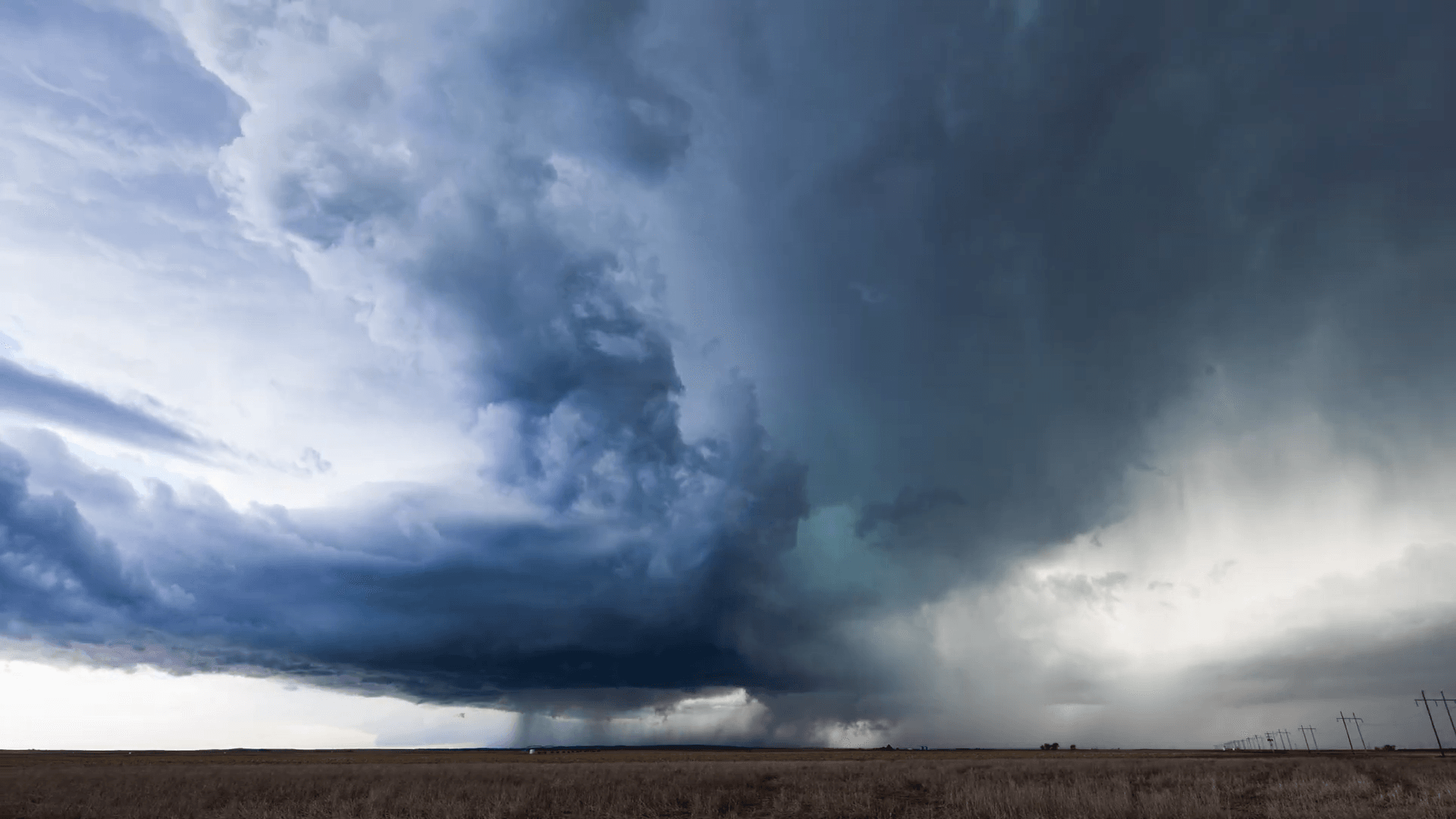
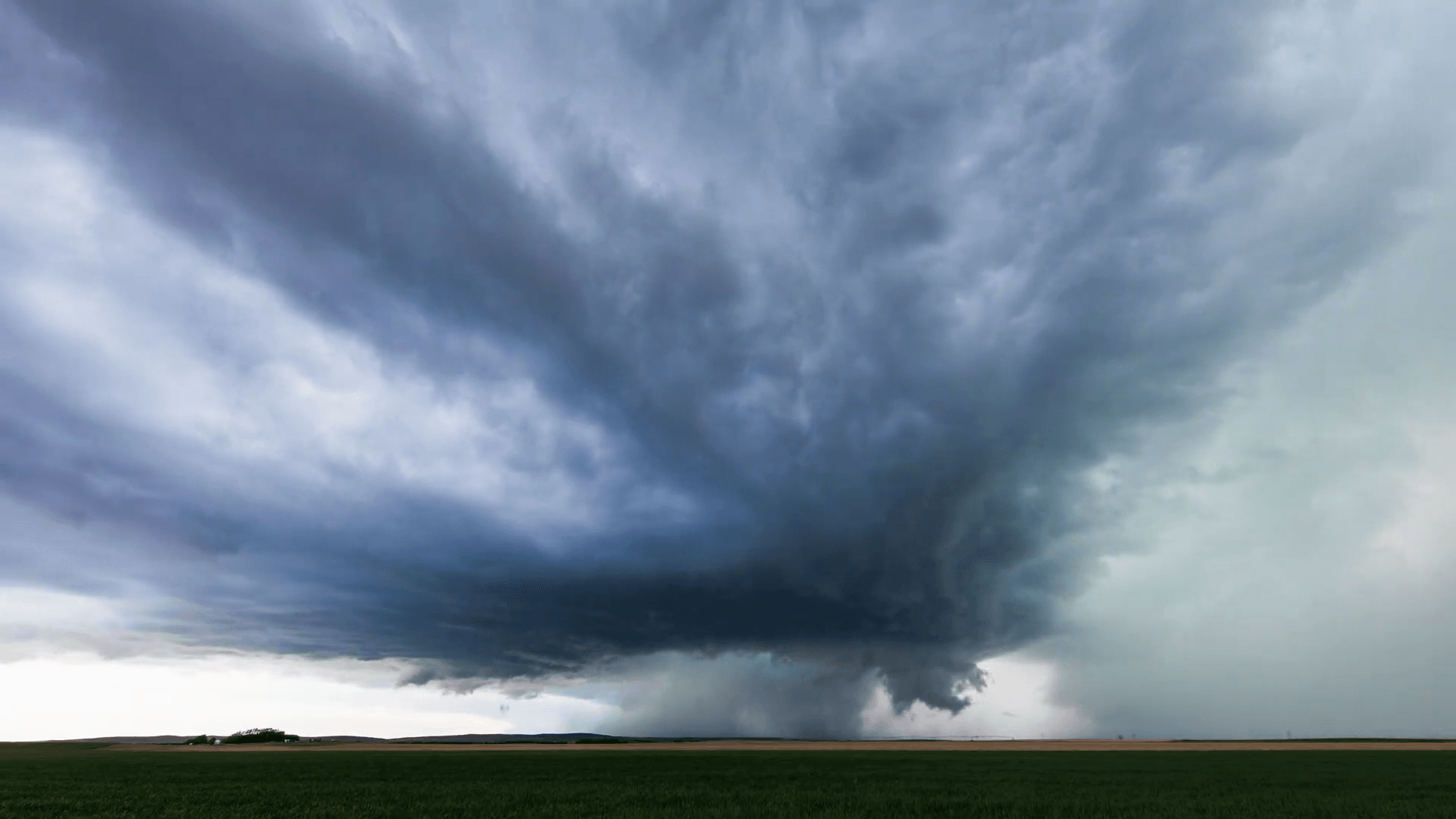
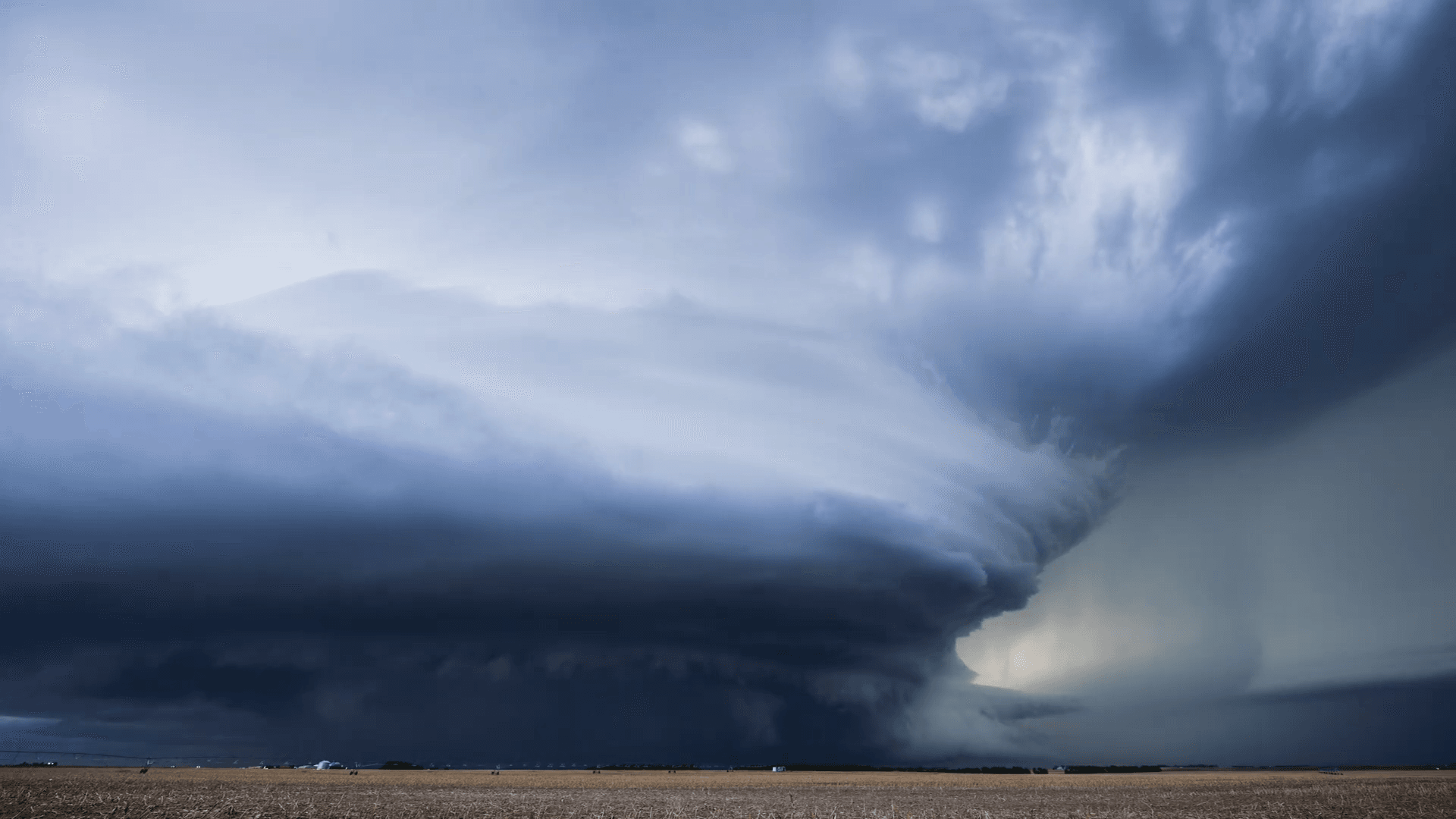
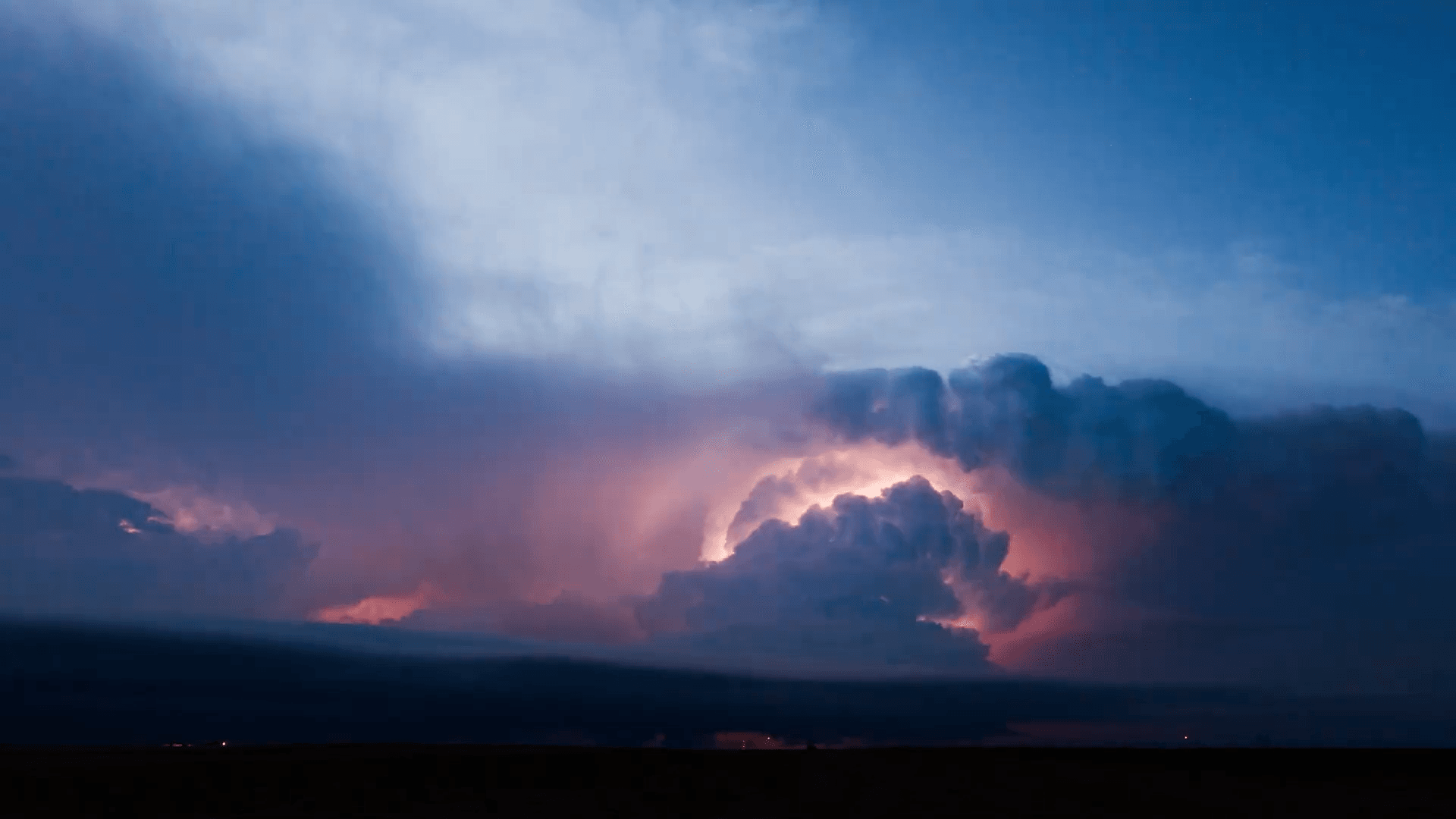
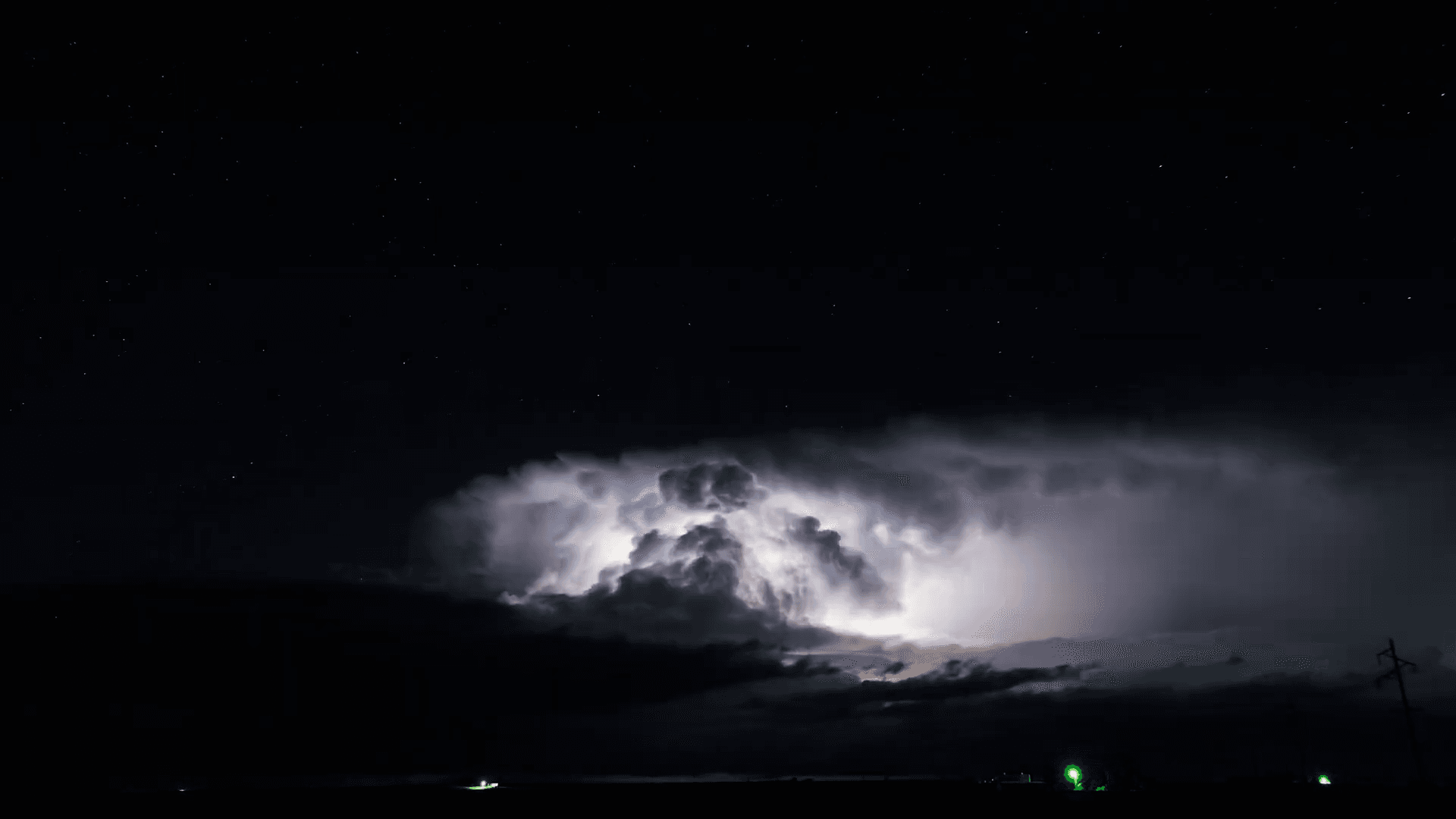
    This timelapse from photographer Mike Olbinski shows a supercell thunderstorm that developed over Colorado and headed to Nebraska. The churning convection of the early storm makes for a dramatic backdrop to stormcloud’s growing rotation. By sunset, the sky was lit with lightning, which continued to illuminate the storm well after darkness fell. (Video and image credit: M. Olbinkski)

  • “Supercell”

    “Supercell”

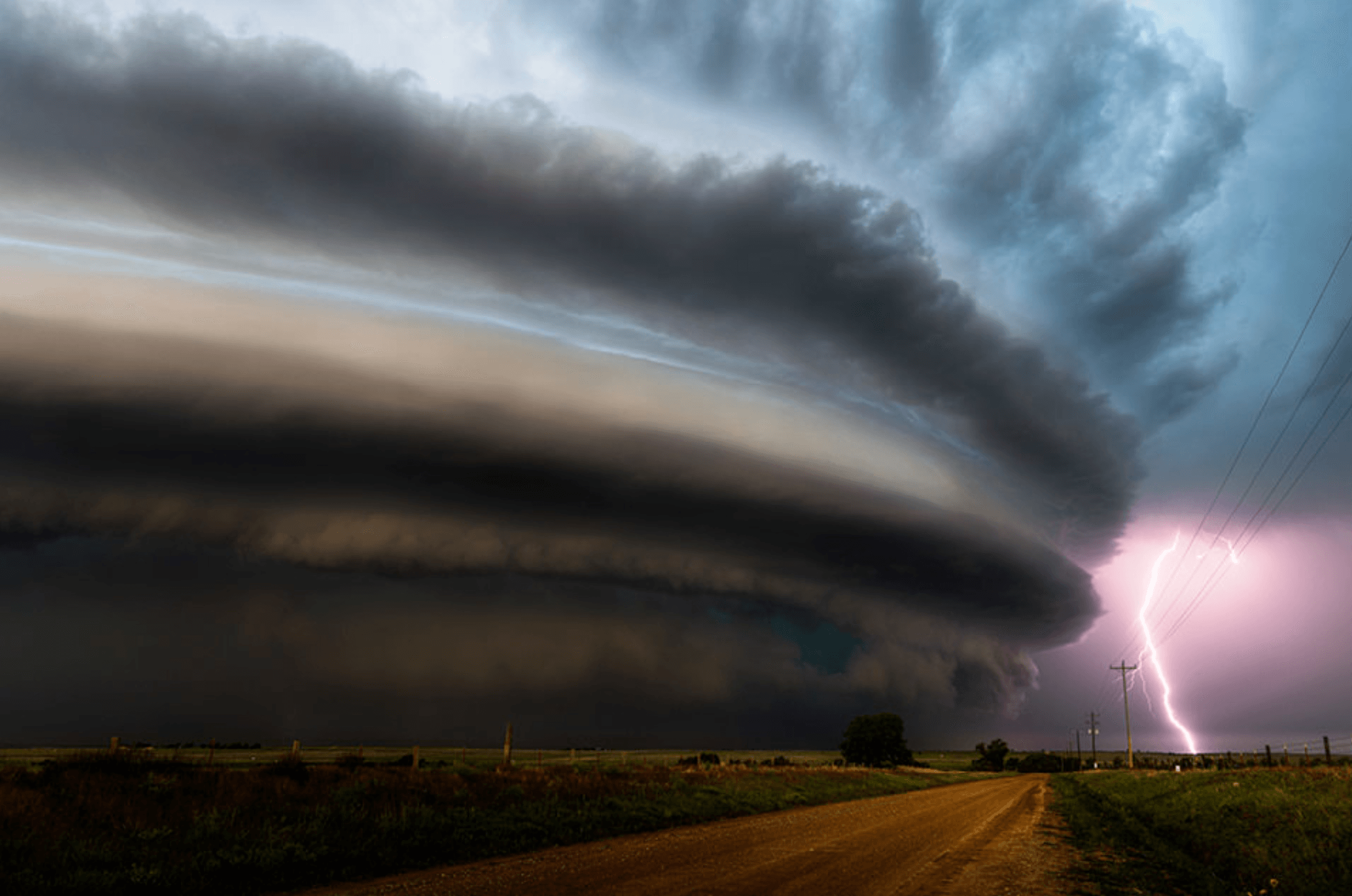
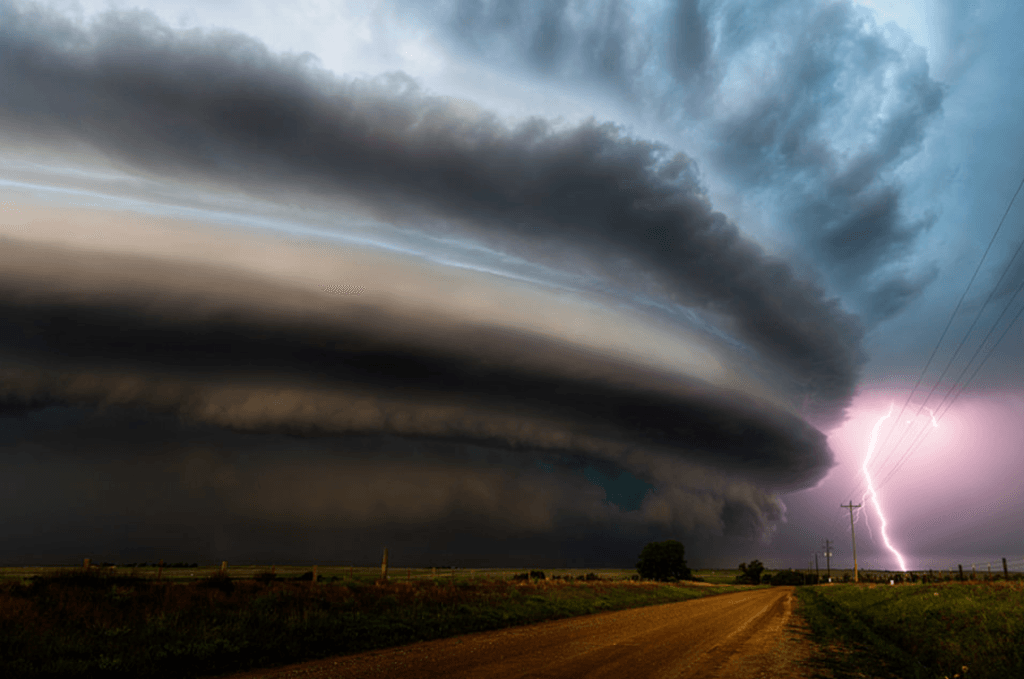
    A supercell thunderstorm in New Mexico appears almost otherworldly in this photo from Dennis Hualong Zhang. Glowing from within and stacked like a layer cake, the storm menaces the nearby road and fields. Lightning in the distances completes the composition. Images like this are a reminder that our atmosphere–despite frequently seeming calm and ordinary–harbors incredible turbulent energy. (Image credit: D. Zhang; via ILPOTY)

    "Supercell" by Dennis Hualong Zhang.
  • Sprites and ELVES

    Sprites and ELVES

    Although we are most familiar with the white, branching lightning caused by electrical discharge between clouds and the ground, there are many types of lightning. This fortuitous image captures two: tentacled red sprites and ring-like ELVES. Sprites extend upward from the top of a thunderstorm, in a large but weak flash that lasts only seconds. ELVES appear as a rapidly-expanding disc, thought to be caused by an energetic electromagnetic pulse moving into the ionosphere. They were first discovered in footage from a 1992 Space Shuttle mission. (Image credit: V. Binotto; via APOD)
    Fediverse Reactions
  • A Sprite From Orbit

    A Sprite From Orbit

    A sprite, also known as a red sprite, is an upper-atmospheric electrical discharge sometimes seen from thunderstorms. Unlike lightning, sprites discharge upward from the storm toward the ionosphere. This particular one was captured by an astronaut aboard the International Space Station. That’s a pretty incredible feat because sprites typically only last a millisecond or so. The first one wasn’t photographed until 1989. (Image credit: NASA; via P. Byrne)

    Fediverse Reactions
  • More Gigantic Jets

    More Gigantic Jets

    It’s wild that we’re still discovering new weather phenomena, but the gigantic jets seen here were only identified in 2002. This uncommon type of lightning shoots up from the tops of thunderstorms into the ionosphere. The video/image above was caught by cameras normally used to monitor meteors. The jets themselves are red in color, a result of the electrical discharge interacting with nitrogen in the atmosphere. (Video and image credits: b/w – Caribbean Astronomy Society, color – F. Lucena; via Gizmodo)

  • Gigantic Jets

    Gigantic Jets

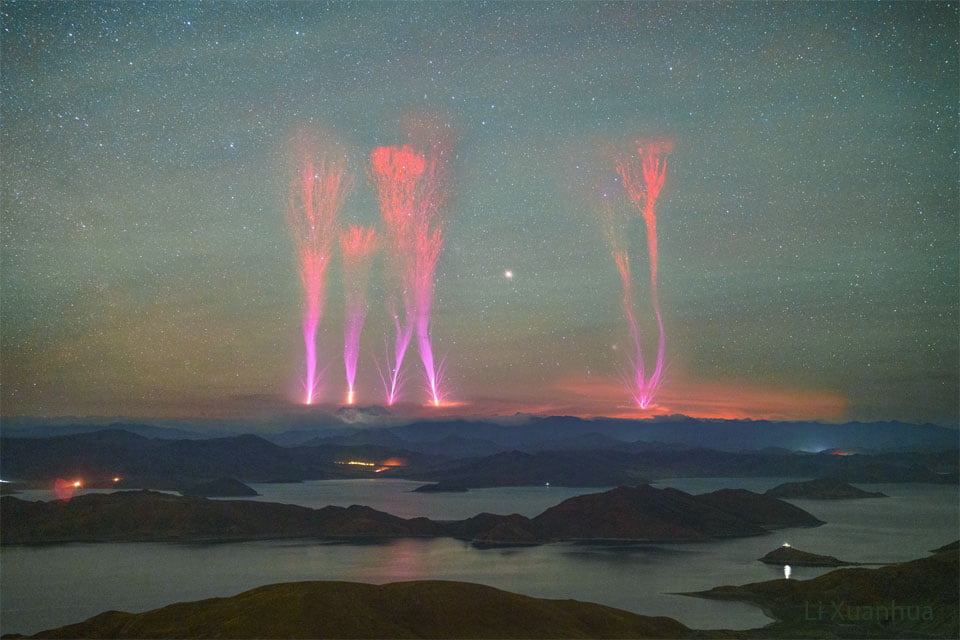
    Stormy skies feature much more than the forked cloud-to-ground lightning we’re used to seeing. This composite image shows a rare and recently-recognized type of lightning known as a gigantic jets. This type of lightning travels from the top of thunderclouds, around 16 km in altitude, up to the ionosphere at about 90 km. Their bottoms look a bit like blue jets, while their upper reaches look like red sprites, two other types of unusual lightning. The mechanism behind gigantic jets is a topic of ongoing research, but your best chance at seeing them is watching a distant thunderstorm from a clear vantage. (Image credit: Li X.; via APOD)

  • Red Sprites

    Red Sprites

    Sprites, or red sprites, are high-altitude electrical discharges in the atmosphere. Although sometimes called upper-atmospheric lightning, sprites are a cold plasma phenomenon. They often occur in clusters, as in this photo by Angel An, which won in the Skyscapes category of the 2023 Astronomy Photographer of the Year competition. Sprites, which last only a millisecond or so, take place during intense thunderstorms, but, unlike our more familiar lightning, sprites move upward from the storm toward the ionosphere. They can occur on Venus, Saturn, and Jupiter as well, although sprites have only been observed directly on Earth and Jupiter. (Image credit: A. An; via Colossal)
  • Featured Video Play Icon

    “Vorticity 5”

    Photographer and stormchaser extraordinaire Mike Olbinski is back with the fifth volume in his “Vorticity” series. Shot over the 2022 and 2023 tornado seasons in the U.S. Central Plains, this edition has virtually everything: supercells, microbursts, lightning, tornadoes, and haboobs. There’s towering convection and churning, swirling turbulence. It’s a spectacular look at the power and grandeur of our atmosphere. (Video and image credit: M. Olbinski)

  • Inhibiting Marine Lightning

    Inhibiting Marine Lightning

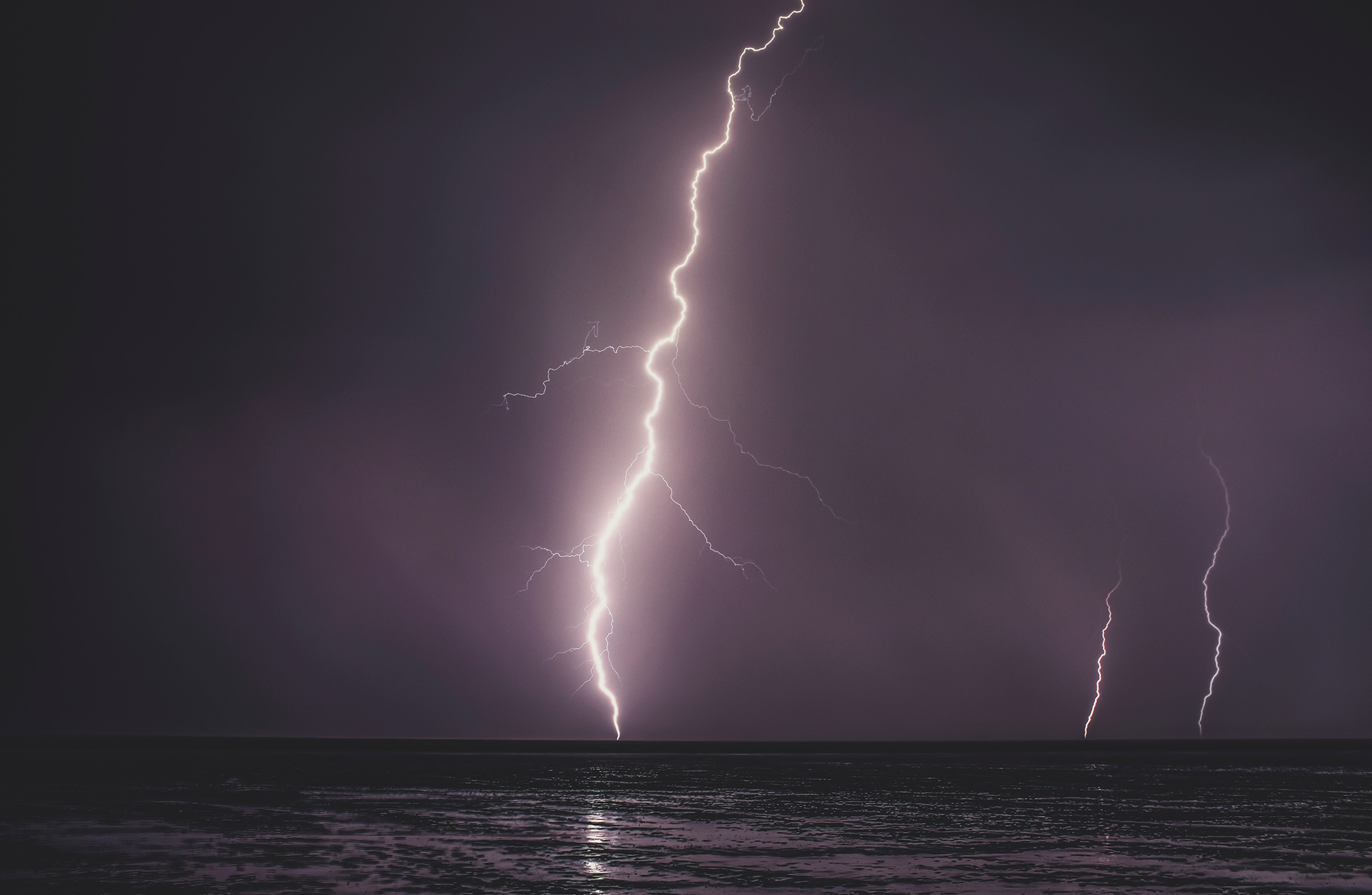
    Thunderstorms over the ocean have substantially less lightning than a similar storm over land. Scientists wondered whether this difference could be due to lower cloud bases over the ocean or differences in the cloud droplets’ nuclei. But a new study instead implicates coarse sea spray as the deciding factor. By tracking the full lifetime of storm systems through remote sensing, the team found that fine aerosols can increase lightning activity over both land and ocean. But adding coarse sea salt from sea spray reduced lightning by 90% regardless of fine aerosols. With sea salt in the mix, clouds seem to develop fewer but larger condensation droplets, providing less opportunity for the electrification necessary to generate lightning. (Image credit: Z. Tasi; research credit: Z. Pan et al.)