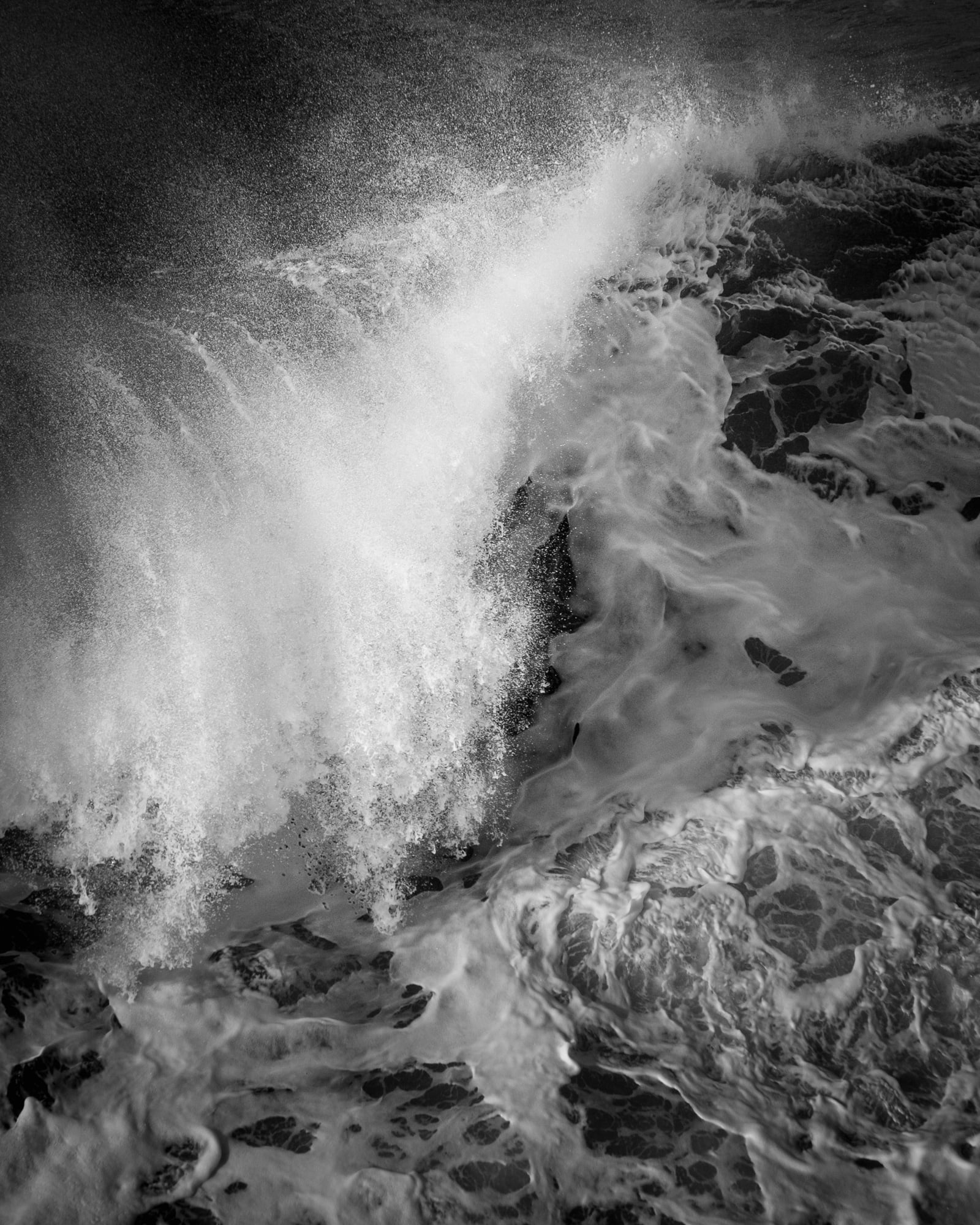
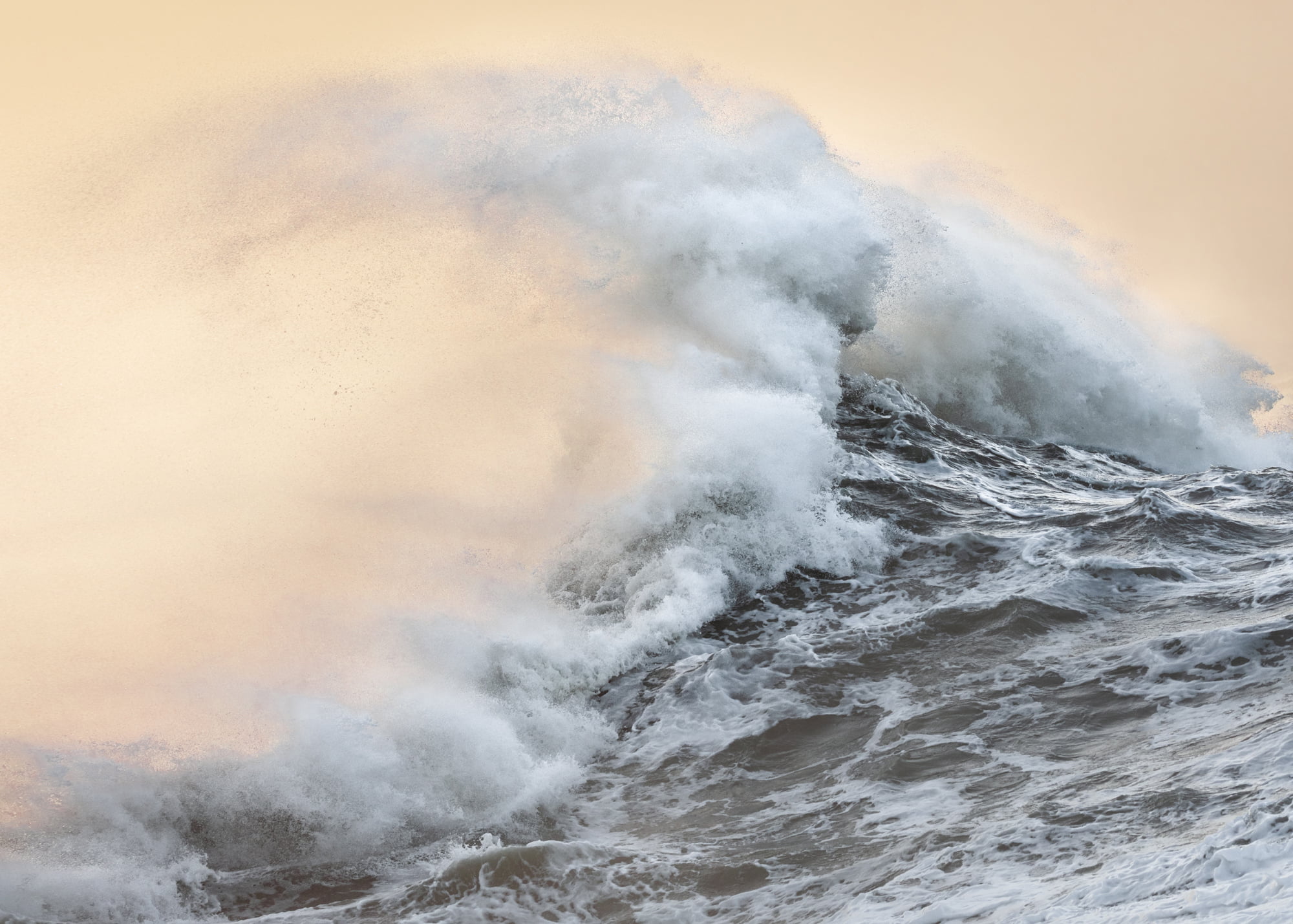
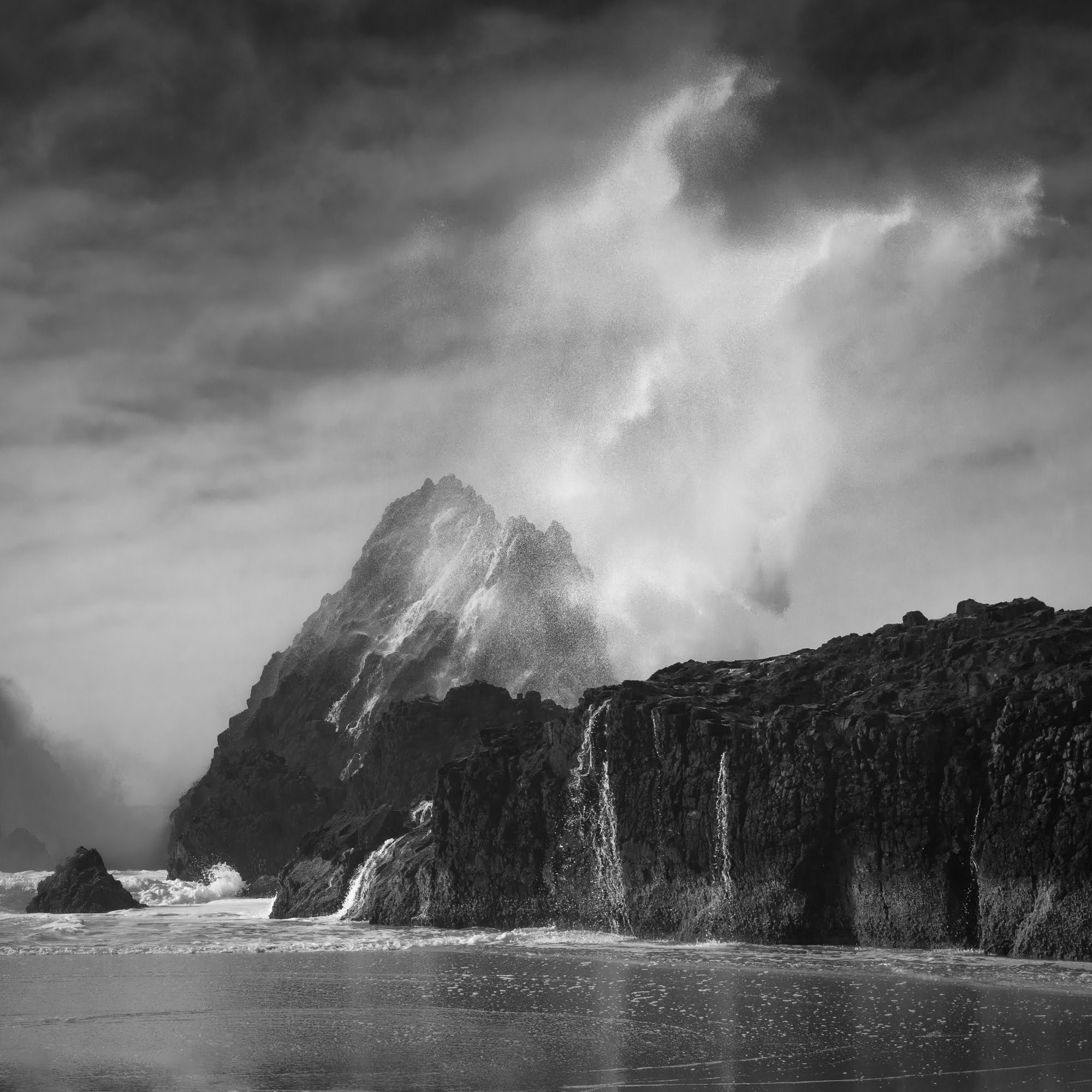
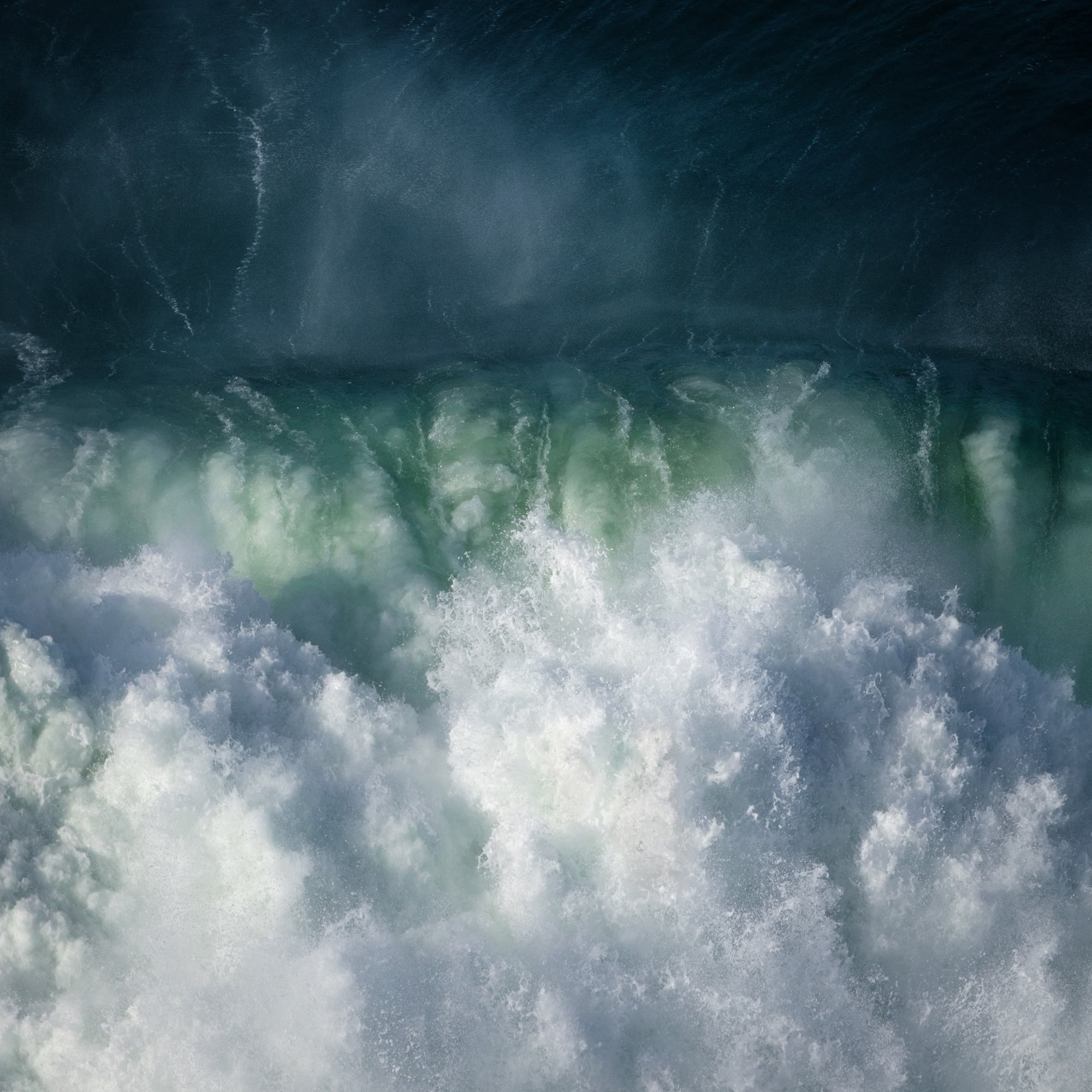
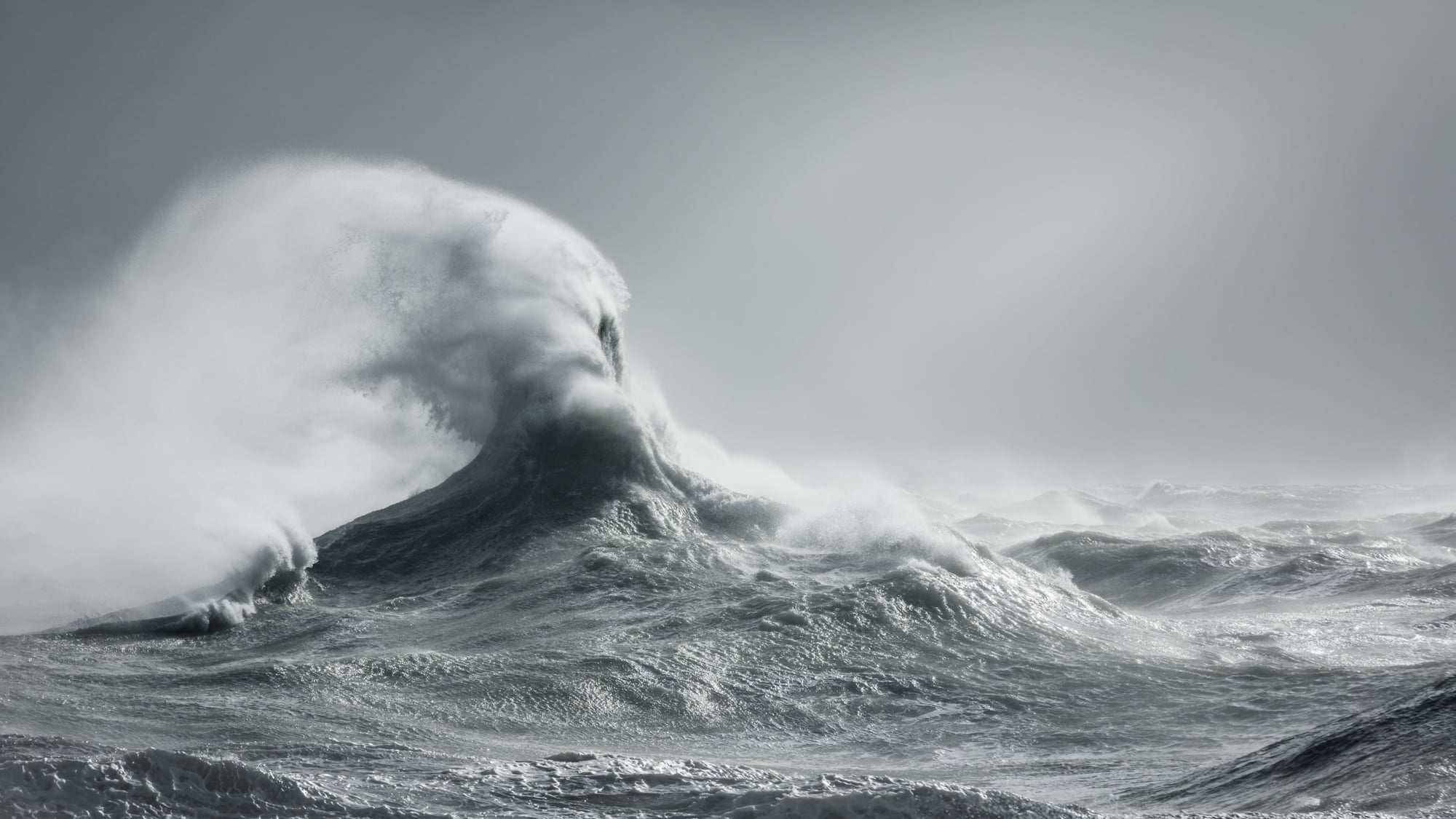
In “Water III,” filmmaker Morgan Maassen explores the ocean from above and below. I love the sheer variety of fluid phenomena; yes, there are classic breaking barrel waves for surfing, but there are also rib vortices and bubble plumes and churning turbulence that wouldn’t be out of place in a stormy Midwestern sky. Enjoy! (Image and video credit: M. Maassen)
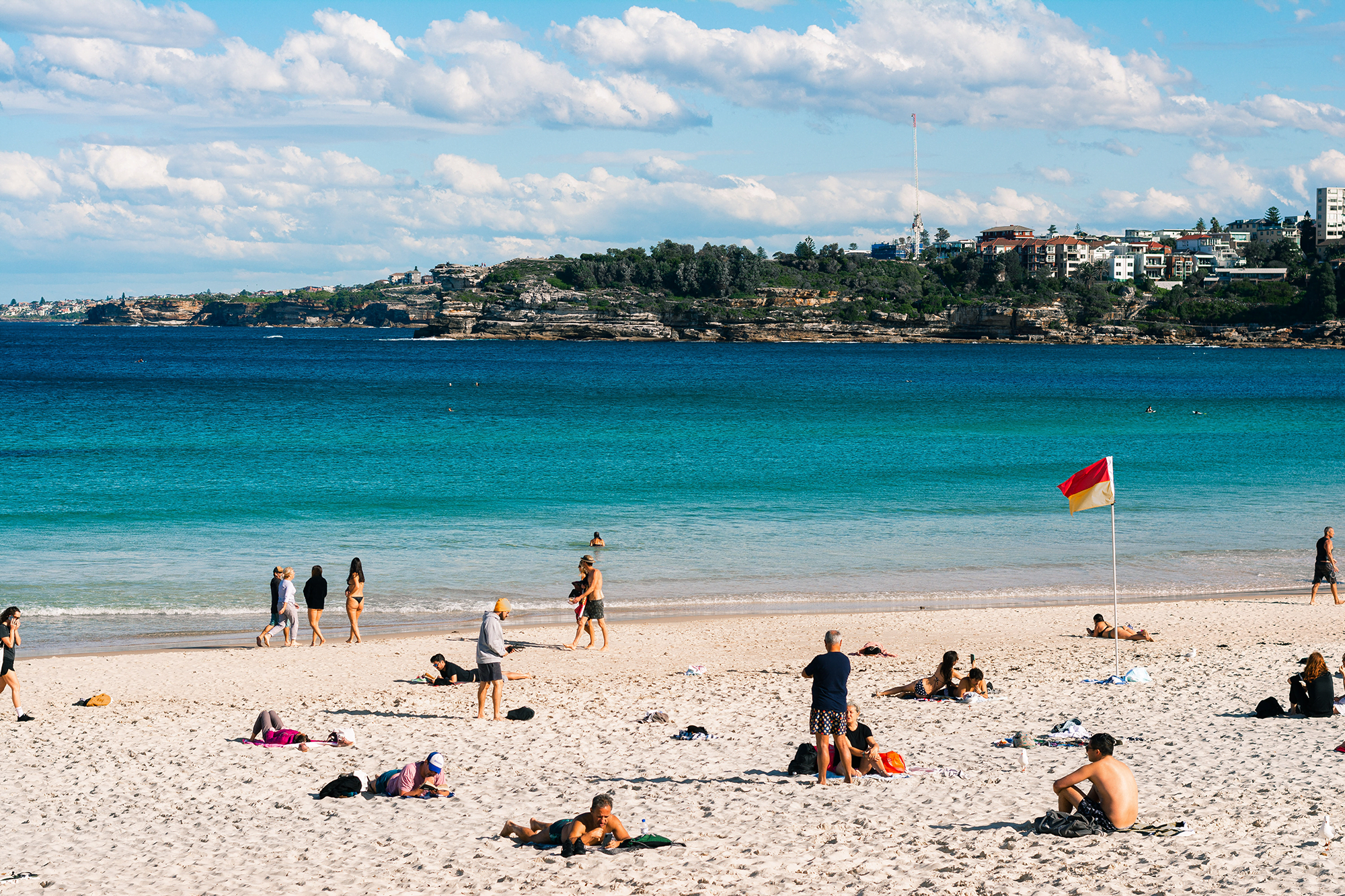
Rip currents — also known as rips — are a threat to beachgoers around the world, and, unfortunately, they’re often underestimated or misunderstood. As waves crash on the shore, water must find a path back out to sea, often through deeper channels that provide a break between the waves. These flow paths are rip currents, and they can form, shift, and intensify with little warning.
Over the years, researchers have found that efforts to educate beachgoers through signs, flags, and other methods once at the beach have done little to help visitors understand, avoid, or escape rips. Instead, it’s better to educate people long before the water is in sight. Since no one method is guaranteed success for escaping a rip, it’s better to learn to recognize and avoid these dangerous areas. Check out the video below for advice on spotting rips, and here’s a video showing rips from a surfer’s perspective, as well as one using dye flow visualization to mark a rip. Be safe and smart out there! (Image credit: P. Auitpol; video credit: Surf Life Saving Australia; via Hakai Magazine; submitted by Kam-Yung Soh)
Surfers flock to northern Peru to enjoy what’s been called the world’s longest wave. These waves are generated by storms thousands of miles away in the Pacific and Southern Oceans. In the open water between, the waves sort themselves into groups of similar wavelength and speed. With the deep water off Peru, the large swells continue to travel together until close to the shore. Surfers also benefit from the tendency for incoming waves to arrive nearly parallel to the coastline, creating long shoreline stretches for breaking. Where many famous wave breaks can be ridden for seconds, surfers can ride these for minutes! (Image credit: L. Dauphin; via NASA Earth Observatory)
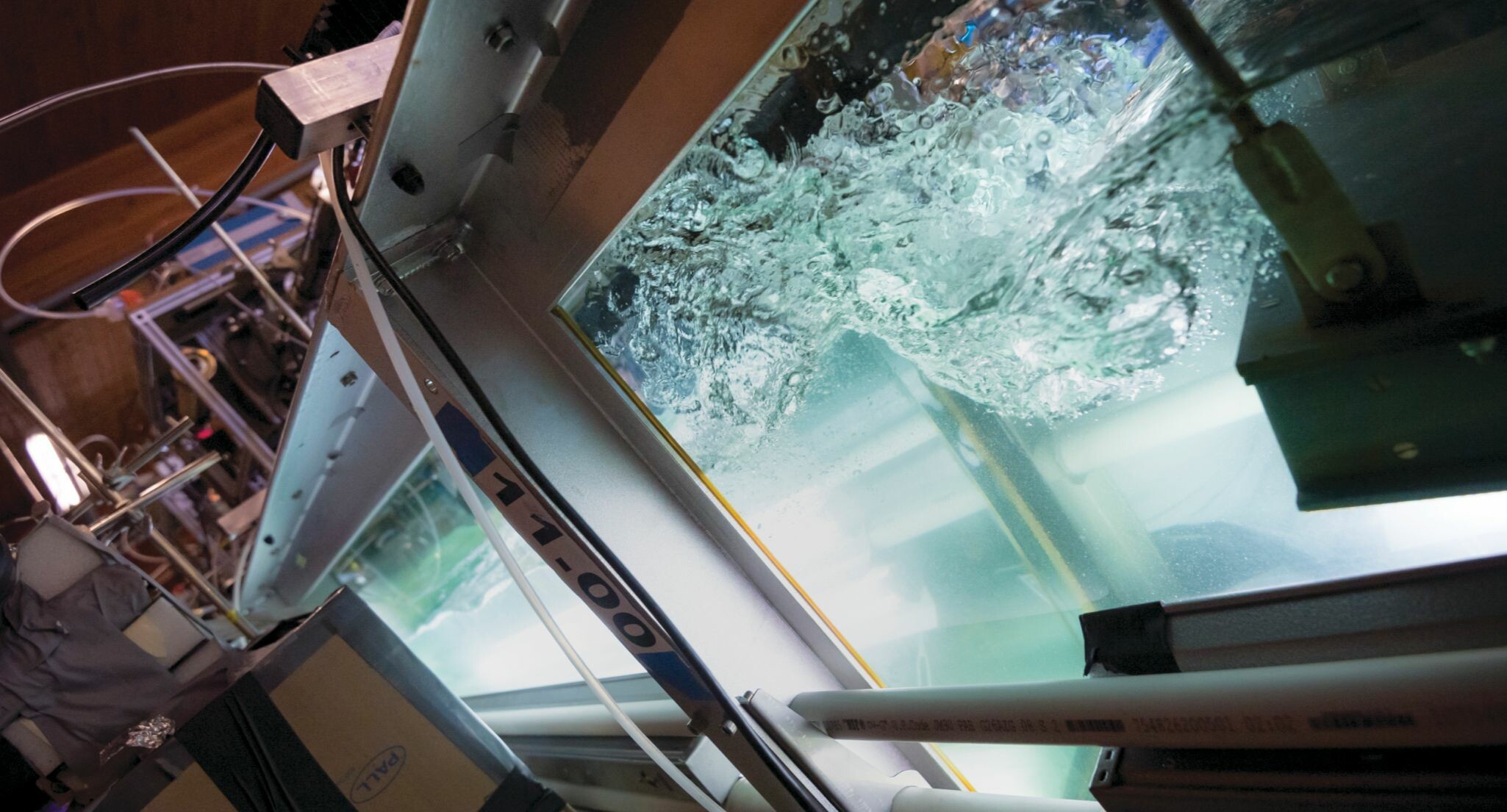
As ocean waves crash, they generate aerosols — tiny liquid and solid particulates — that interact with the atmosphere. Curious about the chemistry of these tiny drops, researchers set out to measure their acidity. That’s easier said than done. Over time, aerosol droplets acidify as they interact with acidic gases in the atmosphere and capturing fresh aerosols in the field is next to impossible.
To tackle these challenges, researchers instead moved the aerosols to the laboratory, filling a wave channel with seawater and agitating it to generate aerosols they could then measure. They found that the smallest aerosols become a million times more acidic than the bulk ocean in only two minutes! Find out more about their experiment and its implications over at Physics Today. (Image credit: E. Jepsen; research credit: K. Angle et al.)
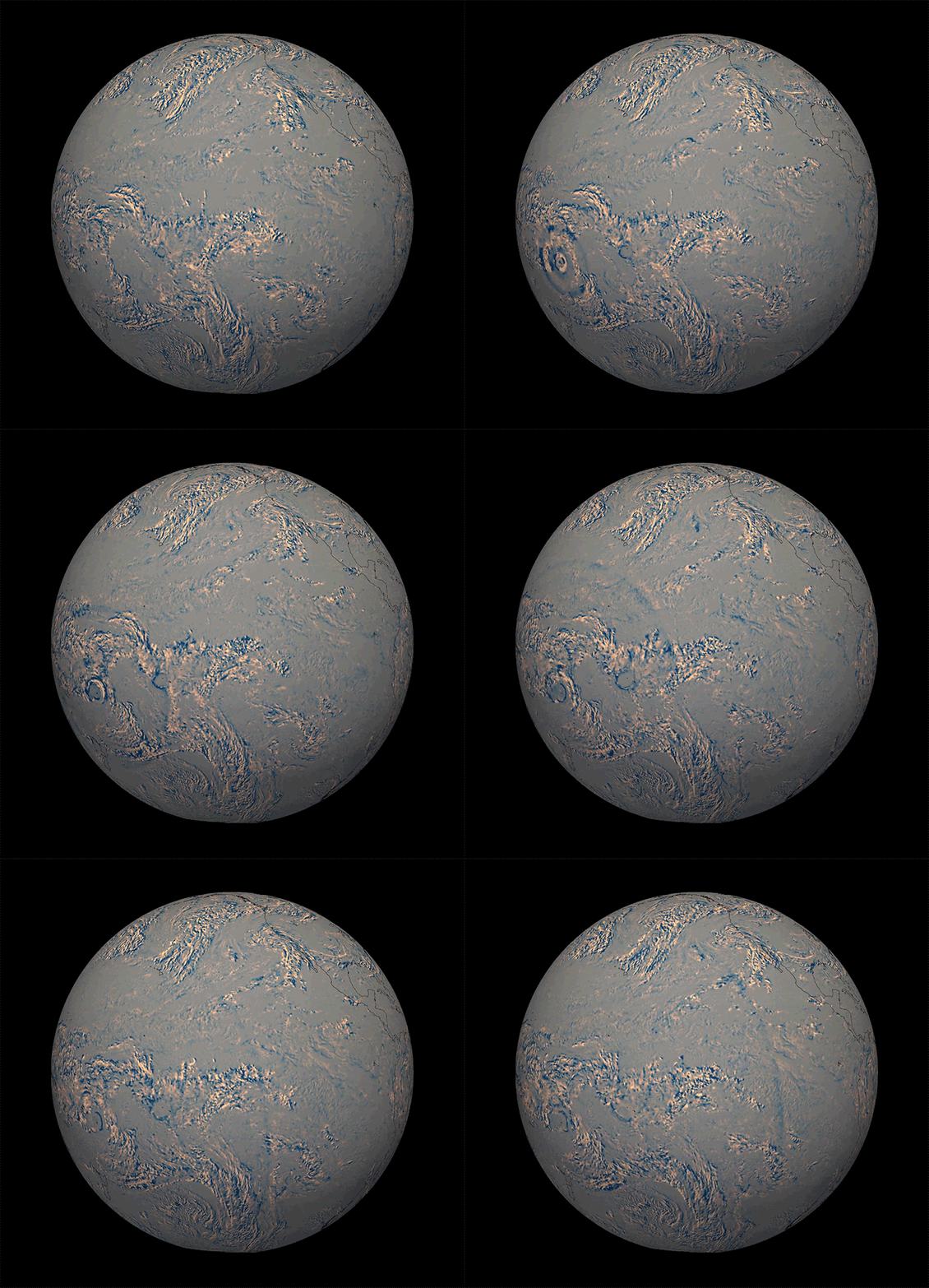
In 1883, the eruption of Krakatau (also called Krakatoa) shook the world, sending shock waves and tsunamis ricocheting across the globe. Some of the smaller waves hit shorelines in the Atlantic and Pacific that were entire continents and ocean basins away from the original explosion. At the time, scientists were so perplexed by the phenomenon that they blamed coincidental earthquakes for the wave action.
Only when Tonga experienced a similarly devastating volcanic eruption earlier this year were scientists able to verify what they’d long suspected: these smaller tsunamis were not caused by solid material displacing water; instead they are the result of atmospheric pressure waves coupling to the ocean. Follow the full story over at Quanta. (Image credit: M. Barlow; via Quanta; submitted by Kam-Yung Soh)
This astronaut photo shows the Isles of Scilly off the Cornish coast. The pale turquoise waters mark shallow reefs and shoals between the islands while blues reveal deeper waters surrounding the isles. The sun angle is perfect for highlighting the complex wave patterns caused by the winds and tides. Look closely and you’ll see swells intersecting one another and even diffracting around the smaller islets. (Image credit: NASA; via NASA Earth Observatory)
Lines of waves emerge from thick morning fog in this series by photographer Raf Maes. The eerie, slightly surreal images were captured in Venice, near Los Angeles. So often ocean photography features huge, turbulent breaking waves. I find it really neat to see these long, unbroken wave crests appearing from the mist. (Image credits: R. Maes; via Colossal)
That the wind causes ocean waves is obvious to anyone who has spent time near the water, but the details of that process remain fuzzy. Many of the explanations — like the Kelvin-Helmholtz instability — only explain part of the process, usually the beginning when the waves are very small. As the waves get larger, they affect the wind in turn, complicating matters.
As messy as the theory gets, our ability to measure the wind and water in situ is limited, too. Just look at this wild research platform oceanographers designed to study wind and waves. It’s part of a 355-ft vessel that’s towed out to sea horizontally and then flipped so that 300 feet of it remain underwater to stabilize the remainder for measurements. Even with equipment like this, measuring the turbulent air and water near the ocean-sky interface is incredibly difficult.
This review article gives a nice overview of different historical efforts to explain how wind makes waves and provides a snapshot of the latest research in the area. (Image credit: R. Bilcliff; see also N. Pizzo et al.)
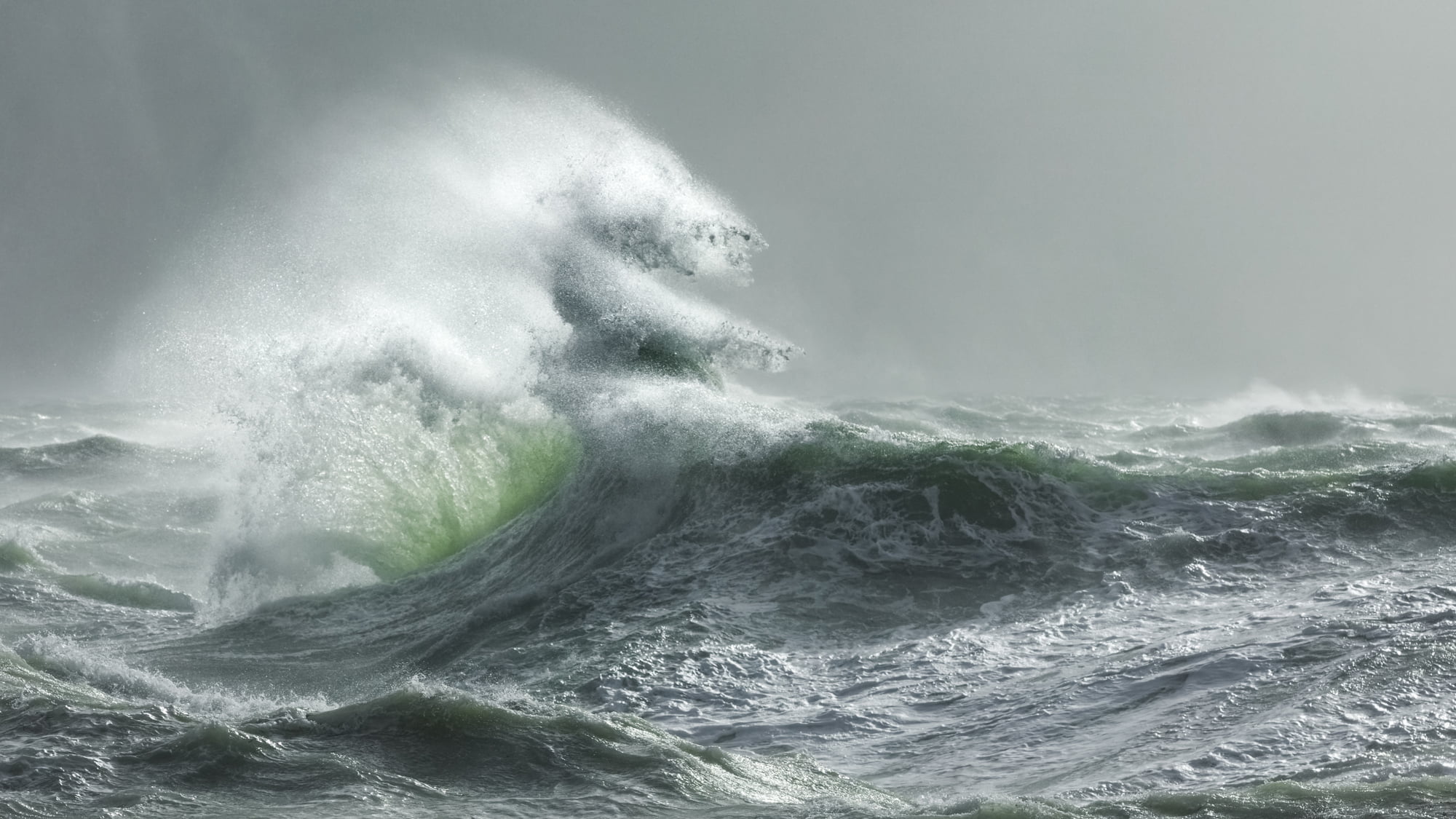
Photographer Rachael Talibart specializes in capturing the majestic and tumultuous power of the sea along England’s coast. Her most recent book “Tides and Tempests” looks incredible — full of turbulent crashing waves, skies of spray, and shorelines of surge and froth. I love how her photographs freeze the water in positions that seems surreal while underlining the sheer power of these storms. You can find more of her work on her website and Instagram. (Image credit: R. Talibart; via Colossal)
Filmmaker Chris Bryan captures surfer Kipp Caddy as he rides an enormous wave in “Dancing With Danger.” Nothing quite captures the majesty of these powerful flows like high-speed videography. Enjoy the break, the spray, and those awesome rib vortices. (Image and video credit: C. Bryan)