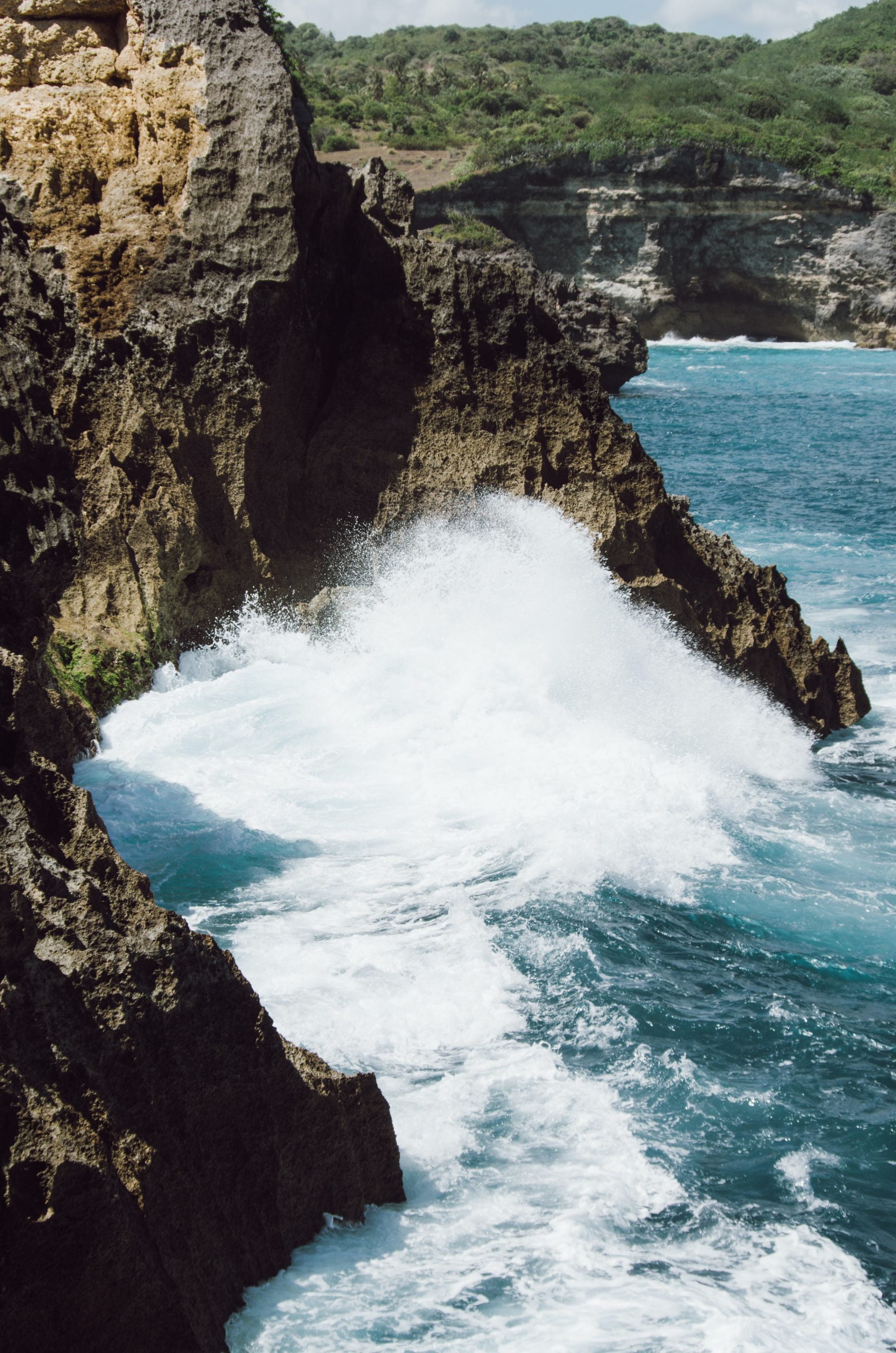
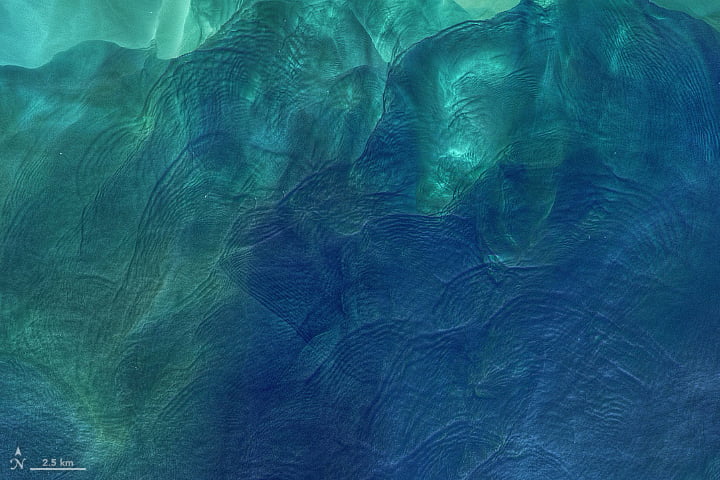
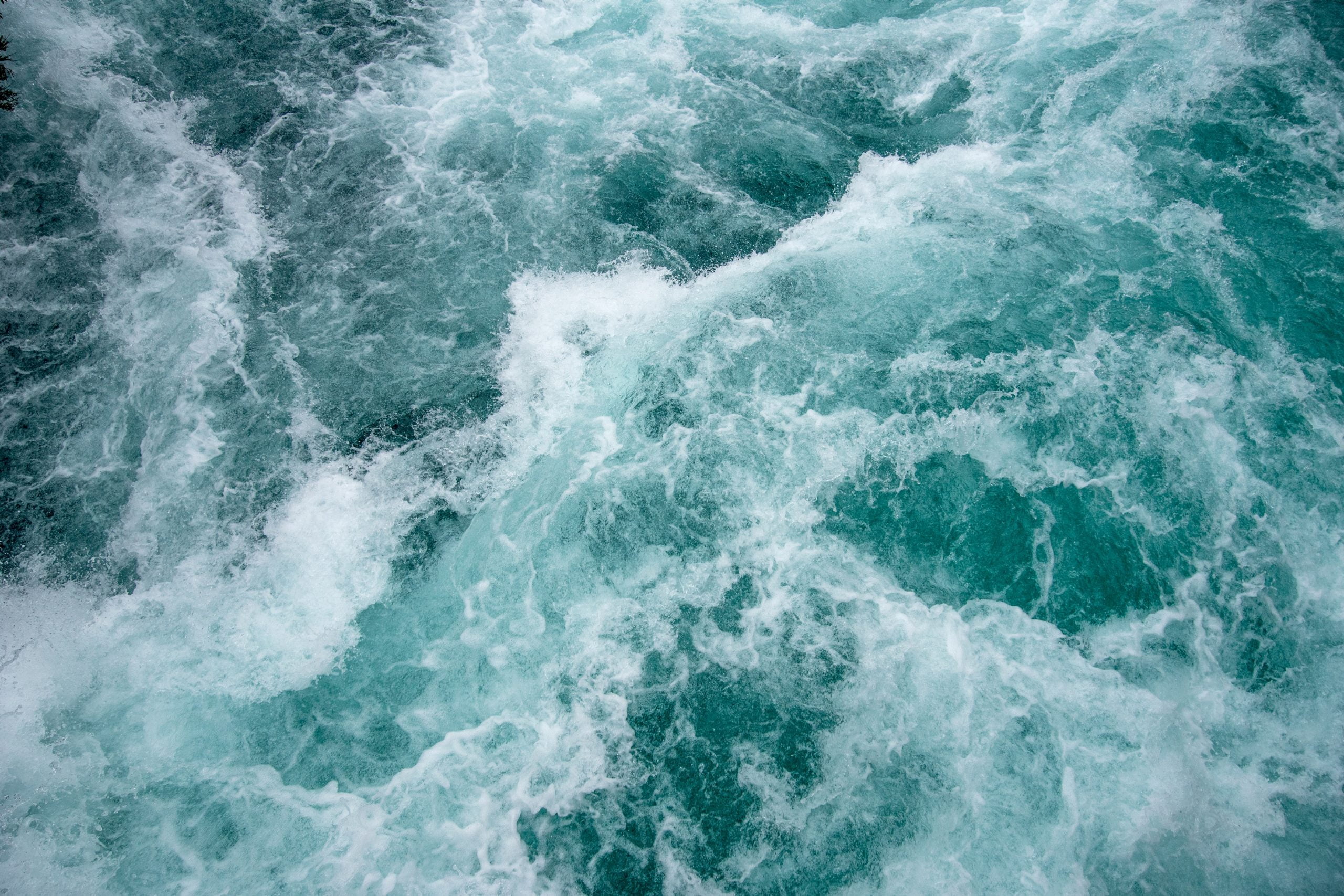
This astronaut photo shows the Isles of Scilly off the Cornish coast. The pale turquoise waters mark shallow reefs and shoals between the islands while blues reveal deeper waters surrounding the isles. The sun angle is perfect for highlighting the complex wave patterns caused by the winds and tides. Look closely and you’ll see swells intersecting one another and even diffracting around the smaller islets. (Image credit: NASA; via NASA Earth Observatory)
Tag: ocean waves

Moody Waves


Lines of waves emerge from thick morning fog in this series by photographer Raf Maes. The eerie, slightly surreal images were captured in Venice, near Los Angeles. So often ocean photography features huge, turbulent breaking waves. I find it really neat to see these long, unbroken wave crests appearing from the mist. (Image credits: R. Maes; via Colossal)

Where Wind Meets Water
That the wind causes ocean waves is obvious to anyone who has spent time near the water, but the details of that process remain fuzzy. Many of the explanations — like the Kelvin-Helmholtz instability — only explain part of the process, usually the beginning when the waves are very small. As the waves get larger, they affect the wind in turn, complicating matters.
As messy as the theory gets, our ability to measure the wind and water in situ is limited, too. Just look at this wild research platform oceanographers designed to study wind and waves. It’s part of a 355-ft vessel that’s towed out to sea horizontally and then flipped so that 300 feet of it remain underwater to stabilize the remainder for measurements. Even with equipment like this, measuring the turbulent air and water near the ocean-sky interface is incredibly difficult.
This review article gives a nice overview of different historical efforts to explain how wind makes waves and provides a snapshot of the latest research in the area. (Image credit: R. Bilcliff; see also N. Pizzo et al.)

Tides and Tempests of the Coast
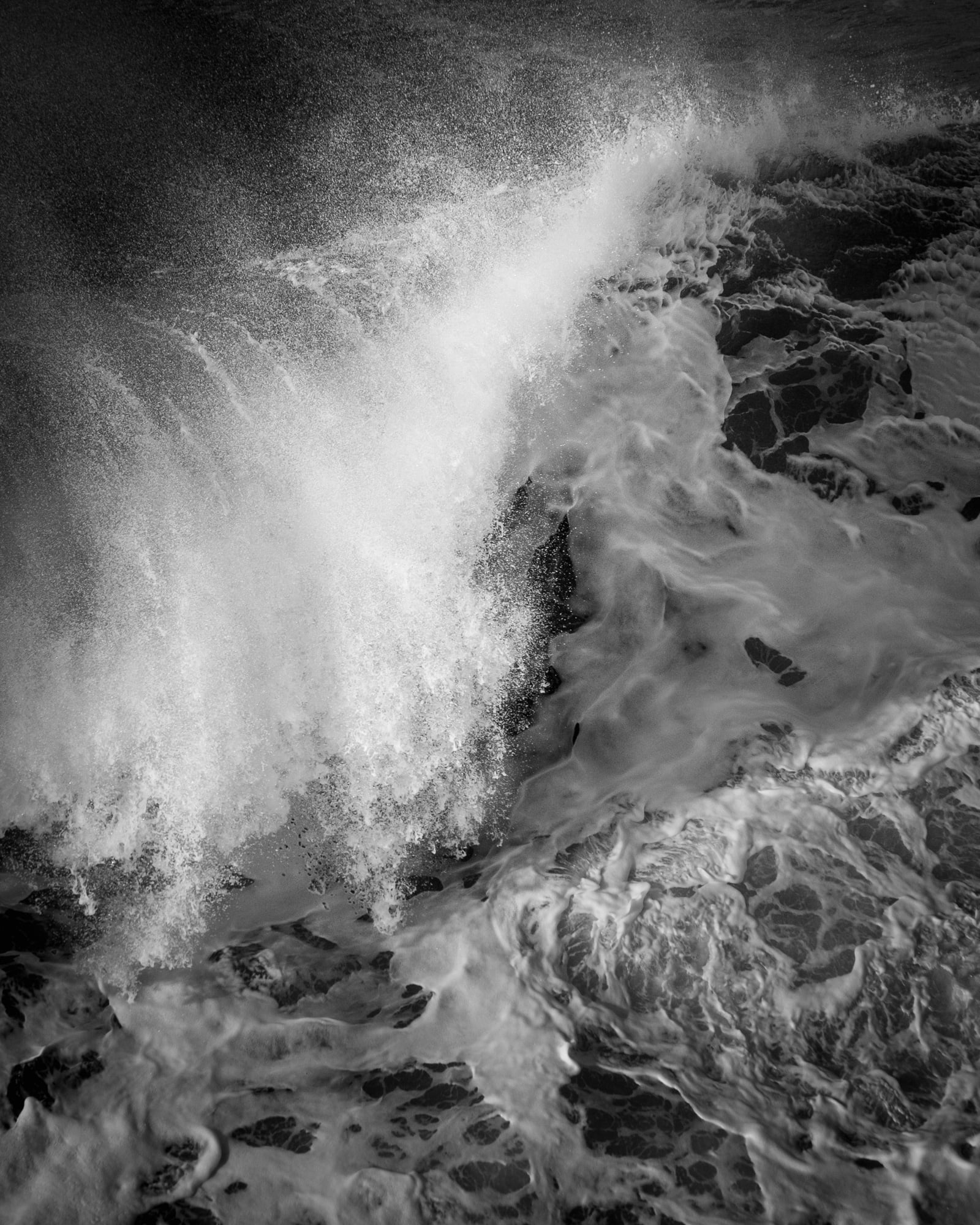
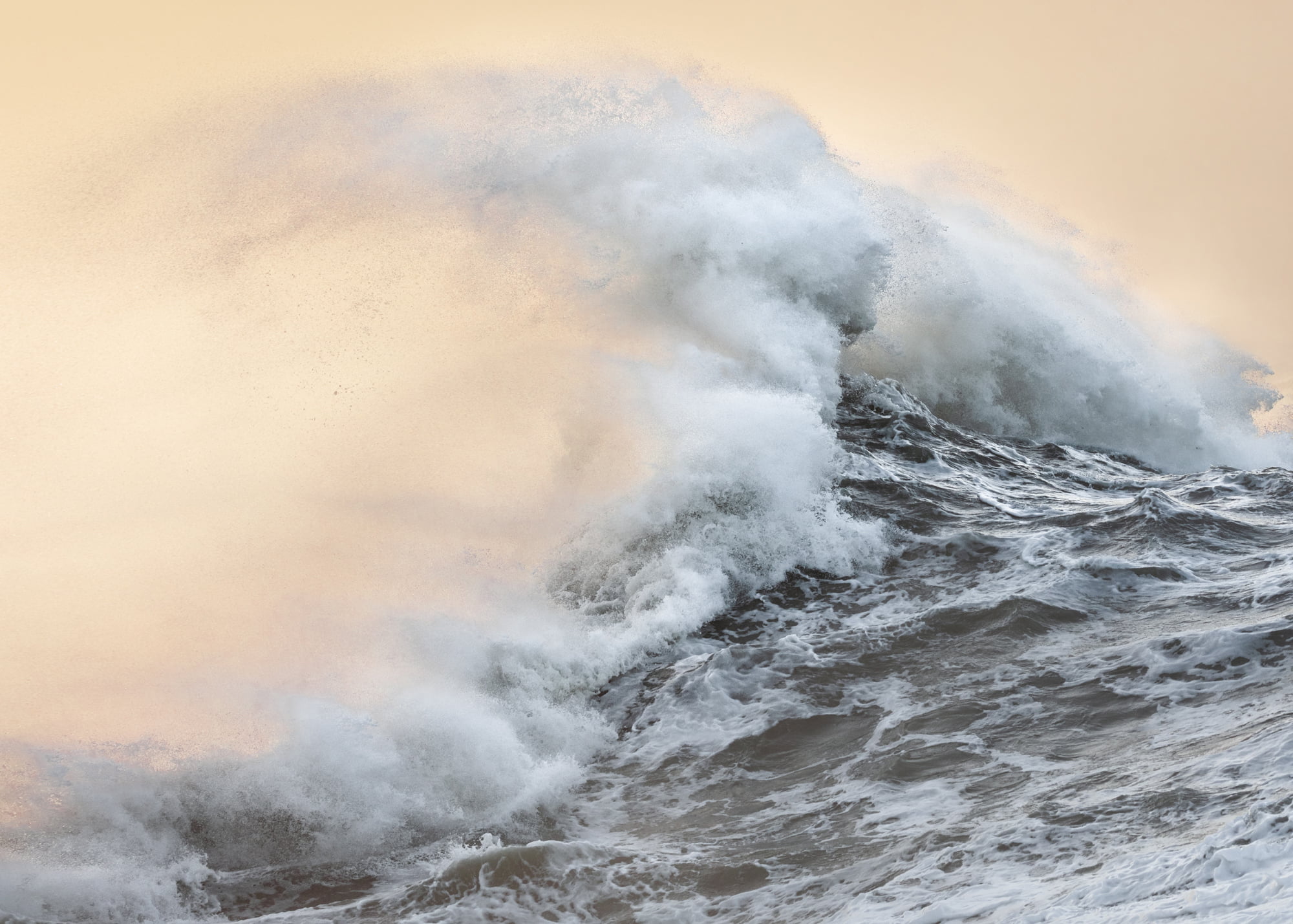

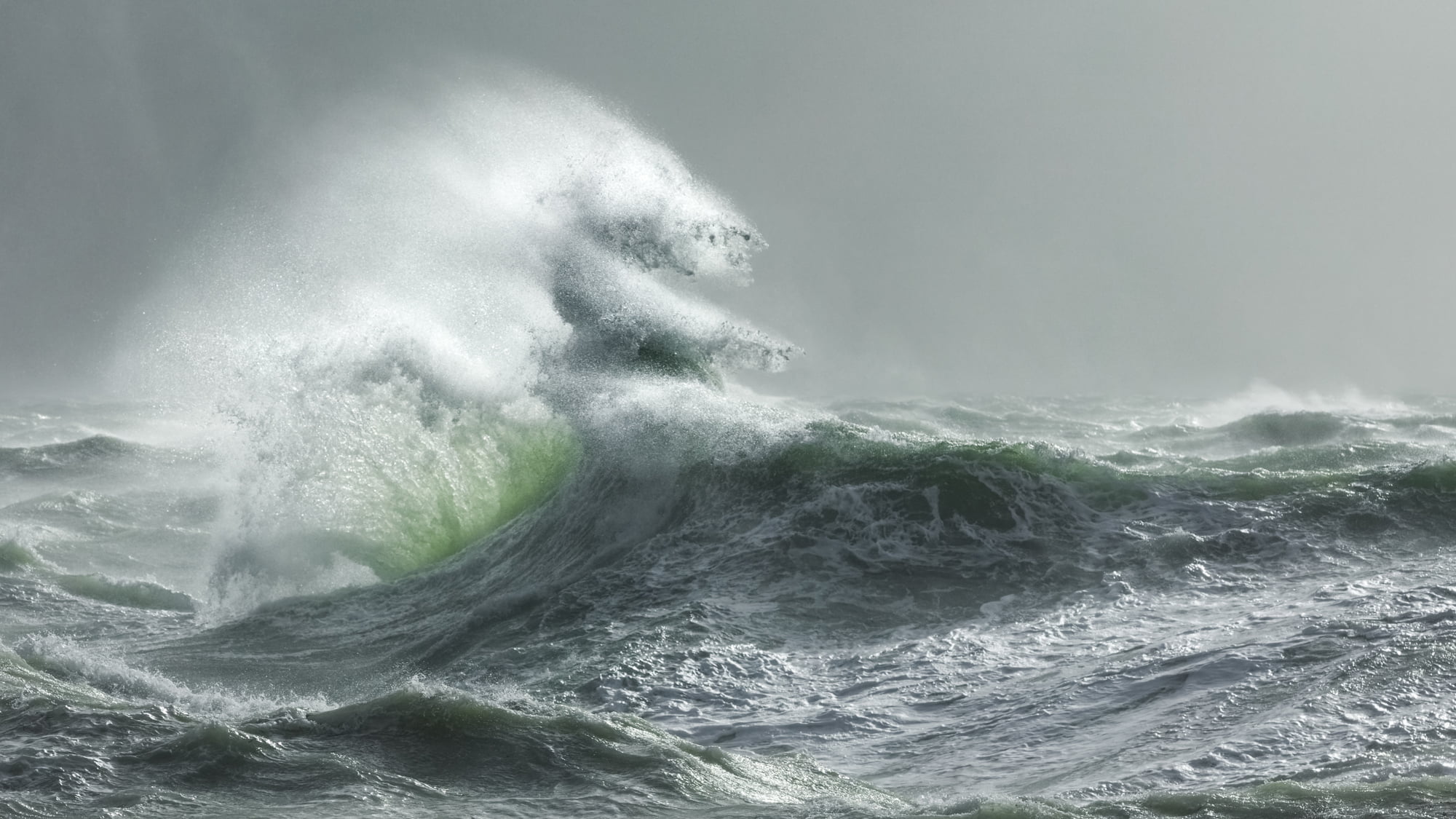
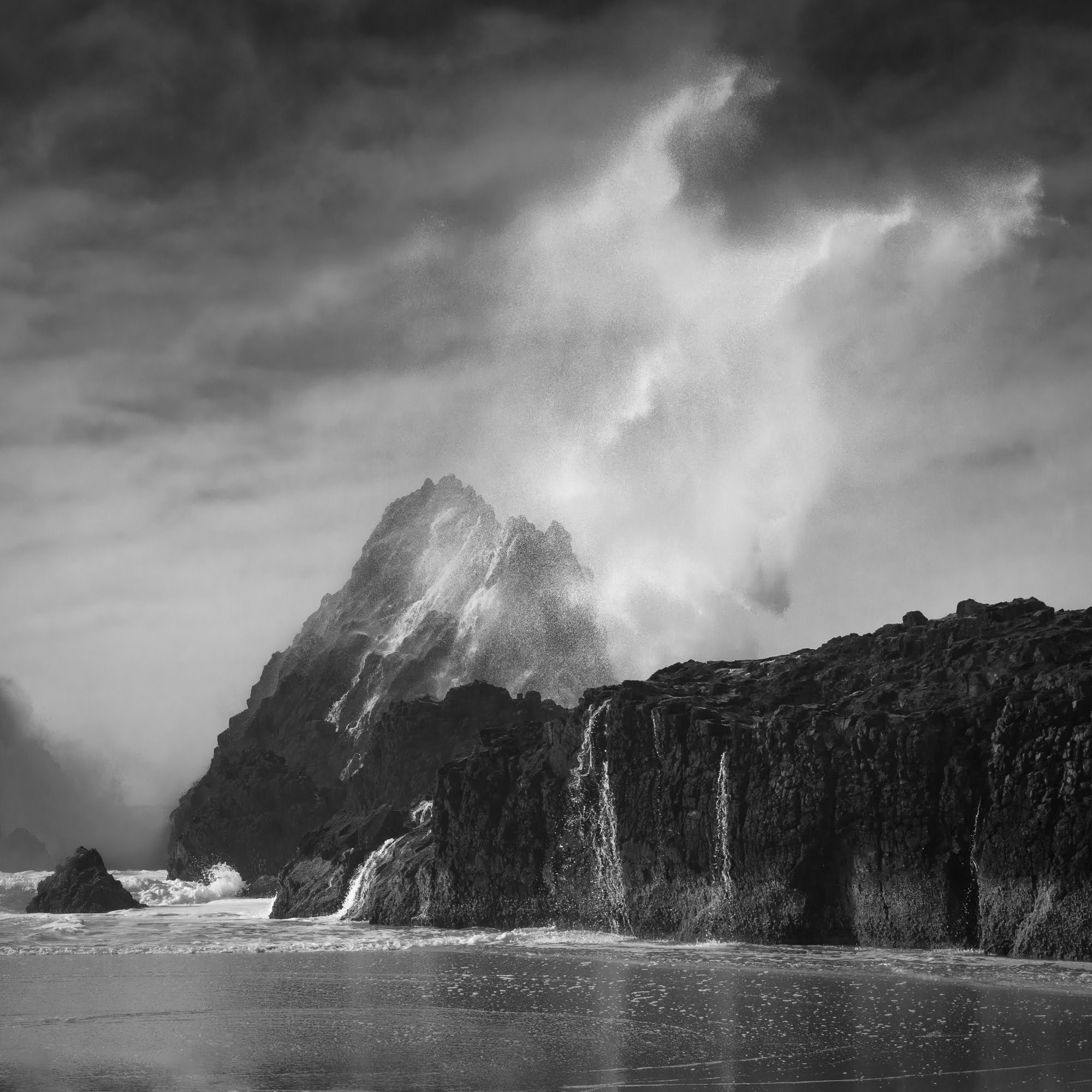

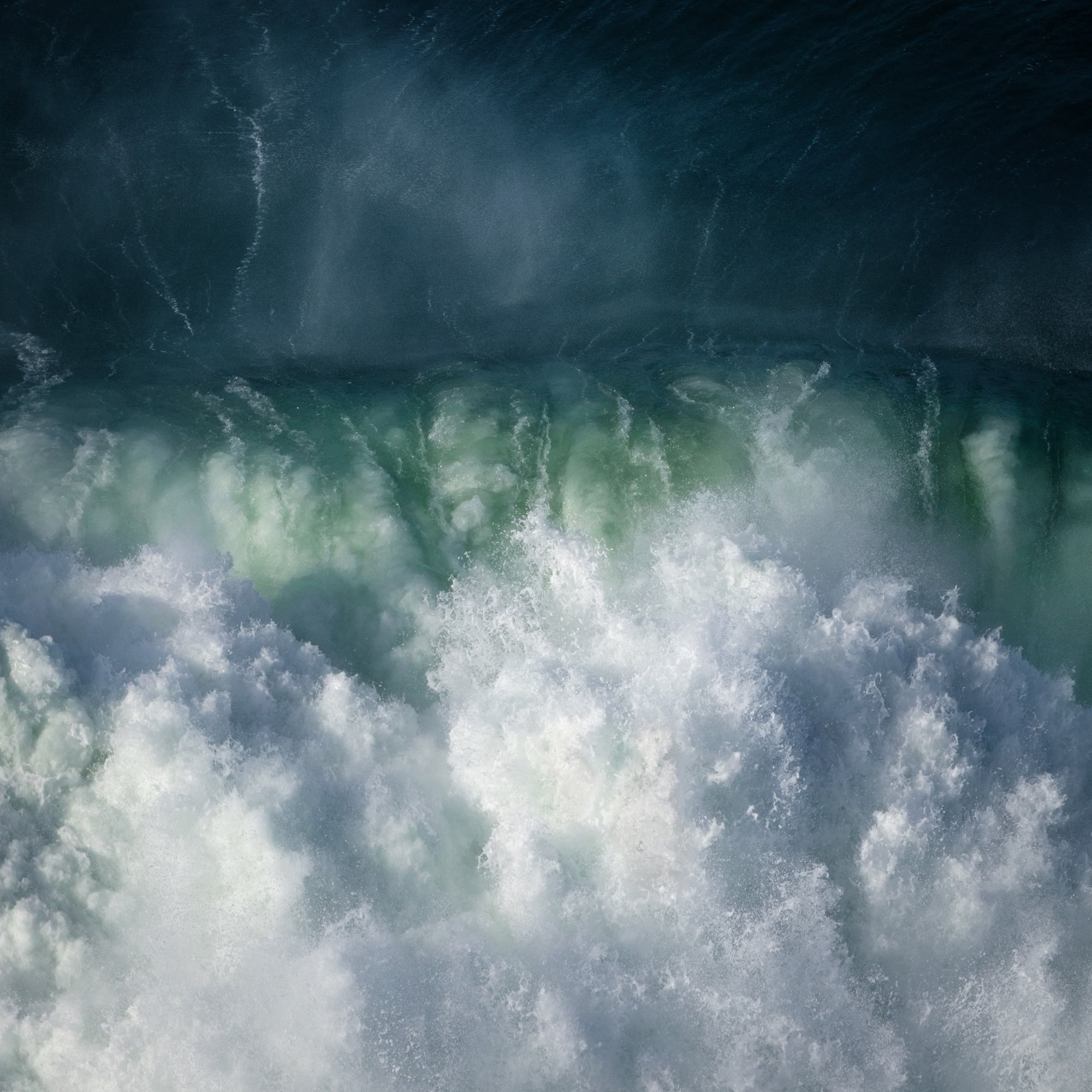
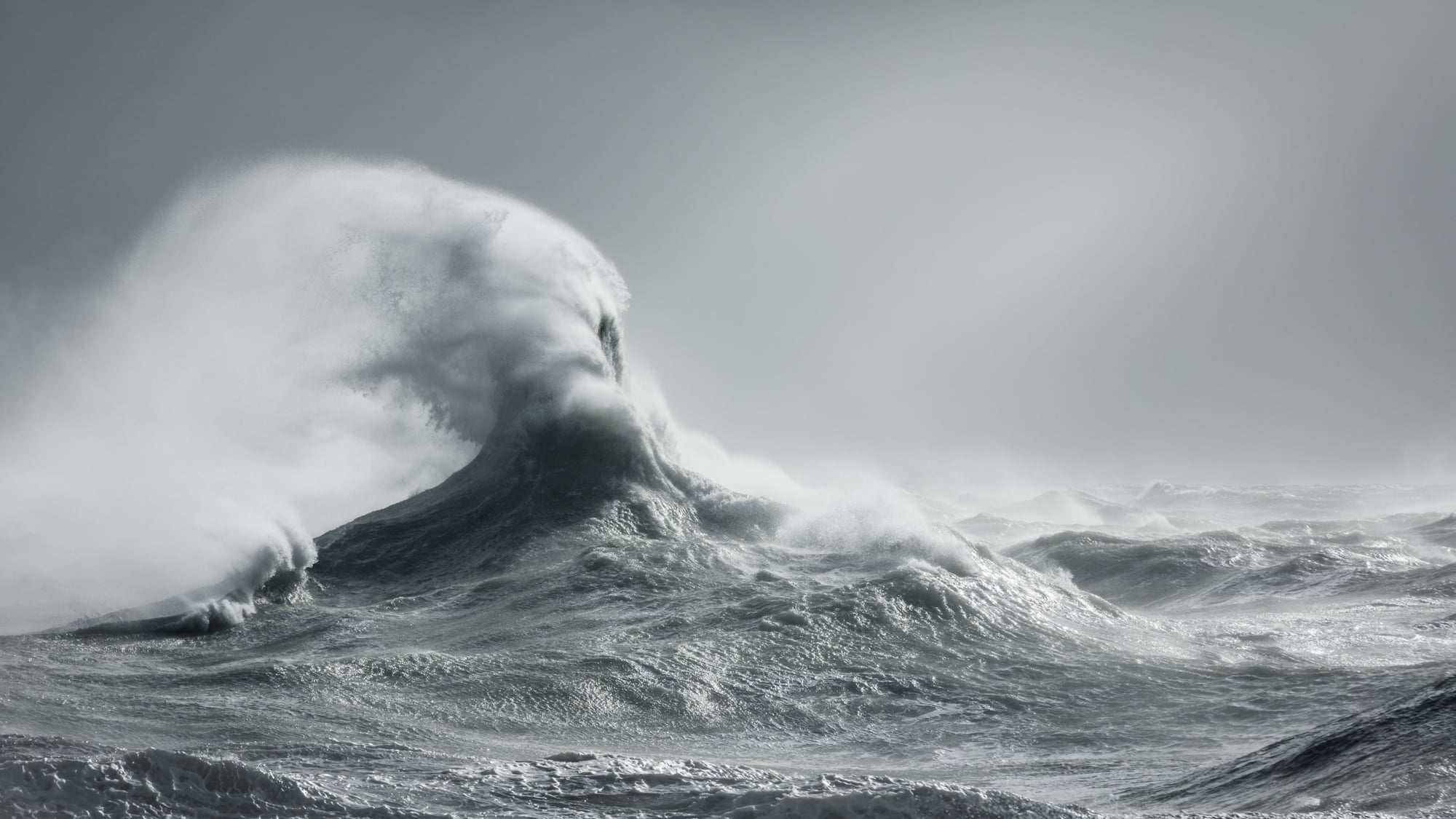
Photographer Rachael Talibart specializes in capturing the majestic and tumultuous power of the sea along England’s coast. Her most recent book “Tides and Tempests” looks incredible — full of turbulent crashing waves, skies of spray, and shorelines of surge and froth. I love how her photographs freeze the water in positions that seems surreal while underlining the sheer power of these storms. You can find more of her work on her website and Instagram. (Image credit: R. Talibart; via Colossal)

“Dancing With Danger”


Filmmaker Chris Bryan captures surfer Kipp Caddy as he rides an enormous wave in “Dancing With Danger.” Nothing quite captures the majesty of these powerful flows like high-speed videography. Enjoy the break, the spray, and those awesome rib vortices. (Image and video credit: C. Bryan)

Rocking From The Waves
Not all seismic activity stems from earthquakes. In fact, much of Earth’s measured seismic waves come from interactions of the ocean and atmosphere with solid ground. Some of the strongest vibrations come from interactions of ocean waves, which transmit pressure waves that don’t attenuate with depth before passing into the solid Earth.
How those waves propagate and scatter inside the Earth has been a matter of contention for decades, but recent simulations are beginning to uncover the mechanisms that lead to the waves seismologists measure. (Image credit: I. Mingazova; via Physics Today)

Internal Waves in the Andaman Sea
Differences in temperature and salinity create distinct layers within the ocean. When combined with flow over submerged topography — underwater canyons, mountains, and reefs — it makes waves. But those waves aren’t always apparent when sitting at the surface. Instead, they travel along those ocean layers as internal waves that can be as tall as hundreds of meters in height.
When the sun glints just right off the ocean, these massive internal waves can be caught by satellite imagery, as shown in the above image of the Andaman Sea near Thailand and Myanmar. Even seemingly calm waters can roil in the deep. (Image credit: USGS; via NASA Earth Observatory)

Submarine Canyons Focus Waves
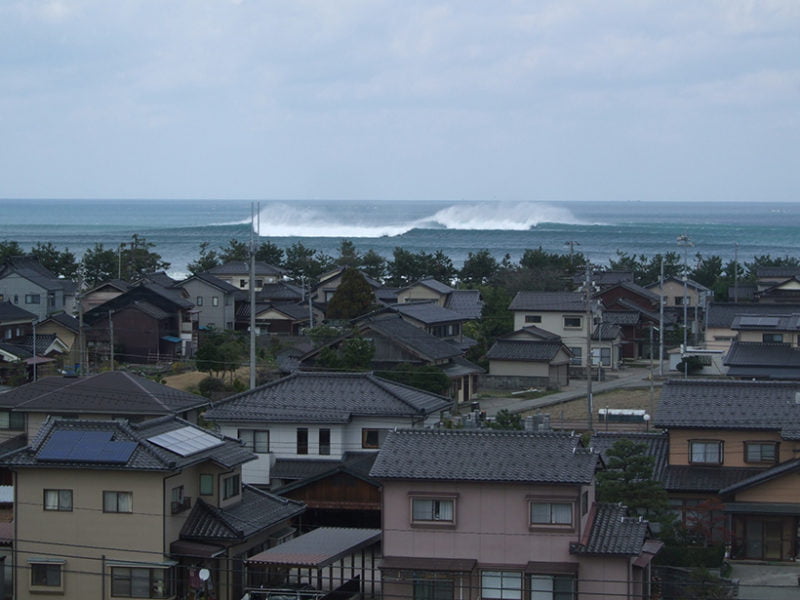
In winter months Toyama Bay in Japan can get hammered by waves nearly 10 meters in height. These waves, known as YoriMawari-nami, pose dangers to both infrastructure and citizens, and, thus far, are not captured by typical forecasting models.
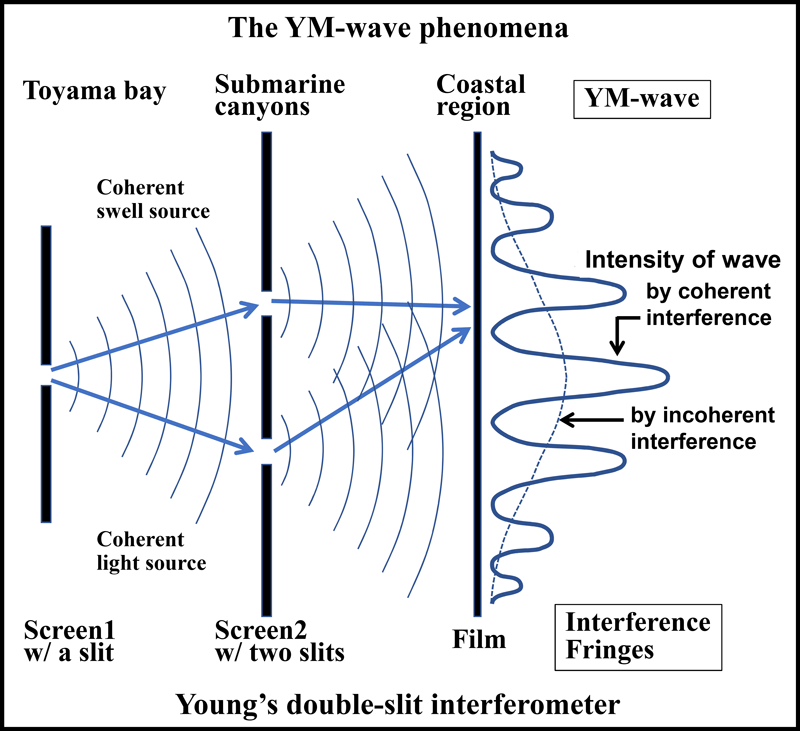
A new study indicates that these waves have their origin in the particular topography of Toyama Bay and the physics behind the double-slit experiment. The shape of Toyama Bay is such that only waves from the north-northeast can propagate all the way to shore. That restriction essentially creates a single, coherent source for waves in the bay.
The bay is also home to submarine canyons that stretch like underwater valleys from the continental shelf down toward the deeper ocean. To the incoming waves, these canyons act much like the slits in the double-slit experiment, creating two sets of waves whose fronts can interfere. In some positions, a wave crest will combine with a wave trough, cancelling one another out. But in other spots, two wave crests will meet and combine, creating the much larger YoriMawari-nami wave.

Toyama Bay is not the only spot in the world where this phenomenon happens. The same physics is behind some of the most popular surf spots in the world, including Half-Moon Bay in California and Nazaré, Portugal. In all of these cases, properly predicting wave heights requires tracking an extra variable — wave phase — that most models leave out. That’s why forecasters have struggled with Toyama Bay’s waves. (Image credit: wave – M. Kawai, diagram – H. Tamura et al.; research credit: H. Tamura et al.; via AGU Eos; submitted by Kam-Yung Soh)

Testing Waves in High Gravity
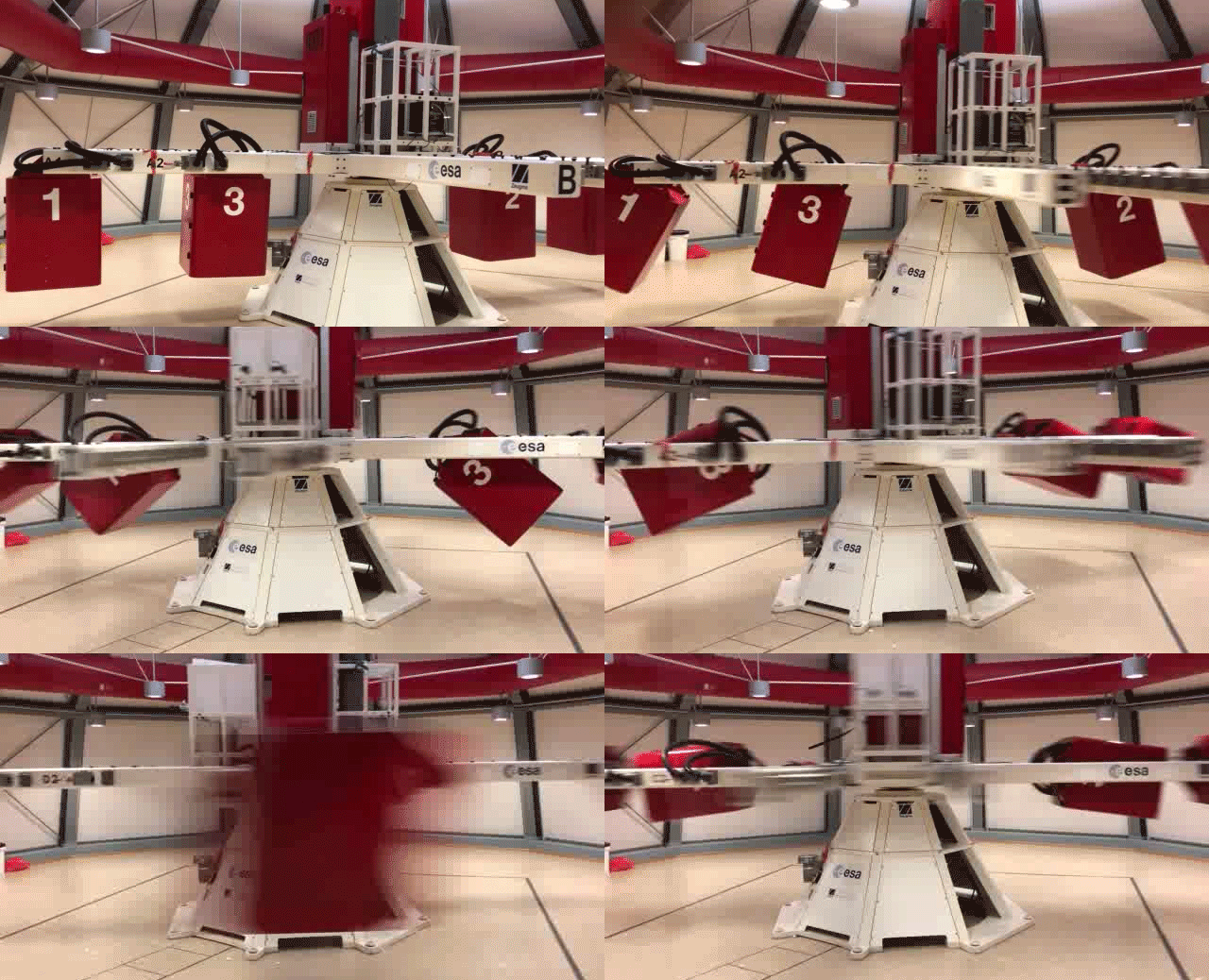

Where waves crash and meet, turbulence is inevitable. But exactly how large waves interact — whether in the ocean, in plasma, or the atmosphere — is far from understood. A new experiment is teasing out a better physical understanding by tweaking a variable that’s been hard to change: gravity.
To do so, the researchers conduct their experiments in a large-diameter centrifuge (shown above) where they can create effective gravitational forces as high as 20 times Earth’s gravity. This increases the range of frequencies where gravity-dominated waves occur by an order of magnitude.
By studying this extended frequency range, the authors found something unexpected: the timescales of wave interactions did not depend on wave frequency, as predicted by theory. Instead, those interactions were dictated by the longest available wavelength in the system, a parameter set by the size of the container. It will be interesting to see if future work can confirm that result with even larger containers. (Image credit: ocean waves – M. Power, others – A. Cazaubiel et al.; research credit: A. Cazaubiel et al.; via APS Physics; submitted by Kam-Yung Soh)
“Mocean”
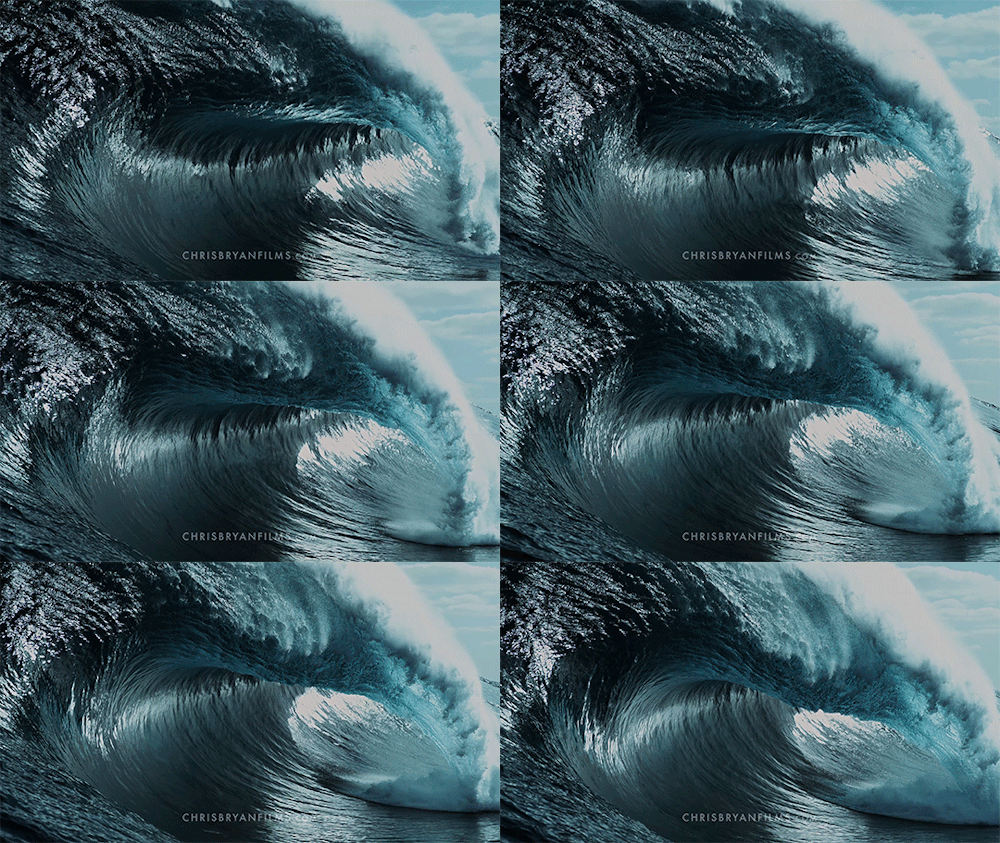


Ocean waves are endlessly fascinating to watch. In “Mocean,” cinematographer Chris Bryan captures them in ways few ever see, thanks to his high-speed camera. Honestly, this film is so gorgeous that I don’t want to distract you with the science, so just go watch!
…
All done? Pretty wonderful, right? There’s nothing quite like seeing those holes break and expand through sheets of water, tearing what looked solid into a spray of droplets that bleed salt into the atmosphere. Or how about those rib vortices underneath the waves? Or the cloud-like turbulence of the waves breaking overhead? How fortunate we are to see and capture and share such beauty! (Video and image credit: C. Bryan; via RedShark; submitted by Michael F.)