Tag: diffusion

  • Featured Video Play Icon

    “Flowers and Colors”

    Many children have done the simple experiment of placing a cut flower in dyed water and watching as it changed color. The latest video from Beauty of Science relies on some related physics. Since the color of flowers typically depends on acidity, immersing a flower in dilute acid will change its color from pinks and purples to yellows and greens. Watching this transformation, we can learn about how fluids get transported through flowers.

    Like the leaves on a tree, flowers are covered in tiny cells called stomata that can open and close. In the daytime, stomata are typically open to allow carbon dioxide to diffuse into the plant. (At the same time, water pulled up from the roots is evaporating out the stomata, as seen previously.) Once immersed in acid, the open stomata are no longer bringing in carbon dioxide; instead, the acid is diffusing in and slowly spreading through the petals. In the timelapse video, some areas of the petal change faster than others. This could indicate more open stomata in the regions that change first or even that some areas inside the petal transport water (and acid) better than others. (Video and image credit: Beauty of Science; see also Making Of)

  • Featured Video Play Icon

    “Dance Dance”

    Artist Thomas Blanchard is no stranger to fluid dynamics. His previous short films focused on mixtures of oil and paint, but in “Dance Dance,” flowers are front and center. There are obvious splashes of color and clouds of diffusion toward the end of the video, but fluid dynamics are there throughout. The oozing, inexorable march of ice crystallizing over petals and leaves has a fluidity that’s heightened by timelapse. It’s a reminder that this phase change is unsteady and full of shifts too subtle to notice in real-time. In the second act, we see flowers blossoming in timelapse, bursting open dramatically before settling in with a subtle shift of their stamens. Motions like these are driven by the flow of fluids inside the plant. By shifting small concentrations of chemicals, plants drive the water in their cells via osmosis. This pumps up cells that cause the petals to spread and unfurl. (Video and image credit: T. Blanchard; via Colossal)

  • Water Calligraphy

    Water Calligraphy

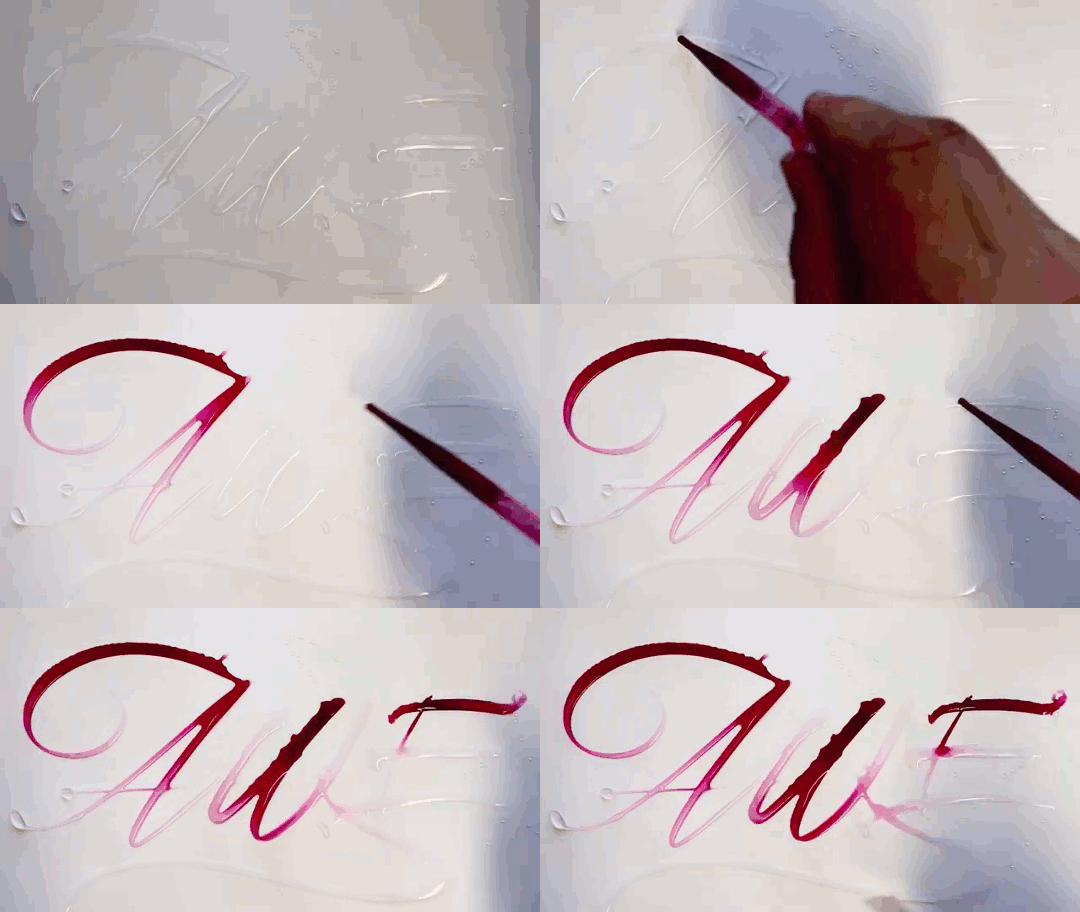
    Artist Seb Lester creates calligraphy using ink and water, but not in the way you might expect. After writing in water, the artist applies ink a drop at a time, allowing fluid forces to spread it. There are a few effects at play here. Molecular diffusion – the random motion of molecules – can help two fluids mix, but it’s an extremely slow process. The fast, dramatic spread of ink seen in the video is more likely a Marangoni effect. The water and ink have different surface tensions, creating a gradient in surface tension that depends on the relative concentration of the two fluids. Gradients in surface tension create flow, which is why the ink spreads most quickly when it’s applied in an area that’s pure water. For similar physics, check out maze-solving soaps and the title sequence for “Marco Polo”.  (Video and image credit: S. Lester, source; via Gizmodo)

  • Liquid Sunbursts

    Liquid Sunbursts

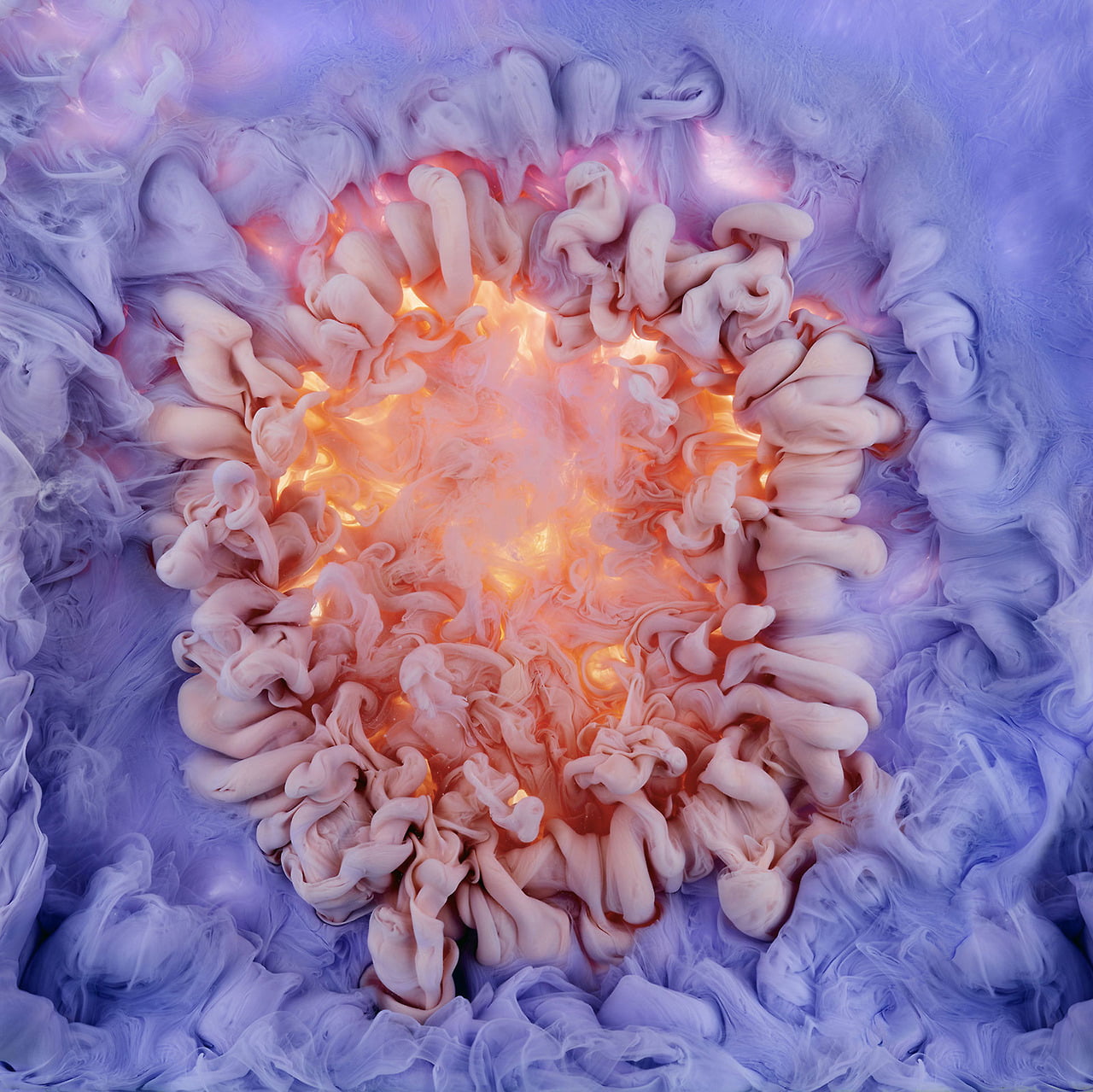
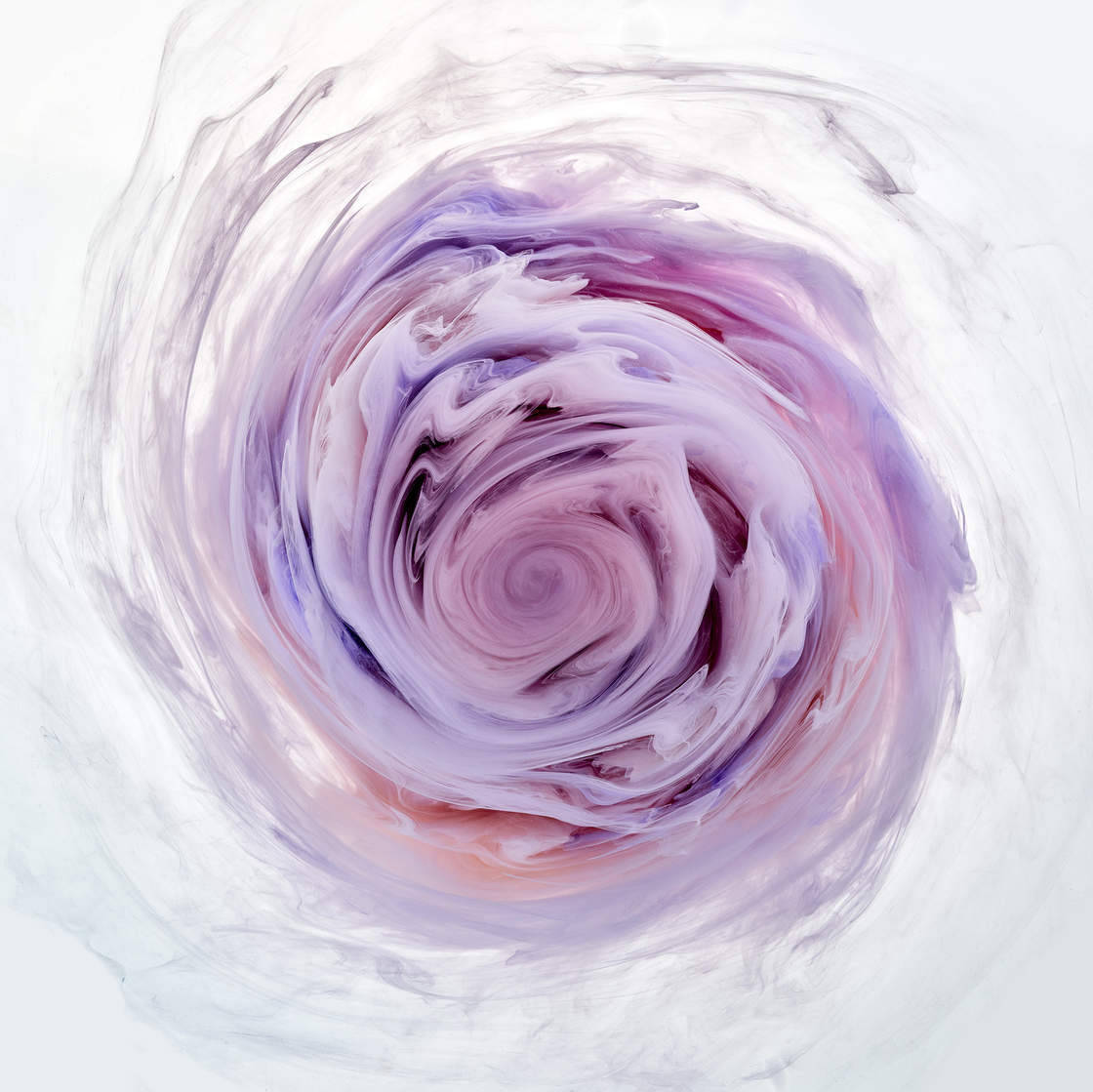
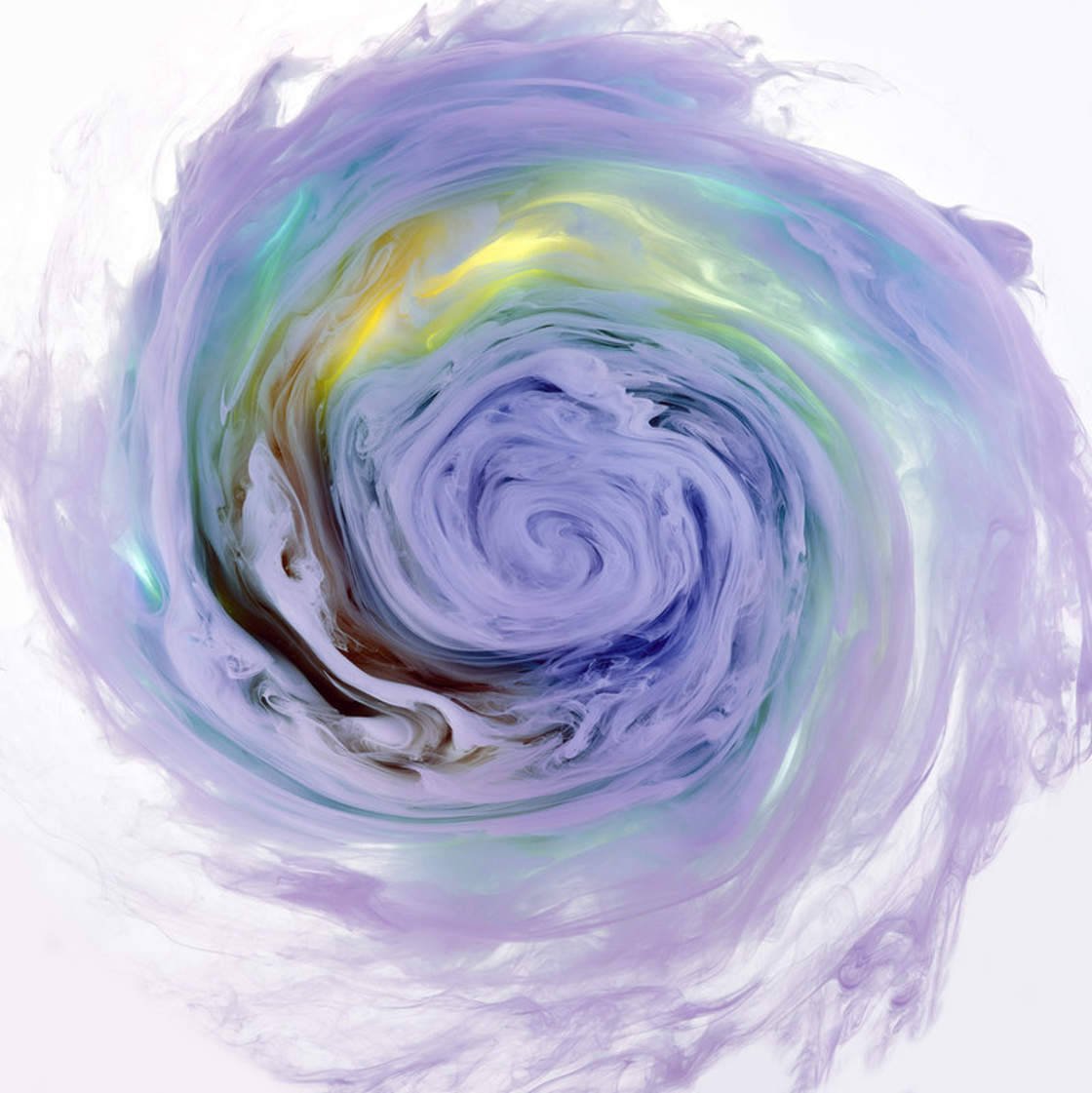
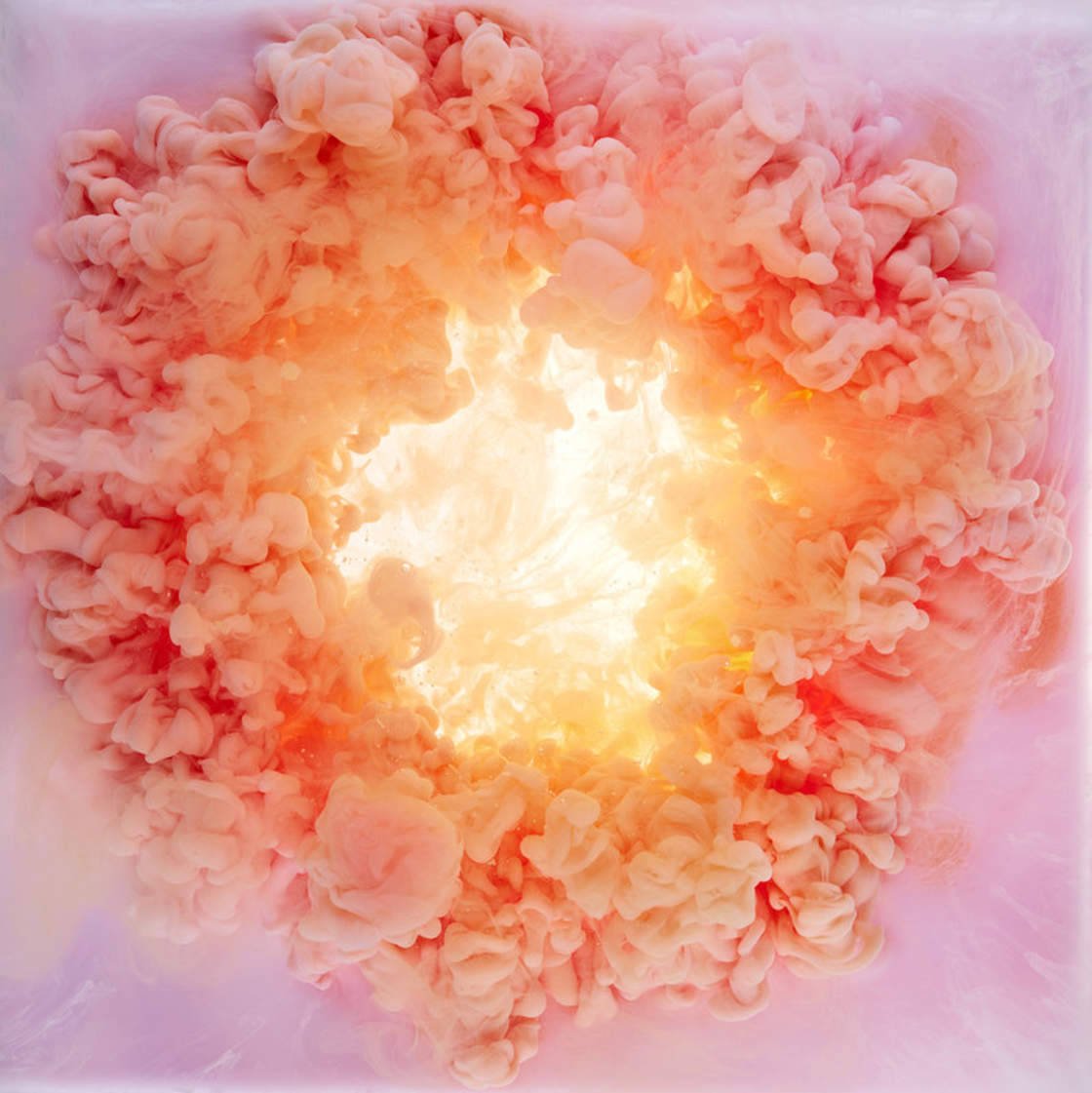
    Liquid sunbursts and swirling aquatic roses abound in photographer Mark Mawson’s work. Images like these are created from dropping ink into water and photographing it as it diffuses. For the roses, the tank is additionally stirred or spinning to create the vortex-like appearance. Check out his website for more striking images, including more billowing ink, some great splashes and beautiful turbulent mixing between coffee and milk. (Image credit: M. Mawson; submitted by clogwog)

  • Staying Dry Underwater

    Staying Dry Underwater

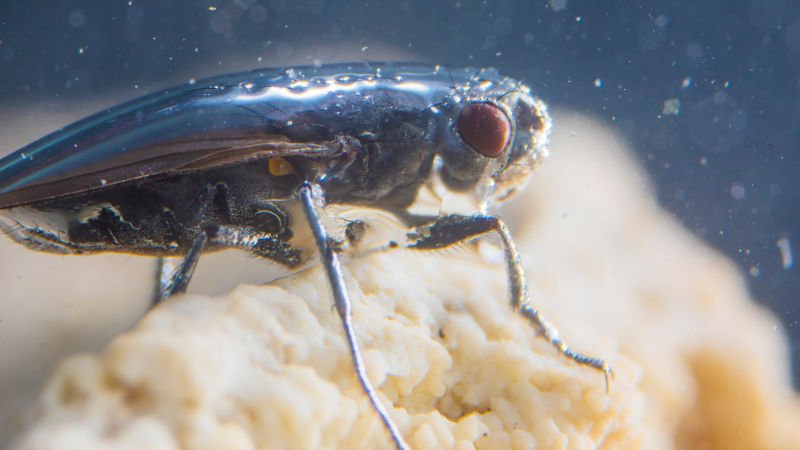
    Many insects are known to quest underwater, but few are as adept at it as the alkali fly. This species has taken common attributes among flies – being covered in tiny hairs and a waxy layer – and really upped the ante. Their extra hairiness and extra waxiness make them extremely difficult to get wet, even in the excessively salty and alkaline waters of California’s Mono Lake, which are enough to defeat all but algae, brine shrimp, bacteria, and alkali flies.

    Staying dry is a challenge, but only one of many this insect tackles. The combination of hair and wax over the insect makes it superhydrophobic, coating it in a silvery layer of air as it crawls below the surface. All that air is buoyant, so to walk underwater, the fly has to exert forces up to 18 times its body weight just to keep from popping back up to the surface.

    The shimmering bubble also helps the fly breathe. Insect respiratory systems use openings all over the exoskeleton to exchange oxygen with the ambient atmosphere via diffusion. While diffusion of oxygen does still happen underwater, it’s a much slower process there. The air sheath around the fly creates a large surface area for oxygen to diffuse, which helps counter the lower diffusion rate. Inside the sheath, the fly breathes as it normally does. (Image and research credit: F. van Breugel and M. Dickinson; via Gizmodo; submitted by @1307phaezr)

  • Featured Video Play Icon

    “Macrocosm”

    In “Macrocosm” artist Susi Sie explores a liquid world of black and white. The two colors diffuse and mix to a soundtrack of “space sounds” recorded by NASA. (Most of these are probably ionic sound rather than sound as we’re used to, but even that is somewhat fluid dynamical.) The result is beautiful, surreal, and more than a little creepy. Happy Halloween! (Video and image credit: S. Sie)

    image
  • Featured Video Play Icon

    “Galaxy Gates”

    Viewing fluids through a macro lens makes for an incredible playground. In “Galaxy Gates”, Thomas Blanchard and the artists of Oilhack explore a colorful and dynamic landscape of paint, oil, and glitter. The nucleation of holes and the breakdown of sheets to filaments and droplets plays a major role in the visuals. The surface layer is constantly peeling away to reveal what’s going on underneath. In many cases this initial motion settles into a field of oil-rimmed droplets floating like planets against a colorful galactic backdrop. Watch carefully in the second half of the video, and you can even catch a few instances of a stretched ligament of fluid breaking into a string of satellite drops, like at 1:51. Check out some of Blanchard’s previous work here and here. (Video credit: Oilhack and T. Blanchard; GIFs and h/t to Colossal)

     
  • Featured Video Play Icon

    “Ink in Motion”

    In this short film, the Macro Room team plays with the diffusion of ink in water and its interaction with various shapes. Injecting ink with a syringe results in a beautiful, billowing turbulent plume. By fiddling with the playback time, the video really highlights some of the neat instabilities the ink goes through before it mixes. Note how the yellow ink at 1:12 breaks into jellyfish-like shapes with tentacles that sprout more ink; that’s a classic form of the Rayleigh-Taylor instability, driven by the higher density ink sinking through the lower density water. Ink’s higher density is what drives the ink-falls flowing down the flowers in the final segment, too. Definitely take a couple minutes to watch the full video. (Image and video credit: Macro Room; via James H./Flow Vis)

  • Featured Video Play Icon

    Four Seasons

    The team behind Beauty of Science decided to explore the four seasons in this video combining macro footage of crystal growth, chemical reactions, and fluid dynamics. It’s always a fun game with videos like this to try and guess exactly what makes the mesmerizing patterns we see. Are those blue streaming waves in Spring caused by alcohol shifting the surface tension in a mixture? Are the dots of color welling up in Autumn a lighter fluid bursting up from underneath a denser one? As fun as the visuals are, though, what really made this video stand out for me was its excellent use of “The Blue Danube” to tie everything together. Check it out and don’t forget the audio! (Video credit: Beauty of Science; via Gizmodo)

  • Featured Video Play Icon

    Coarsening in a Soap Film

    Flow in a soap film is driven by gravity’s efforts to thin the film and surface tension’s attempts to stabilize variations in thickness. Because evaporation guarantees that the soap film will eventually dry out, gravity typically wins the battle and causes a soap film to rupture. This video takes a close look at what happens in the film just before it ruptures. Black dots form in the thinnest region of the flow. These areas are not holes, but they appear black because they are thinner than any wavelength of visible light. Before rupture, the black dots begin coalescing with one another, first due to diffusion and later more rapidly due to convection in the soap film. Ultimately, the black dots are the harbingers of doom for the fragile bubble. (Video credit: L. Shen et al.)