Tag: chemistry

  • Devising Greener Chemistry

    Devising Greener Chemistry

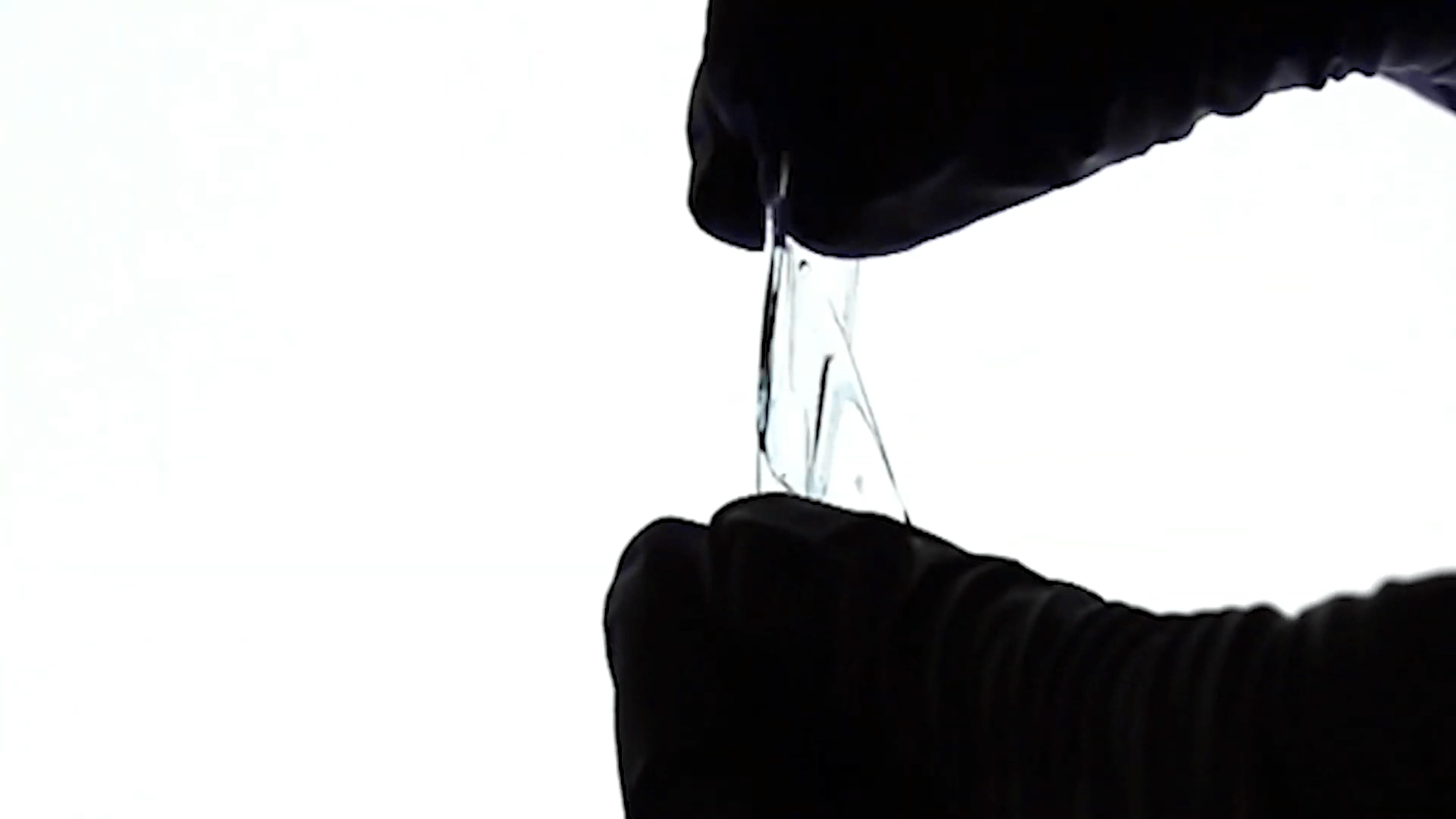
    Not all microfluidic devices use tiny channels to pump and mix fluids. Some, like the Vortex Fluidic Device (VFD), conduct their microfluidic mixing in thin films of fluid. The VFD is essentially a tube spinning at several thousand RPM that can be tilted to various angles. Coriolis forces, shear, and Faraday instabilities in the thin fluid film create a complex microfluidic flow field that’s excellent for mixing, crystallization, and processing of injected chemicals. One rather notorious application of this device was unboiling an egg, a feat for which the researchers won an Ig Nobel Prize. But other, more practical applications abound, including a waste-free method for coating particles. (Image and research credit: T. Alharbi et al.; video credit: Flinders University; via Cosmos; submitted by Marc A.)

  • Featured Video Play Icon

    “Columbia”

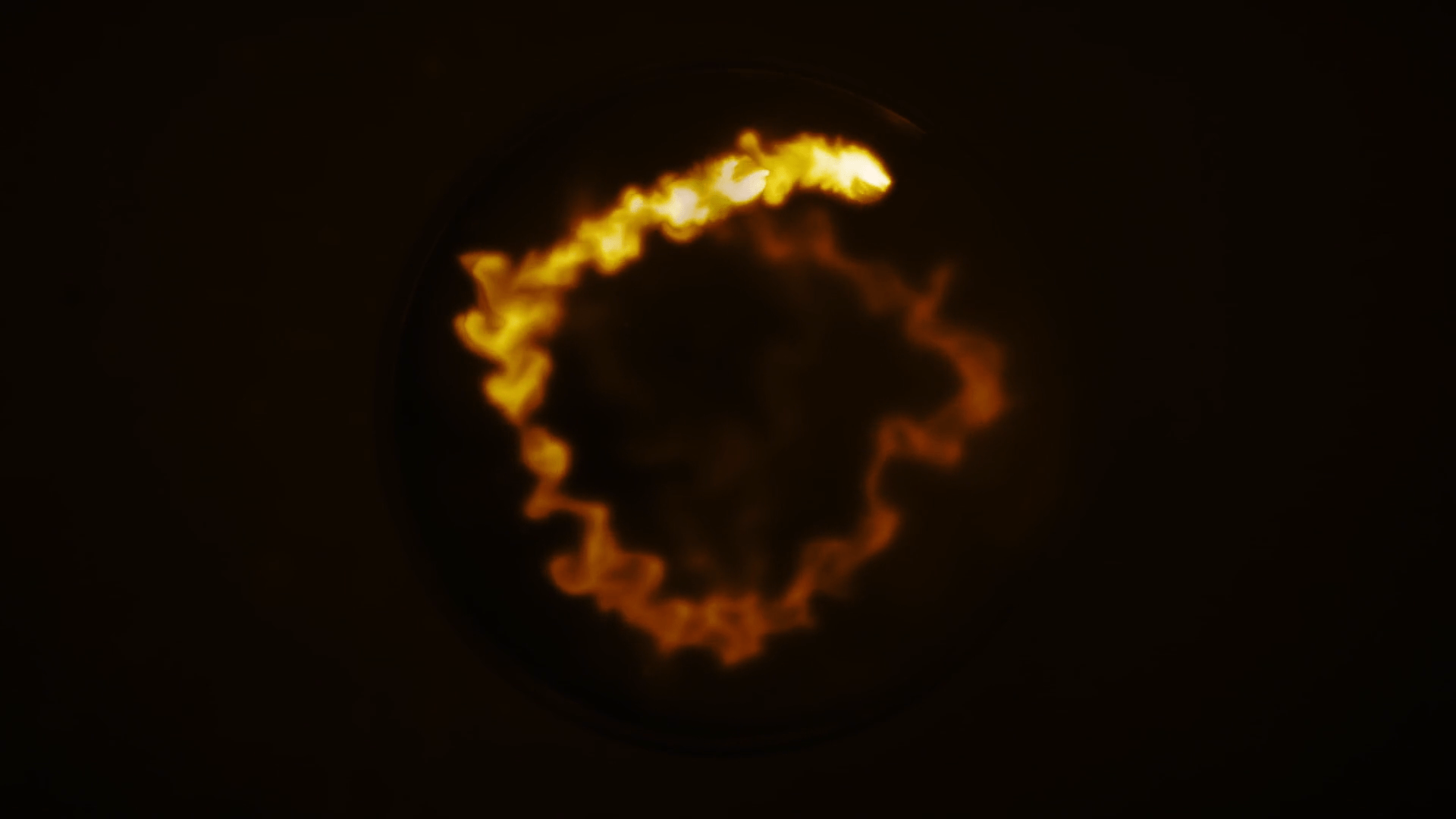
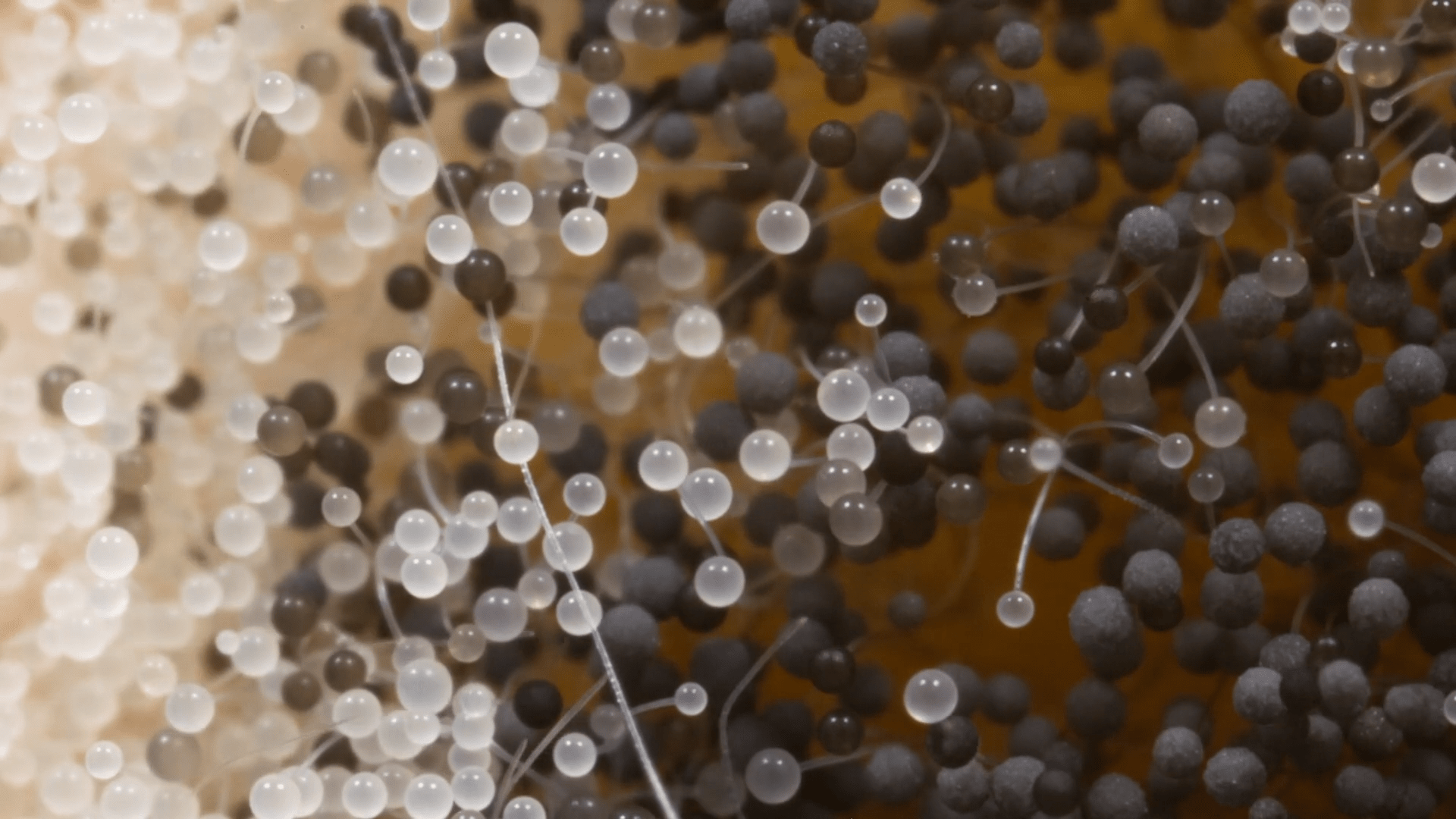
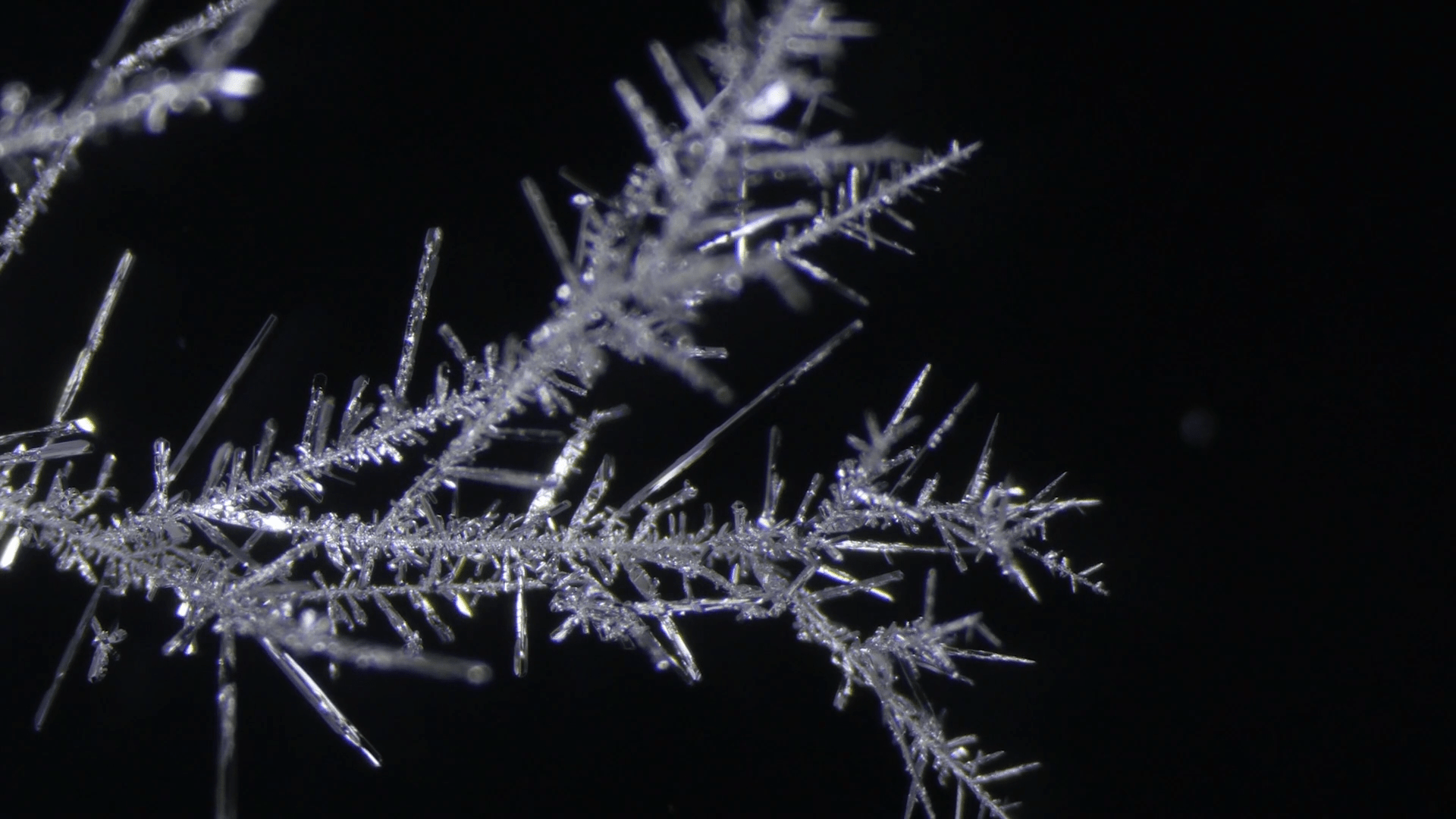
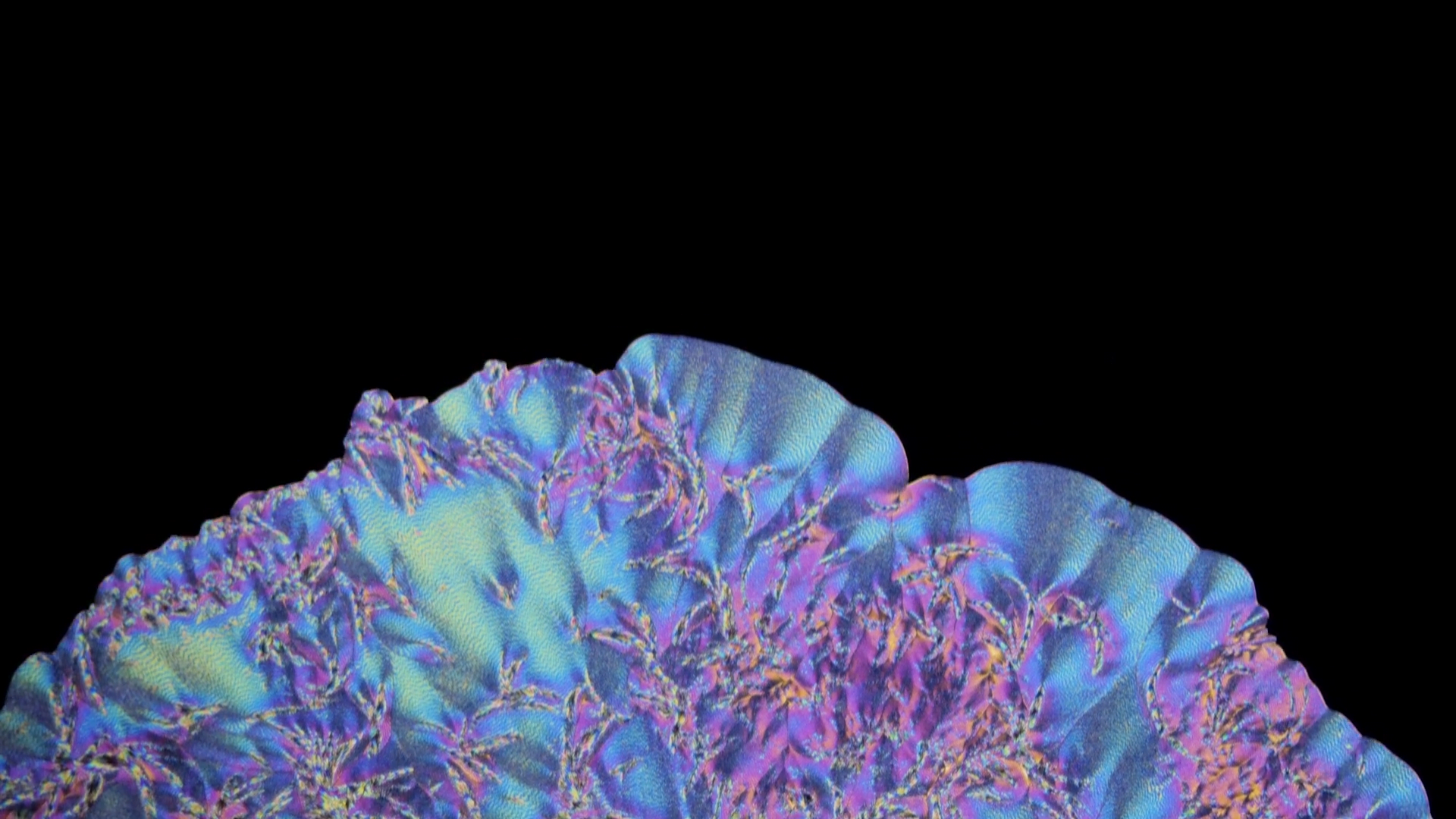
    “Columbia” is a music video illustrated with fluid dynamics, chemistry, and biology by the Beauty of Science team. It’s got everything from precipitation to crystallization, from infrared imagery of wakes to timelapses of growing molds. How many phenomena can you identify? (Video and image credit: Beauty of Science)

  • A Macro View of Weathering

    A Macro View of Weathering

    Water constantly weathers sedimentary rock, both physically — through abrasion — and chemically — through dissolution and recrystallization. Now researchers have gotten their first view of this weathering at the Ångstrom level by observing porous rocks with environmental transmission electron microscopy as they interact with both water vapor and liquid water.

    As expected, the experiments with liquid water showed that water dissolved the rocks and substantially changed the geometry of the rock’s pores. But the experiments also showed significant weathering from water vapor alone. The researchers found that water vapor formed a film on the surface of the rock’s pores in a process known as adsorption. This film substantially decreased the size of each pore and created strain in the rock. Once the water vapor was removed, the rock’s pores were notably altered, supporting the idea that this adsorption was, itself, a form of weathering. (Image credit: M. Kosloski; research credit: E. Barsotti et al.; via AGU EOS; submitted by Kam-Yung Soh)

  • Acidic Sea Spray

    Acidic Sea Spray

    As waves crash and break, they generate a spray of droplets — known as aerosols — that make their way into the atmosphere. Researchers investigated the chemistry of these aerosol droplets by generating spray in a wave tank filled with ocean water. They found that aerosol droplets are far more acidic than the ocean they come from, and the smaller the droplet, the more acidic it is. This acidification happens in a matter of minutes, as acidic gases interact with the spray. Their findings will be critical for accurately modeling the climate connections between our oceans and atmosphere. (Image credit: Elle; research credit: K. Angle et al.; via OceanBites; submitted by Kam-Yung Soh)

  • “Catalysis”

    “Catalysis”

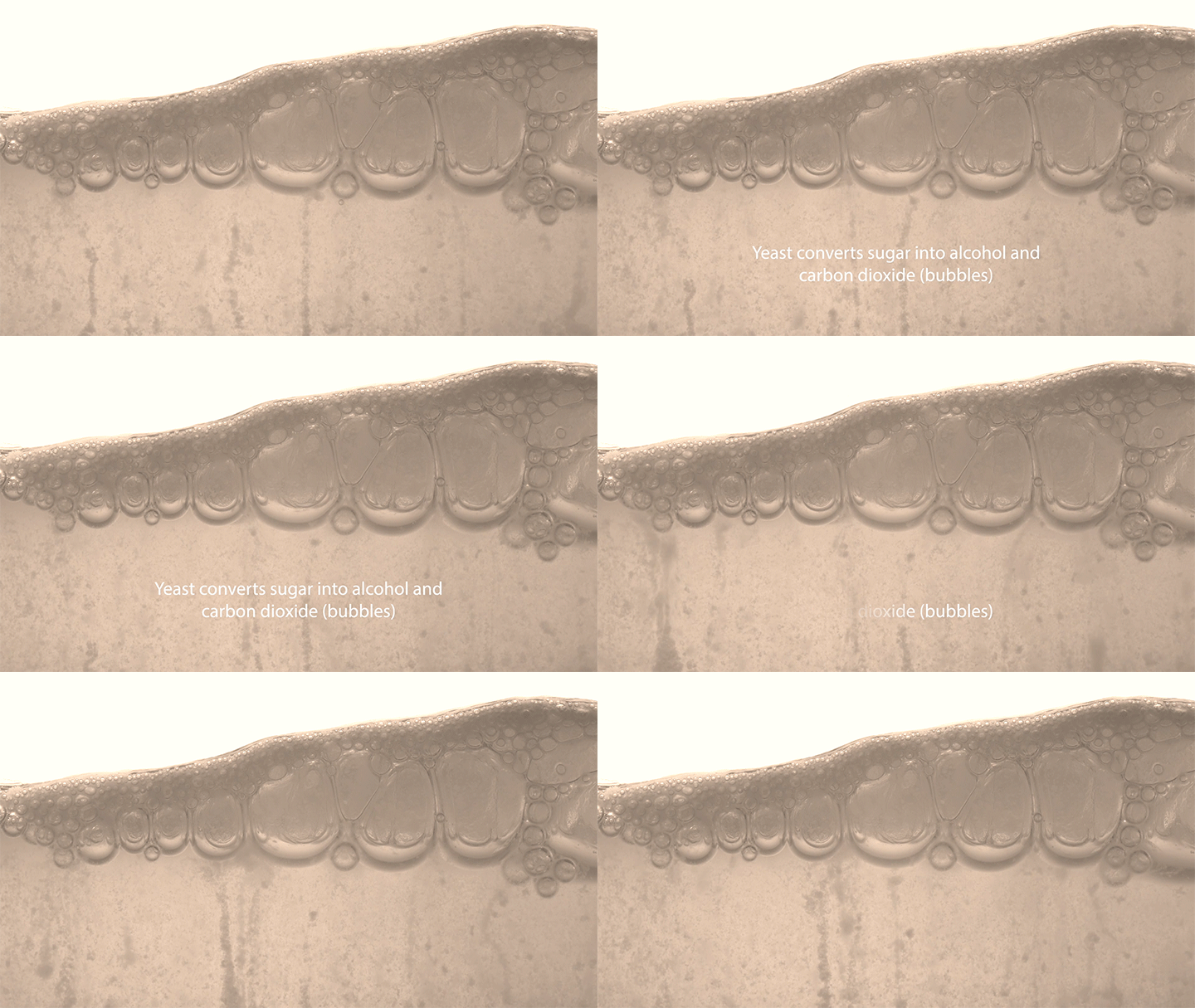
    Catalysts speed up chemical reactions without being consumed themselves. In “Catalysis” the Beauty of Science team shows 5 different examples of catalytic reactions, from acetone oxidation to yeast fermentation. The film is full of bubbles, sparks, and wave-like pulses of chemical reaction. As always, it’s a lovely glimpse of processes we’re not used to watching so closely. (Image and video credit: Beauty of Science)

  • Featured Video Play Icon

    Precipitation

    Chemistry and fluid dynamics often go hand-in-hand. Here chemical reactions produce visible precipitates as one chemical drops into the other. The shapes that form are distinctly fluid dynamical, with vortex rings, plumes, and instabilities all appearing.

    In many applications, chemical reactions and fluid dynamics are tied inextricably to one another because the rate of chemical reaction depends on local concentrations driven by fluid dynamics, and the fluid motion is itself influenced by those concentration gradients. This is why reacting flows, like those found in combustion, are among the hardest topics in fluids. (Image and video credit: Beauty of Science)

  • Featured Video Play Icon

    Hot Ice, Buoyancy Tricks, and More DIY Fun

    Here’s a smorgasbord of DIY experiments from Dianna at Physics Girl. Some are fluidsy, some aren’t, but all of them give you a chance to stretch your science muscles at home. Personally, I think she saved the best for last with her laser-acoustics demo! (Video credit: Physics Girl)

  • Featured Video Play Icon

    Fluorescent Dancing Droplets

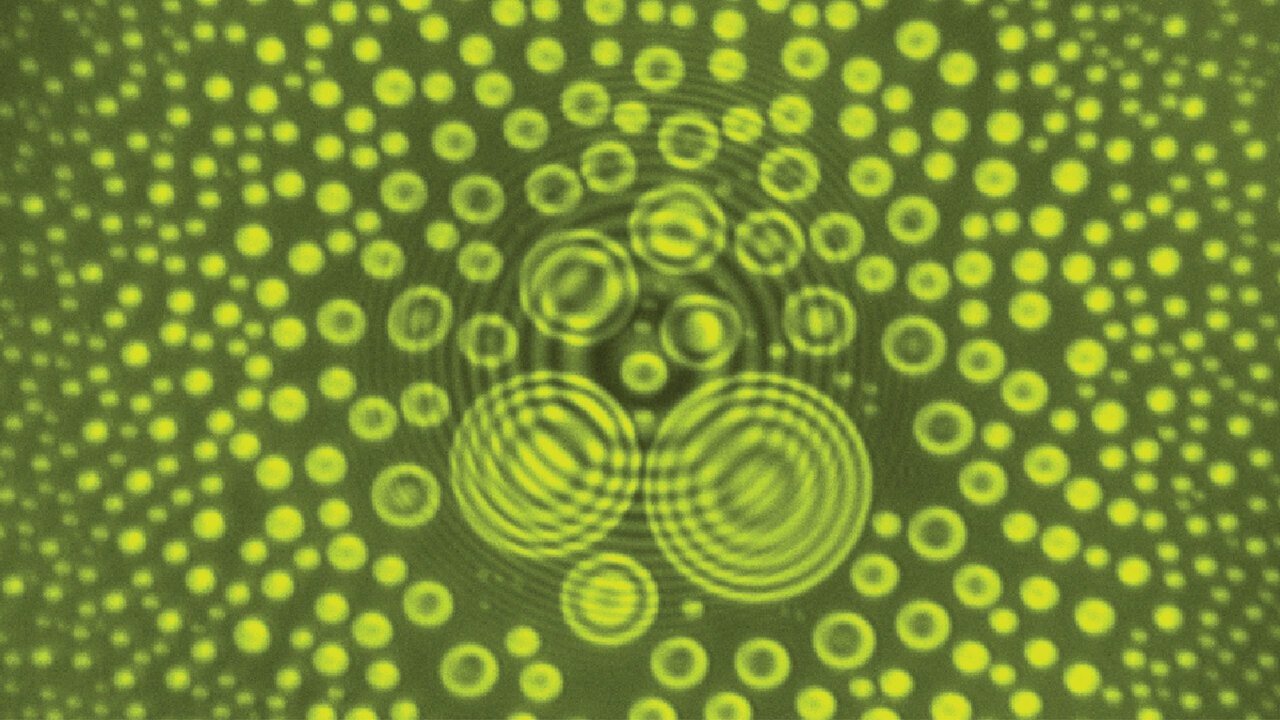
    These fluorescent droplets of glowstick liquid jiggle and dance in a solution of sodium hydroxide. Some droplets jitter. Some rotate. And some undergo one coalescence after another. It’s always fun to see how fluid dynamics and chemistry combine! (Image and video credit: Beauty of Science)

  • Featured Video Play Icon

    Molten Thermite

    This glowing, molten liquid captured by the Slow Mo Guys is thermite. The chemical reaction behind thermite is highly exothermic, hence its intense glow. There’s some great fluid dynamics hiding in this video. First, there’s the dripping thermite (Image 1), which breaks up into droplets via the Plateau-Rayleigh instability before shattering when it hits the ground.

    Then there are the sequences (Images 2 and 3) of thermite dripping into water. The heat of the reacting thermite vaporizes a layer of water around it, creating a bubble that completely envelops the thermite. In other words, the falling thermite is supercavitating! That layer of air significantly reduces drag on the thermite and it insulates the thermite from the cooler temperature of the water. (Video and image credit: The Slow Mo Guys)

  • Featured Video Play Icon

    “As Above”

    In Roman Hill’s “As Above,” we see expansive celestial landscapes: nebulae, the corona of a star, and expanding interstellar dust clouds. Except, in reality, we are watching fluids undergoing a chemical reaction, on a canvas only 8 square millimeters in size. It’s a fun — and beautiful — reminder that the patterns of physics repeat across many scales. (Video and image credit: R. Hill)