Tag: fluid dynamics

  • Kelvin-Helmholtz Waves on the Sun

    Kelvin-Helmholtz Waves on the Sun

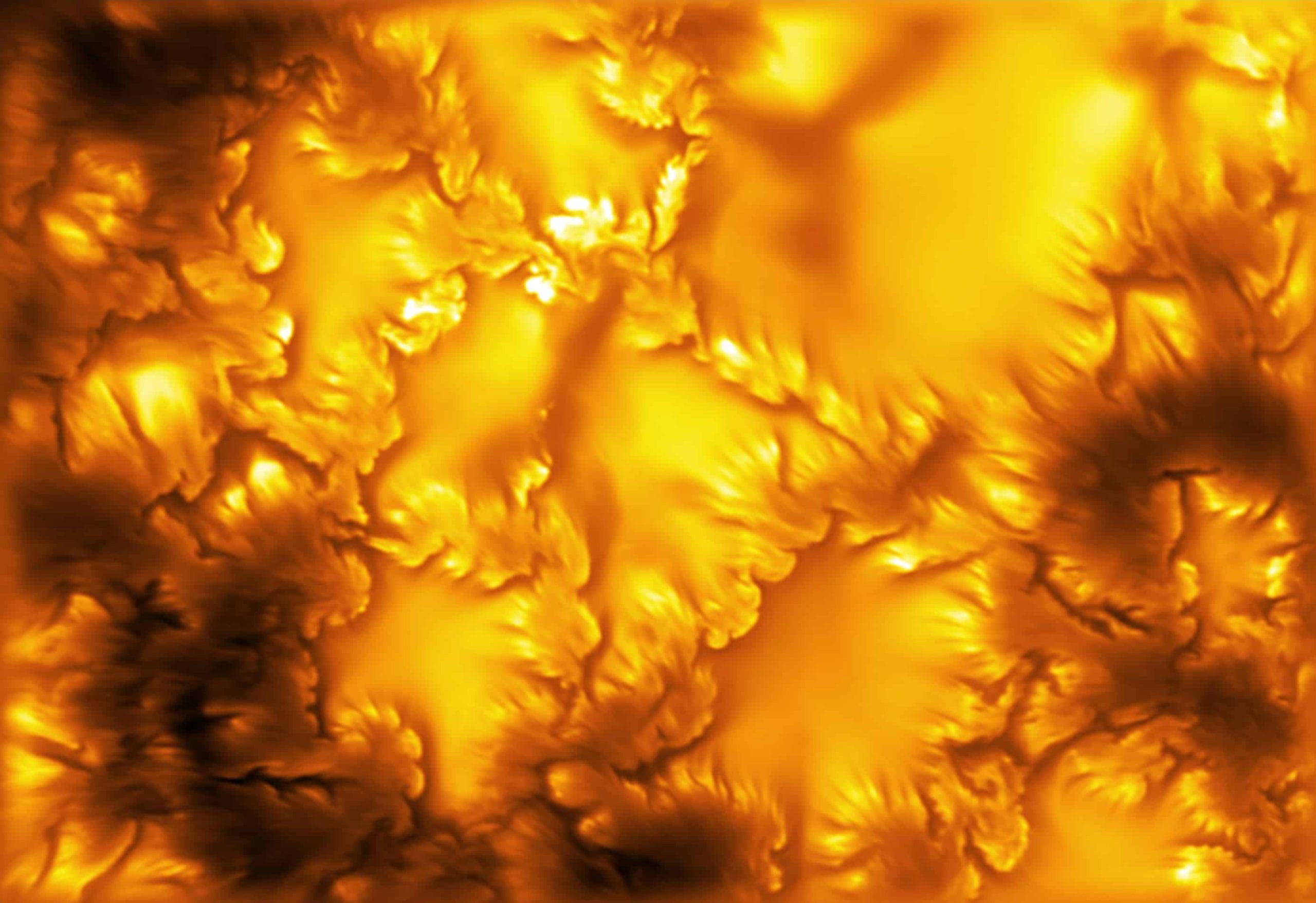
    When it comes to how stars like our Sun work, scientists have long relied on theoretical predictions to describe processes we couldn’t observe firsthand. But new images from our most powerful solar telescope have finally revealed a phenomenon that’s long been predicted: Kelvin-Helmholtz waves on the Sun’s photosphere.

    Even if the name is unfamiliar, you’re no stranger to Kelvin-Helmholtz waves. They occur where two fluid layers move past one another at different speeds, causing the interface between them to distort and curl into waves. They’re the reason that wind generates waves, whether it’s rippling waves on a lake or giant breaking waves on the ocean.
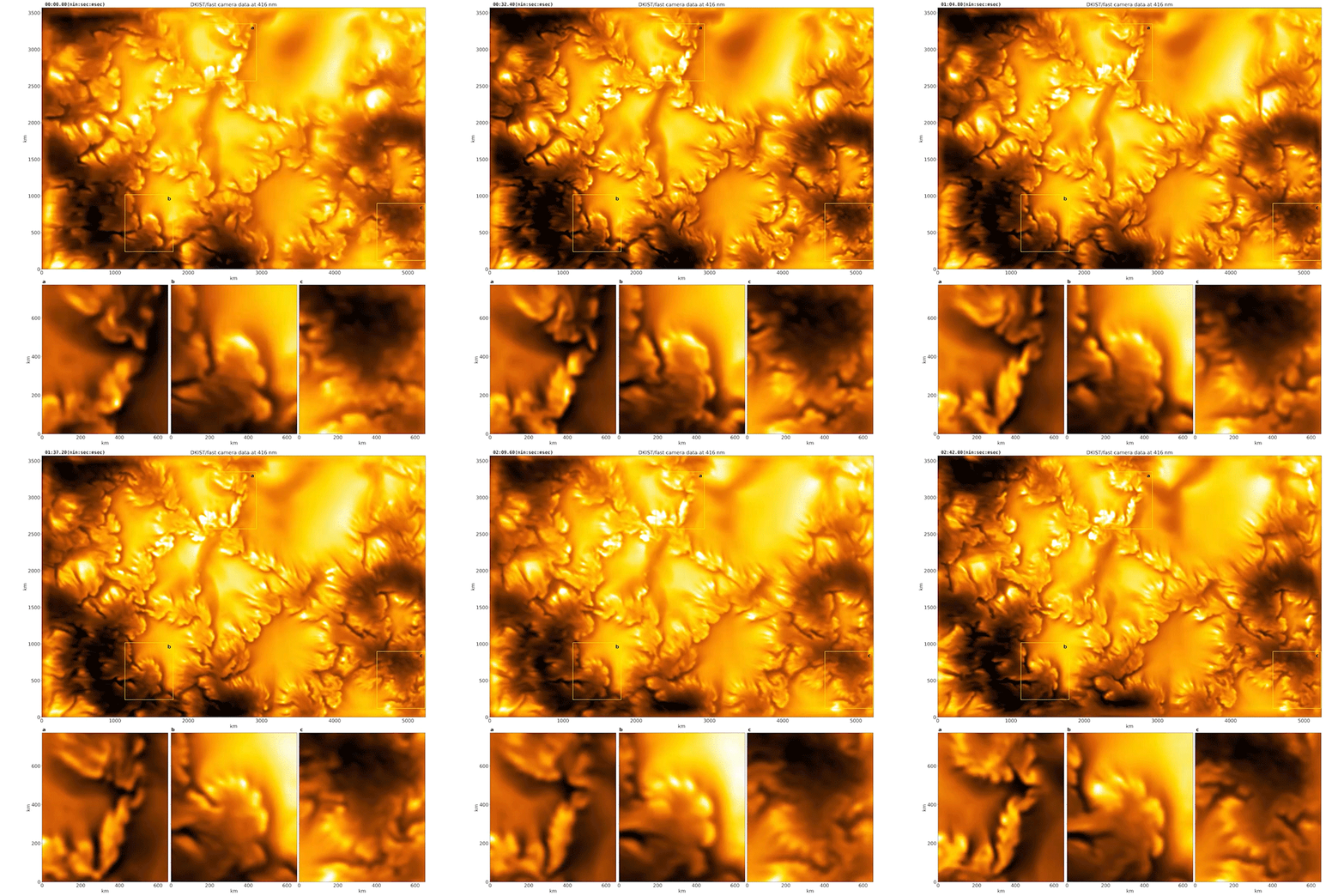
    Animation showing Kelvin-Helmholtz instabilities swirling on the Sun's photosphere.
    Animation showing Kelvin-Helmholtz instabilities swirling on the Sun’s photosphere.

    On the Sun, small-scale (roughly city-sized) Kelvin-Helmholtz waves were hypothesized to move magnetized plasma in ways that leads to magnetic lines reconnecting in the violent solar eruptions that drive space weather. Although we saw these waves in numerical simulations, this marks their first actual observation on our star. (Image credit: NSF/NSO/AURA/MPS; research credit: D. Kuridze et al.; via APOD)


    Fediverse Reactions
  • Gigantic Jet Over the Desert

    Gigantic Jet Over the Desert

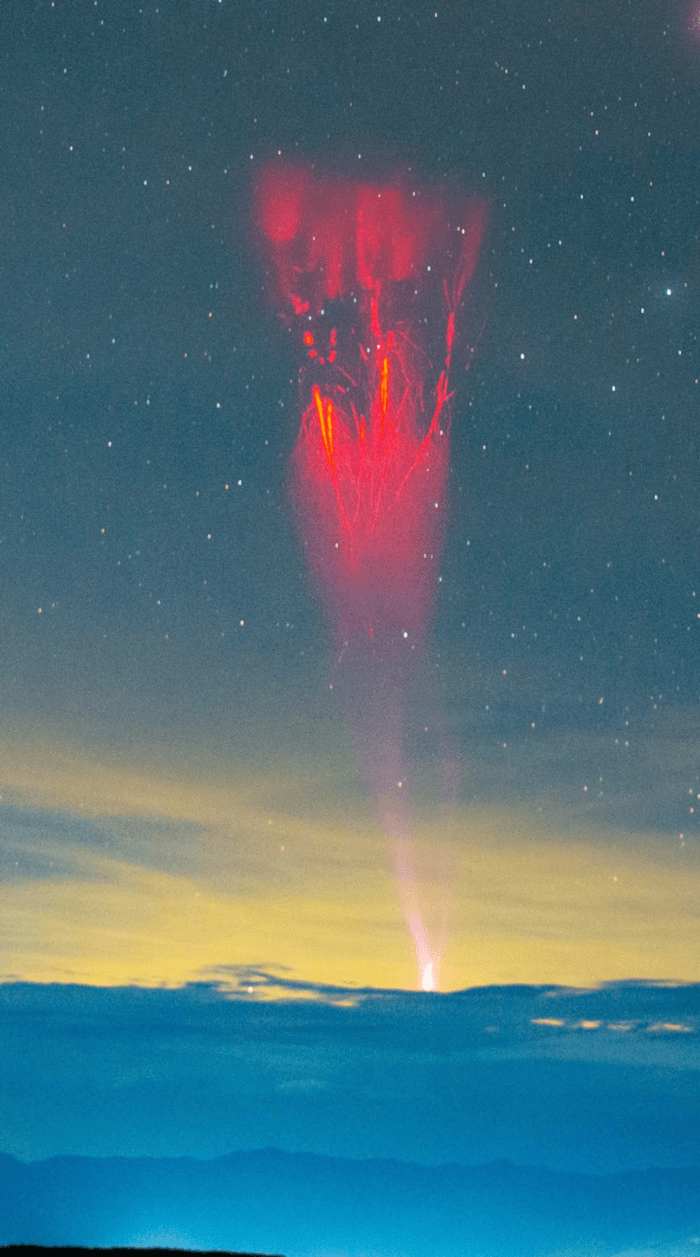
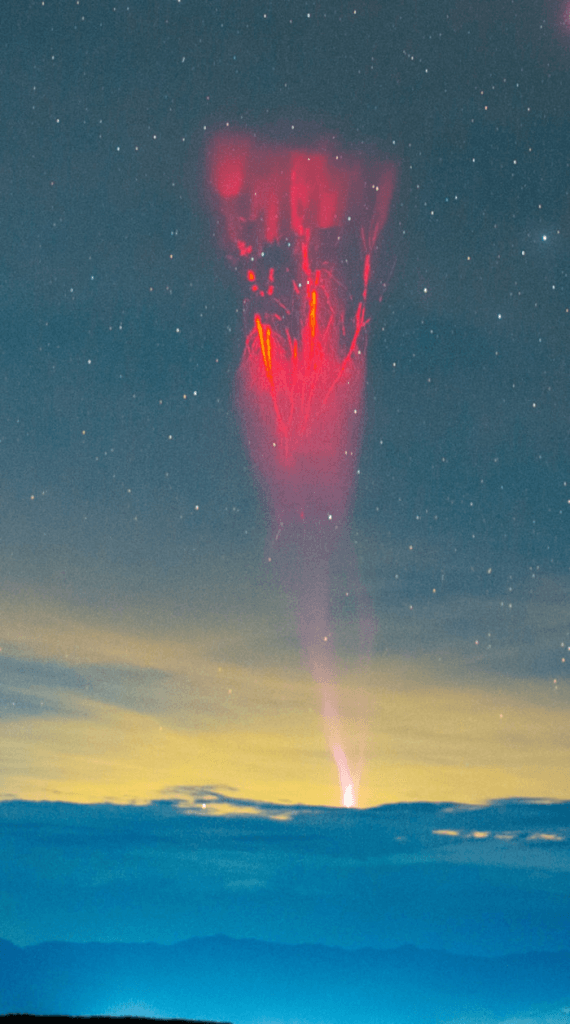
    We’re most familiar with the bright, forking lightning bolts that stretch from thunderstorms toward the ground, but there are even more types of lightning. Pictured here is a gigantic jet, a relatively recently-identified atmospheric phenomenon. Gigantic jets occur when a thunderstorm’s electrical charge escapes upward into the ionosphere in less than a second. The red streamers at the top get their color from heating molecular nitrogen. For other unusual types of lightning, check out red sprites and blue jets. (Image credit: M. Vargas; via APOD)

    A gigantic jet rises from a distant thunderstorm into the ionosphere, where is splits into red streamers.
  • Featured Video Play Icon

    “Imperial”

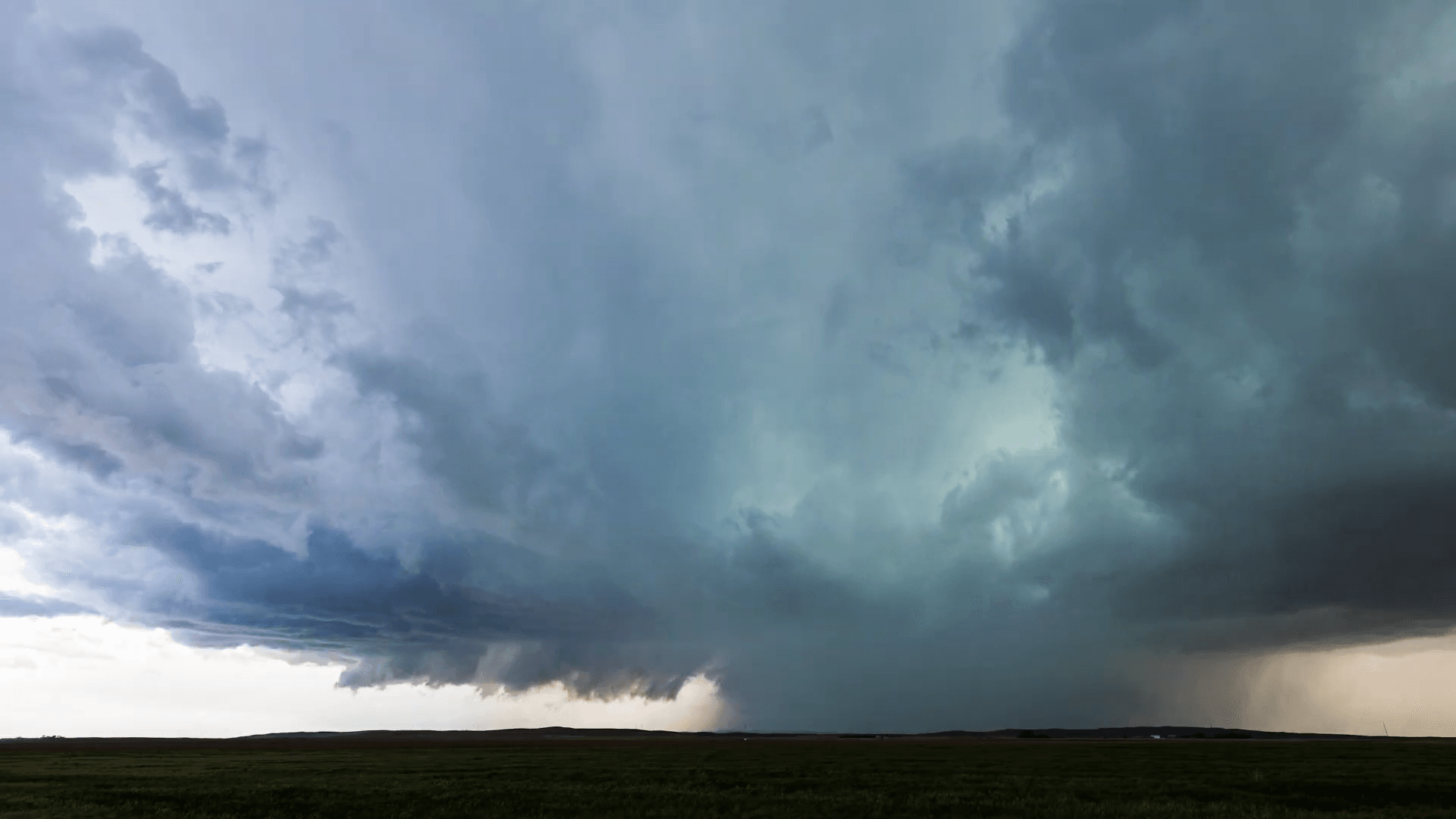
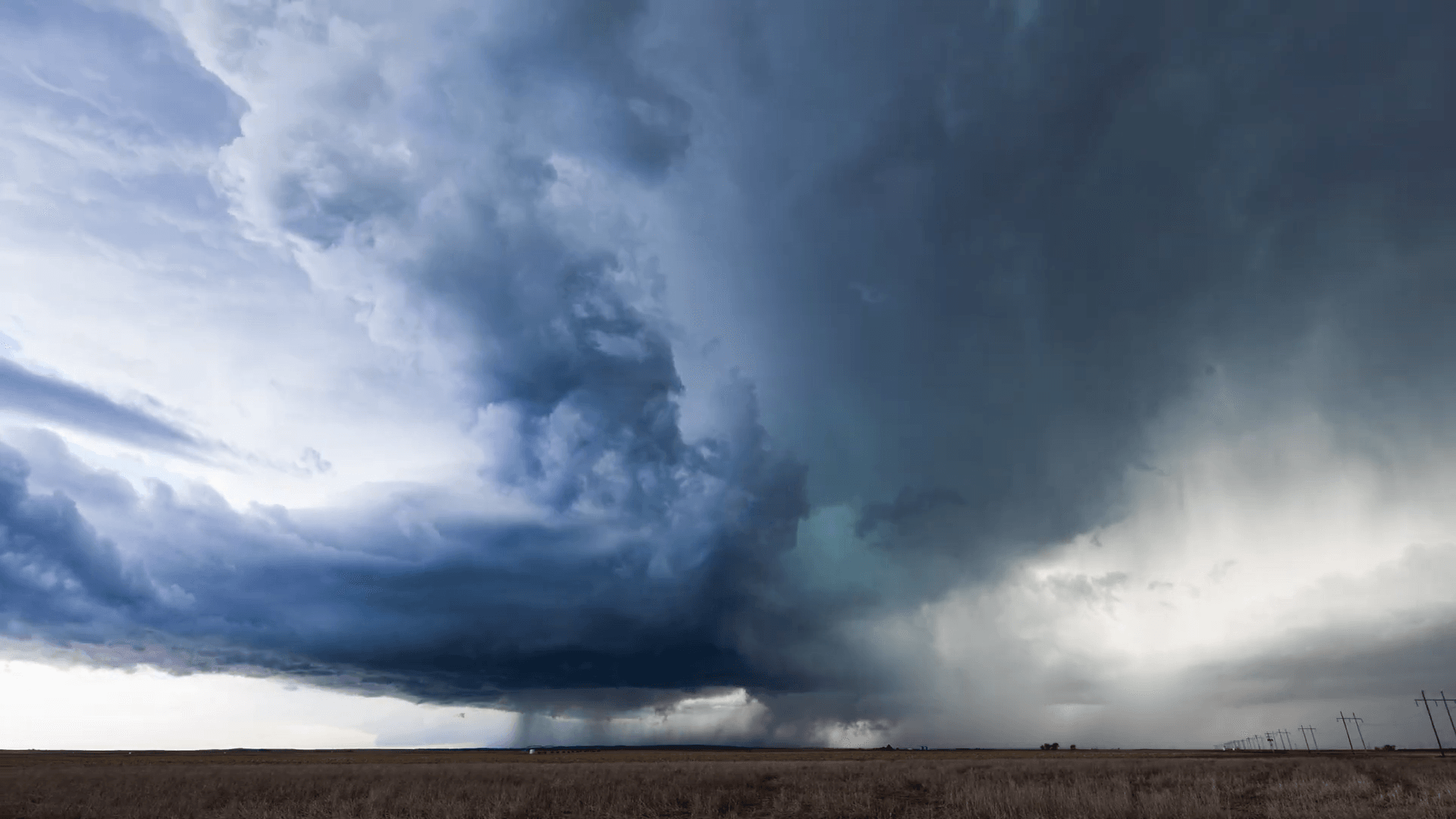
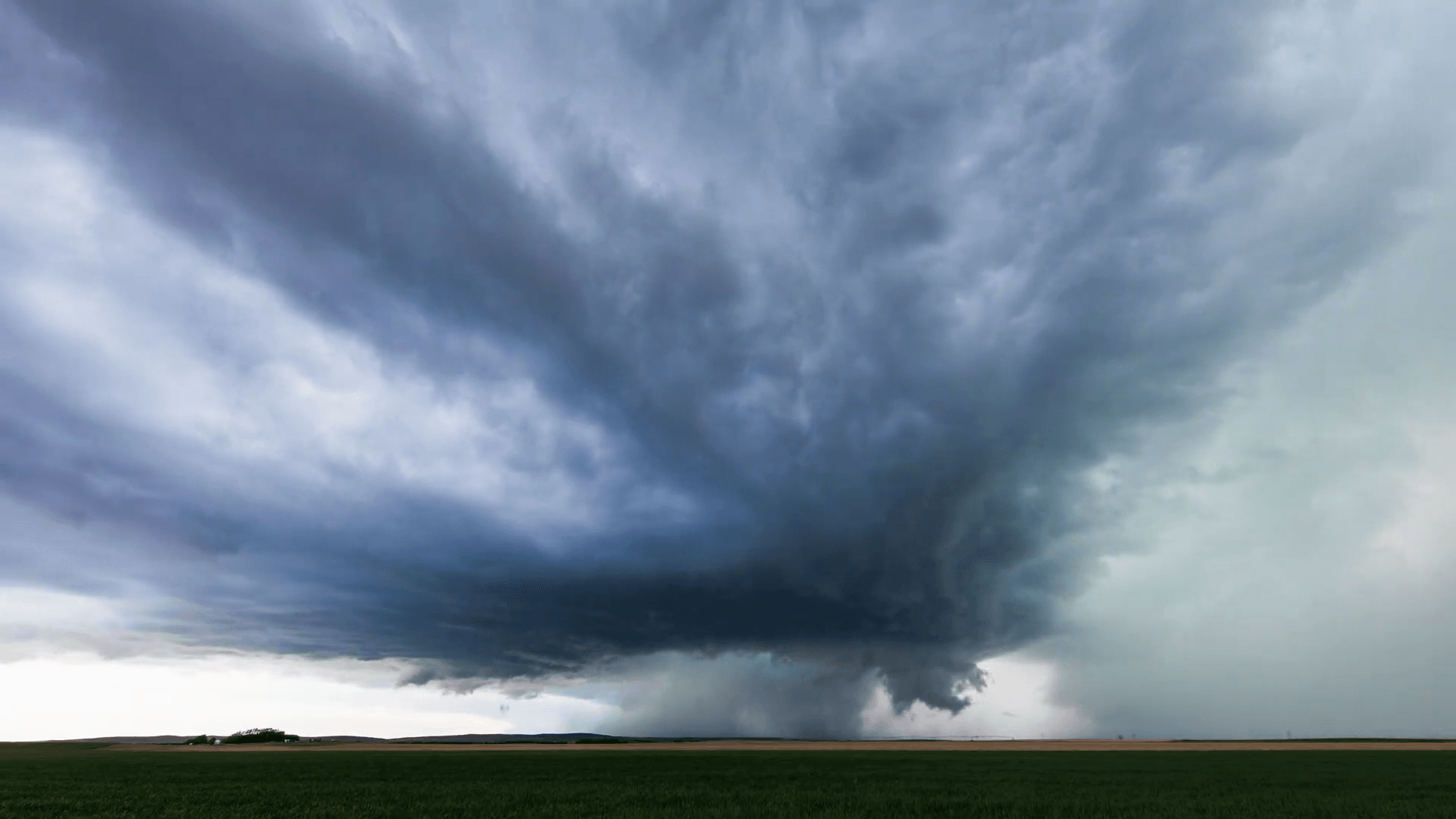
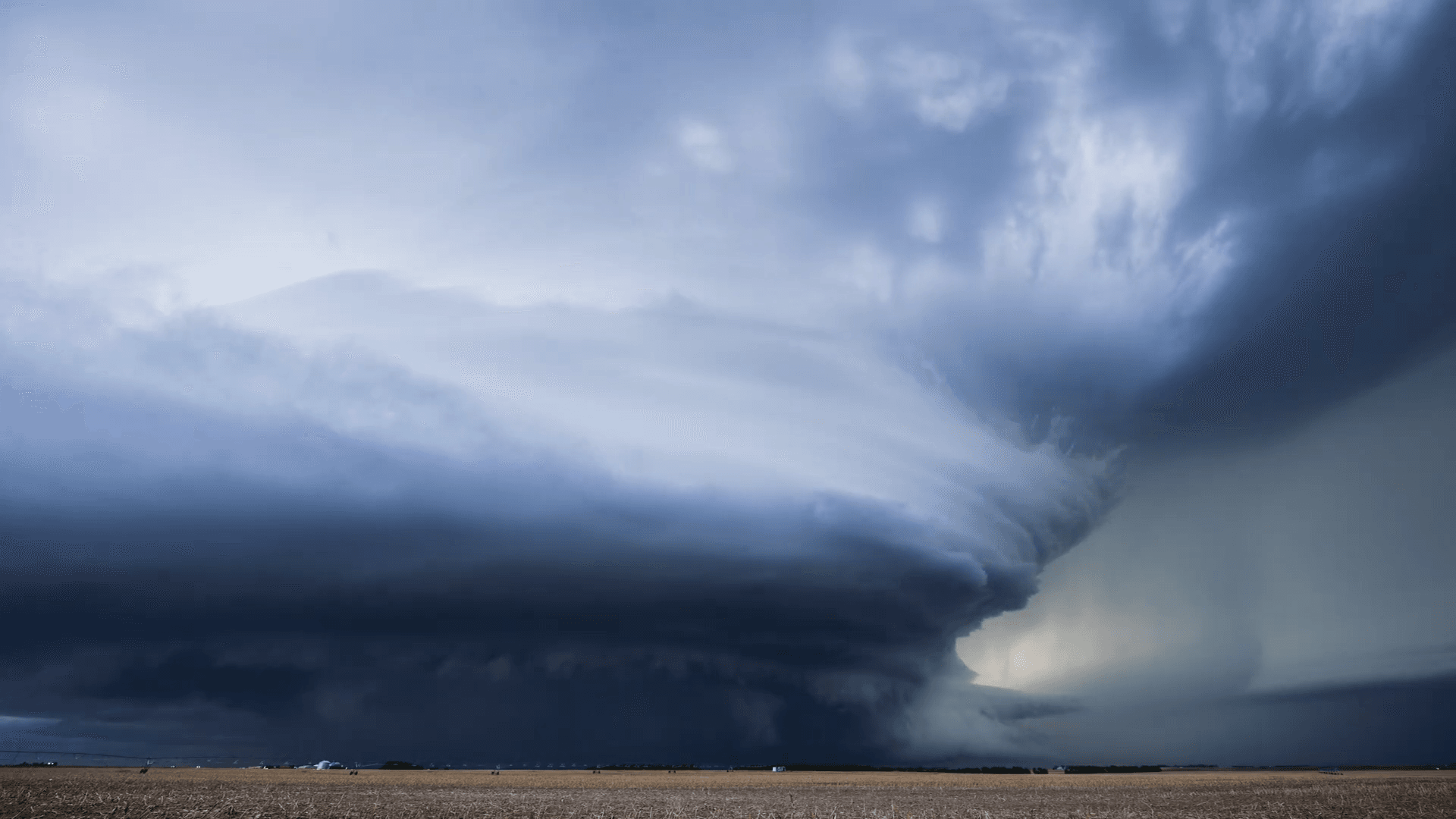
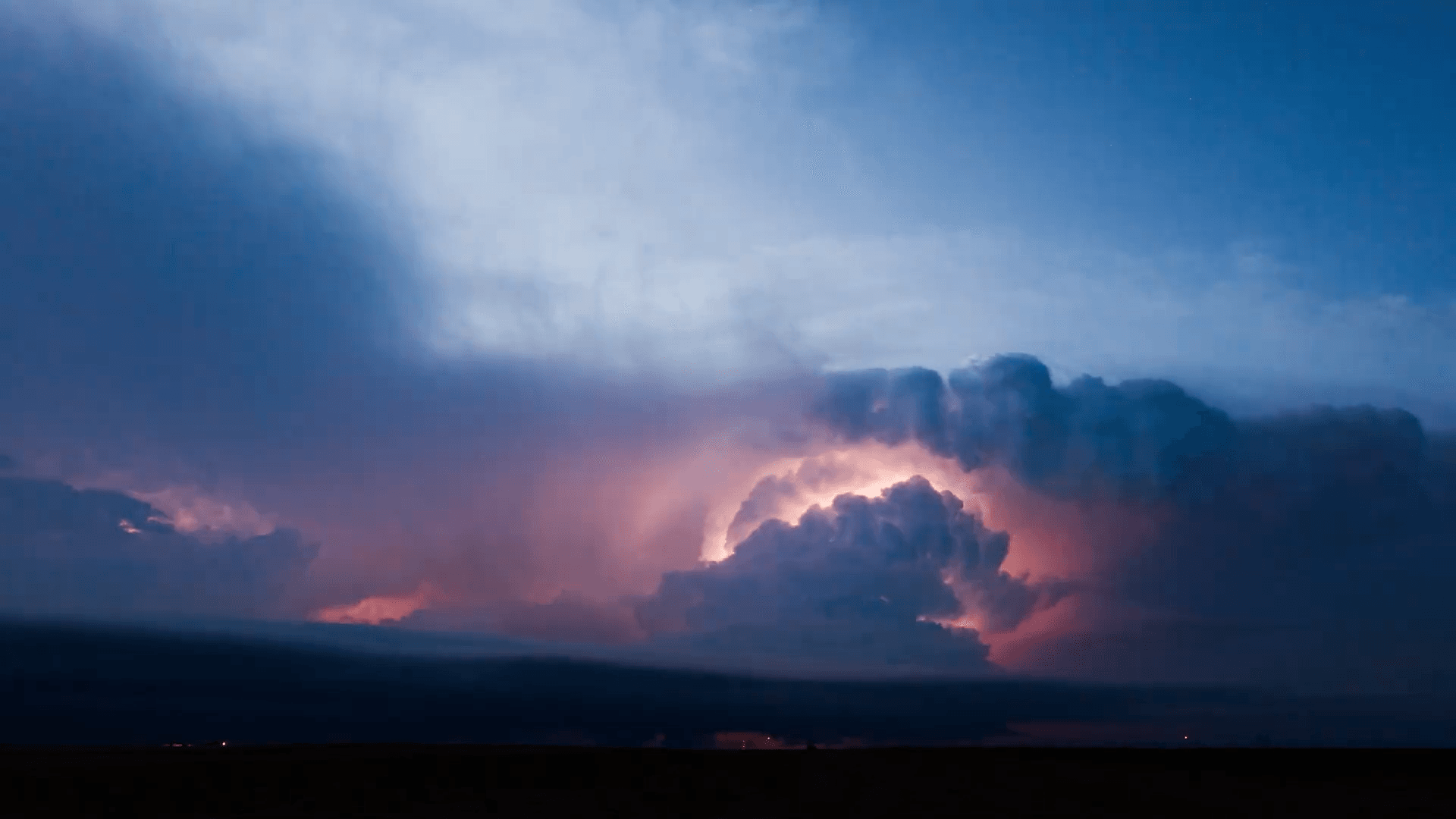
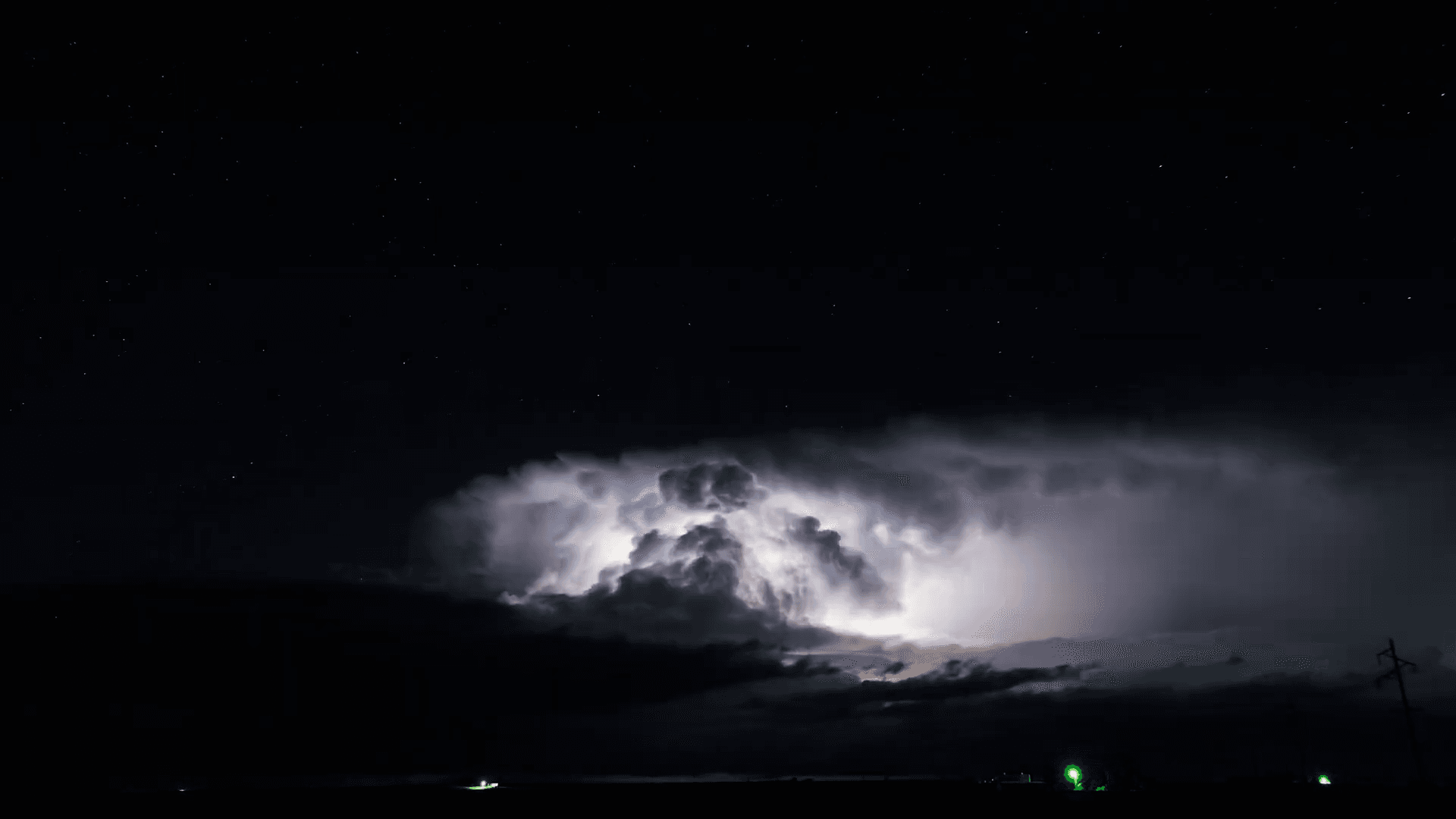
    This timelapse from photographer Mike Olbinski shows a supercell thunderstorm that developed over Colorado and headed to Nebraska. The churning convection of the early storm makes for a dramatic backdrop to stormcloud’s growing rotation. By sunset, the sky was lit with lightning, which continued to illuminate the storm well after darkness fell. (Video and image credit: M. Olbinkski)

  • Snoozing Sperm Whales Blow Bubbles

    Snoozing Sperm Whales Blow Bubbles

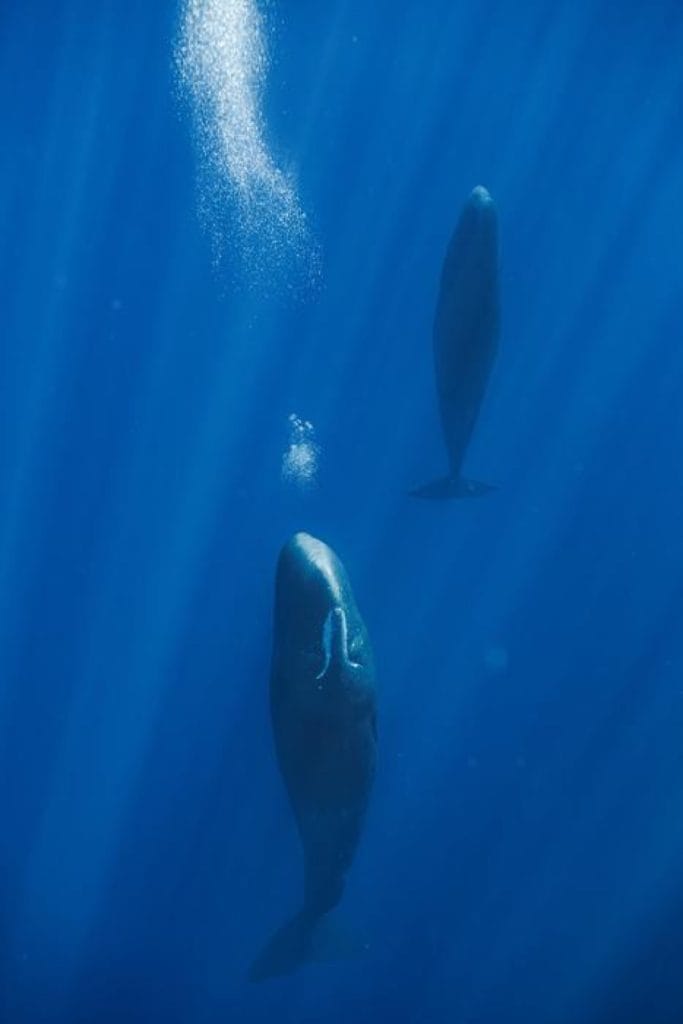
    Sperm whales like to nap under the water and away from the waves. They seem to do this in a vertical, head-up orientation. That makes sense, given that their enormous heads, which take up a third of their bodies, are full of oil, wax, and air–all buoyant materials. What’s less obvious is how the whales maintain their depth while sleeping. Why don’t they just bob right up to the surface with all that buoyancy?

    In a recent study, scientists attached devices to the whales that recorded their orientation, depth, and the sound of any bubbles the whale released. The team found that, over the course of a typical nap, whales let out 11 or so bubble bursts. This behavior appears to help them regulate their buoyancy so that they can maintain depth while they snooze. (Image credit: S. Granzotto; research credit: N. Freymond et al.; via Ars Technica)

    Fediverse Reactions
  • Featured Video Play Icon

    Controlling Run-Off With Ponds

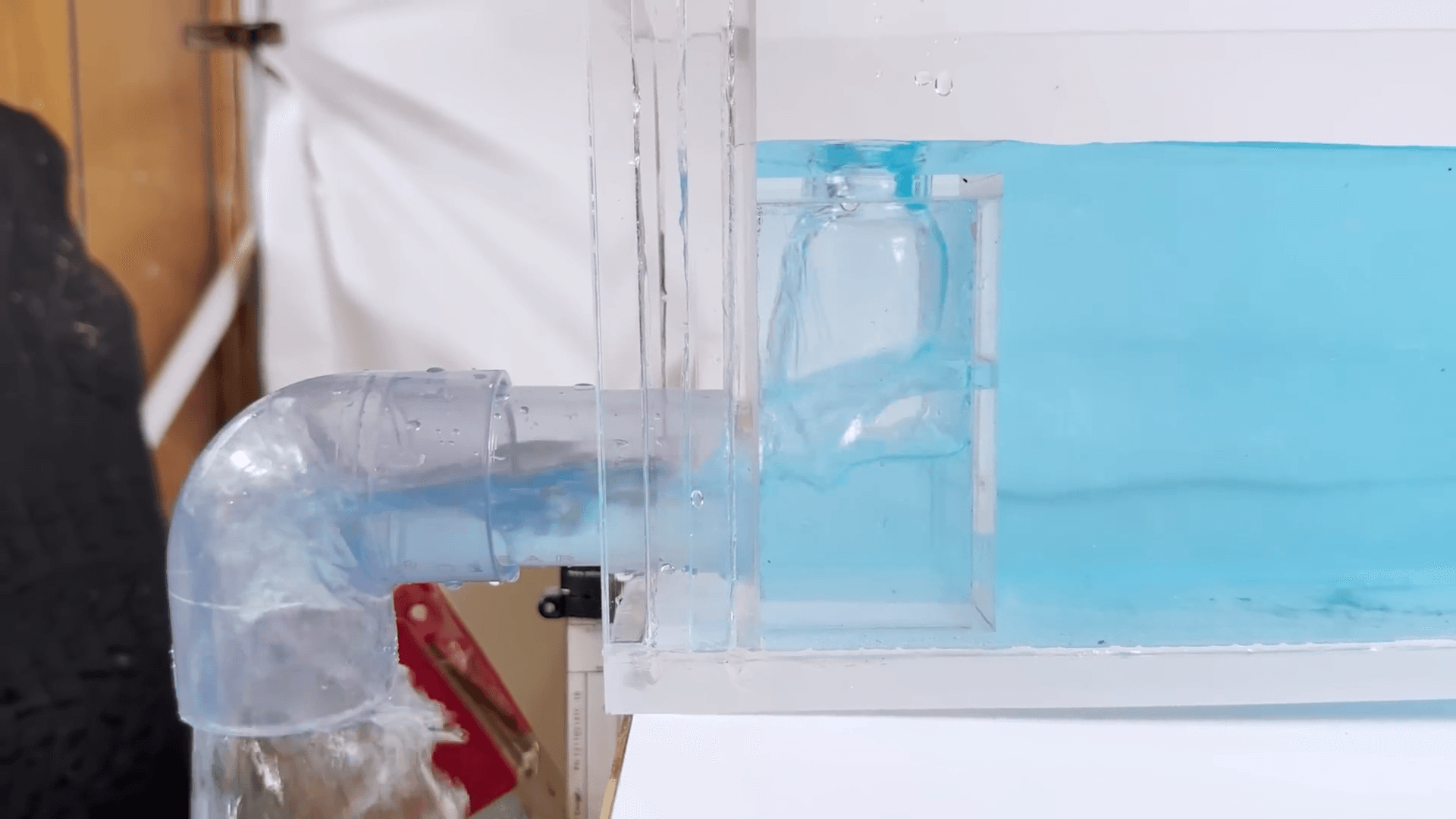
    Urban environments are full of impermeable surfaces. Without enough soil for stormwater to soak into, rain turns into run-off, carrying with it all the dirt, oil, and pollutants it picks up. To keep the run-off from turning into a flood, developers often use retention and detention ponds to collect and slowly release stormwater–sometimes with added measures to filter sediment and pollutants first. In this Practical Engineering video, Grady walks us through the logic of these artificial ponds and a few of the many ways they work. (Video and image credit: Practical Engineering)

  • Freezing Via Ice Bridge

    Freezing Via Ice Bridge

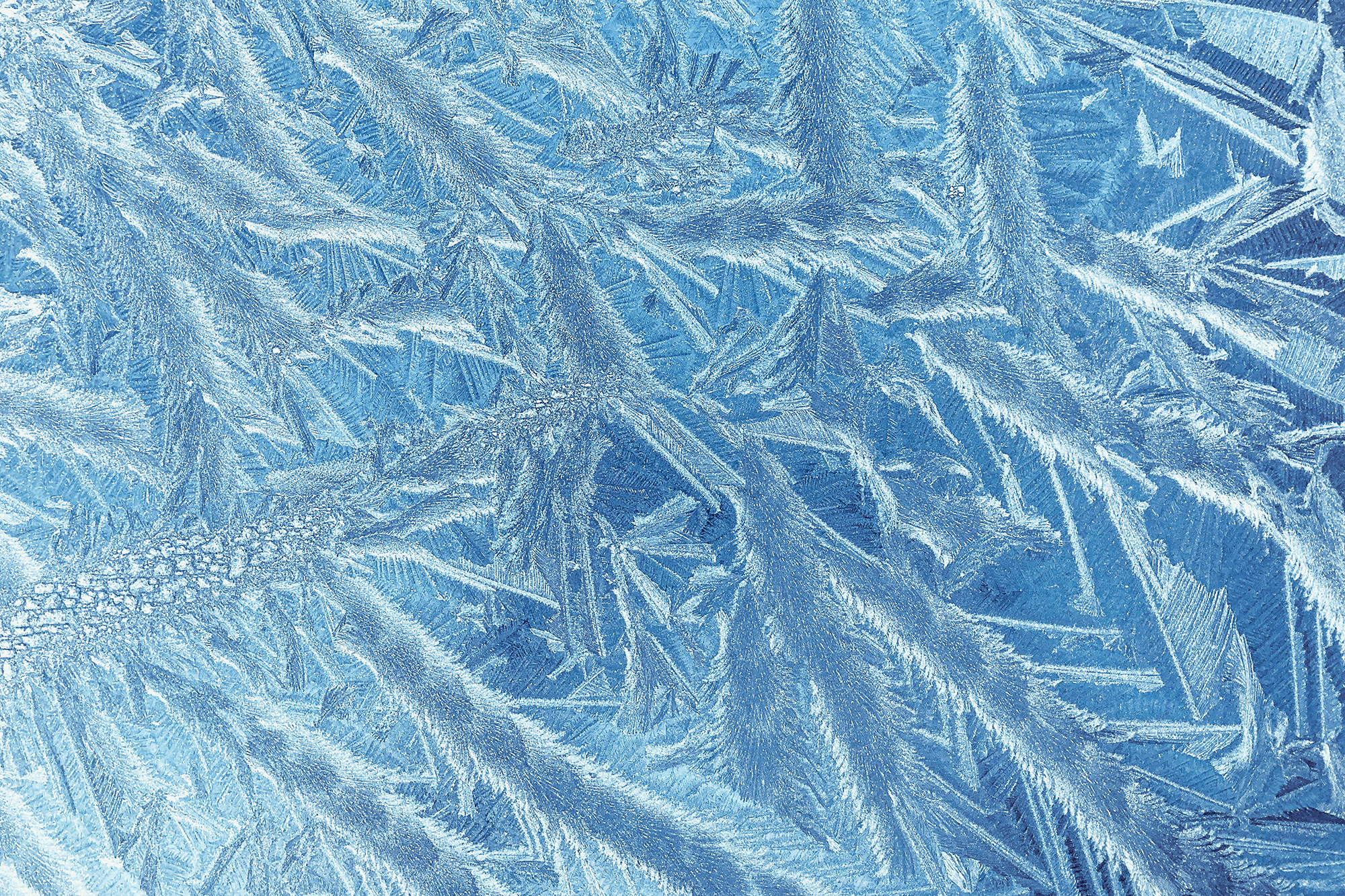
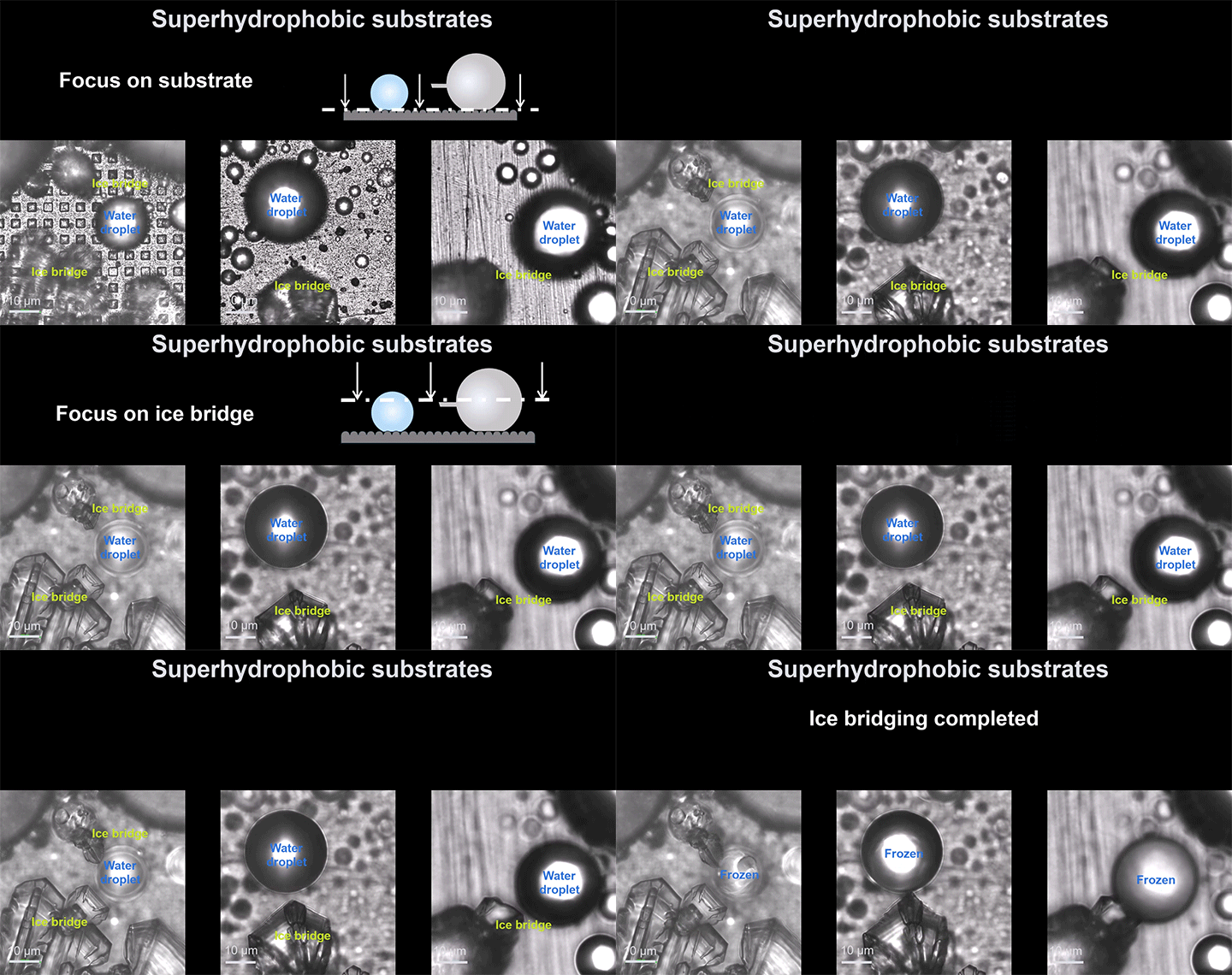
    For frost to spread on a surface, individual water droplets freeze and then spread the freezing front to a nearby droplet. Frequently that happens through an ice bridge that connects one droplet to the next. On hydrophilic surfaces, the bridge grows along the surface, slowly connected one droplet to the next and the next until the entire surface is covered in frost. On superhydrophobic surfaces, frost still spreads via ice bridge, but those ice bridges are suspended in the air, cantilevered out from the frozen droplet. You can watch the process in the image below.

    The researchers found that frost was later to form and slower to spread on these superhydrophobic surfaces, which could be valuable for applications like the heat exchanger found in heat pumps. Once a heat exchanger’s finned surface is frost-covered, its efficiency plummets. The team suggests that coating these surfaces to be superhydrophobic could help keep them operating efficiently longer in cold and humid conditions. (Image credit: frost – K. Shimizu, experiment – S. Yang et al.; research credit: S. Yang et al.; via Physics World)

    Animation of a suspended ice bridge growing between water droplets on a superhydrophobic surface.
    Animation of a suspended ice bridge growing between water droplets on a superhydrophobic surface.
    Fediverse Reactions
  • Cometary Knots in the Helix Nebula

    Cometary Knots in the Helix Nebula

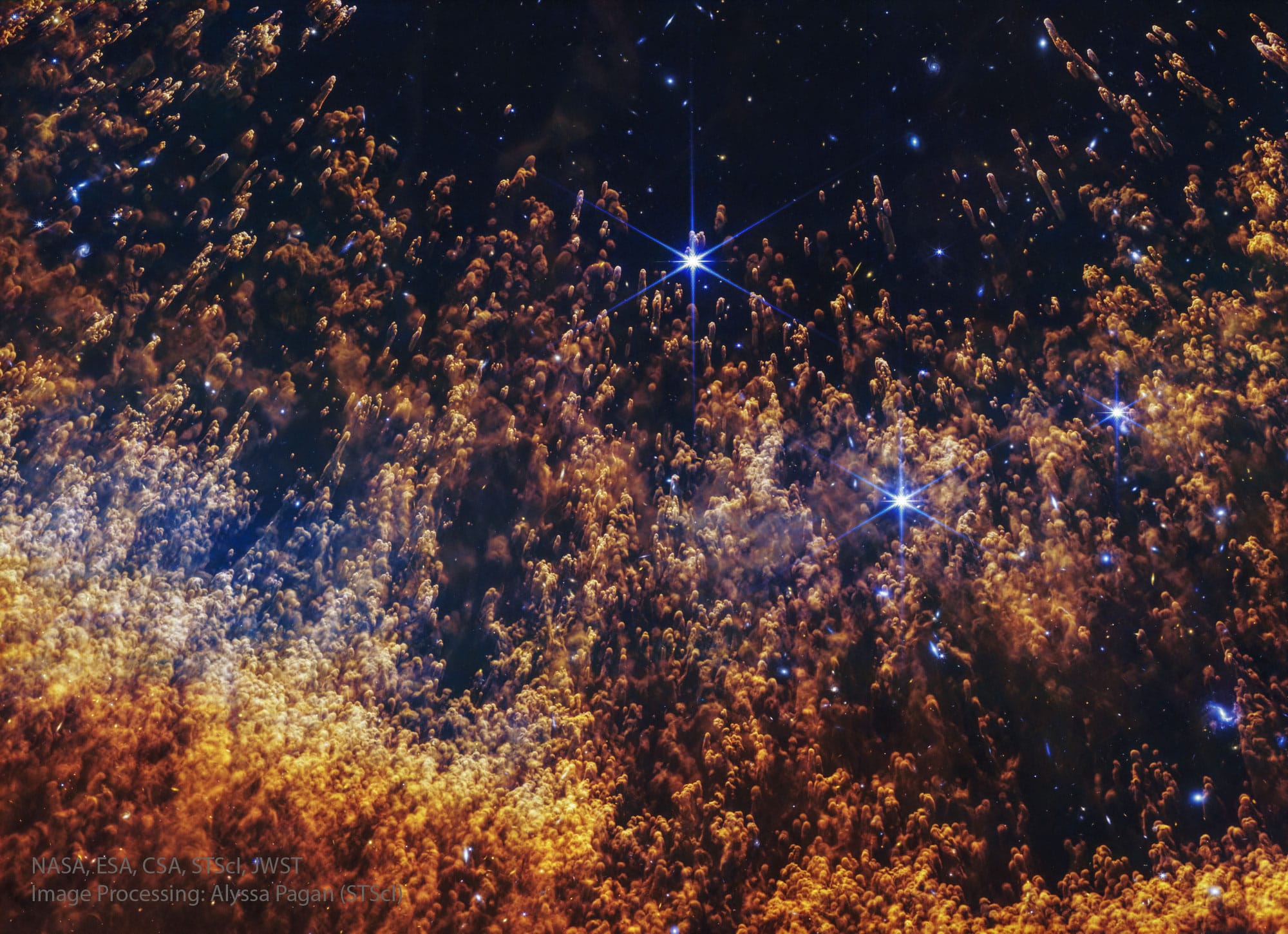
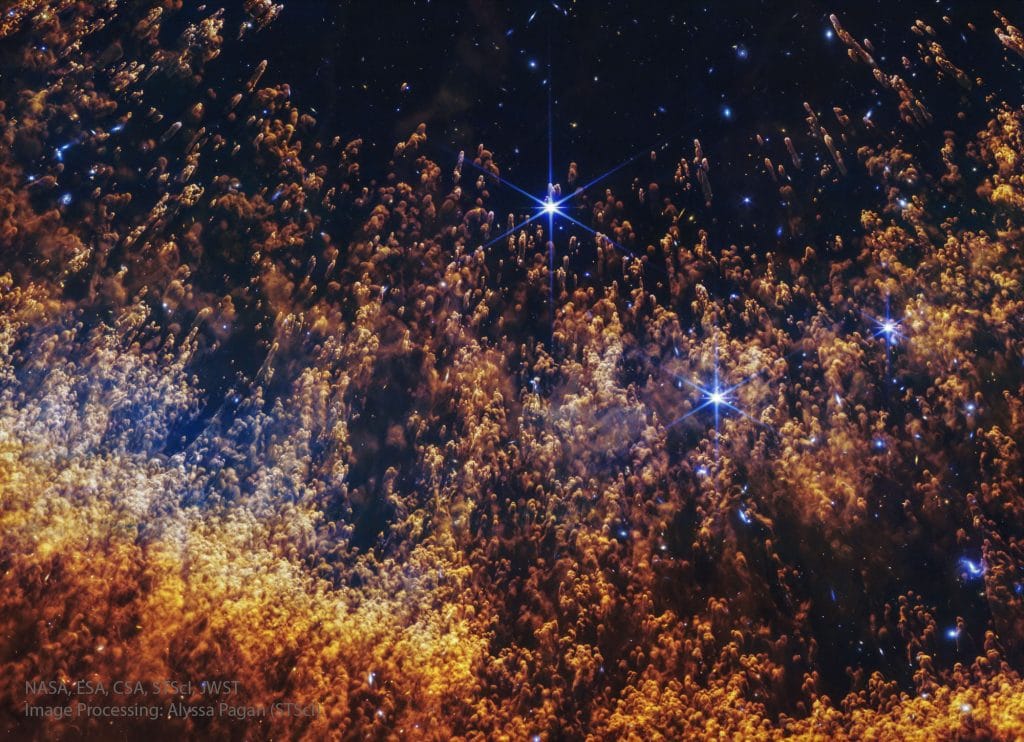
    Within the Helix Nebula, a planetary nebula about 650 light-years away, knots of dust and gas stream away from the central star. Though they appear small here, each contains a mass similar to the Earth’s, spread out over an area larger than Pluto’s orbit. Although the structures’ origins are not fully understood, an enduring hypothesis describes them as a Rayleigh-Taylor instability, where the energetic solar wind from the central star blows away denser gas and dust. (Image credit: NASA/ESA/CSA/STScI/JWST/A. Pagan; via APOD)

    Cometary knots in the Helix Nebula, as viewed in infrared light by JWST.
    Fediverse Reactions
  • Flows From Above

    Flows From Above

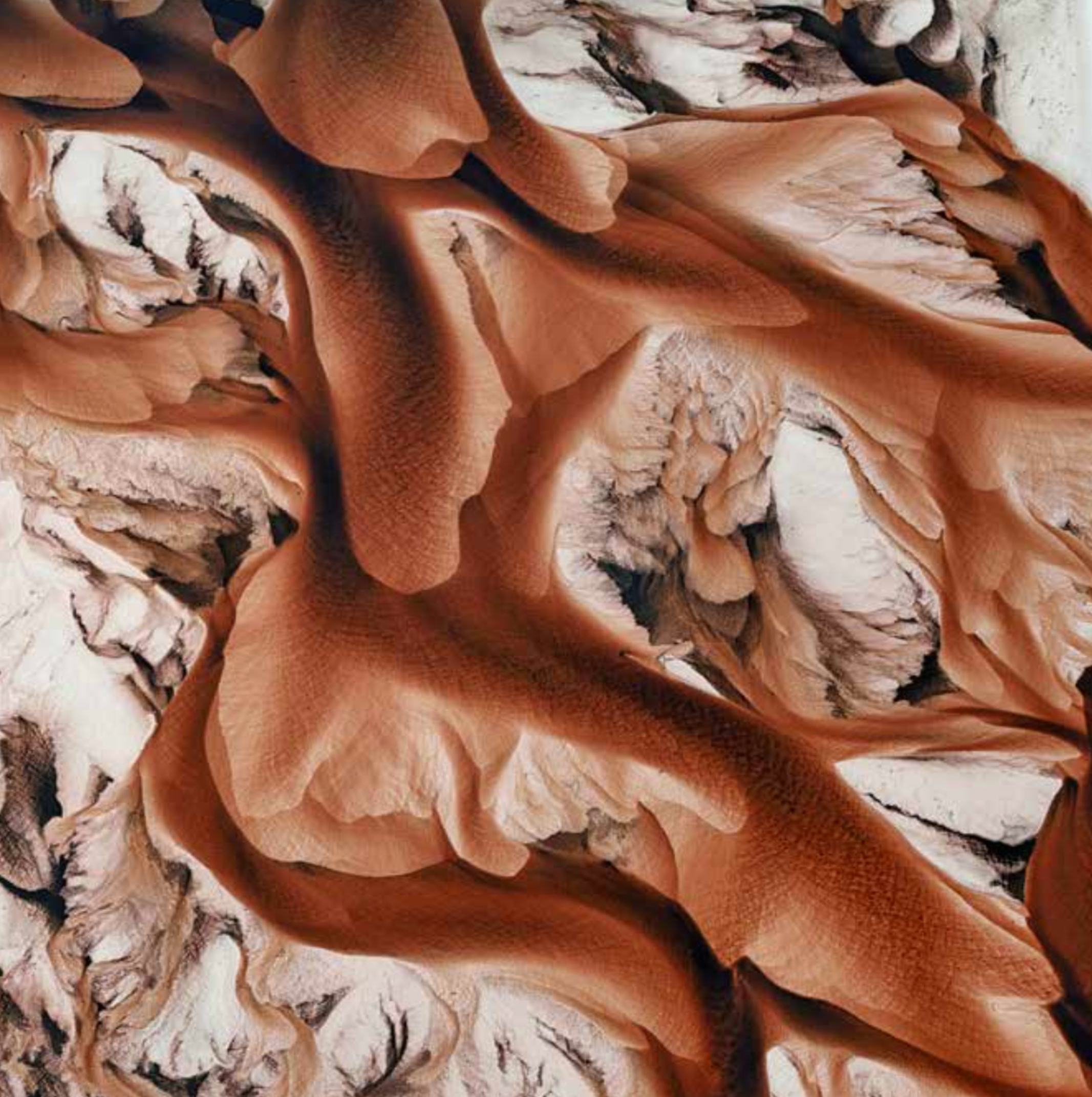
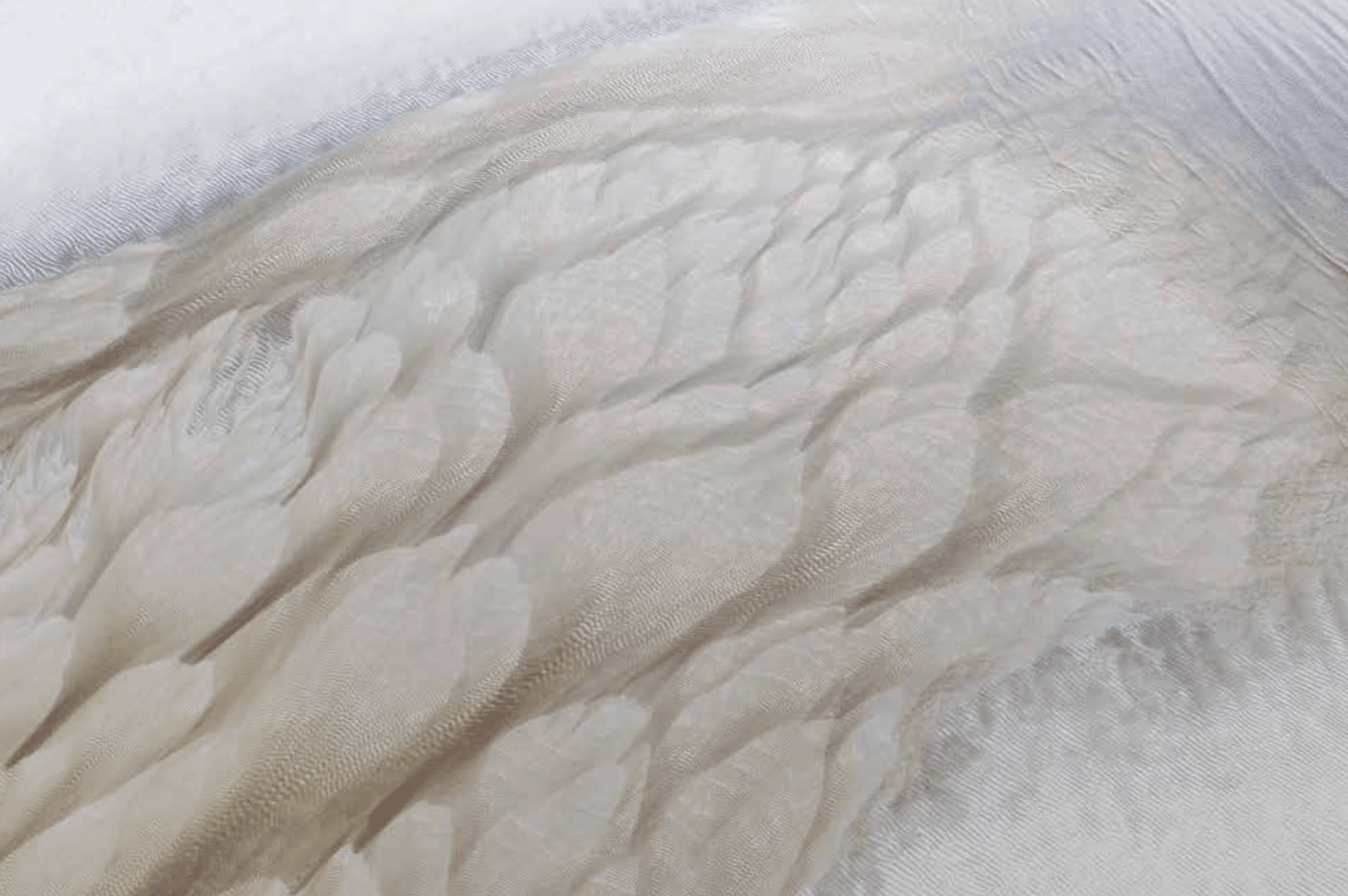
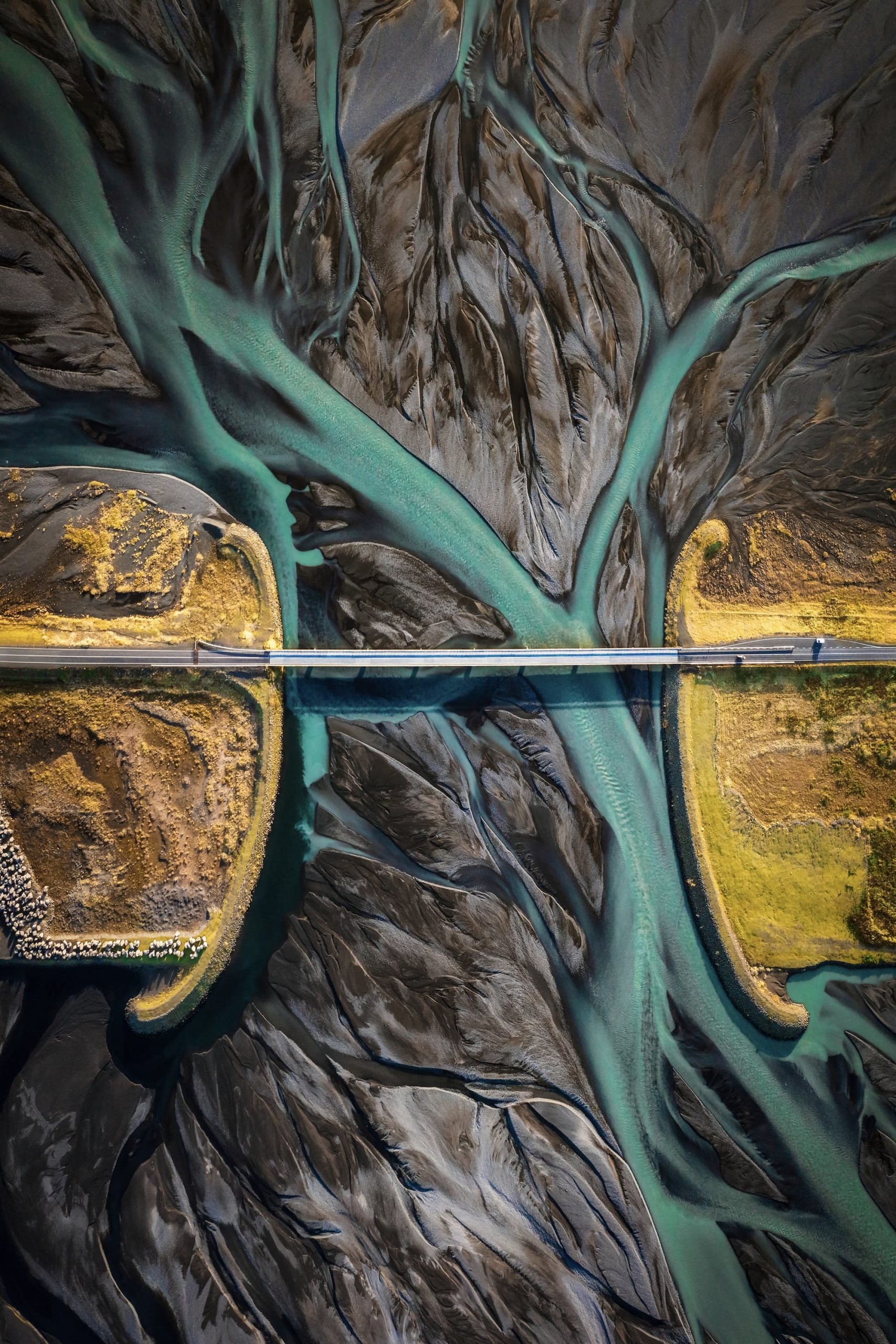
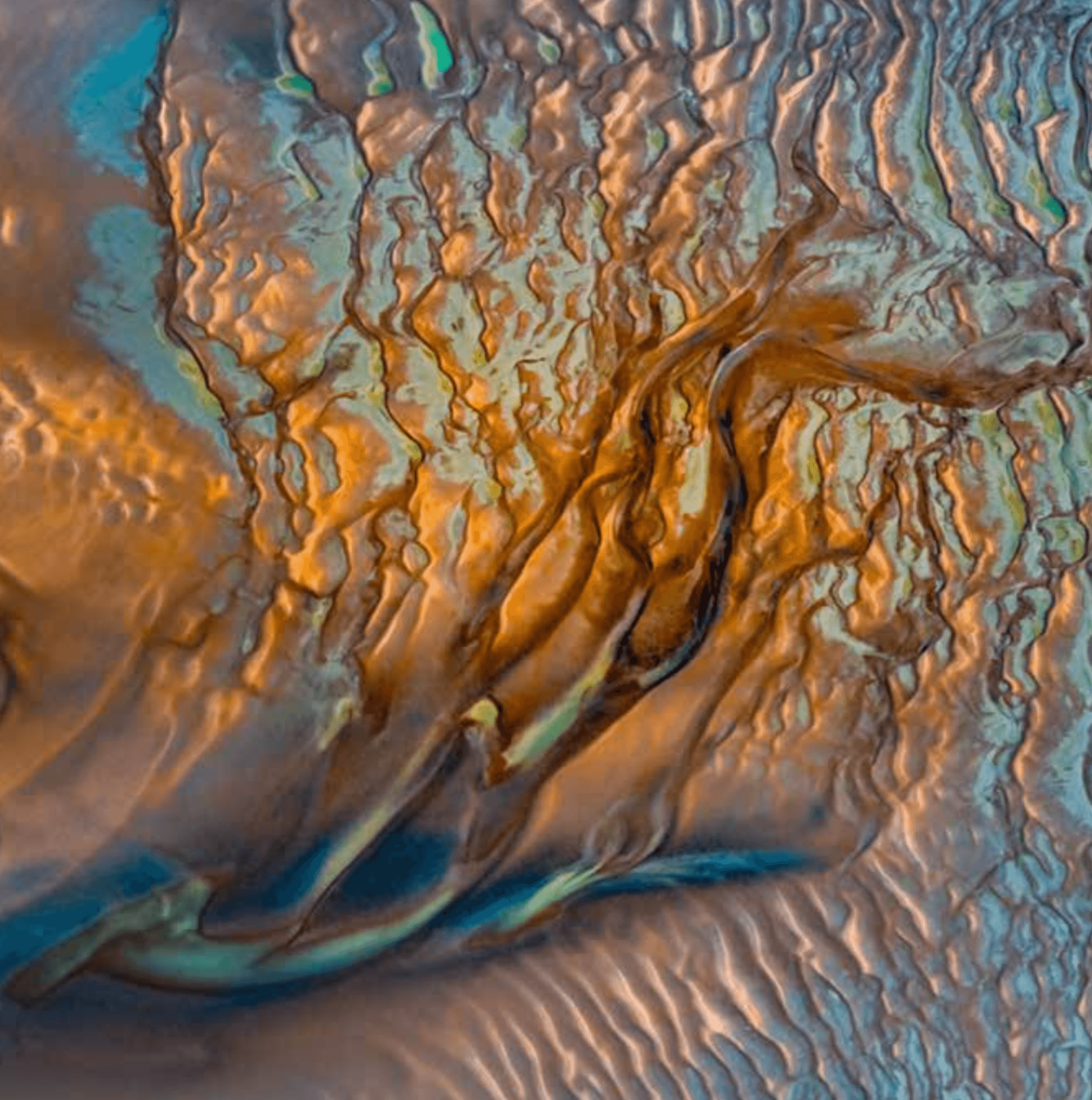
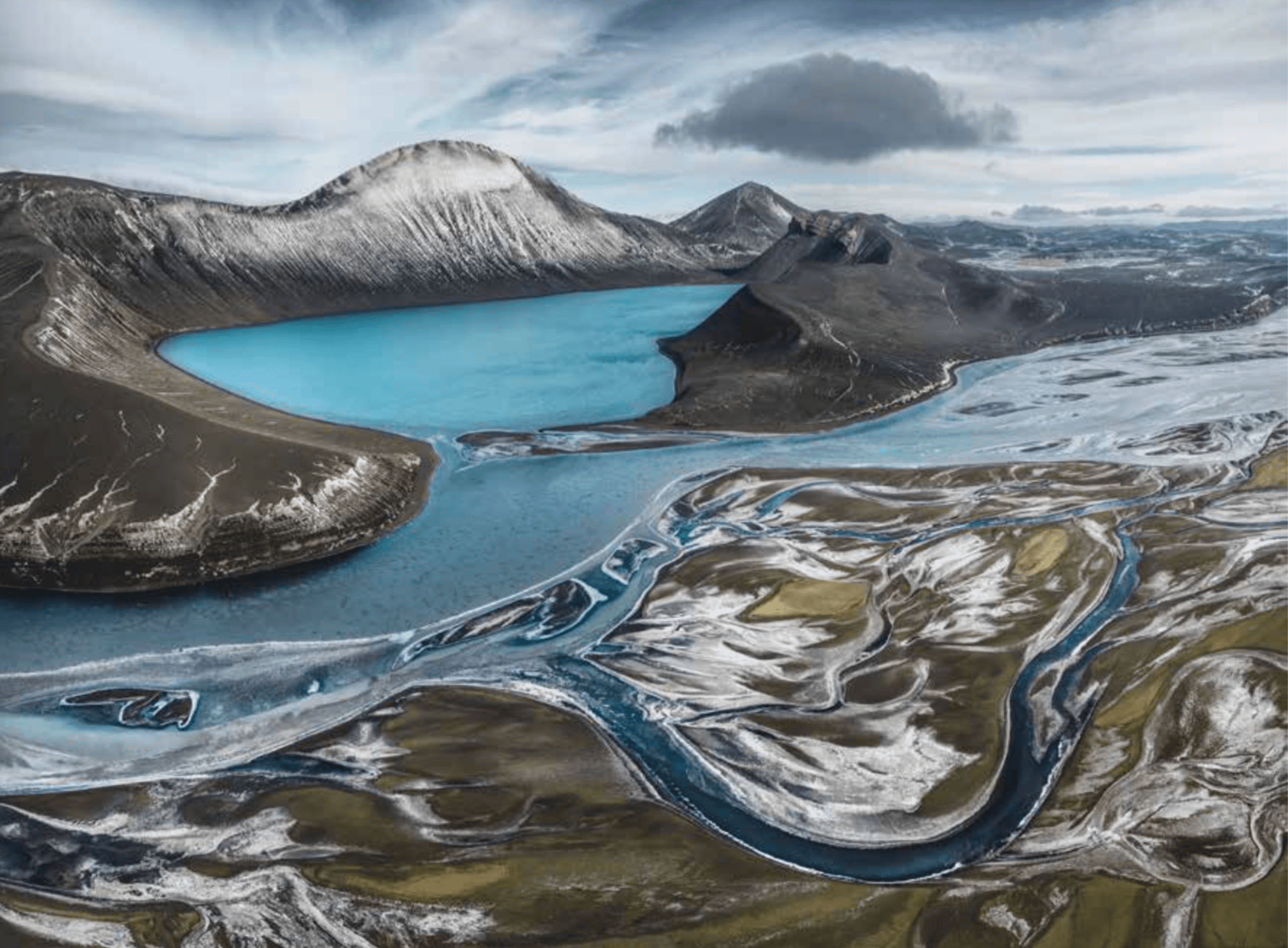
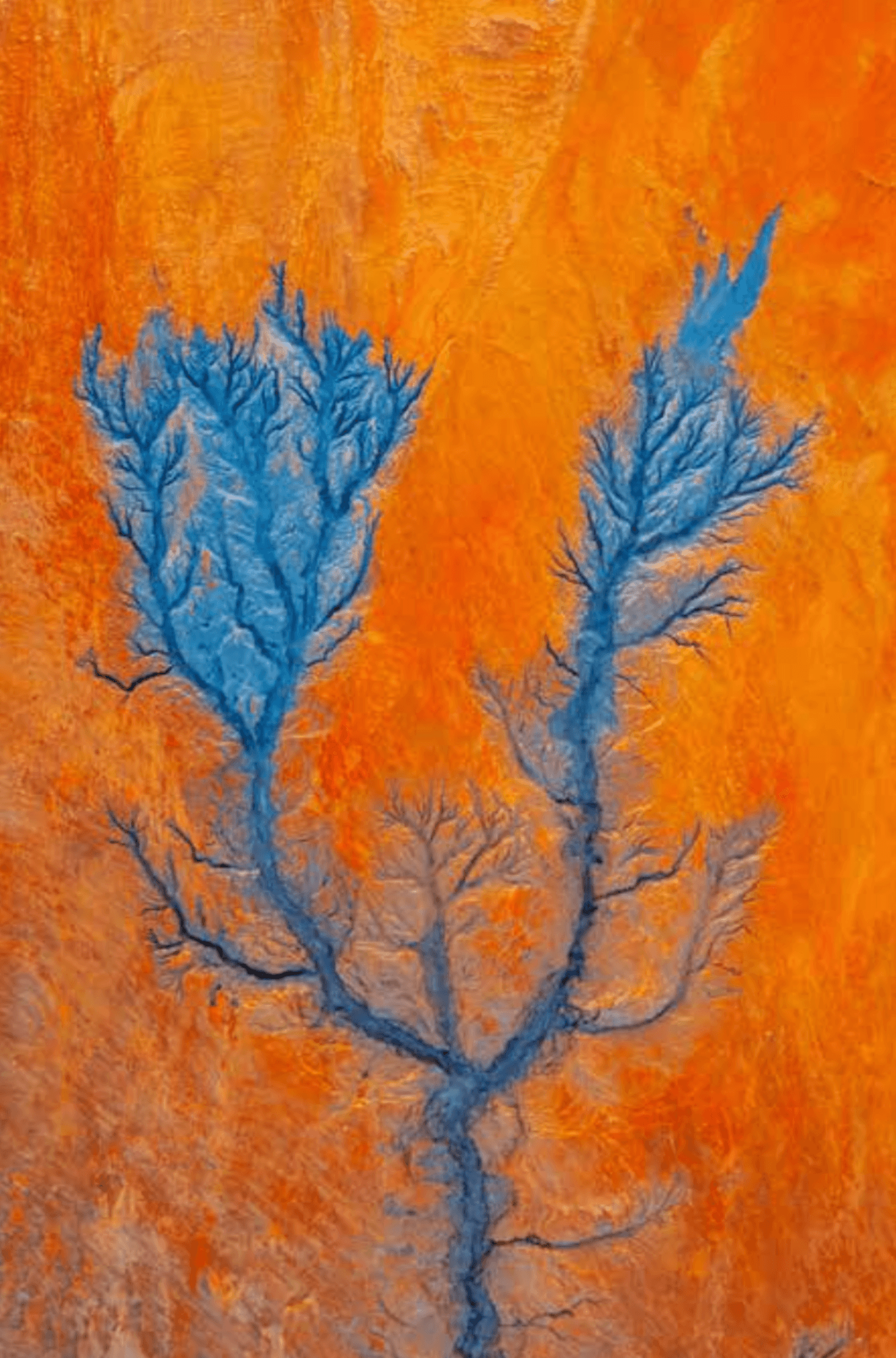
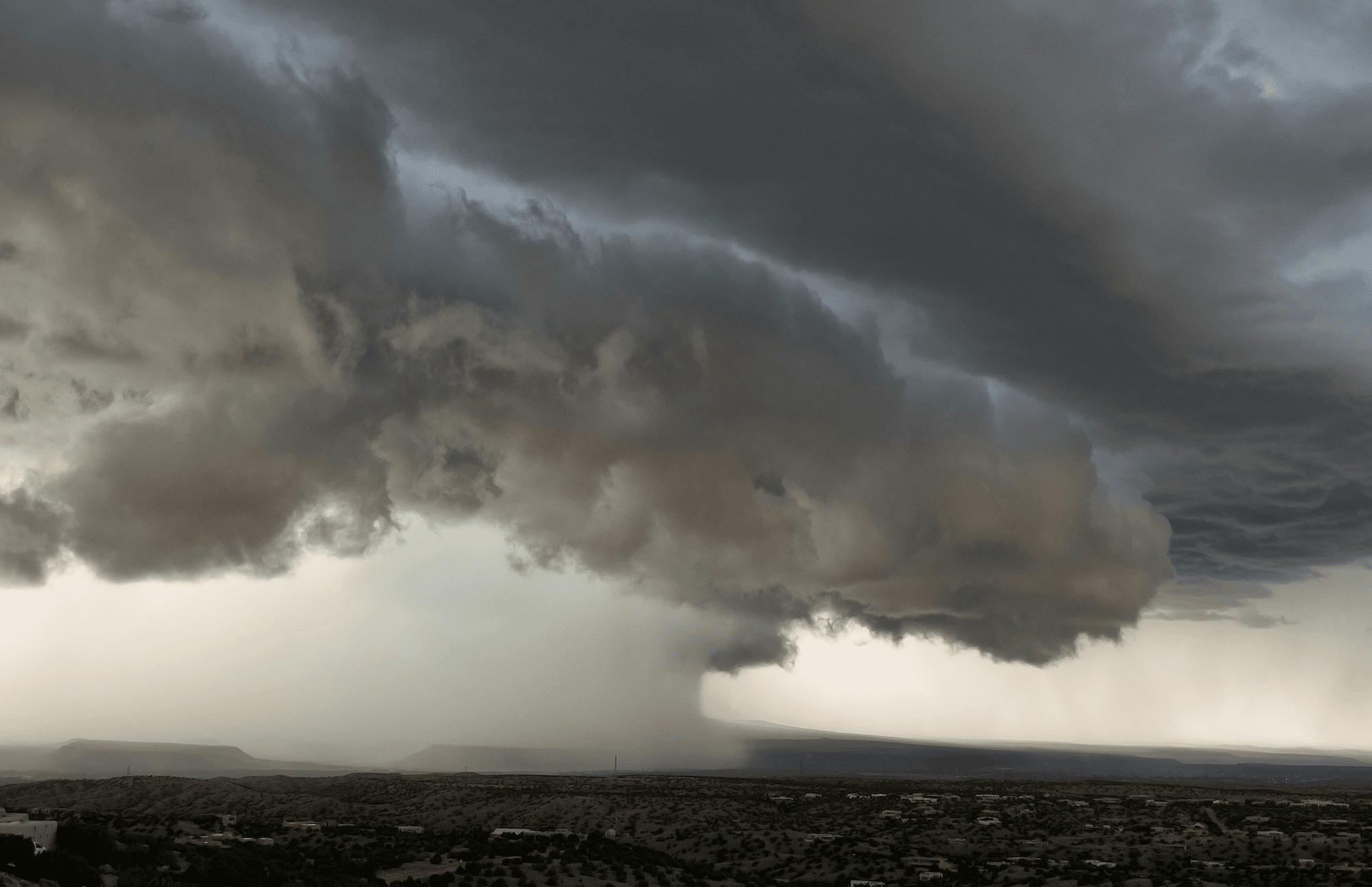
    Our planet is constantly carved by the flow of wind, water, and ice. These images, all shortlisted by the International Aerial Photographer of the Year competition, highlight those forces. From meandering rivers and spreading deltas to cracked valleys and windswept dunes, flow is all around us. (Image credit: Various Artists/IAPOTY, see images for details; via Colossal)

    Fediverse Reactions
  • Representing Rain’s Microphysics

    Representing Rain’s Microphysics

    Realistically modeling rainfall remains an extremely difficult problem. To be practical, results have to be on the scale of kilometers; no one is looking to find out whether rain will fall from one specific cloud over their head. But making that prediction depends on physics that happens at the microscale, where droplets tens of microns in size are condensing, colliding, and eventually growing large enough to fall as rain. A new study takes a look at three machine-learning models that could help describe those microscale physics with less computational overhead.

    The researchers used three different algorithms, all trained on high-quality simulations of microdroplet physics. The goal here was to represent the complex, nonlinear physics reflected in those results with an algorithm that’s less complicated and less computationally expensive than the methods used to create the training data. The team then tested the trained algorithms to see how they performed in conditions that were different than their training data.

    They found that the model with the best performance–in terms of giving more accurate predictions in the test cases–was actually the simplest of the three models. So it may be possible to get reasonable results for rain microphysics from simpler, easier-to-compute algorithms. The team does warn, though, that all of the models need more work before they’d be ready to add to commercial-grade weather prediction software. (Image credit: J. Fowler; research credit: E. de Jong et al.; via Eos)

    Fediverse Reactions
  • Featured Video Play Icon

    How Strings Vibrate

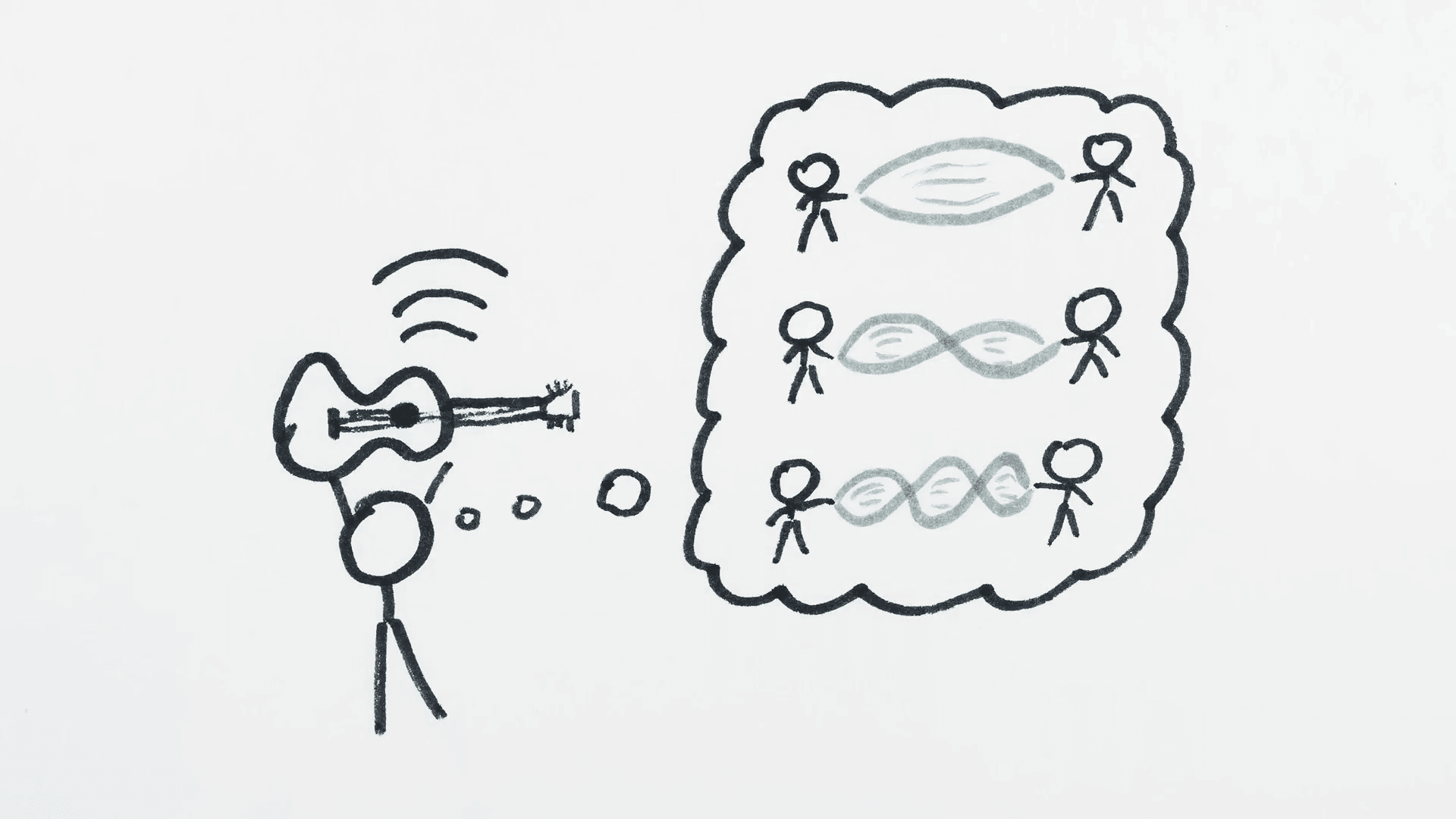
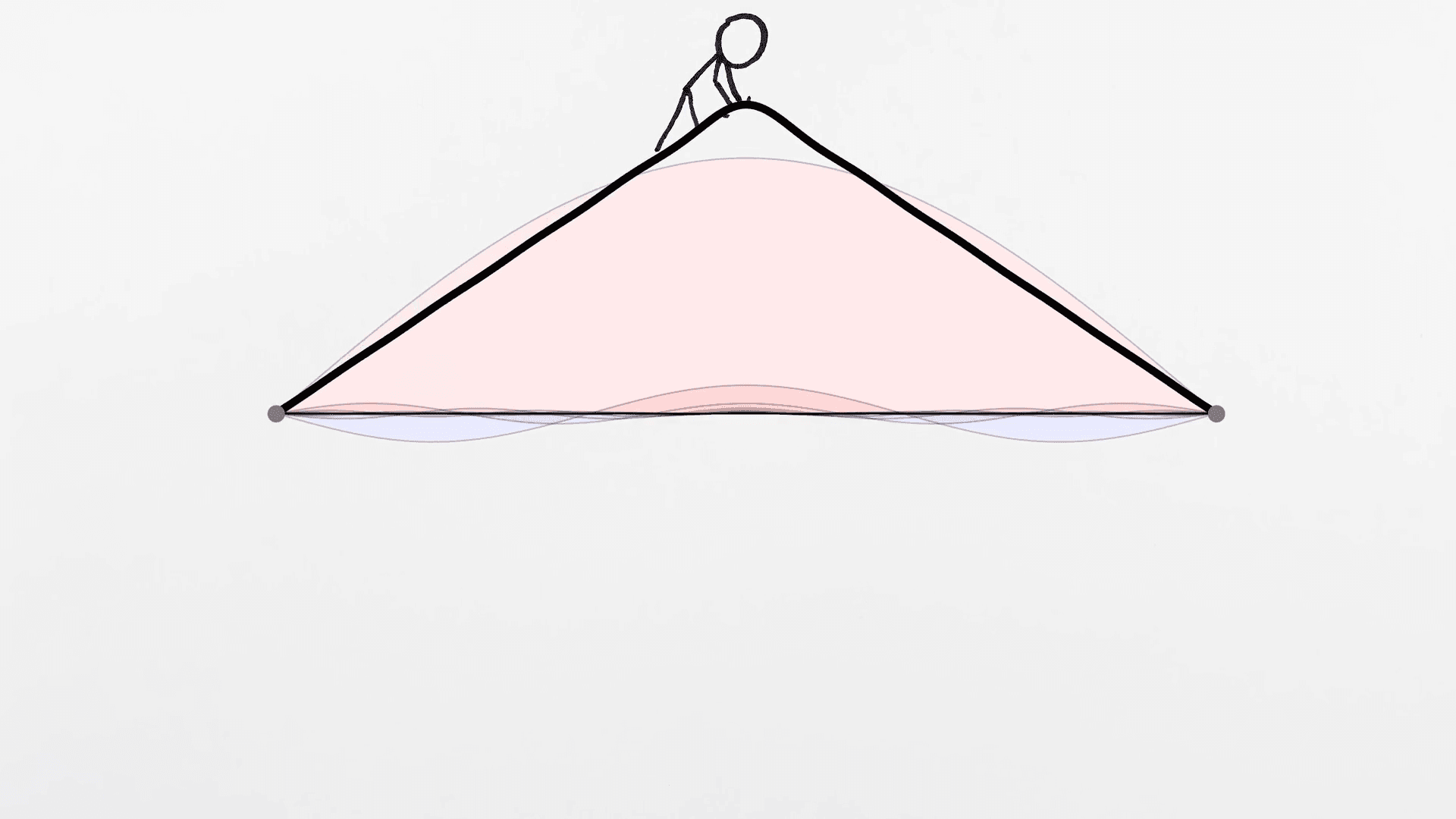
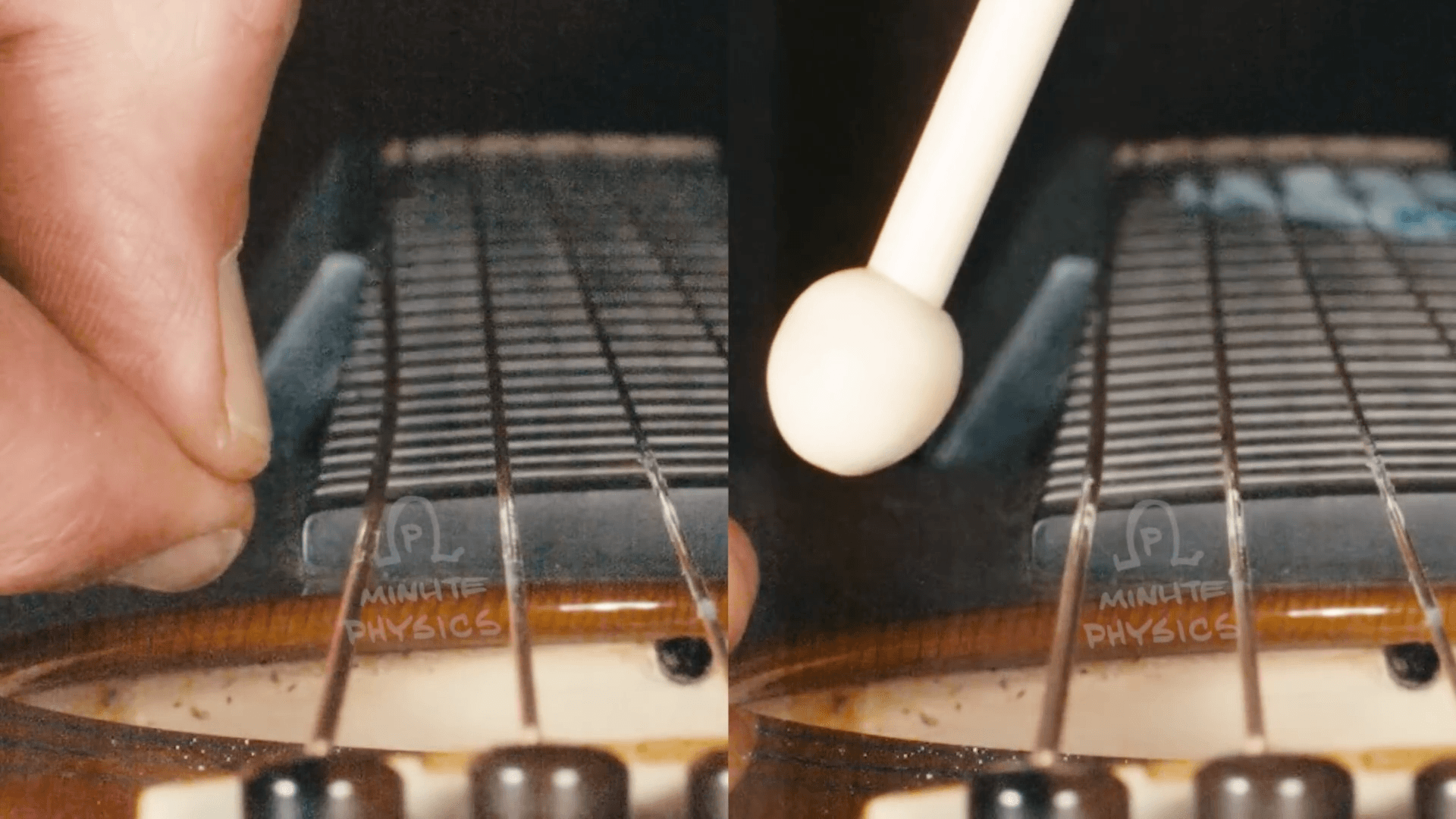
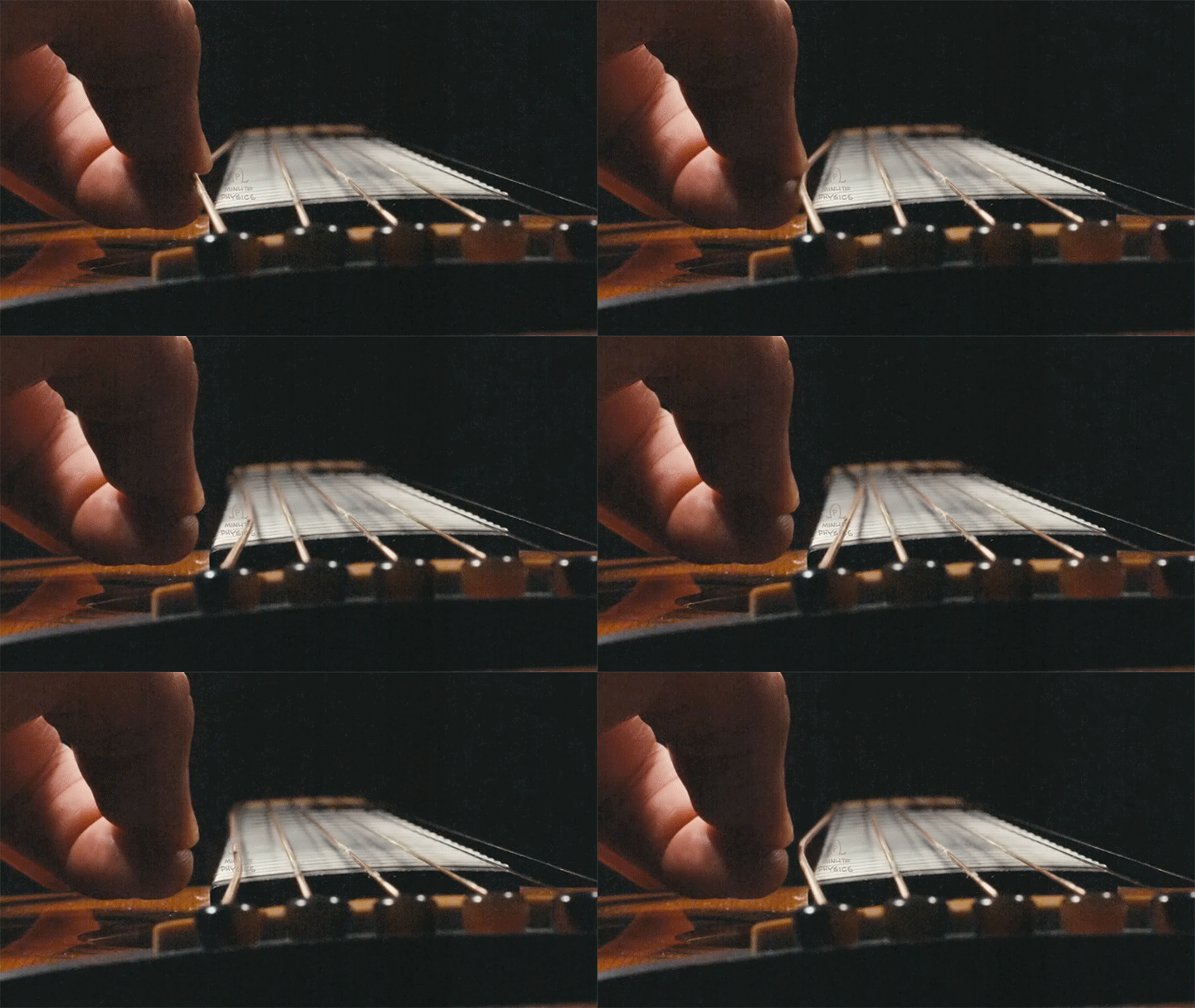
    Many of us have a mental image of strings vibrating like a swinging jump rope, but that’s not quite what you actually see. Instead, plucked strings often look strangely triangular, as Henry explains in this Minute Physics video. This more complicated shape comes from the way the string’s tension responds to the applied force of plucking, striking, or bowing.

    That doesn’t mean that the jump rope picture is entirely wrong, though. The triangular waves seen in the video are the shape you get when all the sine waves of the jump rope model get added together! (Superposition is fun.) (Video and image credit: Minute Physics)

    The triangular wave of a string plucked near one end.
    Fediverse Reactions