Year: 2022

  • “Oil Paintings”

    “Oil Paintings”

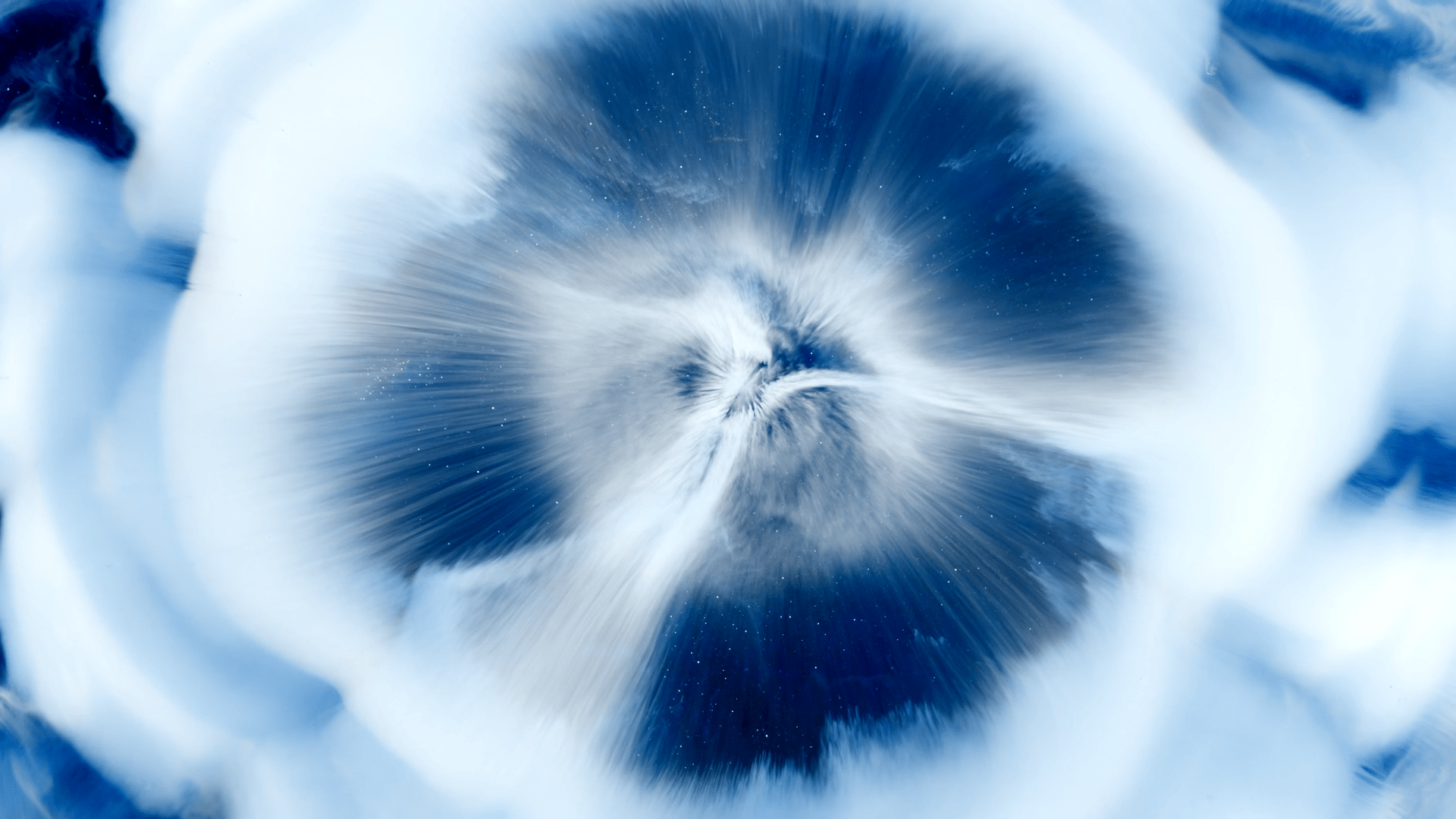
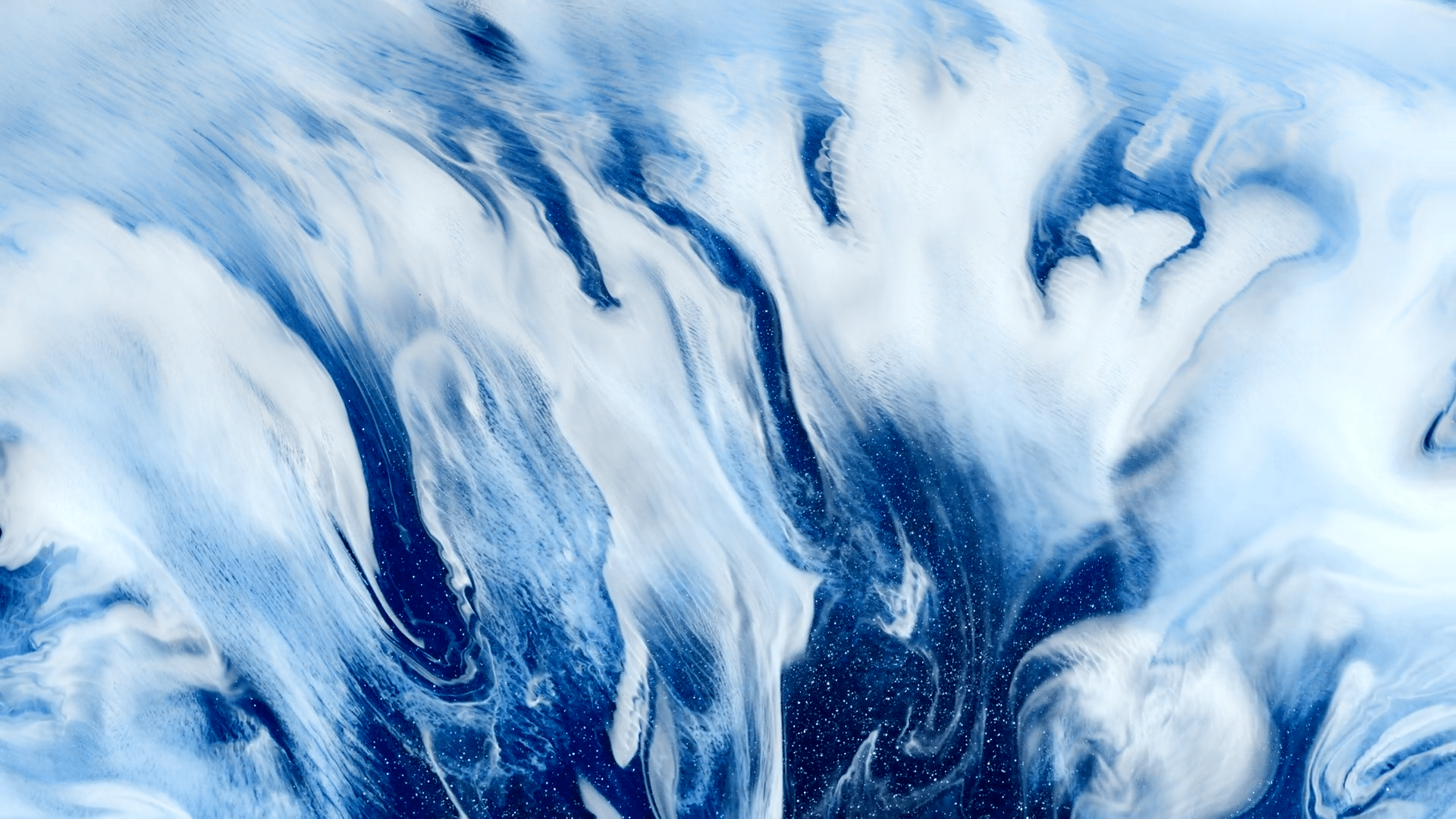
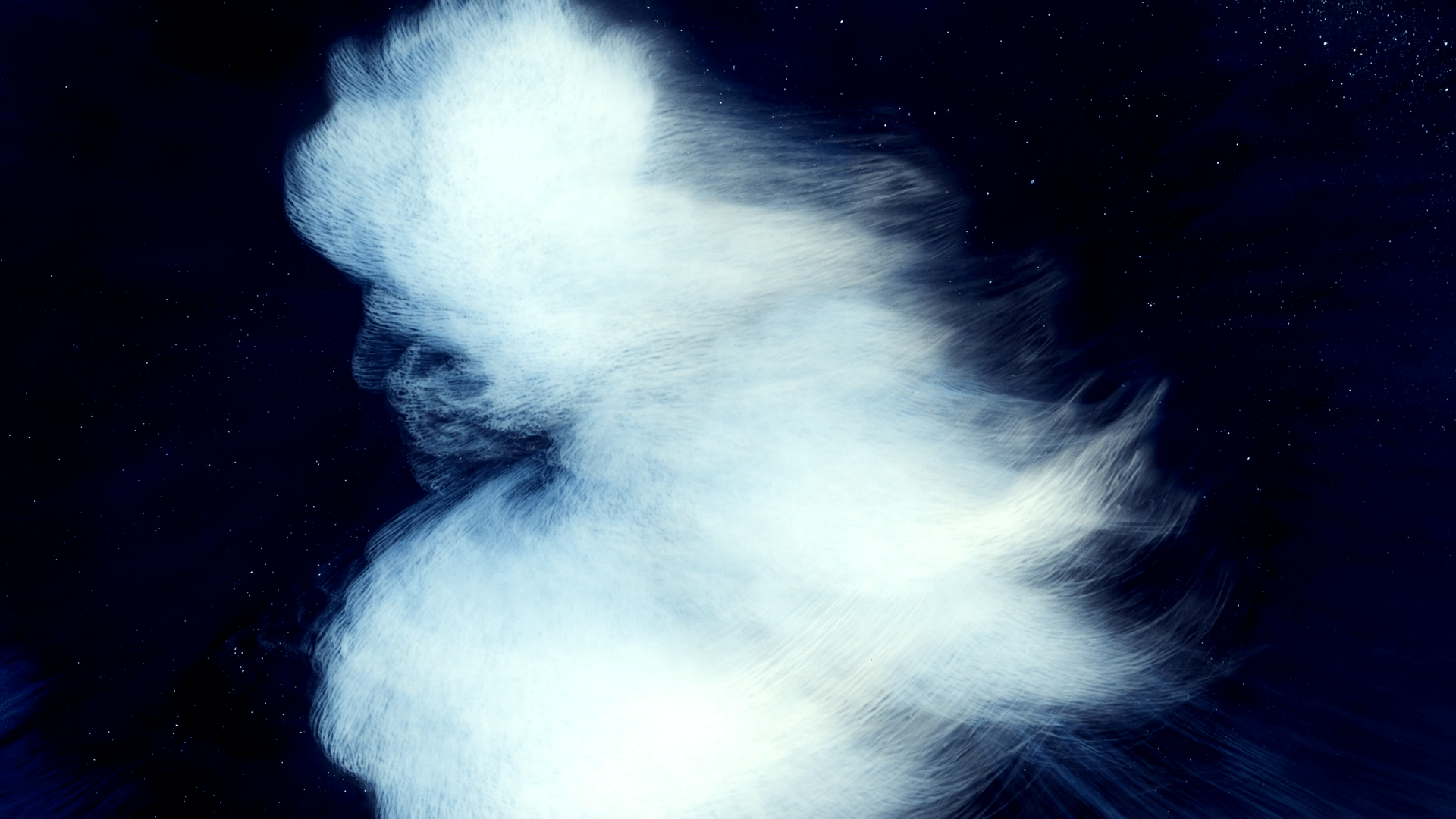
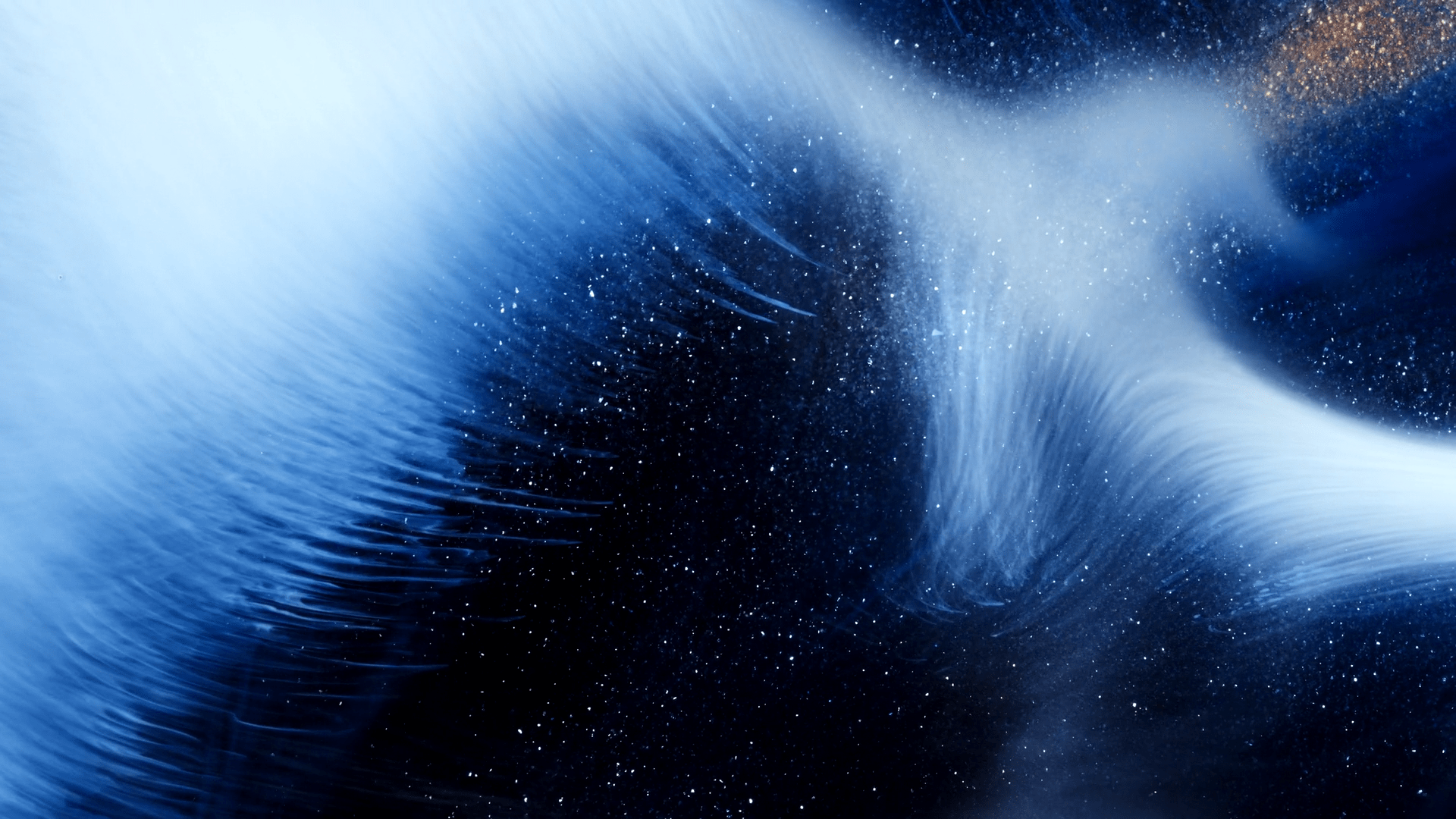
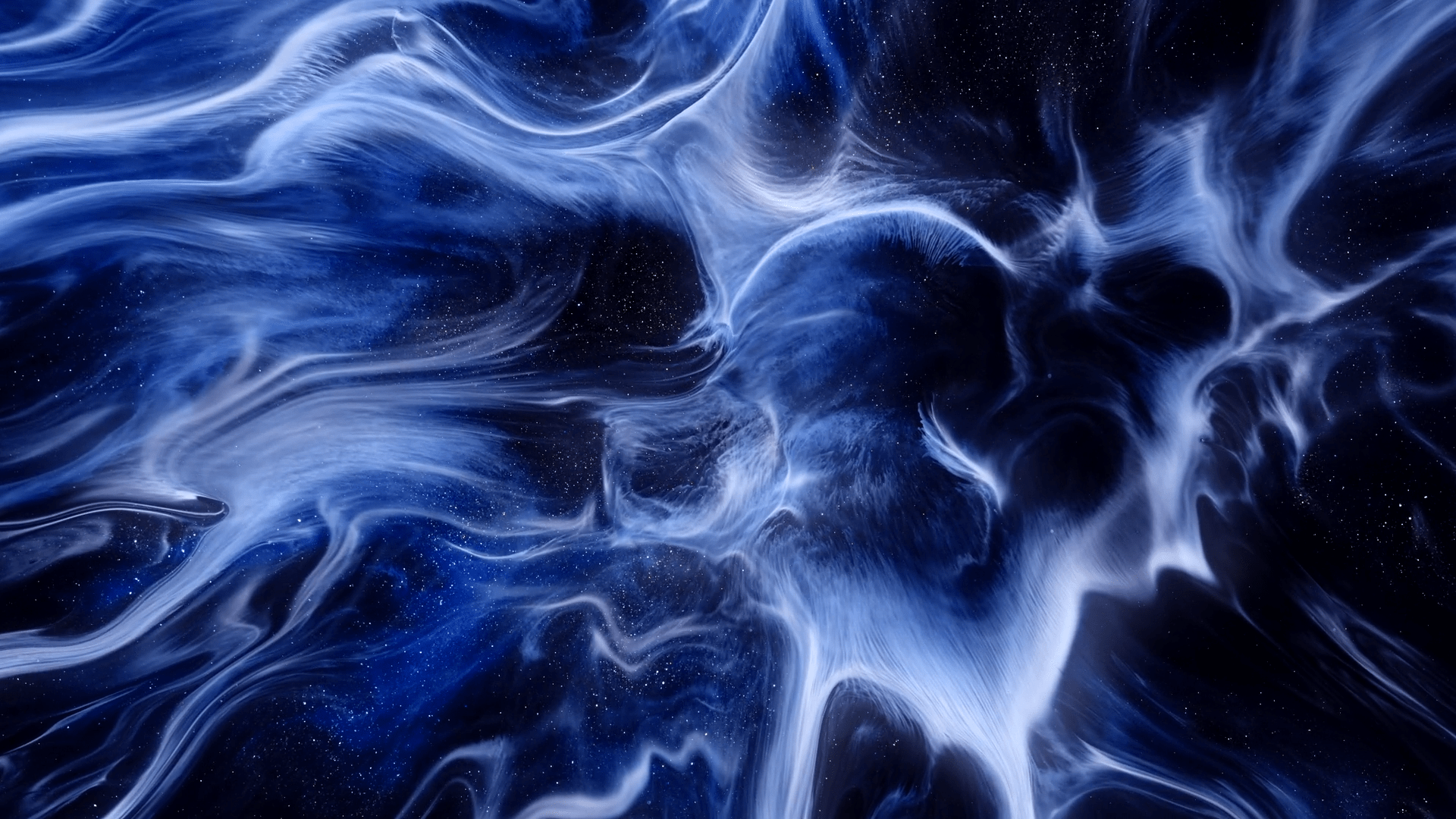
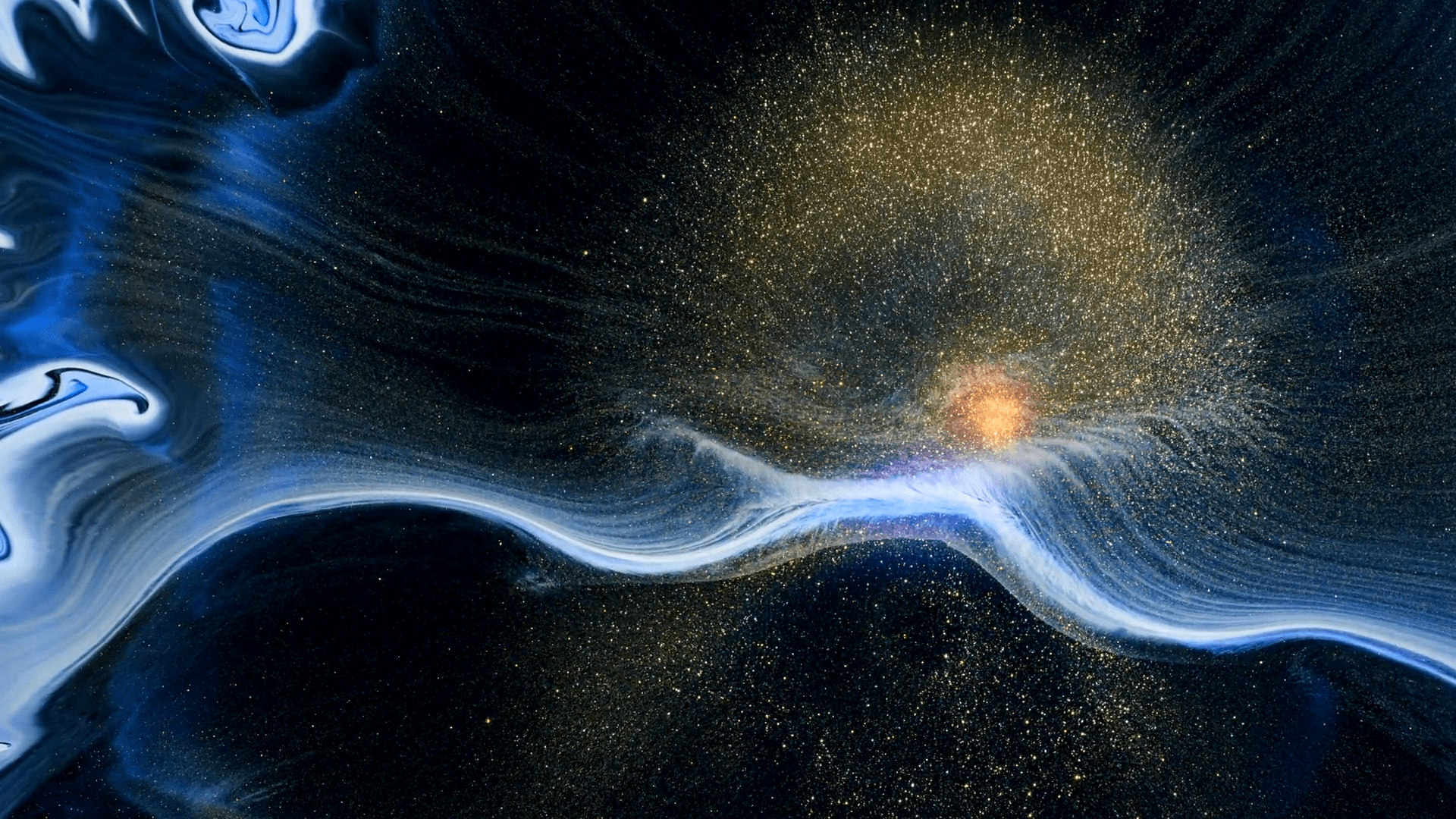
    To capture his images of auroras, nebulas, and comets, photographer Juha Tanhua points his camera lens downward, not upward. Despite their astrophysical appearance, Tanhua’s “oil paintings” are actually parking lot oil spills. The stars are roughened bits of asphalt, and the colors come from thin film interference in a layer of oil (similar to the way colors appear in soap bubbles). It’s amazing how much beauty he captures in examples of urban pollution. (Image credit: J. Tanhua; via Colossal)

  • Erie Ice

    Erie Ice

    Lake Erie, the shallowest of the Great Lakes, sees large swings in ice cover over the winter. In late January 2022, the lake was nearly completely frozen over, with 94 percent of its area covered in ice. By February 3rd, ice cover had dropped to 62 percent before rising again to 90 percent by the 5th. Air temperature and wind are the primary drivers of Erie’s fast ice growth and decay. As storms roll through, the ice can spread rapidly, but once temperatures rise, it takes very little forcing from the wind for the ice to begin breaking up. (Image credit: J. Stevens/USGS; via NASA Earth Observatory)

  • Featured Video Play Icon

    Burning Virtual Forests

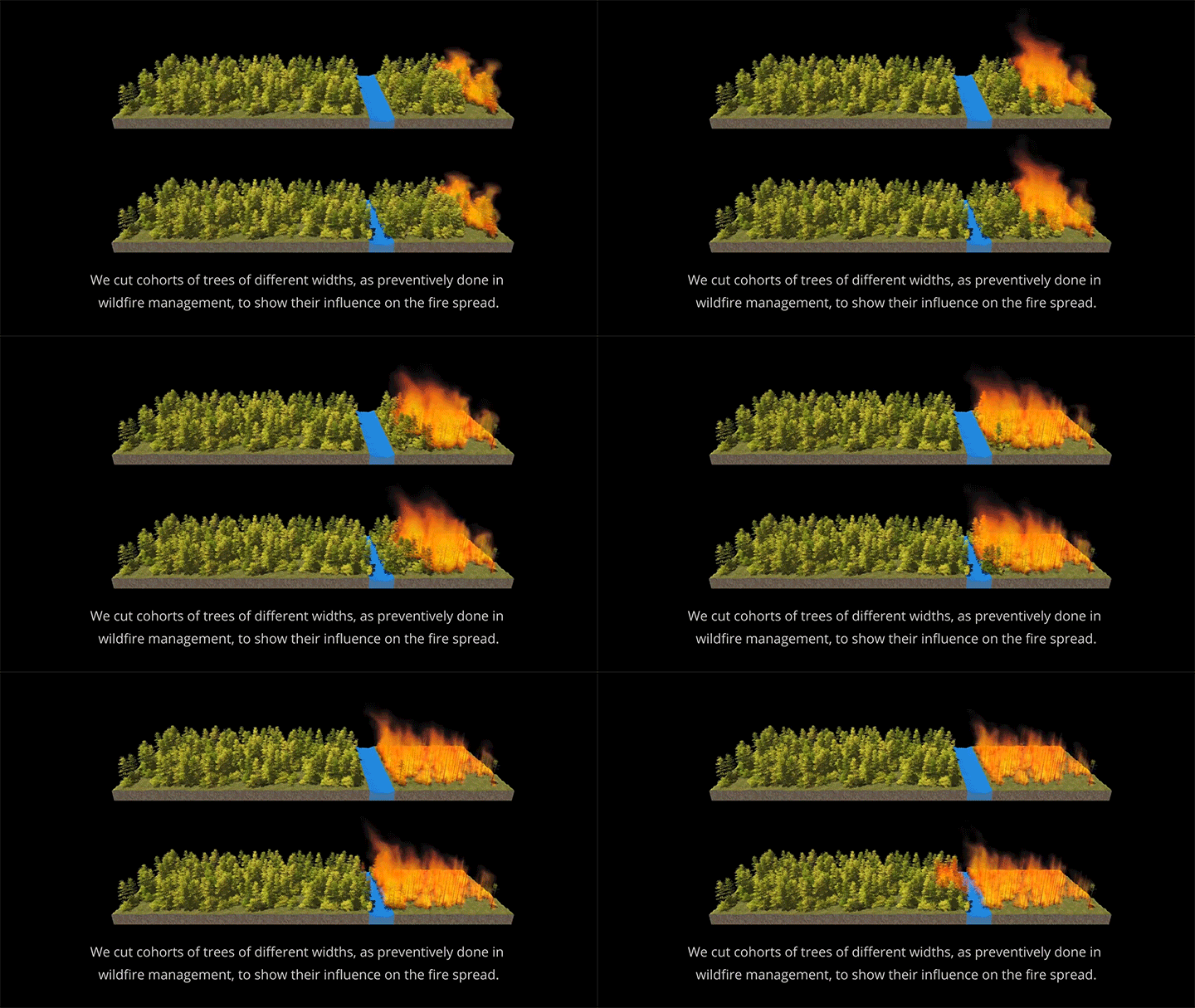
    Wildfires are growing ever more frequent and more destructive as the climate crisis worsens. Unfortunately, simulating and predicting the course of these fires is incredibly difficult, requiring a combination of ecology, meteorology, combustion science, and more. To handle so many variables, model builders often turn to statistics that allow them to simulate an entire forest but at the cost of representing individual trees as a few pixels or a cone.

    In this video, researchers show a new wildfire simulation based on a computationally efficient but more realistic depiction of trees. With individual, three-dimensional trees, the simulation can capture effects that are otherwise hard to examine – like the difference in burn rate for coniferous and deciduous forests and the likelihood that a fire can jump a firebreak of a given size. Their weather, fire, and atmospheric models are even able to simulate the birth of fire-generated clouds! Check out the full video to see more and then head over to their site if you’d like to dig into the methodology. (Video and research credit: T. Hädrich et al.; see also)

  • Featured Video Play Icon

    Tricking a Kettle

    Electric kettles are designed to shut off when the water inside them boils. But what does that mean exactly? In this video, Steve Mould explores that question by trying to trick his kettles into boiling off ethanol, a liquid with a lower boiling temperature than water. Steve figures that, if a kettle is designed to shut off at 100 degrees Celsius (water’s boiling point), then it will overboil ethanol since its temperature will never get that high.

    I’ll let you watch the video and see what happens…

    (more…)
  • Liquid Bridges

    Liquid Bridges

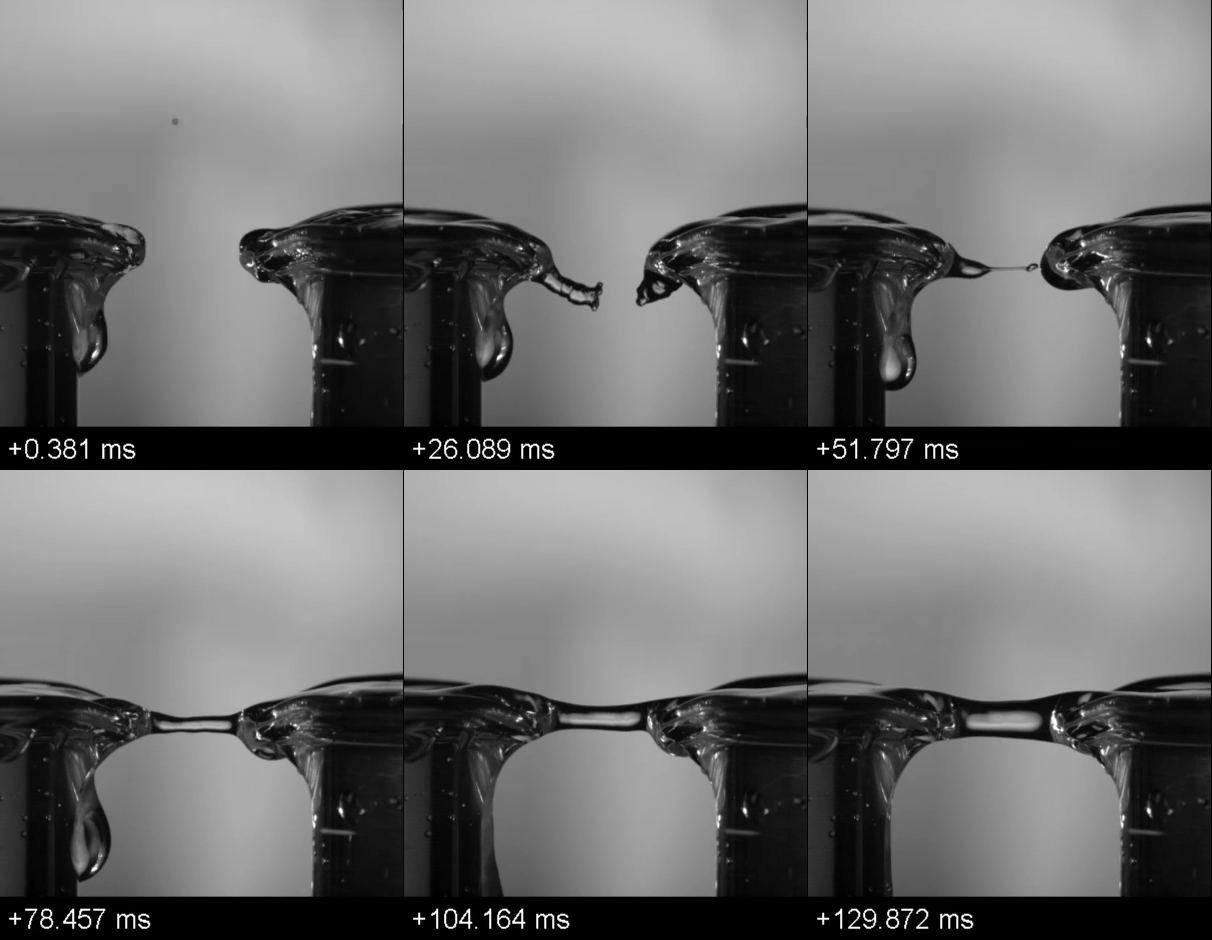
    In 1893, Baron Armstrong demonstrated a peculiar phenomenon — a liquid bridge of water suspended between two beakers with a strong electric charge between them (Image 1). More than a century later, the details of the mechanism remain challenging to pin down thanks to the setup’s combination of electohydrodynamics, heat transfer (Image 2), evaporation, and chemistry (the electrodes can split water).

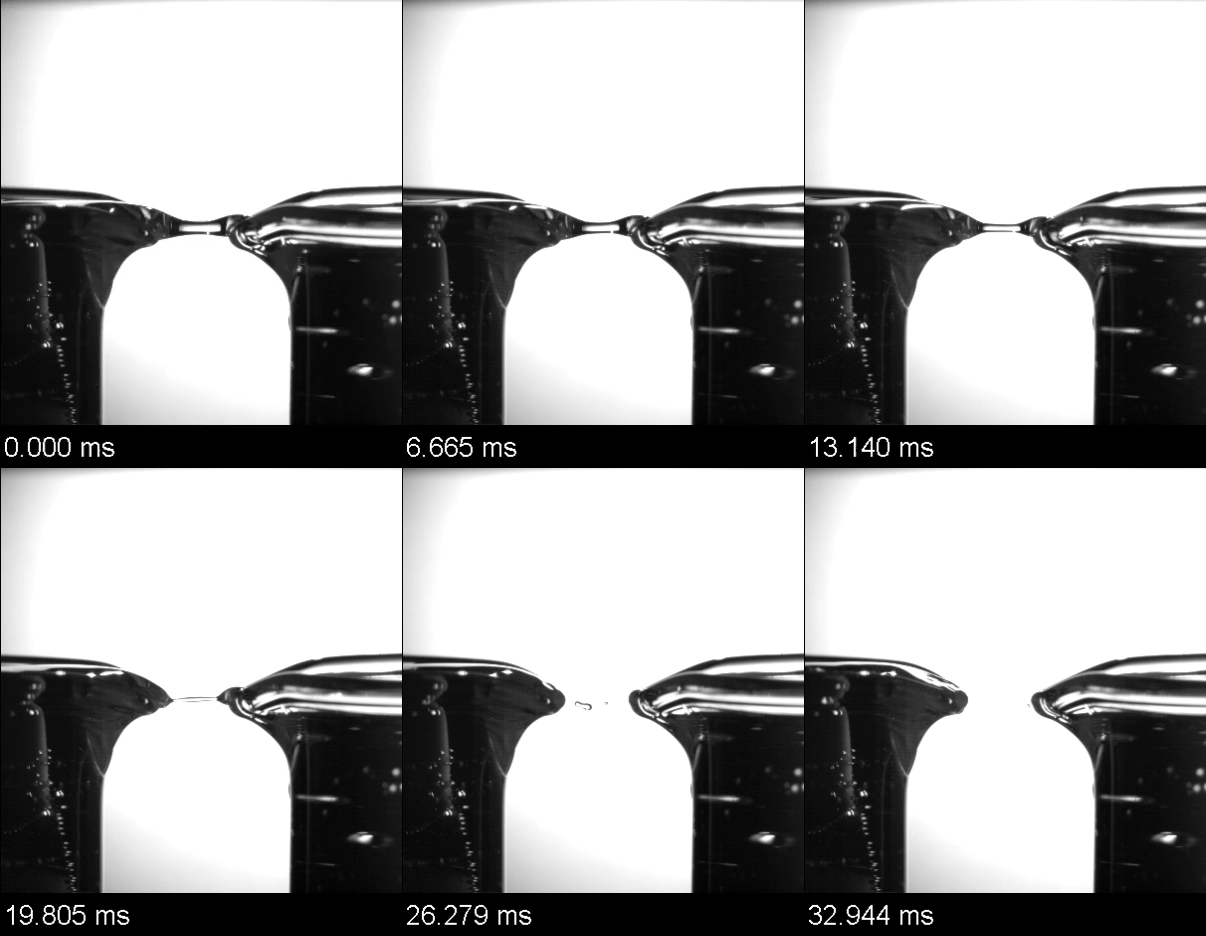
    Researchers have pinned down a few details, though, like that the break-up of the liquid bridge (Image 3) depends on its effective length and that the effective length grows as applied voltage increases. Researchers also found that inducing an external flow can extend the bridge’s lifetime, though it does not affect the length at which it breaks up. Interestingly, the phenomenon is not limited to water (and its odd chemistry); ethanol and glycerol have been used for liquid bridges, too! (Image and research credit: X. Pan et al.)

  • Featured Video Play Icon

    “Heaven”

    Wispy white cirrus clouds cover dark skies glittering with stars in Roman De Giuli’s “Heaven”. Or so it appears. In reality, these skyscapes are made with watercolors, ink, and acrylic paint. The vistas are gorgeous regardless of whether they’re driven by turbulent convection (as in the atmosphere) or the Marangoni effect (as in this video)! (Video and image credit: R. De Giuli)

  • Featured Video Play Icon

    When Bubbles Don’t Die

    In a pure liquid, most bubbles pop almost immediately. But with a simple ingredient — a little heat — bubbles can live almost indefinitely. The mechanism is revealed in this video when the researchers use an infrared camera to watch a bubble on a heated pool. The top of the bubble is cooler than the rest of the liquid, forming colder, denser droplets that slide down. But the cooler liquid also has a higher surface tension, which draws warm liquid up the bubble, replenishing it. The result is a stable bubble that simply carries on. (Image and video credit: S. Nath et al.)

  • Featured Video Play Icon

    Schooling Relies on Vision

    For fish, collective motions like schooling rely on a few mechanisms, including flow sensing and — as beautifully demonstrated in this experiment — vision. Researchers used an infrared camera to track fish motions both in light and dark conditions and compared how orderly the school of fish was in each. As expected, the school’s motion was much more orderly when the fish could see one another clearly. Interestingly, the researchers then ran an experiment in which the illumination rose continuously from dark to fully bright. The fish school’s organization grew continuously with the light! The better they could see one another, the more organized their schooling. (Video and research credit: L. Baptiste et al.)

  • Featured Video Play Icon

    Morphing Particle Rafts

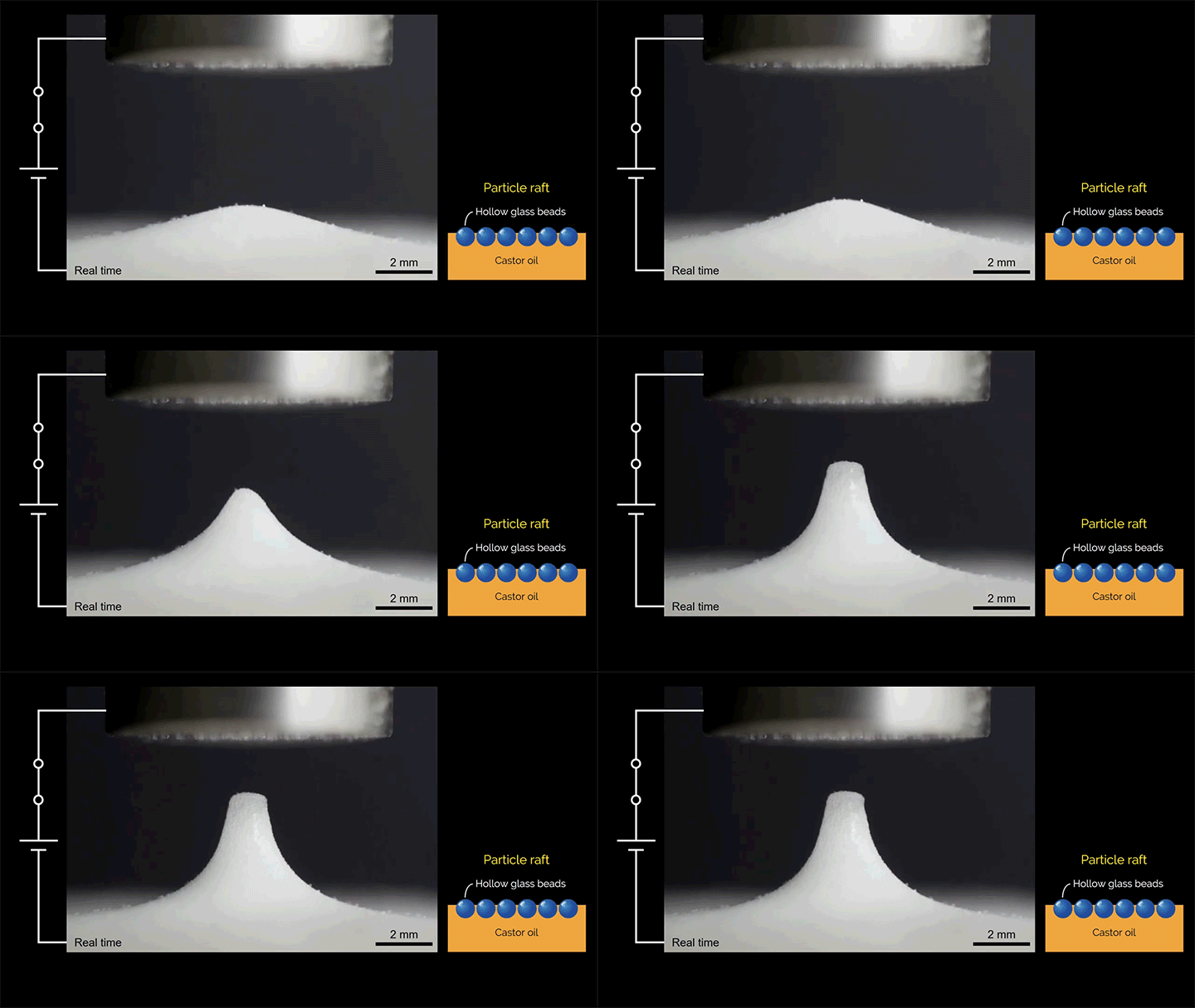
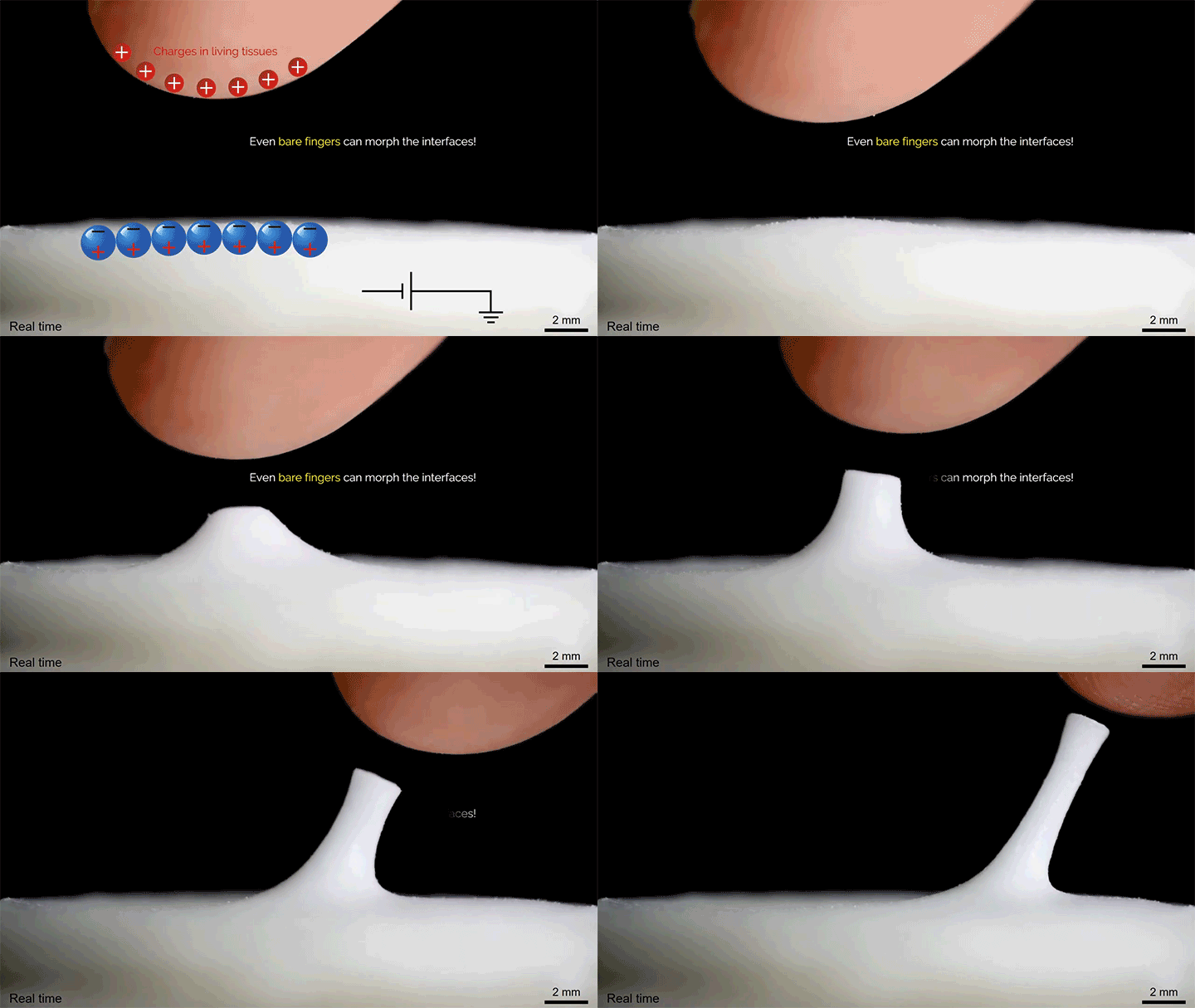
    A layer of tiny glass beads sitting atop a pool of castor oil becomes a morphing surface in this video. Applying an electric field creates enough electrostatic force to draw the interface upward against the power of both gravity and surface tension. Moving the electric field — either by shifting the electrode or simply moving a finger over the surface — is enough to pull columns of fluid along! I could imagine this making some very cool human-machine interfaces one day. (Image and video credit: K. Sun et al.)

  • Turbulence in Flight

    Turbulence in Flight

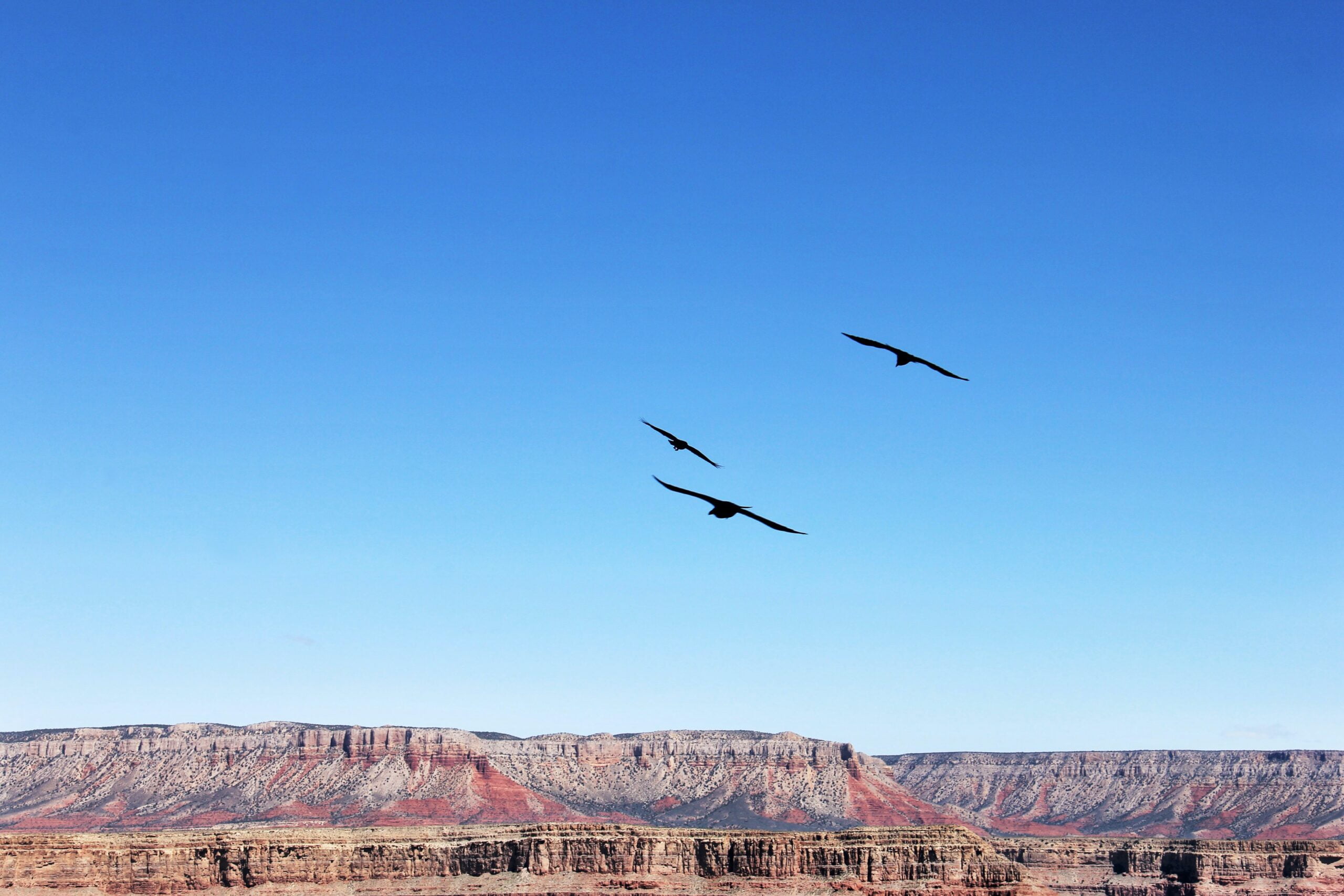
    Eagles and other birds spend much of their lives in the turbulence of our atmospheric boundary layer. Some of their interactions with turbulence — like using topographical effects to aid their flight — are well-known, but much remains uncertain. One team of researchers looked at a tagged golden eagle’s flight data, compared with known wind conditions, and looked for evidence of turbulence’s influence. To do this, they drew on years of research into how turbulence interacts with inertial particles — particles that are heavier than the surrounding fluid and thus unable to follow the flow exactly.

    What they found is that turbulence seems to be baked into many aspects of the eagle’s flight. Even the basic accelerations of the eagle’s body during flight showed characteristics that match those of turbulent flows. The findings suggest that turbulence — rather than something to be avoided — is an integral part of flight for birds, an energy source they’ve learned to exploit. (Image credit: J. Wang; research credit: K. Laurent et al.; submission by G. Bewley)