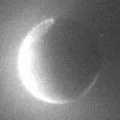
As material collapses onto a protostar, these young stars often form stellar jets that point outward along their axis of rotation. Made up of plasma, these jets shoot into the surrounding material, their interactions creating bright parabolic cavities like the one seen here. This is half of LDN 1471; the protostar’s other jet and cavity are hidden by dust but presumably mirror the bright shape seen here. (The protostar itself is the bright spot at the parabola’s peak.) Although the cavity is visibly striated, it’s not currently known what causes this feature. Perhaps some form of magnetohydrodynamic instability? (Image credit: NASA/Hubble/ESA/J. Schmidt; via APOD)
Tag: science

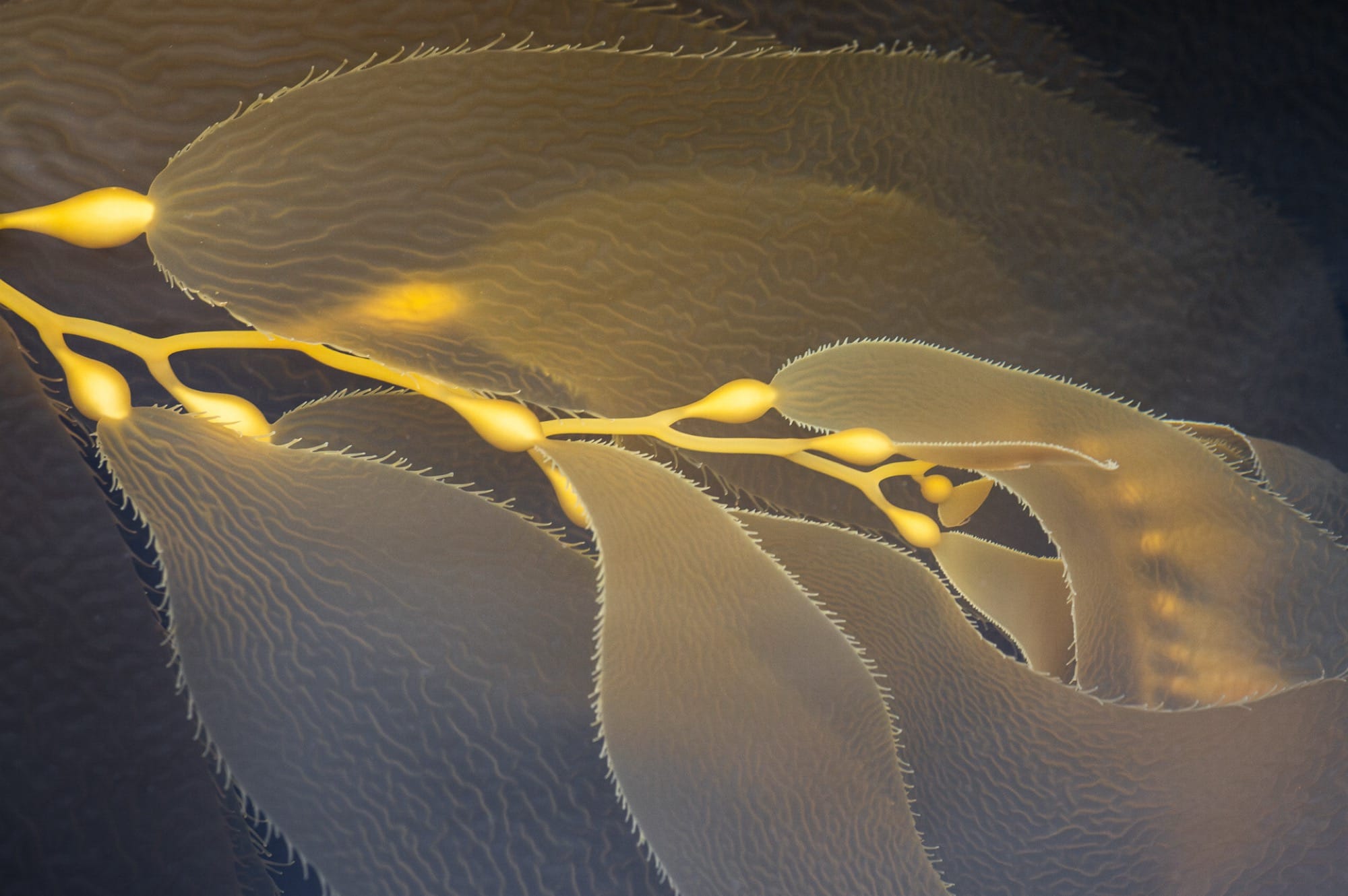
“Flowing Kelp”
This CUPOTY-shortlisted photo by Sigfrido Zimmerman shows giant kelp drifting in the current. At the base of each blade is an inflated bladder that helps keep the algae buoyant. The blades themselves are furrowed on their surface, with patterns reminiscent of sand ripples. Though giant kelp can grow to as large as 60 meters, the species lives in constant flux, pushed and pulled by the currents that run along its length. (Image credit: S. Zimmerman/CUPOTY; via Colossal)
Fediverse Reactions
-

Holding Steady
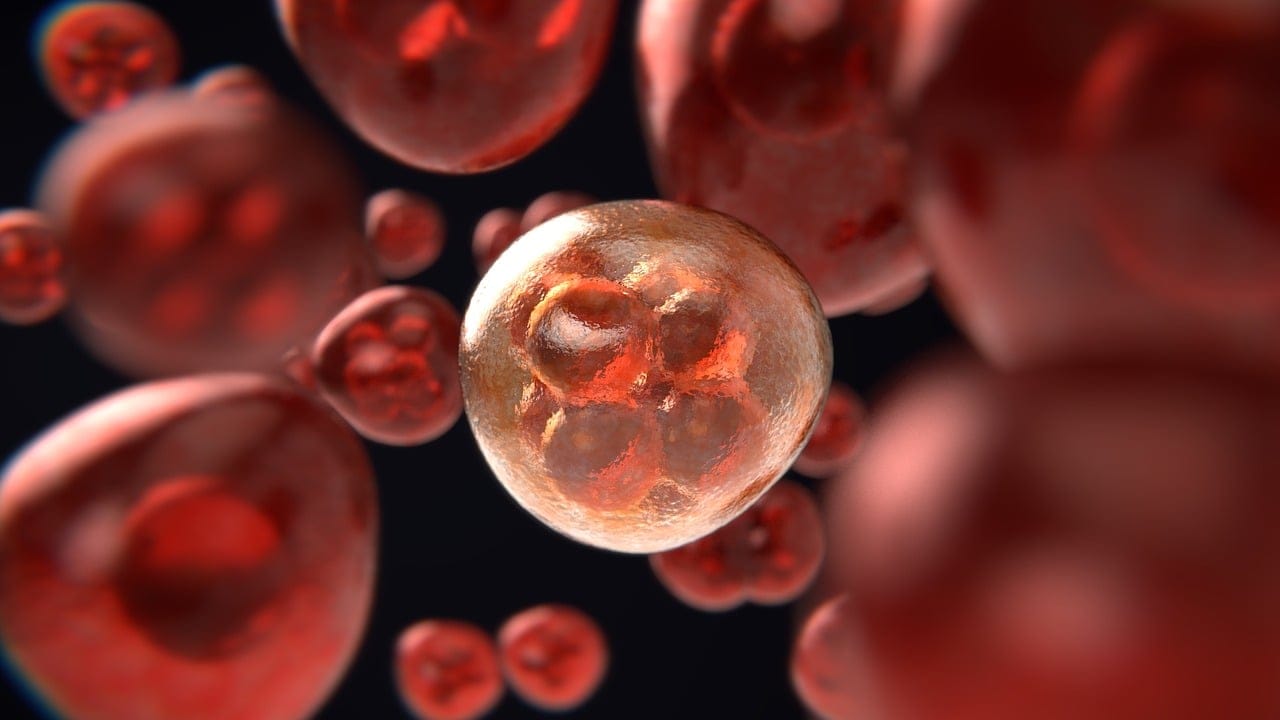
Before a mammalian cell divides, the spindle — a protein structure — divides the cell’s genetic material in two. As it does, the cytoplasm inside the cell forms a toroidal flow (below, left). Researchers wondered how the spindle manages to stay in place with this flow; the spindle sits just where the flow diverges, a spot that seems ripe for unstable shifts in position. But, contrary to expectations, their analysis showed that — although a smaller spindle would be unstable in that spot — the protein spindle is large enough that its size distorts the cell’s flow and creates a pressure that moves it back into place if it shifts. (Image credit: top – ColiN00B, illustration – W. Liao and E. Lauga; research credit: W. Liao and E. Lauga; via APS Physics)

Left: illustration of the toroidal flow near the spindle (purple) in a cell. Right: schematic of flow near the spindle’s fixed point. Fediverse Reactions
-

The Best of FYFD 2024


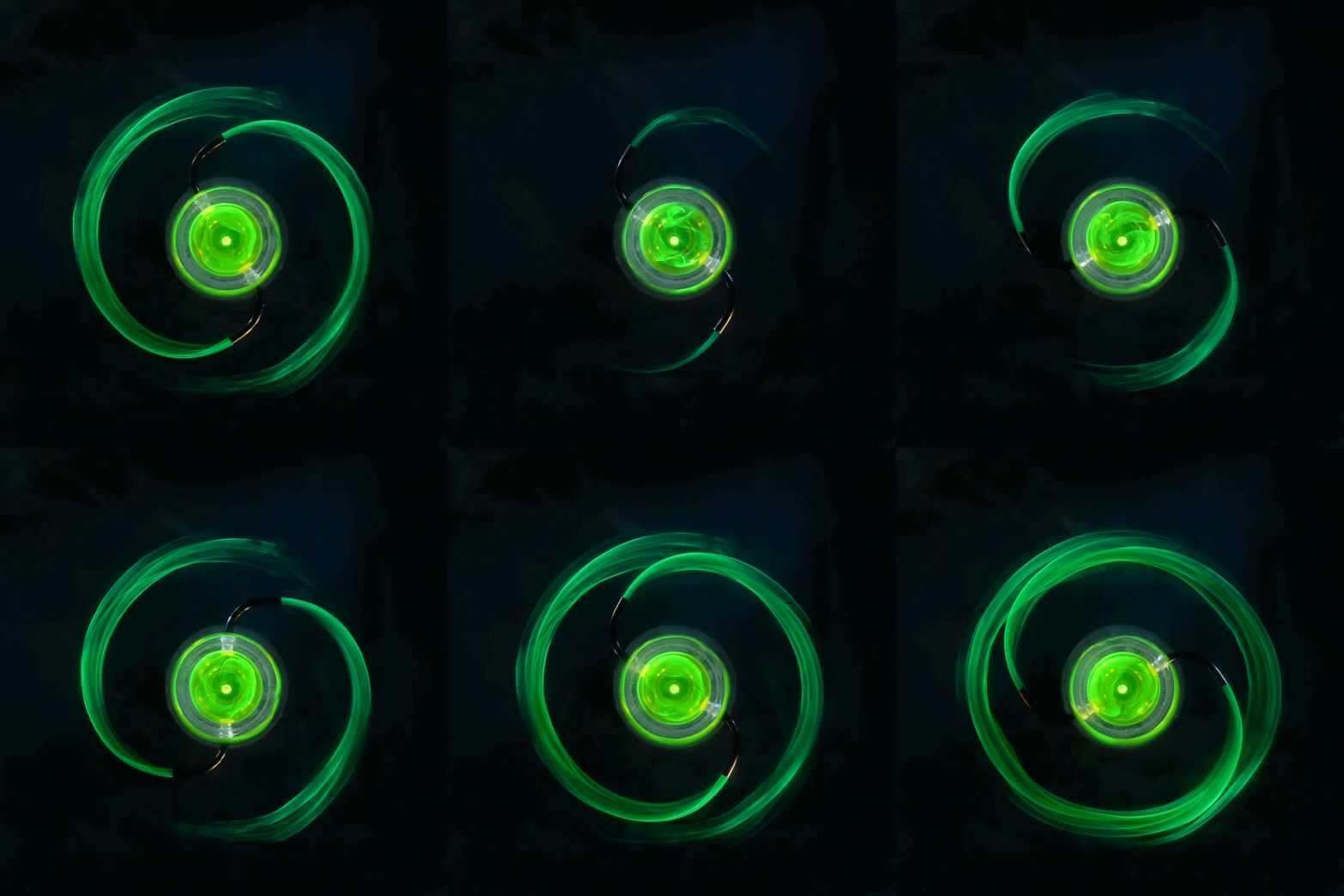
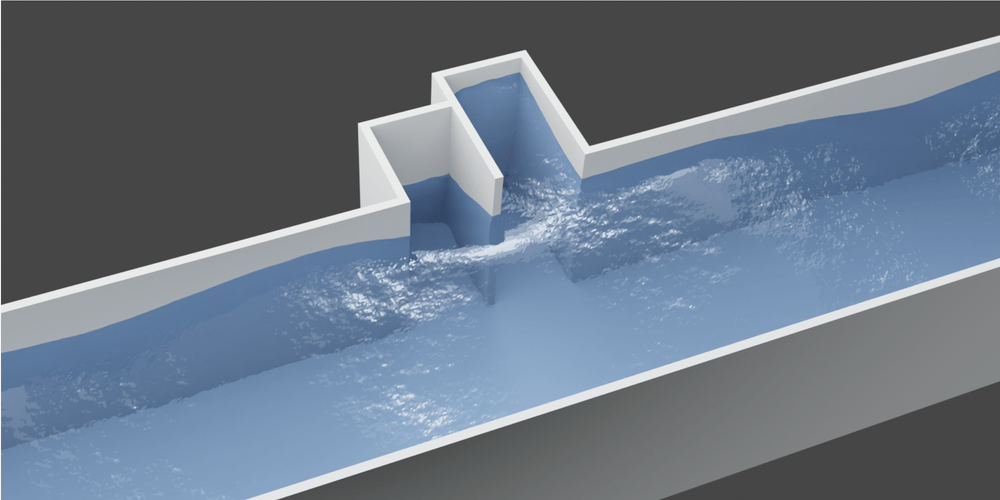

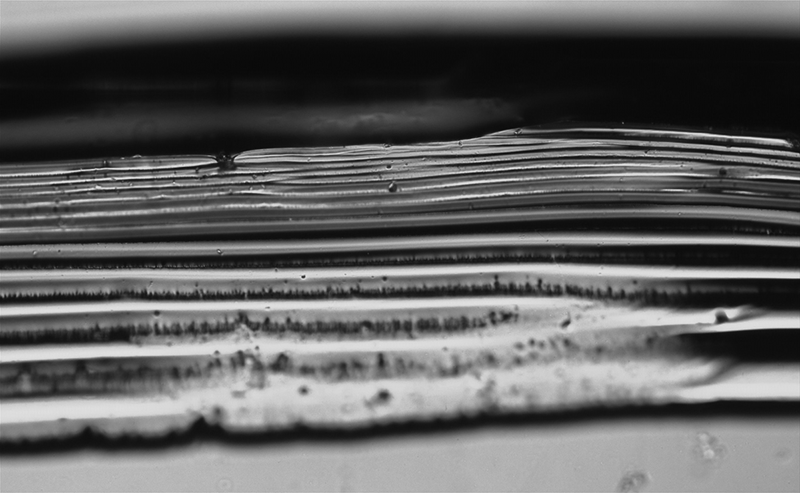
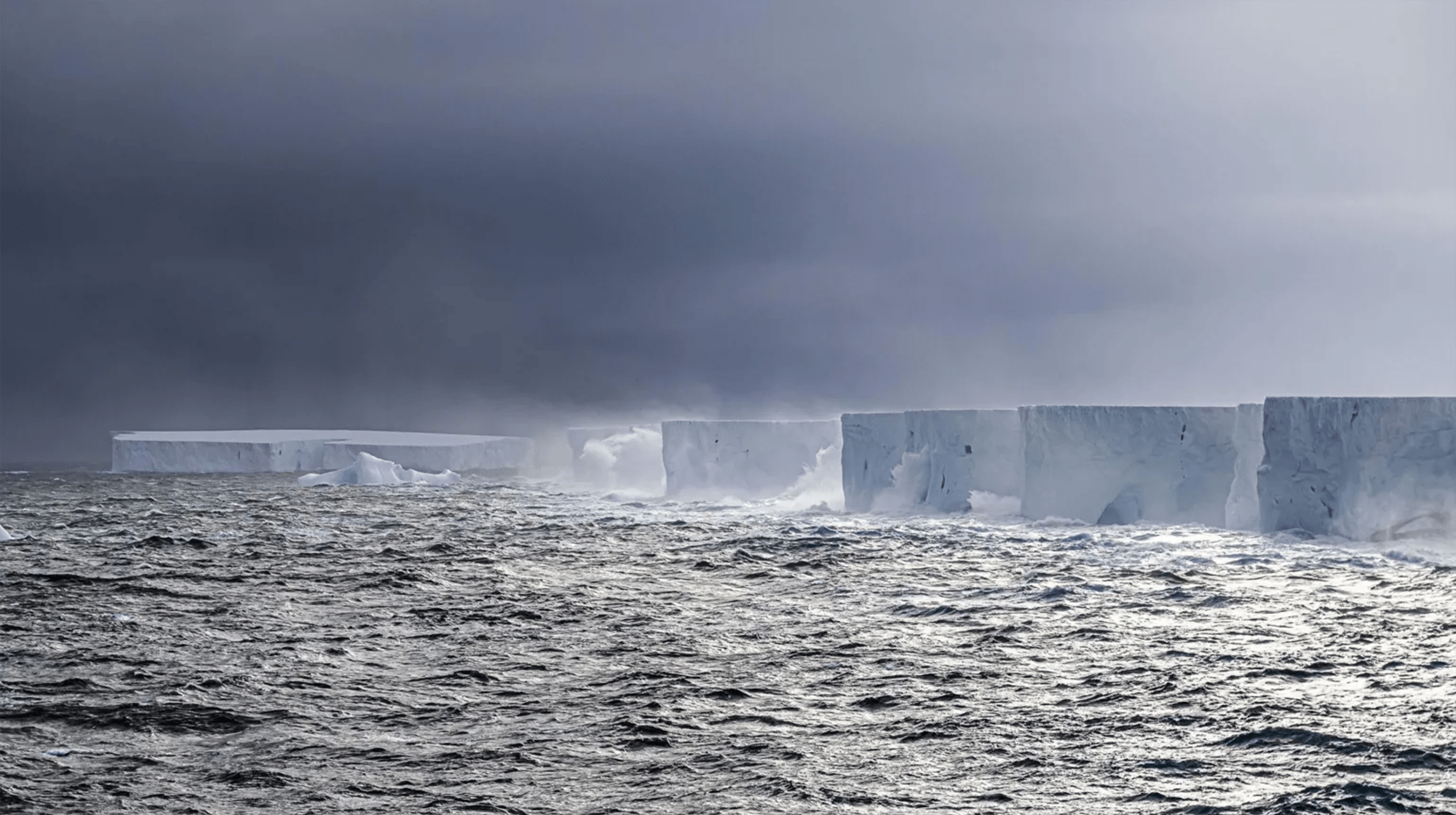



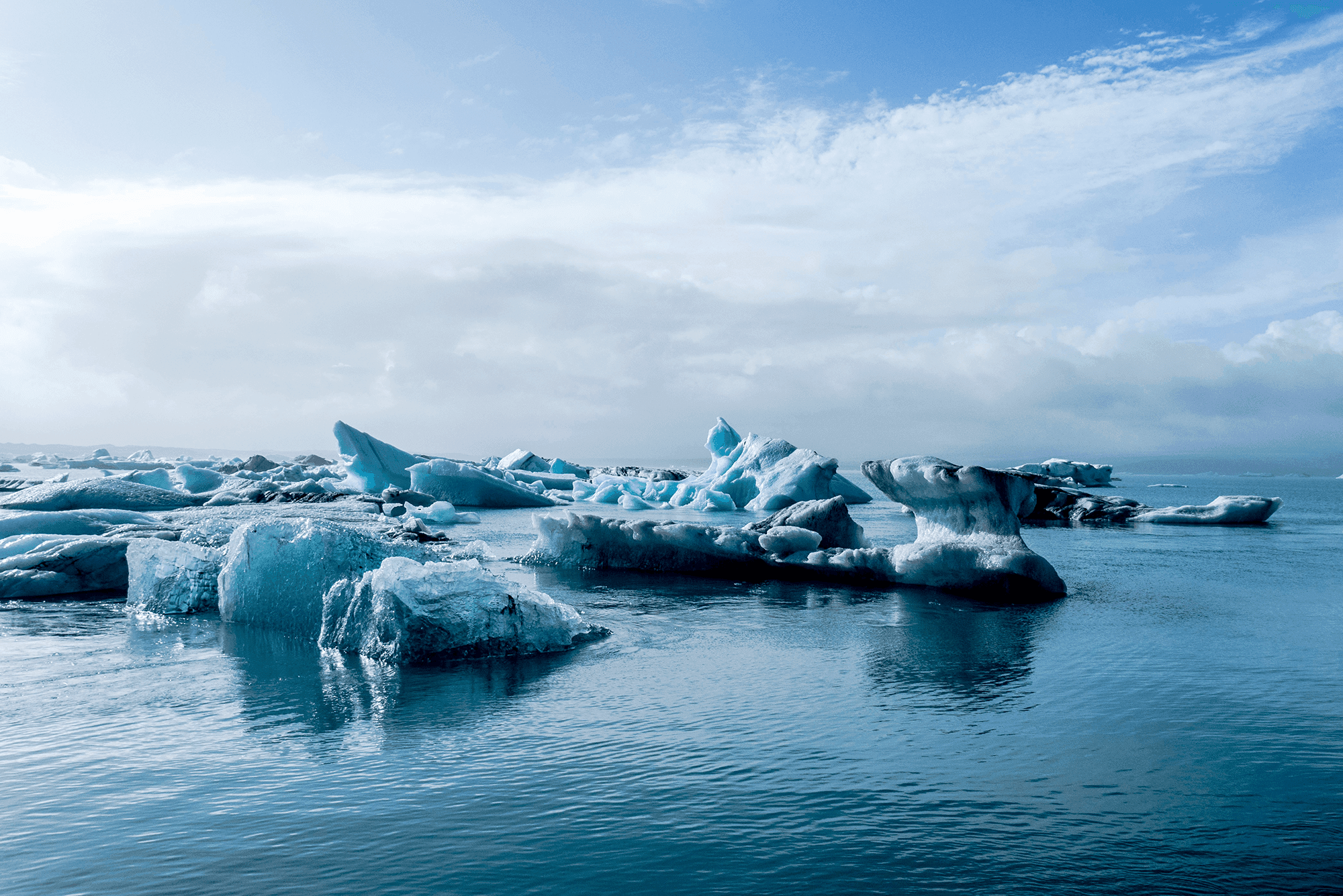
Welcome to another year and another look back at FYFD’s most popular posts. (You can find previous editions, too, for 2023, 2022, 2021, 2020, 2019, 2018, 2017, 2016, 2015, and 2014. Whew, that’s a lot!) Here are some of 2024’s most popular topics:
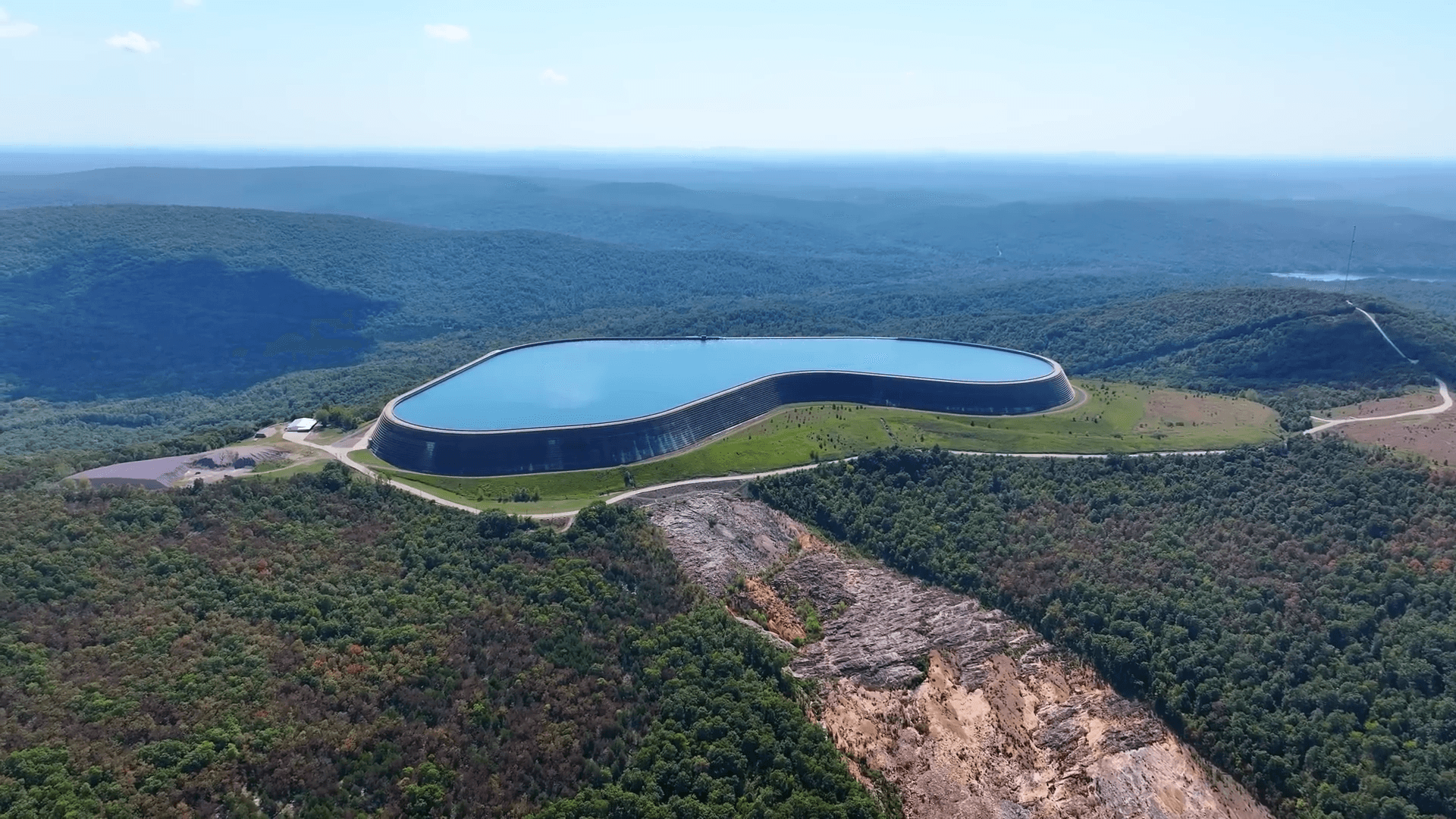
- The Taum Sauk Dam Failure and Its Legacy
- Stretching Ant Rafts
- Gigapixel Supernova
- Feynman’s Sprinkler Solved
- Calming the Waves
- “Dew Point” Deposits Droplets
- Drying Unaffected by Humidity
- Trapped in a Taylor Column
- Exciting a Flame in a Trough
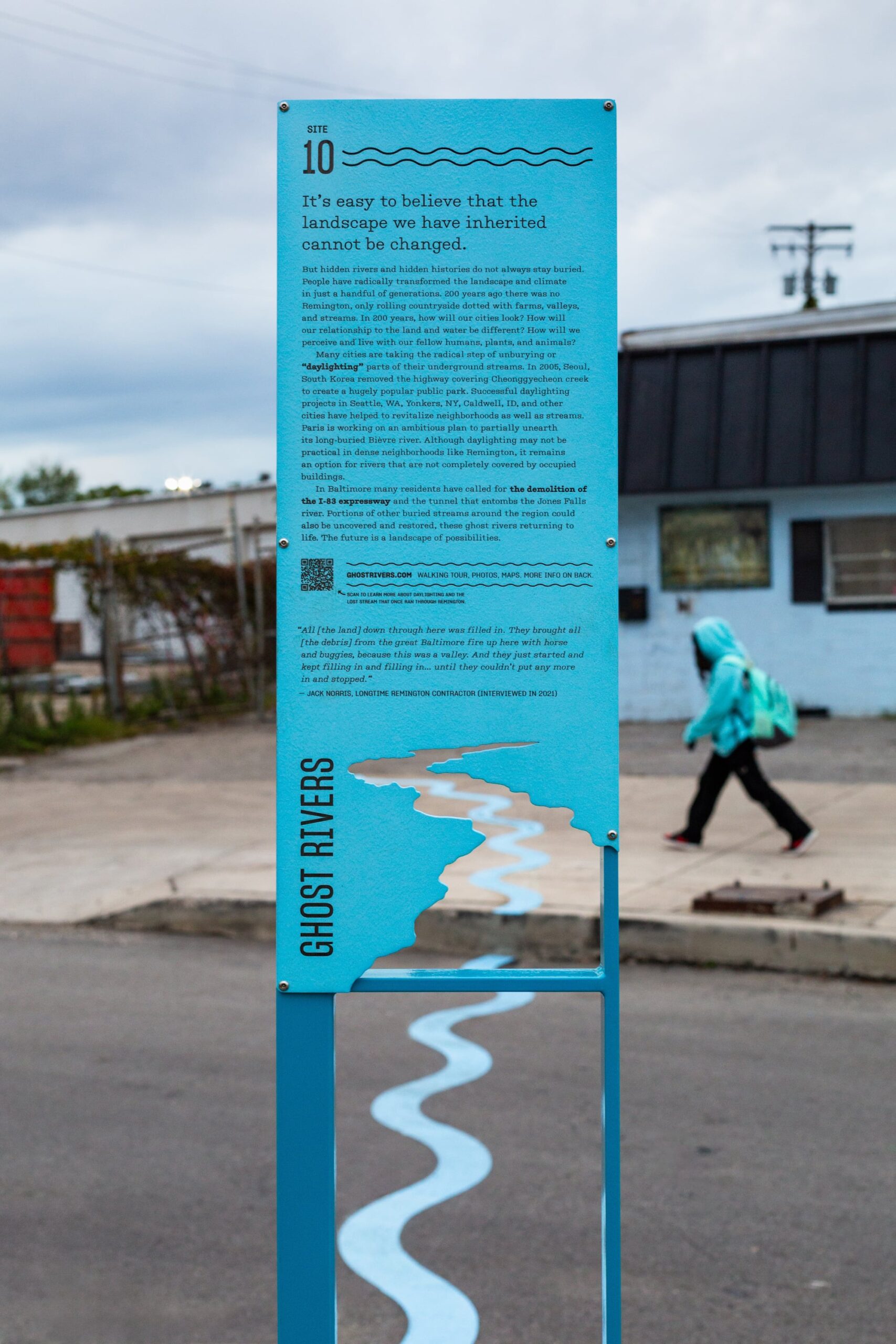
- Remembering Rivers Past
- A Comet’s Tail
- Light Pillars
- Liquid Metal Printing
- The Miscible Faraday Instability
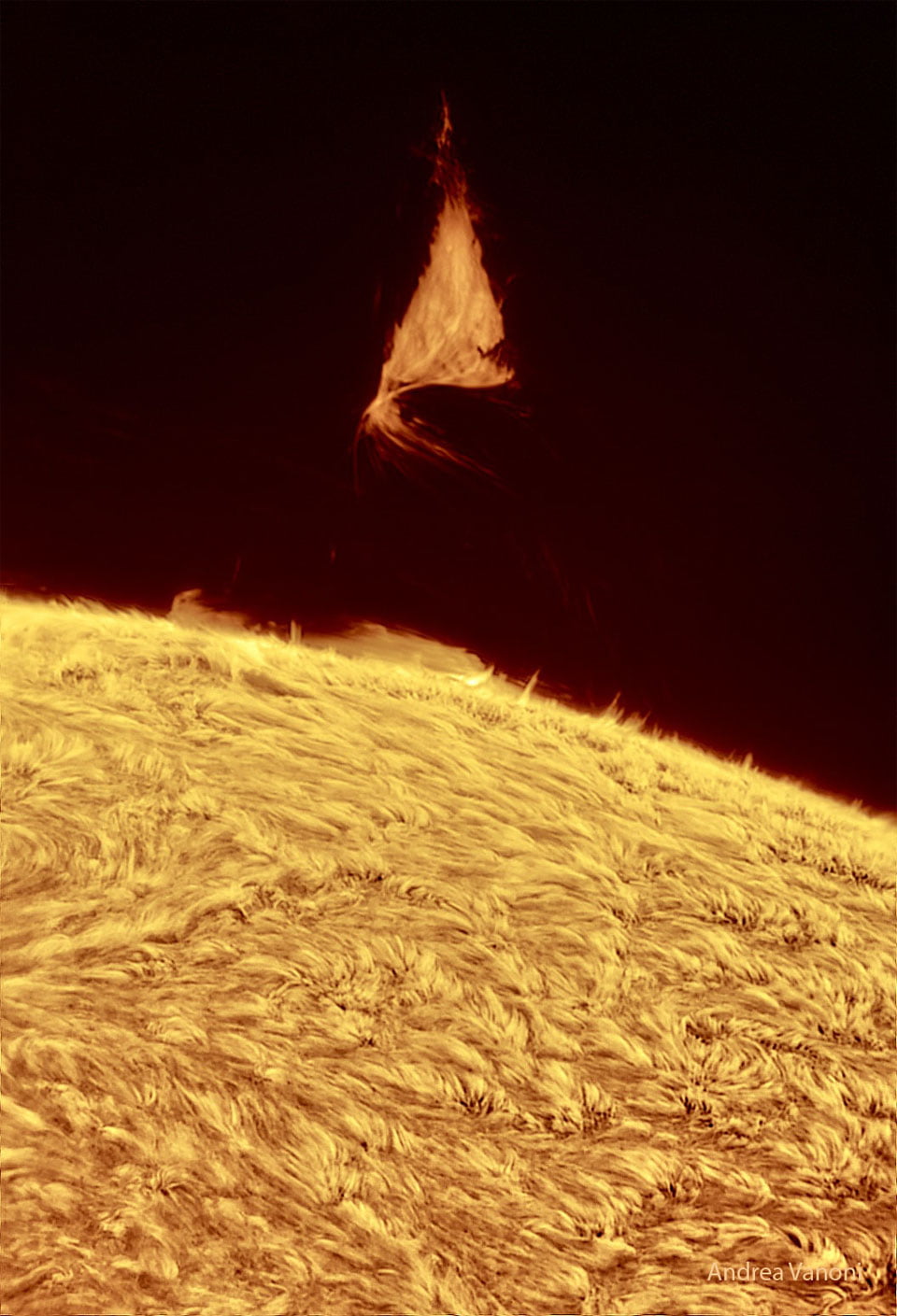
- A Triangular Prominence
This year’s topics are a good mix: fundamental research, civil engineering applications, geophysics, astrophysics, art, and one good old-fashioned brain teaser. Interested in what 2025 will hold? There are lots of ways to follow along so that you don’t miss a post.
And if you enjoy FYFD, please remember that it’s a reader-supported website. I don’t run ads, and it’s been years since my last sponsored post. You can help support the site by becoming a patron, buying some merch, or simply by sharing on social media. And if you find yourself struggling to remember to check the website, remember you can get FYFD in your inbox every two weeks with our newsletter. Happy New Year!
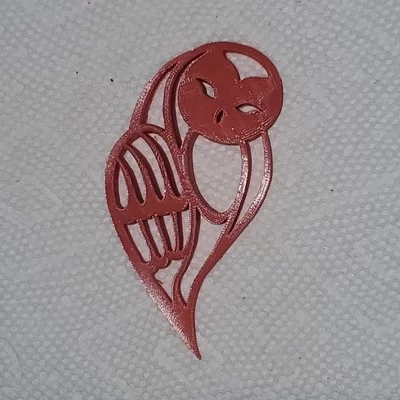
(Image credits: dam – Practical Engineering, ants – C. Chen et al., supernova – NOIRLab, sprinkler – K. Wang et al., wave tank – L-P. Euvé et al., “Dew Point” – L. Clark, paint – M. Huisman et al., iceberg – D. Fox, flame trough – S. Mould, sign – B. Willen, comet – S. Li, light pillars – N. Liao, chair – MIT News, Faraday instability – G. Louis et al., prominence – A. Vanoni)
Fediverse Reactions

Tracking Ice Floes
To understand why some sea ice melts and other sea ice survives, researchers tracked millions of floes over decades. This herculean undertaking combined satellite data, weather reports, and buoy data into a database covering nearly 20 years of data. With all of that information, the team could track the changes to specific pieces of ice rather than lumping data into overall averages.
They found that an ice floe’s fate depended strongly on the route it took: ice that slipped from its starting region into warmer, more southern regions was likely to melt. They also saw region-specific effects, like that thick sea ice was more likely to melt in the East Siberian Sea’s summer, possibly due to warmer currents. The comprehensive, fine-grained analyses possible with this ice-tracking technique offer a chance to understand why some Arctic regions are more vulnerable to warming than others. (Image credit: D. Cantelli; research credit: P. Taylor et al.; via Eos)

Tar Pit, Sweet Tar Pit


The La Brea Tar Pits have delivered countless creatures to their doom over tens of thousands of years. But the sticky quagmire of the pits’ natural asphalt is a comfy home to at least one animal: the petroleum fly. The fly’s maggots secrete a lipophobic — in other words, oil-repelling — fluid that allows them to move freely through the viscous black tar. That freedom means they can take full advantage of the asphalt’s trapping power by consuming a smorgasbord of stuck victims. Any asphalt the maggots swallow just passes harmlessly through them. As adults, only their feet are asphalt-resistant, but the petroleum fly still spends most its time hanging out in the pit, seeding the next generation. (Video and image credit: Deep Look)
Fediverse Reactions
-

“Magic of the North”
Fires glow above and below in this award-winning image from photographer Josh Beames. In the foreground, lava from an Icelandic eruption spurts into the air and seeps across the landscape as it slowly cools. Above, the northern aurora ripples through the night sky, marking the dance of high-energy particles streaming into our atmosphere, guided by the lines of our magnetic field. Throw in some billowing turbulent smoke, and it’s hard to get more fluid dynamical (or beautiful!) than this. (Image credit: J. Beames/NLPOTY; via Colossal)
Fediverse Reactions
-

Dry Plants Warn Away Moths
Drought-stressed plants let out ultrasonic distress cries that moths use to avoid plants that can’t support their offspring. In ideal circumstances, a plant is constantly pulling water up from the soil, through its roots, and out its leaves through transpiration. This creates a strong negative pressure — varying from 2 to 17 atmospheres’ worth — inside the plant’s xylem. If there’s not enough water to keep the plant’s inner flow going, cavitation occurs — essentially a tiny vacuum bubble opens in the xylem. That cavitation isn’t silent; it creates a click at ultrasonic frequencies above human hearing. But just because we don’t hear it doesn’t mean that sound goes unheard.
In fact, recent research suggests that, not only do moths hear the plant’s cavitation cries, female moths will avoid laying eggs on a healthy plant that sounds like it’s cavitating. Evolutionarily, this makes sense. Hatchlings rely on their birth plant for food and habitat; if an adult moth picks a dying, drought-stressed plant, its offspring won’t survive. It pays to be sensitive to the plant’s signs of distress. (Image credit: Khalil; research credit: R. Seltzer et al.; via NYTimes)
Fediverse Reactions
-
Soaring Through the Pillars of Creation
The Pillars of Creation are an iconic feature nestled within the Eagle Nebula. For decades, the public has admired Hubble’s images of this stellar nursery, and, in this video, we get to fly between the pillars, shifting between Hubble’s visible light imagery and JWST’s infrared views. In visible light, glowing dust obscures the interior of the pillars, drawing our eyes instead to the dusty shapes eroded by the stellar winds of these young stars. In infrared wavelengths, we see further into the pillars, revealing individual stars burning at the ends of the pillars’ fingers. Being able to peer at the same problem through different techniques — here visible and infrared light — reveals more to scientists than either mode can on its own. (Image/video credit: G. Bacon et al.; via Gizmodo)

A mosaic of Hubble and JWST’s views of the Pillars of Creation, in visible and infrared light, respectively. Fediverse Reactions
-

Active Cheerios Self-Propel
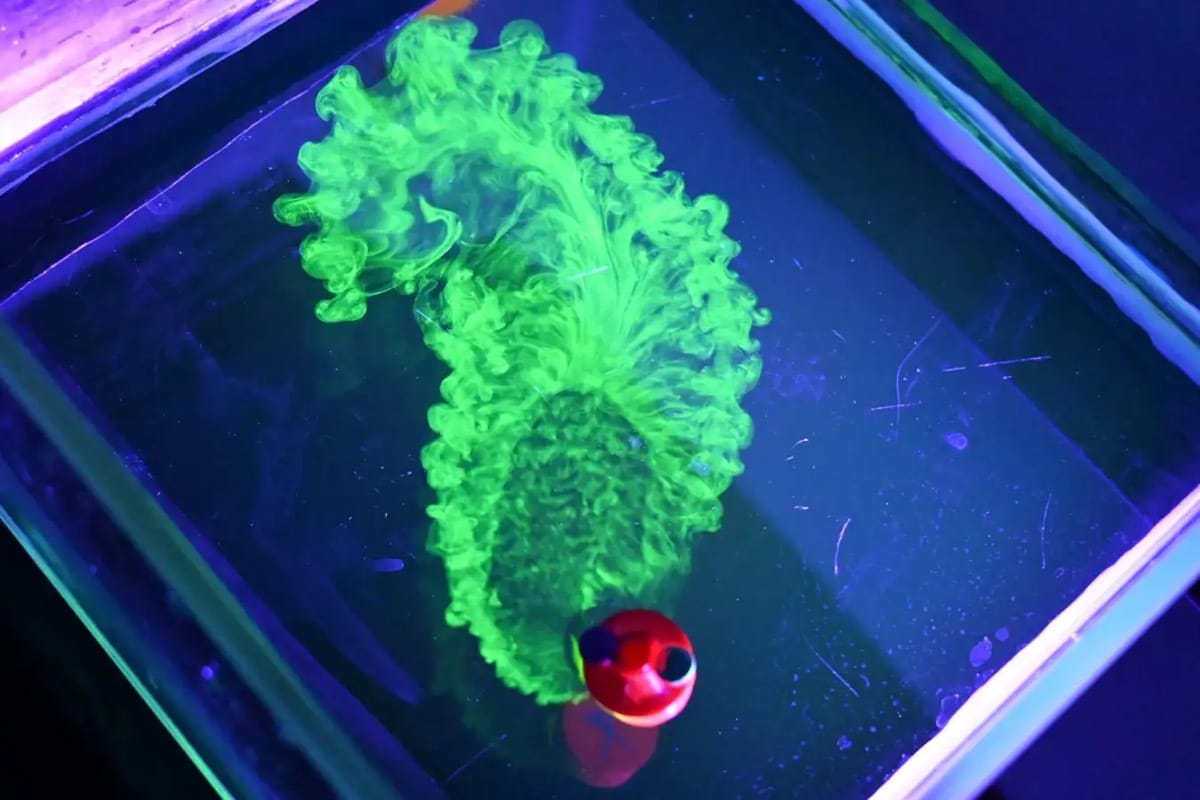
The interface where air and water meet is a special world of surface-tension-mediated interactions. Cereal lovers are well-aware of the Cheerios effect, where lightweight O’s tend to attract one another, courtesy of their matching menisci. And those who have played with soap boats know that a gradient in surface tension causes flow. Today’s pre-print study combines these two effects to create self-propelling particle assemblies.
The team 3D-printed particles that are a couple centimeters across and resemble a cone stuck atop a hockey puck. The lower disk area is hollow, trapping air to make the particle buoyant. The cone serves as a fuel tank, which the researchers filled with ethanol (and, in some cases, some fluorescent dye to visualize the flow). Like soap, ethanol’s lower surface tension disrupts the water’s interface and triggers a flow that pulls the particle toward areas with higher surface tension. But, unlike soap, ethanol evaporates, effectively restoring the interface’s higher surface tension over time.
With multiple self-propelling particles on the interface, the researchers observed a rich series of interactions. Without their fuel, the Cheerios effect attracted particles to each other. But with ethanol slowly leaking out their sides, the particles repelled each other. As the ethanol ran out and evaporated, the particles would again attract. By tweaking the number and position of fuel outlets on a particle, the researchers found they could tune the particles’ attractions and motility. In addition to helping robots move and organize, their findings also make for a fun educational project. There’s a lot of room for students to play with different 3D-printed designs and fuel concentrations to make their own self-propelled particles. (Research and image credit: J. Wilt et al.; via Ars Technica)
Fediverse Reactions
-



![Droppie [infosec] 🐨:archlinux: :kde: :firefox_nightly: :thunderbird: :vegan:](https://fyfluiddynamics.com/wp-content/uploads/activitypub/actors/25672/63a1717fb18de1a021d0d202b3cdff65.webp)