This colorful photo shows three fluids — oil, water, and dish soap — illuminated by the rainbow reflection of a CD. The differing densities of each fluid creates a stratification with water sandwiched between dish soap on the bottom and oil on the top. Because the dish soap is miscible in water, it leaves a smudgy blur against the background, whereas the immiscible oil creates bubble-like lenses at the top. (Image credit: R. Rodriguez)
Tag: fluids as art

Precipitation


Chemistry and fluid dynamics often go hand-in-hand. Here chemical reactions produce visible precipitates as one chemical drops into the other. The shapes that form are distinctly fluid dynamical, with vortex rings, plumes, and instabilities all appearing.
In many applications, chemical reactions and fluid dynamics are tied inextricably to one another because the rate of chemical reaction depends on local concentrations driven by fluid dynamics, and the fluid motion is itself influenced by those concentration gradients. This is why reacting flows, like those found in combustion, are among the hardest topics in fluids. (Image and video credit: Beauty of Science)
“Monsoon 6”


The stunning power and beauty of our atmosphere comes to life in Mike Olbinski’s latest short film, “Monsoon 6”. Over the years, I’ve probably watched dozens of Olbinski’s videos, yet he still captures sequences that make me exclaim aloud as I watch. In this one, some of my favorites are the microburst at 2:17 and the development of mammatus clouds at 3:20. How mammatus clouds form is still very much an area of active research; I don’t know if Olbinski’s footage sheds light on their formation, but it is supremely awesome to watch! (Image and video credit: M. Olbinski)

Freezing Waves
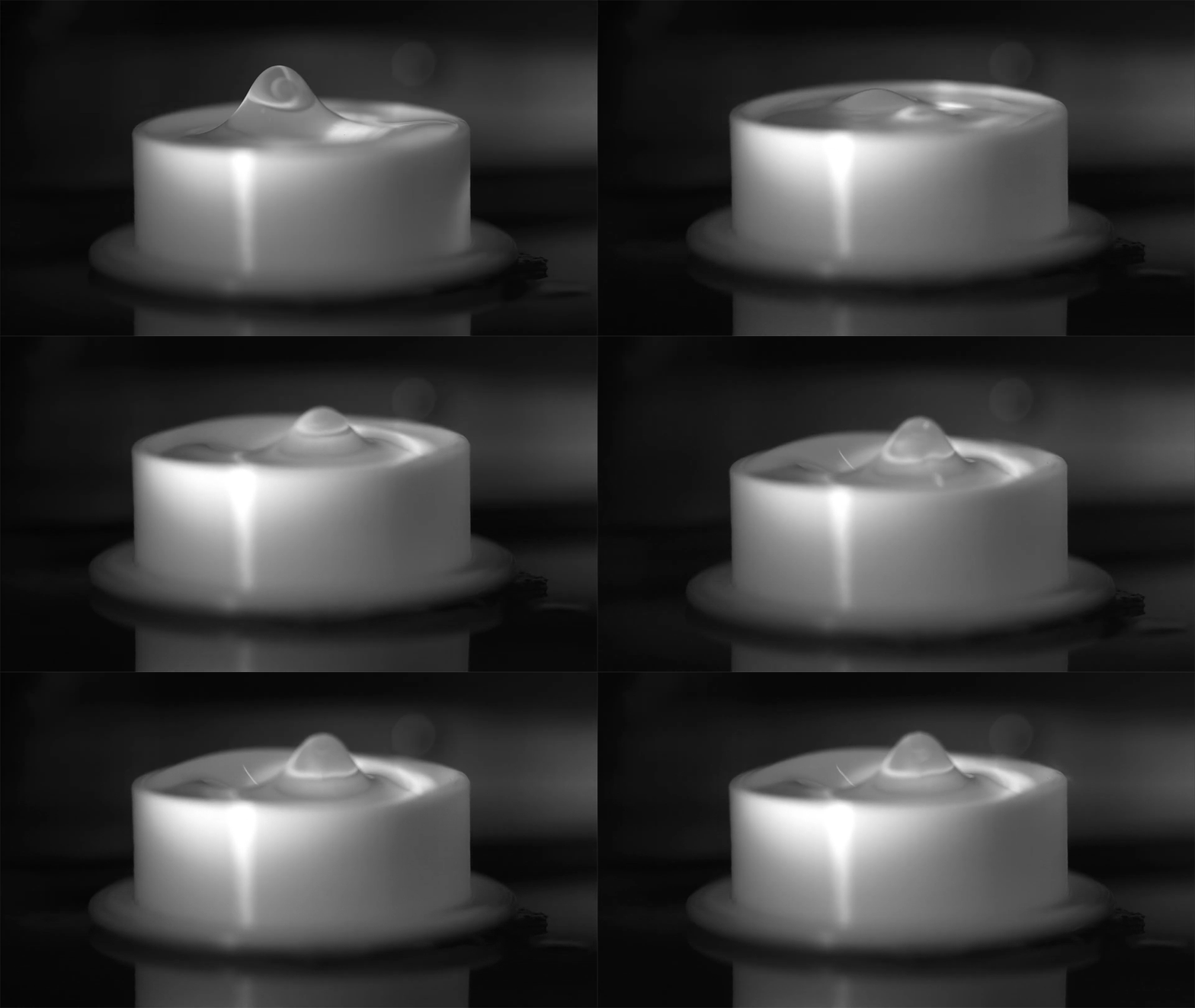


Vibrate a liquid, and you’ll get a pattern of standing waves known as Faraday waves. In this project, artist Linden Gledhill adds a twist to the usual view of these waves by capturing them in plastic. As the polymer liquid vibrates, Gledhill uses a flash of UV light to cure the polymer, freezing the wave pattern. Check out the original video for an even better look. (Image, video, and submission credit: L. Gledhill, 1, 2, 3, 4)
“The Unseen Sea”

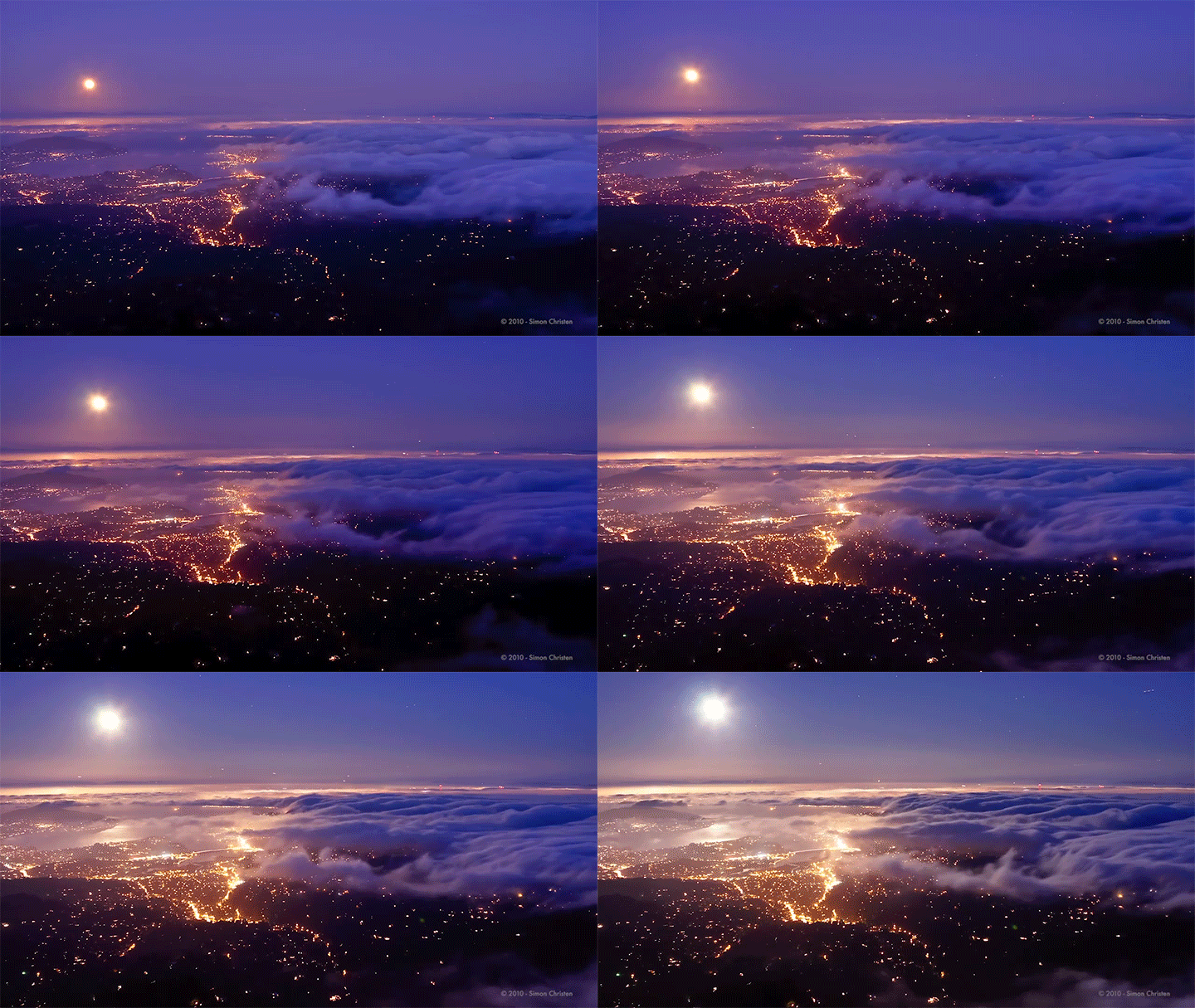
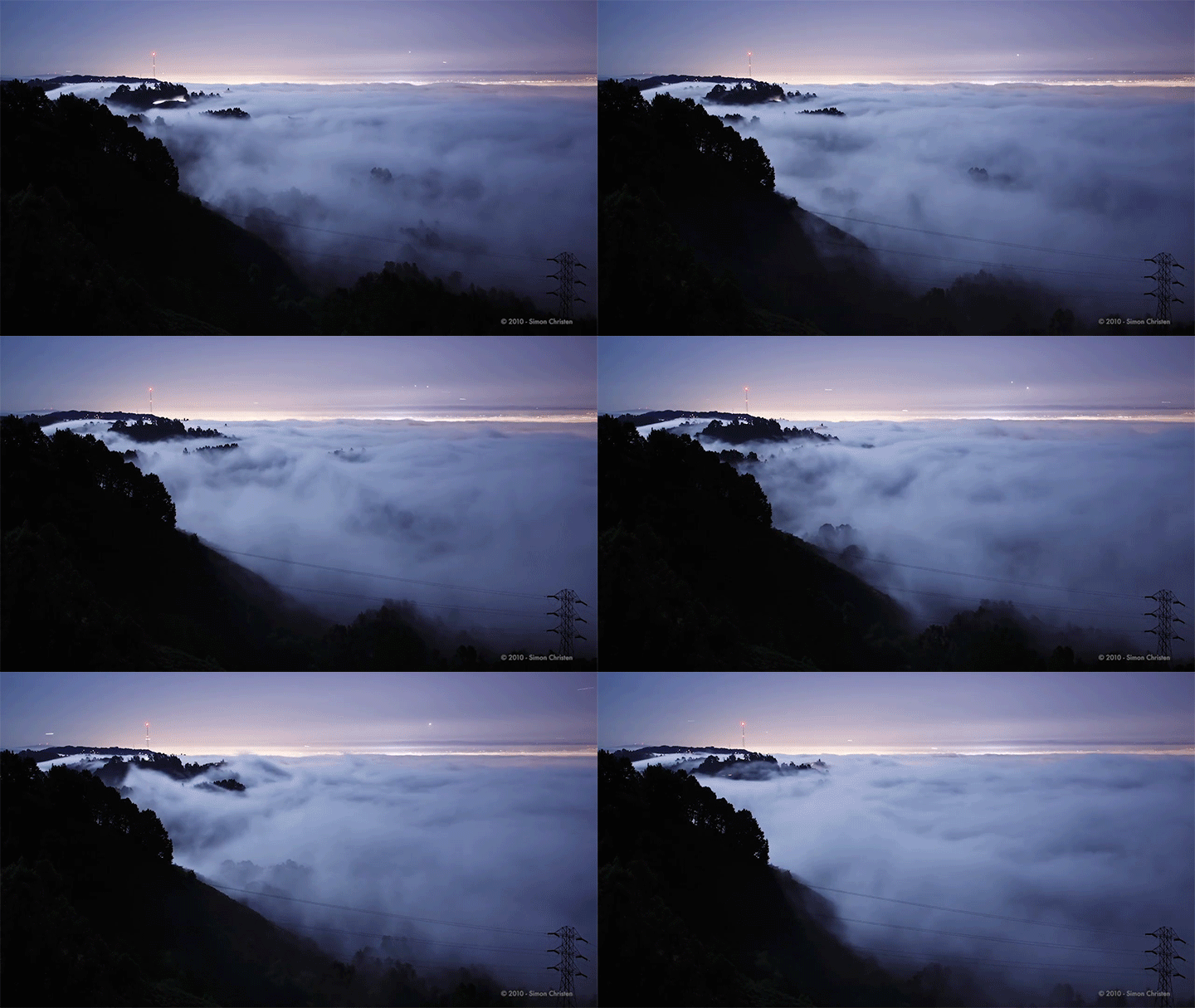
San Francisco’s picturesque fogs form “The Unseen Sea” in Simon Christen’s timelapse. Viewed at the right speed, the motion of clouds becomes remarkably ocean-like, with standing waves and surges against the hillside like waves crashing on a beach. Clouds in air don’t have the same surface tension effects as water waves in air, but, for the most part, the physics of their motion is the same, which is why they look so alike. (Image and video credit: S. Christen)
Coalescing Drops
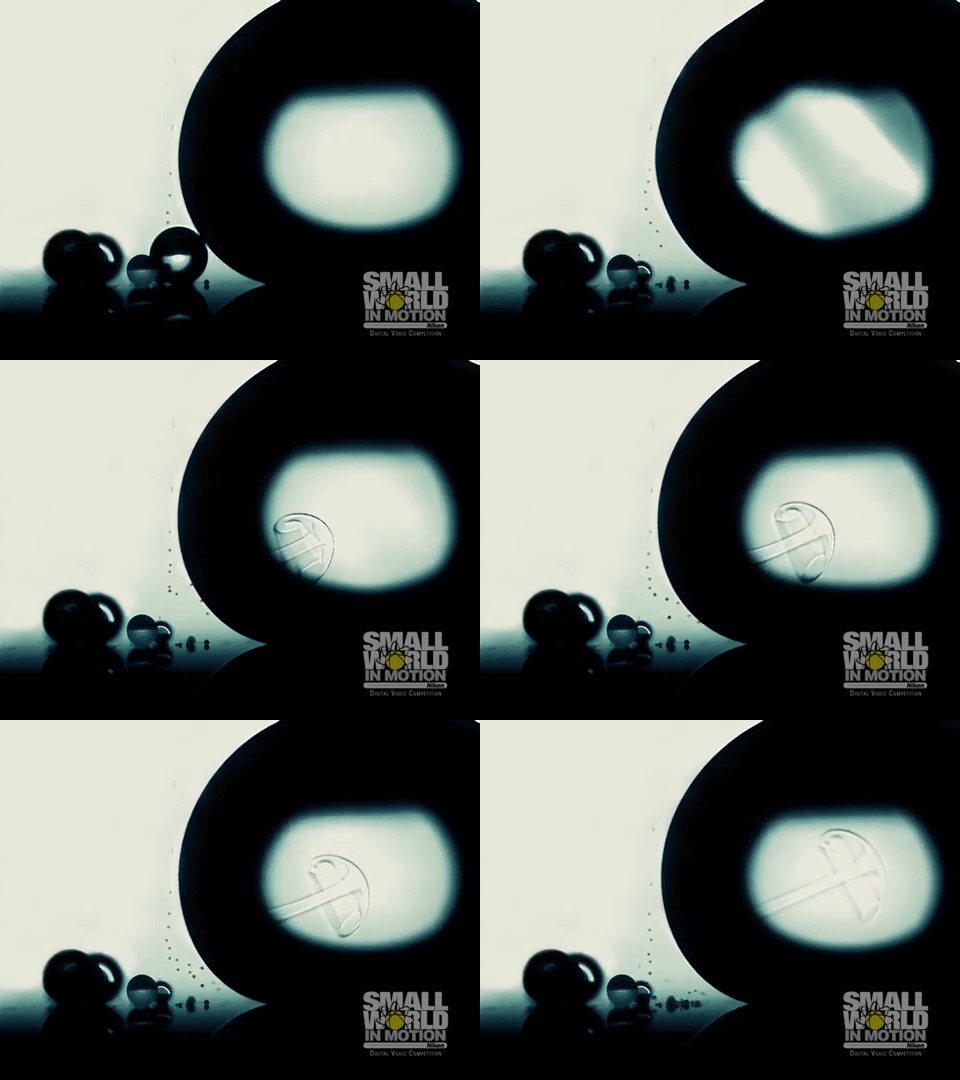
This year’s Nikon Small World in Motion competition was won by fluid dynamics! The first place video shows droplets on a superhydrophobic surface coalescing. The droplets are a mixture of water and ethanol. Their initial merger creates a ripple of waves that’s followed by a ghostly vortex ring that jets into the interior. Previous research on coalescence during impact shows jets driven by surface tension but the jet here doesn’t appear to be confined to the surface. (Image and video credit: K. Rabbi and X. Yan; via Nature; submitted by Kam-Yung Soh)

Leidenfrost on Water
When a skillet is hot enough, water droplets will skitter across the surface almost frictionlessly thanks to the Leidenfrost effect. The incredibly high temperature of the surface relative the the liquid’s boiling point causes part of the drop to vaporize, enveloping the remainder of the liquid in a protective vapor cocoon.
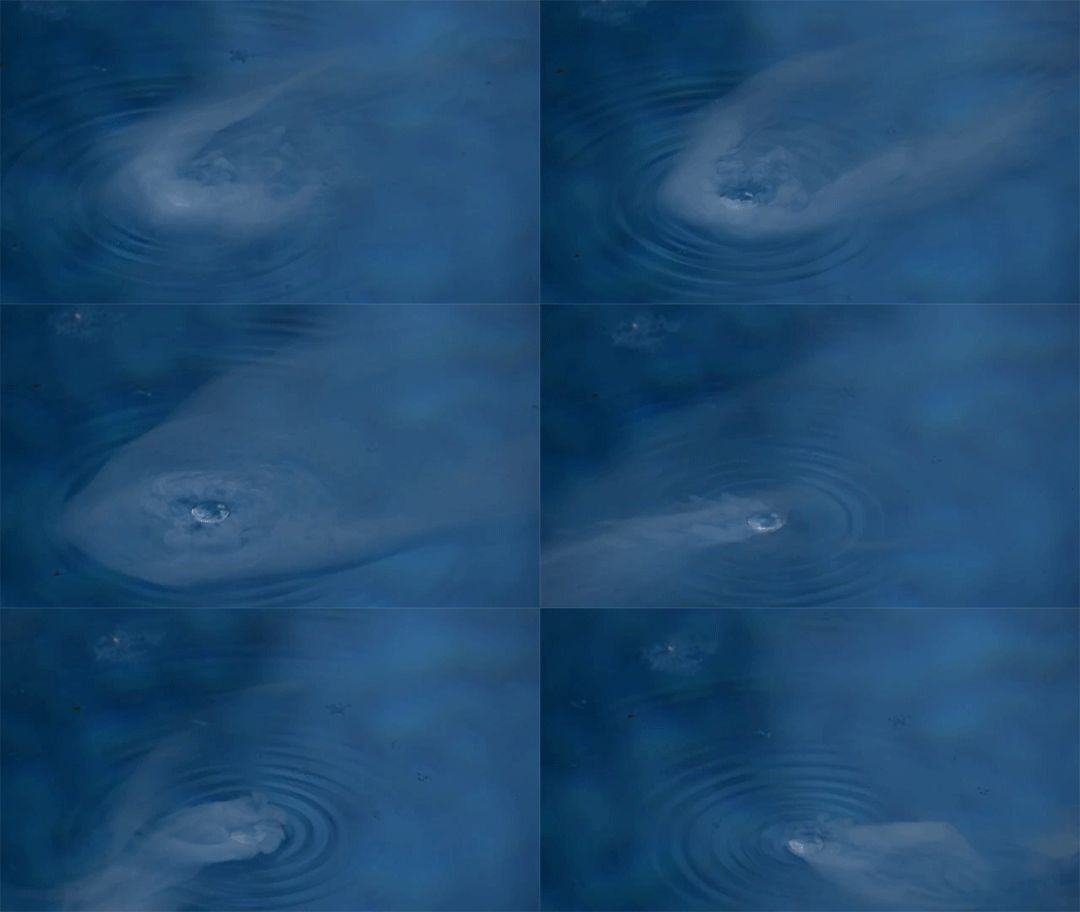
We see this effect for more than just solid surfaces, though. This video demonstrates how pouring liquid nitrogen on a pool of water creates plenty of Leidenfrost weirdness as well. It looks as though the initial pour freezes some condensation to dust or other particles, which then stream outwards on a cloud of vapor. Larger droplets of liquid nitrogen actually manage to hold together on the pool’s surface. Their vapor keeps them from touching the water, but that flow also jostles them, creating a ring of ripples around the jiggling drop. (Video and image credit: Science Marshal)

“Colors”
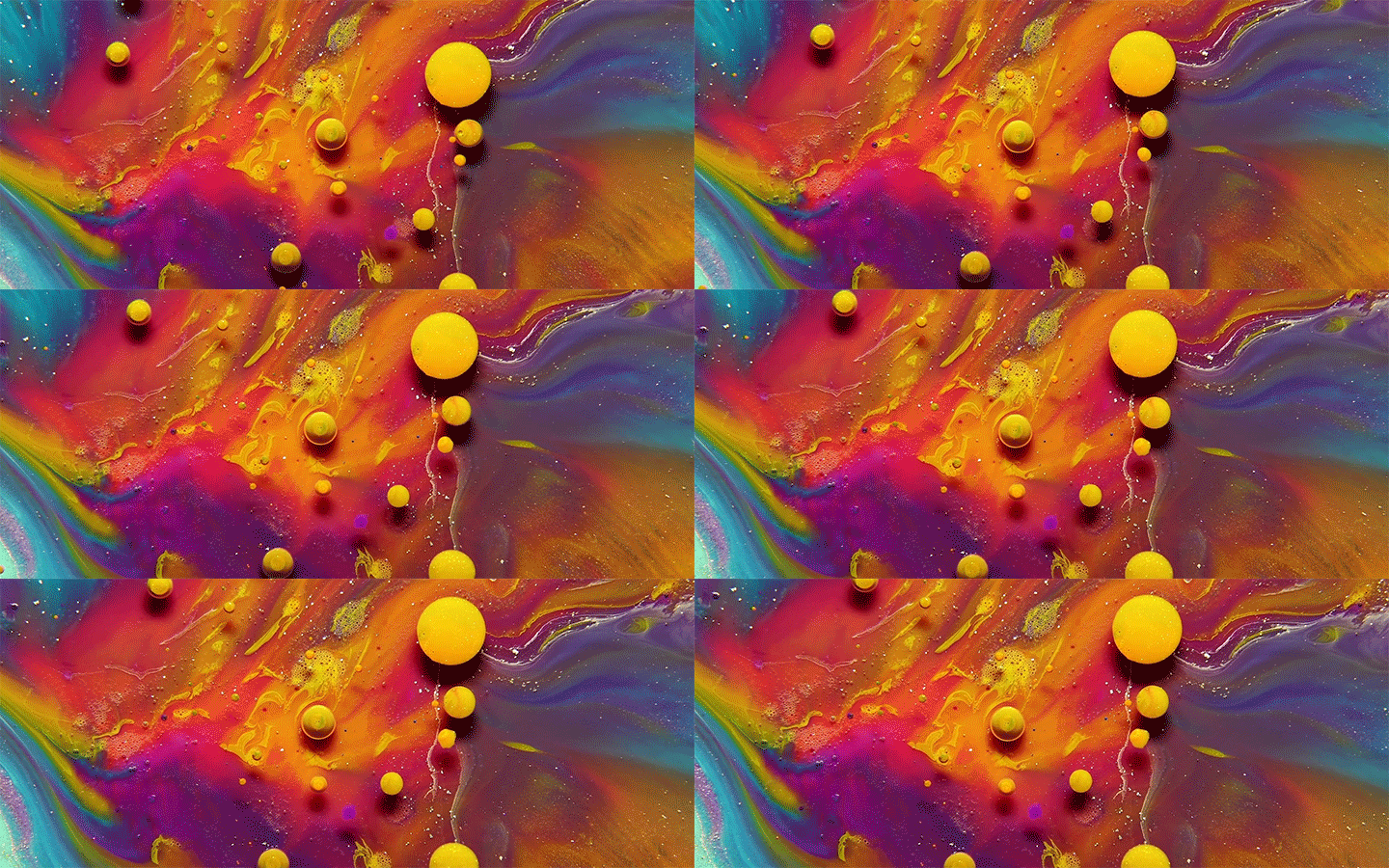


Paint, soap, bleach, oil, and oat milk combine to create the gorgeous colorscapes of Thomas Blanchard’s short film “Colors”. Watch as droplets burst and waves of color flow past. It’s a lovely break from whatever you’re dealing with at the moment, and at less than 3 minutes long, you can spare the time! (Image and video credit: T. Blanchard)

Coffee, Magnified
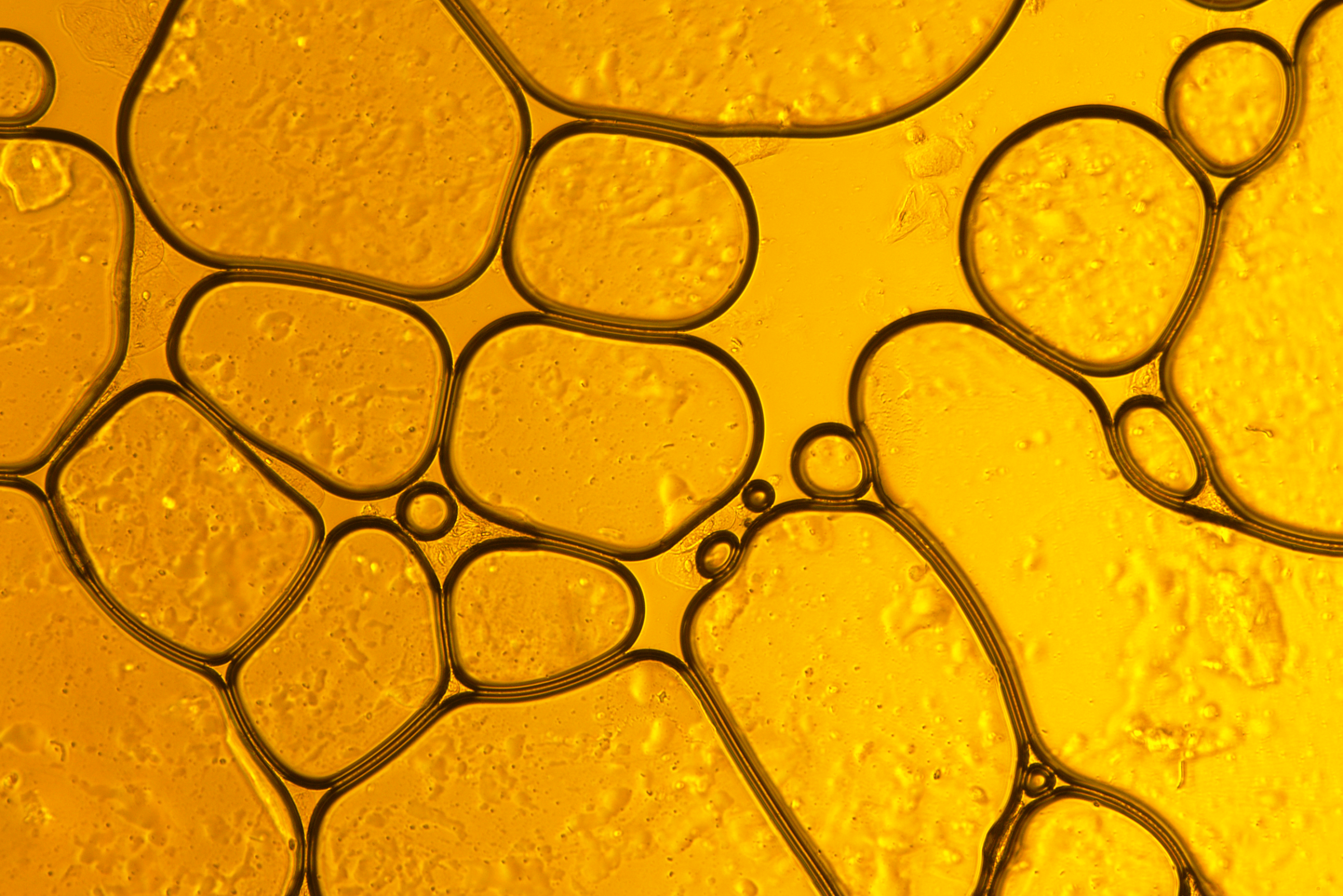
Sometimes it’s nice to see a new perspective on something familiar. These images show oils from coffee beans suspended in hot water, as seen under 40x magnification. The crystals you see are caffeine and the variety of shapes in the oil blobs is due to being sandwiched between two layers of glass. You can check out an image of the set-up these students used here. (Image credits: M. Armstrong and B. Pullutasig)
The Great Haboob Chase


Few sights look as apocalyptic as the leading edge of an incoming dust storm. Known as a haboob, these storms form when a downdraft spreads along the ground, picking up loose dust as the storm front advances. Winds inside the haboob can be severe; when one swept through Denver last year, my first clue was the trees outside my window whipping back and forth wildly, followed by the sky going dark and brownish. Photographer Mike Olbinksi’s short film offers a far better vantage, letting viewers appreciate the towering cloud as it bears down. (Video and image credit: M. Olbinski)