Tag: fluids as art

  • Psychedelic Soap Film

    Psychedelic Soap Film

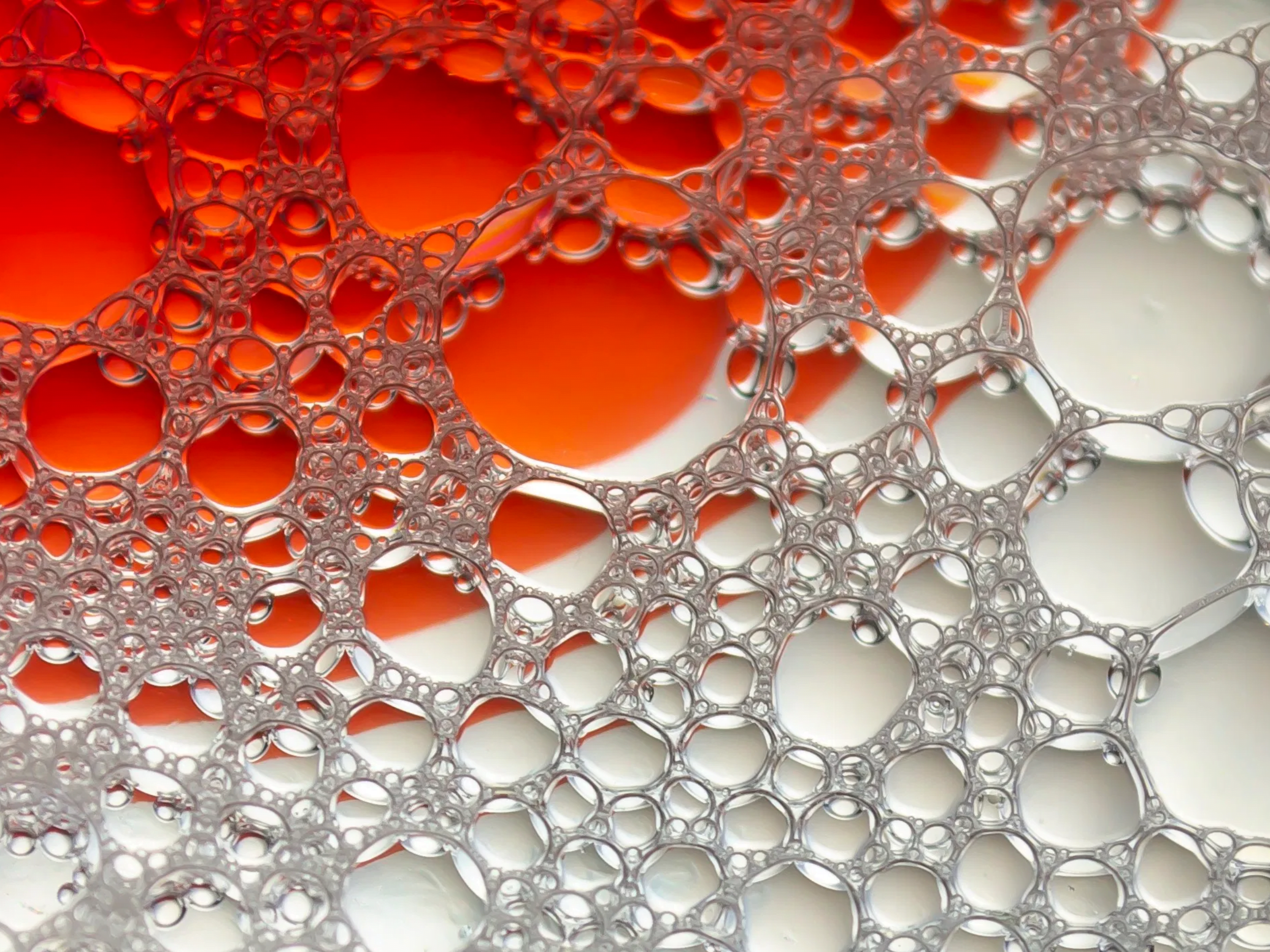
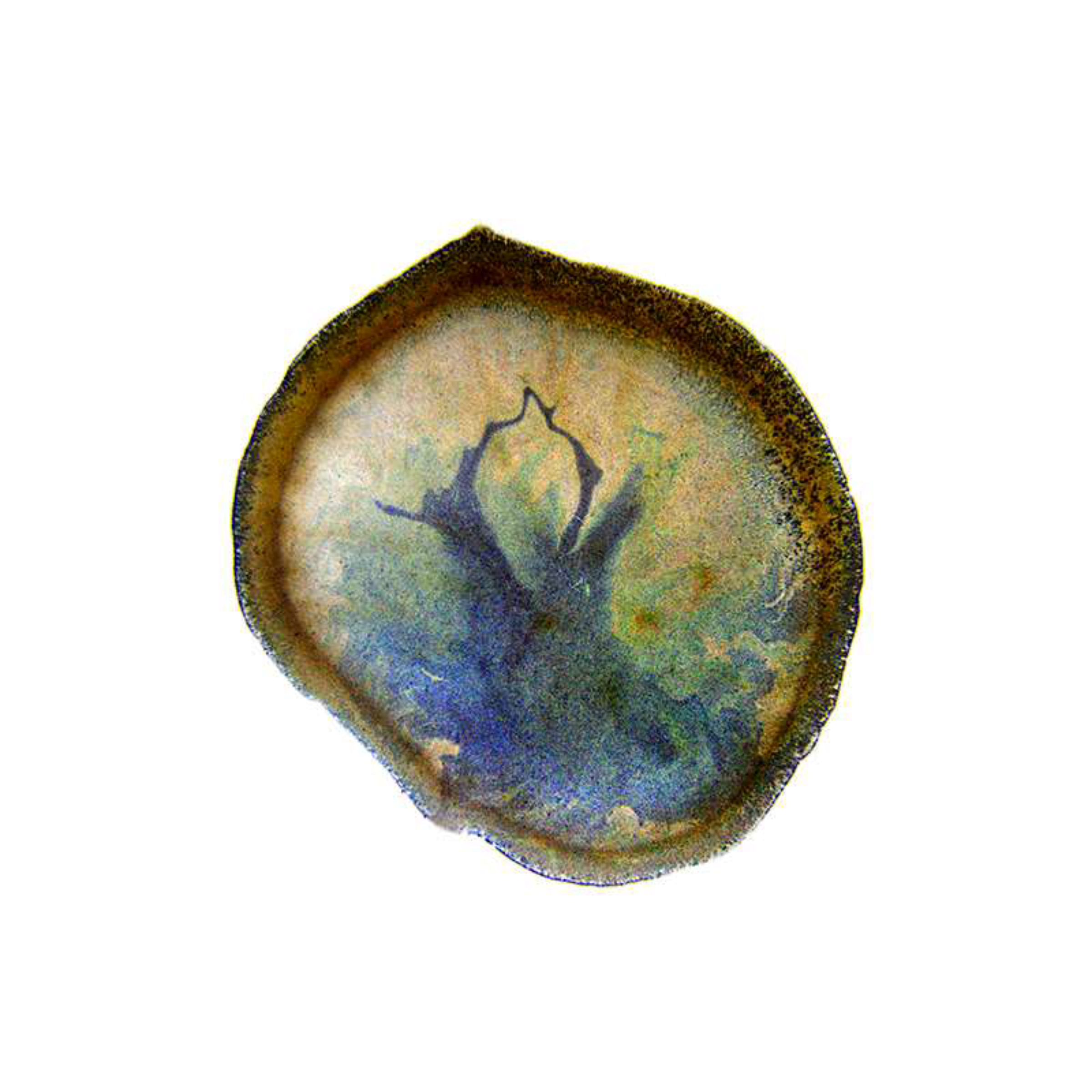
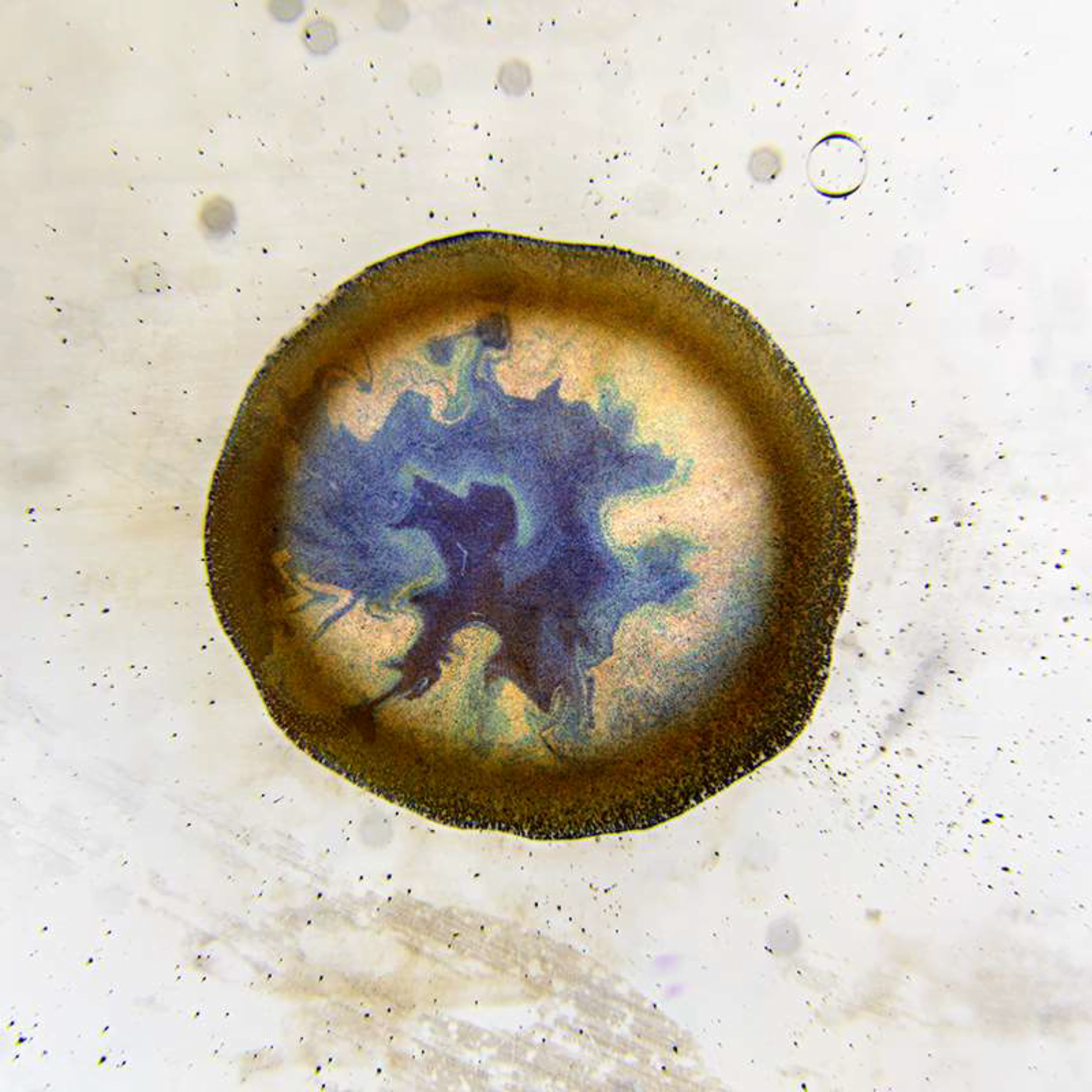
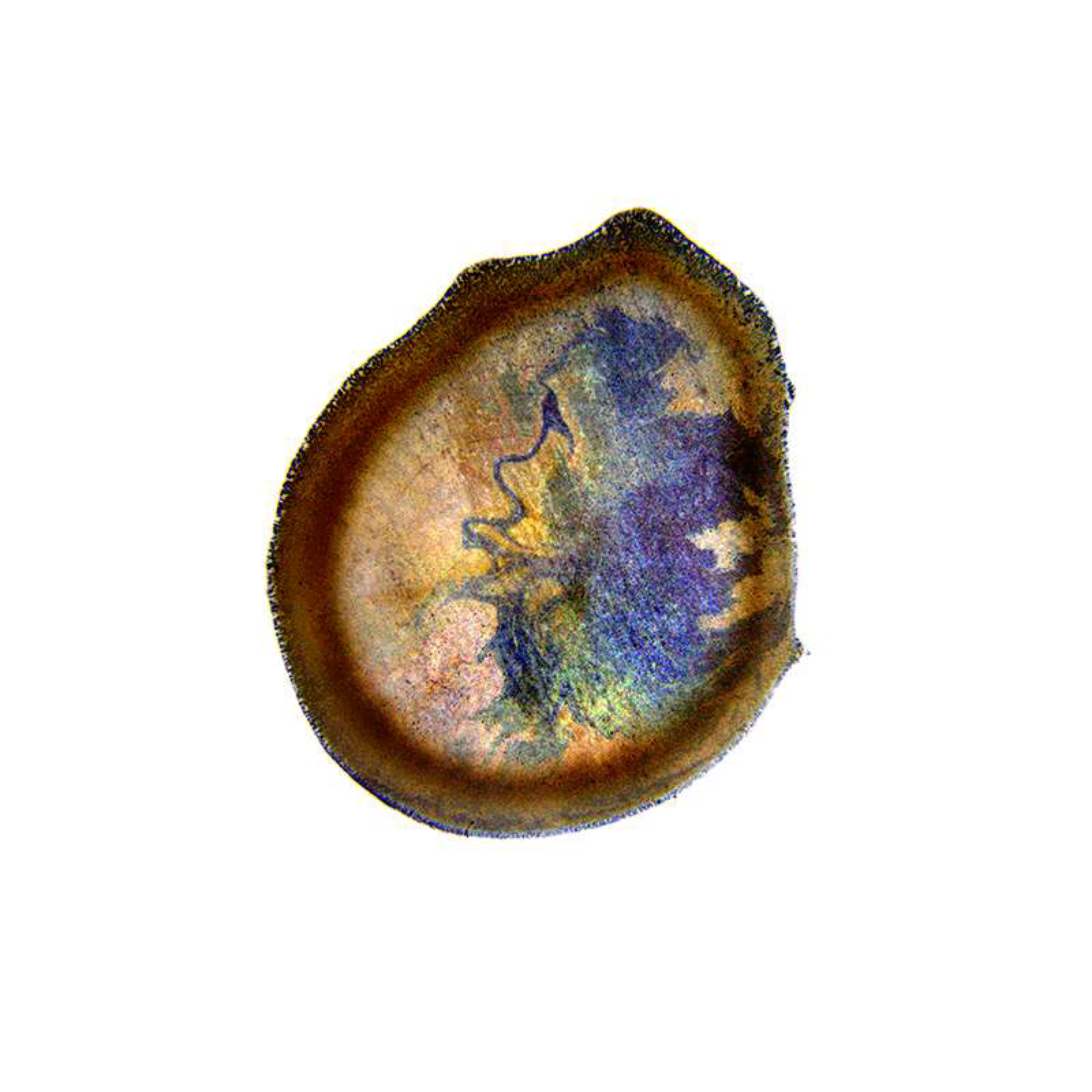
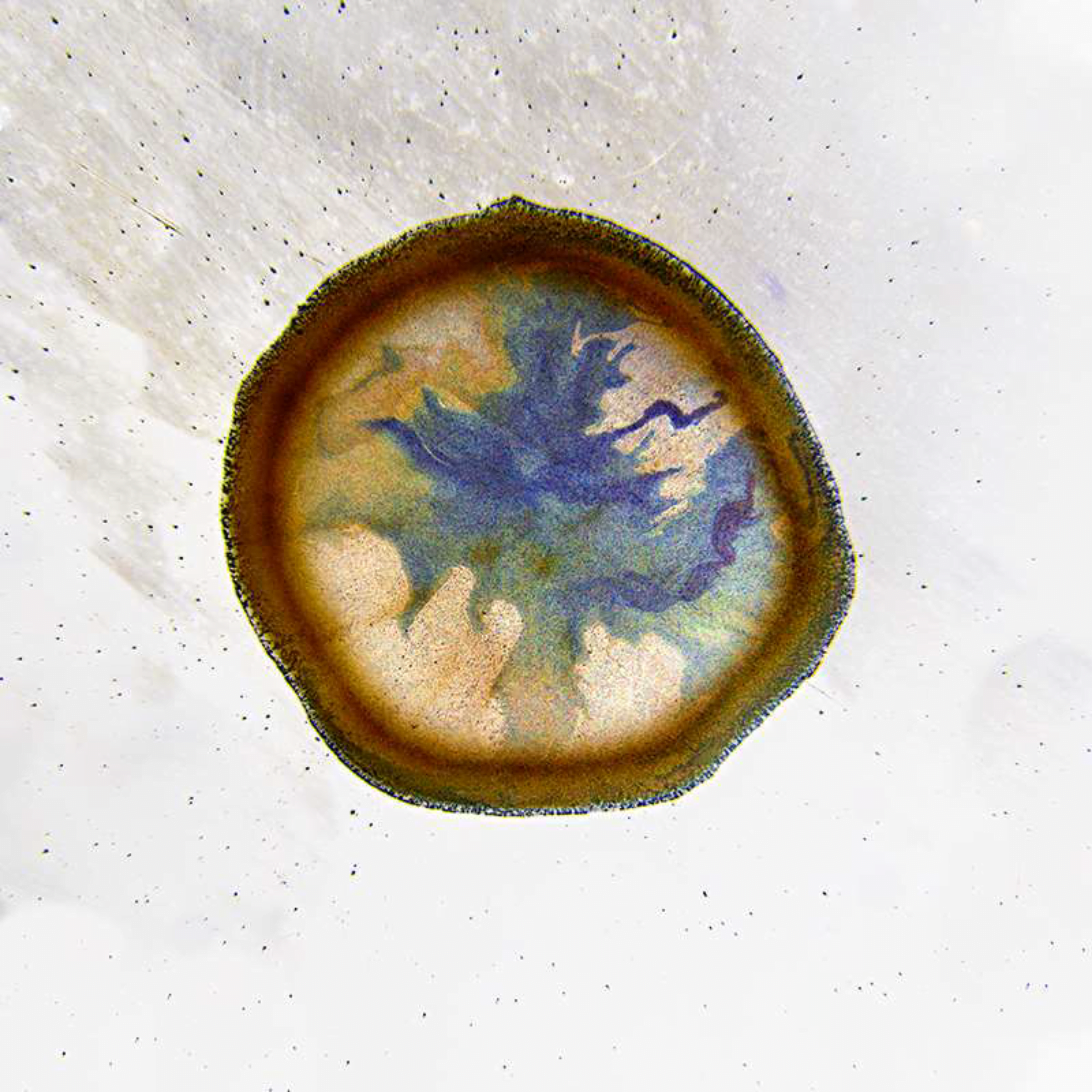
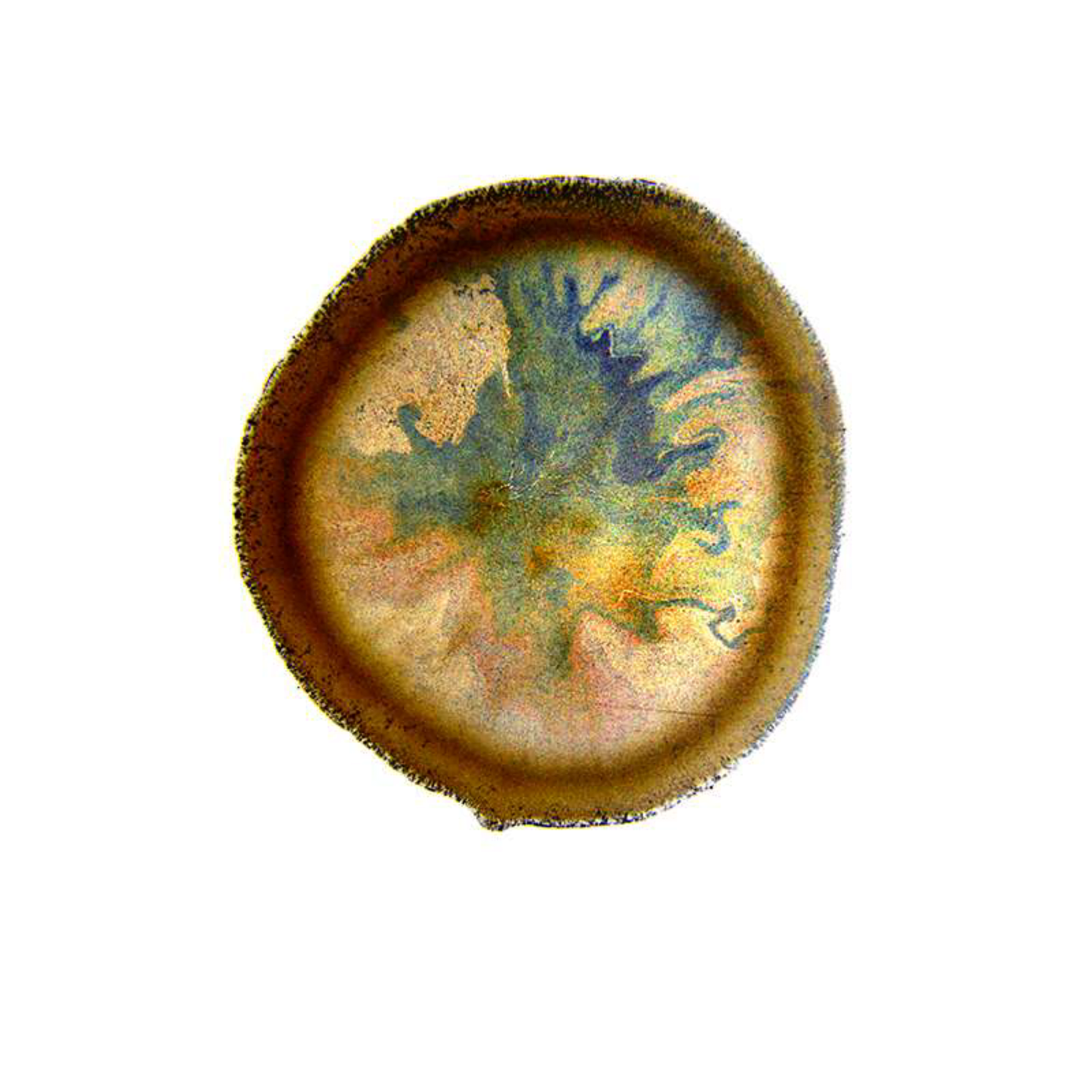
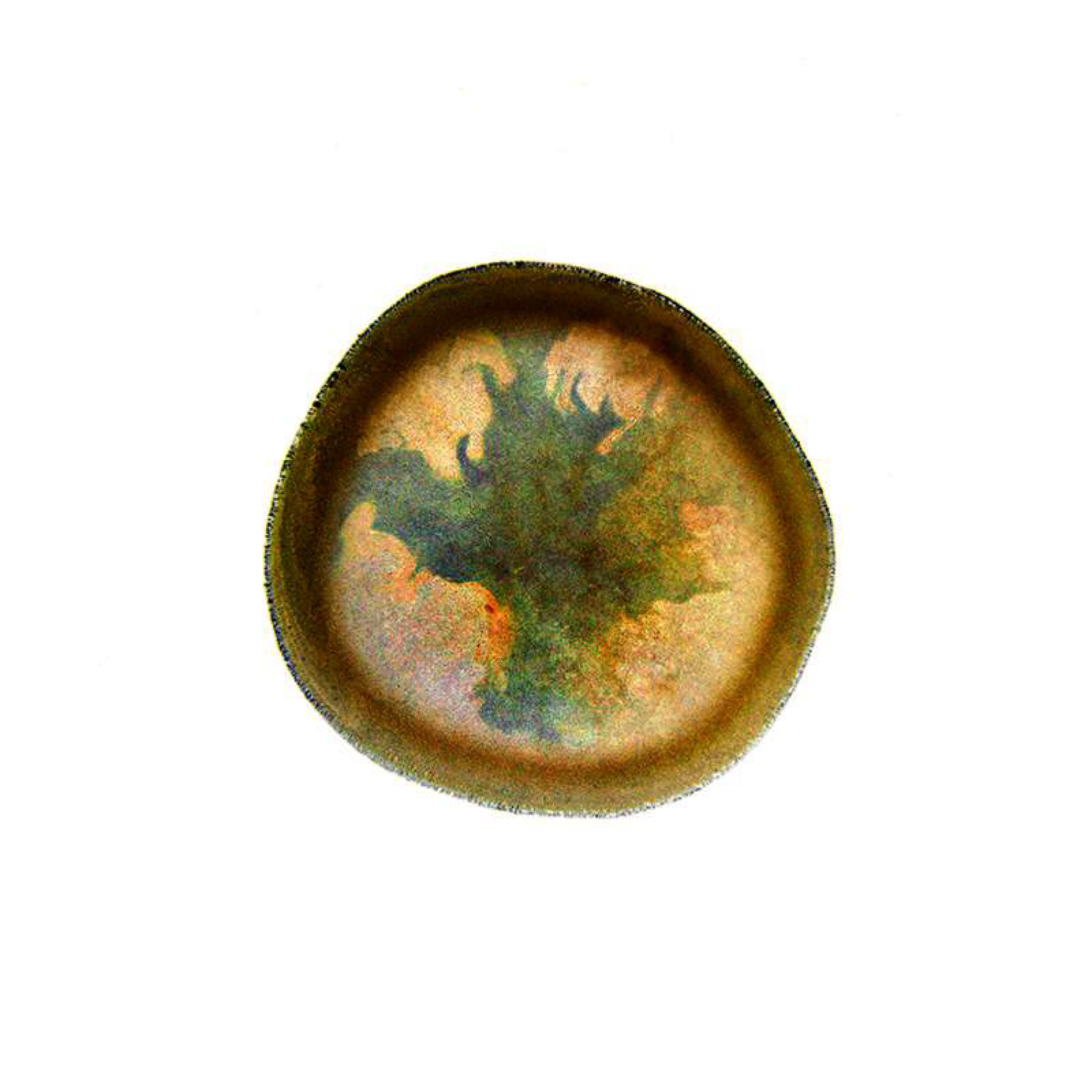
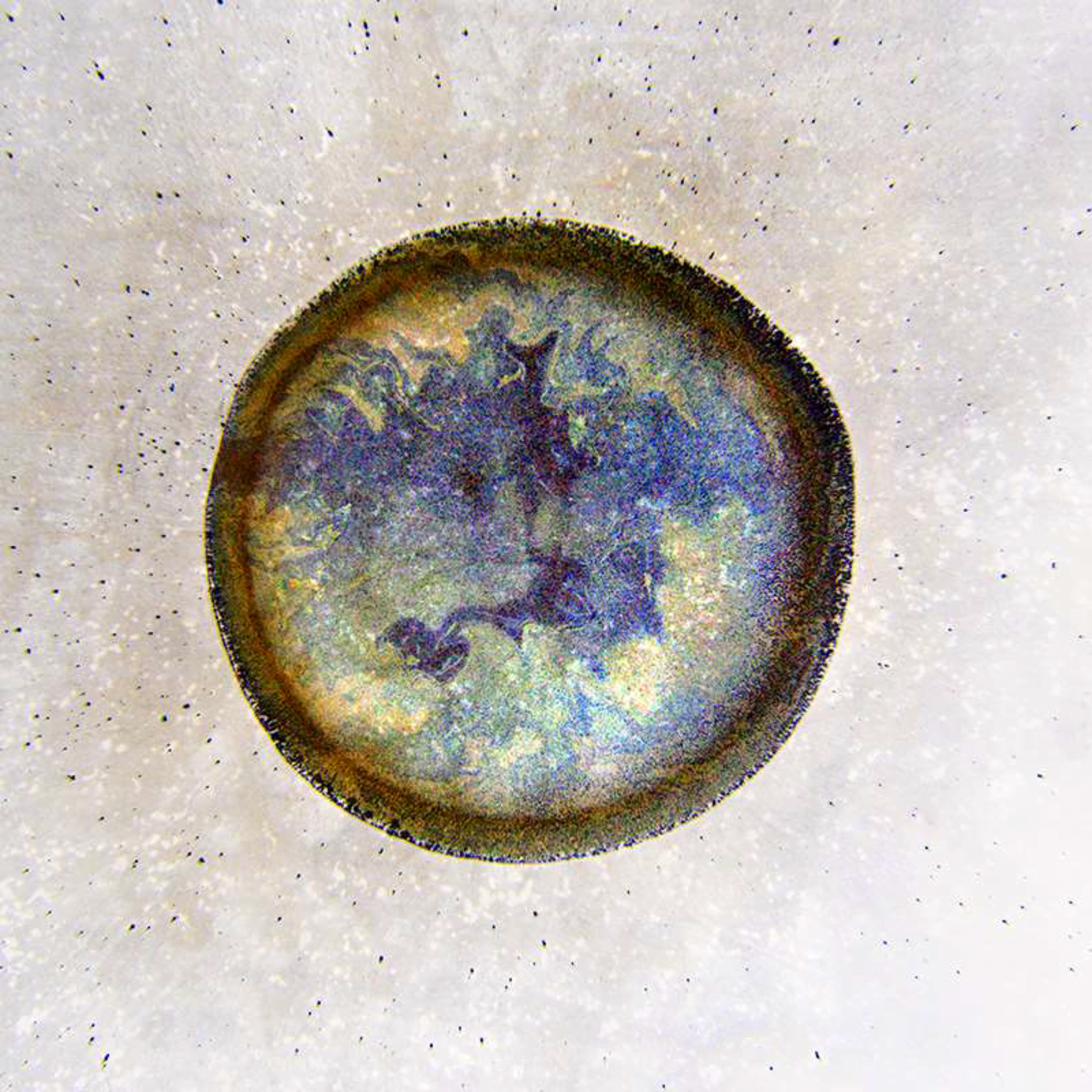
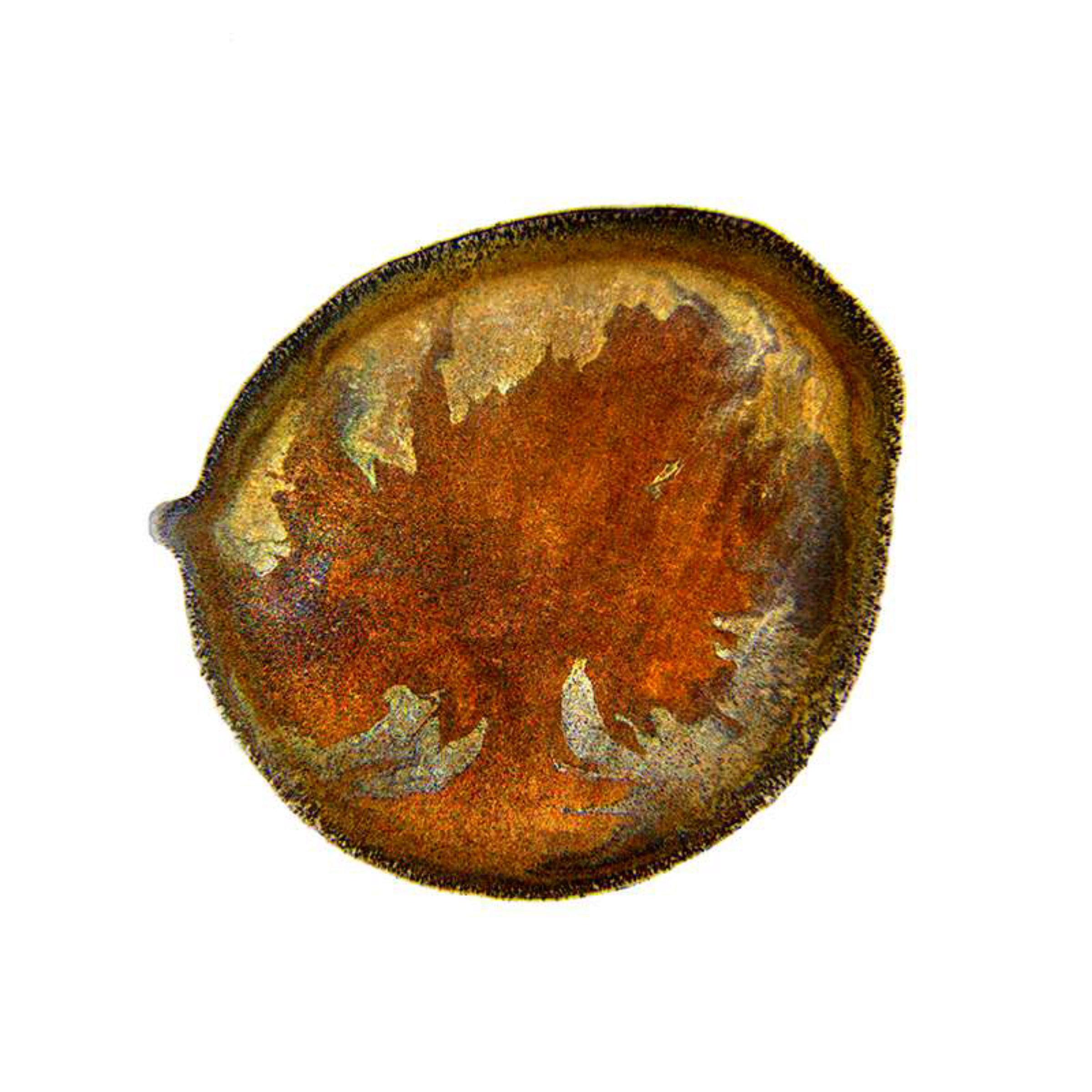
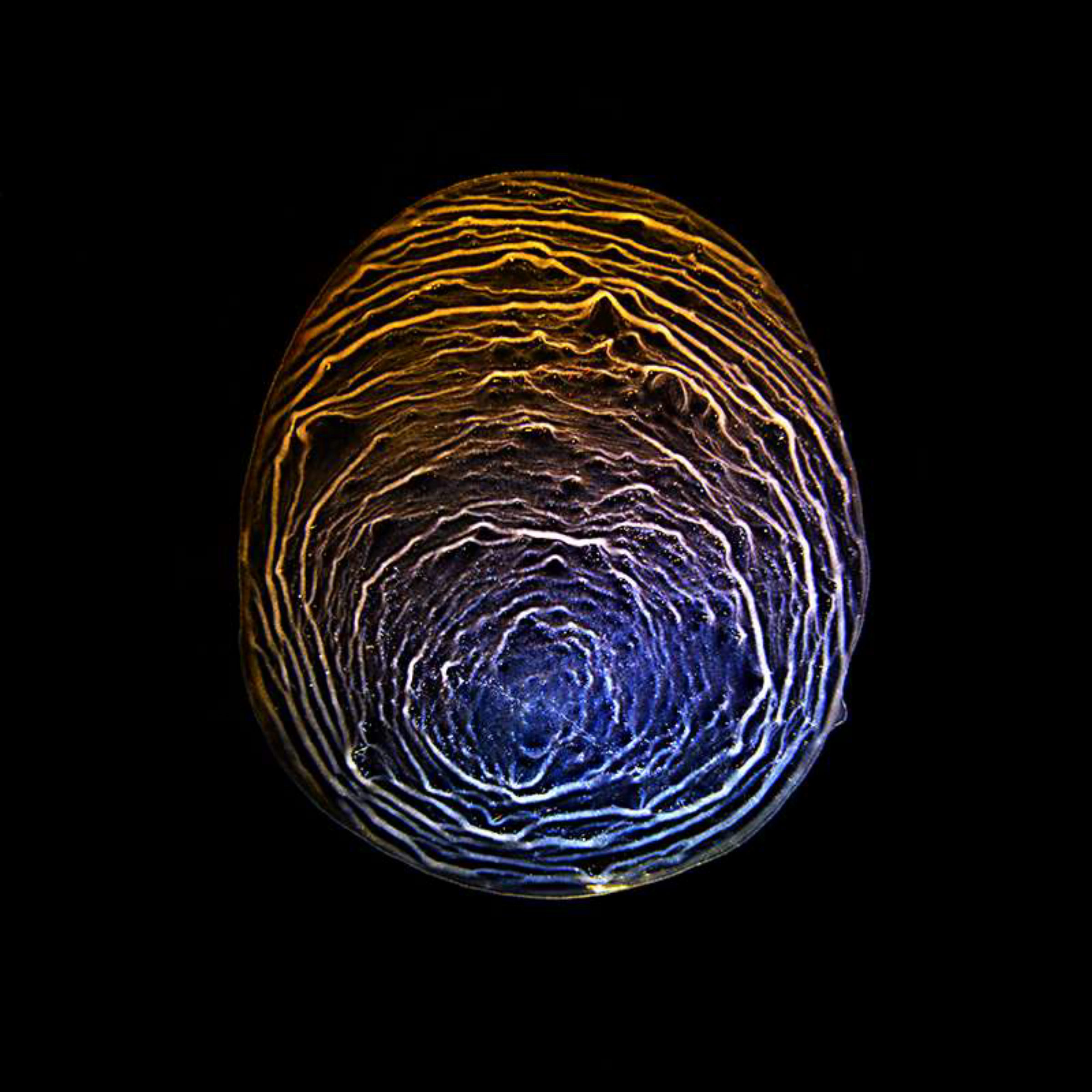
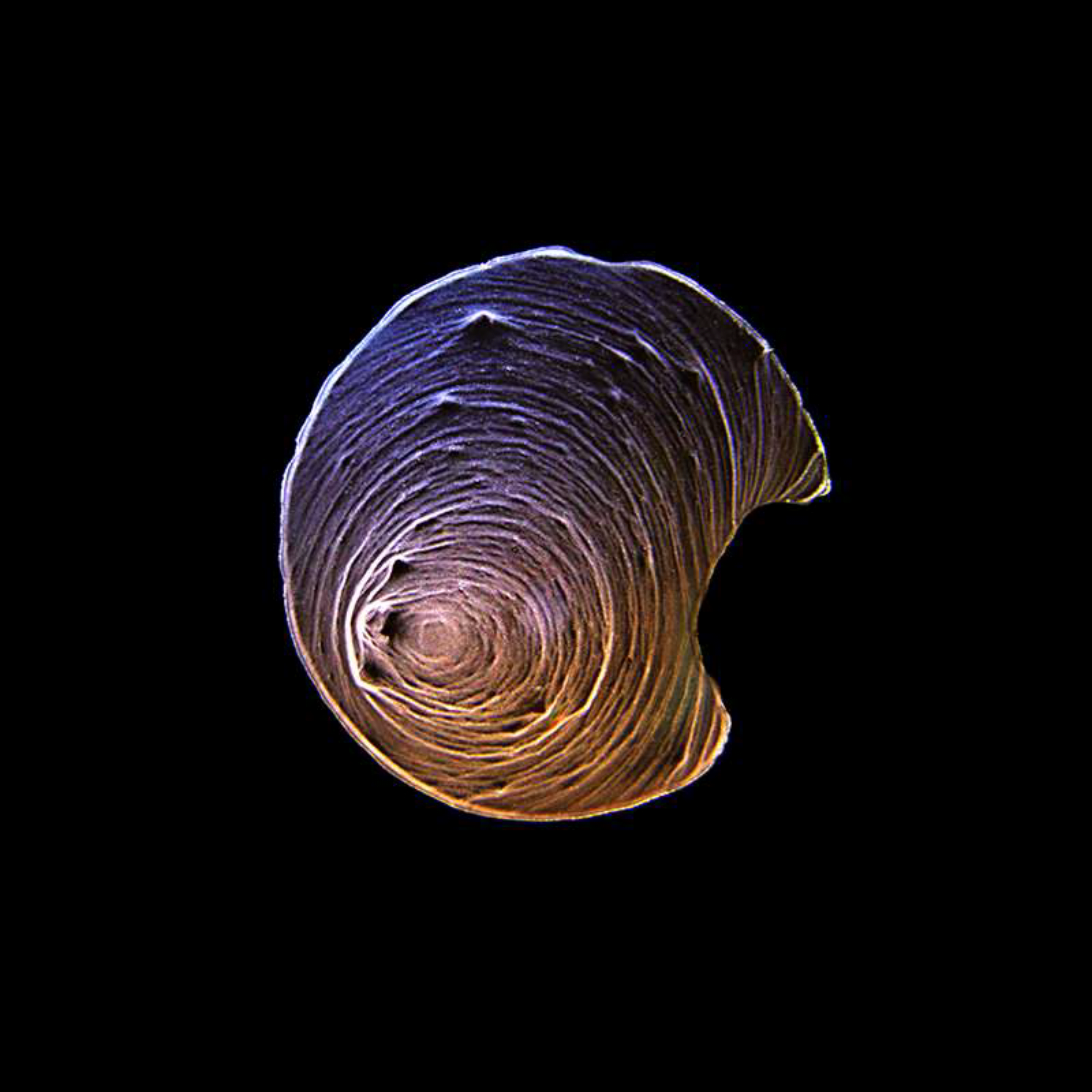
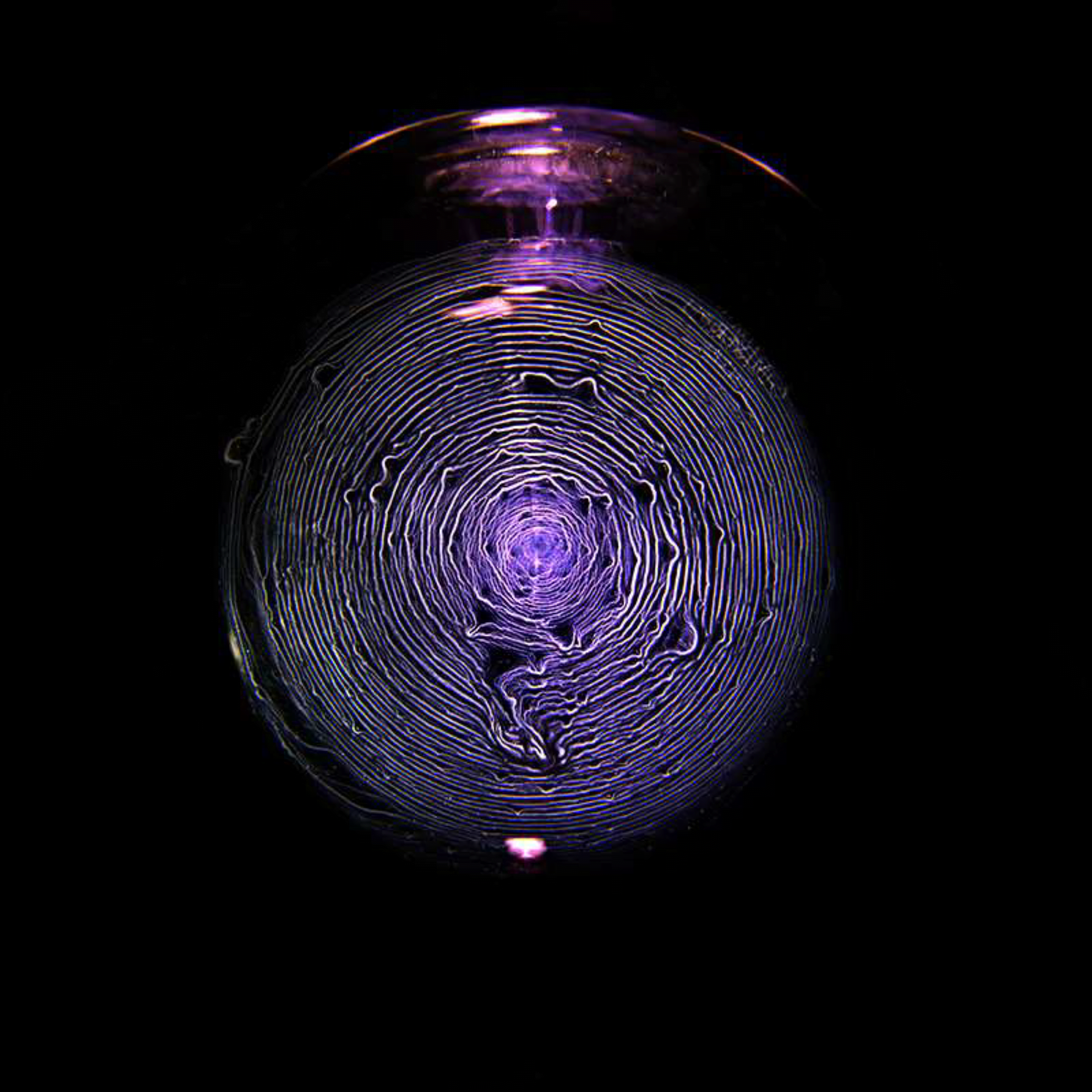
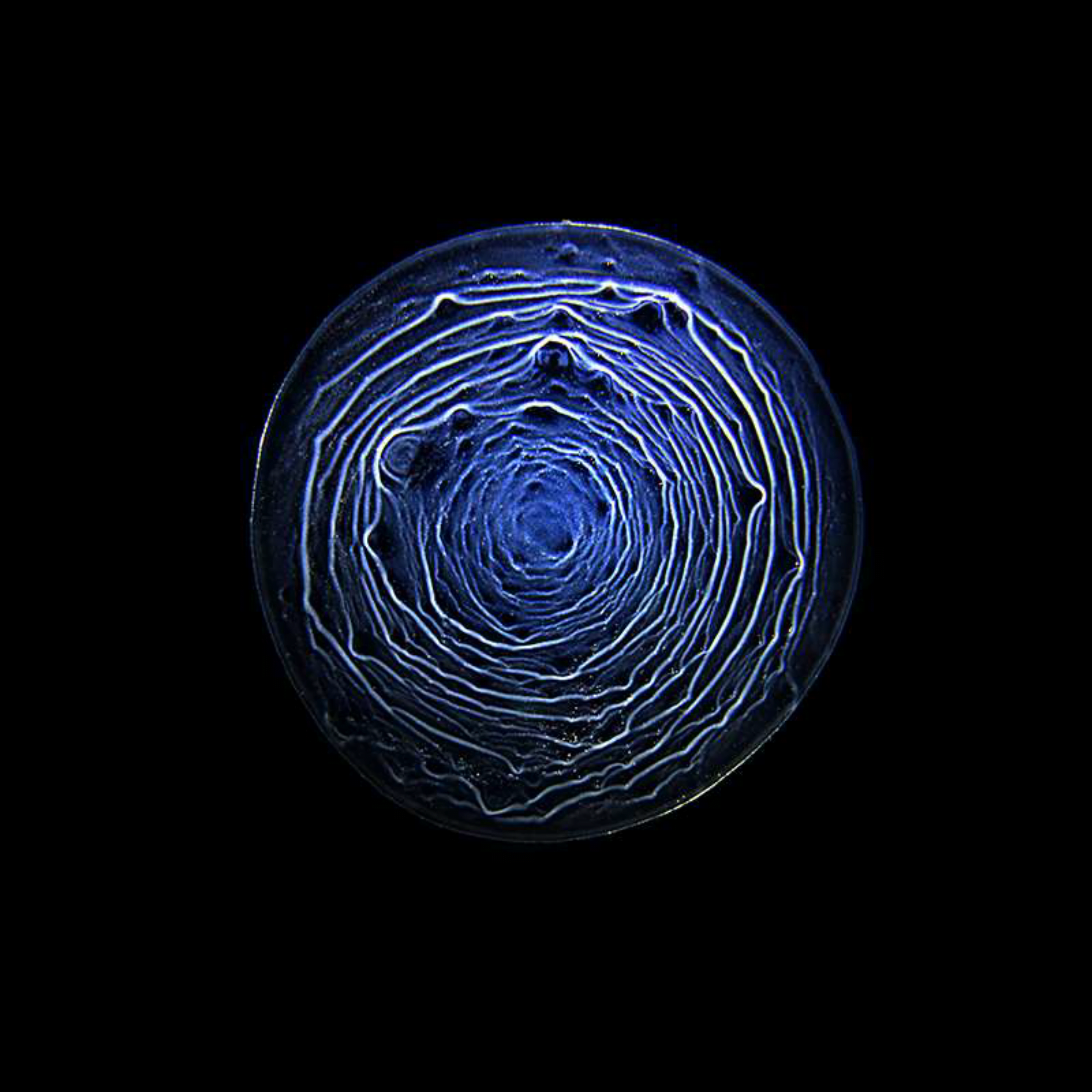
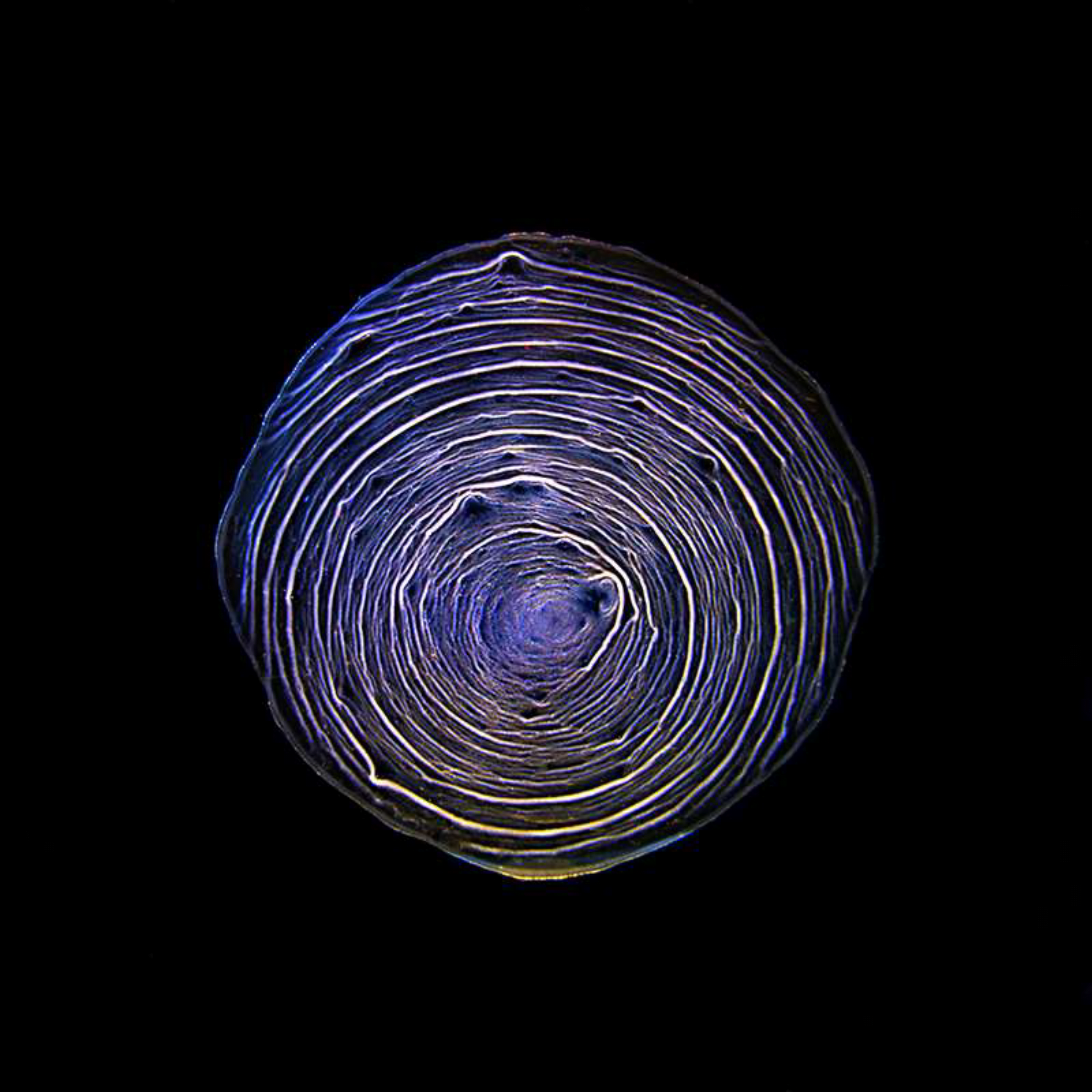
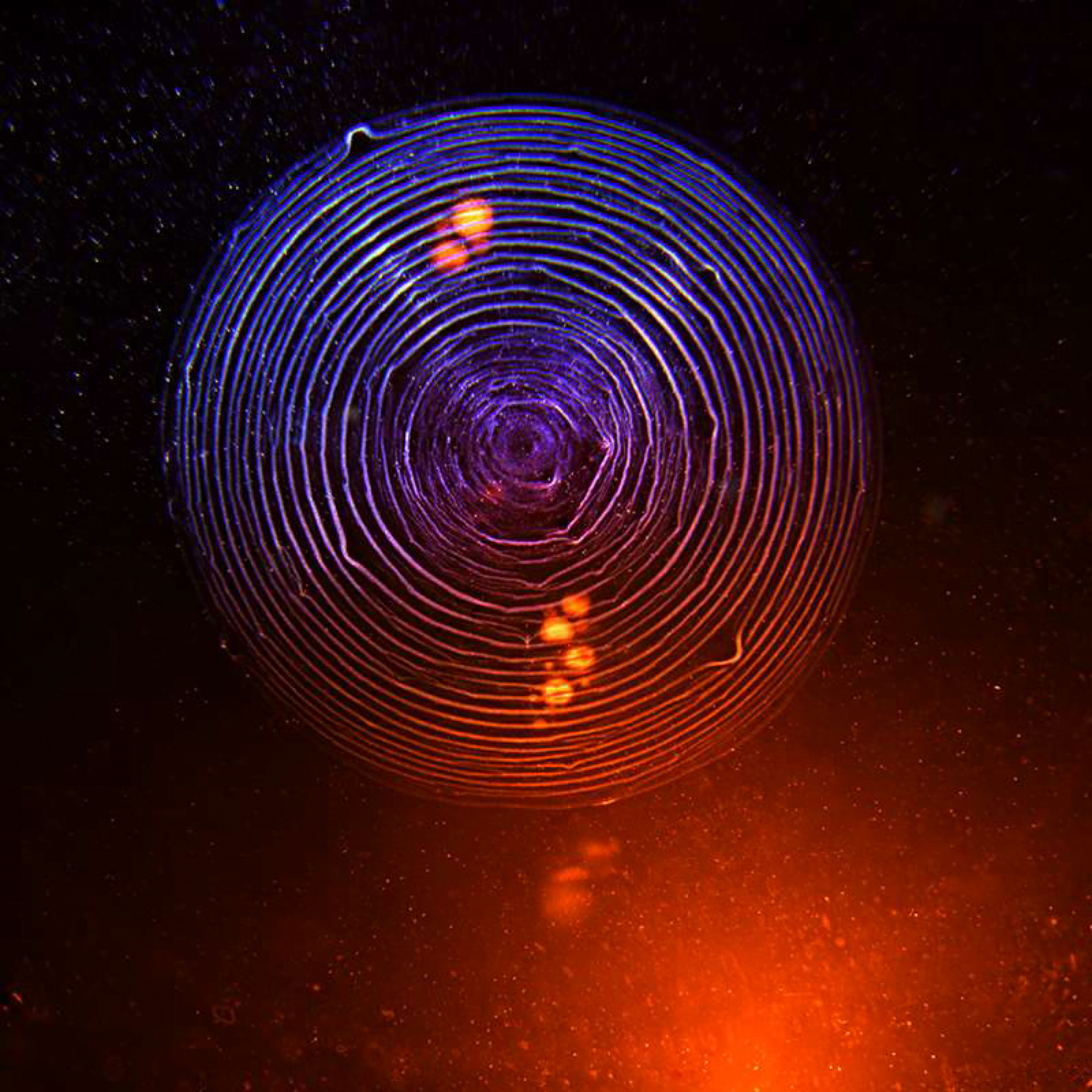
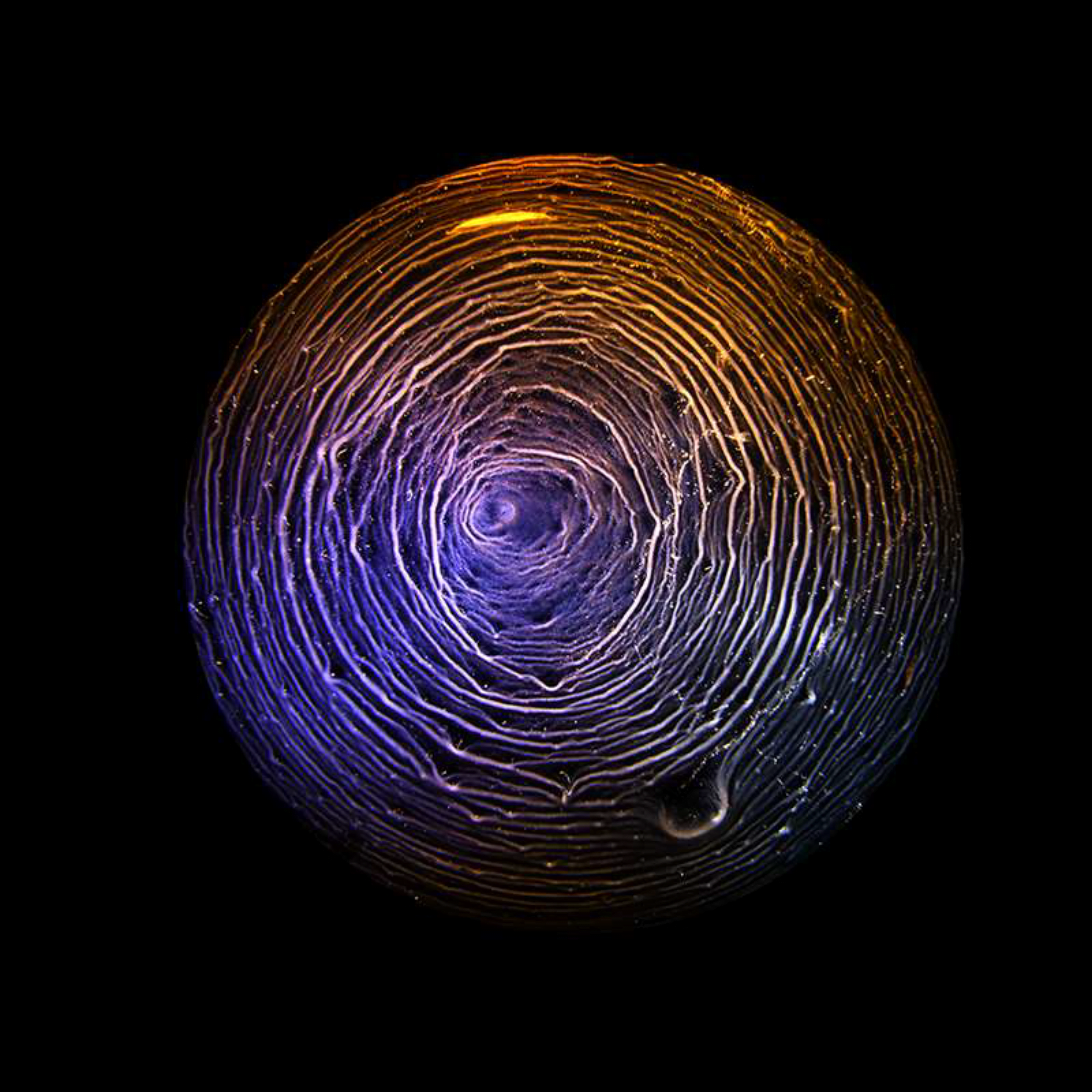
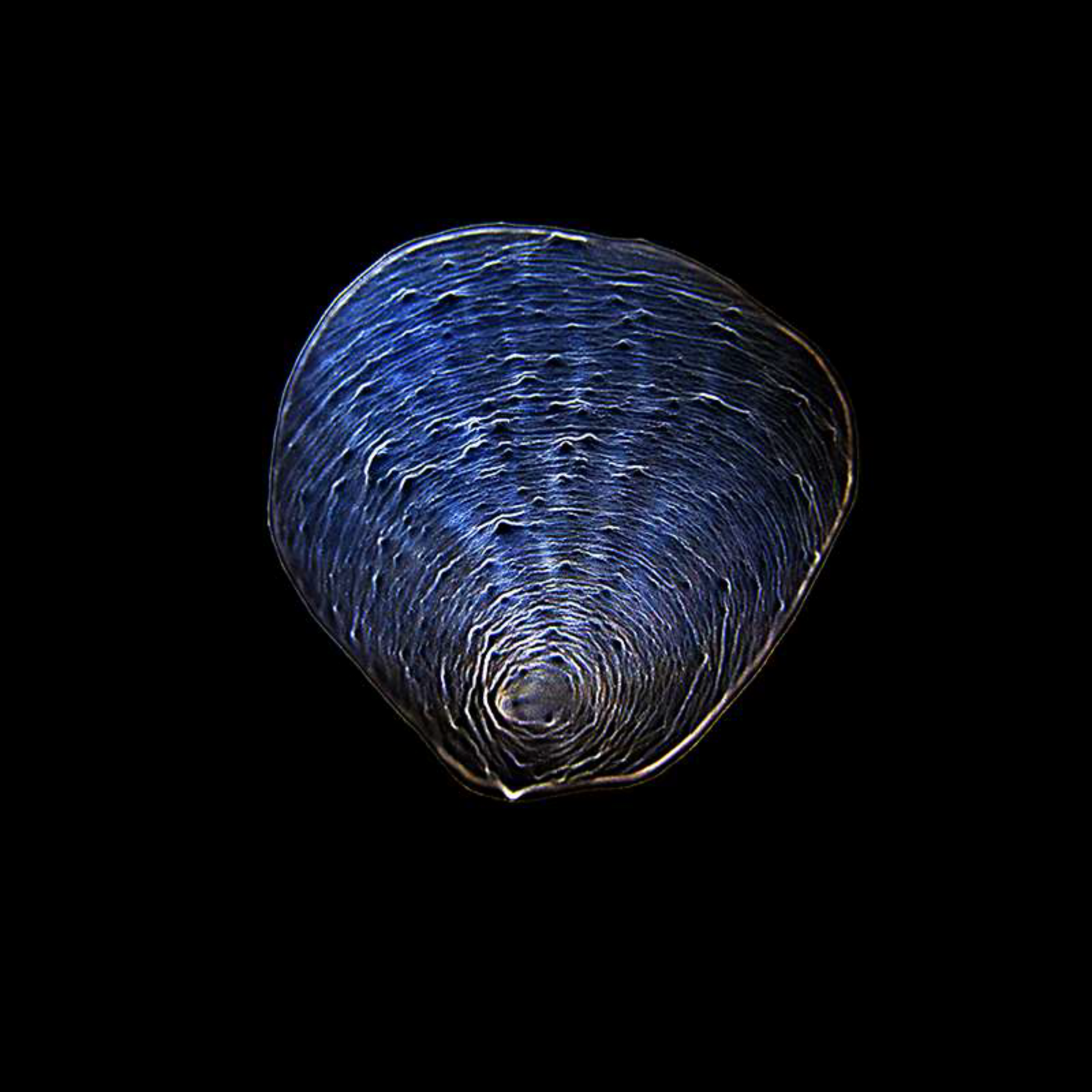
    Macro images of a soap film burst with color. Because the color comes from interference between light waves bouncing off the inner and outer surfaces of the soap film, the colors we see correspond directly to the thickness of the soap film. So the patterns we see reflect actual flows and variations inside the soap film. It’s not unusual for the patterning on a soap film to become increasingly complicated as the film drains and ages. Eventually black spots — areas too thin for interference to show visible colors — will appear and grow, and the film will pop.

    If you’re interested in trying out some soap film photography for yourself, Professor Andrew Davidhazy has a nice description on his website of the set-up he used for this photo. (Image credit: A. Davidhazy; via Flow Vis)

  • As the Fog Rolls In

    As the Fog Rolls In

    Although we talk about fog rolling in, it’s rare for us to have a perspective where we can truly appreciate that flow. But this photograph from Tanmay Sapkal provides just that for the low summer fogs sweeping over Marin, CA. When hot summer temperatures make inland air rise, cold, moist air from the ocean sweeps in to replace it. Once the moisture condenses, it forms thick, low clouds of fog that surge past the Golden Gate Bridge and into San Francisco Bay. (Image credit: T. Sapkal; via NatGeo)

  • Featured Video Play Icon

    Dendritic

    “What happens when two scientists, a composer, a cellist, and a planetarium animator make art?” The answer is “Dendritic,” a musical composition built directly on the tree-like branching patterns found when a less viscous fluid is injected into a more viscous one sandwiched between two plates.

    Normally this viscous fingering instability results in dense, branching fingers, but when there’s directional dependence in the fluid, the pattern transitions instead to one that’s dendritic. In this case, that directionality comes from liquid crystals, whose are rod-like shape makes it easier for liquid to flow in the direction aligned with the rods.

    For more on the science, math, and music behind the piece, check out this description from the scientists and composer. (Video, image, and submission credit: I. Bischofberger et al.)

  • Featured Video Play Icon

    Fluorescent Dancing Droplets

    These fluorescent droplets of glowstick liquid jiggle and dance in a solution of sodium hydroxide. Some droplets jitter. Some rotate. And some undergo one coalescence after another. It’s always fun to see how fluid dynamics and chemistry combine! (Image and video credit: Beauty of Science)

  • Featured Video Play Icon

    Painting on Water With Ebru

    Ebru is the South West Asian art of painting atop water, similar to suminagashi in Japan or paper marbling in European culture. This video takes you inside the studio of Garip Ay, a Turkish ebru artist, letting you observe some of the tools and techniques he uses. Ay’s painting are incredibly dynamic, transforming from one image to something entirely different as he applies more dye, adds a surfactant, or draws a clean brush through the liquid. (Video and image credit: Great Big Story; artist: G. Ay; via Colossal)

  • Ferrofluid Snakes

    Ferrofluid Snakes

    We’re used to seeing ferrofluids — with their suspended iron nanoparticles — as spiky fluids when exposed to a magnetic field. But this is not always the case. Here, the ferrofluid is immersed in a thin liquid layer — window cleaner, in this case — and when a magnet is brought near, it forms snake-like, labyrinthine lines. (Image credit: M. Carter et al.)

  • Featured Video Play Icon

    Slow Mo Espresso

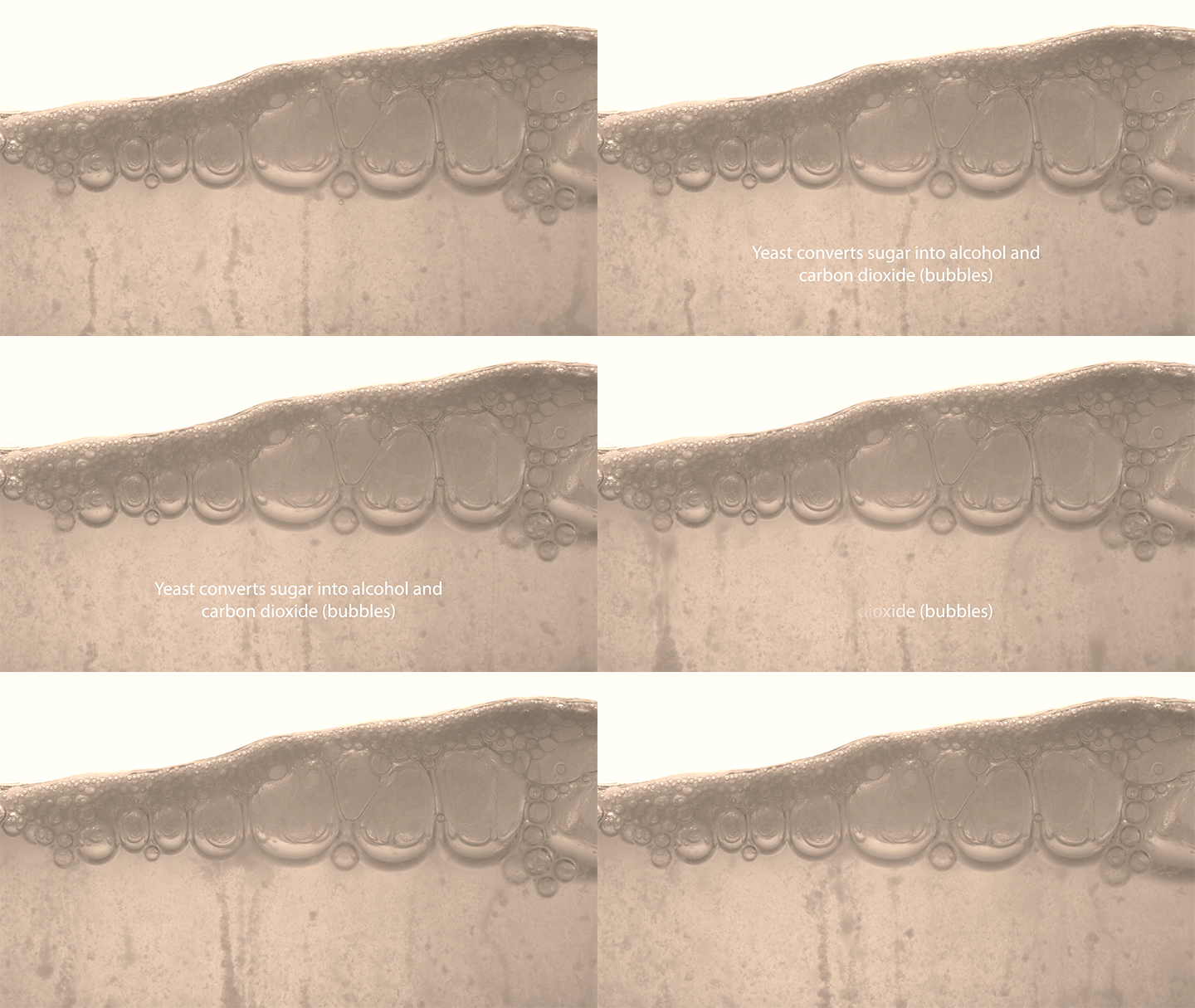
    High-speed photography gives us an alternate glimpse of reality. Here it provides an all-new perspective on making espresso. Surface tension plays a starring role, first in pulling together the film that forms over the exit, then in creating the drips and drops that follow. The break-up of espresso into individual droplets is an example of the Plateau-Rayleigh instability, where surface tension drives any wobble in the falling jet to pinch off. For more slow-motion espresso, you can also check out this behind-the-scenes video. (Video and image credit: J. Hoffmann; submitted by Jerrod H.)

  • Sediment and Coral

    Sediment and Coral

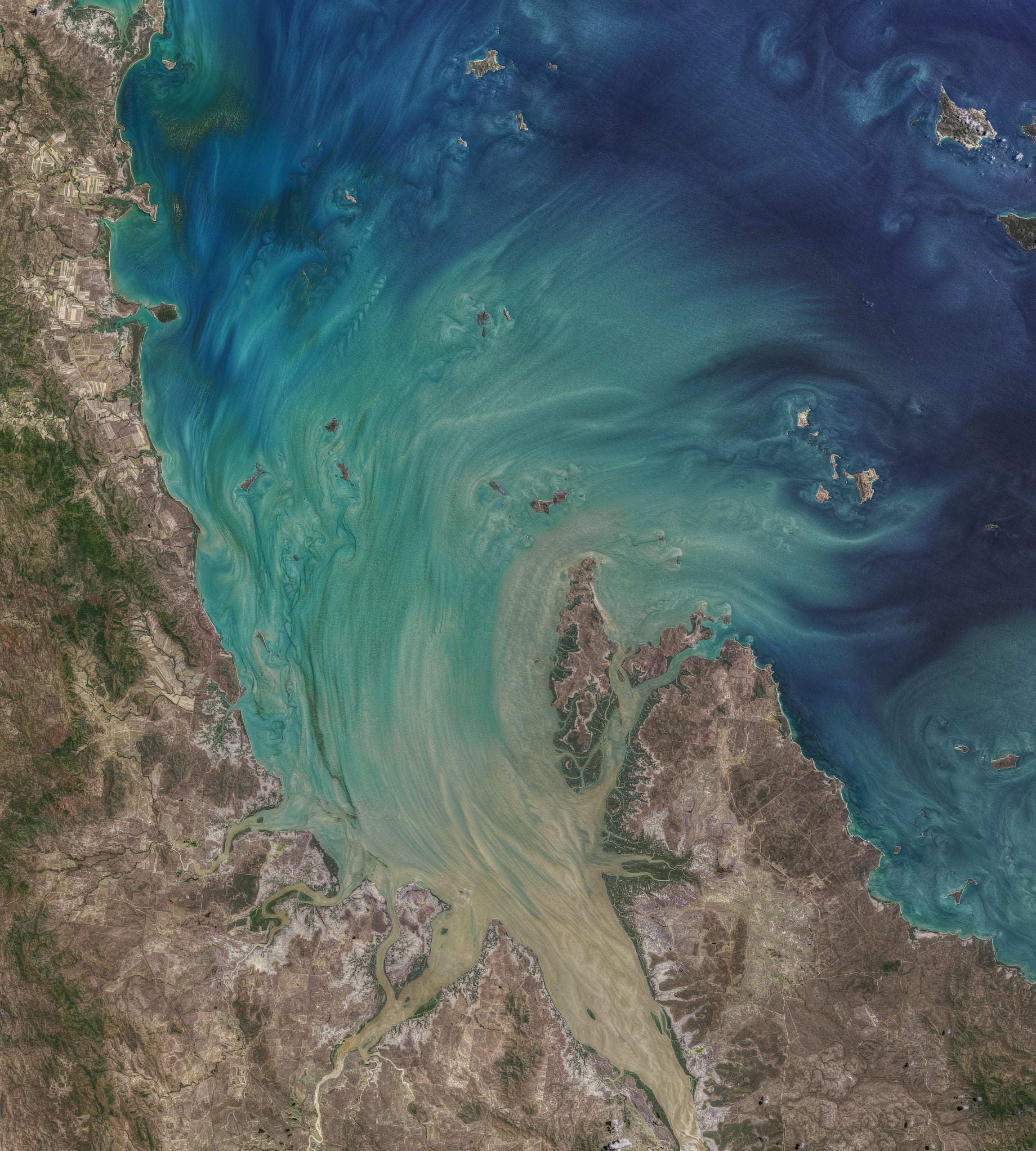
    As rivers wash sediment toward the sea, they carve elaborate deltas like that of the Rio Cauto in Cuba. Over time these sediments build up marshes, swamps, lagoons, and other wetlands that provide critical habitat and flood control. Sediment also washes into the bay, where it interacts with the coral reefs (light green lines on the lower left) and the species that live there. (Image credit: L. Dauphin/USGS; via NASA Earth Observatory)

    Satellite image of Cuba's Gulf of Guacanayabo. The green curves in the lower left are the upper portions of coral reefs in the bay.
  • Featured Video Play Icon

    “Vorticity 3”

    Mike Olbinski’s “Vorticity 3” is a stunning view of storm chasing in the American West. I’ve learned after years in Colorado to always look up because dramatic skies are common here, as is seeing rain falling miles away. Olbinski’s film captures all of that grandeur and more, giving all of us a glimpse inside the incredible storms that mark the summer months in this region. You’ll see spinning supercell thunderstorms, bulbous mammatus clouds, towering cumulus clouds, and more. (Video and image credit: M. Olbinski)

  • Ghostly Chandeliers

    Ghostly Chandeliers

    Highlighter ink sinks from the surface of water, like upside-down green mushrooms.

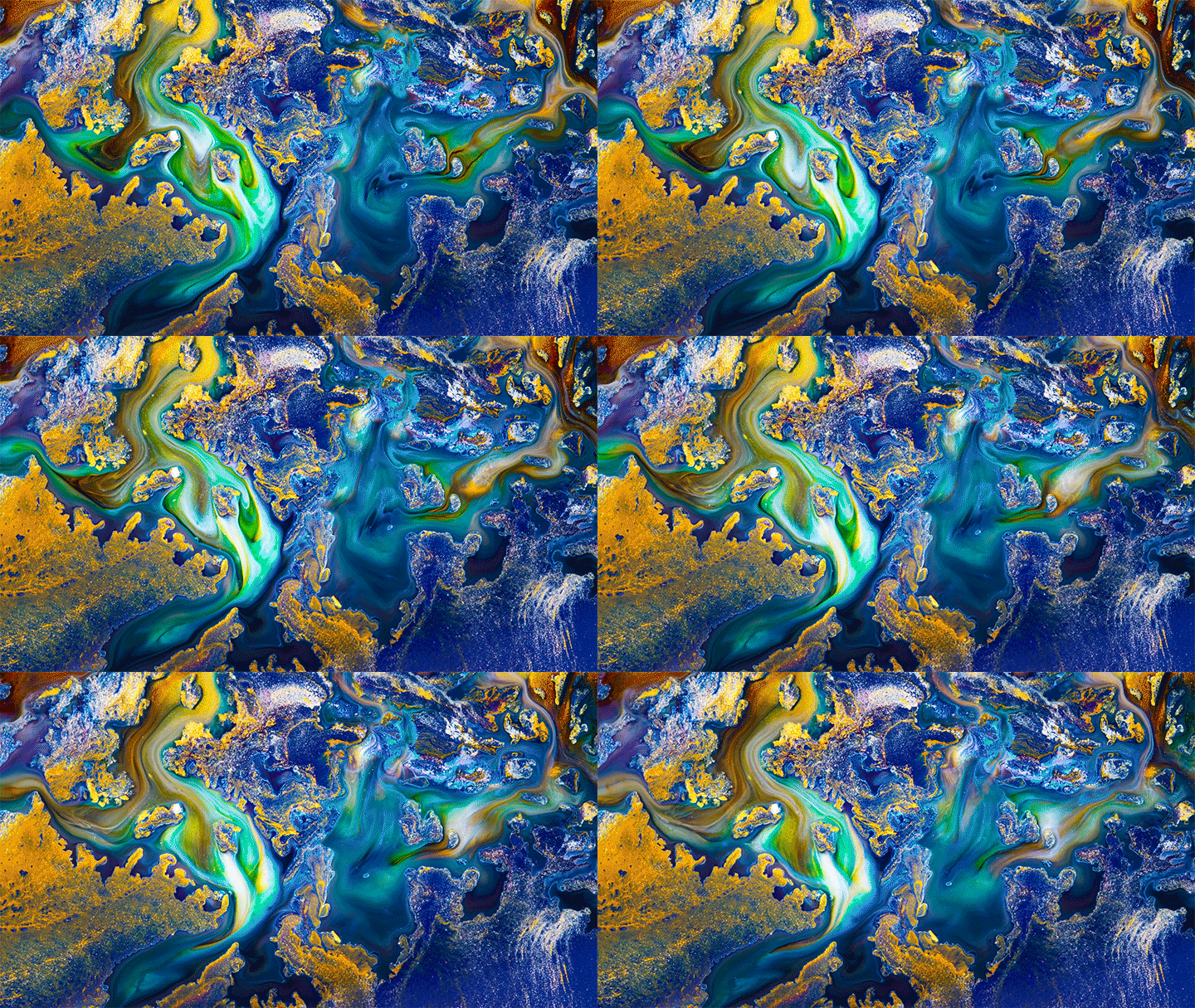
    Under a black light, highlighter fluid creates ghostly trails as it drips through water. The vortices that form and break into this chandelier-like shape are the result of density differences between the ink and water. Since ink is heavier than water, it sinks, but as the two fluids flow past, they shear one another, forming elaborate shapes. Formally, this is known as the Rayleigh-Taylor instability. While you may be most familiar with it from pouring cream into coffee, it’s also a key to mixing in the ocean and the explosions of supernovas. (Image credit: S. Adams et al.; via Flow Vis)