Snakes’ forked tongues have long inspired fear, but, in reality, they are part of a highly-effective sensory system. When snakes flick out their tongues, they waggle them up and down about 15 times a second. That motion draws air inward toward the tongue (Image 2), allowing scent molecules to stick to the saliva on either side of the tongue. Once those molecules are gathered, the snake pulls its tongue back into its mouth, where it settles into two grooves (Image 3). Each one has its own path to the snake’s olfactory organs, giving the snake independent spots to evaluate the left and right forks. That means the snake knows which side has a stronger scent and is better able to track its prey. (Video and image credit: Deep Look)
Tag: flow visualization

Swirls Over the Canaries
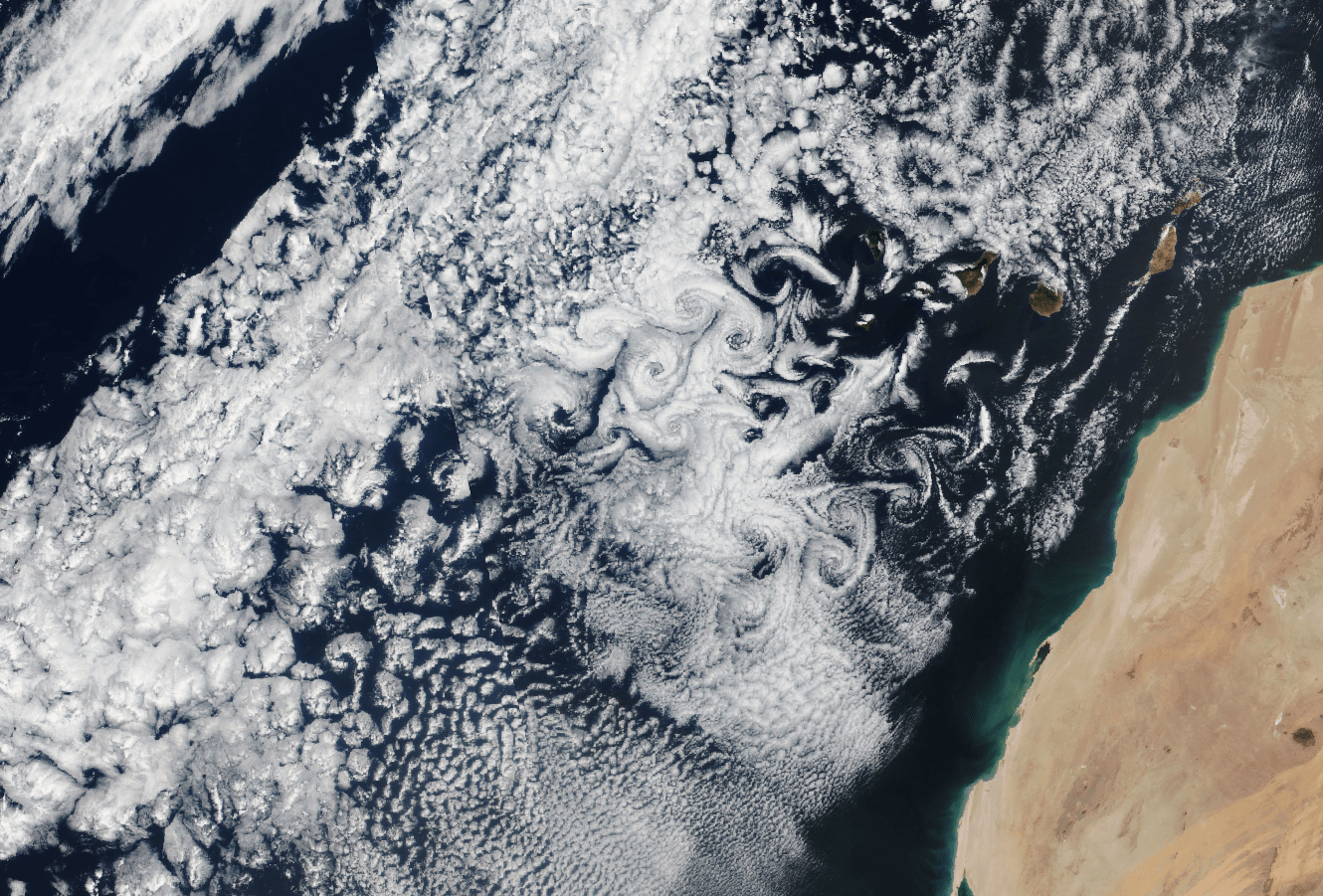
Rocky, isolated islands disturb the atmosphere, sending air swirling off one side of the island and then the other. The effects are not always visible to the naked eye, but, as they do here, they can show up in satellite imagery as whirling von Karman vortex streets. The eddies of this image are due to the Canary Islands, and if you follow the line of swirls backward, you’ll find their originating islands. Note that the cloudy swirls don’t appear immediately behind the islands. That’s because there wasn’t enough moisture in the air for clouds to condense yet; the same swirls that you see in the downstream clouds exist in the clear air closer to the islands. (Image credit: A. Nussbaum; via NASA Earth Observatory)

Liquid Lens Rupture
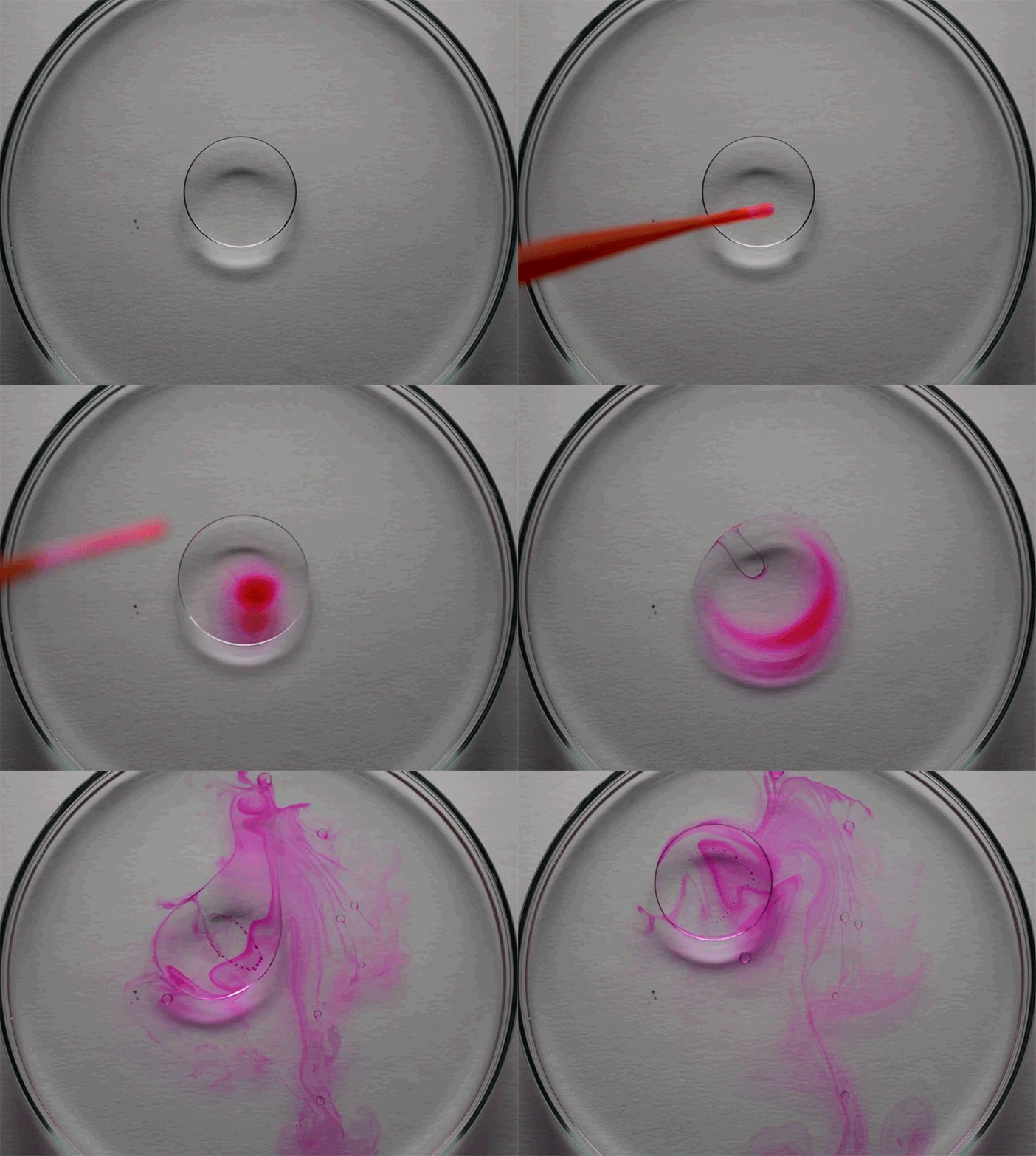
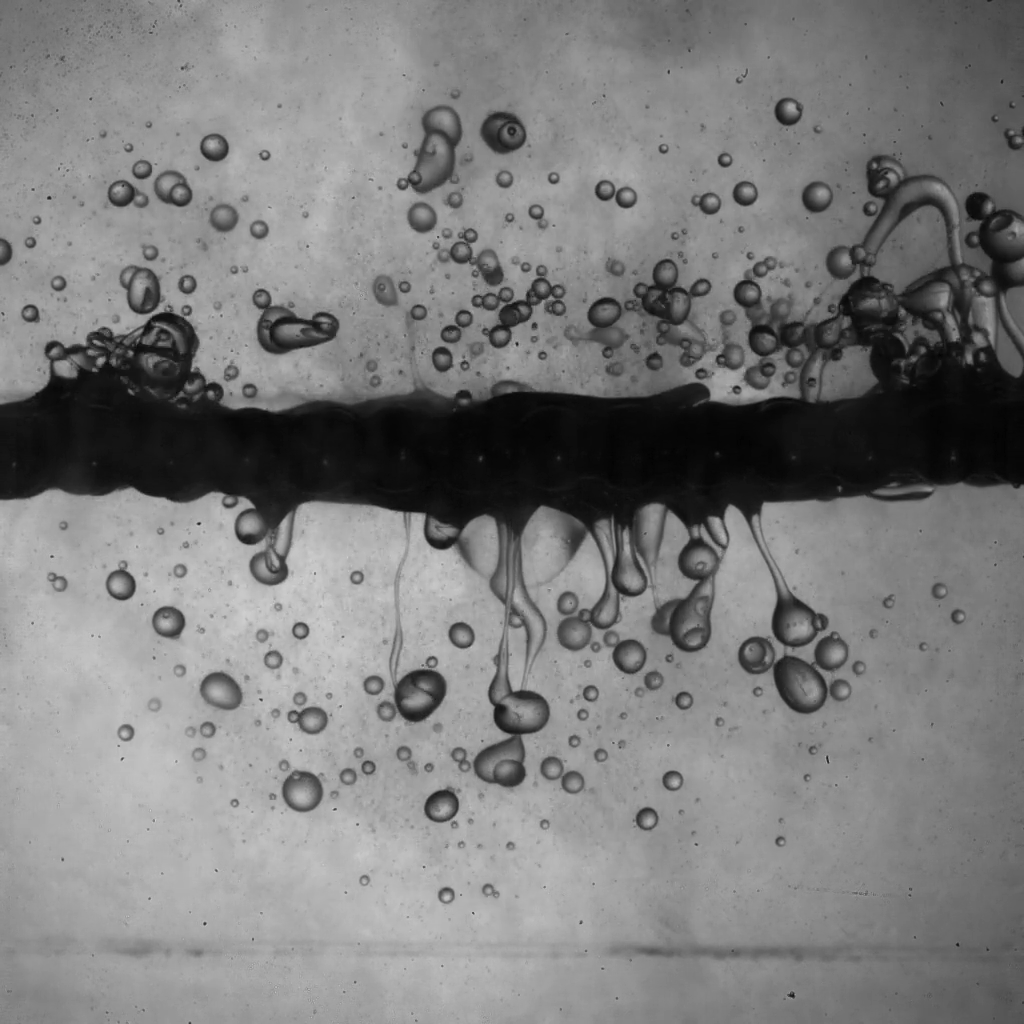
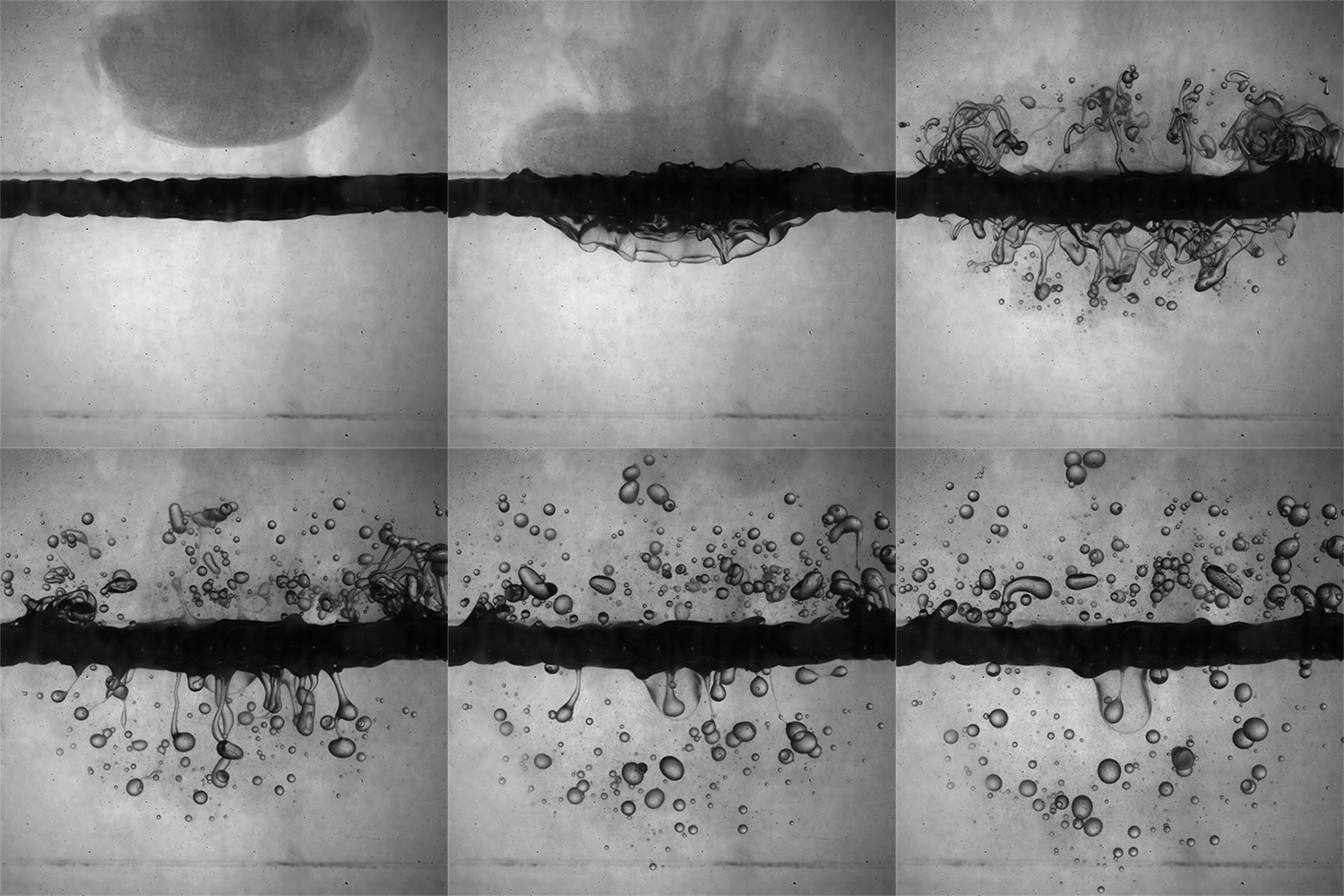
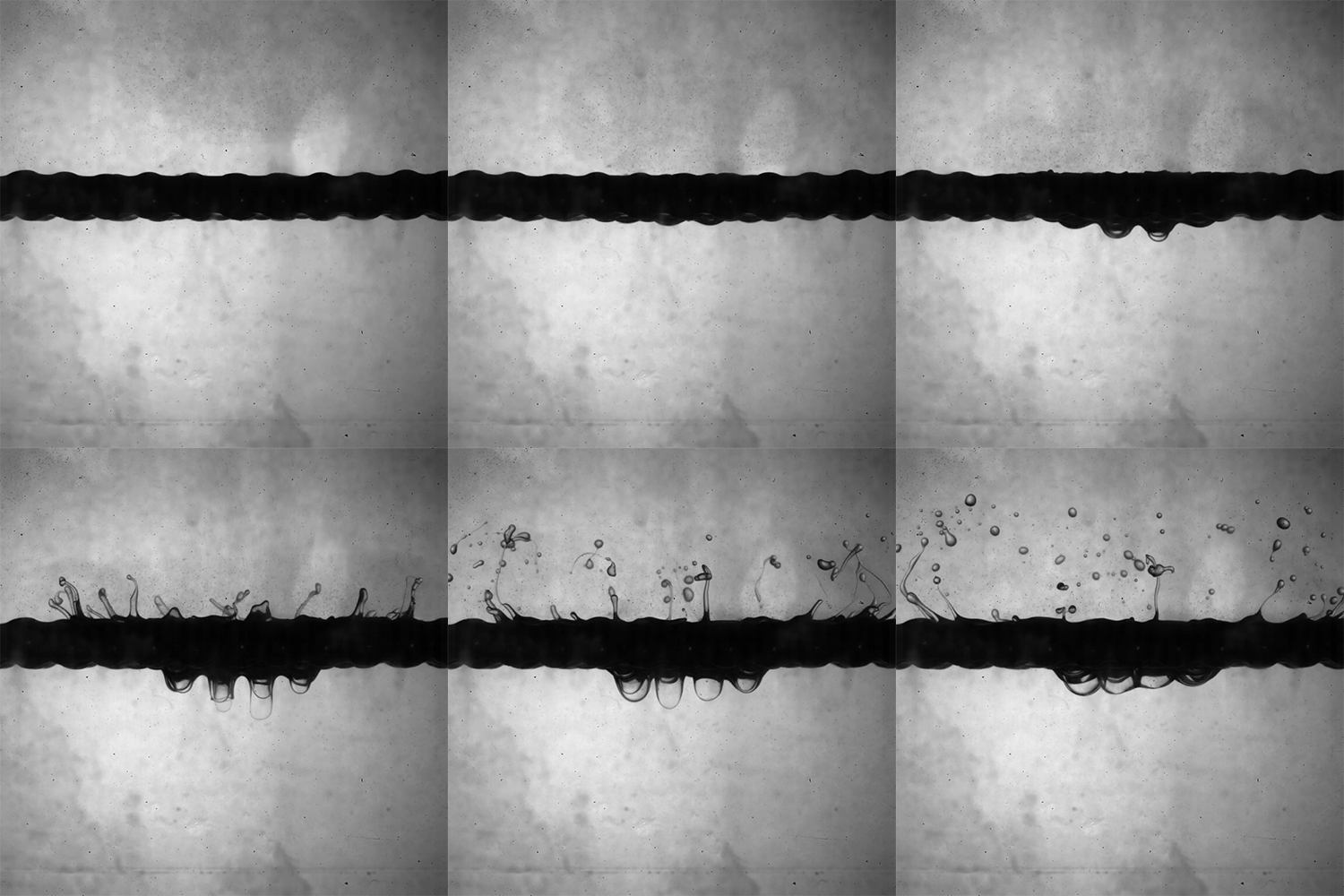
A blob of sunflower oil floating on soapy water forms a disk known as a liquid lens. But add some dyed ethanol and things take a turn. The lens rapidly expands and distorts as the ethanol and soapy water meet. These surface flows are driven by the imbalance of surface tension between the different liquids. The liquid lens deforms and abruptly ruptures, releasing dye and ethanol before rebounding into a stable lens again. Adding more ethanol to the lens will repeat the cycle. (Image credit: C. Kalelkar and P. Dey; research credit: D. Maity et al.)

A Sea of Pollen
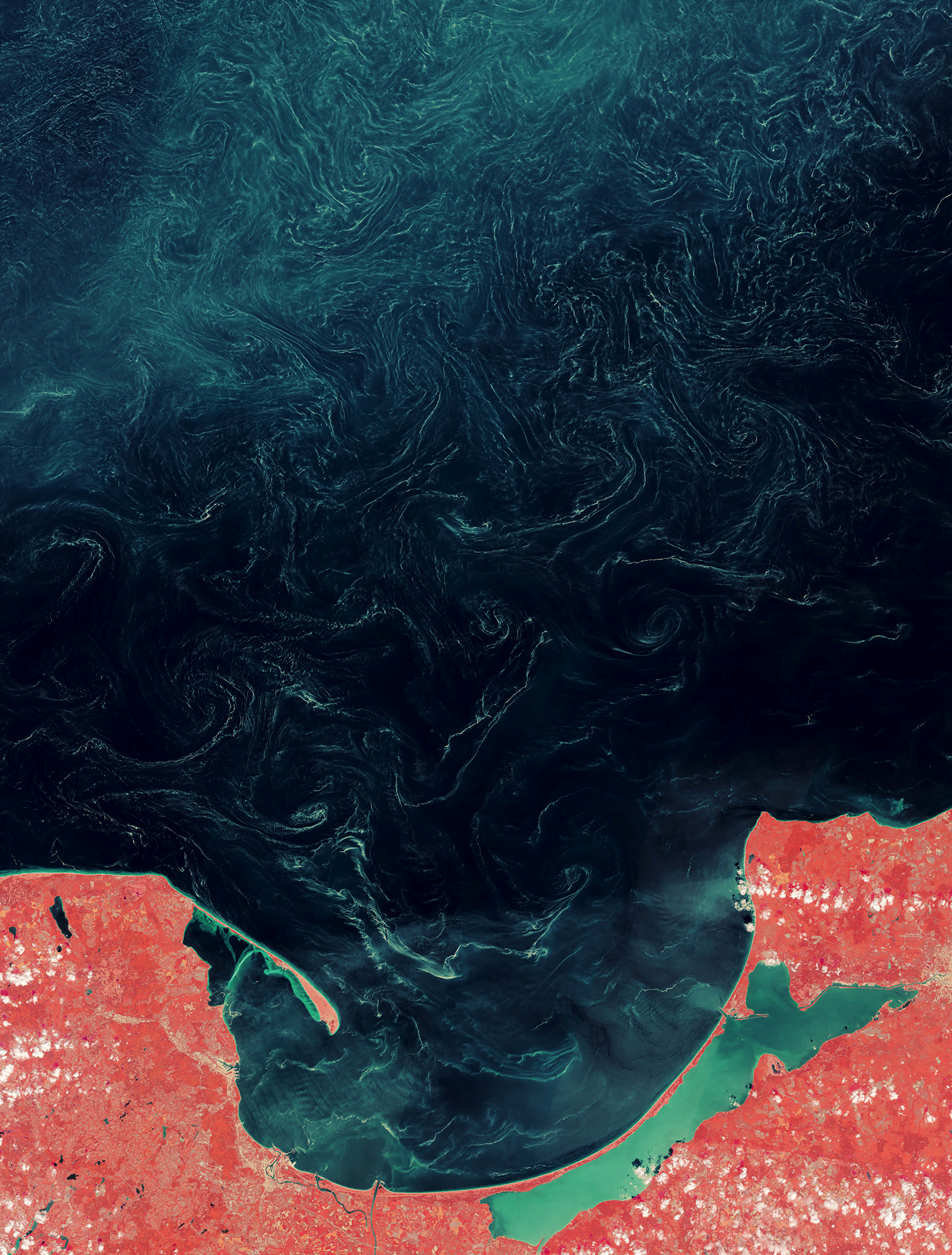
Fellow allergy sufferers, beware! This false-color satellite image of the Baltic Sea shows massive slicks made up of pine pollen. I don’t know about you, but the mere thought of enough pollen that it’s visible from space makes me want to double — triple?! — my antihistamines. The swirling patterns in the pollen come from wind-driven currents and waves moving the pollen on the surface of the water.
It took some sleuthing for scientists to identify these slicks as pollen rather than bacteria or plankton. But by combining experimental results, ground-based observations, and satellite image processing, scientists discovered that the pine pollen has a particular spectral signature. Using that, the team could trawl through older satellite imagery and locate pine pollen in previous seasons. They identified pine pollen slicks in 14 of the last 20 springs. The size of the slicks is growing over time, too, consistent with other observations of longer pollinating seasons. (Image credit: L. Dauphin; via NASA Earth Observatory)

Predicting Contamination in Urban Environs
The canyons of a city’s streets form a complex flow environment. To better understand the risks of a spreading contaminant, researchers simulated a release in lower Manhattan’s urban jungle. The released particles spread due to the dominant wind pattern of the area. Initially, the particles follow the street pattern and stay at a low elevation. But updrafts on the downwind side of skyscrapers lift the particles higher, spreading them to lower concentrations at more elevations.
Public officials study simulations like these to understand what response is needed to protect people in the event of an accidental or intentional release of harmful materials. (Image and video credit: W. Oaks and A. Khosronejad)

“Níłtsą́”
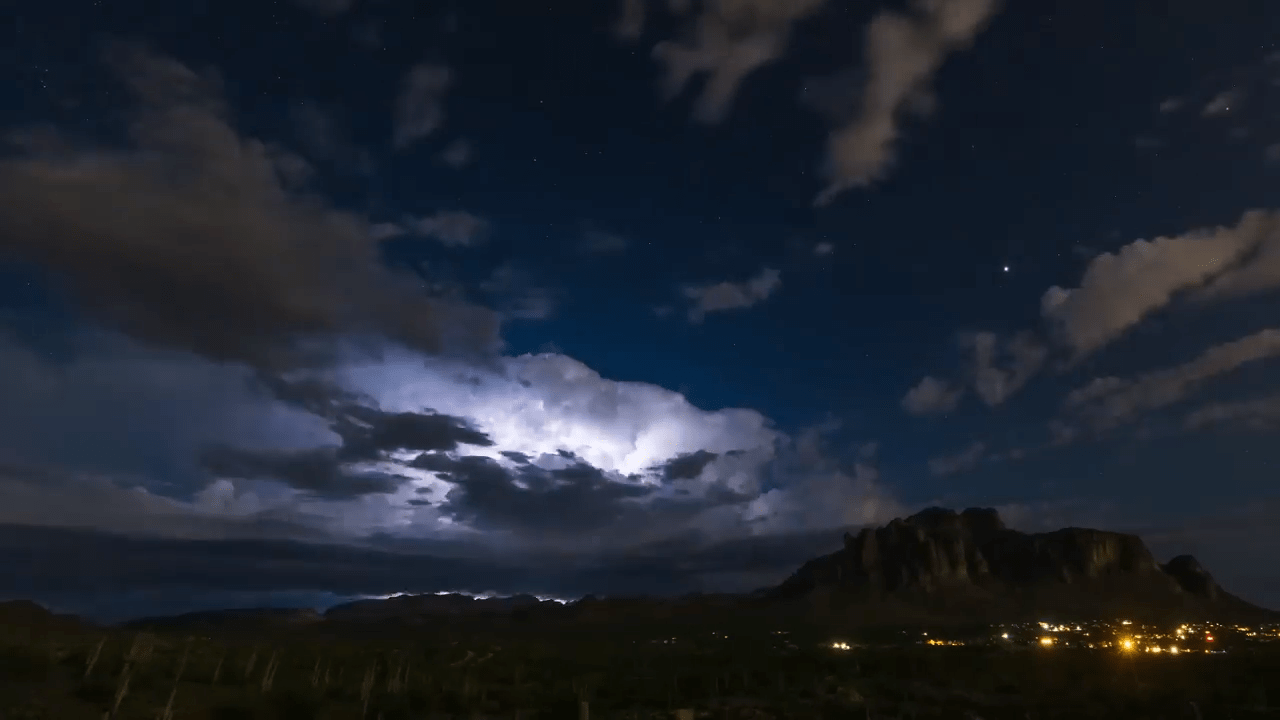
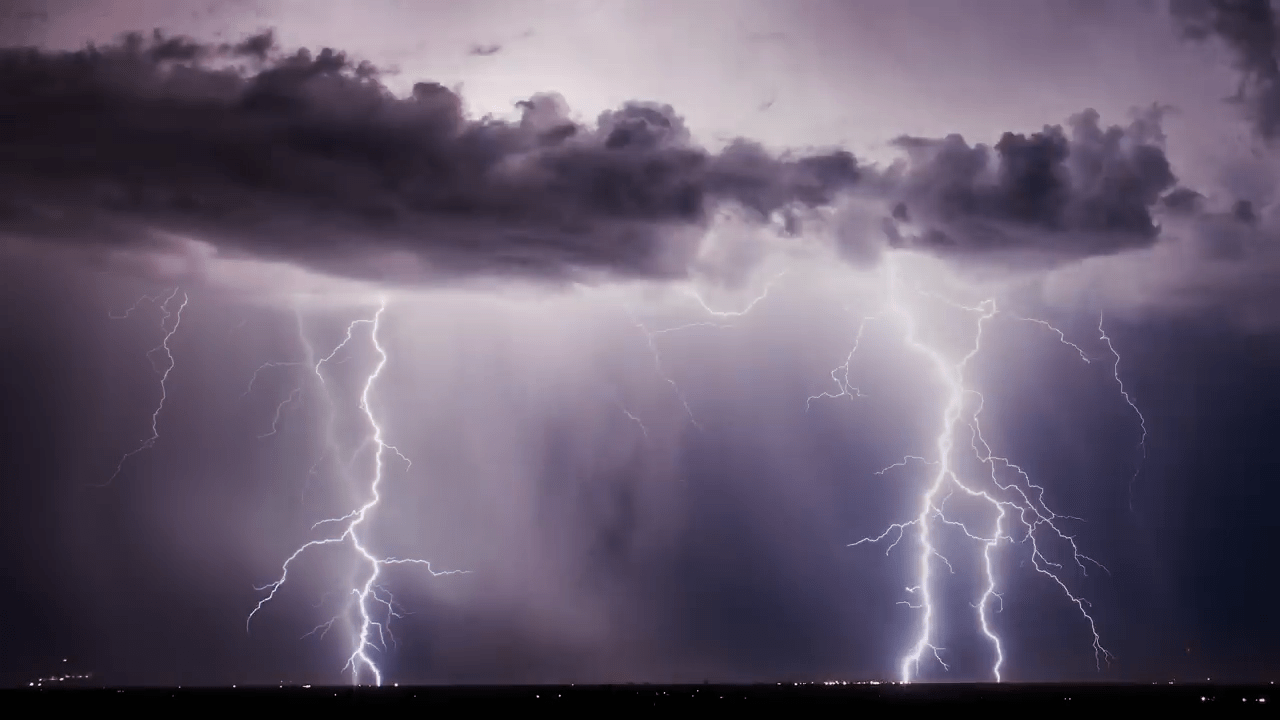
Living in the central and western United States, it’s easy to dismiss summer weather as just another storm, but the truth is that this region sees some of the most majestic and spectacular thunderstorms in the world. And no one captures that grandeur better than storm-chasing photographer Mike Olbinski. His latest film is named for the Navajo word for rain and features over 12 minutes of the best storms from 2021 and 2022. Towering turbulent clouds grow by convection, lightning splits the night sky, and microbursts pour down from above. As always, it’s a stunning depiction of the power of atmospheric fluid dynamics. (Image and video credit: M. Olbinski)

Washing By Vortex Ring
Spraying a surface clean with a jet of fluid can be an energy-intensive operation. But a recent experiment shows that pulsed flow — which creates vortex rings — could be a viable cleaning alternative. Here we see vortex rings impacting a porous, beaded surface that’s covered in oil. Vortex rings with lots of rotation actually pass through the beads, knocking oil off both the front and back surfaces (Image 1). Even with a lower rotation rate, a vortex ring can still help clean the upper surface (Image 2). (Image and research credit: S. Jain et al.; via APS Physics)

“Eternal Spring”
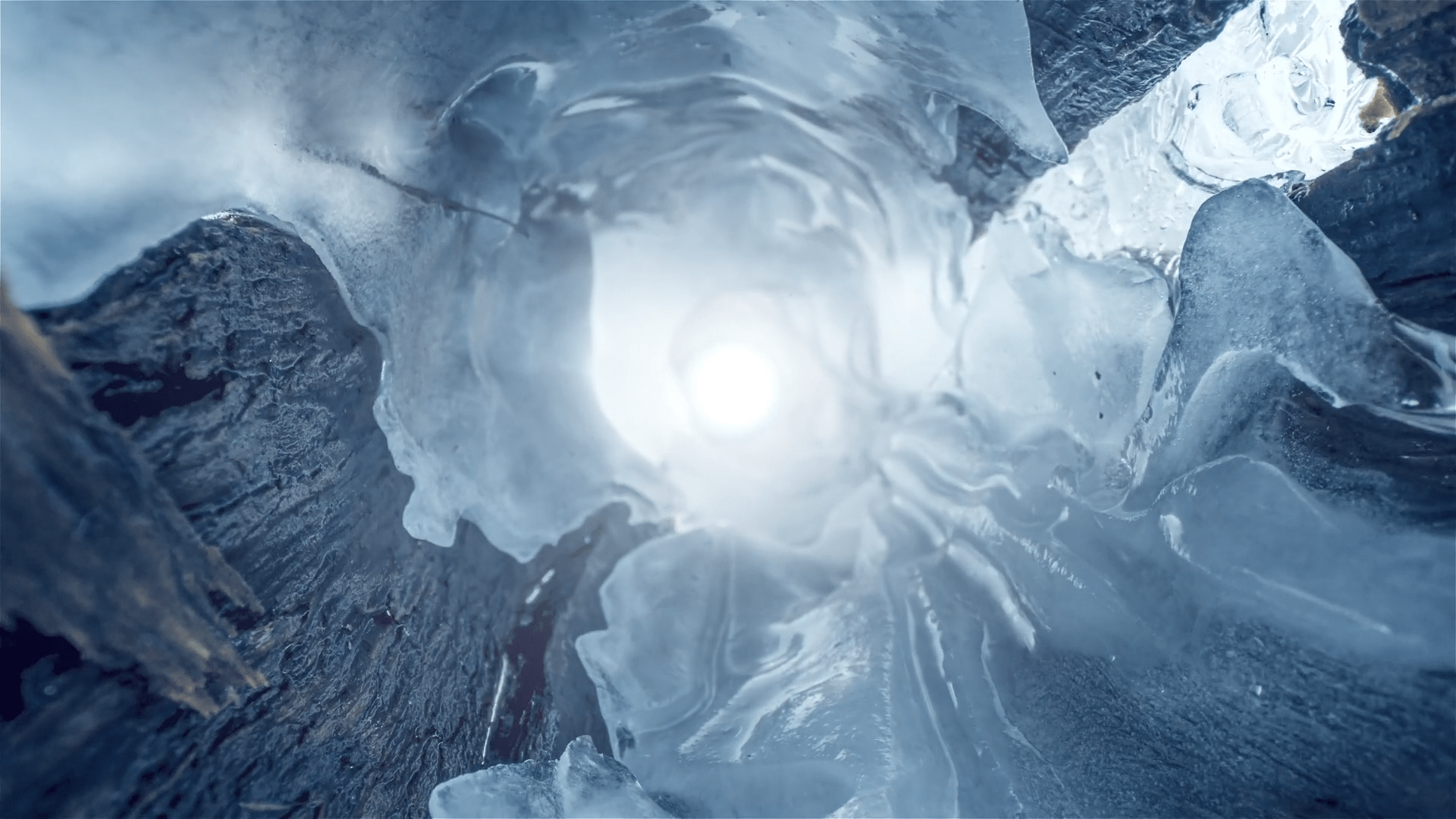
With every spring comes the thaw. Warming temperatures melt winter’s ice, carving it away to reveal the surfaces beneath. Christopher Dormoy’s macroscale timelapse “Eternal Spring” captures this dynamic, showing the process drop-by-drop and rivulet-by-rivulet. It’s also a commentary on melting in general as human-driven climate change chips away at ice that formed over millennia. (Video and image credit: C. Dormoy)

Bending in the Stream
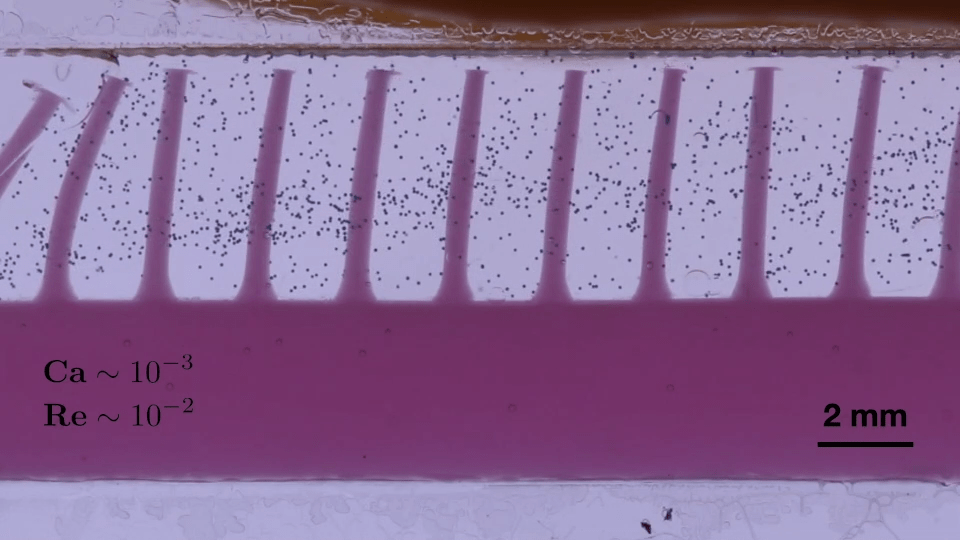
Nature is full of cilia, hairs, and similar flexible structures. Unsurprisingly, flows interact with these structures very differently than with smooth surfaces. Here, researchers investigate flow in a channel lined with flexible, hair-like plates. Initially, the channel is filled with oil and dark particles that help visualize the flow. Then, they pump water into the setup.
As the water intrudes, it forms an interface with the oil. That interface is powerful enough to bend individual hairs in the system. When the hair bends far enough, it can touch its neighbor, sealing the oil inside the gap between them. Along the length of the channel, this behavior leads to trapped pockets of oil that never drain, no matter how much water flows by. (Image and research credit: C. Ushay et al.)

Why We Can’t Control Rivers
Rivers are systems in a constant state of change, balancing flow speeds, path length, sediment deposition, and erosion, as seen in this previous Practical Engineering video. The next video in this mini-series considers what human interventions do to rivers. As convenient as it is for humanity to force a river into a straight and constant course, the long-term effects can be incredibly destructive both upstream and downstream.
In this video, Grady takes a look at several types of interventions: stream straightening, dams, river crossings, and more. With the help of a stream table, he demonstrates just how these efforts shift the river’s balance and what effects — in terms of erosion, deposition, and flooding — each can cause. These disadvantages, along with habitat destruction, are part of why stream remediation projects are on the rise. (Video and image credit: Practical Engineering)