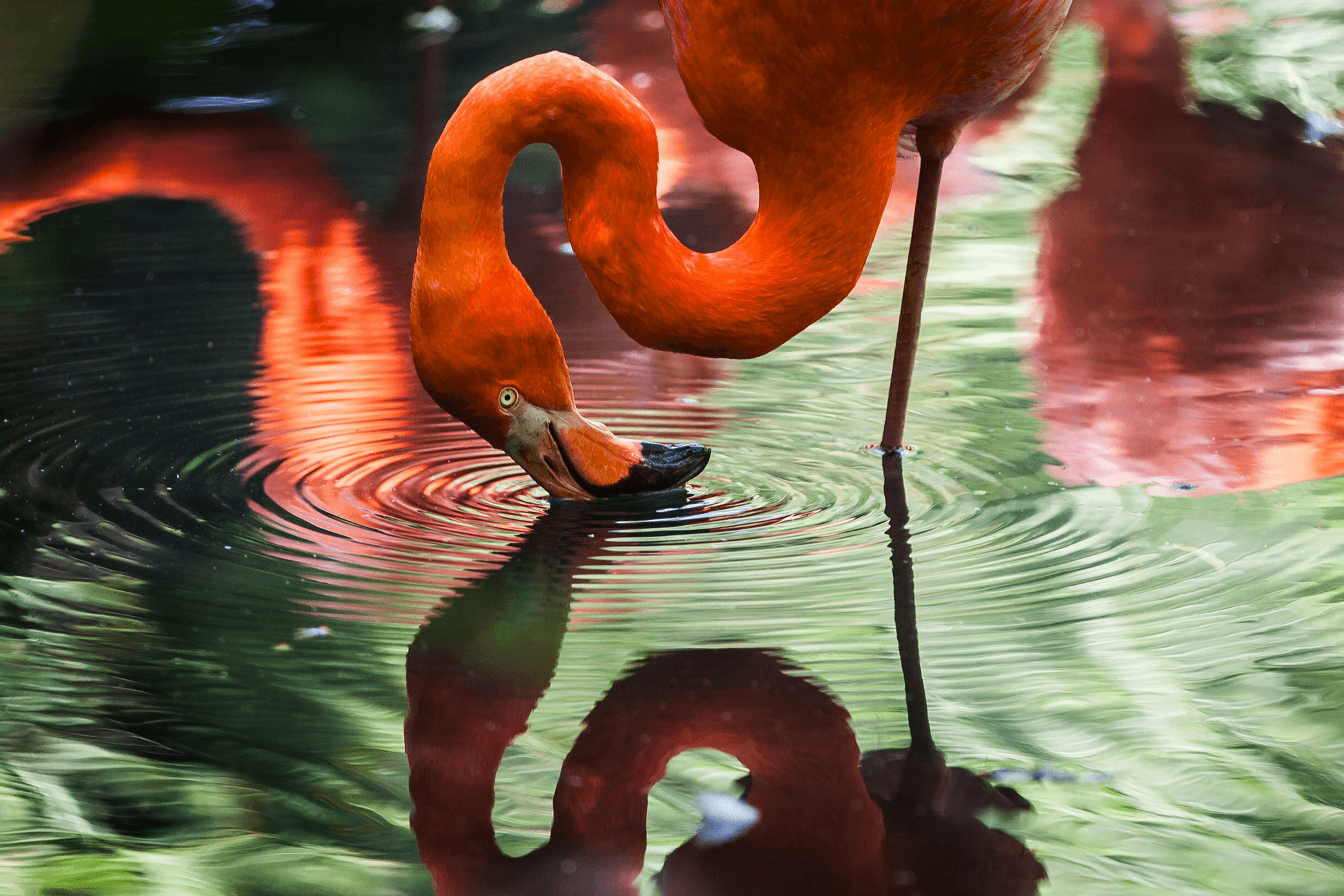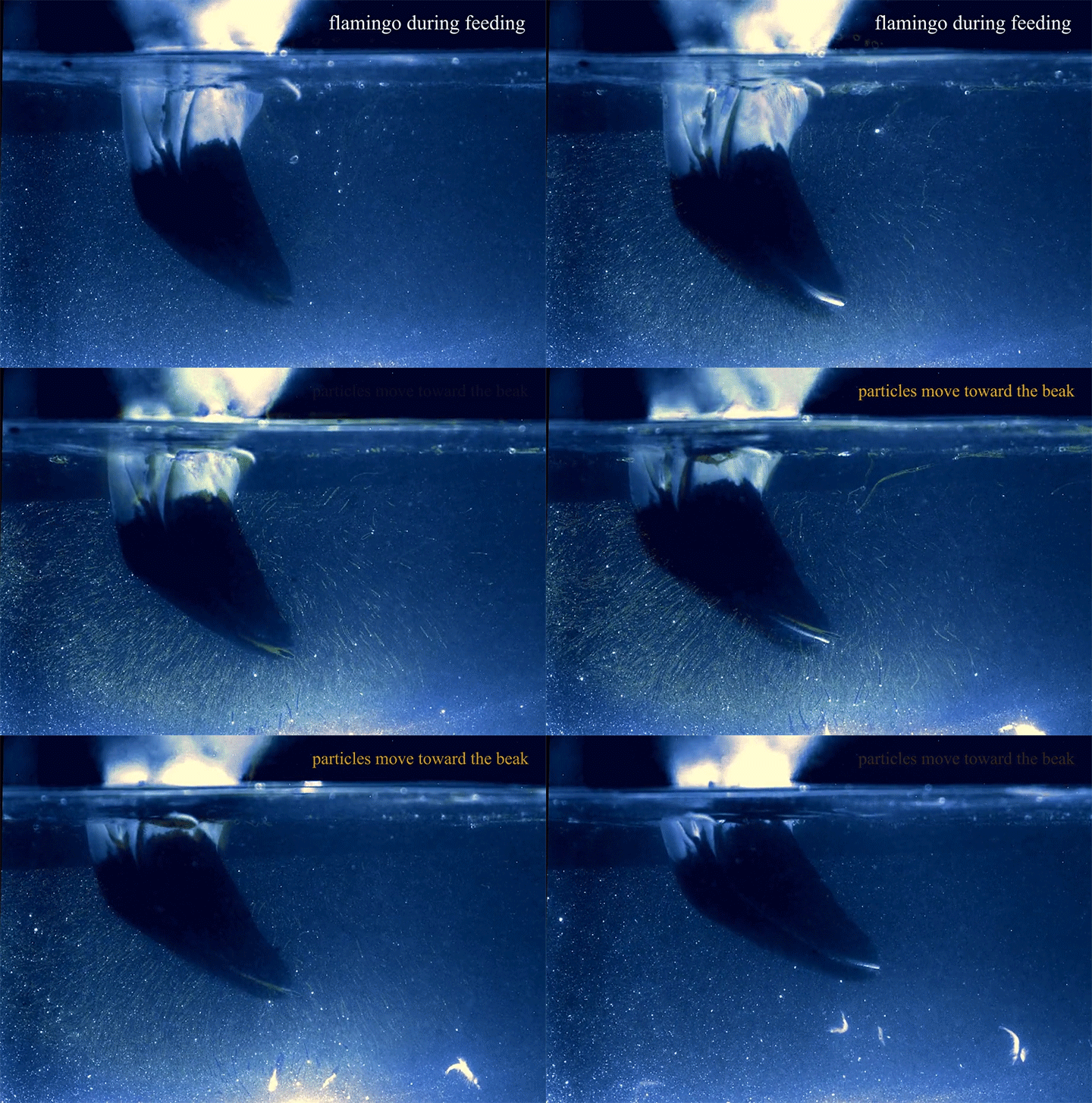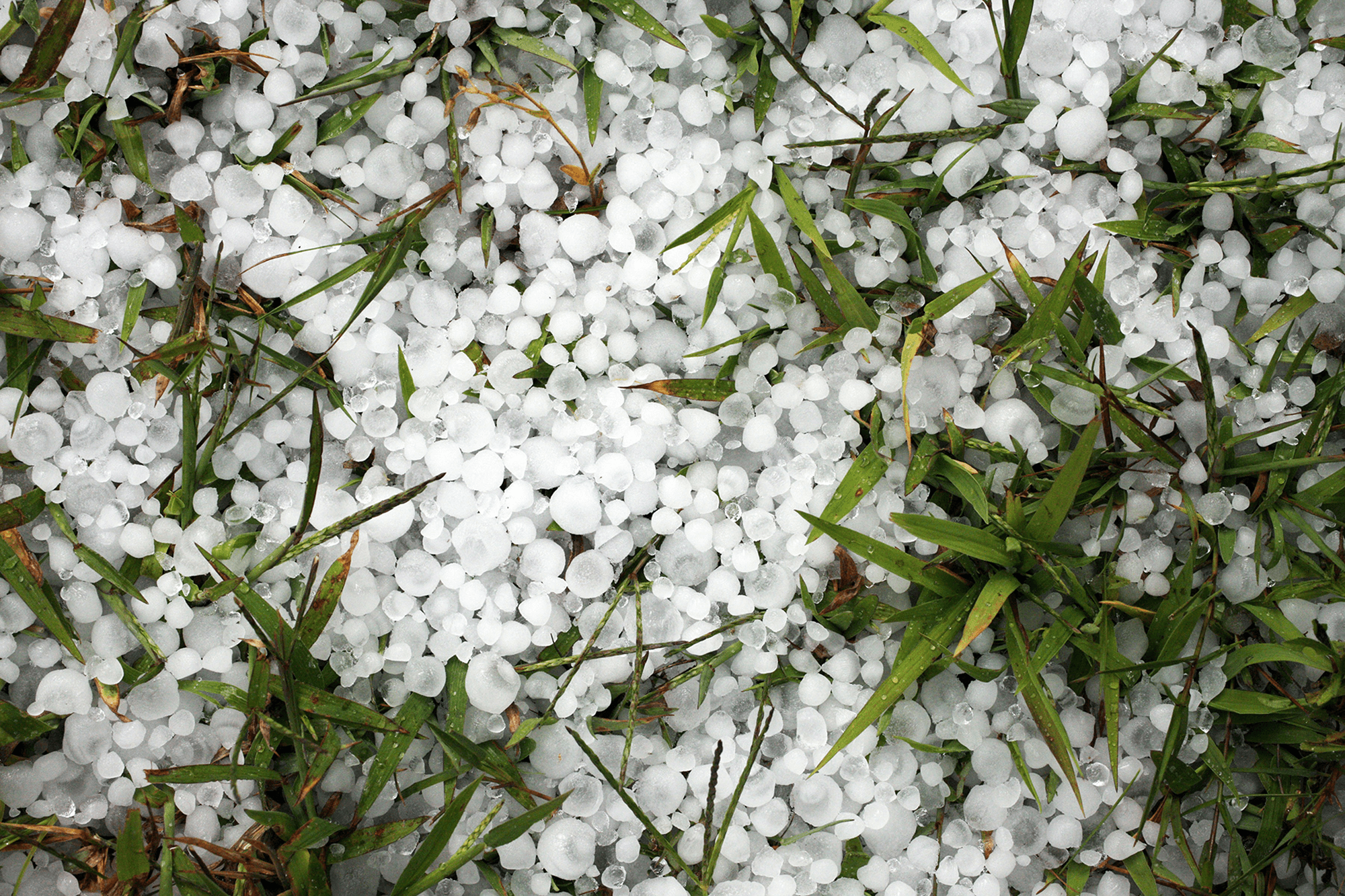
The intense heat from wildfires fuels updrafts, lifting smoke and vapor into the atmosphere. As the plume rises, water vapor cools and condenses around particles (including ash particles) to form cloud droplets. Eventually, that creates the billowing clouds we see atop the smoke. These pyrocumulus clouds, like this one over California’s Line fire in early September 2024, can develop further into full thunderstorms, known in this case as pyrocumulonimbus. The storm from this cloud included rain, strong winds, lightning, and hail. Unfortunately, storms like these can generate thousands of lightning strikes, feeding into the wildfire rather than countering it. (Image credit: L. Dauphin; via NASA Earth Observatory)
Search results for: “lift”

Billowing Ouzo
Pour the Greek liquor ouzo into water, and your glass will billow with a milky, white cloud, formed from tiny oil droplets. The drink’s unusual dynamics come from the interactions of three ingredients: water, oil, and ethanol. Ethanol is able to dissolve in both water and oil, but water and oil themselves do not mix.
In this video, researchers explore the turbulent effects of pouring ouzo into water. In particular, pouring from the top creates a fountain-like effect, due to a tug-of-war between the ouzo’s momentum and its buoyancy. Momentum wants the ouzo to push down into the water, and buoyancy tries to lift it back up. For an extra neat effect, they also show what happens when the ouzo is confined to a 2D plane and what happens when momentum and buoyancy act together instead of oppositely. (Image and video credit: Y. Lee et al.)

The Art of French Drains
Civil engineers face a constant challenge trying to protect their structures from water — both above and below the ground. Subsurface water can build up enough pressure to lift and damage structures, so engineers use subsurface infrastructure — like French drains — to control the water underground. Despite the name (and my title pun), French drains have nothing to do with France. Instead, they are named for Henry French, an author who described their construction and use in the 19th century. These drains use a combination of rocks, mechanical filters, and perforated pipeline to guide subsurface water and drain it away from foundations. (Video and image credit: Practical Engineering)

Paris 2024: Tennis Racket Physics
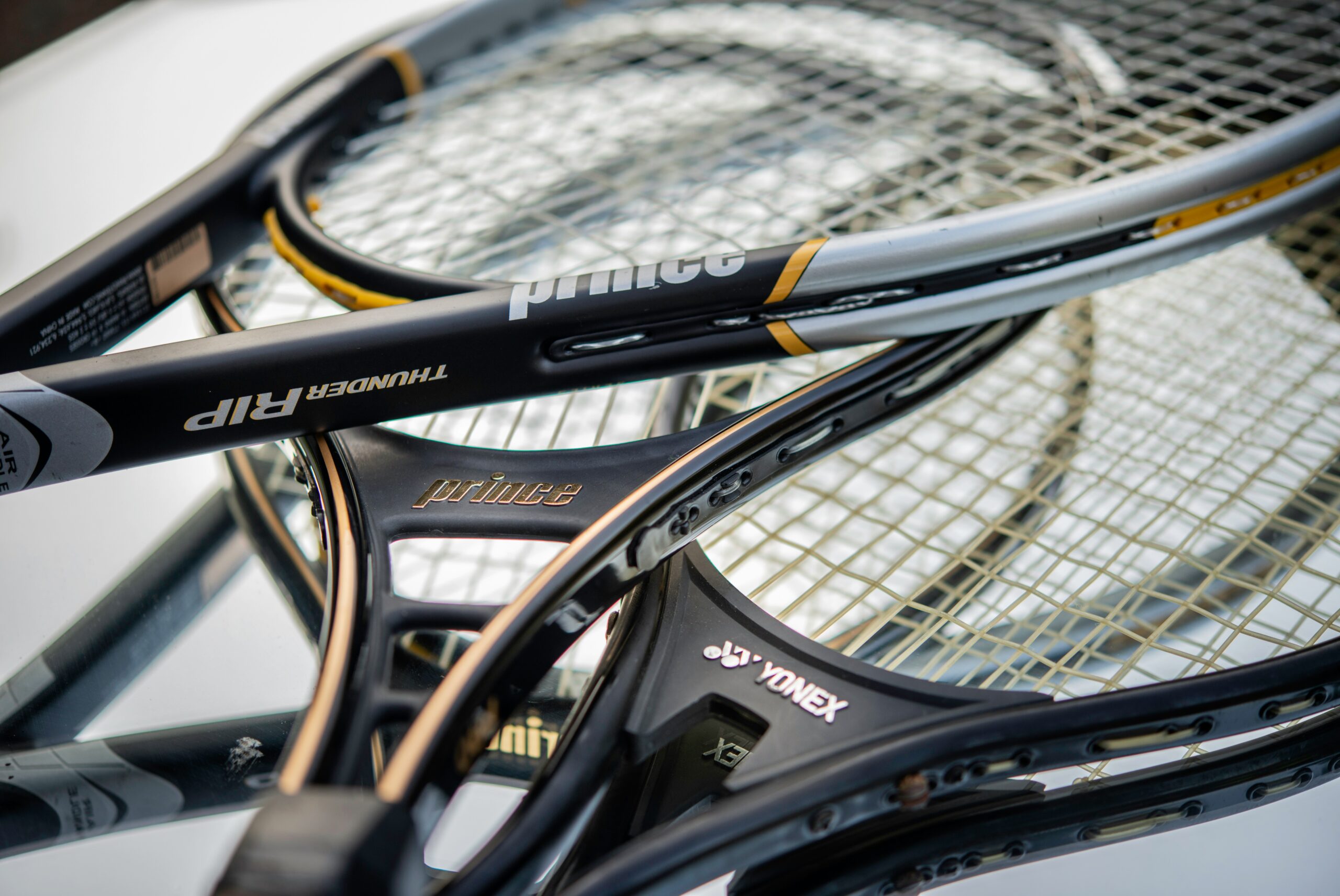
Like many sports that feature balls, spin plays a big role in tennis. By imparting a topspin or backspin to a tennis ball, players can alter the ball’s trajectory after a bounce and, using the Magnus effect to alter lift around the ball, change how it travels through the air. For example, a ball hit with backspin can dive just after the net, forcing an opponent to scramble after it. How much spin a player can impart depends on the speed of the racket’s head. Competitive rackets are carefully engineered — in terms of weight, string tension, and frame stiffness — to translate the kinetic energy of a player’s swing into the ball. But aerodynamics also play a role: new rackets designed to minimize drag hit the market 15-20 years ago, promising drag reductions up to 24% compared to previous rackets. That gives a player more swing speed and higher spins at a lower energy cost. (Image credit: C. Costello)
Related topics: The Magnus effect in table tennis and in golf; the reverse Magnus effect
Check out more of our ongoing and past Olympic coverage here.

Paris 2024: Bouncing and Spinning
Spin, or the lack thereof, plays a major role in many sports — including tennis, golf, football, baseball, volleyball, and table tennis — because it affects whether flow stays attached around a ball, as well as how much lift or side force a ball gets. A ball’s spin doesn’t stay constant, however. During flight, a ball’s spin decays at a rate proportional to its initial spin and velocity. Researchers have found that a ball’s moment of inertia, flow regime, and surface roughness all affect that decay, but which factor is the most significant varies by ball and by sport.
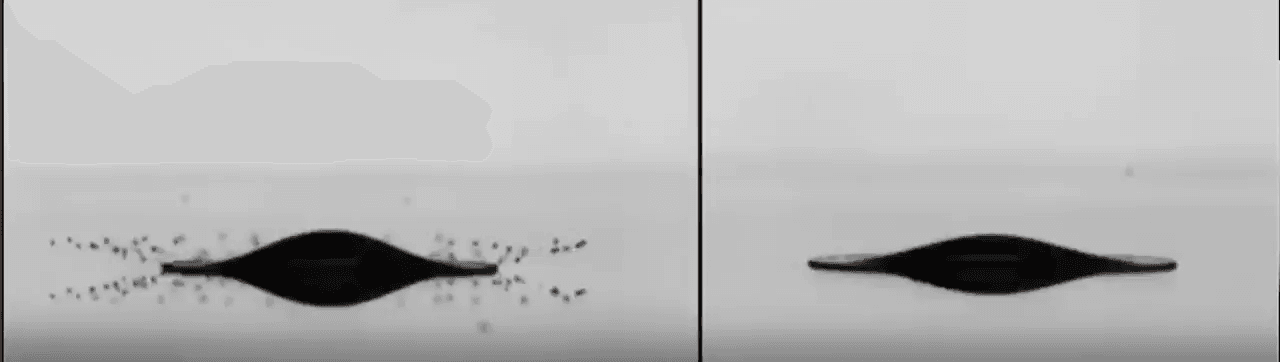
Whether a ball bounces while spinning also matters. For compliant balls on a non-compliant surface — think tennis balls on a court — a bounce can actually change how much a ball spins. During impact, a tennis ball can: slide, decreasing its tangential velocity while increasing its topspin; roll, where the ball’s tangential velocity matches the tangential velocity of the surface; or over-spin, where the ball spins faster than it rolls. For a given impact angle and velocity, researchers found that stiffer and/or lighter balls were more likely to over-spin. Within tennis’s allowable range of ball stiffness and mass, manufacturers could create tennis balls that over-spin far more than conventional ones, creating another opportunity for deceptive tactics in the sport. (Image credit: J. Calabrese; research credit: T. Allen et al.)
Related topics: How flow separates from a surface, and why turbulence is sometimes preferable
Find all of our Olympics coverage — past and ongoing — here and every sports post here.

Junggar Basin Aglow
The low sun angle in this astronaut photo of Junggar Basin shows off the wind- and water-carved landscape. Located in northwestern China, this region is covered in dune fields, appearing along the top and bottom of the image. The uplifted area in the top half of the image is separated by sedimentary layers that lie above the reddish stripe in the center of the photo. Look closely in this middle area, and you’ll find the meandering banks of an ephemeral stream. Then the landscape transitions back into sandy wind-shaped dunes. (Image credit: NASA; via NASA Earth Observatory)

Soyuz Exhaust
Here, a Soyuz rocket takes off in 2023, carrying three of the Expedition 70 crew to the International Space Station. This initial stage of the Soyuz launch vehicle uses four identical rocket boosters lashed around the second stage core. Each of the boosters has a rocket engine with four combustion chambers (and thus four exhaust nozzles) of its own. That creates the fiery flurry of engine plumes seen here. Most of the exhaust plumes are directed downward to provide the thrust needed to lift the rocket, but you can see a few angled slightly to either side to help stabilize the launch vehicle as it rises. (Image credit: NASA)

“Running on Water”
In the early morning light, young photographer Max Wood captured this coot escaping a fight. With wings flapping, the bird runs across the water surface. Each slap and stroke of a foot provides a portion of the vertical force needed to stay atop the water; lift from its wings provides the rest. With enough speed, the bird will take off. Some birds, however, are born water-walkers; certain species of grebe don’t need to use their wings to run on water. (Image credit: M. Wood; via BWPA)

How Moths Confuse Bats
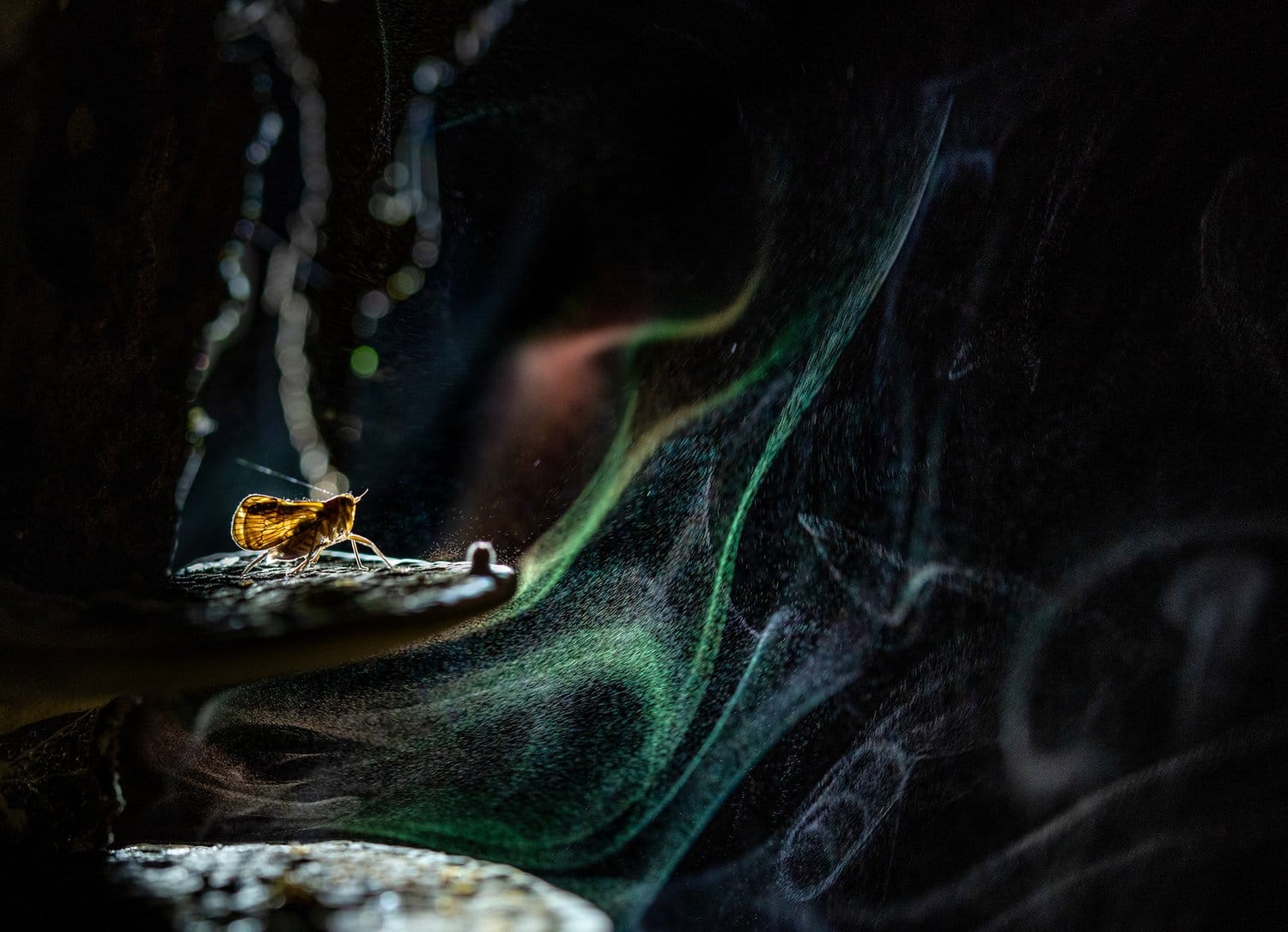
When your predators use echolocation to locate you, it pays to have an ultrasonic deterrence. So, many species of ermine moths have structures on their wings known as tymbals. These areas have a band of ridges, and, when the moth’s wing lifts or falls, the ridges buckle one-by-one. A nearby bald patch on the wing acts as an amplifier, making these ultrasonic snaps louder. Altogether, the mechanism deters prowling bats anytime the moth flaps its wings — without any additional effort on the moth’s part. Since the moths have no ears, they presumably don’t even know that they’re making the sound! (Image credit: Wikimedia/entomart; research credit: H. Mendoza Nava et al.; via APS Physics)

“Mason Bee at Work”
Mason bees like this one build landmarks to help them navigate as they construct a shelter for their eggs. Even hauling materials, these bees can easily stay aloft. This is in contrast to an old misconception that physics can’t explain how a bee flies. It’s true that bees don’t fly using the same mechanisms as a typical airplane — no fixed wings here! But they, like every other flyer aerodynamicists study, still produce lift and drag and thrust. The flapping of a bee’s wings generates much unsteadier quantities of these things, but at its small size, that is no hindrance to its ability to control its flight and even carry cargo. (Image credit: S. Zankl; via Wildlife POTY)