Search results for: “art”

  • Featured Video Play Icon

    Branching Light with Soap Bubbles

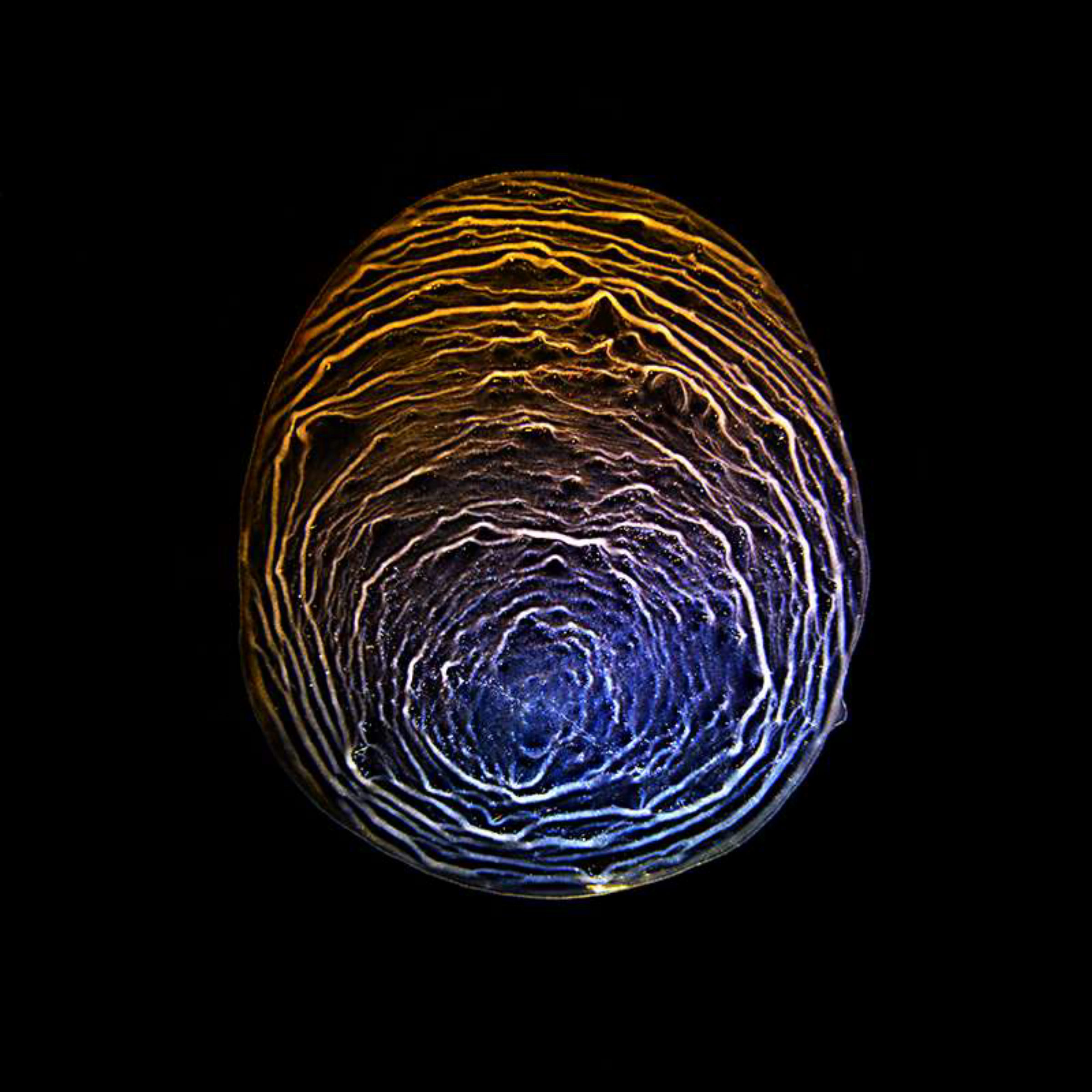
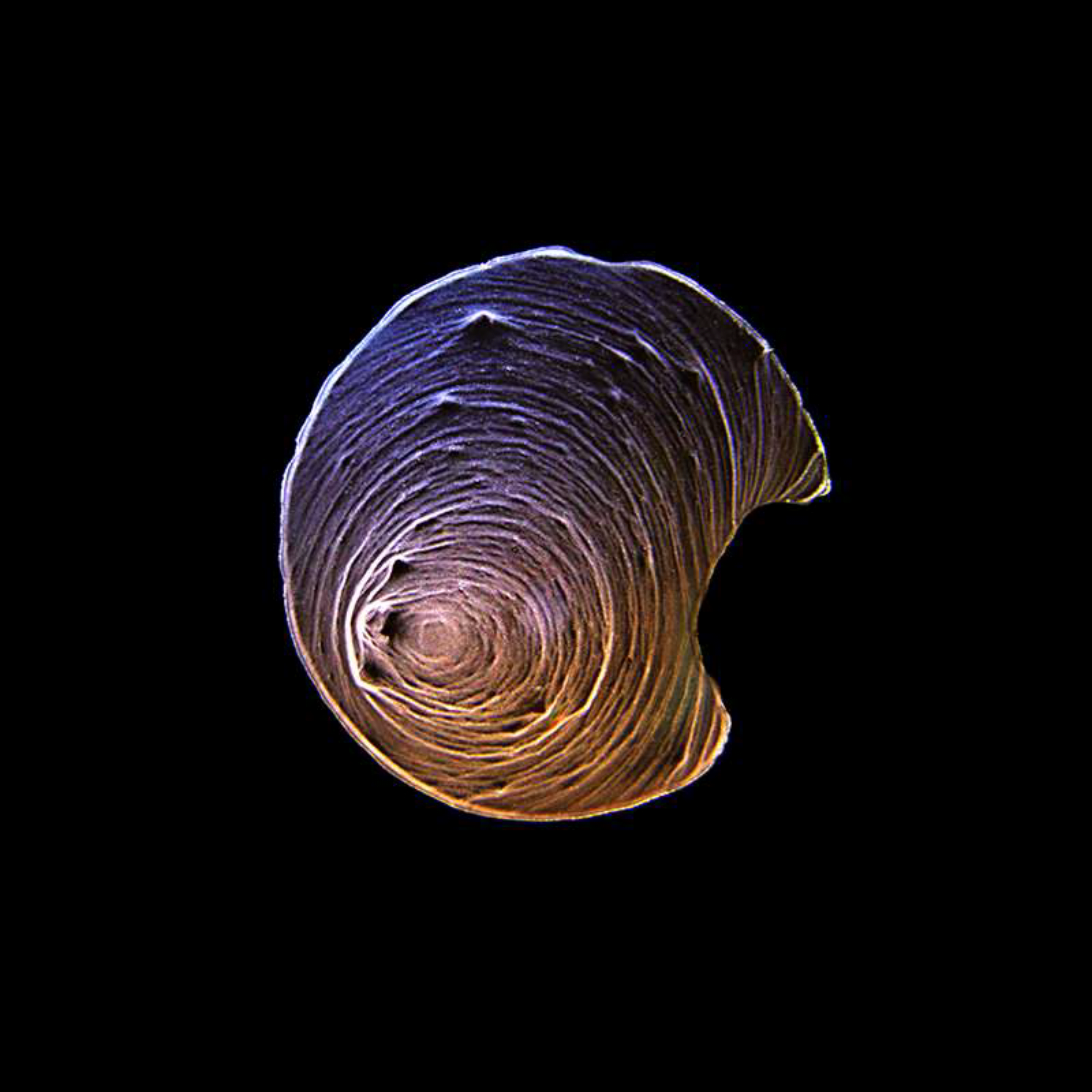
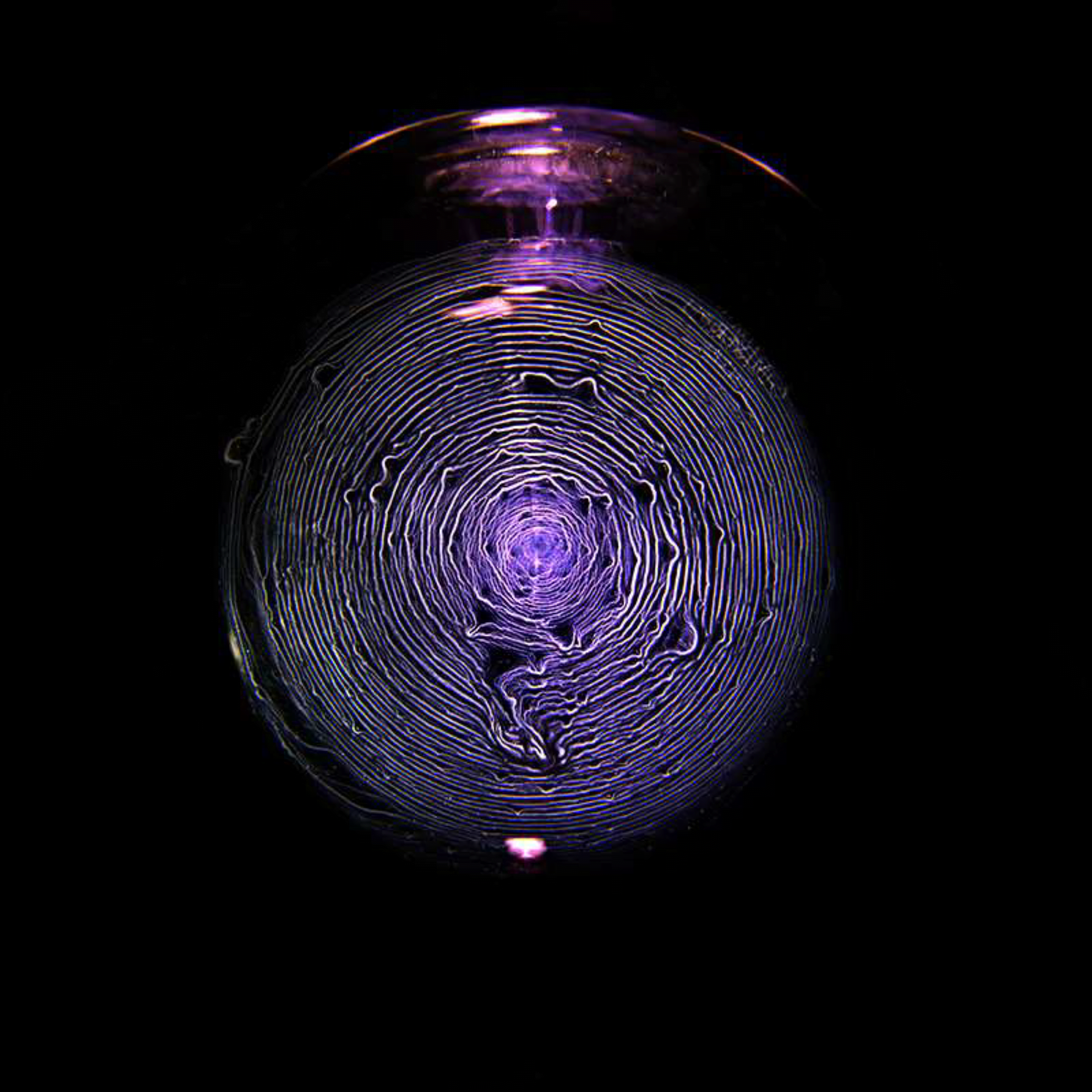
    By shining laser light through soap bubbles, researchers have demonstrated branching flow in light for the first time. This branching occurs when waves travel through a disordered medium where the typical size of the disordered regions is larger than the wave’s length. Previously, scientists had seen evidence of this phenomenon in electrons, sound waves, and even ocean waves.

    Soap bubbles serve as an excellent platform for branching in light because their exceptionally thin film varies in thickness thanks to the interplay of buoyancy, Marangoni effects, and evaporation. It’s also comparable to — but still slightly larger than — the wavelength of light. The experiment is far from simple, though. Lining the laser up with the soap bubble is tough, especially when your bubble is likely to pop! (Video credit: Nature; research credit: A. Patsyk et al.; submitted by Kam-Yung Soh)

  • Featured Video Play Icon

    “Waves”

    The “Waves” installation by artist Daniel Palacios appears deceptively simple, just a rope mounted between two motors. But once the motors start spinning, it is anything but. The installation shifts in response to those around it, creating varying numbers of steady, standing waves or even wildly chaotic ones that whistle through the air. It’s a neat visualization of one of the most commonly-measured quantities in physics: the changes in a wave with time. (Video and image credit: D. Palacios; via Flow Vis)
  • Featured Video Play Icon

    The Engineering of Culverts

    Manmade infrastructure often interferes with natural waterways, which is one reason civil engineers turn to culverts, those pipes and concrete tunnels you often see beneath roadways. As simple as they may seem, there’s a lot of engineering that has to go into these artificial waterways to keep flows from backing up and flooding roads. In this video from Practical Engineering, you’ll learn about some of those factors and see through demos just how they impact the flow. (Image and video credit: Practical Engineering)

  • Quantifying Bioluminescence

    Quantifying Bioluminescence

    Some single-celled organisms, like dinoflagellates, light up when disturbed. This bioluminescence is considered a defense mechanism, triggered by threats to the organism. Now researchers are quantifying just what it takes to light up a single dinoflagellate.

    Dinoflagellates respond both to stress caused by the fluid flow around them and to mechanical deformation — in other words, getting poked. Both methods involve bending and stretching the dinoflagellate’s cell wall, which stretches calcium-ion channels connected to bioluminescence. The researchers found that the intensity of the light produced depended both on the amount and speed of cell wall deformation.

    The model built from their observations should help scientists better understand what forces cause a specific response. That means dinoflagellates could be used as a non-invasive means of understanding fluid flow around swimmers like dolphins or sea lions! (Image and research credit: M. Jalaal et al.; via APS Physics)

  • Featured Video Play Icon

    A Hand in Hot Oil

    In this video, Dianna from Physics Girl demonstrates a feat no one should try at home: dipping her hand into boiling oil. To stay safe, she’s relying on the Leidenfrost effect, the tendency of liquids exposed to temperatures well above their boiling point to vaporize and create a layer of gas that insulates against further heat transfer.

    We’ve seen a lot of cool behaviors from Leidenfrost droplets, like surfing on herringbone surfaces, digging through sand, vibrating like a star, and, well, violently exploding. We know a lot about what can happen in this Leidenfrost state, but there are also some major unknowns, like exactly what the Leidenfrost temperature is for many liquids. That’s part of what makes Dianna’s demo so dangerous; the temperature needed to see the Leidenfrost effect — even just for water — varies wildly depending on the experimental set-up. (Video and image credit: Physics Girl)

  • 10 Years of FYFD

    10 Years of FYFD

    10 years. 2,590 posts. 21 original videos. 378,000+ followers. Countless hours spent blogging and more than 1,000 journal articles read. When I started FYFD ten years ago as a PhD student, I never imagined the impact the blog would have on my life, my career, or my field. It’s been a wild ride, and I’d like to take a moment today to thank each and every one of you for contributing to this journey, whether it’s by supporting on Patreon, liking a post, sharing content, submitting ideas, leaving a comment, sending an email, or saying hi at an event. FYFD would have petered out long ago if not for your support!

    Ten years seems like a good time for a little retrospective, so I went back through the archive in search of the most popular post (based on Tumblr’s notes) from each of those ten years. Here’s what I found:

    Year 1: The Vortex Street
    Year 2: Wave Clouds Over Alabama
    Year 3: Surface Tension in Action
    Year 4: Why Honeycomb is Hexagonal
    Year 5: Bioluminescence
    Year 6: Self-Pouring Fluids
    Year 7: Watching Radiation
    Year 8: The Swimming of a Dead Fish
    Year 9: Seeing the Song
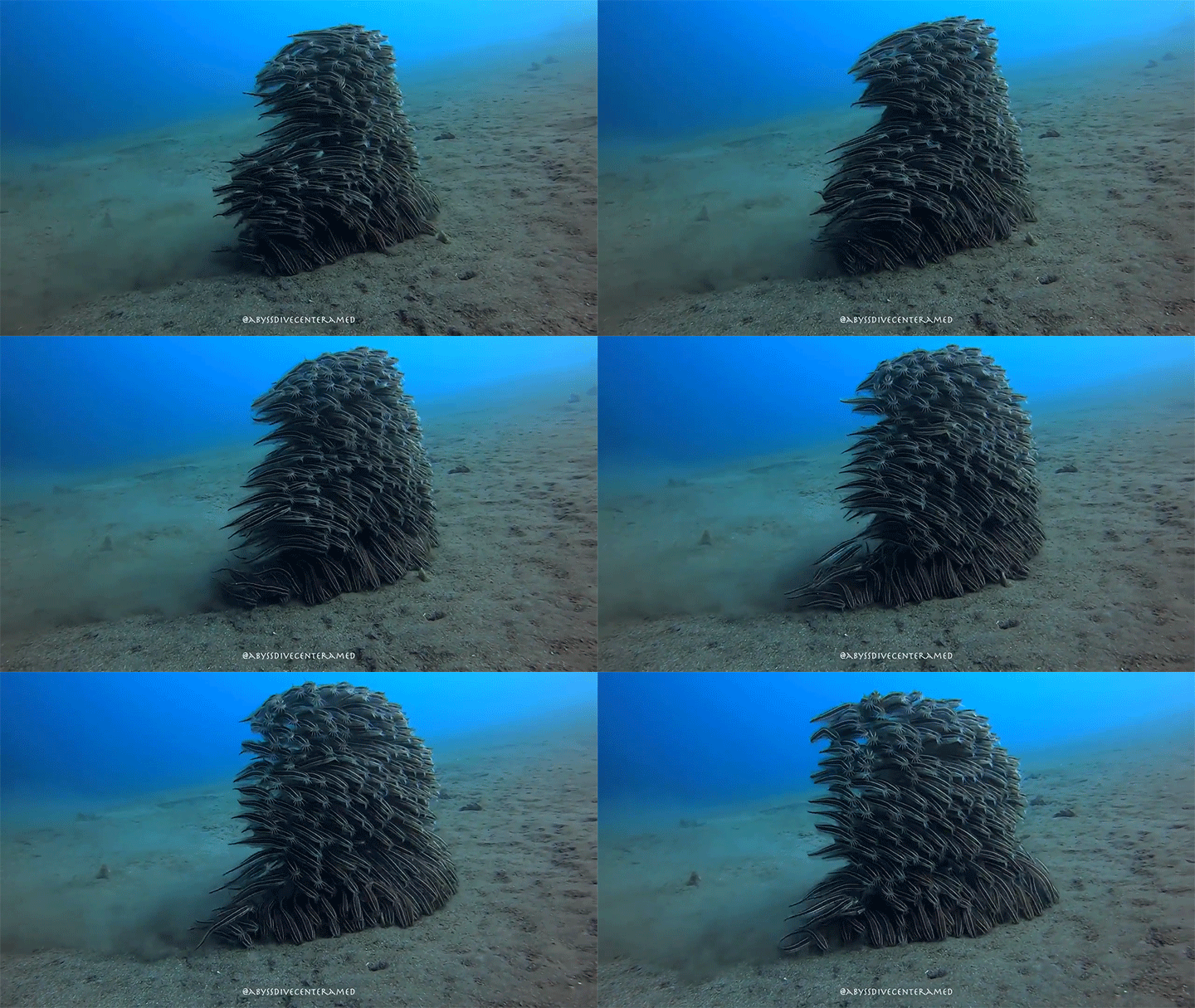
    Year 10: Collective Catfish Convection

    If you’d rather enjoy something random rather than something “popular”, you can always use the shortcut https://fyfluiddynamics.com/random to explore posts in the archive.

    And in case you’re more interested in watching videos, here are the top FYFD videos (by YouTube views):

    (Wow, my editing and production skills have evolved since some of those earlier vids!)

    So what are your favorite FYFD memories and posts? Let me know in the comments! (Image and video credits: N. Sharp)

  • The Tolling of the Atmosphere

    The Tolling of the Atmosphere

    Strum a musical instrument and you create a host of vibrations at many different frequencies. The same is true of our atmosphere, which rings at frequencies far too low for us to hear. The first theoretical descriptions of this atmospheric ringing date back two centuries to Pierre-Simon Laplace. A new study provides the first experimental evidence of this atmospheric ringing by analyzing 38 years’ worth of hourly atmospheric data.

    The authors found good agreement with the structures predicted by classical theory, but they point out that understanding the mechanisms that drive the ringing requires more research. Since studies of vibrations in the Earth and sun have revealed new dynamics in those systems, it’s likely analyses like these can teach us much more about how our atmosphere functions. (Image credit: NASA; research credit: T. Sakazaki and K. Hamilton; submitted by K. Hamilton)

  • Featured Video Play Icon

    How N95 Masks Work

    You might imagine N95 masks as essentially a strainer intended to catch small particles, but as Minute Physics shows in this video, what these masks do is actually much more clever. A dense, strainer-like mask with tiny openings to block microscopic particles would be very tough to breathe through. Instead, N95 masks take advantage of one of the characteristics of tiny things: they’re very sticky. Thanks to van der Waals forces particles that touch a fiber will stick there.

    By creating an array of fibers between the particle and a person’s mouth, N95 masks do an excellent job of catching both large particles and tiny ones. They have a harder time with medium-sized particles because airflow around the fibers helps these particles avoid them.

    But, luckily, N95 masks have a solution for that problem, too. The fibers of the mask have an electric charge, which helps them attract particles of all sizes and capture them. Of course, as with all masks, they’ll work when worn as intended. (Video and image credit: Minute Physics)

  • Featured Video Play Icon

    “Oooh !! My Delicious Coffee”

    I’m not a coffee person, but Thomas Blanchard’s “Oooh !! My Delicious Coffee” manages to capture my favorite part of the beverage – watching cream and coffee mix. From feathery flows driven by surface tension to droplets floating like miniature cappuccinos, the short film features many of the fantastical landscapes we find when staring into a coffee cup. But don’t get too eager to drink it; Blanchard used a combination of coffee, oil, and paint to achieve those effects! (Image and video credit: T. Blanchard)

  • The Challenges of Being Small

    The Challenges of Being Small

    For juvenile fish, feeding is a challenge. Their small size — often less than 5 mm in length — makes hydrodynamically capturing prey much harder because of viscosity’s relatively larger effect on them. But size may not be the only factor in determining their success, as a new study shows.

    Researchers studied feeding behaviors of two, equally-sized species’ larvae: zebrafish and guppies. The biggest difference between these two species is their developmental time prior to beginning to hunt on their own. Guppies develop five times longer than zebrafish larvae before they start feeding.

    Both fish have the same hydrodynamic limitations to overcome. If you look closely at the first image, you’ll see fluid being pushed ahead of the fish as it swims. The researchers refer to this as a bow wave, and it effectively announces to any prey that the fish is approaching. To sneak up on prey, the fish has to be able to generate enough suction force to pull its food in from beyond the bow wave’s reach. The experiments showed that guppies were able to do this reliably, while zebrafish could not. The subsequent difference in their feeding success was stark: the guppies’ success rate was almost five times that of the zebrafish! (Image and research credit: T. Dial and G. Lauder, source; via G. Lauder)