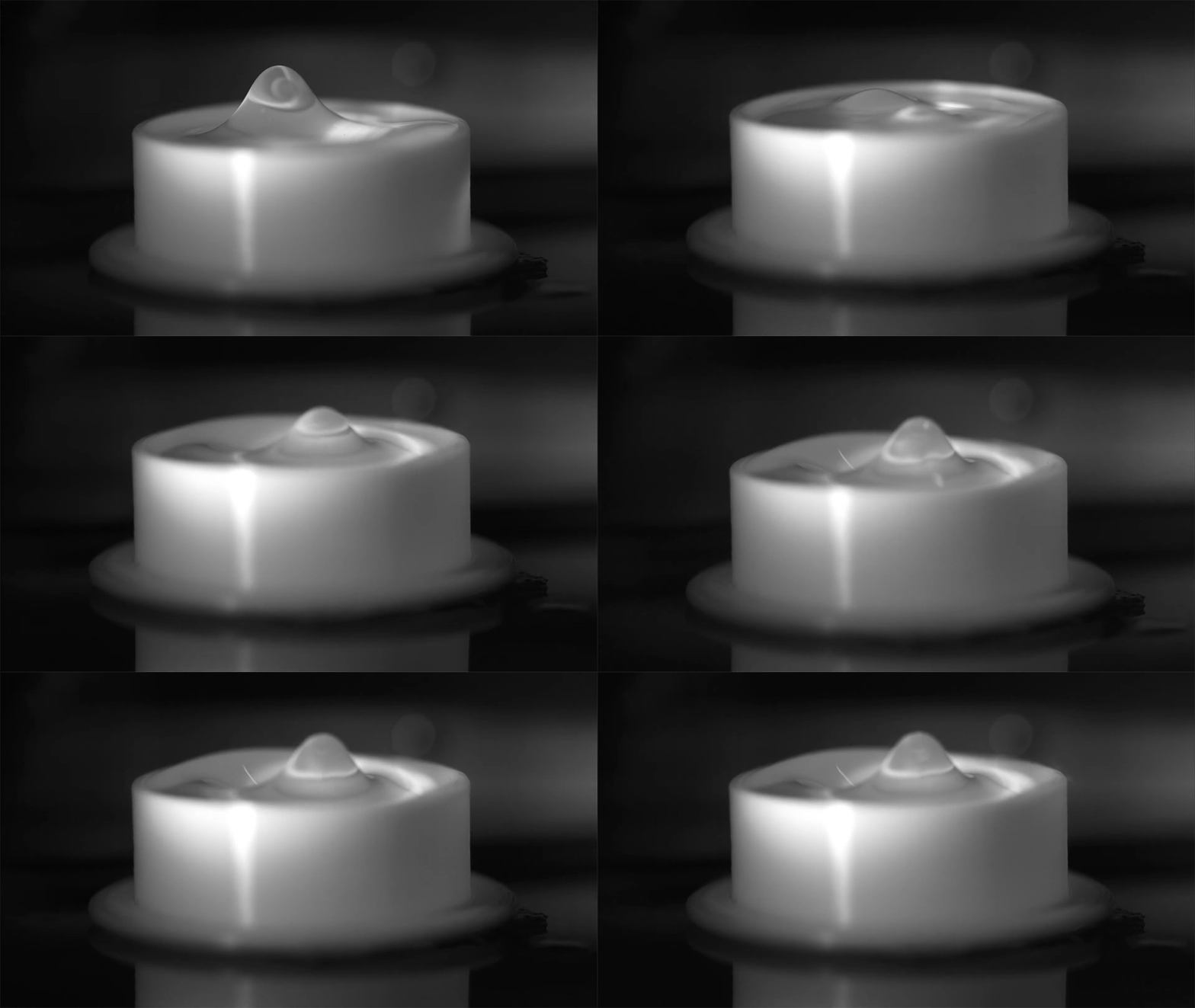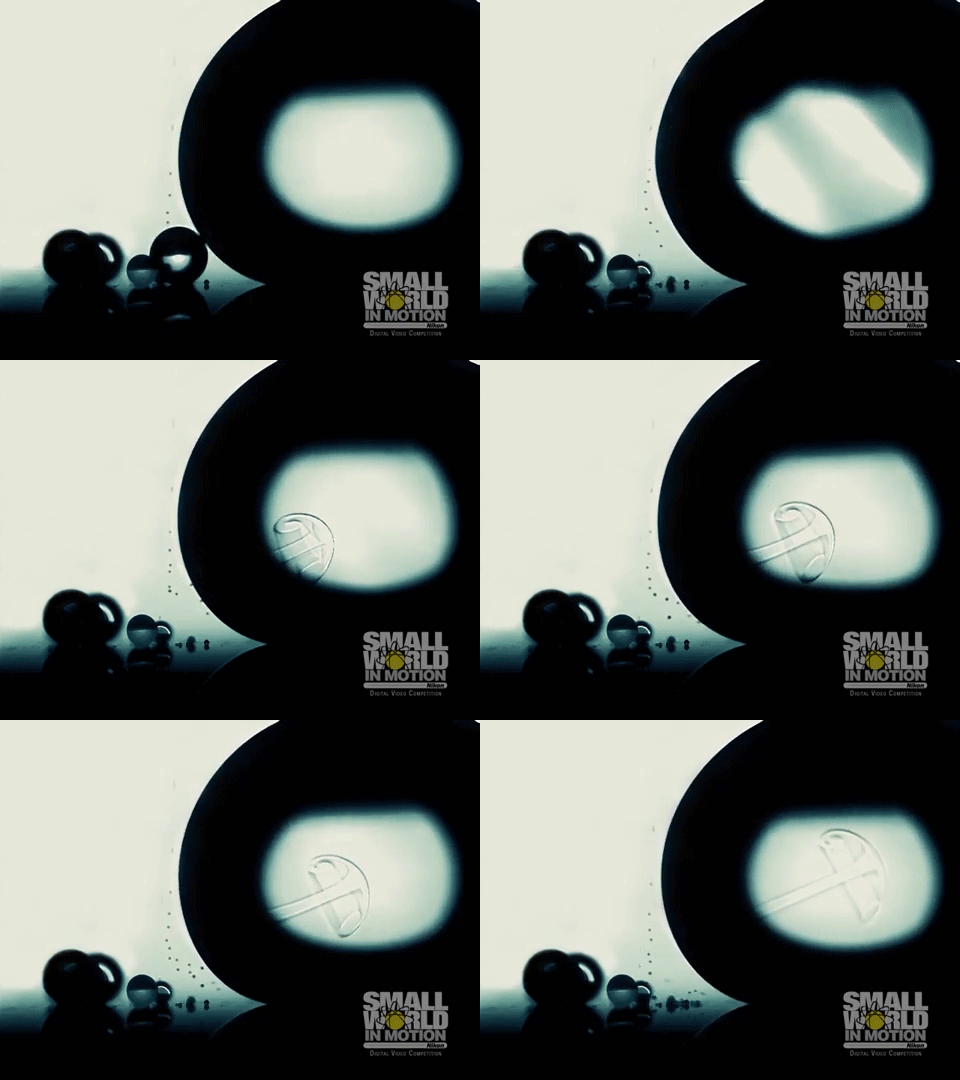
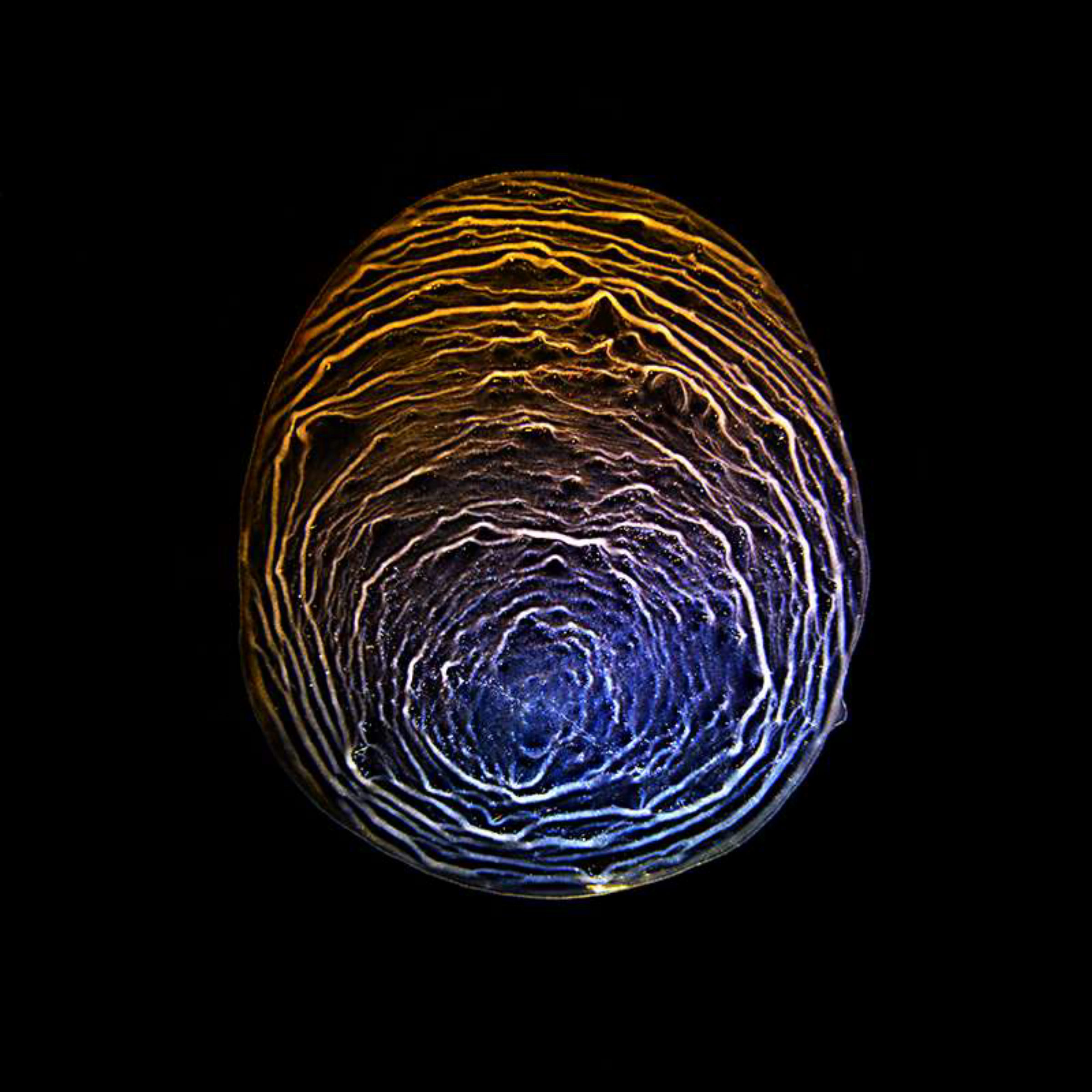
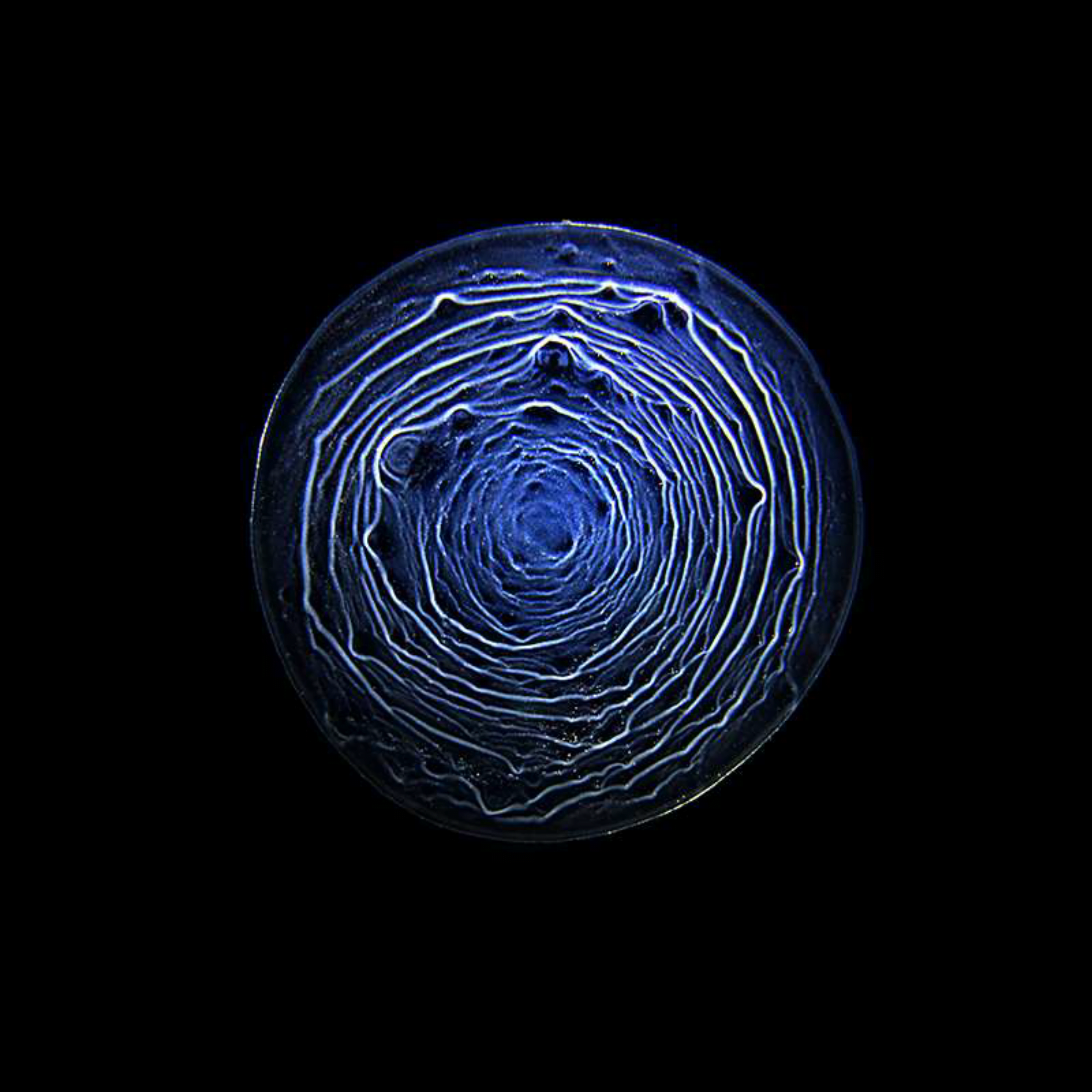
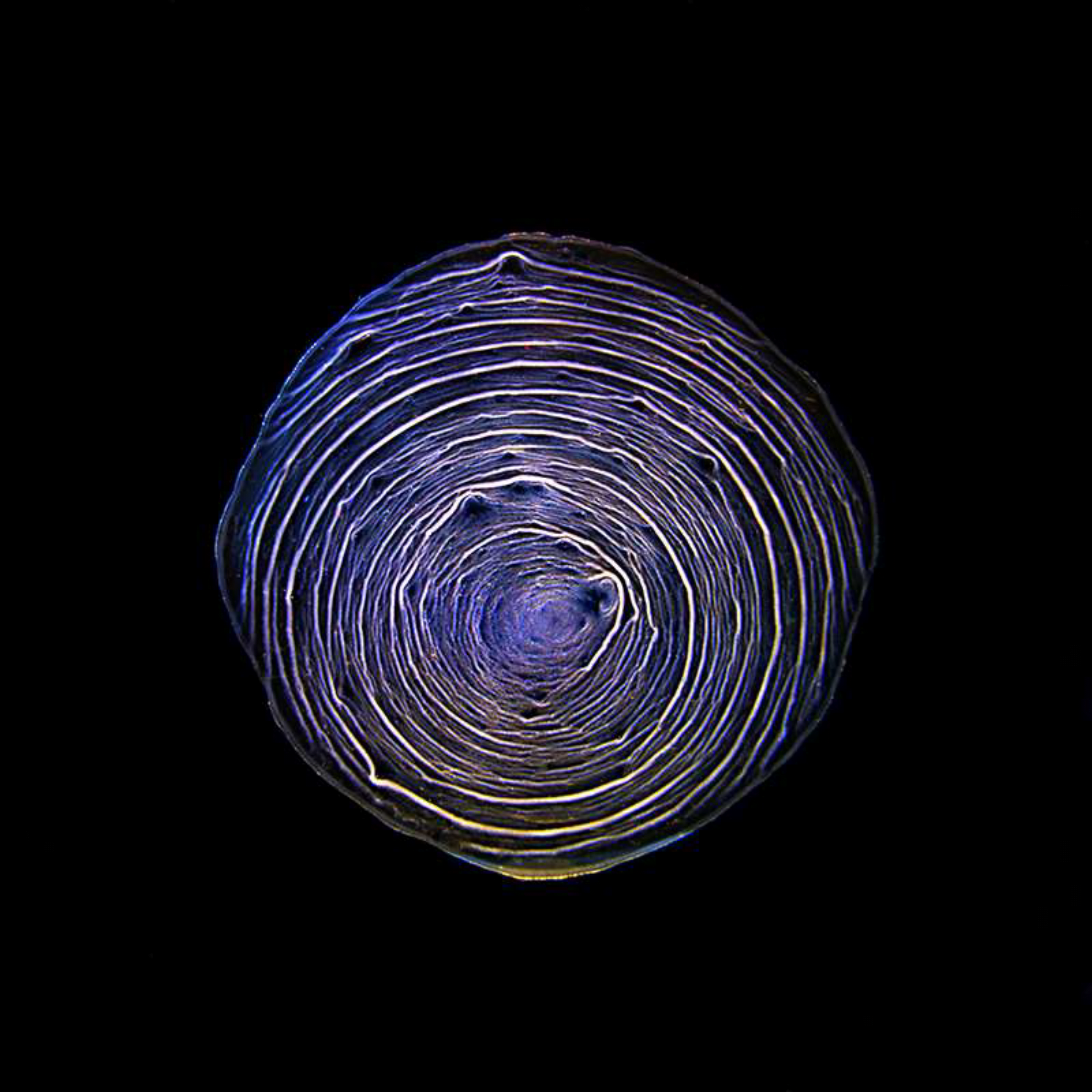
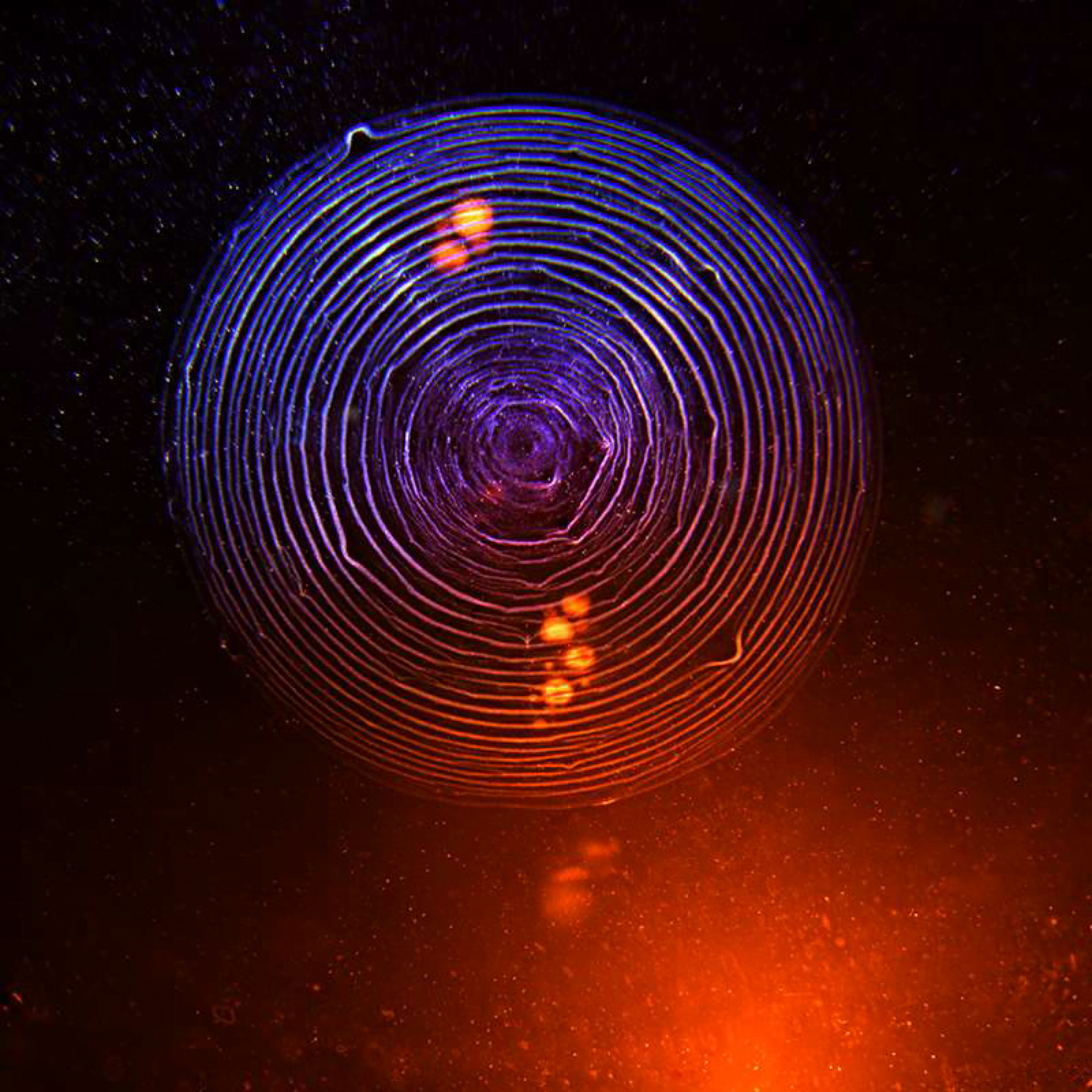
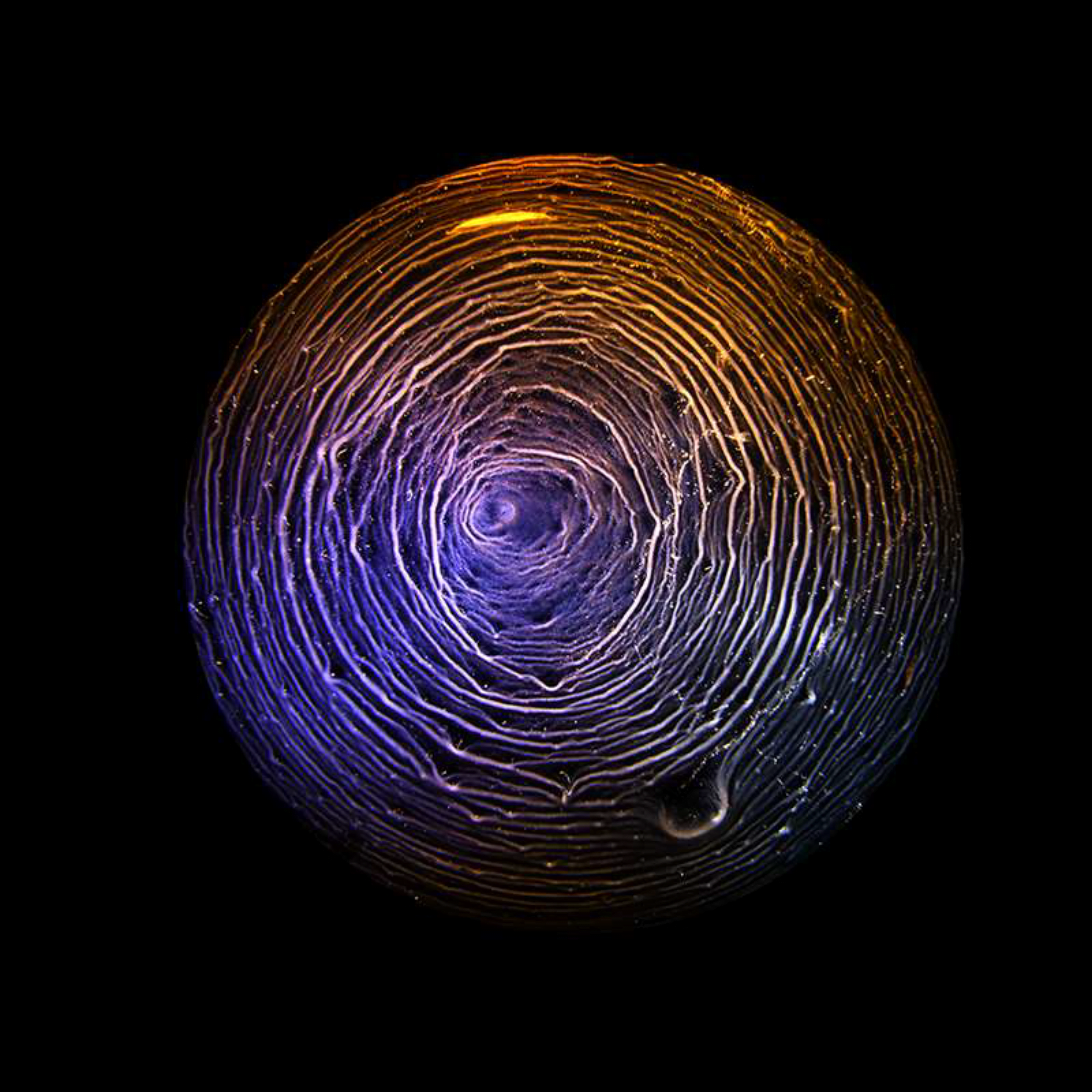
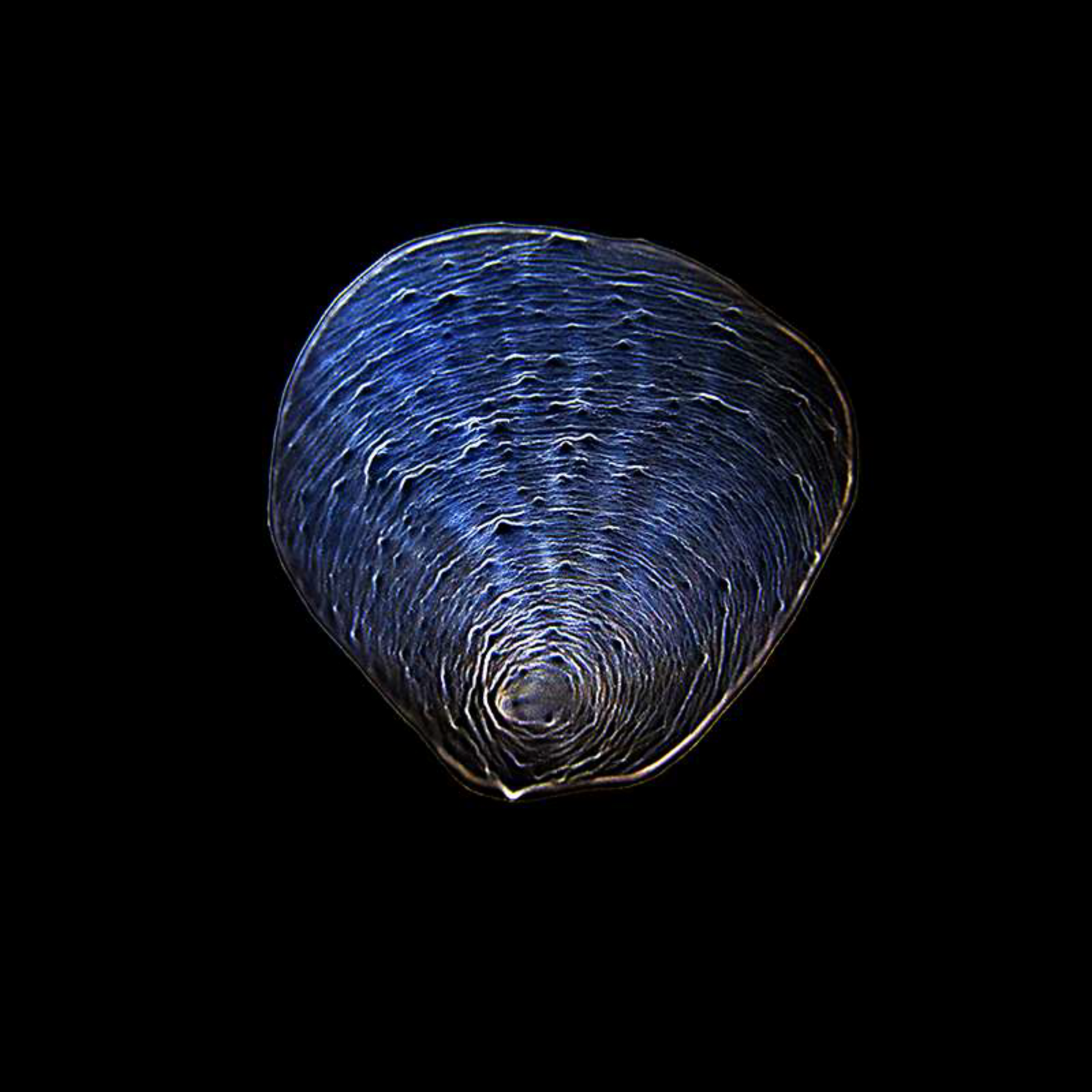
High-speed photography gives us an alternate glimpse of reality. Here it provides an all-new perspective on making espresso. Surface tension plays a starring role, first in pulling together the film that forms over the exit, then in creating the drips and drops that follow. The break-up of espresso into individual droplets is an example of the Plateau-Rayleigh instability, where surface tension drives any wobble in the falling jet to pinch off. For more slow-motion espresso, you can also check out this behind-the-scenes video. (Video and image credit: J. Hoffmann; submitted by Jerrod H.)
Category: Art

“Vorticity 3”
Mike Olbinski’s “Vorticity 3” is a stunning view of storm chasing in the American West. I’ve learned after years in Colorado to always look up because dramatic skies are common here, as is seeing rain falling miles away. Olbinski’s film captures all of that grandeur and more, giving all of us a glimpse inside the incredible storms that mark the summer months in this region. You’ll see spinning supercell thunderstorms, bulbous mammatus clouds, towering cumulus clouds, and more. (Video and image credit: M. Olbinski)

Ghostly Chandeliers

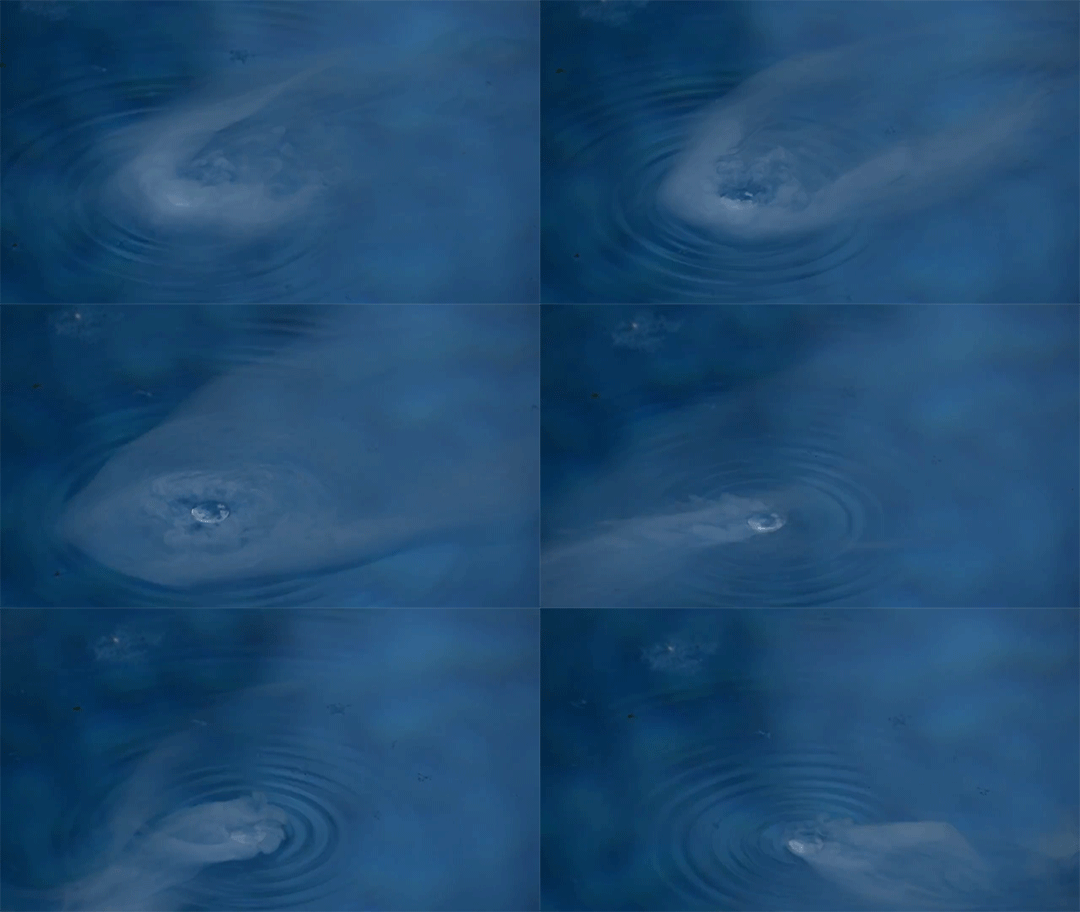
Under a black light, highlighter fluid creates ghostly trails as it drips through water. The vortices that form and break into this chandelier-like shape are the result of density differences between the ink and water. Since ink is heavier than water, it sinks, but as the two fluids flow past, they shear one another, forming elaborate shapes. Formally, this is known as the Rayleigh-Taylor instability. While you may be most familiar with it from pouring cream into coffee, it’s also a key to mixing in the ocean and the explosions of supernovas. (Image credit: S. Adams et al.; via Flow Vis)

“Waves”
The “Waves” installation by artist Daniel Palacios appears deceptively simple, just a rope mounted between two motors. But once the motors start spinning, it is anything but. The installation shifts in response to those around it, creating varying numbers of steady, standing waves or even wildly chaotic ones that whistle through the air. It’s a neat visualization of one of the most commonly-measured quantities in physics: the changes in a wave with time. (Video and image credit: D. Palacios; via Flow Vis)

Audubon Photography Awards
Several of this year’s Audubon-Photography-Award-winning photos feature birds interacting with fluids. The Grand Prize Winner, by Joanna Lentini, features a diving double-crested cormorant. Like many other species, these cormorants launch themselves into shallow waters from above and endure some incredible forces to do so. They’re no slackers underwater, either; when I encountered a flightless cormorant while snorkeling in the Galapagos, it outswam me in an instant.
The other prize winners above are a little more splashy. The American dipper’s splash curtain comes from sticking its head underwater in search of prey. The Anna’s hummingbird seen in the last image is playing in the spray of a fountain and showing off its aerial agility while doing so! (Image credits: cormorant – J. Lentini, dipper – M. Fuller-Morris, hummingbird – B. Ghosh; via DPReview; submitted by Kam-Yung Soh)

“Oooh !! My Delicious Coffee”
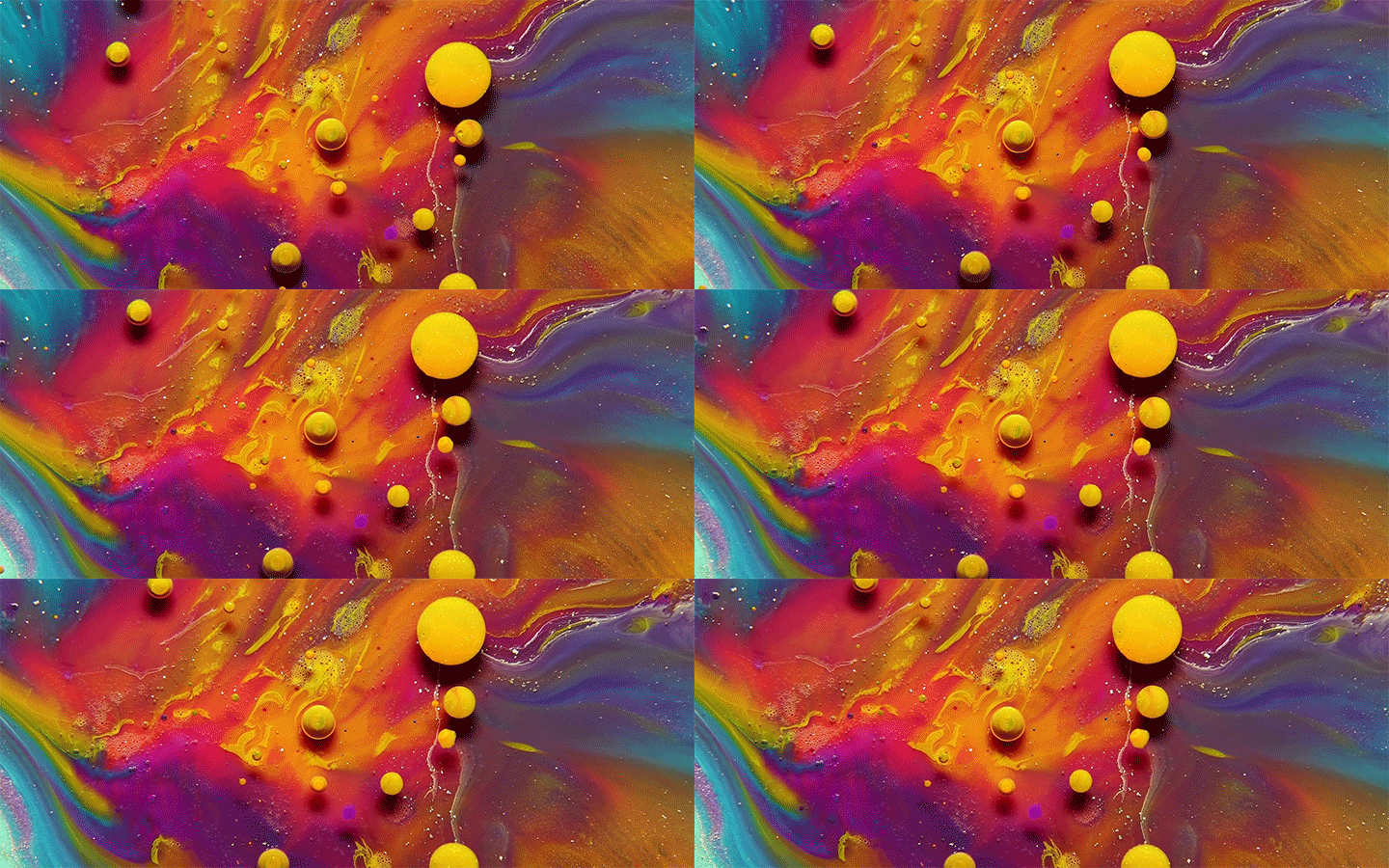
I’m not a coffee person, but Thomas Blanchard’s “Oooh !! My Delicious Coffee” manages to capture my favorite part of the beverage – watching cream and coffee mix. From feathery flows driven by surface tension to droplets floating like miniature cappuccinos, the short film features many of the fantastical landscapes we find when staring into a coffee cup. But don’t get too eager to drink it; Blanchard used a combination of coffee, oil, and paint to achieve those effects! (Image and video credit: T. Blanchard)

Alien Eggs? A Virus?
Nope, they’re hydrogel beads! The team at Chemical Bouillon seem to have once again coated them in something like paint before placing them in water. As the gel beads absorb water, they expand, tearing through their coating. The result is weirdly mesmerizing and kind of creepy. It’s no wonder that special effects artists have historically turned to fluids for sci-fi films! (Image and video credit: Chemical bouillon)

Making Waves
The Seoul Aquarium is now home to an enormous crashing wave, courtesy of design company d’strict. Check out several different views of the anamorphic illusion in their video above. There’s no word on the techniques used to generate the animation, but it’s certainly a cool visual! (Image and video credit: d’strict; via Colossal)

Mammatus Clouds
Mammatus clouds are a relatively rare and dramatic variety. One advantage of living in Colorado is that I see them somewhat often, especially during our stormy springs and summers. This video by Mike Olbinski features a dramatic skyscape of mammatus clouds (here in Colorado, natch) at sunset.
Although they’re often associated with stormy weather, there’s no widely accepted theory as to how mammatus clouds form. Their lobe-like protrusions form from cold, sinking air, but this is about as far as theories agree. It’s even unclear what their relation to extreme weather may be since these short-lived cloud formations can appear around, before, or even after such weather. (Image and video credit: M. Olbinski)

“As Above”
In Roman Hill’s “As Above,” we see expansive celestial landscapes: nebulae, the corona of a star, and expanding interstellar dust clouds. Except, in reality, we are watching fluids undergoing a chemical reaction, on a canvas only 8 square millimeters in size. It’s a fun — and beautiful — reminder that the patterns of physics repeat across many scales. (Video and image credit: R. Hill)