Category: Art

  • The Dragon’s Eye

    The Dragon’s Eye

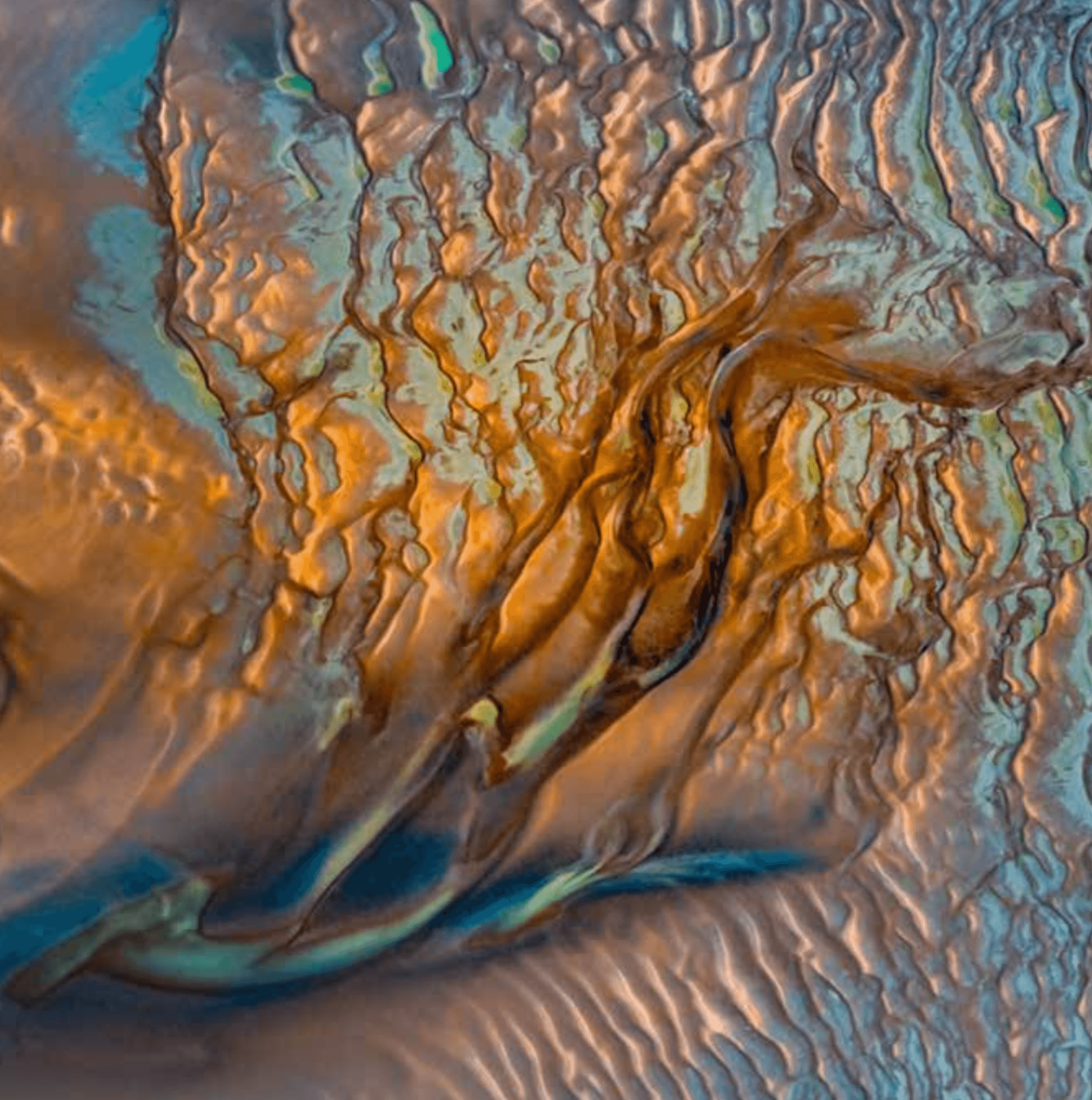
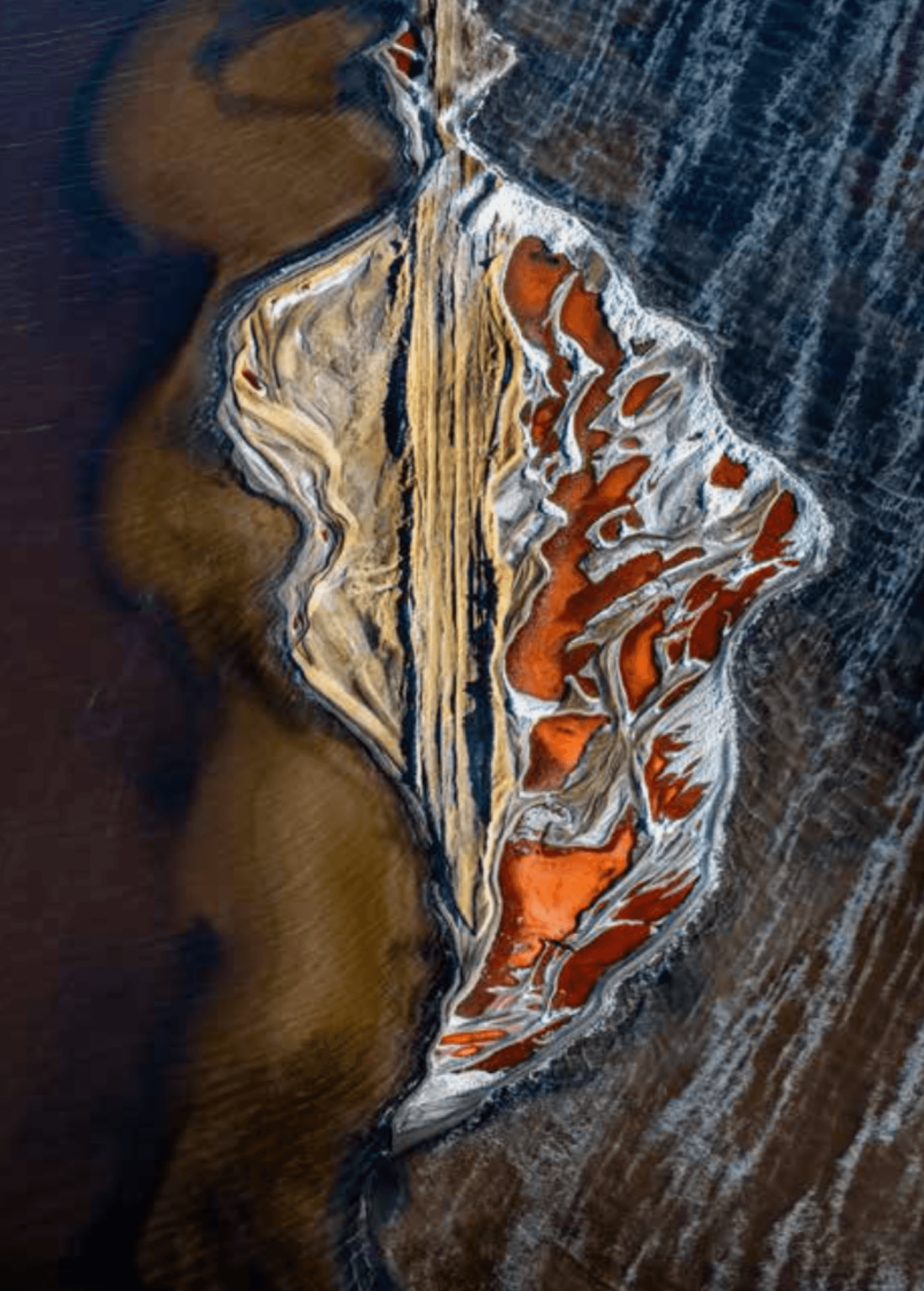
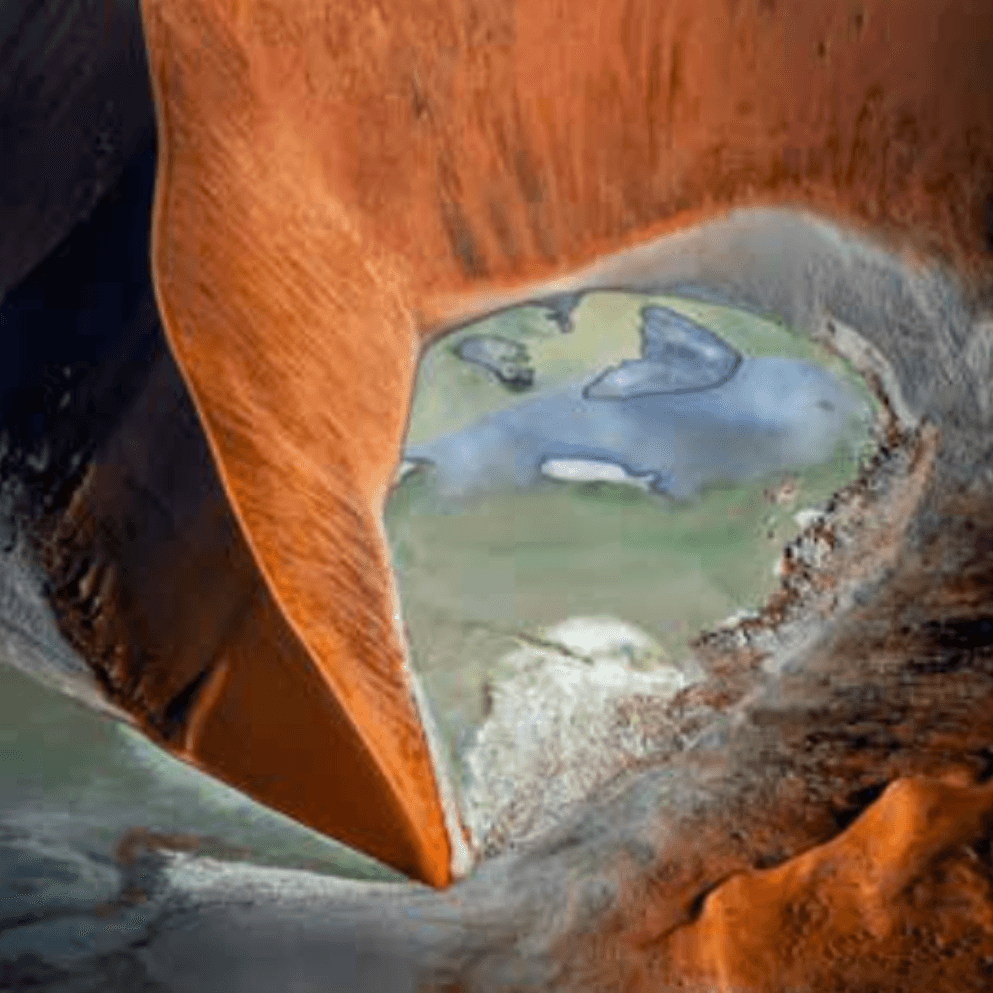
    Looking down on a Icelandic geothermal pool gives a view into a dragon’s eye in this drone image by photographer Miki Spitzer. It won the Gold distinction in the World Nature Photography Awards’ “Planet Earth’s landscapes and environments” category. I particularly like how the mineral-rich stains left by evaporating water highlight the texture of the ground nearby, giving the impression of the dragon’s scales. (Image credit: M. Spitzer/WNPA; via Colossal)
    "The eye of the dragon" by Miki Spitzer, Gold winner in the Landscapes category of the World Nature Photography Awards.
  • “Spiralling Textures”

    “Spiralling Textures”

    Wet fur forms a spiral of spiky hairs in this image by photographer Ben Dalgleish. For thin and flexible fibers like hair, a little moisture lets them clump together, forming stiffer (but still flexible) shapes. The technical term for this water-meets-flexible-solid phenomenon is elastocapillarity, and it lets you do things like wind a wire with a bubble. It also makes a big difference when washing hair, including in space. (Image credit: B. Dalgleish/BWPA; via Colossal)
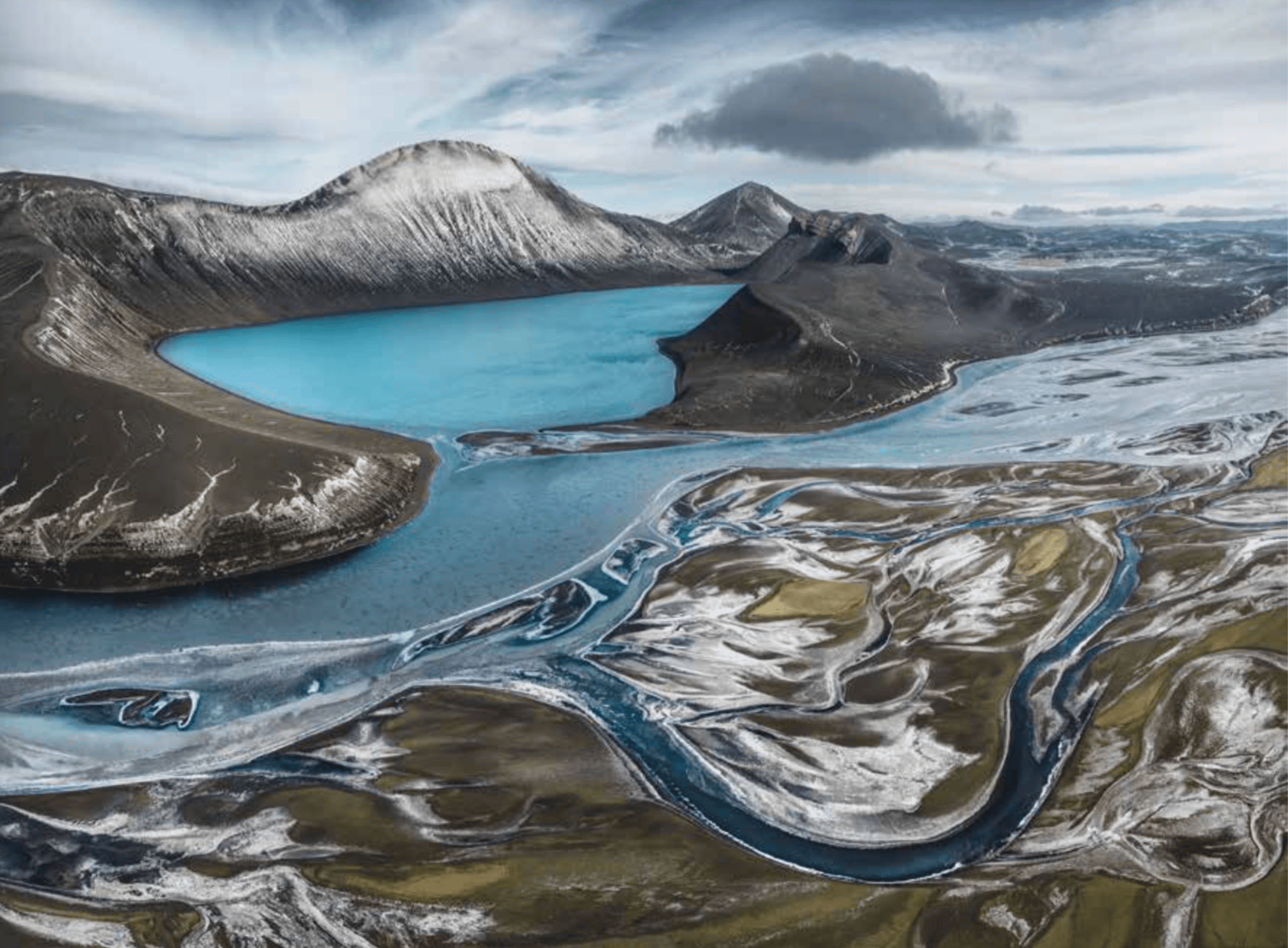
    "Spiralling Textures" by Ben Dalgleish
    Fediverse Reactions
  • Aflutter in the Breeze

    Aflutter in the Breeze

    Fabrics flutter in seemingly impossible ways in artist Thomas Jackson‘s images. But despite first appearances, each photograph is true to life; the fabrics are suspended on taut lines. Their dance is driven by wind energy, drag, tension, and flow–not manipulated pixels. I love the (turbulent) energy of them! (Image credit: T. Jackson; via Colossal)
    Fediverse Reactions
  • Featured Video Play Icon

    “Frozen Waves”

    Photographer Jan Erik Waider is a master of capturing incredible landscape imagery. In these videos, he uses a drone to film waves in the Baltic Sea gently undulating polygonal slabs of ice on the ocean surface. The interplay of light, color, and motion looks almost surreal, but nature is better than we credit at making imagery too good to look away from. (Video and image credit: J. Waider/NorthLandscapes; via Colossal)

    Fediverse Reactions
  • Insect Wings in Extreme Macro

    Insect Wings in Extreme Macro

    Photographer Chris Perani is fascinated by the microstructures of insect wings, which he captures in “extreme macro” through focus stacking–letting us see wings in glorious micron-scale detail. In addition to giving insects their brilliant colors and irridescence, these structures serve another key role: they help insects stay dry. In a world where contact with water is unavoidable, insects have instead evolved to trap air in the gaps of their wings, letting water slide off instead of sticking. (Image credit: C. Perani; via Colossal)

    Fediverse Reactions
  • Frog Kick

    Frog Kick

    A toad swims across a pond in this award-winning image from photographer Paul Hobson. The shot was actually captured from below the water, with the camera kept dry in a glass housing. Although the frog appears to be mid-leap, the light-distorting ripples around its feet hint at the flow its kick generated. It’s reminiscent of the vortices left by water striders as they move. (Image credit: P. Hobson/BWPA; via Colossal)

    “A Toad Swims Across Its Woodland Pond” by Paul Hobson
    Fediverse Reactions
  • Glacial Blues

    Glacial Blues

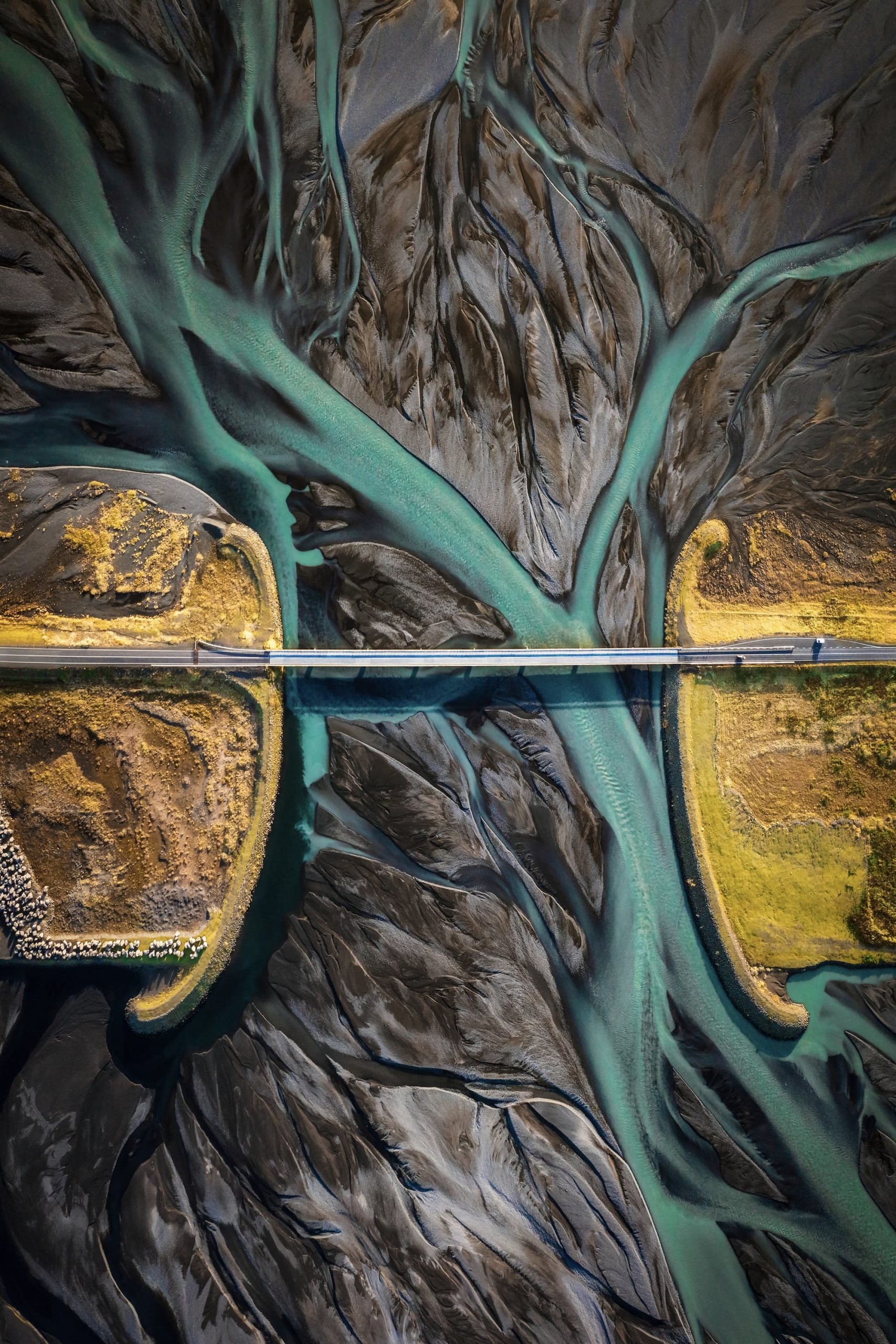
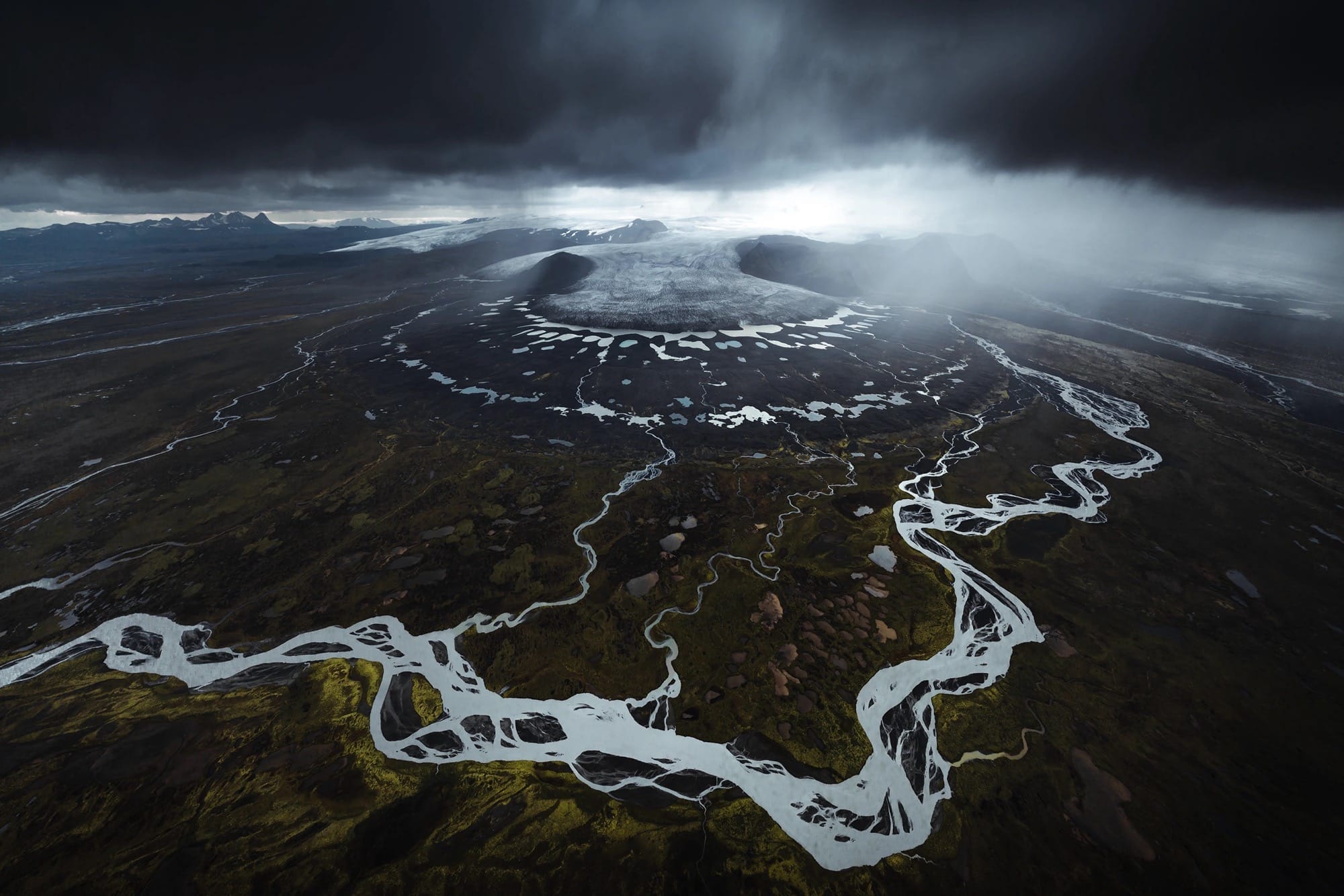
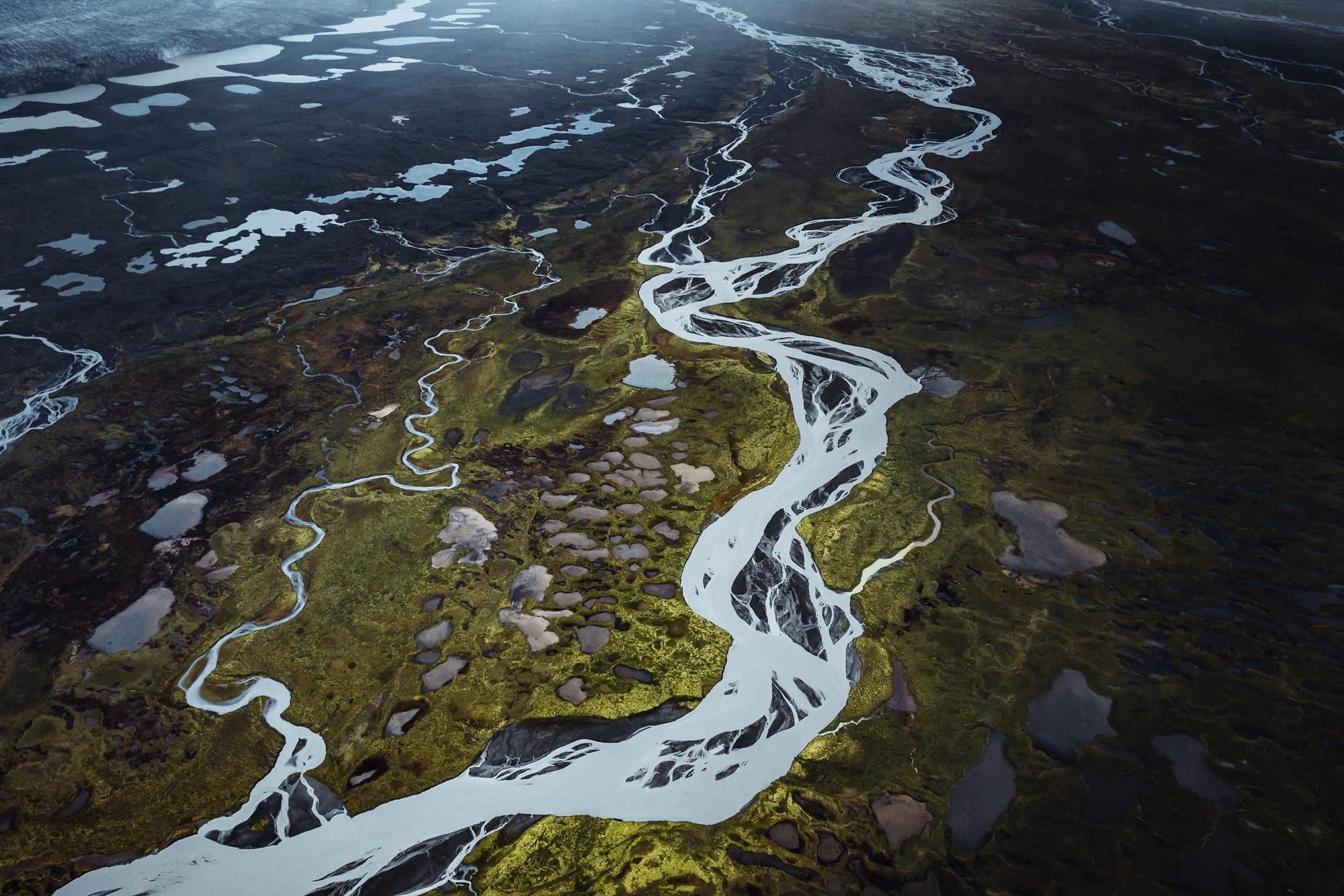
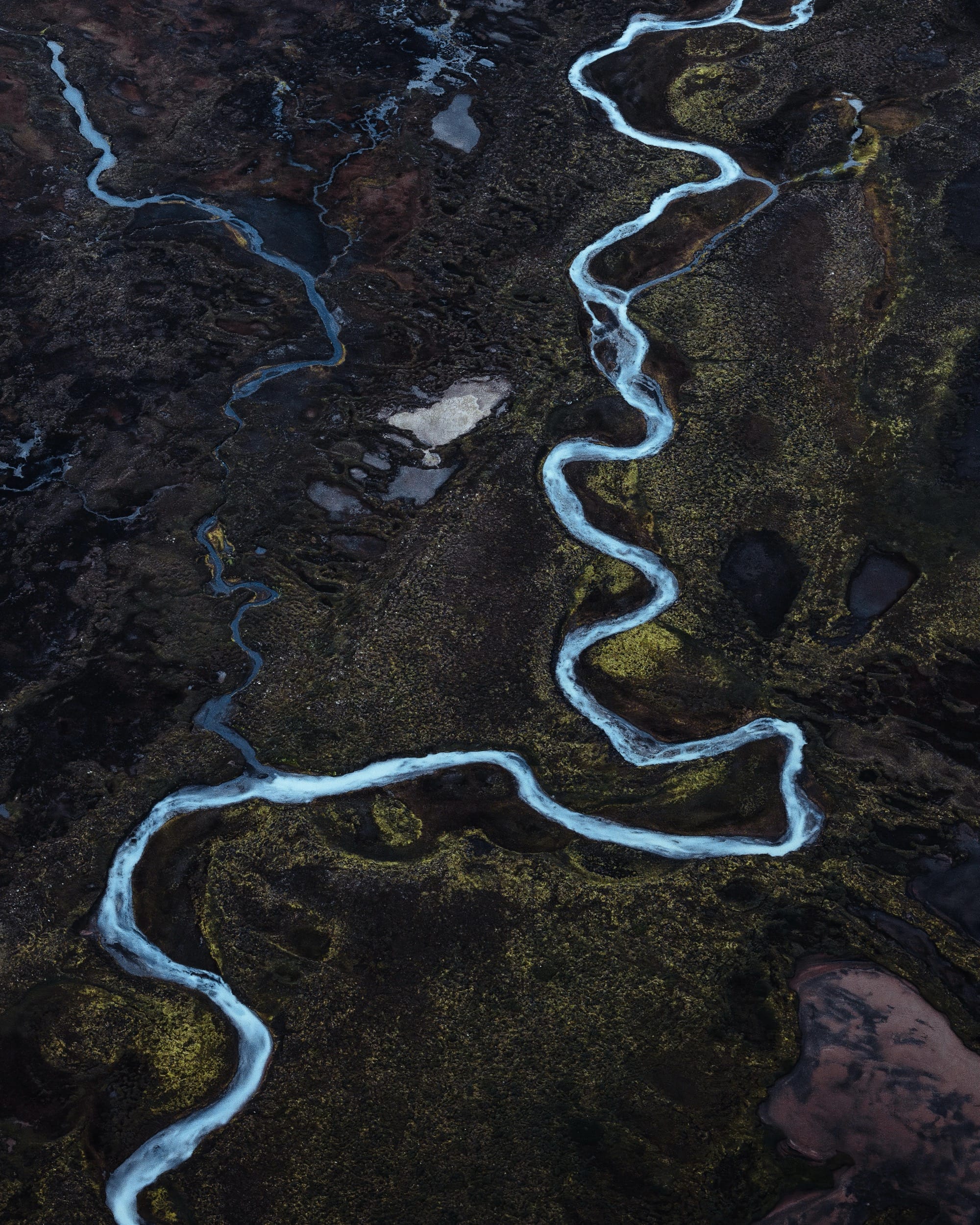
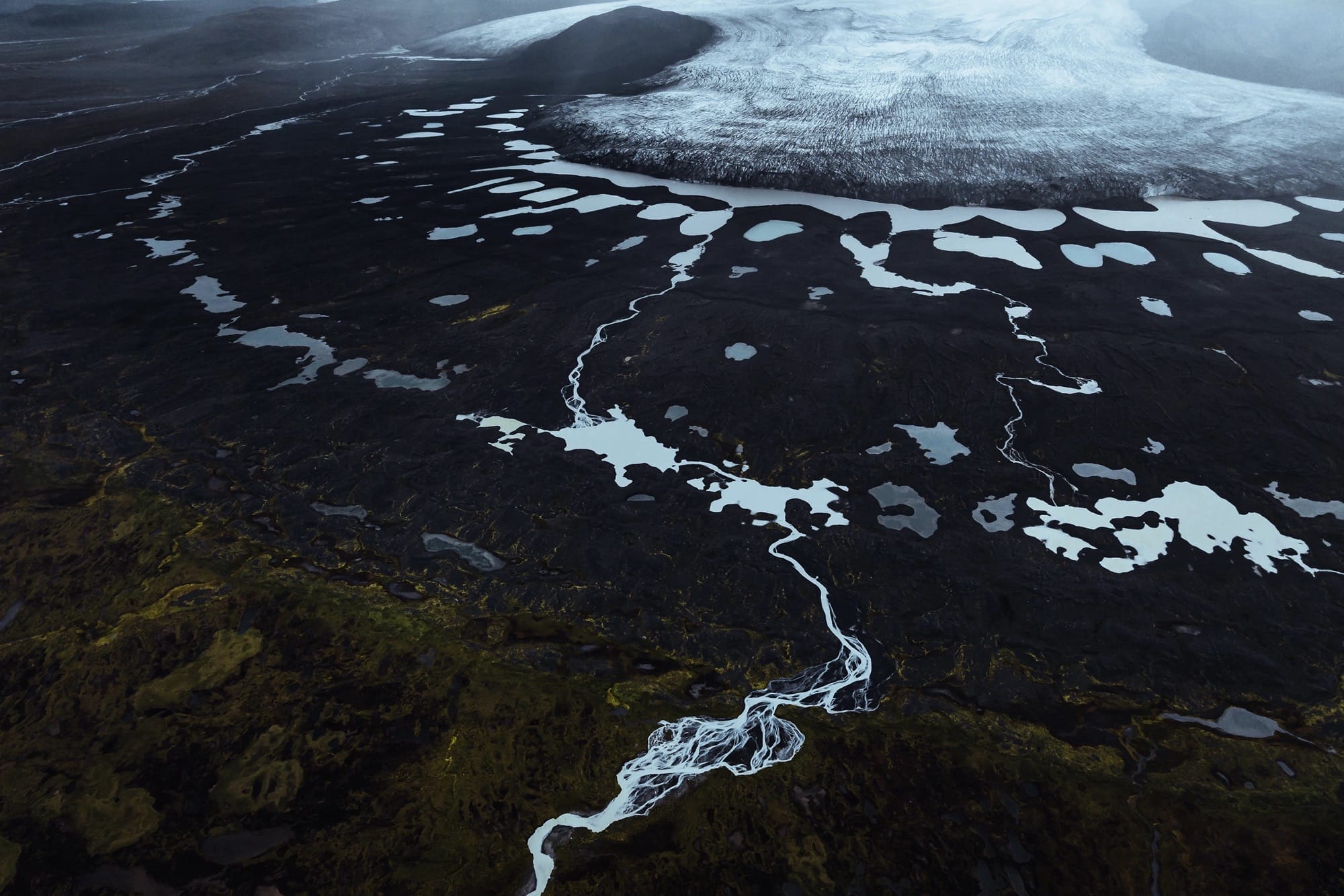
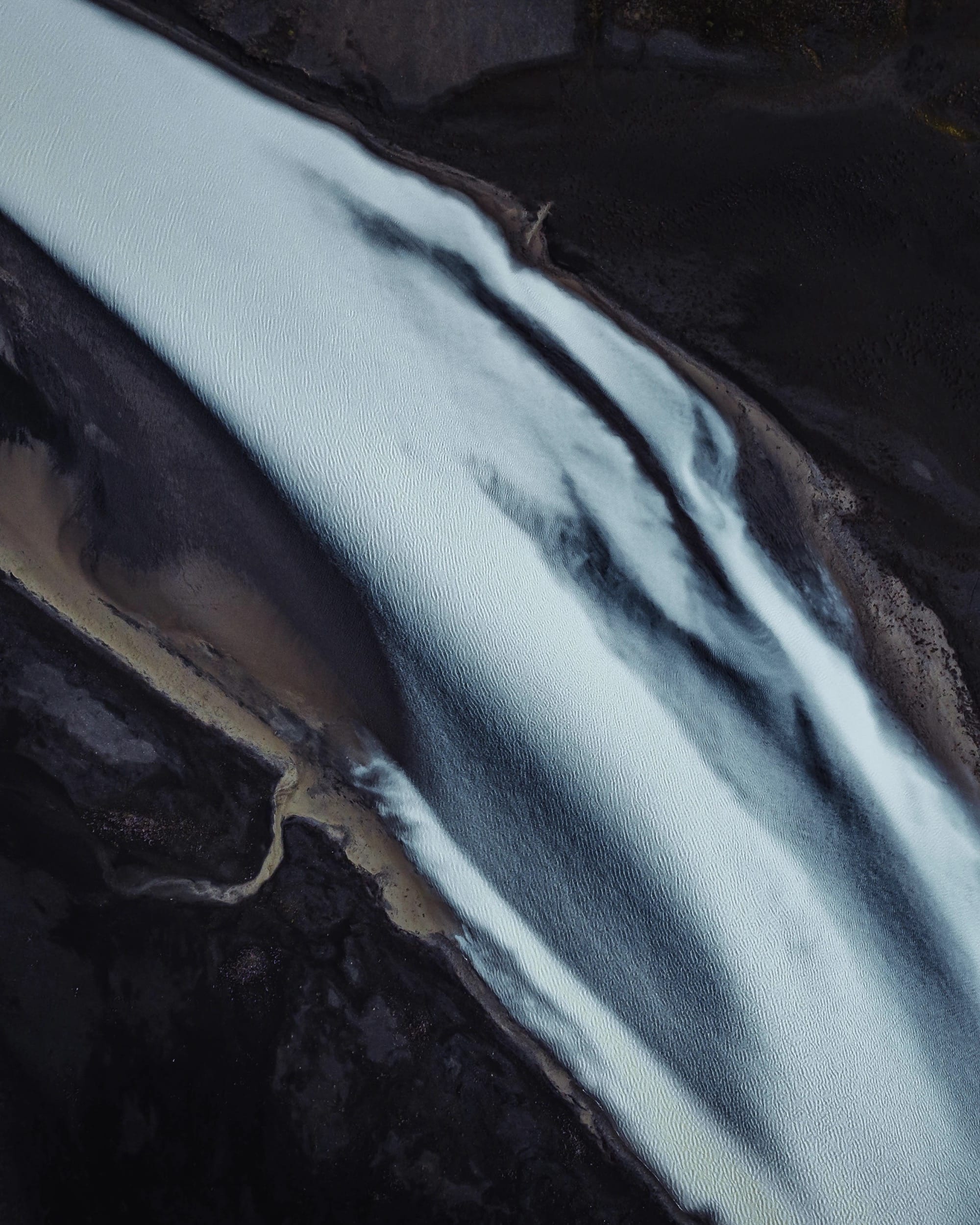
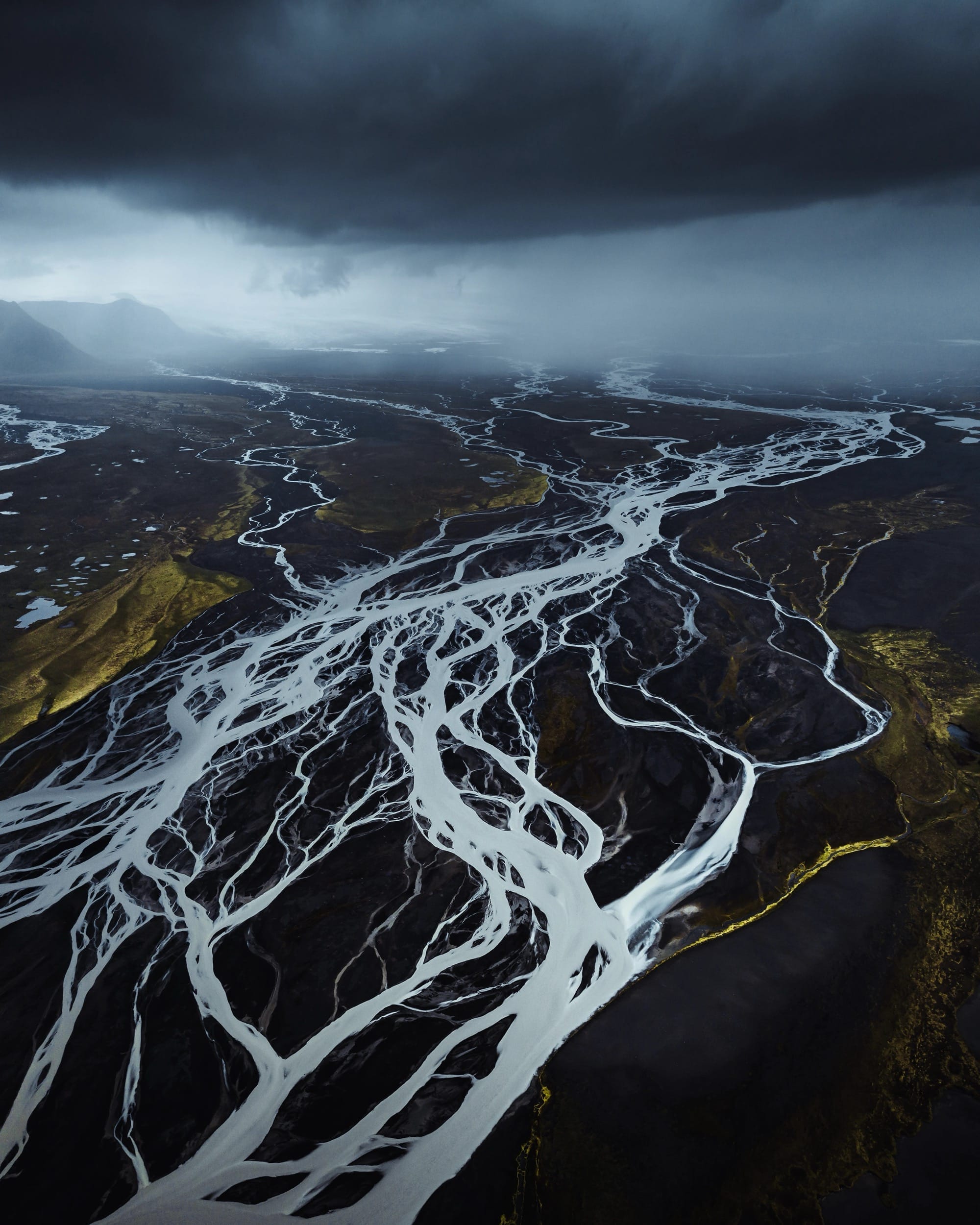
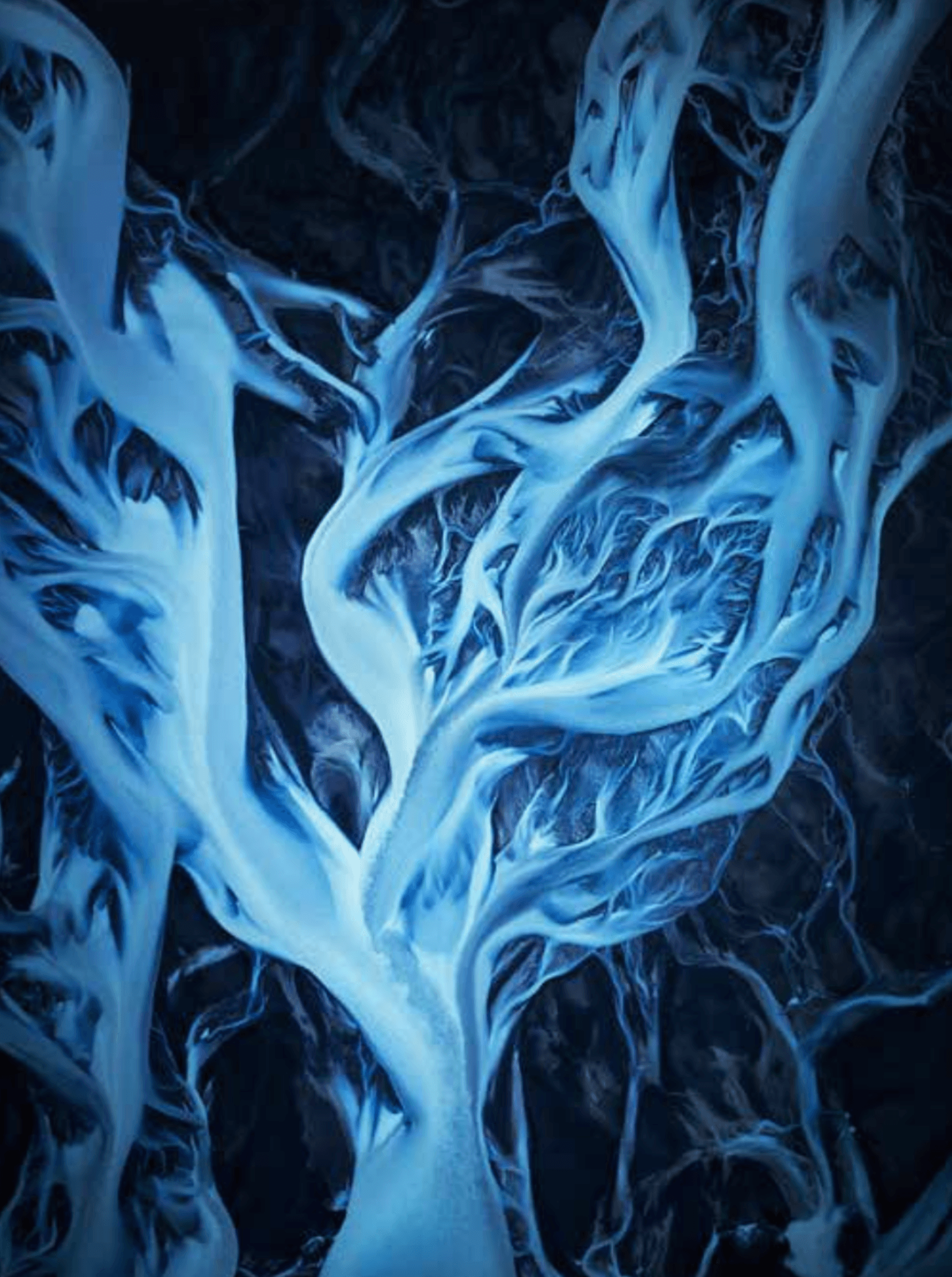
    Meltwater braids like a river delta in this gorgeous image from photographer Stuart Chape. It earned the Silver distinction from the World Nature Photography Awards in their “Planet Earth’s landscapes and environments” category. Water takes tortuous paths like these as it tries to balance the local incline, erosion, deposition, and flow rate. (Image credit: S. Chape/WNPA; via Colossal)
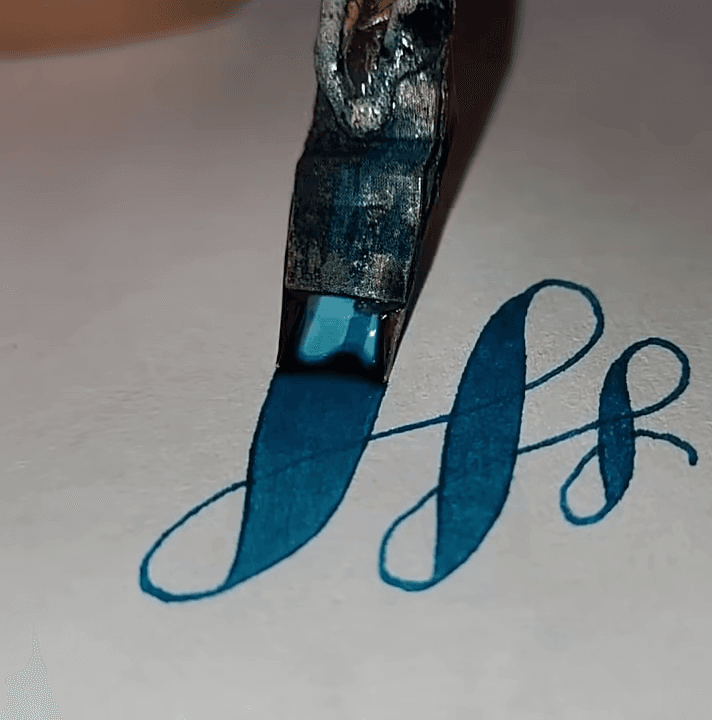
    "Glacial blue" by Stuart Chape, Silver winner in the Landscapes category of the World Nature Photography Awards.
  • “Quiet Pulse” and “Another World”

    “Quiet Pulse” and “Another World”

    Light shines dimly through the wall of an ice cave in this photograph by Marie-Line Dentler. Shaped by melting, pressure, freezing, and fracture, these structures are dynamic and ethereal. (Image credit: M. Dentler; via Colossal)

    Detail of an ice cave in Iceland, by Marie-Line Dentler.
    View in an ice cave by Marie-Line Dentler.
    Fediverse Reactions
  • Featured Video Play Icon

    “The Haboob”

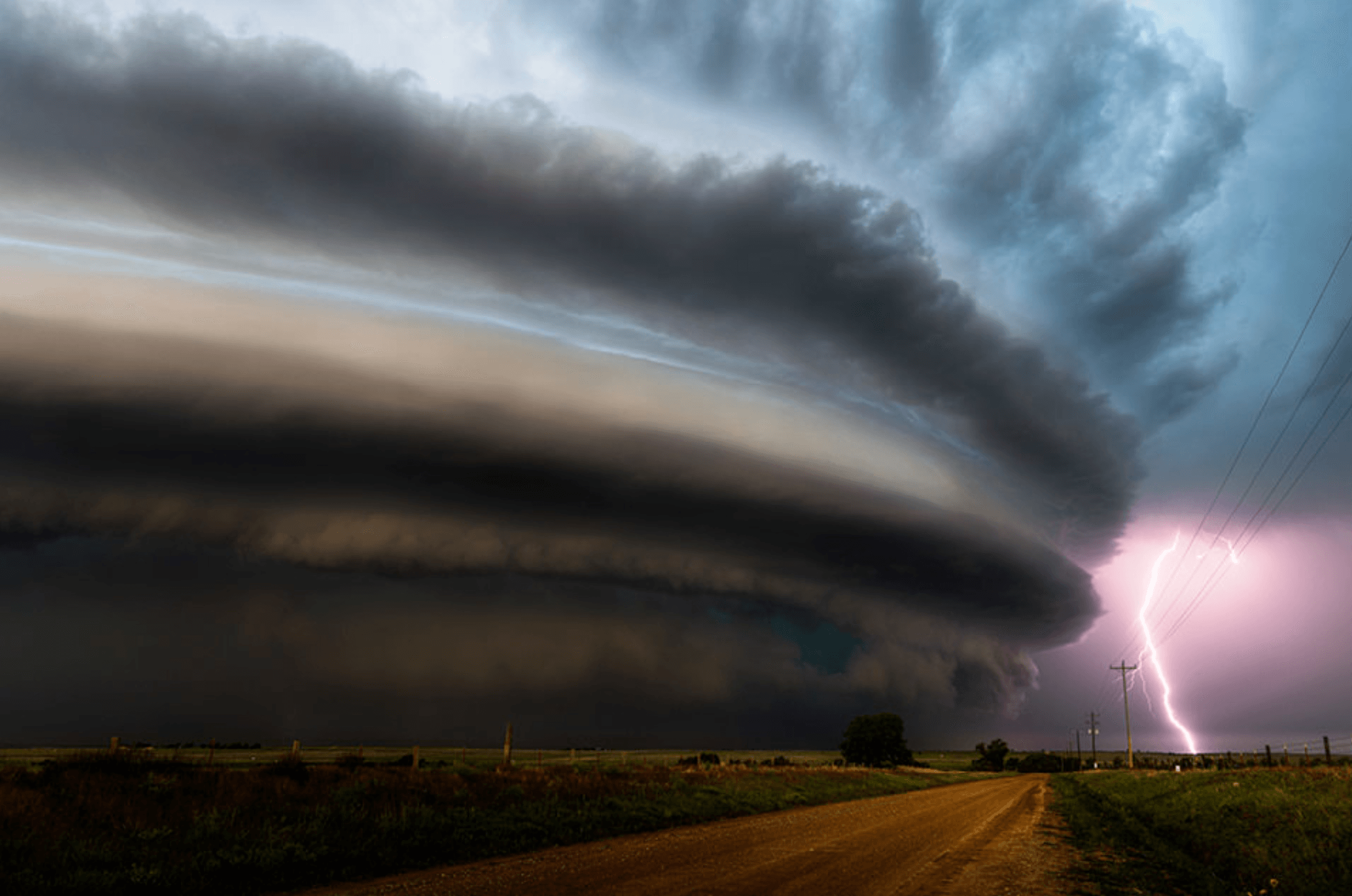
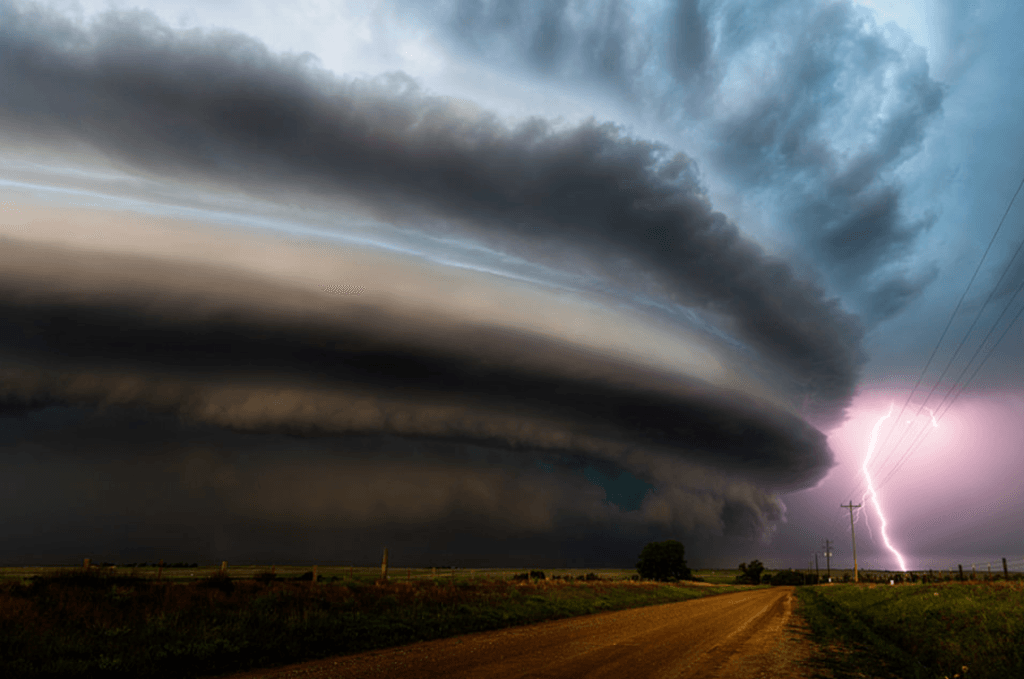
    Haboobs are a dust storm driven by the strong winds at the forefront of weather fronts and thunderstorms. Those powerful winds pick up dust in arid and semi-arid landscapes, creating billowing, turbulent clouds that appear downright apocalyptic.

    This particular haboob formed in Arizona in August 2025 and was caught in timelapse by photographer and storm chaser Mike Olbinski. The visuals–as always–are incredible. Definitely watch to the very end, as the haboob advances on the runway at Sky Harbor Airport. The tension is palpable as you watch flights line up and try to make it off the ground before the haboob swallows them. (Video and image credit: M. Olbinski)

    Fediverse Reactions
  • “Arctic Fox in Blizzard”

    “Arctic Fox in Blizzard”

    A blue arctic fox bears the wind and snow of a Norwegian blizzard in this image by photographer Klaus Hellmich. The wind is strong enough to move snowflakes several centimeters in the time the camera’s shutter is open. This leaves the image full of streaklines that reveal the paths taken by the wind and snow. This visualization technique is useful in the lab, too. (Image credit: K. Hellmich; via Colossal)
    "Arctic Fox in Blizzard" by Klaus Hellmich.
    Fediverse Reactions