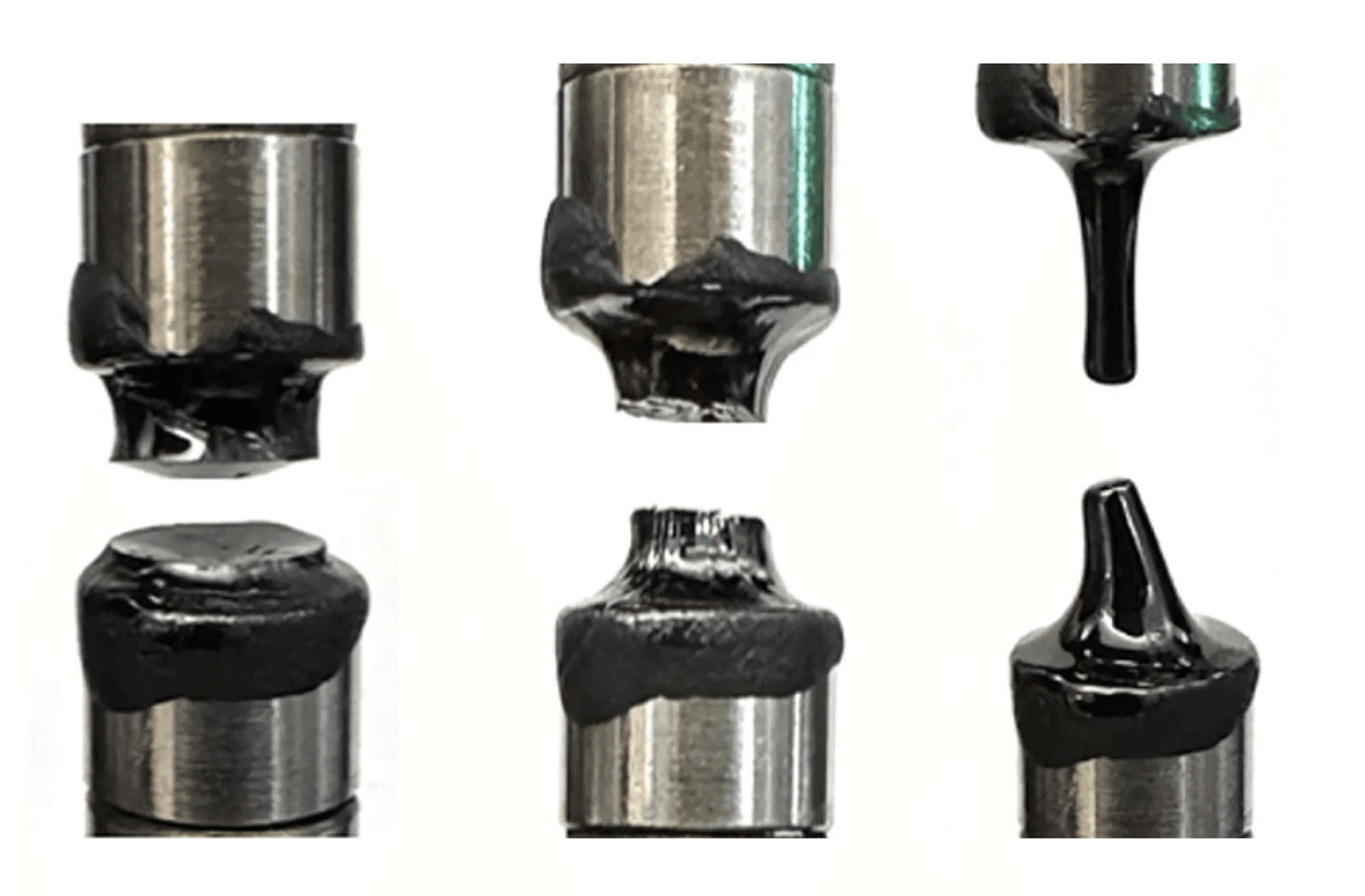
Fracture is a sudden, brittle breaking-apart that we generally associate with solid materials that get stressed too far. Some viscoelastic, non-Newtonian fluids have been known to fracture, but that was generally thought to be unusual. But a recent study turns that idea on its head, revealing that even simple, albeit highly viscous, liquids can fracture.
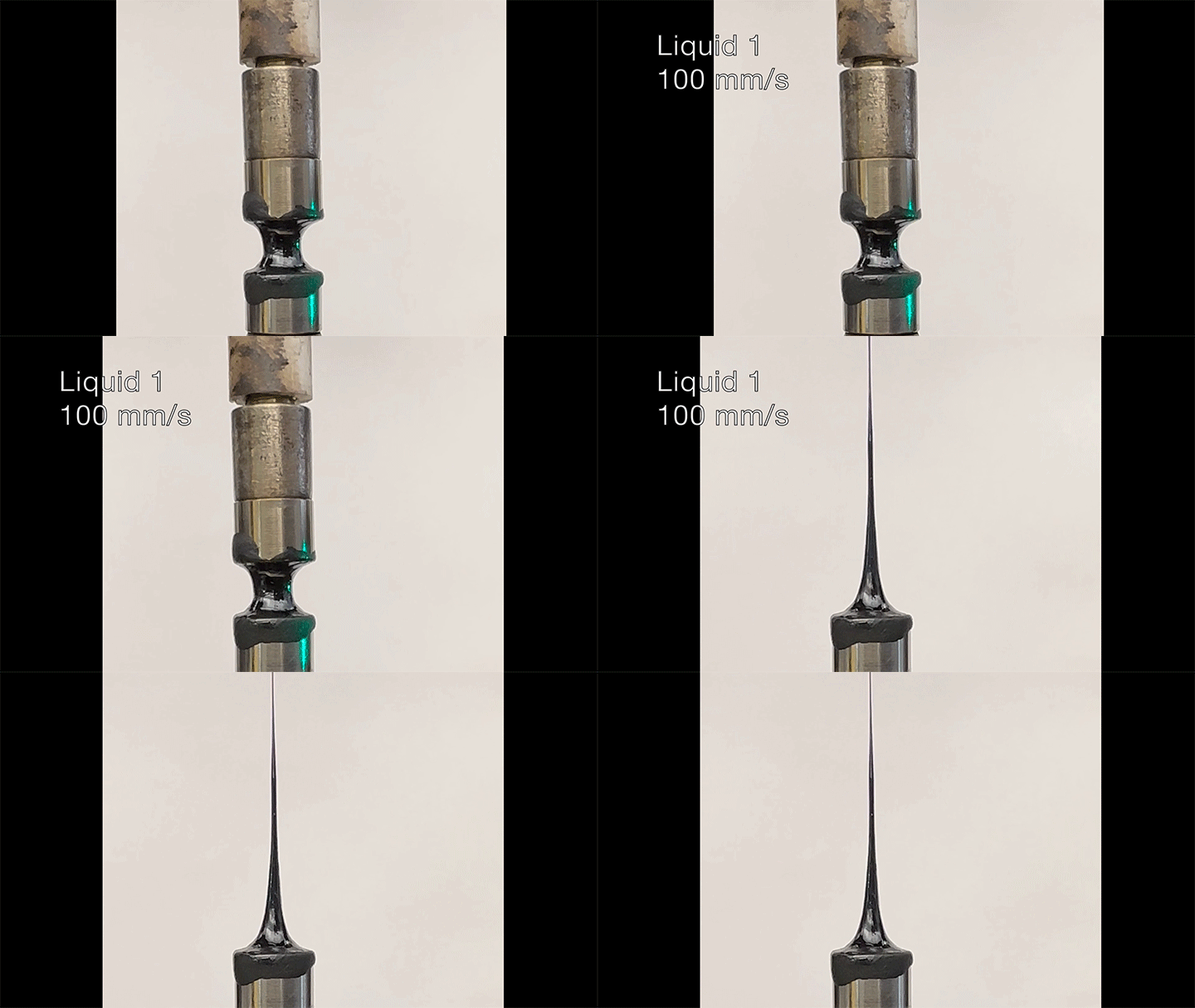
When you stretch a liquid, the general expectation is what you see above: the liquid gets drawn into an ever thinner shape. But researchers found that–when stretched quickly–that same simple hydrocarbon liquid cracked open:
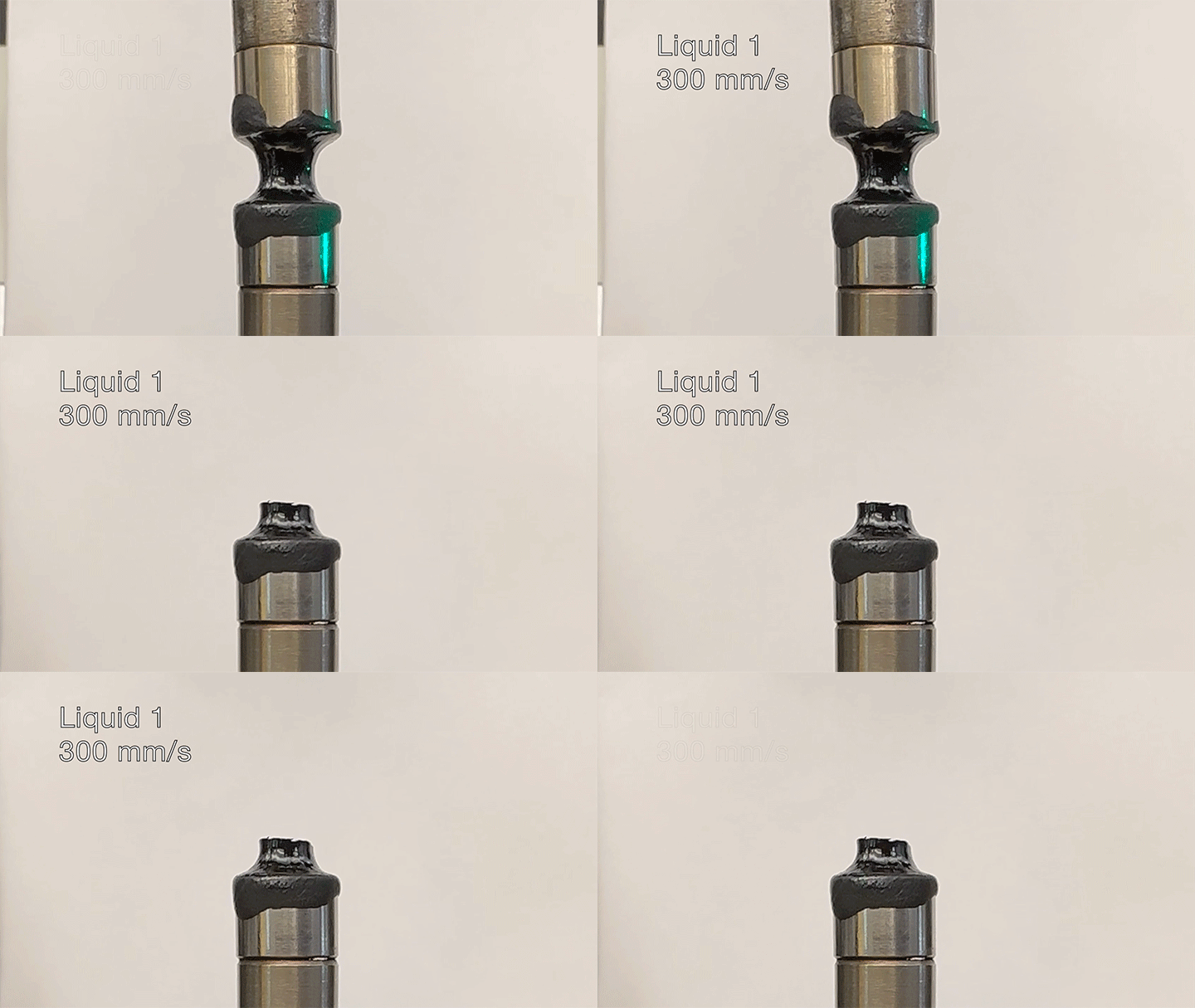
There’s even an audible snap, which you can hear in the video below. The results were so surprising that they repeated the experiment several times and with different viscous (but Newtonian) liquids. The results held. When the liquids were pulled to a critical stress, they audibly snapped and fractured like a solid.
The next question, of course, is why this happens. The authors suspect (but have yet to show) that cavitation may be at play in the initiation of the crack that separates the liquid in two. (Image, video, and research credit: T. Lima et al.; via Gizmodo)



Leave a Reply