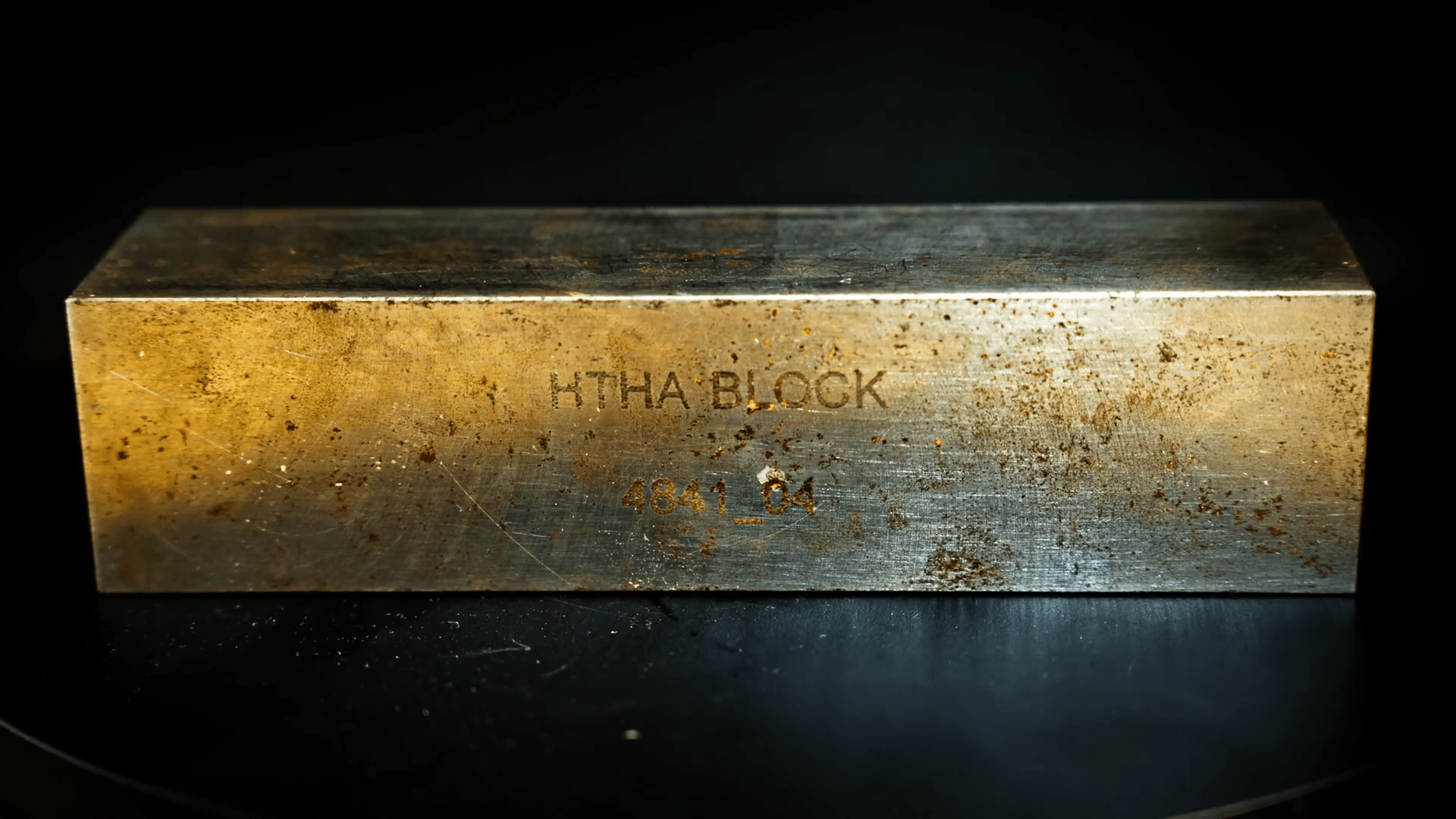
We typically think of a chunk of metal as being solid and unchanging. Maybe you get a little oxidation on the outside surface, but everything stays the same inside, right? As Steve Mould explains in today’s video, in some applications, the situation isn’t that simple.
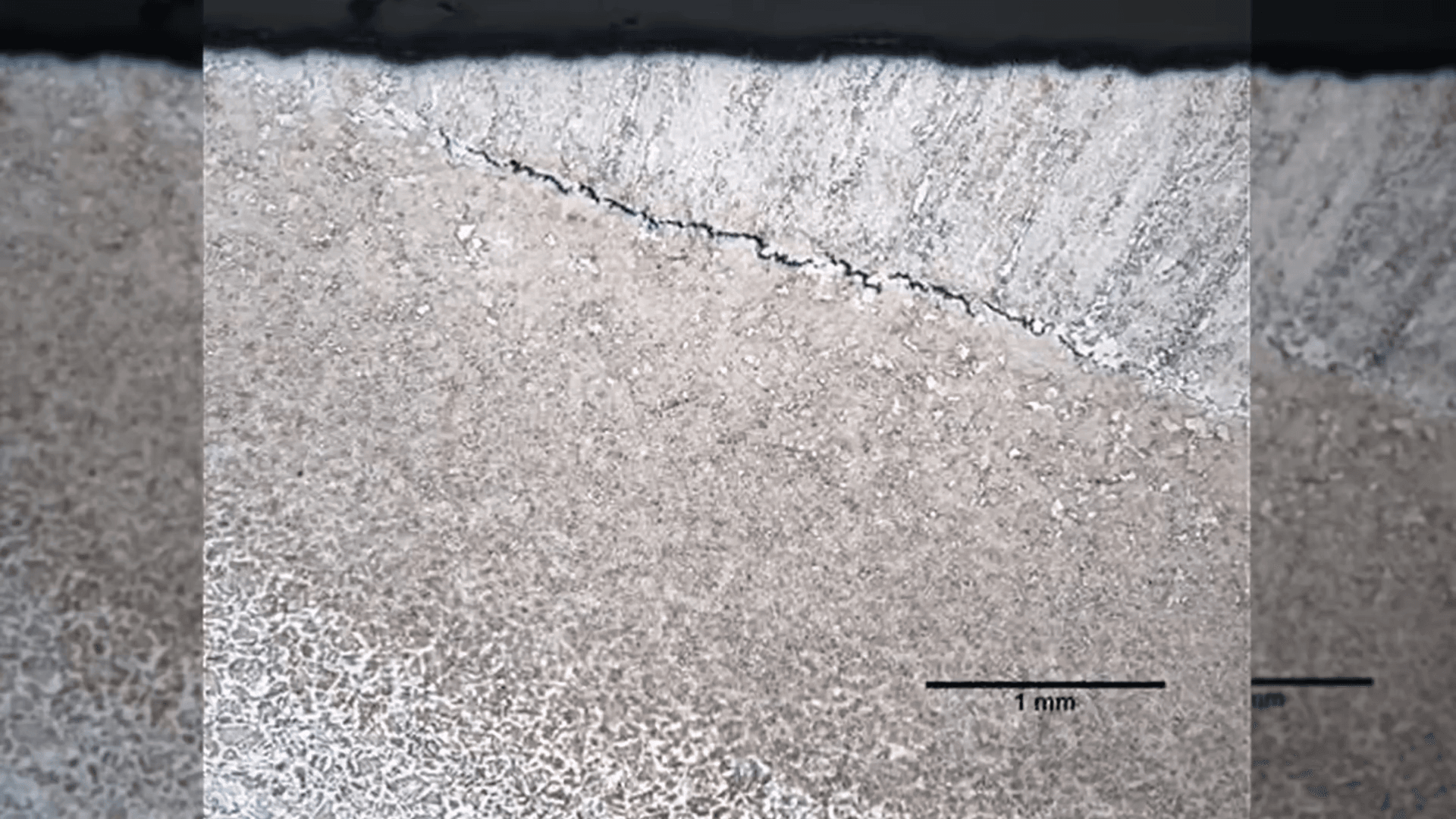
In particular, steel is vulnerable to hydrogen gas squeezing in between its atoms. When that happens, those hydrogen atoms can hook up with carbon inside the steel to form bubbles of methane that gradually grow and weaken the metal. Check out the video for the full explanation and a look at the non-destructive ultrasonic technique used to monitor industrial equipment where these bubbles can occur. (Video and image credit: S. Mould)
A lone shark cruises a sandy shoreline in the Maldives in this image from photographer Tim Burgess. Its path parallels the footsteps left by humans on the beach. Between the beach’s sand and the ocean’s deeper water, there’s a narrow stripe of sand ripples. Constantly formed and reformed by the crashing waves, these ripples act like miniature dunes. Any time a flat particle bed endures a passing flow above a critical speed, it will form ripples like these. (Image credit: T. Burgess/OPOTY; via Colossal)
When a fluid flows through a porous bed of grains–like sand, soil, or coffee grounds–the flow rate typically increases linearly with pressure. But that’s not the case for espresso, which is typically brewed with 6-9 bars of pressure. Instead, espresso’s flow rate plateaus at around 5 bars, stays constant as pressure increases, and then drops off as pressure climbs higher still.
The reason, one group found, is that the mechanical load starts collapsing the grain bed. As the pores collapse, it becomes harder for water to penetrate the bed, despite the aid of increasing pressure. That’s why there’s no point to pushing espresso-making to pressures above 9 bars: the grain bed is too compressed for the flow rate to increase, even with the added pressure. (Image credit: K. Luhaers; research credit: R. Waszkiewicz et al. (pre-print); via Physics World)
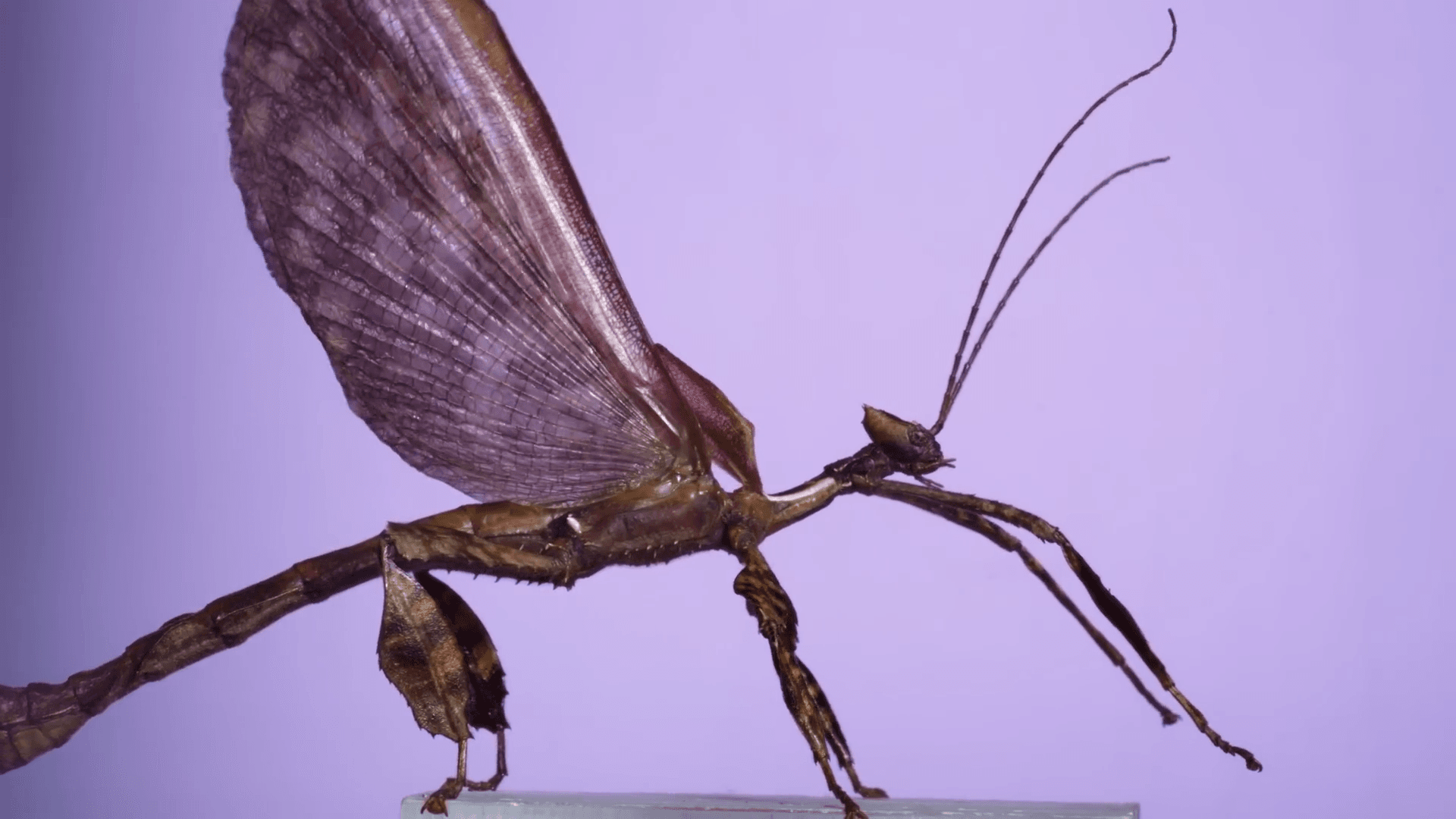
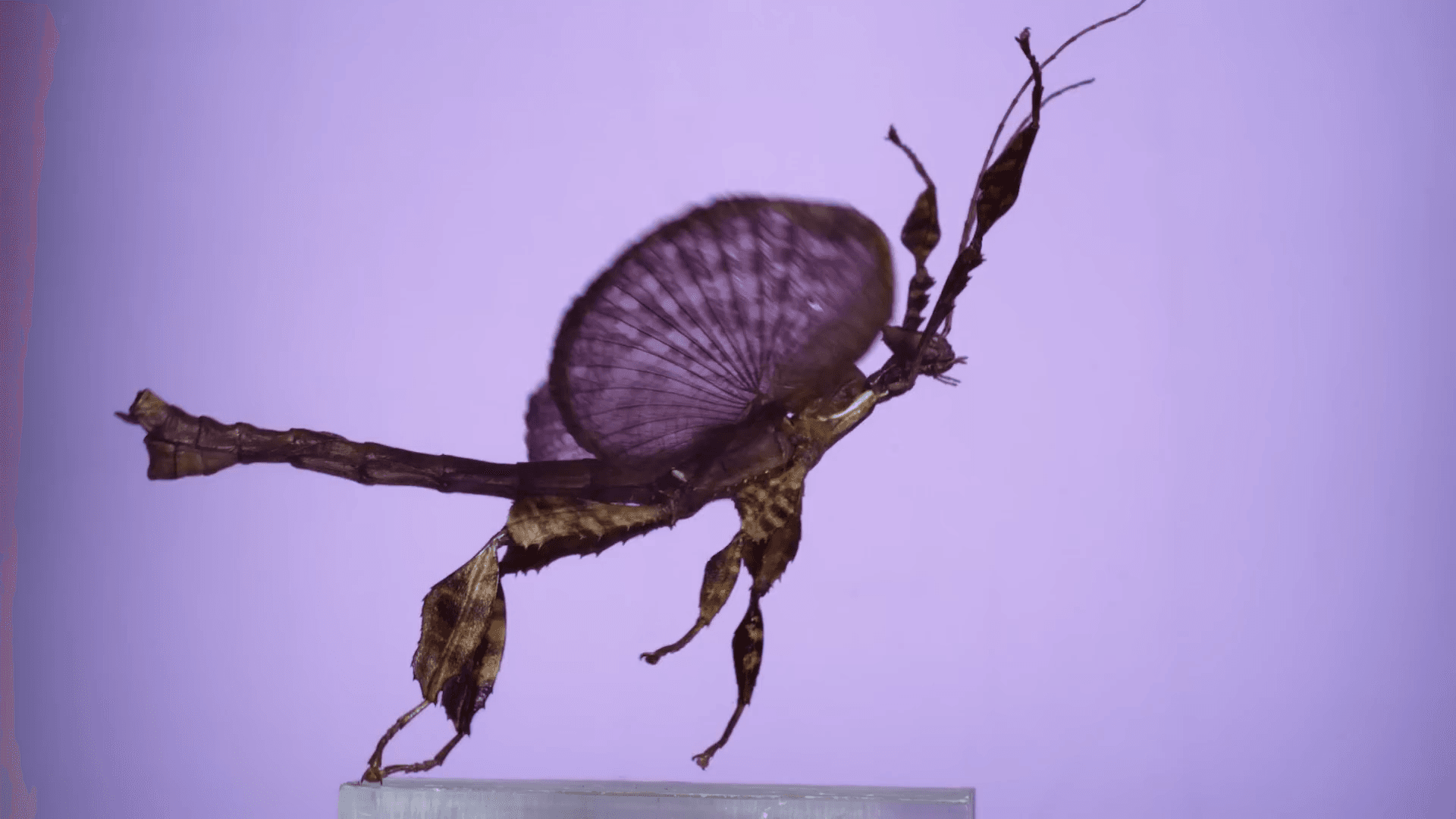
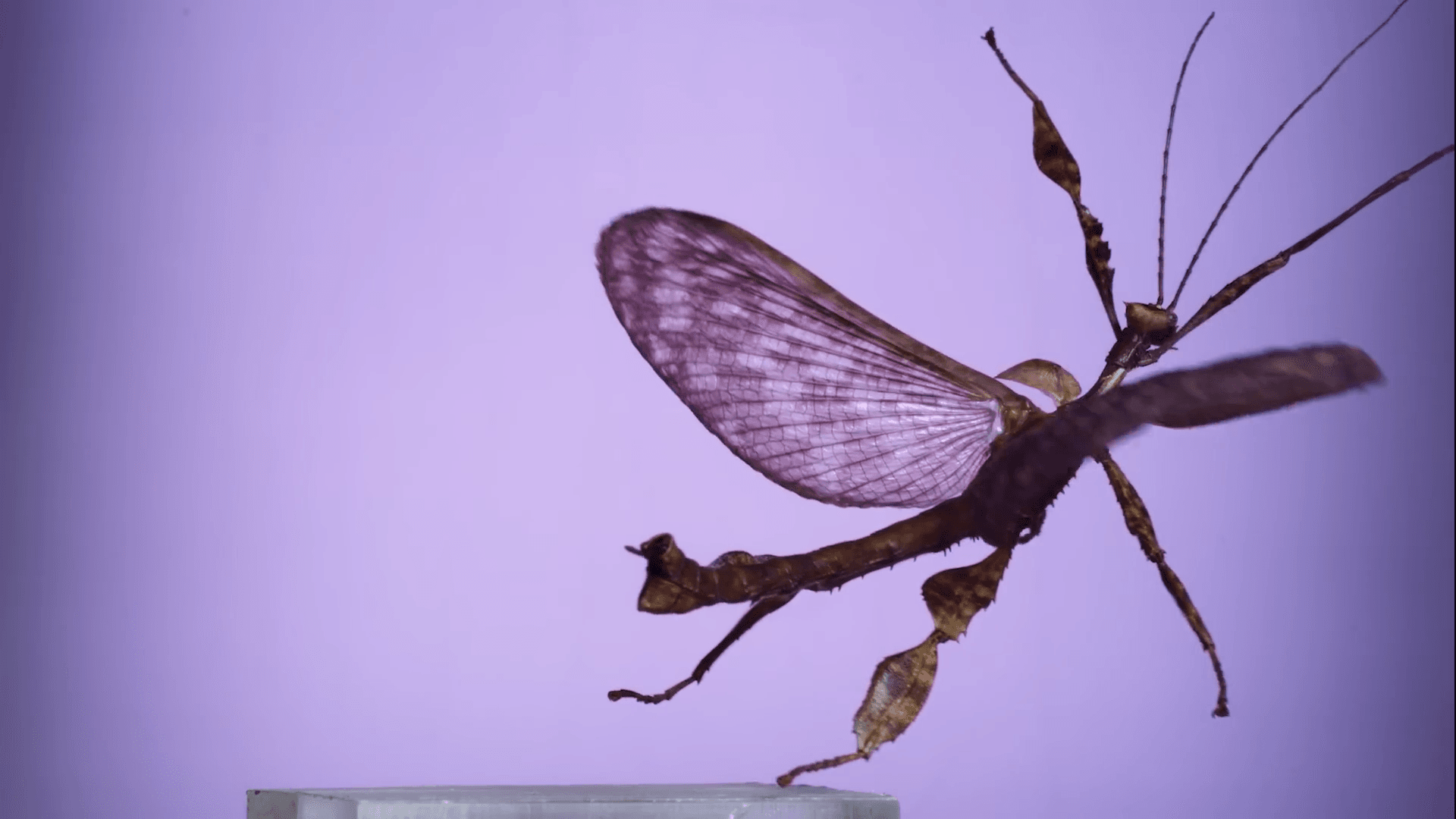
There’s something about watching big, awkwardly-shaped insectstaking off that doesn’t get old. In this video from Ant Lab, we see giant stick insects spreading their wings and taking off. It’s interesting to note that they seem to be wing-first in their take-off; it doesn’t look like they’re doing much, if anything to propel themselves upward with their legs. Instead, it’s the wings flinging air that gets them up. Check out the flex during the full wingstroke! (Video and image credit: Ant Lab/A. Smith)
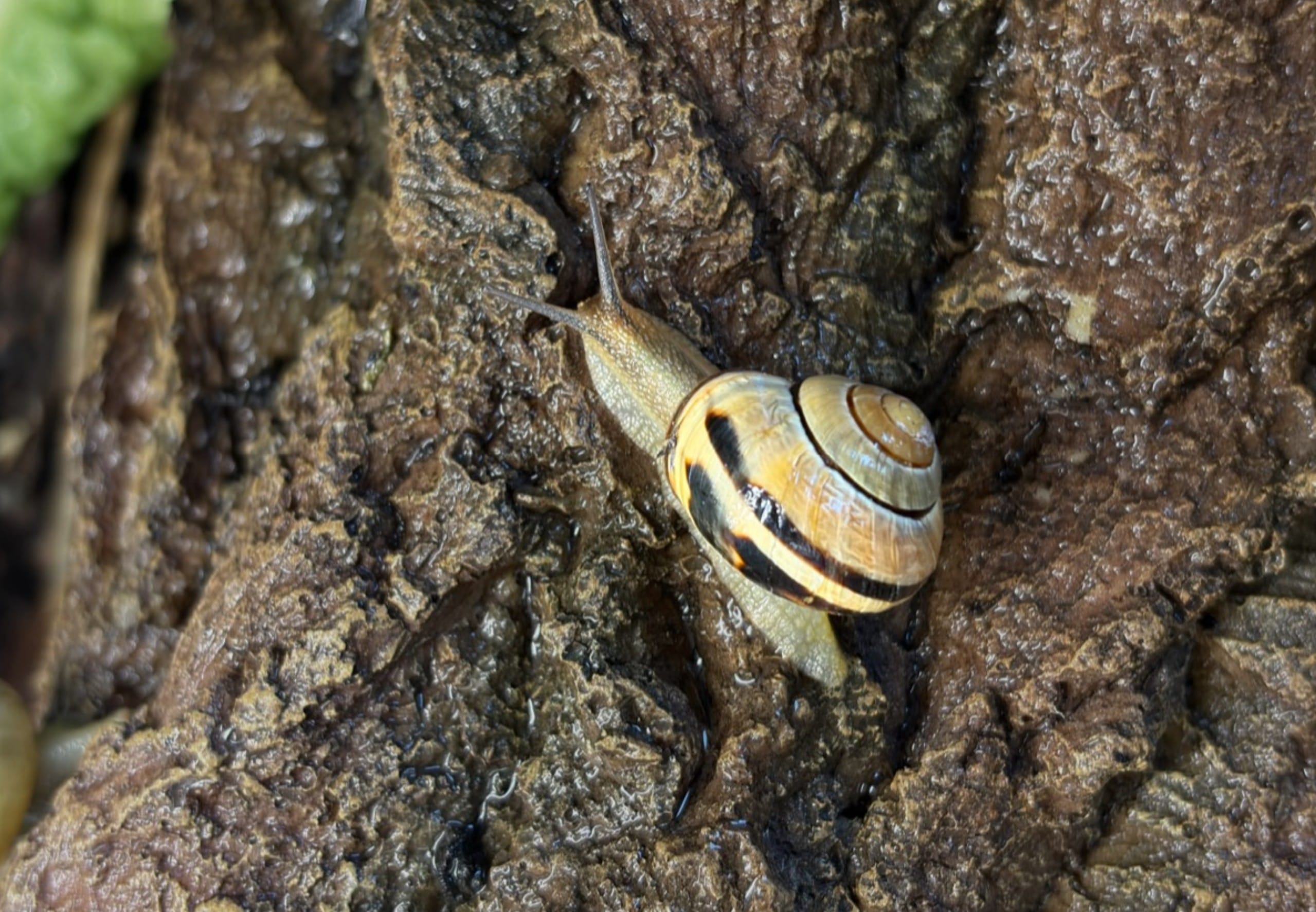
Snails have a mucus for every occasion. The grove snail/lemon snail makes five different varieties: one for lubricating its motion, one for adhering to surfaces, one to seal it in its shell for winter, and two to protect against predators. A new study looks at how those different types of mucus differ.
The basic building blocks of a snail’s mucus don’t vary much. It’s mostly water, spiked with proteins and carbohydrates that give it its complex properties. For the grove snail, collogen VI acts as the main structural component and amorphous calcium carbonate gets added in varying amounts during secretion. By tuning the amount of protein and added calcium, the snails tweak their mucus’ viscoelasticity for each purpose. (Image credit: Max Planck Institute of Colloids and Interfaces; research credit: M. Gabler et al.; via Ars Technica)
The fundamental feature that connects all of these examples is the acceleration of a lighter fluid into a heavier one. For many of them that acceleration is simply the force of gravity, but as with the supernova and nebula, other forces can be responsible for the acceleration. The instability also looks a little different depending on the geometry. The simulation in this post shows a 2D example of the Rayleigh-Taylor instability; three-dimensional versions often look more like umbrellas or mushrooms. (Video and image credit: C. van Heerwaaden)
Thirteen years ago, I made a prediction that work on how to avoid urinal splashback would win an Ig Nobel Prize. Today, I am, at last, vindicated. Randy Hurd, Zhao Pan, Tadd Truscott, and Kaveeshan Thurairajah shared the 2026 Ig Nobel Prize in Physics for their work designing a splash-free urinal.
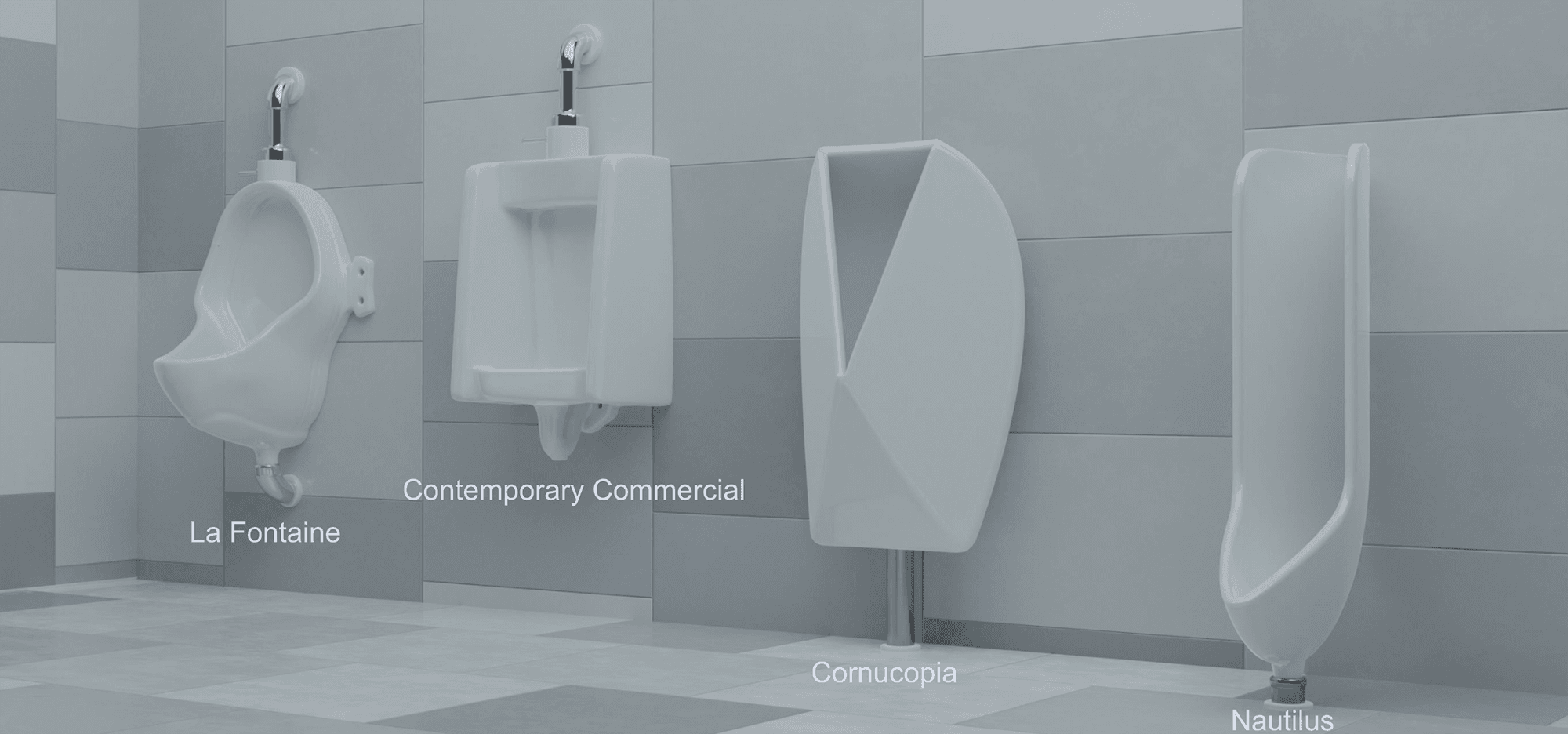
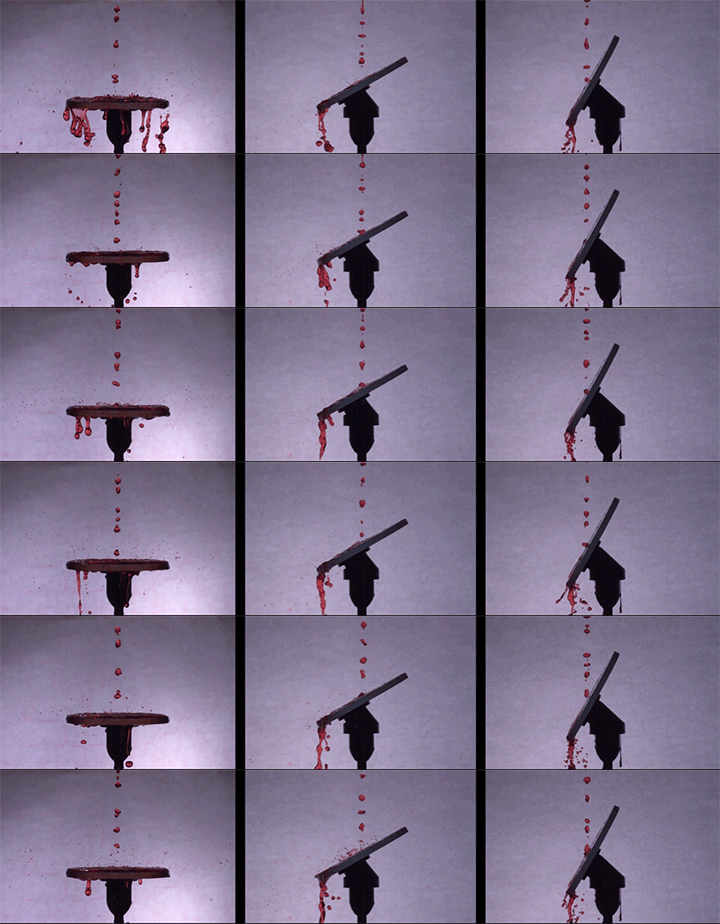
The culmination of this decade-plus of research are two urinal designs, the Cornucopia (“Cornucopeea”) and the Nautilus (“Nauti-Loo”). Both designs minimize splash, in part, through their geometry. As you may have noticed when rinsing dishes, having a stream of droplets hit a surface at a high impact angle creates lots of splash. But at a low impact angle, very little splash occurs. The team took this observation and created designs that minimized impact angle no matter where a user aimed.
How splashback varies with impact angle. High and medium impact angles (left and middle, respectively) generate a lot of splashing from a stream of impacting droplets. In contrast, below a critical impact angle, the splashing is negligible (right).
Naturally, they tested the two new designs, alongside two existing urinal designs, finding that the new urinals reduced splashing by as much as 95% across a range of flow rates and user heights. Although the Cornucopia was the least splashy urinal, the team gave the Nautilus an overall edge because its design is easier to clean and works for children, adults, and wheelchair users.
Considering the estimated 1 million liters of urine contemporary urinals splash across U.S. restrooms daily, the Nautilus could save significant labor and cleaning costs, if implemented. (Image credits: urinals and experiment – K. Thurairajah et al., poster – R. Hurd et al.; research credit: K. Thurairajah et al. and R. Hurd et al.)
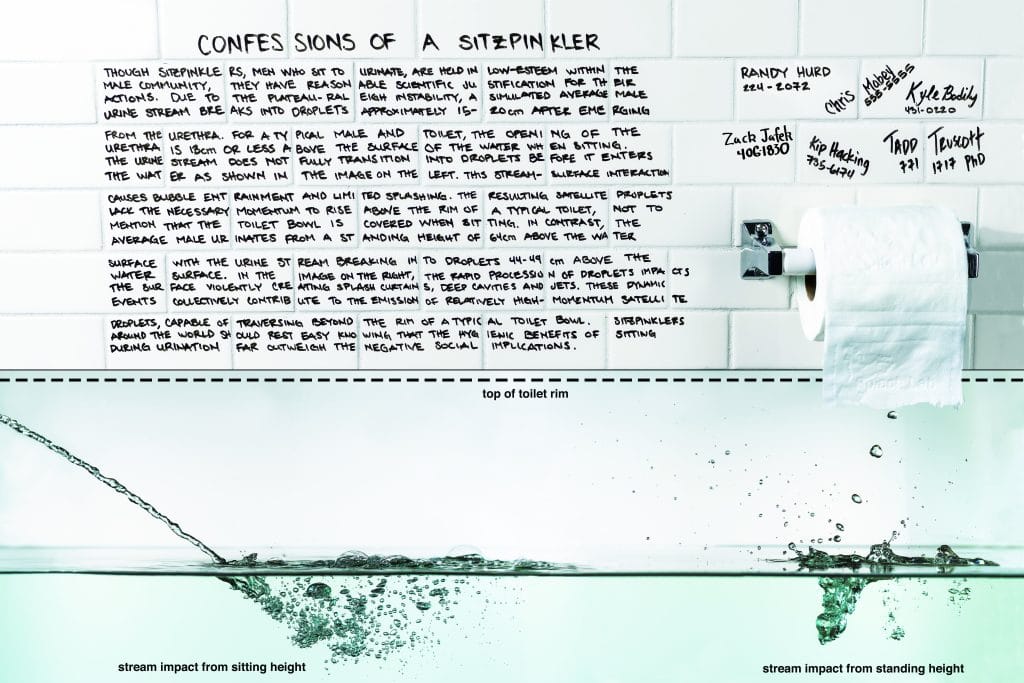
P.S. – As indicated, I’ve followed this work for a long time. In addition to this post, we did a webcast (10 years ago, yikes!) that touched on the topic. But my most in-depth coverage of the story is still to appear in print; you’ll get to enjoy the whole tale–stretching all the way back to 2012–in a chapter of my forthcoming book. More on that soon! In the meantime, please enjoy this gem of a scientific poster from the project’s early days in 2013:
One of the best research posters of all time, designed to look like it’s been written on a tiled bathroom wall. The text reads, “Confessions of a Sitzpinkler. Though Sitzpinklers, men who sit to urinate, are held in low-esteem within the male community, they have reasonable scientific justification for their actions. Due to the Plateau-Rayleigh instability, a simulated average male urine stream breaks into droplets approximately 15-20 cm after emerging from the urethra. For a typical male and toilet, the opening of the urethra is 13 cm or less above the surface of the water when sitting. The urine stream does not fully transition into droplets before it enters the water as shown in the image on the left. This stream-surface interaction causes bubble entrainment and limited splashing. The resulting satellite droplets lack the necessary momentum to rise above the rim of a typical toilet, not to mention that they toilet bowl is covered when sitting.
In contrast, the average male urinates from a standing height of 64 cm above the water surface with the urine stream breaking into droplets 44-49 cm above the water surface. In the image on the right, the rapid procession of droplets impacts the surface violently, creating splash curtains, deep cavities and jets. These dynamic events collectively contribute to the emission of relatively high-momentum satellite droplets, capable of traversing beyond the rim of a typical toilet bowl.
Sitzpinklers around the world should rest easy knowing that the hygienic benefits of sitting during urination far outweigh the negative social implications.”
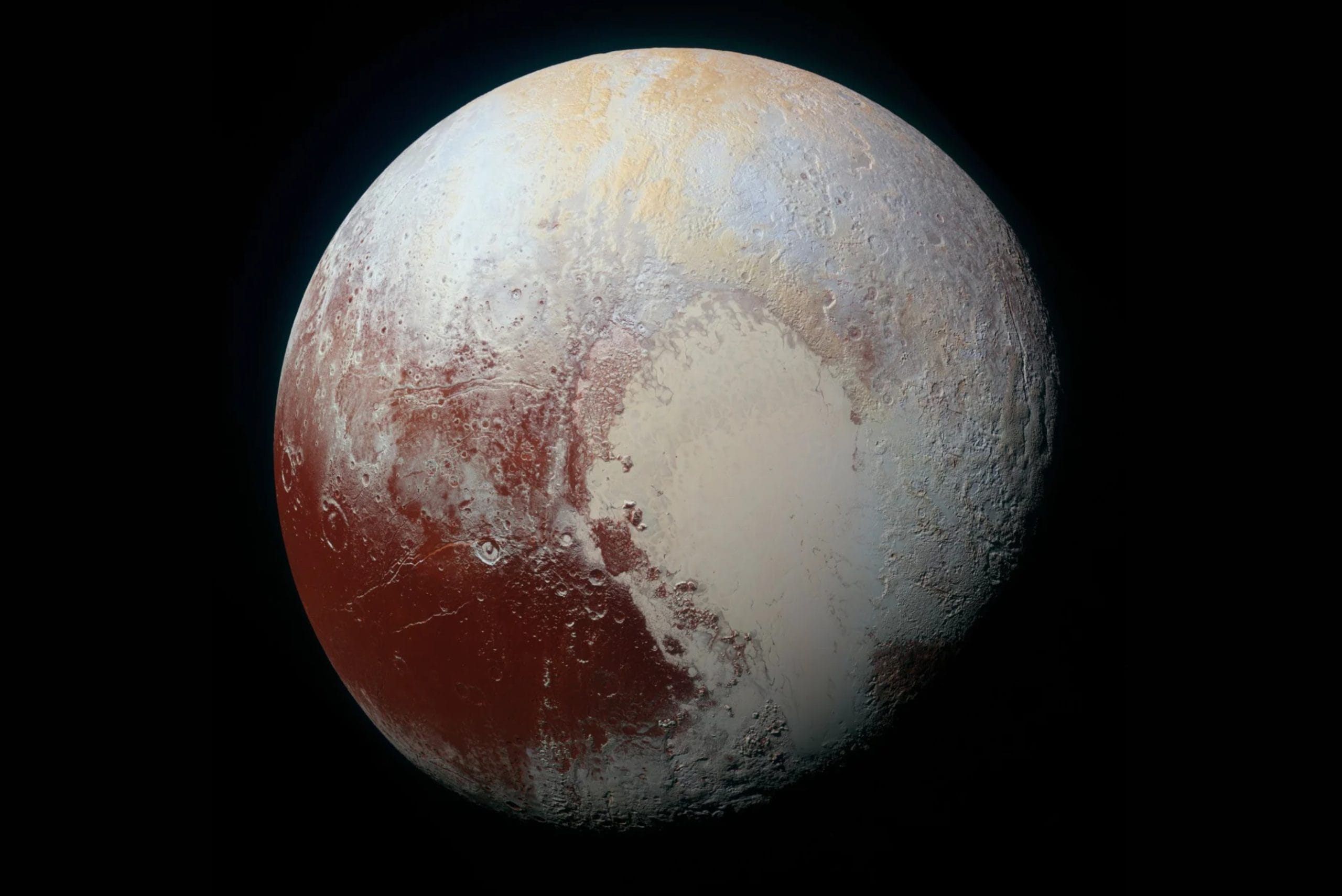
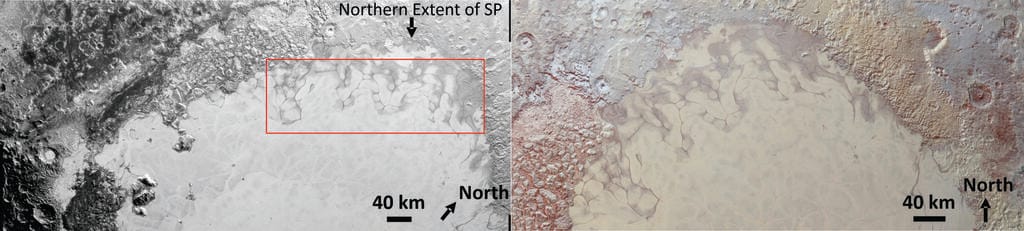
When New Horizons flew by Pluto, the dwarf planet’s bright heart-shaped glacier at Sputnik Planitia garnered much attention. Now scientists think they’ve found evidence that liquid has flowed recently there. In a new study, they argue that dark regions near the glacier’s edge are likely places where liquid nitrogen flows up through the nitrogen ice and spreads in a magma-like process.
Close-up images of Sputnik Planitia, showing dark regions (highlighted in the red box) where glacial-melt liquid nitrogen may be reaching the surface.
At Pluto’s conditions, liquid nitrogen is less dense than its solid form (unlike on Earth), so any melted liquid from the glacier works its way toward the surface. That would happen through faults and cracks, the same way that buoyant magma rises through the Earth’s crust.
The team broke this trek down step-by-step and analyzed how nitrogen could melt in the first place, how it would rise and flow at the surface, and how long it would take for the liquid to re-freeze. They concluded that this cryovolcanism is plausible and may occur not just on Pluto but on other cold worlds like Triton and Eris. (Image credit: NASA/Johns Hopkins APL/SwRI; research credit: S. Stern et al.; via Gizmodo)
Hurricane Katrina’s storm surge flooded roughly 80% of New Orleans when multiple levees breached. In this video, Grady of Practical Engineering breaks down the engineering failures that made Katrina’s flooding so bad. In his typical hands-on fashion, he shows the flaws of the I-wall-topped levee design, and he takes the time to detail how the lessons learned from this disaster propagated into safer engineering practices.
Plus, he’s got a book coming out next spring. Congrats, Grady! I can’t wait to pick up my copy. (Video and image credit: Practical Engineering)
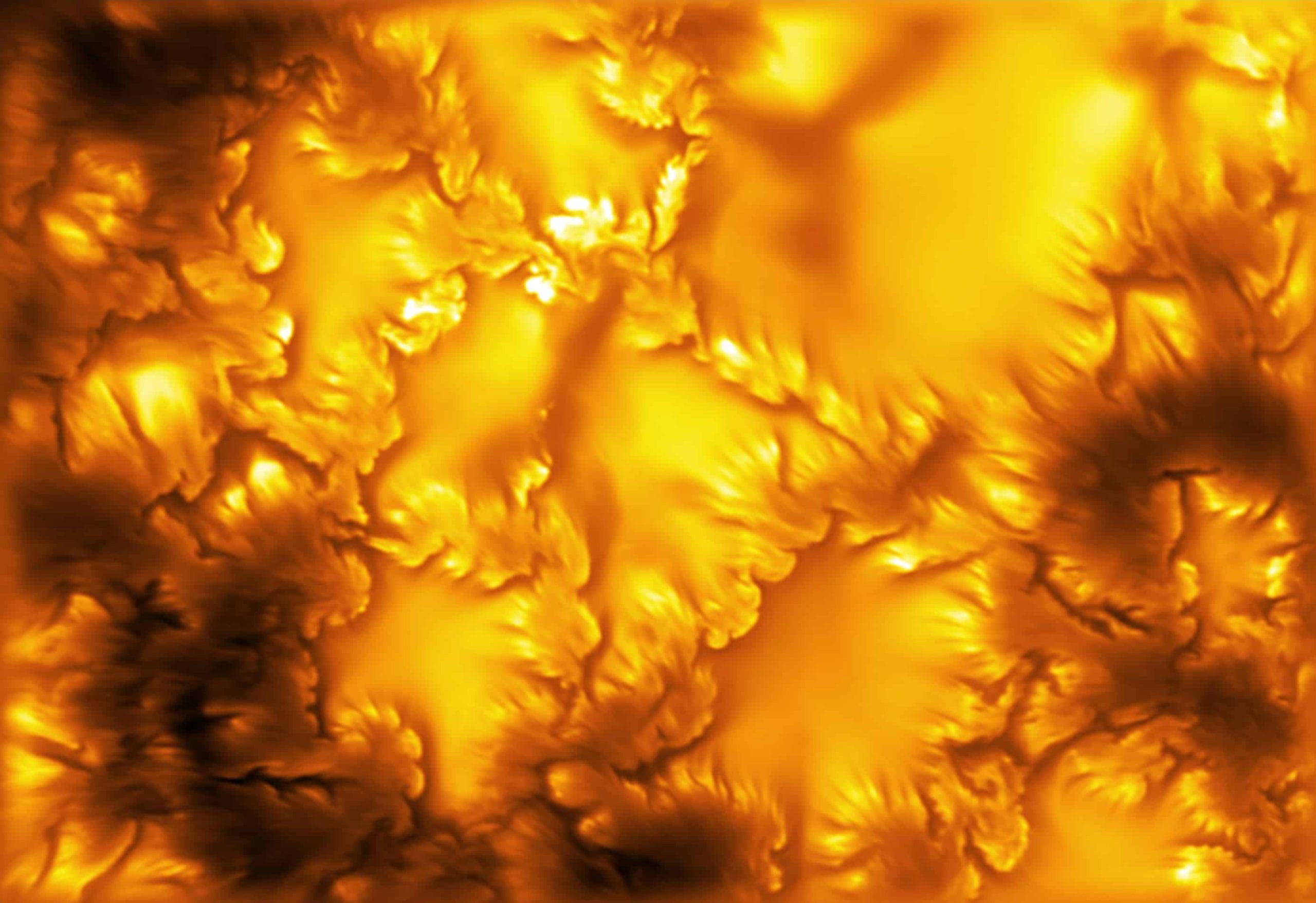
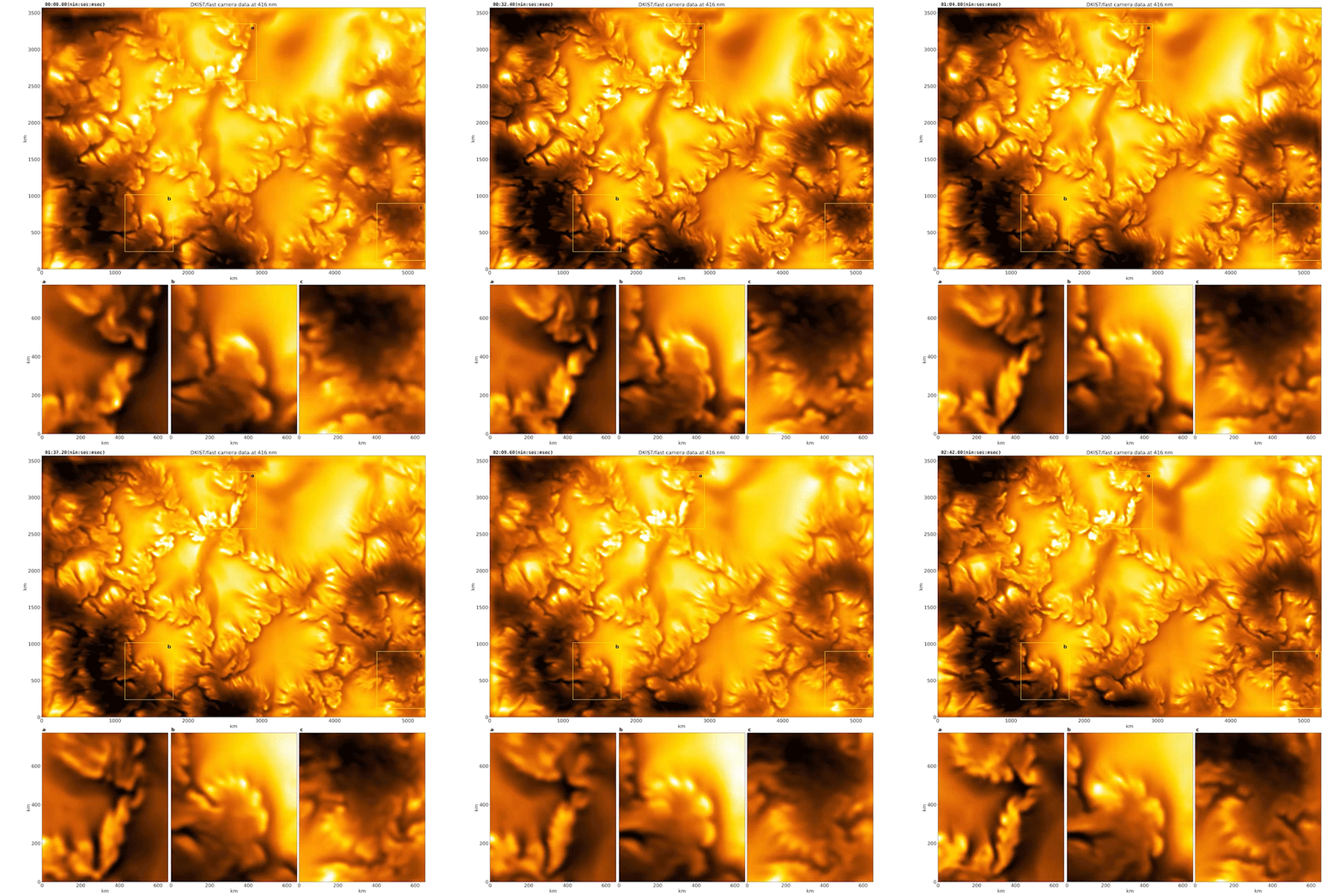
When it comes to how stars like our Sun work, scientists have long relied on theoretical predictions to describe processes we couldn’t observe firsthand. But new images from our most powerful solar telescope have finally revealed a phenomenon that’s long been predicted: Kelvin-Helmholtz waves on the Sun’s photosphere.
Even if the name is unfamiliar, you’re no stranger to Kelvin-Helmholtz waves. They occur where two fluid layers move past one another at different speeds, causing the interface between them to distort and curl into waves. They’re the reason that wind generates waves, whether it’s rippling waves on a lake or giant breaking waves on the ocean.
Animation showing Kelvin-Helmholtz instabilities swirling on the Sun’s photosphere.
On the Sun, small-scale (roughly city-sized) Kelvin-Helmholtz waves were hypothesized to move magnetized plasma in ways that leads to magnetic lines reconnecting in the violent solar eruptions that drive space weather. Although we saw these waves in numerical simulations, this marks their first actual observation on our star. (Image credit: NSF/NSO/AURA/MPS; research credit: D. Kuridze et al.; via APOD)